Viewing entries in
EXHIBITIONS

Comment

Sleeping Beauties: Reawakening Fashion at The Met

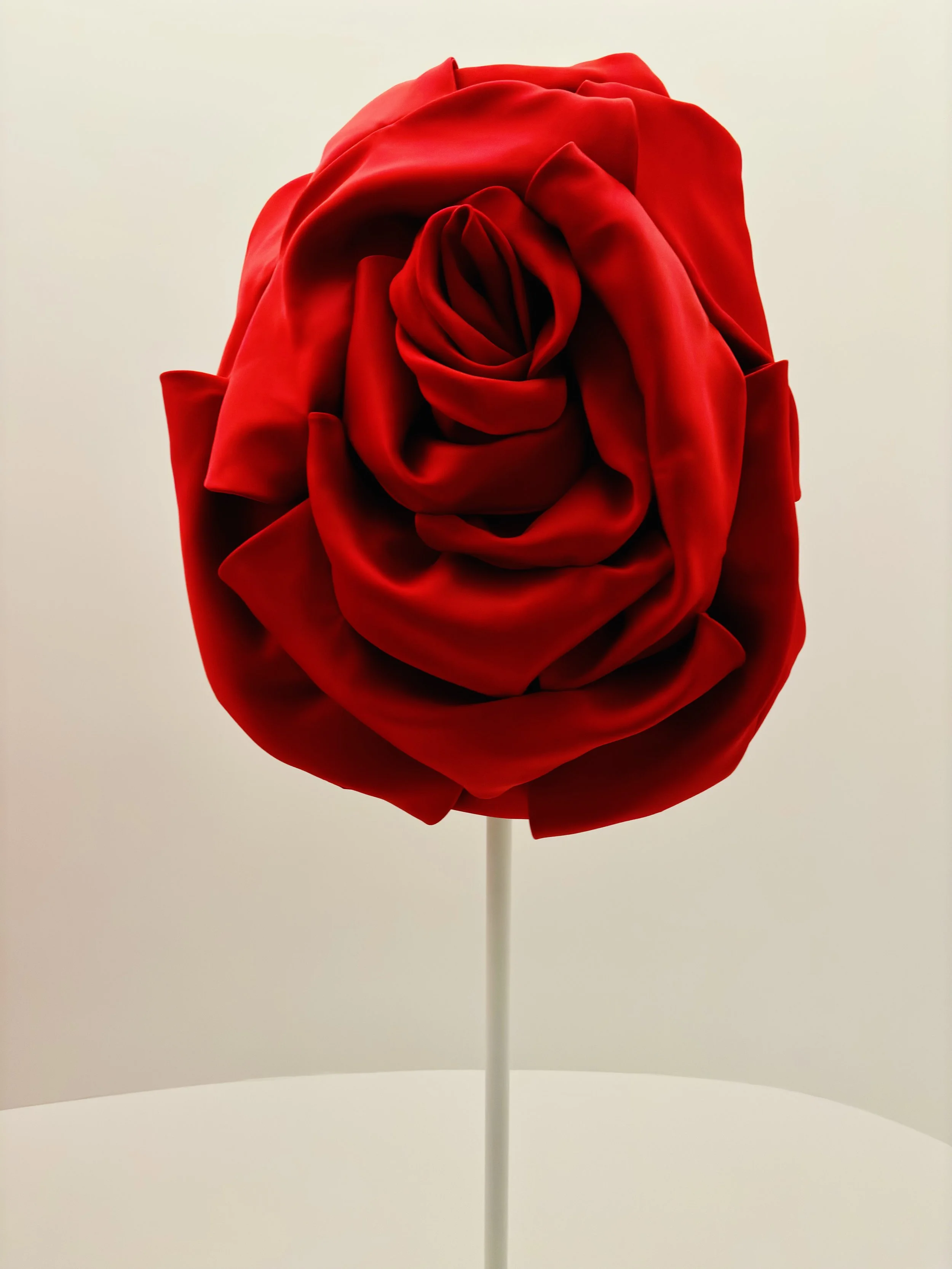
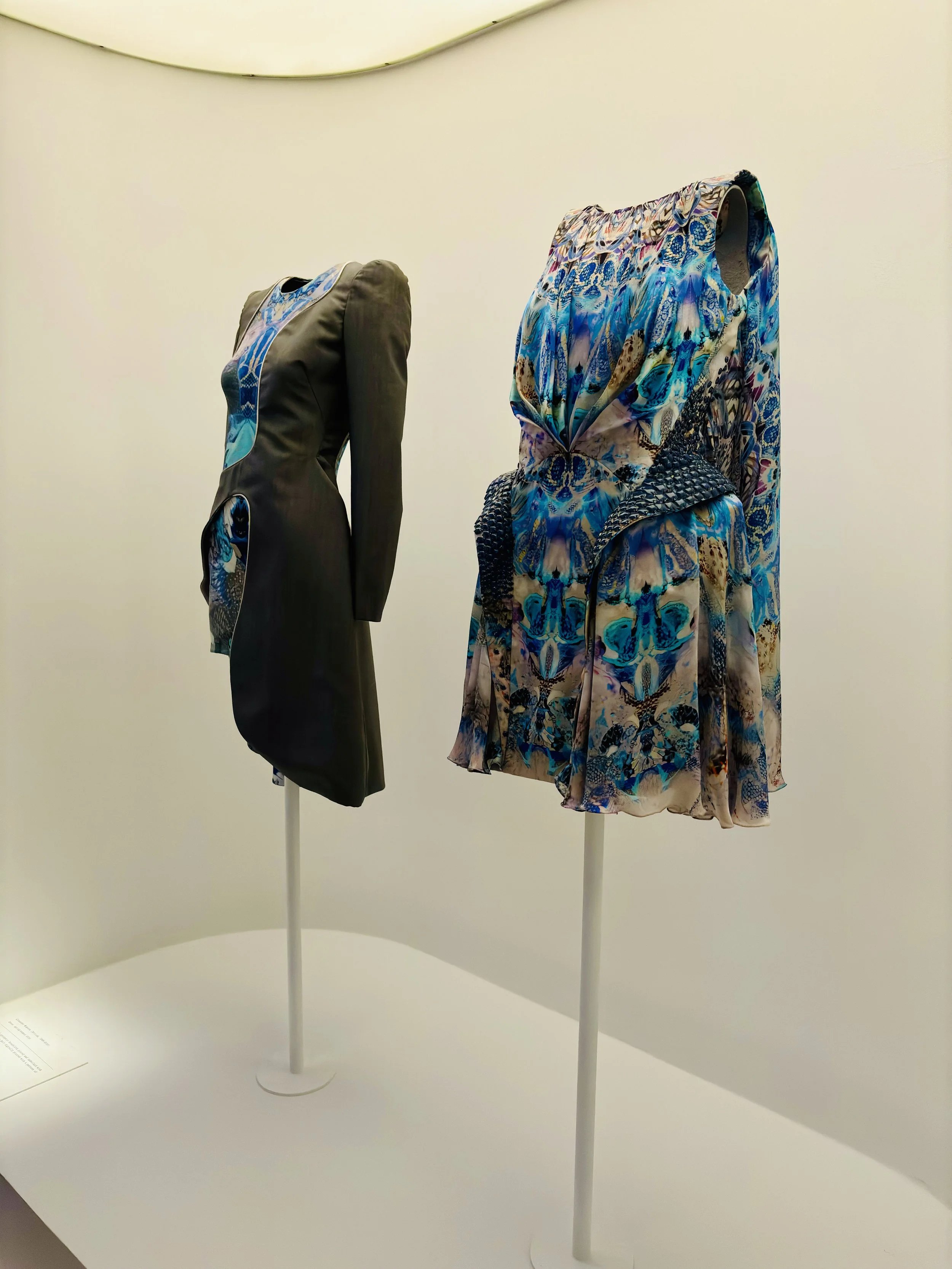
In late spring, we had the chance to visit the Costume Institute's intriguing exhibition, Sleeping Beauties: Reawakening Fashion, at the Metropolitan Museum of Art. Running from May 10 to September 2, 2024, this exhibit beautifully showcased the stories behind 220 garments and accessories from the last four centuries. By blending modern technology with traditional conservation techniques, it invited visitors to experience fashion in an entirely new way, engaging our senses and reviving the vibrancy of these pieces. From the scents of floral motifs to the tactile richness of embroidered walls, each aspect encouraged a deeper connection with the clothing beyond its display.

Join us as we share our experience through the photographs we took in our attempt to capture the essence of this remarkable exhibition.

Metropolitan Museum of Art

Comment

Comment

Ernie Barnes: In Rapture Exhibition at Ortuzar Projects

Ortuzar Projects and Andrew Kreps Gallery proudly present Ernie Barnes: In Rapture, a comprehensive exhibition celebrating the late figurative painter Ernie Barnes. We invite you to explore this retrospective, which spans five decades of Barnes' work and highlights his unique "neo-mannerist" style through genre paintings of sports, dance, music, and everyday life. From his early sports paintings to his later cultural influence, the exhibition takes its title from Barnes' painting "In Rapture," featured on B.B. King's 2000 album cover. Barnes' art captures the fluidity and joy of human movement, drawing inspiration from Italian Mannerists and American masters such as Thomas Hart Benton and Norman Rockwell. Despite growing up in the segregated South, Barnes' passion for art was nurtured by his mother and further developed through his studies and athletic scholarship at North Carolina Central University.

Barnes' career began in professional football, but he soon transitioned to a full-time artist, frequently depicting dynamic sports scenes. His art evolved to embrace broader cultural themes, notably in his "The Beauty of the Ghetto" exhibition, which toured American cities in the 1970s and highlighted the vitality of mid-century Black southern life. This exhibition marked a pivotal moment, integrating his work into popular culture, including the CBS sitcom Good Times. Barnes' later works continued to celebrate communal joy and individual passion, portraying scenes of music and dance that resonated deeply with audiences. His collaborations with musical artists further emphasized his ability to capture the spirit of Black culture through his vibrant, rhythmic paintings. The exhibition is on view through July 15.

Ortuzar Projects

Comment

Comment

The Harlem Renaissance Exhibition at The Met

We cordially extend our recommendation to explore The Harlem Renaissance and Transatlantic Modernism exhibition at the Met Fifth Avenue, it is truly remarkable! This exhibit showcases a rich variety of art forms, including paintings, photographs, sculptures, and more. Each piece's provenance, whether on loan from other institutions or from private collections, adds depth to the experience, fostering a profound appreciation for its assembly in a singular, elegant setting.

Of particular note is Abdul Karim with a Green Scarf, 1916 by Edvard Munch, graciously loaned from the Munch Museum—a testament to the diverse array of artwork on display, some of which might otherwise remain undiscovered without venturing to Oslo or exploring tours of Historically Black Colleges and Universities (HBCUs), which have generously contributed several works. The craftsmanship of Winold Reiss is also deserving of admiration; his portraits radiate dignity and warmth, each pastel stroke infused with beauty.

Additionally, we encourage visitors to explore Women Dressing Women at the Costume Institute (on view through March 10)—a brief yet captivating glimpse into the creative works of over seventy women's fashion designers. This exhibition provides a fitting complement to the enriching experience of The Harlem Renaissance and Transatlantic Modernism (on view through July 28).

Metropolitan Museum of Art

Comment