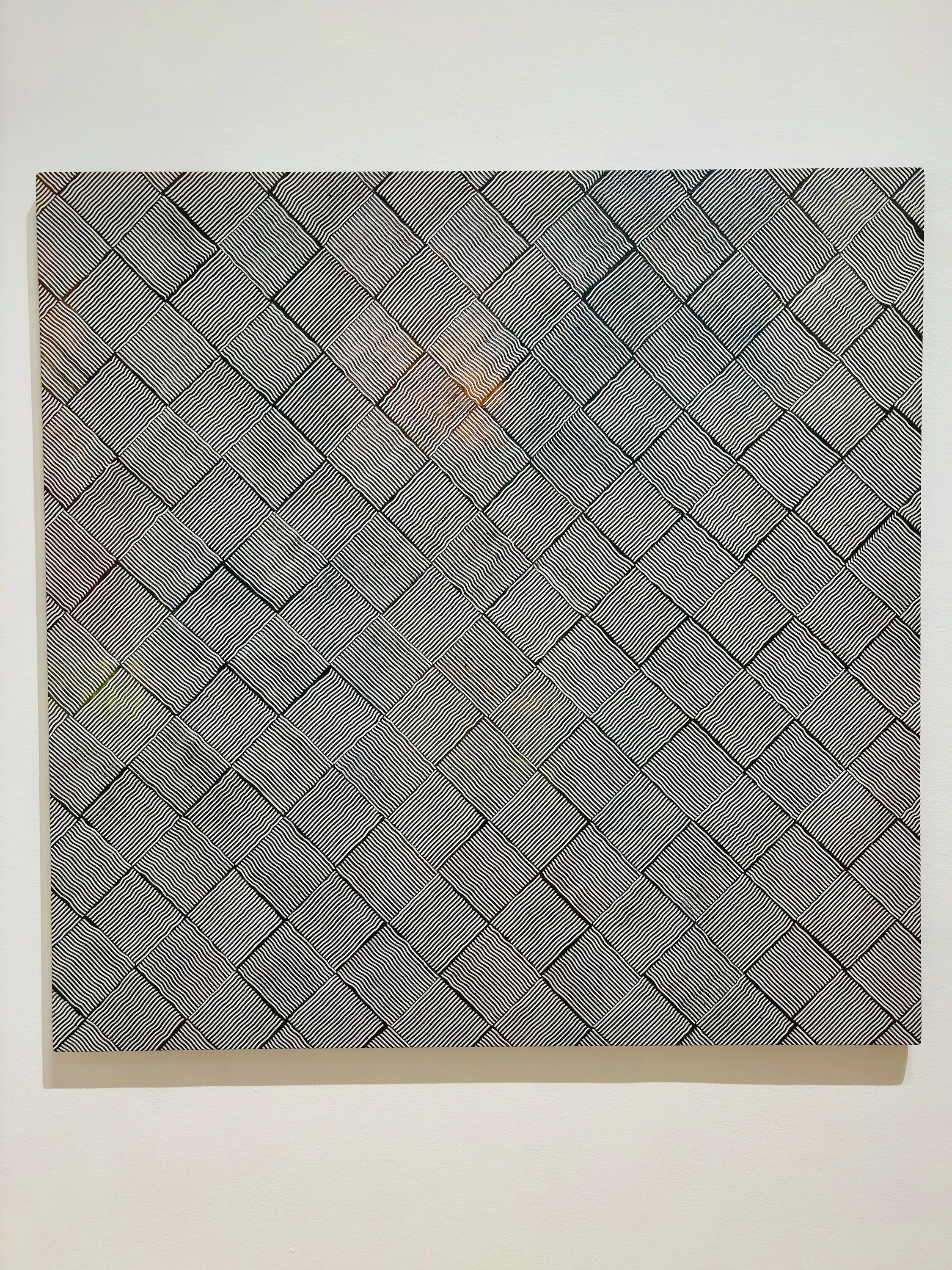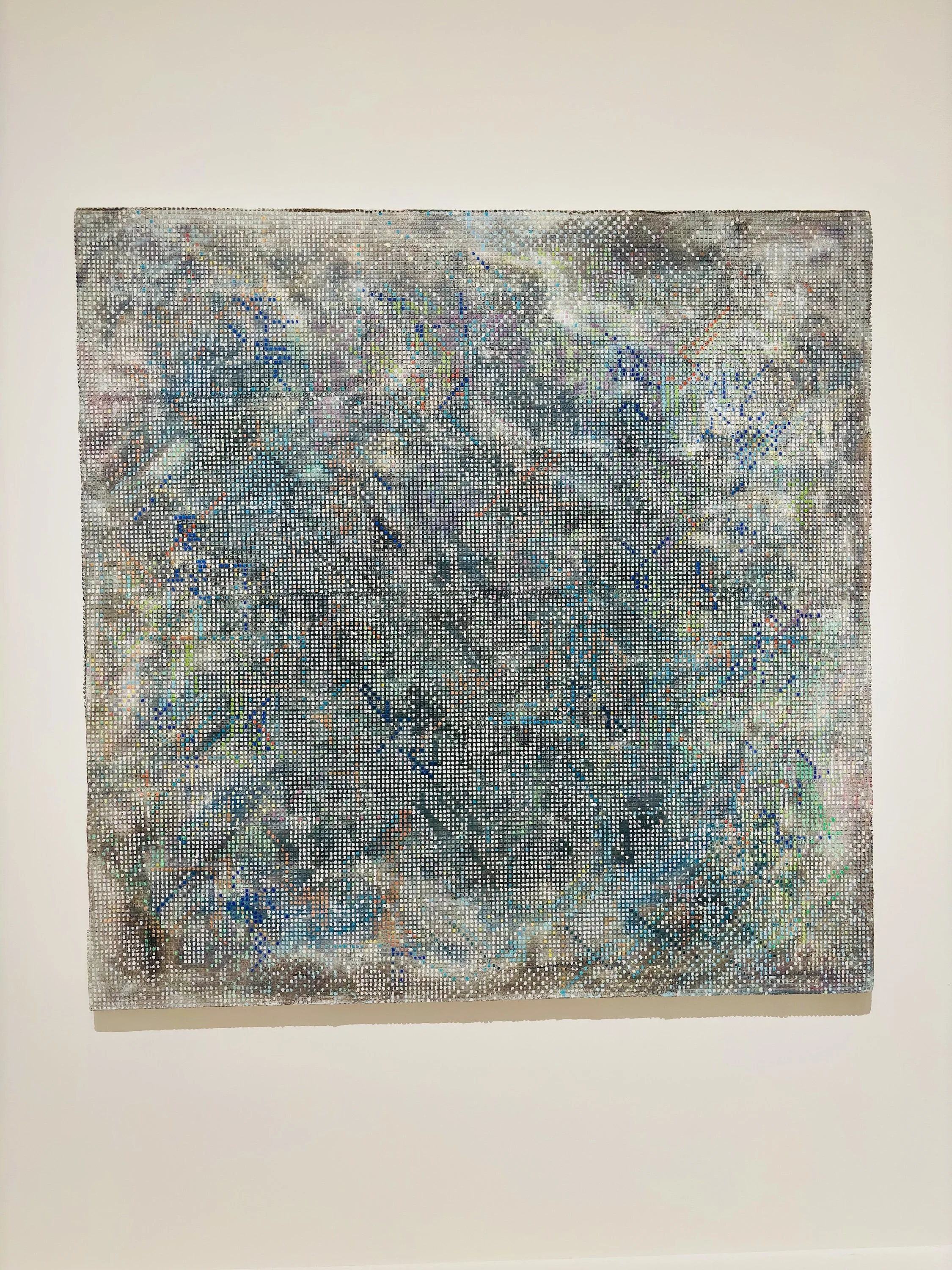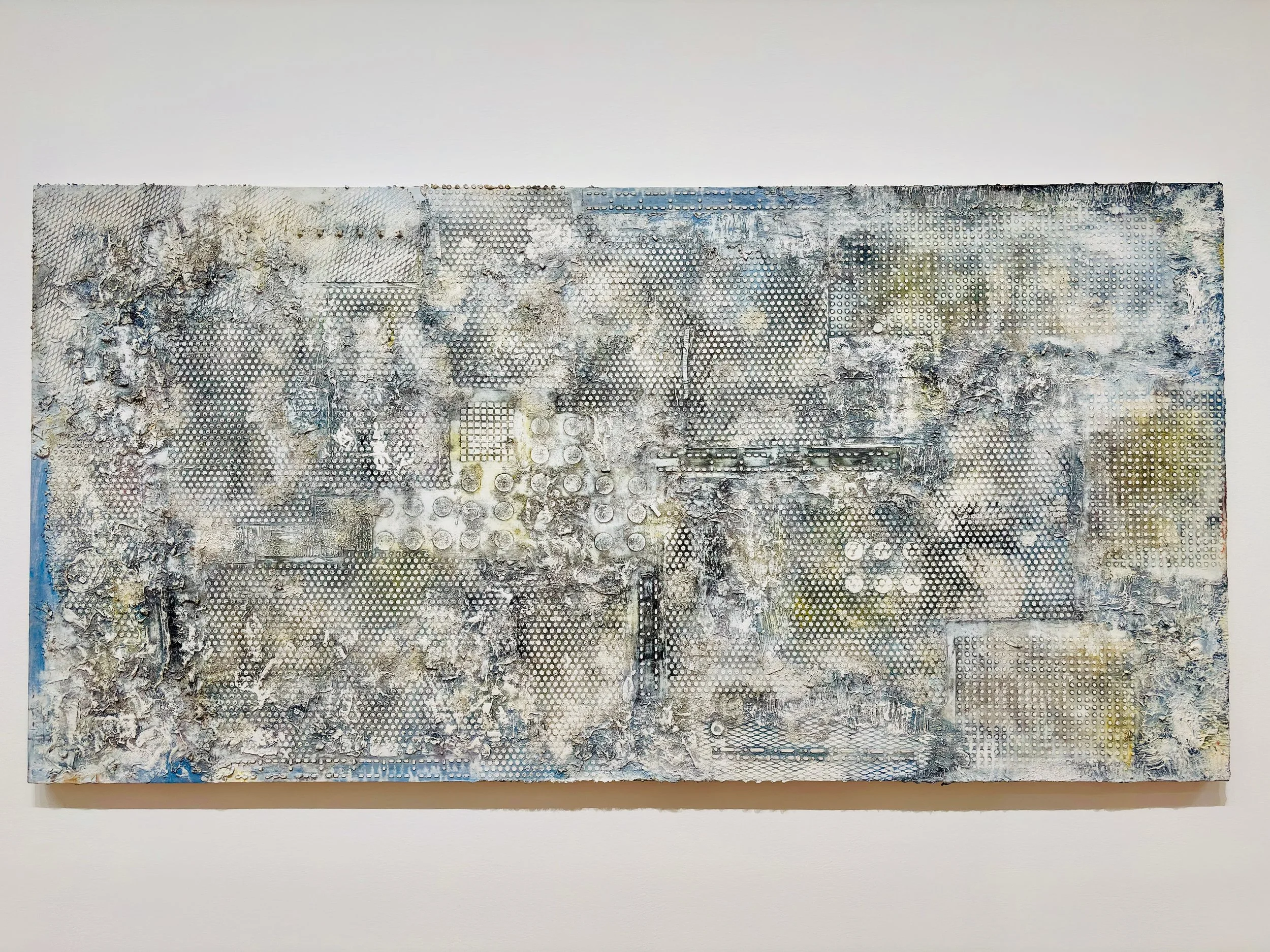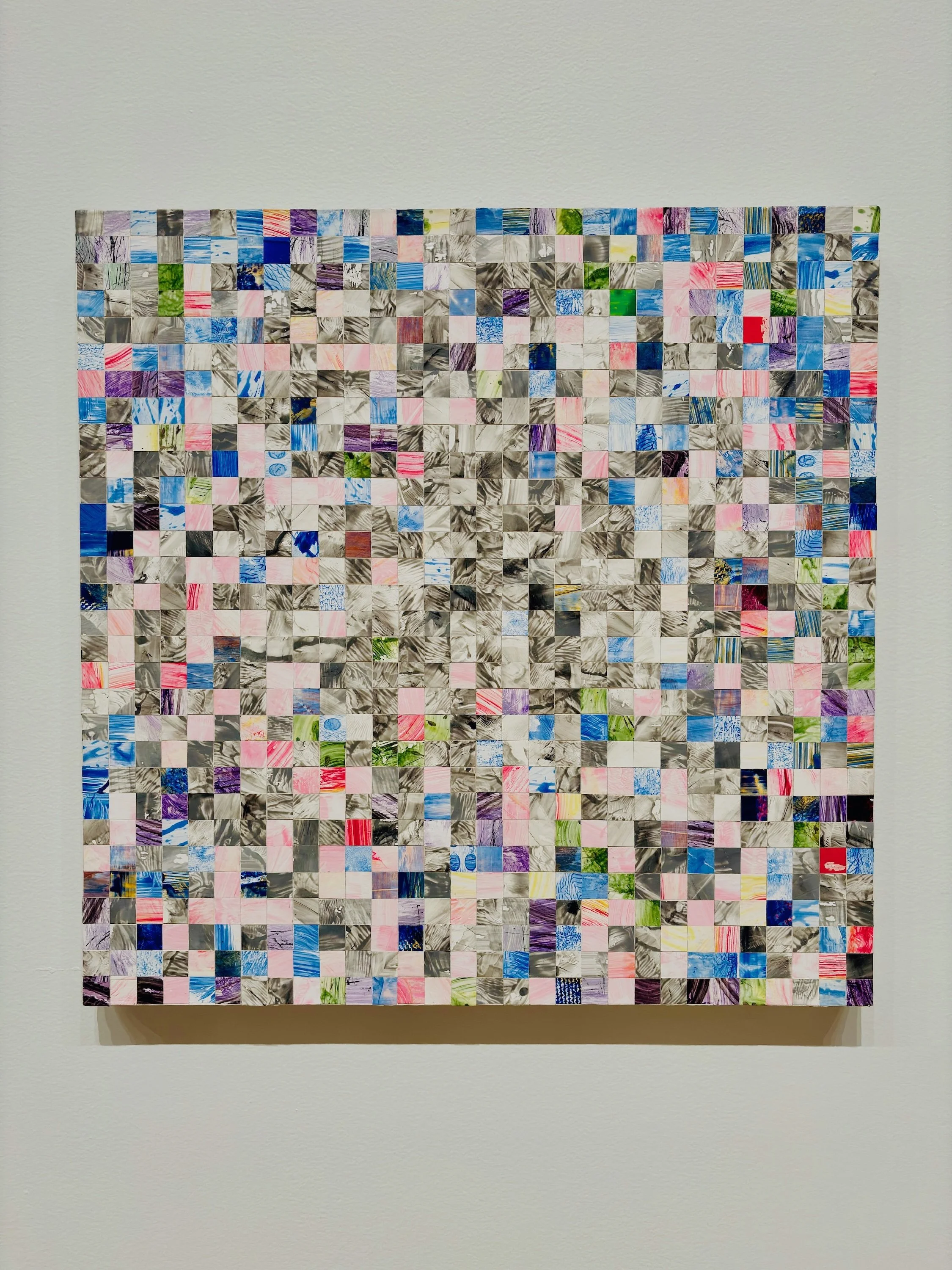
Woven Histories: Textile and Modern Abstraction at MoMA

Comment

Woven Histories: Textile and Modern Abstraction at MoMA

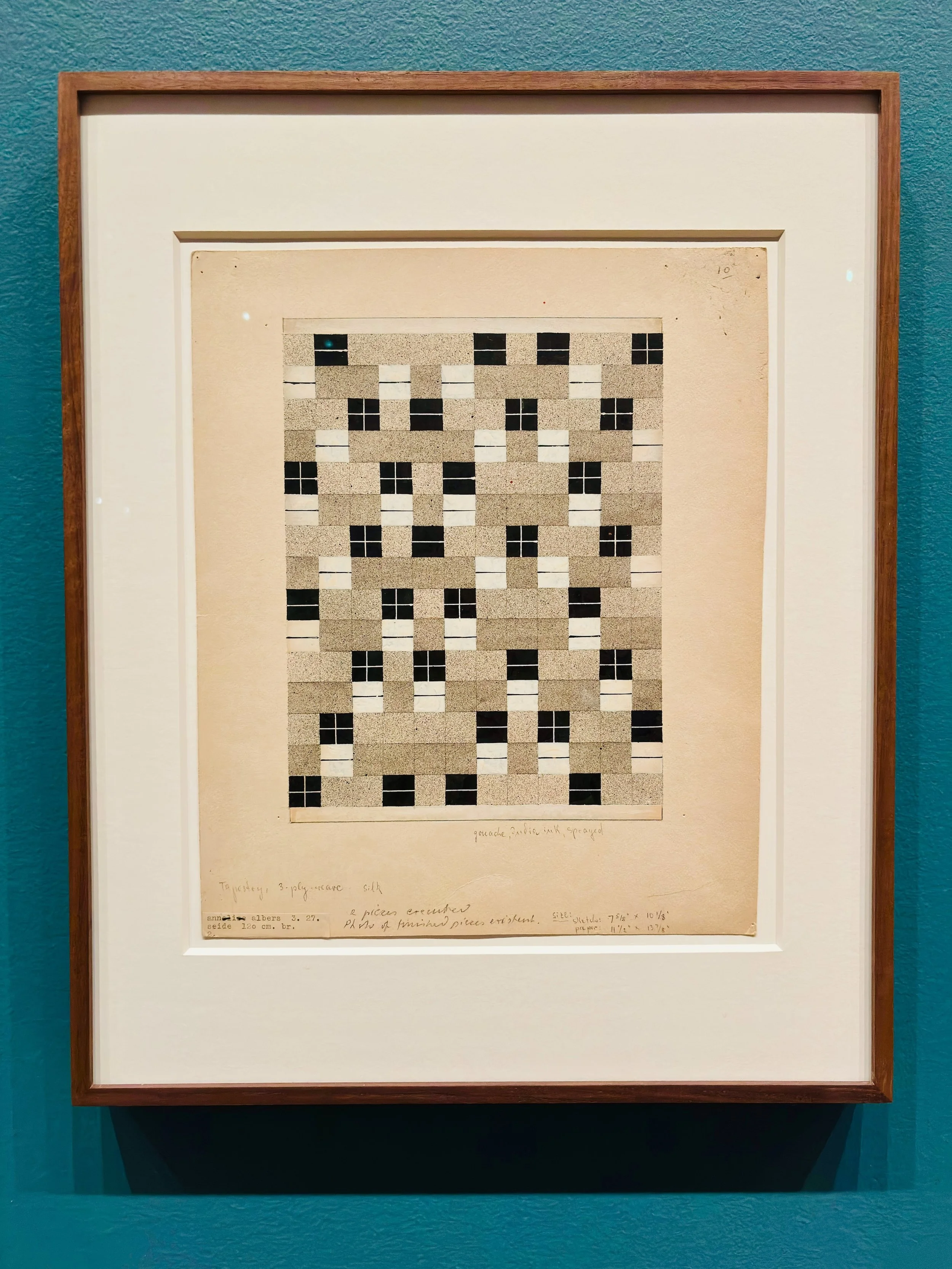
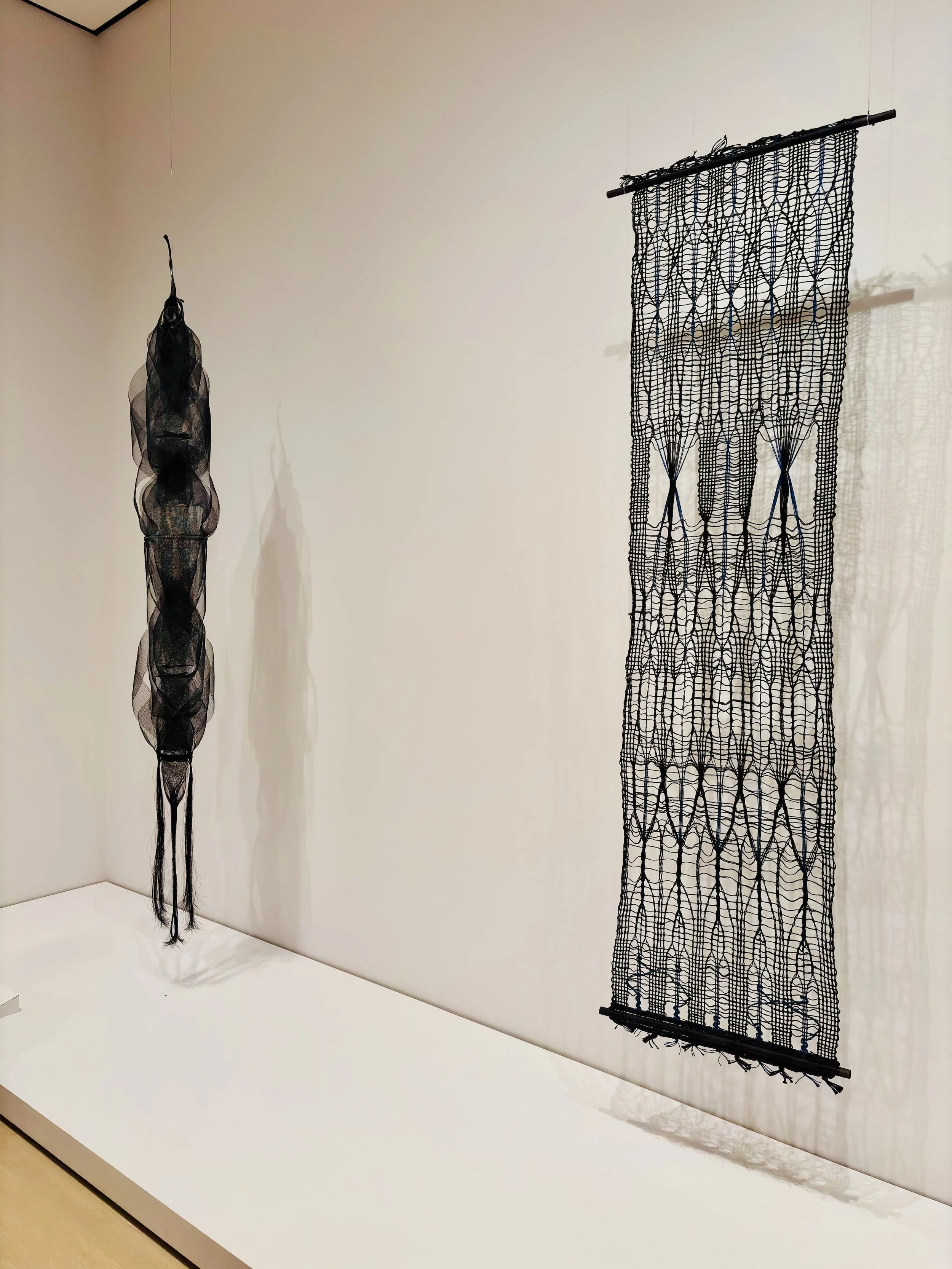
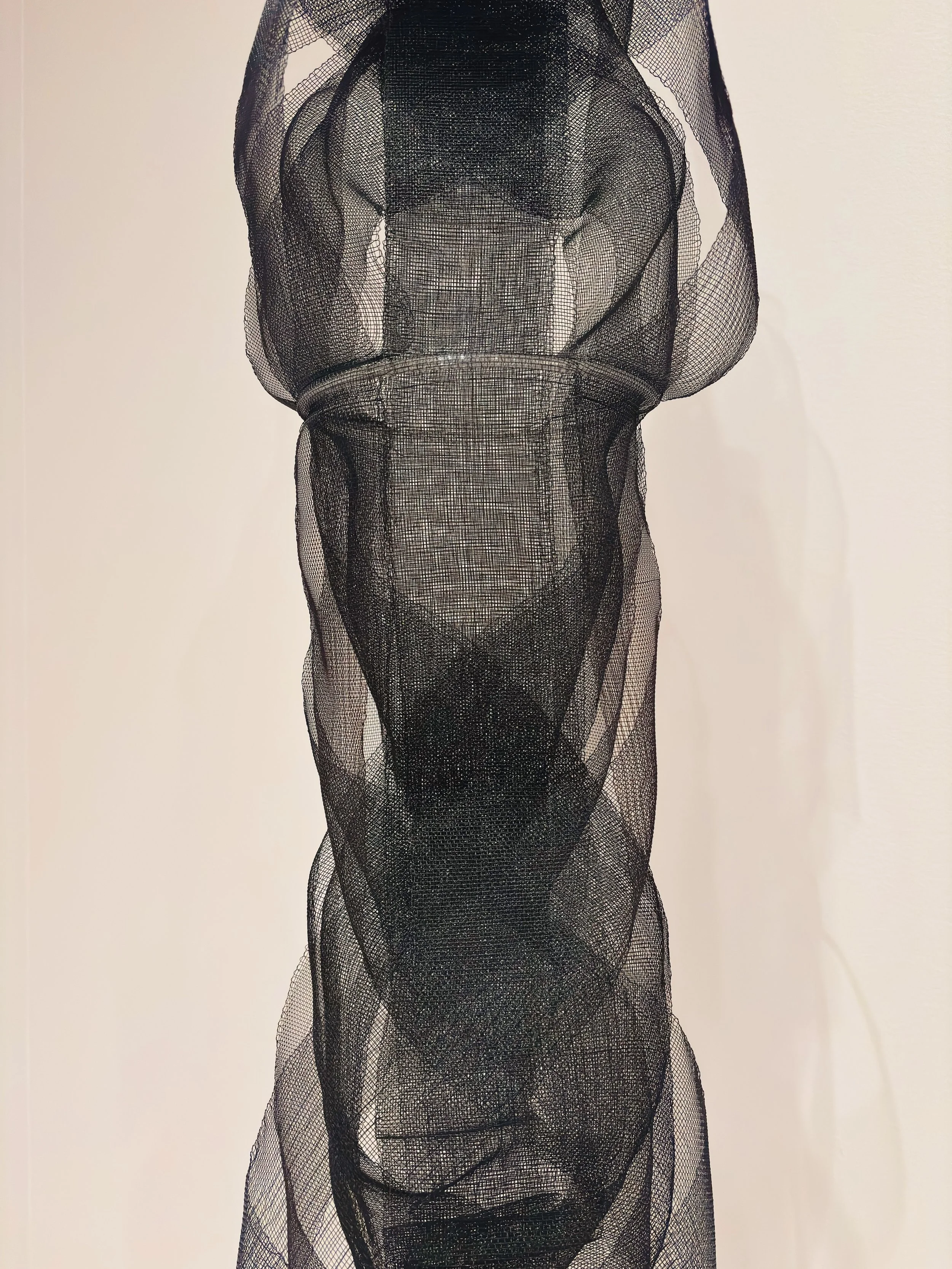
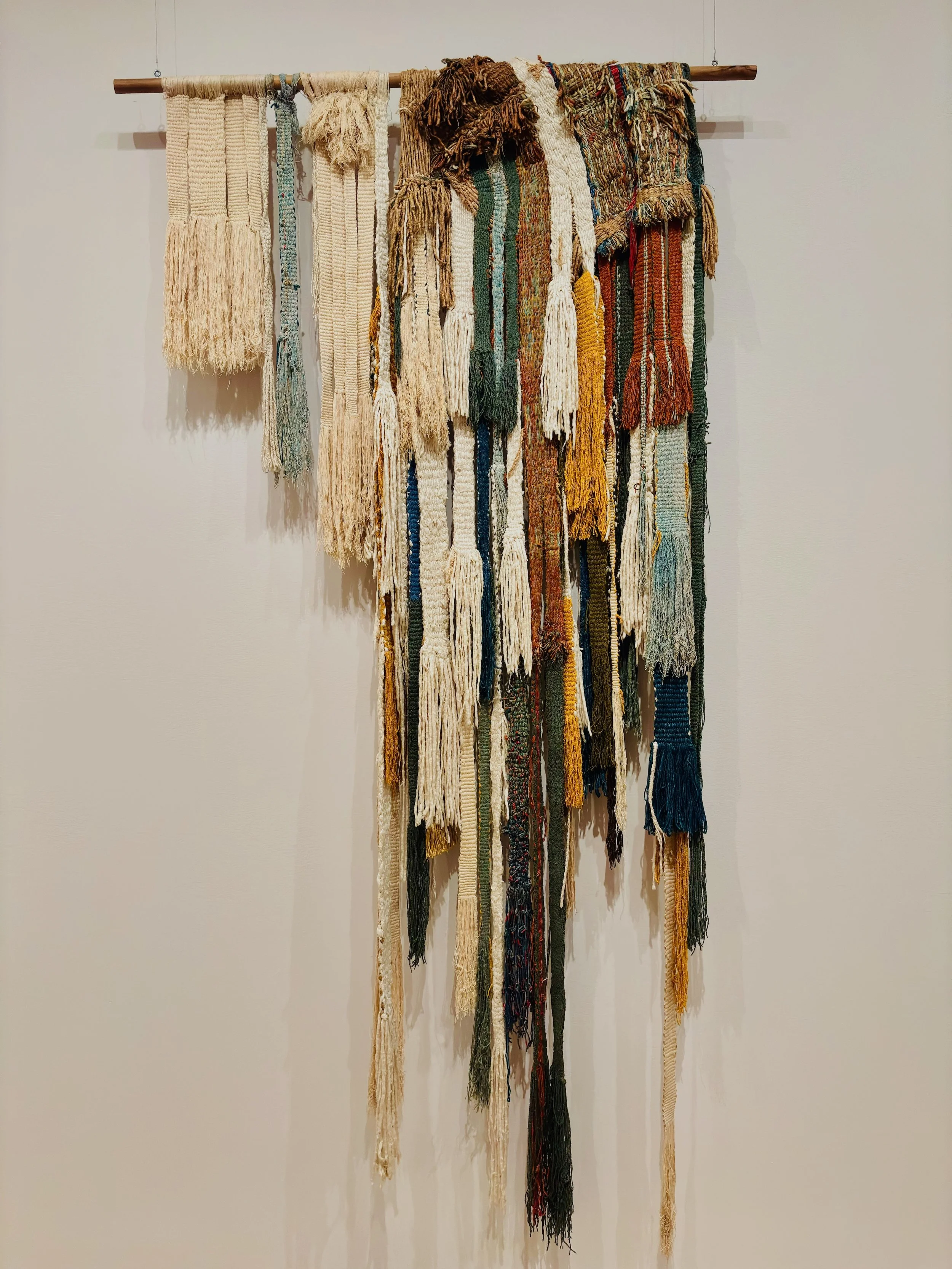
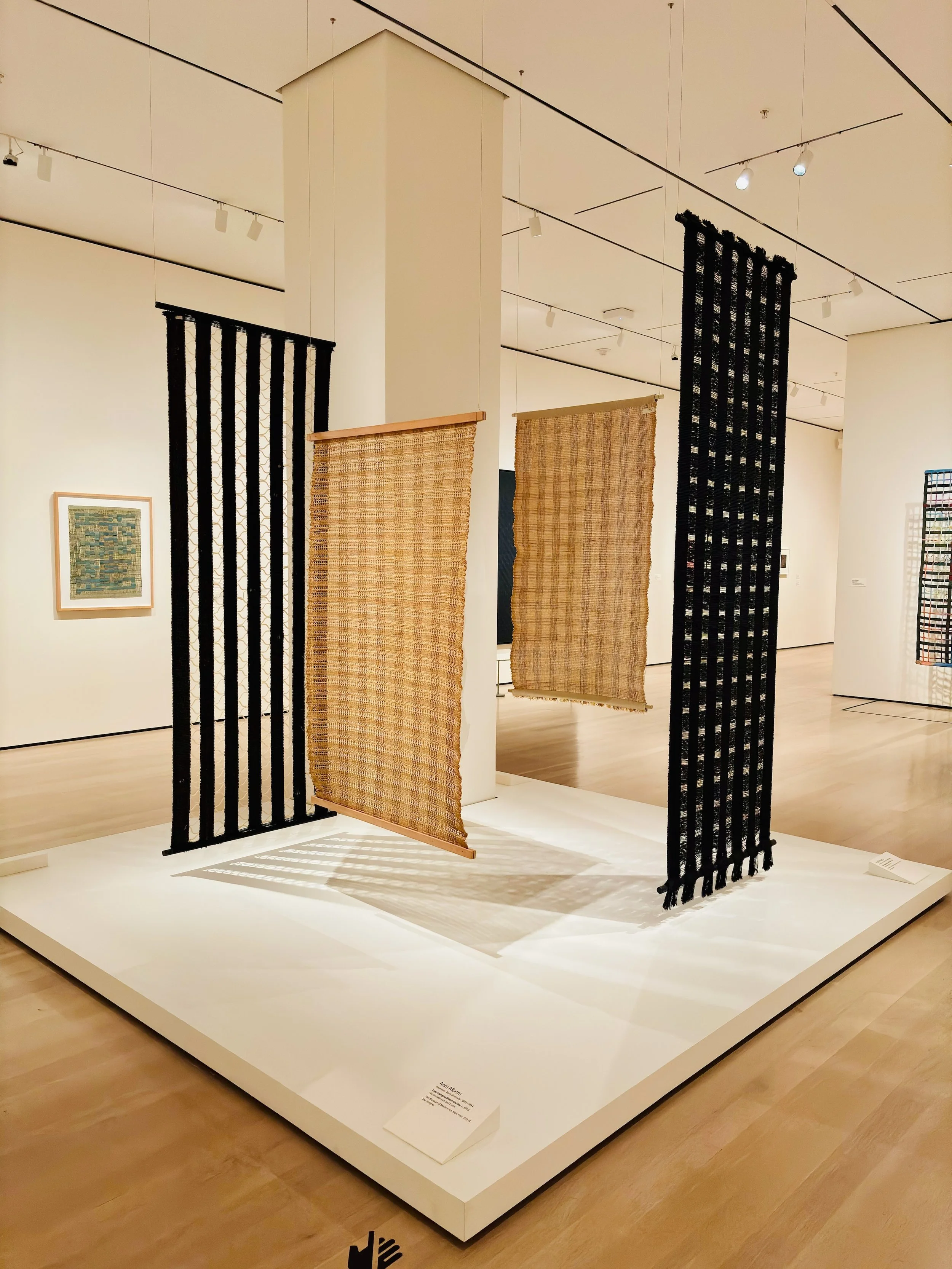
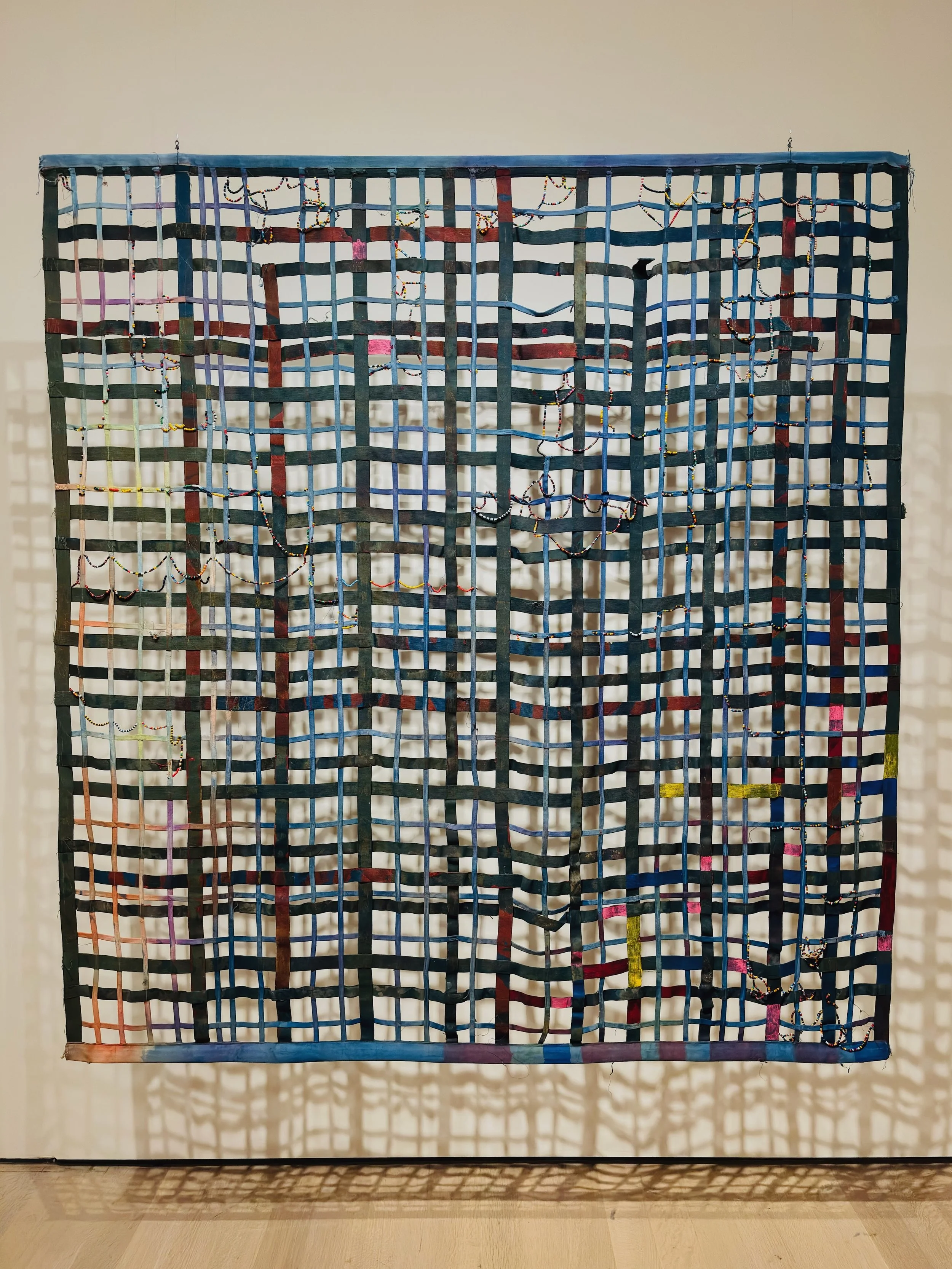
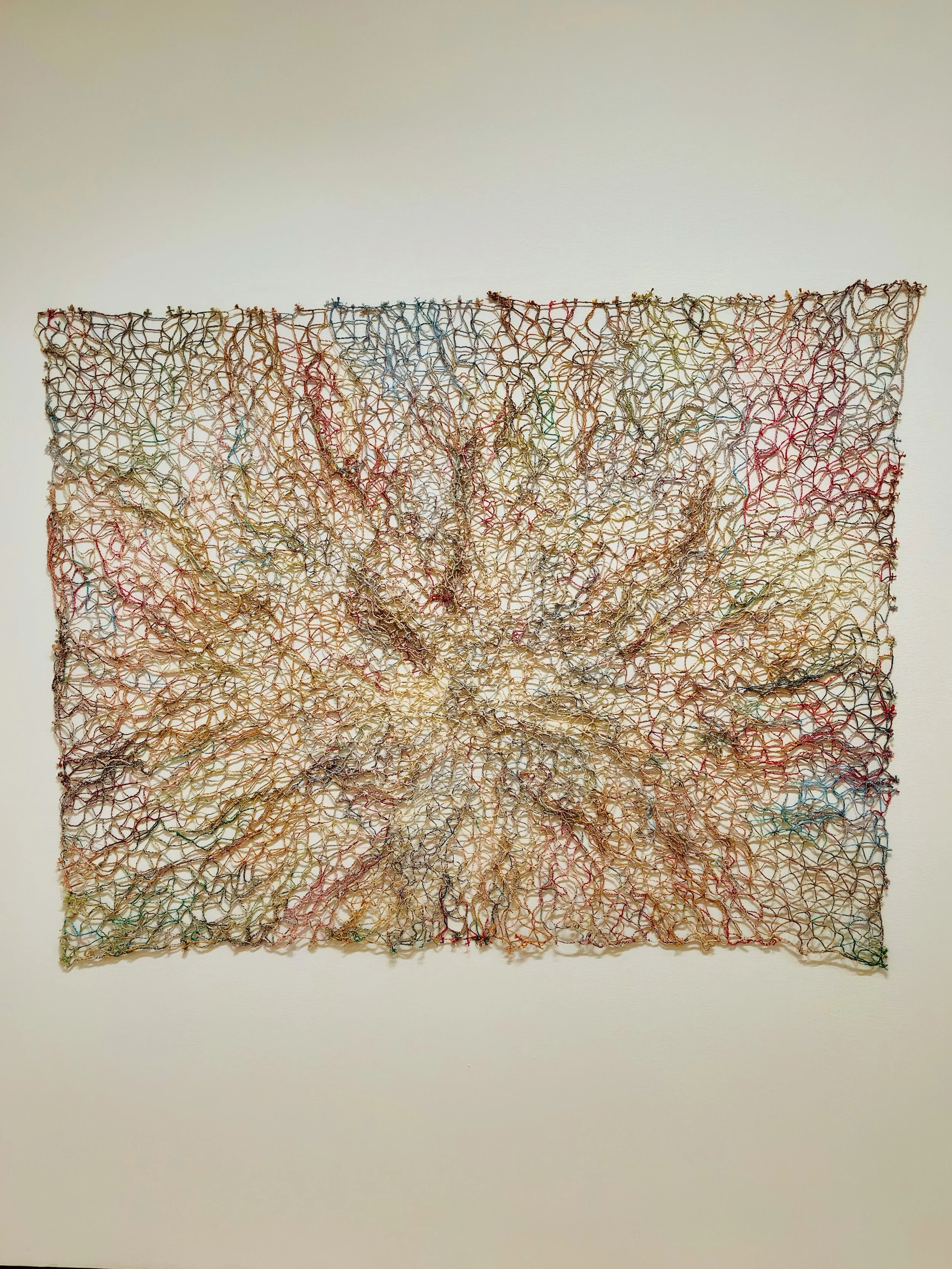
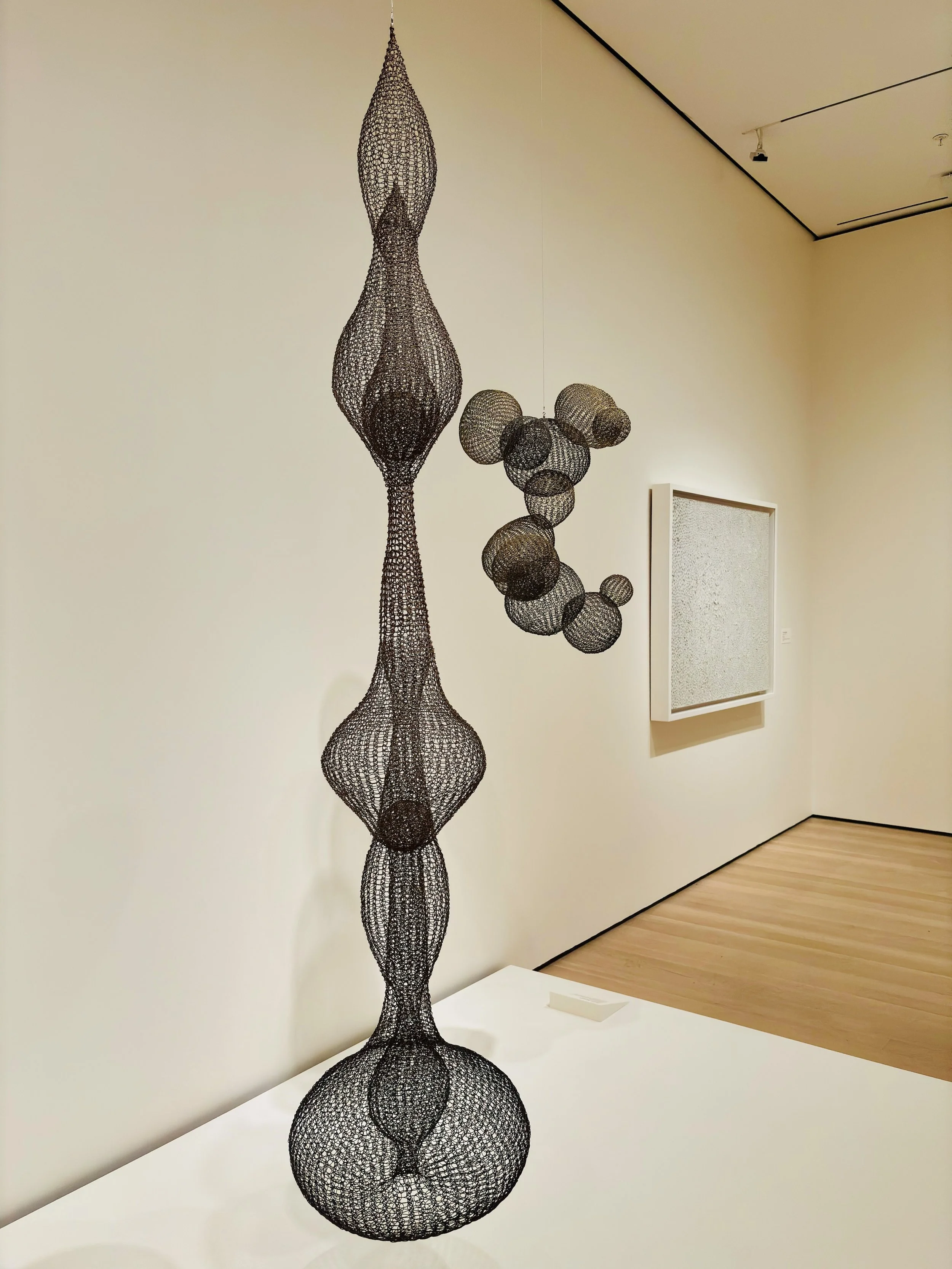
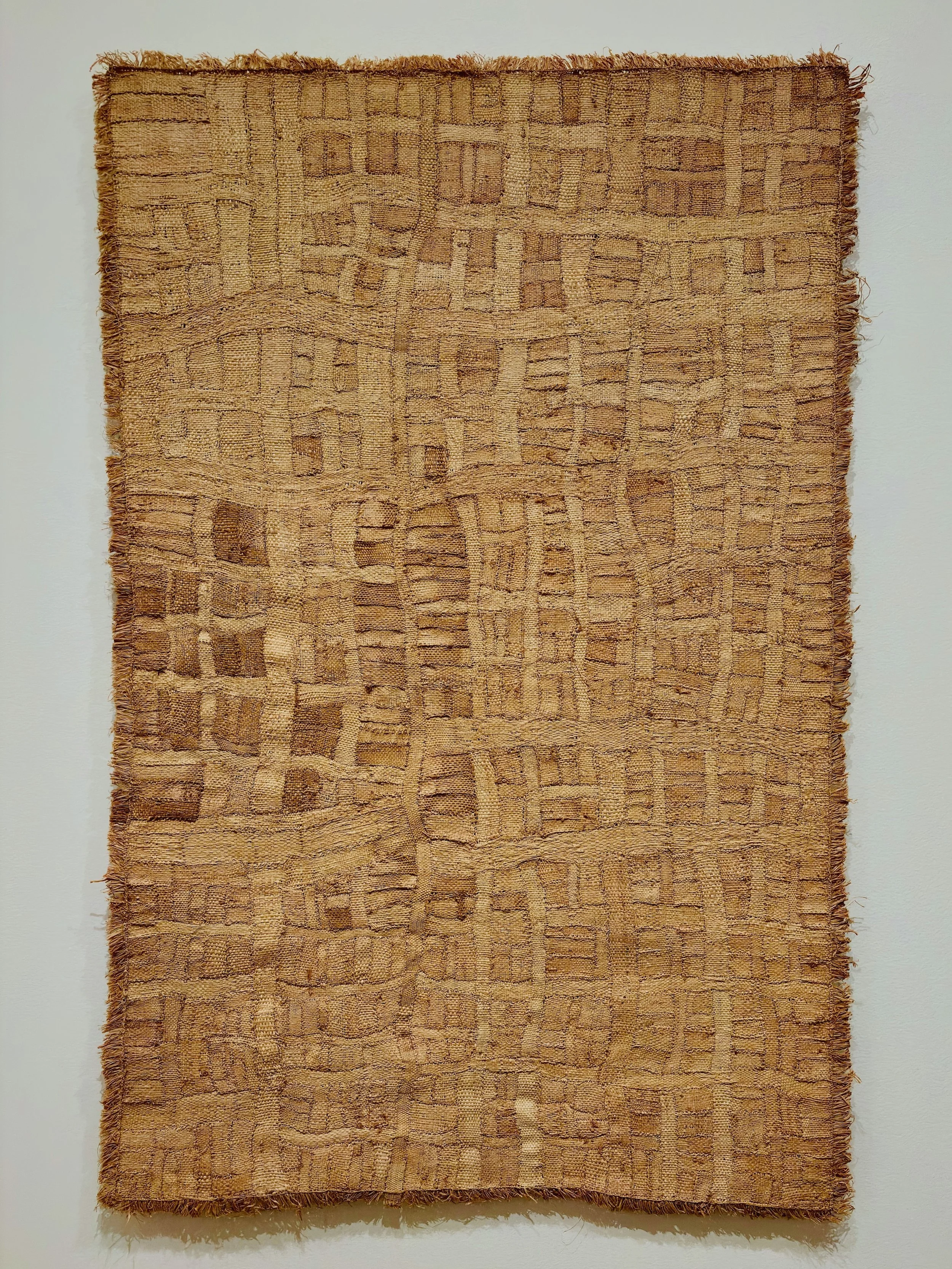
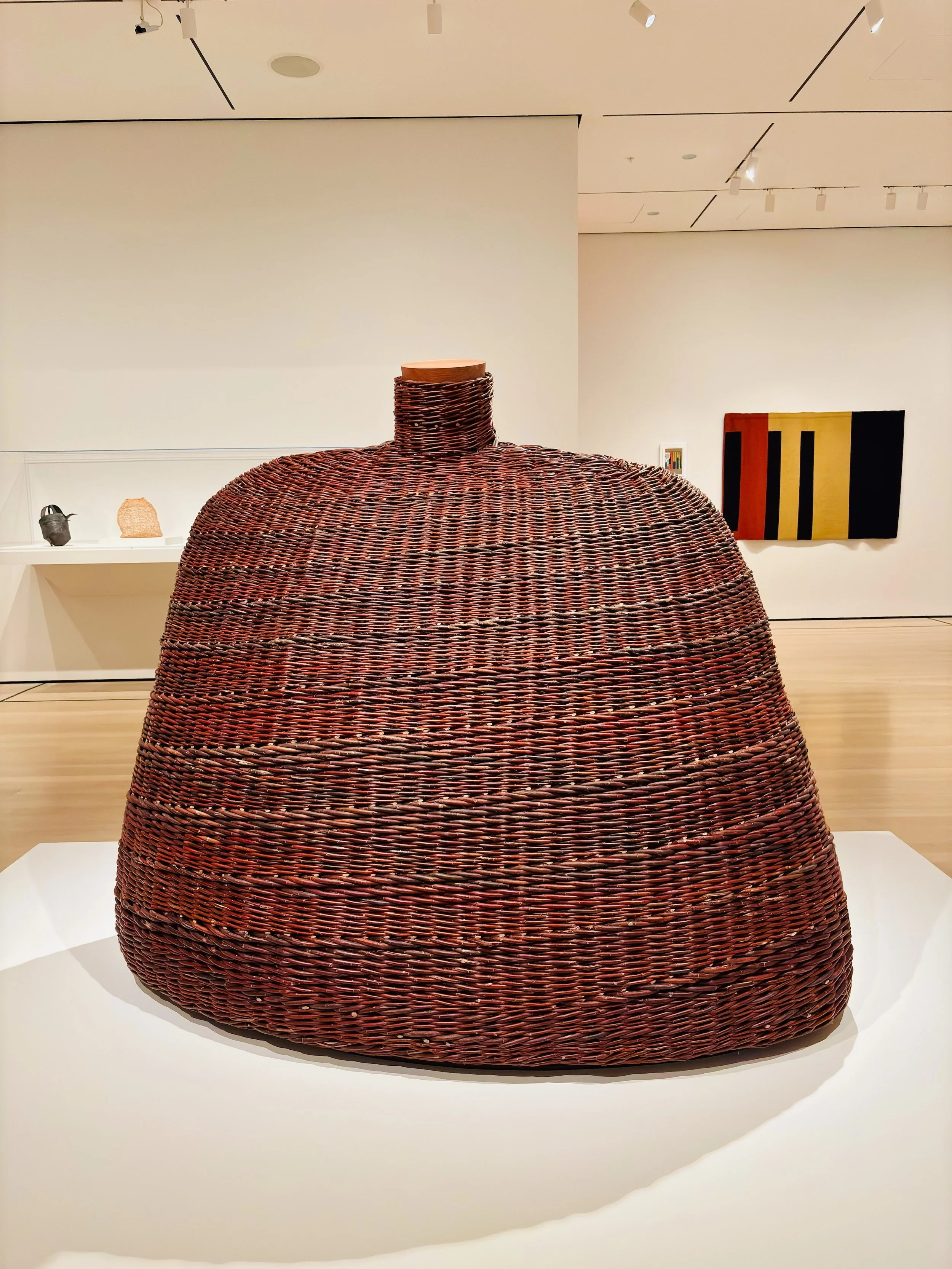
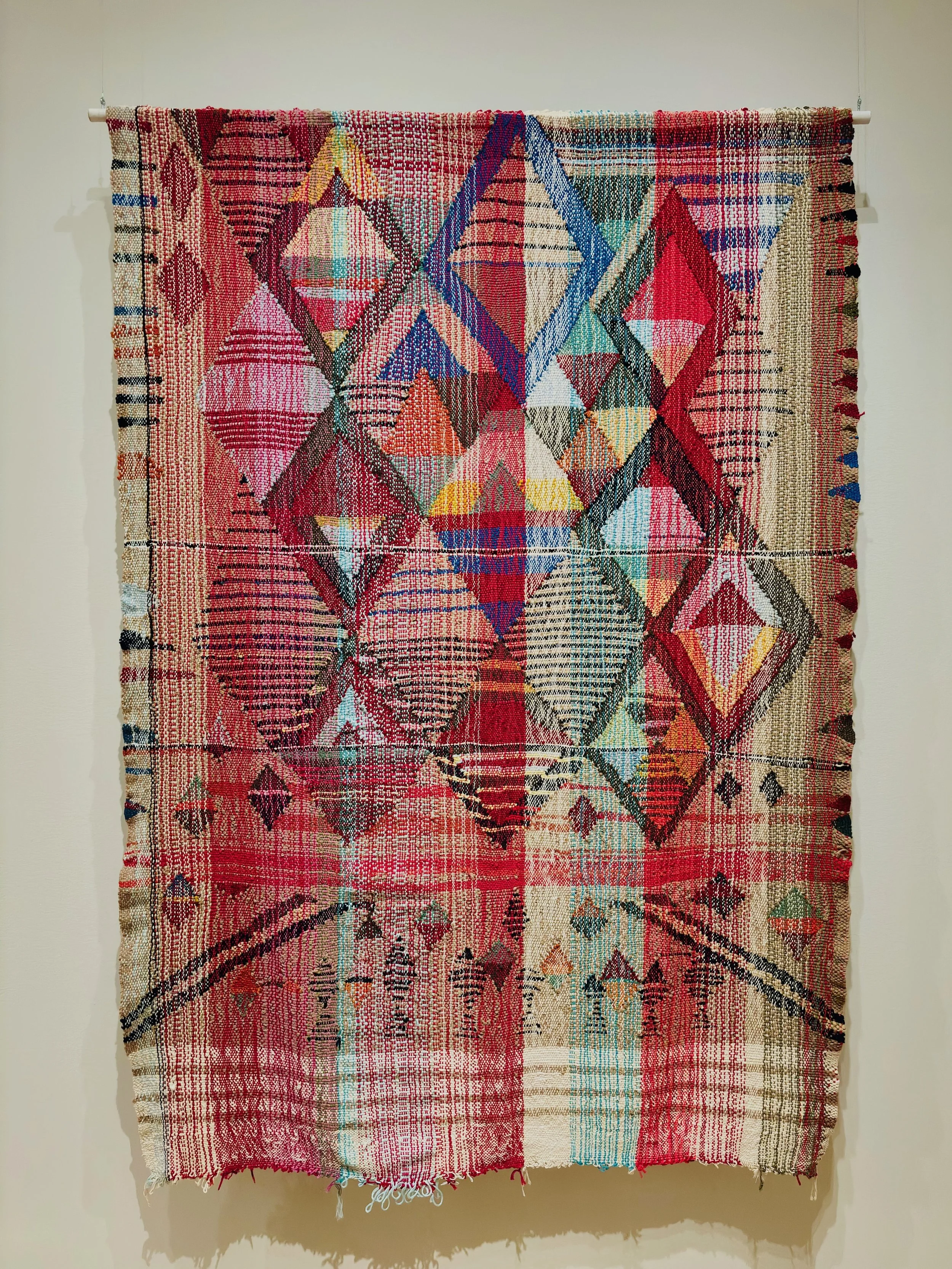
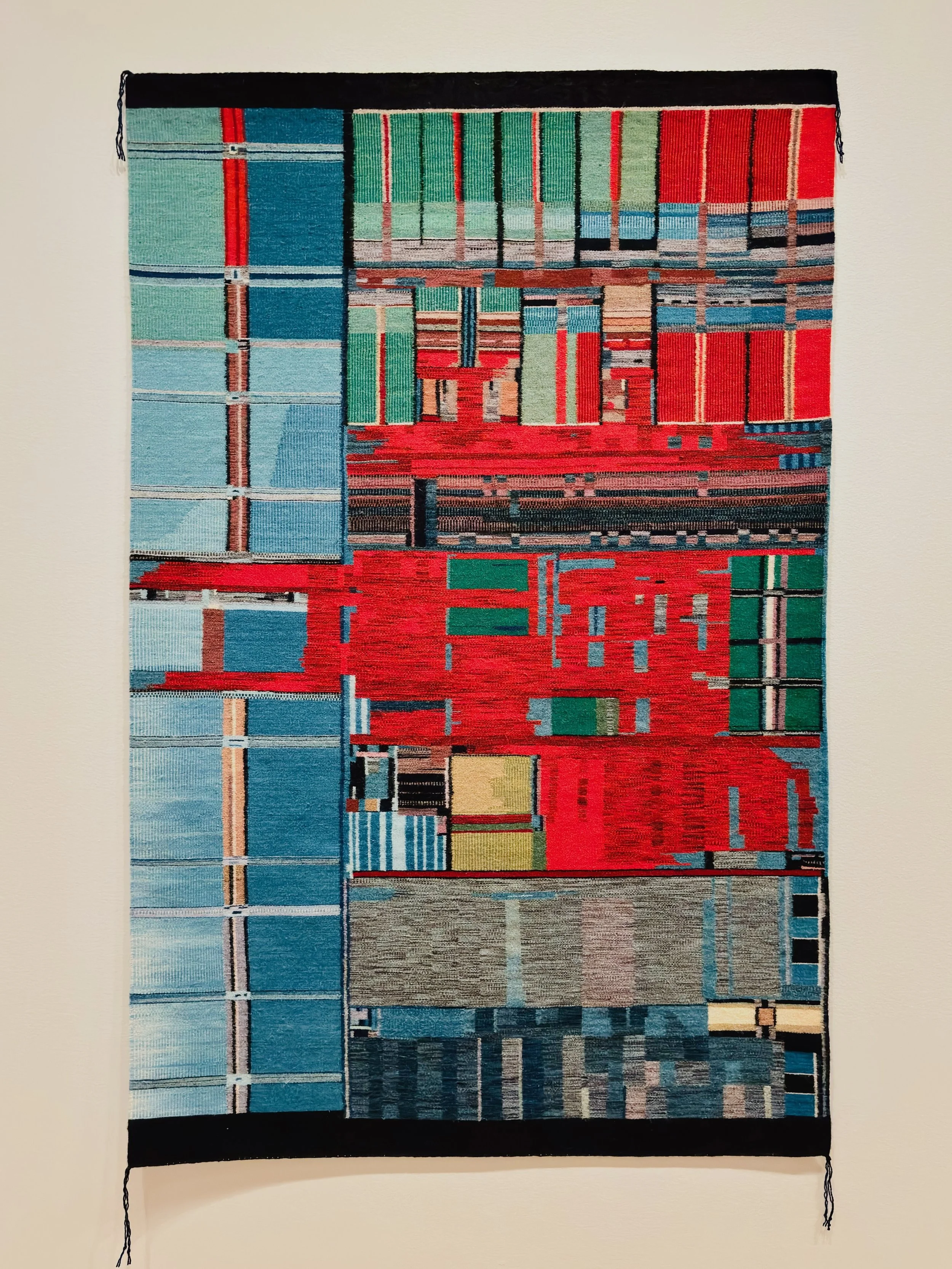
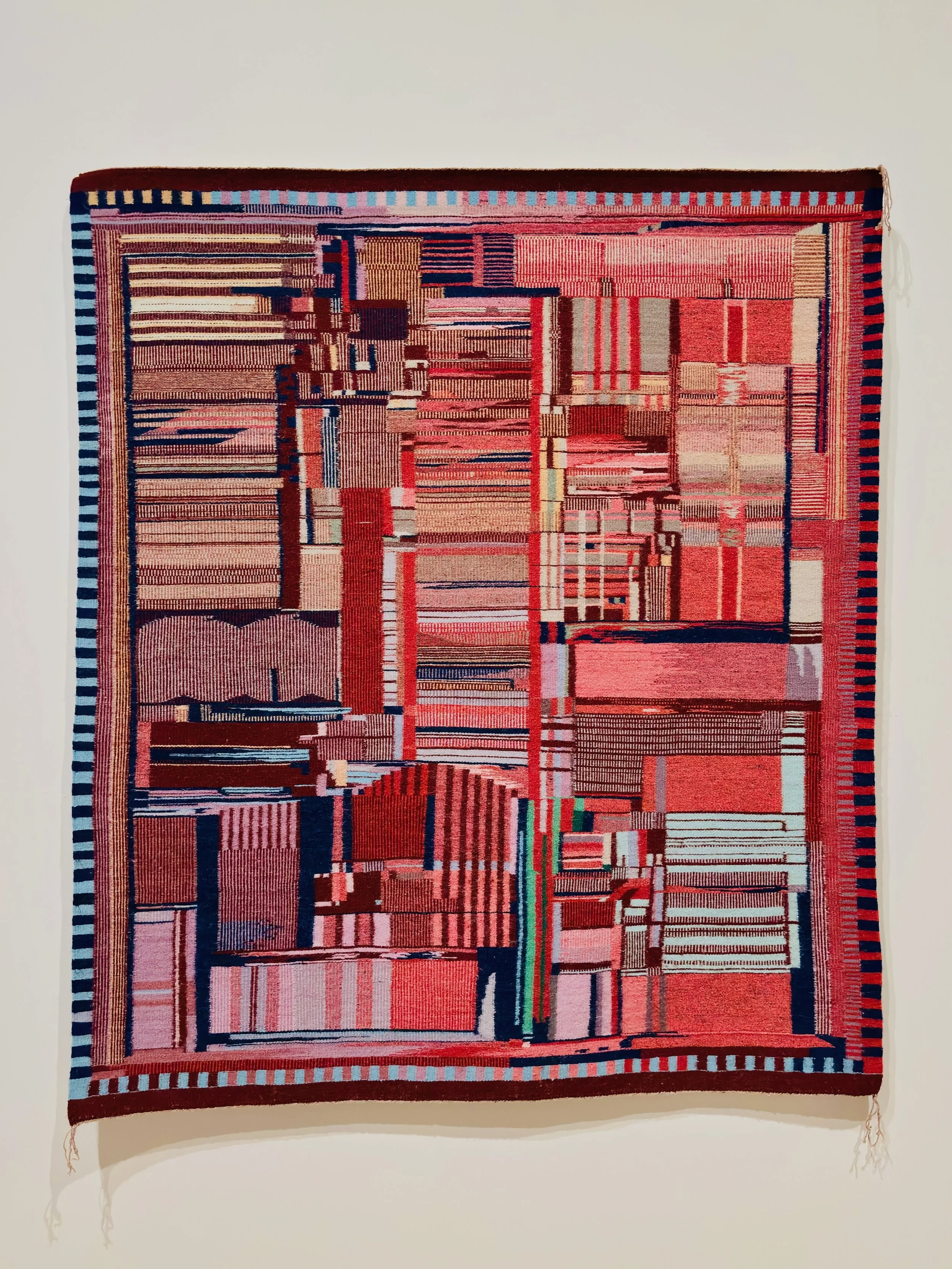
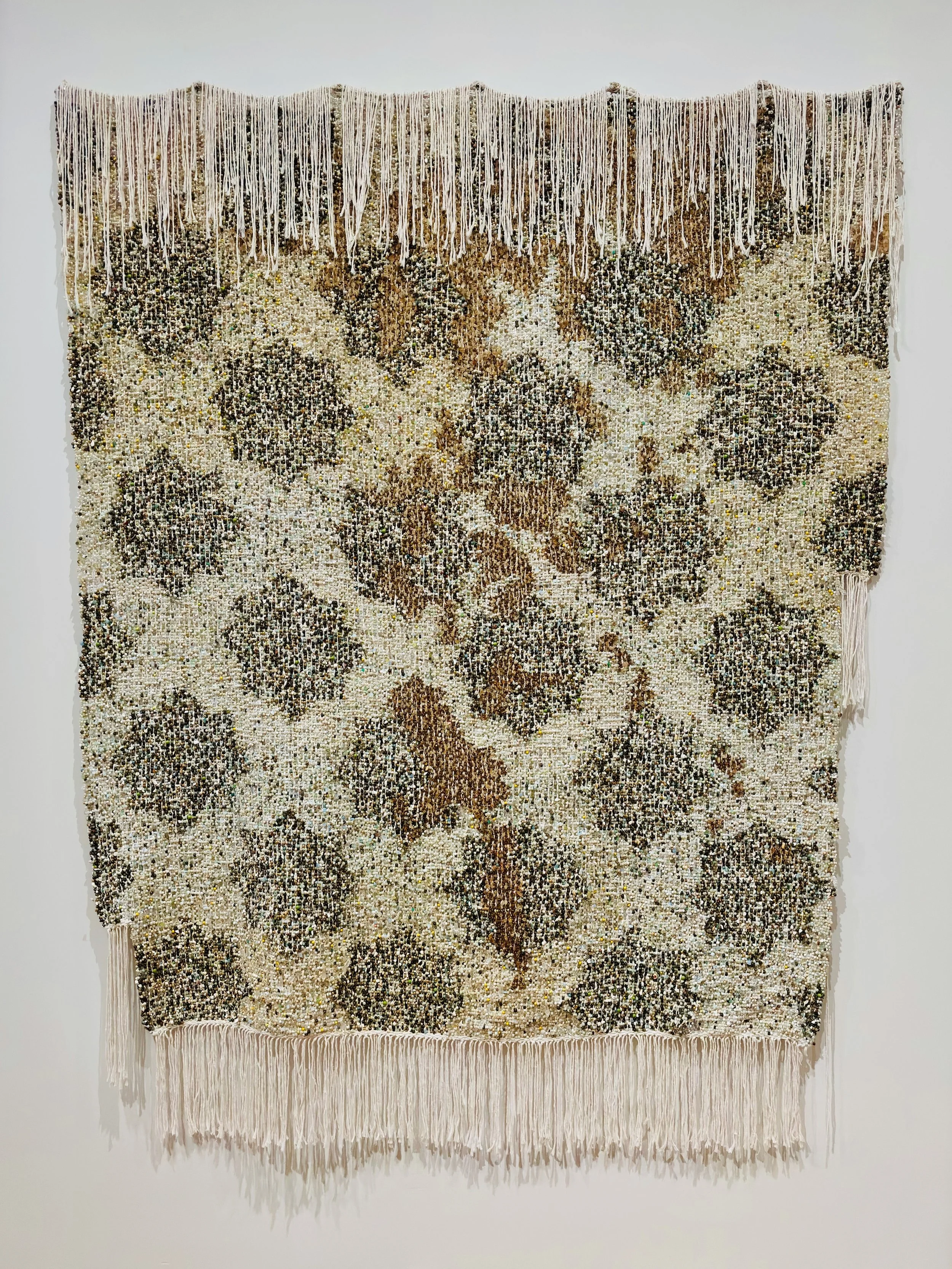
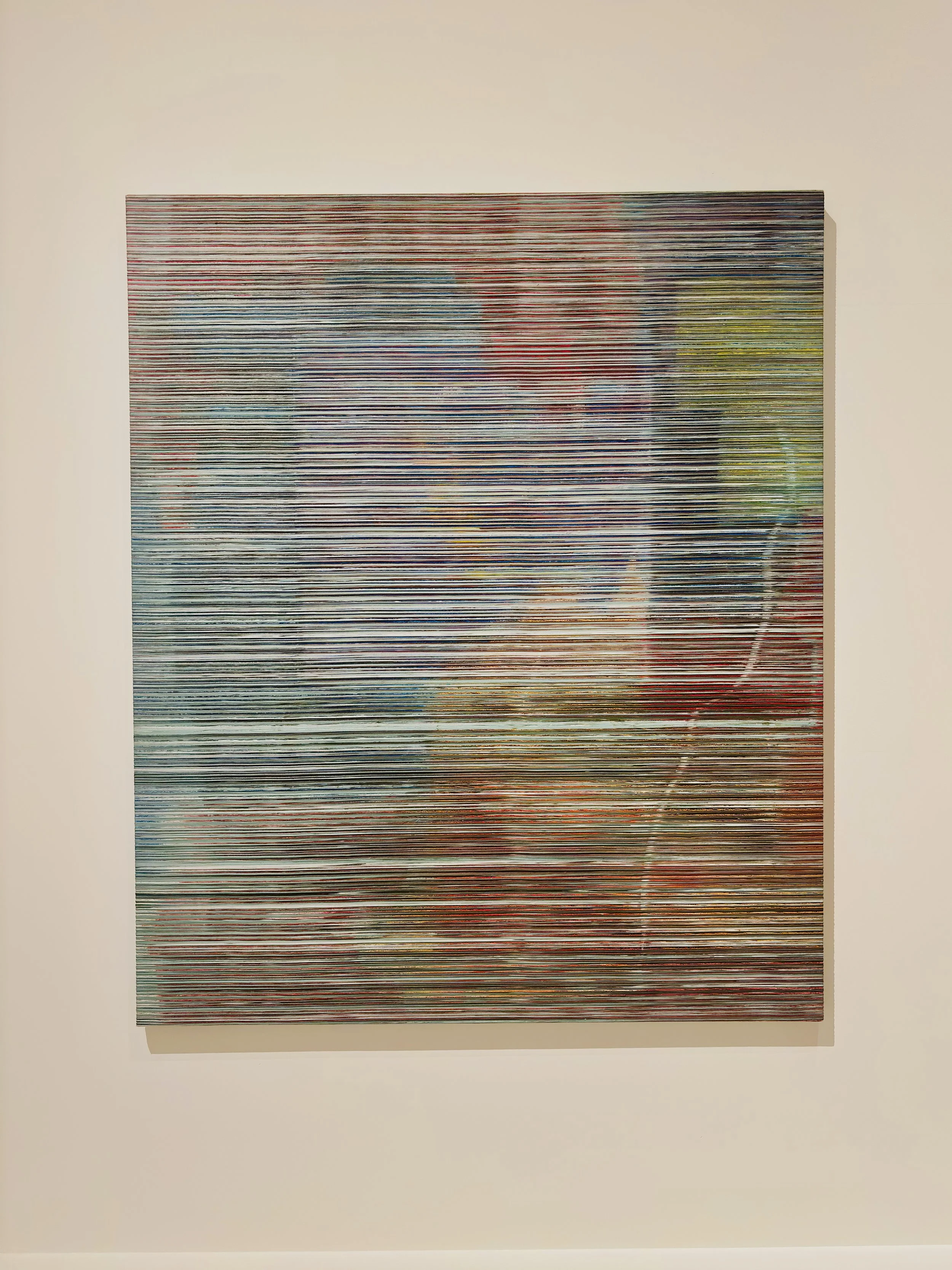
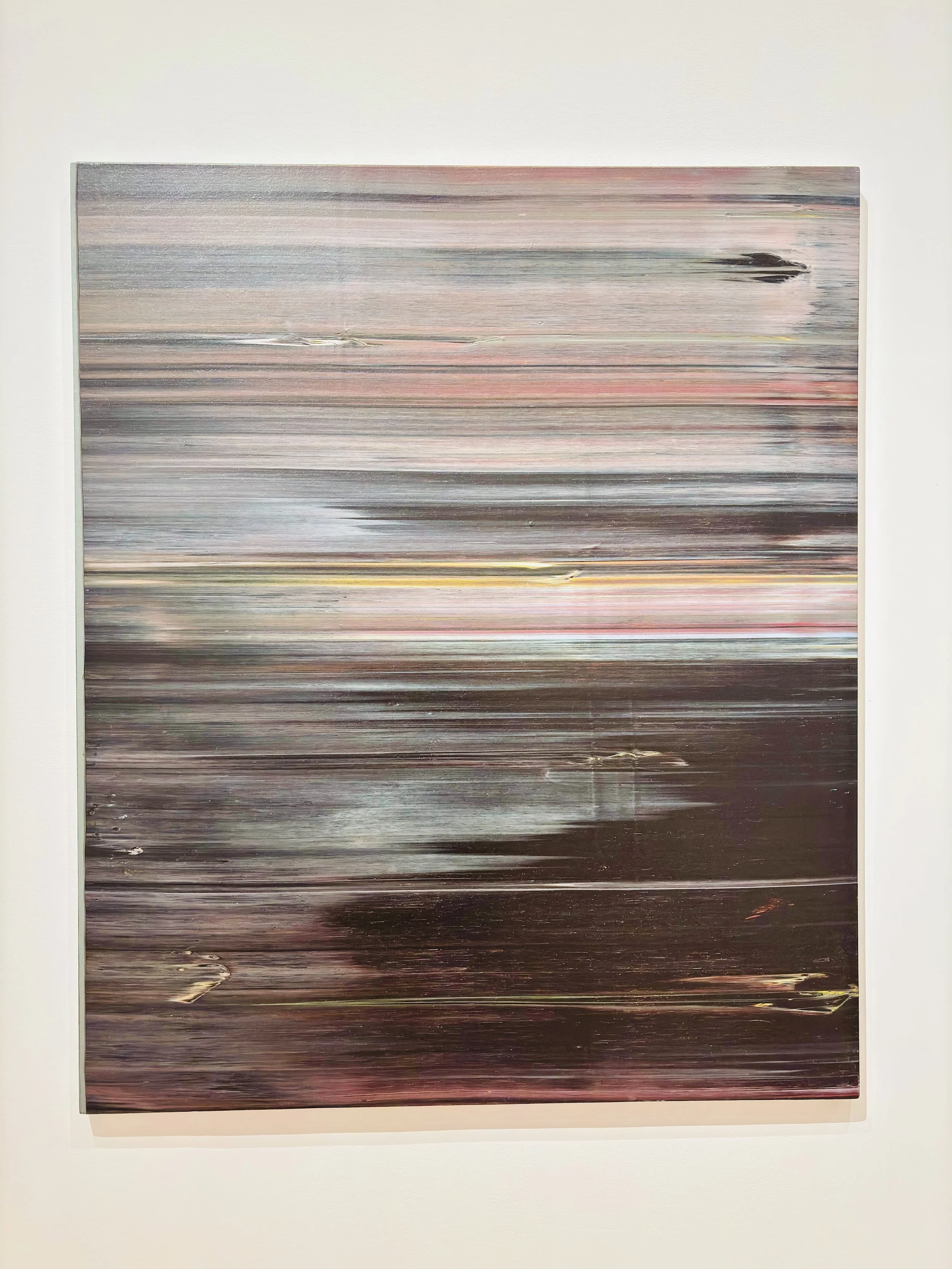
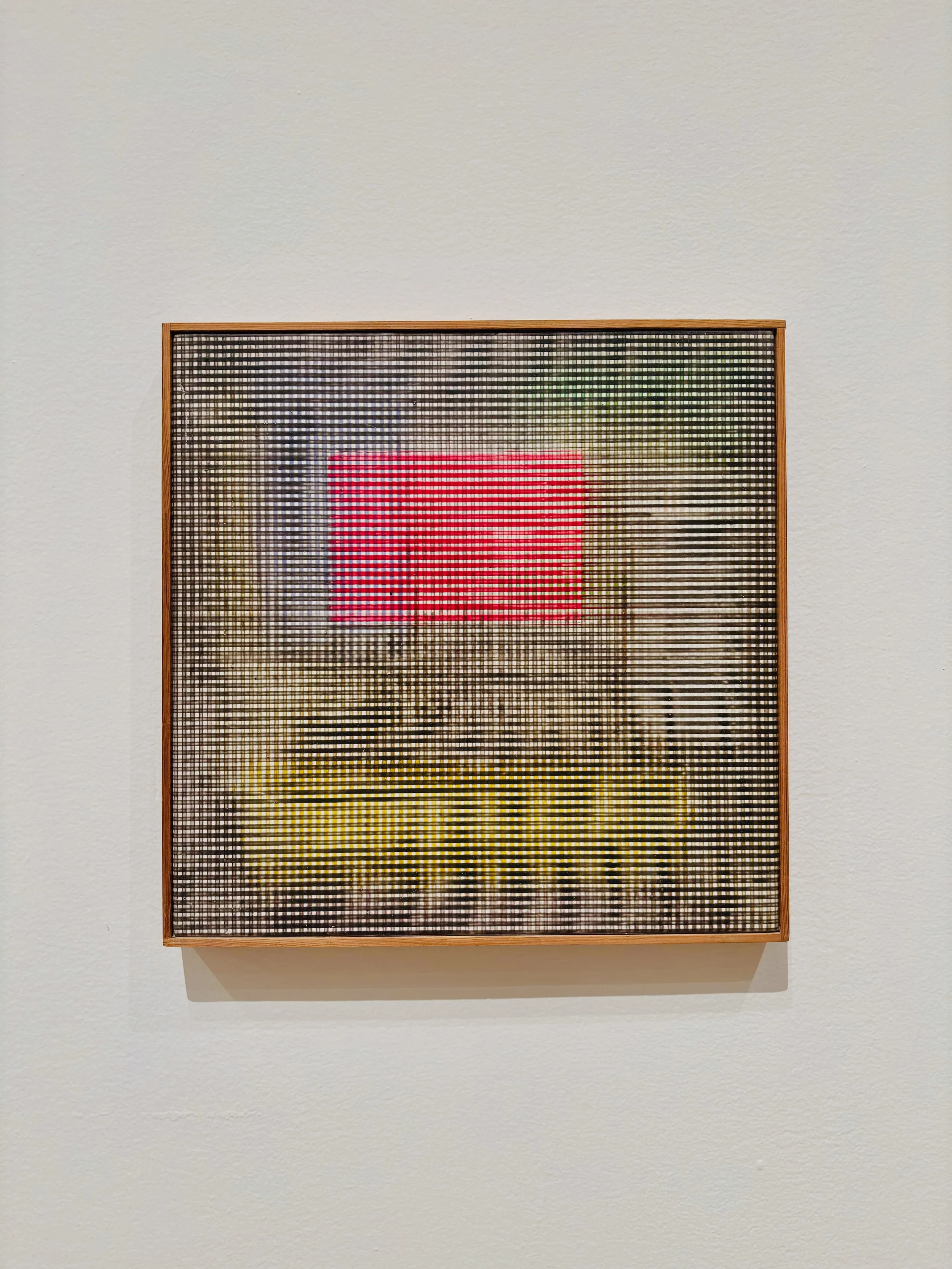
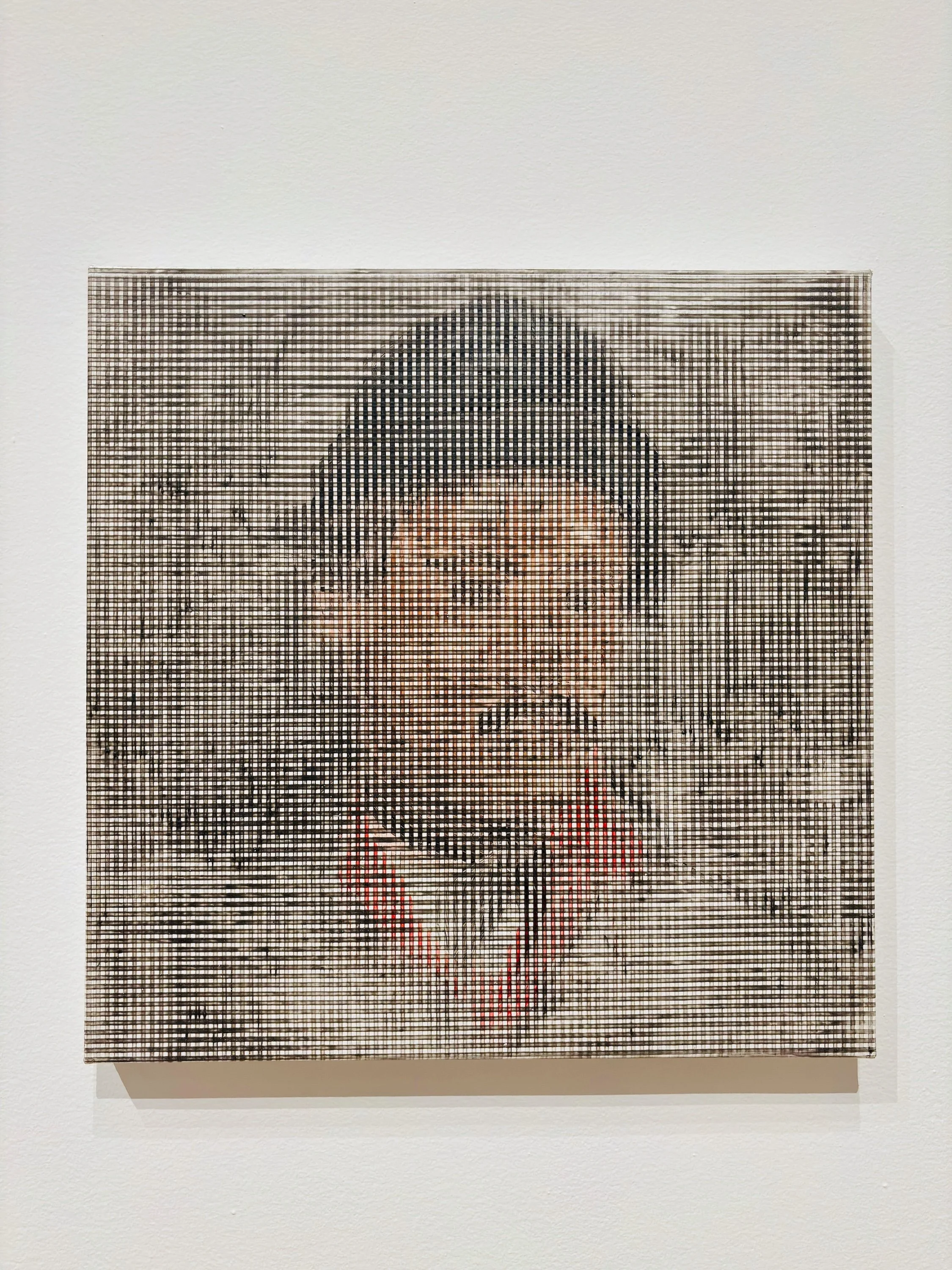
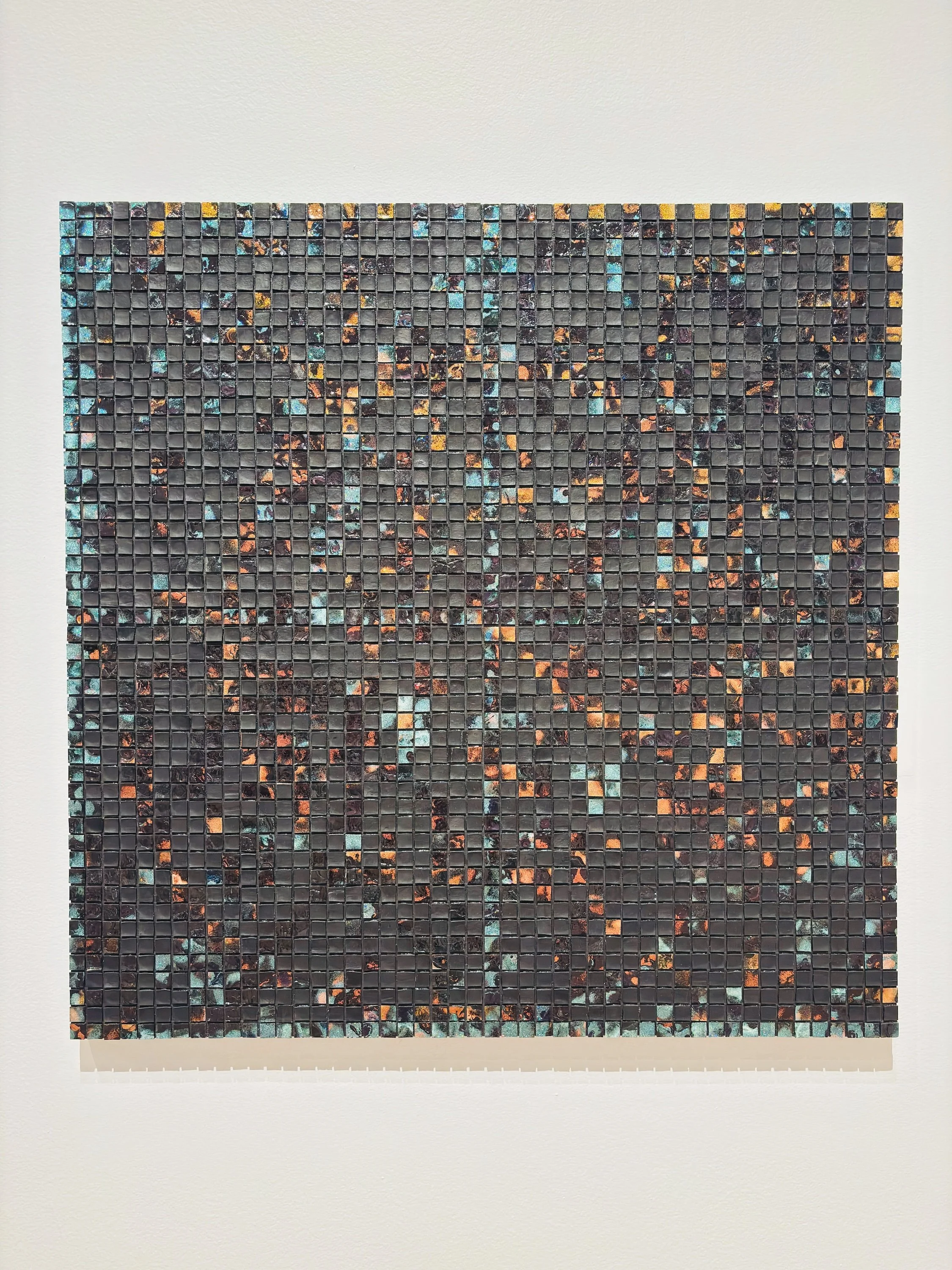
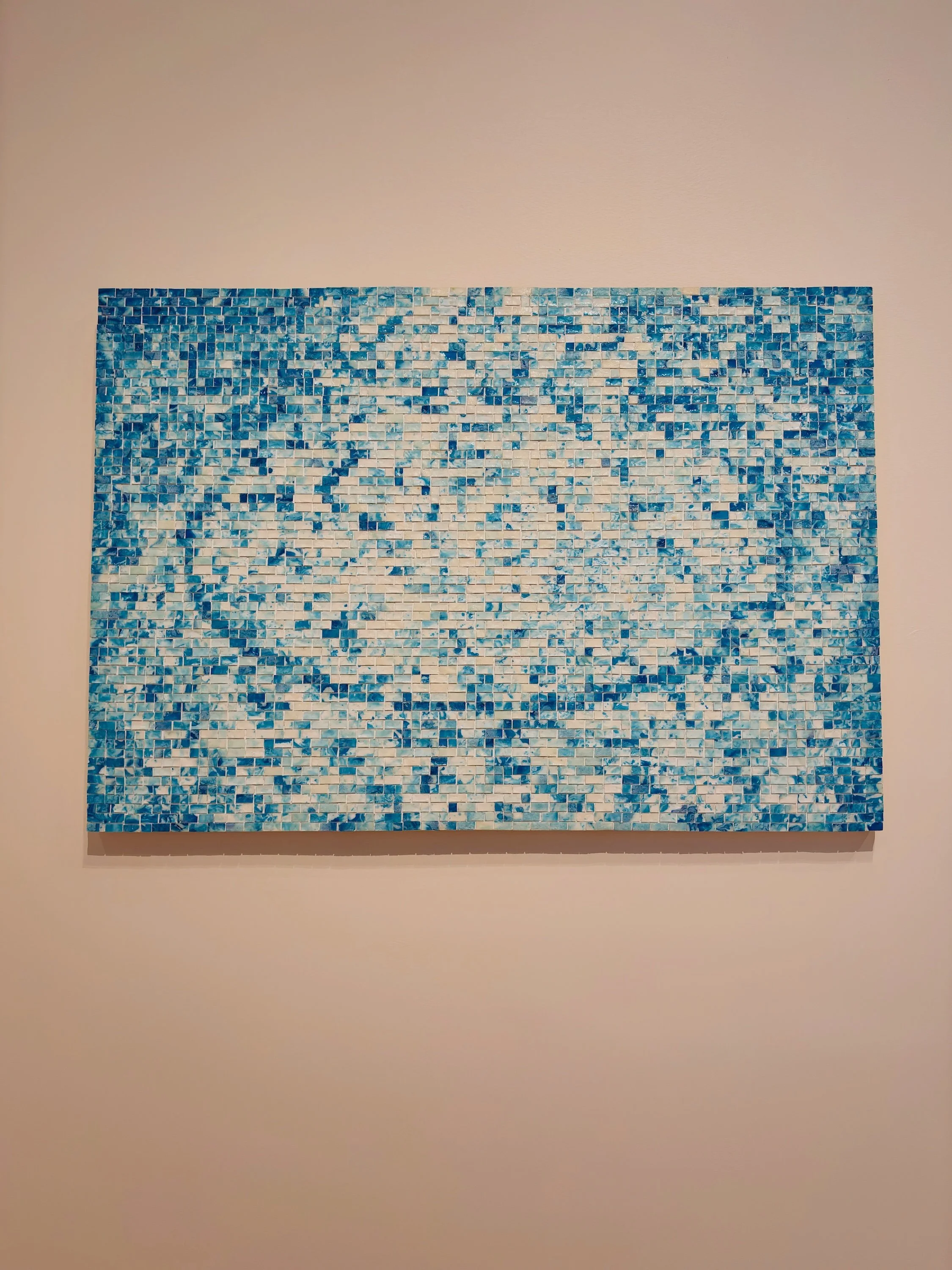
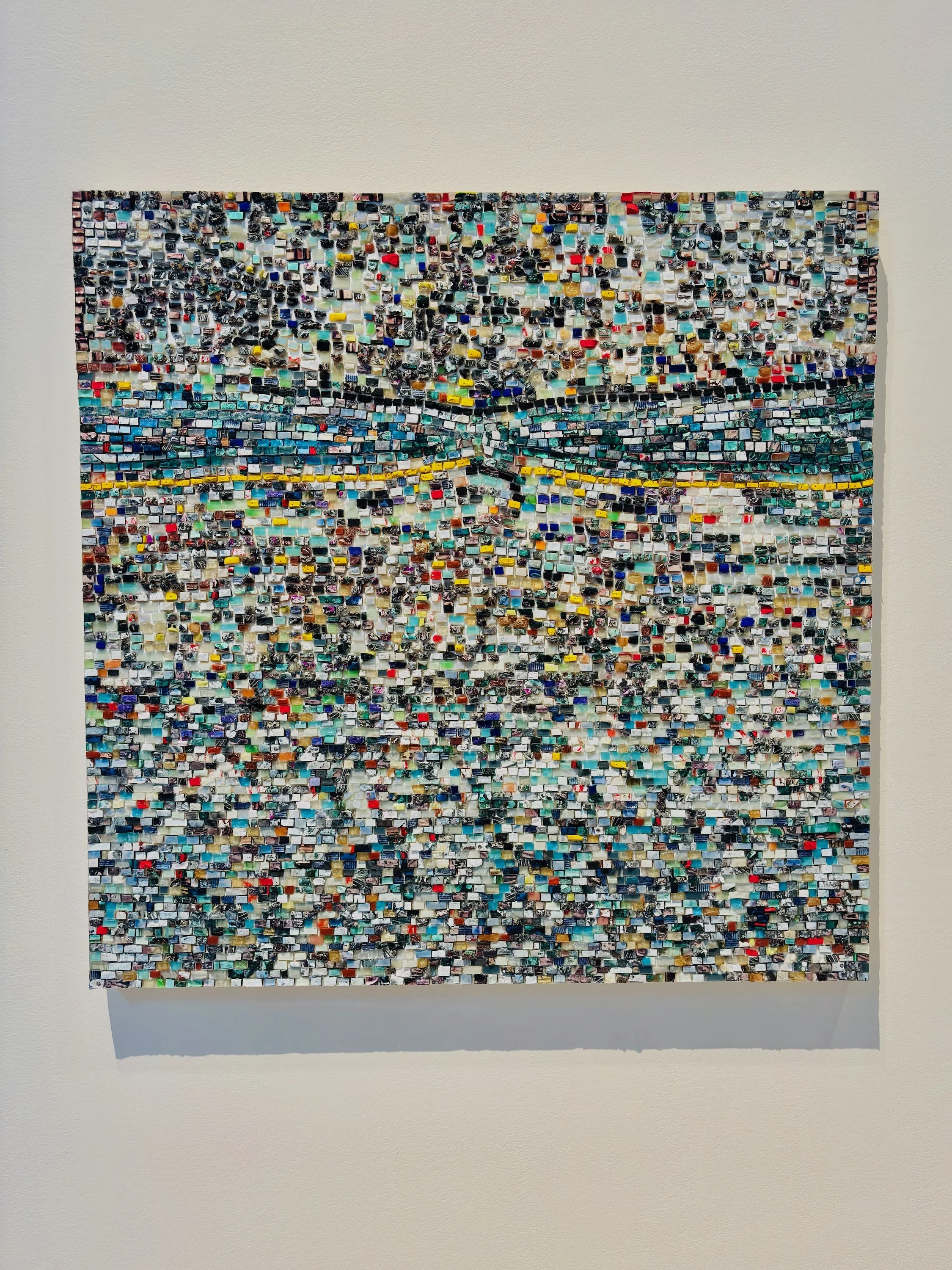
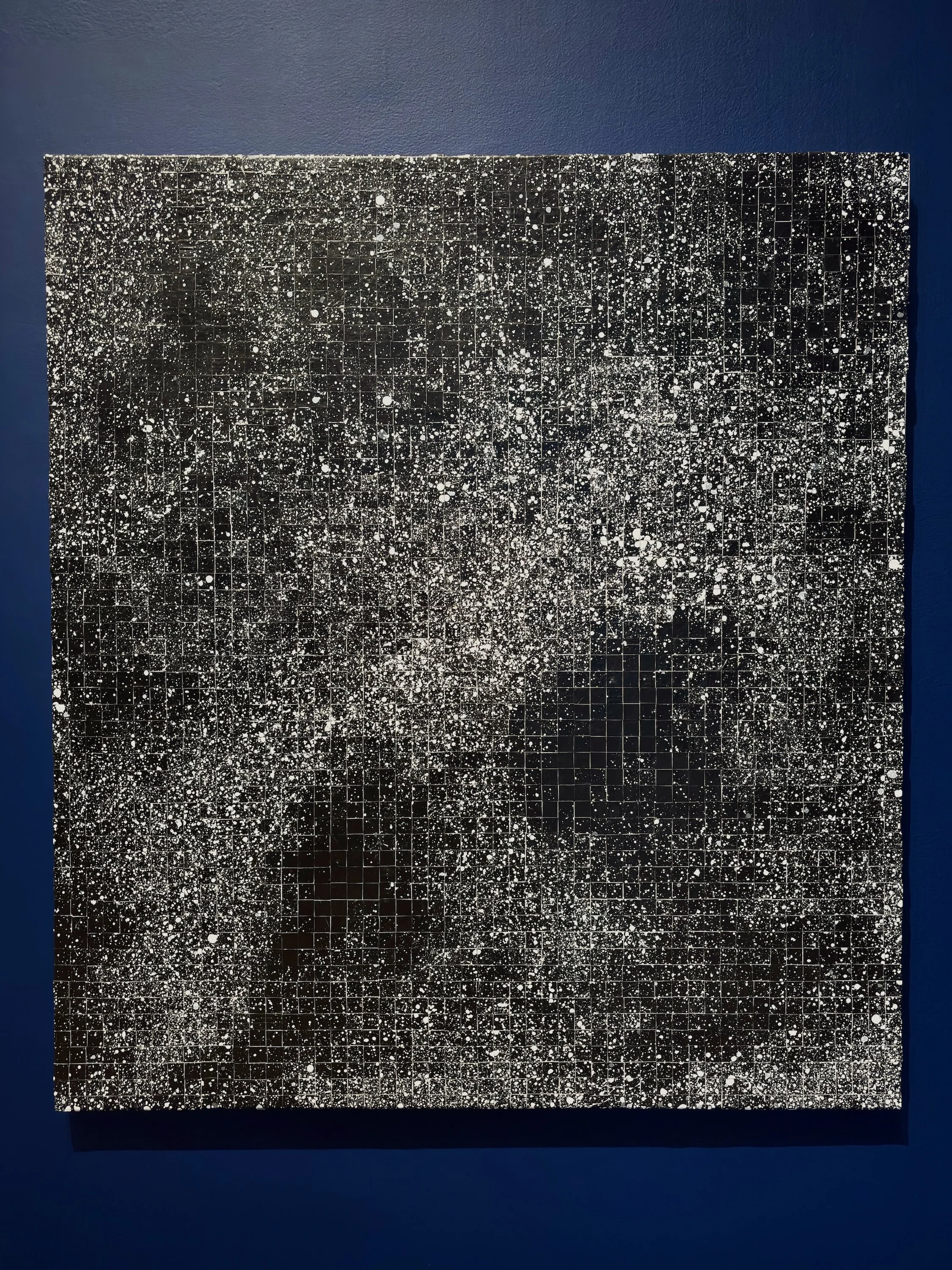
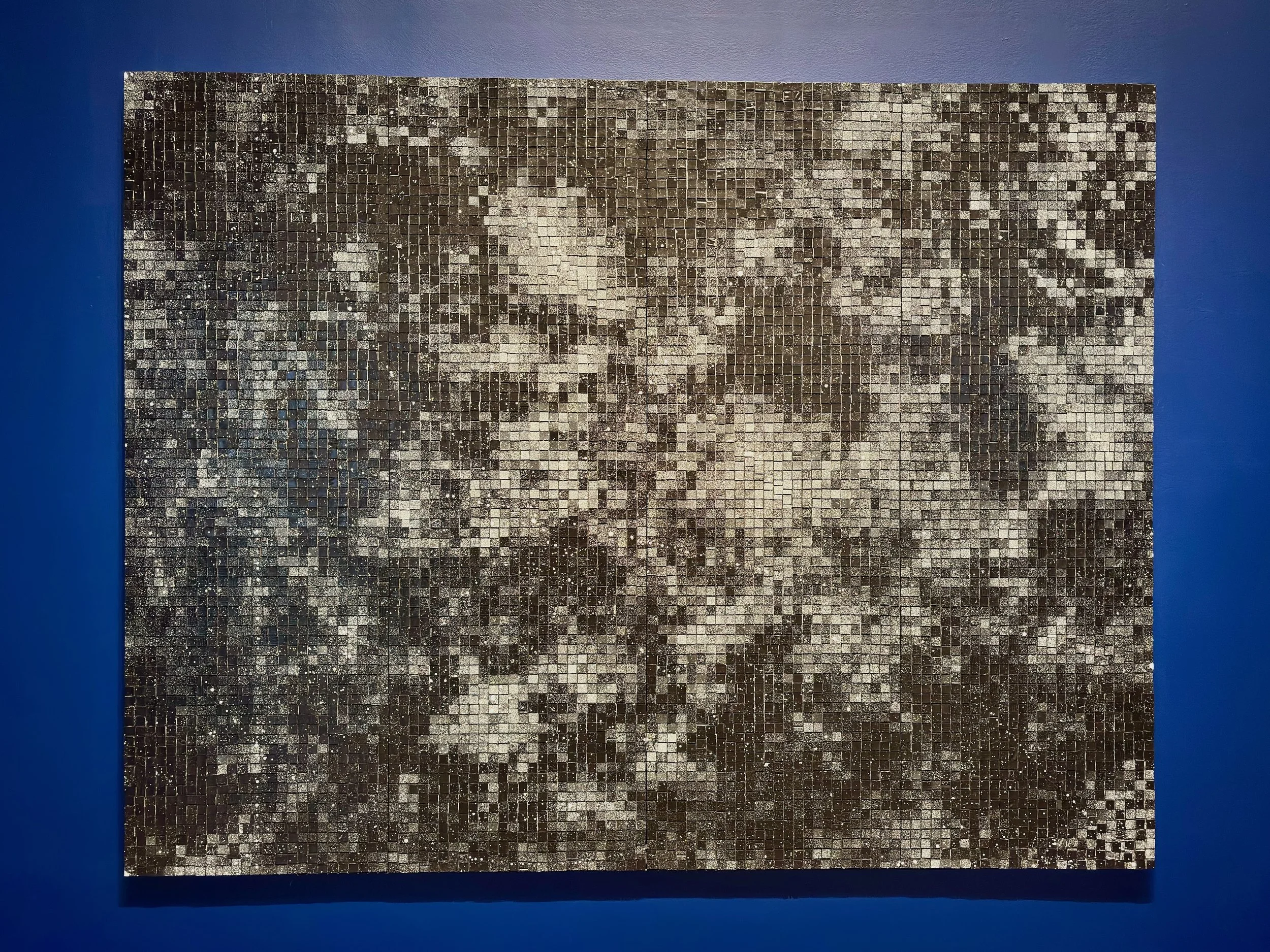
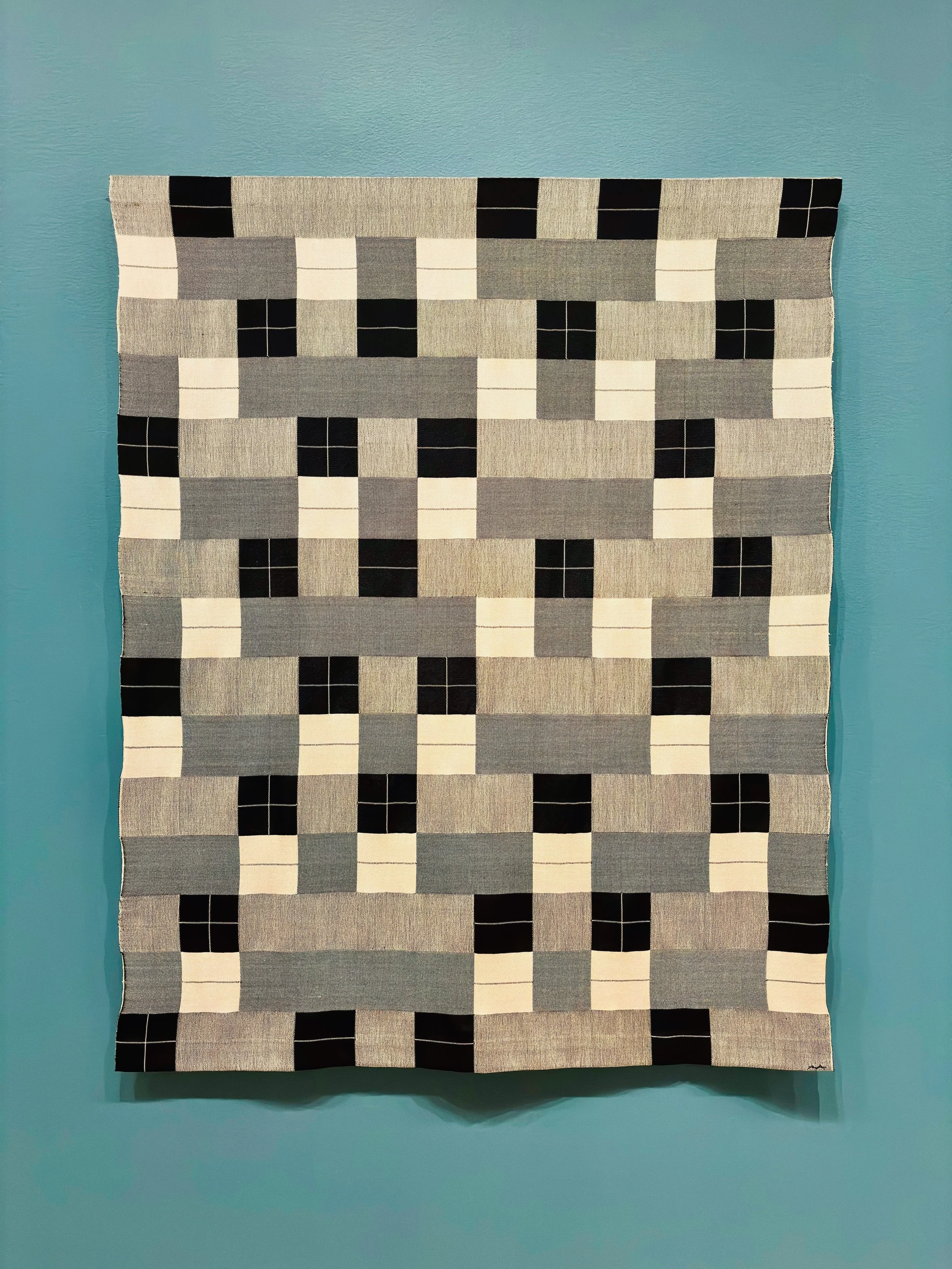
The closer we look, the more there is to see. A woven surface that appears simple from a distance can reveal an extraordinary world of texture, color, pattern, and movement when experienced in person.

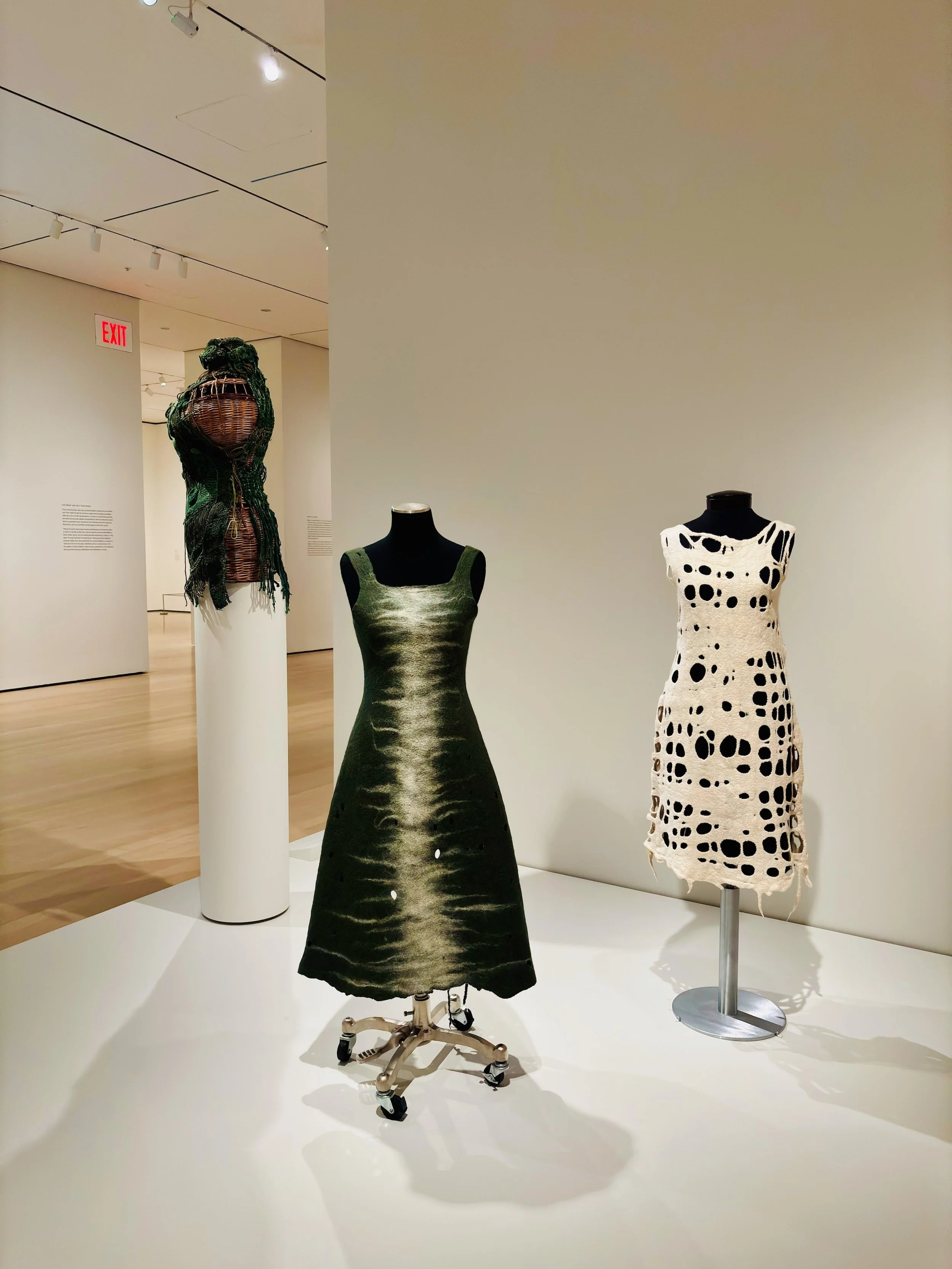
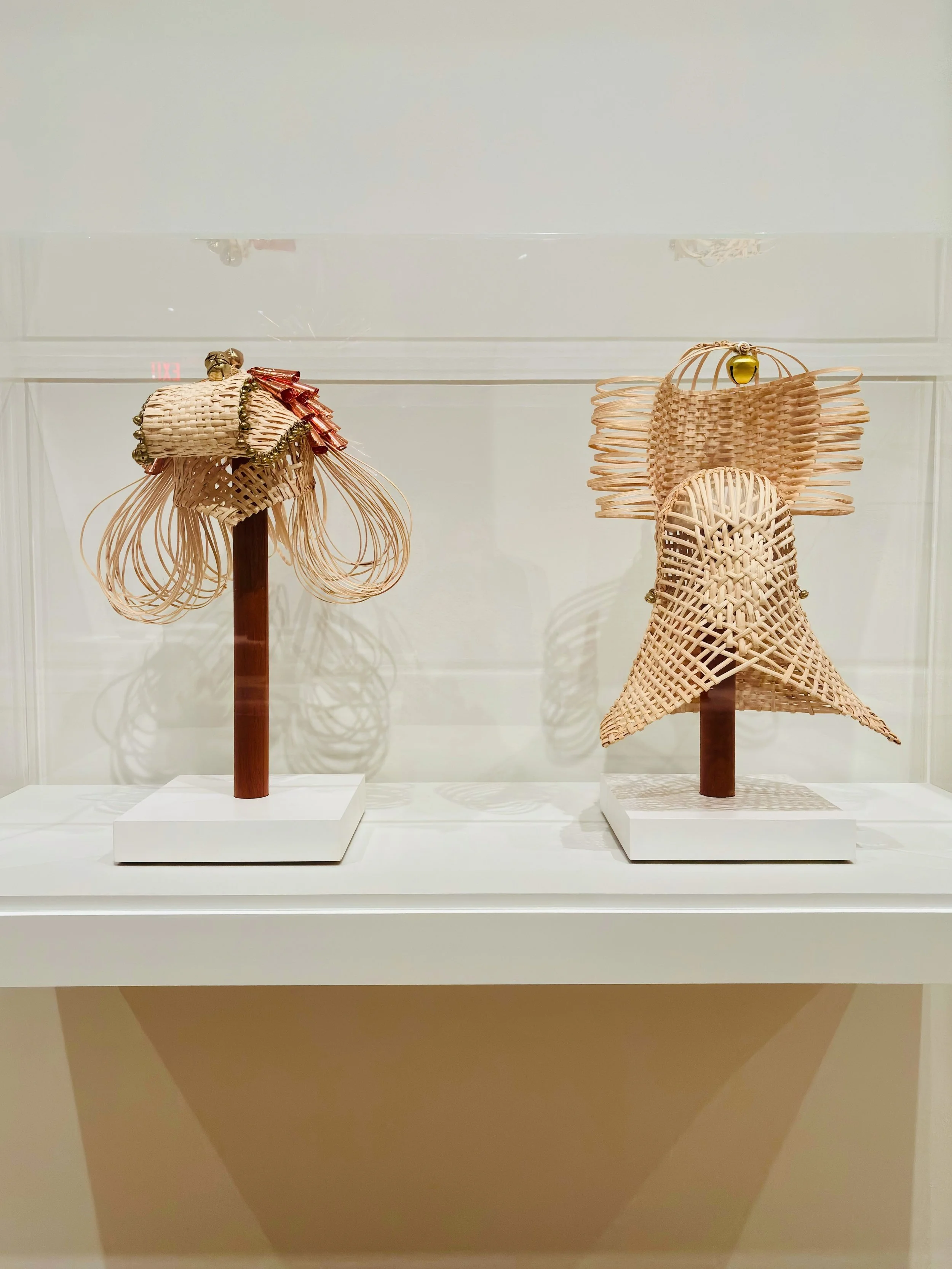
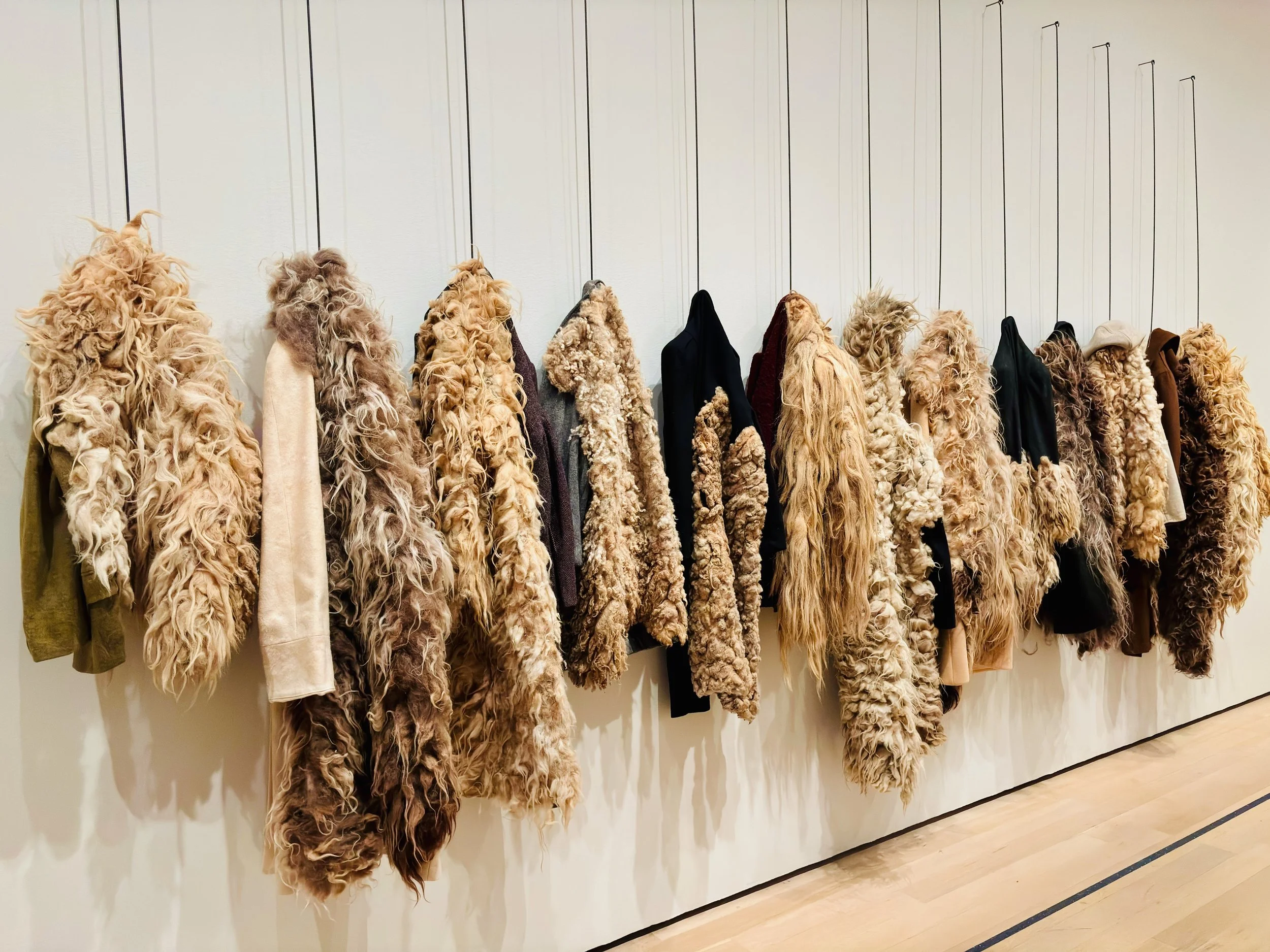
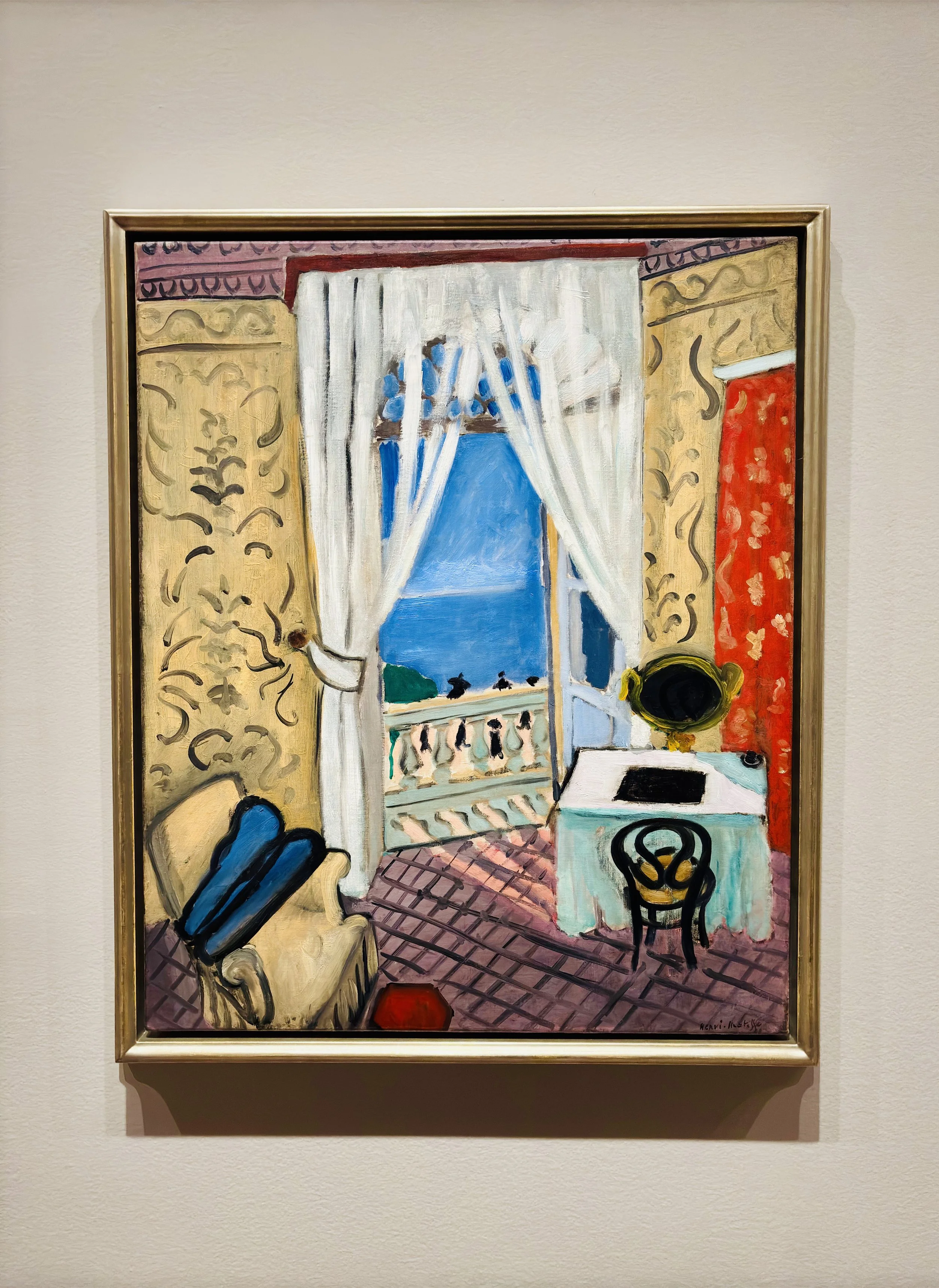
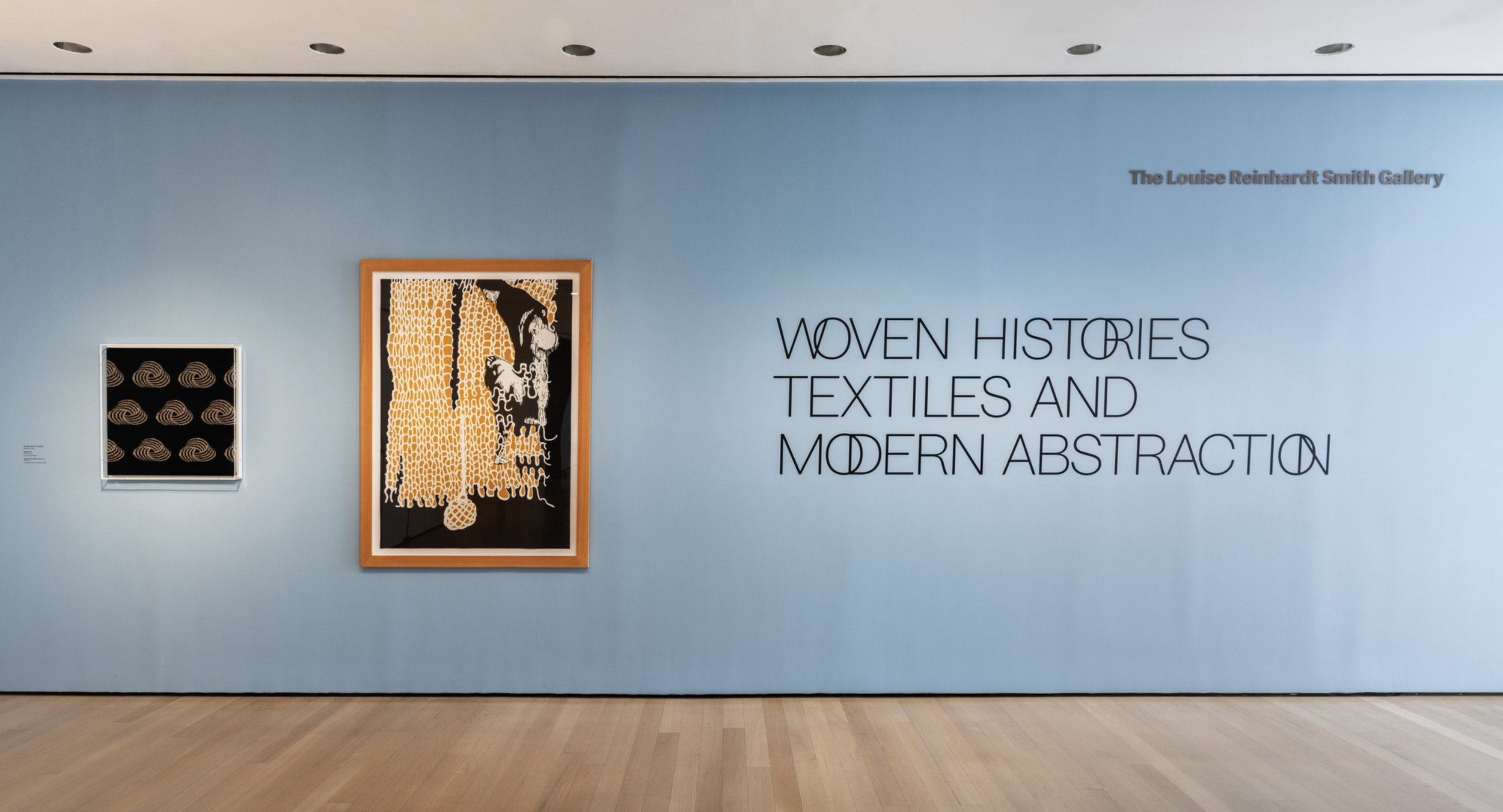
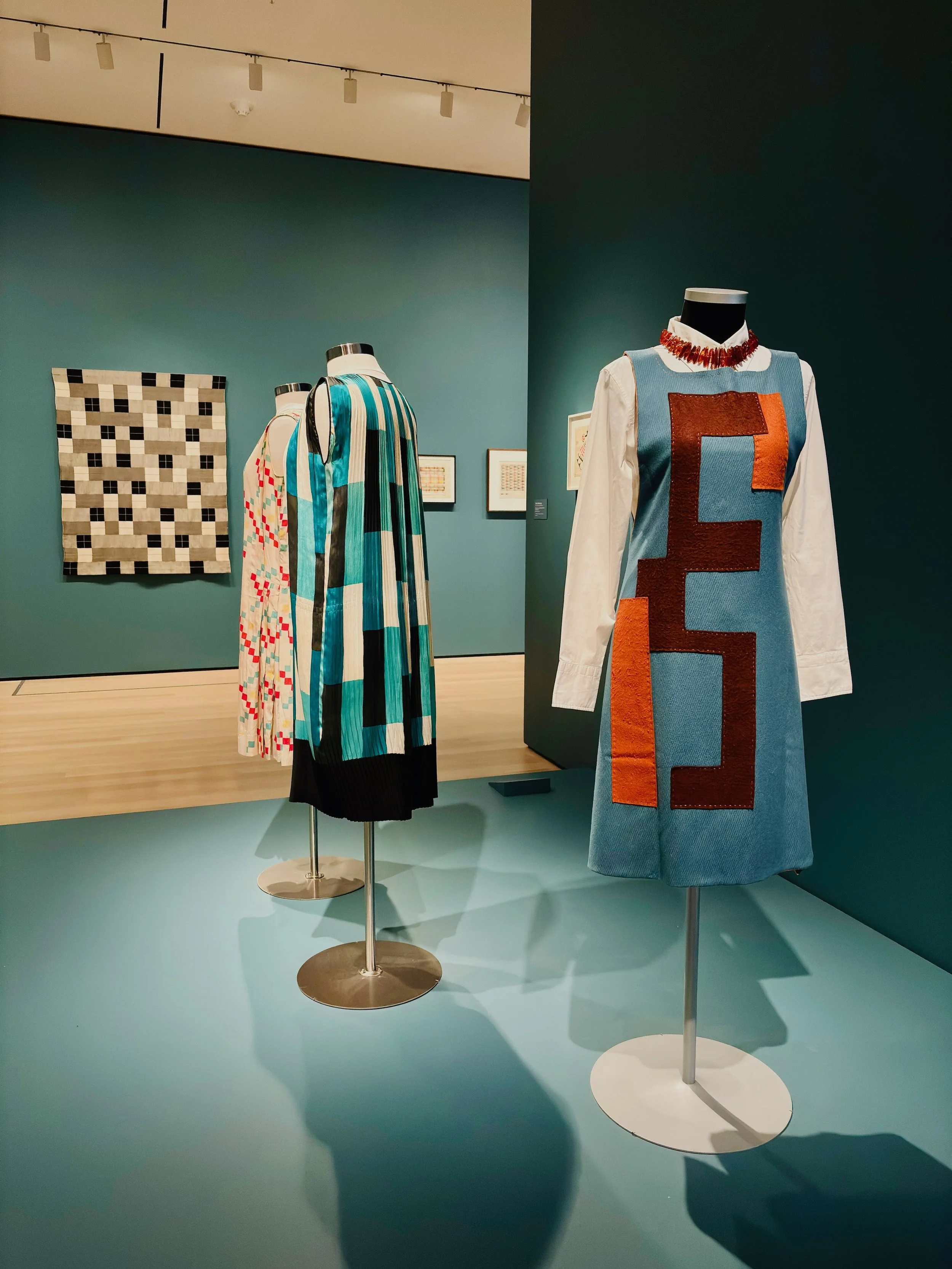
At MoMA, Woven Histories: Textile and Modern Abstraction, on view from April 20 through September 13, 2025, textiles take center stage in an exhibition that invites us to consider just how expressive and imaginative these materials can be. Woven, knotted, braided, and constructed by hand, the works reveal abstraction through a language that feels both deeply tactile and visually alive.

We are not textile experts, and perhaps that is part of what makes the experience so enjoyable. We move through the galleries simply looking, noticing, and appreciating the remarkable variety of forms and techniques before us. Some works immediately draw us in through bold color or scale, while others reveal their complexity more quietly, asking us to step closer.

The photographs we share offer glimpses of these extraordinary works, but they cannot fully capture their richness. Texture, dimension, and the subtle relationship between material and light are difficult to translate into an image. These are works that seem to ask for time and proximity, where seeing them in person becomes part of understanding their presence.

There is something almost magical about realizing how much can emerge from thread, fiber, and fabric. In the galleries, materials we encounter every day become majestic, intricate, and completely transformed.

Woven Histories leaves us looking at textiles with fresh eyes and perhaps paying a little more attention to the remarkable things that can happen when human hands, imagination, and material come together.
Comment

Christine Sun Kim: All Day All Night at the Whitney

Comment

Christine Sun Kim: All Day All Night at the Whitney

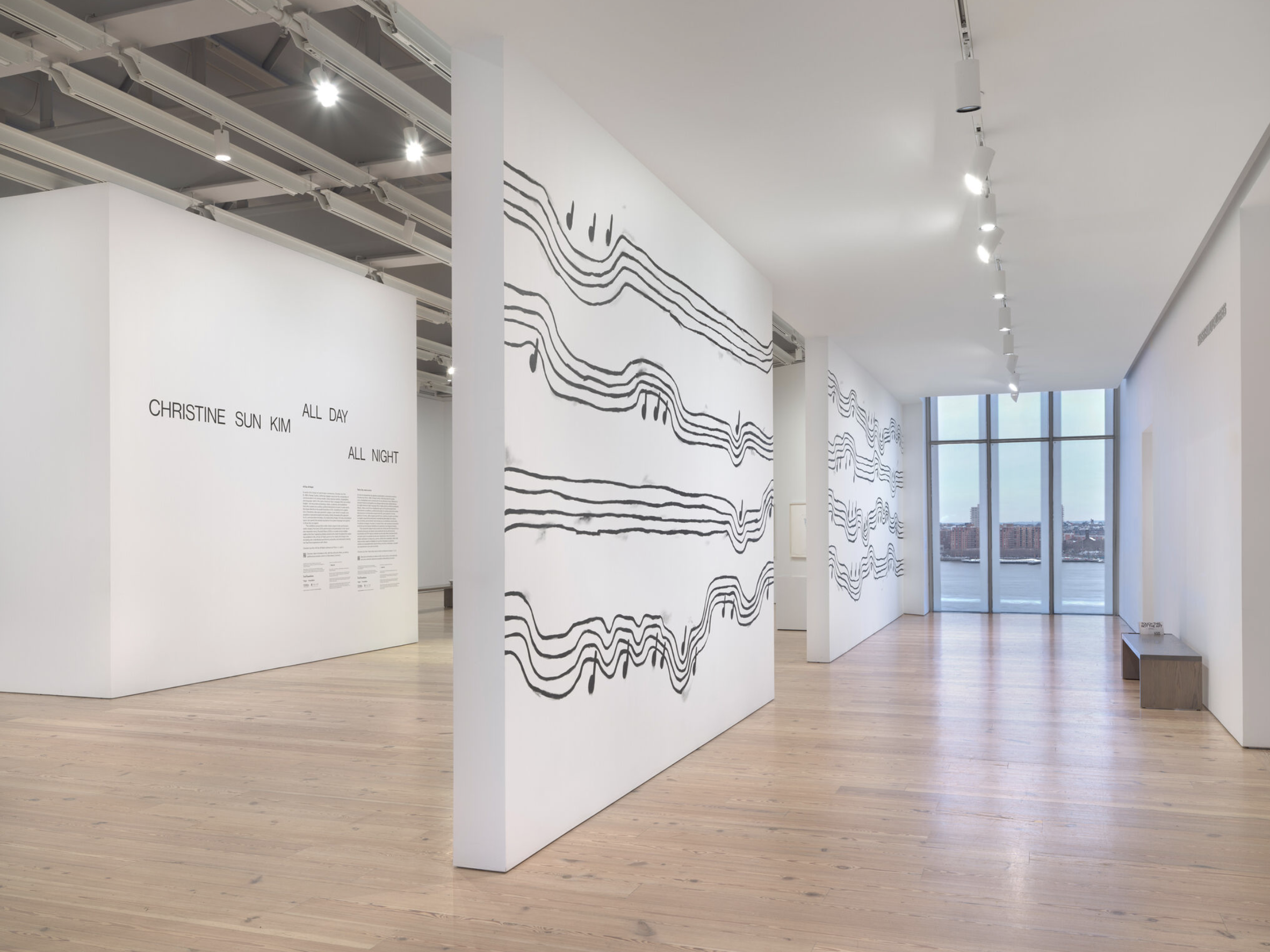
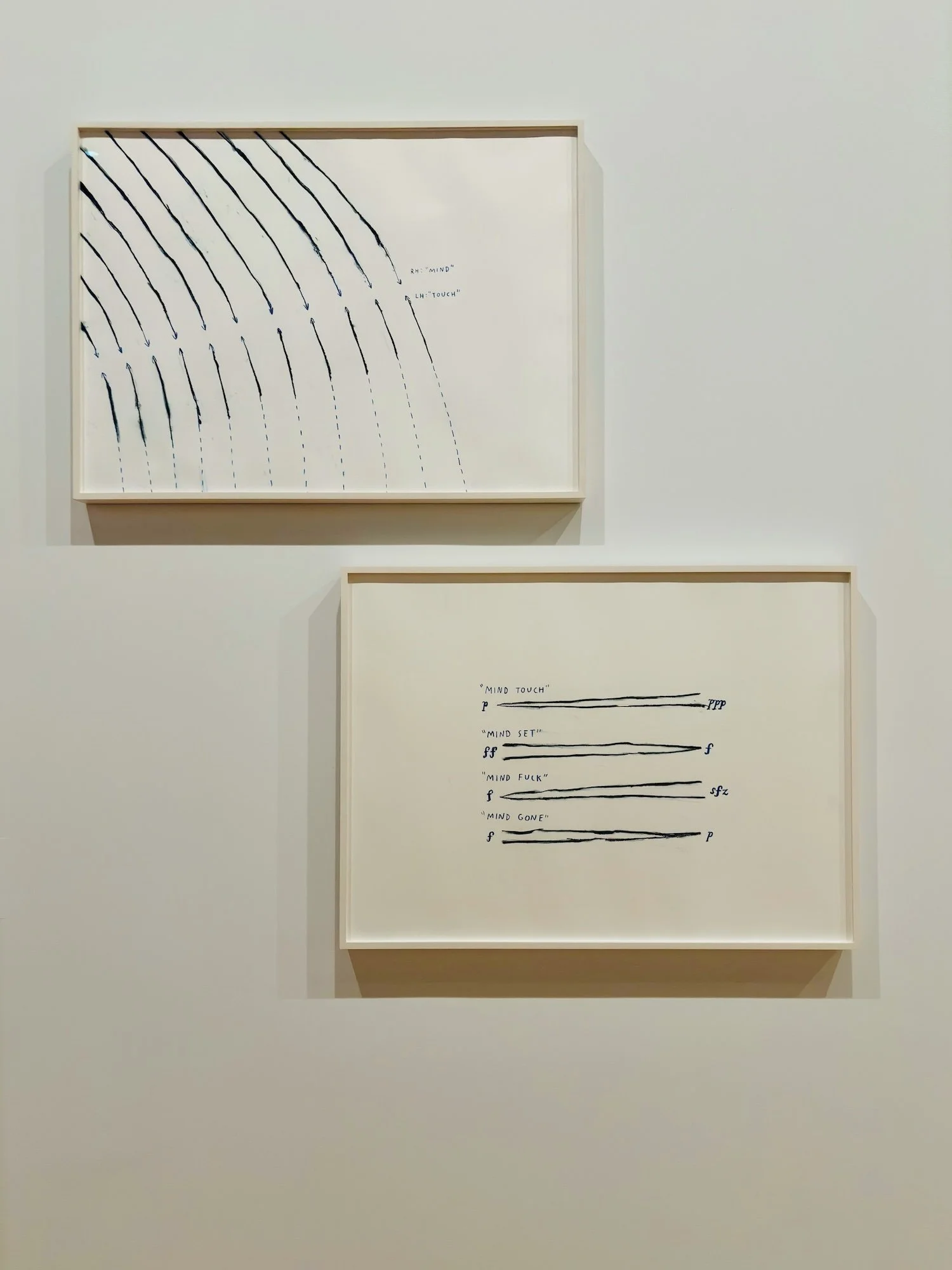
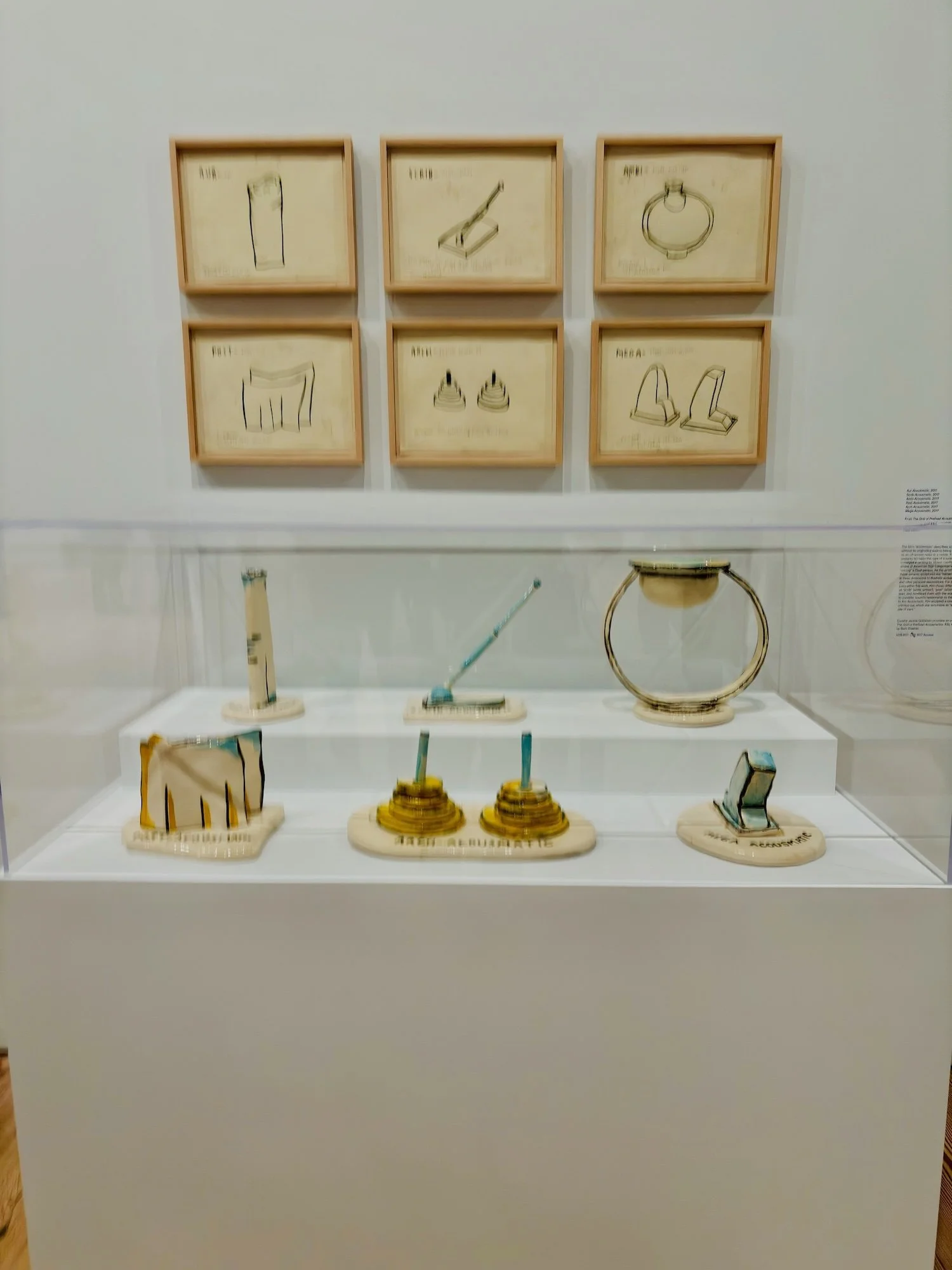
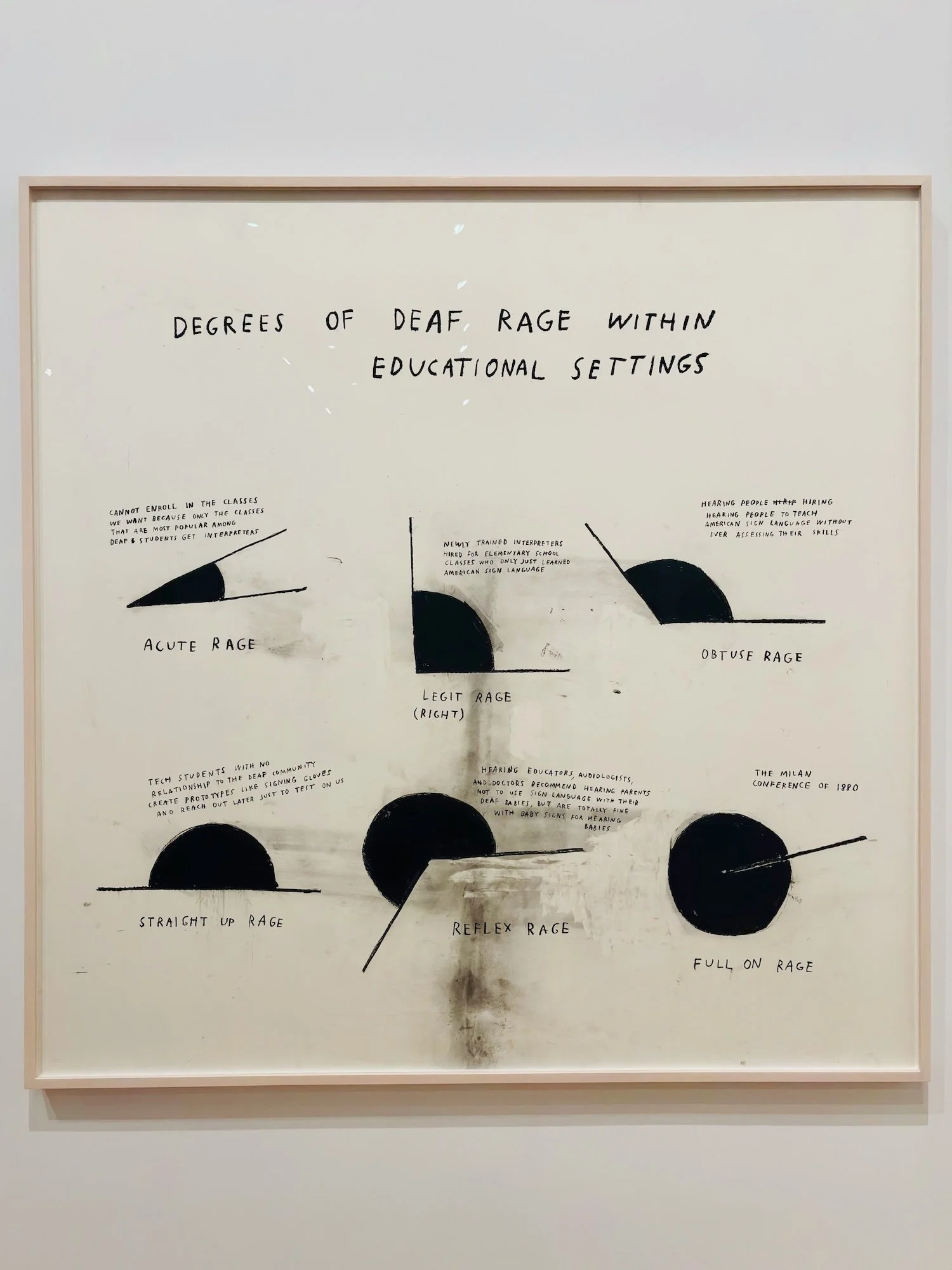
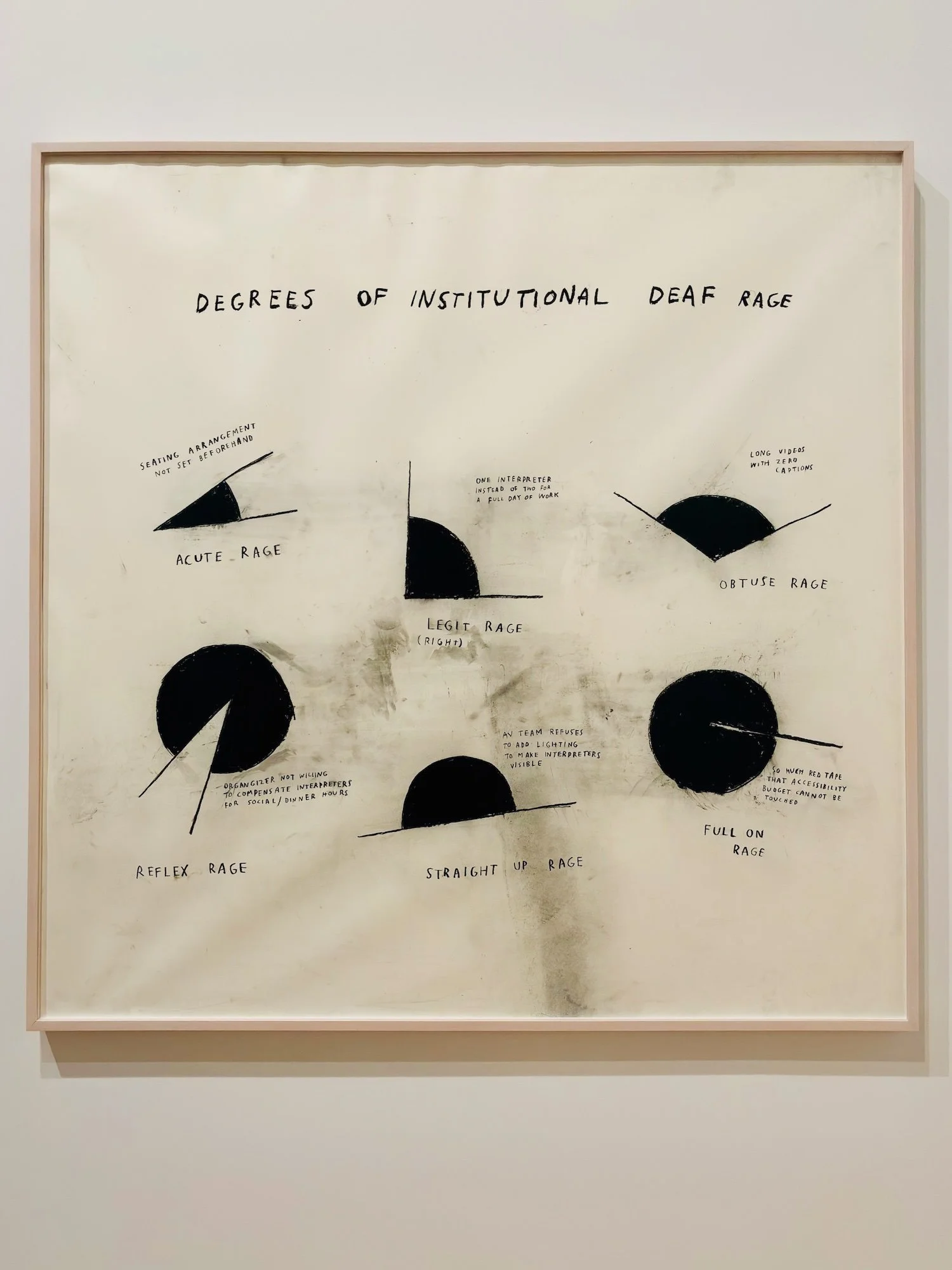
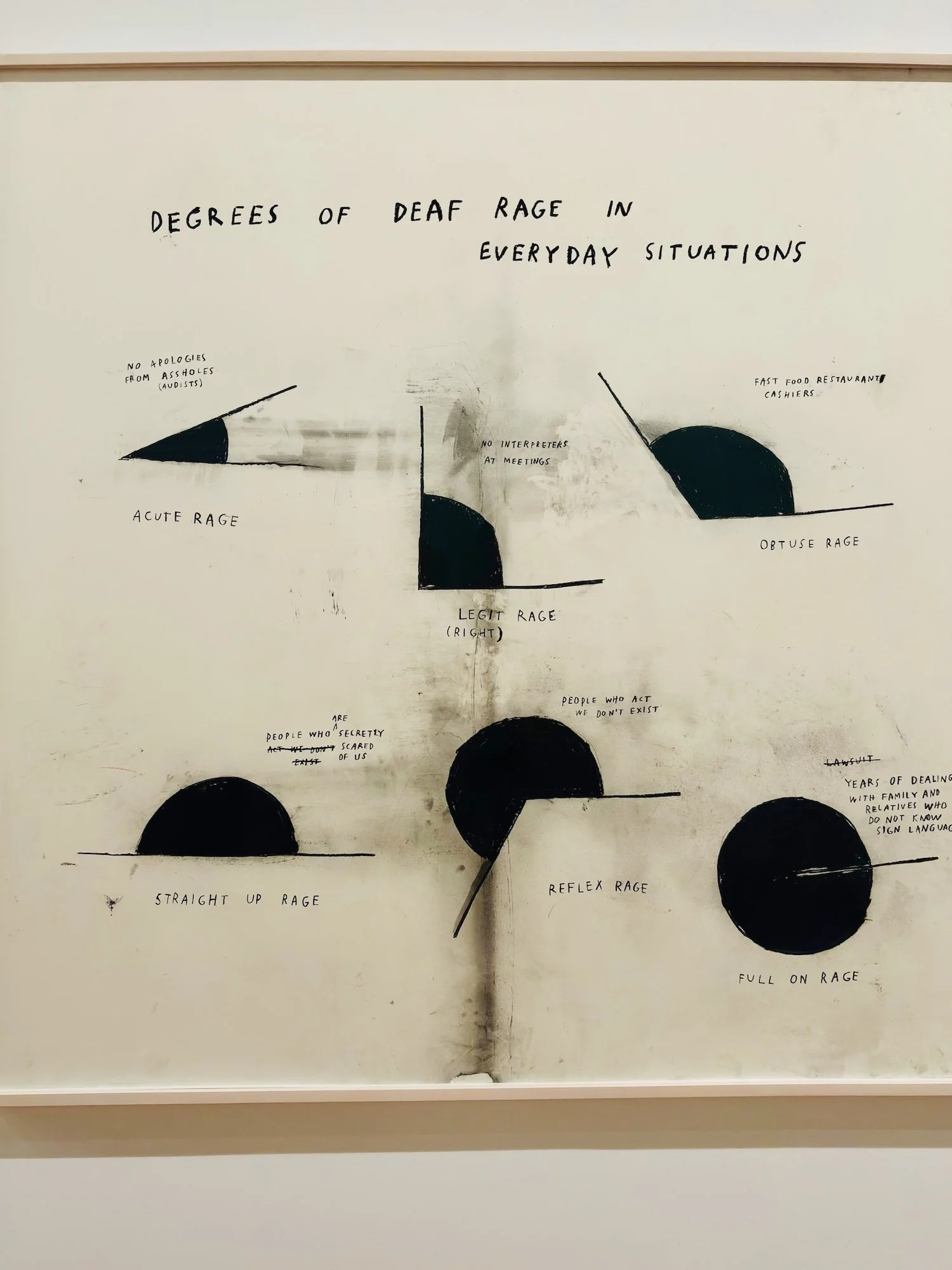
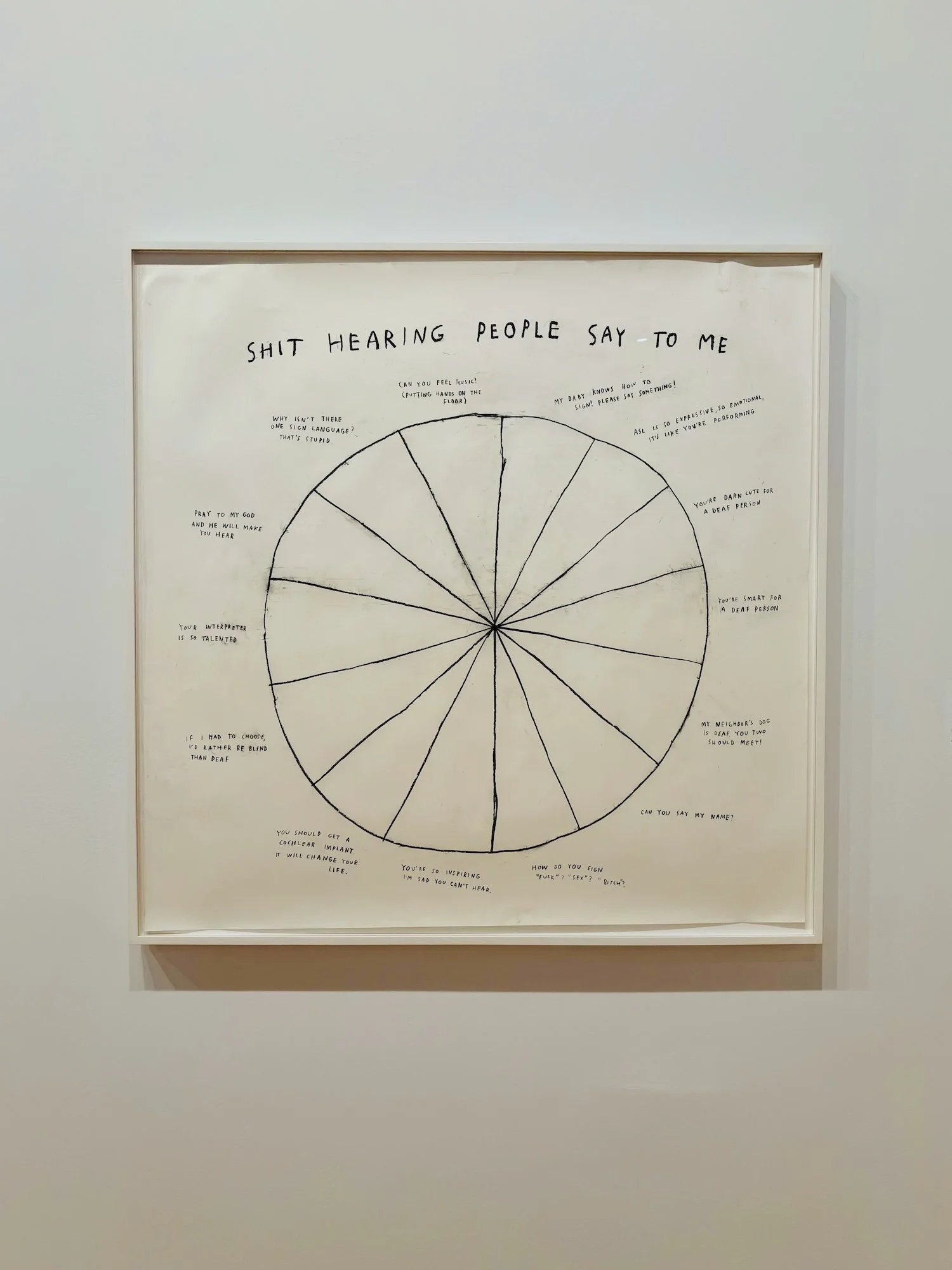
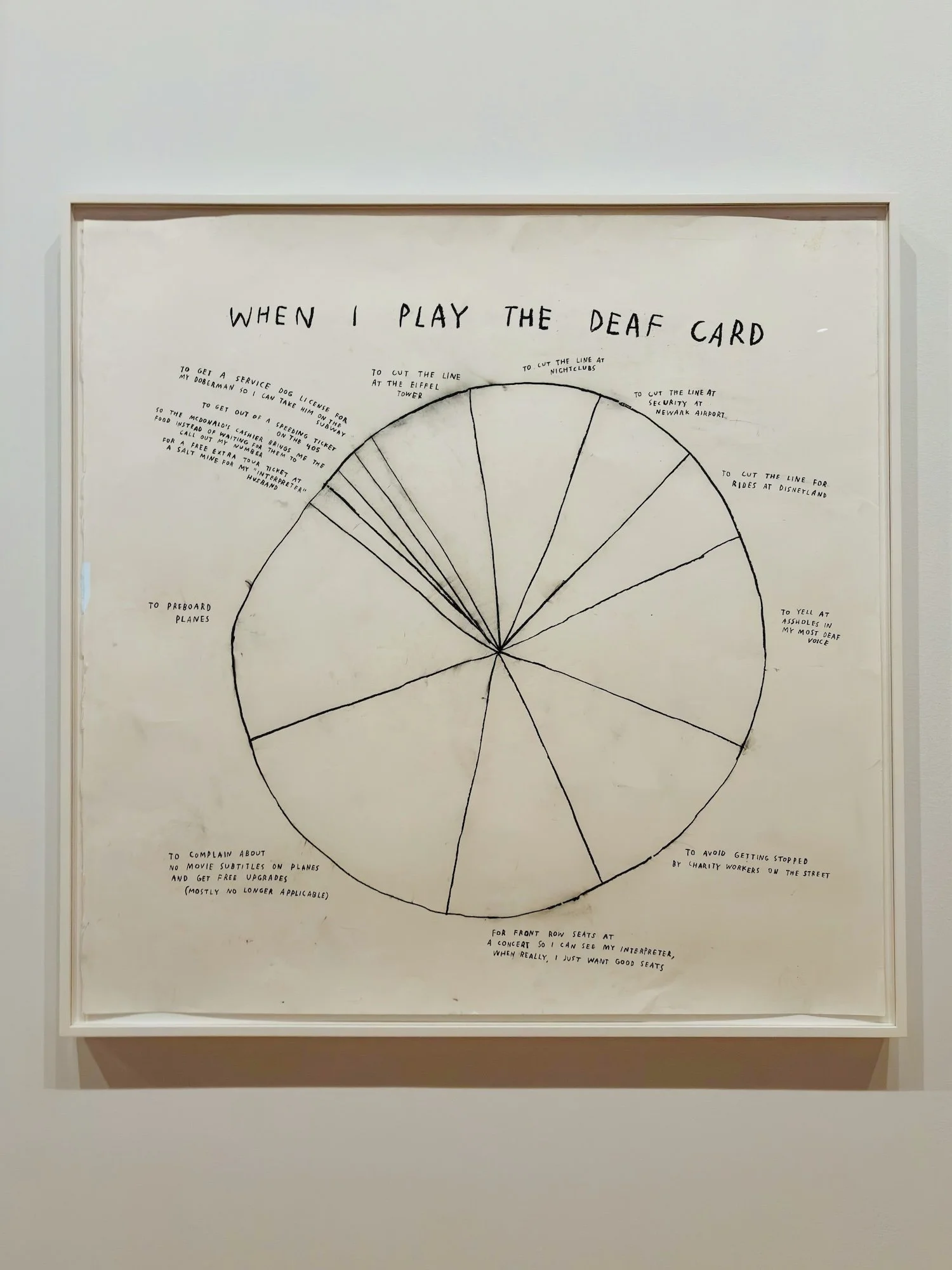
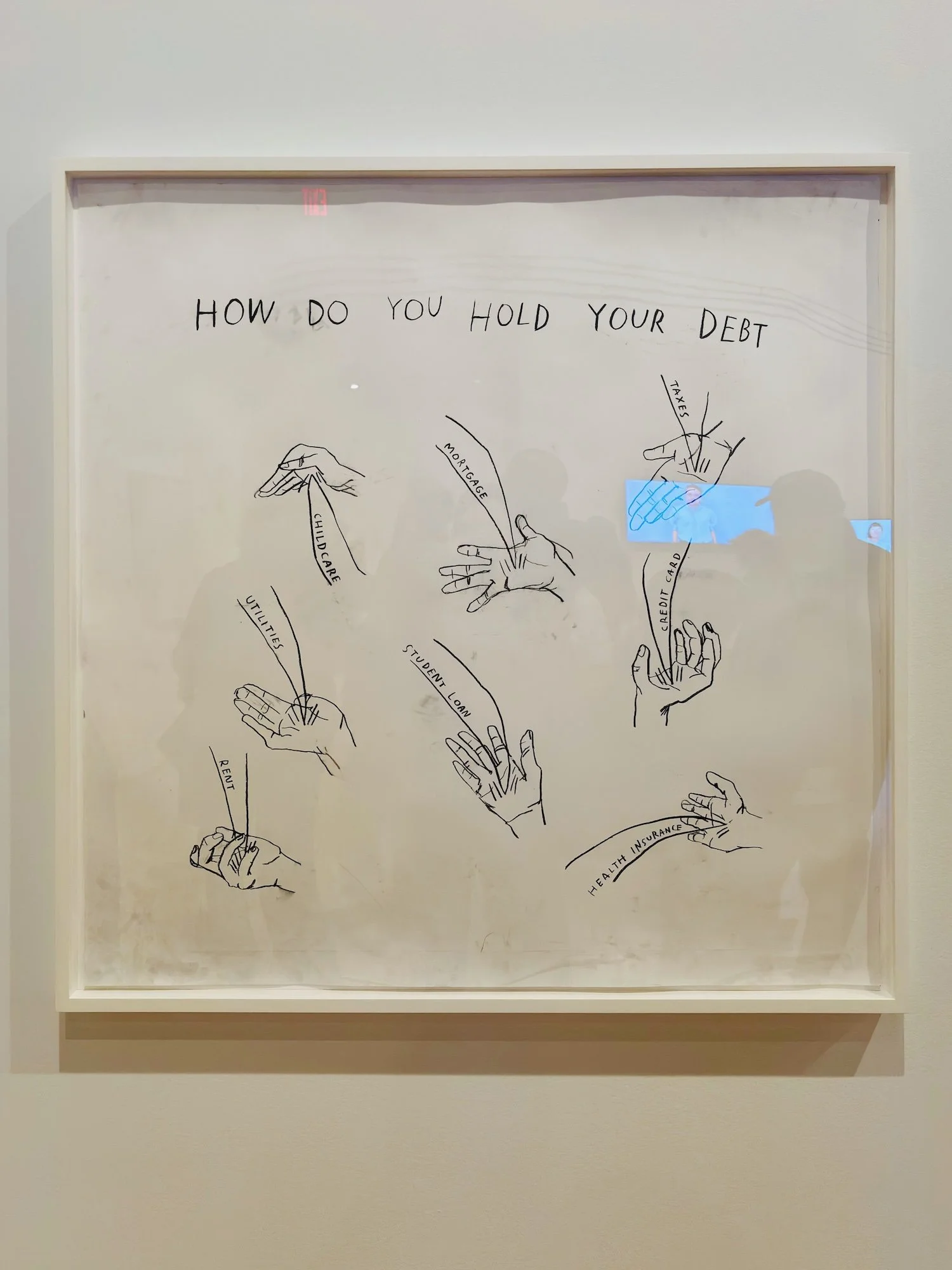
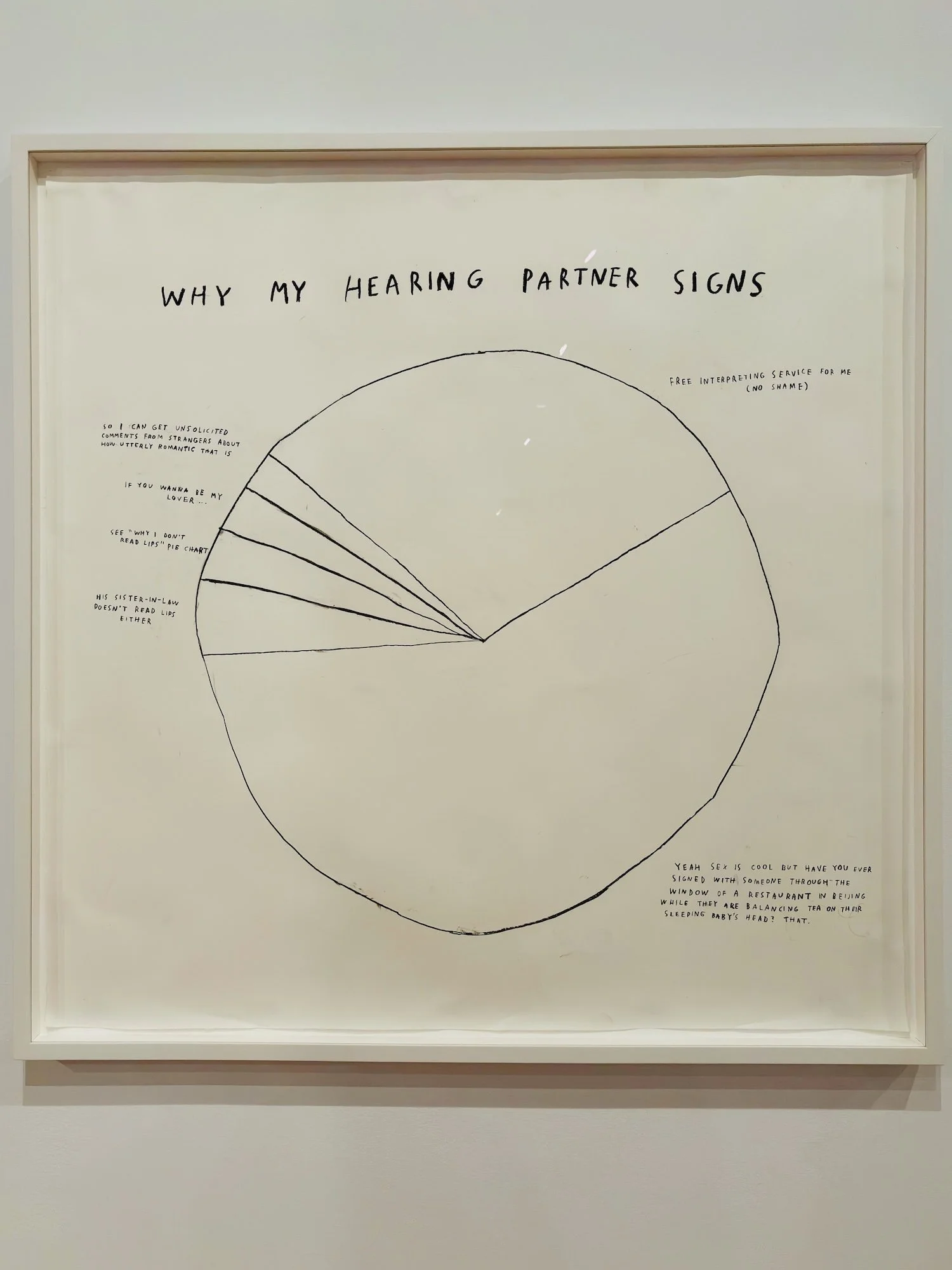
Christine Sun Kim has a way of making us question things we normally take for granted. In All Day All Night, sound is not something we simply hear. It becomes a visual, physical, and sometimes playful presence that fills the gallery and changes the way we move through it.

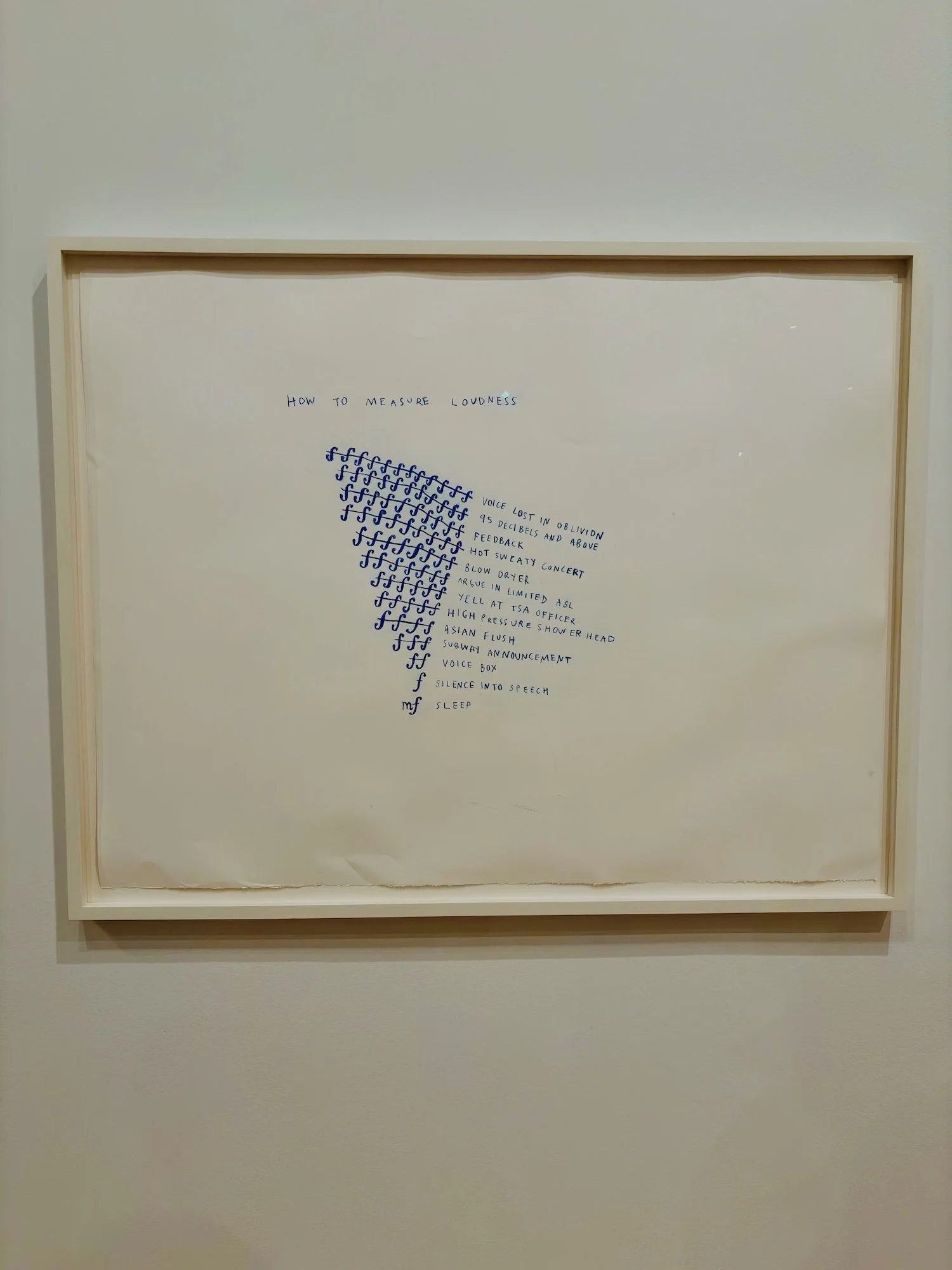
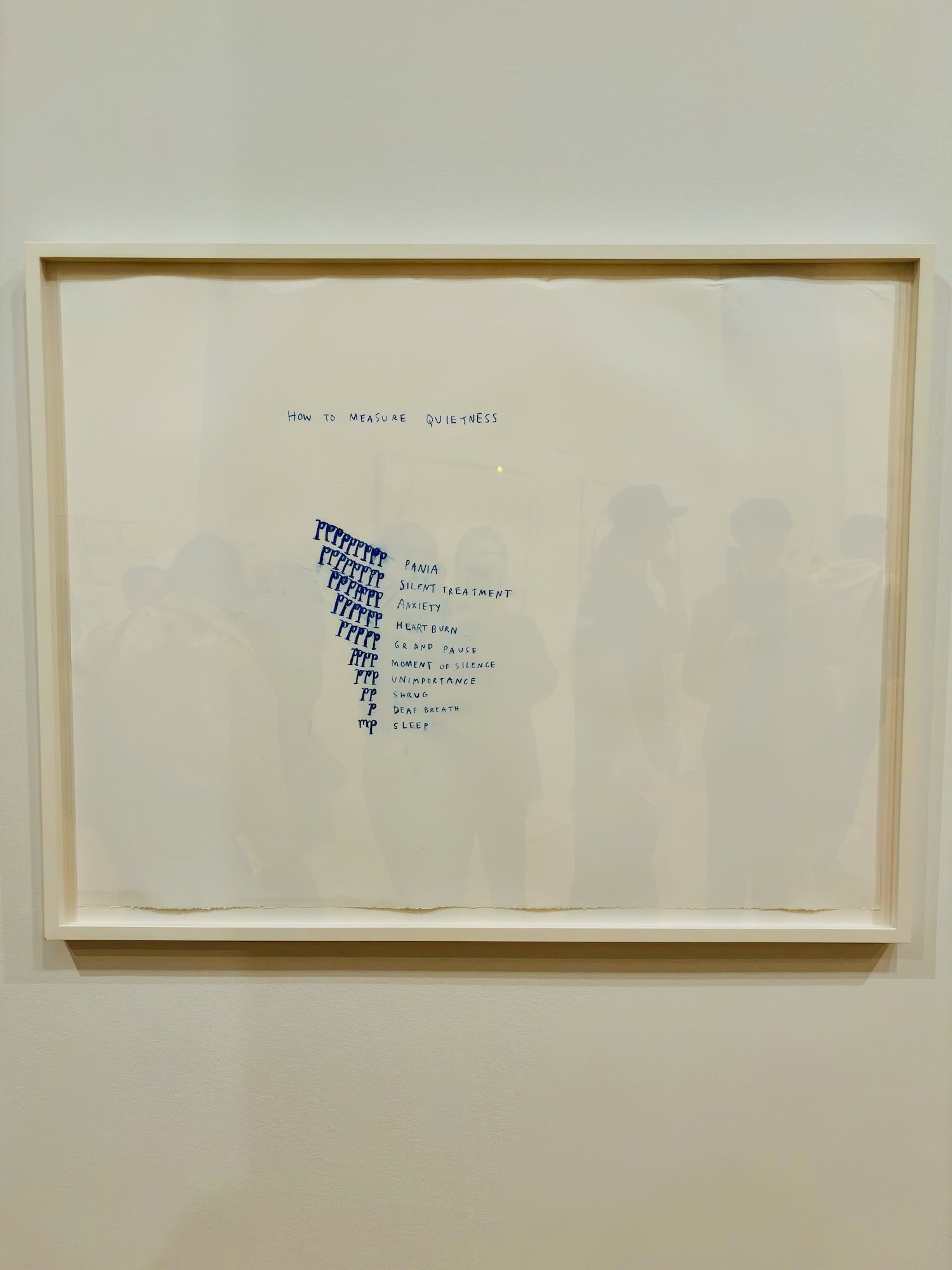
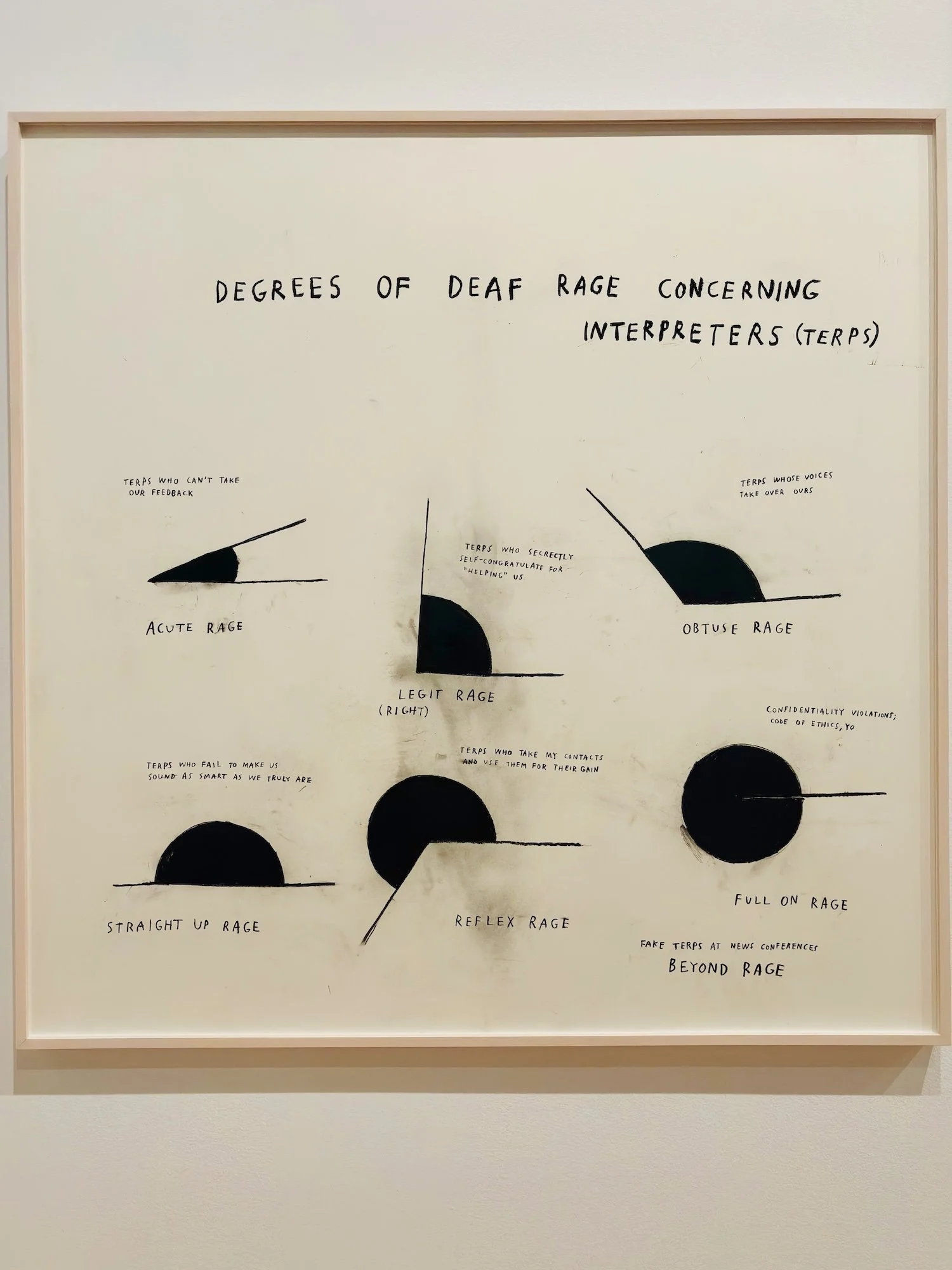
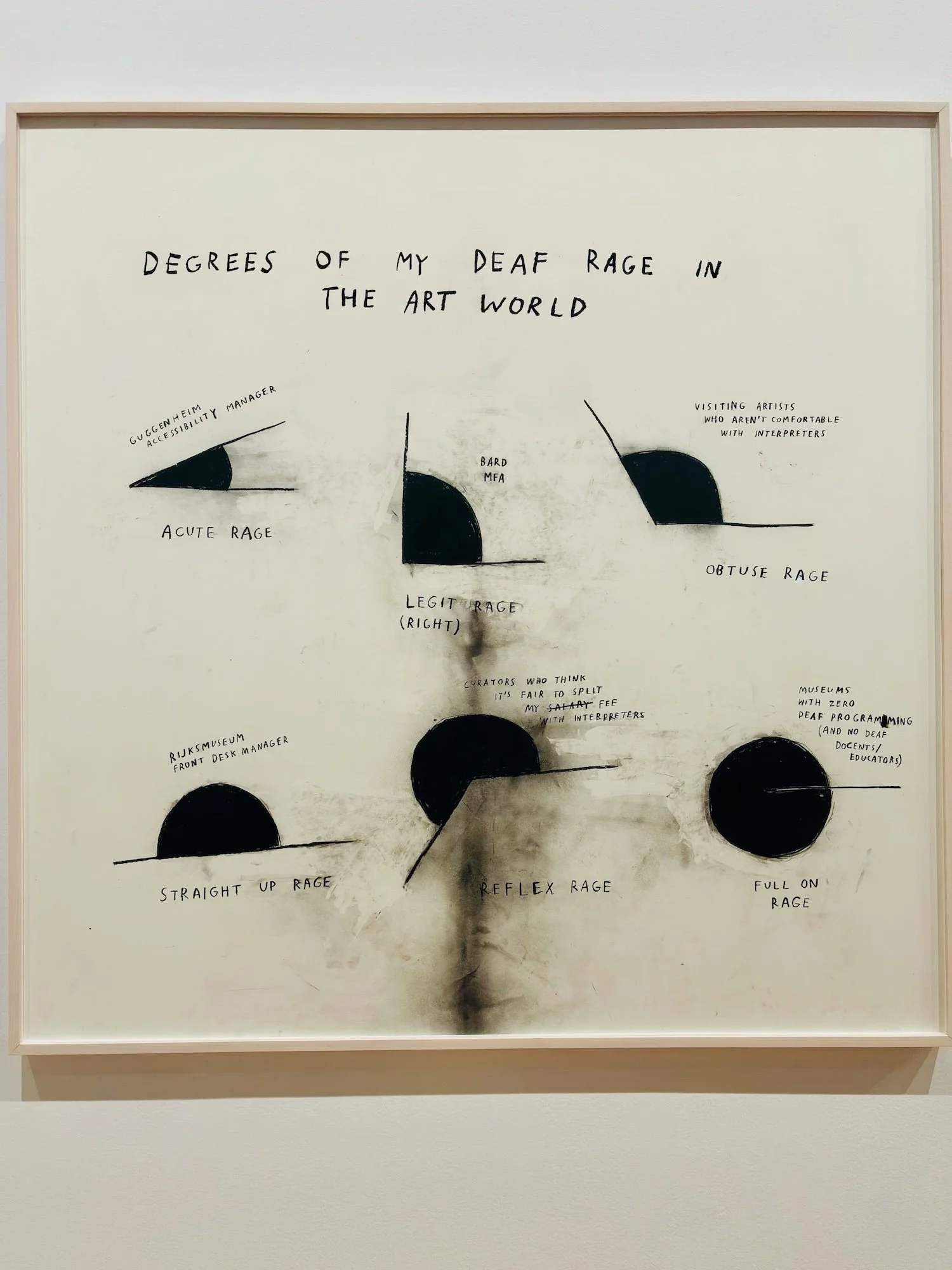
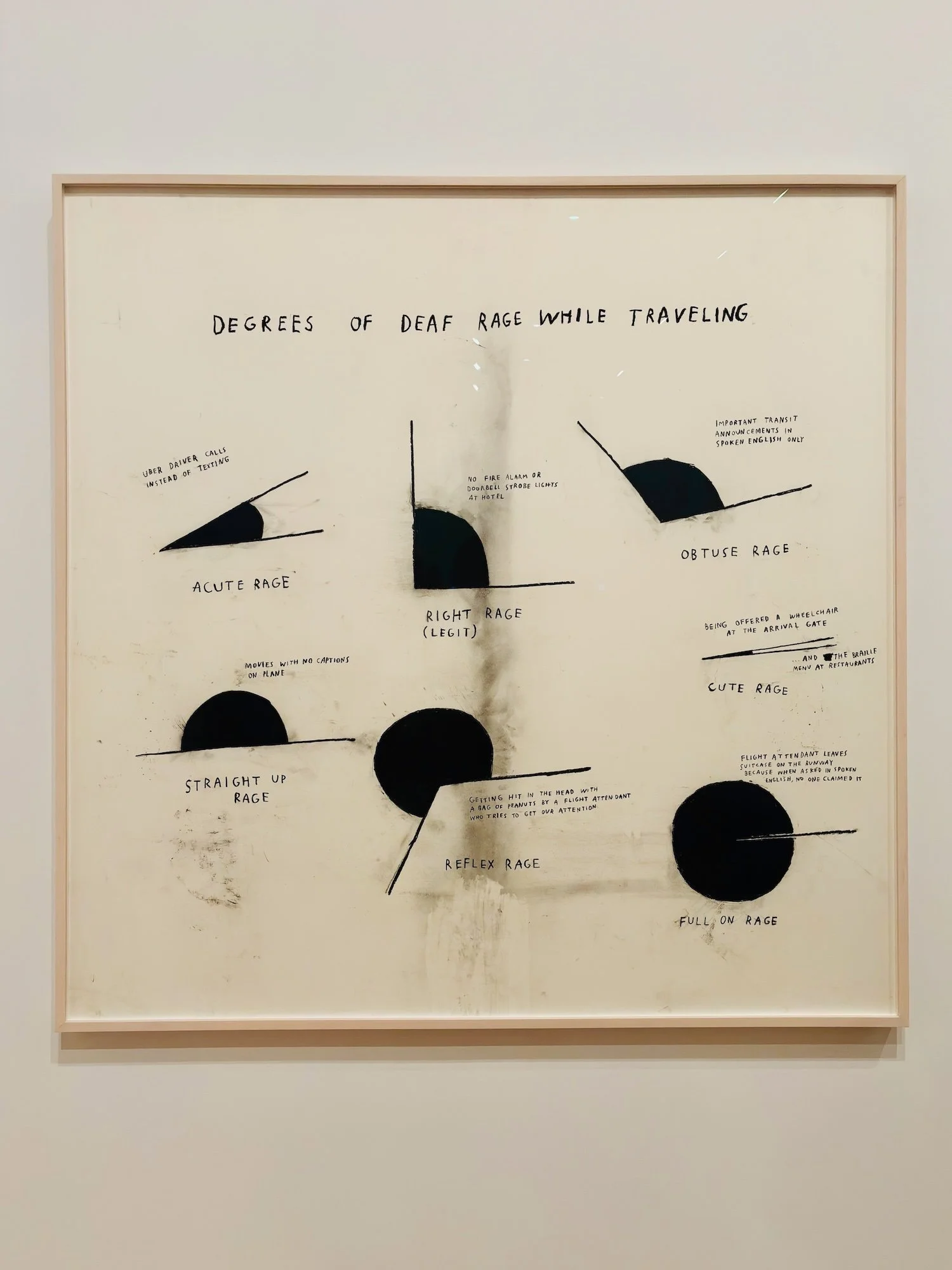
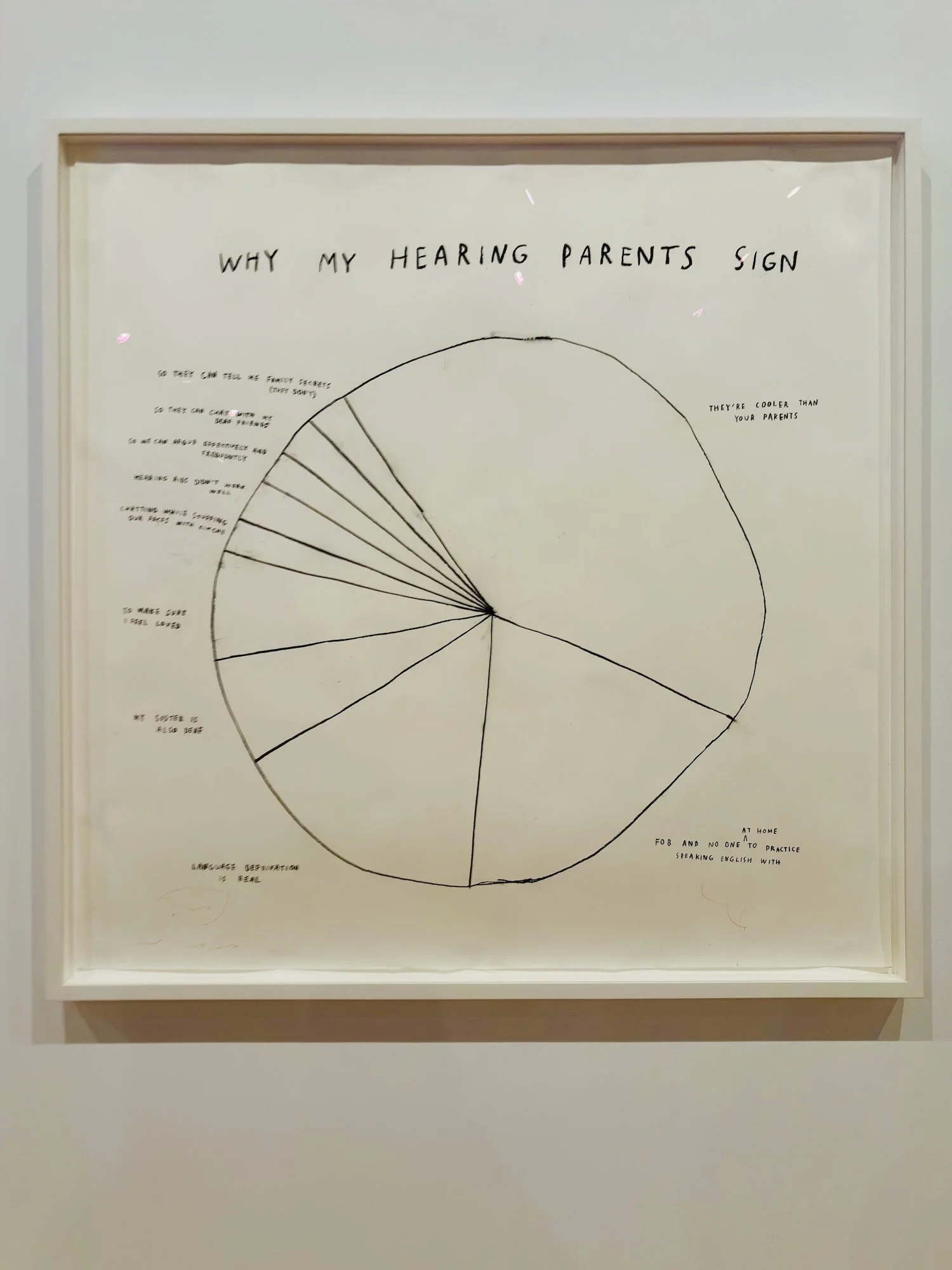
At the Whitney Museum of American Art, Christine Sun Kim: All Day All Night, on view from February 8 through September 28, 2025, brings together work from across the artist's practice, revealing how consistently she challenges the boundaries of communication. Musical notation, written language, American Sign Language, gesture, diagrams, and unexpected visual marks become materials in their own right.

There is a wonderful sense of humor throughout the exhibition. Some works catch us off guard, while others make us pause because a familiar idea suddenly feels unfamiliar. Kim has a gift for taking something as ordinary as a line, a phrase, or a symbol and making us wonder who created its rules in the first place. Her work is clever without feeling distant, and serious without losing its sense of play.

The longer we spend with the pieces, the more the walls themselves seem to participate in the conversation. Our photographs capture fragments of that experience: a detail here, an expressive gesture there, a work that catches the eye before its meaning fully settles in. They also remind us of how much of Kim's work depends on scale, movement, and the relationship between the body and the surrounding space.

Perhaps that is what makes the exhibition so engaging. We enter expecting to think about sound, yet we leave thinking about much more: who is included in a conversation, how meaning travels, and why we so often assume that communication must look or sound a certain way.

Kim gives us no single answer. Instead, she leaves us with something more interesting: the feeling that there are many more ways to communicate than we have been taught to notice.

Comment

Amy Sherald: American Sublime at the Whitney

Comment

Amy Sherald: American Sublime at the Whitney

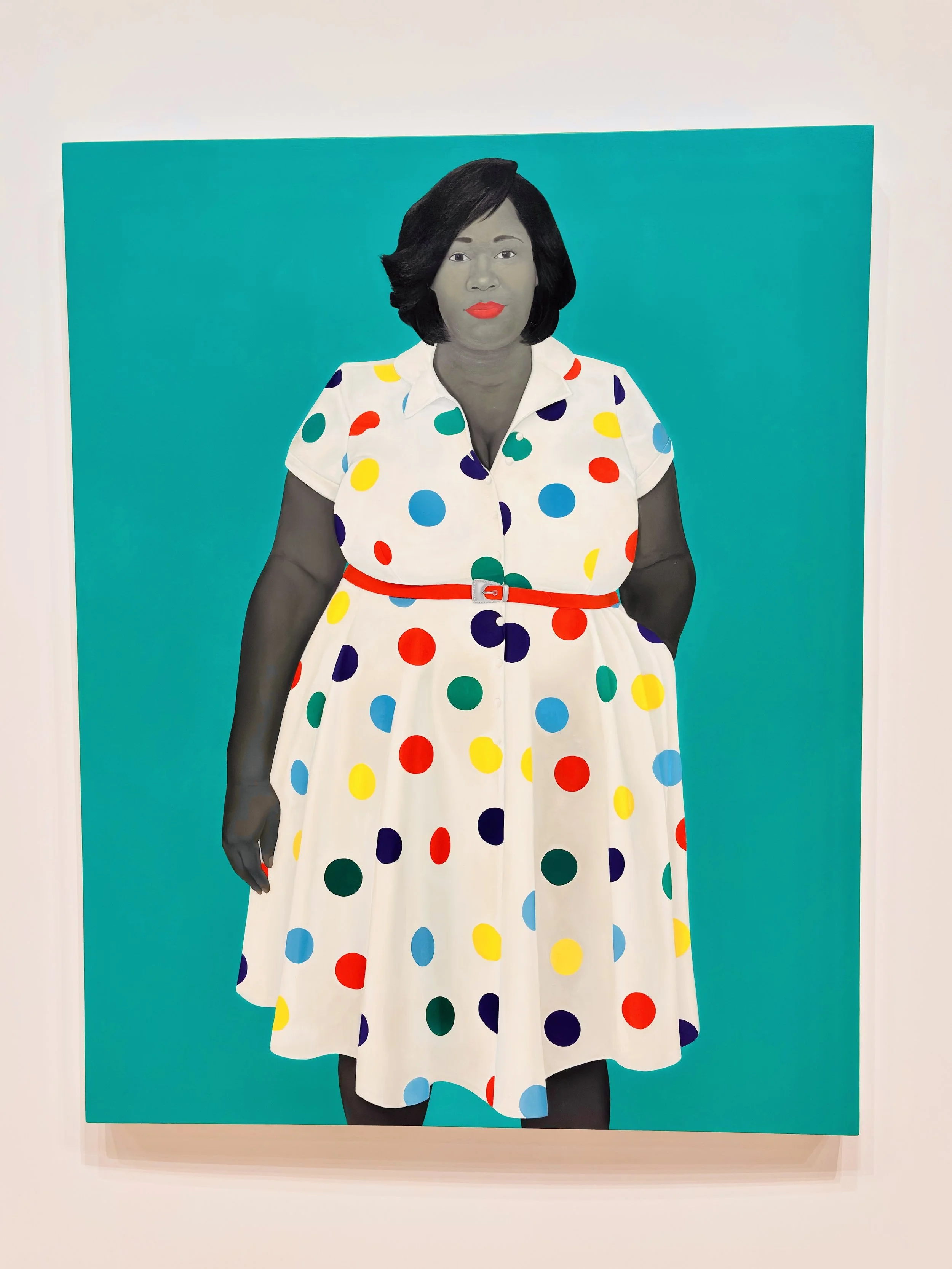
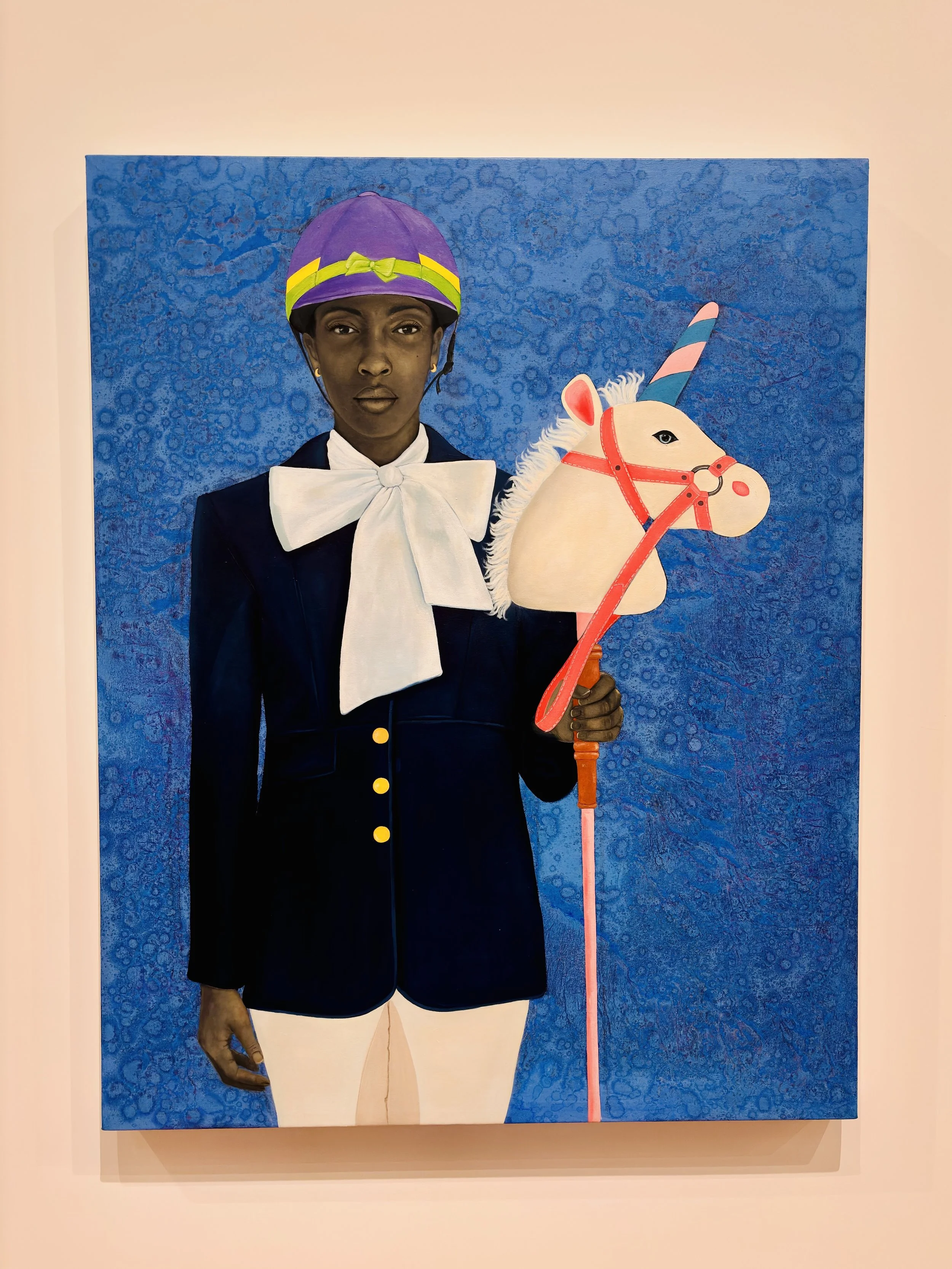
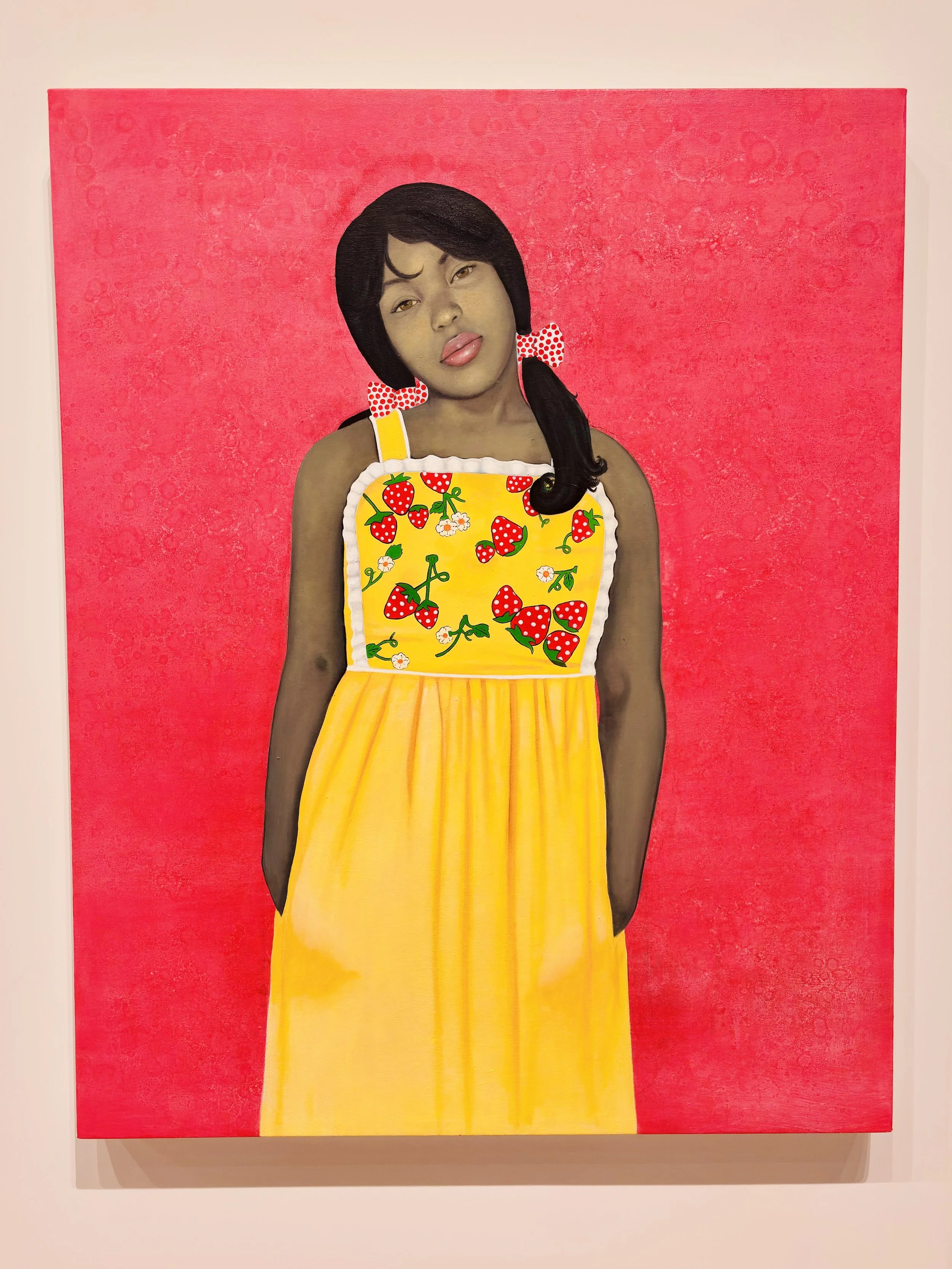
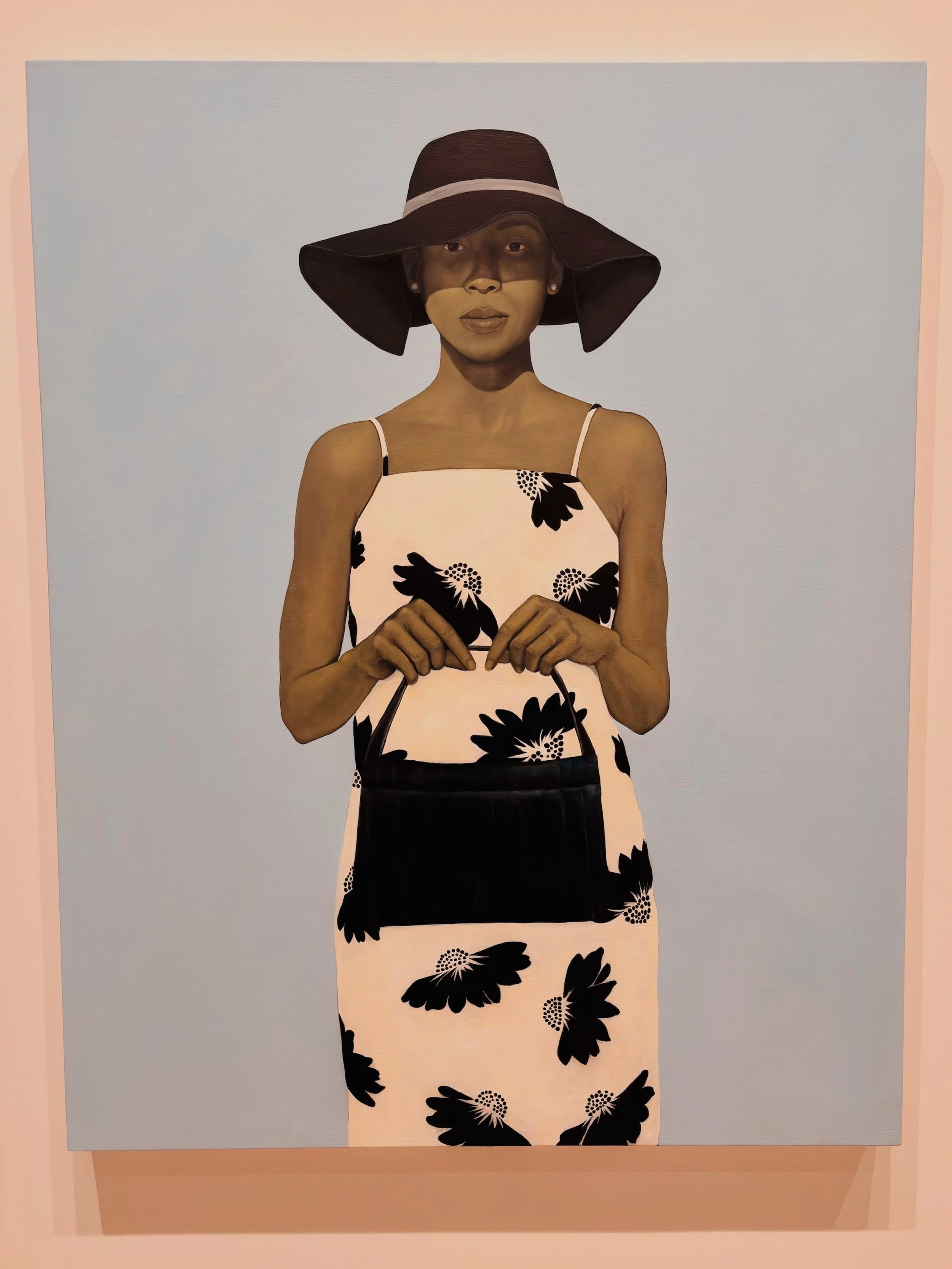
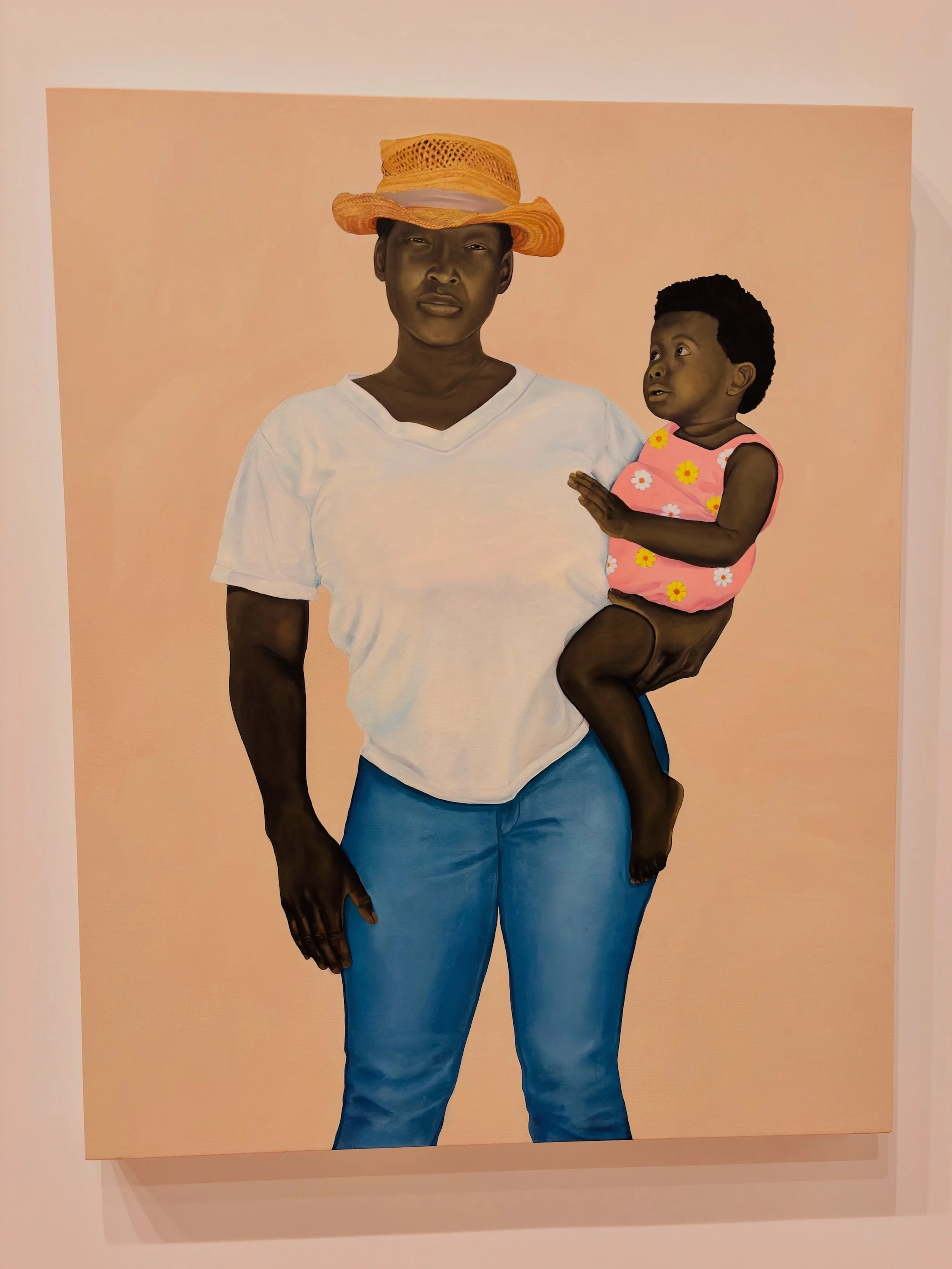
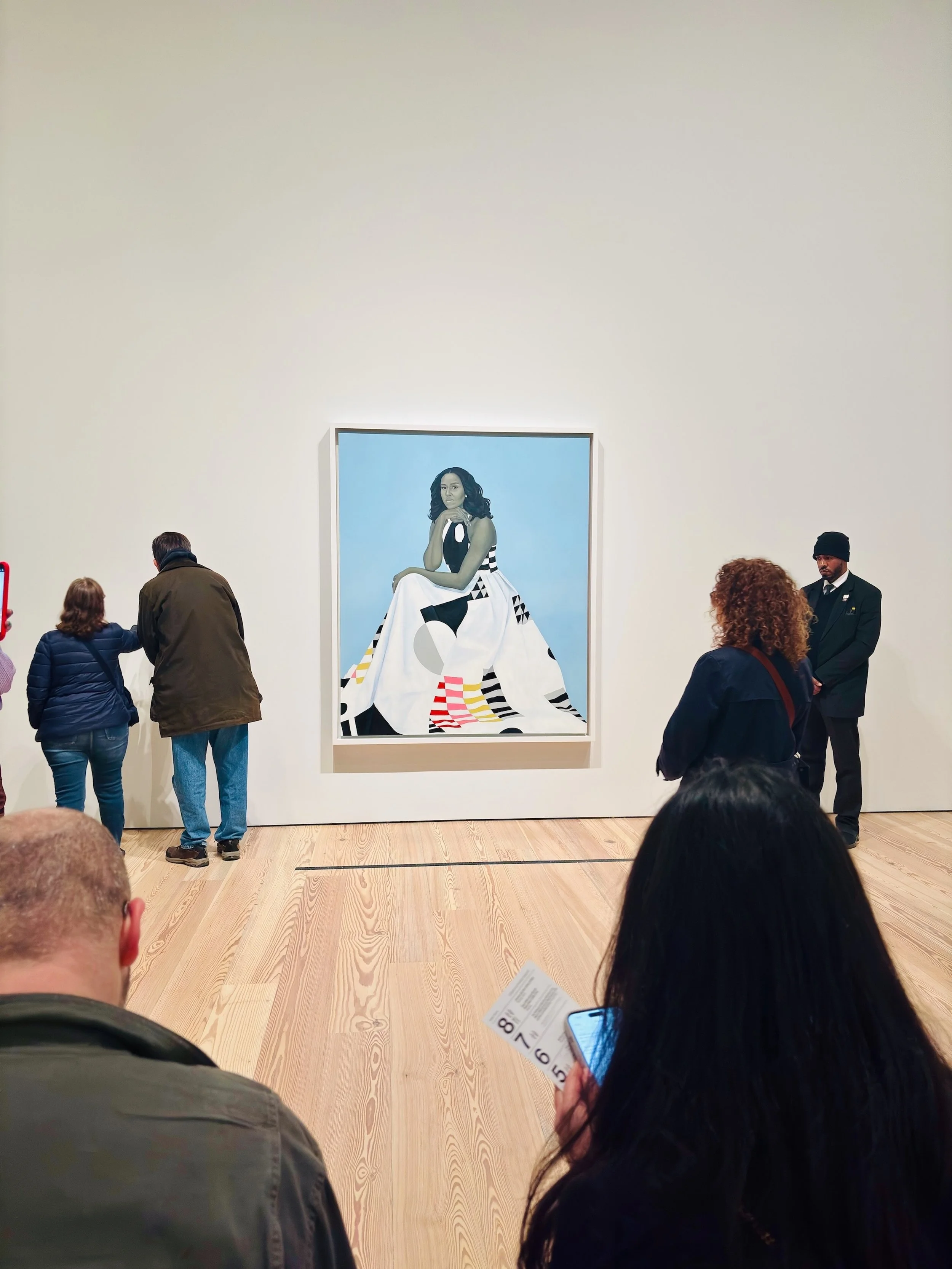
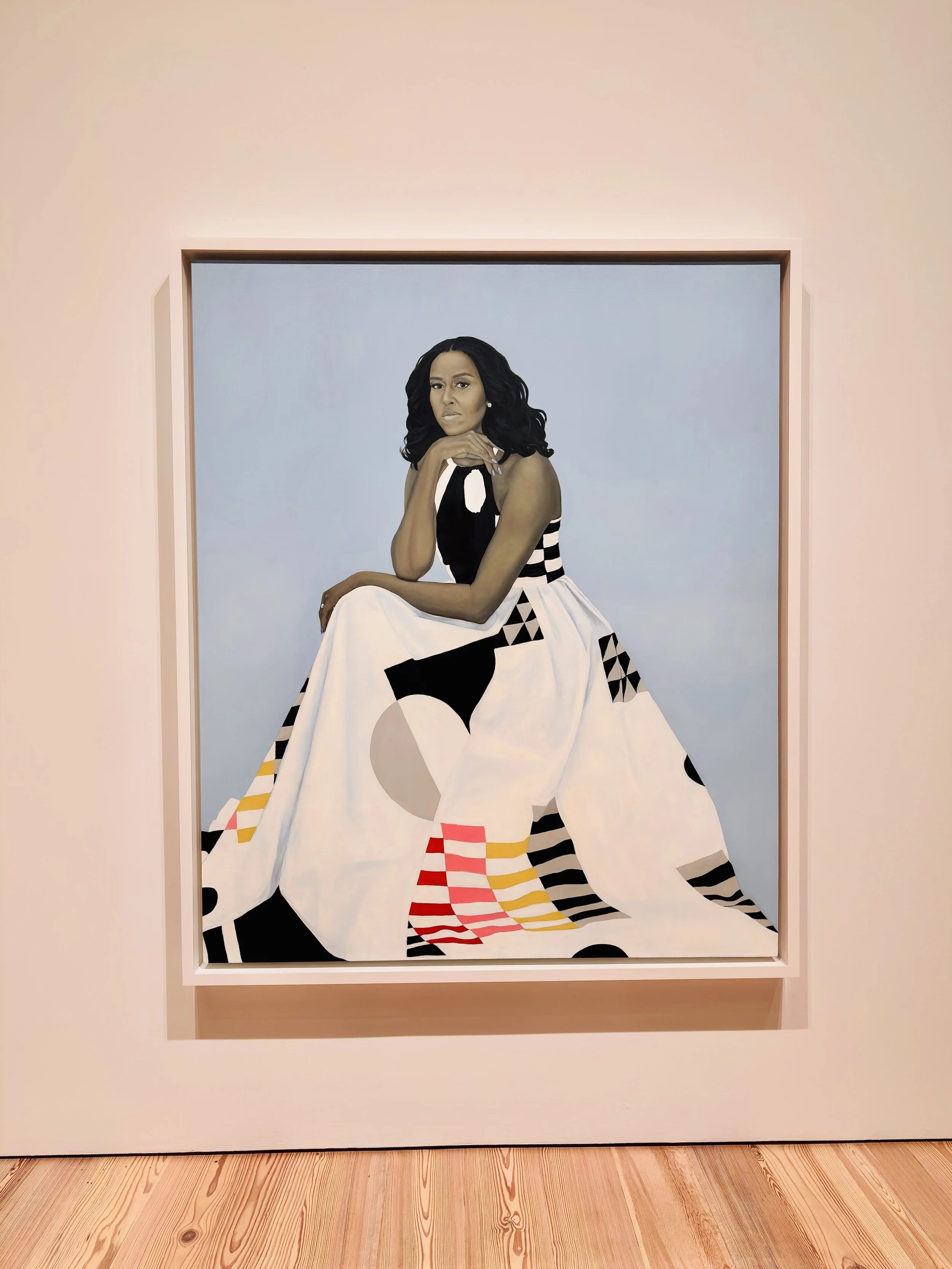
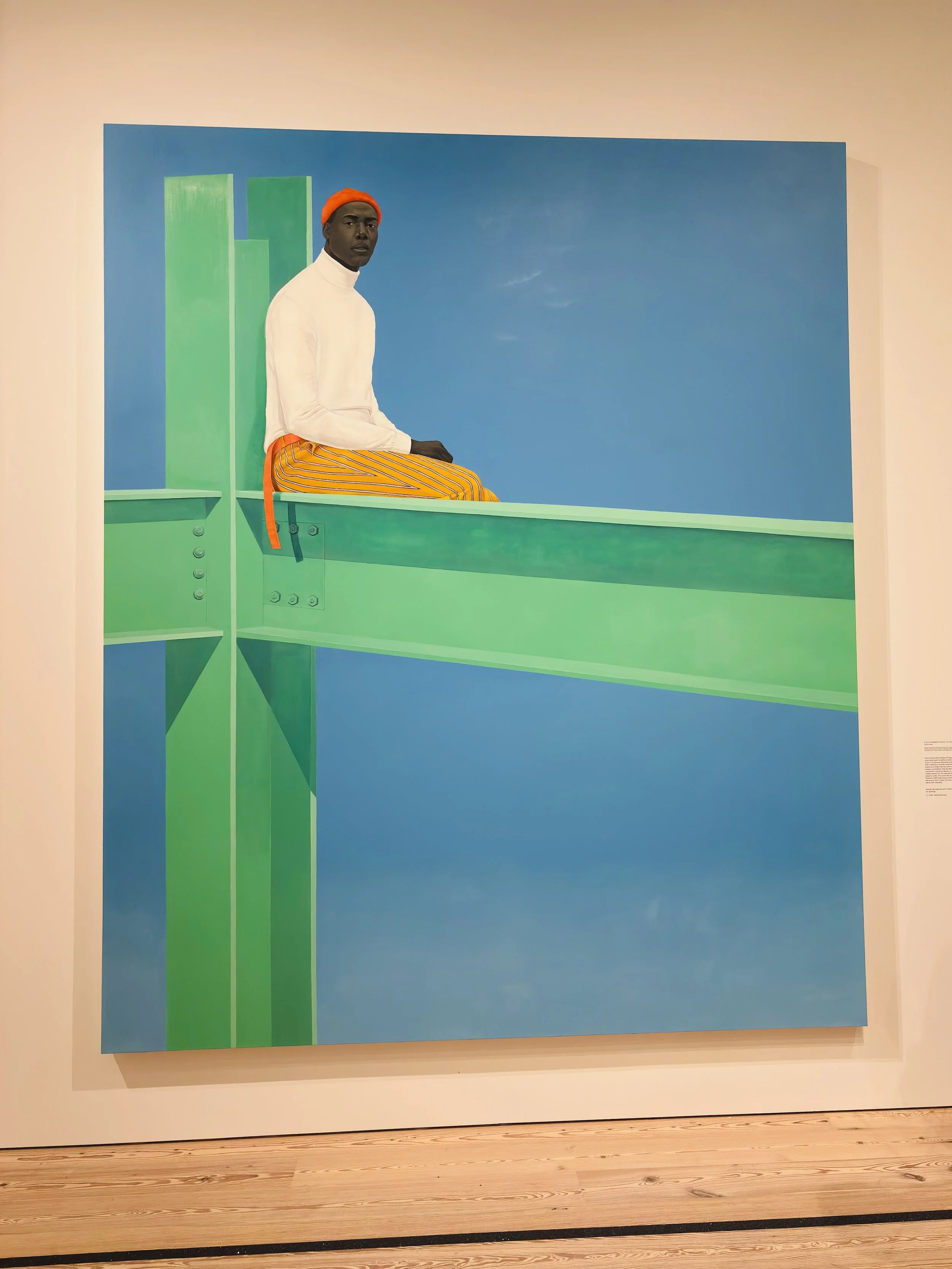
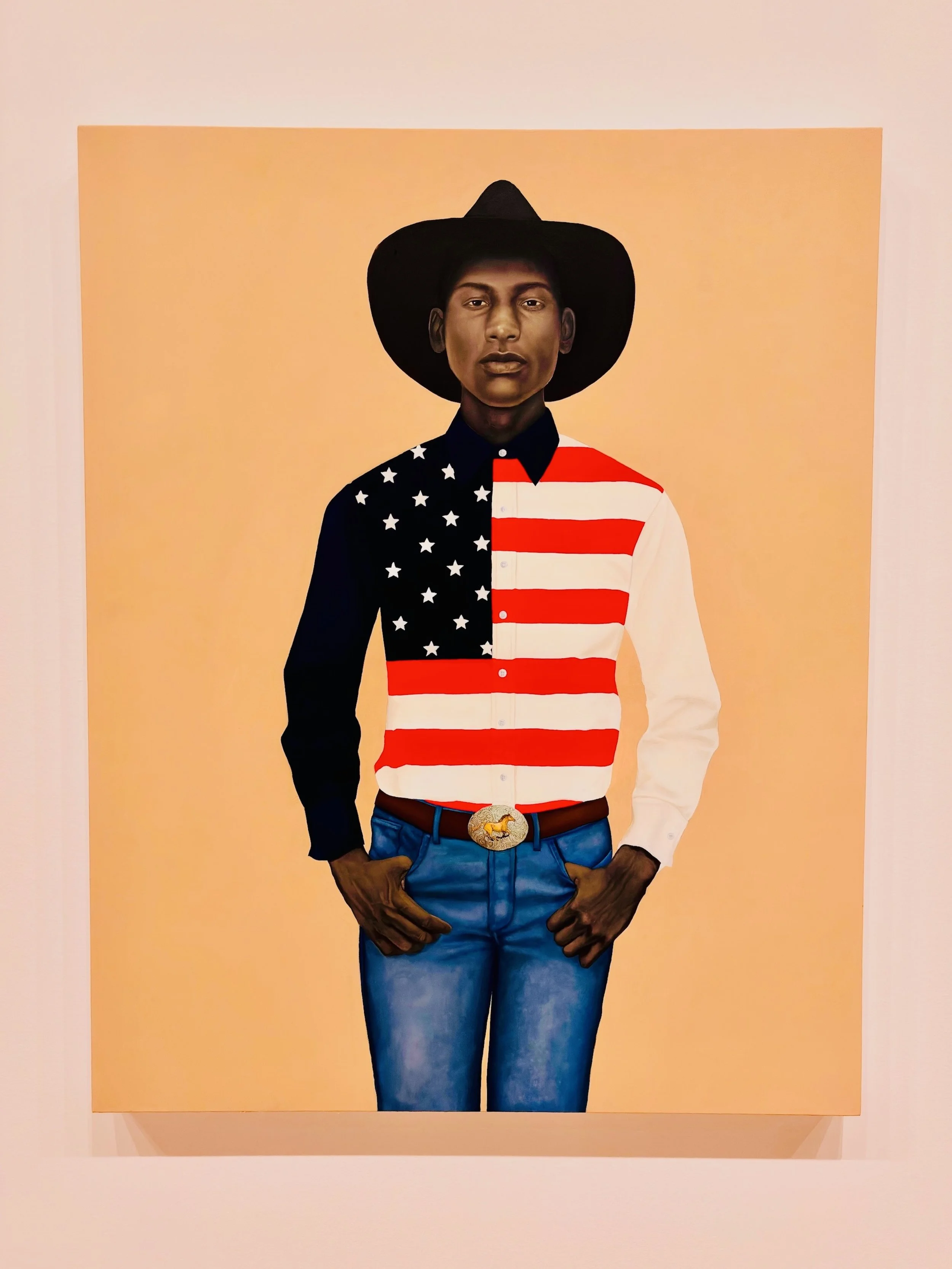
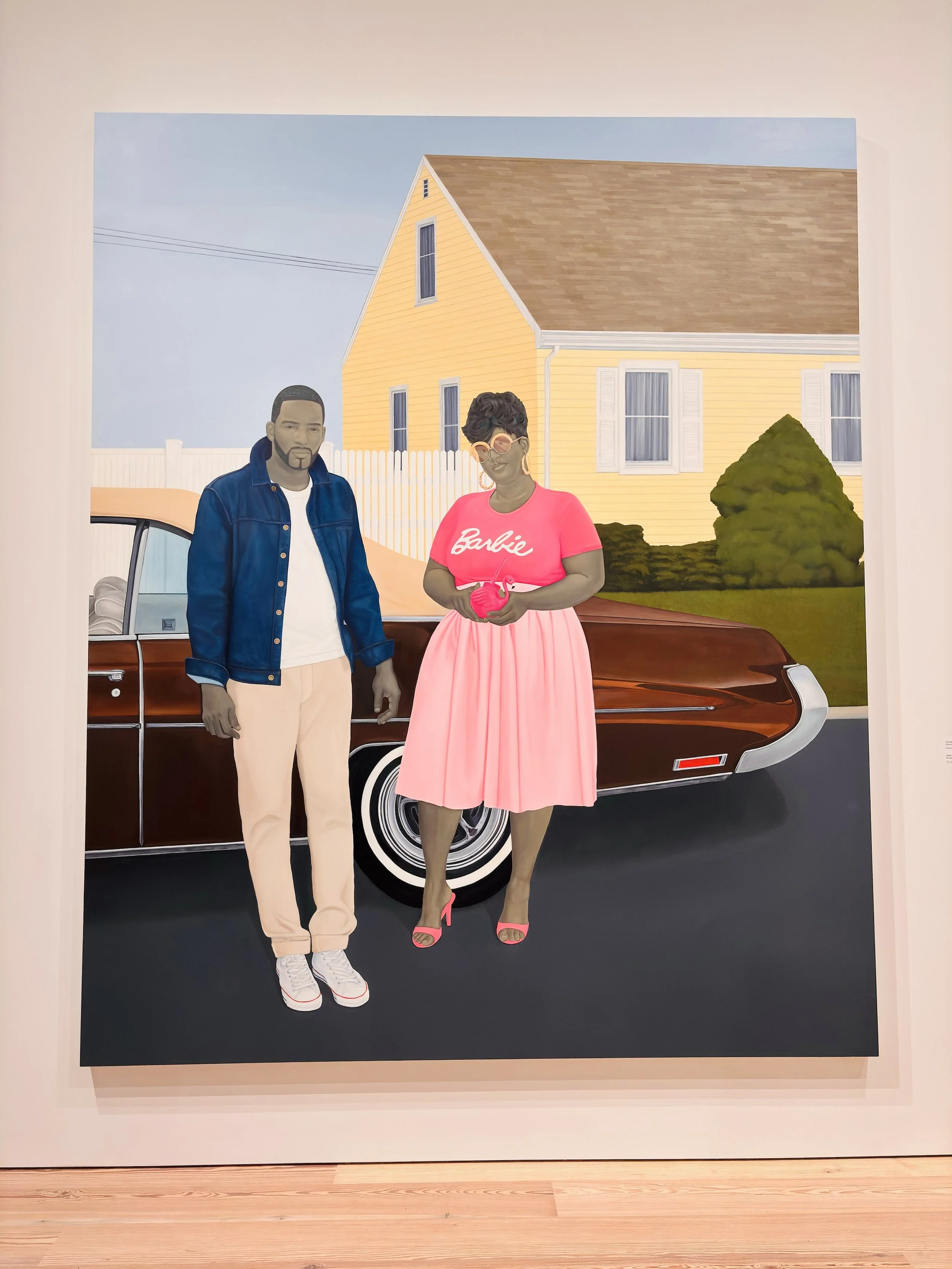
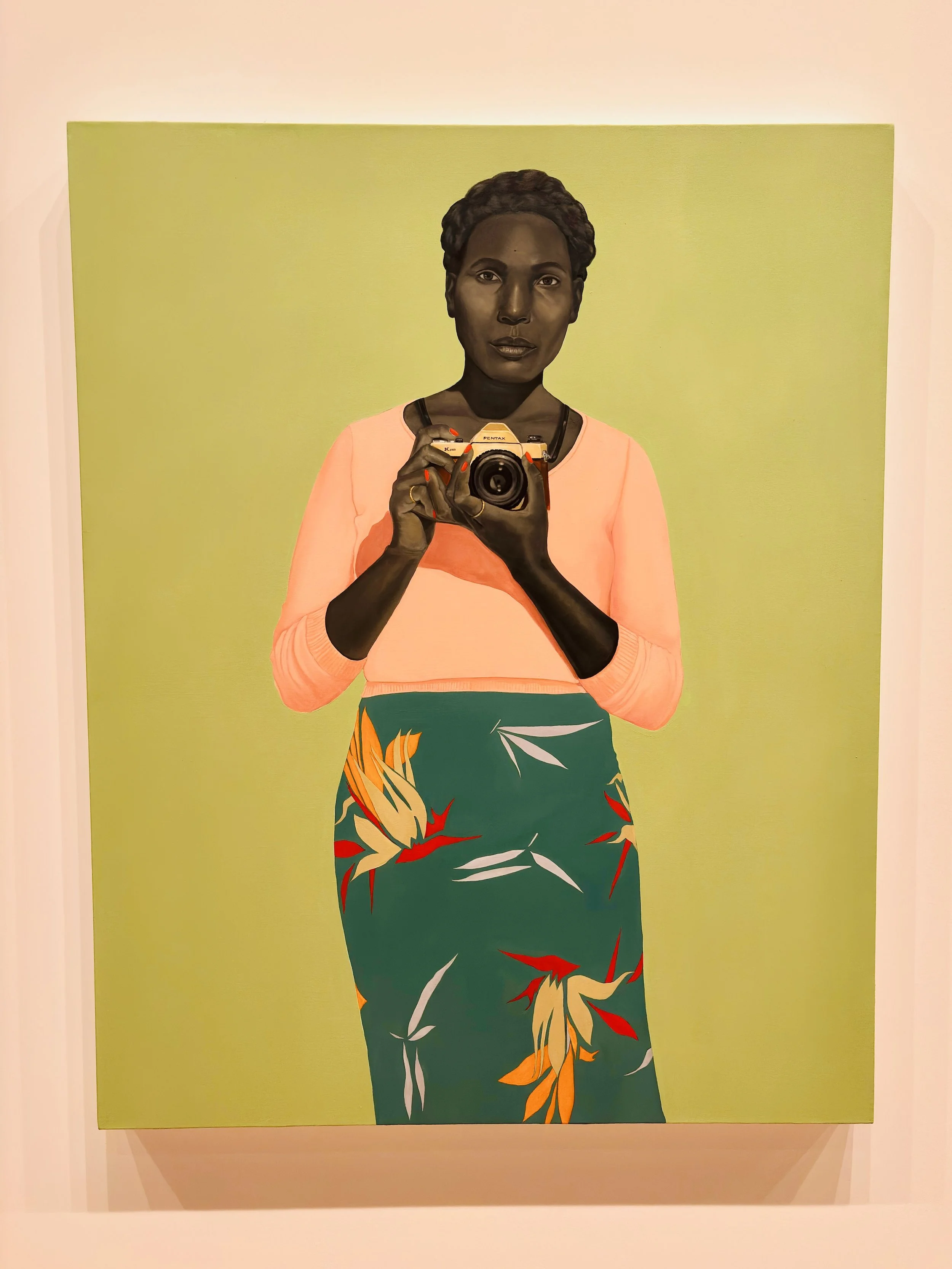
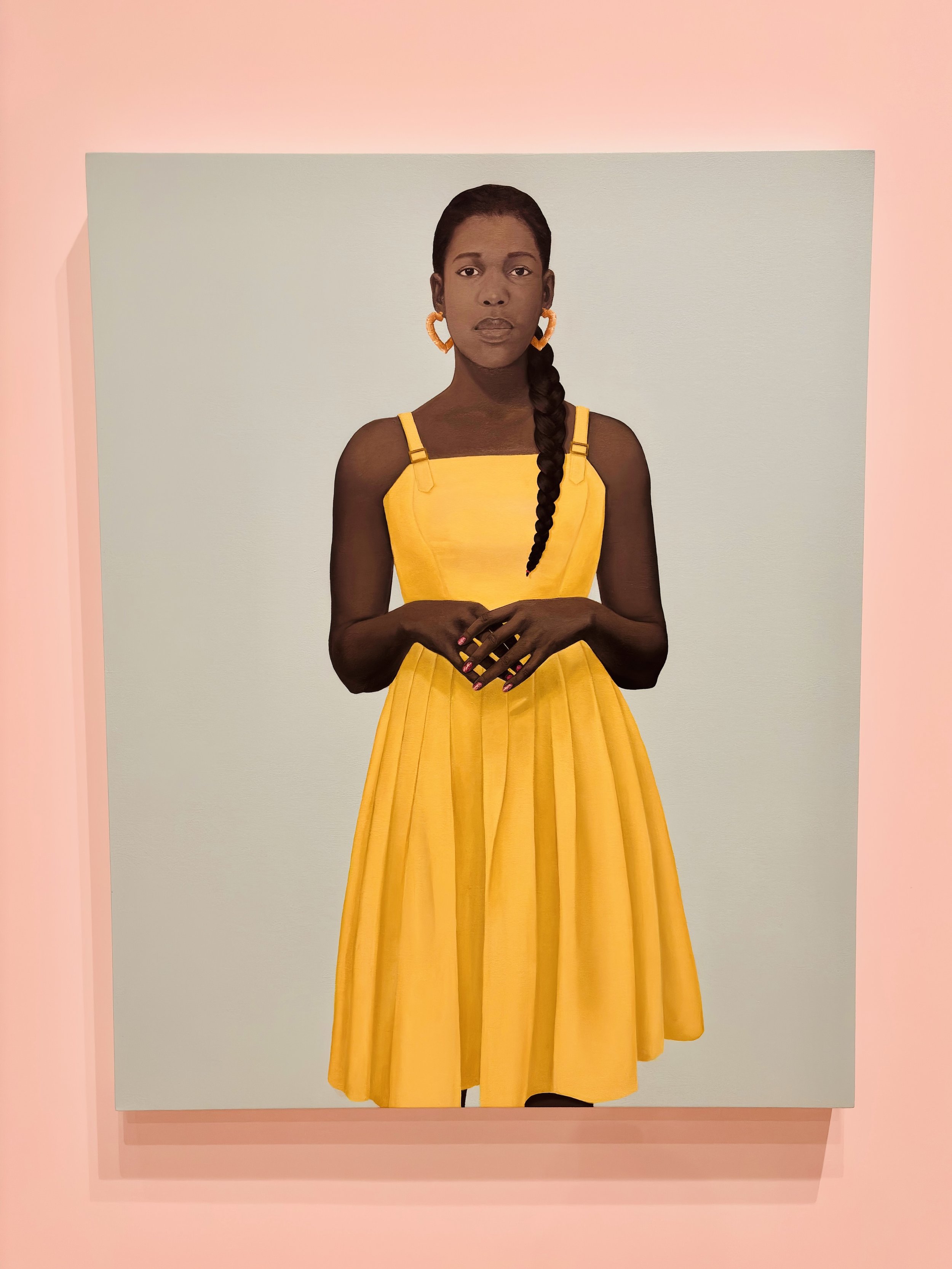
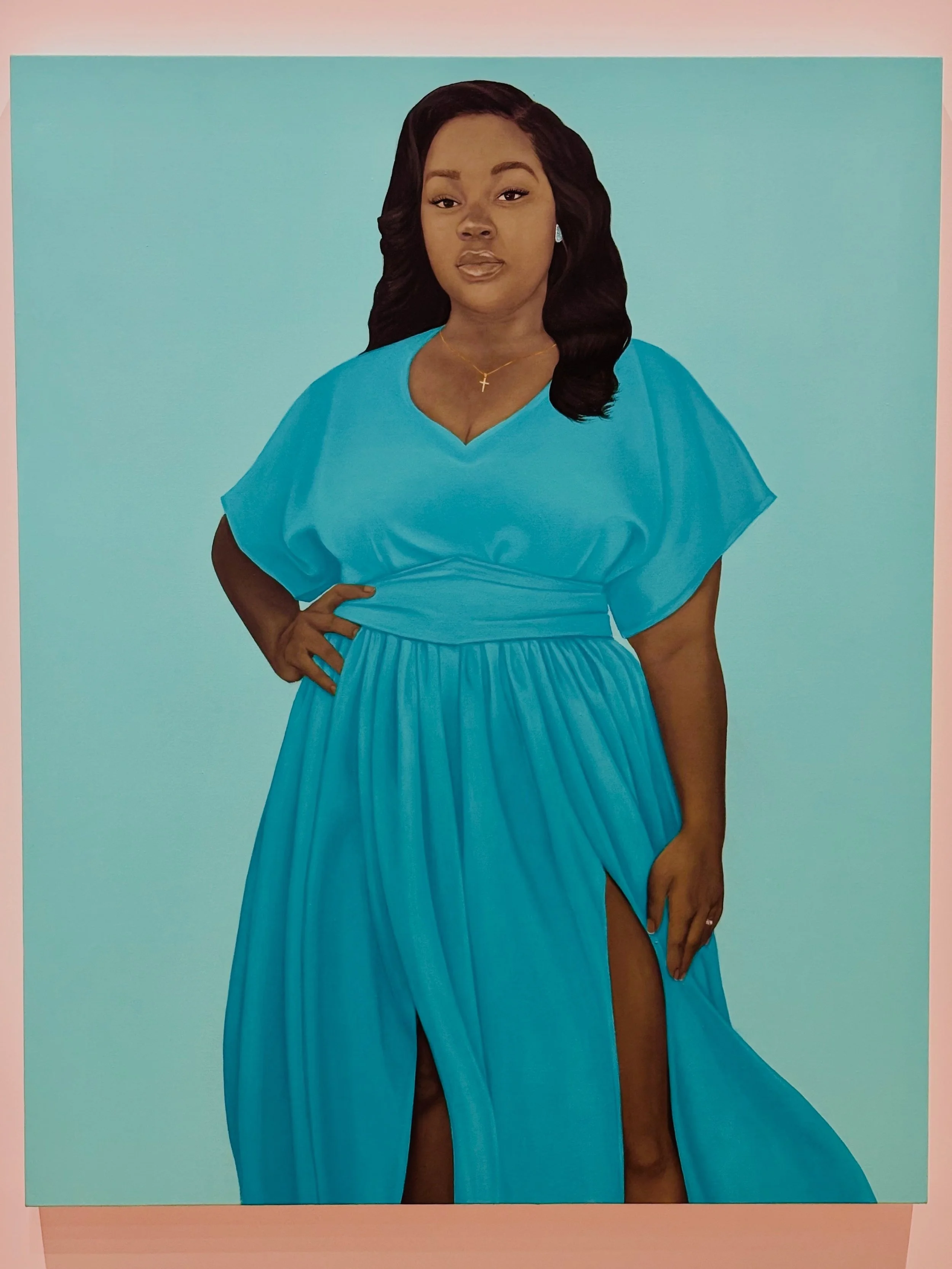
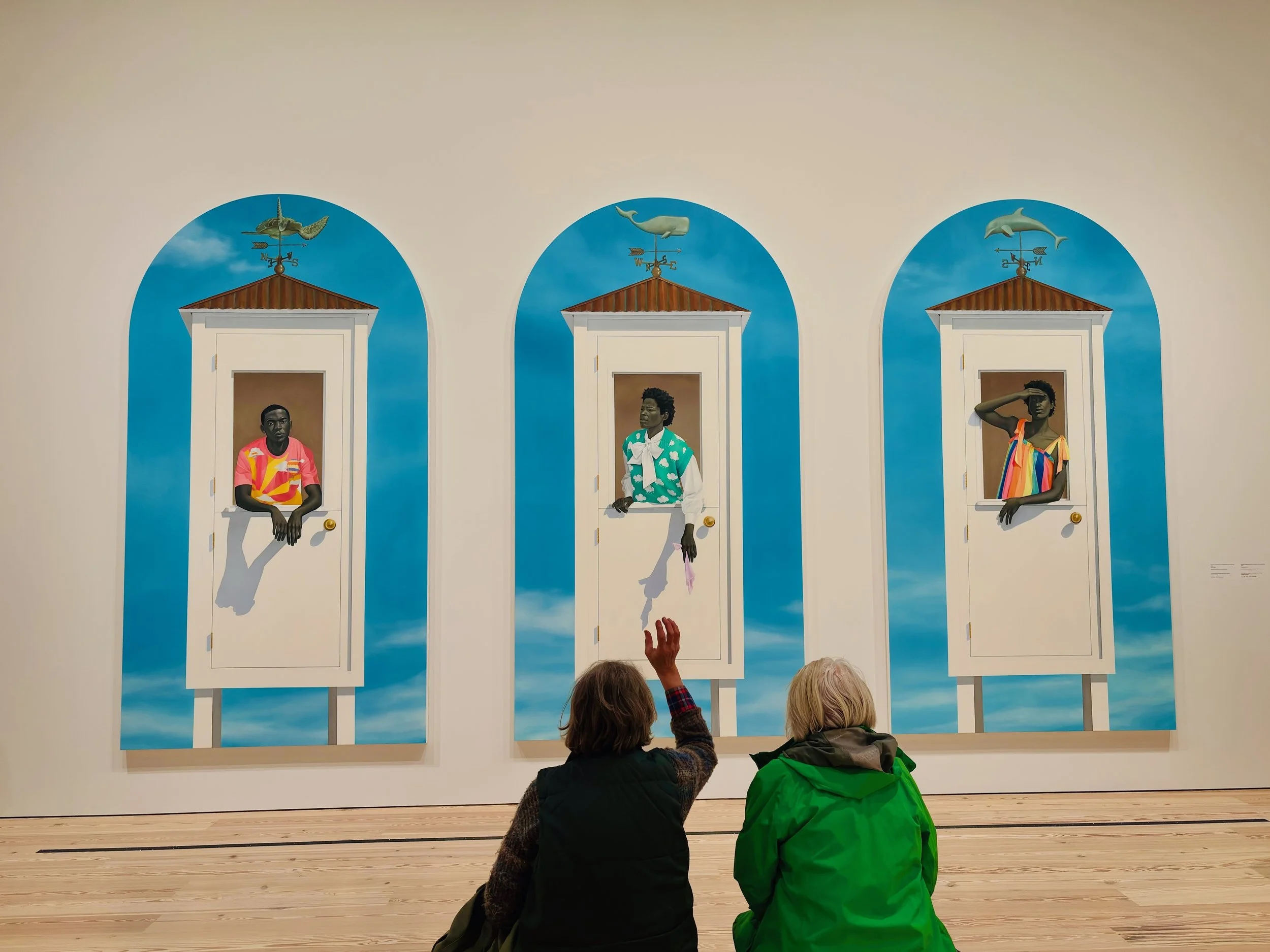
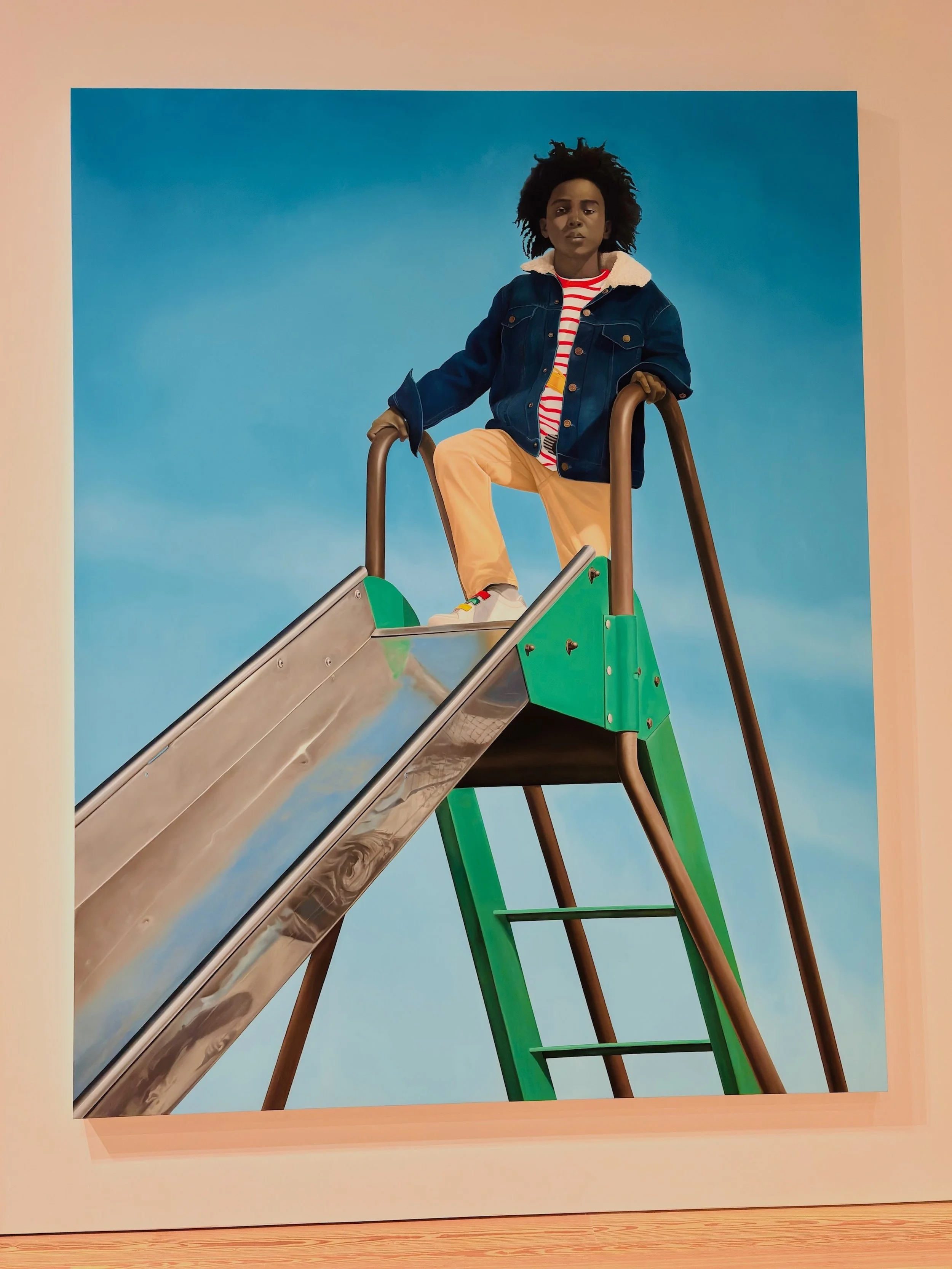
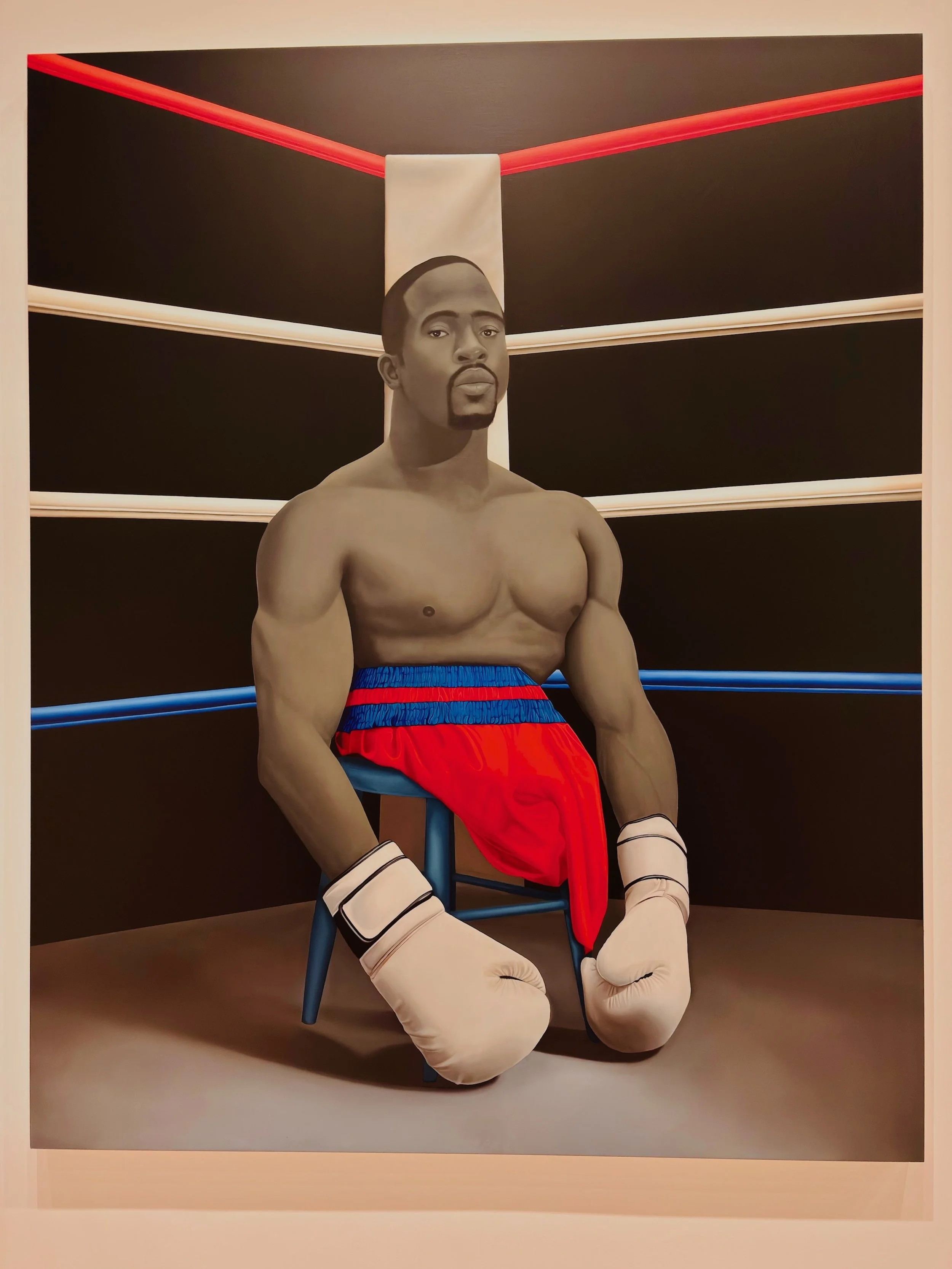
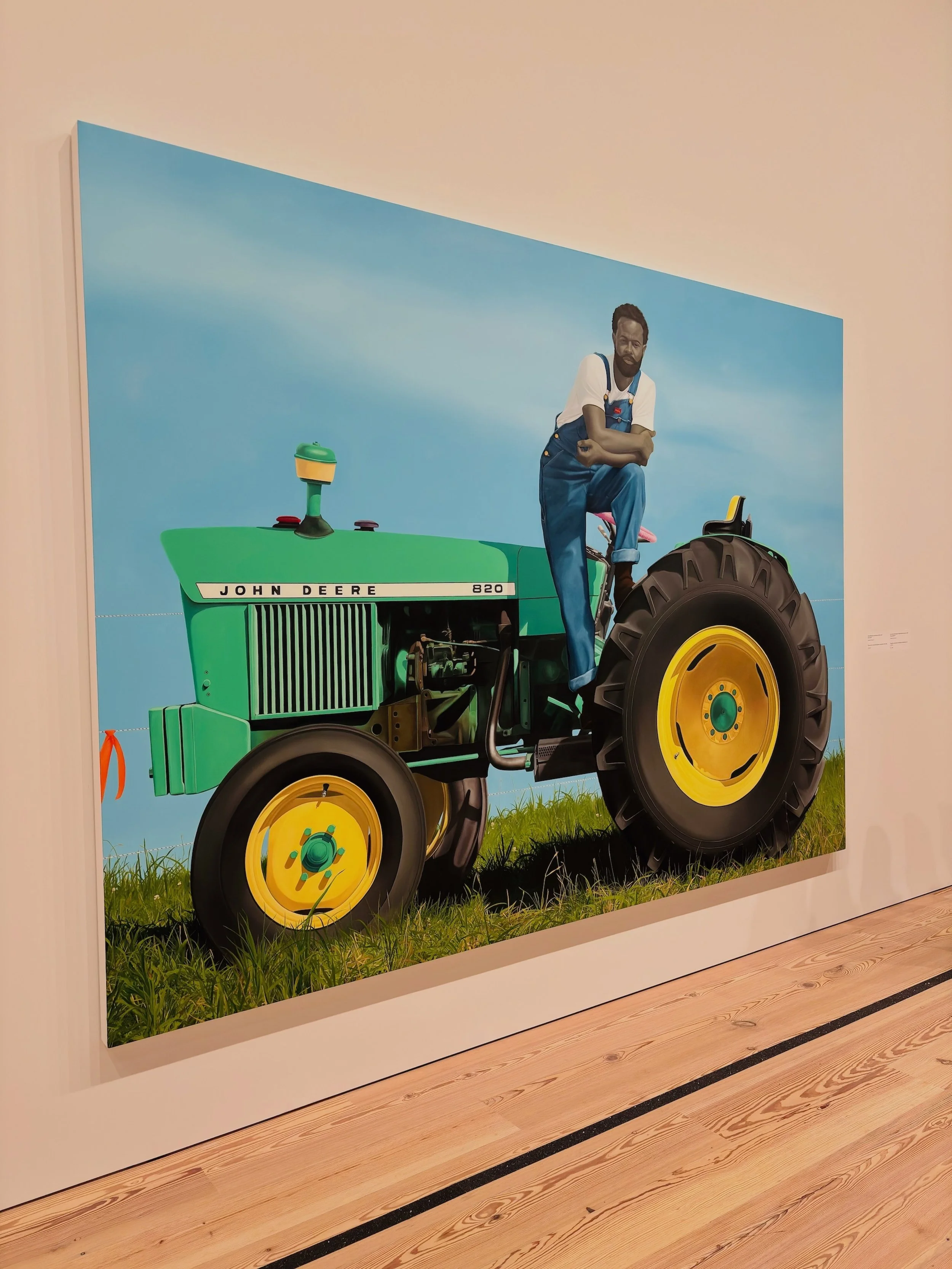
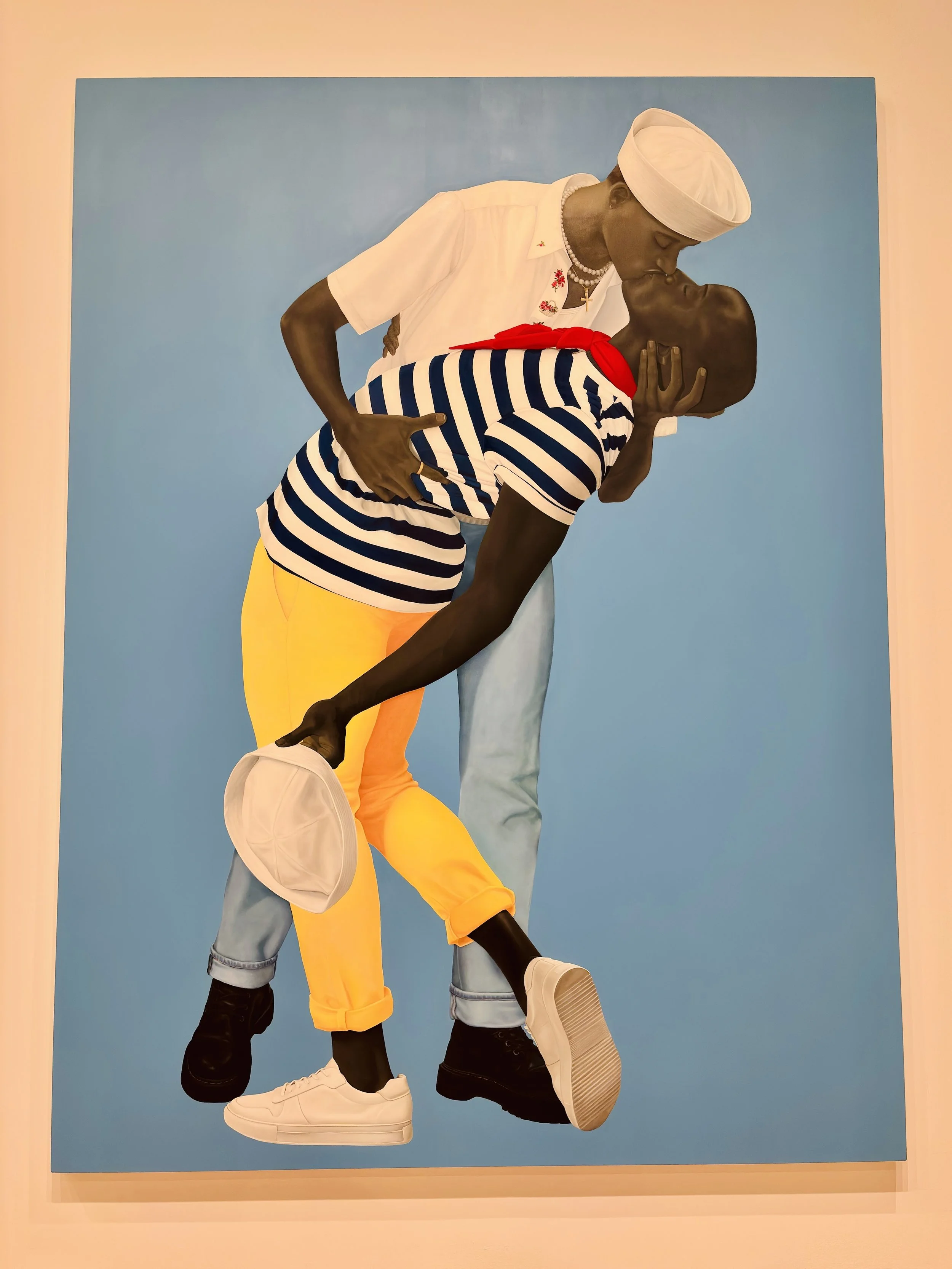
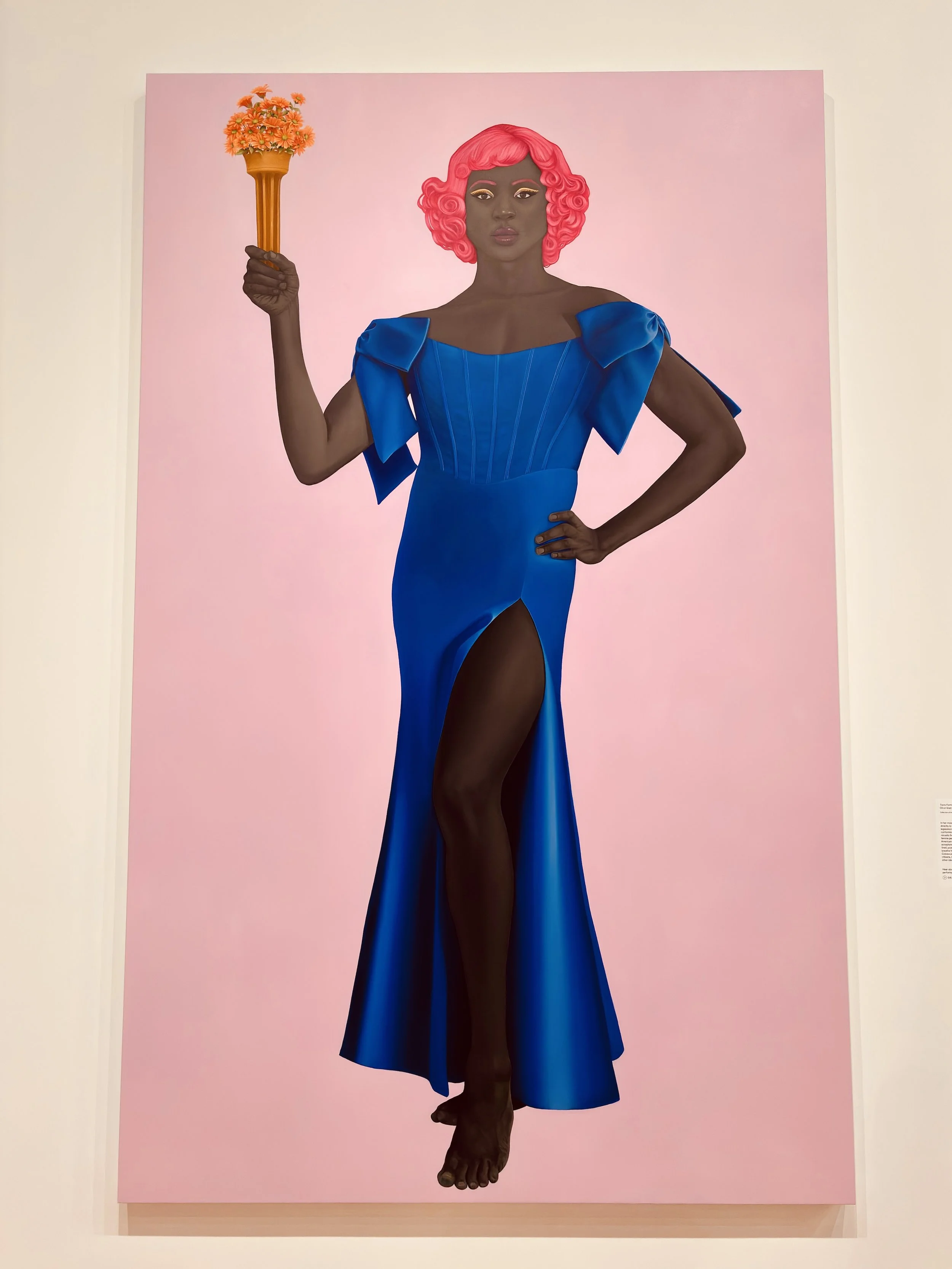
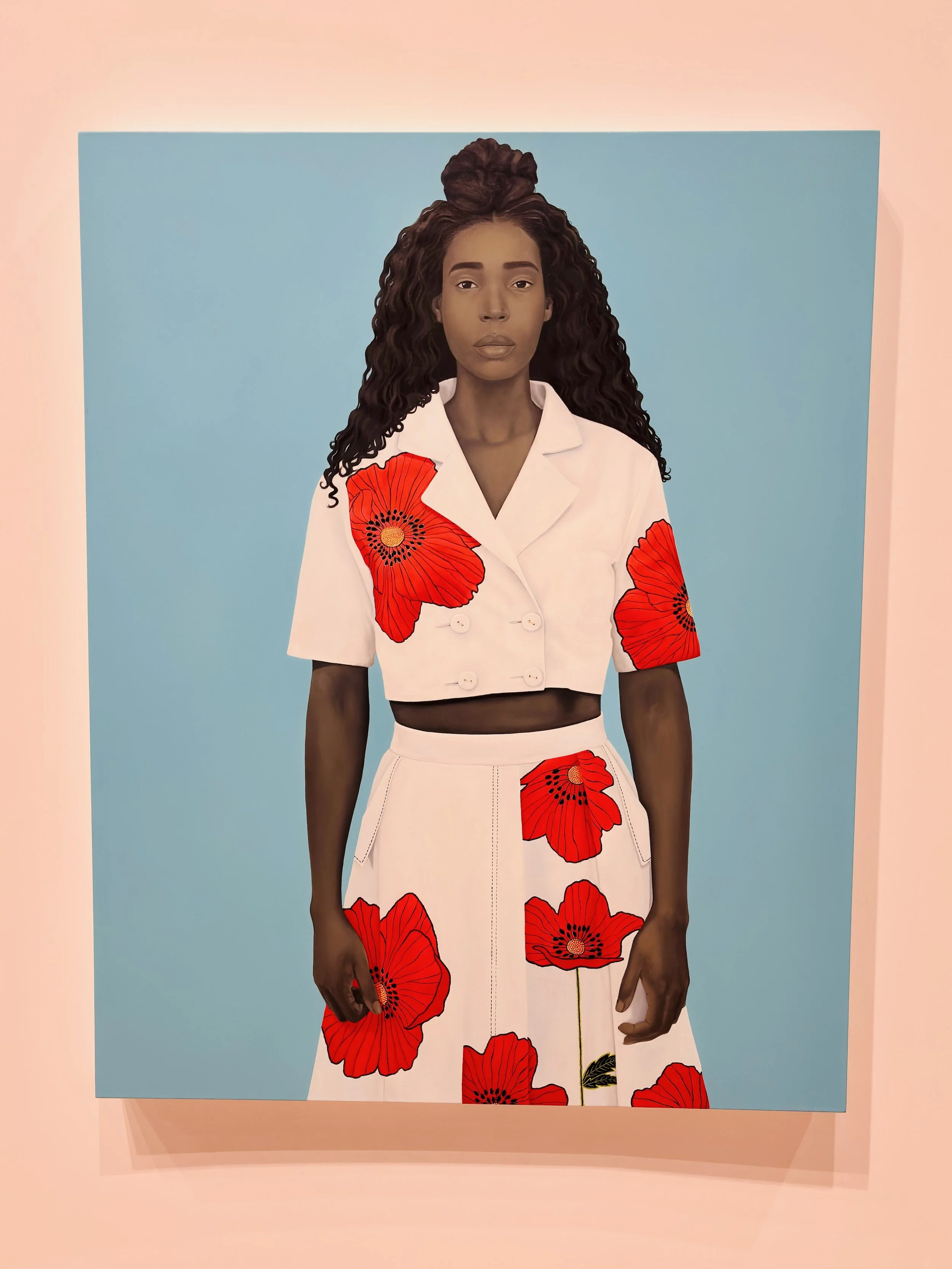
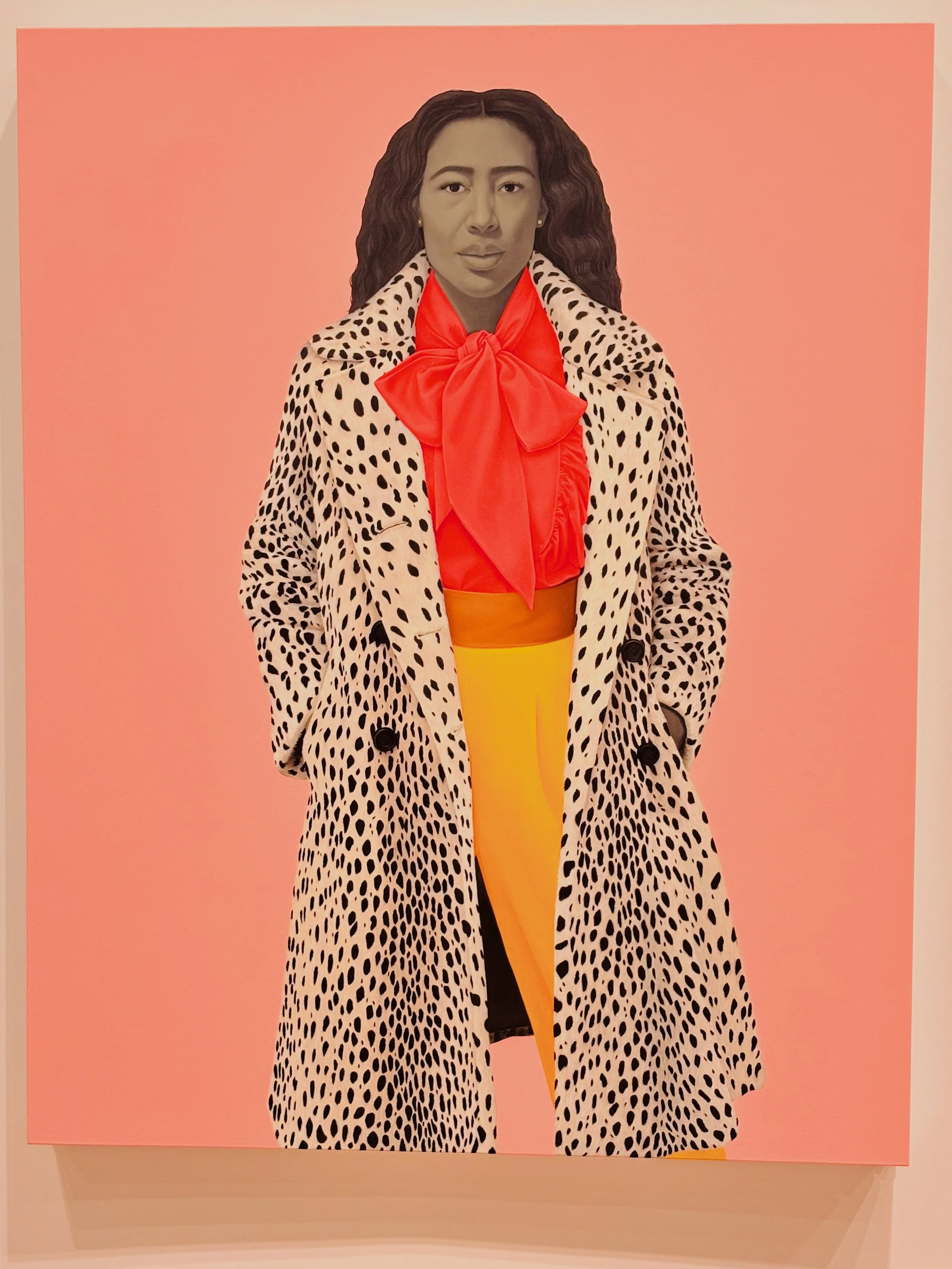
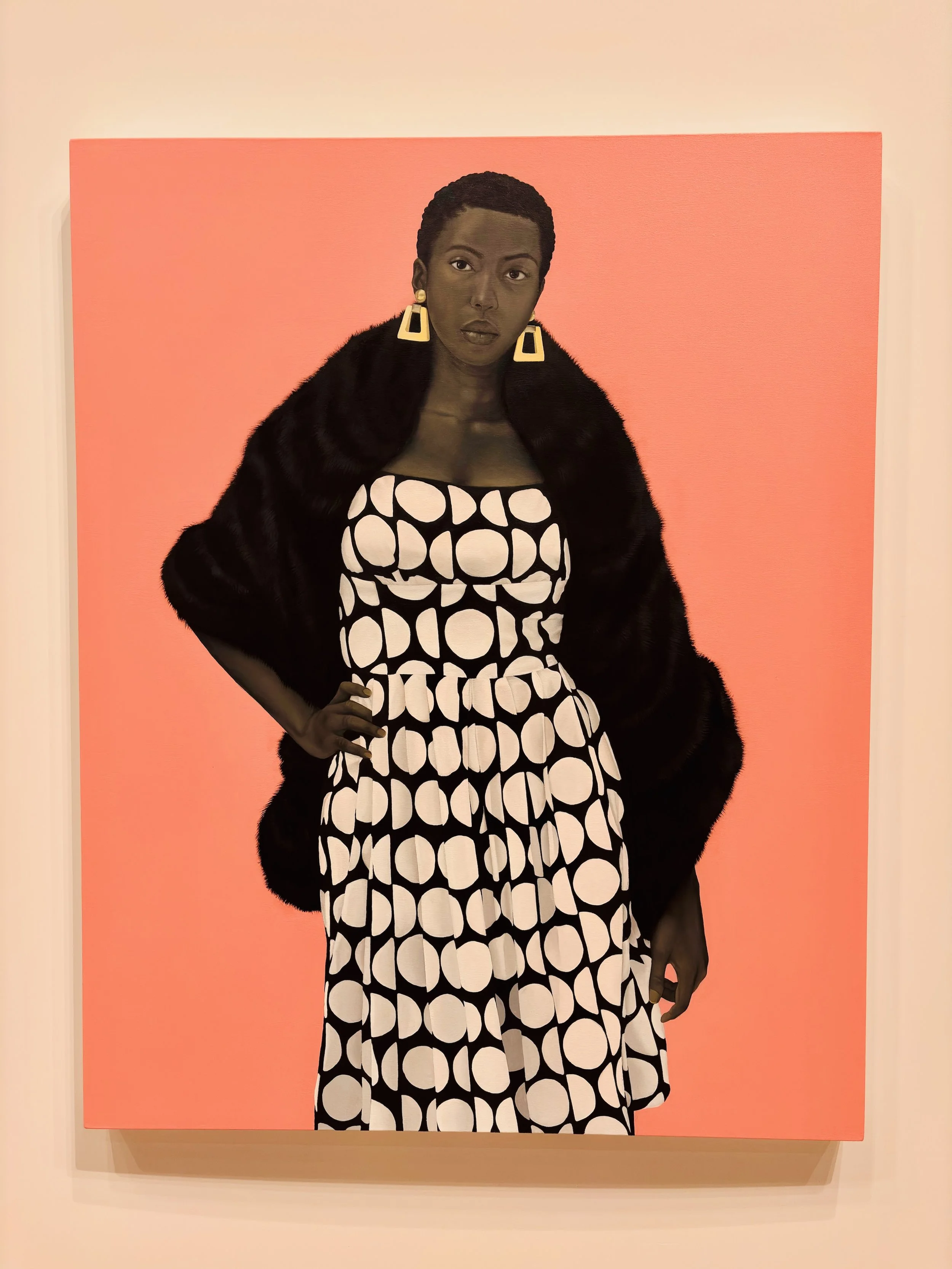
The first thing that draws us into Amy Sherald’s paintings is color. It is luminous, unexpected, and impossible to separate from the people who inhabit each composition. Against vivid backgrounds, her figures appear with a remarkable sense of presence, dressed with intention and carrying themselves with a quiet confidence that immediately holds our attention.

At the Whitney Museum of American Art, Amy Sherald: American Sublime, on view from April 9 through August 10, 2025, brings together portraits that feel less like formal studies of individuals and more like glimpses into fully imagined lives. Sherald begins with real people, yet what emerges on the canvas feels expansive. Each subject seems to exist beyond the frame, with a private interior world that belongs entirely to them.

There is an extraordinary calm in these paintings. Expressions are often restrained, gestures are deliberate, and nothing feels accidental. Clothing becomes part of the storytelling, while color creates an atmosphere that is at once contemporary and dreamlike. The result is portraiture that feels deeply personal without asking its subjects to explain themselves.

As we move through the exhibition, we find ourselves lingering over the details: a particular expression, the posture of a figure, the relationship between a garment and its background. These are the moments our photographs try to hold onto. They capture some of the vivid color and striking compositions that stay with us after leaving the galleries, even though the experience of standing before the paintings is something photographs can only partially convey.

Sherald's portraits also invite a different kind of looking. Her subjects are not defined by hardship or reduced to the history surrounding them. They possess agency, individuality, beauty, and an unmistakable sense of self. There is freedom in that distinction, and it gives the exhibition much of its emotional power.

The title American Sublime begins to feel especially fitting as the exhibition unfolds. The paintings locate something extraordinary within everyday lives, allowing ordinary moments of presence, style, confidence, and contemplation to become worthy of our fullest attention.

We leave the exhibition thinking about how powerful it can be simply to see someone represented with such care. Sherald does not ask her subjects to become larger than life. She gives them something more meaningful: the space to be fully themselves.

Comment

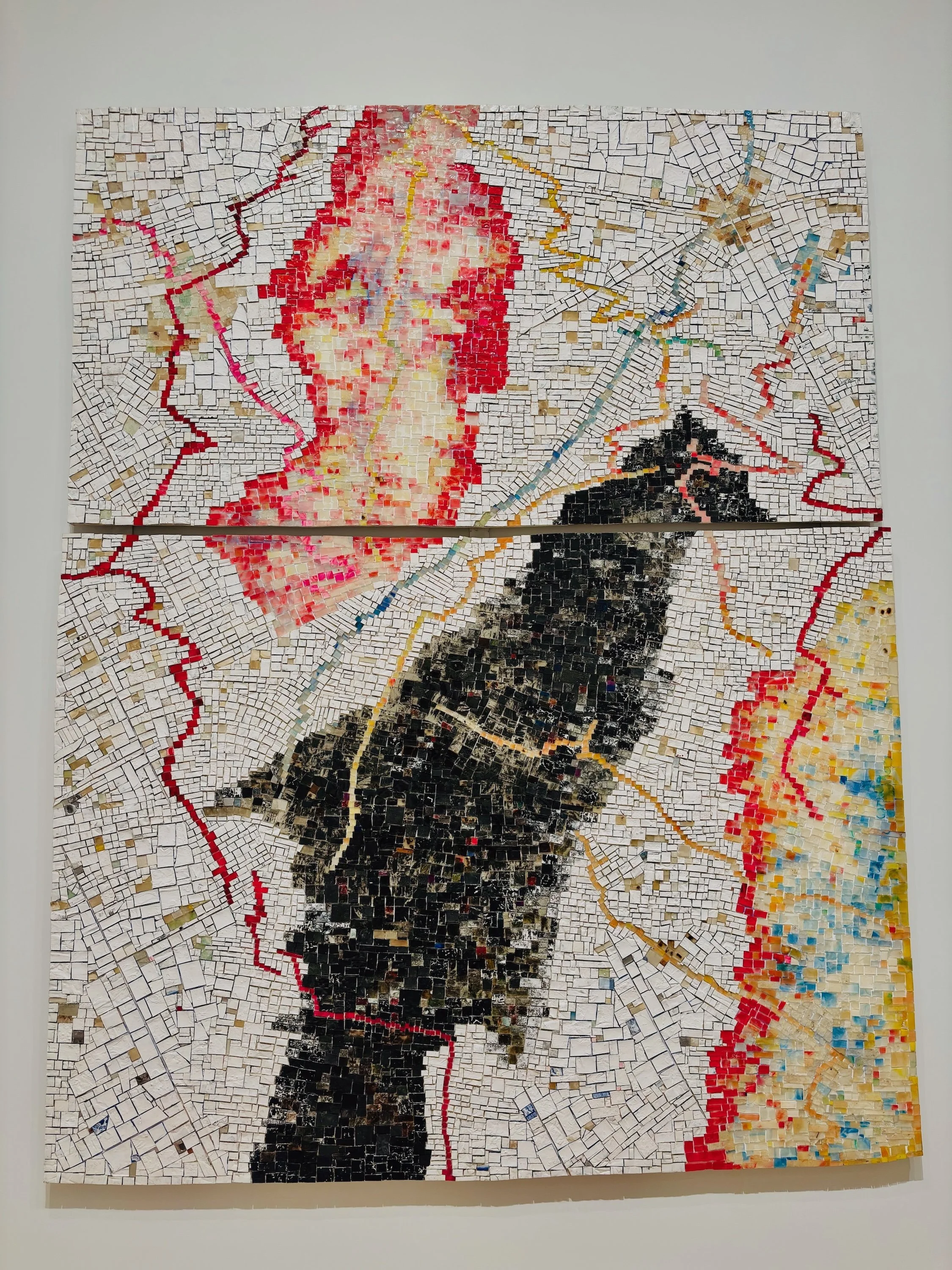
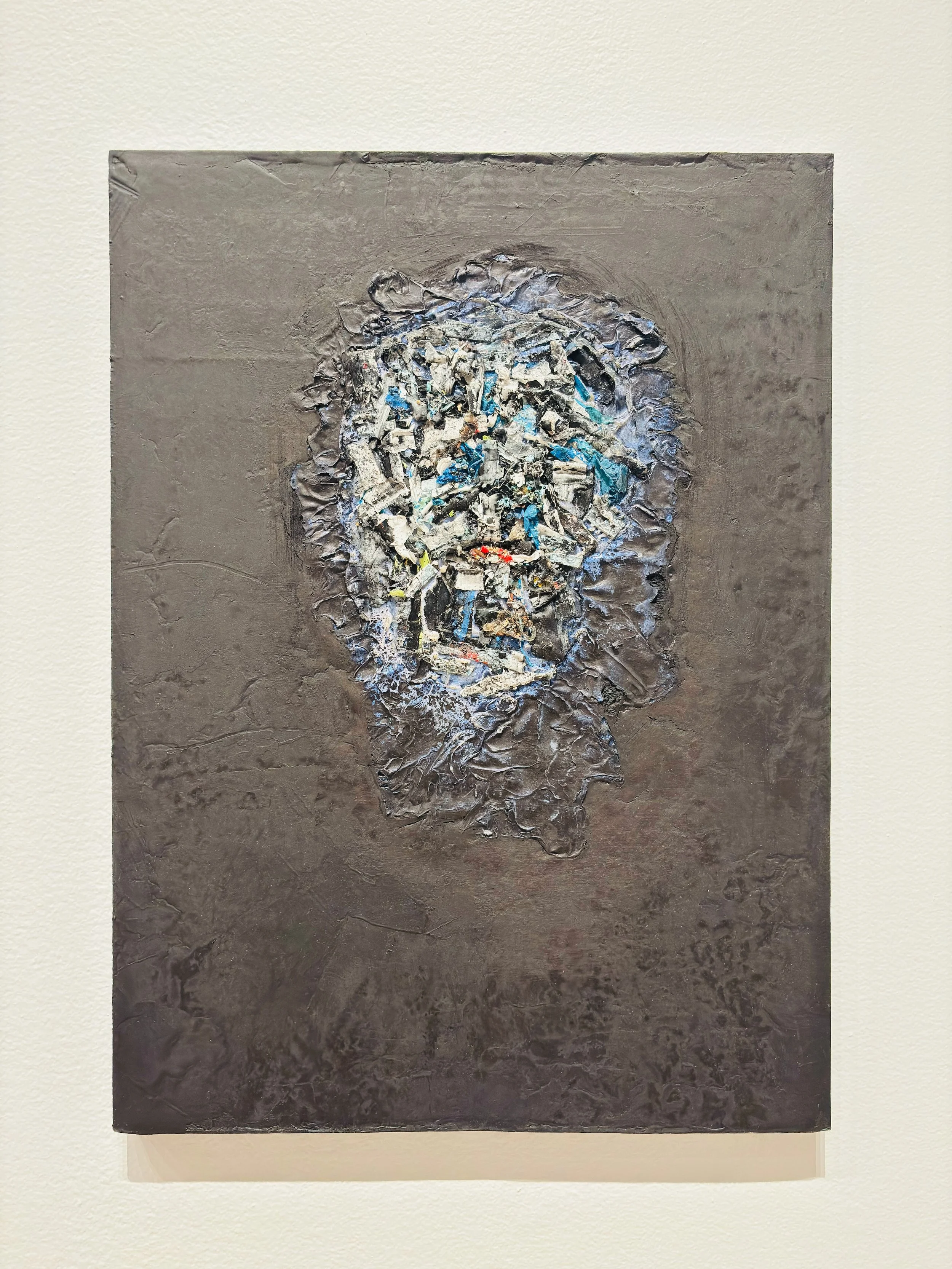
Jack Whitten: The Messenger at MoMA

Comment

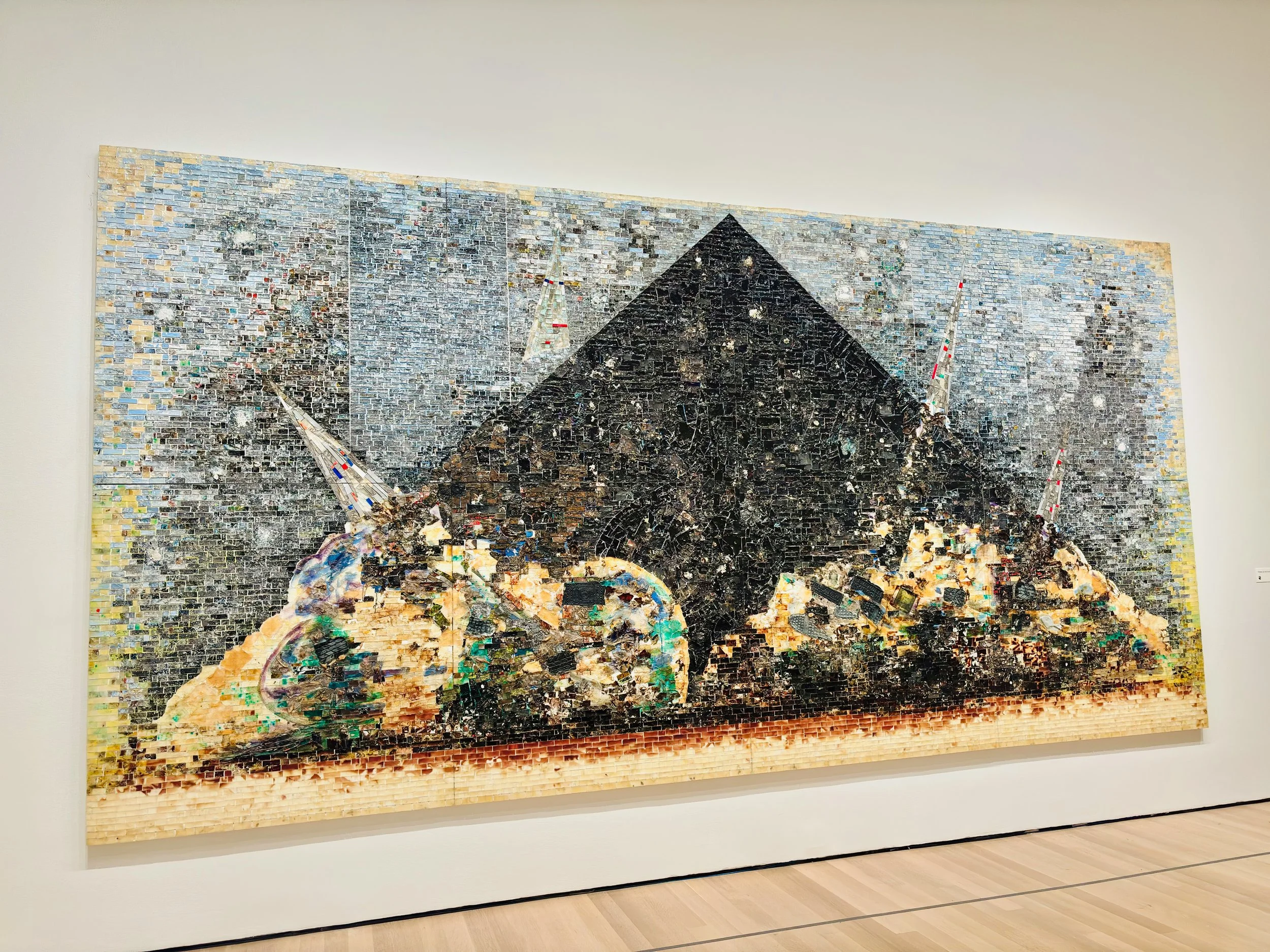
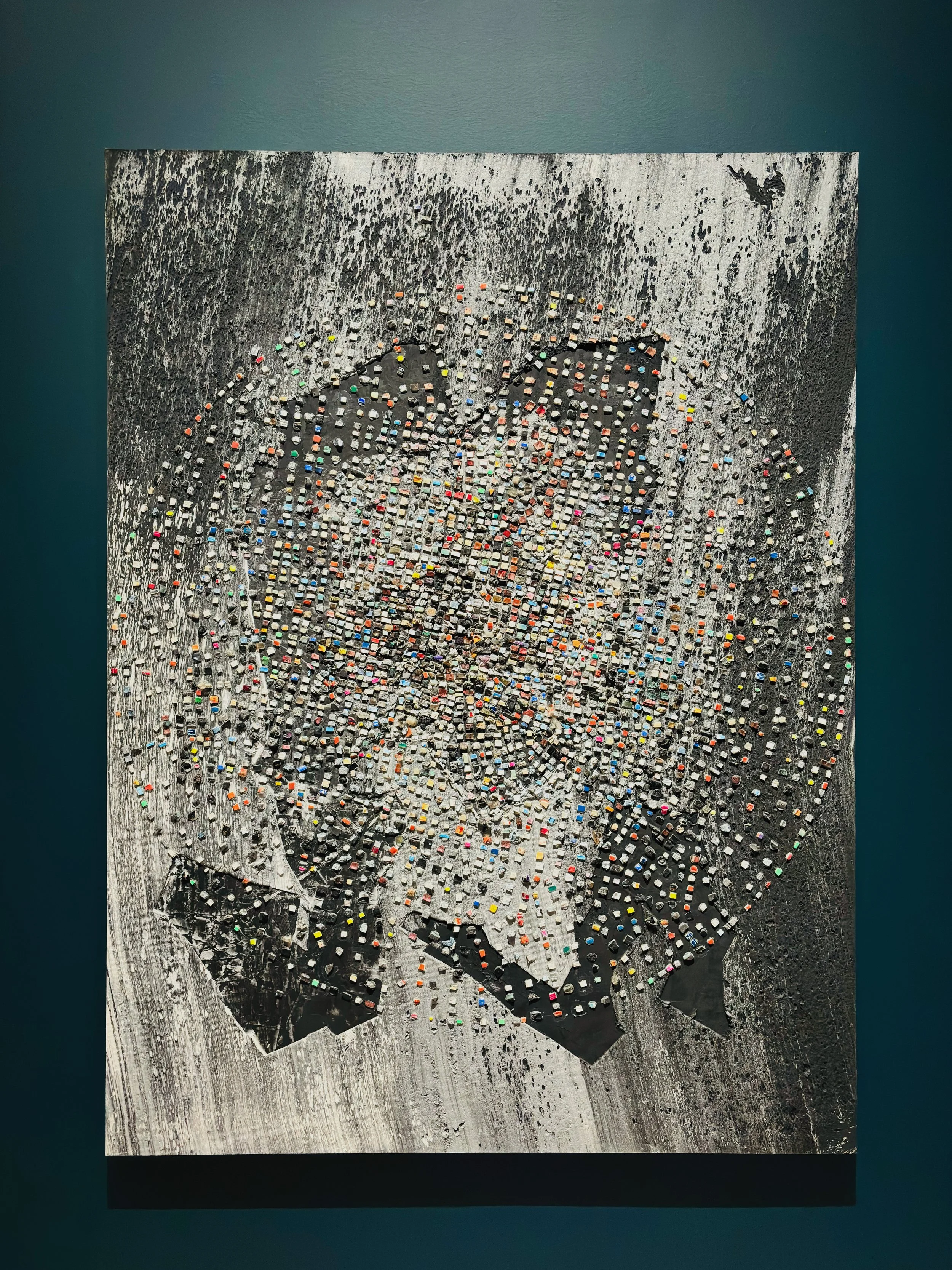
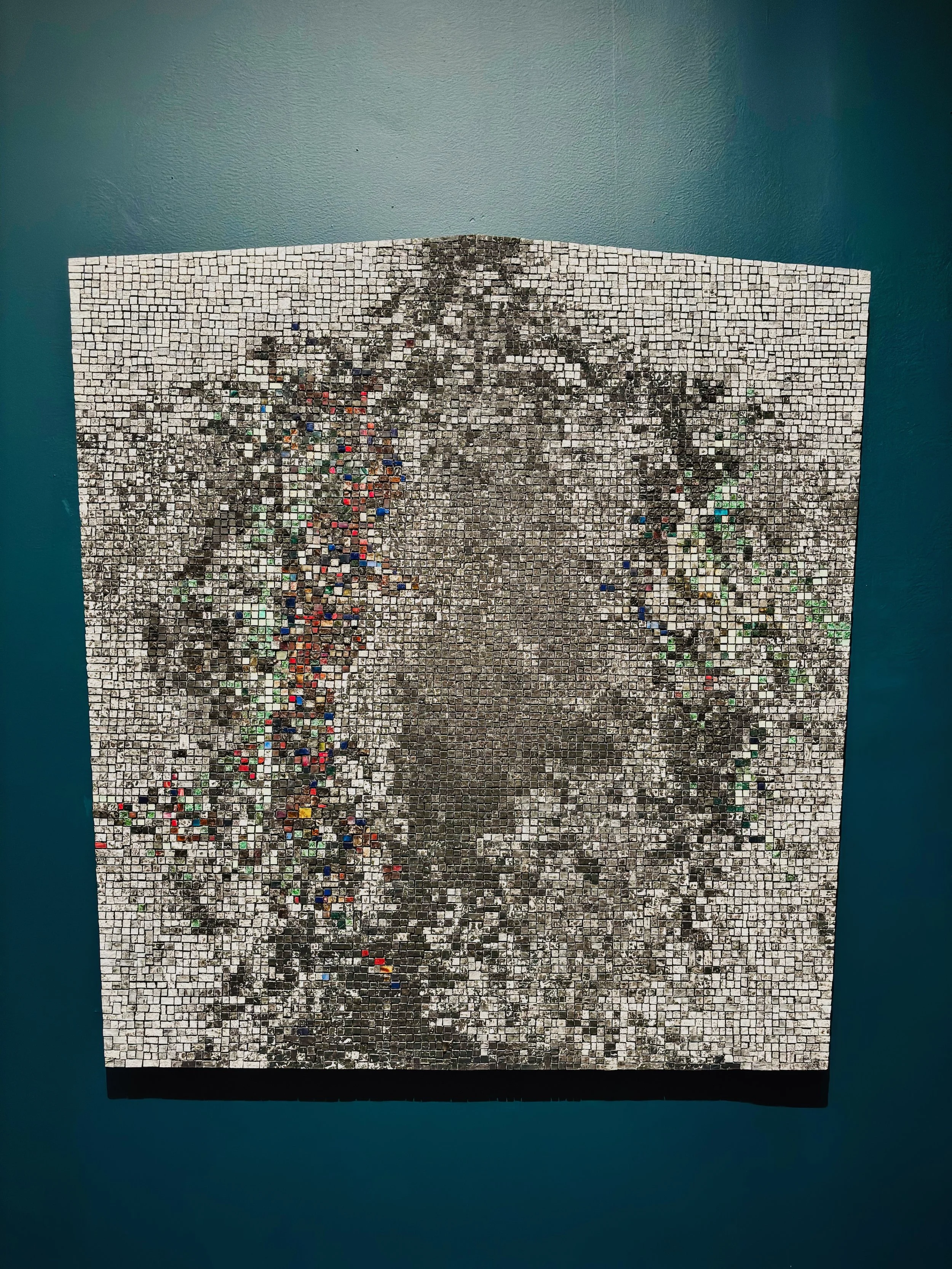
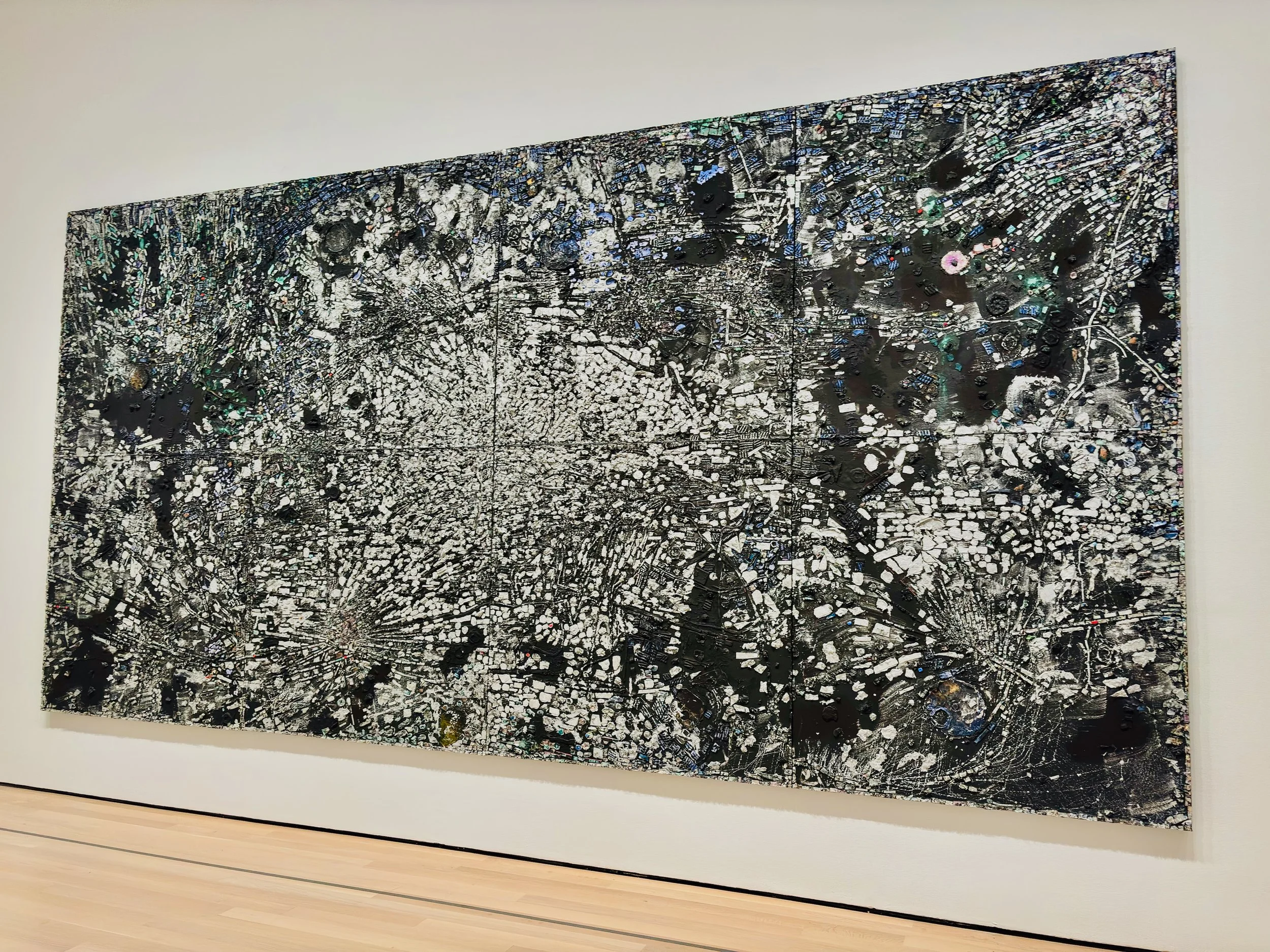
Jack Whitten: The Messenger at MoMA

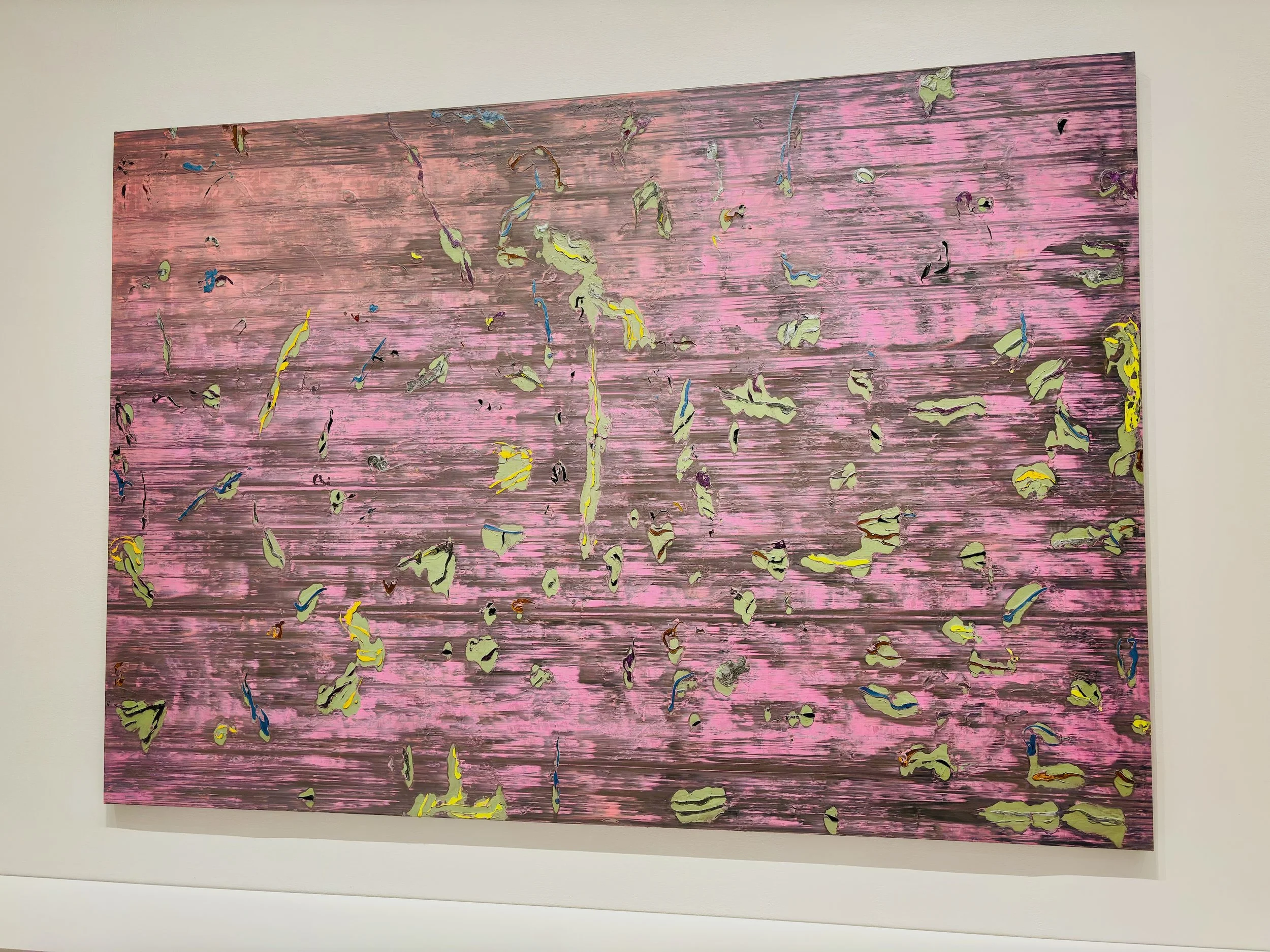
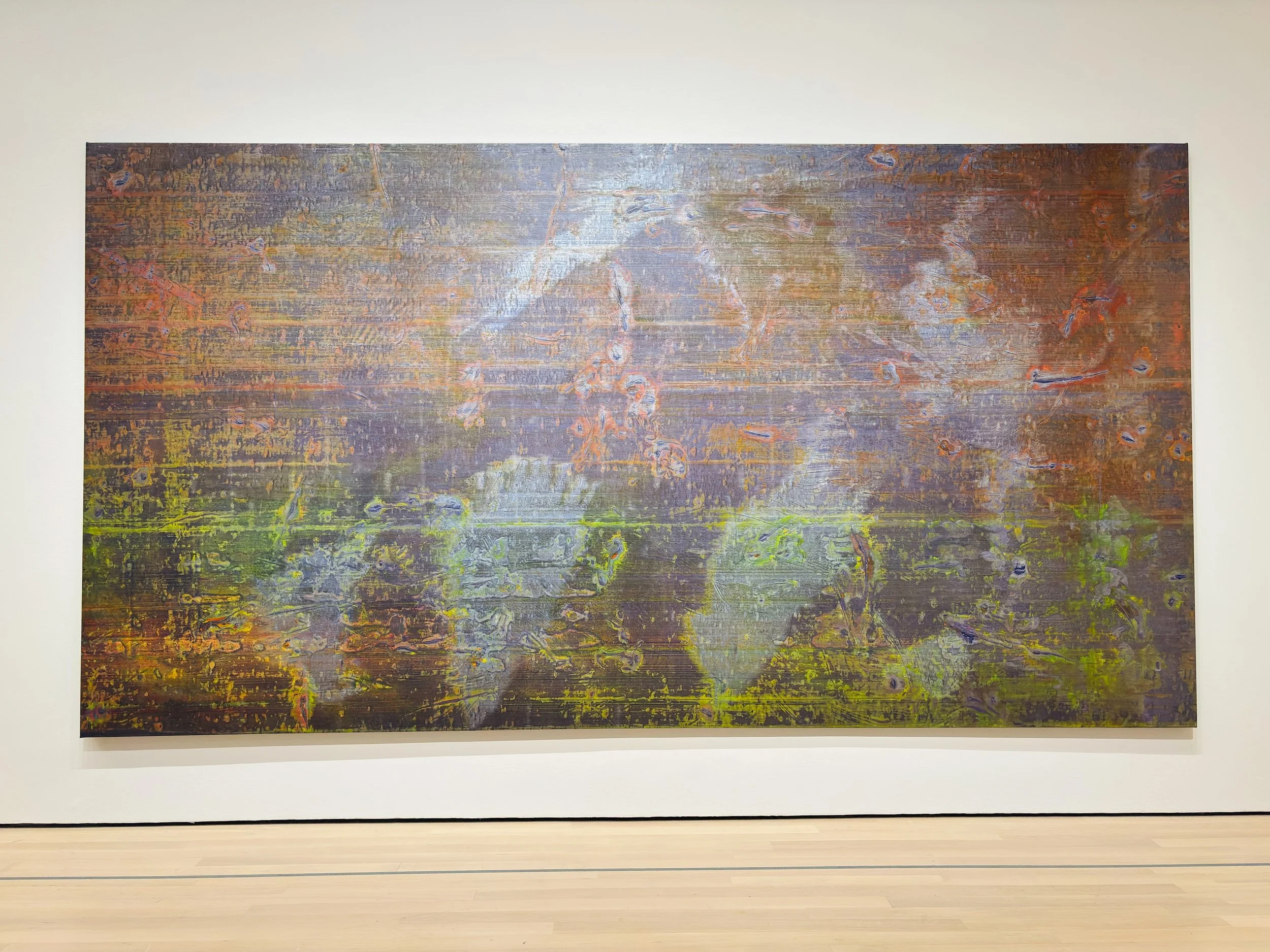
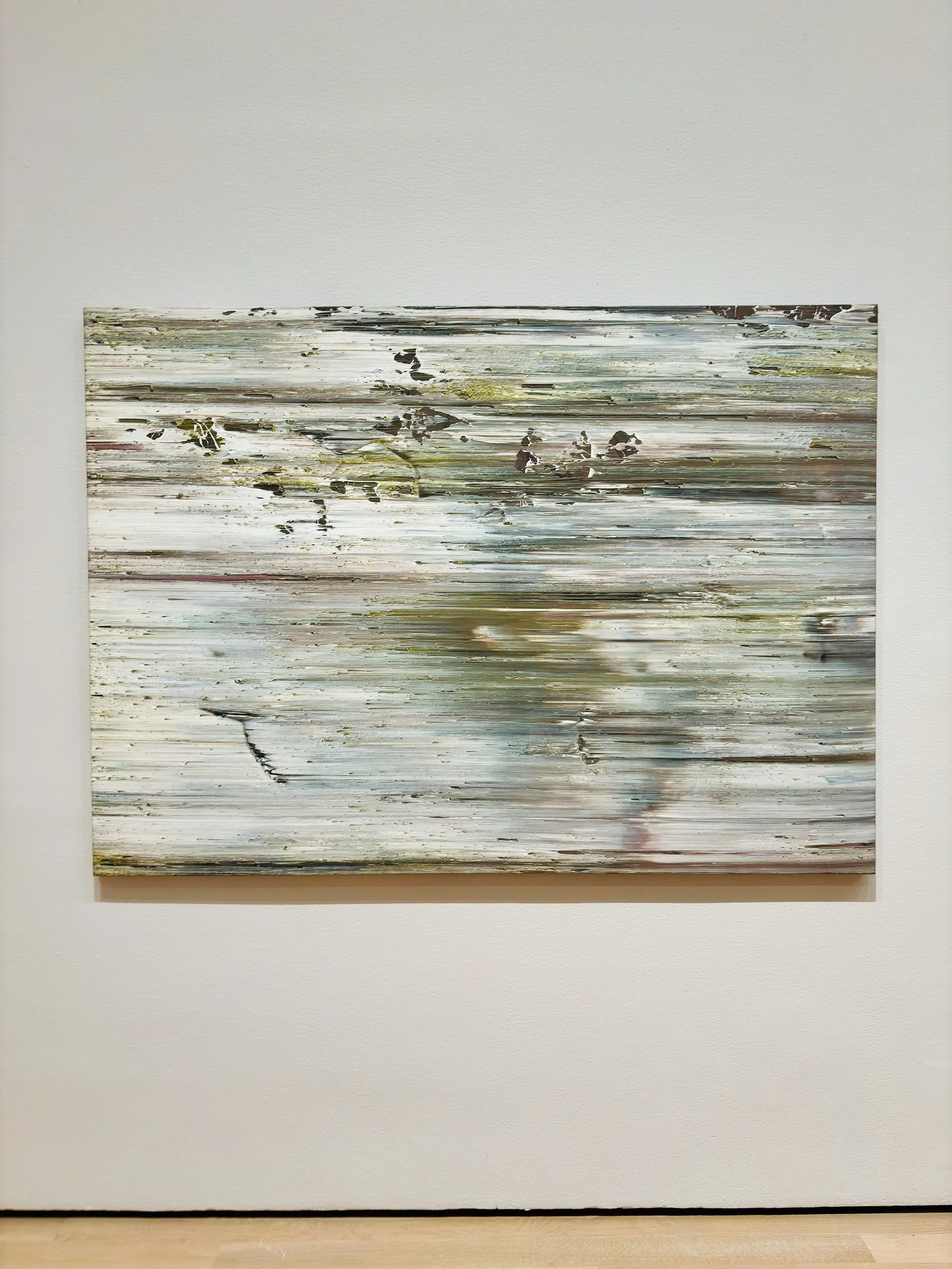
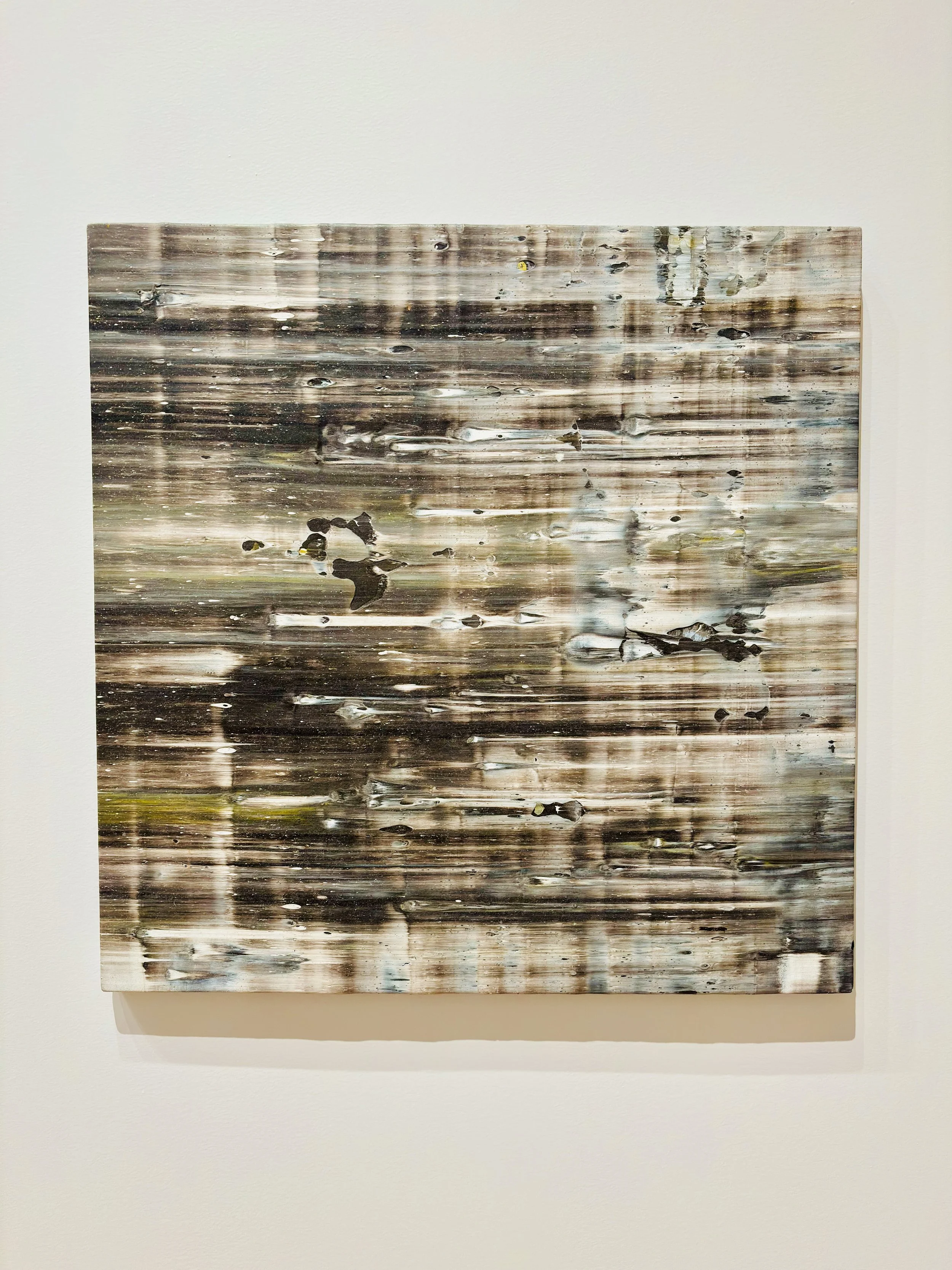
Some artists respond to the world as it is. Jack Whitten transforms that response into something entirely new.

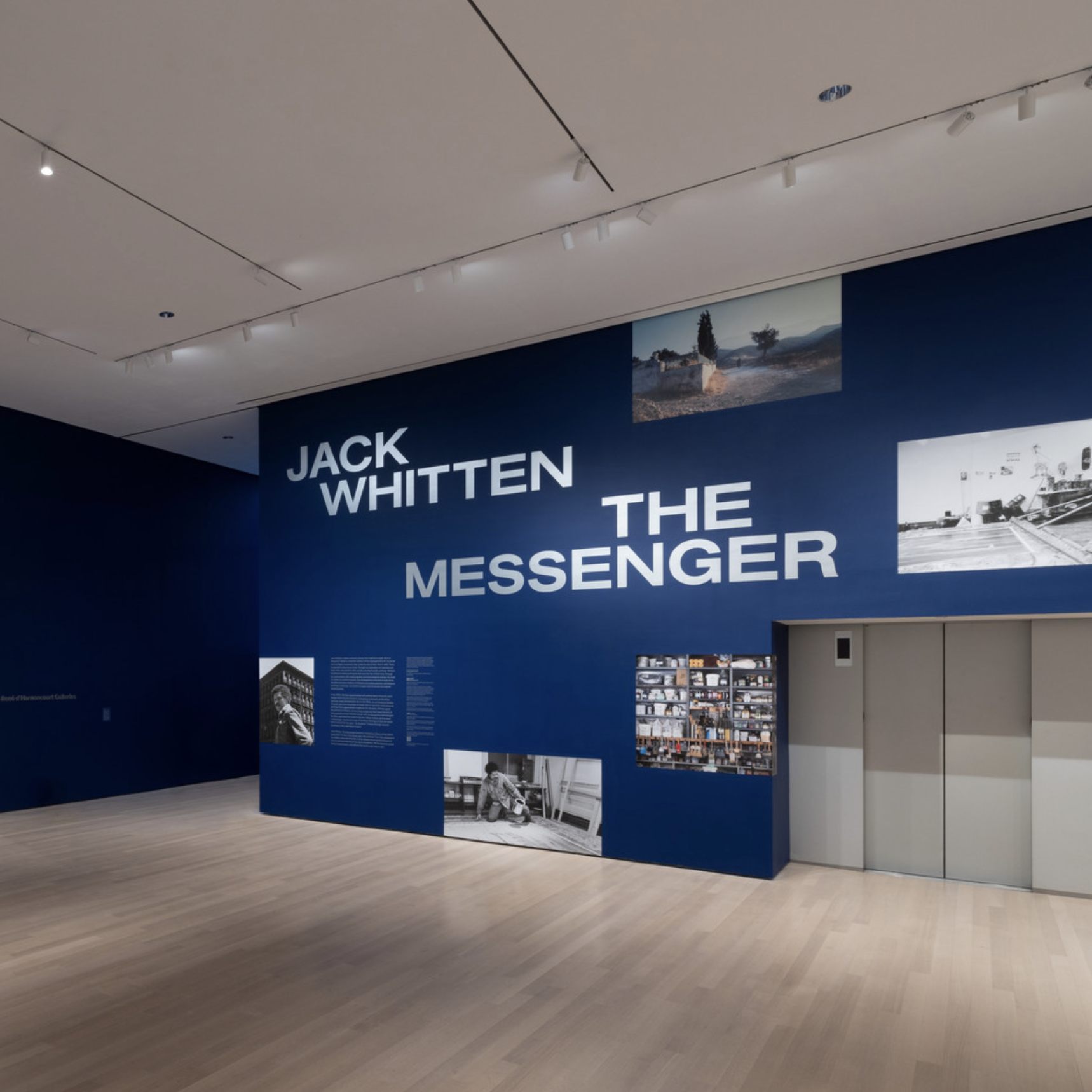
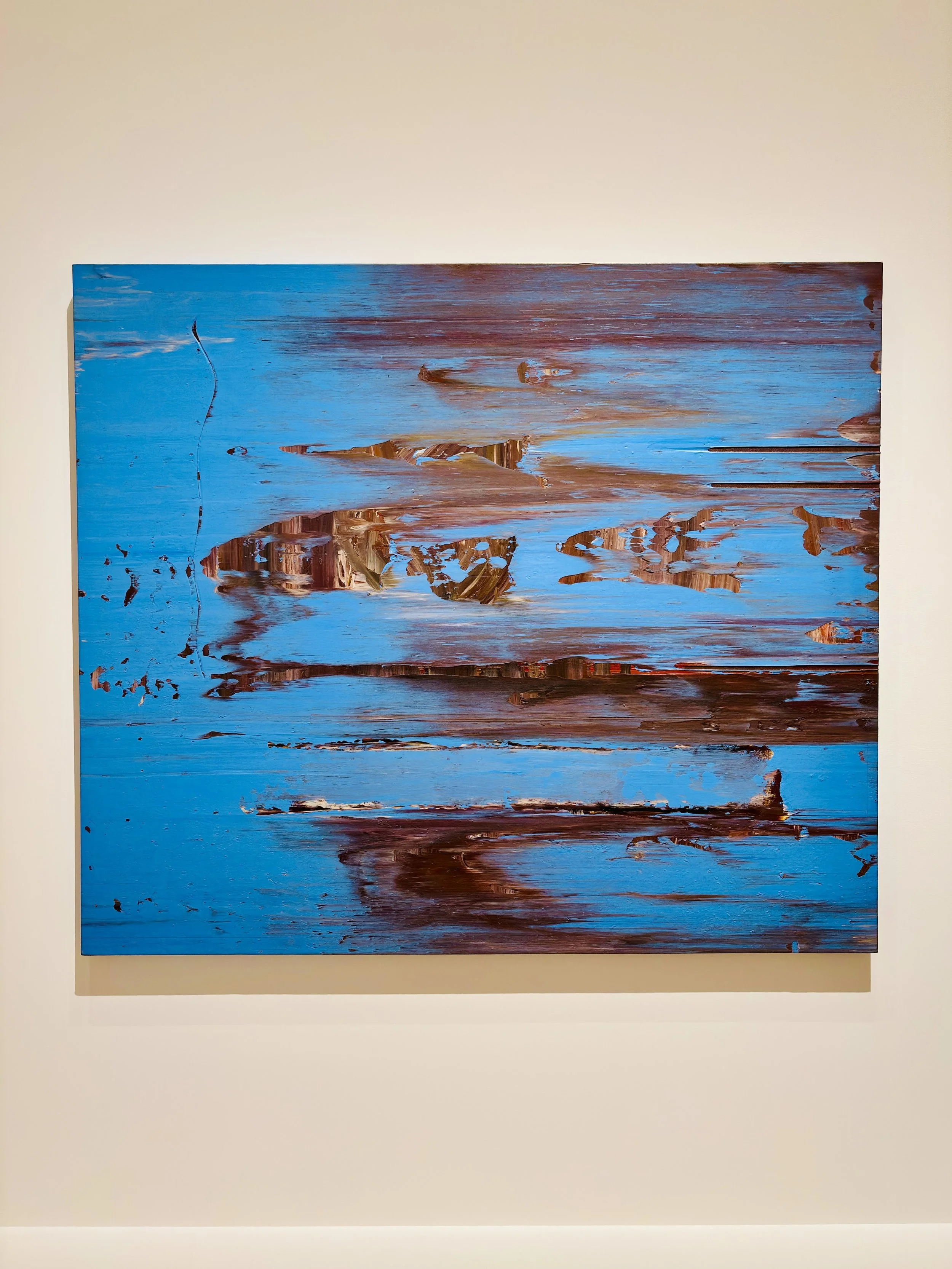
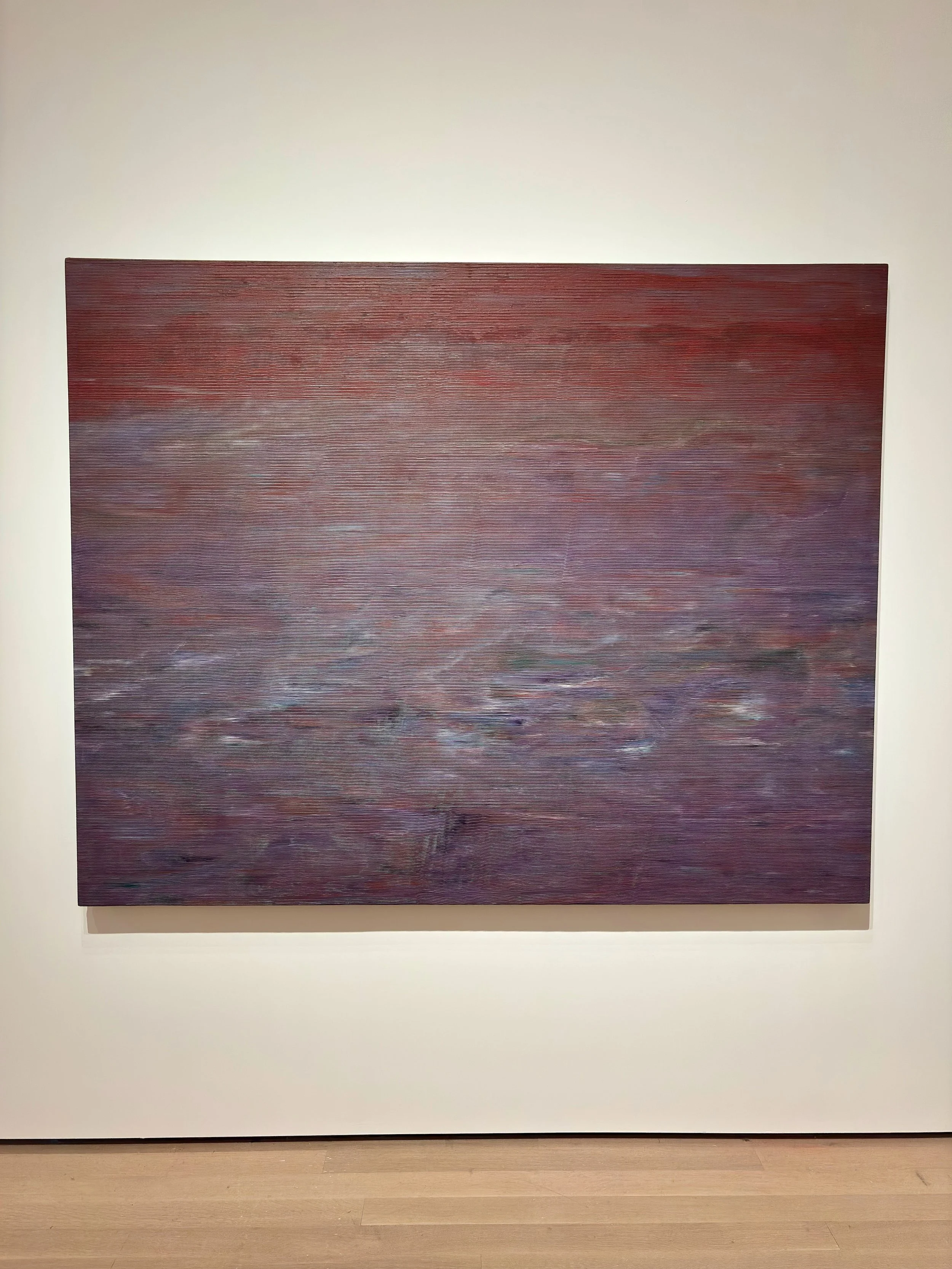
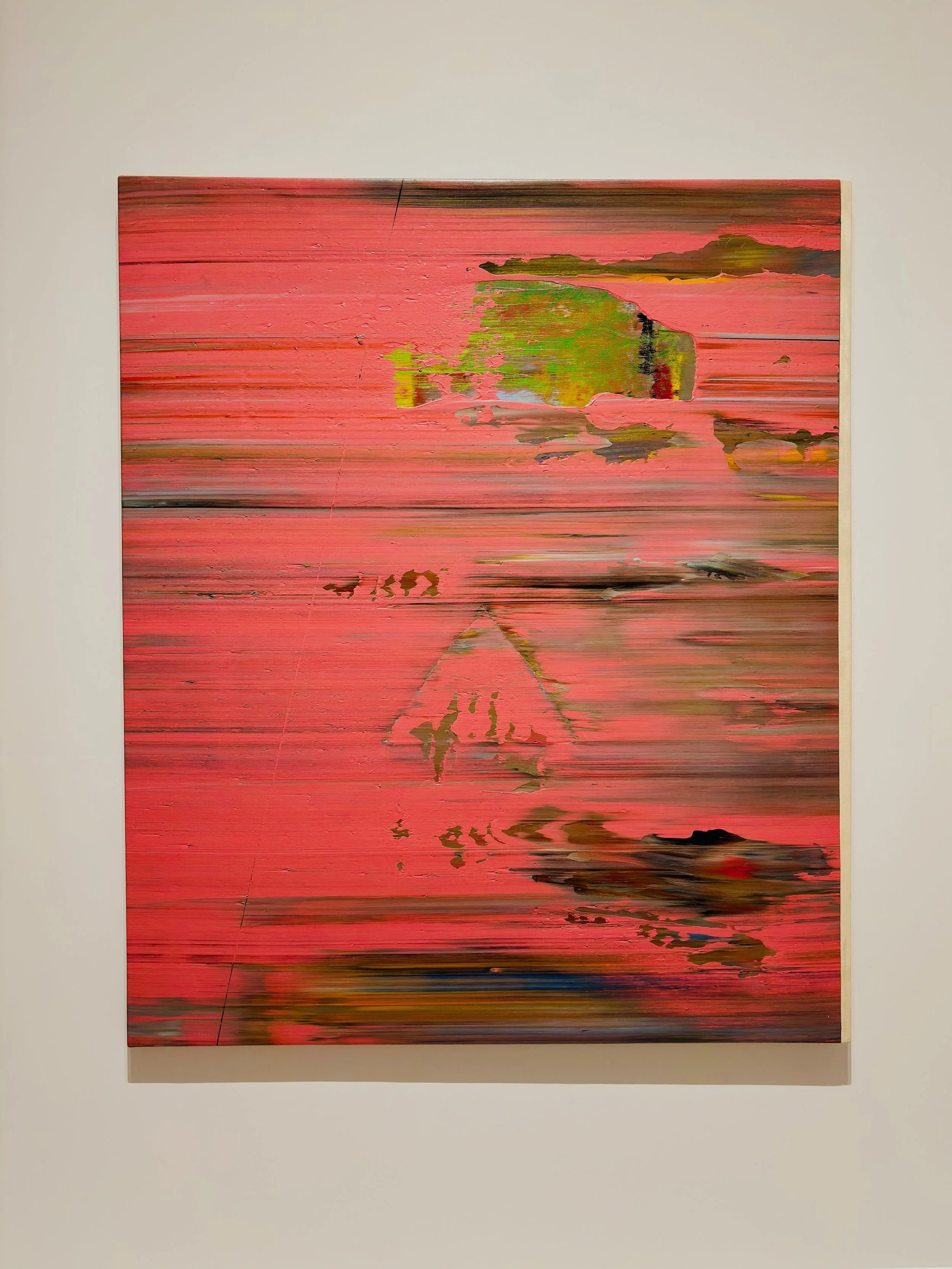
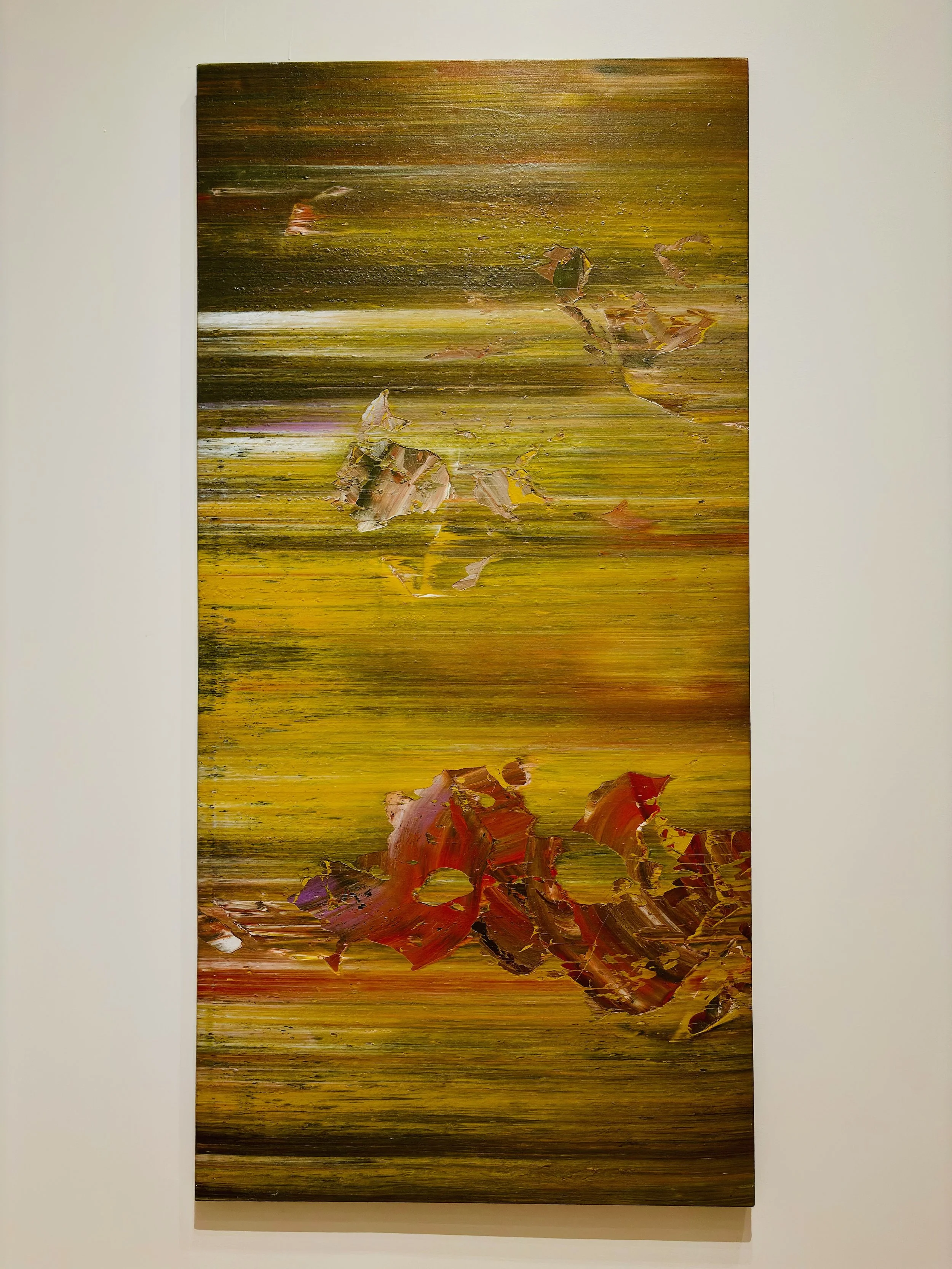
At MoMA, Jack Whitten: The Messenger, on view from March 23 through August 2, 2025, offers an extraordinary encounter with an artist whose work continually challenges the way we understand abstraction. Moving through the galleries, it becomes clear that Whitten does not simply work with color and material. He gives them a physical presence that demands to be experienced up close.

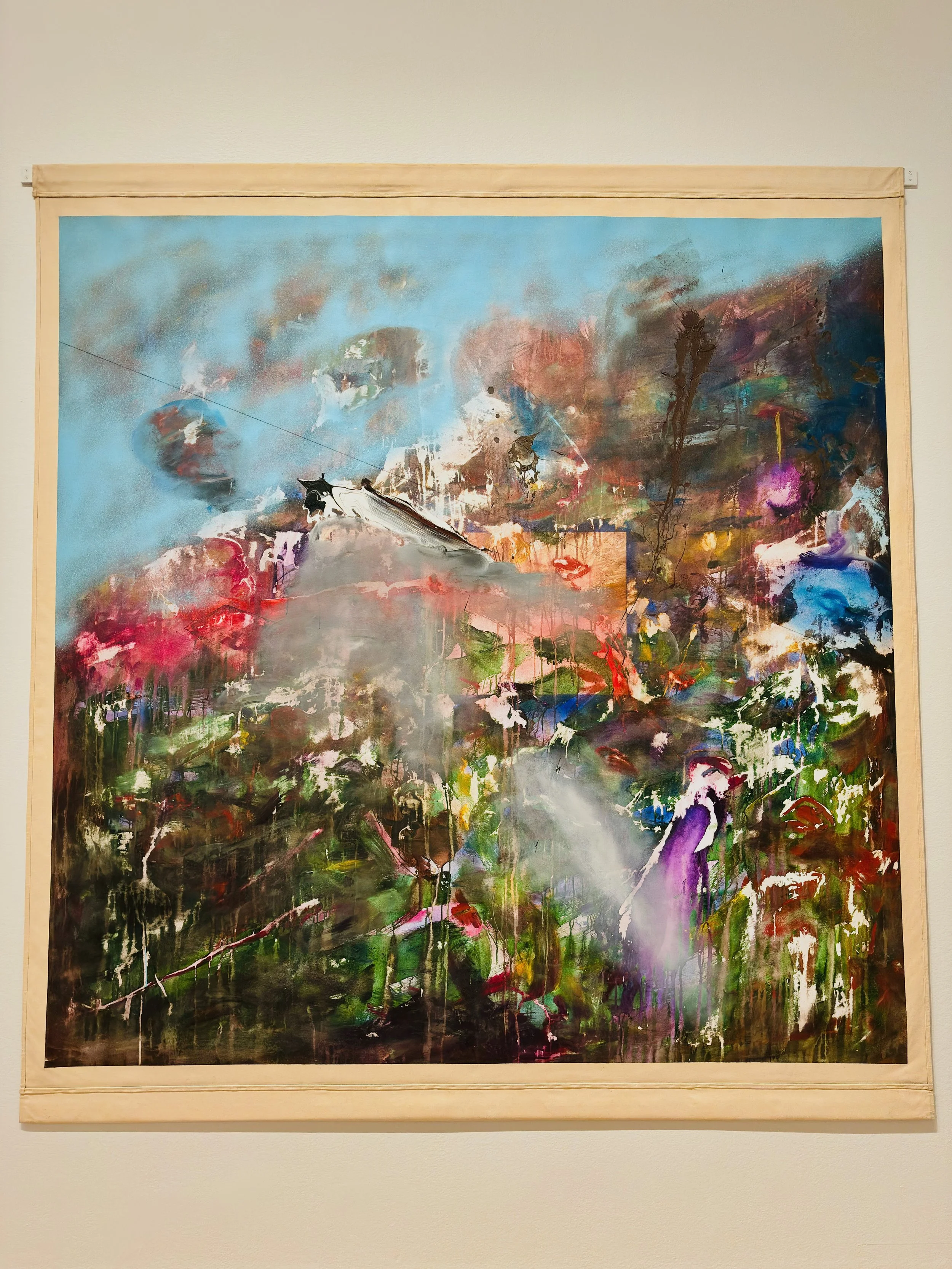
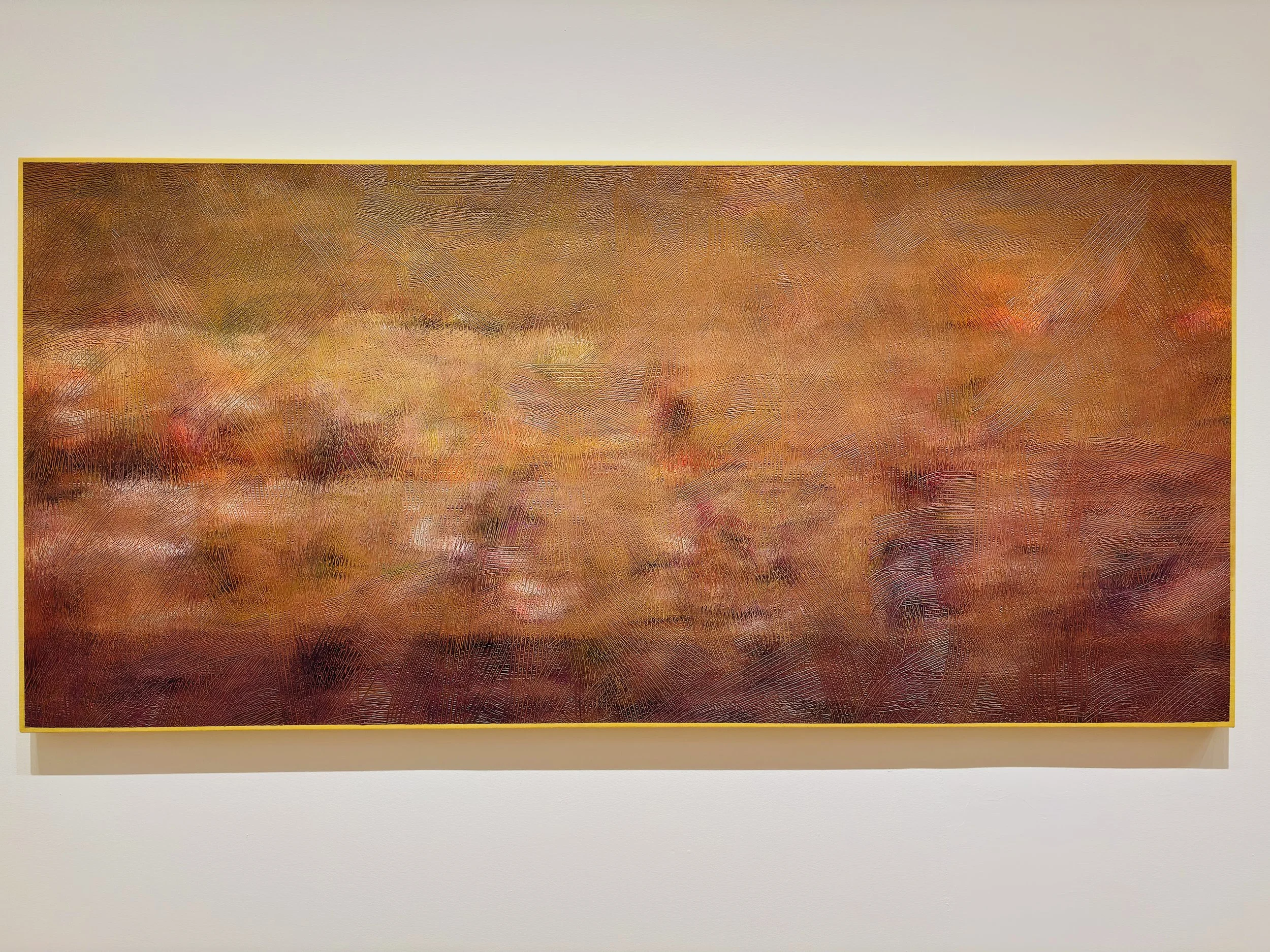
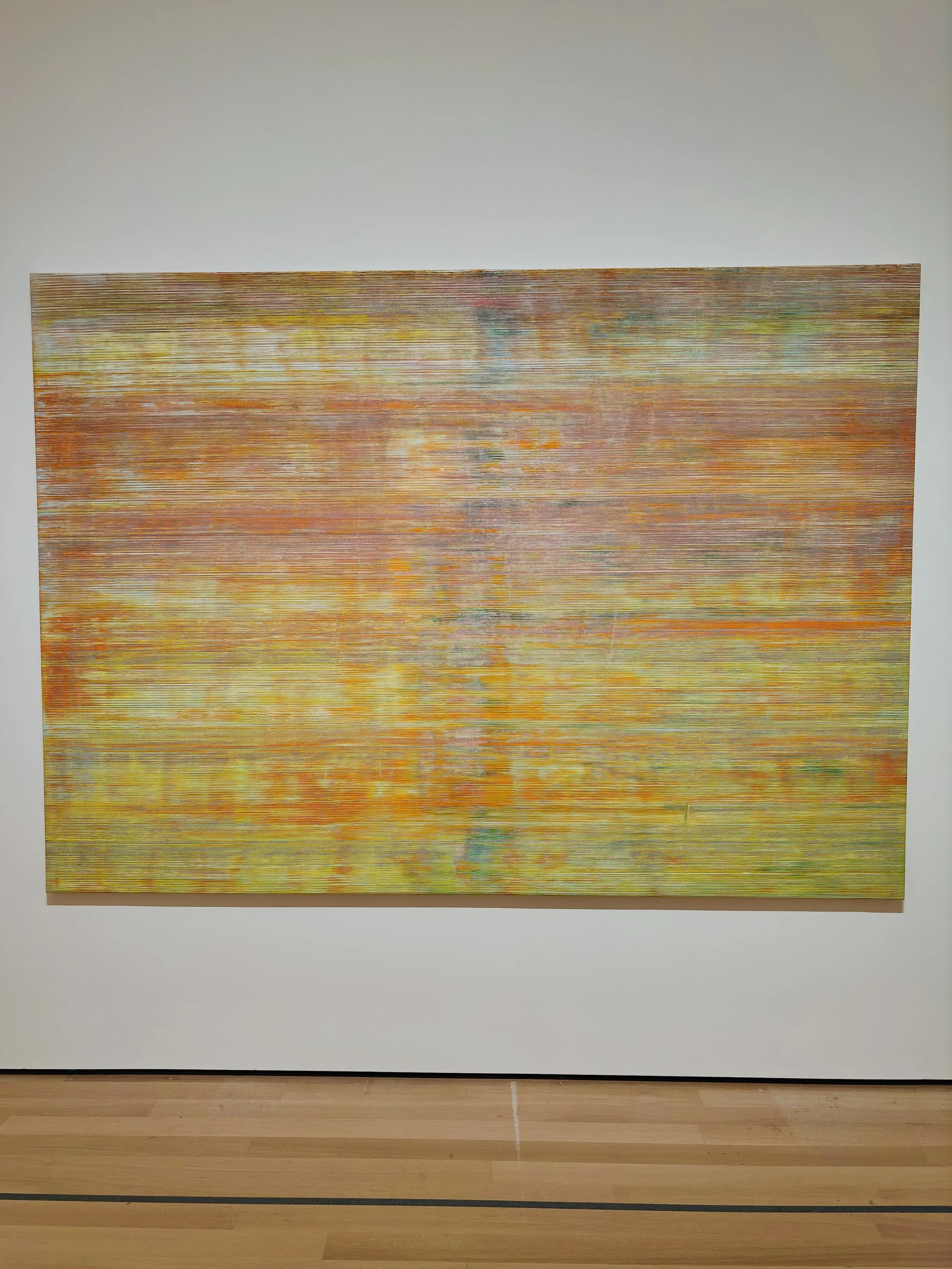
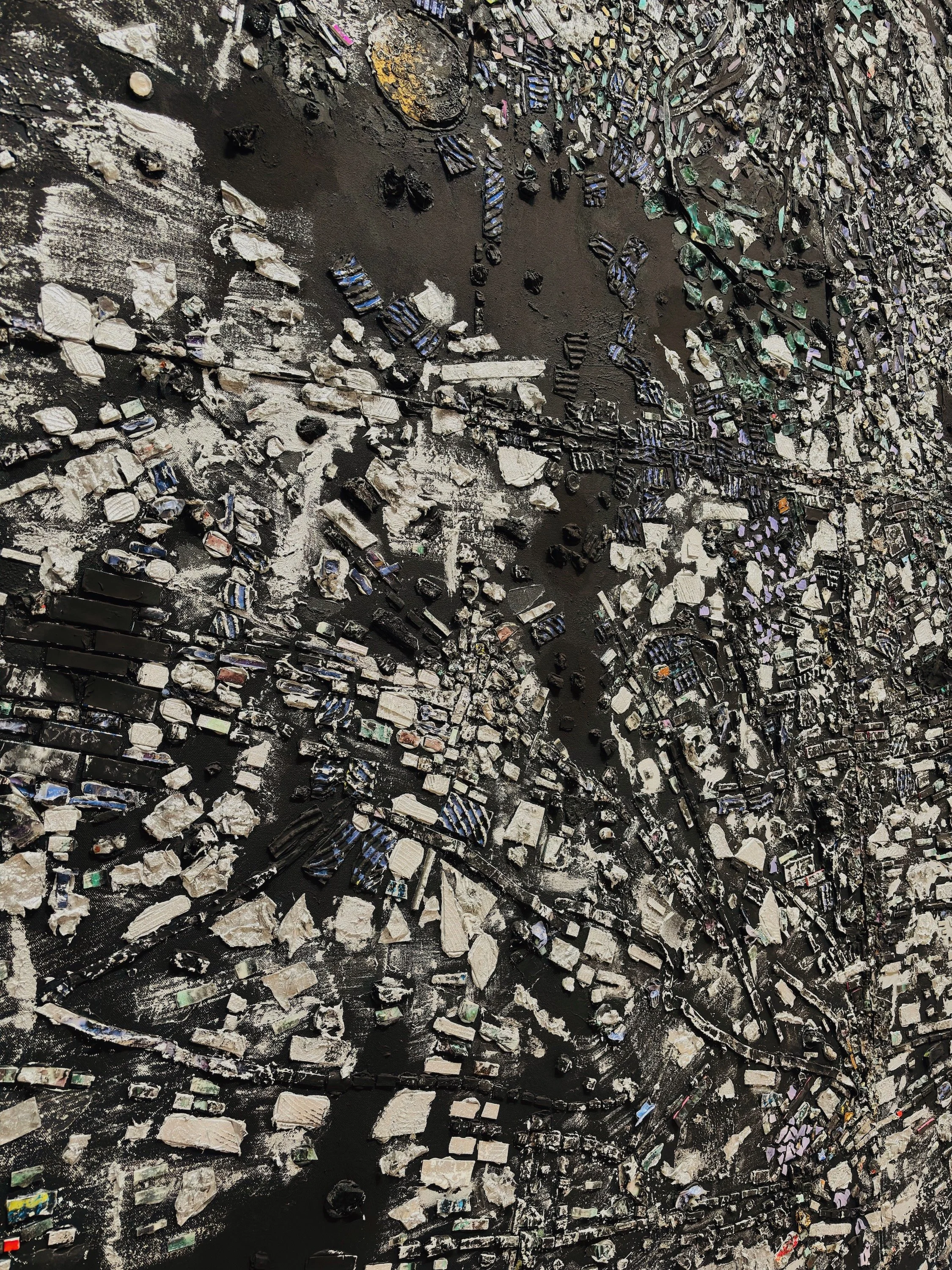
His paintings are captivating in their complexity. Color, texture, light, and movement come together across surfaces that reveal something new with every moment of looking. From a distance, the works can appear almost atmospheric. Up close, their layers and tactile qualities draw the eye deeper, creating an experience that feels both intimate and immense.

The photographs we share here offer only a glimpse of that experience. They cannot fully convey the extraordinary texture of Whitten's surfaces or the sheer scale and power of encountering these works in person. Some art needs to be experienced at its full size, where color, material, and physical presence can overwhelm the eye in the most wonderful way.

What feels especially powerful is the sense that Whitten never allows abstraction to become distant or detached. His work carries emotion and memory through its physicality, inviting us to look beyond what is immediately recognizable and to trust what we feel before we can fully explain it.

The exhibition becomes an invitation to slow down and look longer. To stand before a work and let its scale, surface, and rhythm gradually reveal themselves. There is freedom in that experience, and there is also a reminder that art does not always need to tell us exactly what to see.

Bold, inventive, and deeply expressive, Jack Whitten: The Messenger celebrates an artist who expands the possibilities of abstraction and reminds us that sometimes the most powerful way to understand the world is to see it differently.

Comment

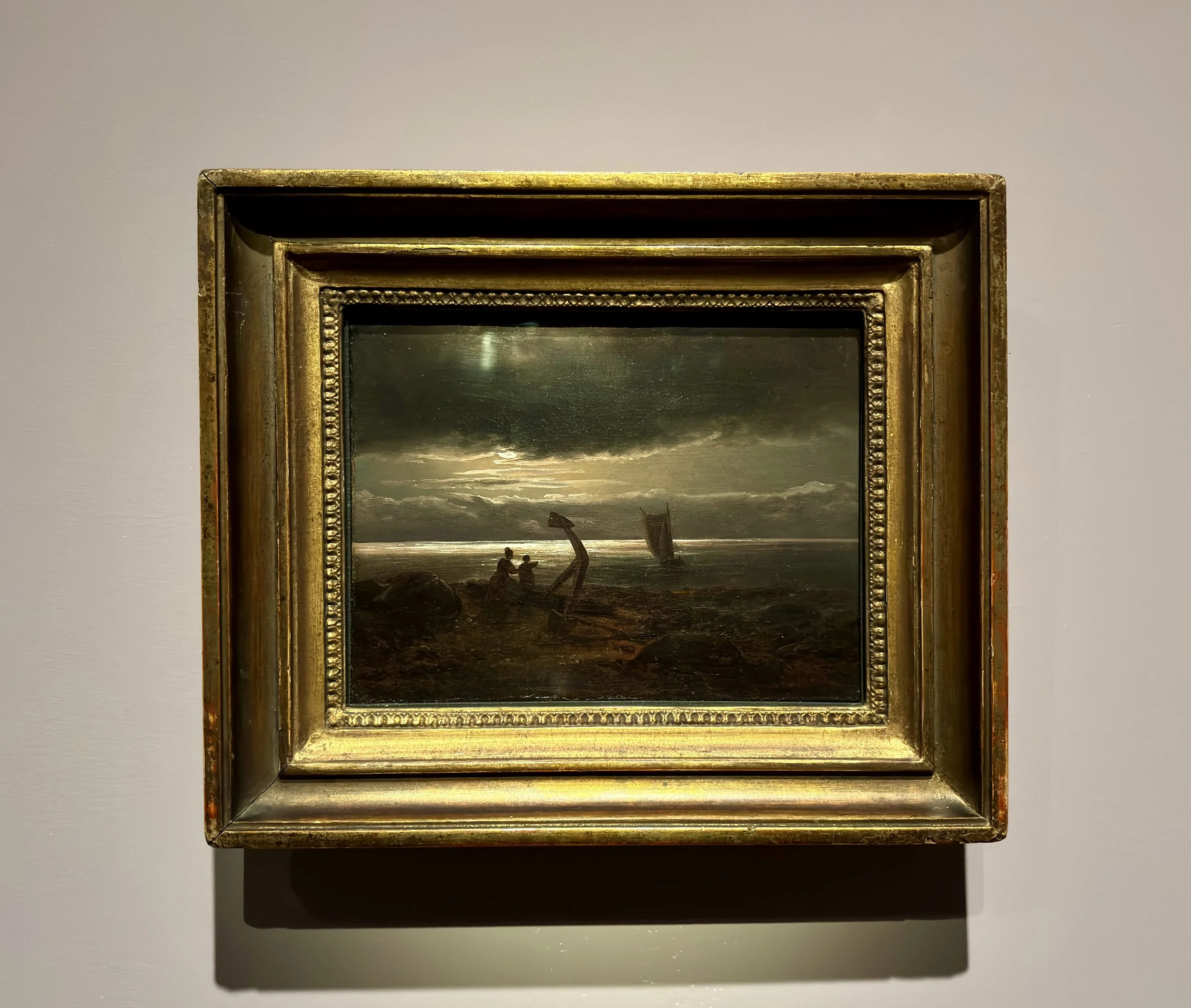
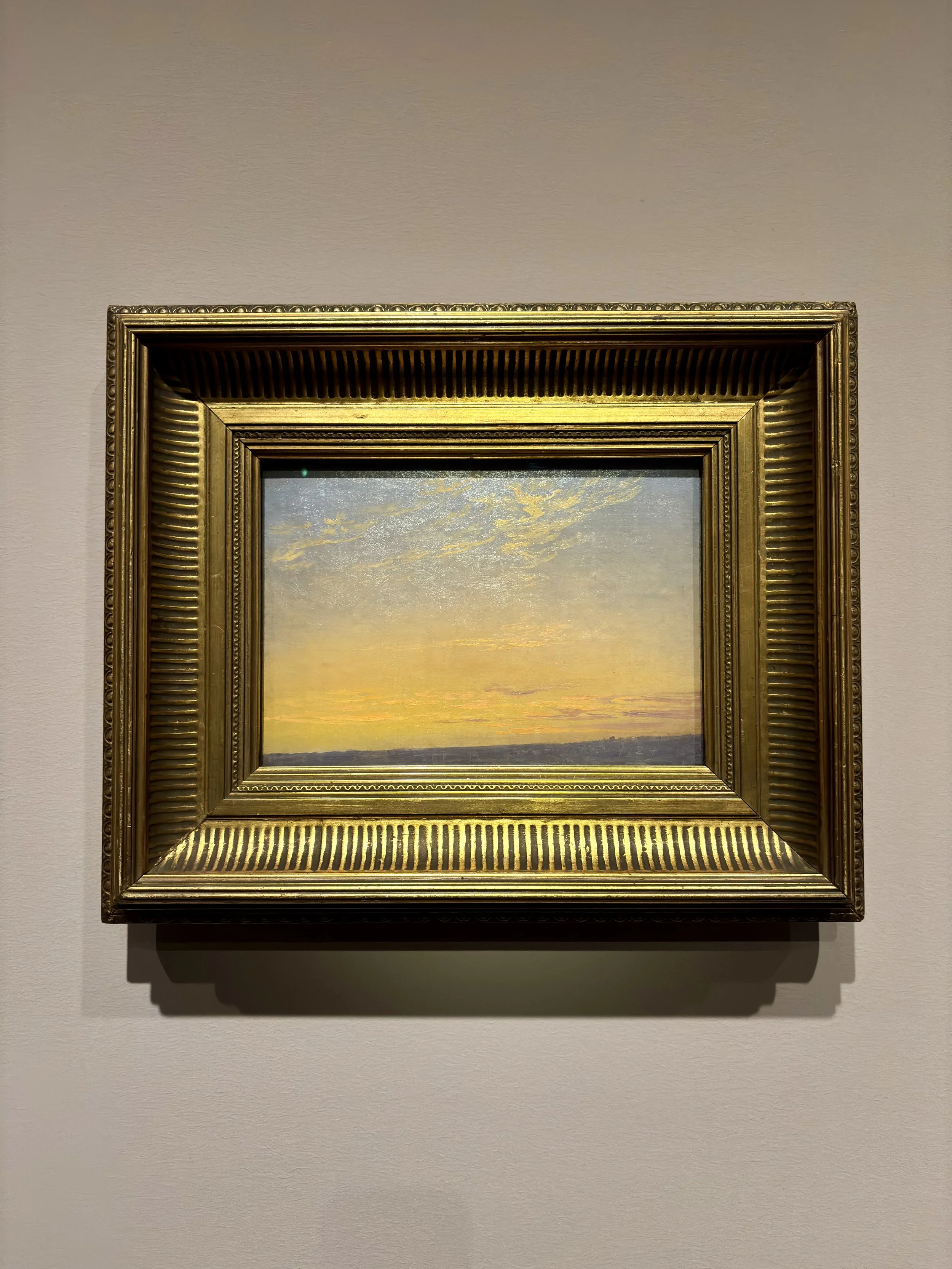
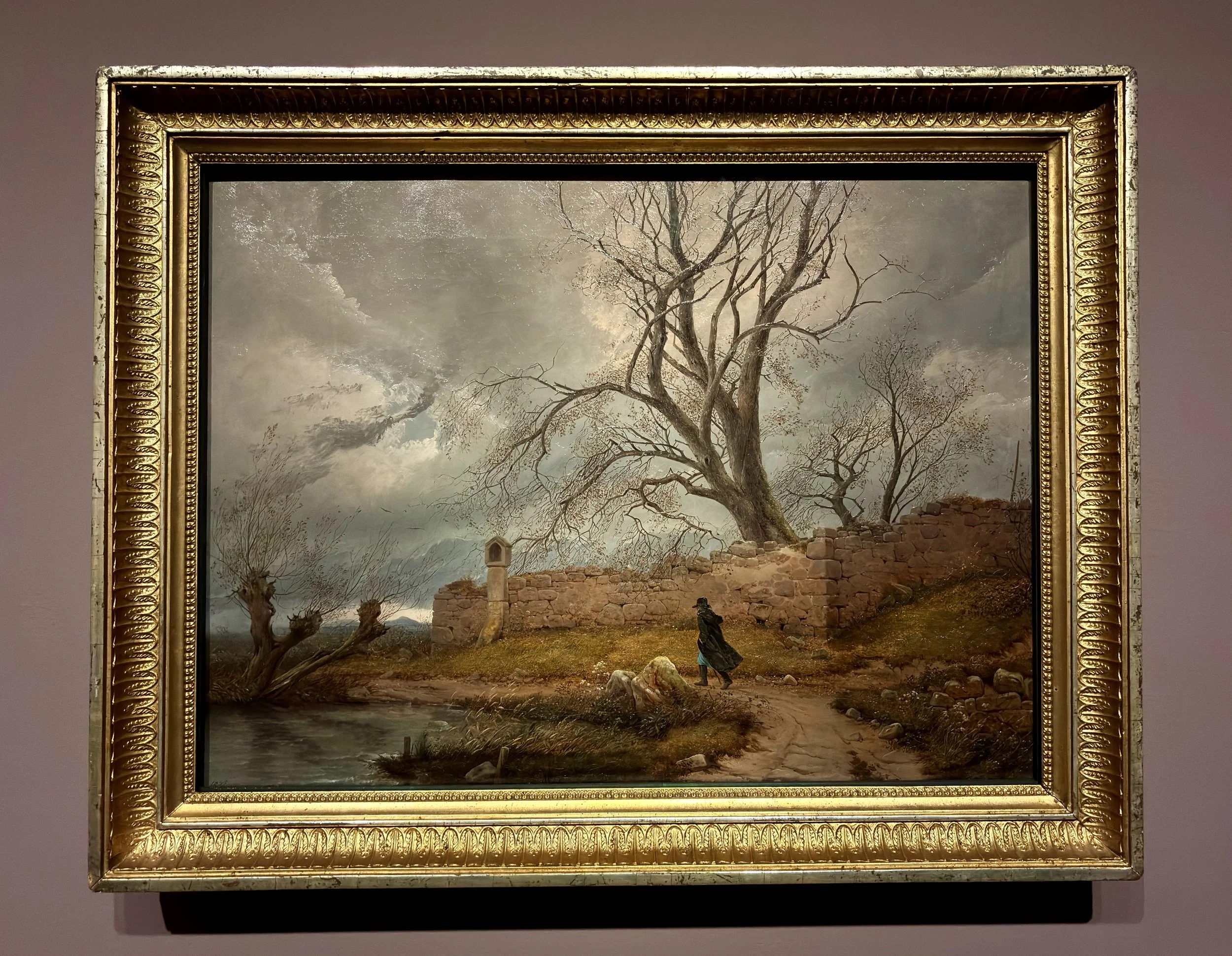
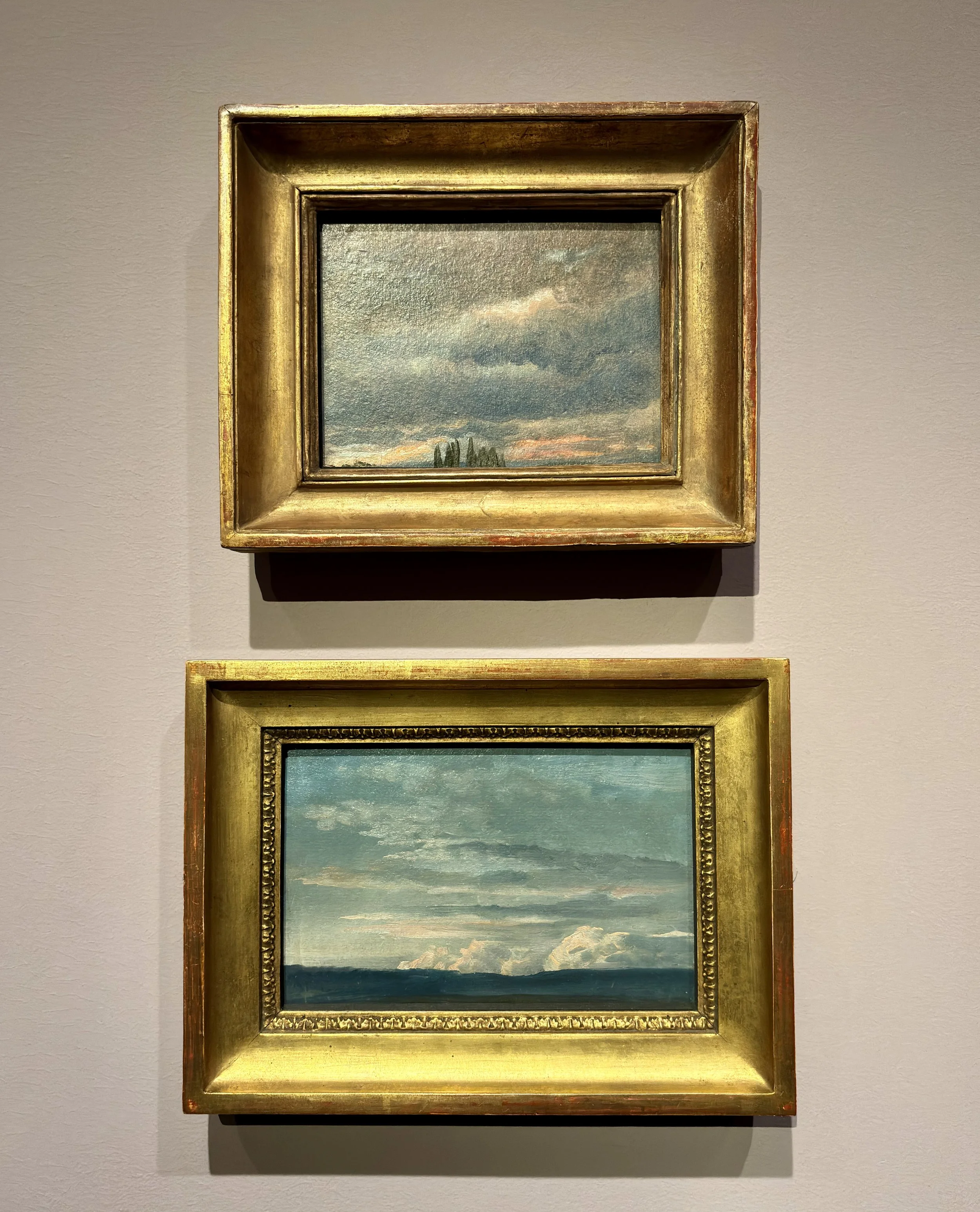
Caspar David Friedrich at The Met: Nature and the Human Spirit

Comment

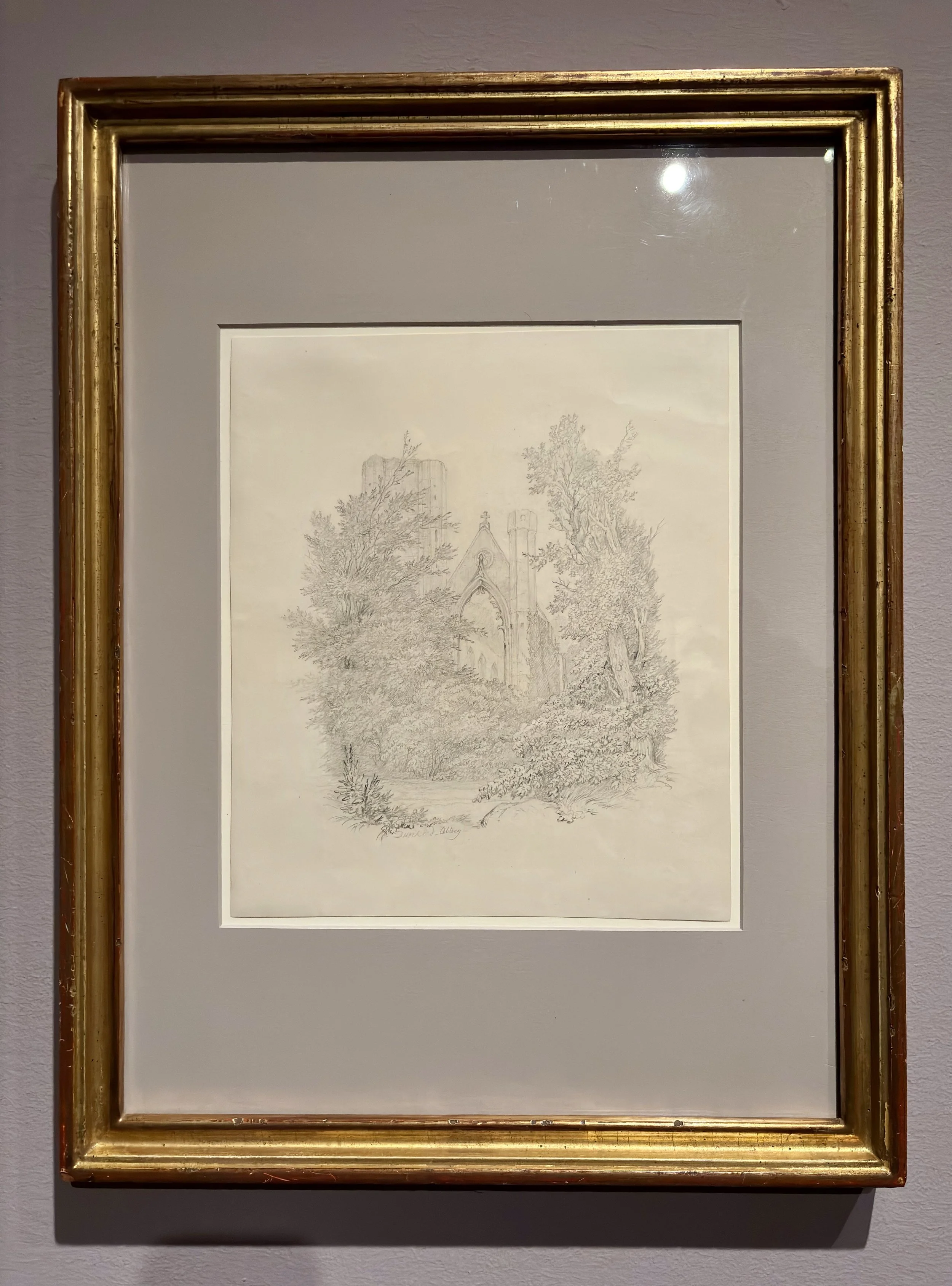
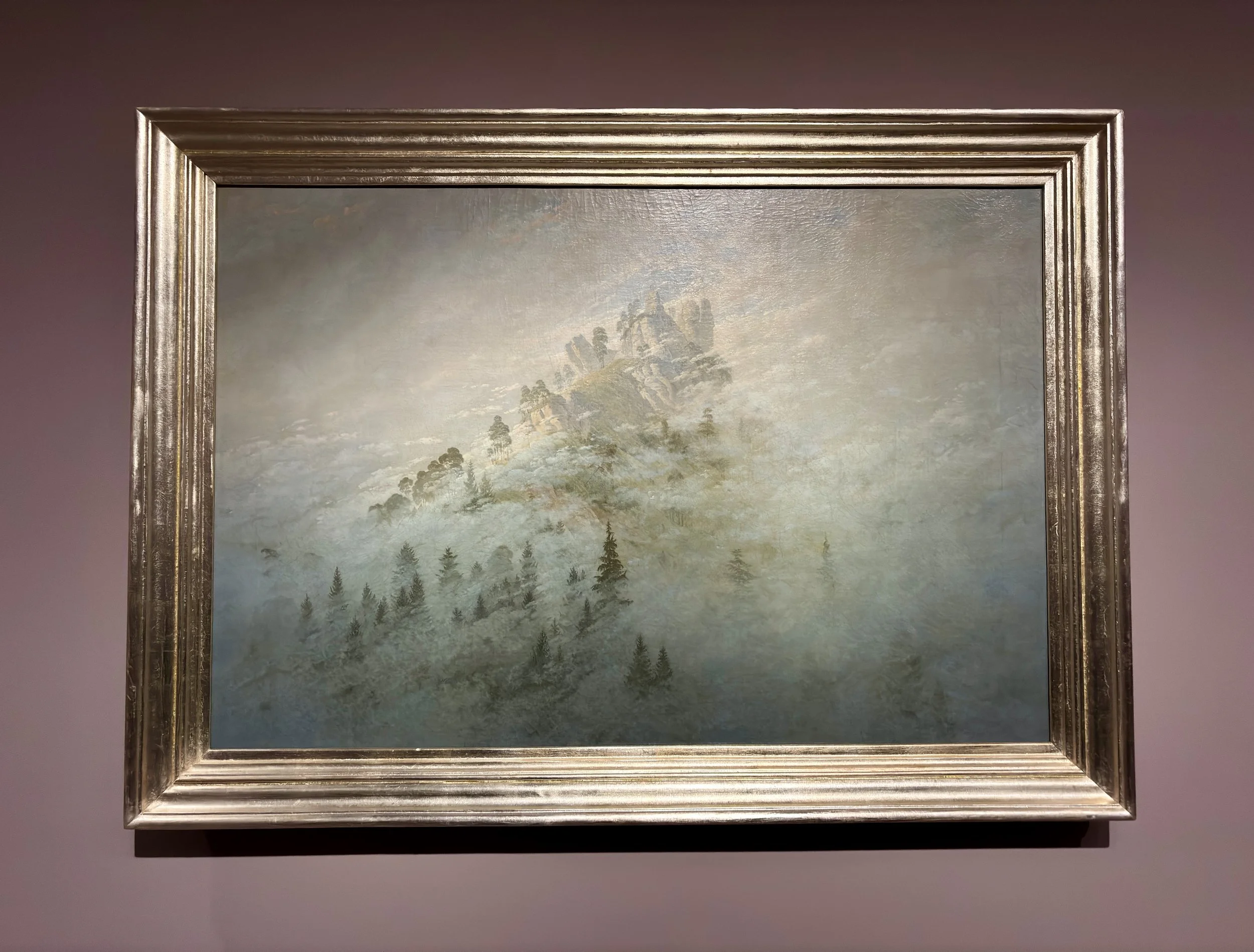
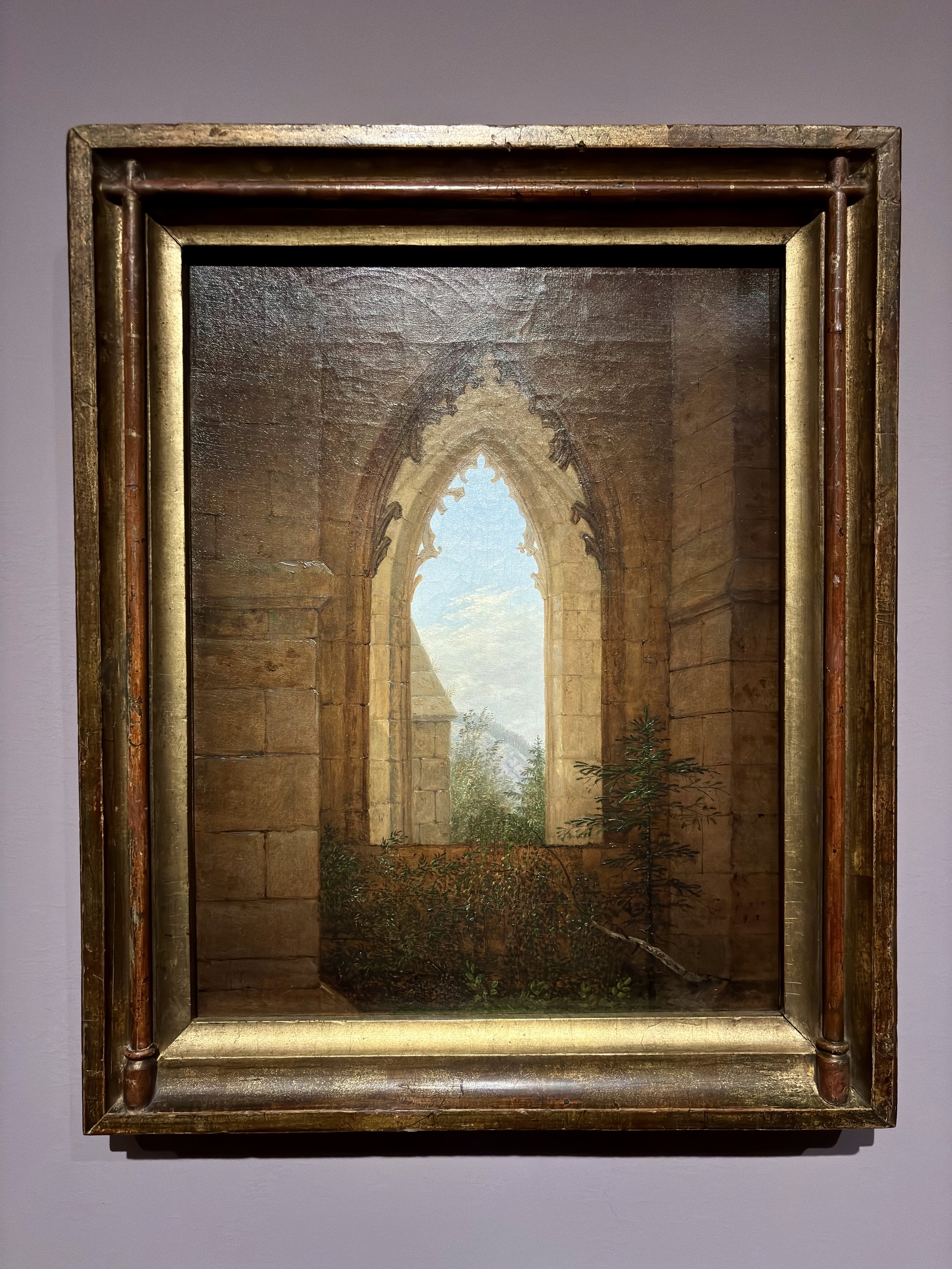
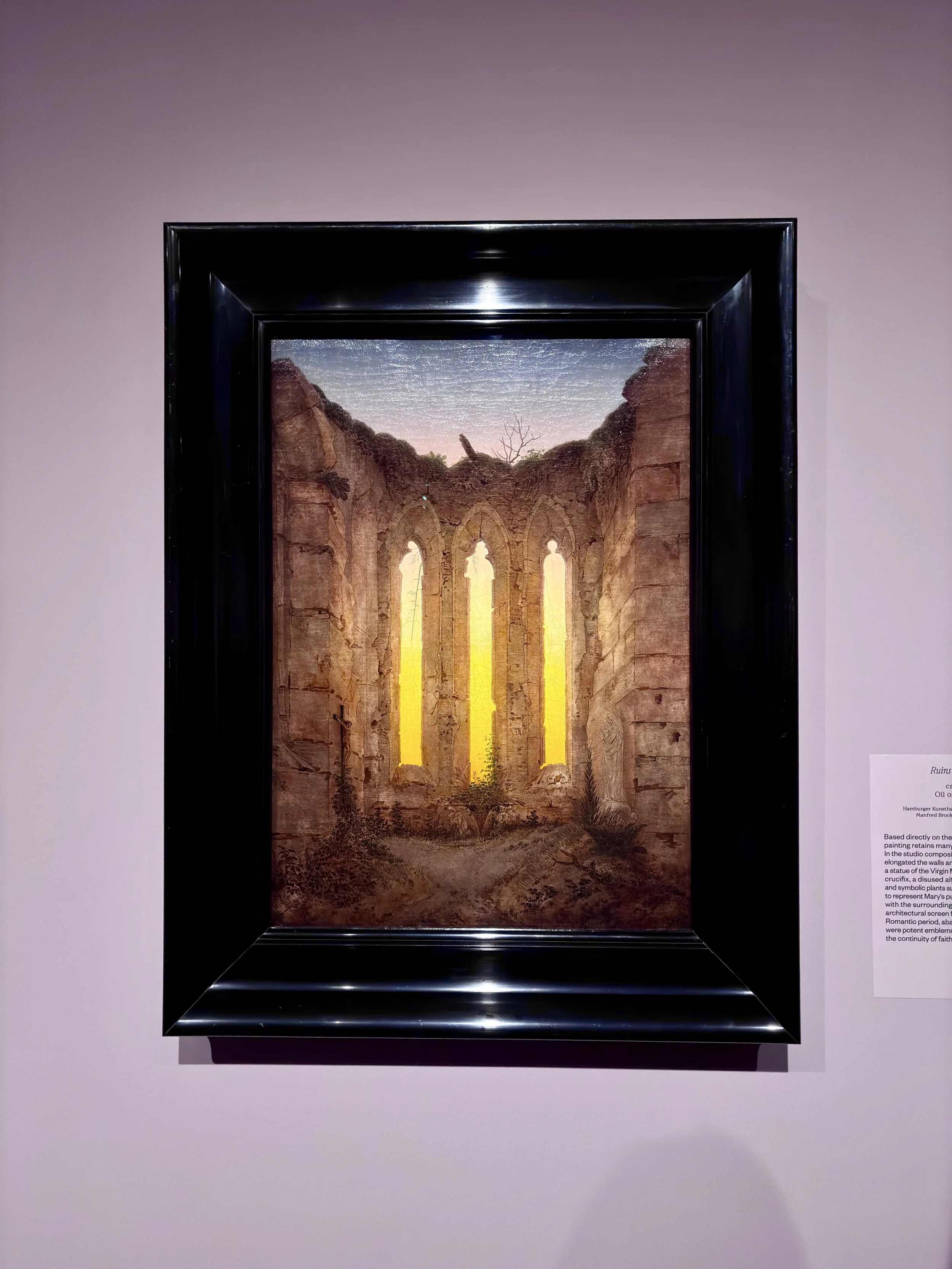
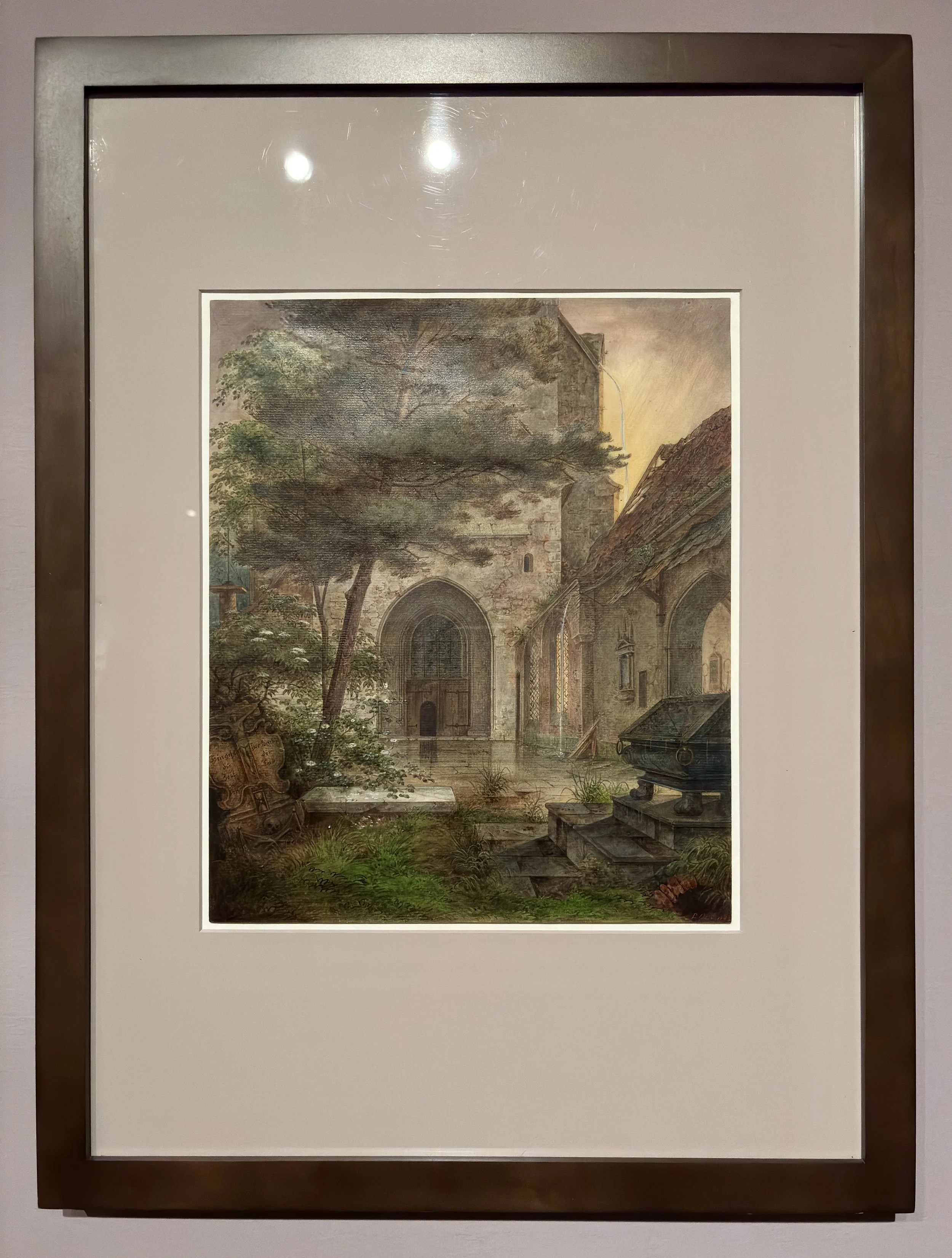
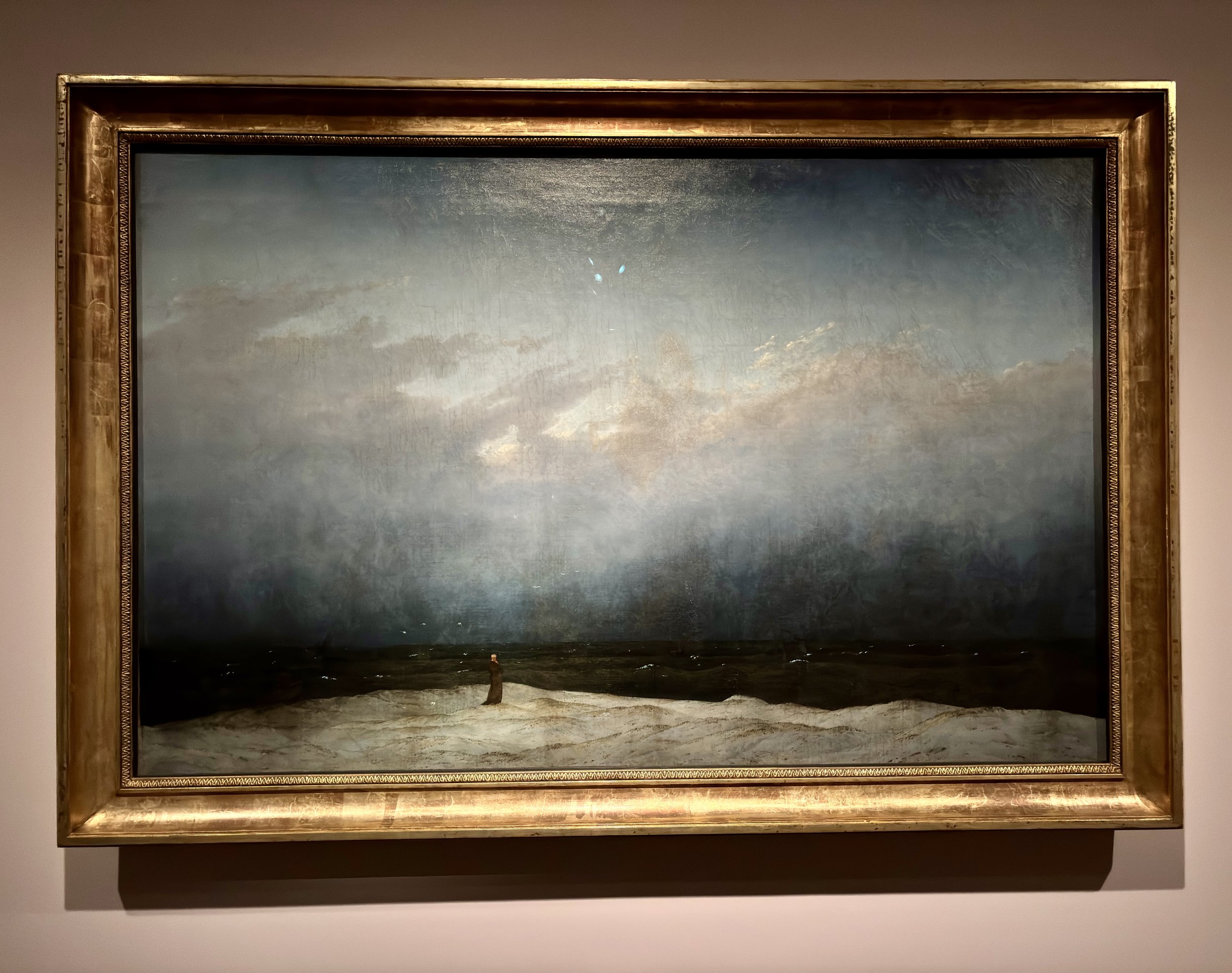
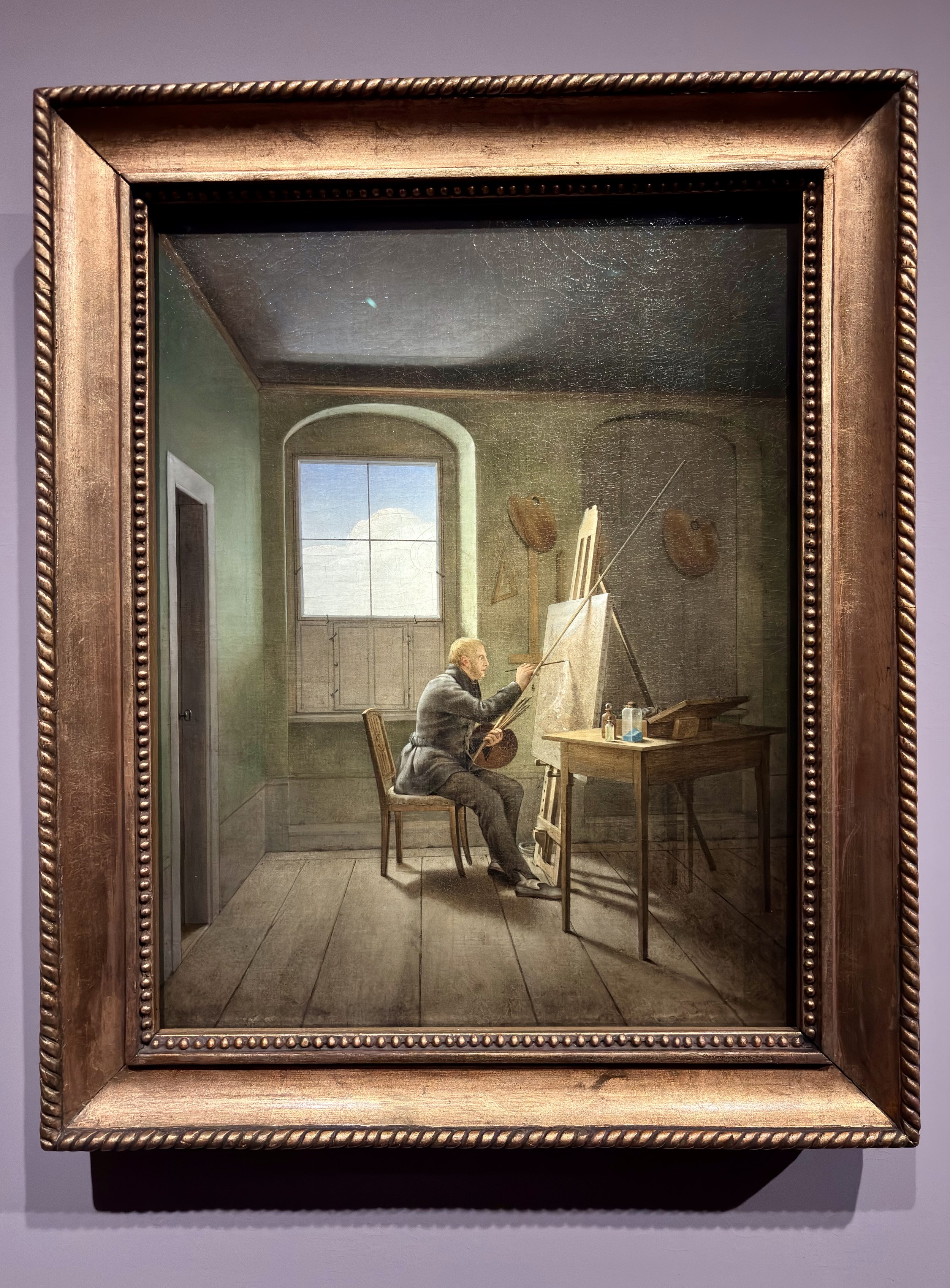
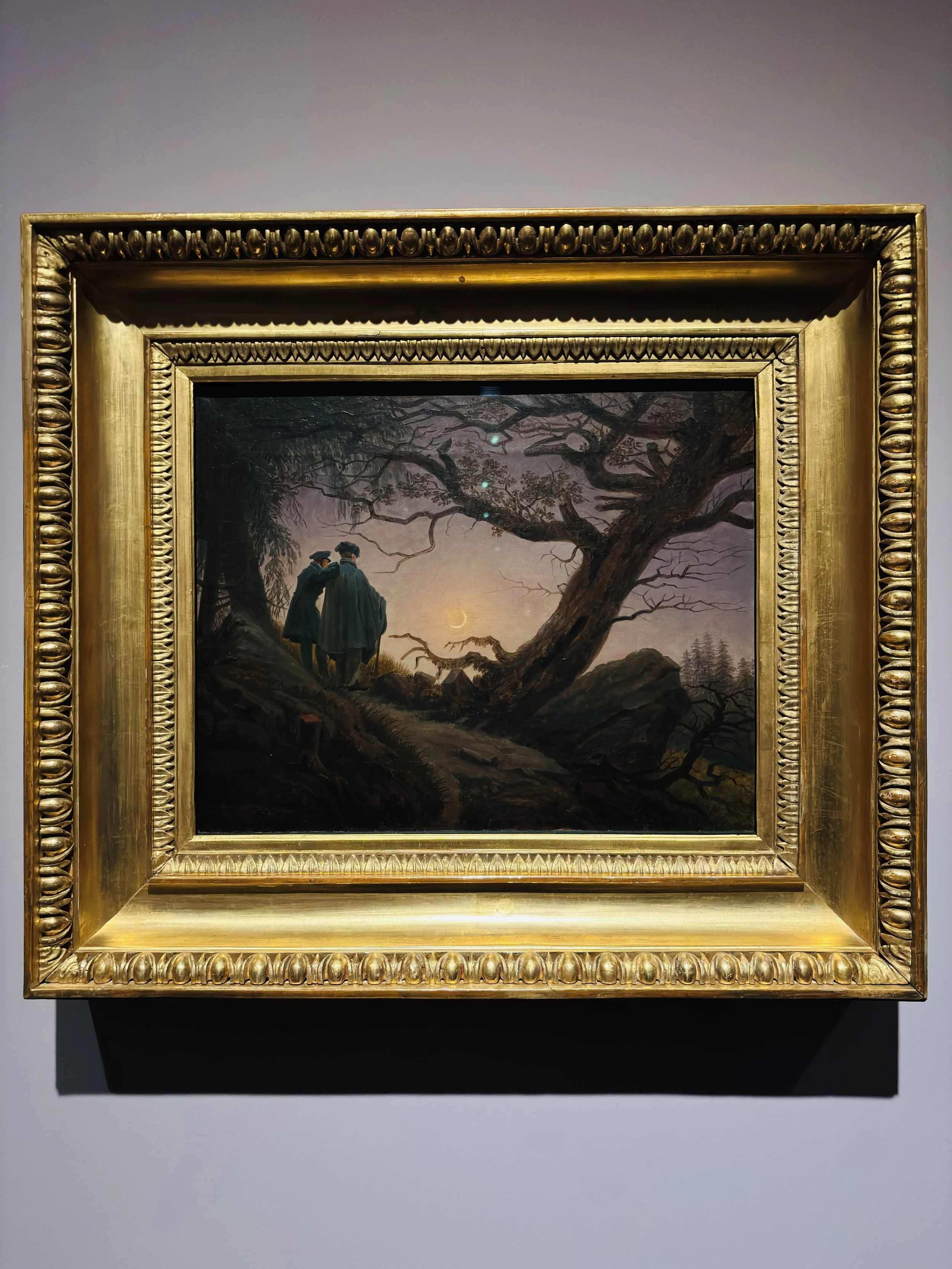
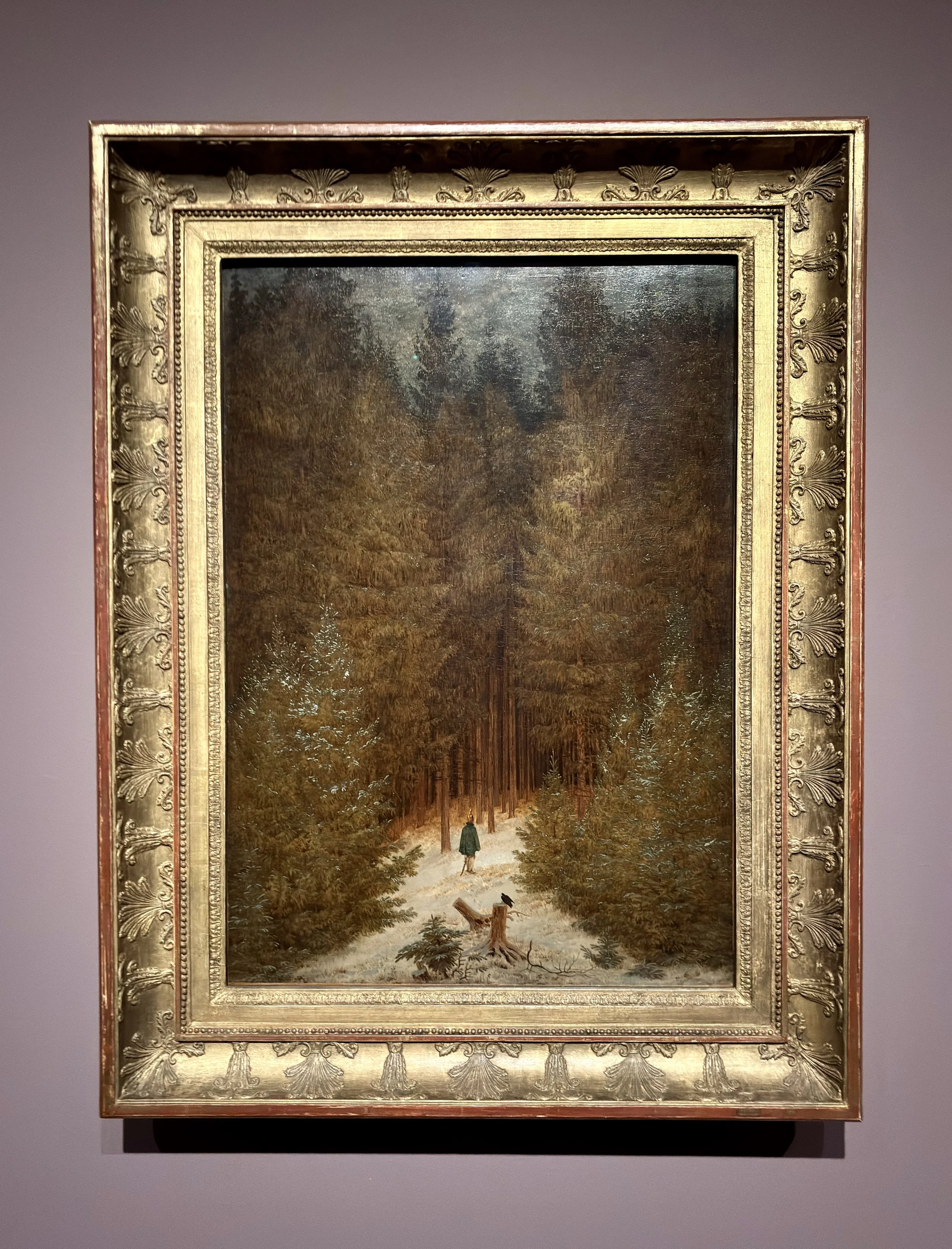
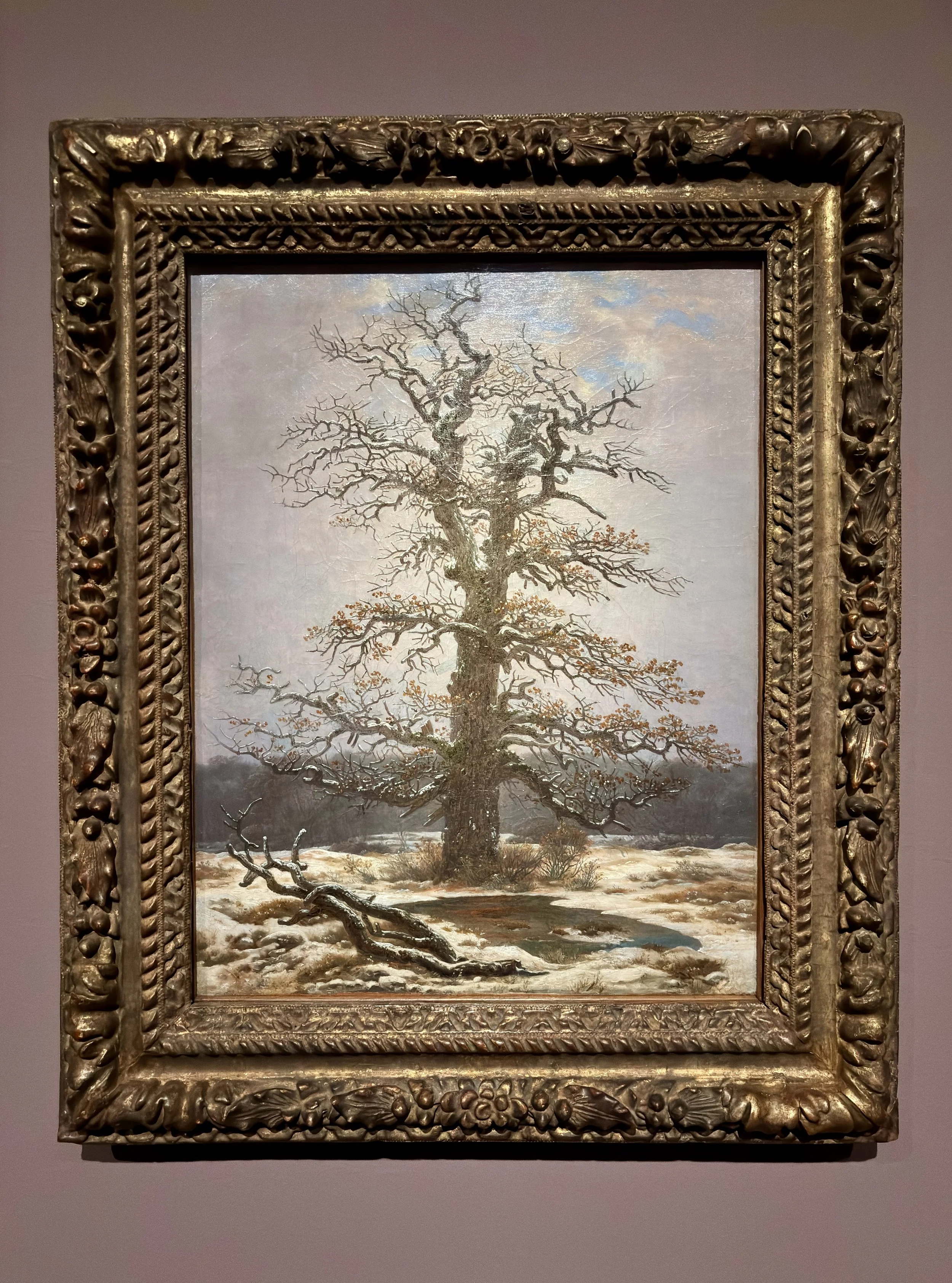
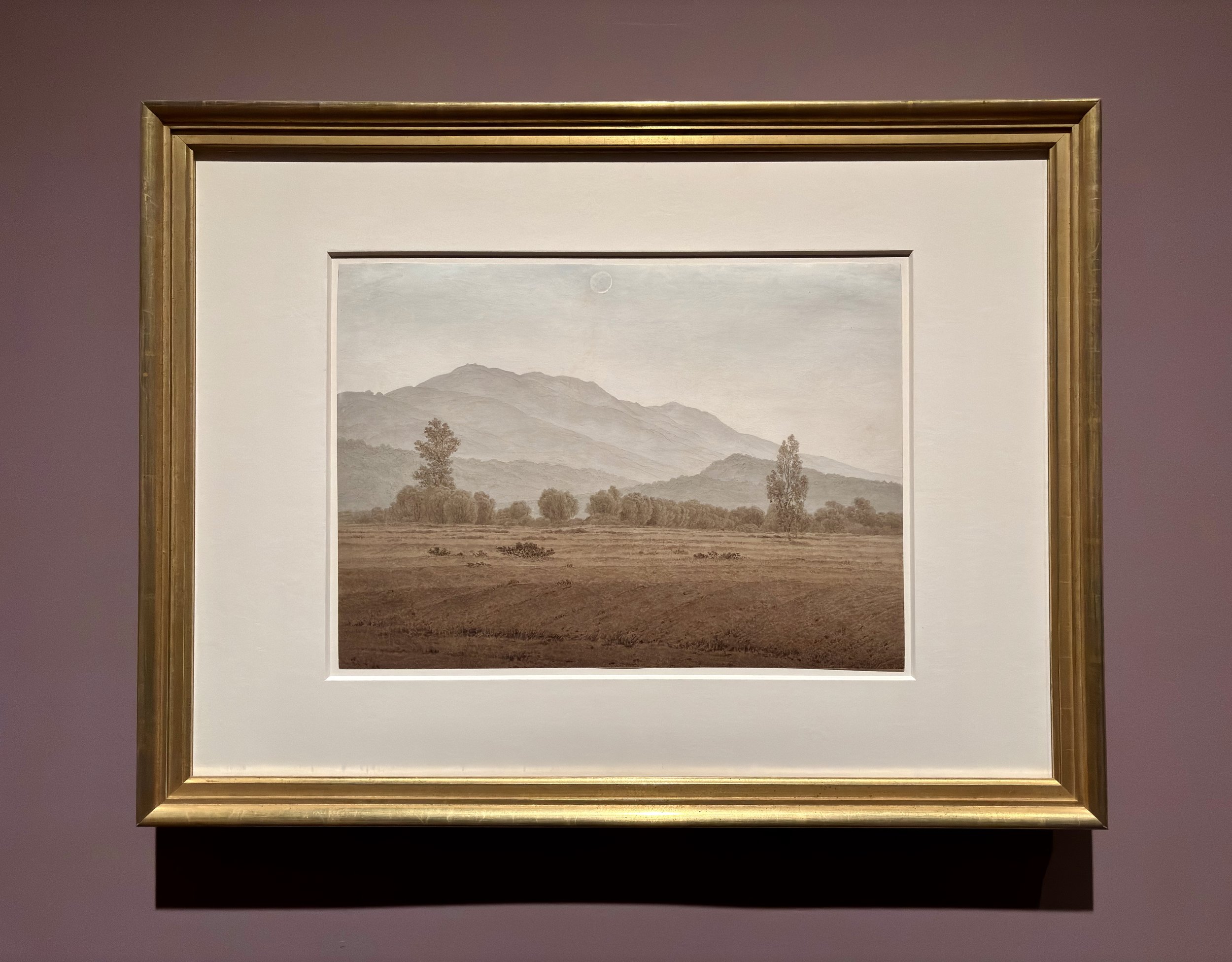
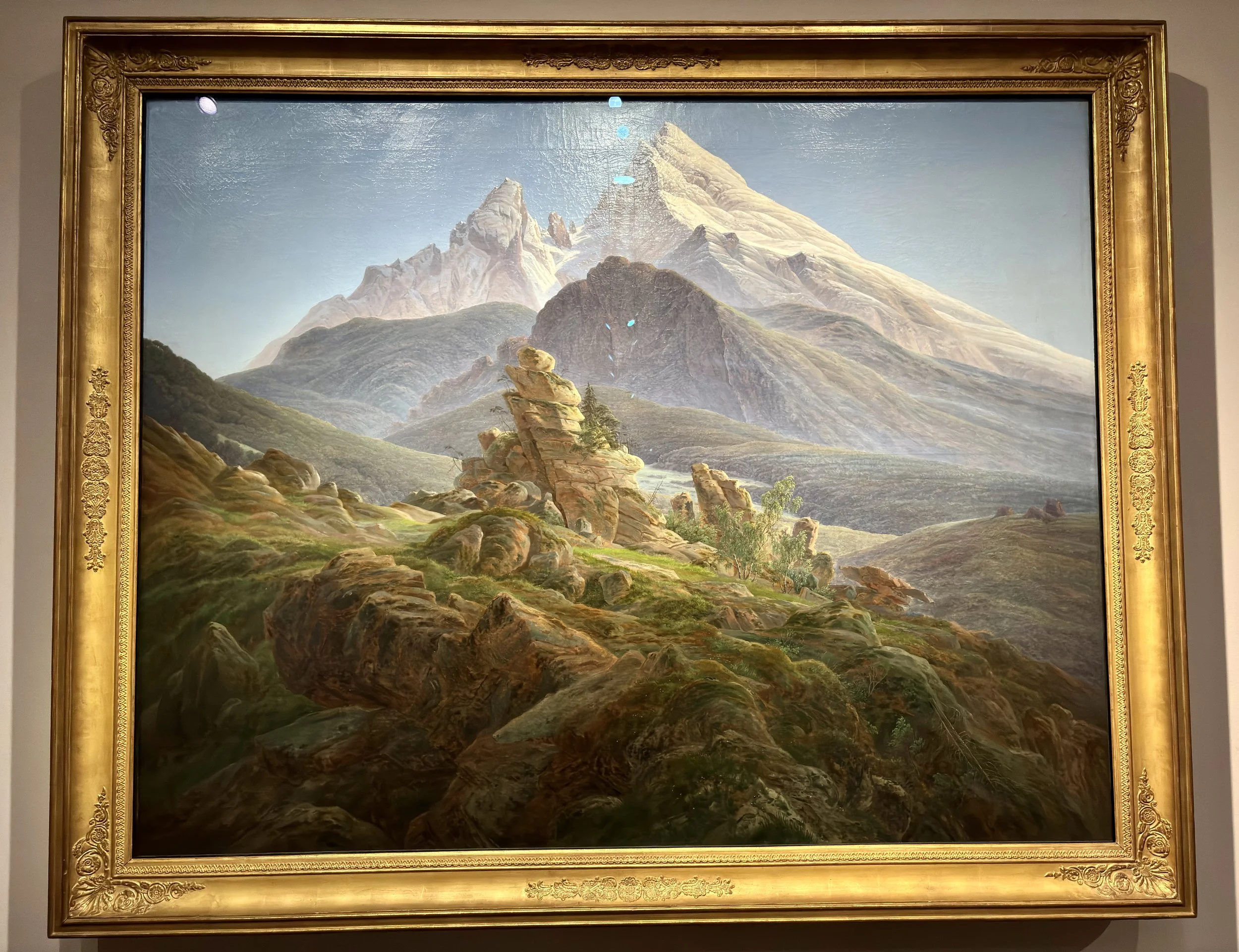
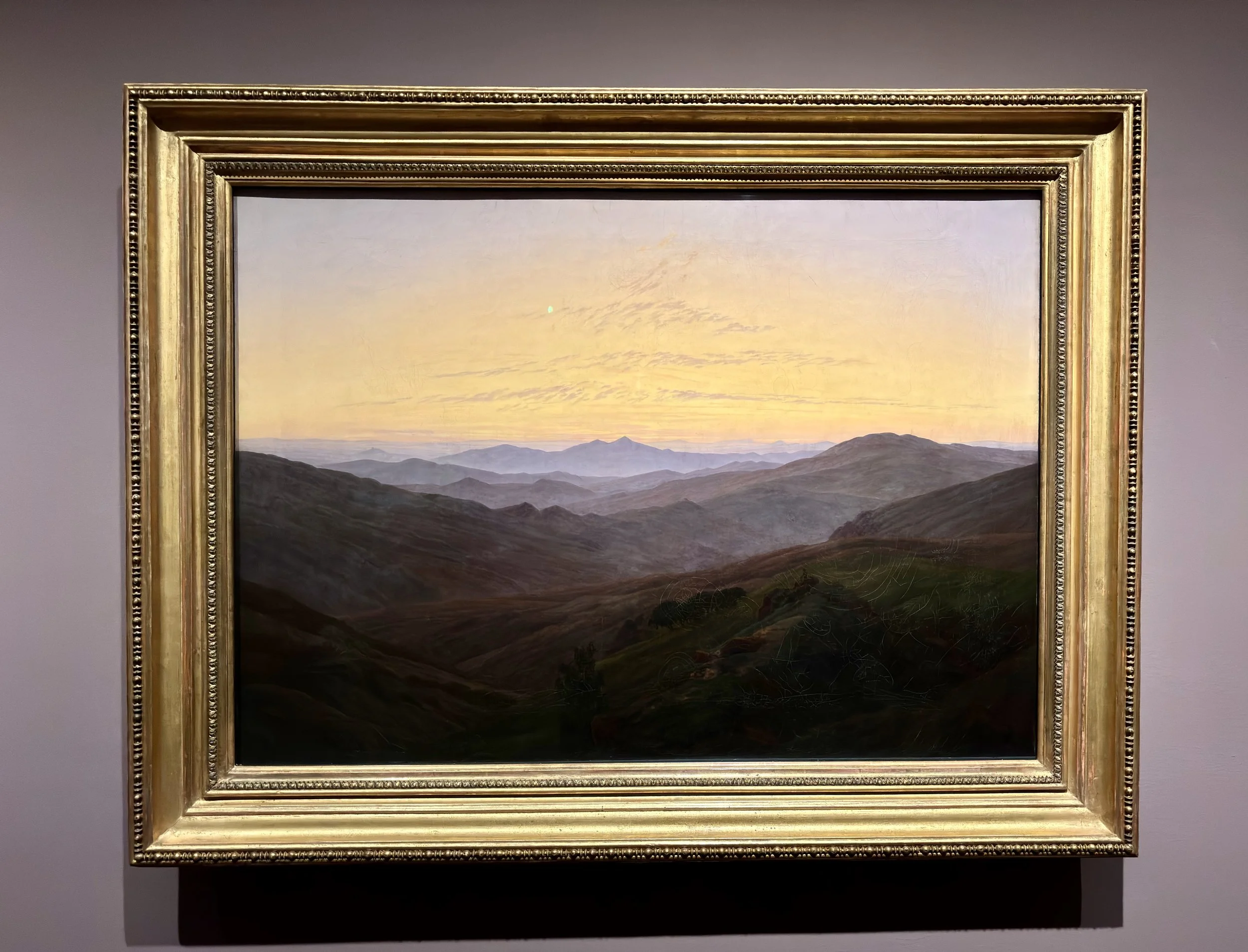
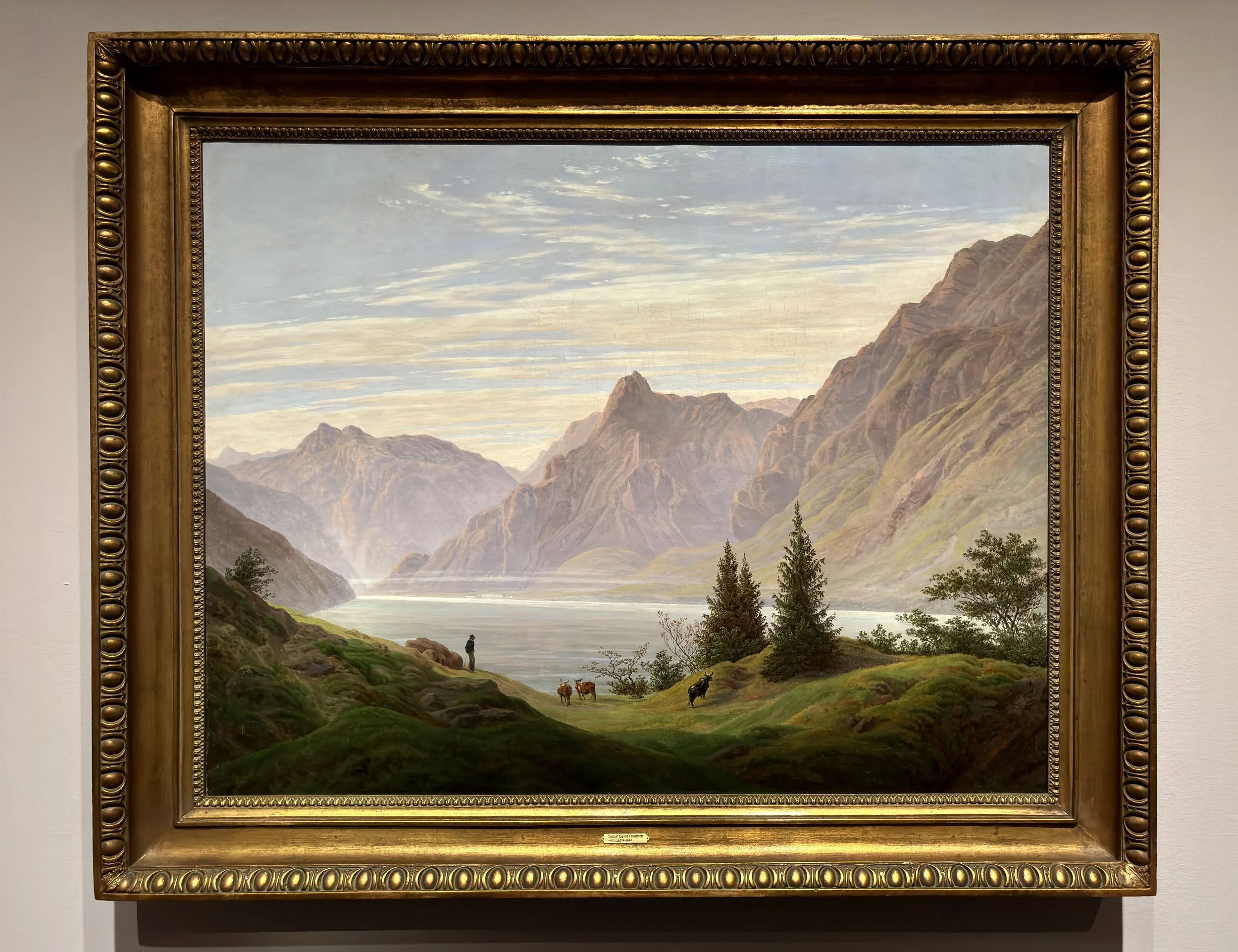
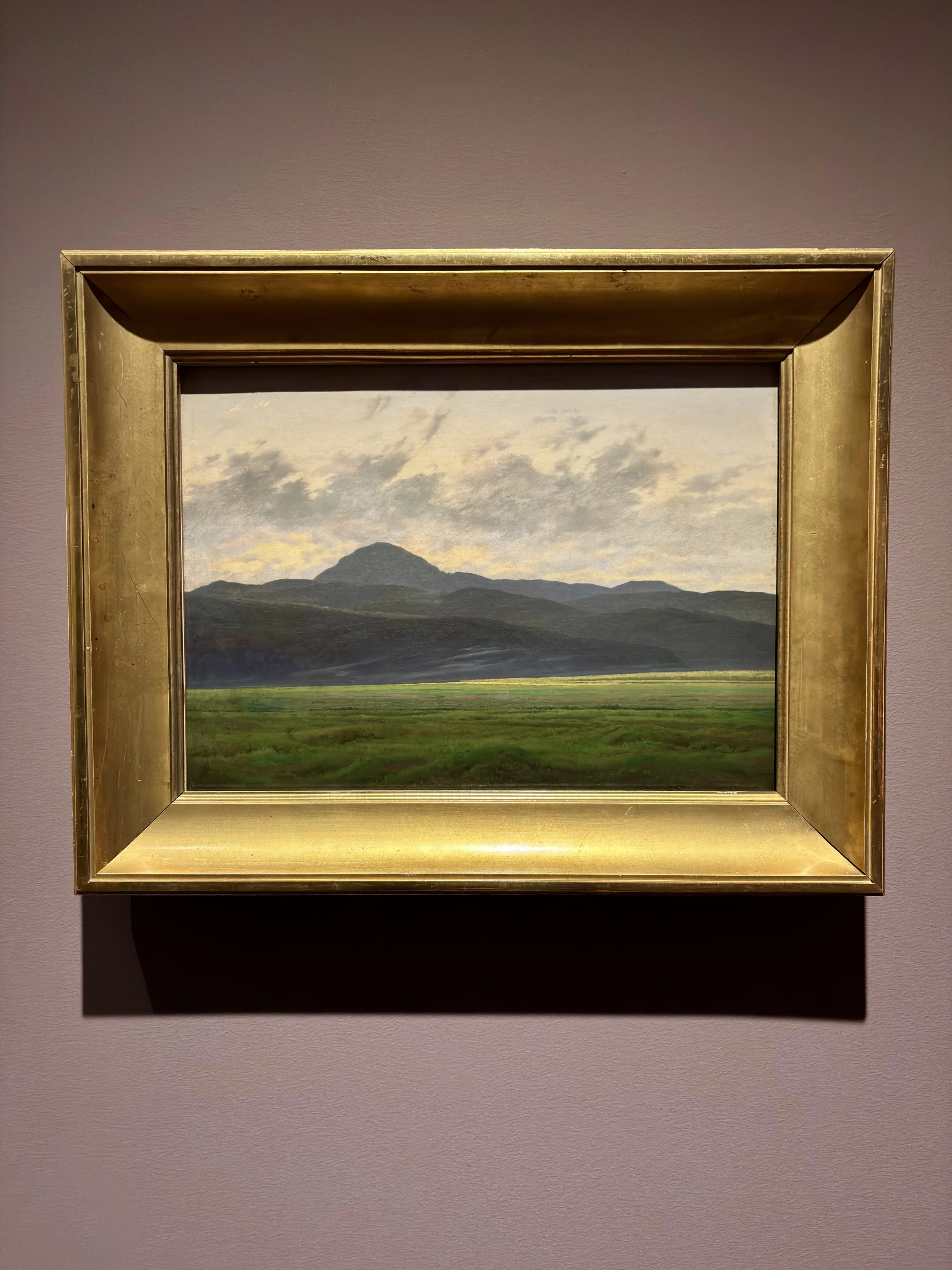
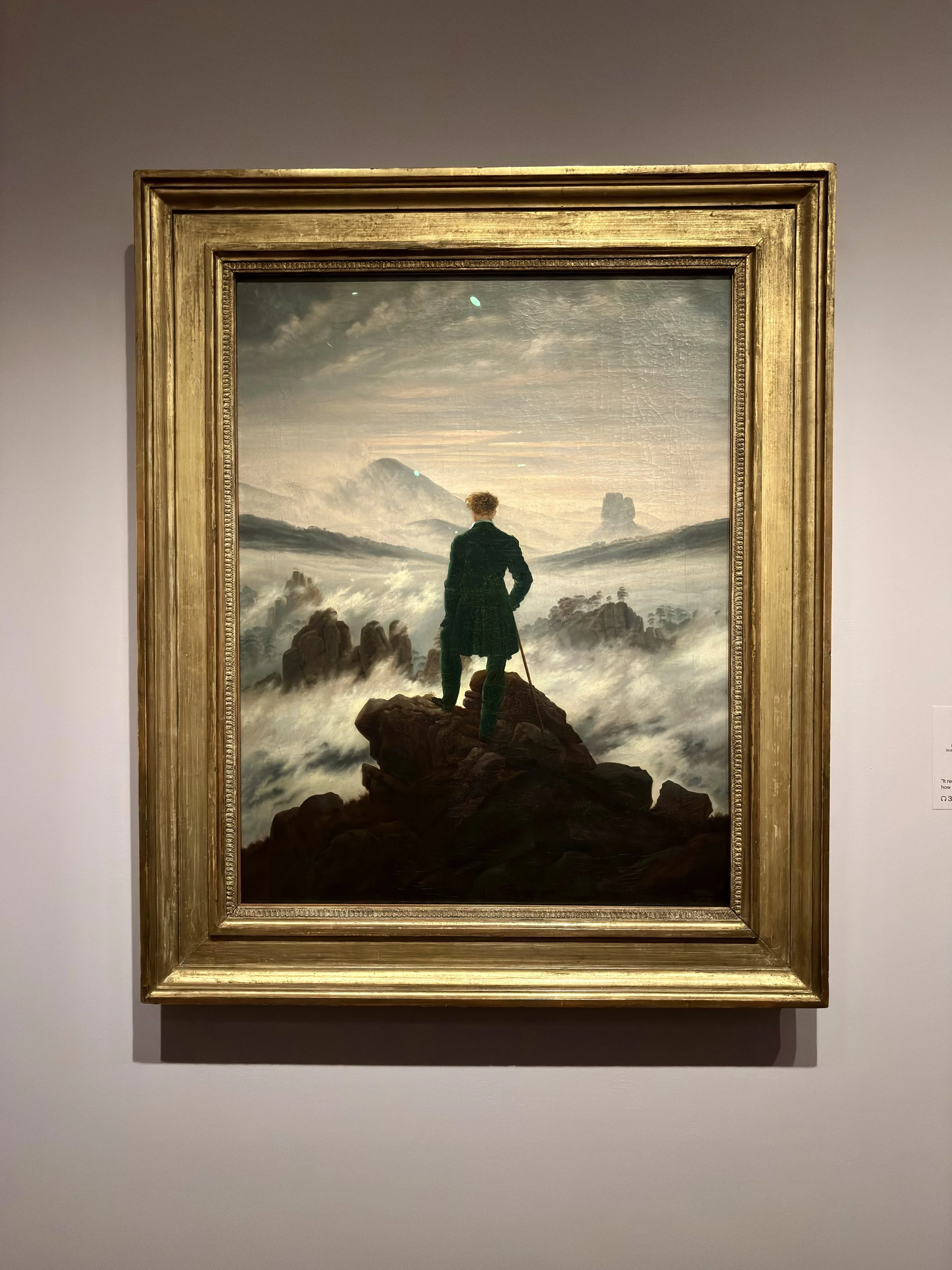
Caspar David Friedrich at The Met: Nature and the Human Spirit

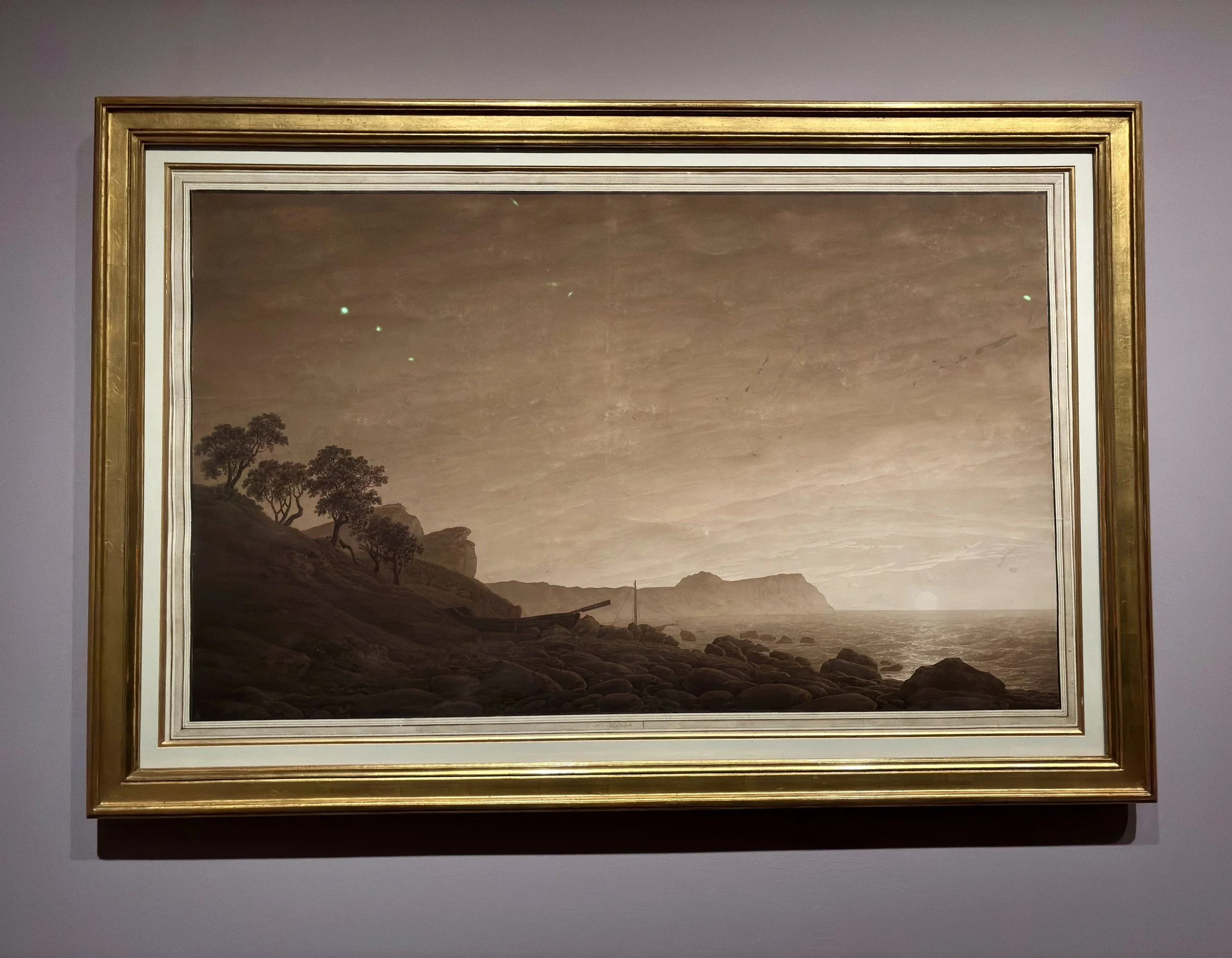
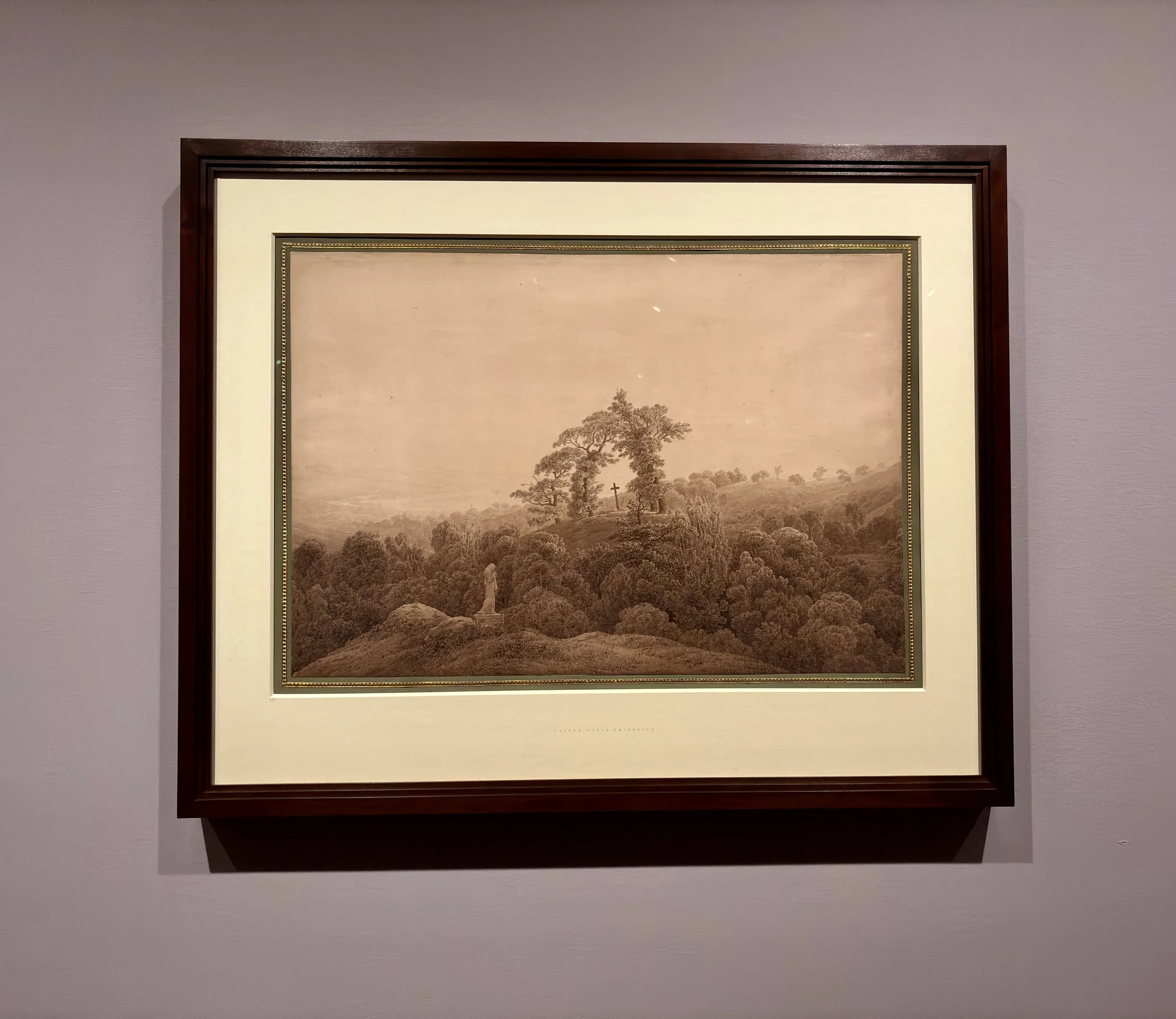
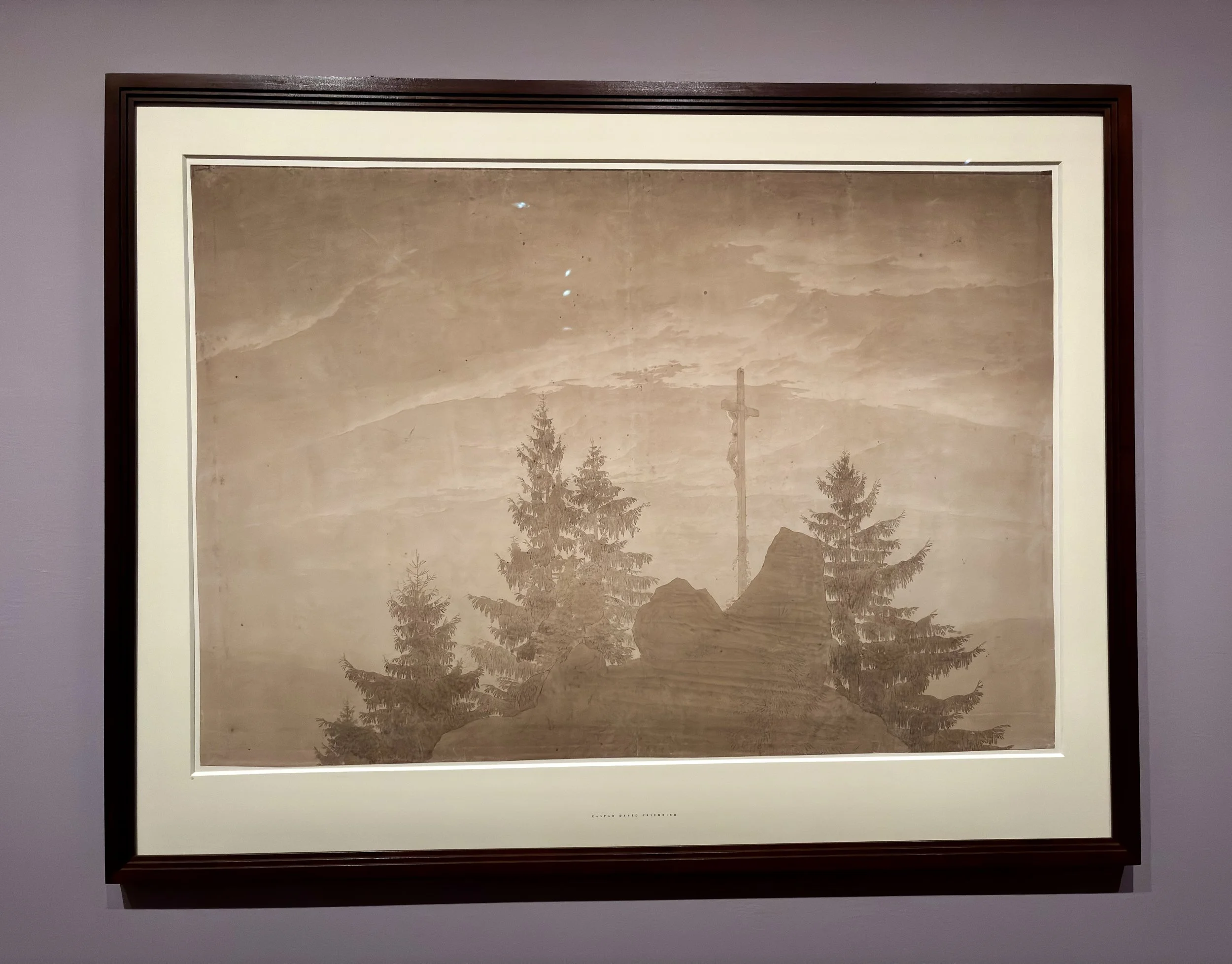
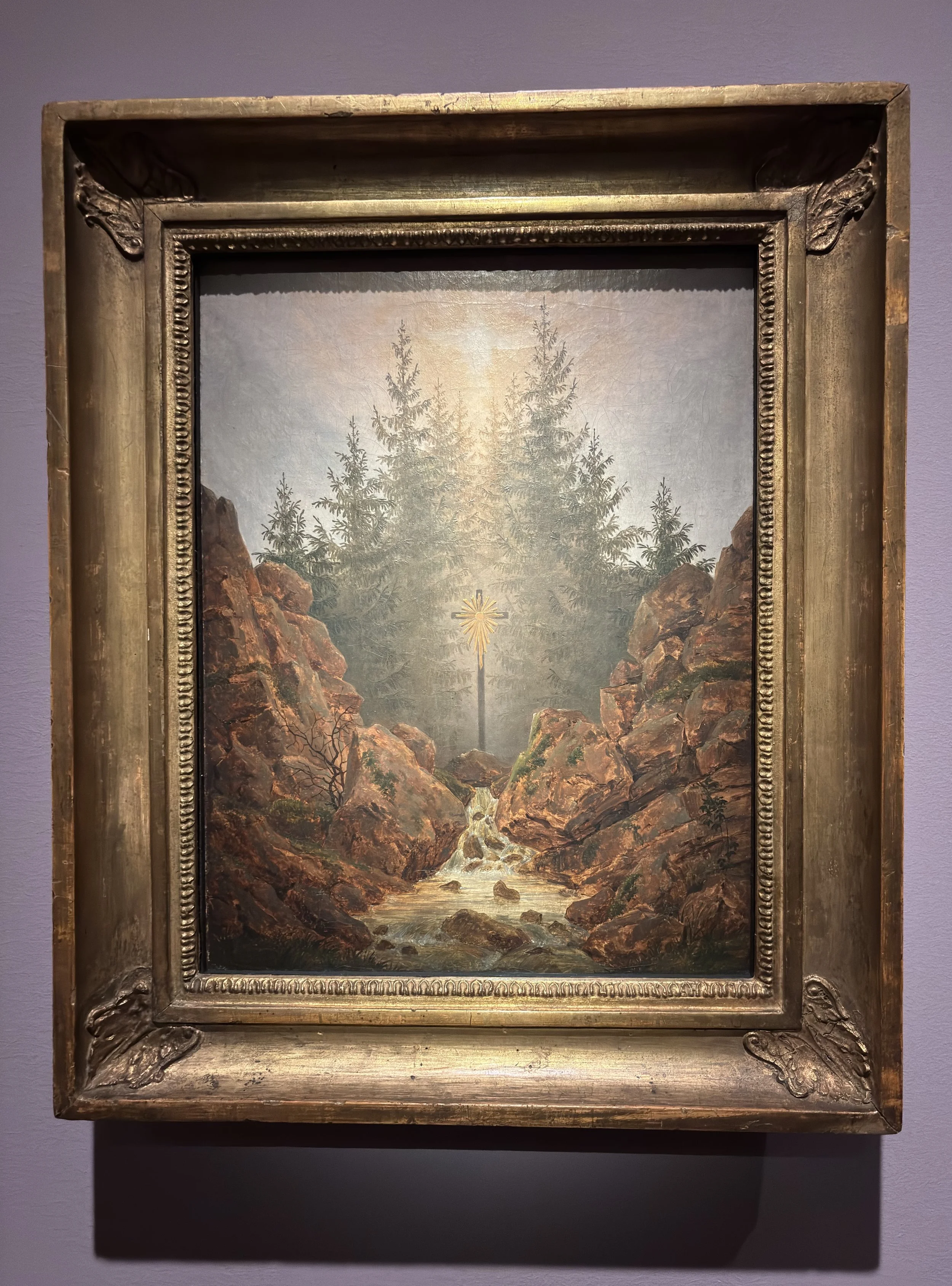
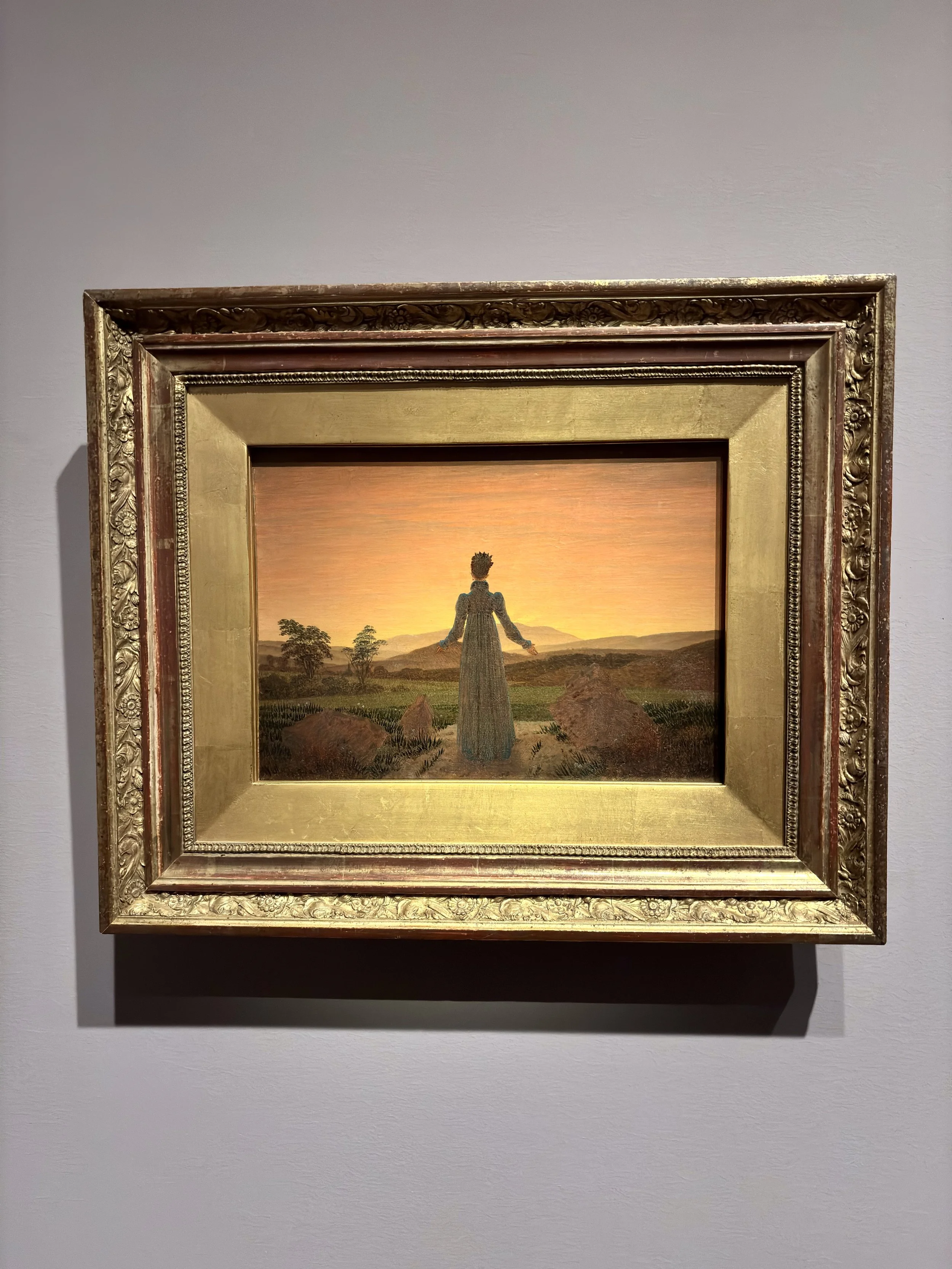
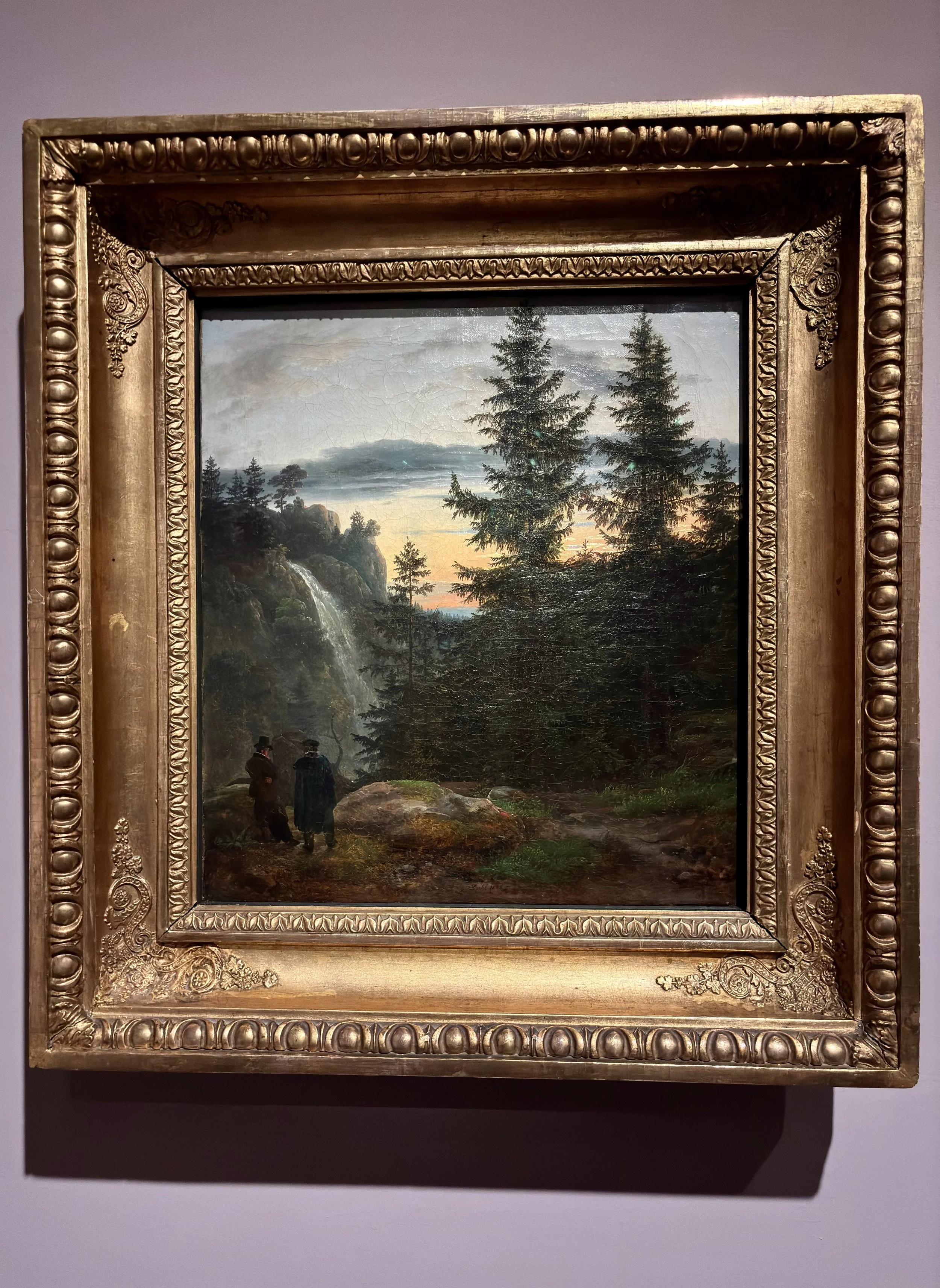
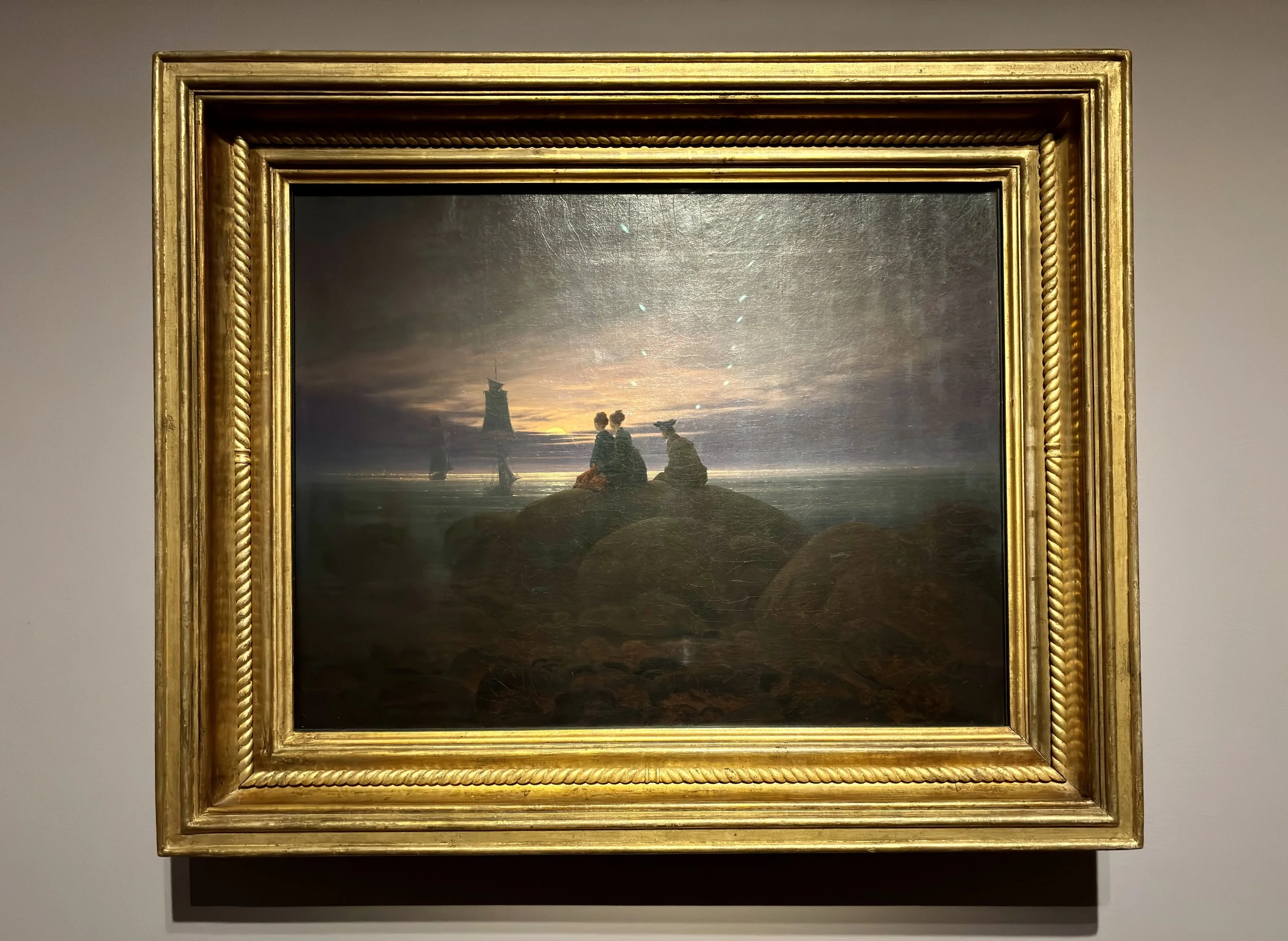
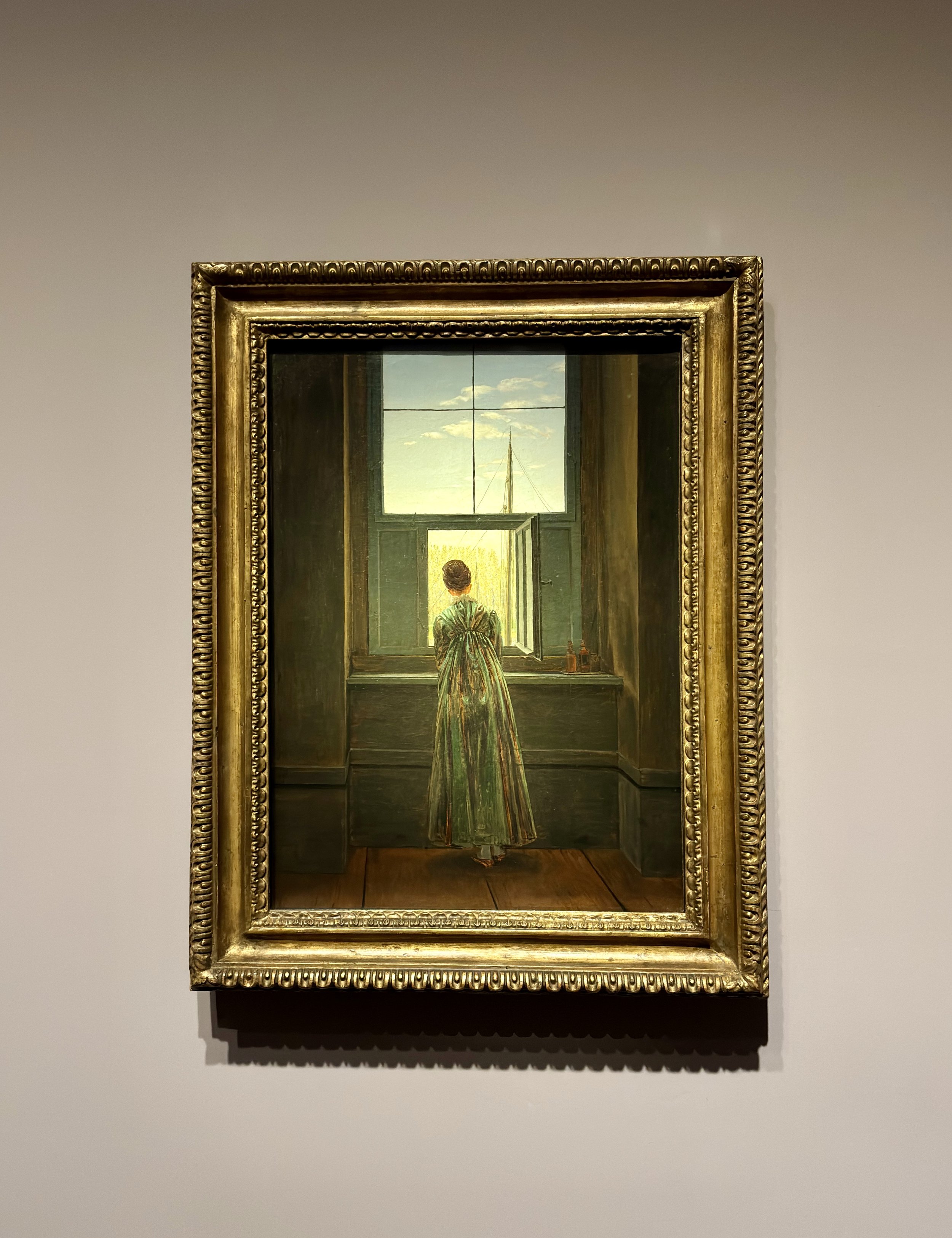
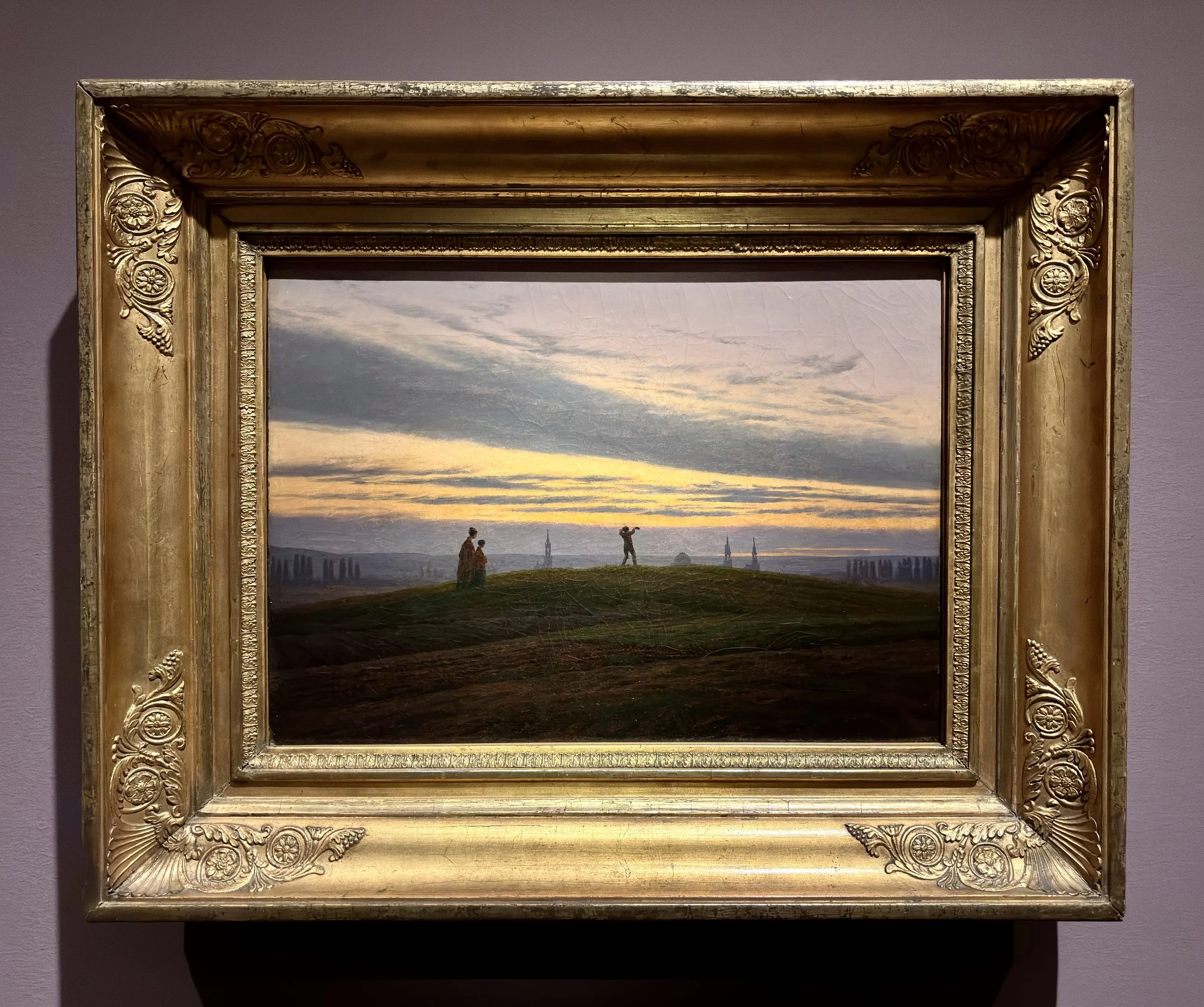
Some landscapes invite admiration. Caspar David Friedrich's landscapes invite reflection.

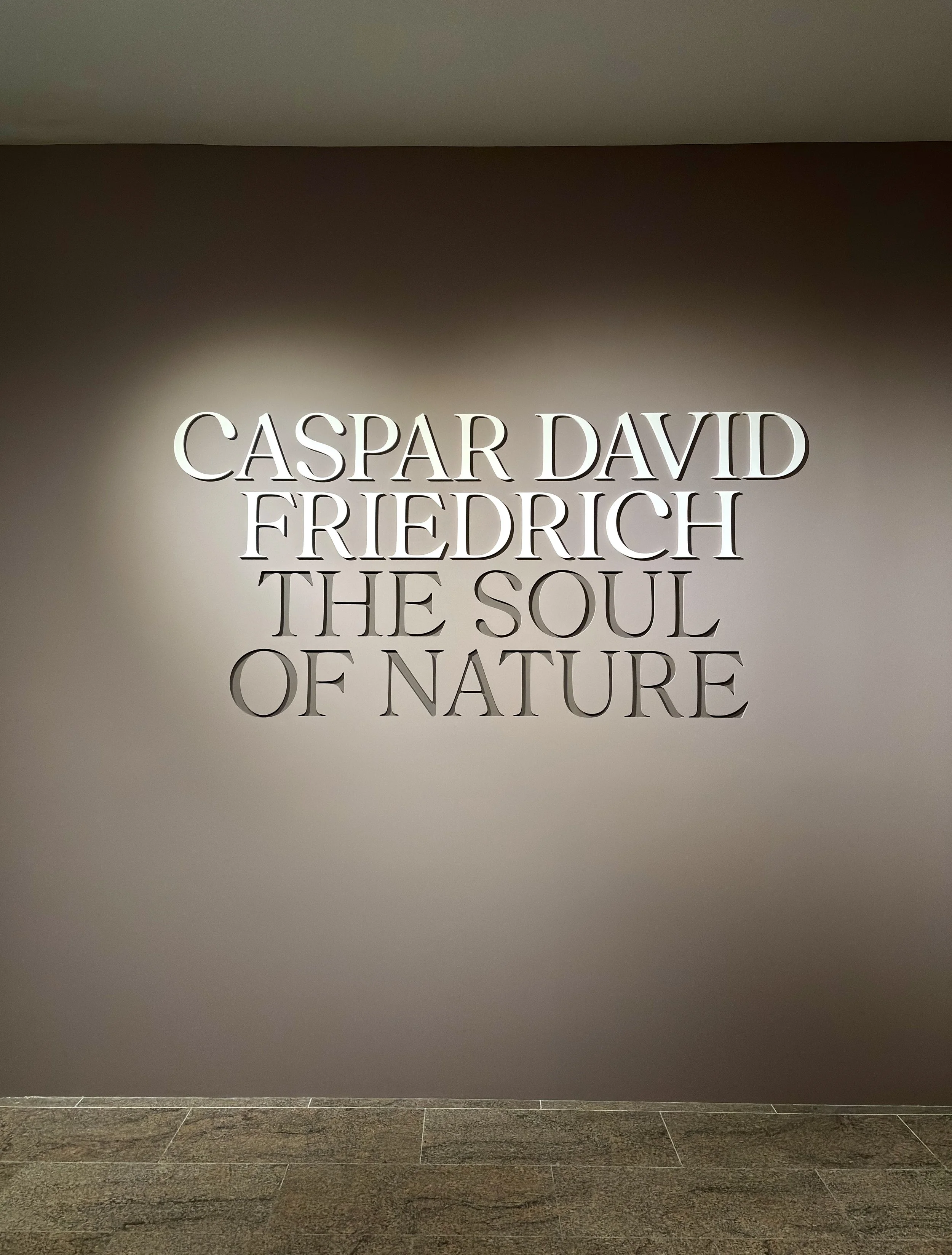
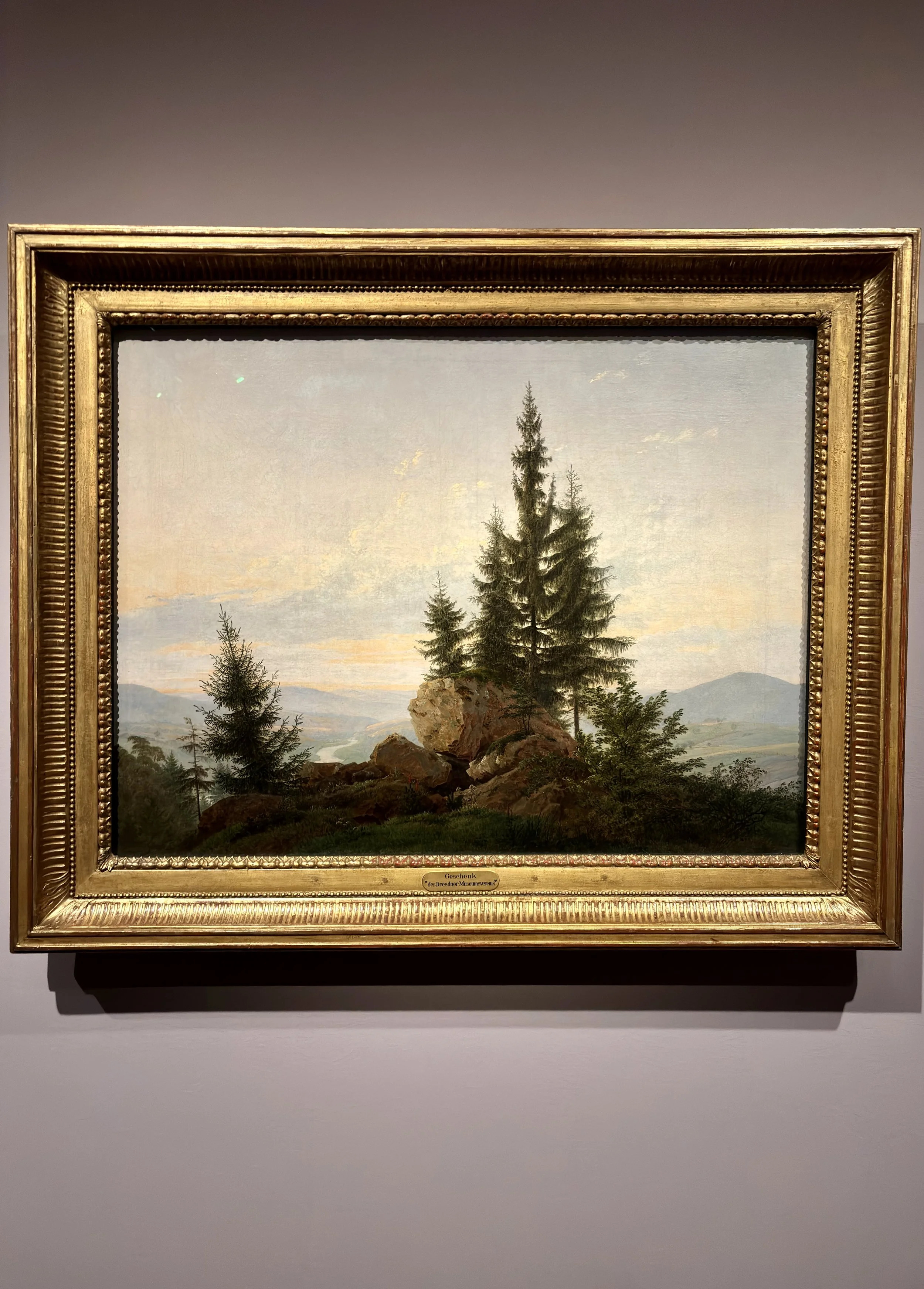
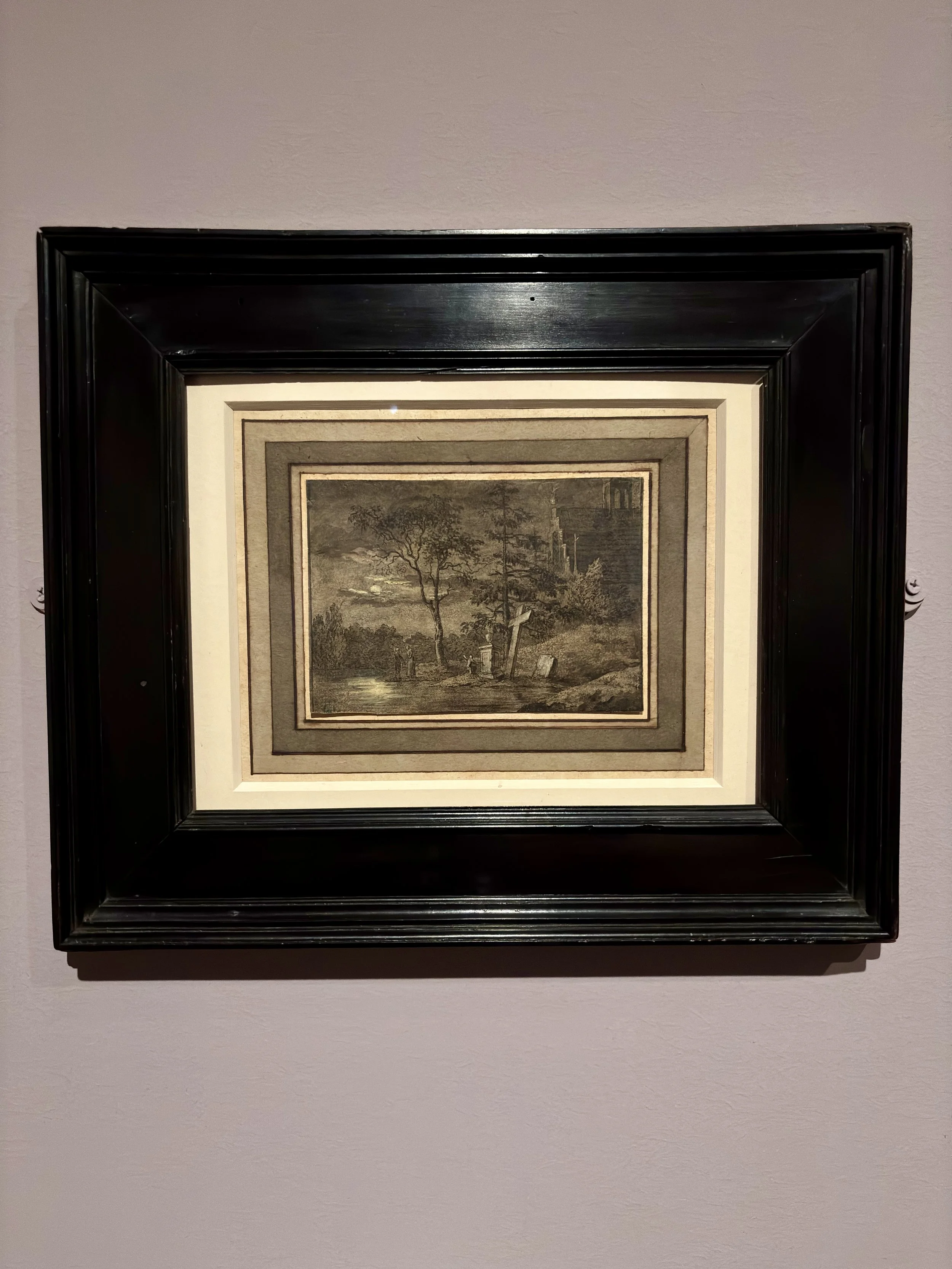
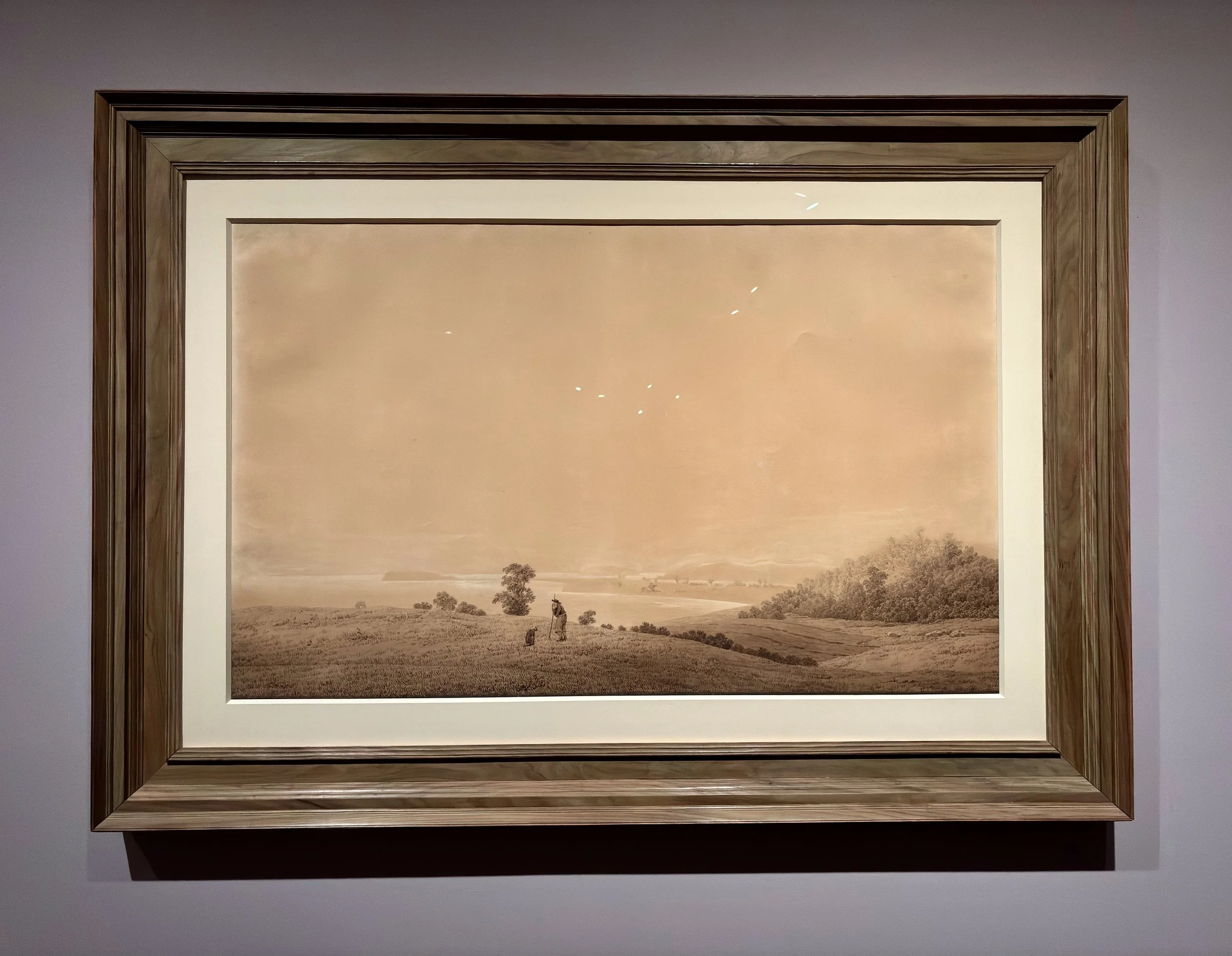
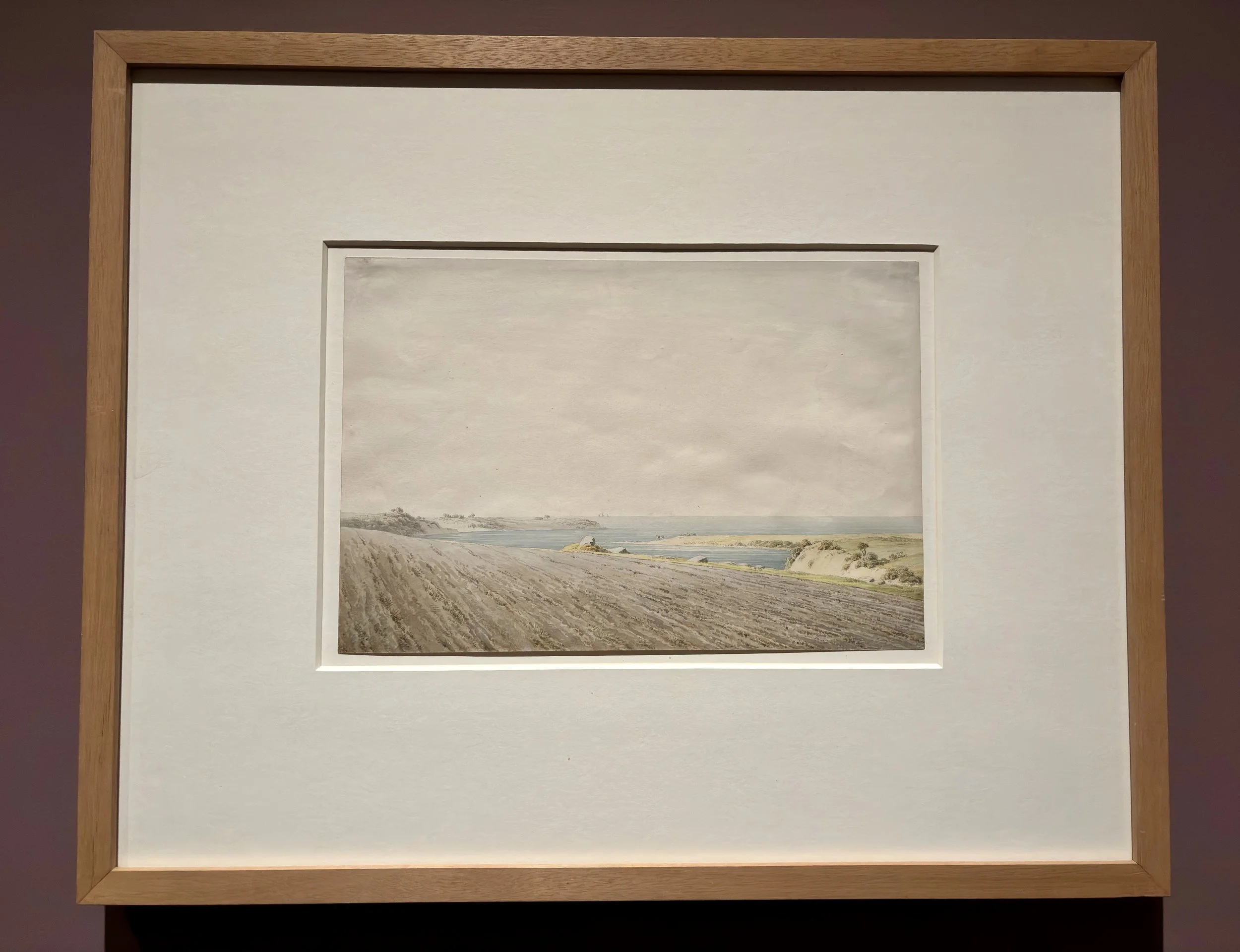
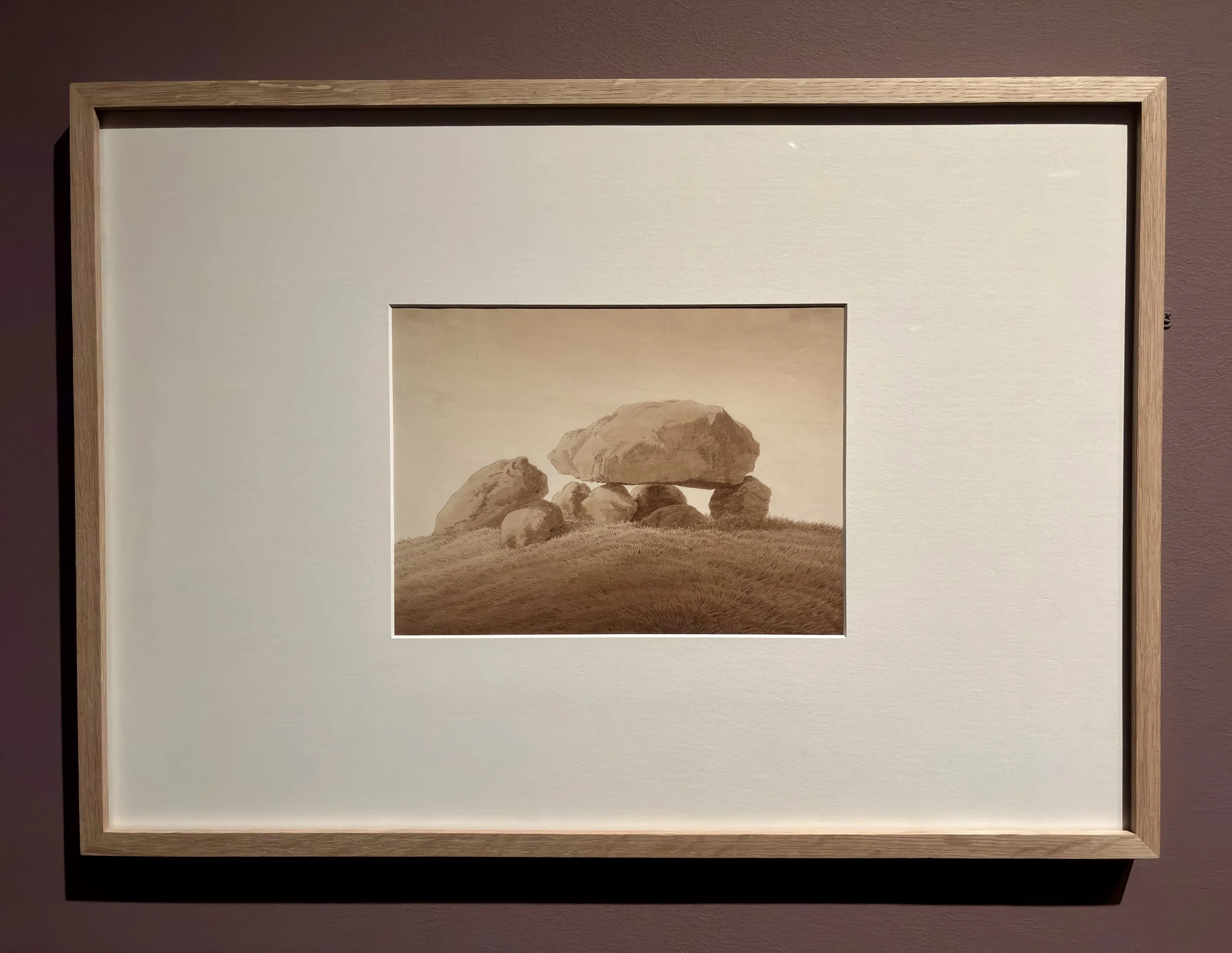
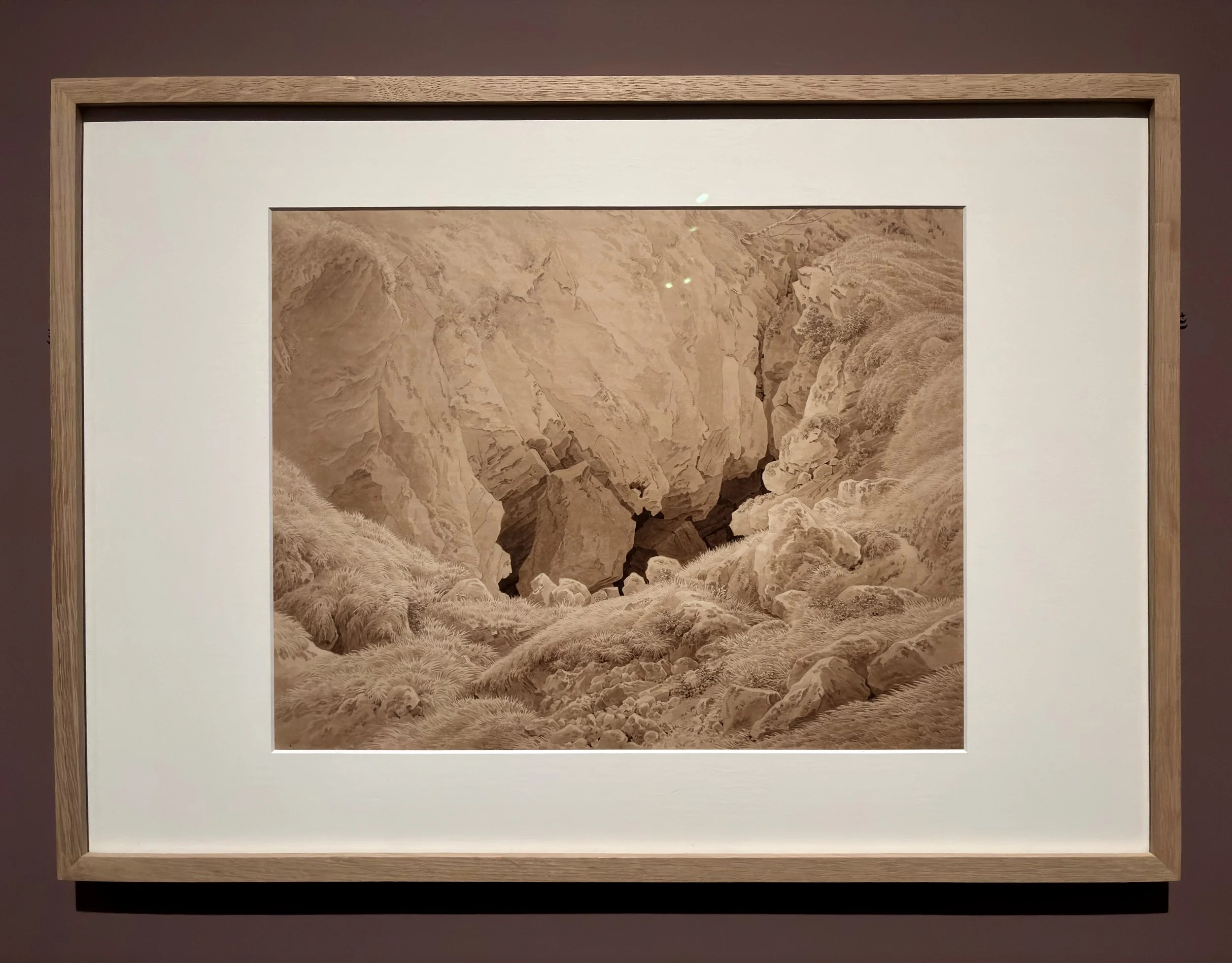
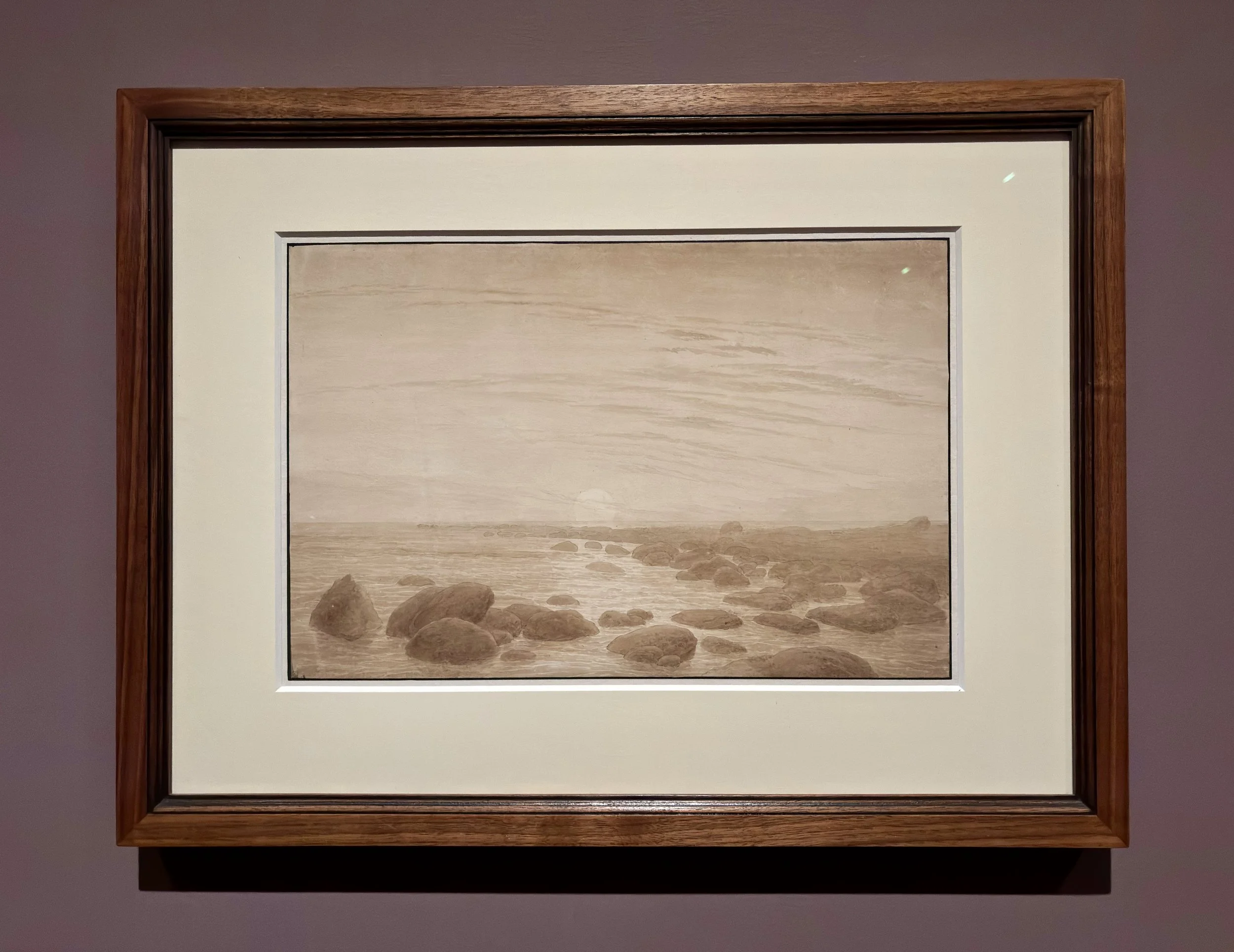
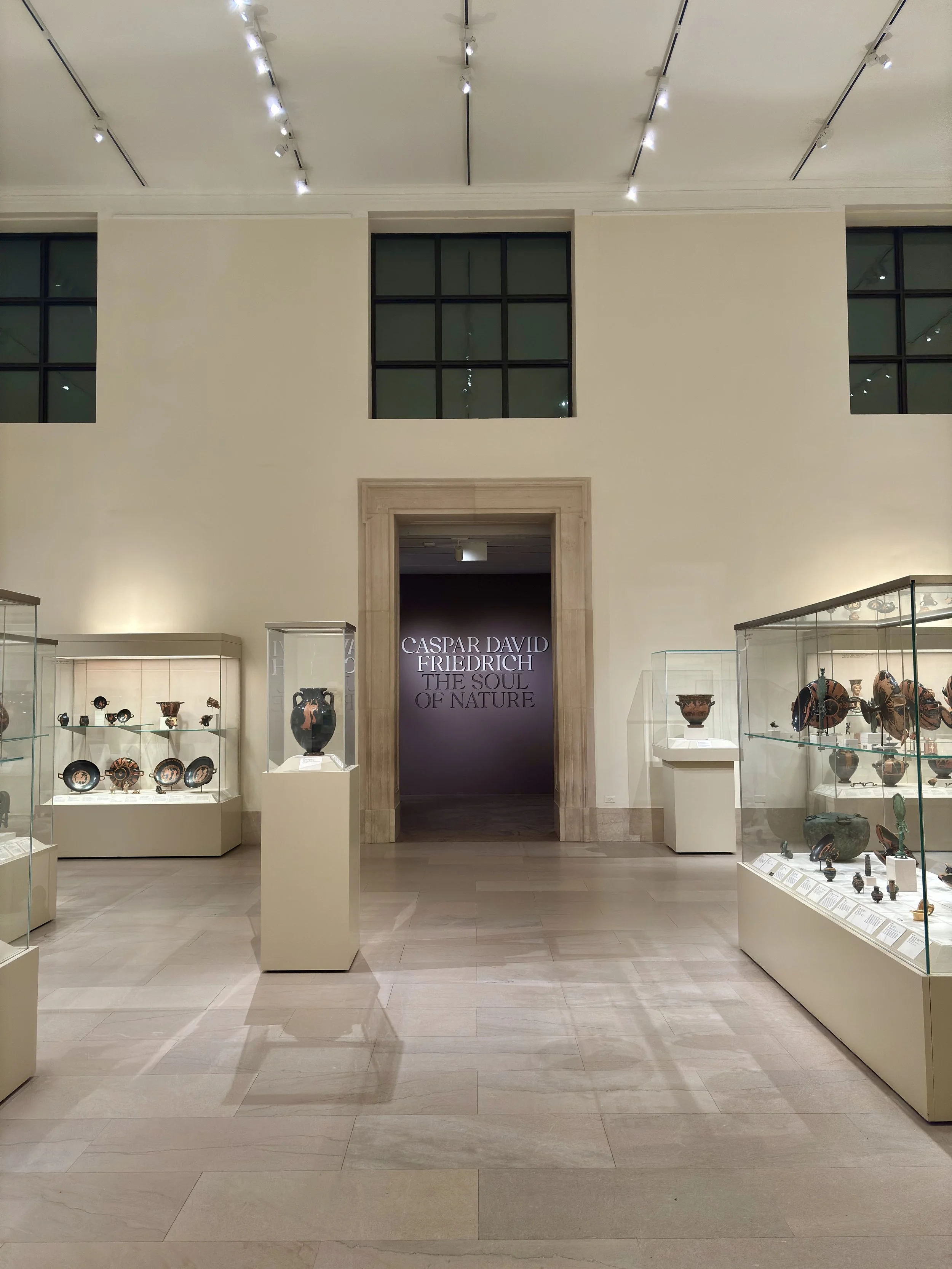
At the Metropolitan Museum of Art, Caspar David Friedrich: The Soul of Nature, on view from February 8 through May 11, 2025, offers a rare opportunity to experience the work of one of the great voices of German Romanticism. Moving through the galleries feels less like following a timeline and more like entering a series of quiet conversations between the human spirit and the natural world.

Mountains, forests, seas, and endless skies become more than beautiful scenery. Each work encourages stillness, inviting every visitor to bring personal memories, questions, and emotions into the experience. Rather than providing simple answers, Friedrich creates space for contemplation, where solitude becomes peaceful and nature becomes a mirror for the inner self.

The exhibition thoughtfully brings together paintings, drawings, and sketches from across the artist's career, revealing both the consistency of his vision and the depth of his artistic language. Seeing these works together makes it easy to understand why Friedrich's influence continues to resonate across generations.

Quietly powerful and deeply moving, this exhibition reminds us that some of life's most meaningful journeys begin not with a destination, but with a moment of looking, listening, and allowing nature to speak.

Comment

Barbie: A Cultural Icon at the Museum of Arts and Design

Comment

Barbie: A Cultural Icon at the Museum of Arts and Design

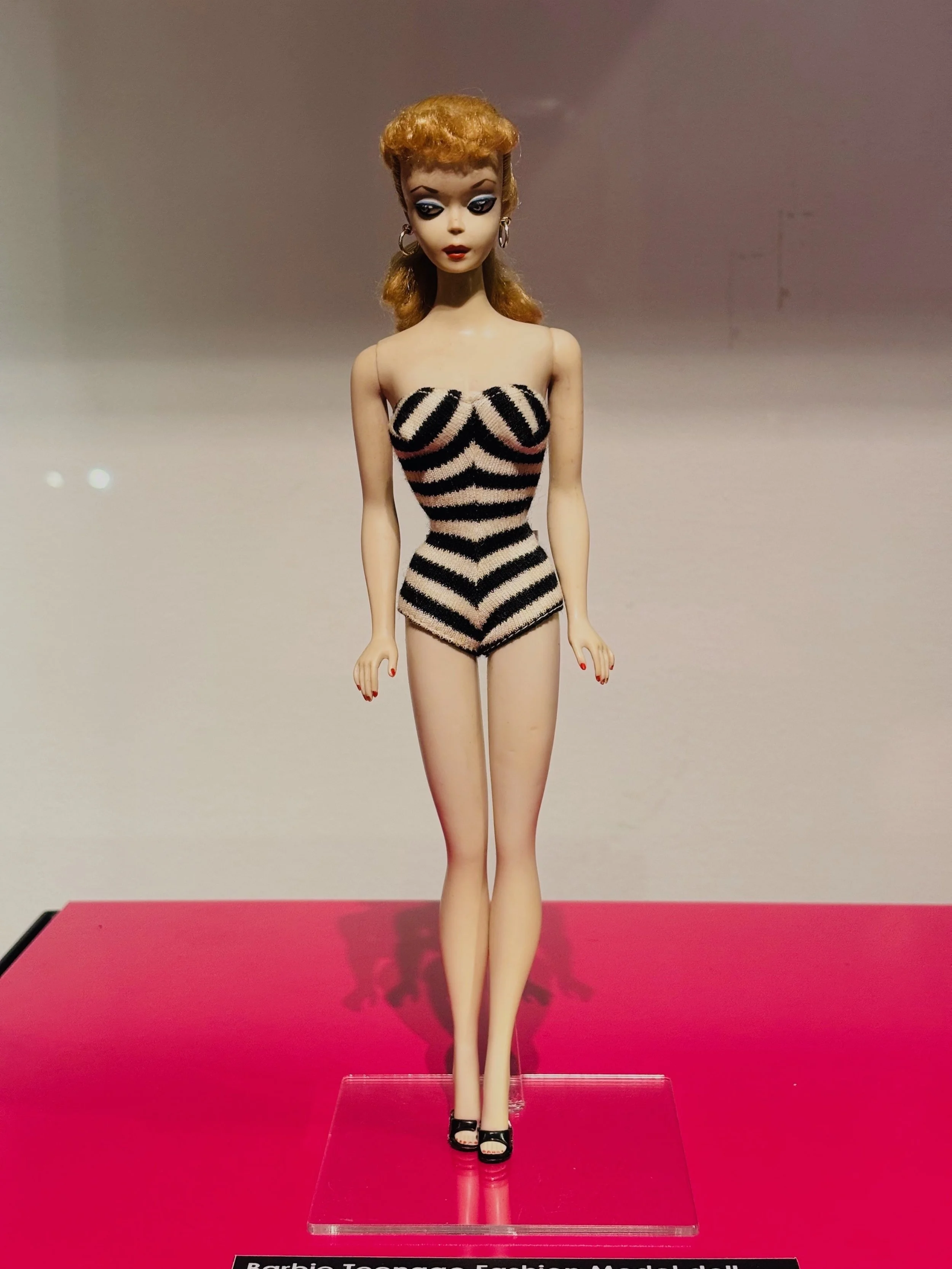
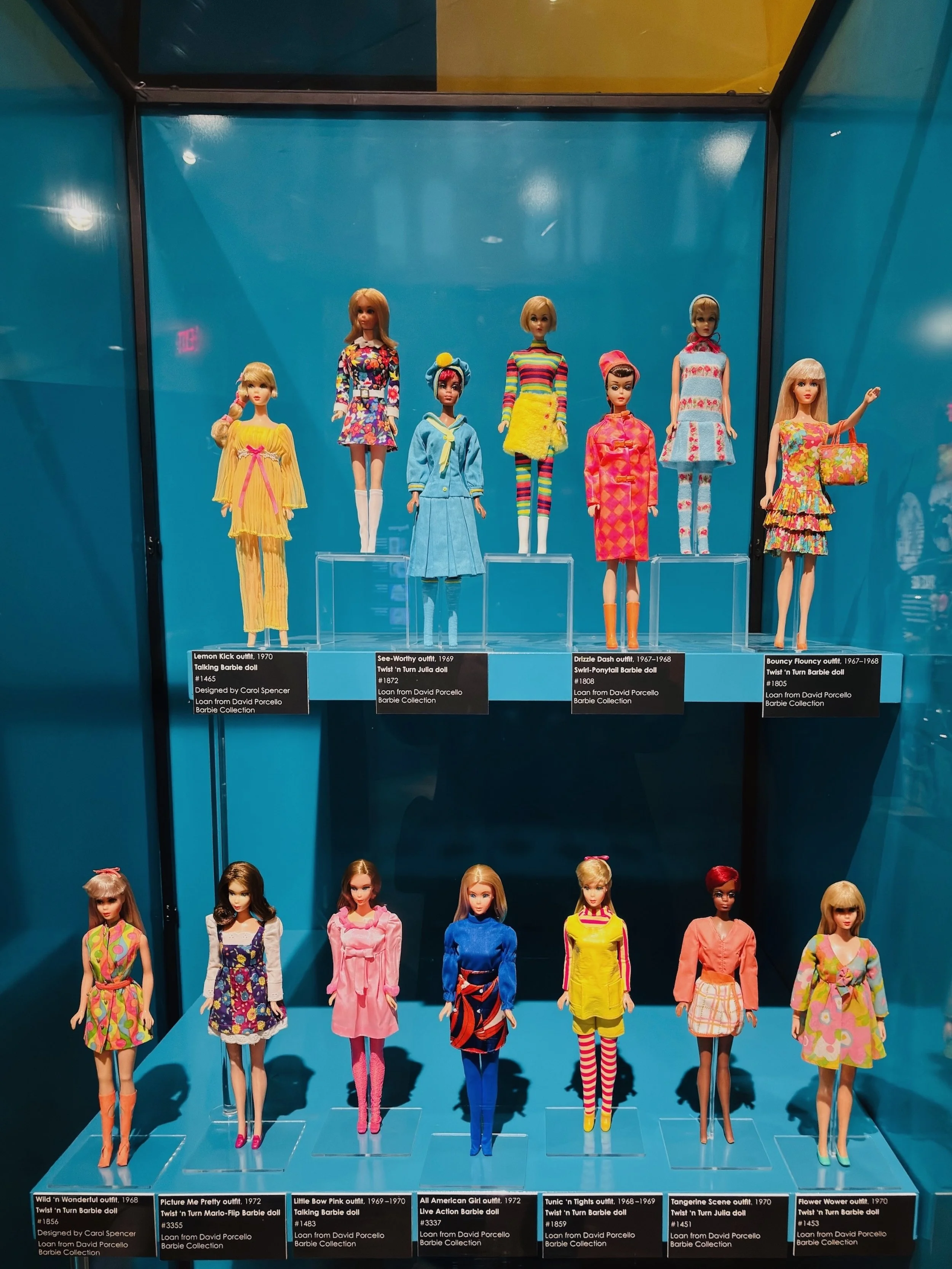
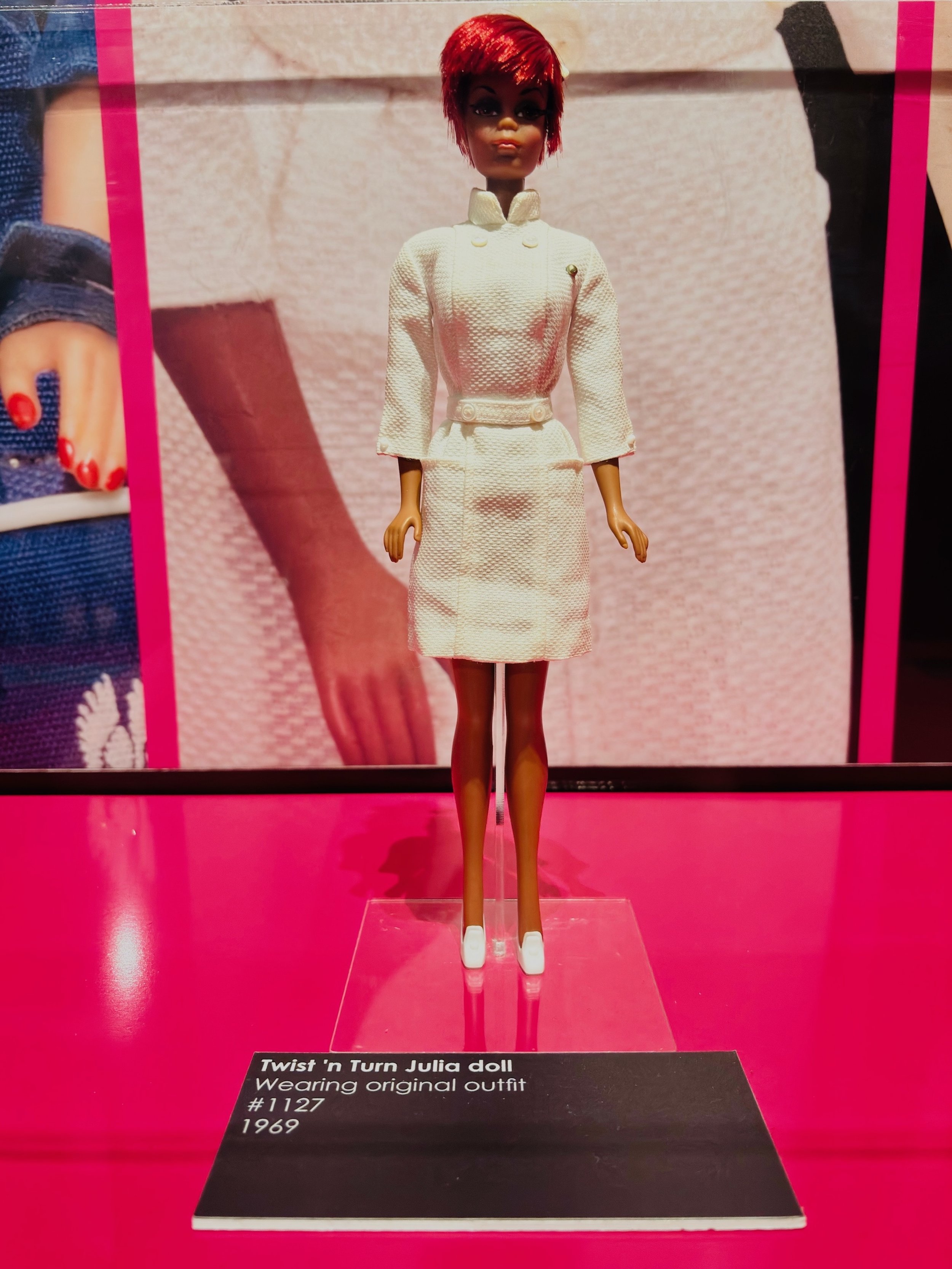
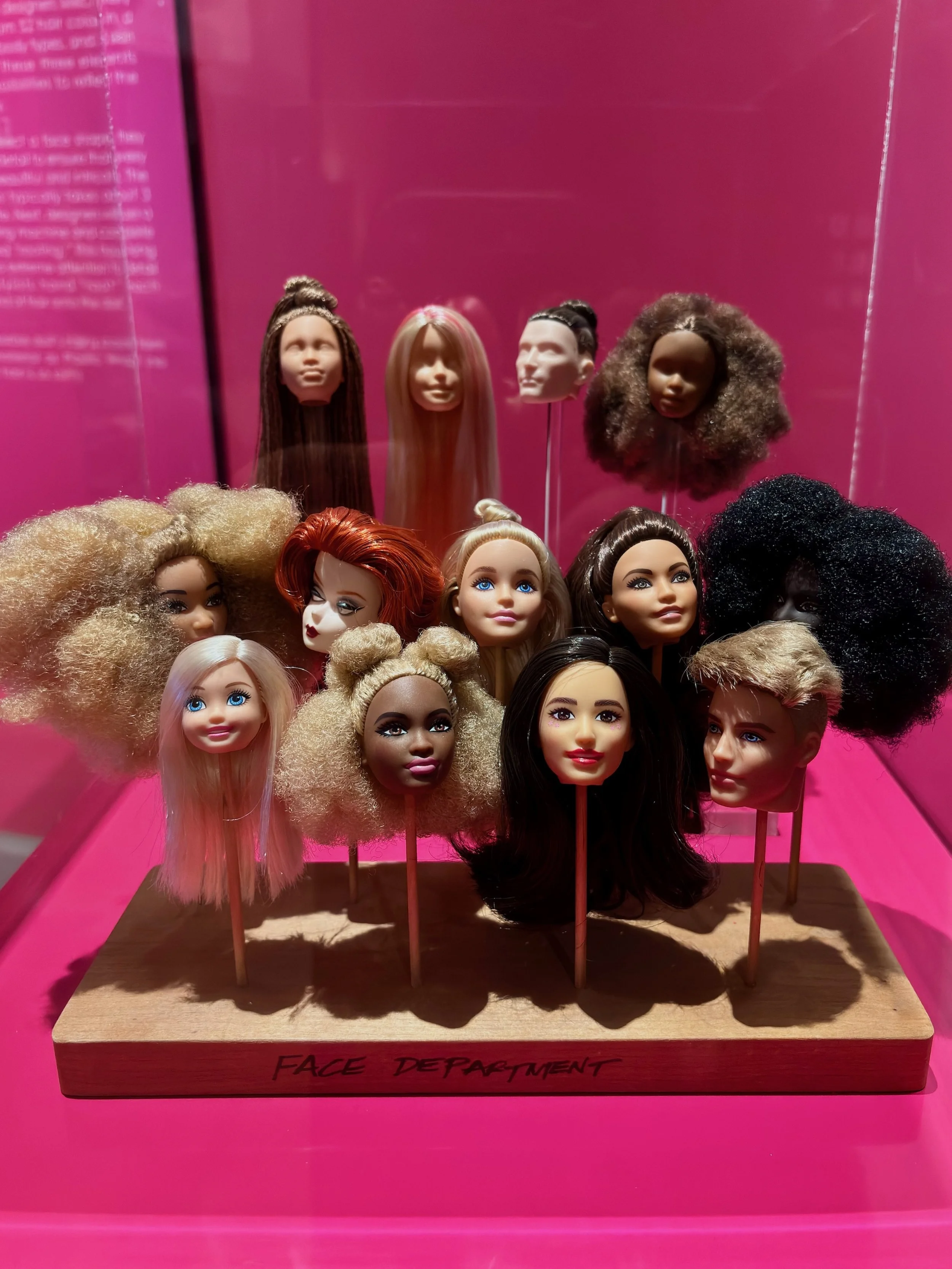
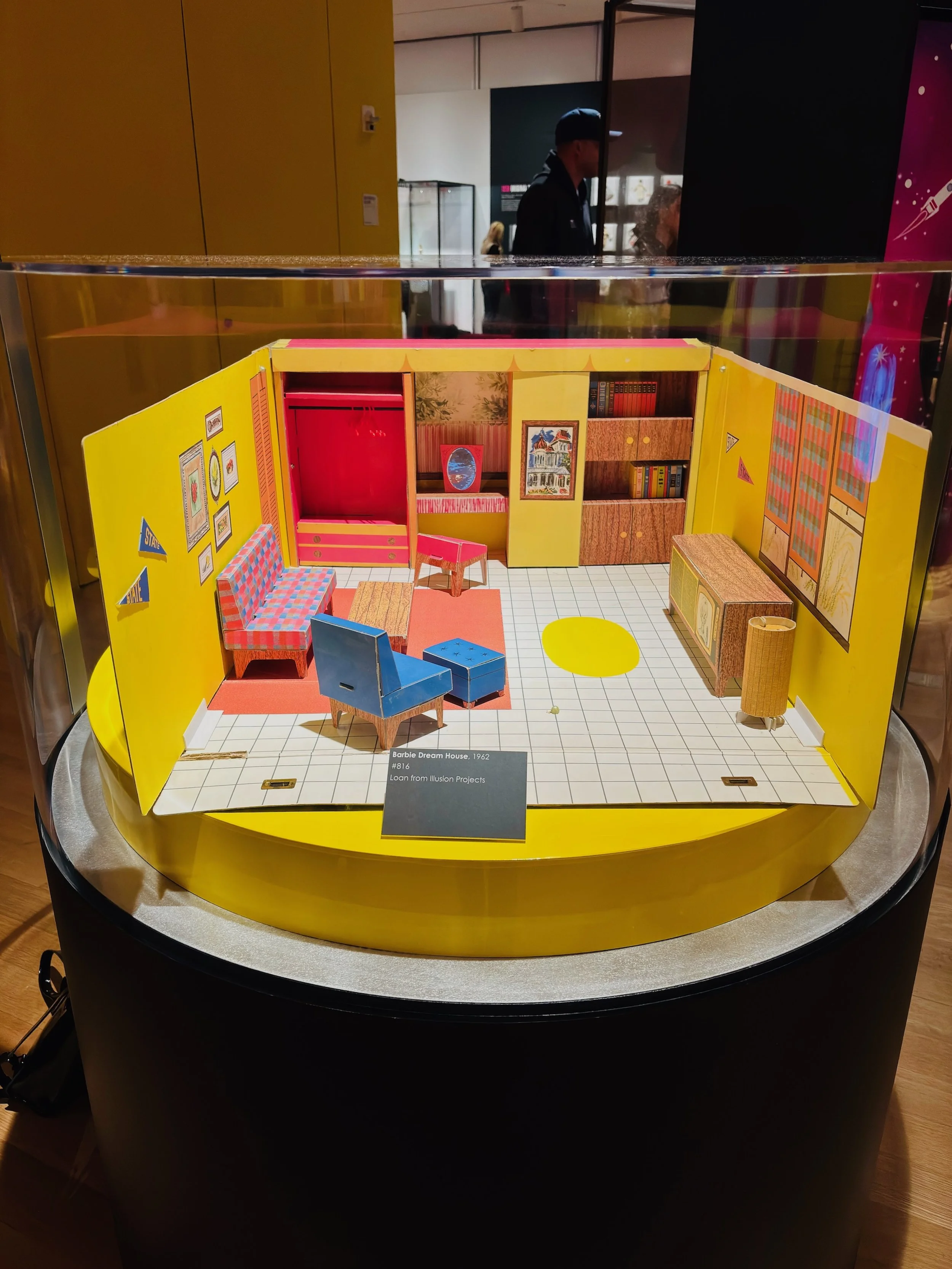
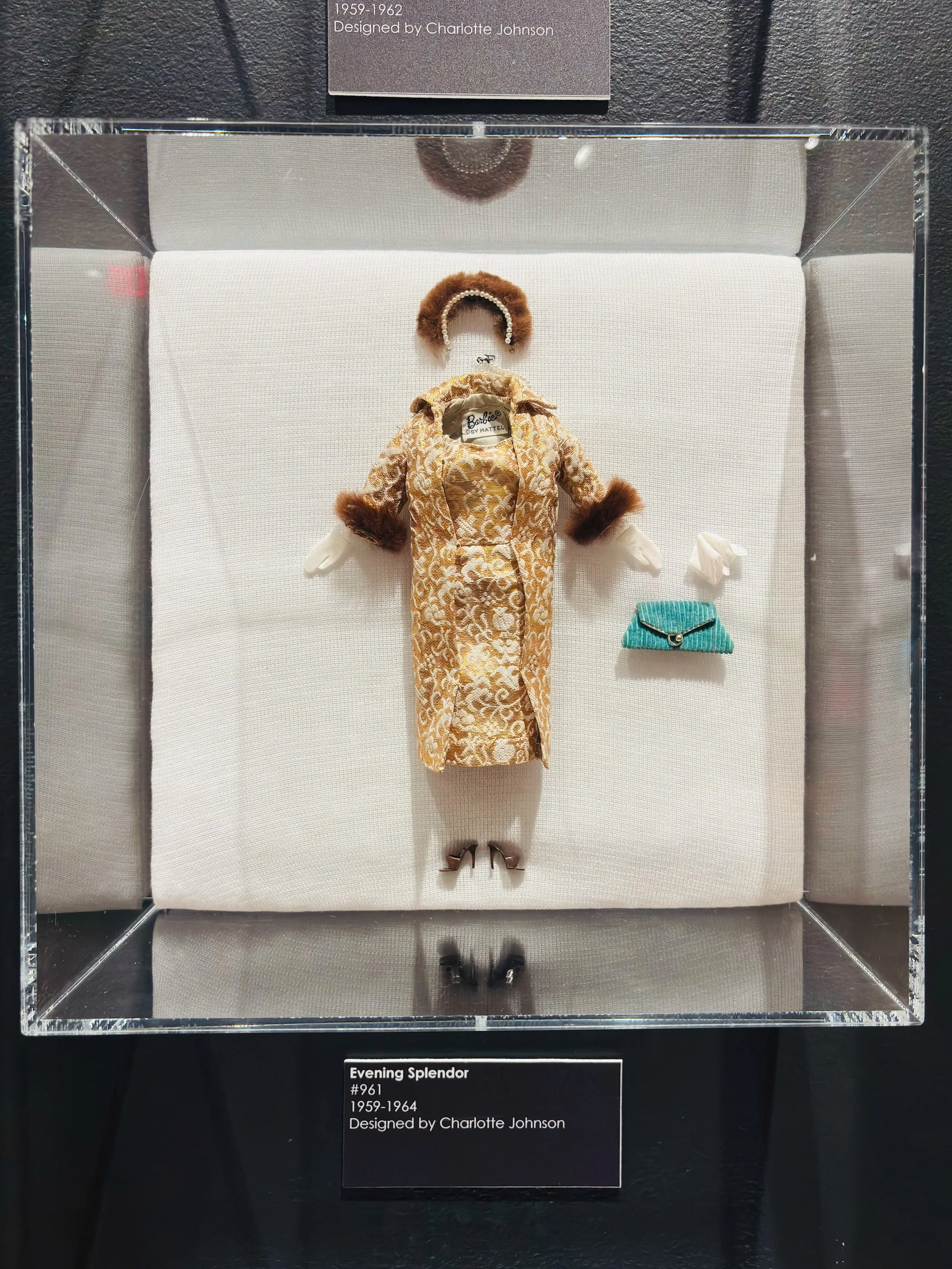
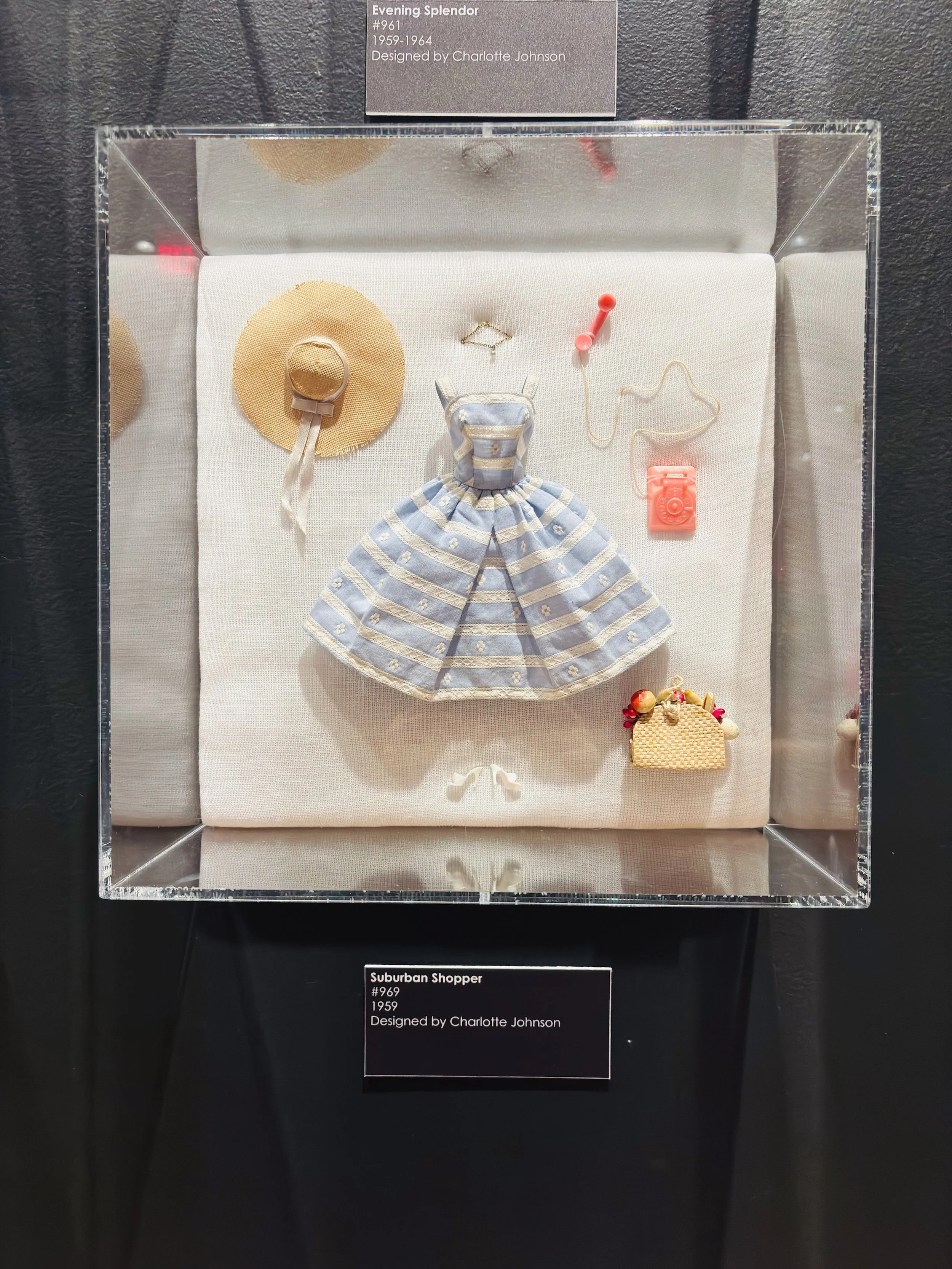
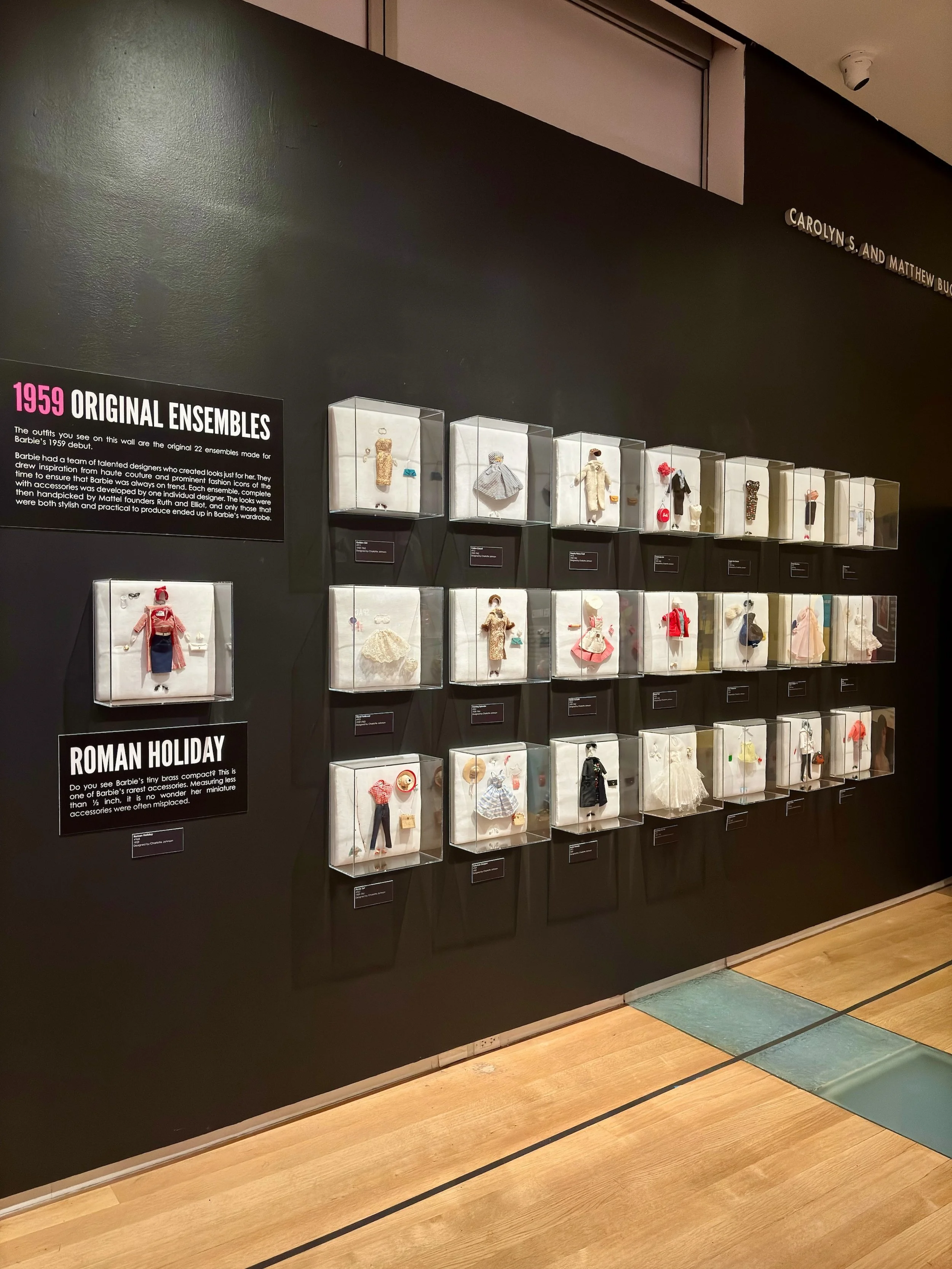
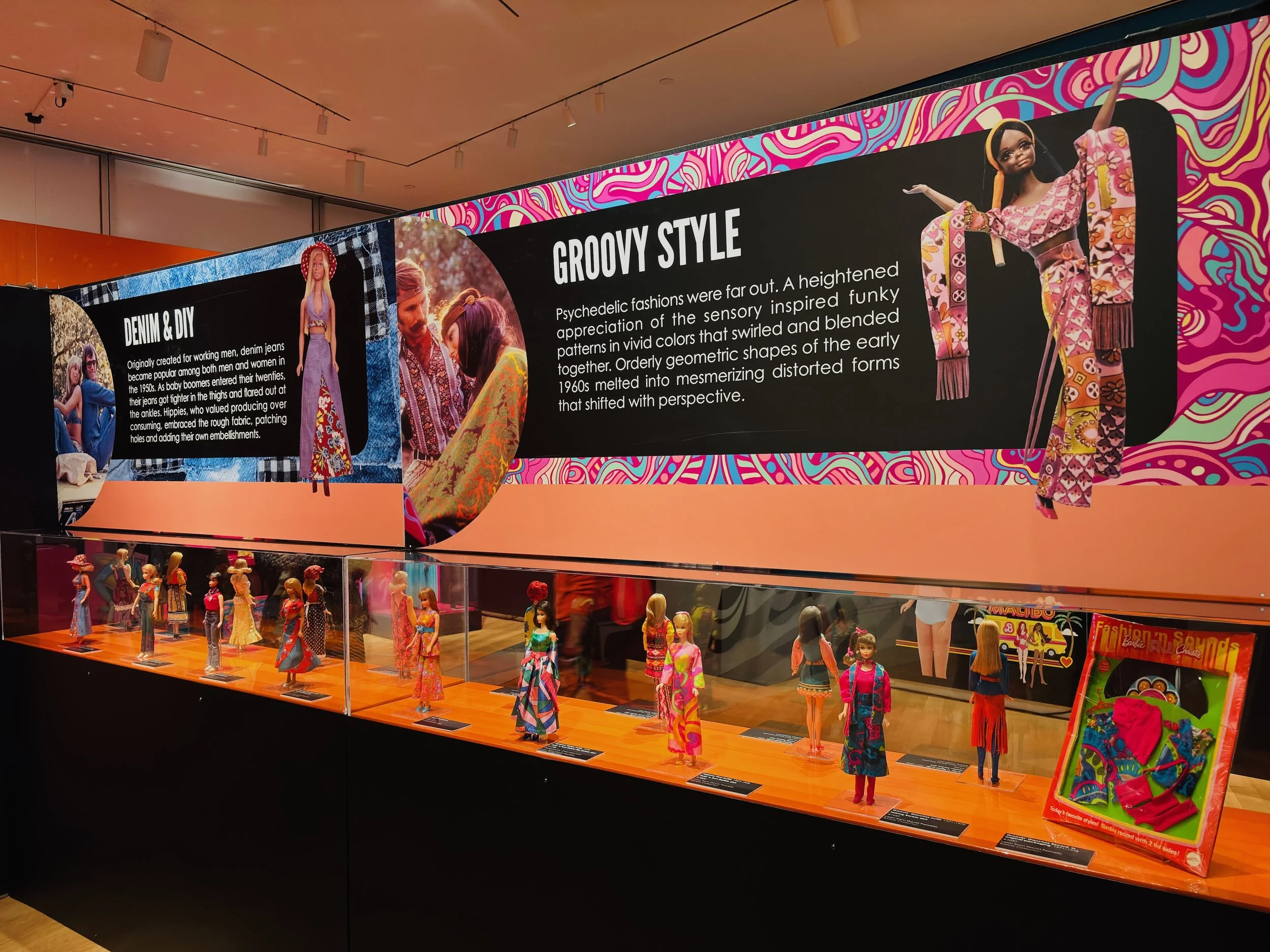
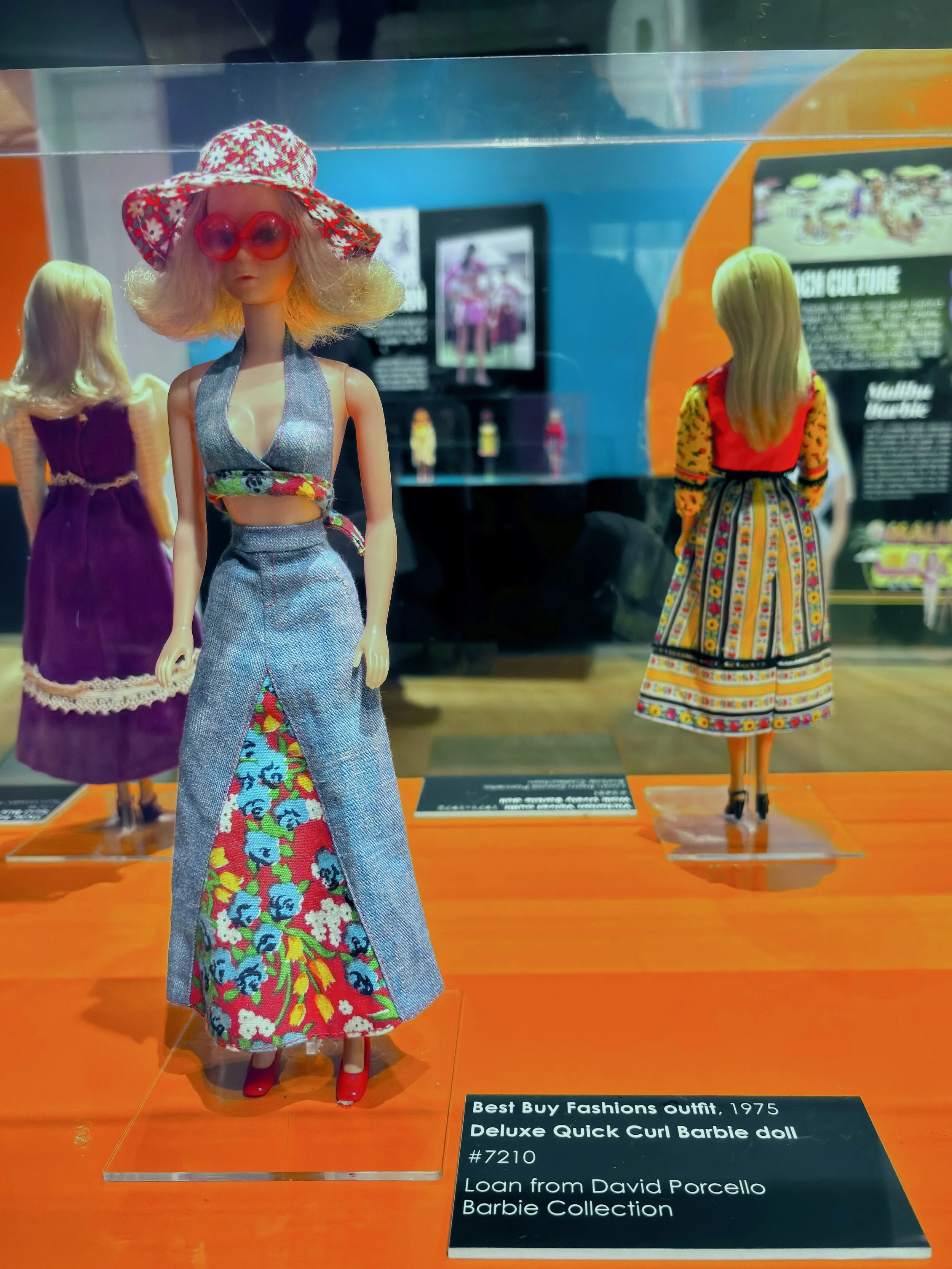
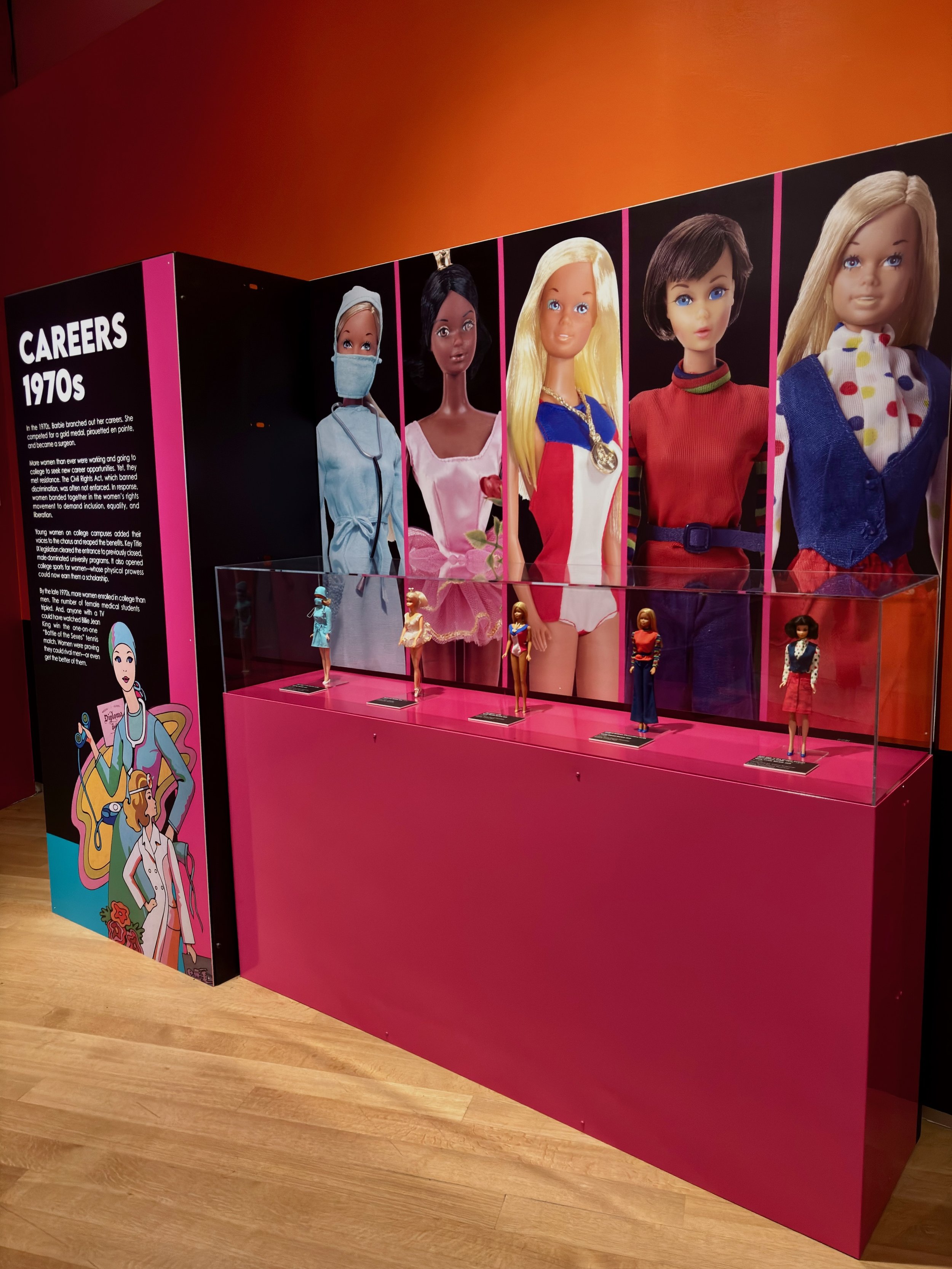
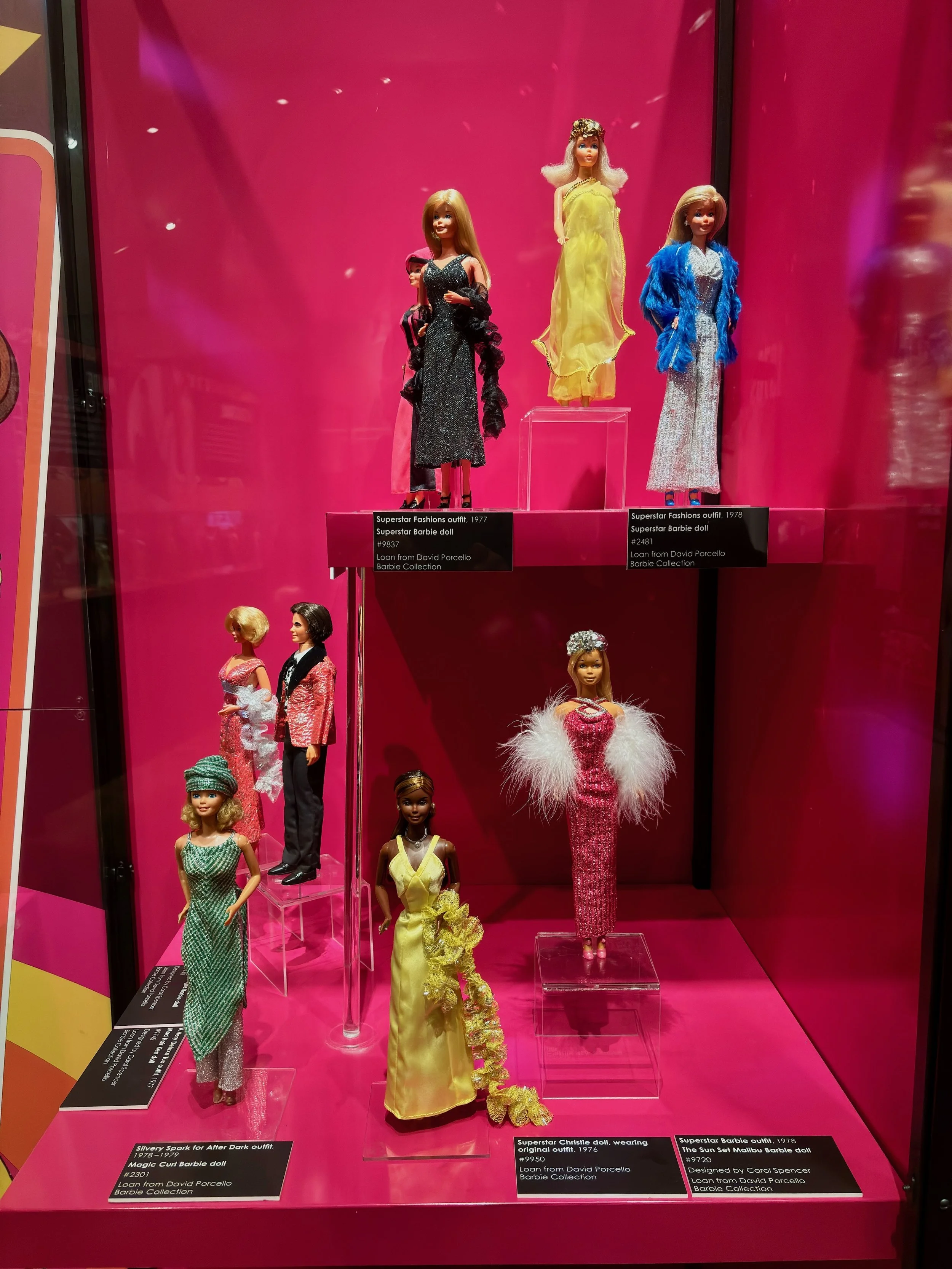
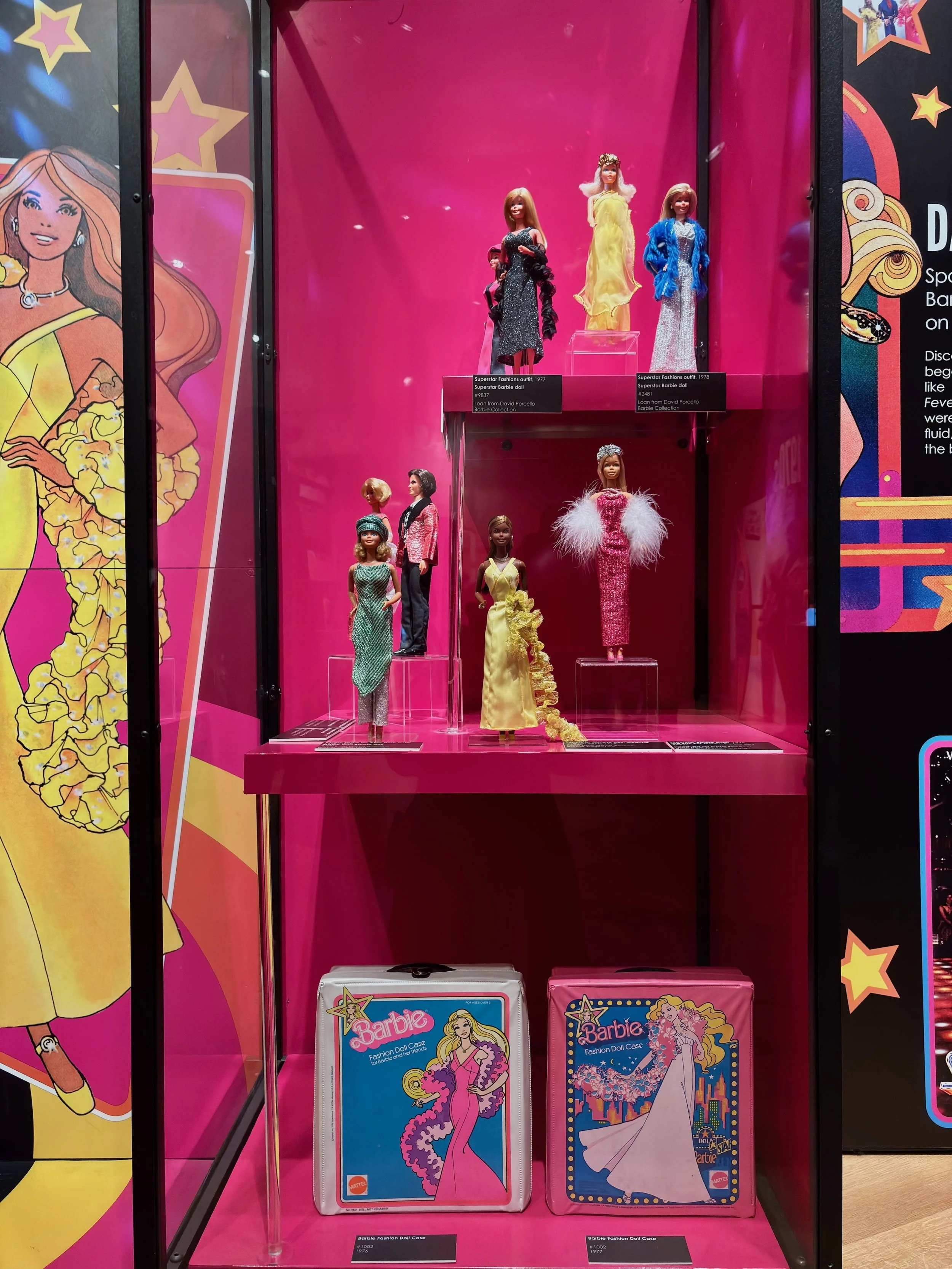
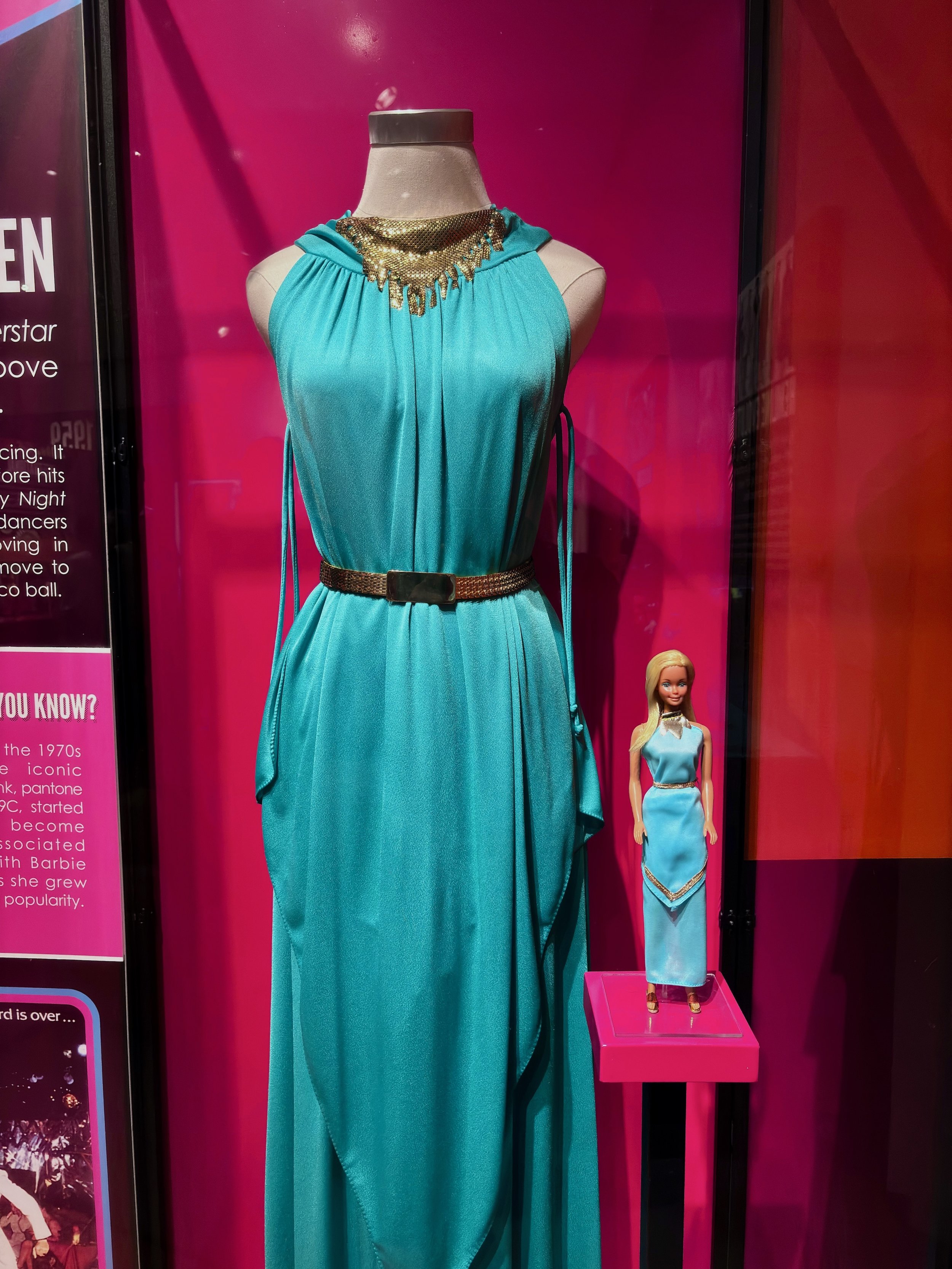
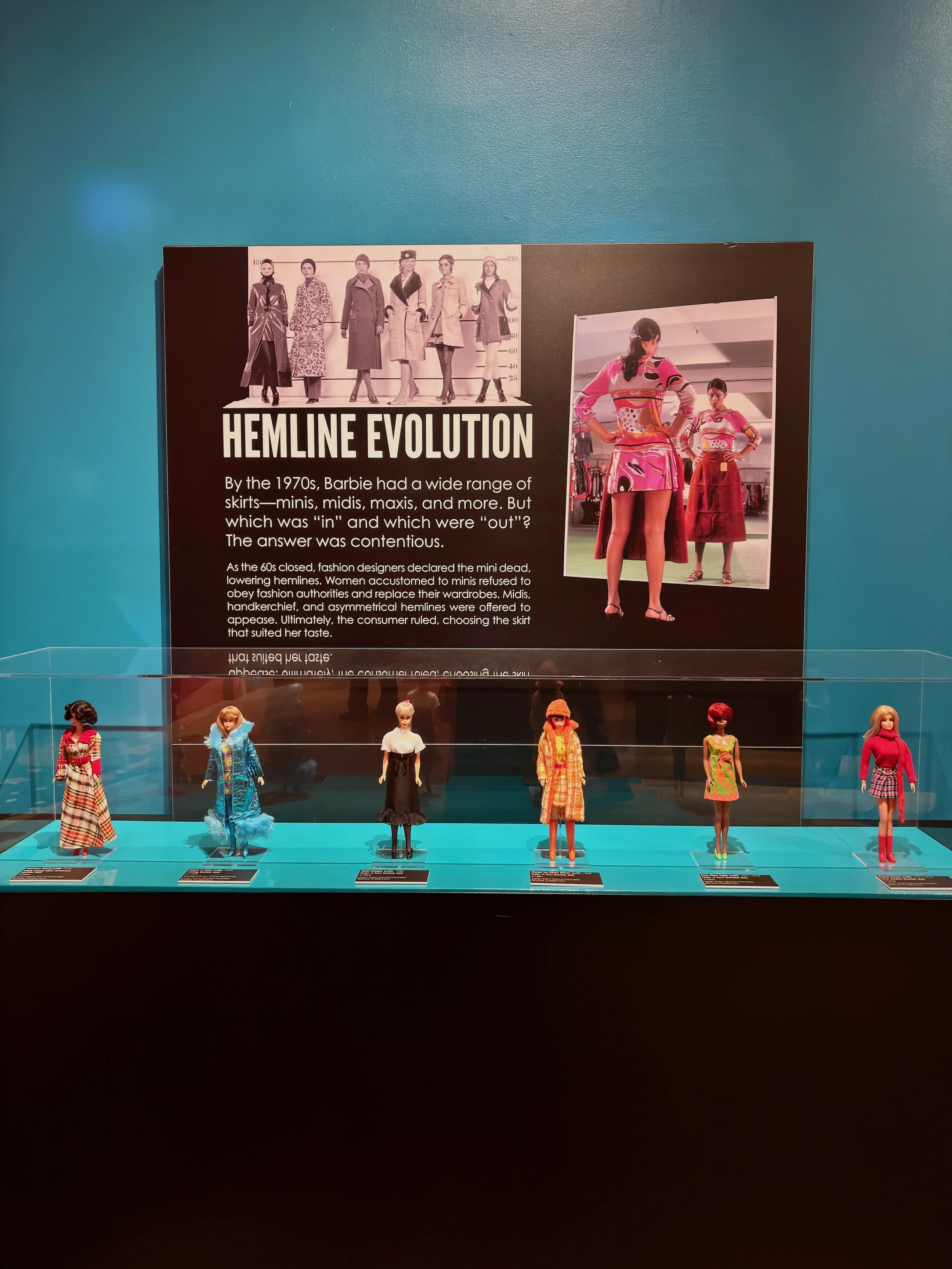
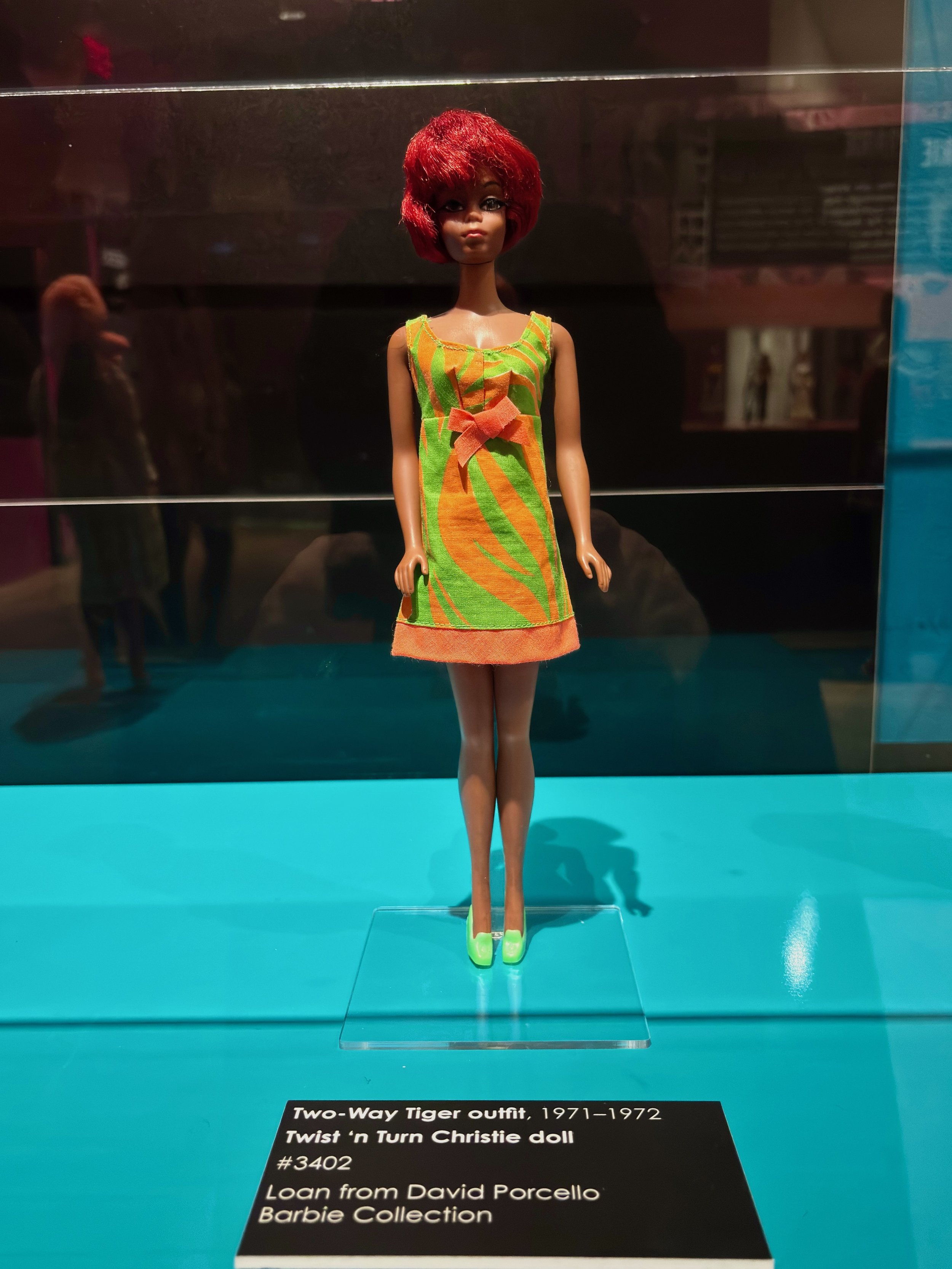
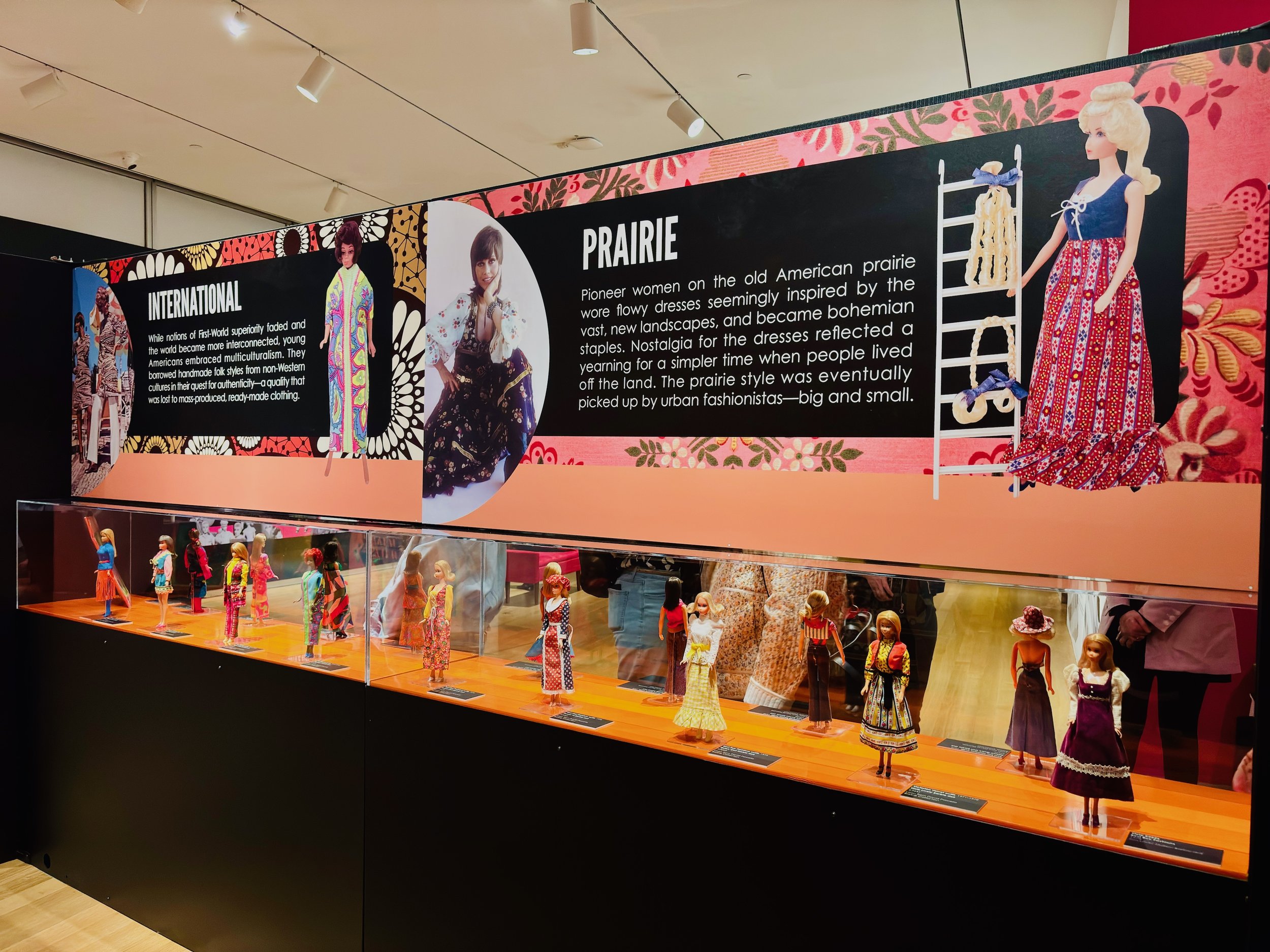
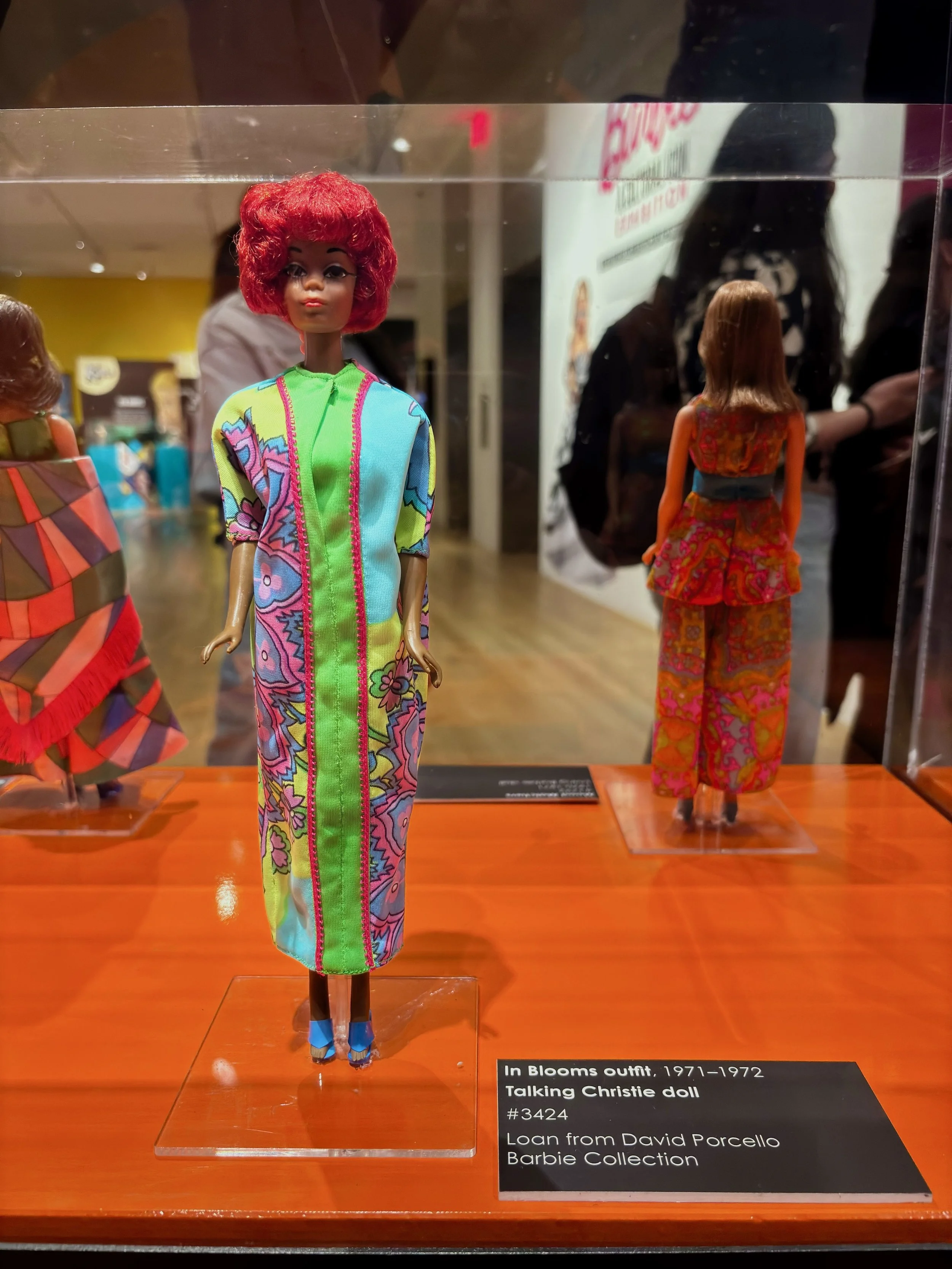
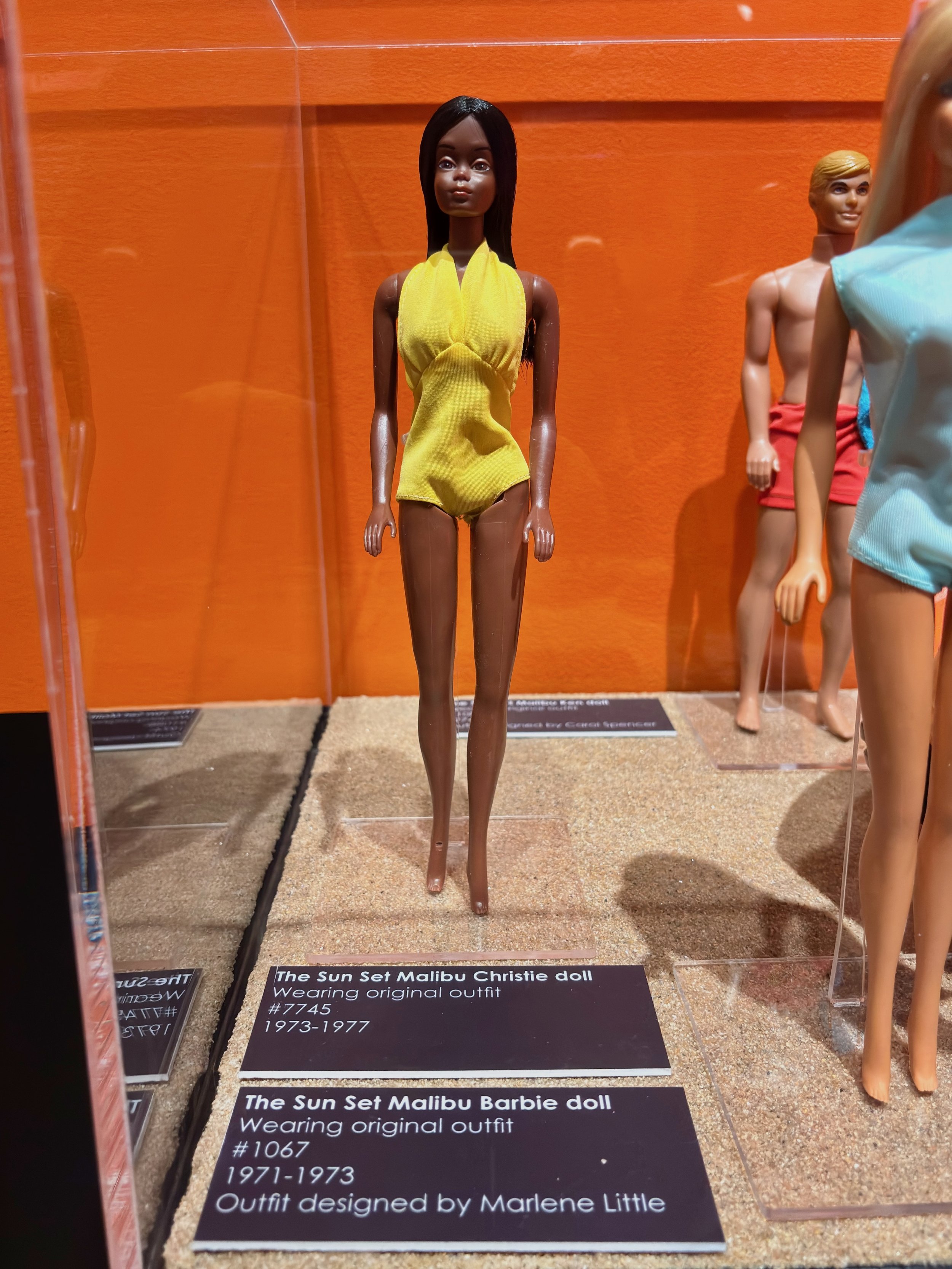
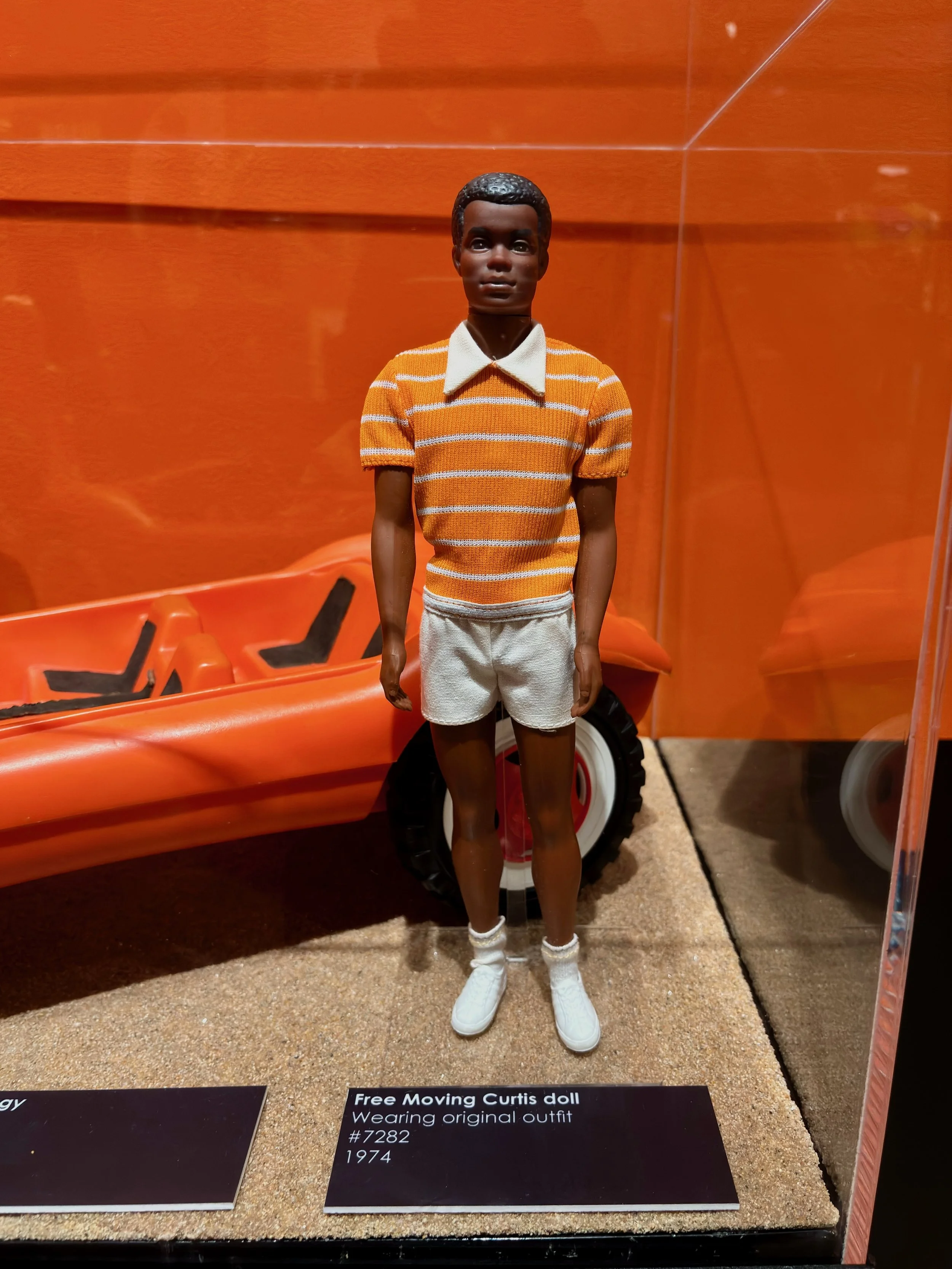
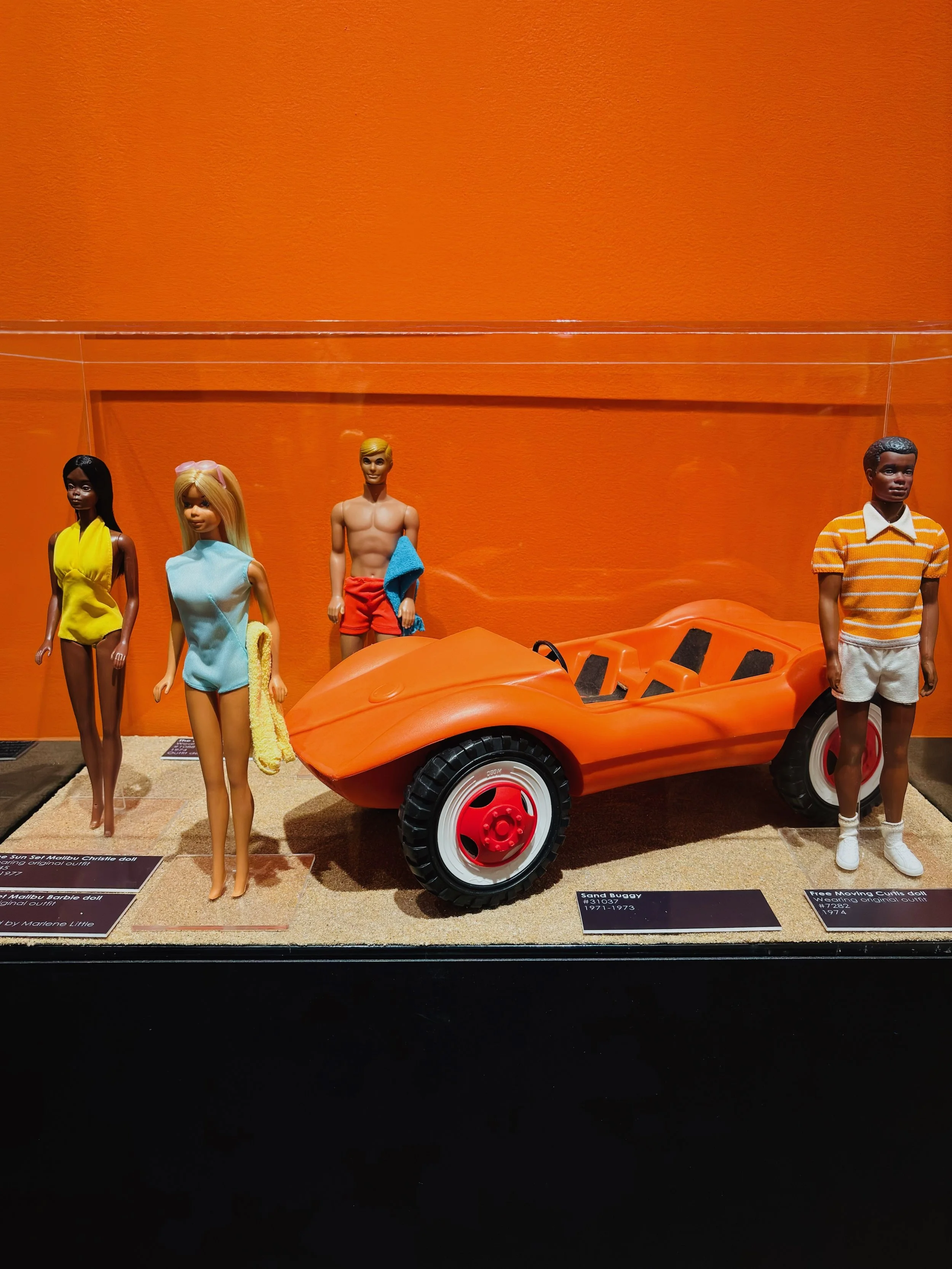
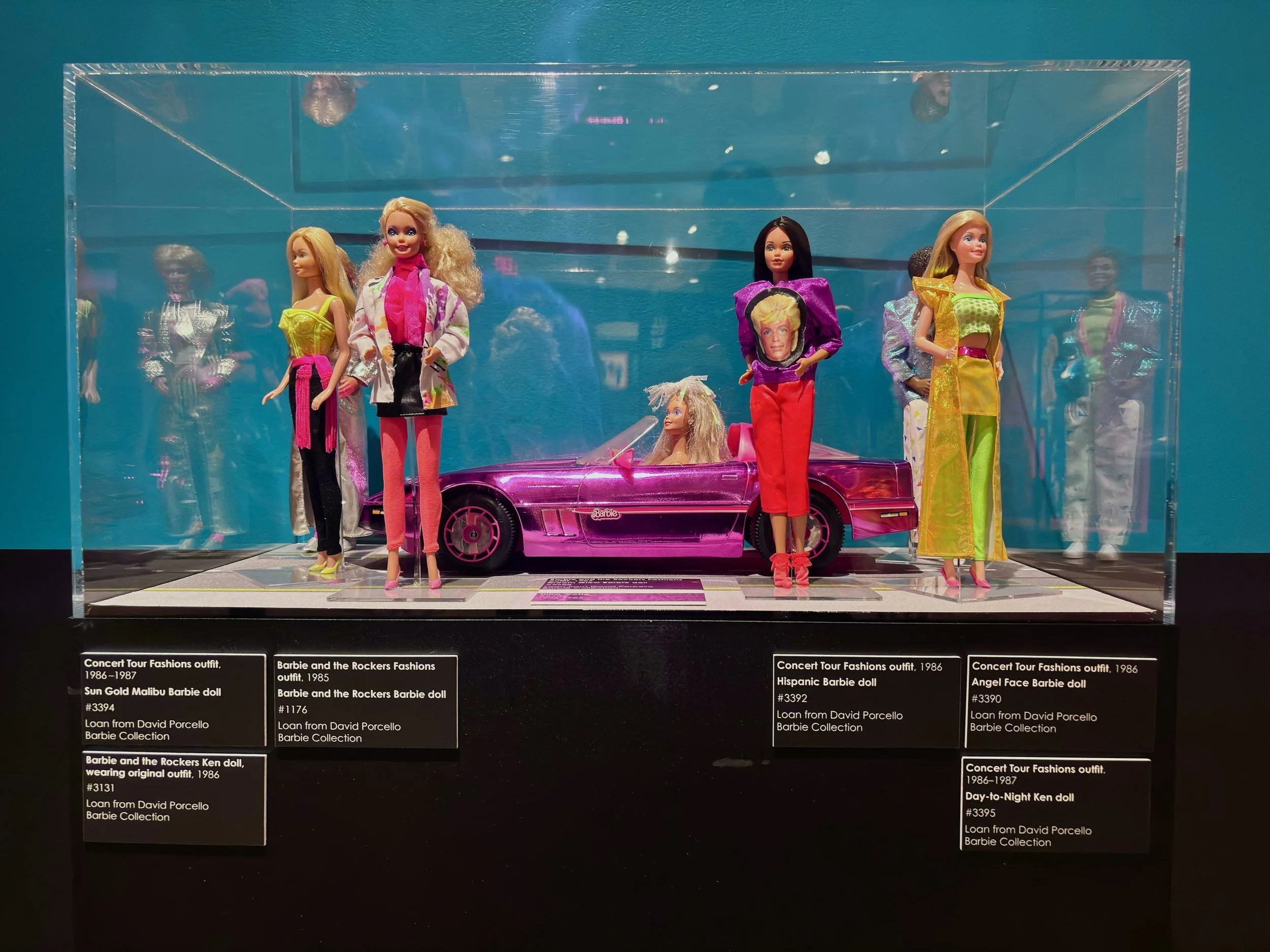
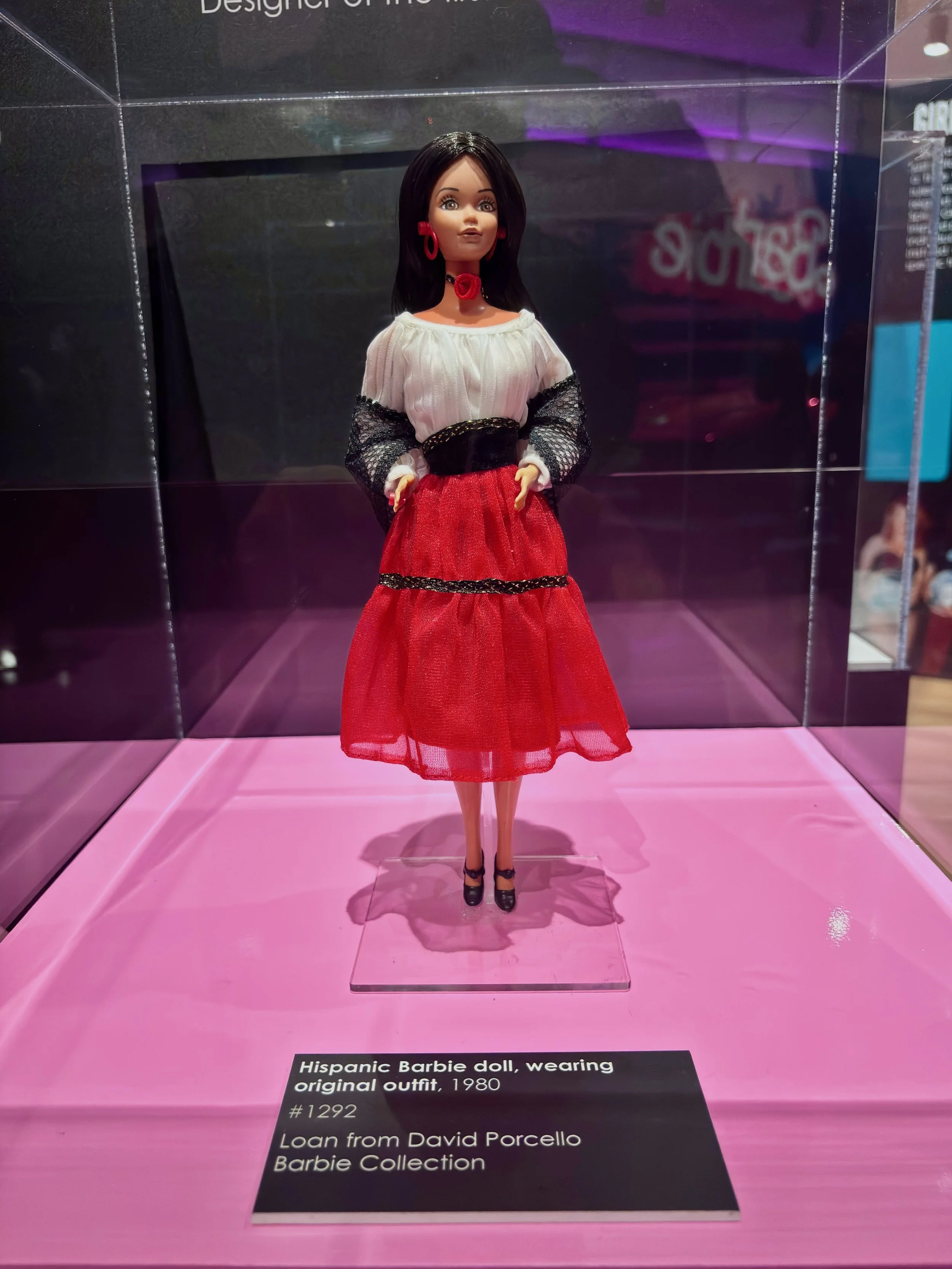
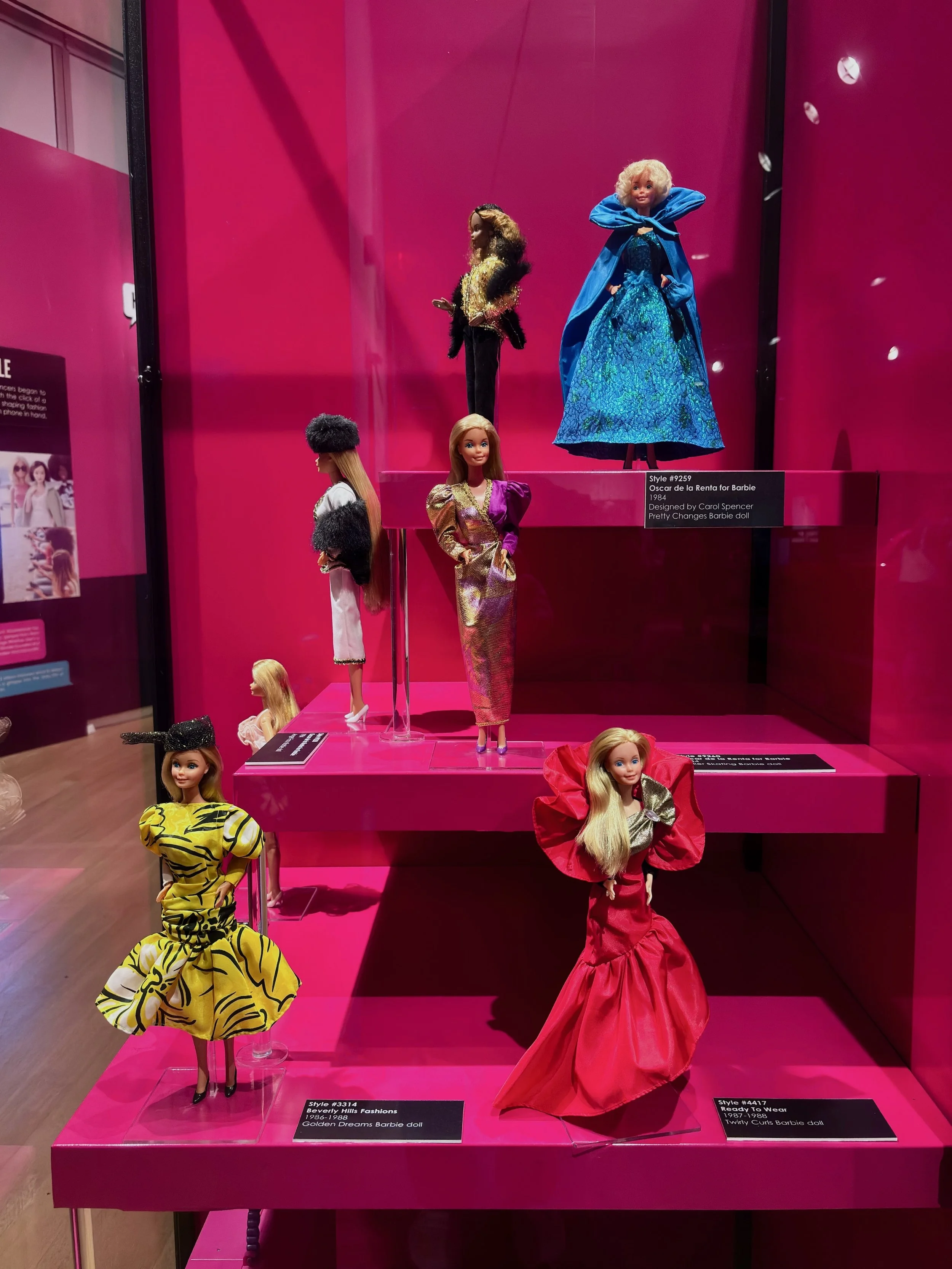
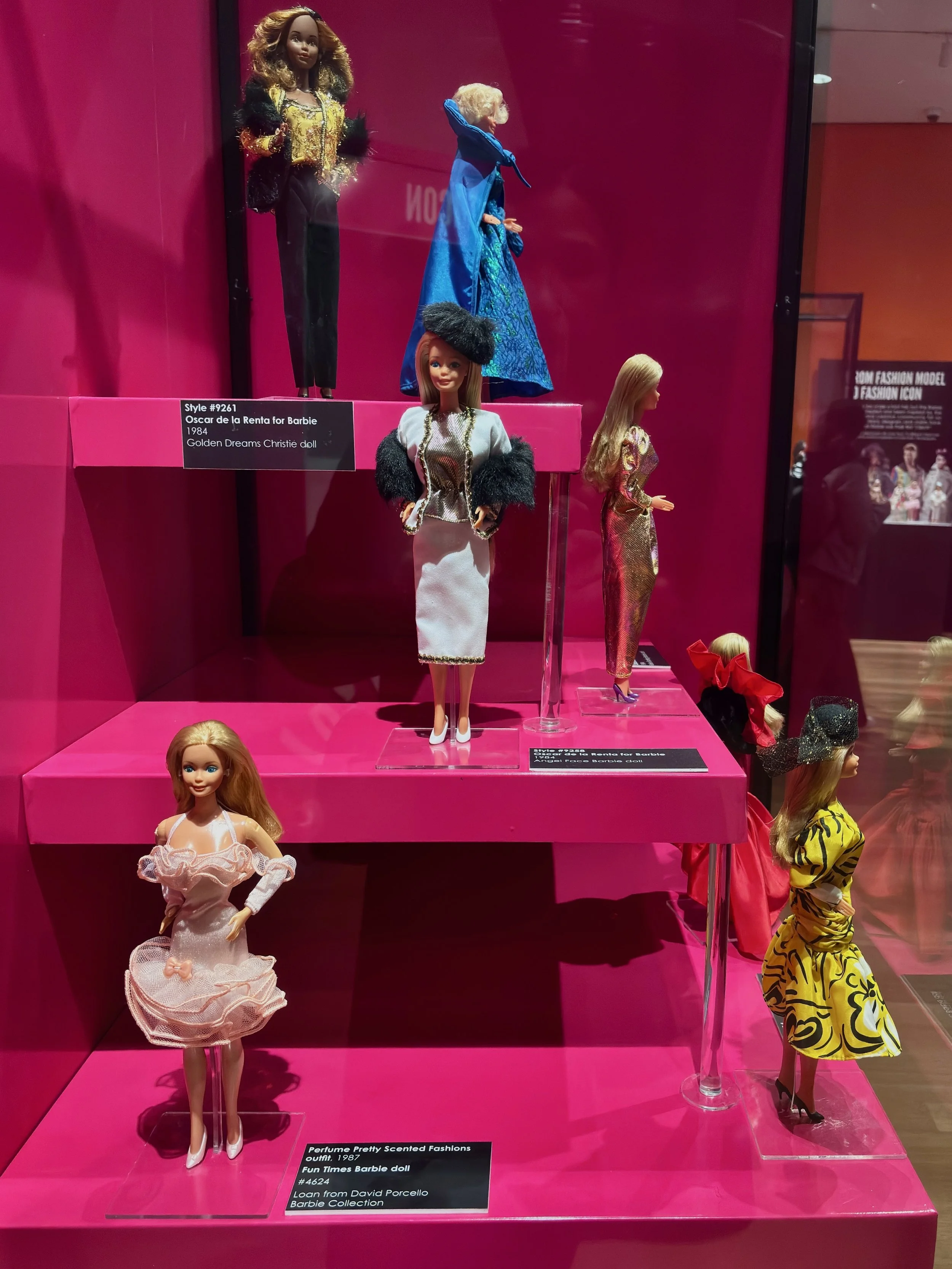
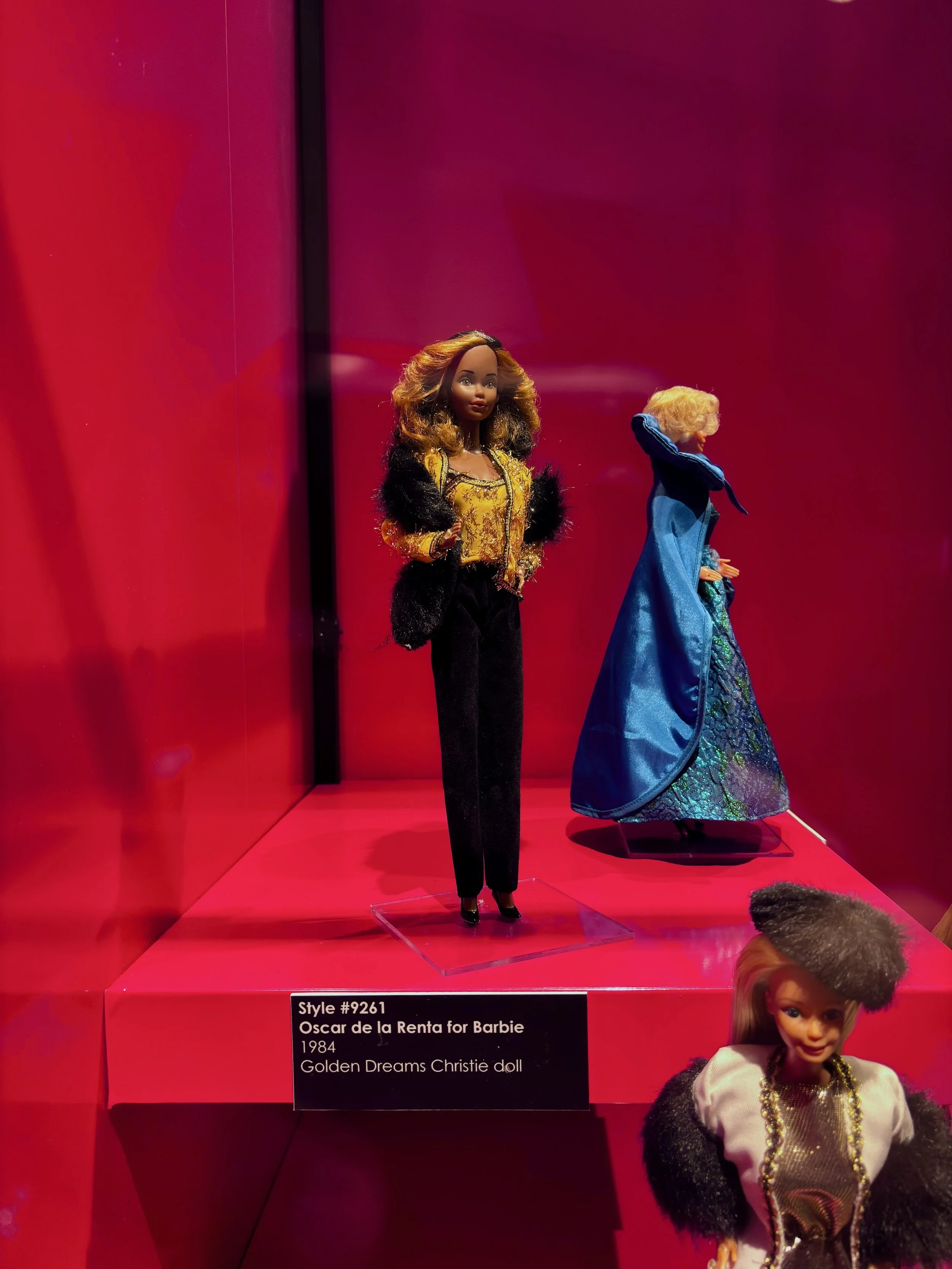
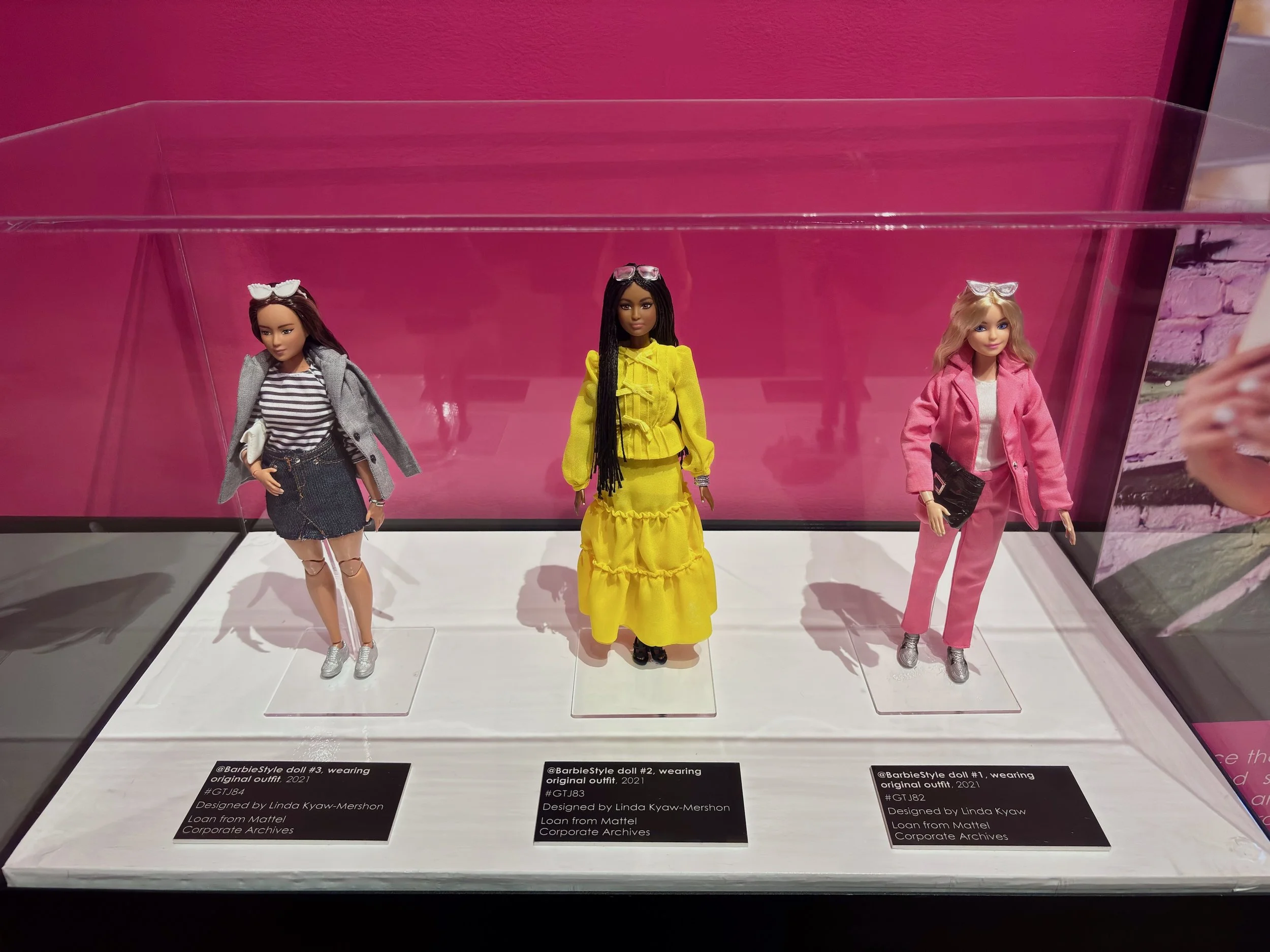
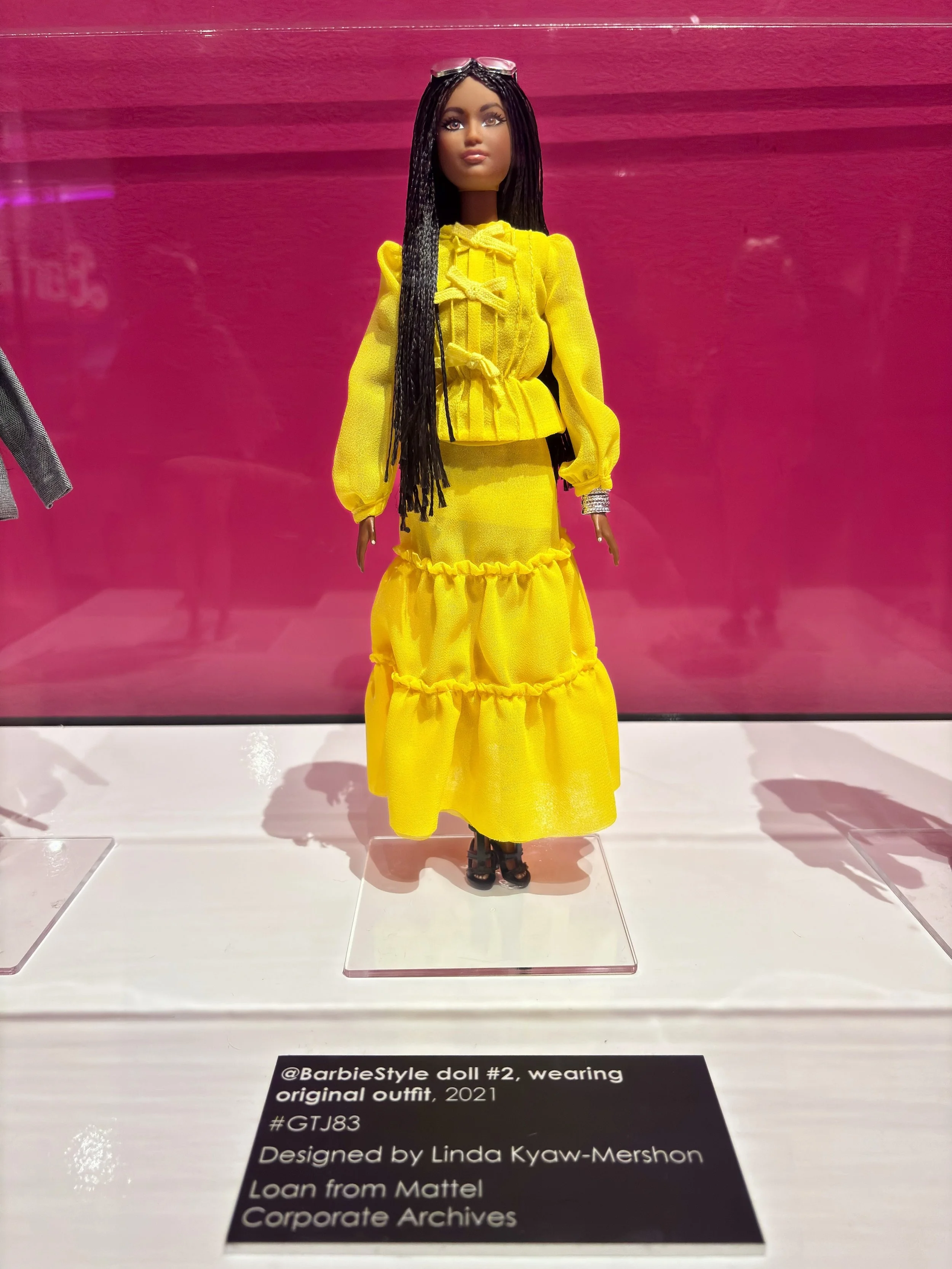
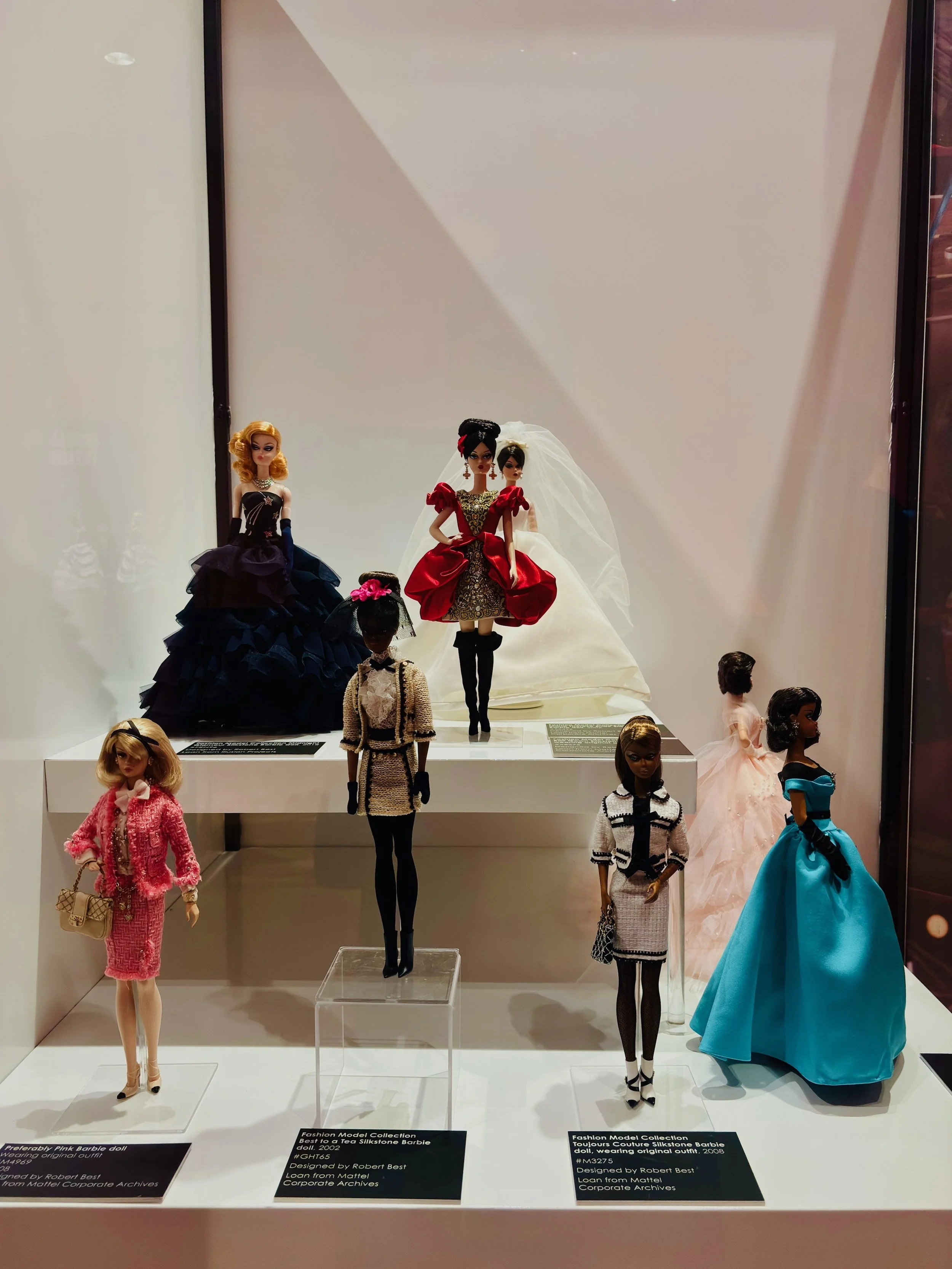
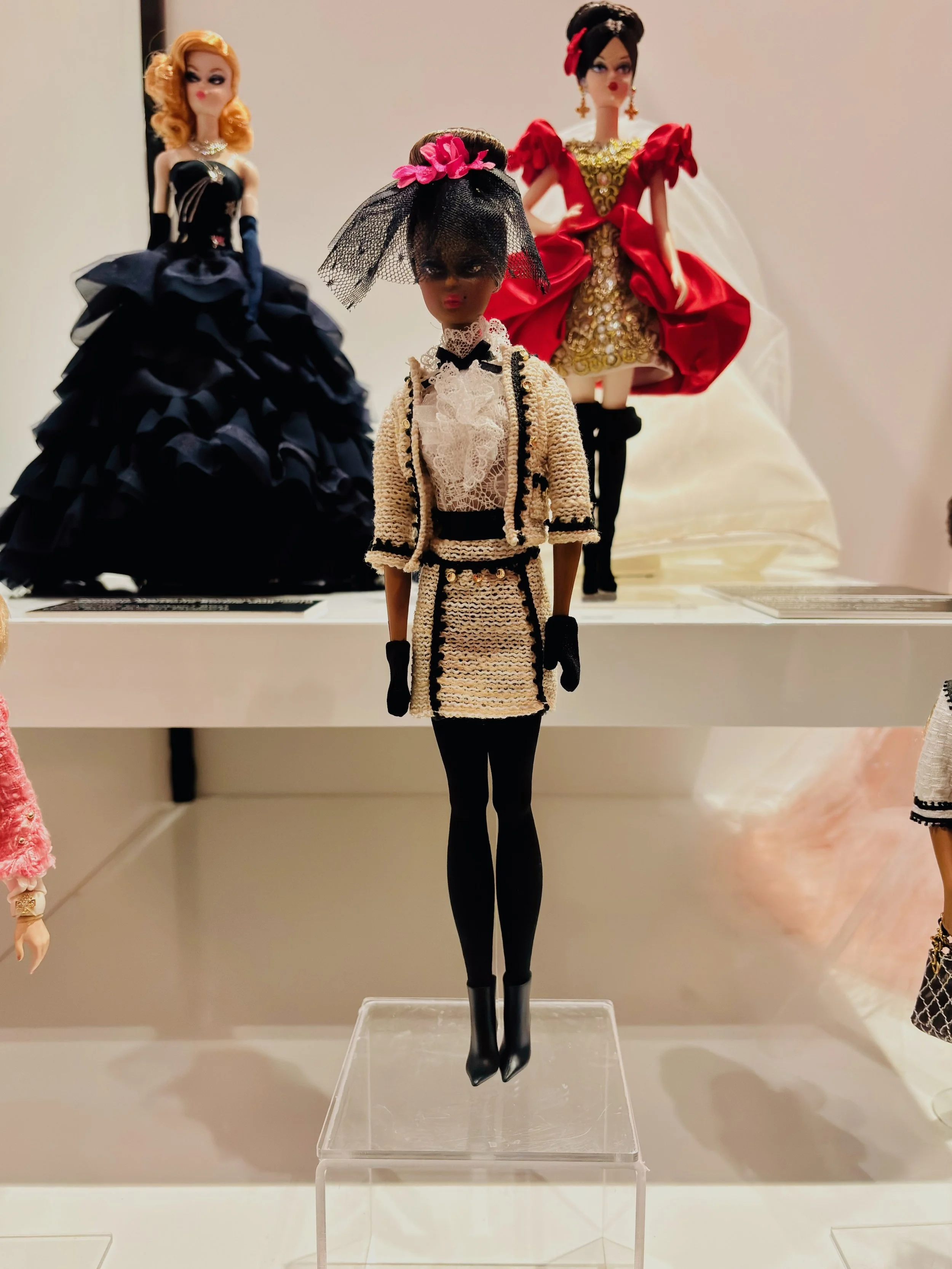
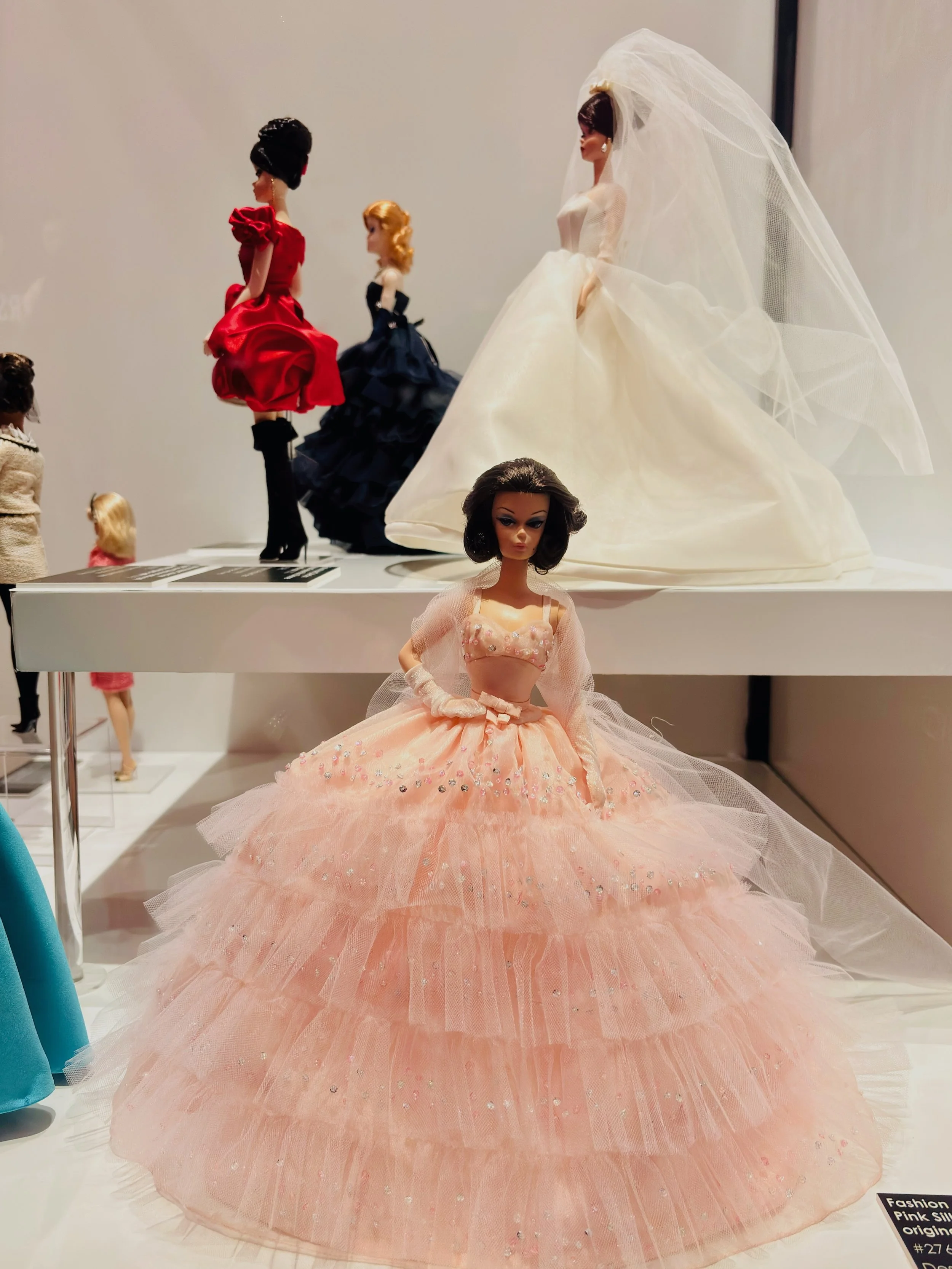
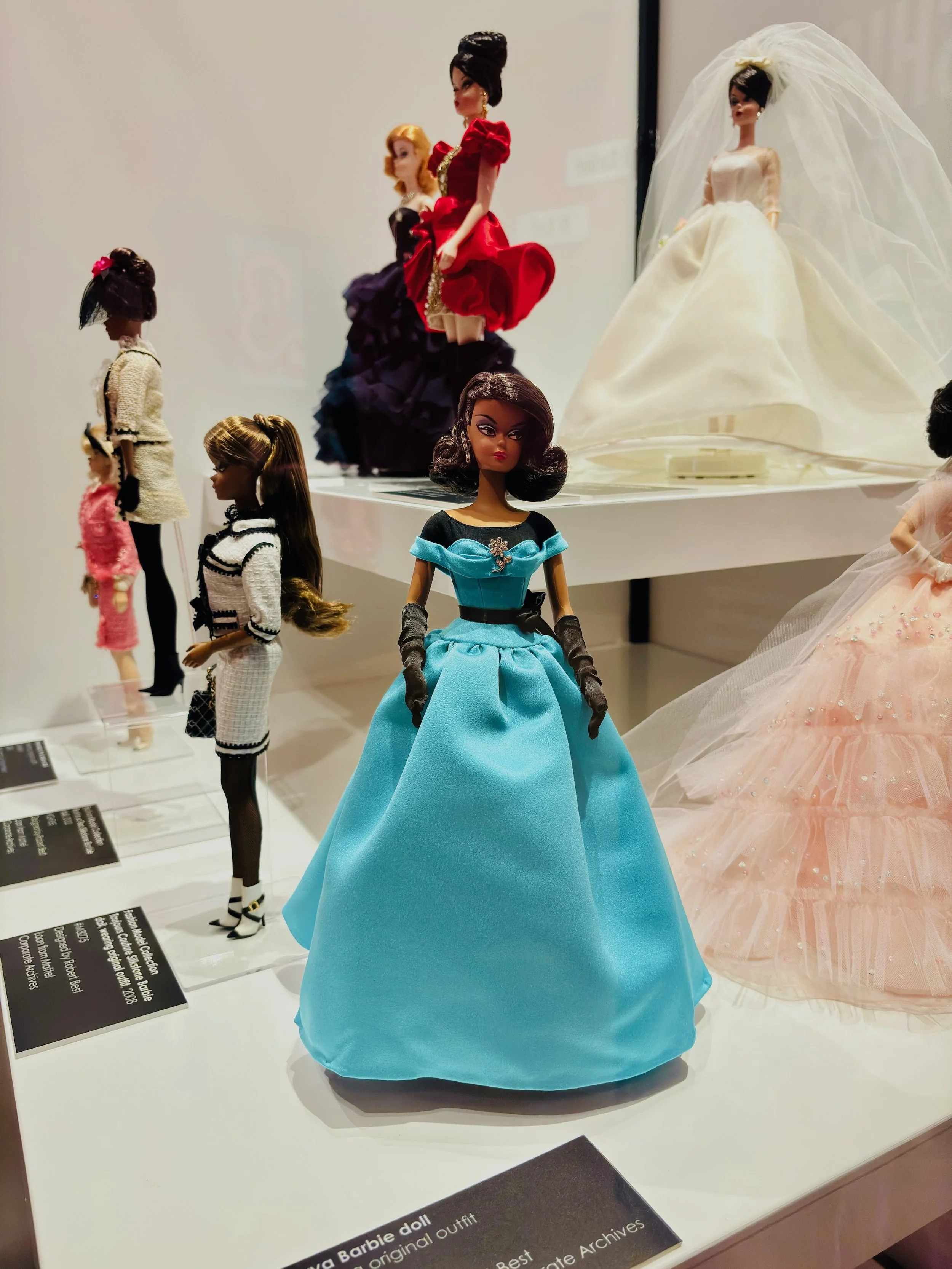
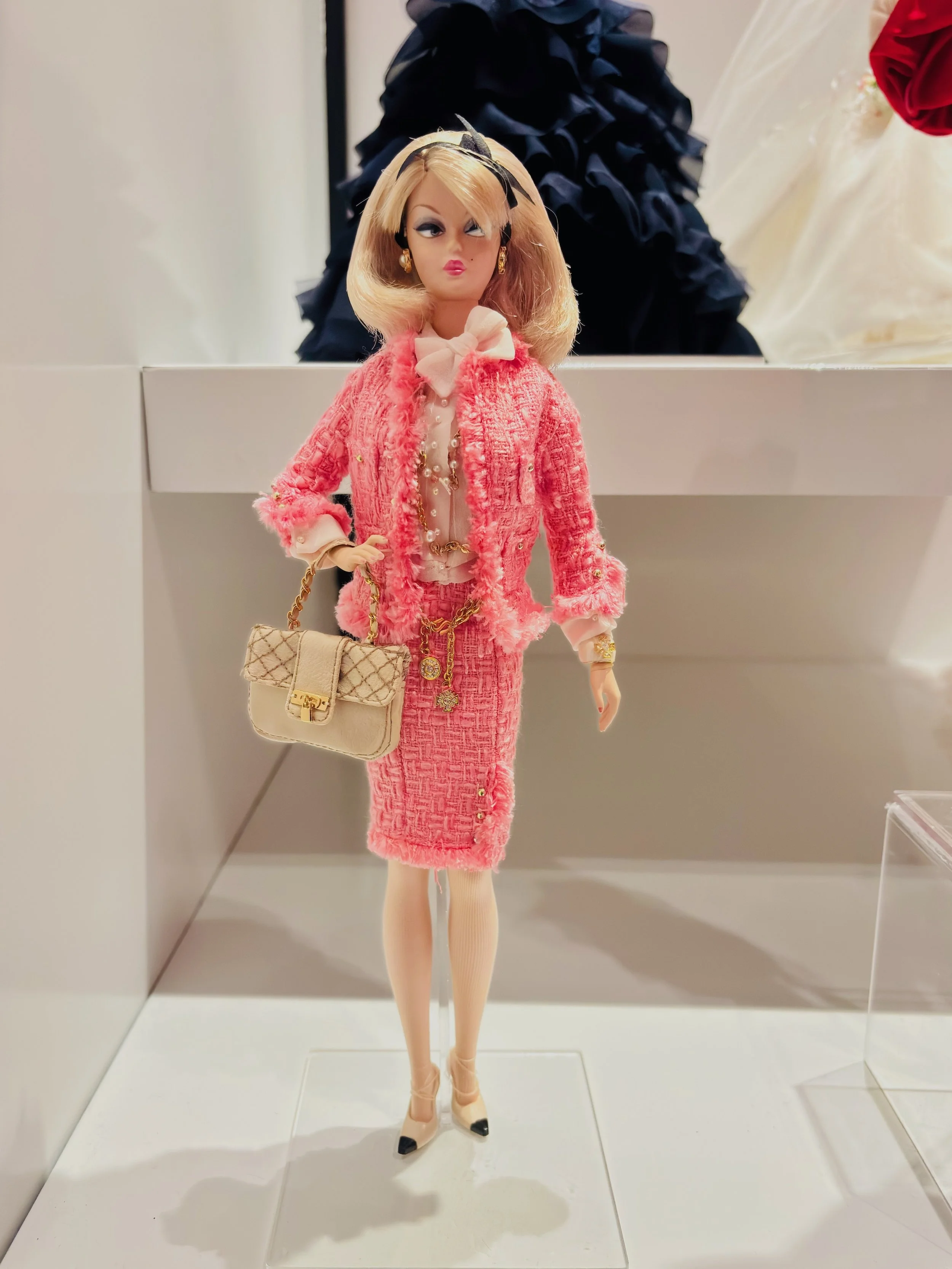
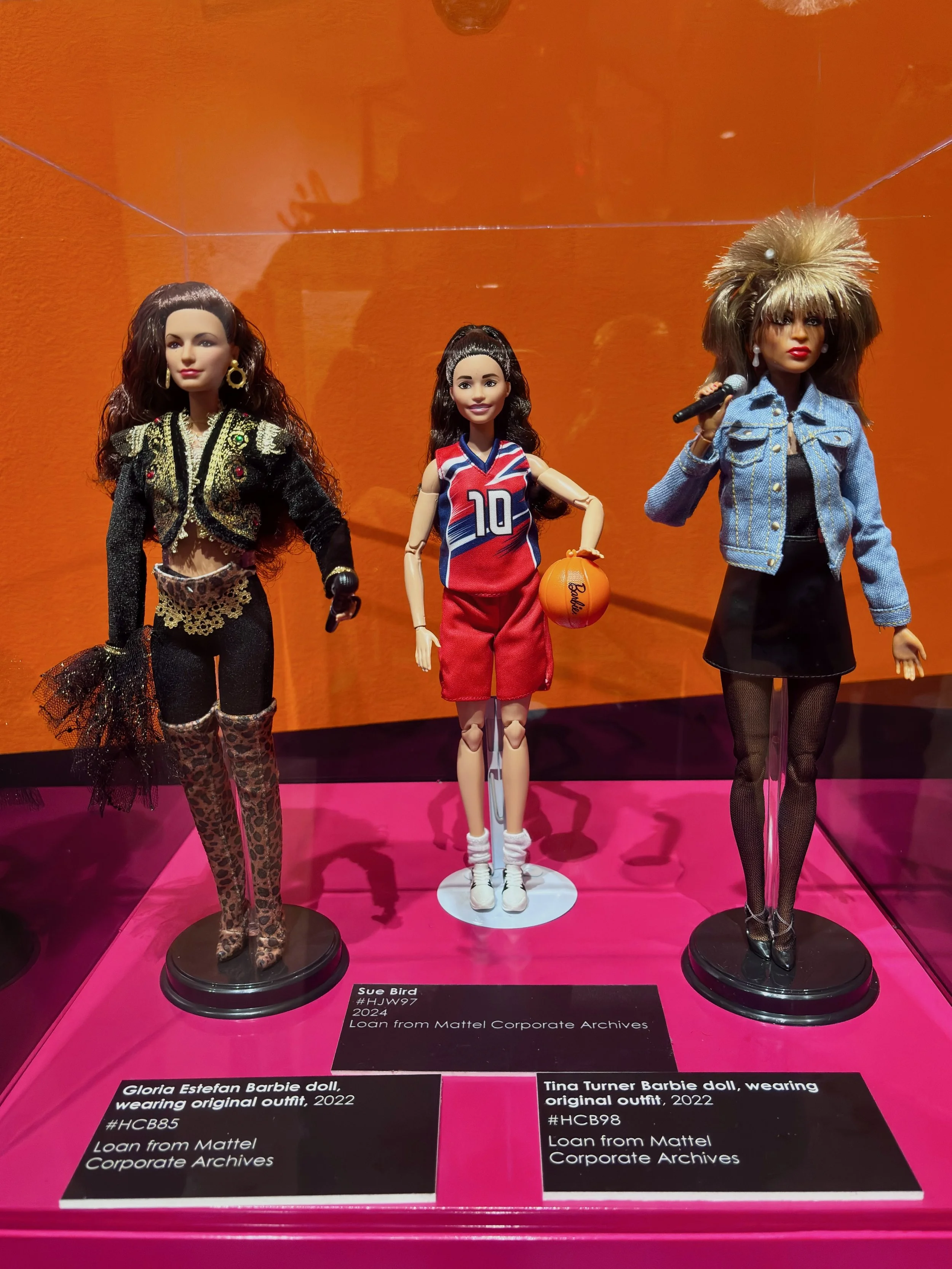
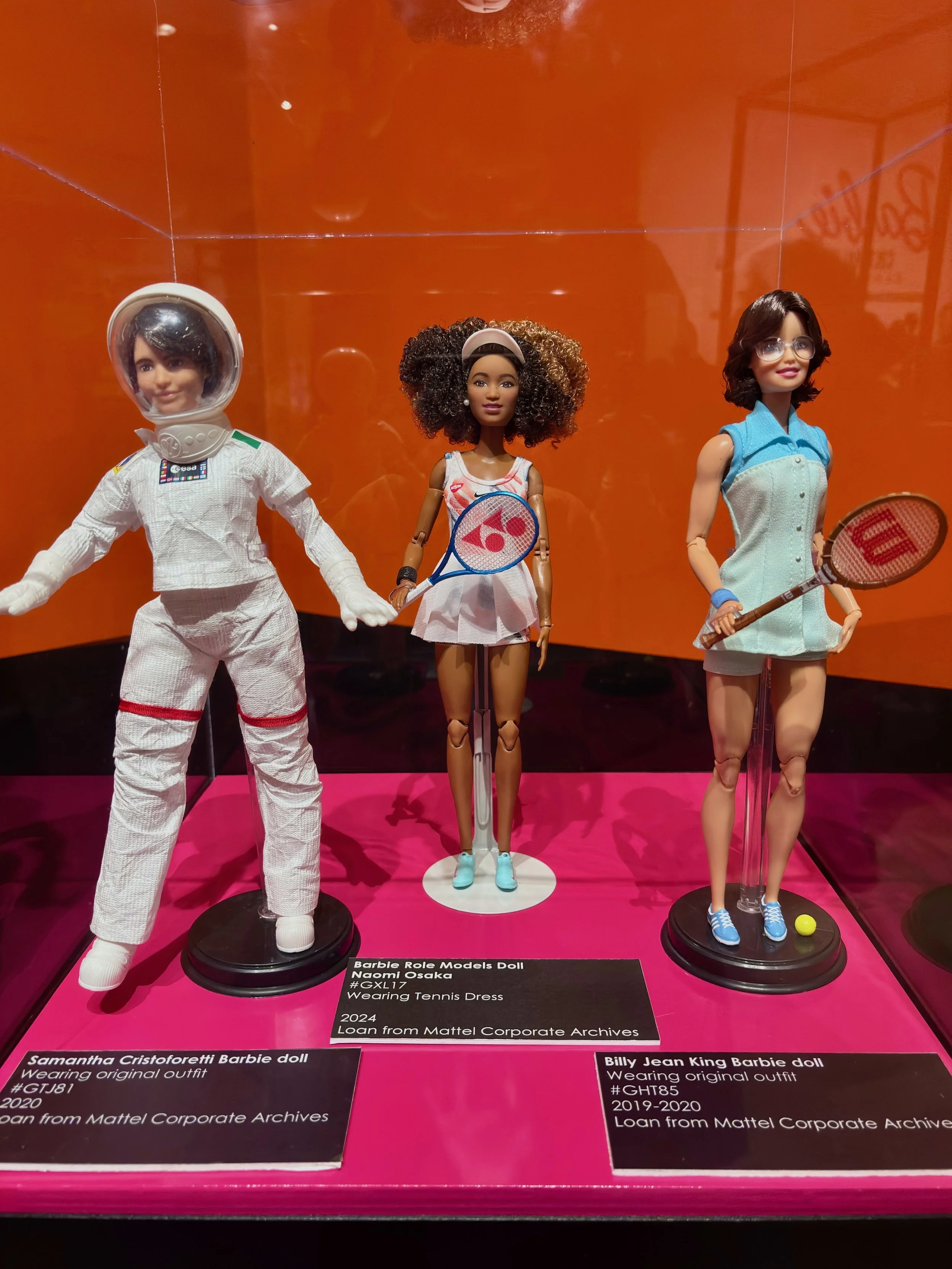
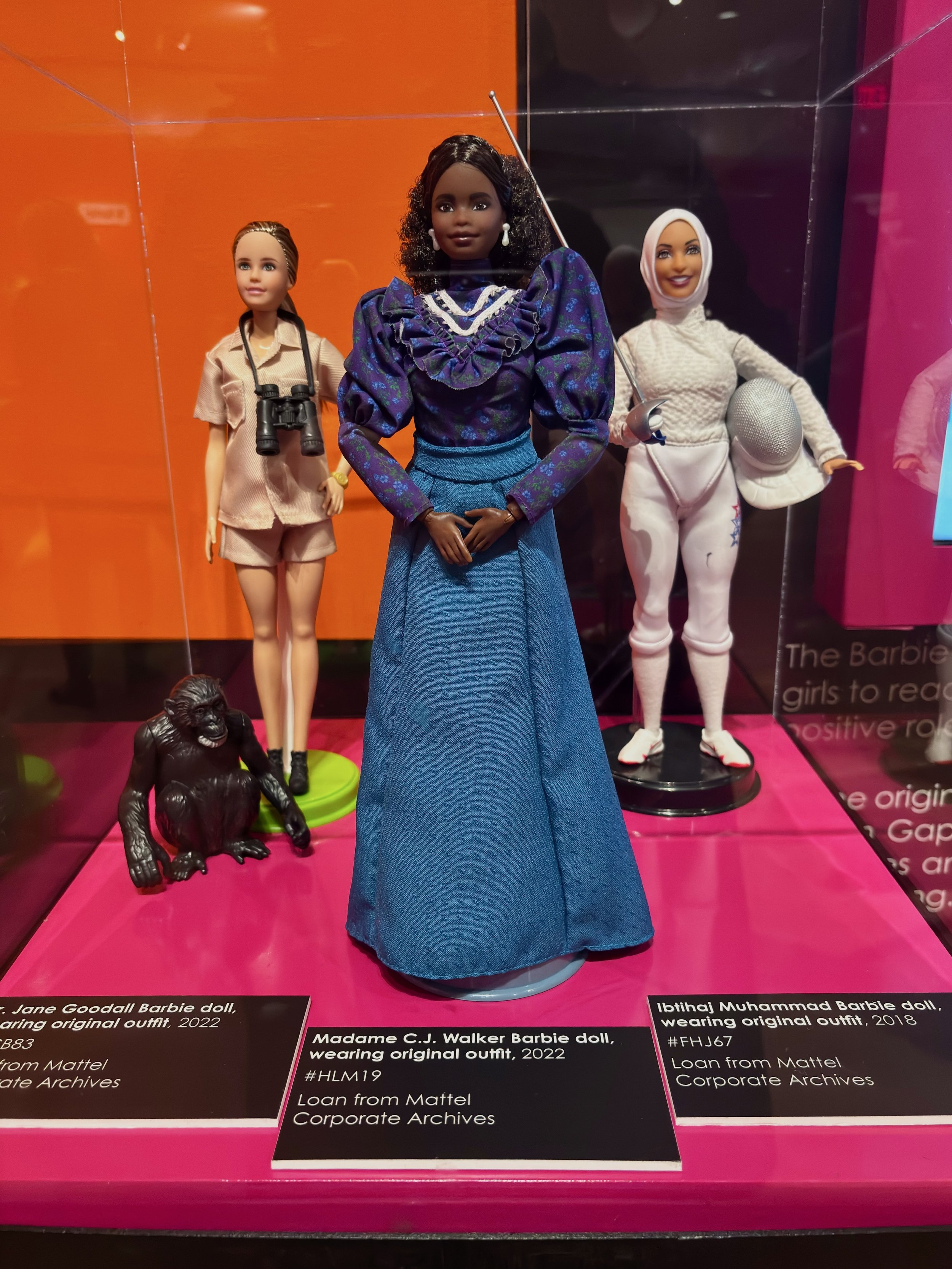
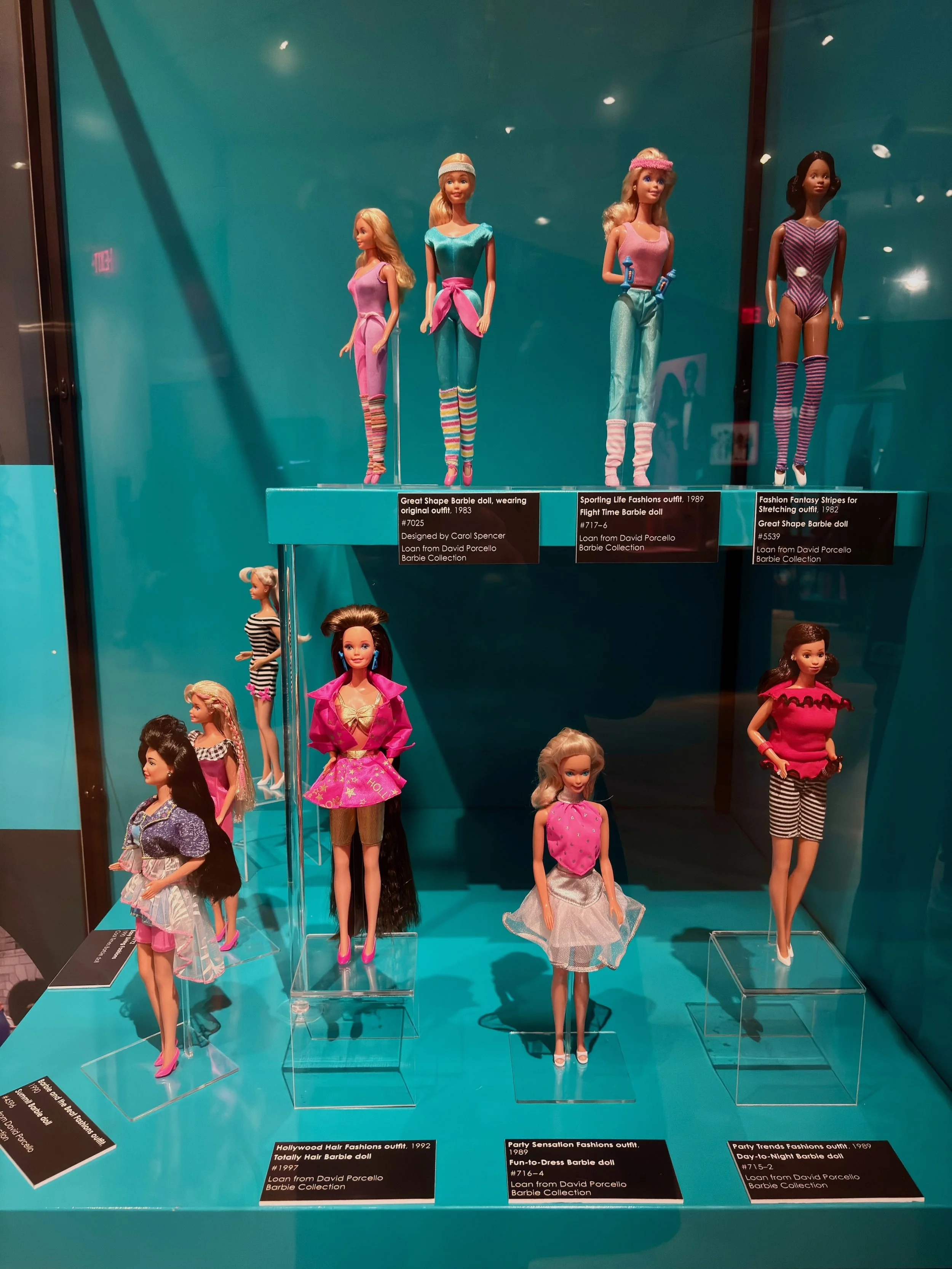
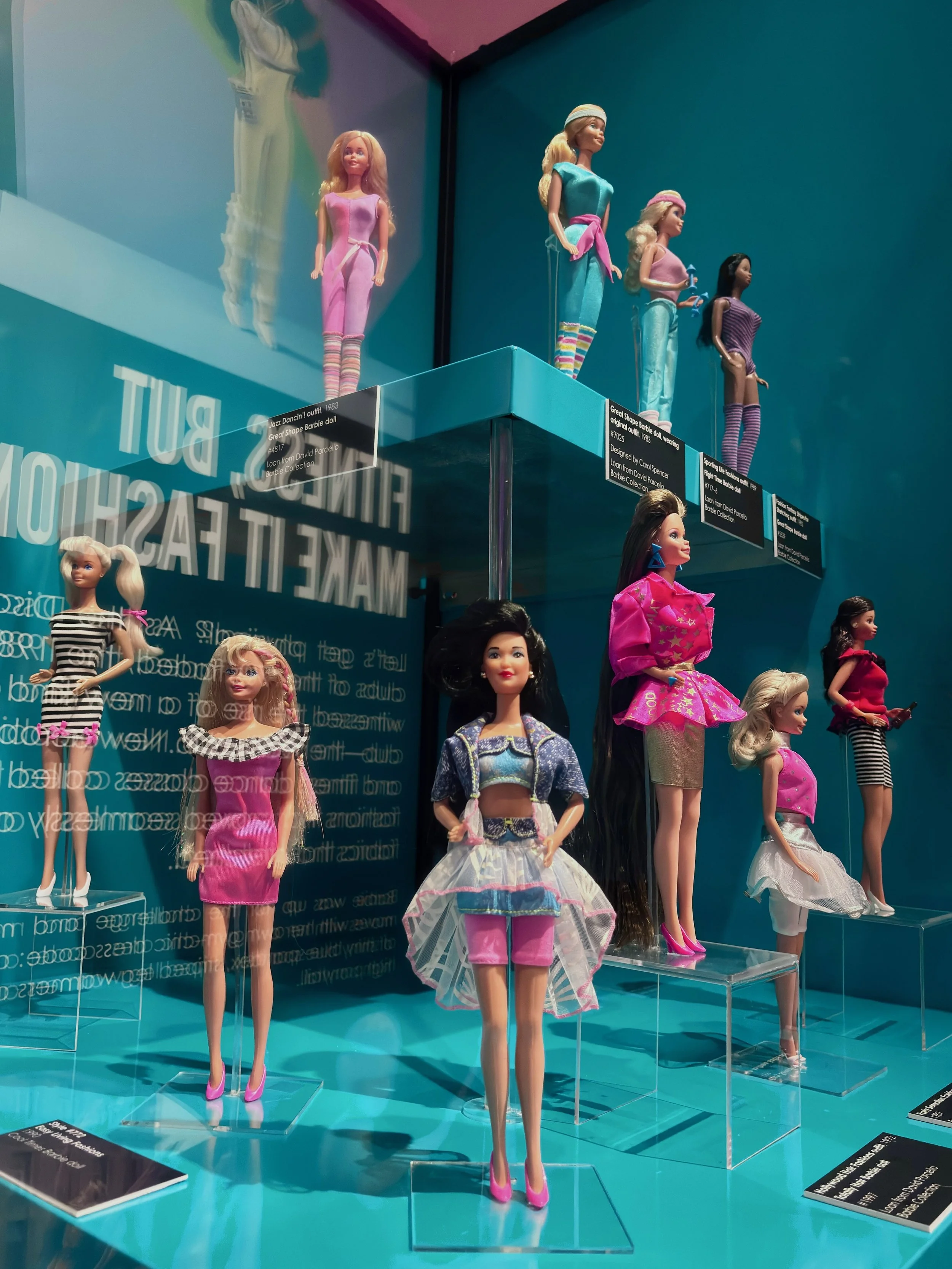
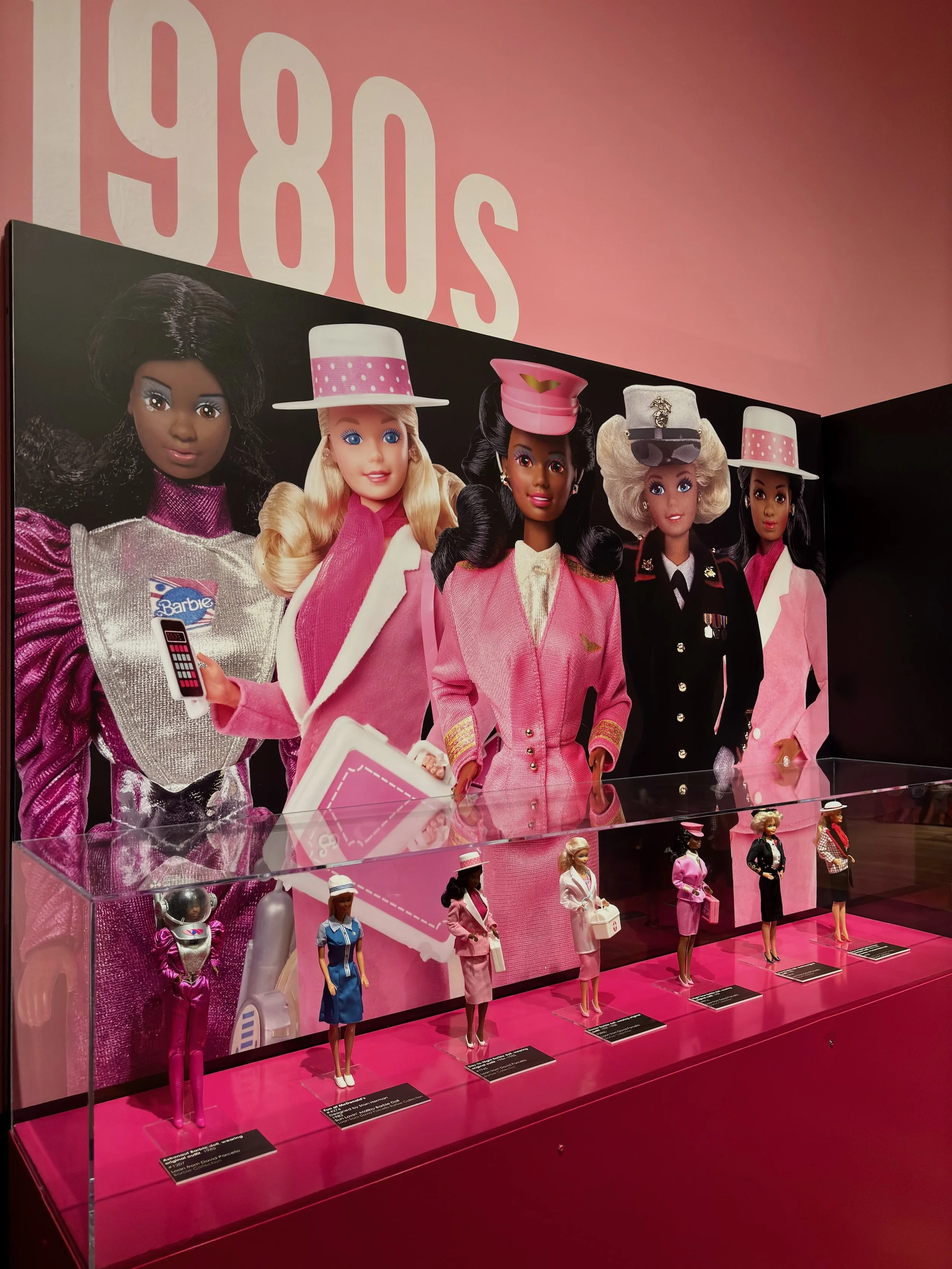
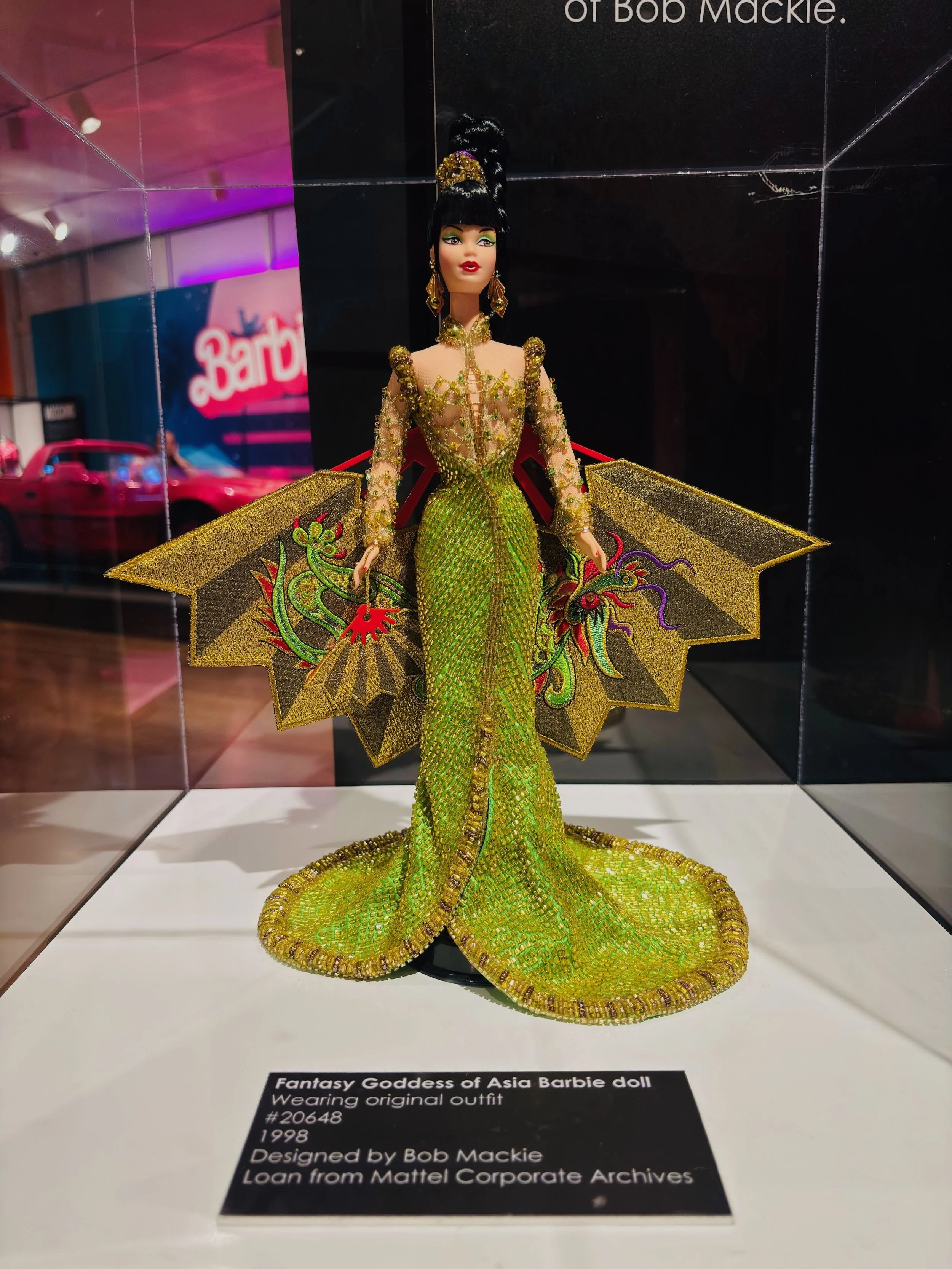
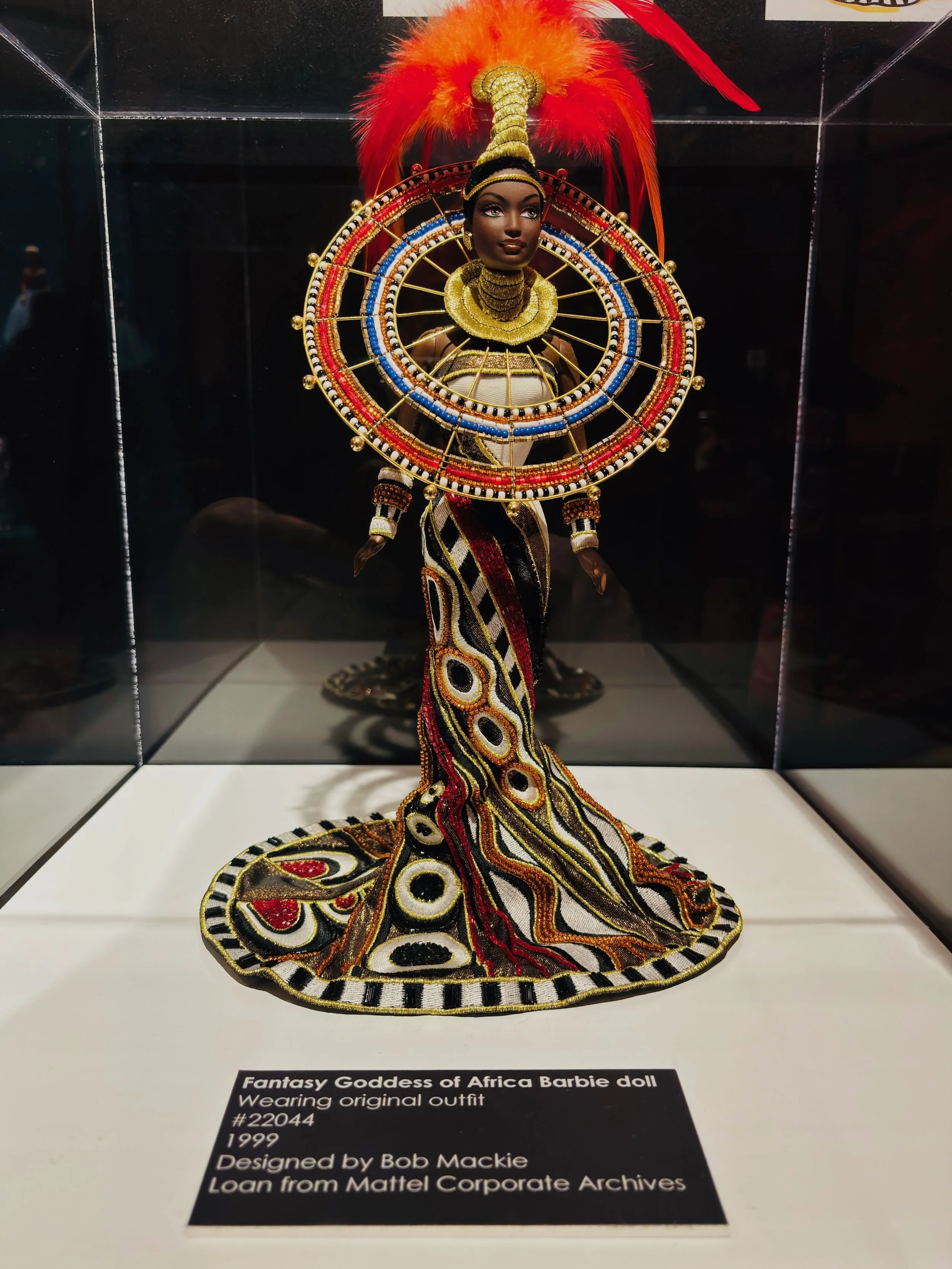
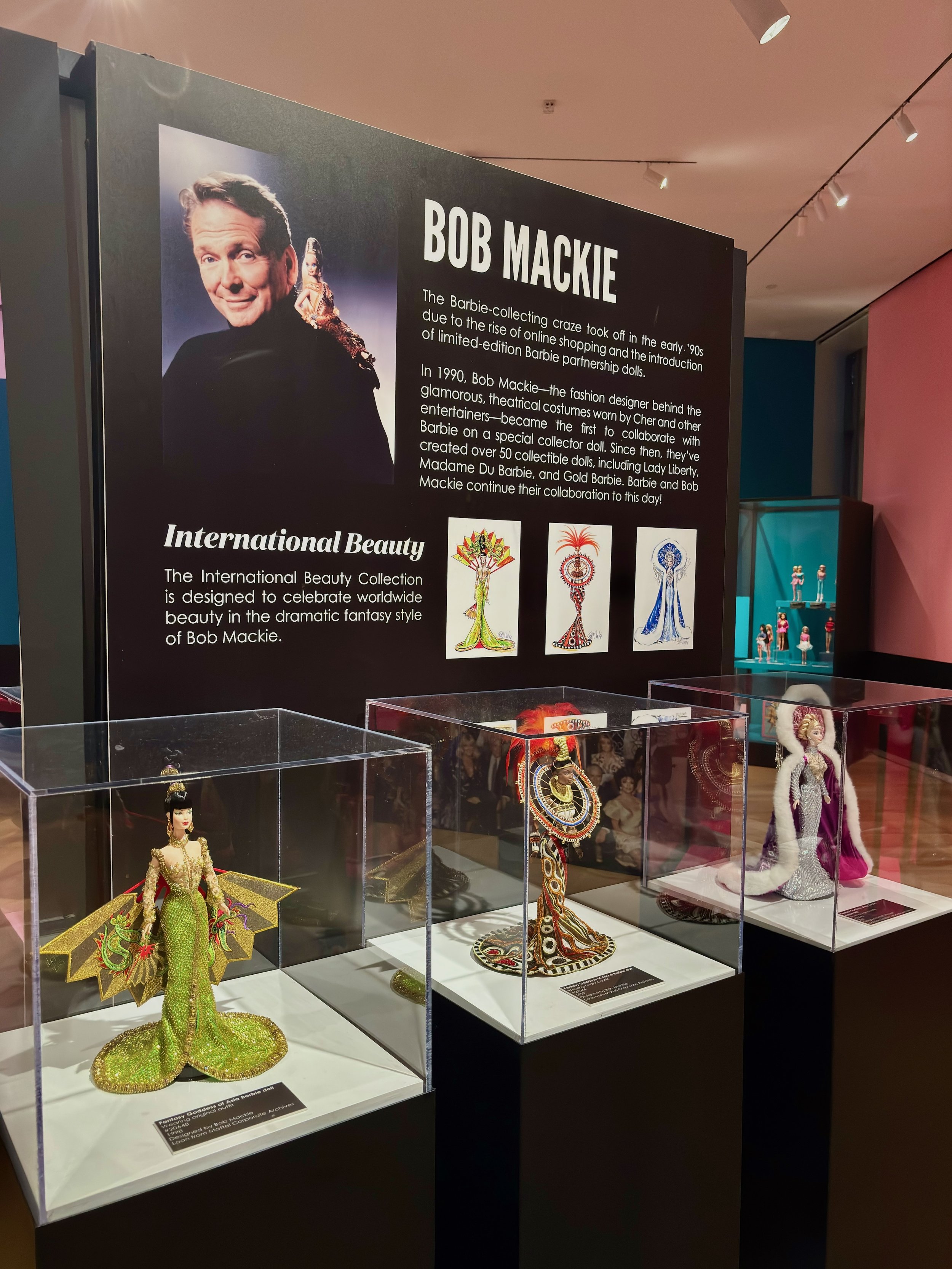
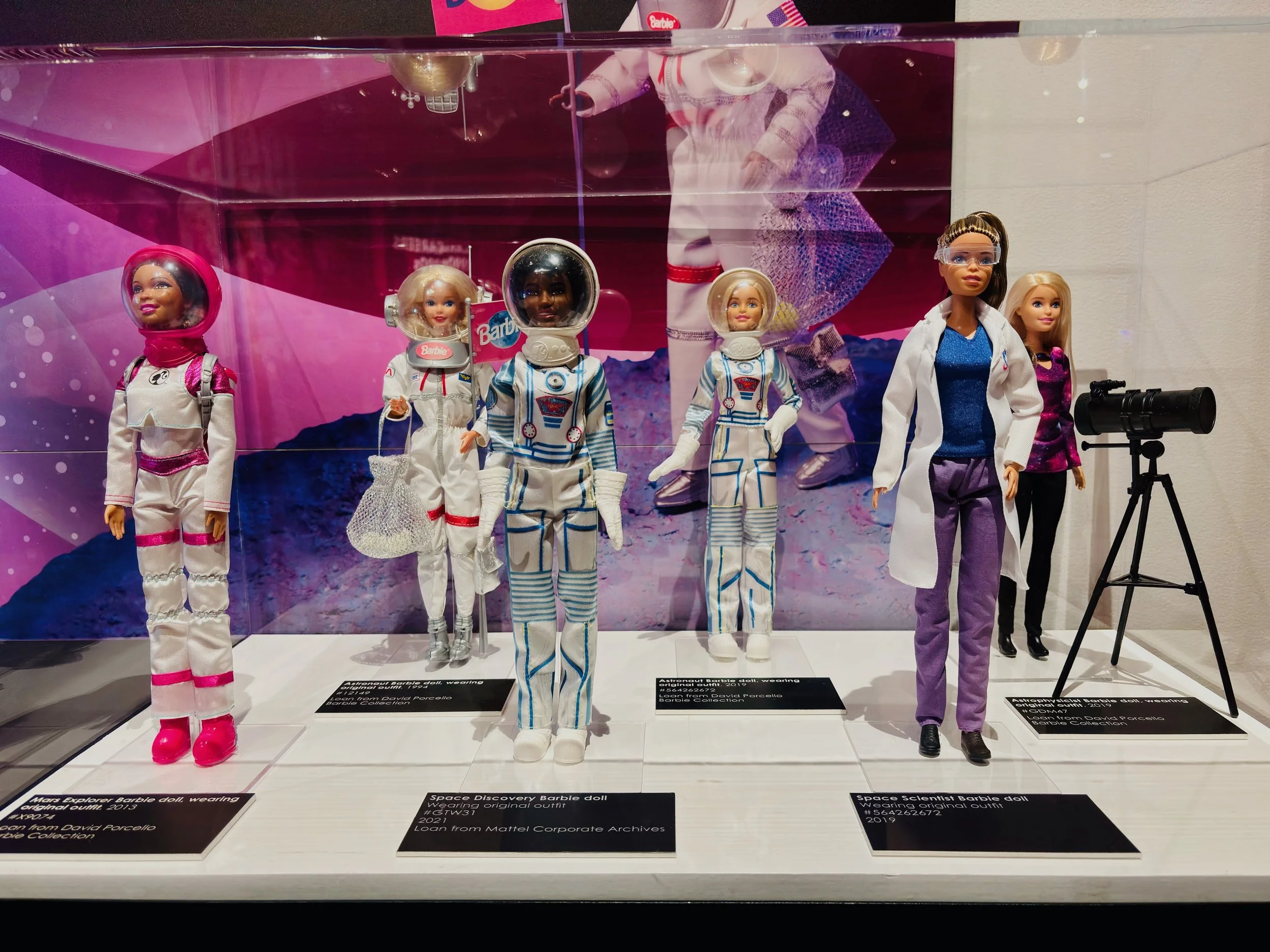
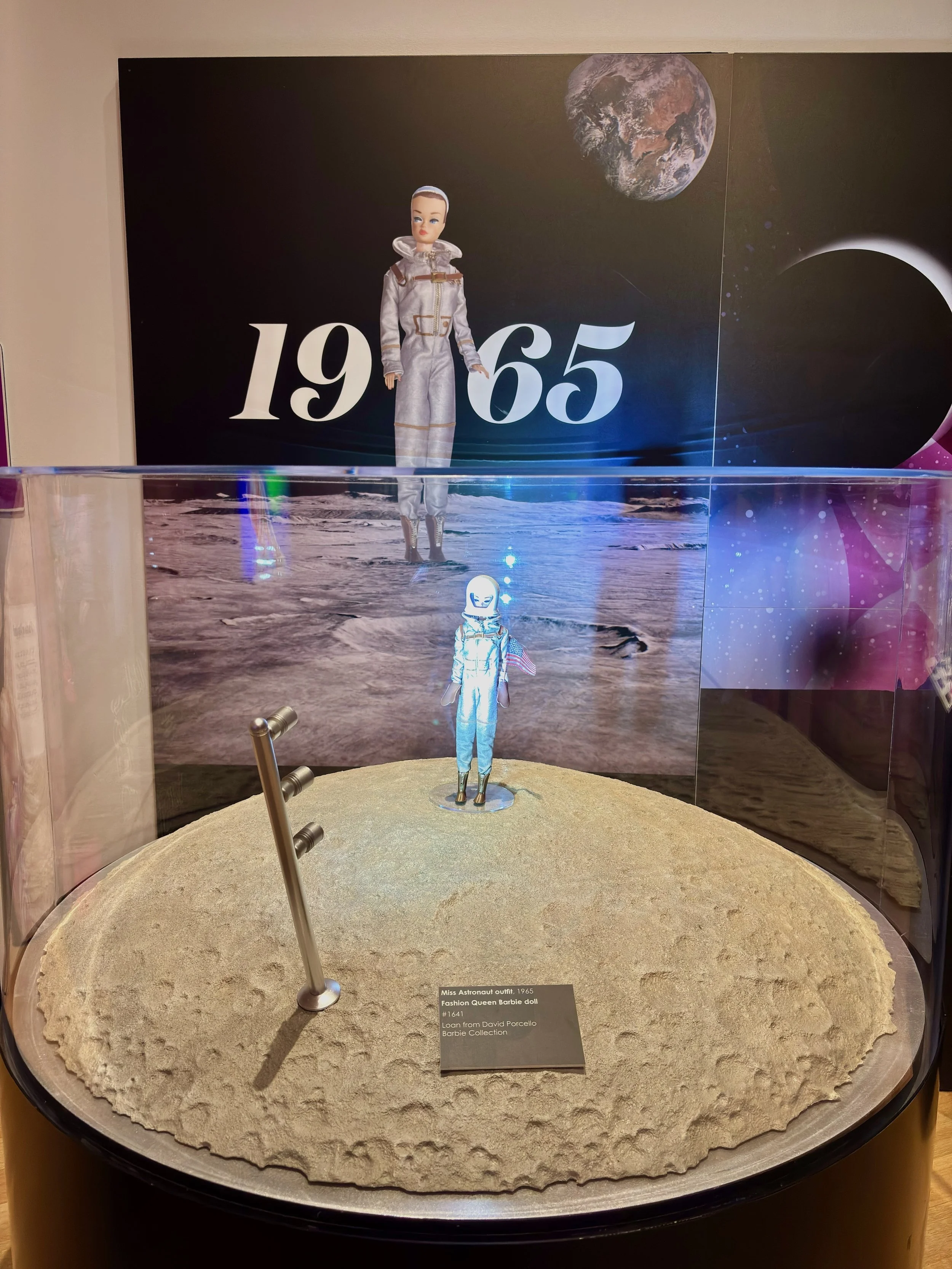
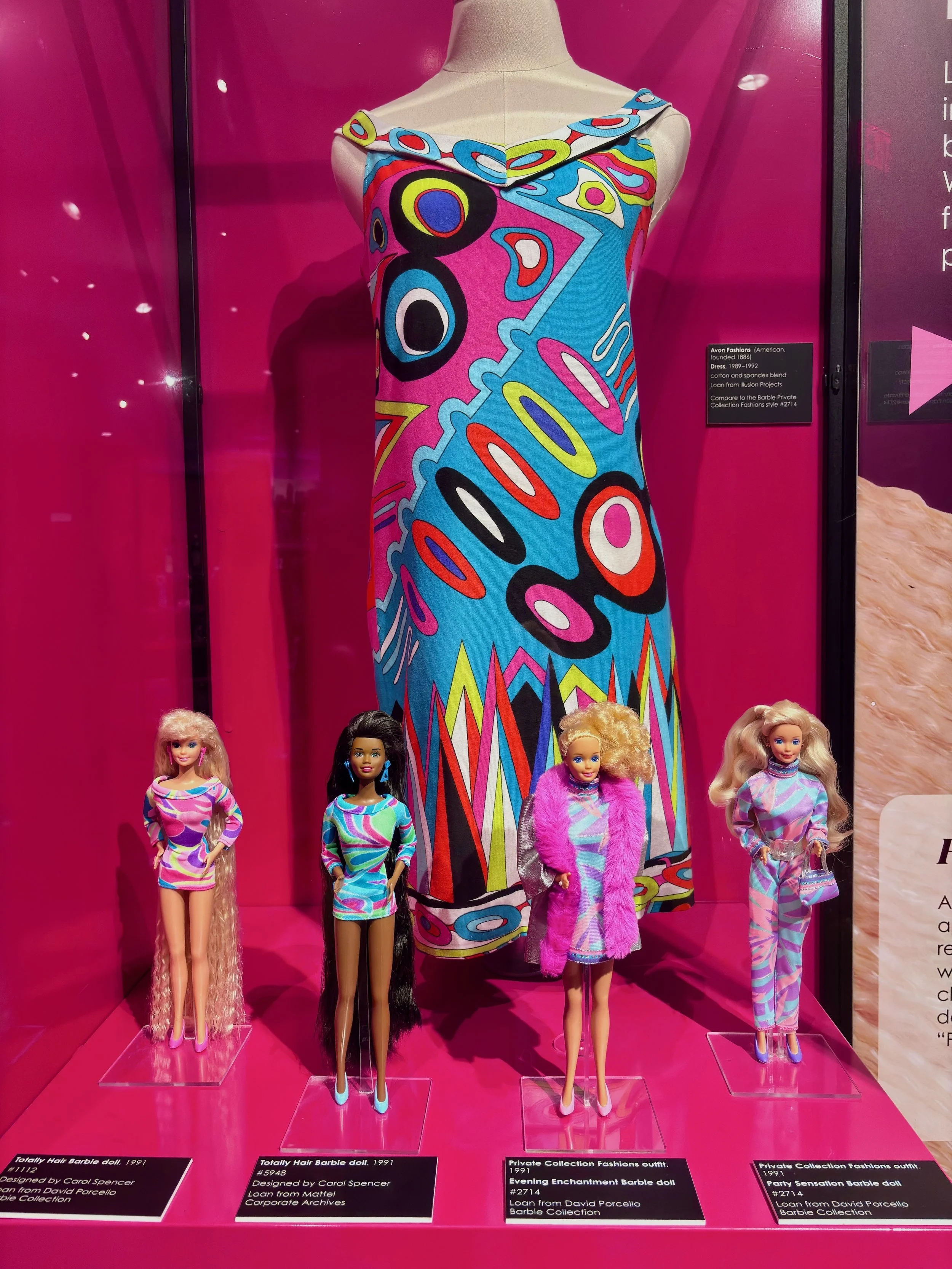
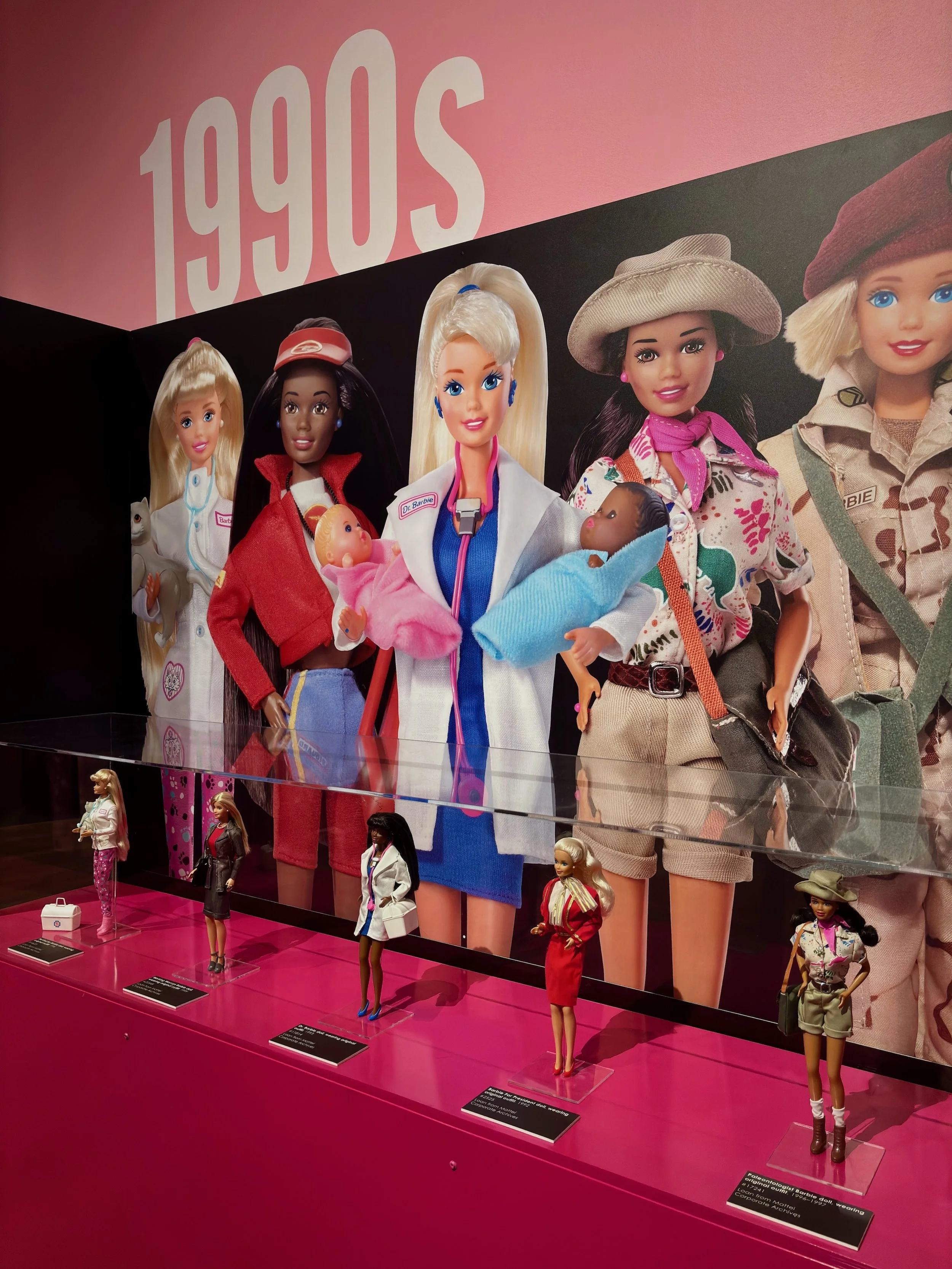
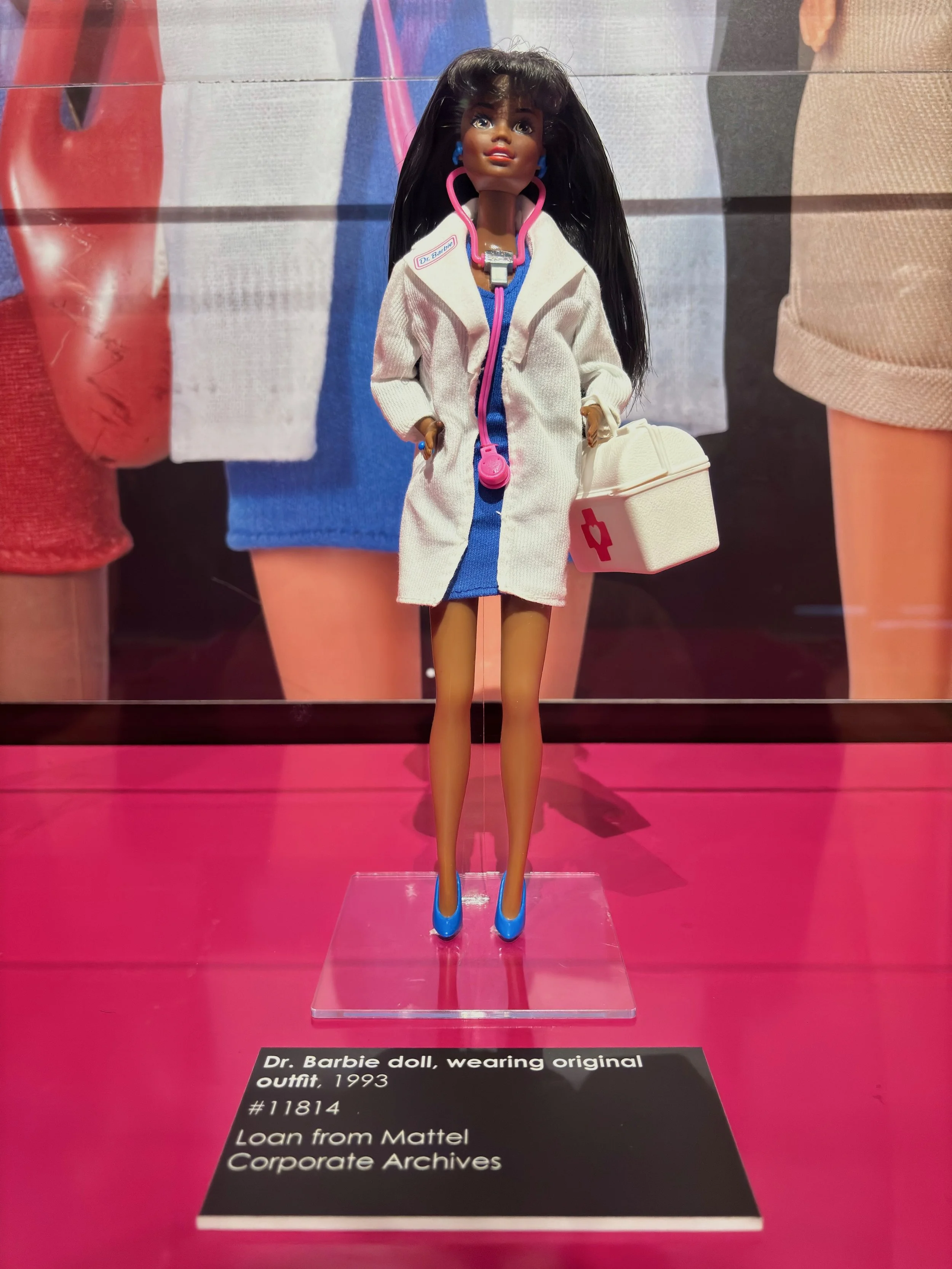
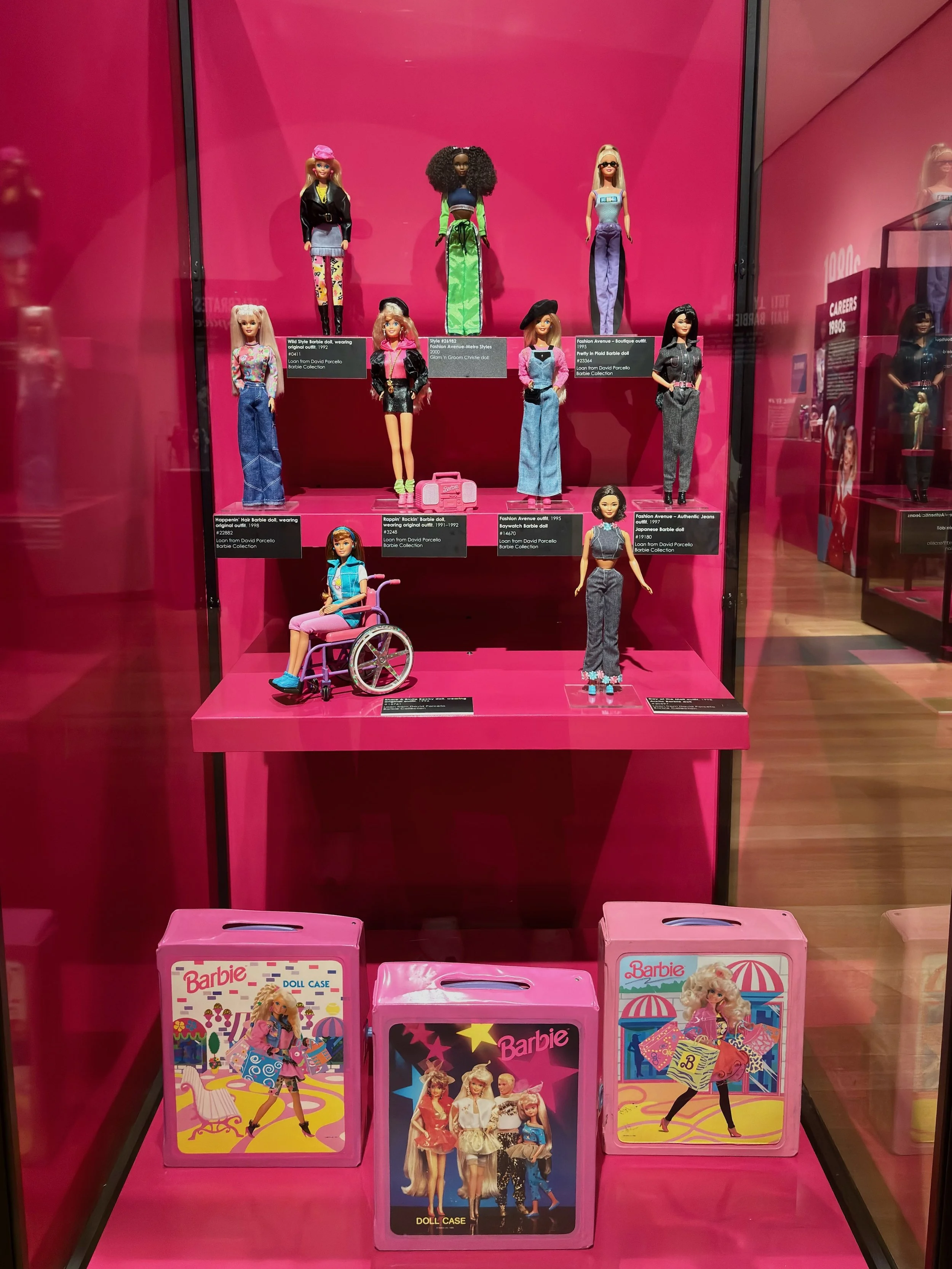
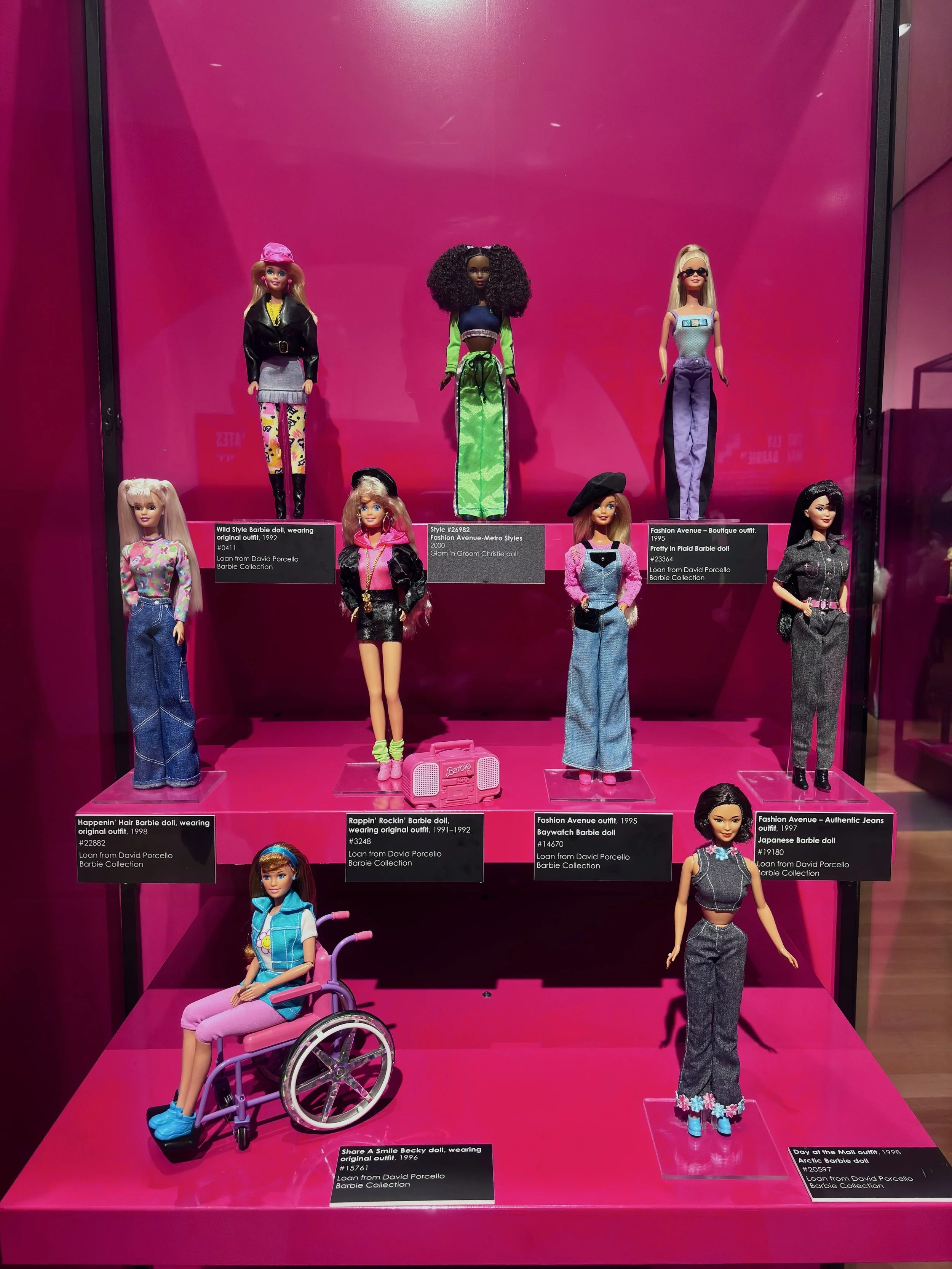
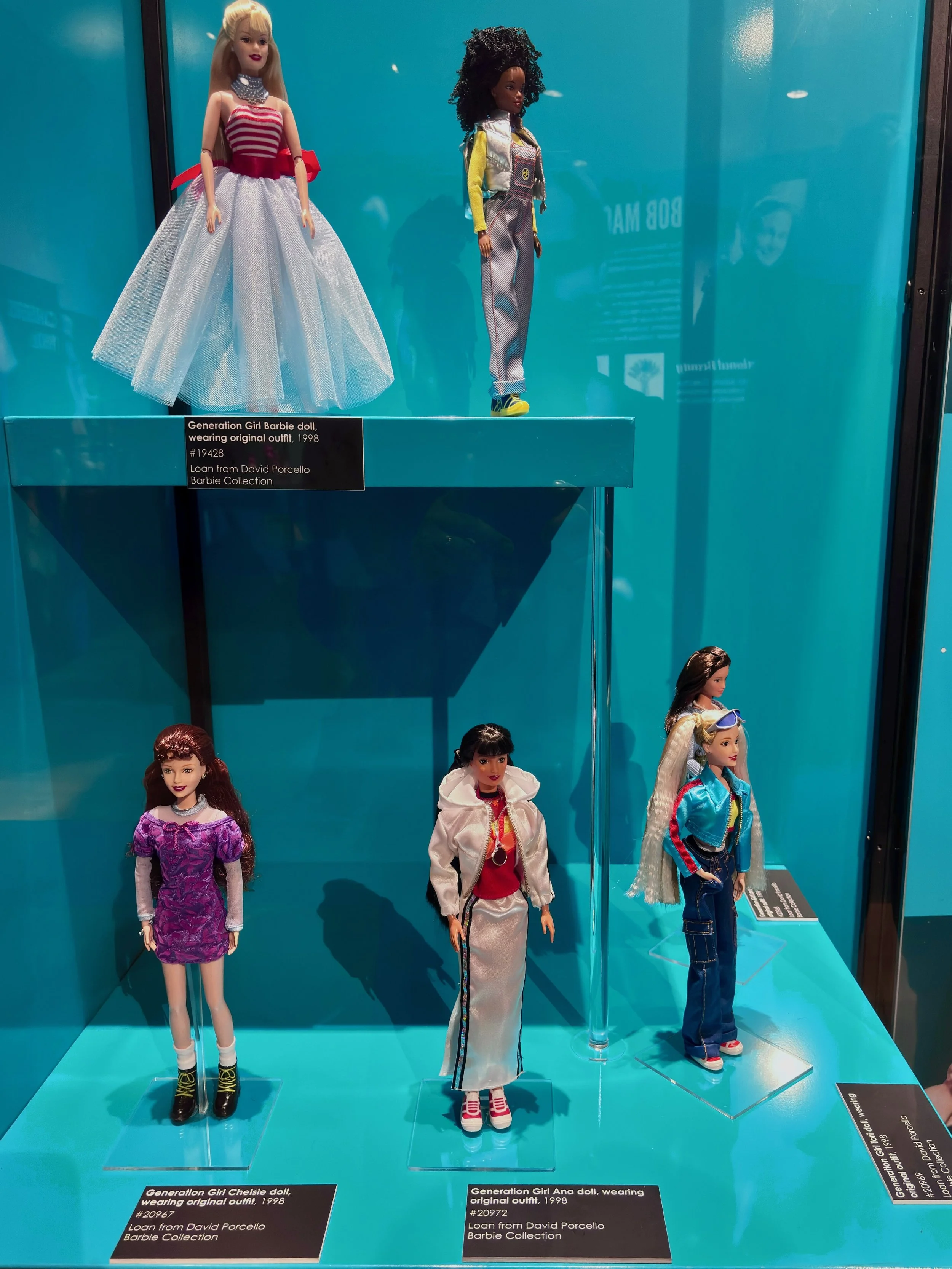
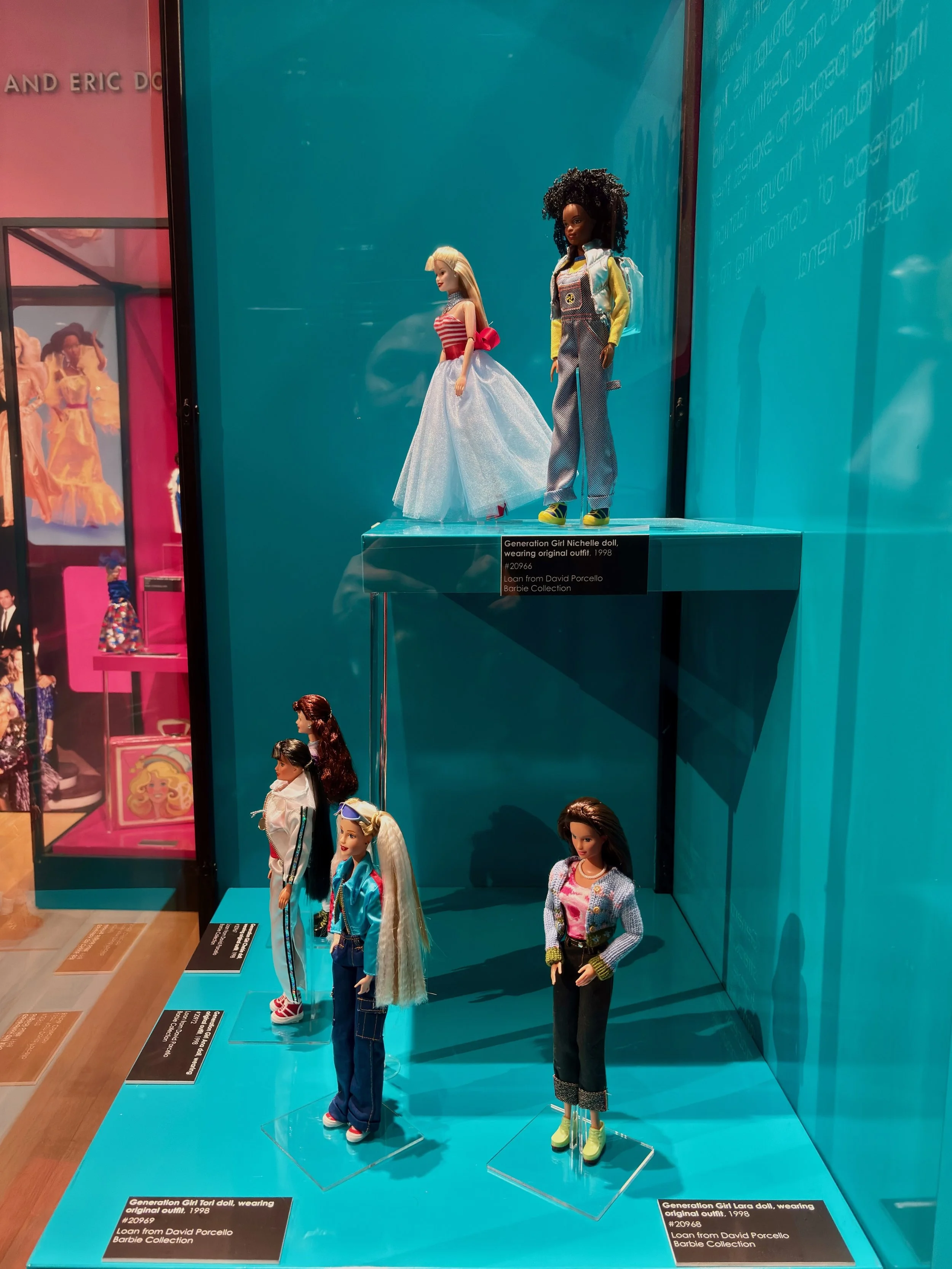
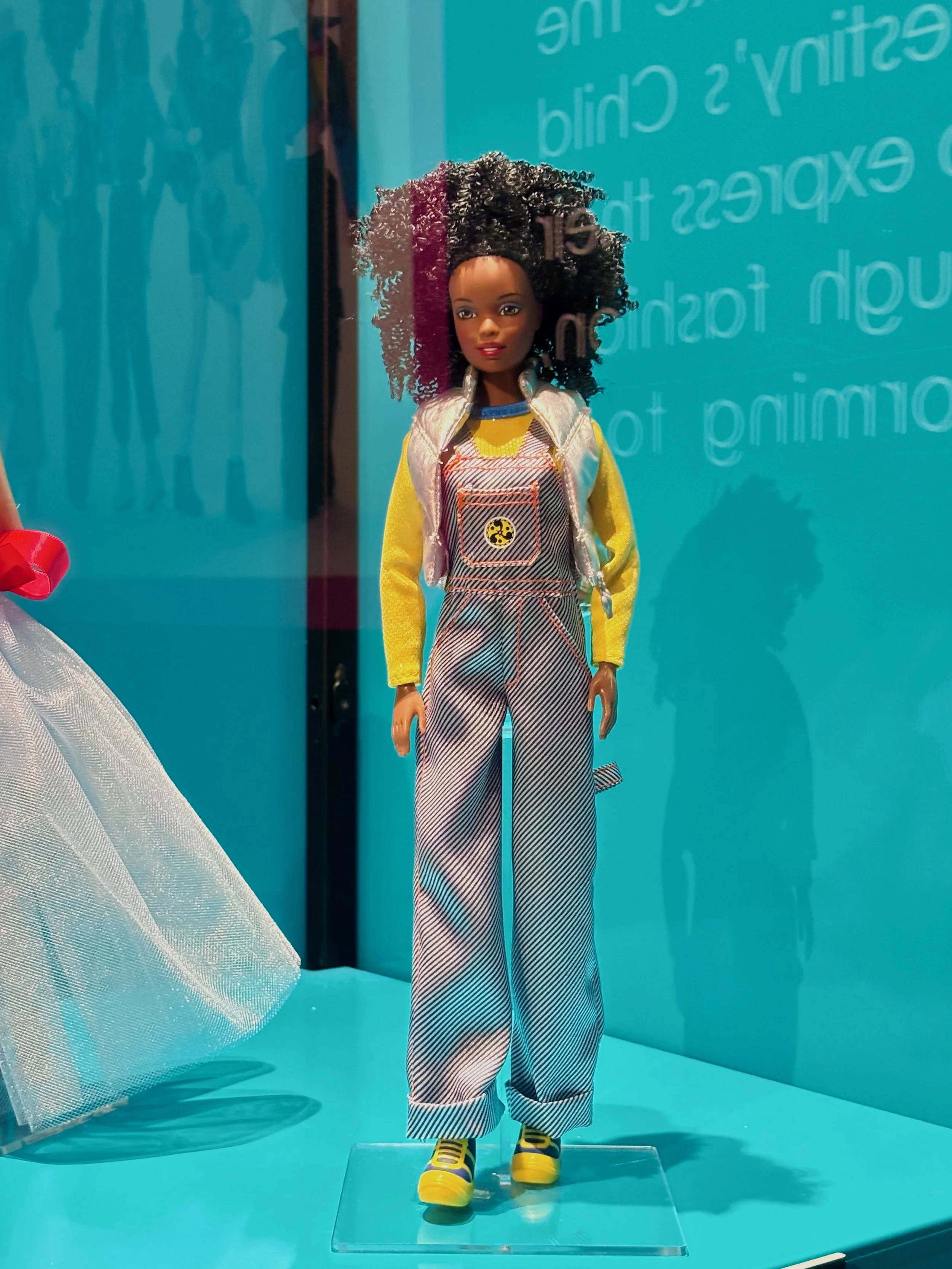
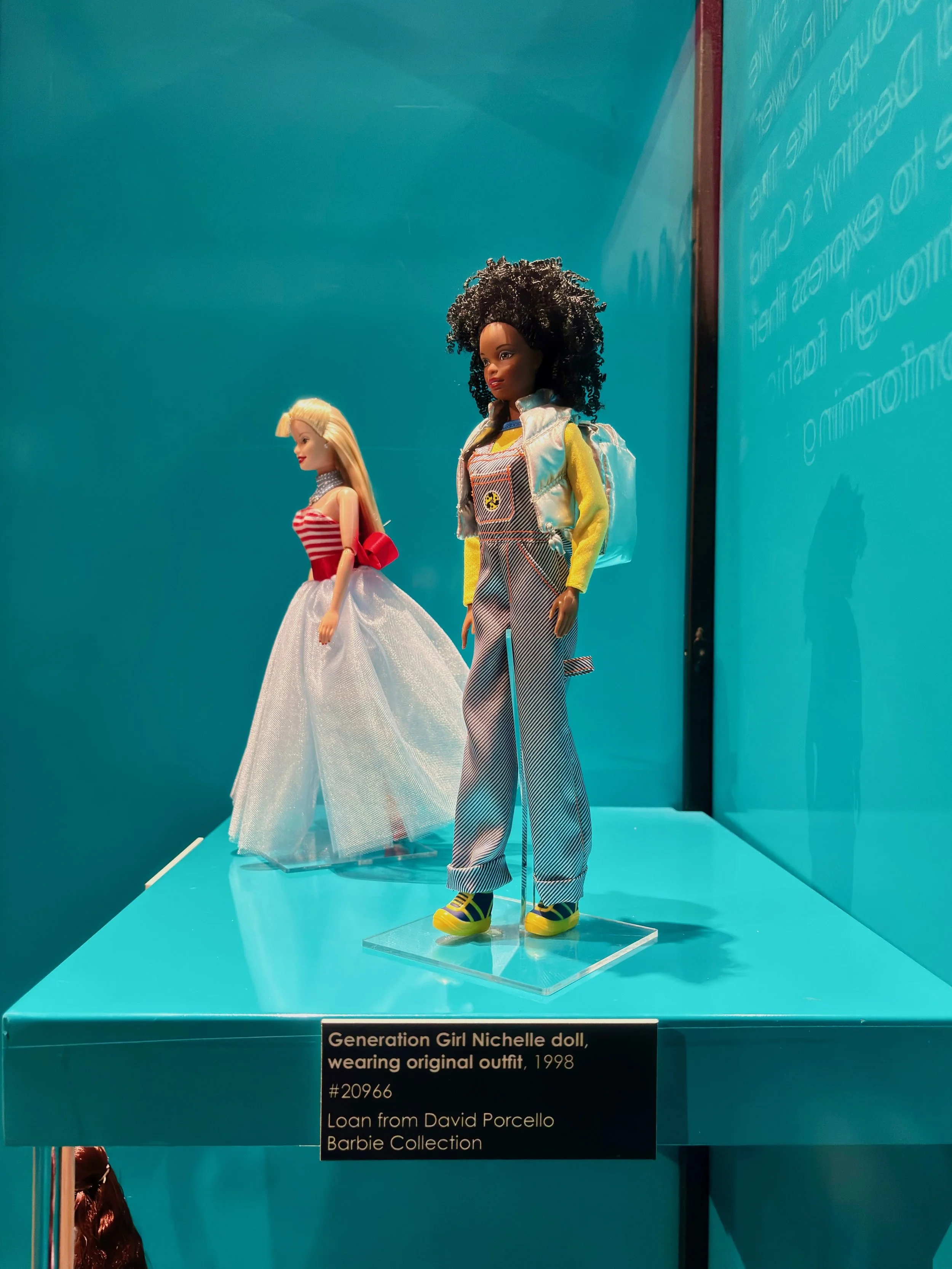
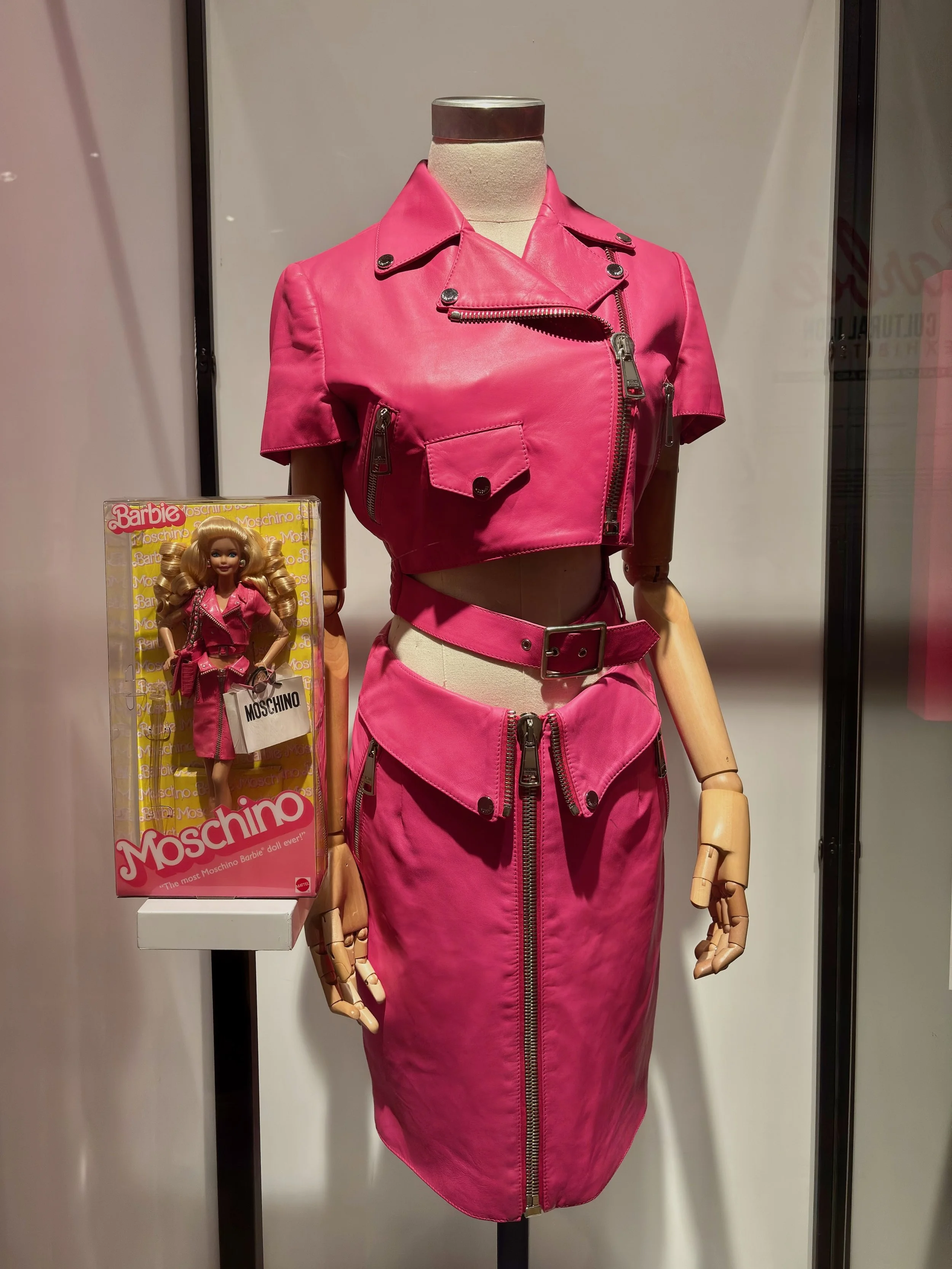
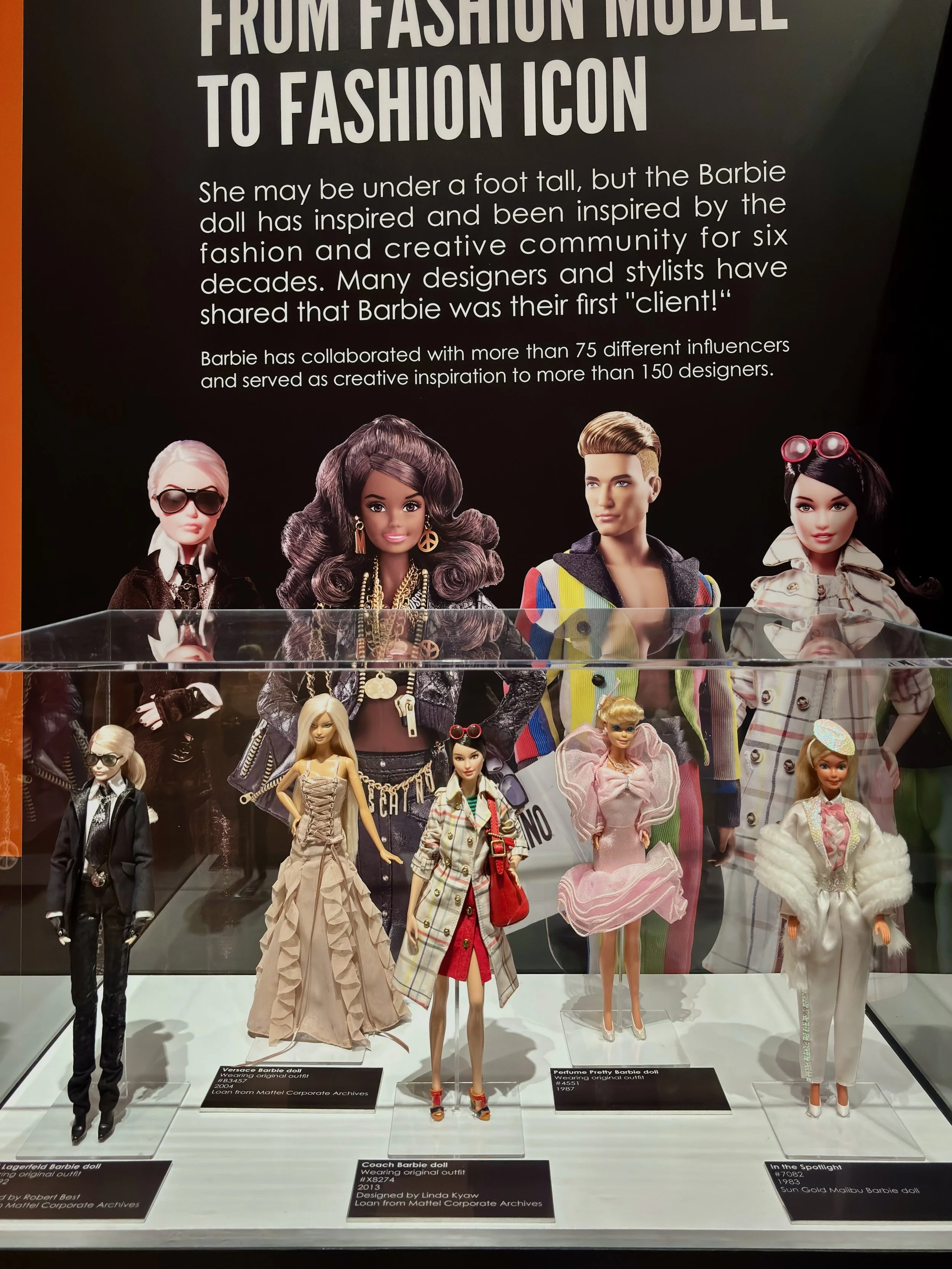
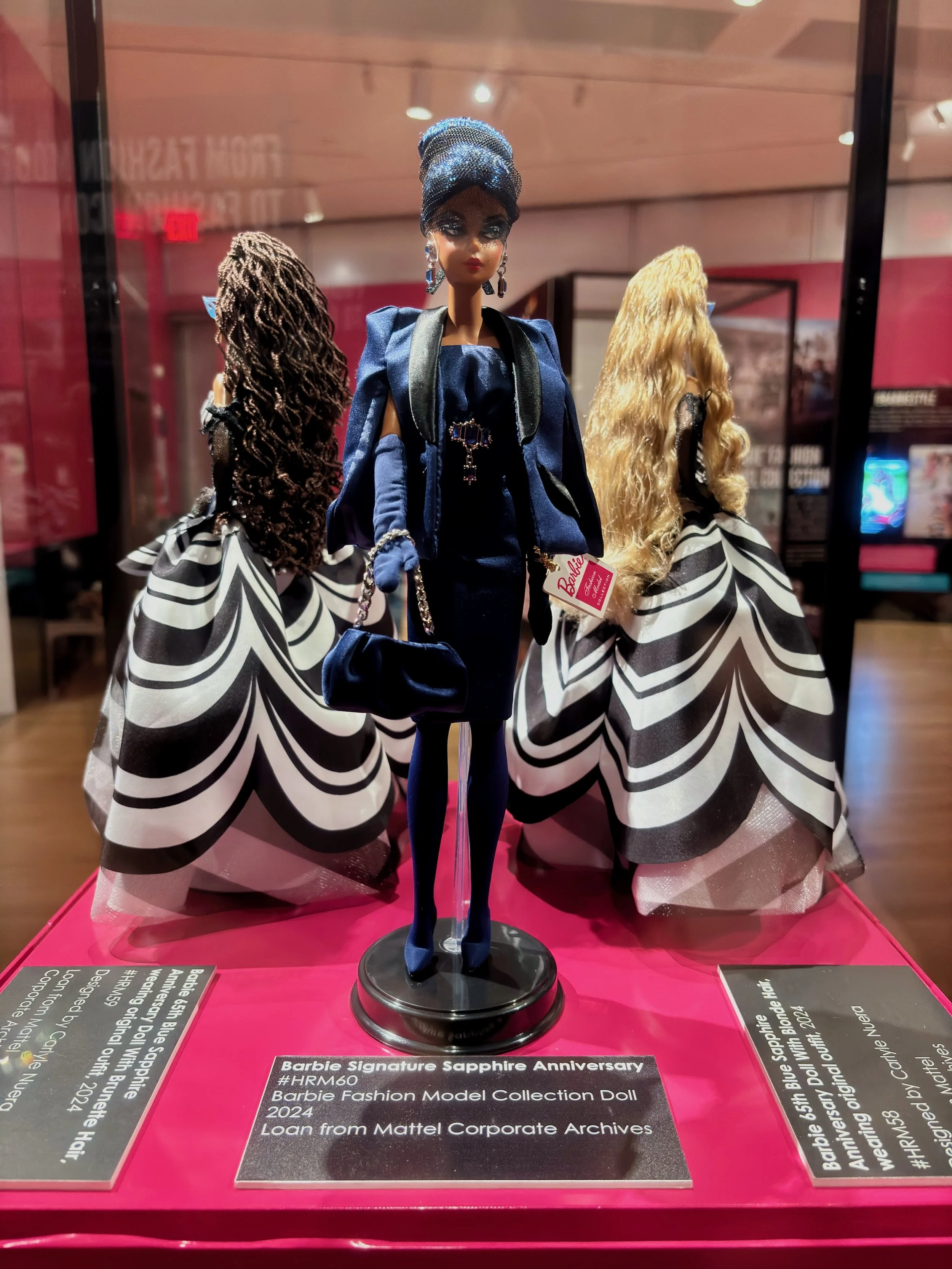
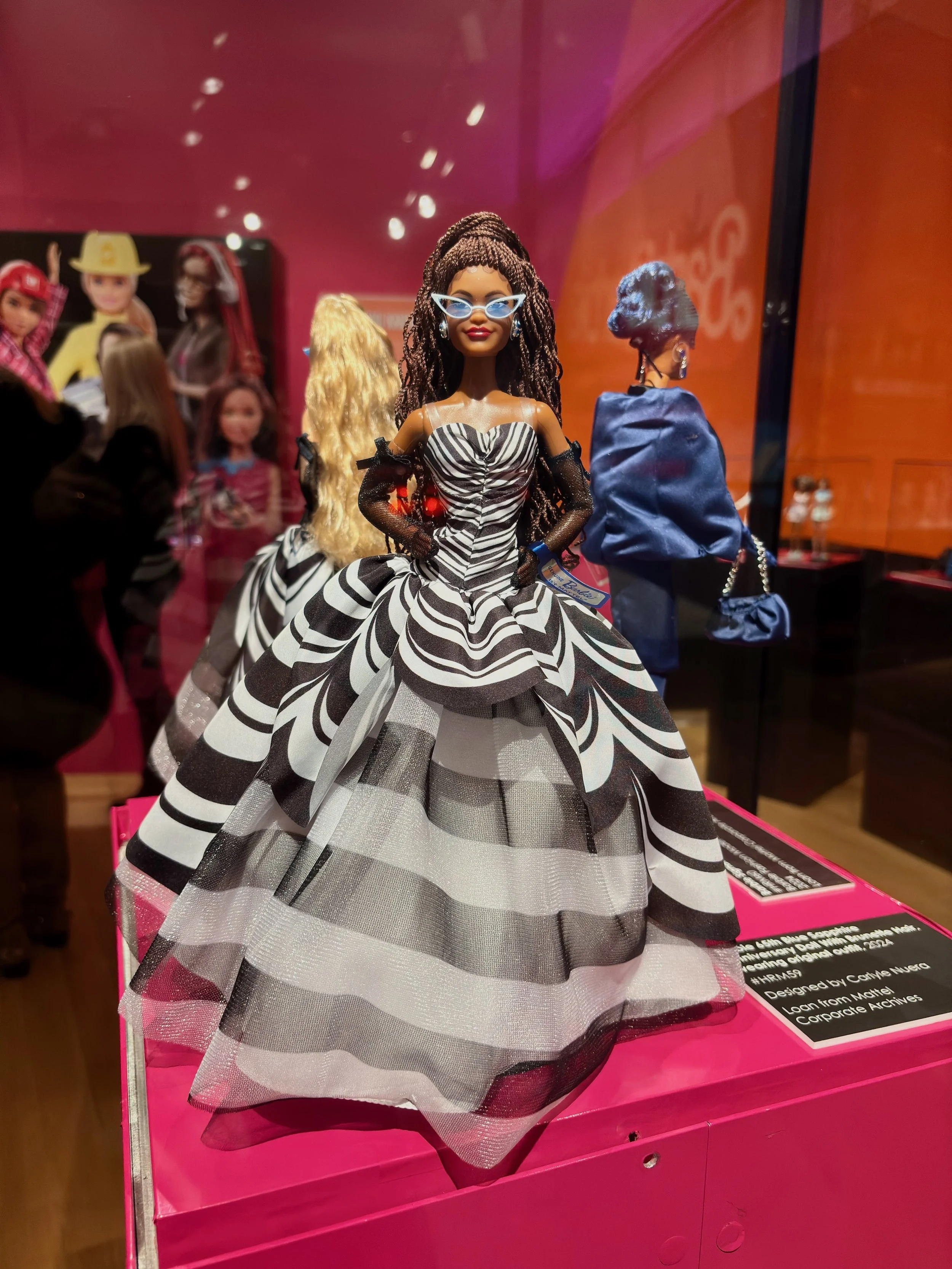
There is something instantly joyful about seeing so many Barbies together. Suddenly, childhood memories, fashion history, and pop culture seem to occupy the same room.
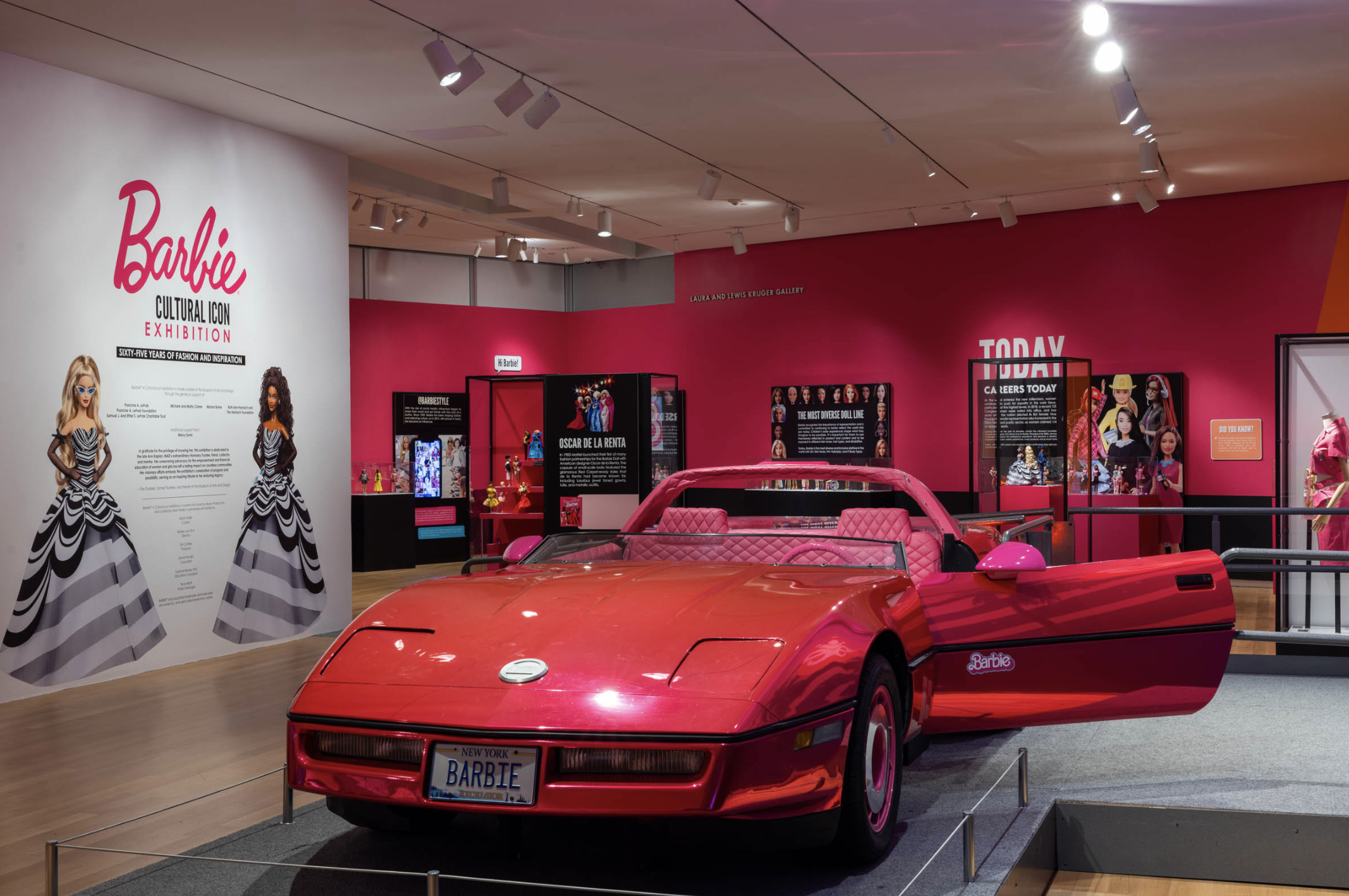
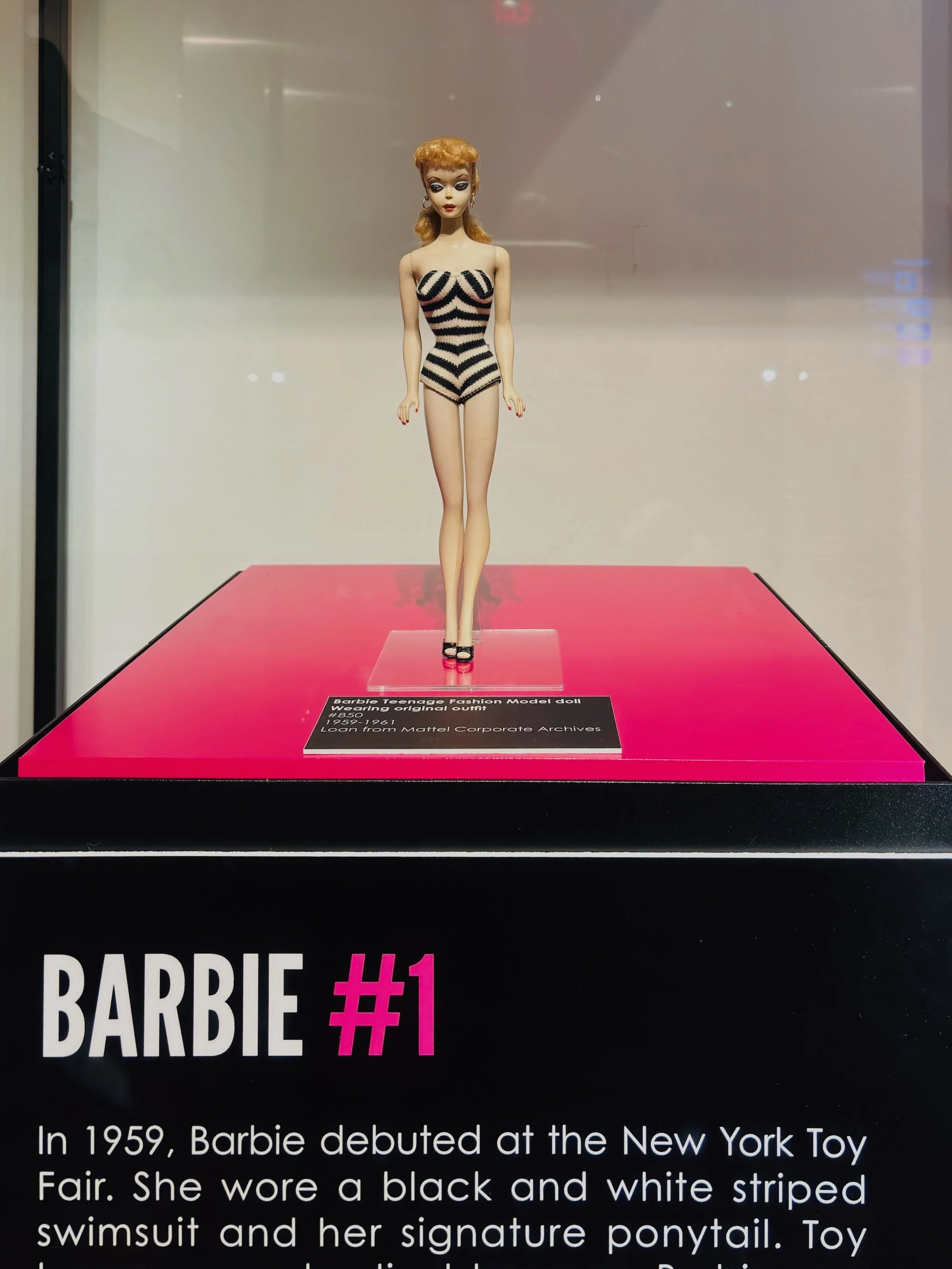
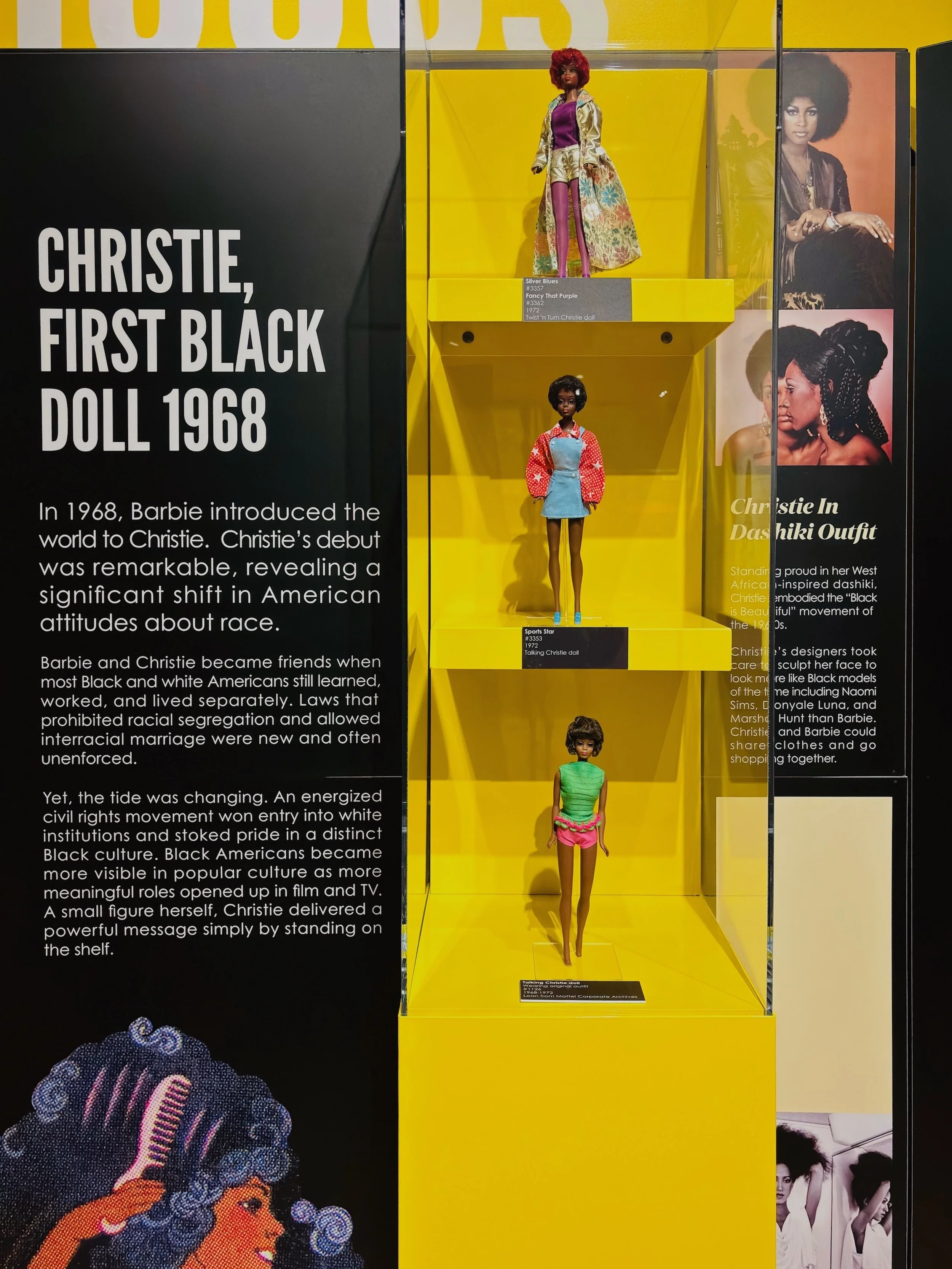
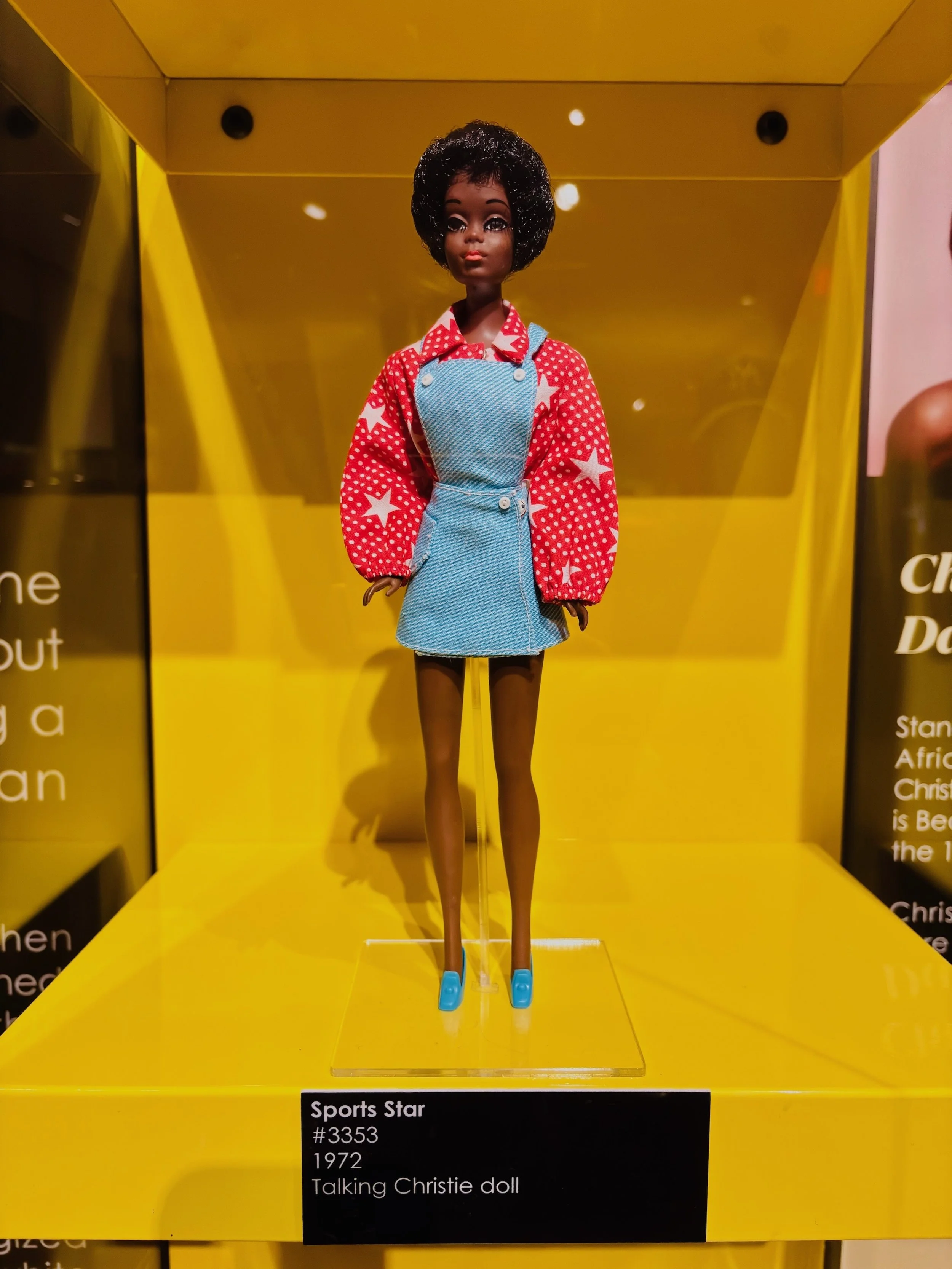
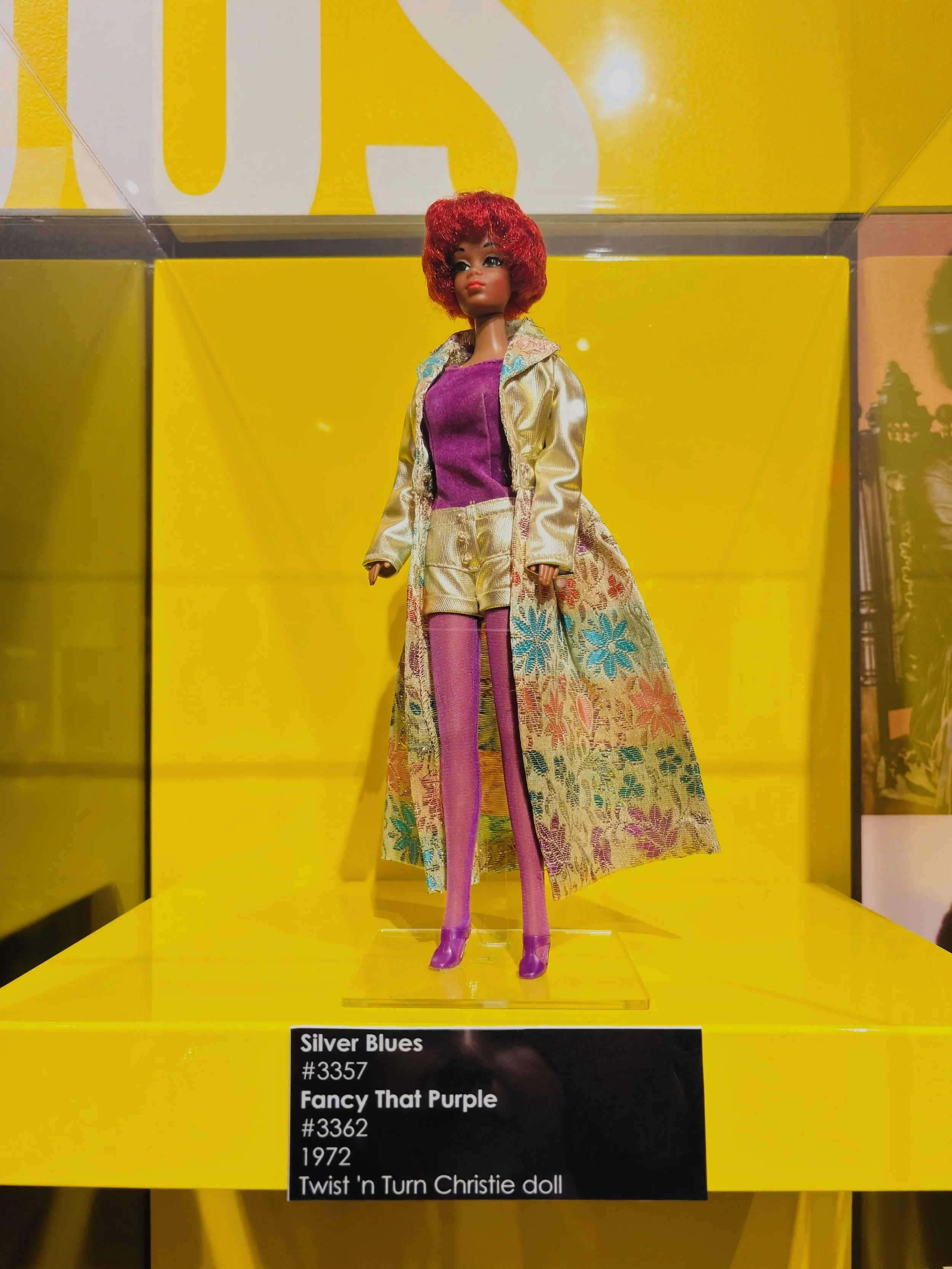
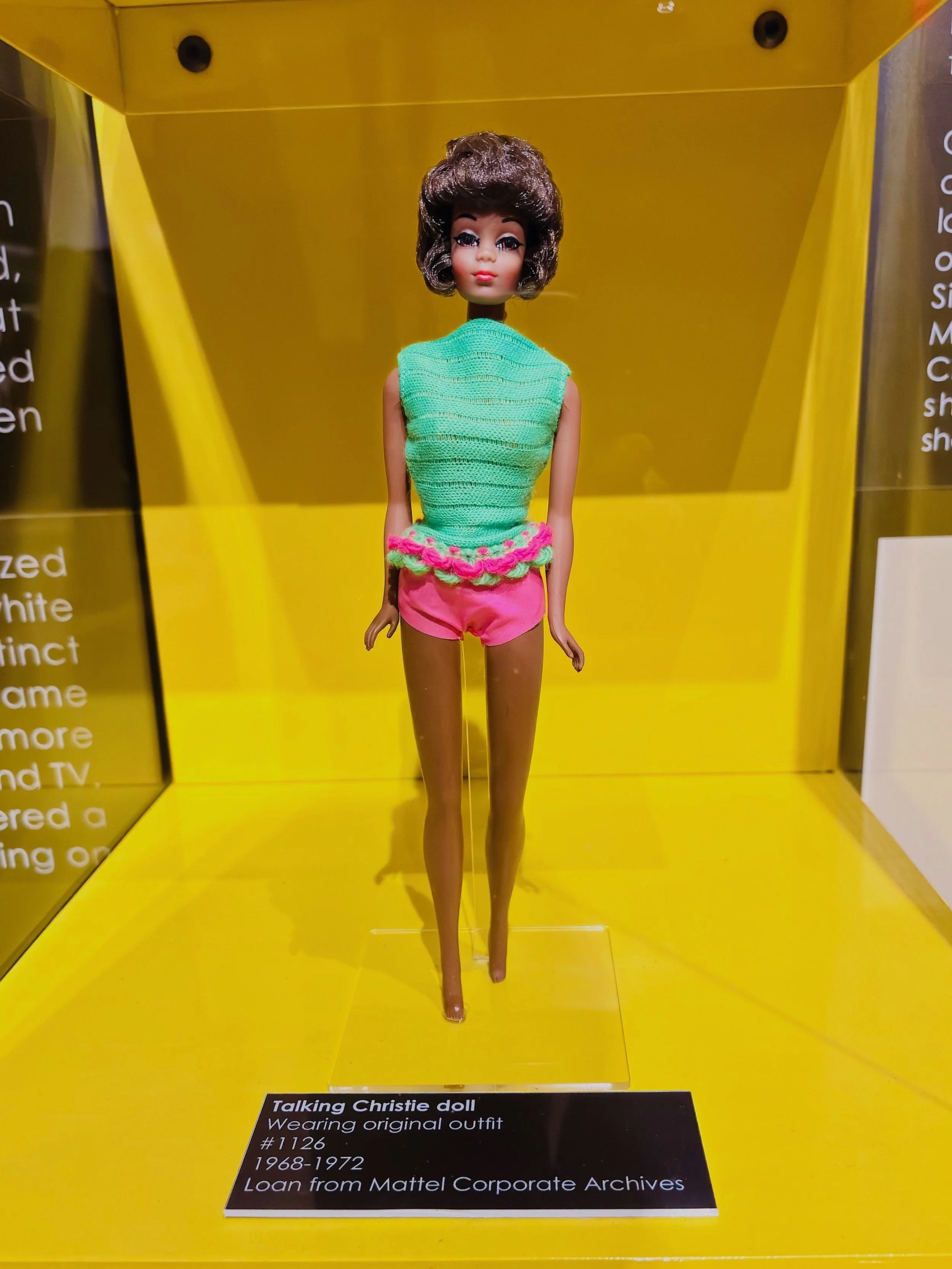
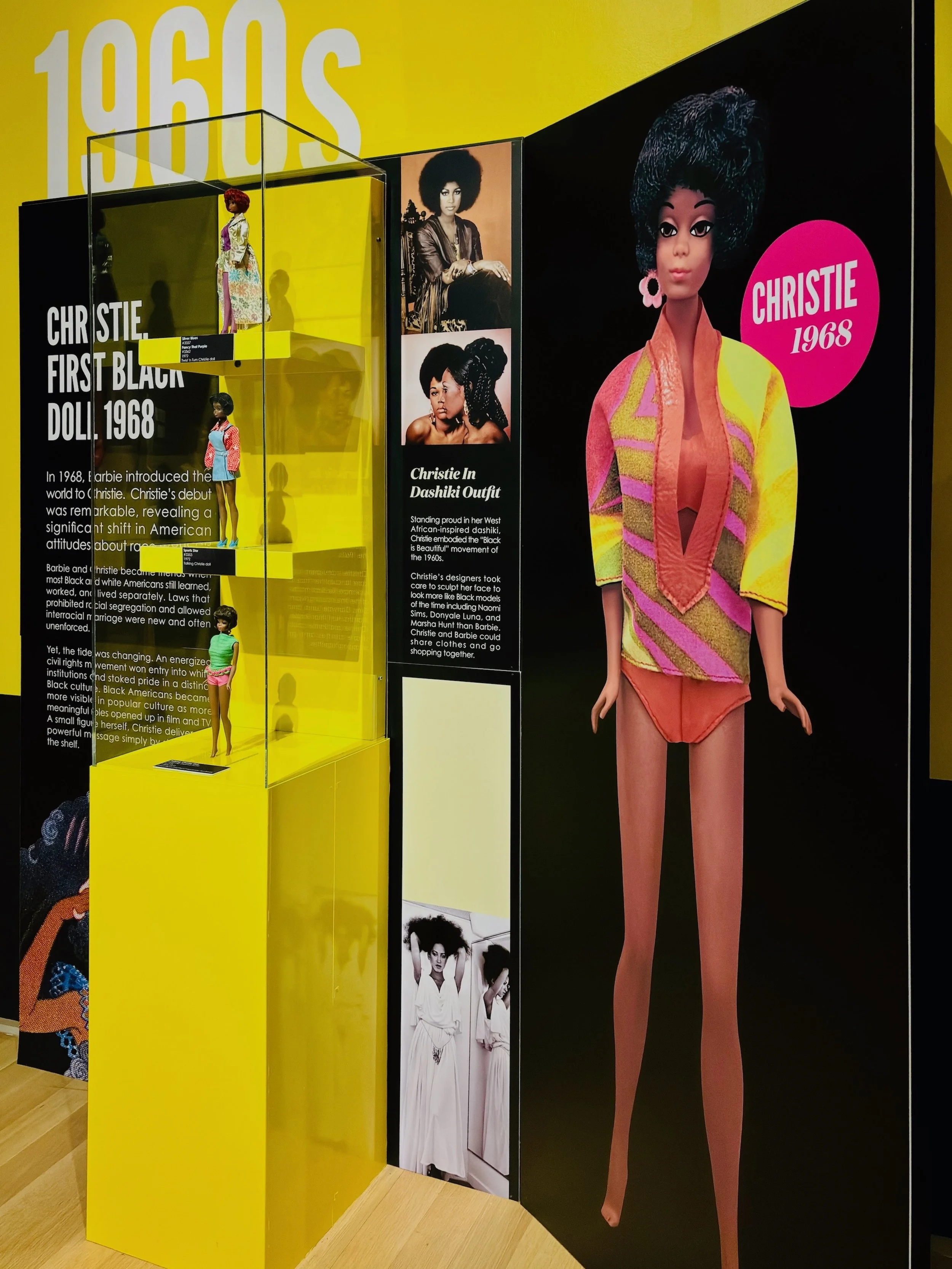
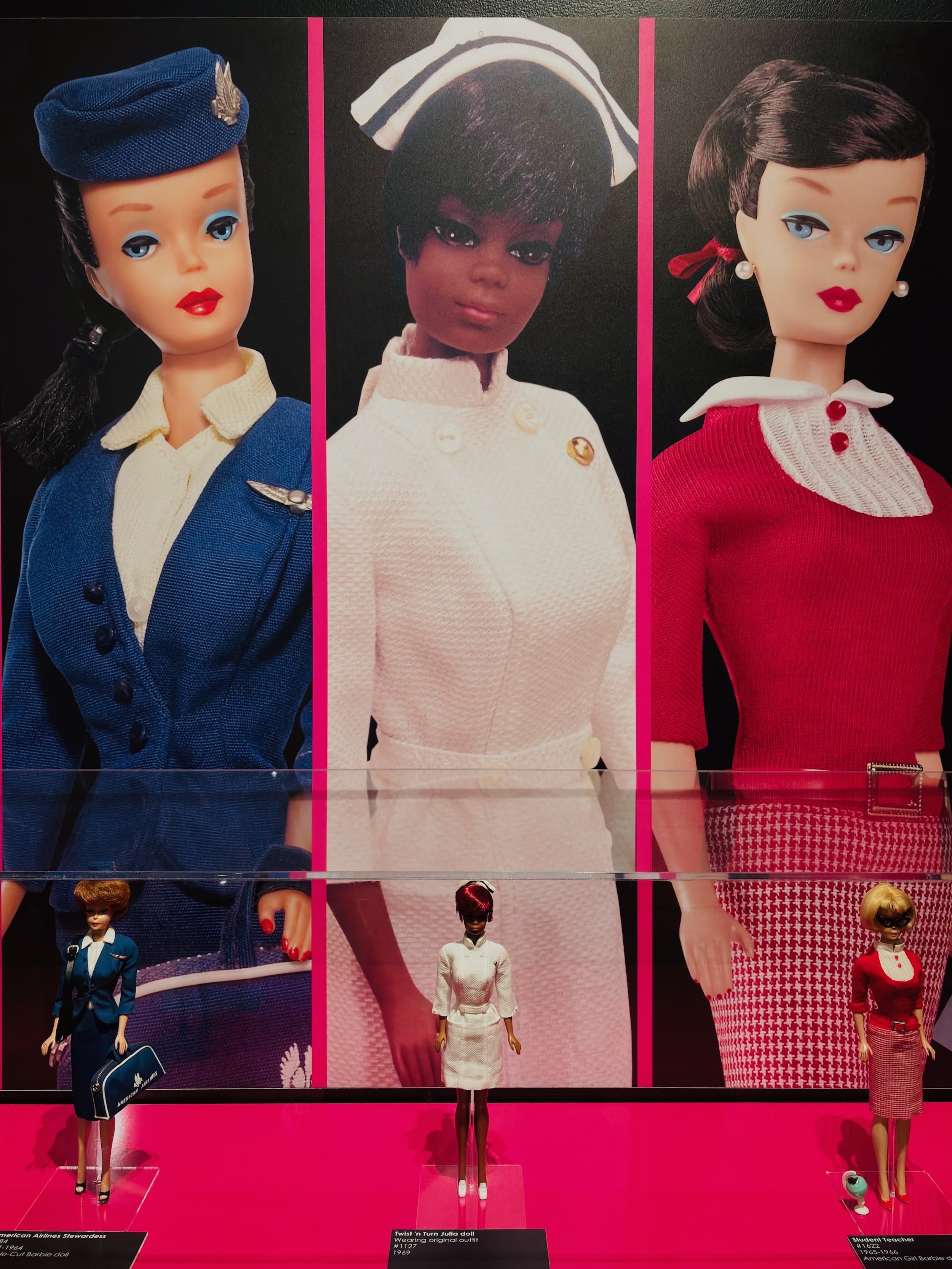
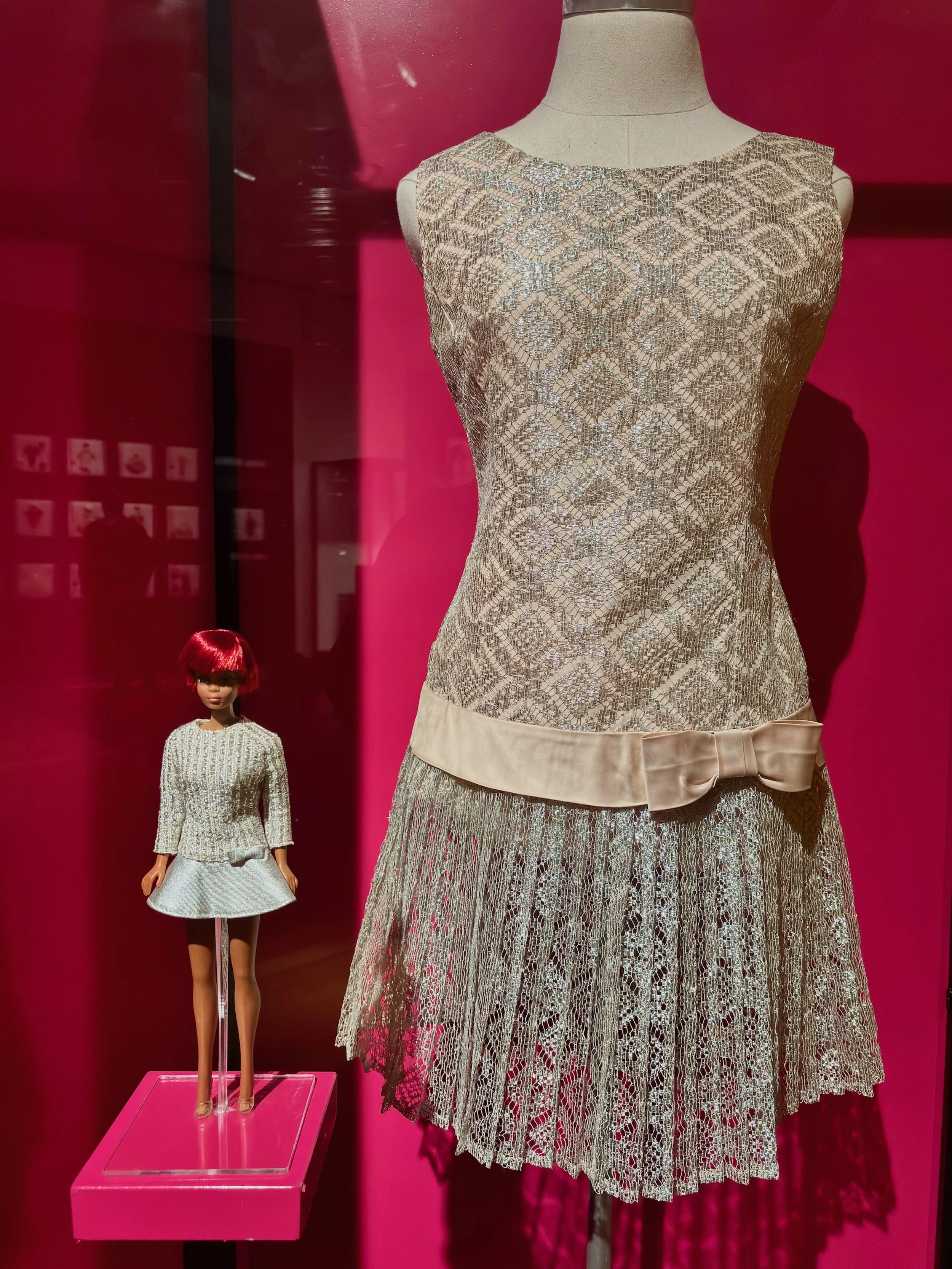
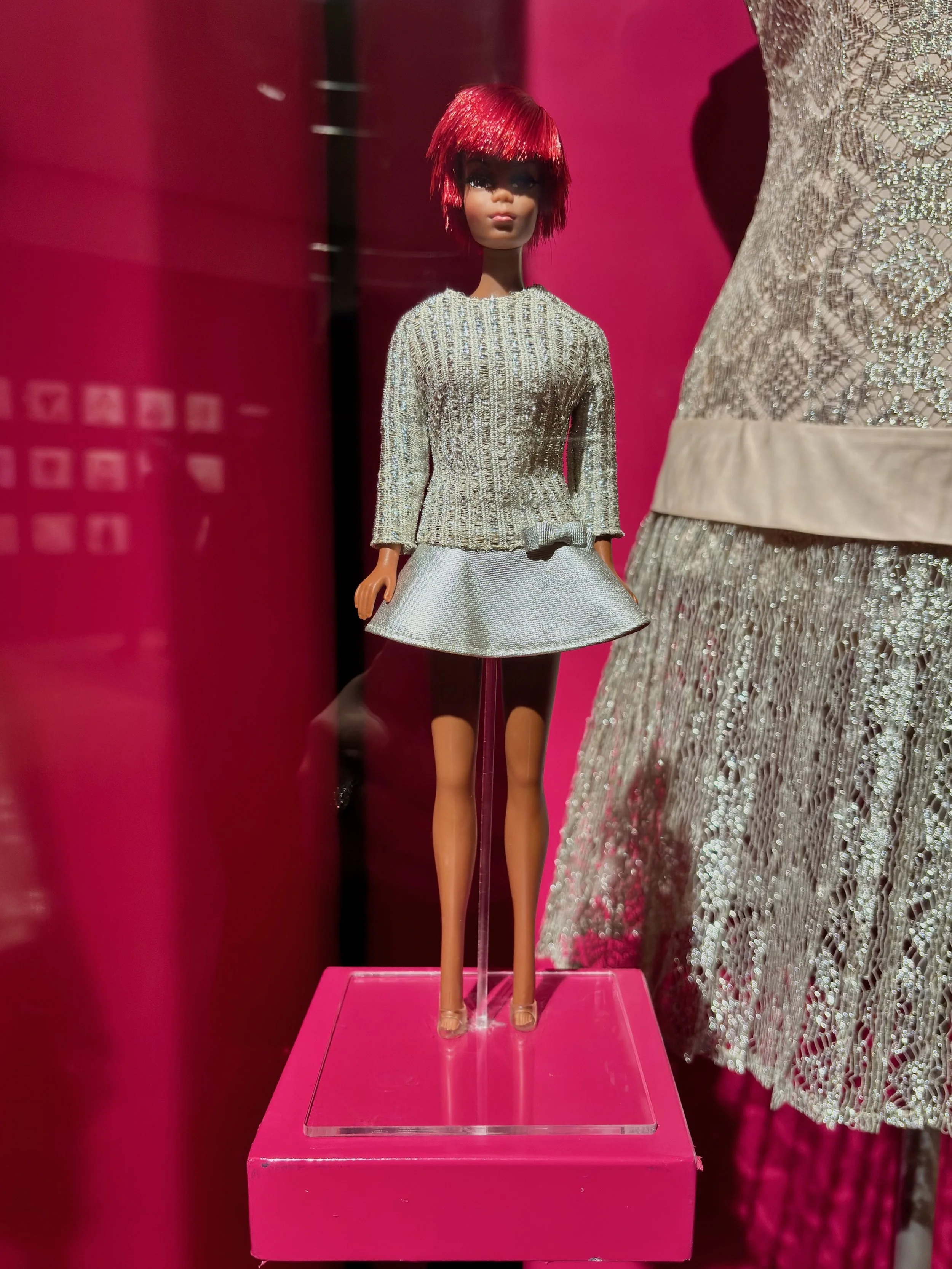
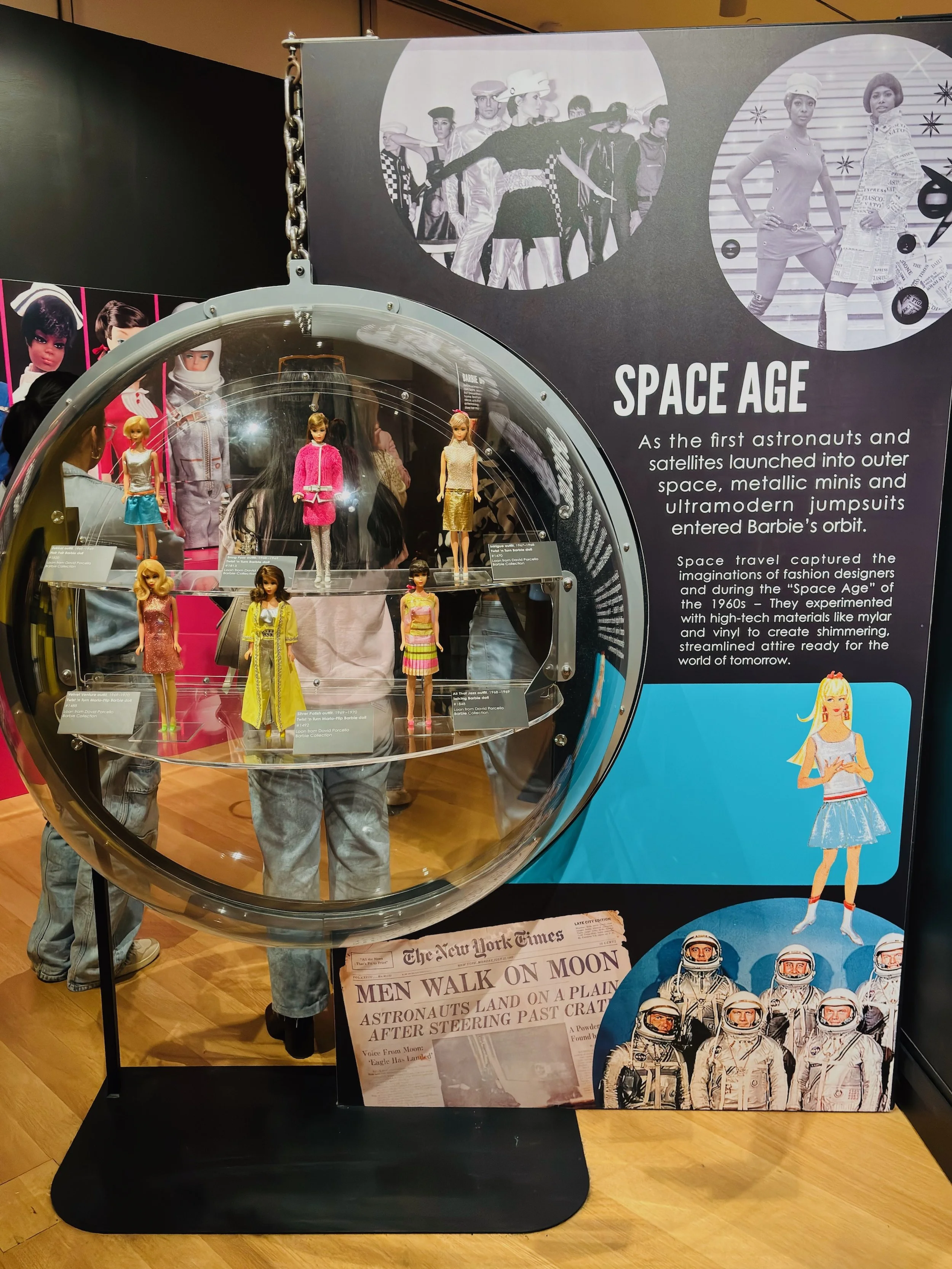
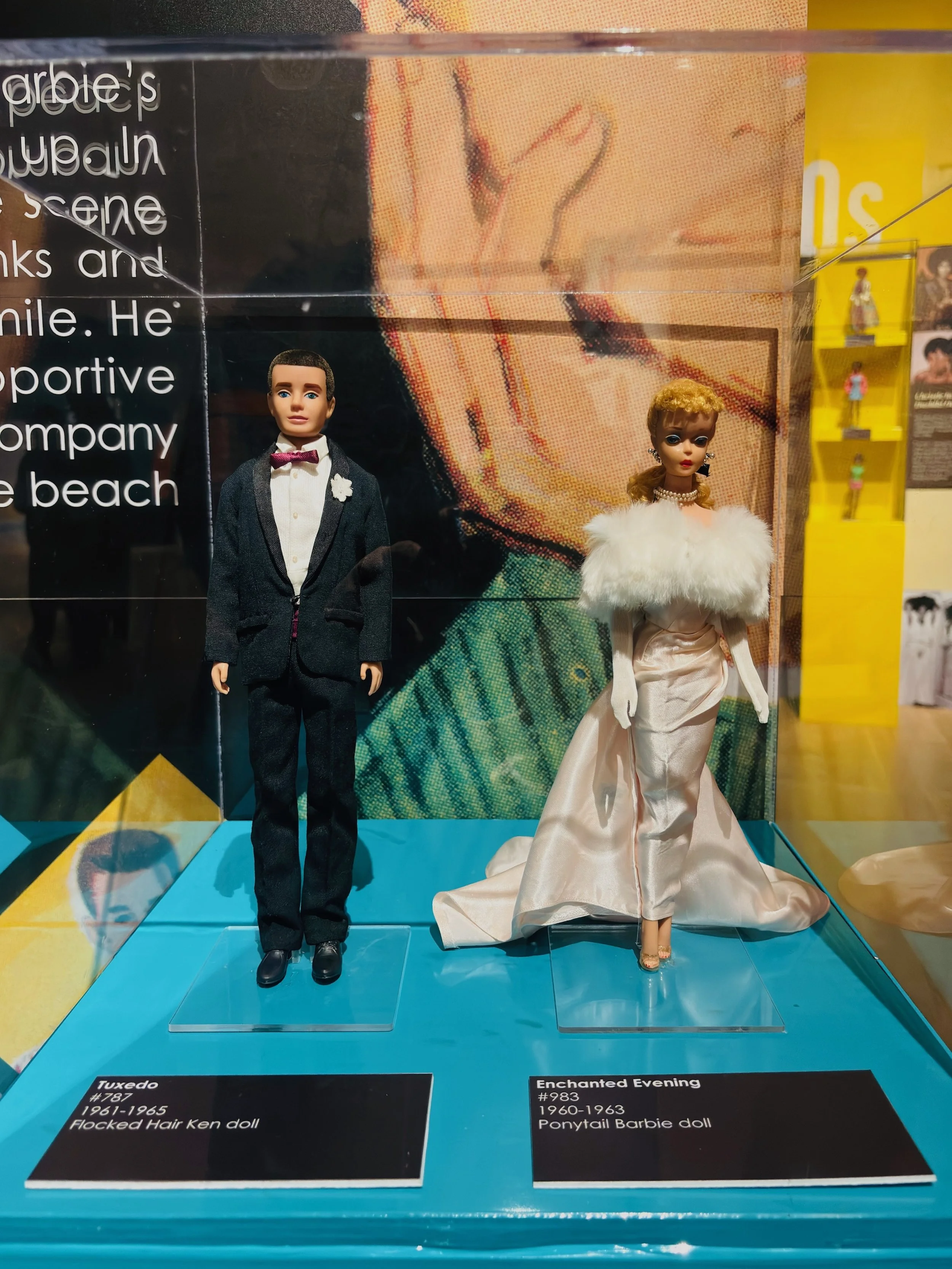
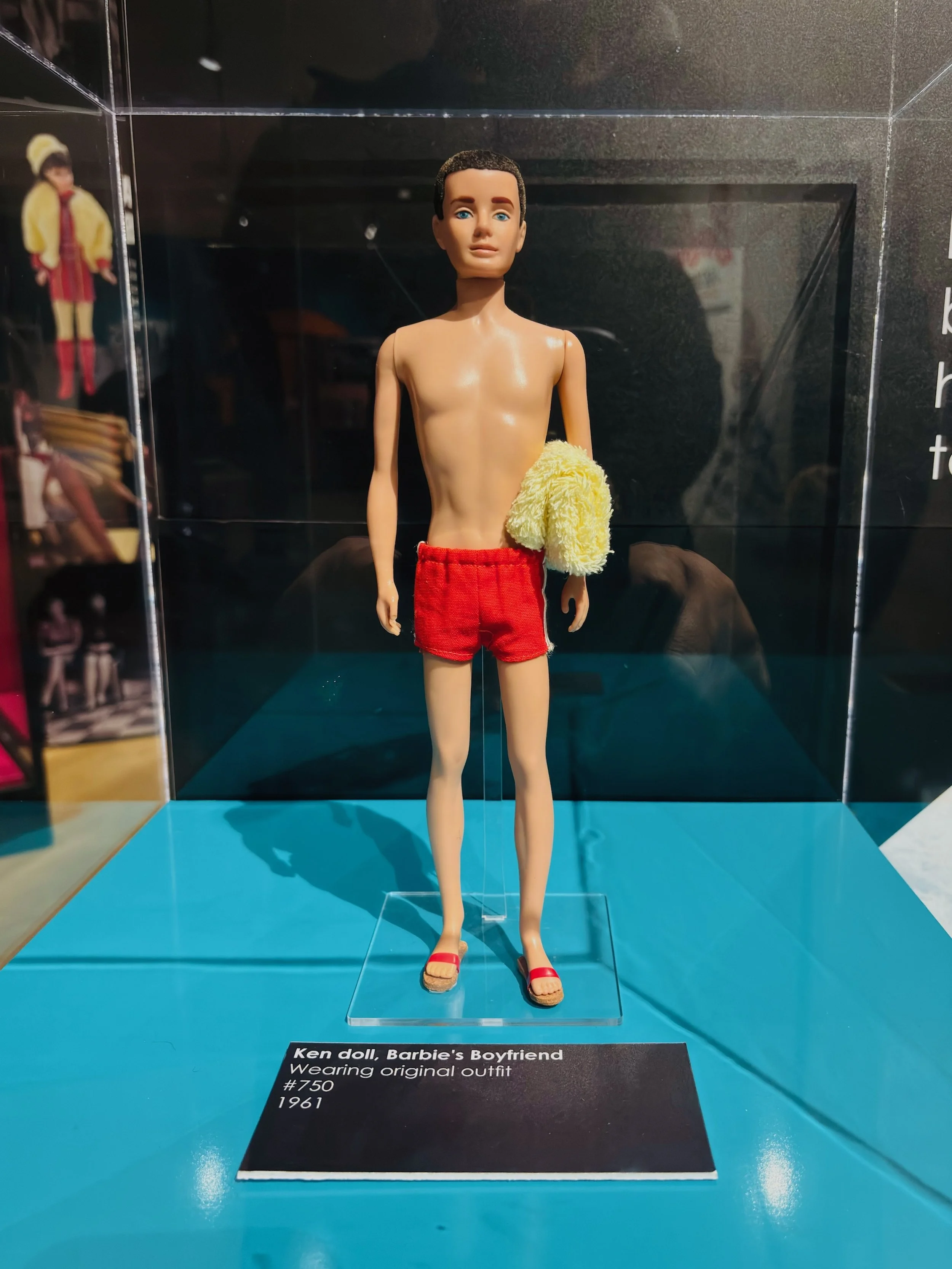
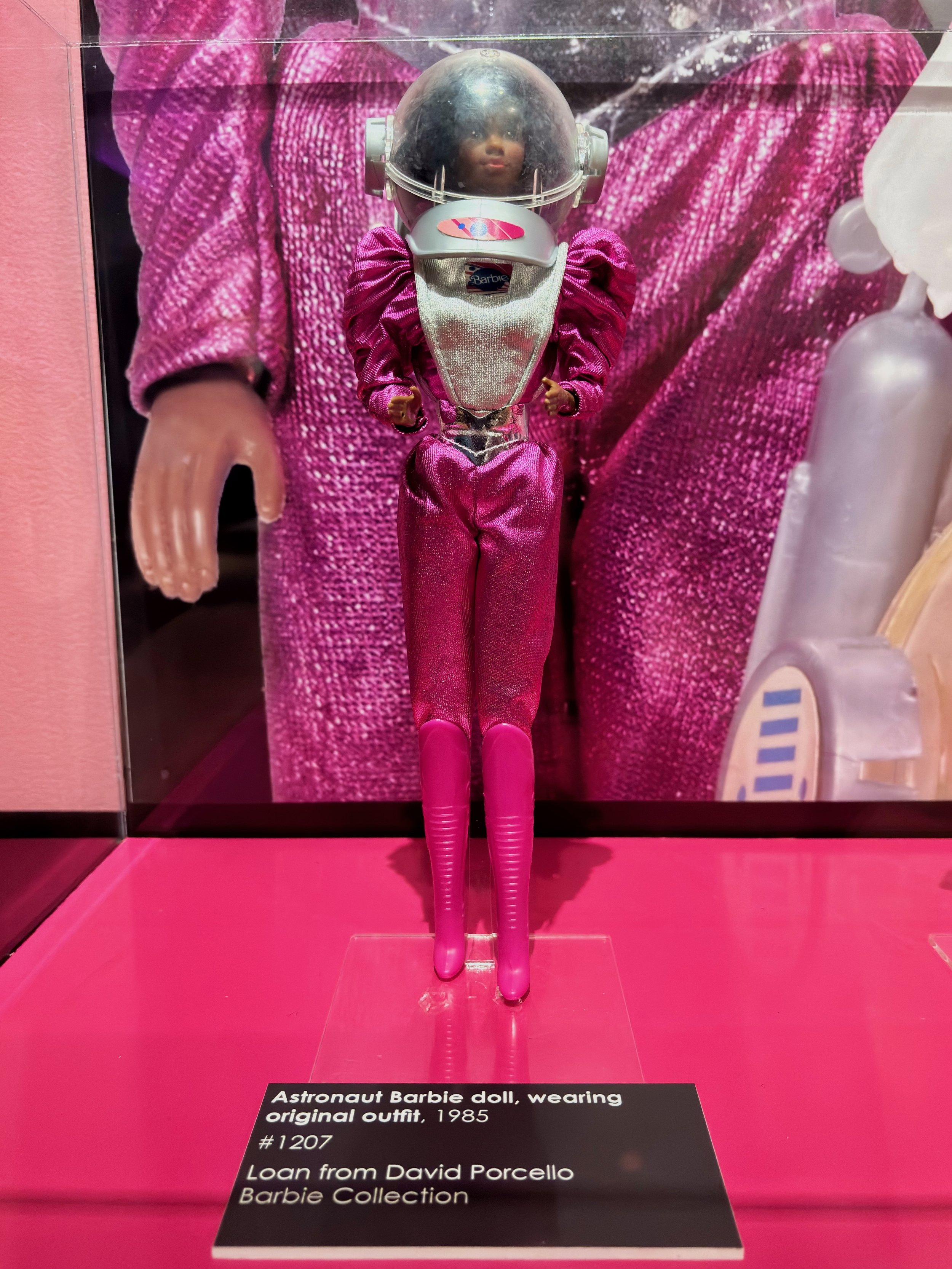
At the Museum of Arts and Design, Barbie®: A Cultural Icon, on view from October 19, 2024 through March 16, 2025, takes us on a colorful journey through more than six decades of Barbie's ever-changing world. From her earliest fashions to the many careers, identities, and styles she embraces over the years, the exhibition shows just how much can change around one remarkably familiar figure.

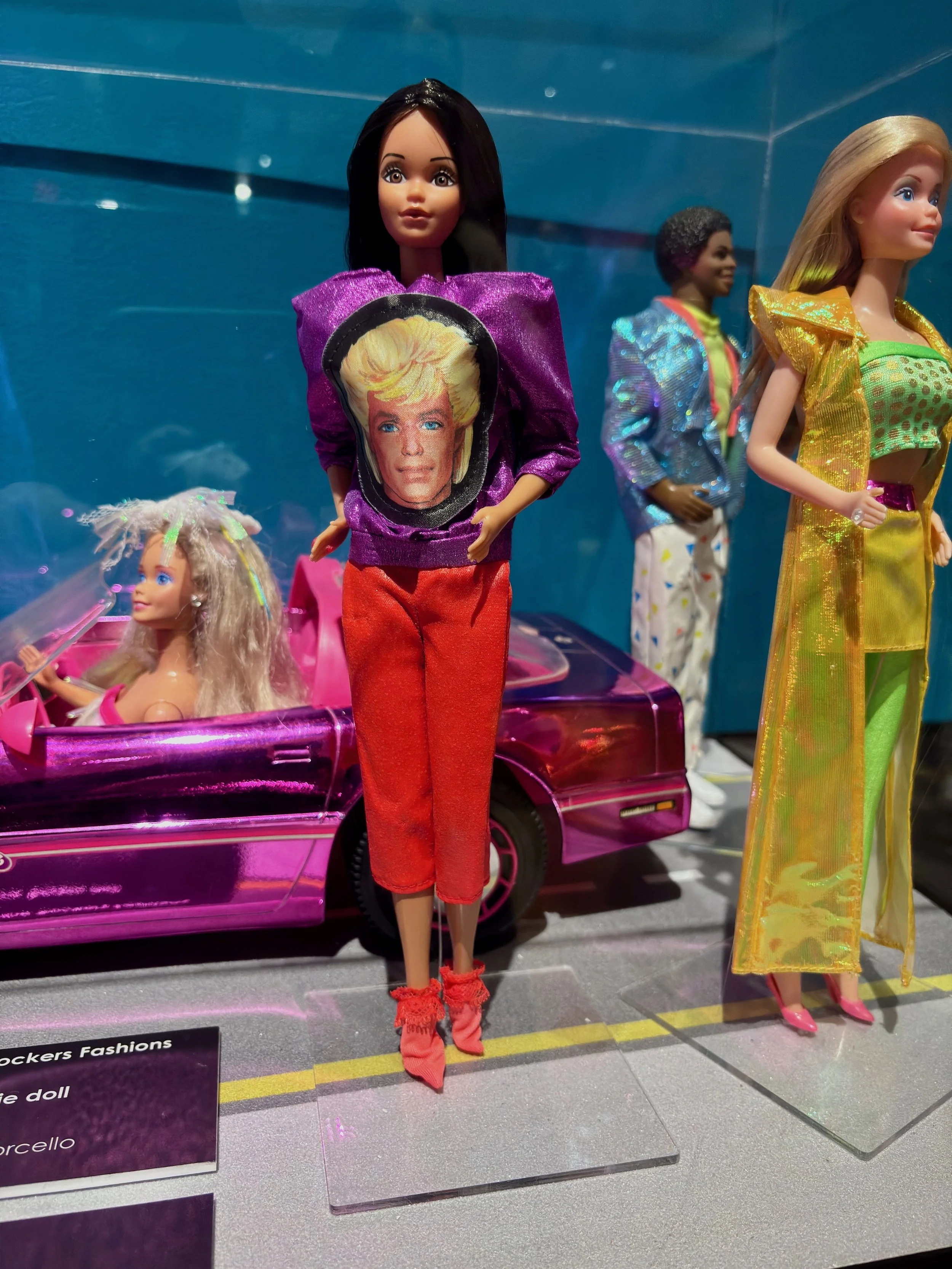
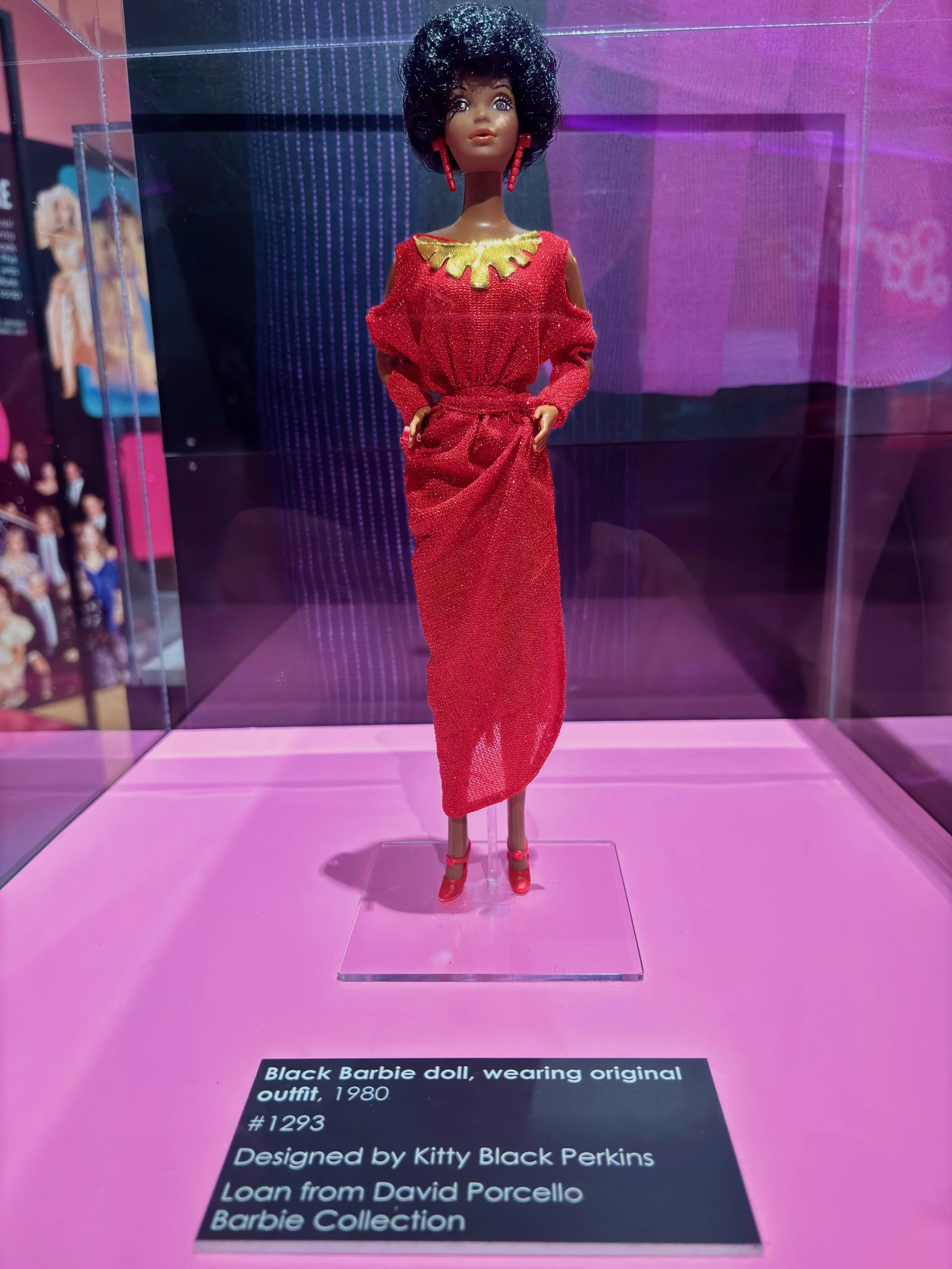
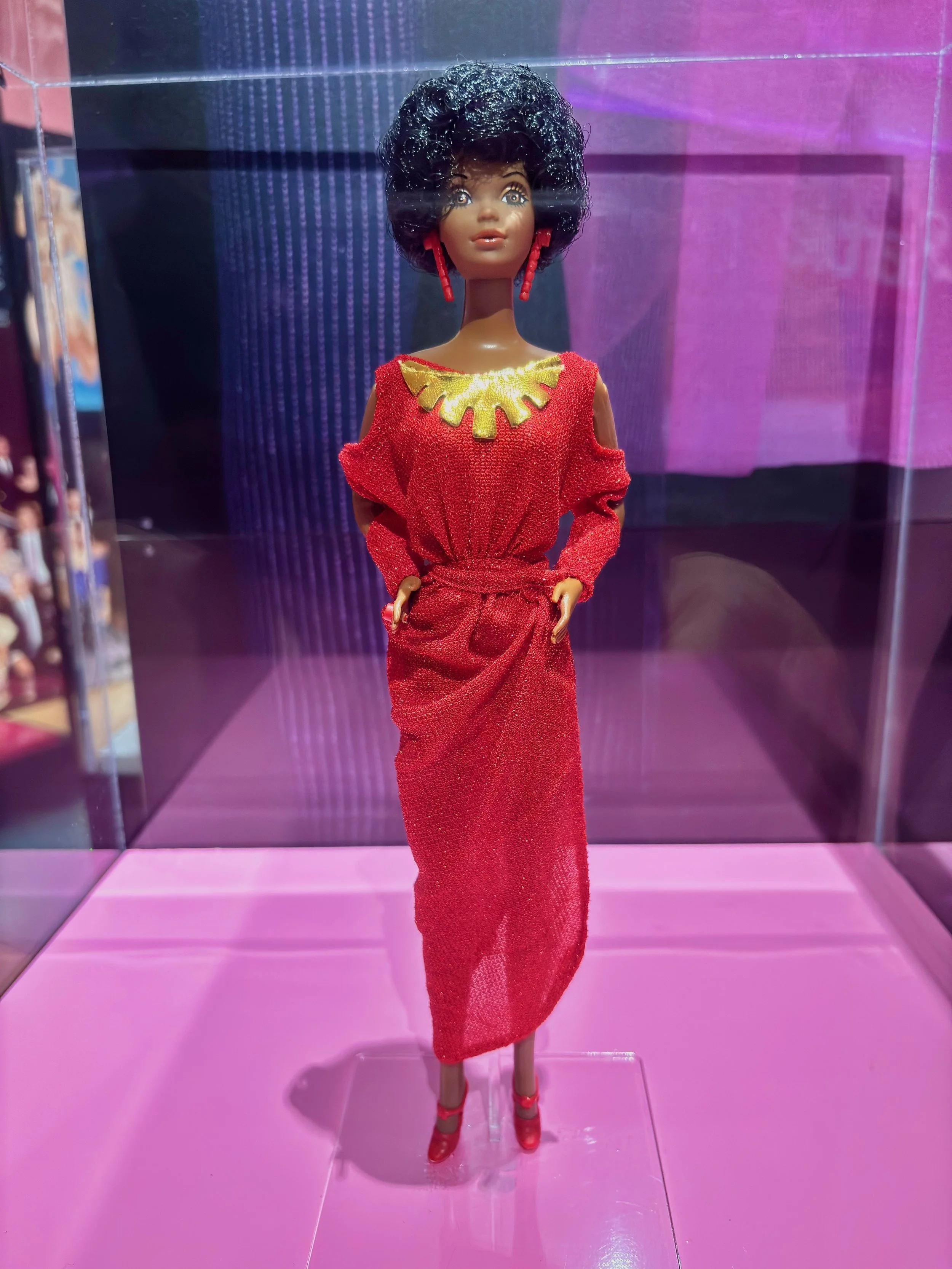
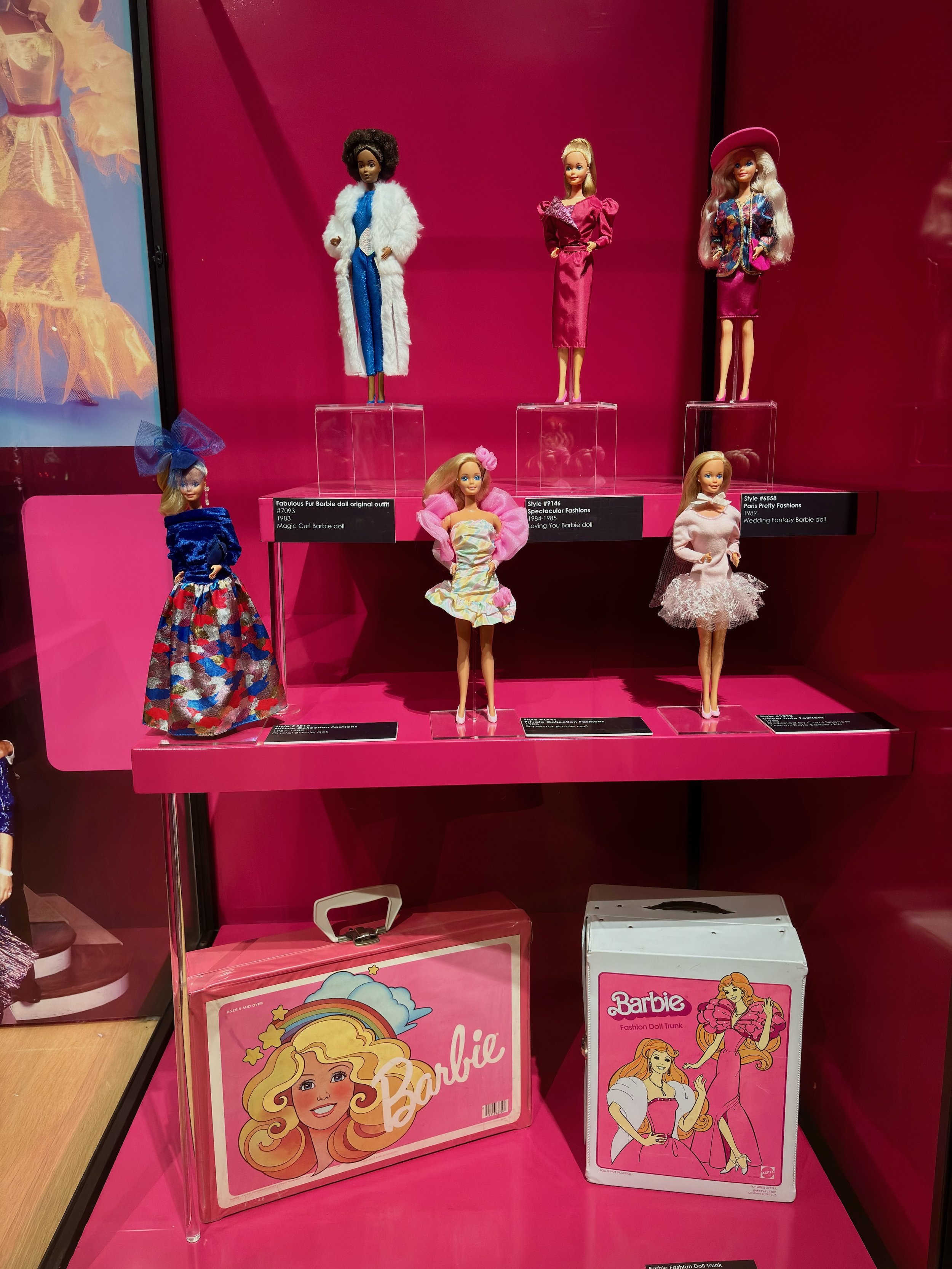
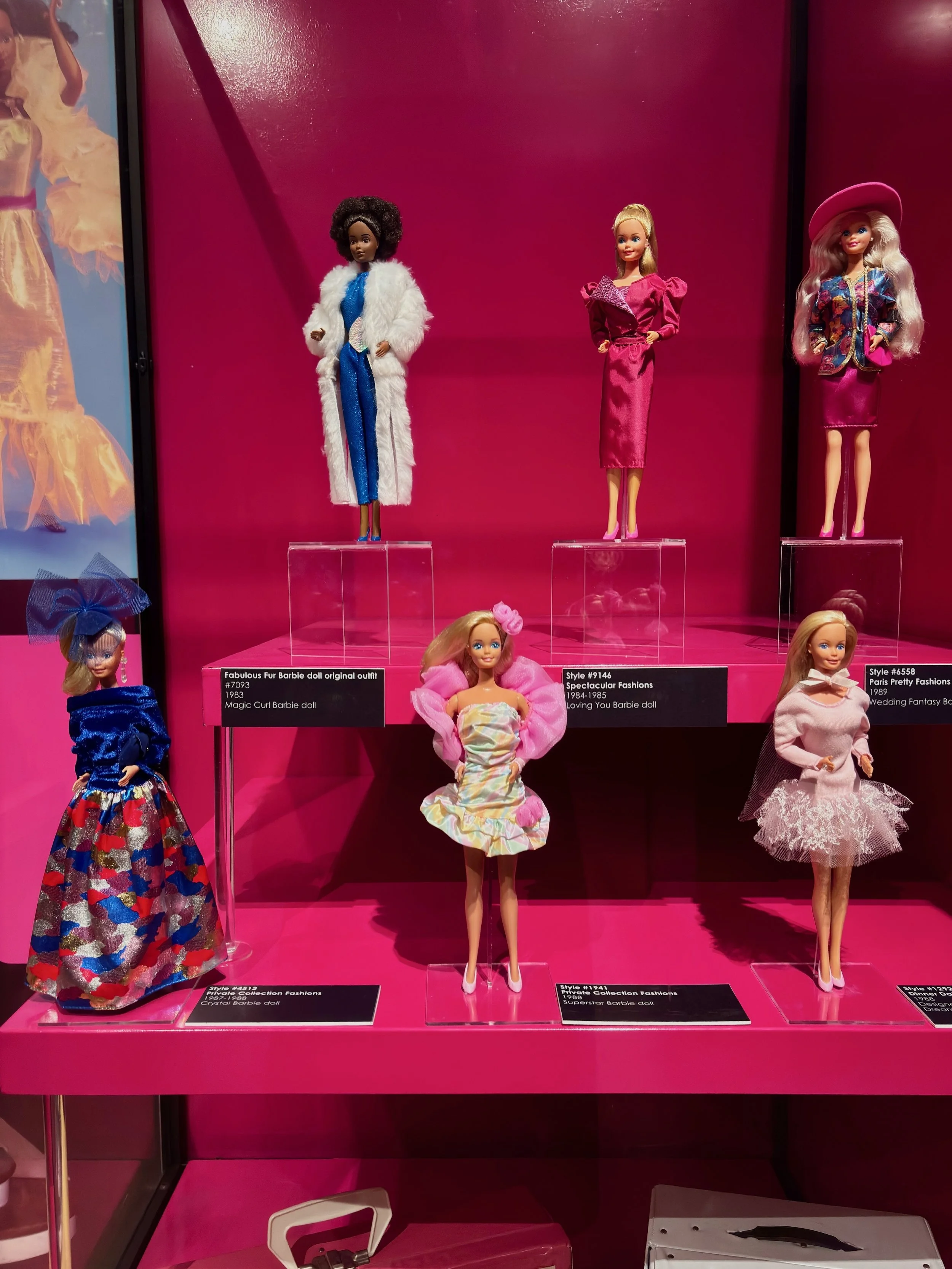
The fashion is, of course, part of the fun. Tiny ensembles capture the spirit of their eras, from the polished looks of the early years to the bold colors and unmistakable styles of the 1970s, 1980s, and 1990s. The details are irresistible, and we find ourselves looking closely at everything from shoes and accessories to hairstyles and silhouettes.

We have more than 70 photographs to share from our visit, a reflection of just how much we want to remember from this wonderfully nostalgic exhibition. The images capture the visual delight of the dolls, fashions, and larger-than-life moments that make the exhibition so enjoyable to explore. There is something wonderfully nostalgic about seeing these familiar faces and outfits again, while also discovering versions of Barbie that reflect how ideas of beauty, identity, and possibility continue to evolve.

What makes the exhibition work so well is that it does not ask us to take Barbie too seriously. It lets us enjoy her. We can admire the clothes, remember the dolls we once loved and desperately wanted to own, marvel at the details, and appreciate how this small figure becomes such a lasting part of popular culture.
A little fashion, a little nostalgia, and a lot of pink. Sometimes an exhibition can simply be fun, and Barbie®: A Cultural Icon gives us every reason to enjoy it.
Comment

Lillie P. Bliss at MoMA: The Woman Behind Modern Art’s Rise

Comment

Lillie P. Bliss at MoMA: The Woman Behind Modern Art’s Rise

Some exhibitions celebrate artists. This one at MoMA quietly honors one of the founders who believed in them before the rest of the world did.

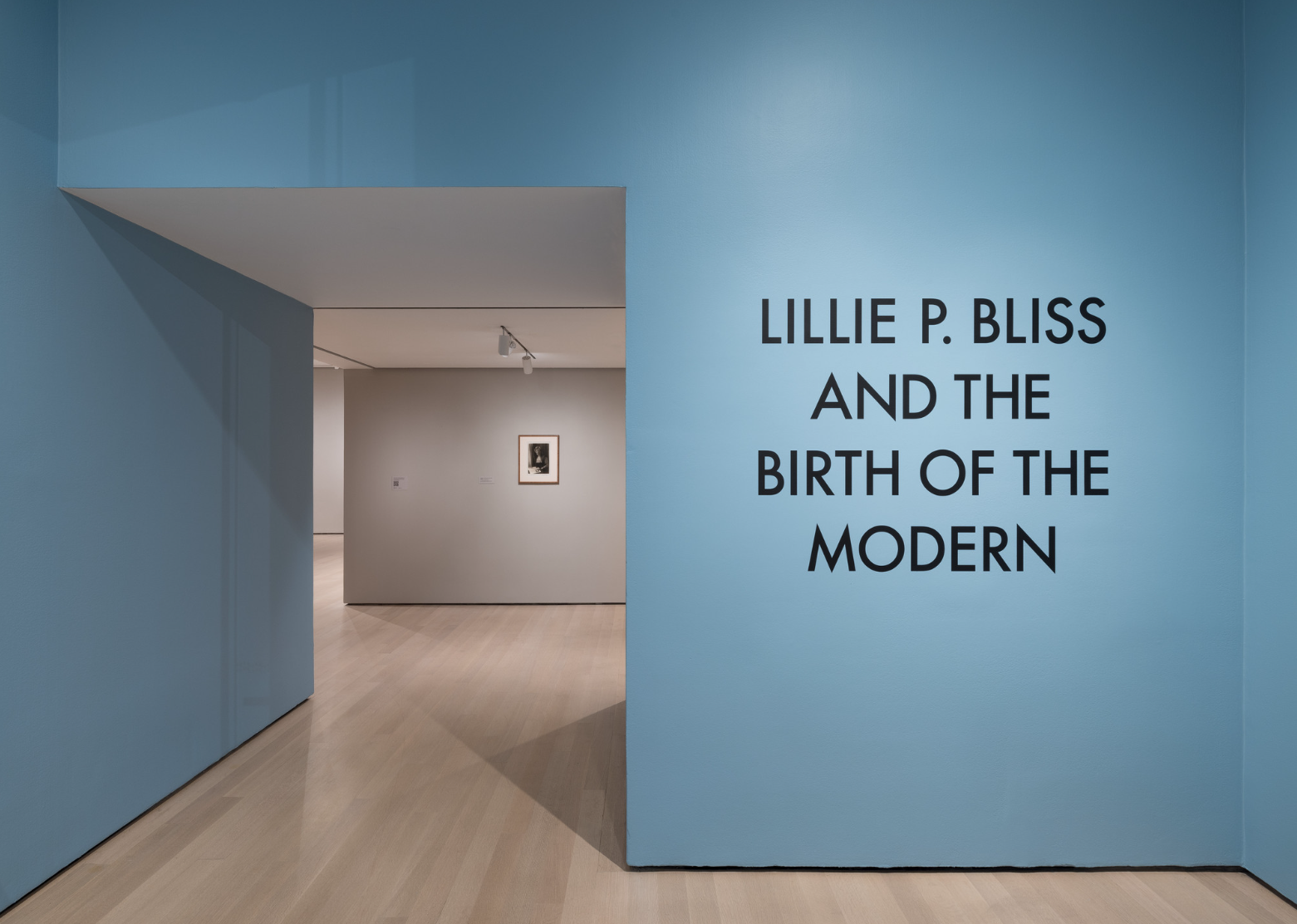
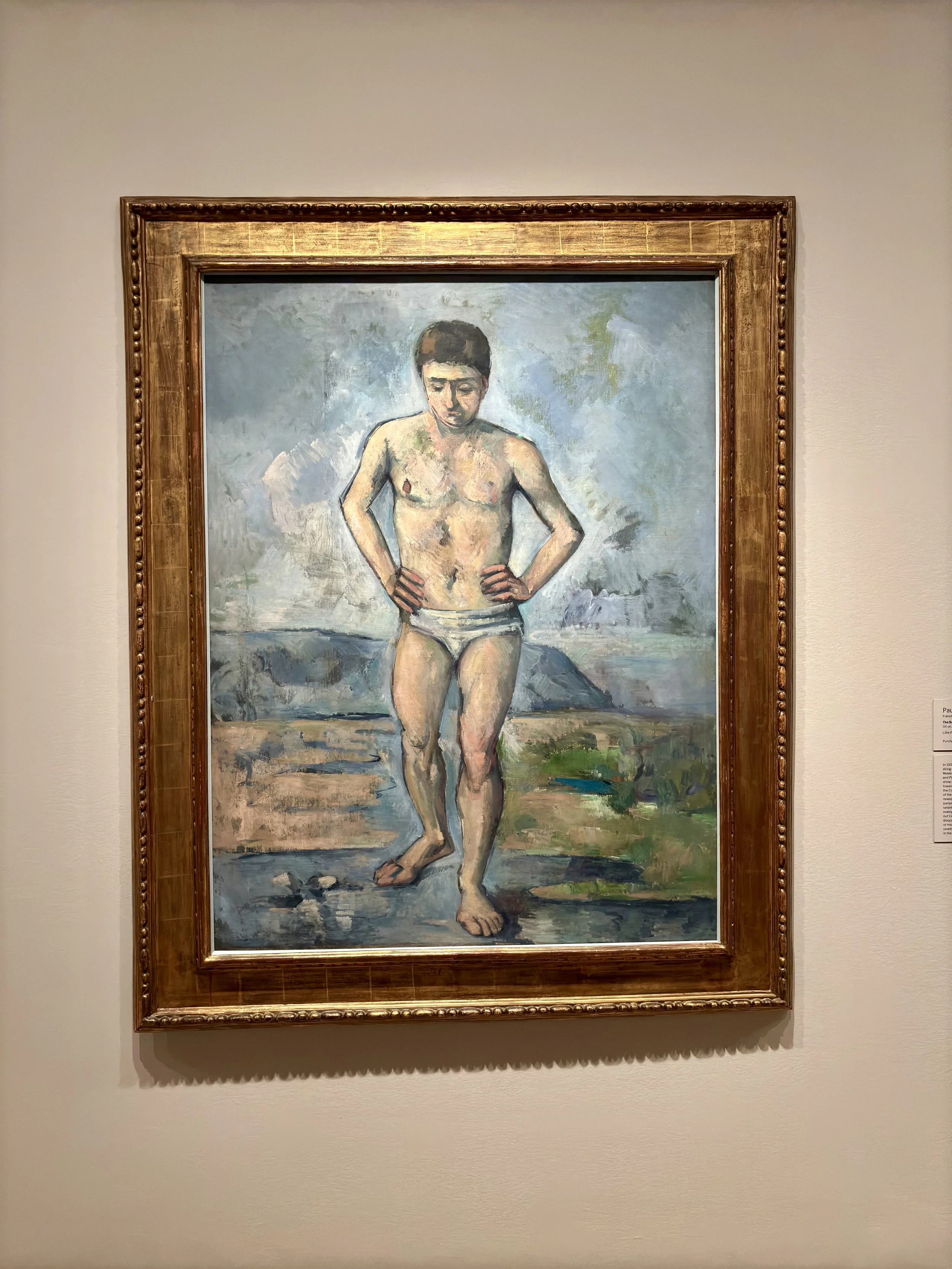
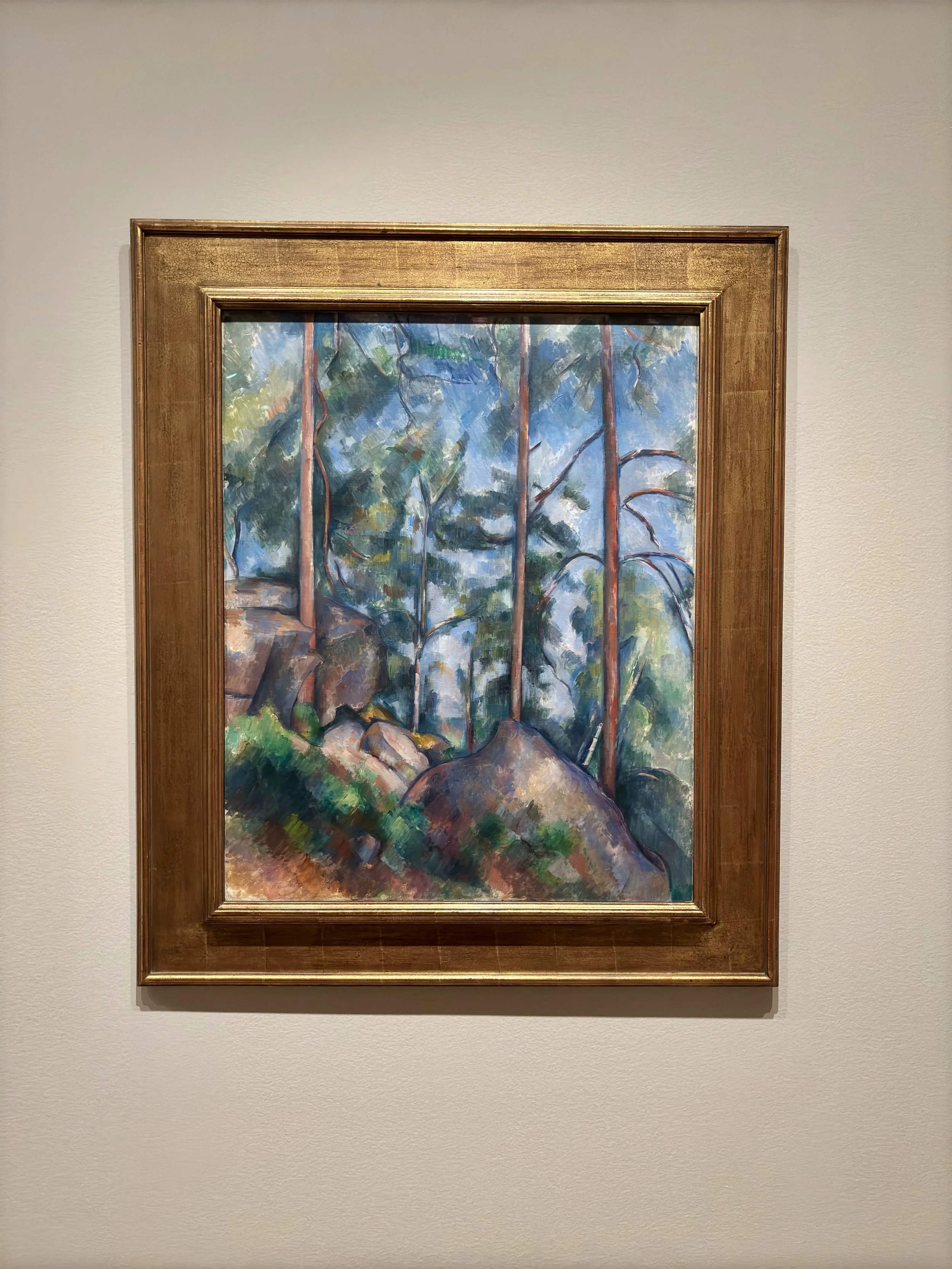
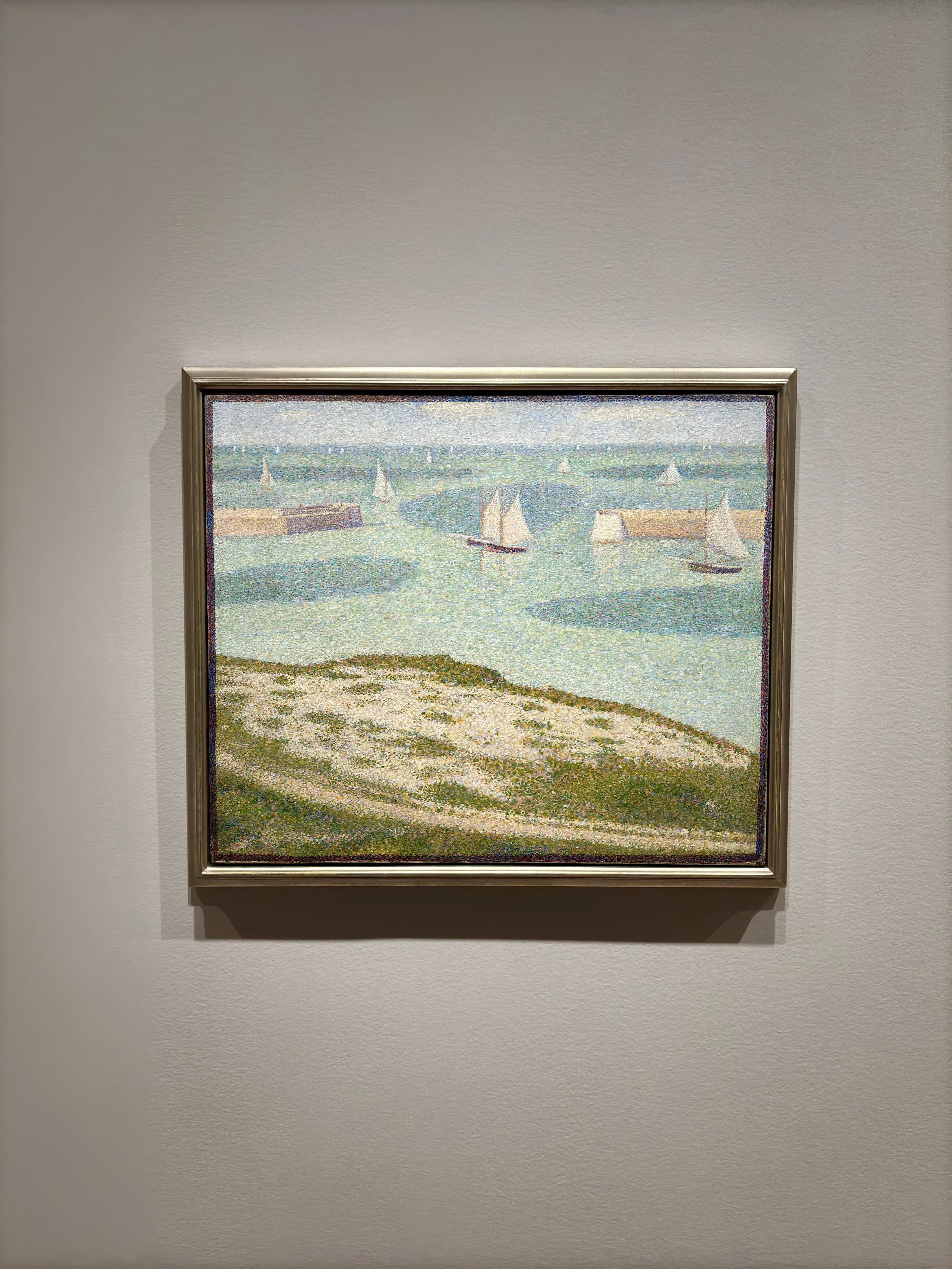
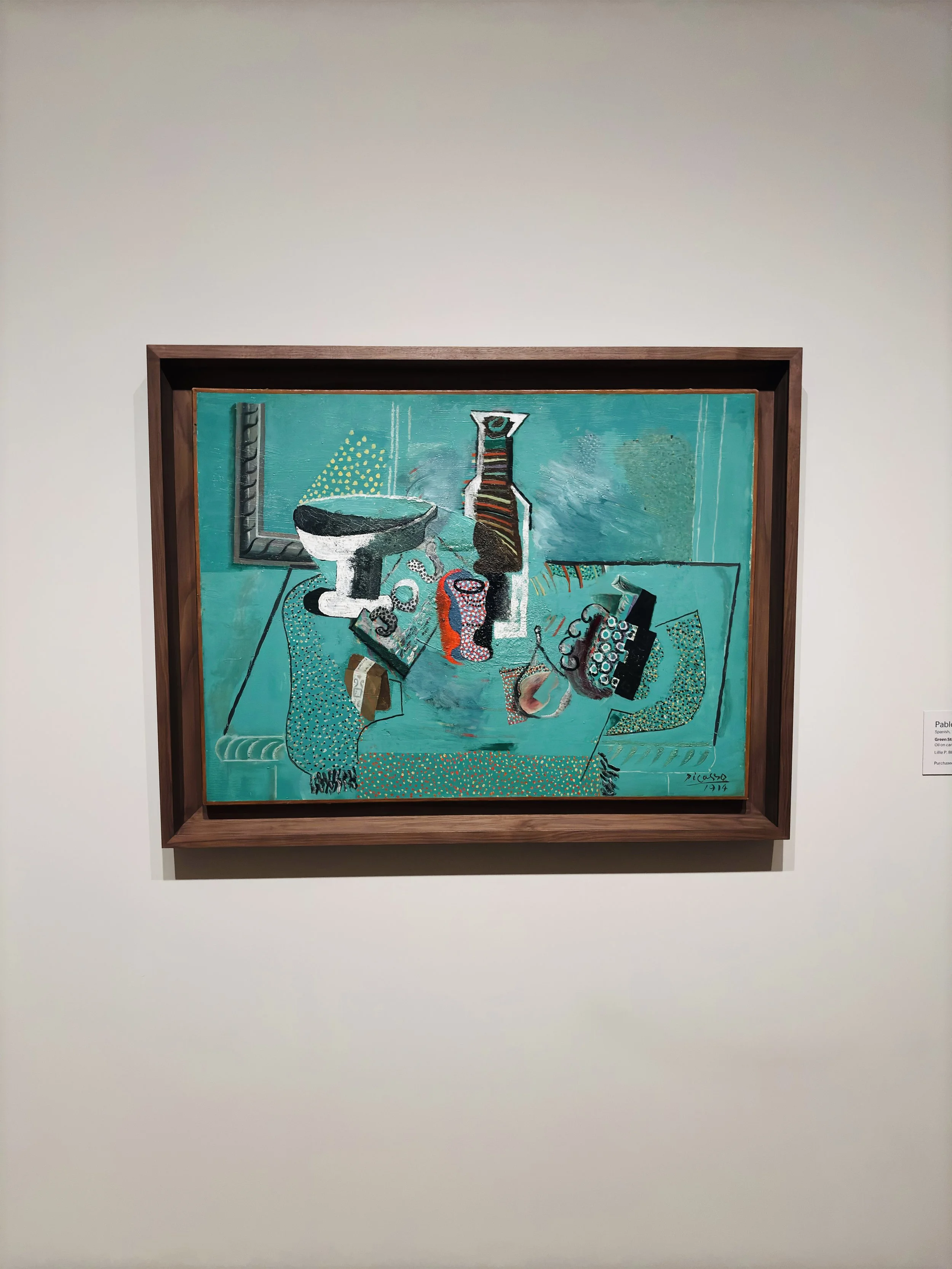
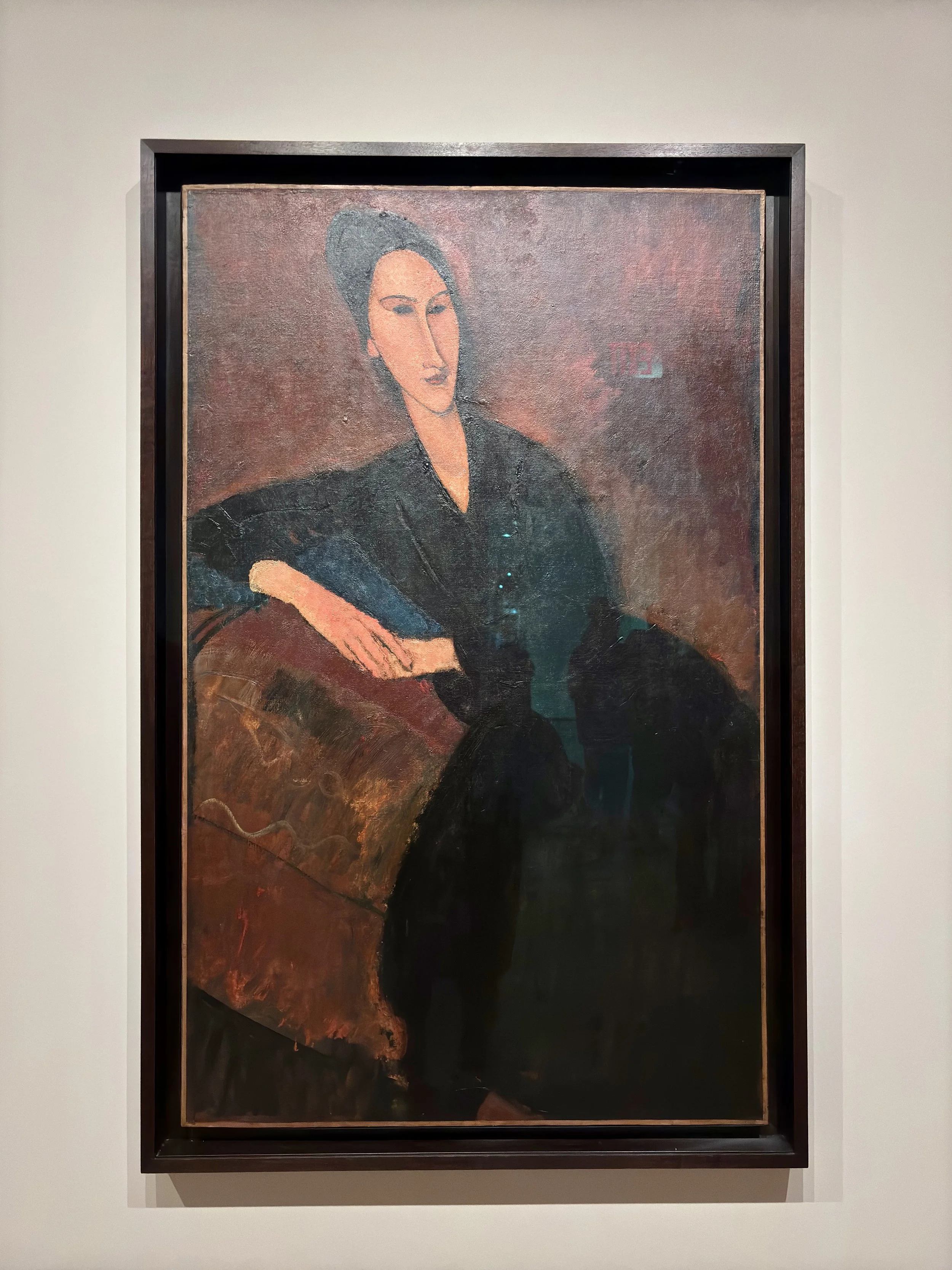
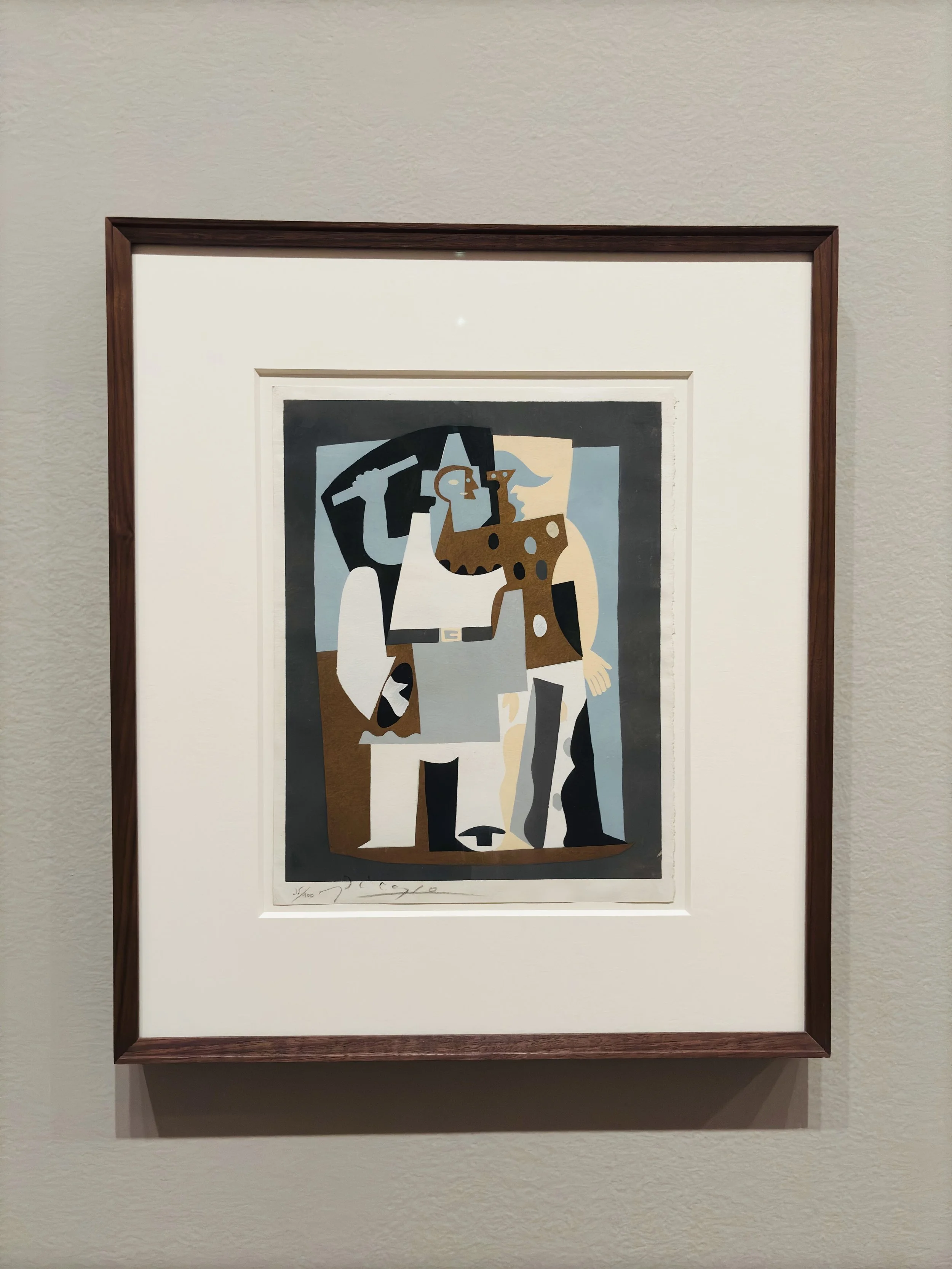
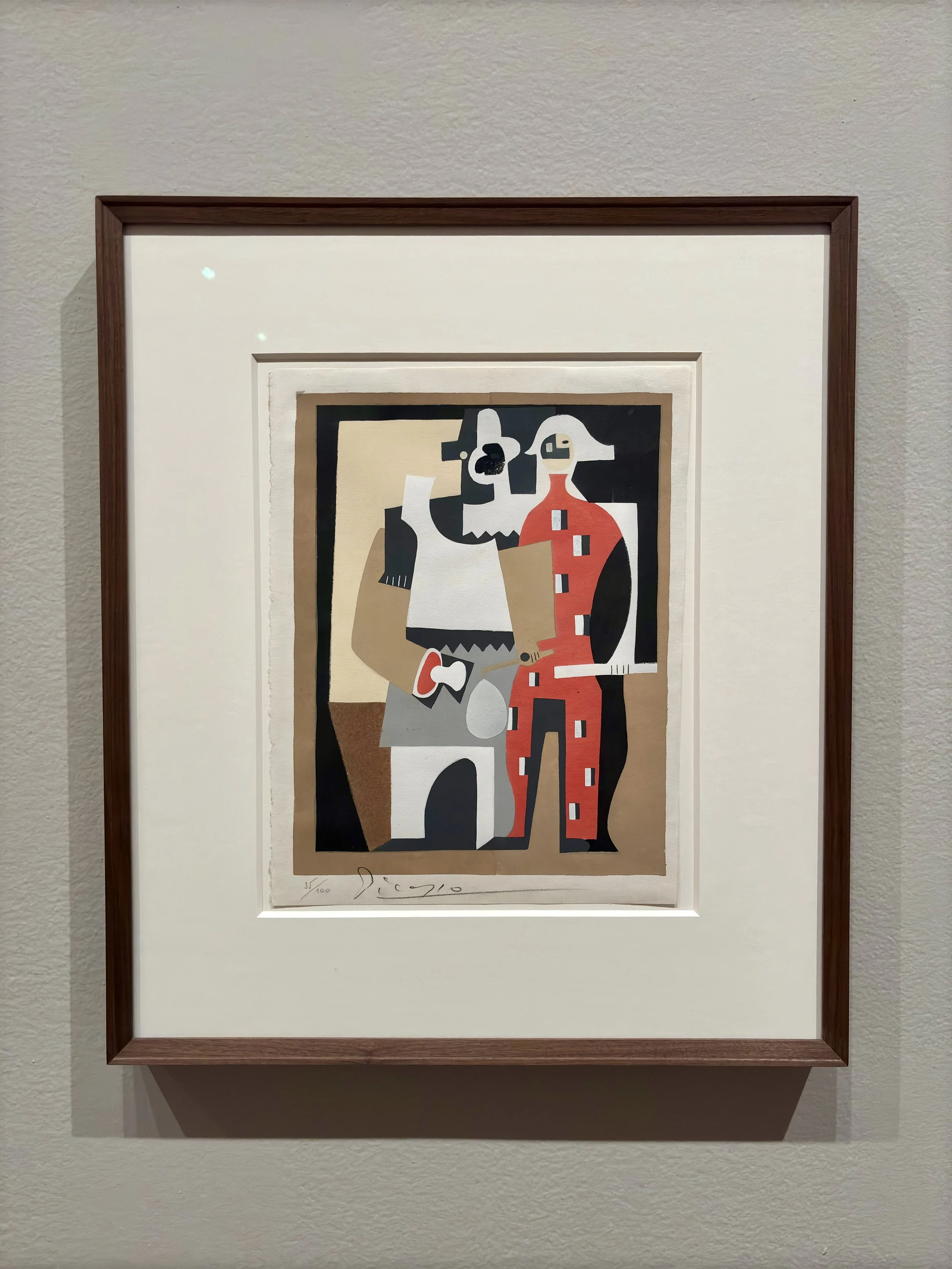
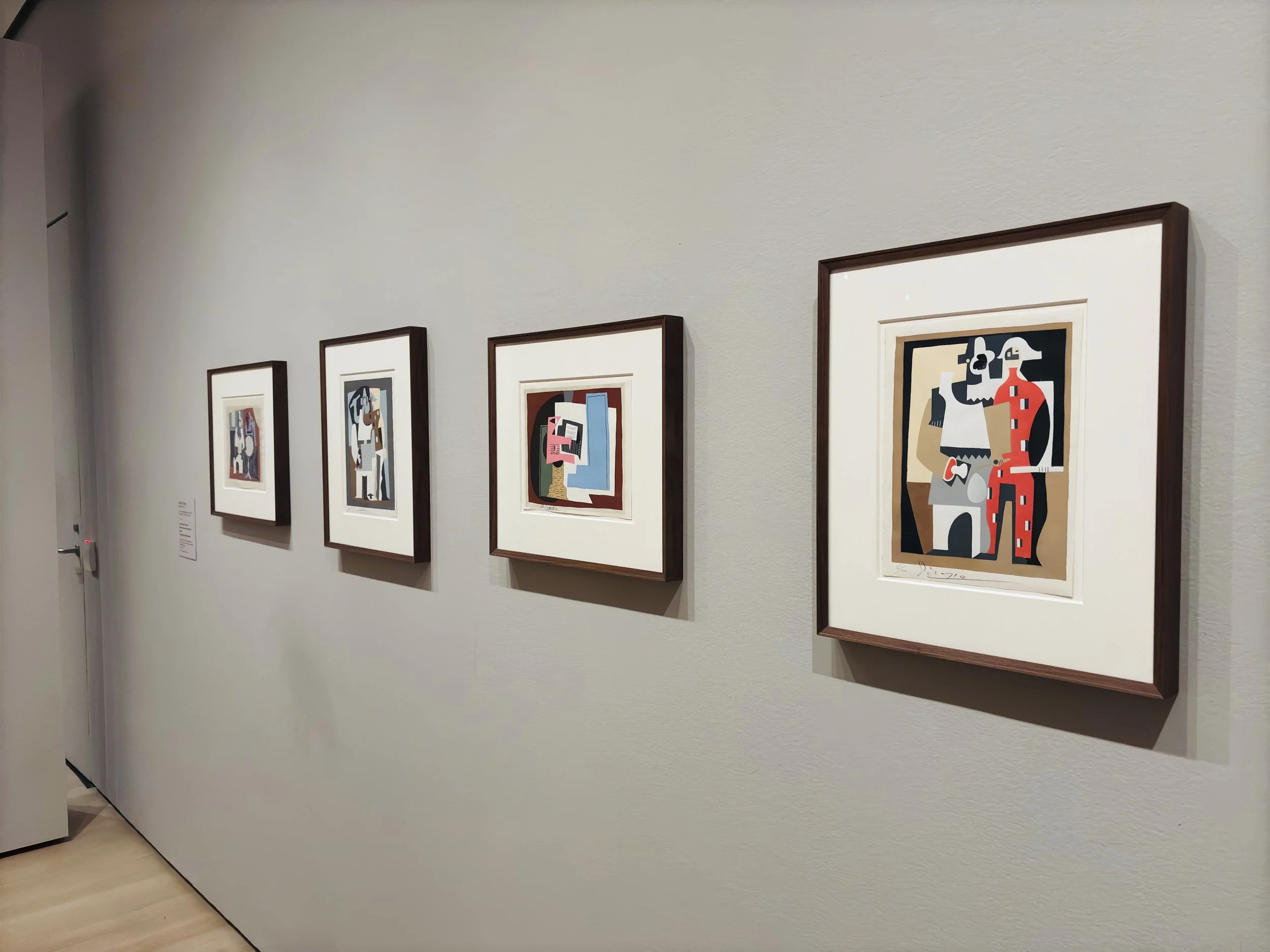
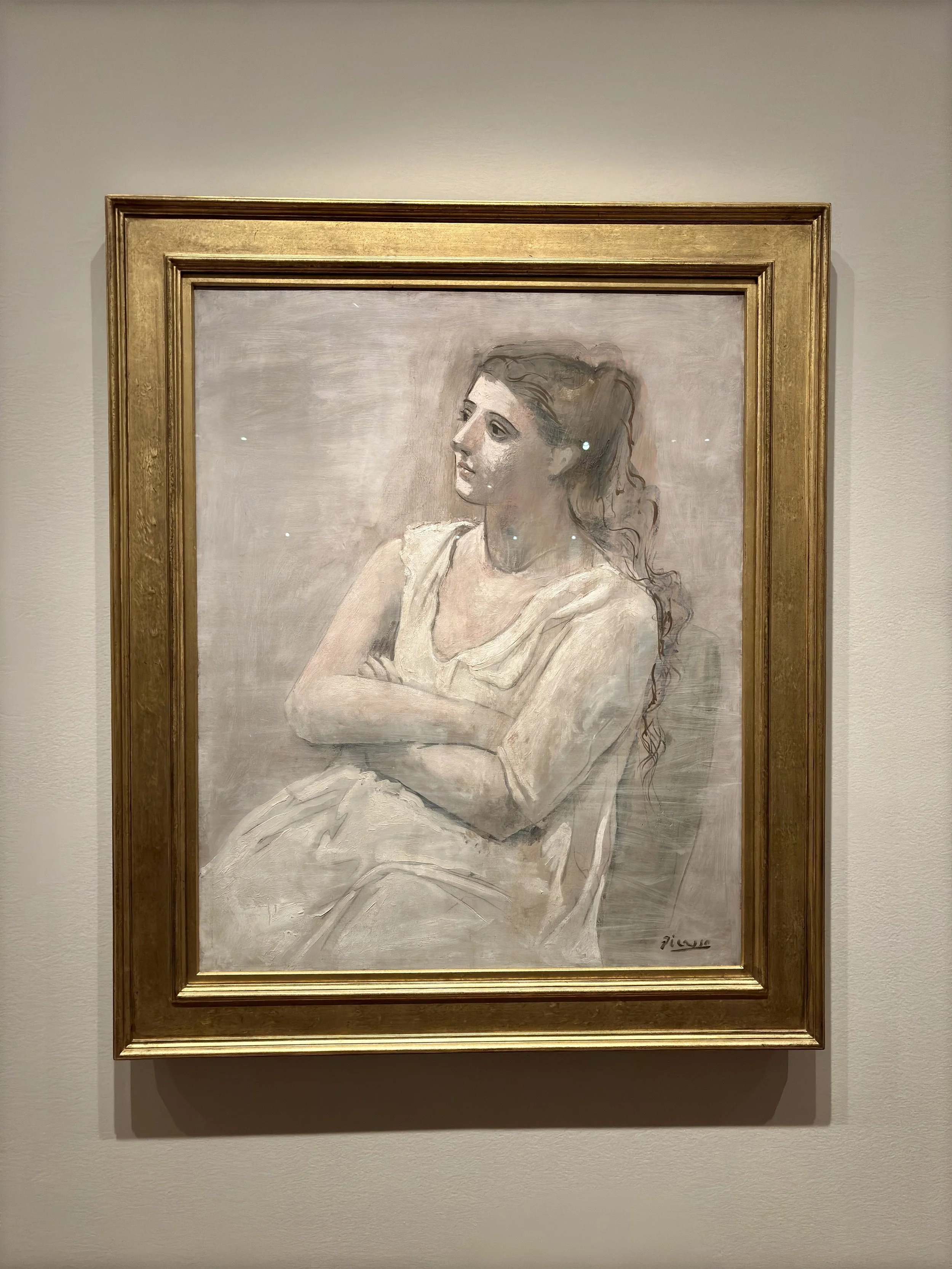
Lillie P. Bliss and the Birth of the Modern, on view from November 17, 2024 through March 29, 2025, traces the remarkable legacy of a woman whose vision helps shape the museum itself. Through a thoughtful selection of works by artists such as Cézanne, Redon, Seurat, and Picasso, the exhibition reveals not only the evolution of modern art, but also the courage required to champion it when few others do.

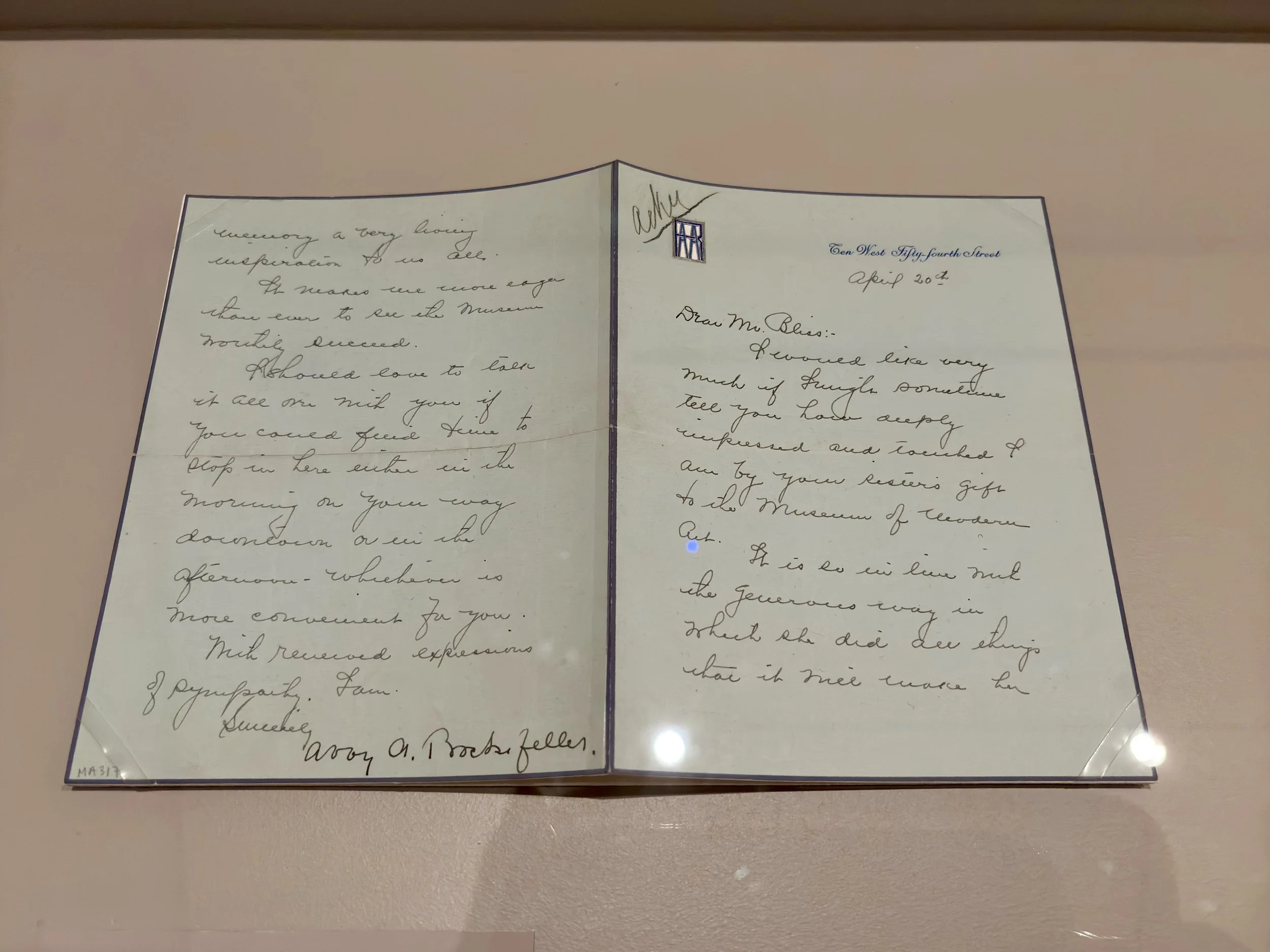
What lingers most is the sense of conviction behind every piece. Bliss collects these works at a time when modern art often faces skepticism, trusting her own eye and believing in the power of artistic freedom. Her generosity continues to ripple through the museum's history, making this exhibition feel both intimate and far-reaching.

There is something especially moving about discovering a figure who prefers to remain in the background. Through the art she collected and championed, the exhibition reveals a woman of remarkable conviction and vision.

Thoughtful, elegant, and quietly inspiring, this exhibition serves as a reminder that cultural change often begins with those willing to see possibility before anyone else does.

Comment