Viewing entries in
EXHIBITIONS

Christine Sun Kim: All Day All Night at the Whitney

Comment

Christine Sun Kim: All Day All Night at the Whitney

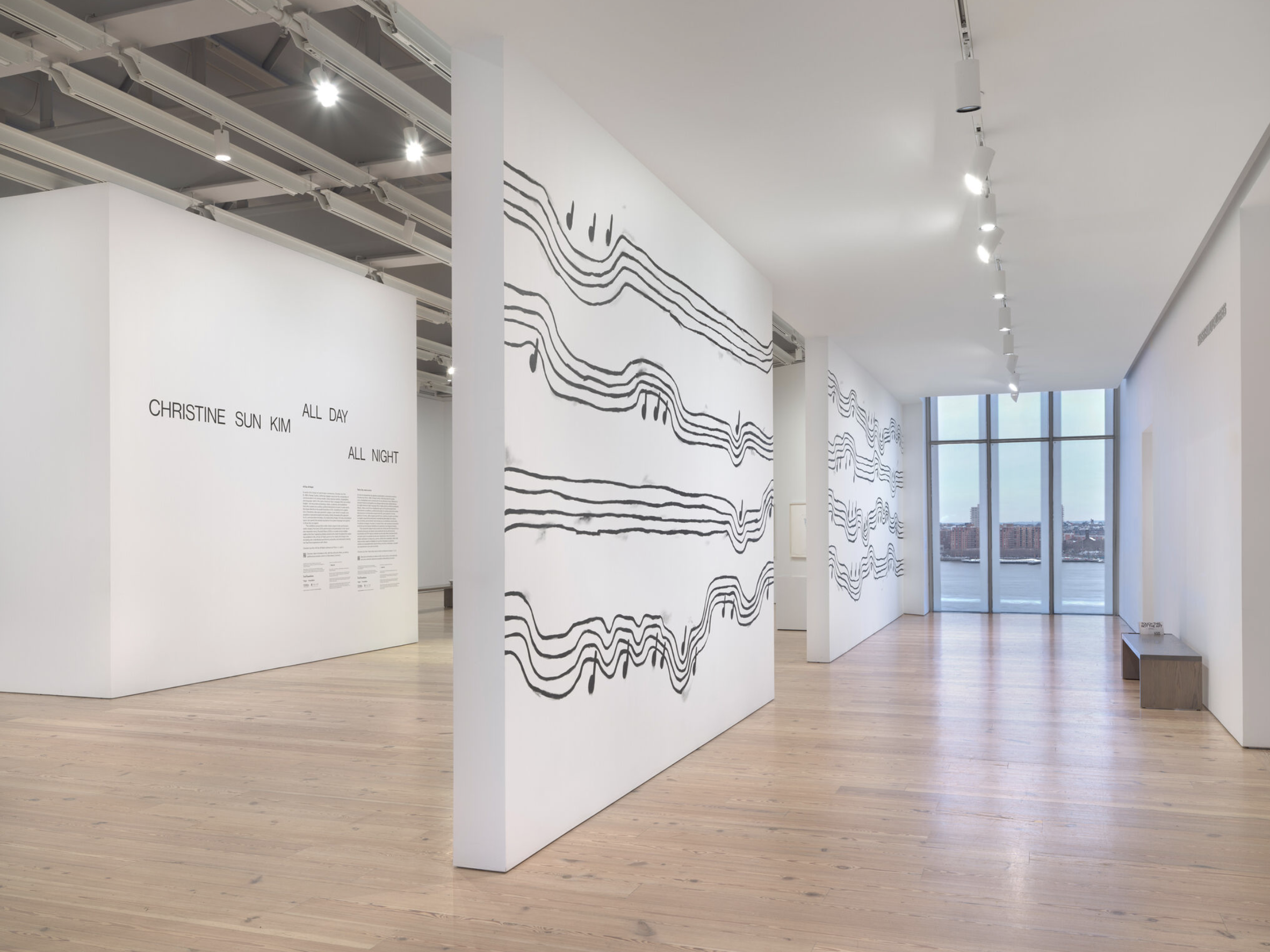
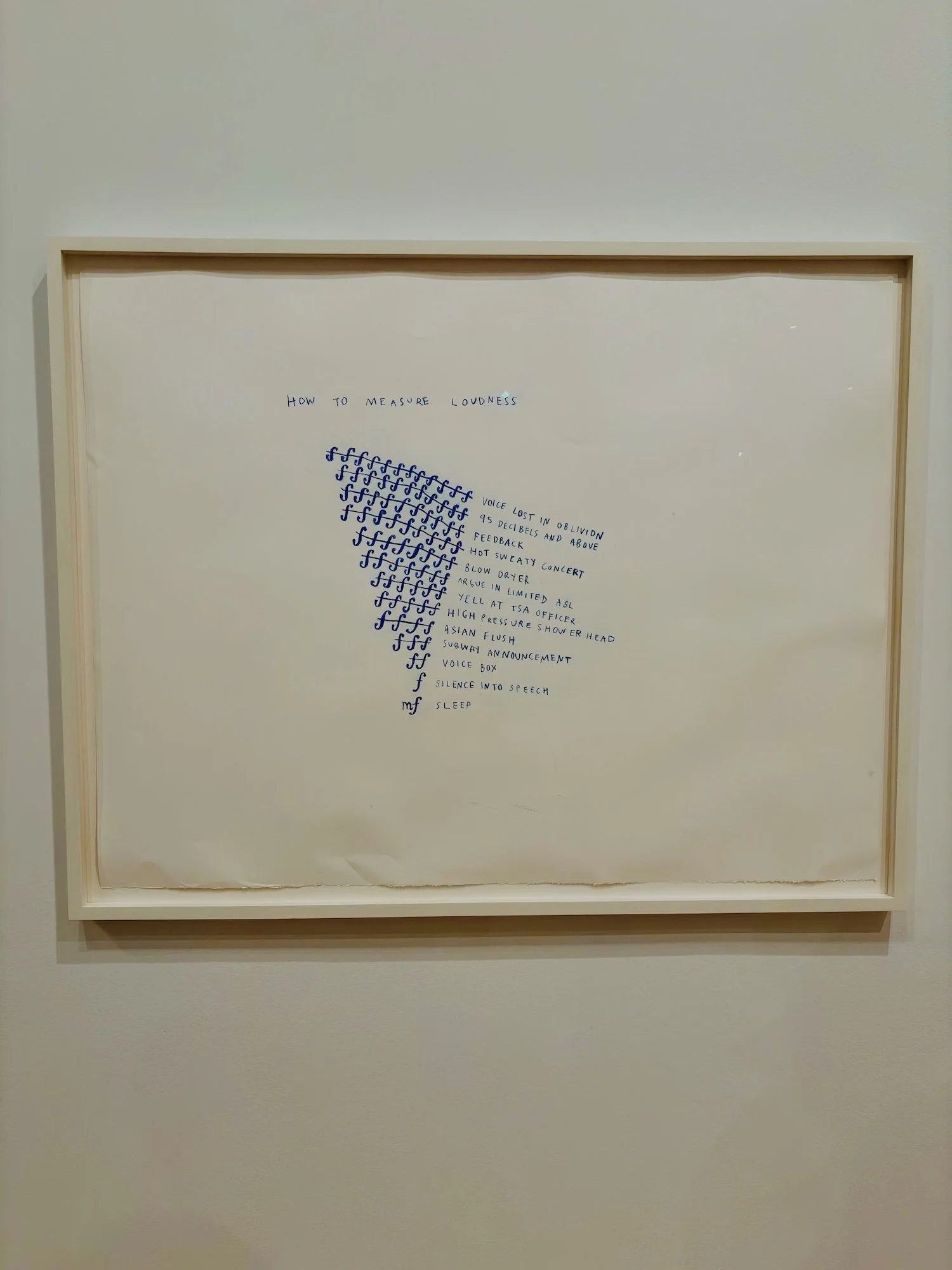
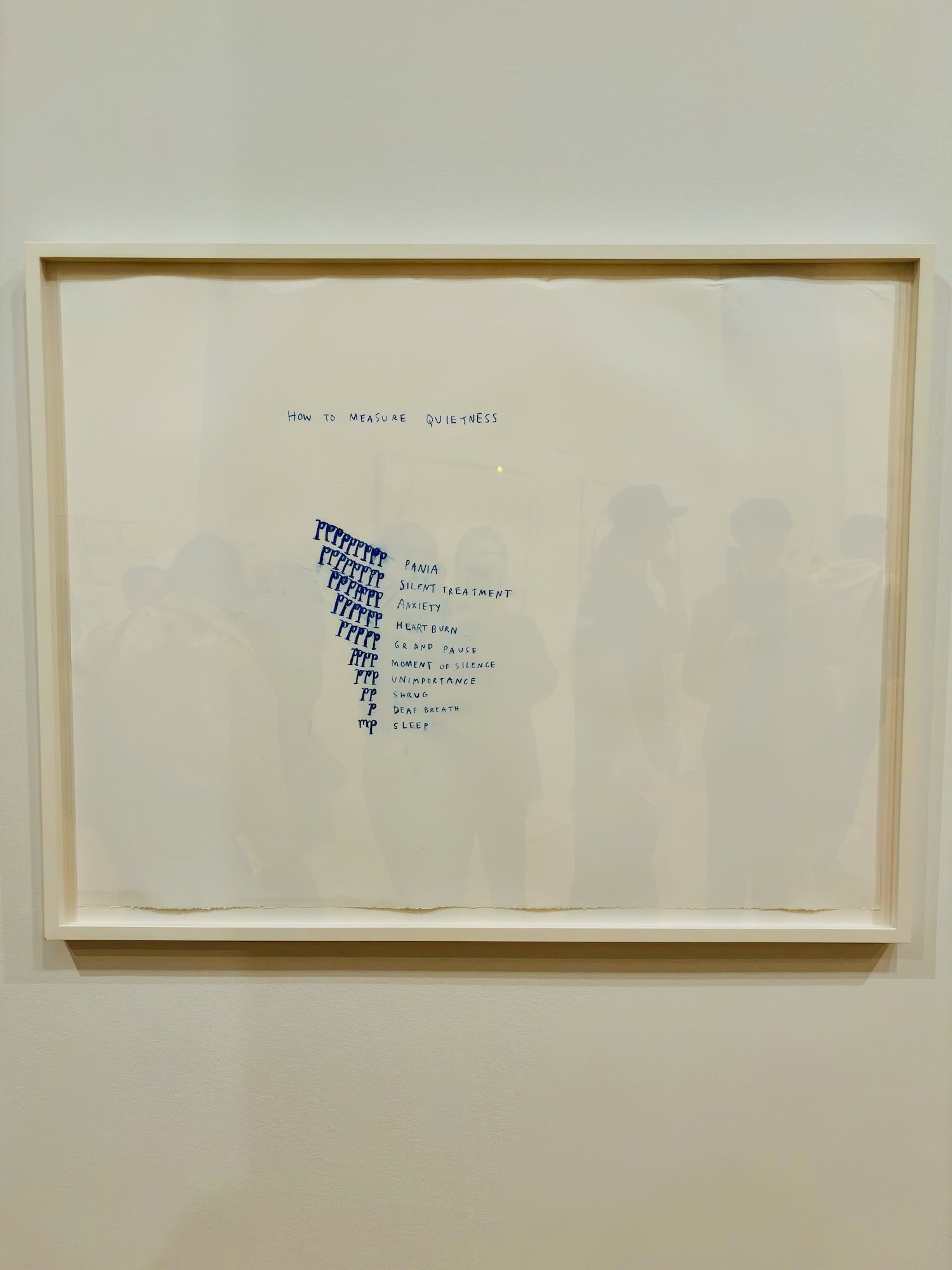
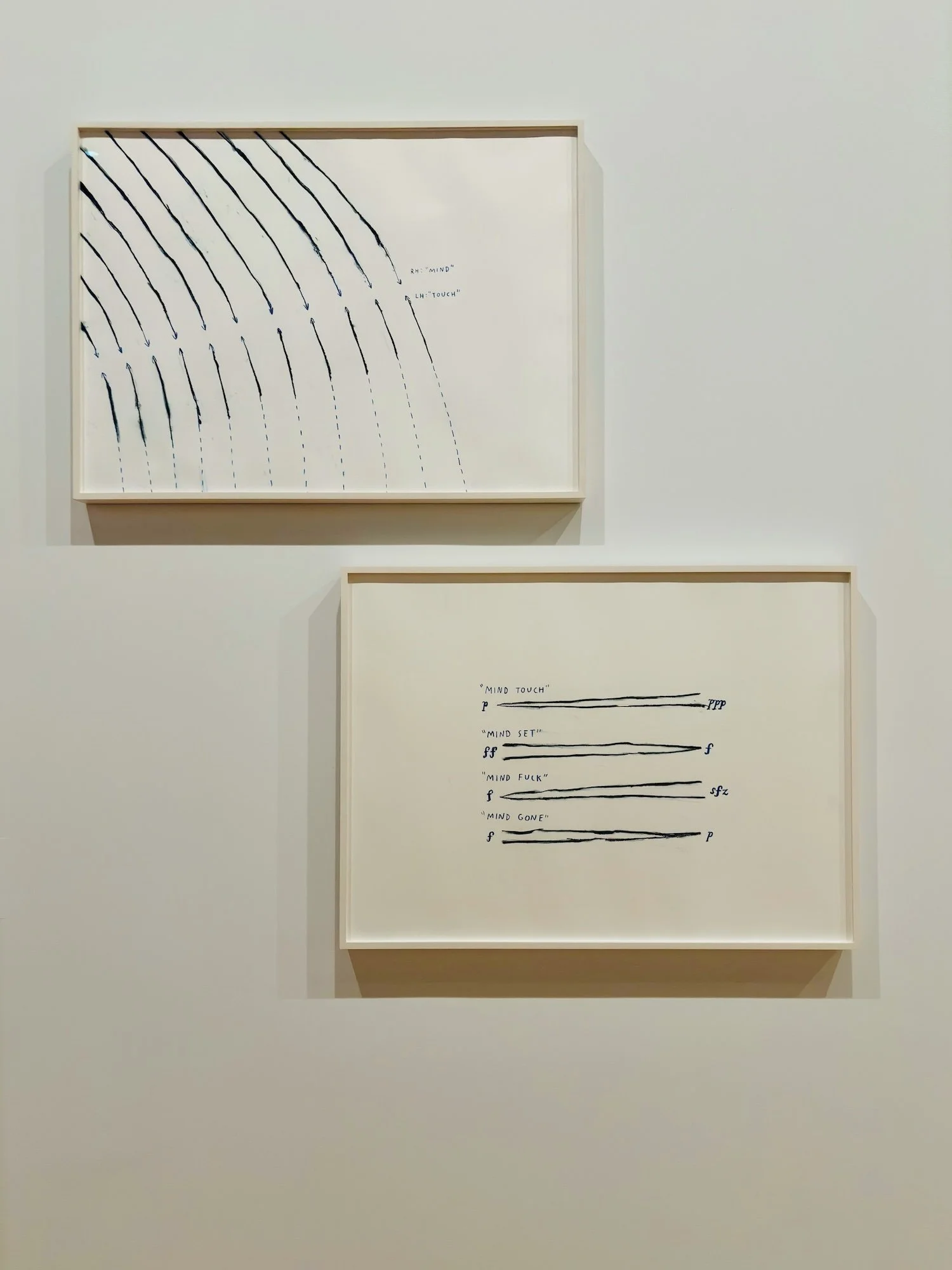
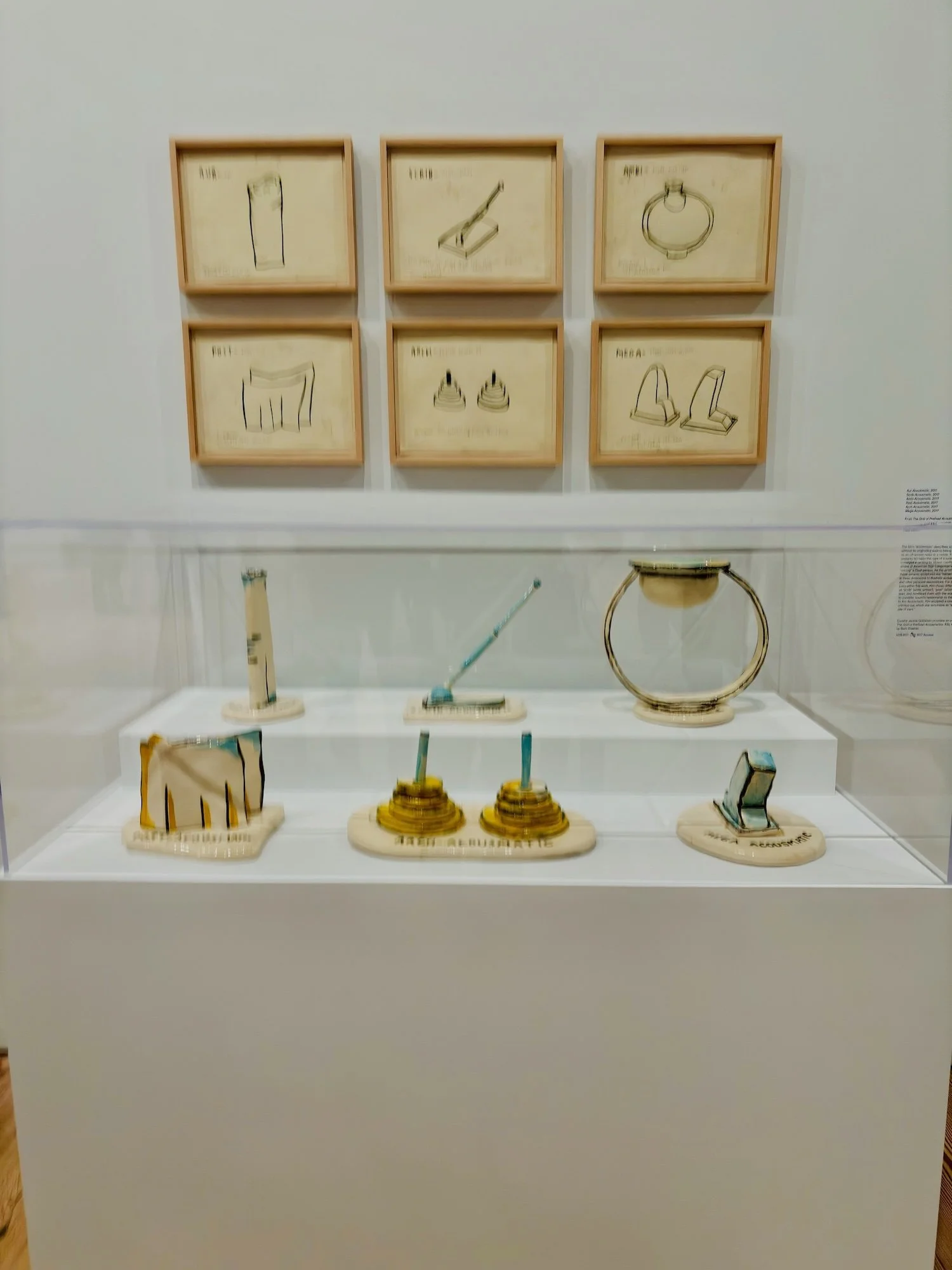
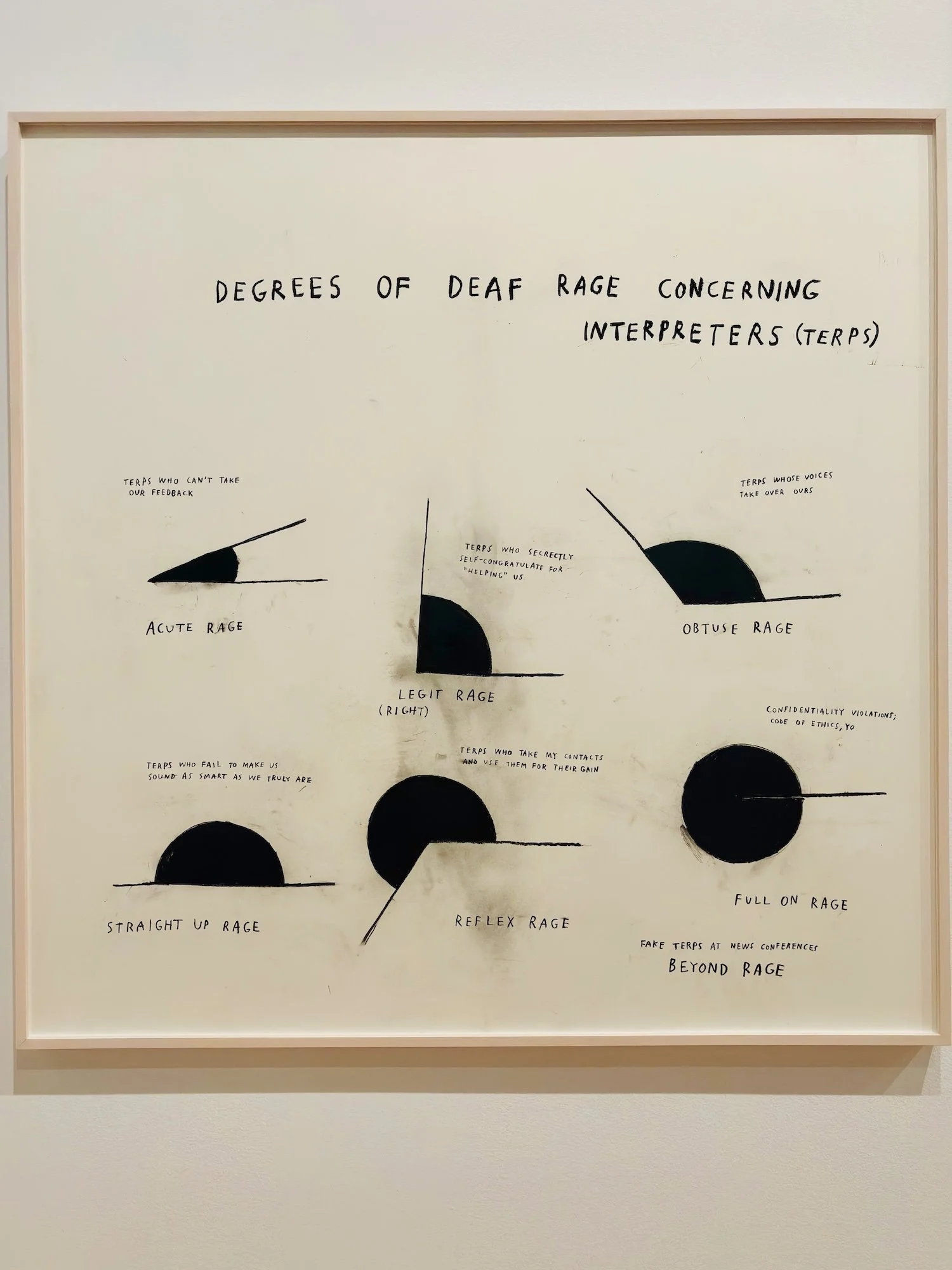
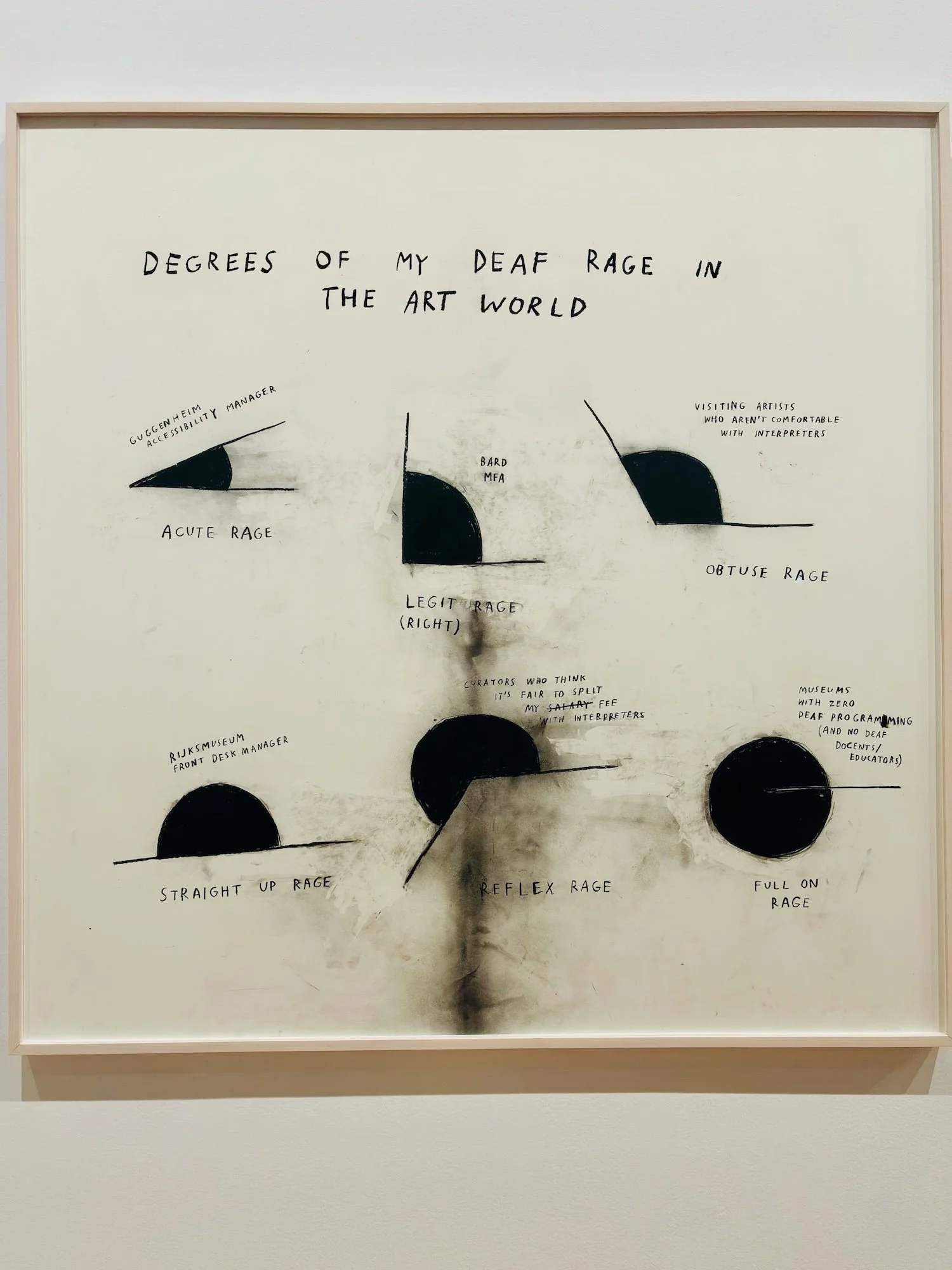
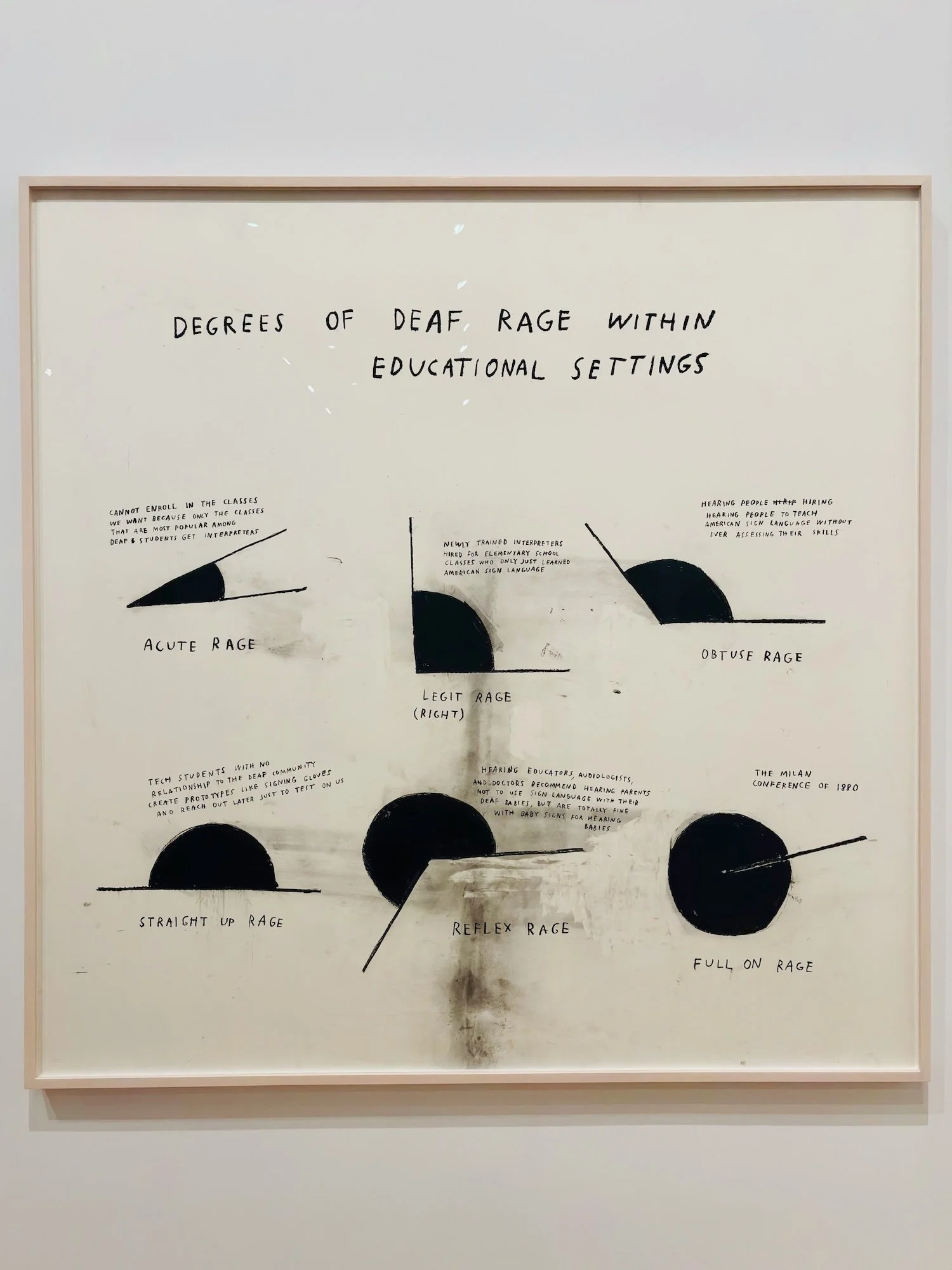
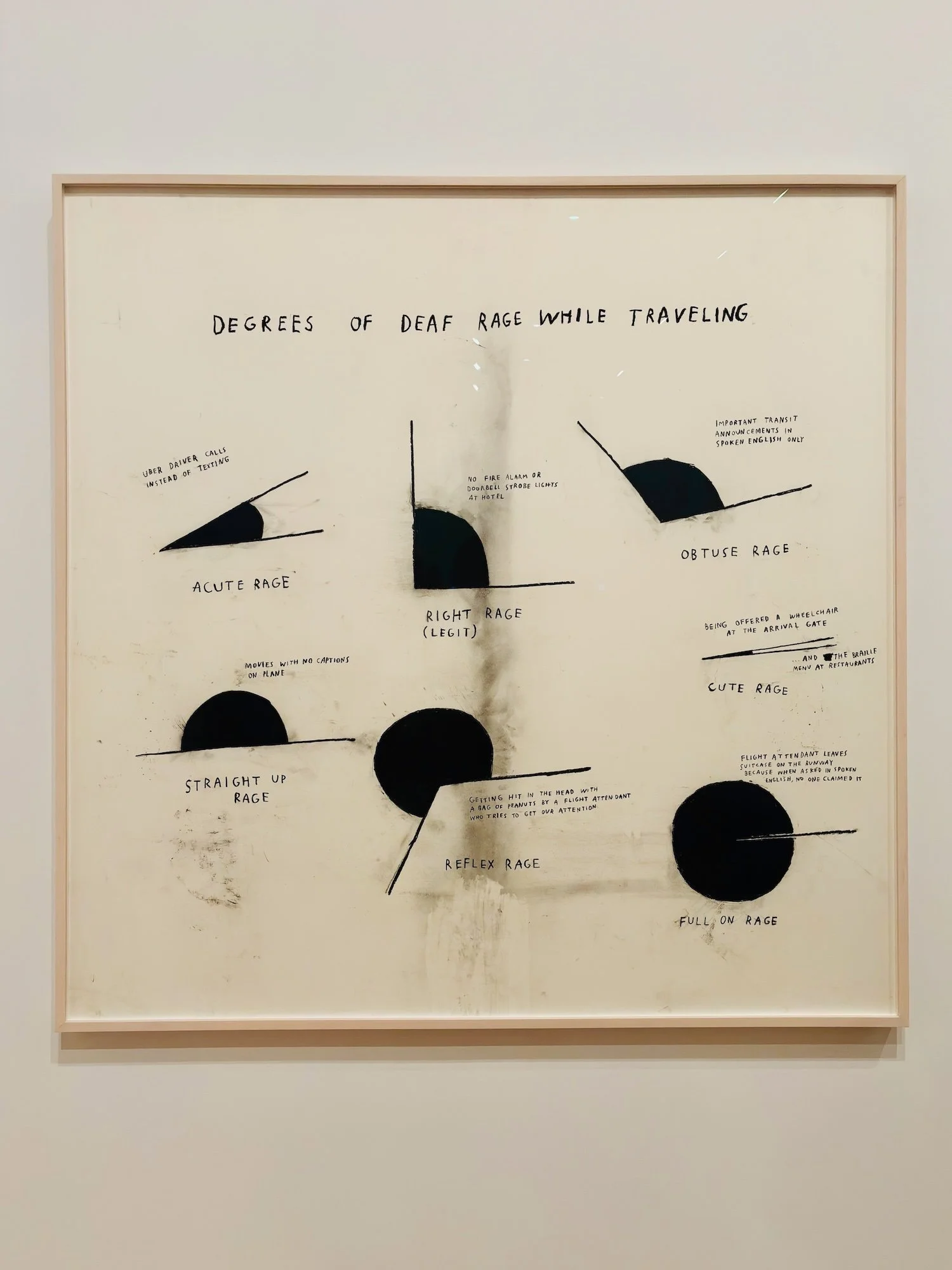
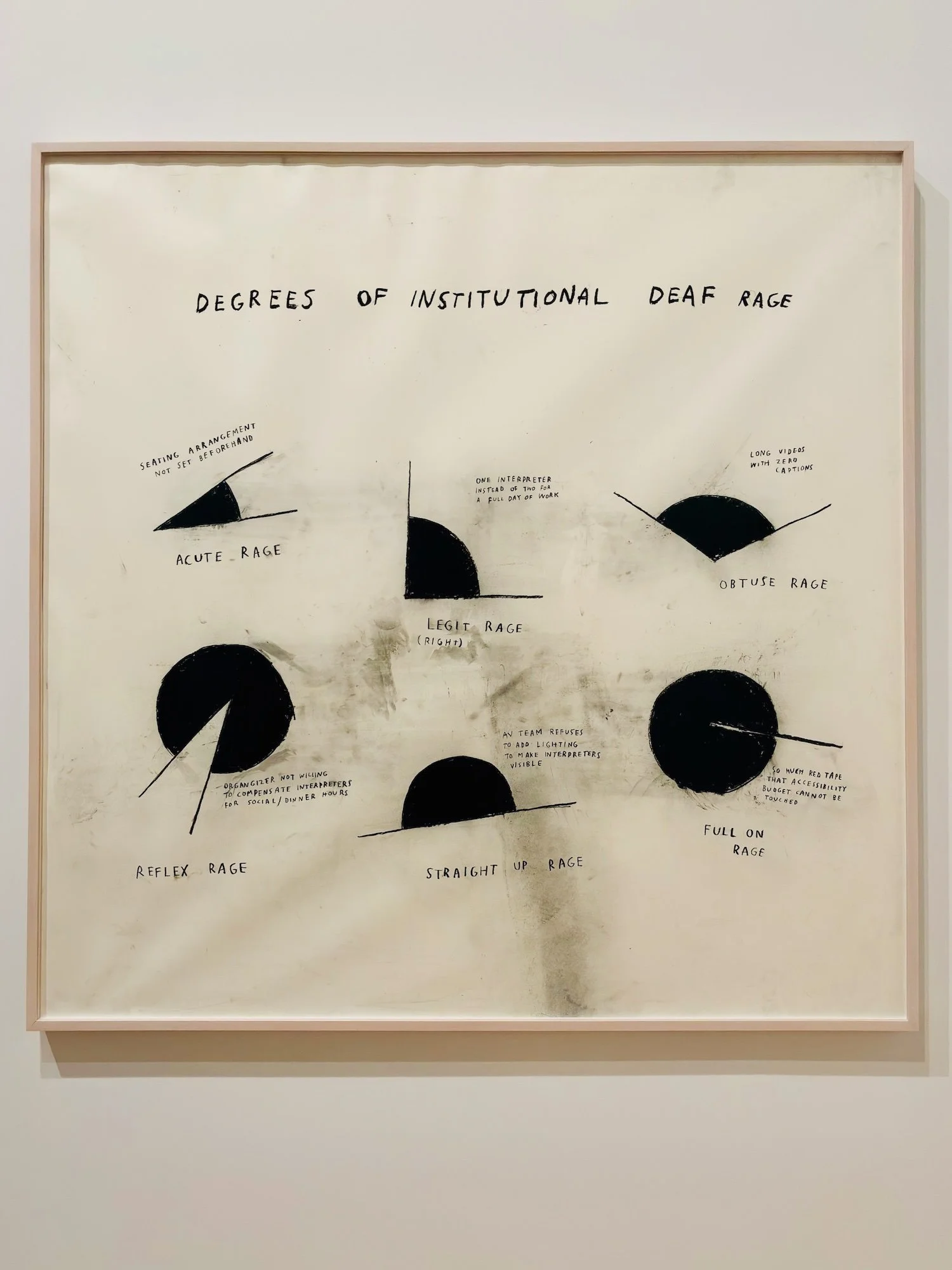
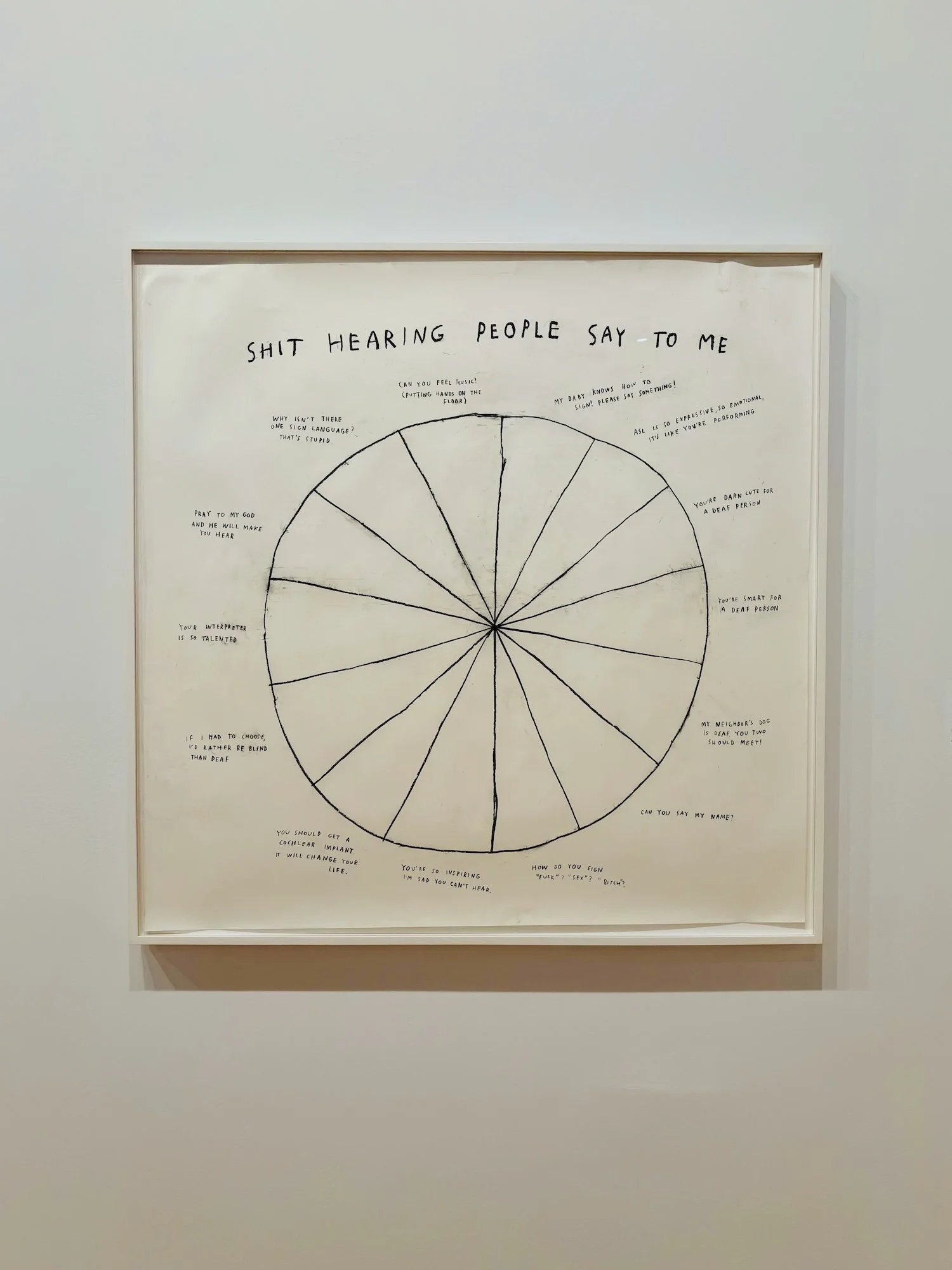
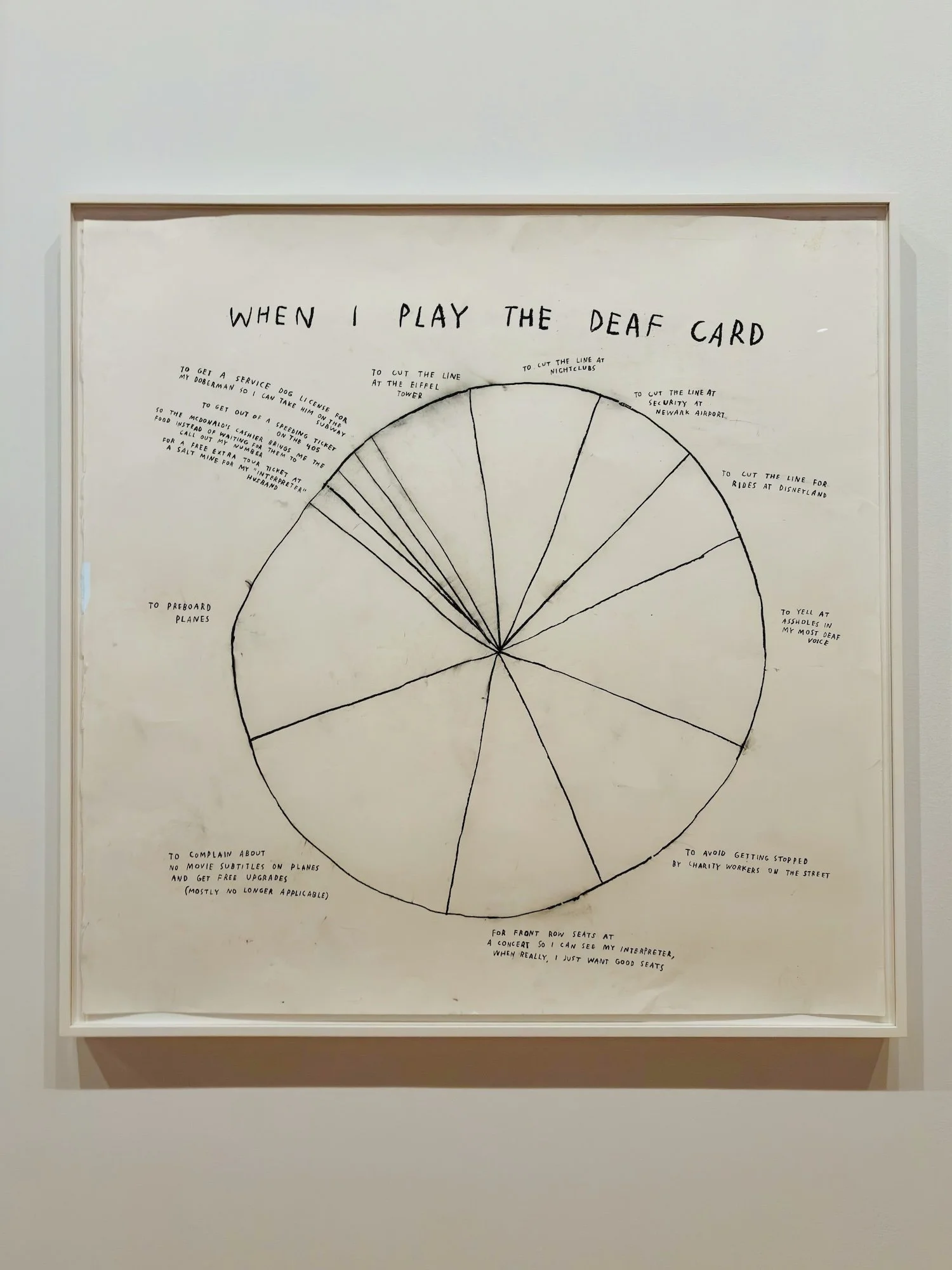
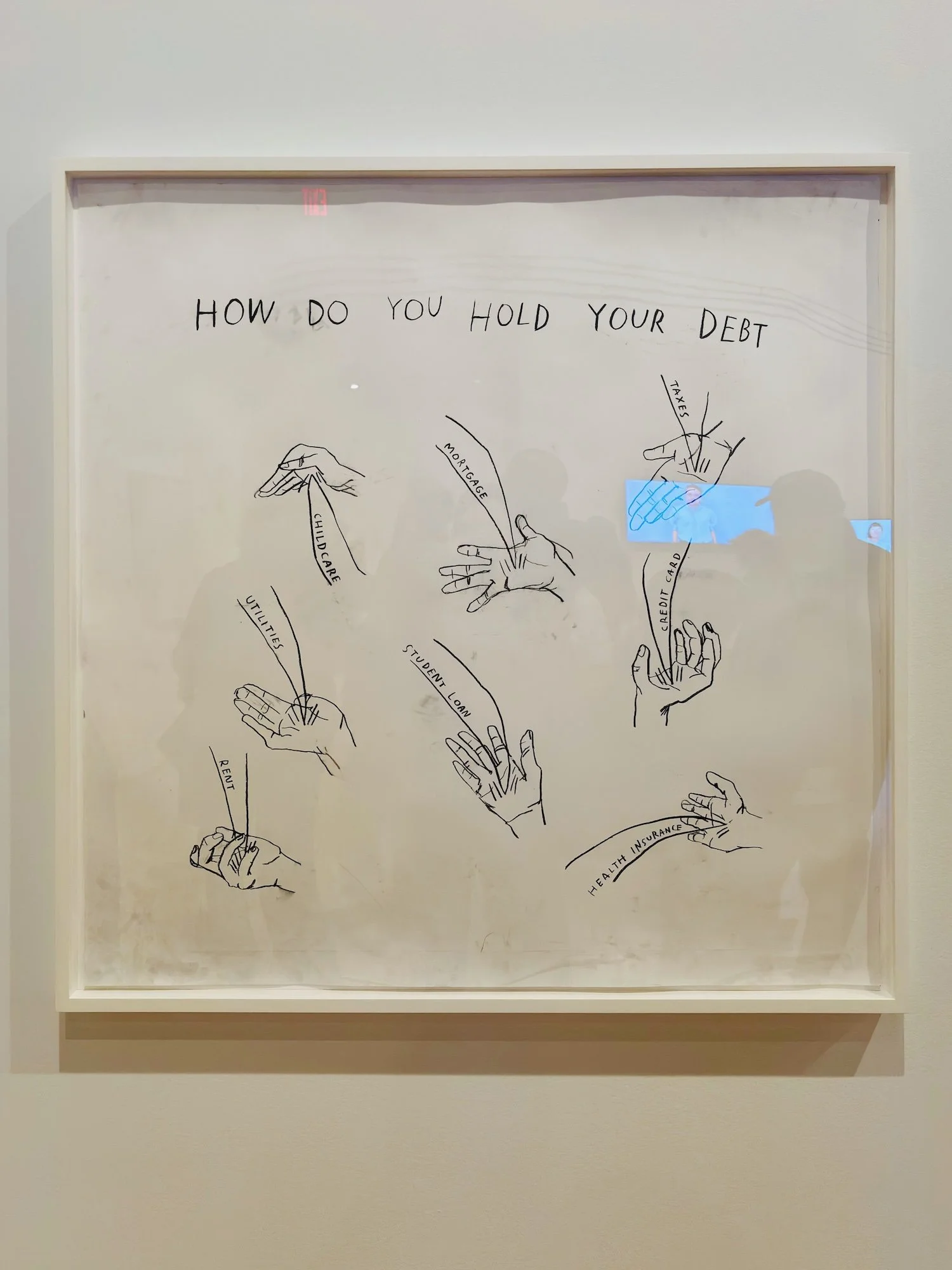
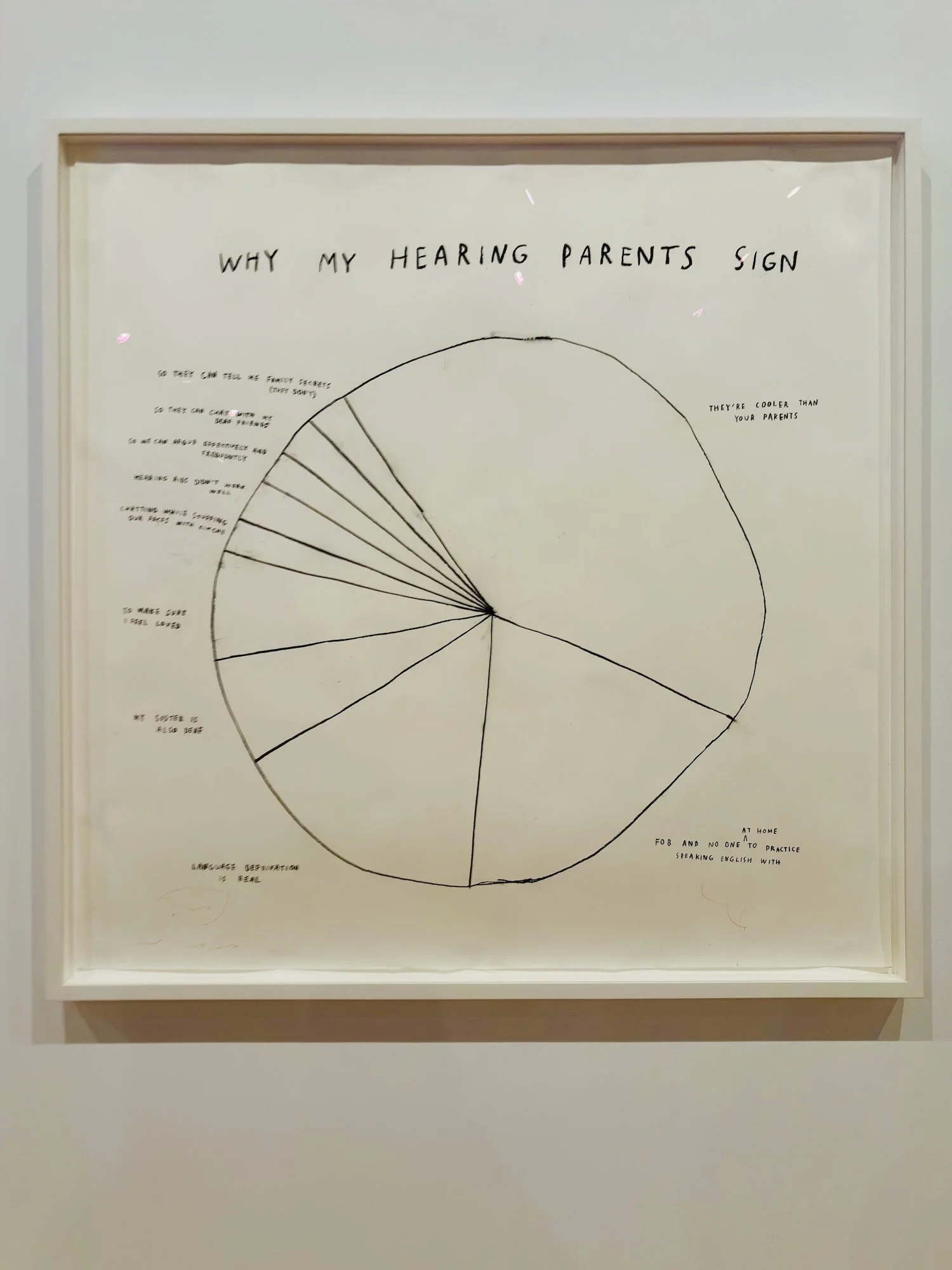
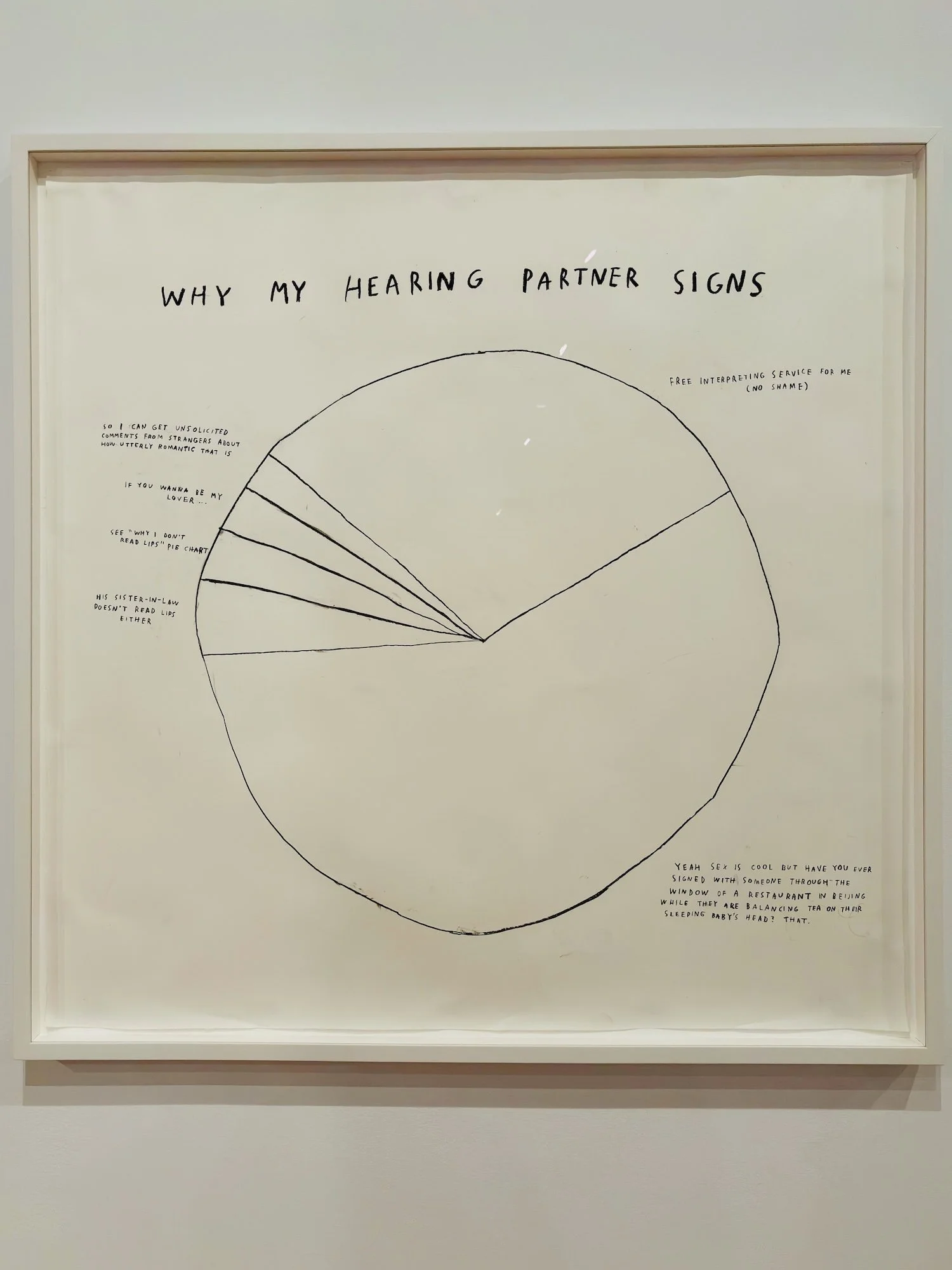
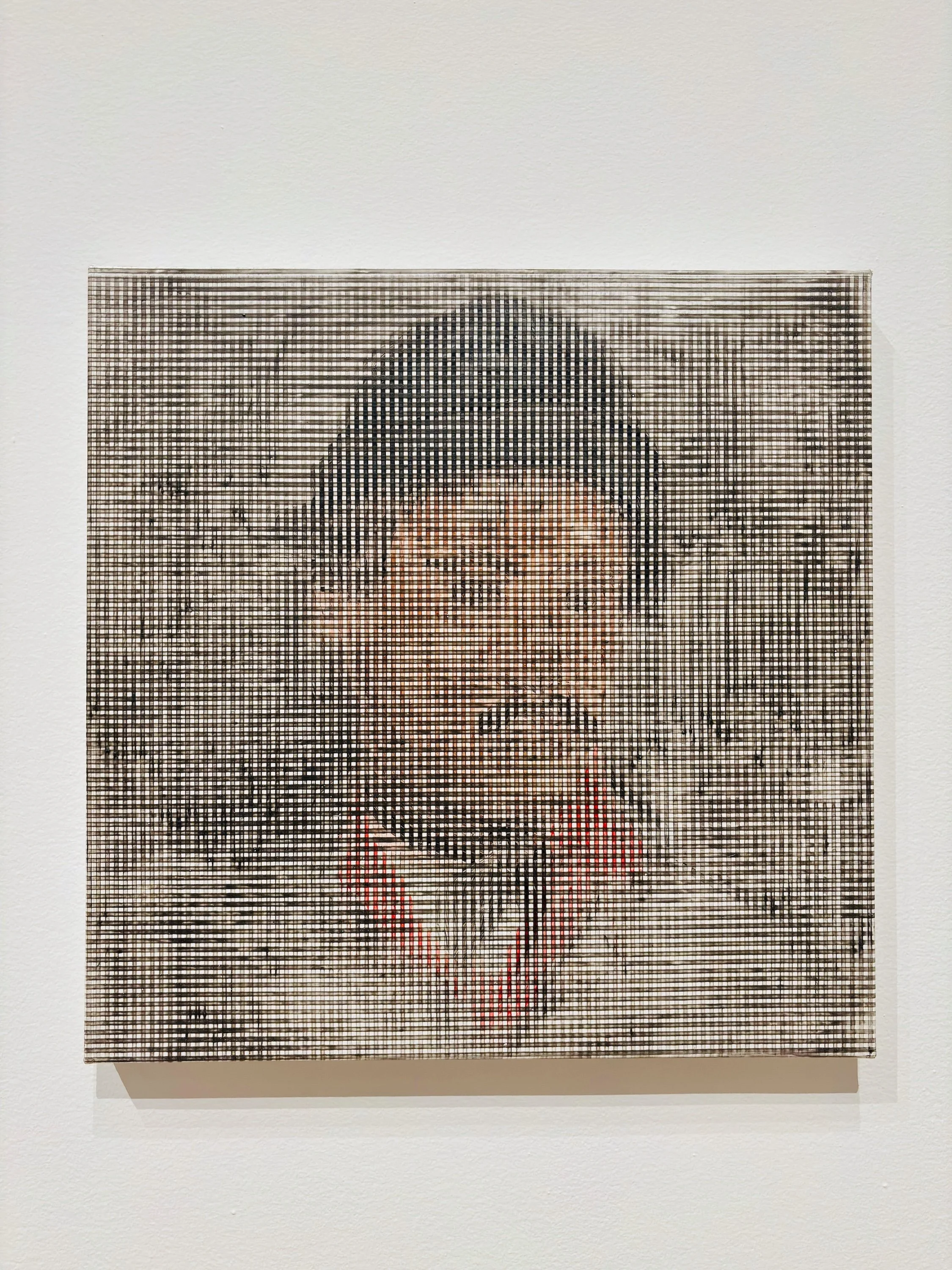
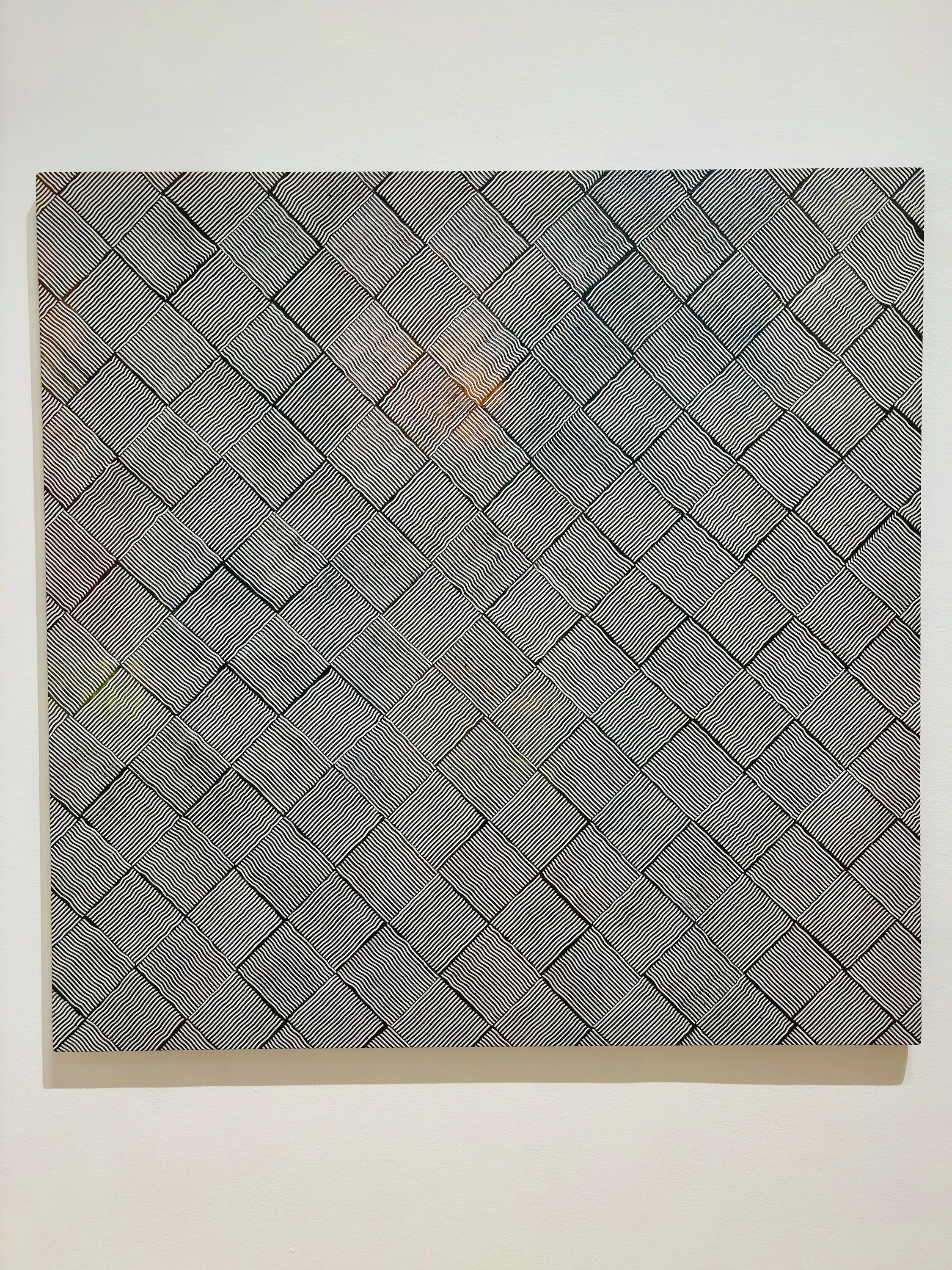
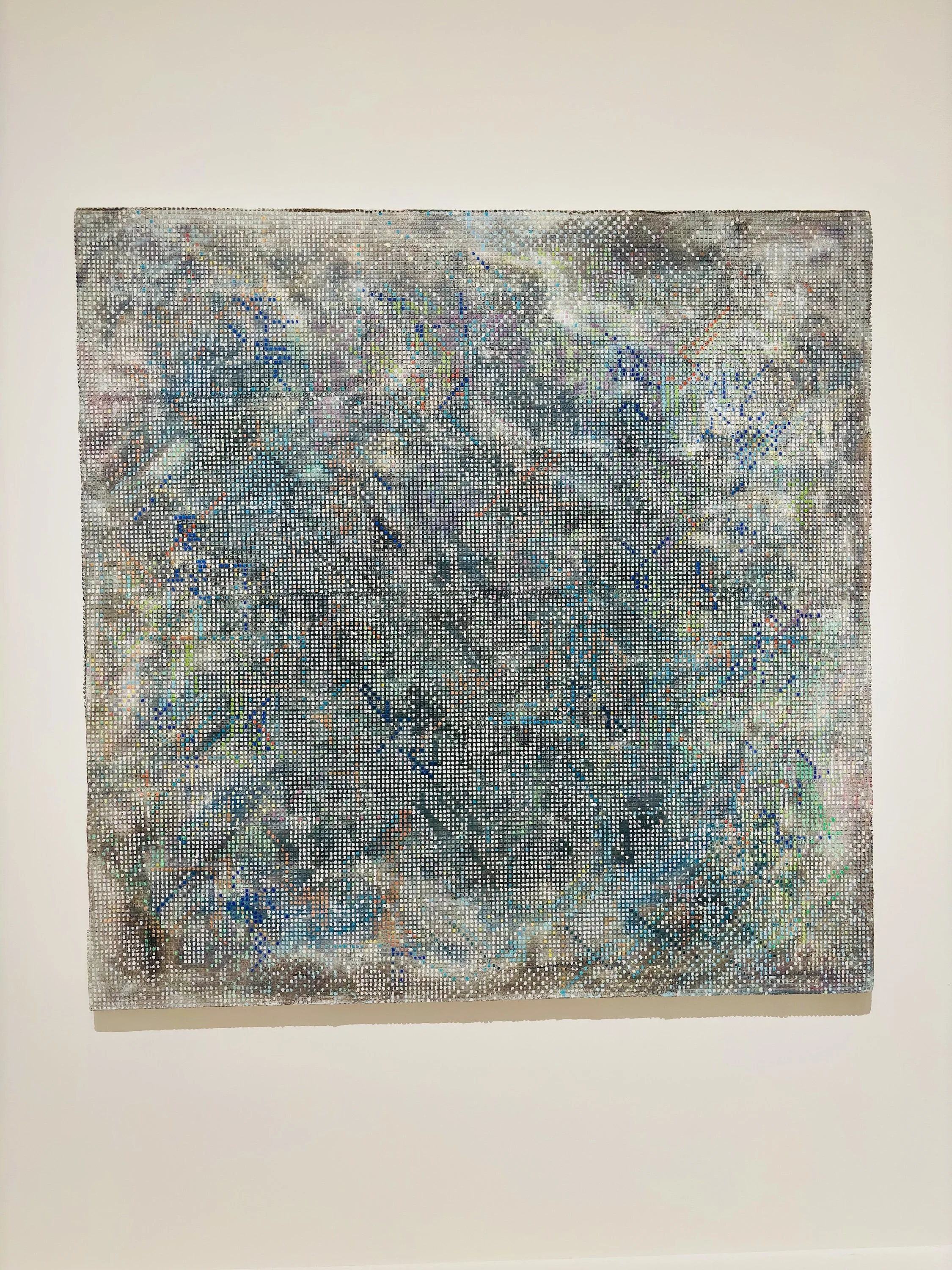
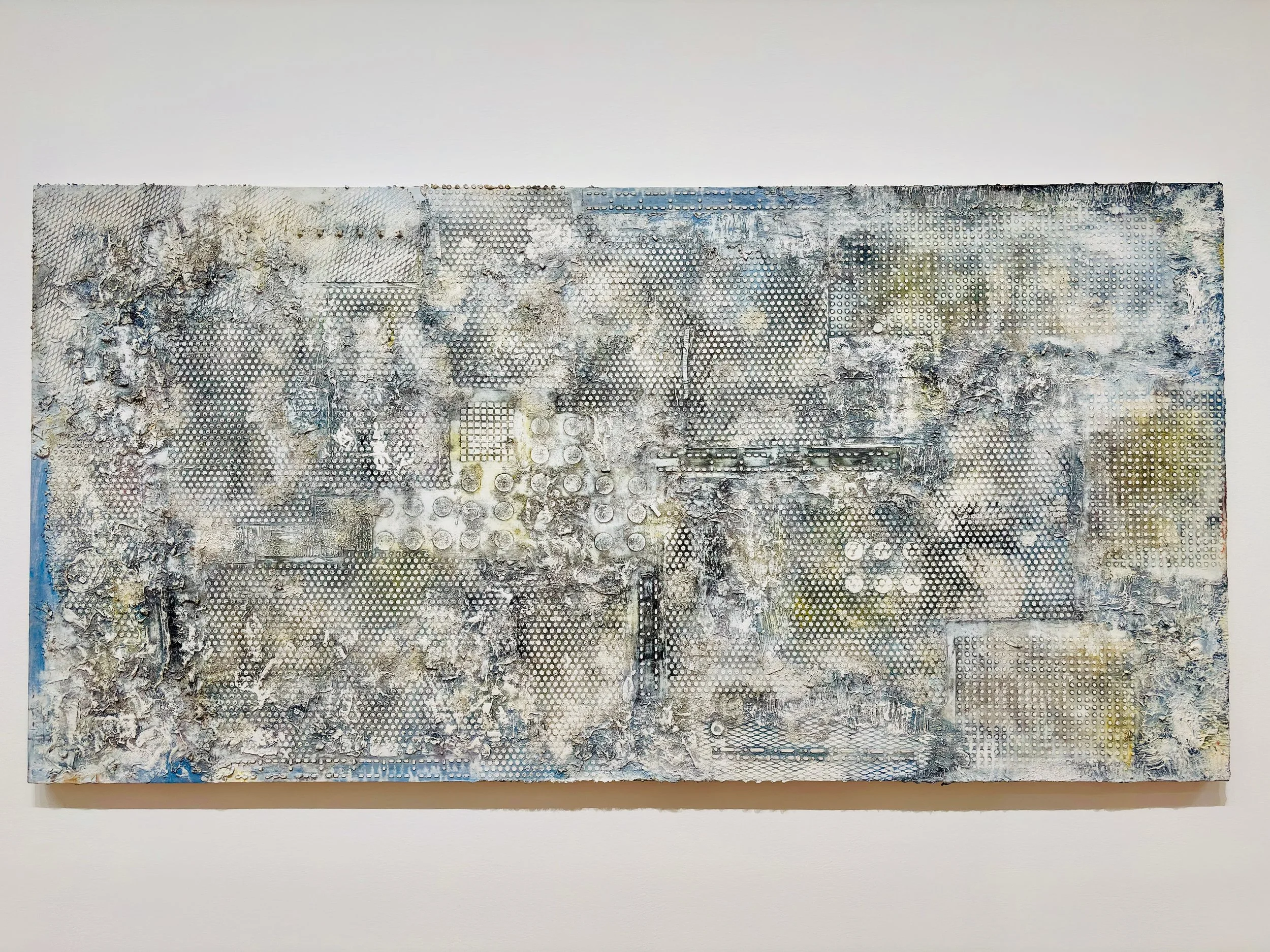
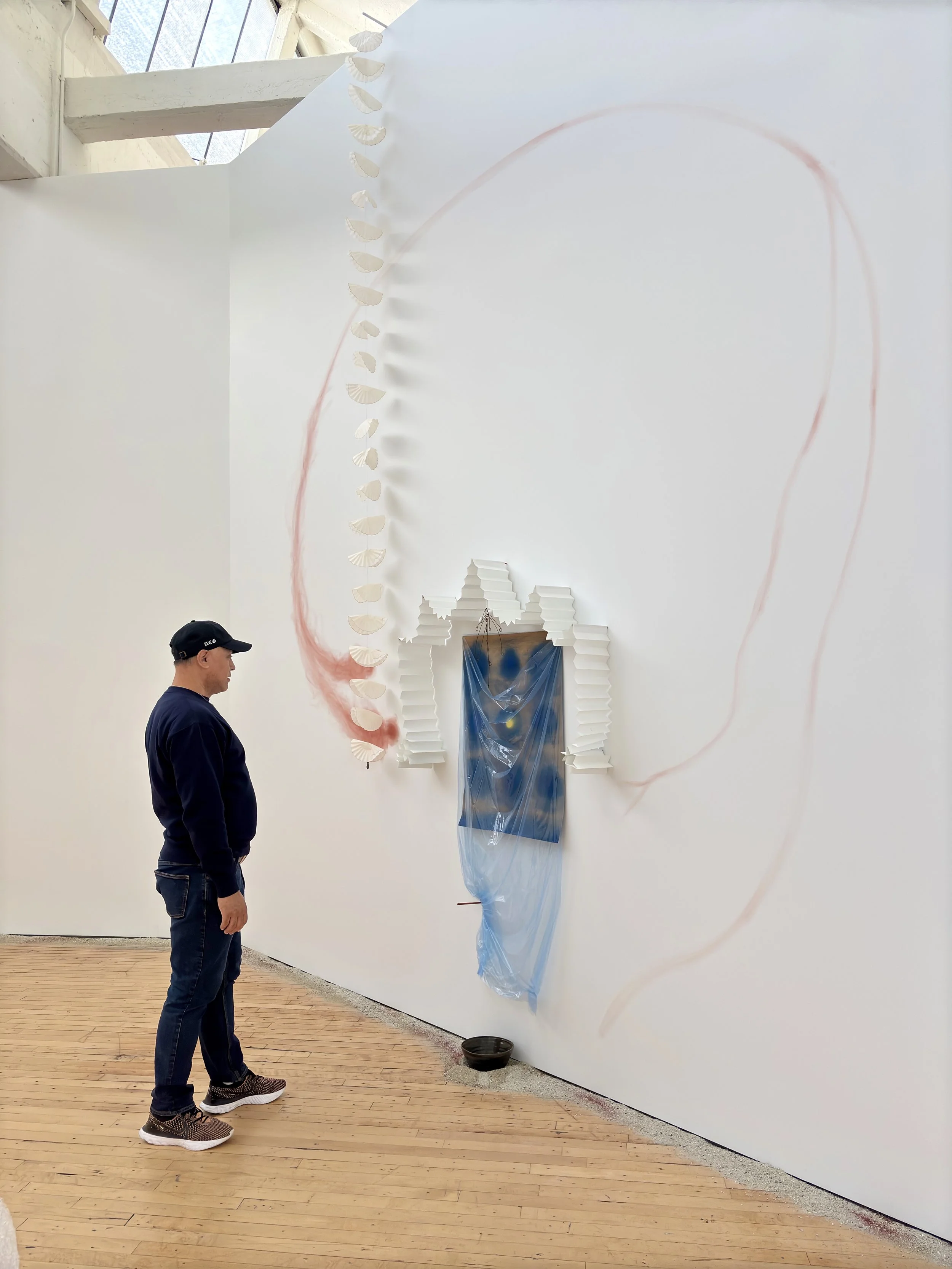
Christine Sun Kim has a way of making us question things we normally take for granted. In All Day All Night, sound is not something we simply hear. It becomes a visual, physical, and sometimes playful presence that fills the gallery and changes the way we move through it.

At the Whitney Museum of American Art, Christine Sun Kim: All Day All Night, on view from February 8 through September 28, 2025, brings together work from across the artist's practice, revealing how consistently she challenges the boundaries of communication. Musical notation, written language, American Sign Language, gesture, diagrams, and unexpected visual marks become materials in their own right.

There is a wonderful sense of humor throughout the exhibition. Some works catch us off guard, while others make us pause because a familiar idea suddenly feels unfamiliar. Kim has a gift for taking something as ordinary as a line, a phrase, or a symbol and making us wonder who created its rules in the first place. Her work is clever without feeling distant, and serious without losing its sense of play.

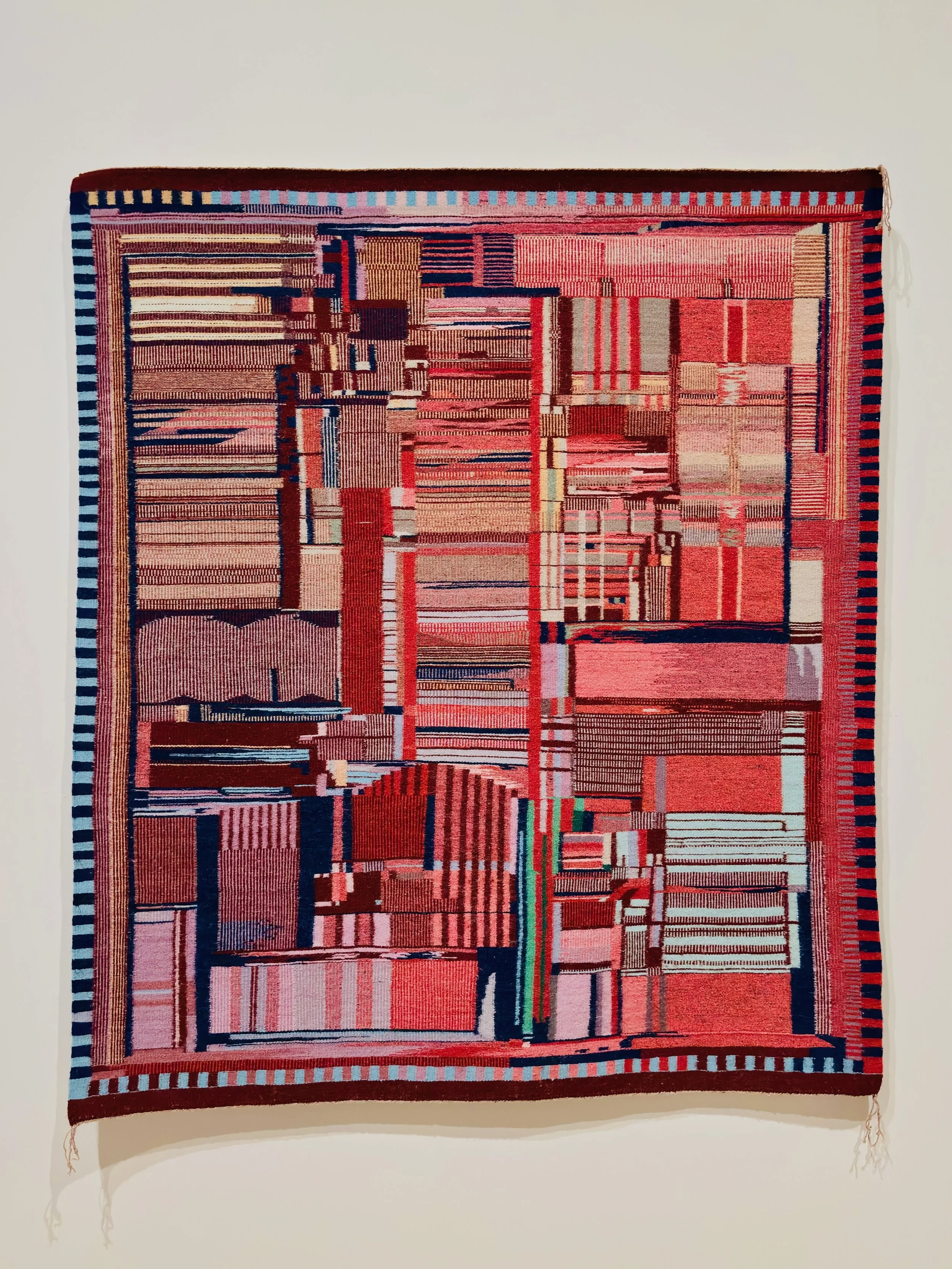
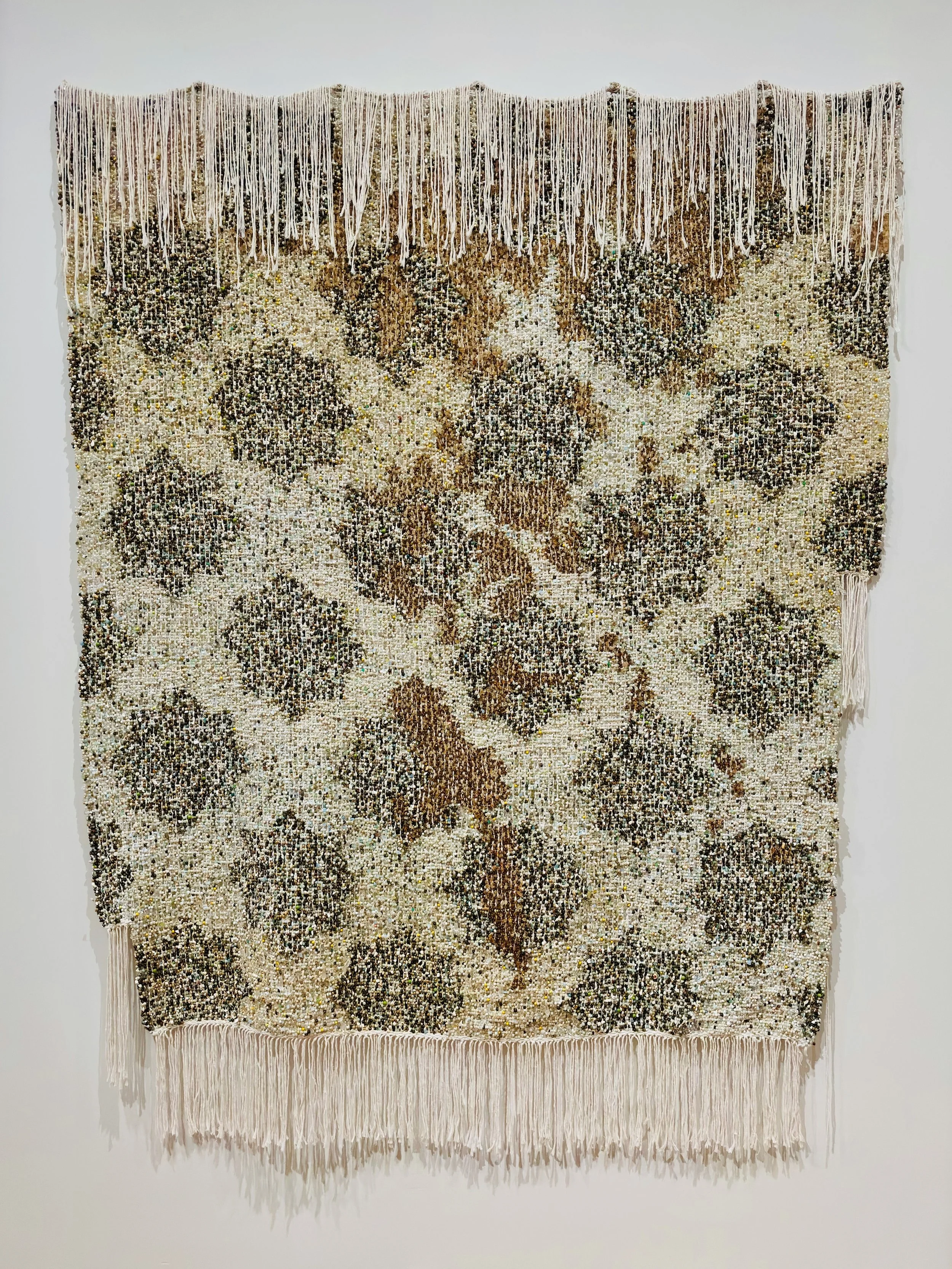
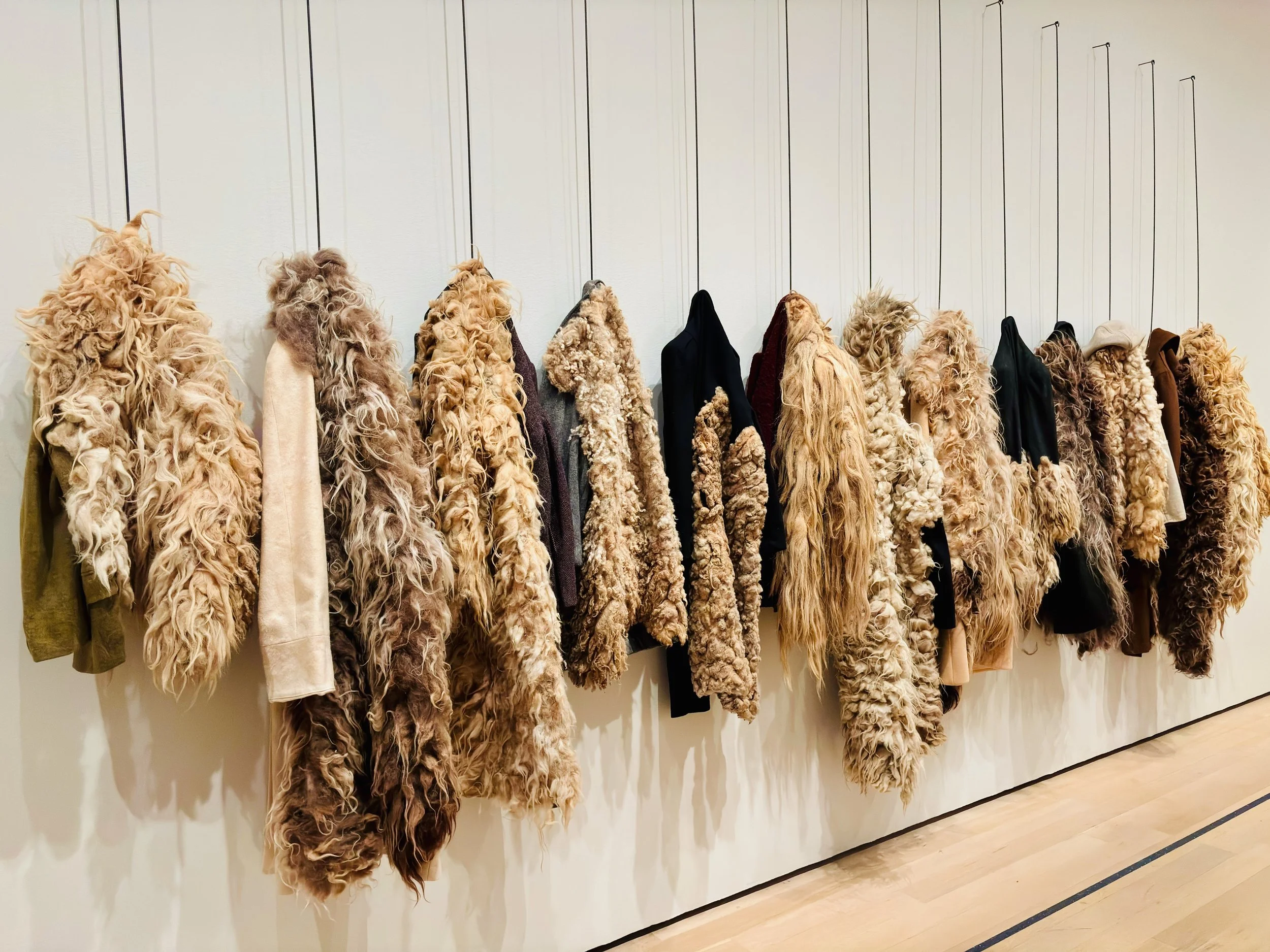
The longer we spend with the pieces, the more the walls themselves seem to participate in the conversation. Our photographs capture fragments of that experience: a detail here, an expressive gesture there, a work that catches the eye before its meaning fully settles in. They also remind us of how much of Kim's work depends on scale, movement, and the relationship between the body and the surrounding space.

Perhaps that is what makes the exhibition so engaging. We enter expecting to think about sound, yet we leave thinking about much more: who is included in a conversation, how meaning travels, and why we so often assume that communication must look or sound a certain way.

Kim gives us no single answer. Instead, she leaves us with something more interesting: the feeling that there are many more ways to communicate than we have been taught to notice.

Comment

Amy Sherald: American Sublime at the Whitney

Comment

Amy Sherald: American Sublime at the Whitney

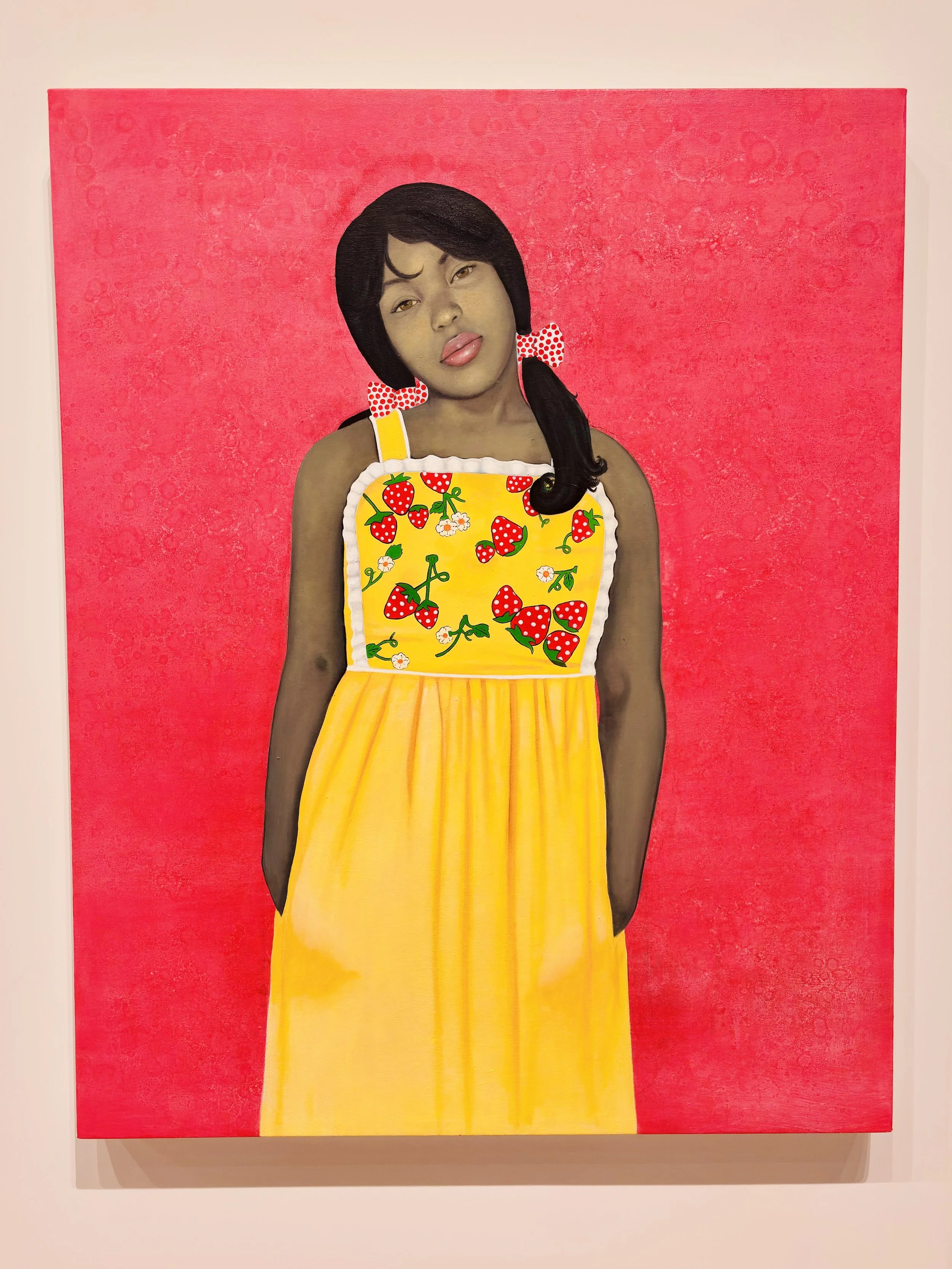
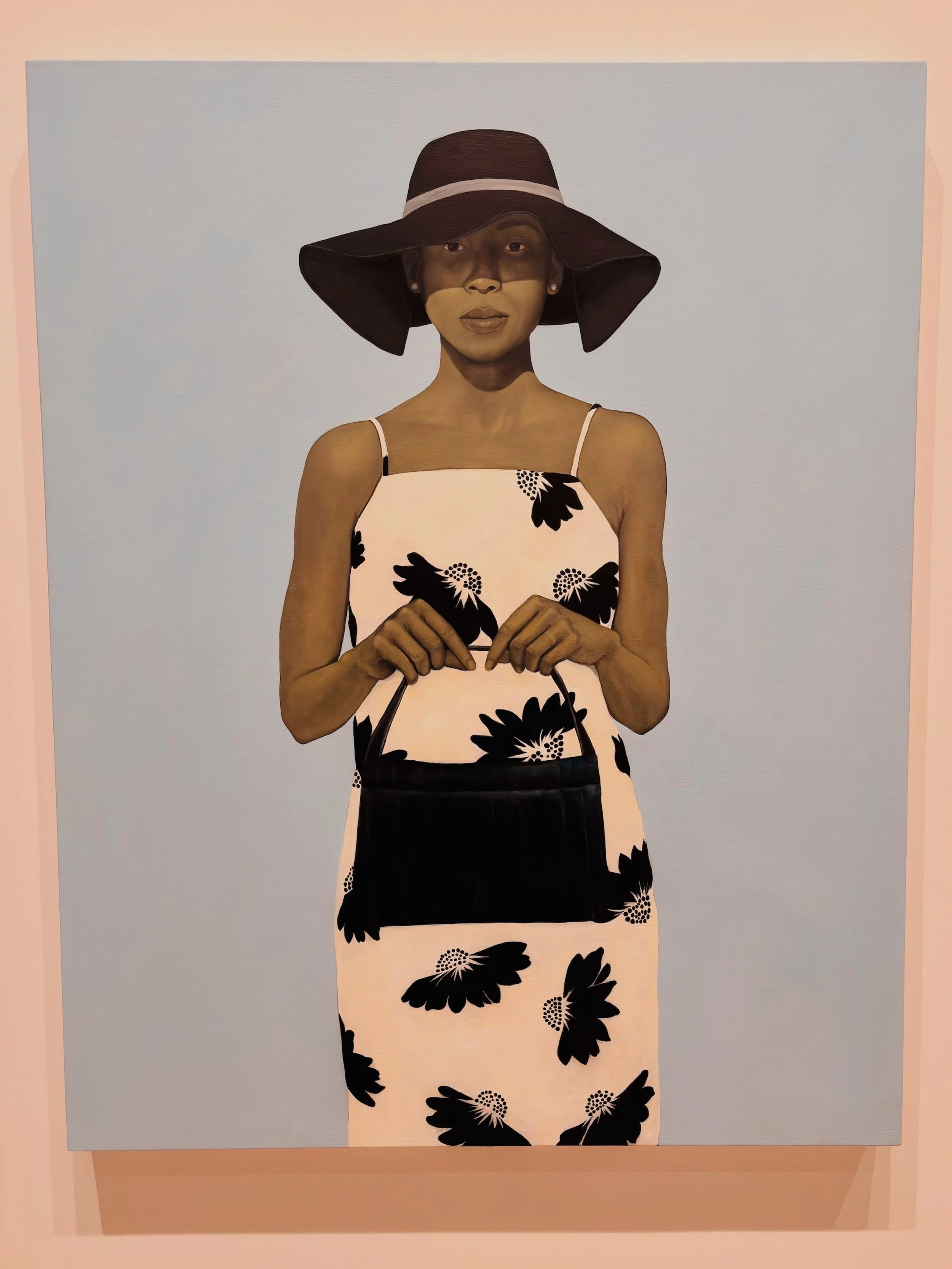
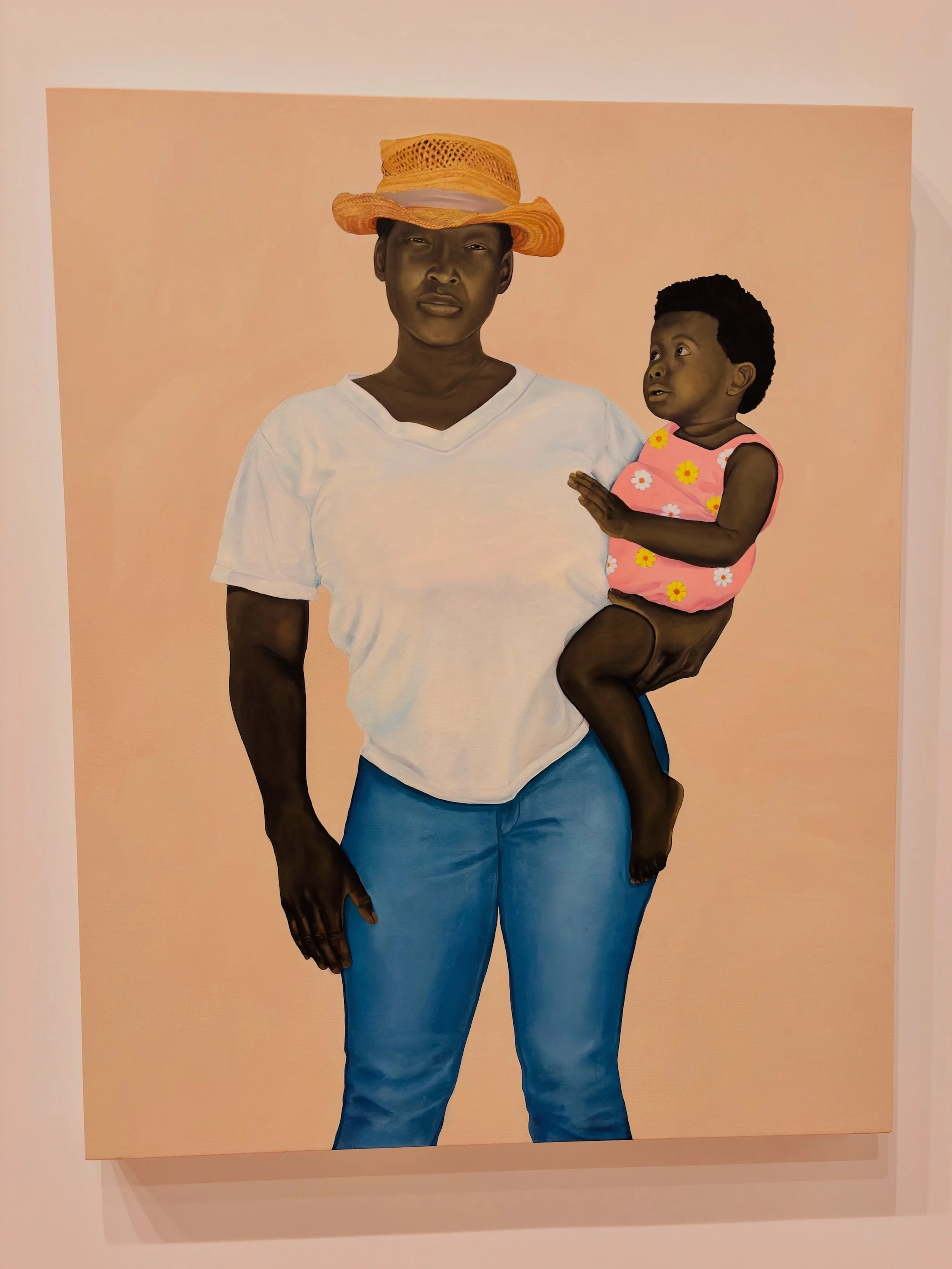
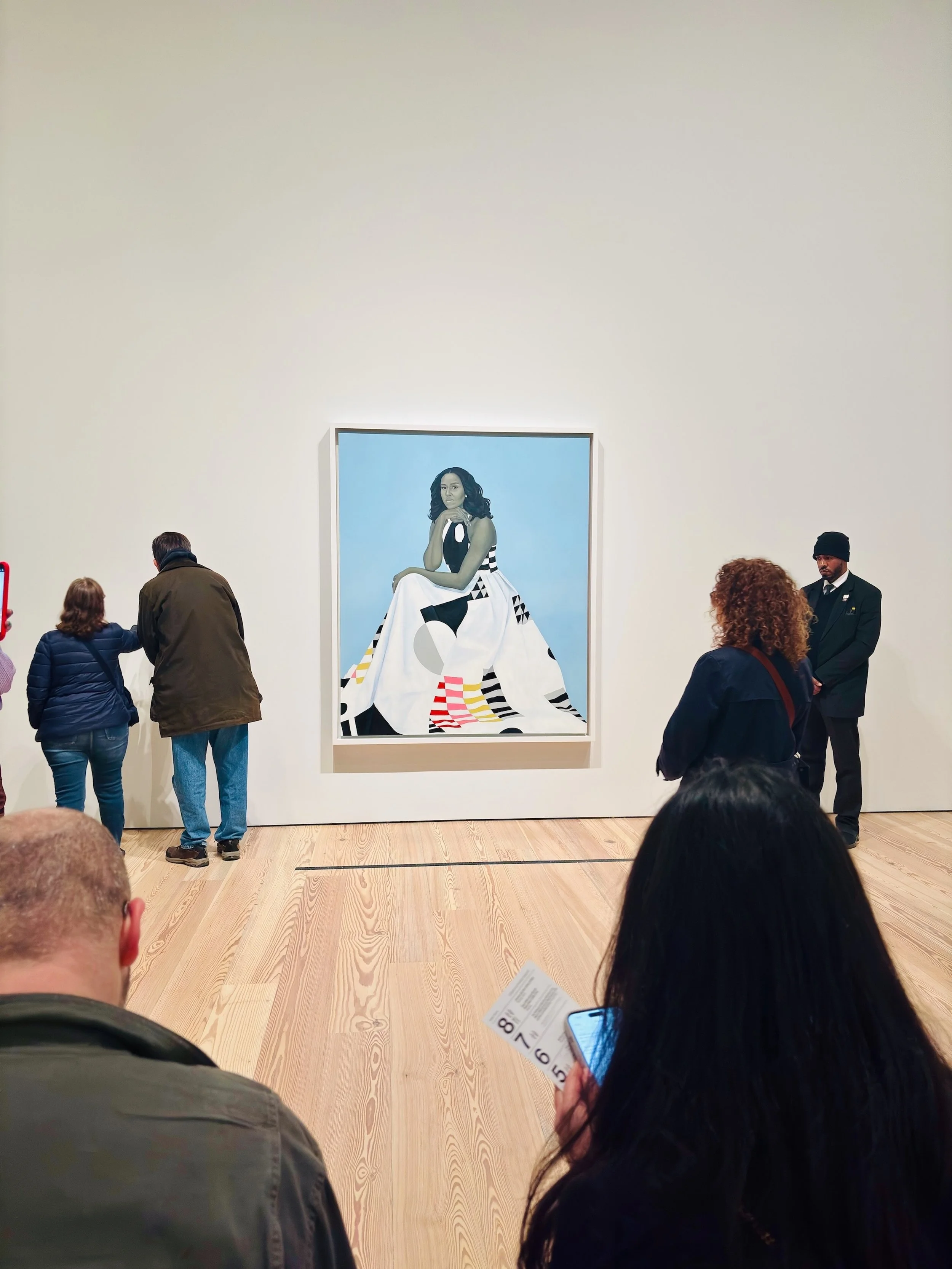
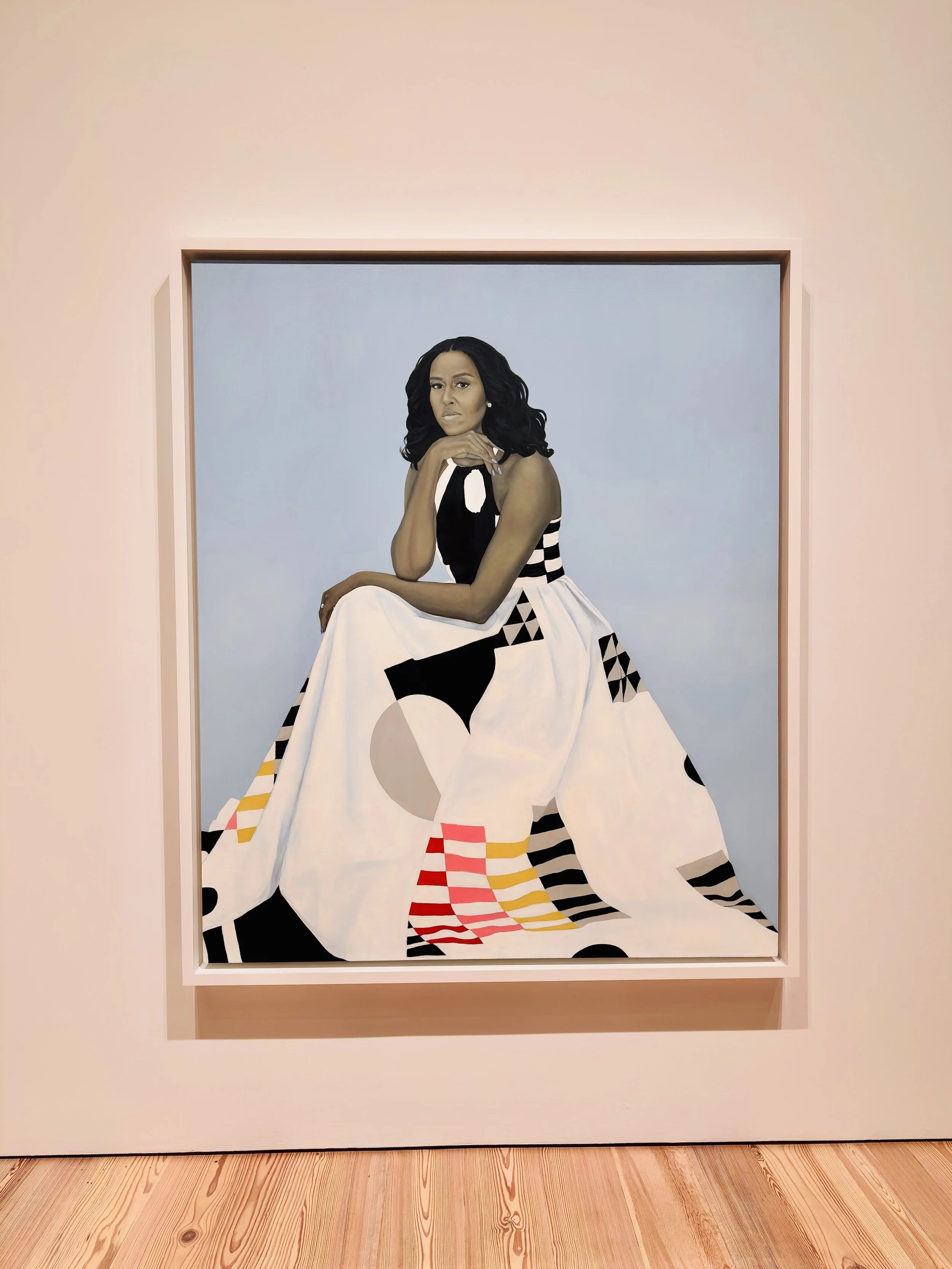
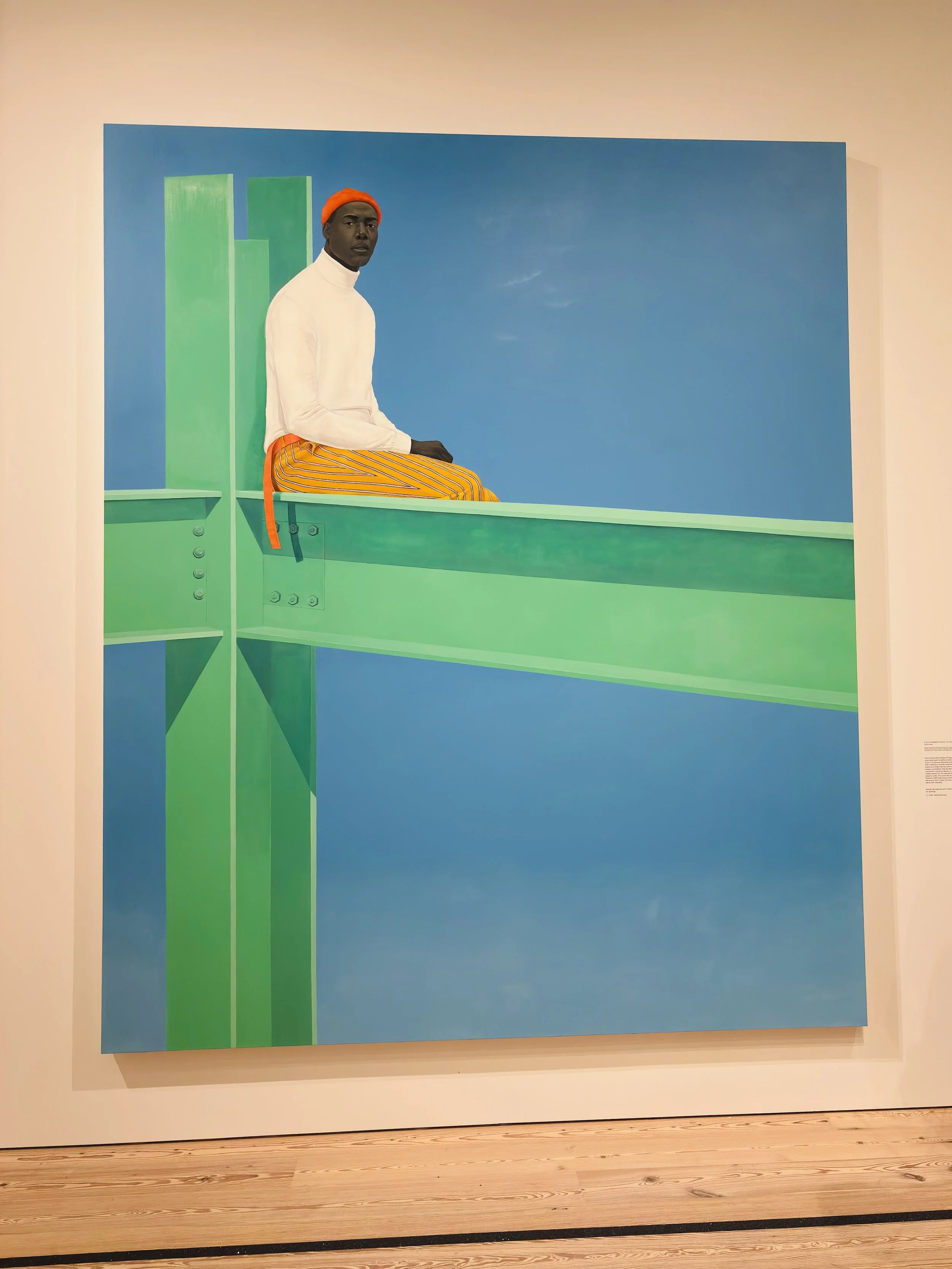
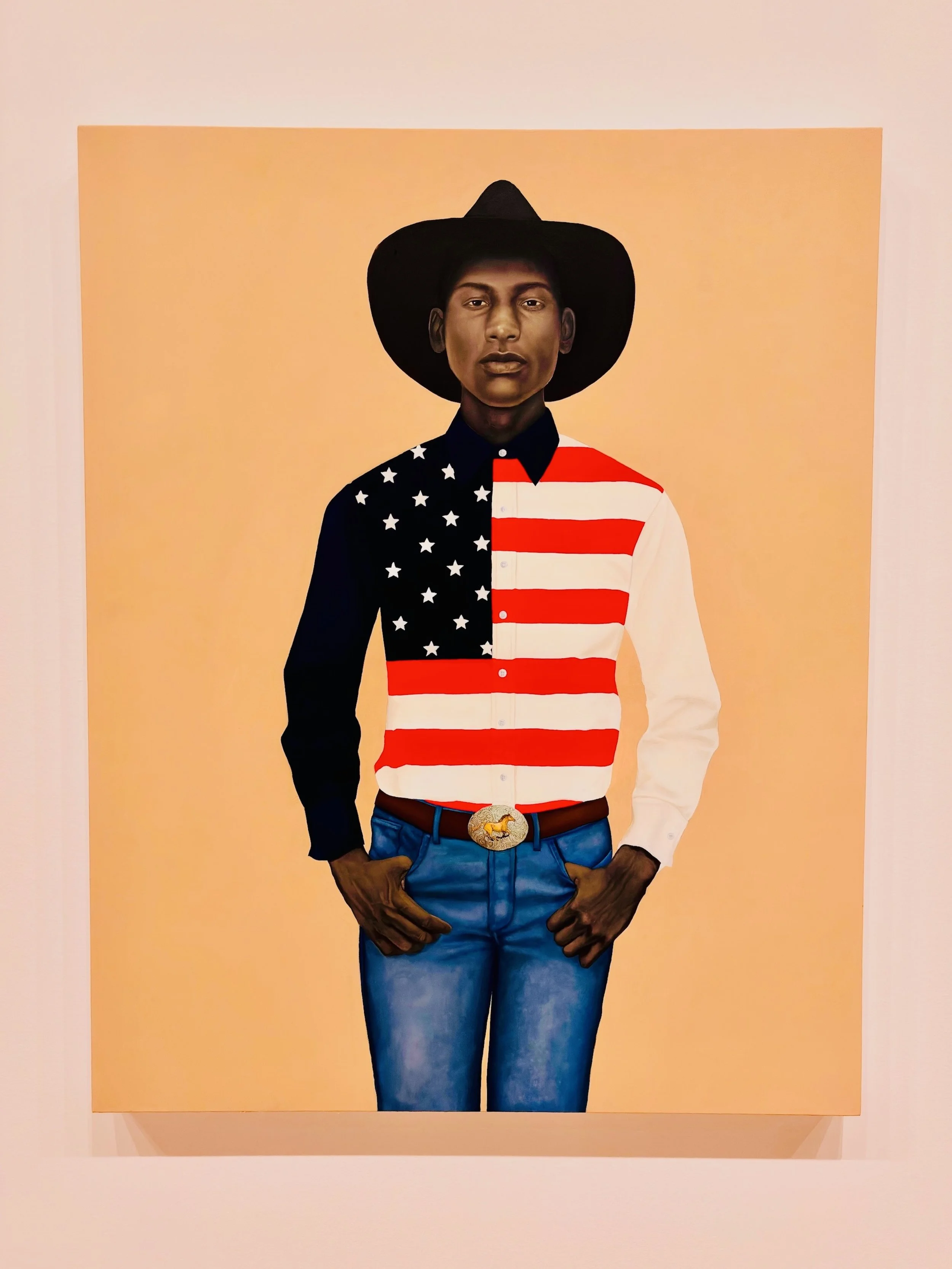
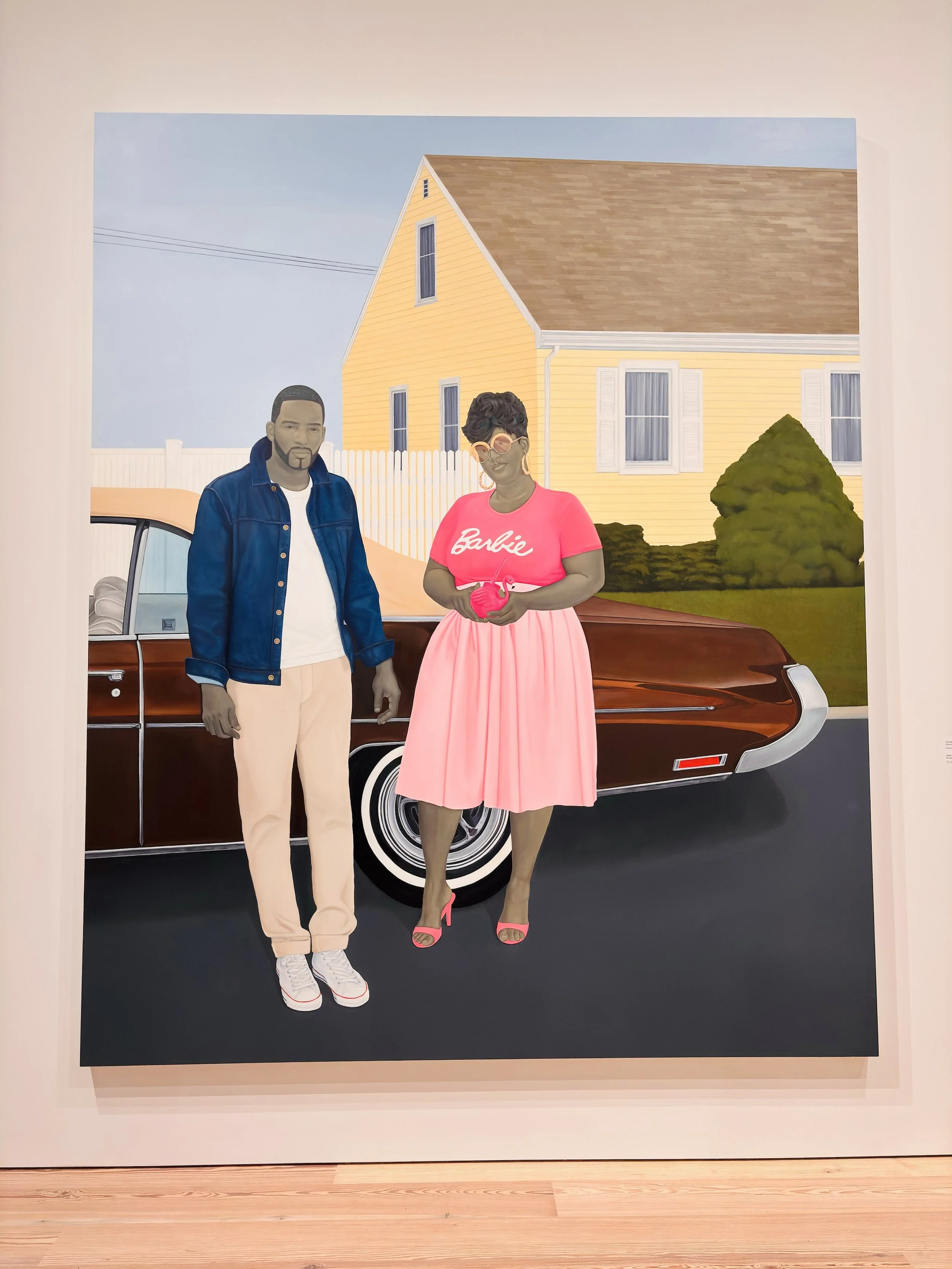
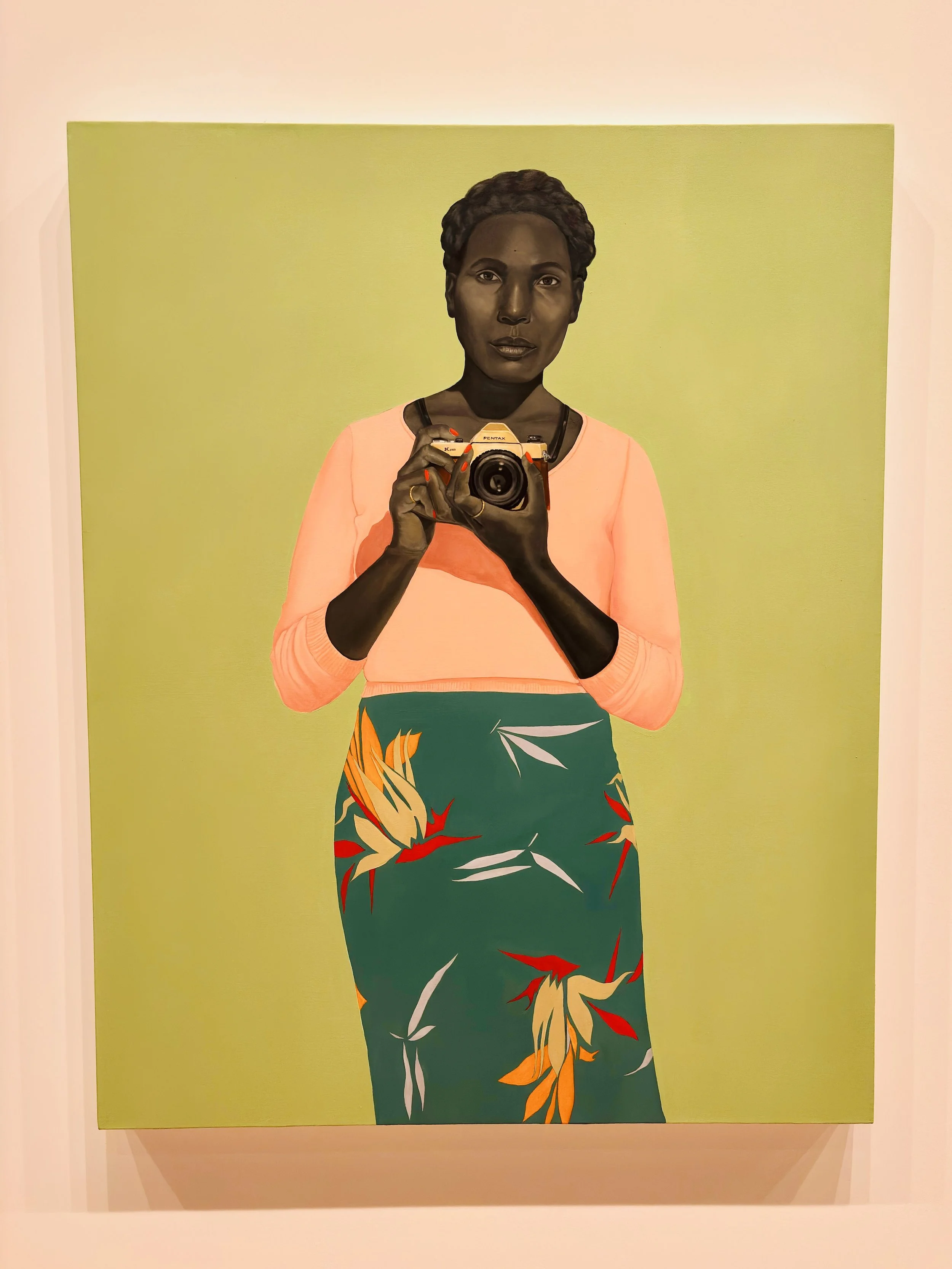
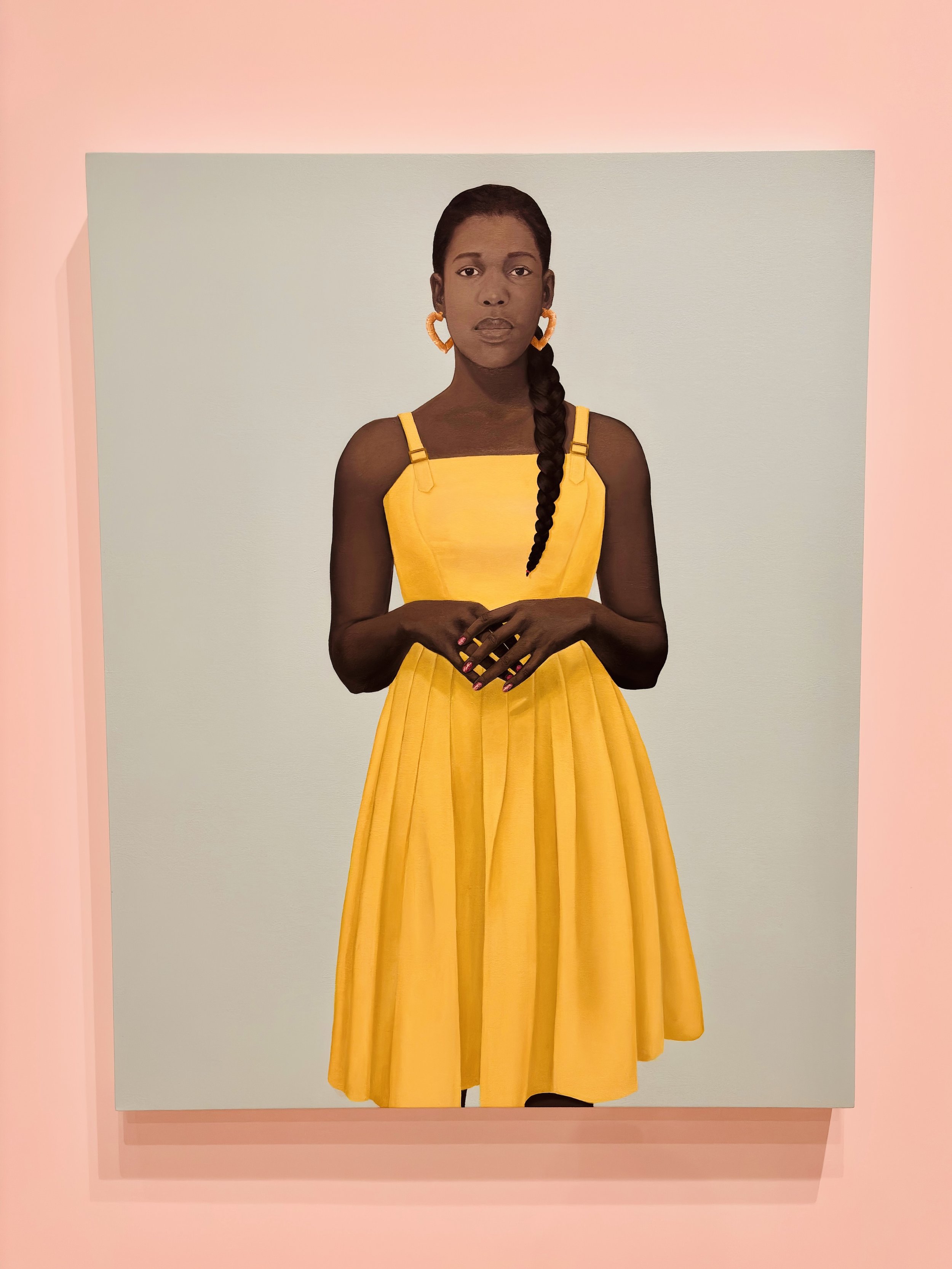
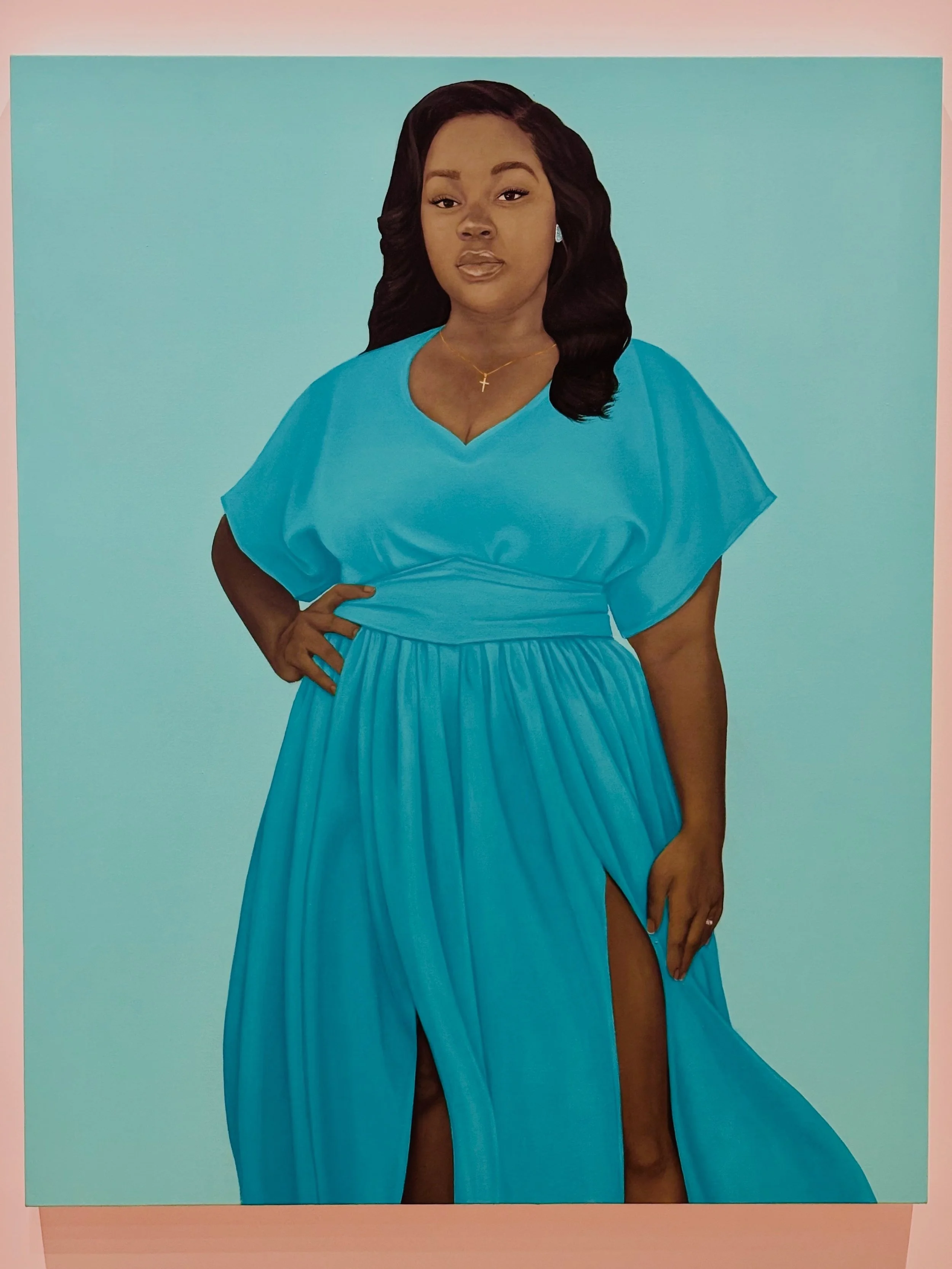
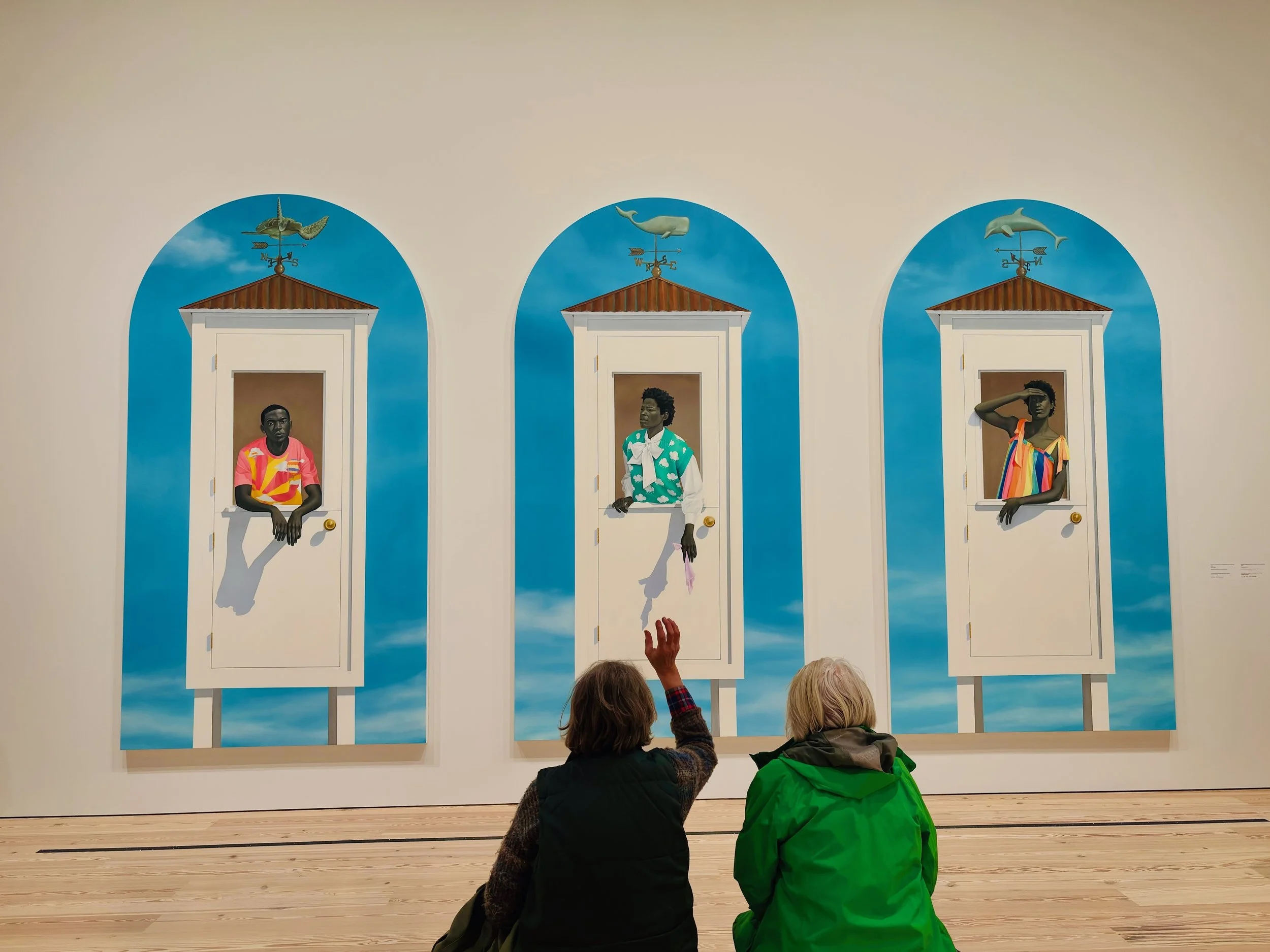
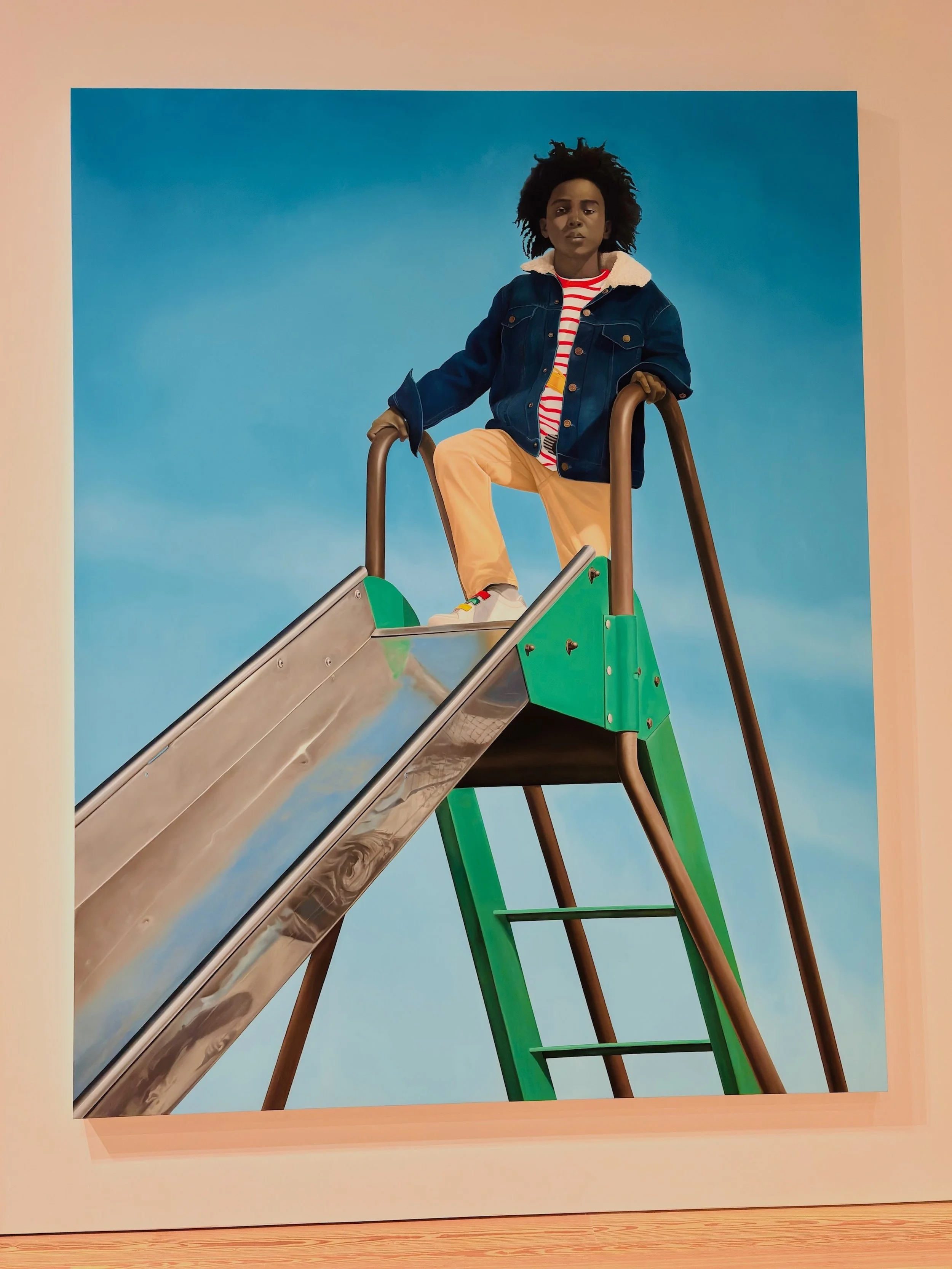
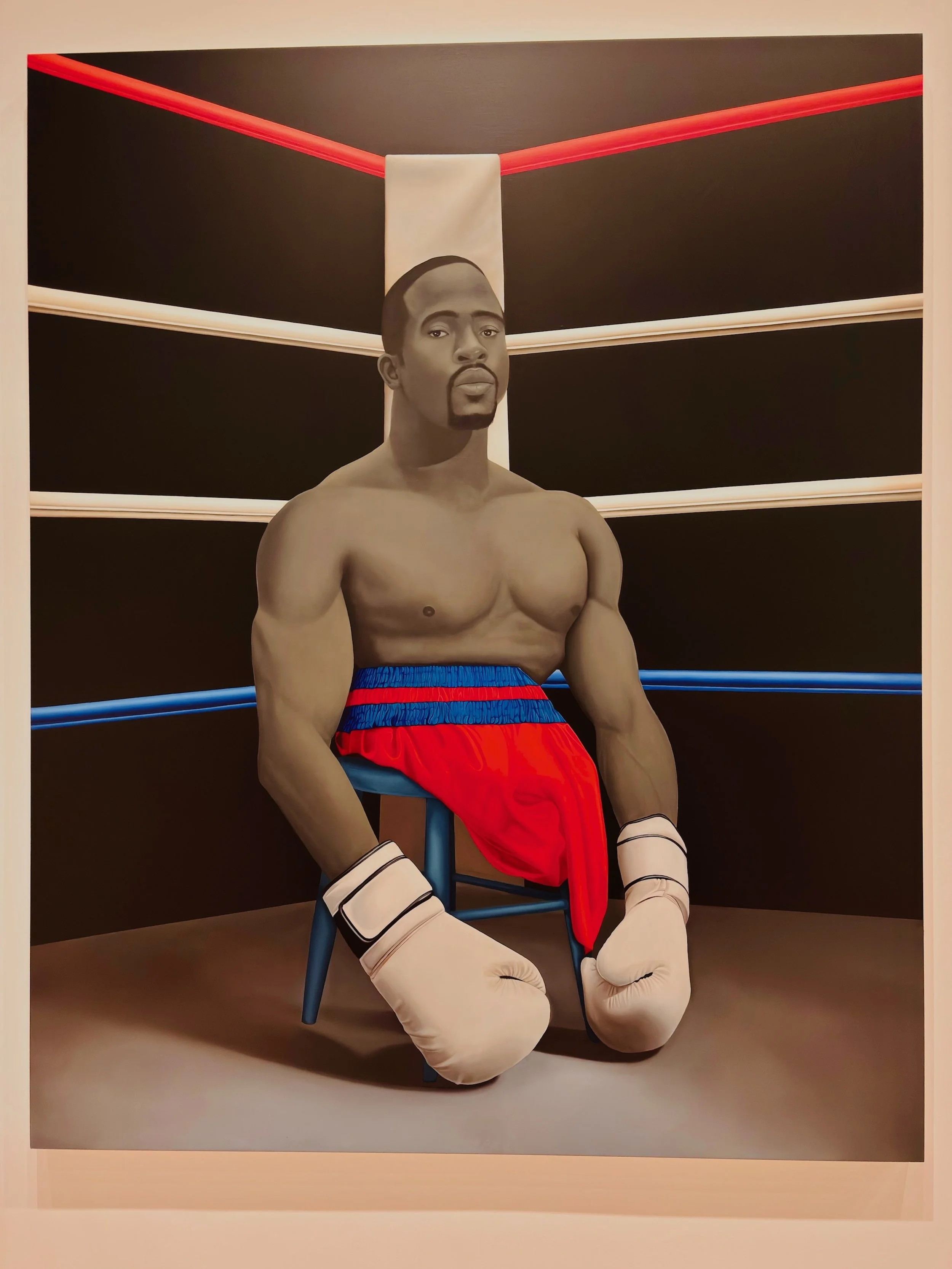
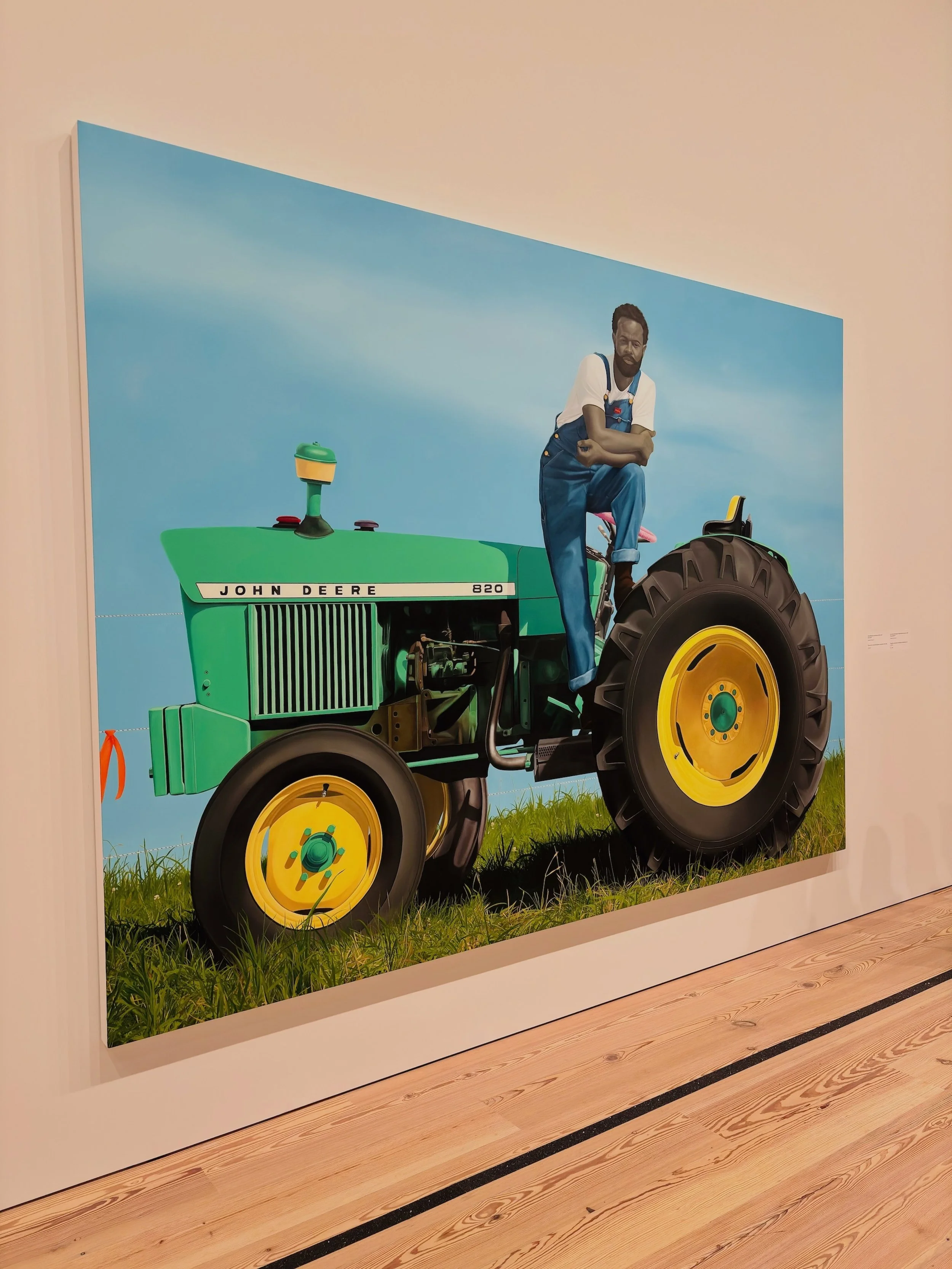
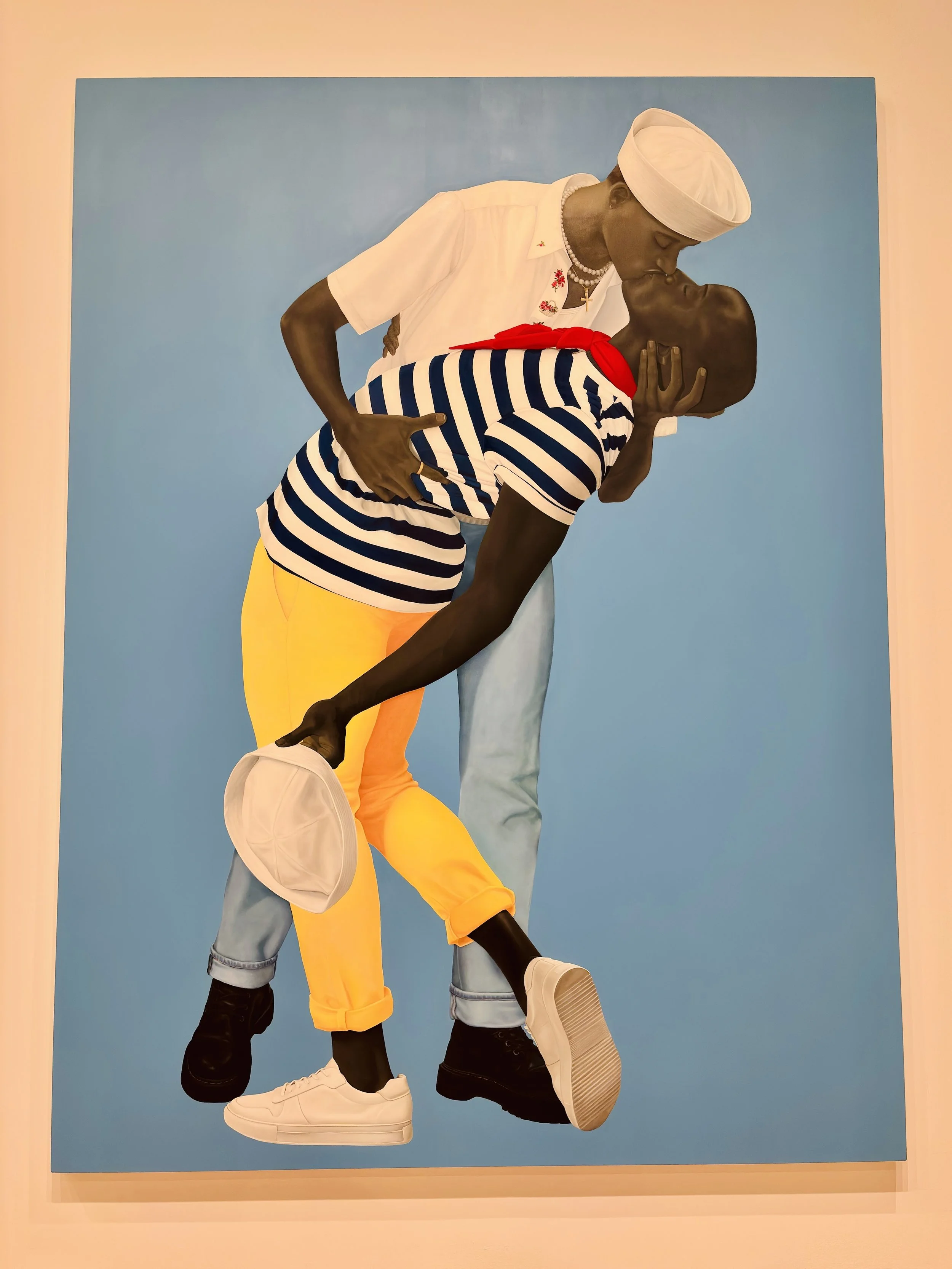
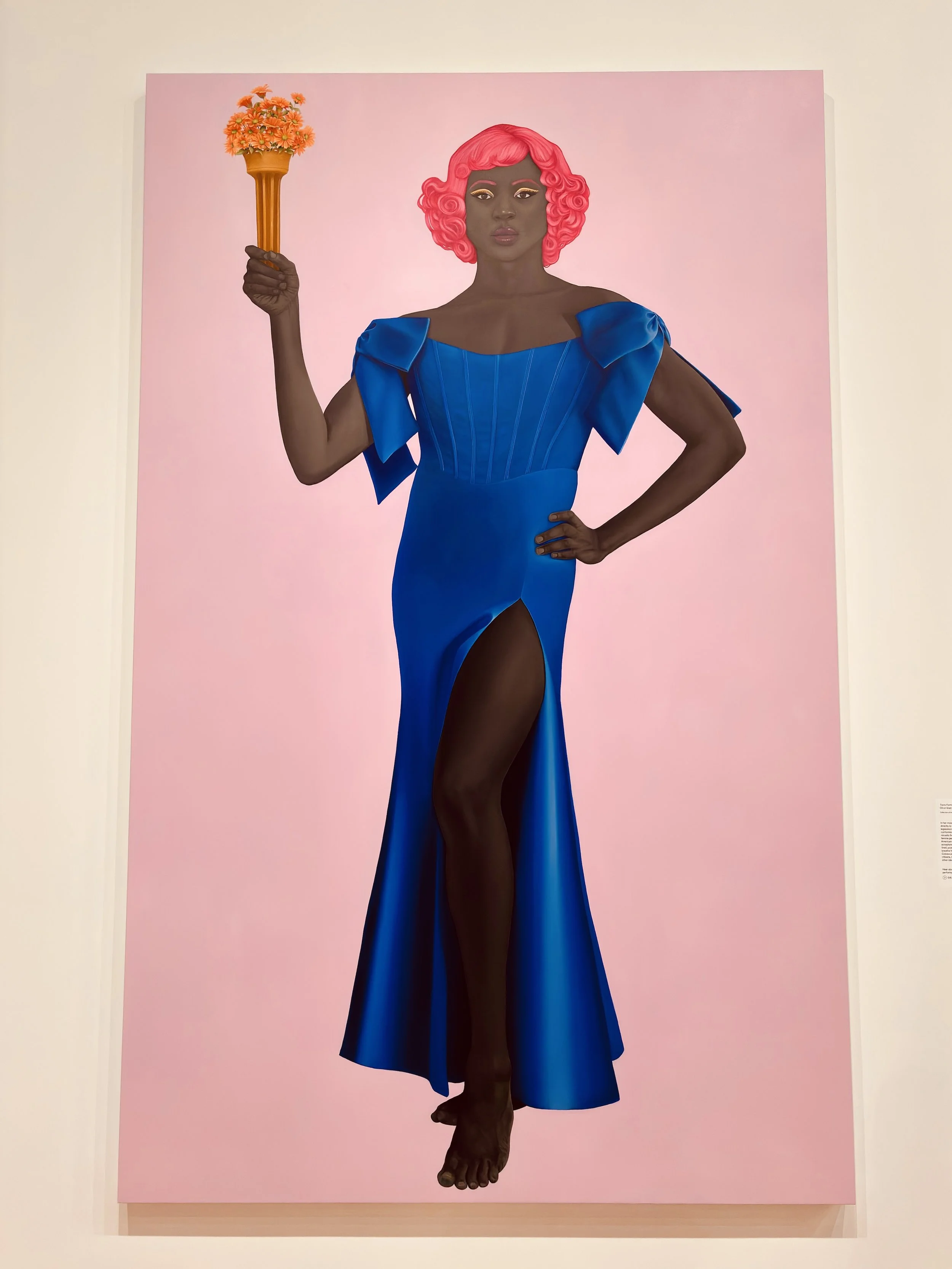
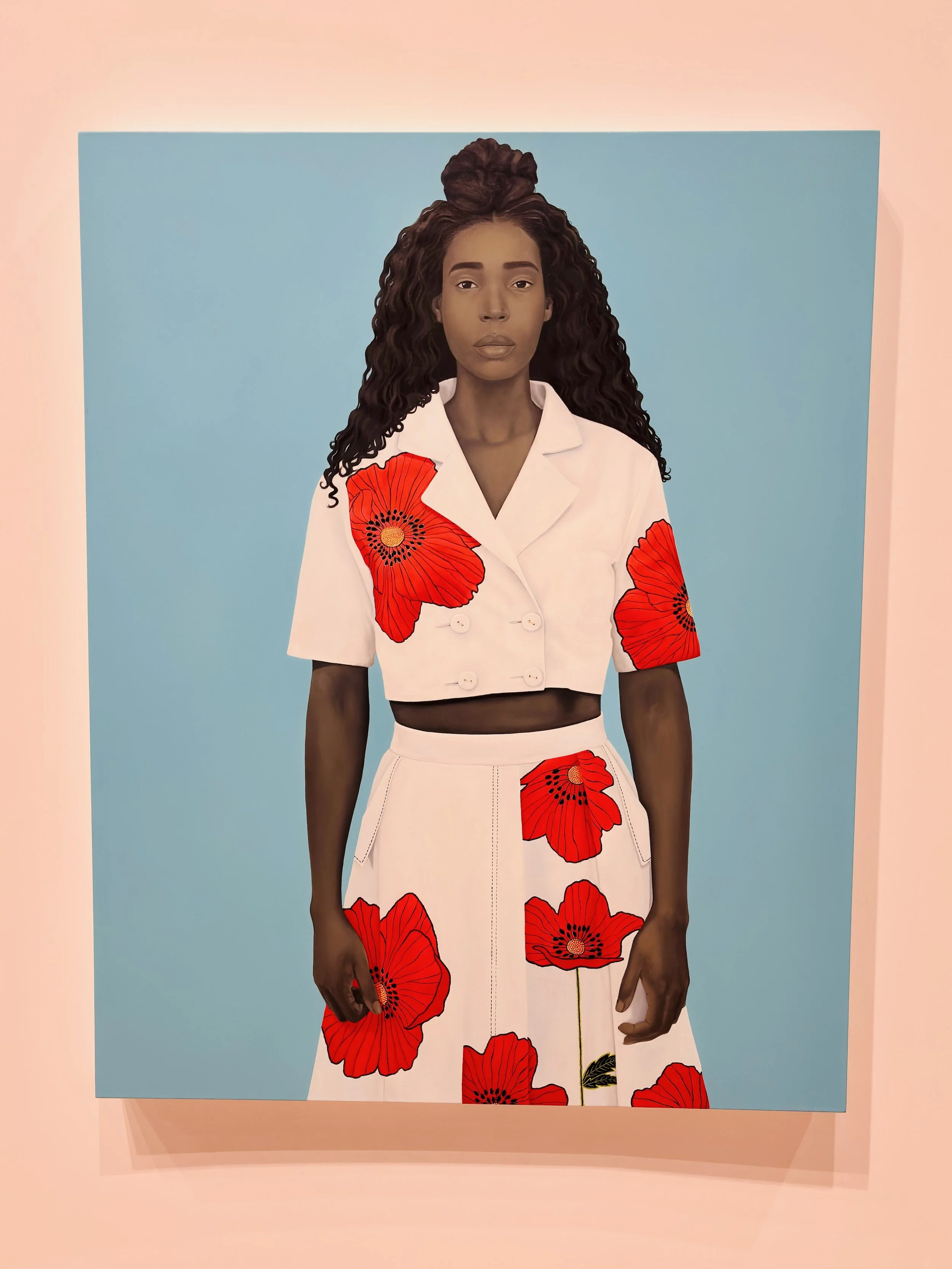
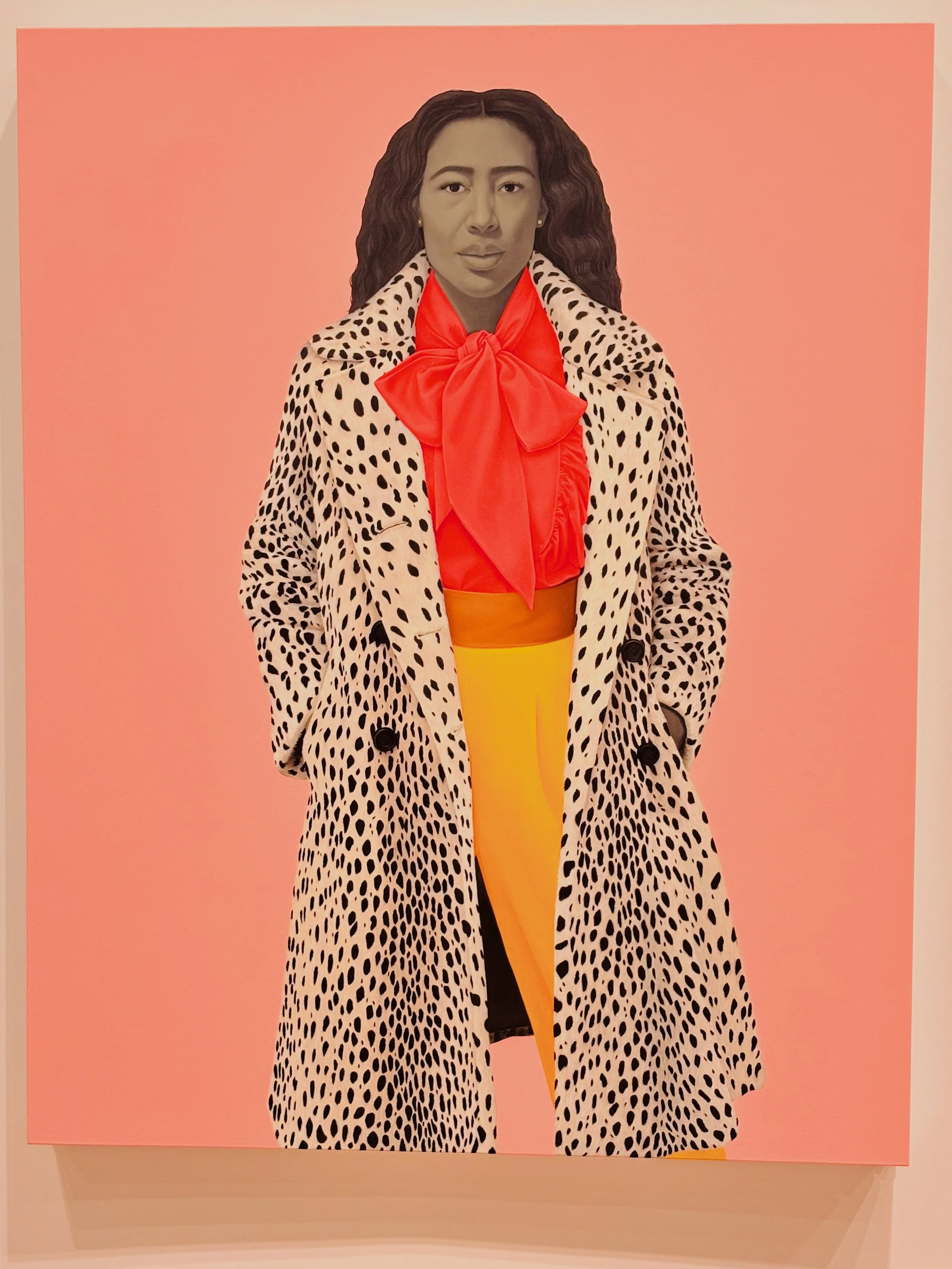
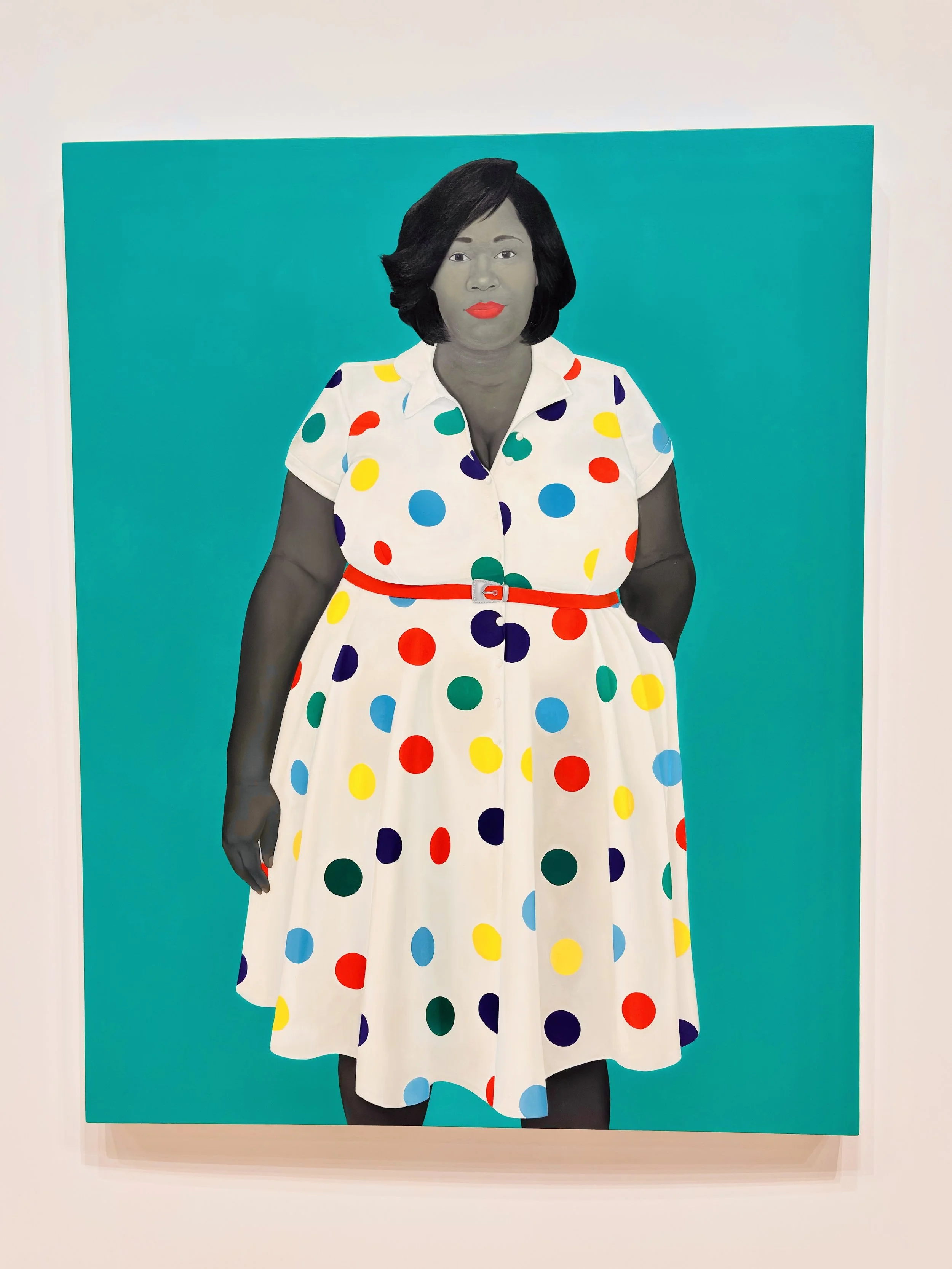
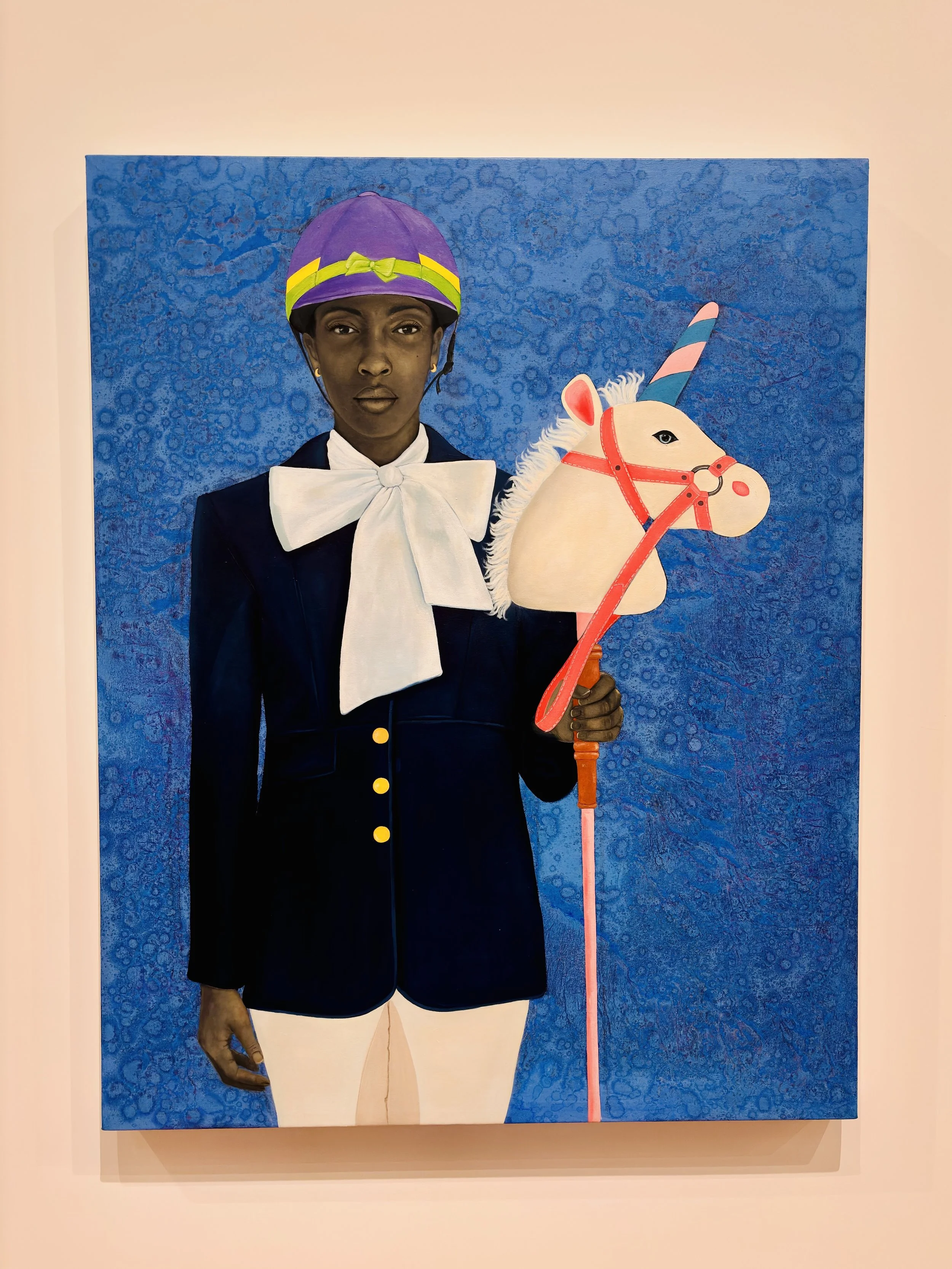
The first thing that draws us into Amy Sherald’s paintings is color. It is luminous, unexpected, and impossible to separate from the people who inhabit each composition. Against vivid backgrounds, her figures appear with a remarkable sense of presence, dressed with intention and carrying themselves with a quiet confidence that immediately holds our attention.

At the Whitney Museum of American Art, Amy Sherald: American Sublime, on view from April 9 through August 10, 2025, brings together portraits that feel less like formal studies of individuals and more like glimpses into fully imagined lives. Sherald begins with real people, yet what emerges on the canvas feels expansive. Each subject seems to exist beyond the frame, with a private interior world that belongs entirely to them.

There is an extraordinary calm in these paintings. Expressions are often restrained, gestures are deliberate, and nothing feels accidental. Clothing becomes part of the storytelling, while color creates an atmosphere that is at once contemporary and dreamlike. The result is portraiture that feels deeply personal without asking its subjects to explain themselves.

As we move through the exhibition, we find ourselves lingering over the details: a particular expression, the posture of a figure, the relationship between a garment and its background. These are the moments our photographs try to hold onto. They capture some of the vivid color and striking compositions that stay with us after leaving the galleries, even though the experience of standing before the paintings is something photographs can only partially convey.

Sherald's portraits also invite a different kind of looking. Her subjects are not defined by hardship or reduced to the history surrounding them. They possess agency, individuality, beauty, and an unmistakable sense of self. There is freedom in that distinction, and it gives the exhibition much of its emotional power.

The title American Sublime begins to feel especially fitting as the exhibition unfolds. The paintings locate something extraordinary within everyday lives, allowing ordinary moments of presence, style, confidence, and contemplation to become worthy of our fullest attention.

We leave the exhibition thinking about how powerful it can be simply to see someone represented with such care. Sherald does not ask her subjects to become larger than life. She gives them something more meaningful: the space to be fully themselves.

Comment

Jack Whitten: The Messenger at MoMA

Comment

Jack Whitten: The Messenger at MoMA

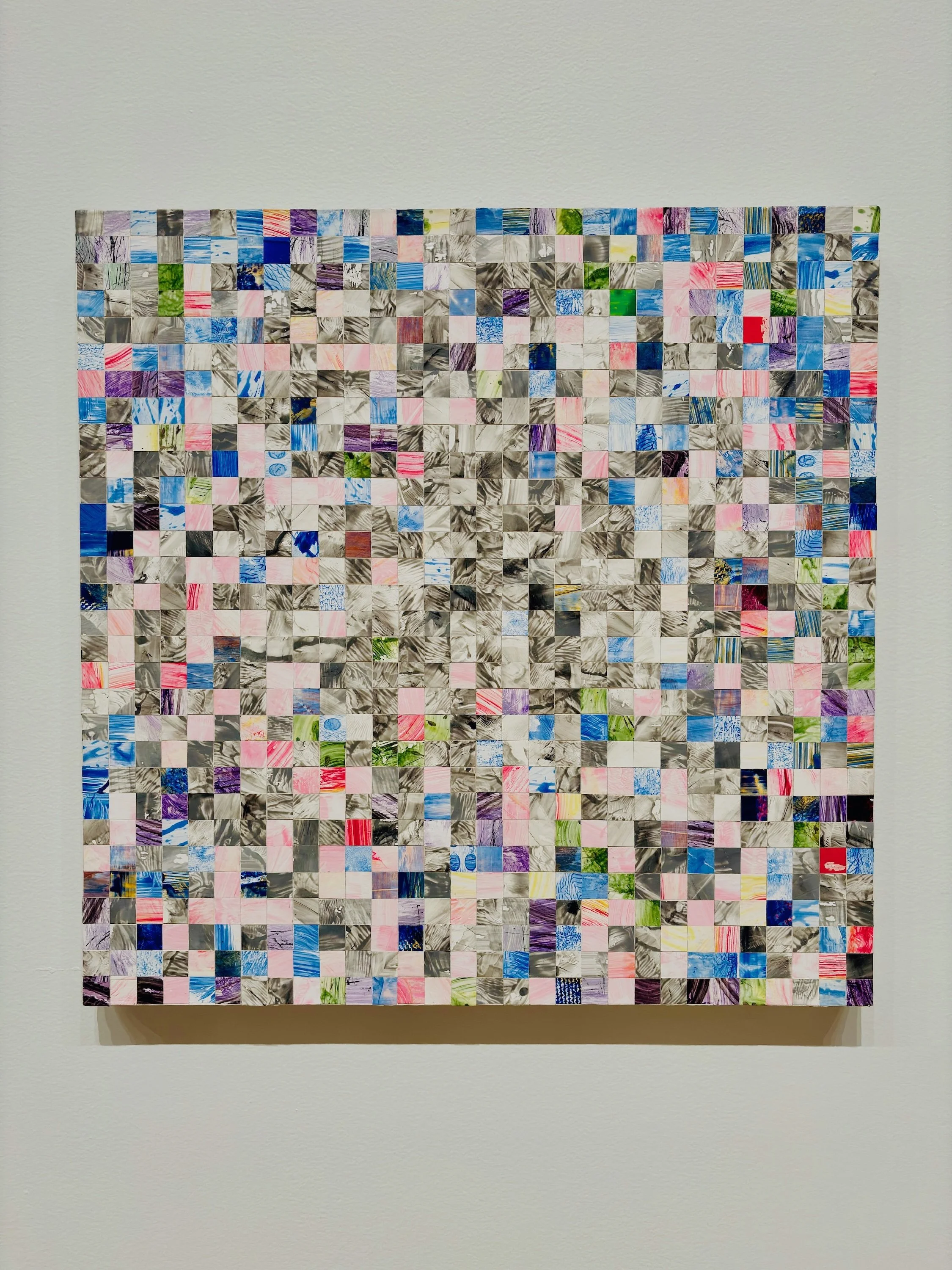
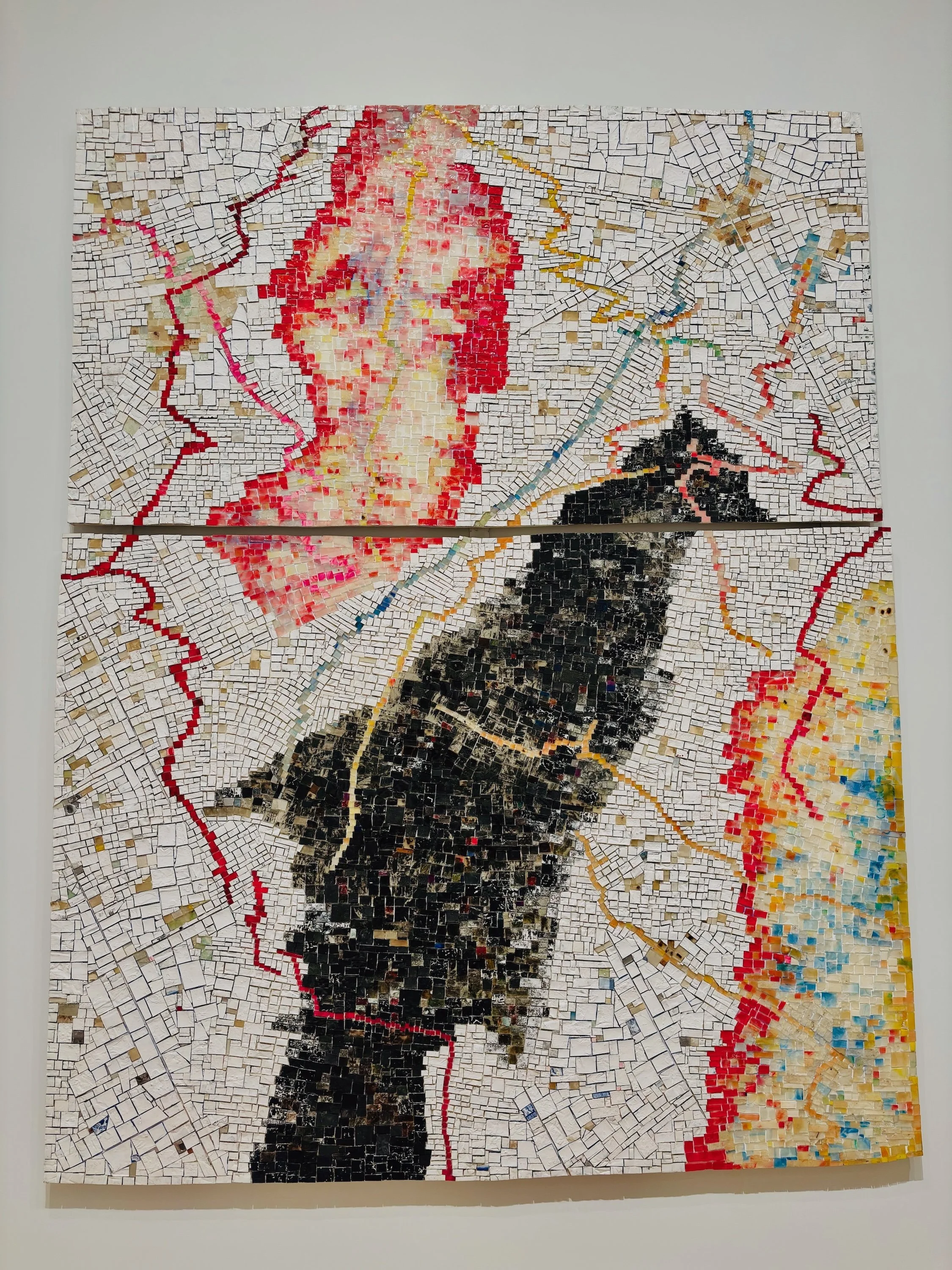
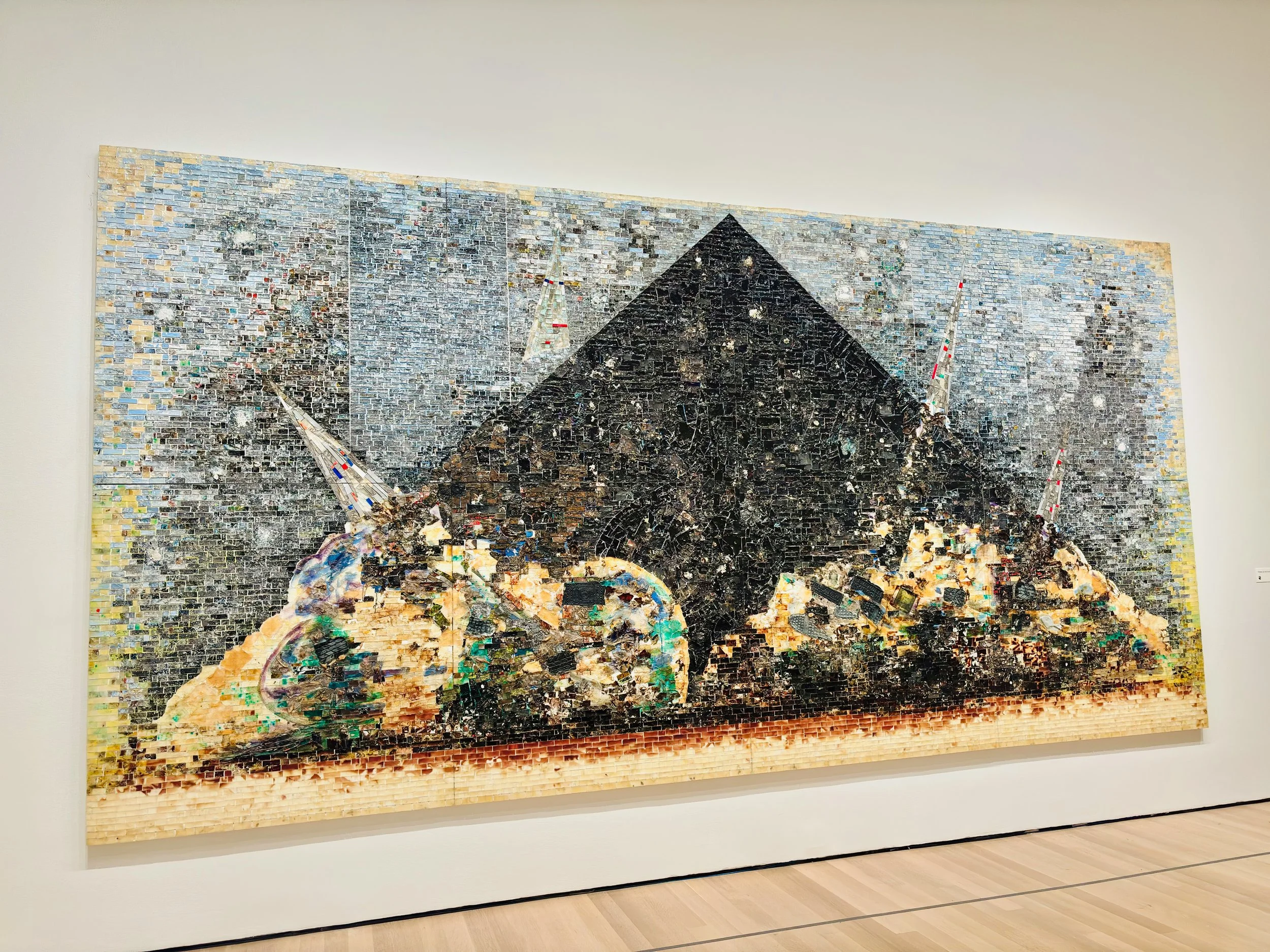
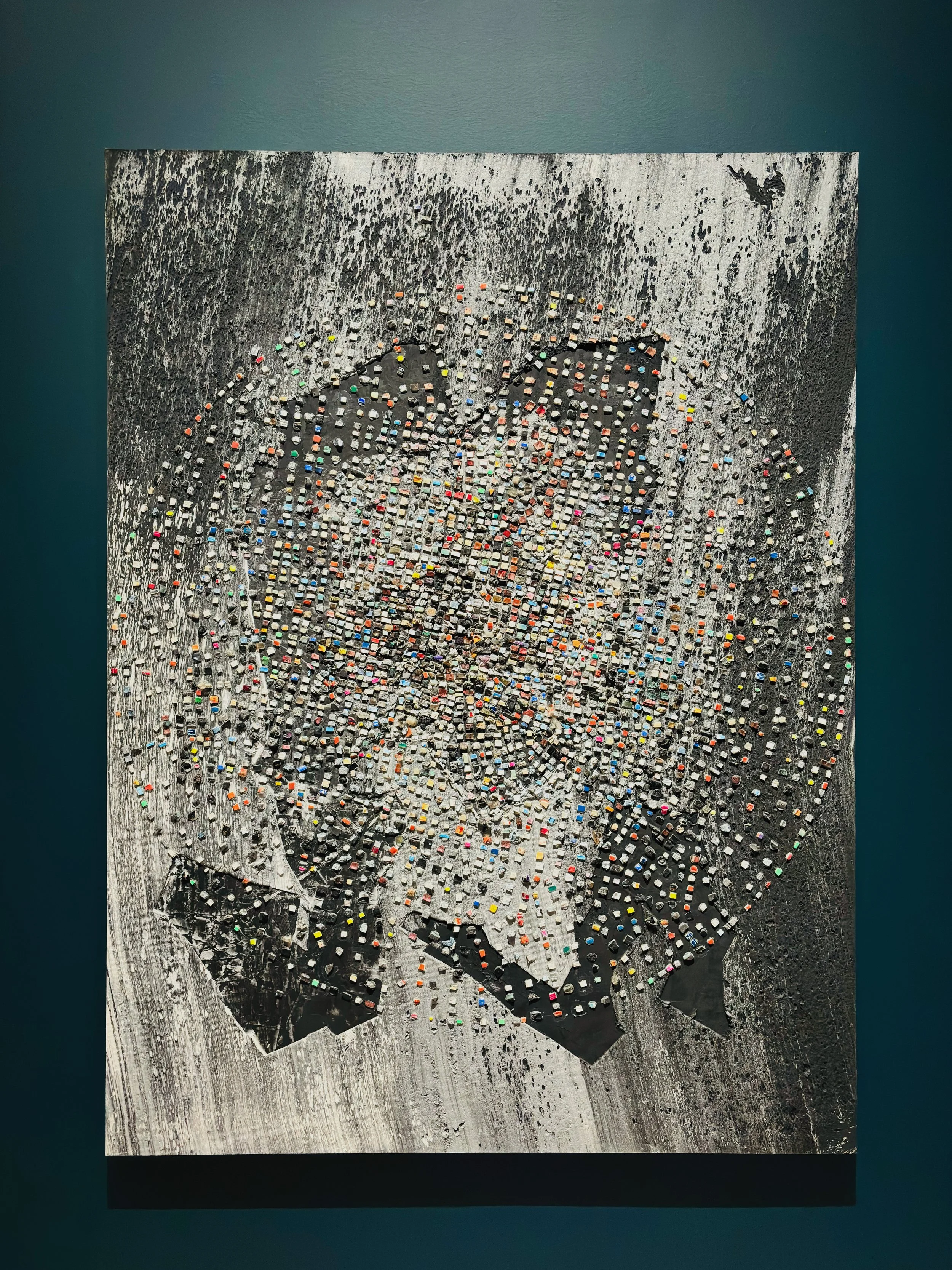
Some artists respond to the world as it is. Jack Whitten transforms that response into something entirely new.

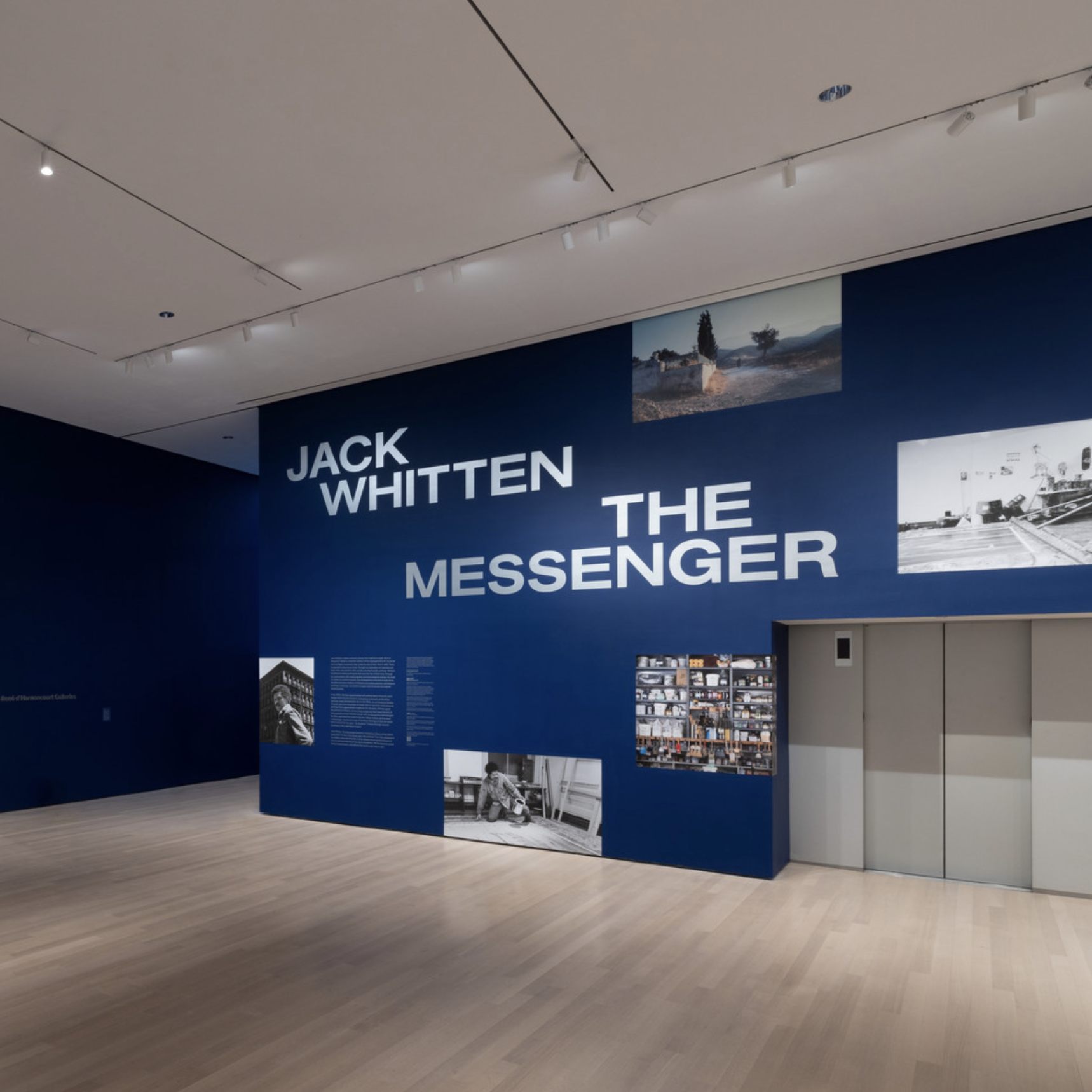
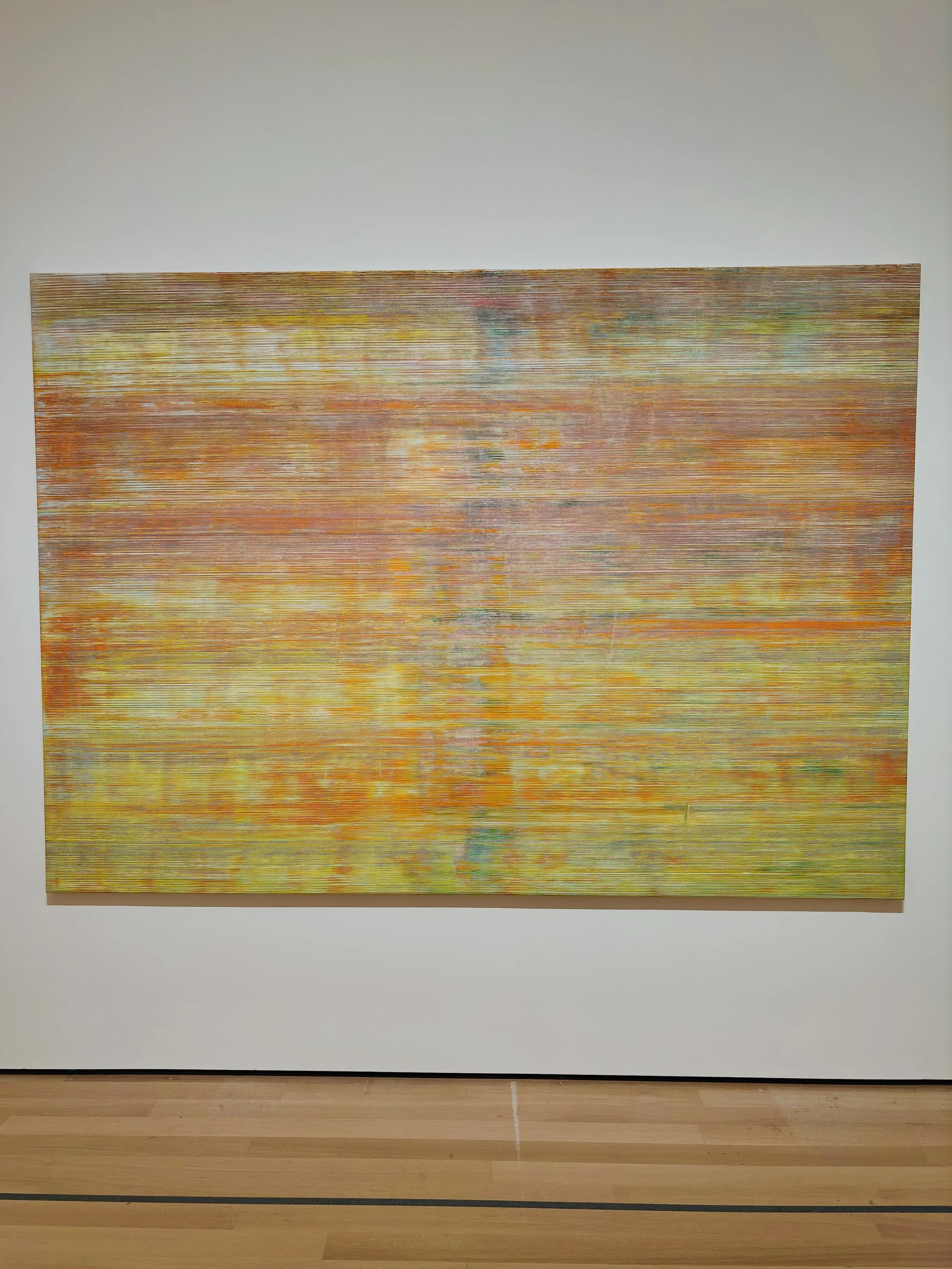
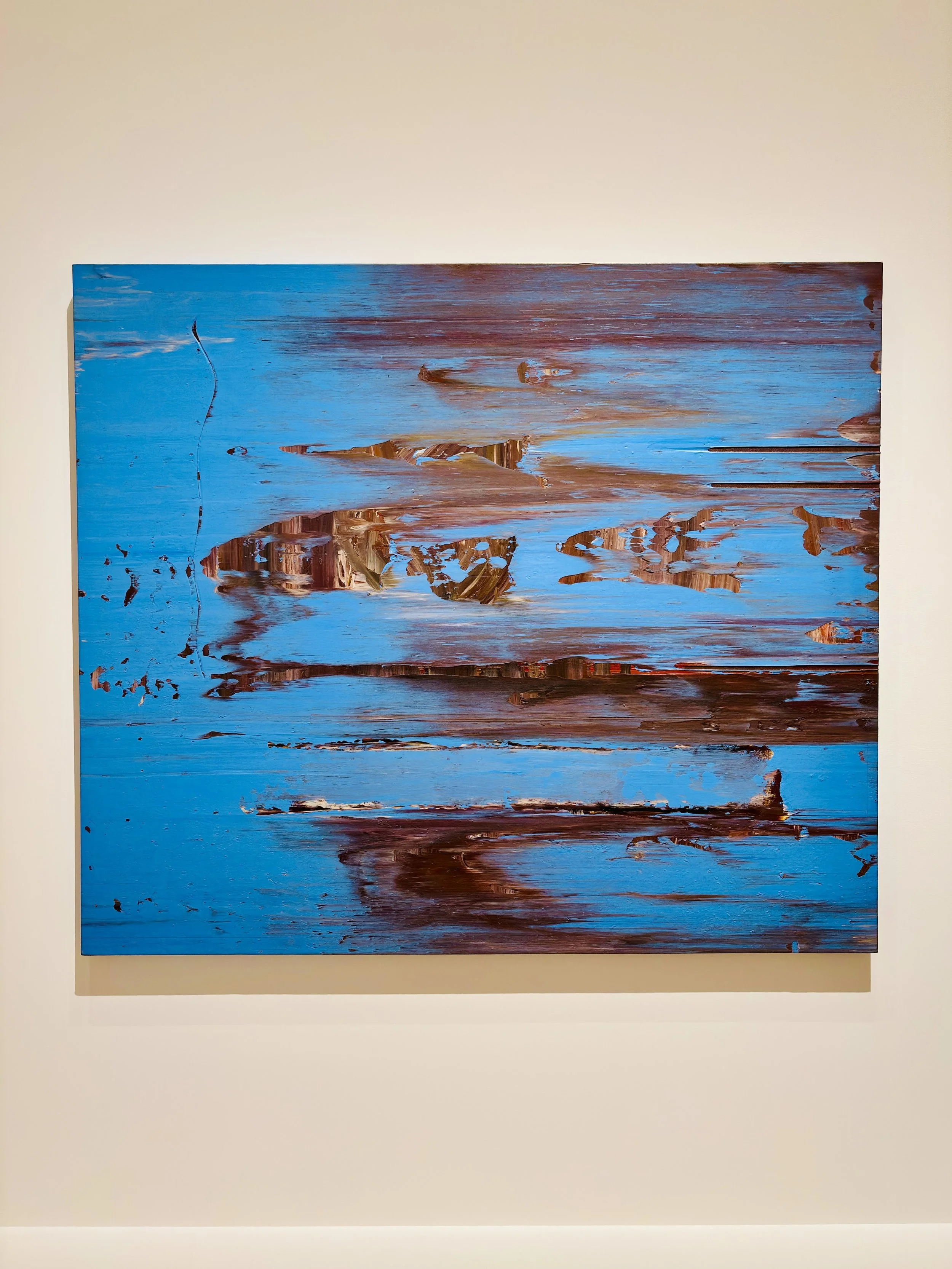
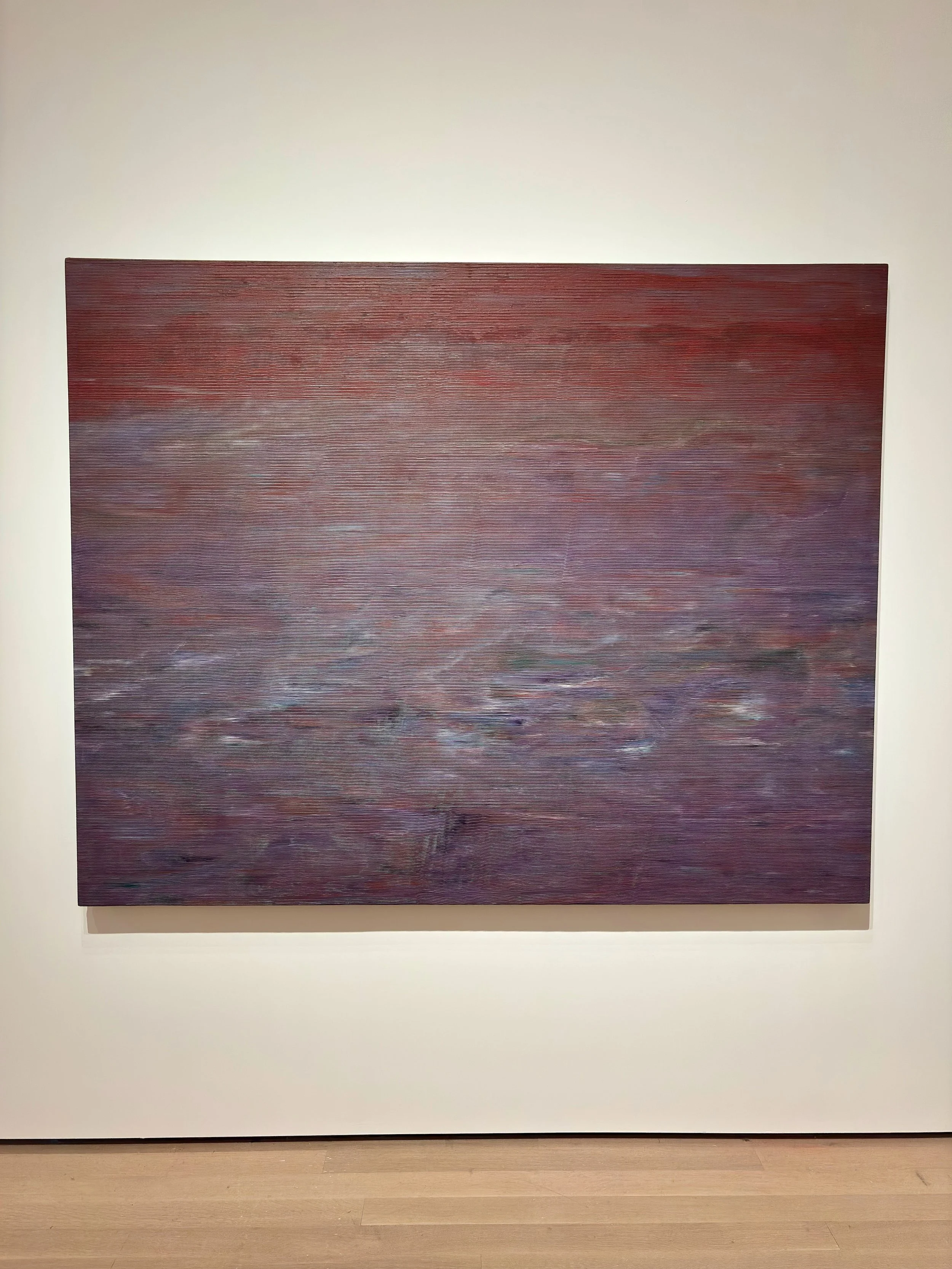
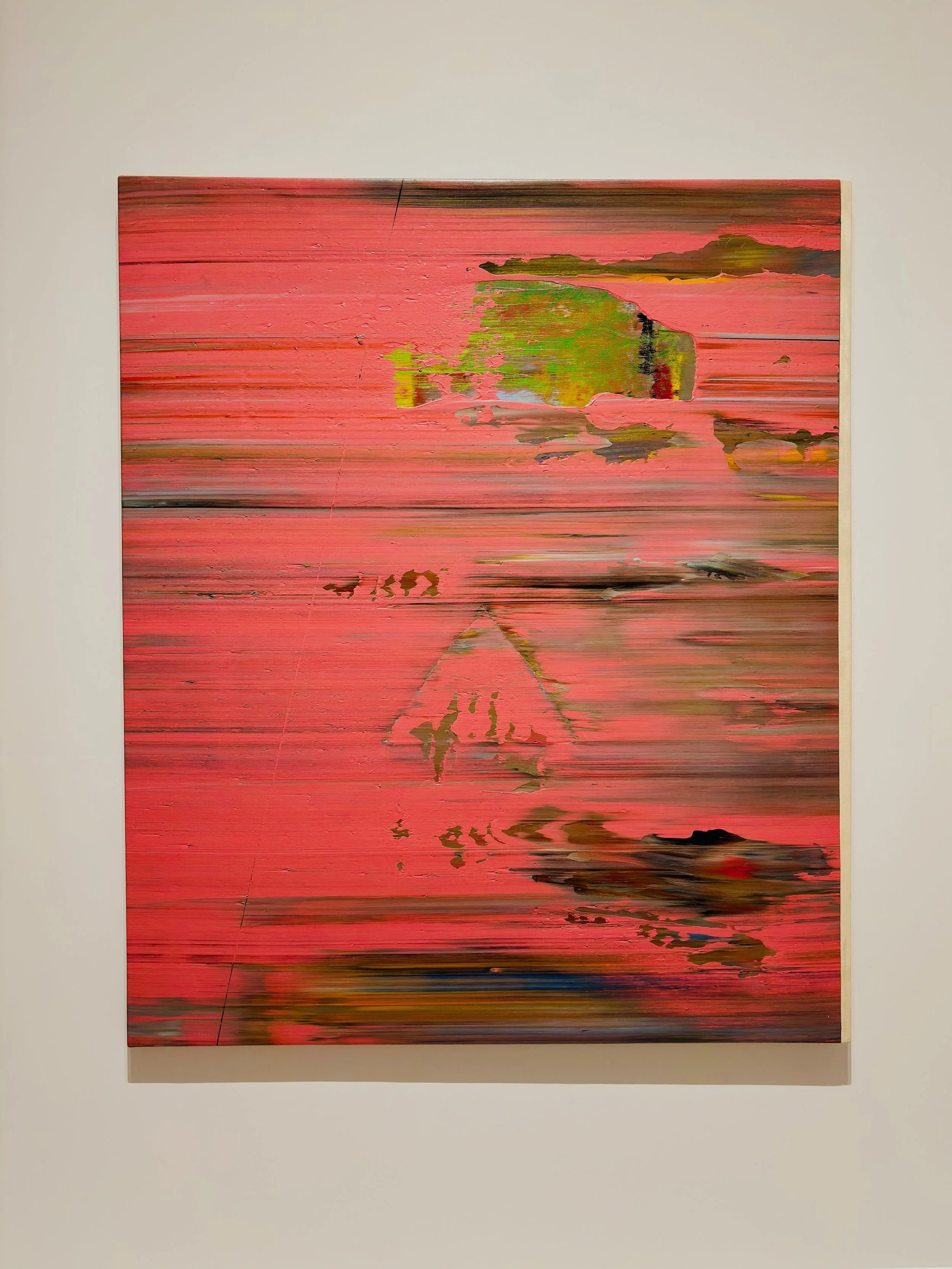
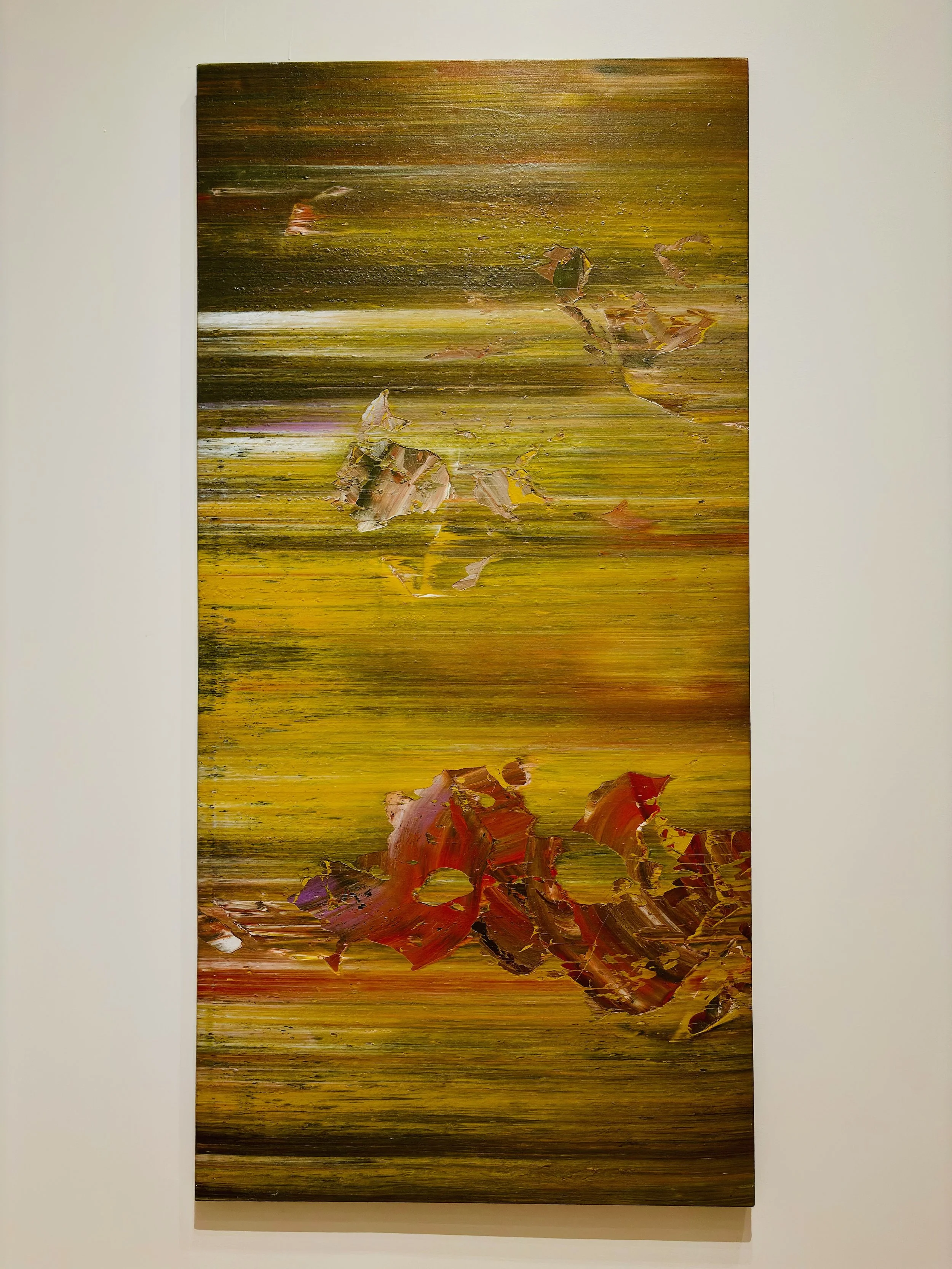
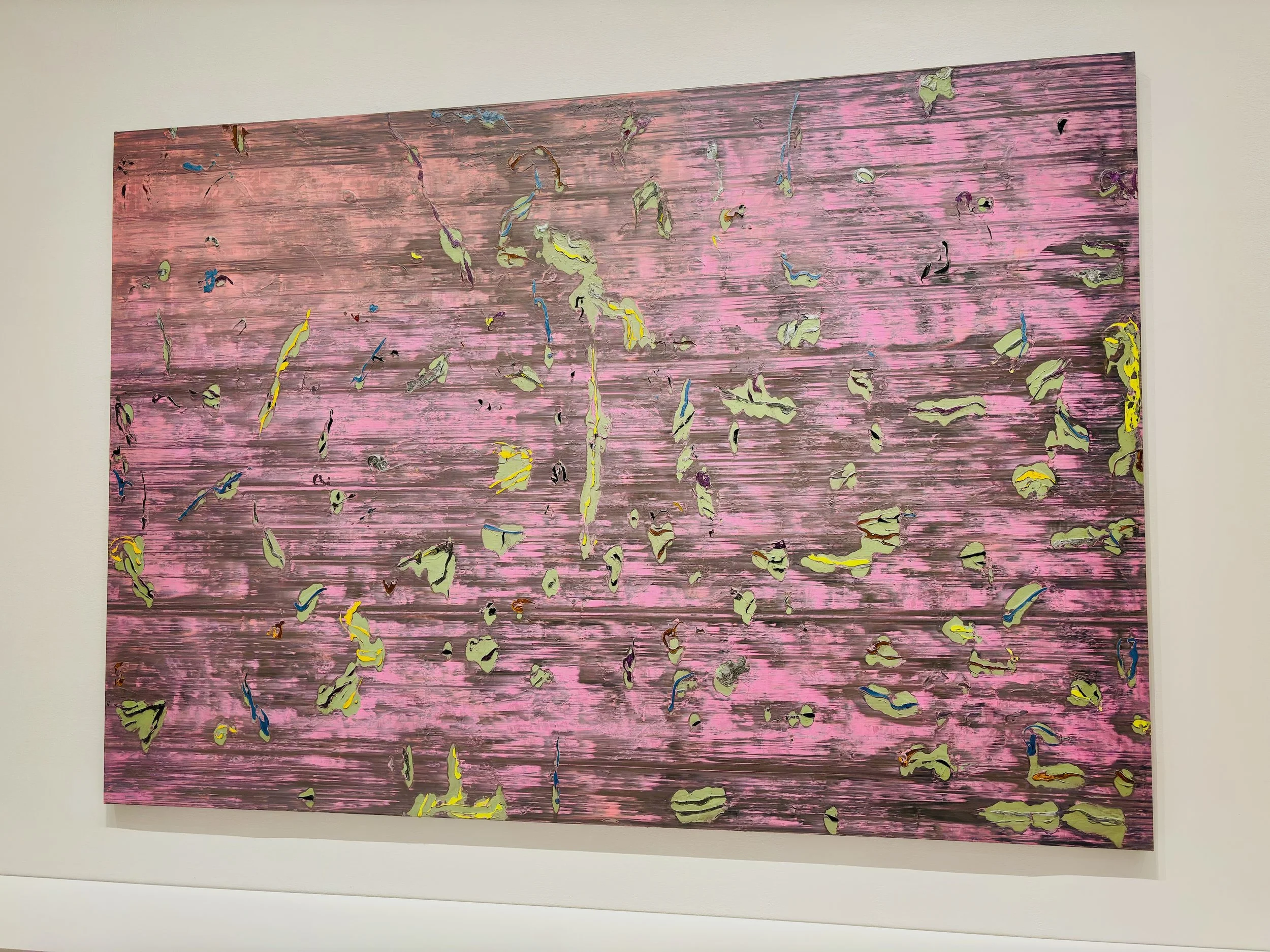
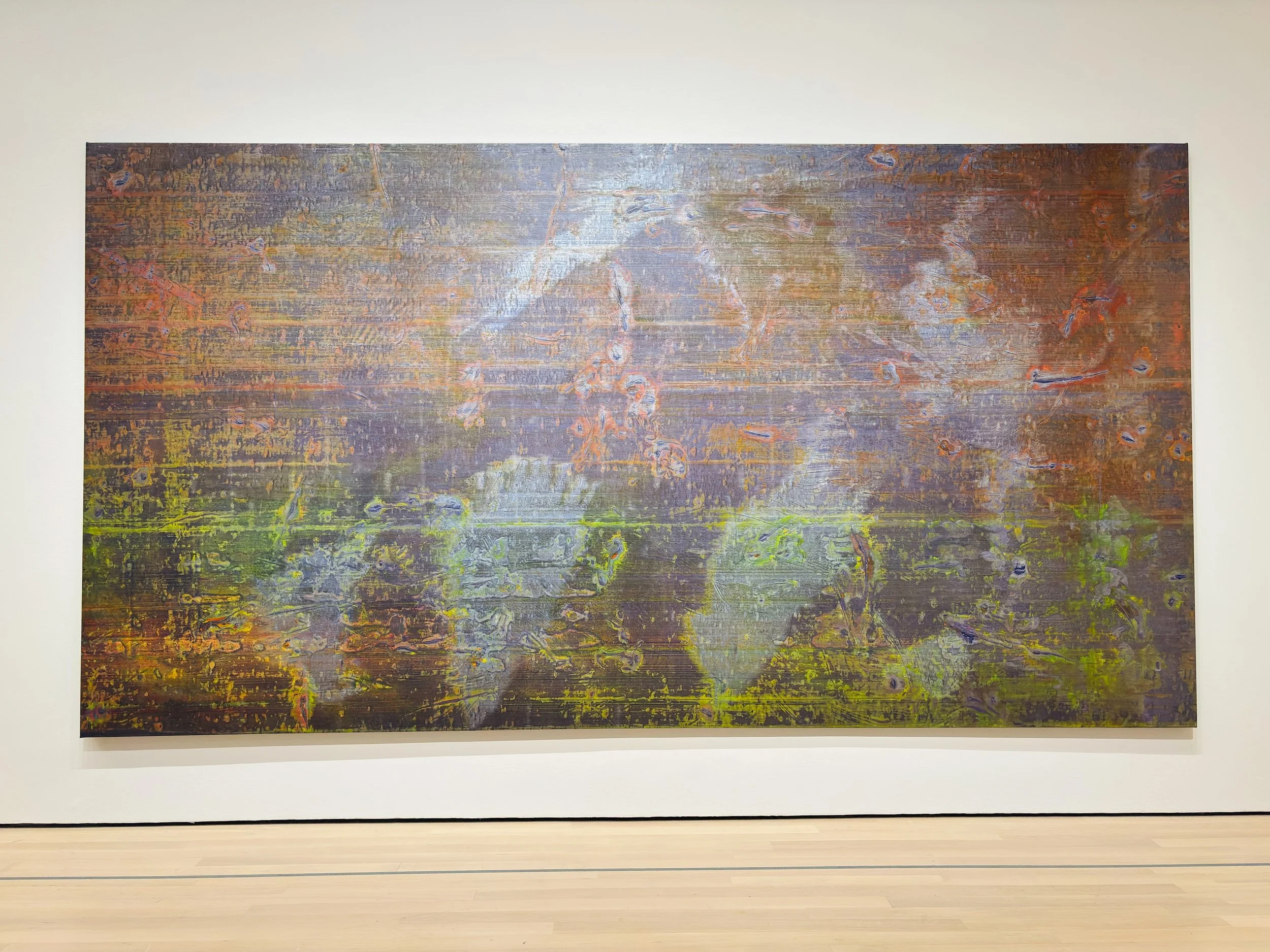
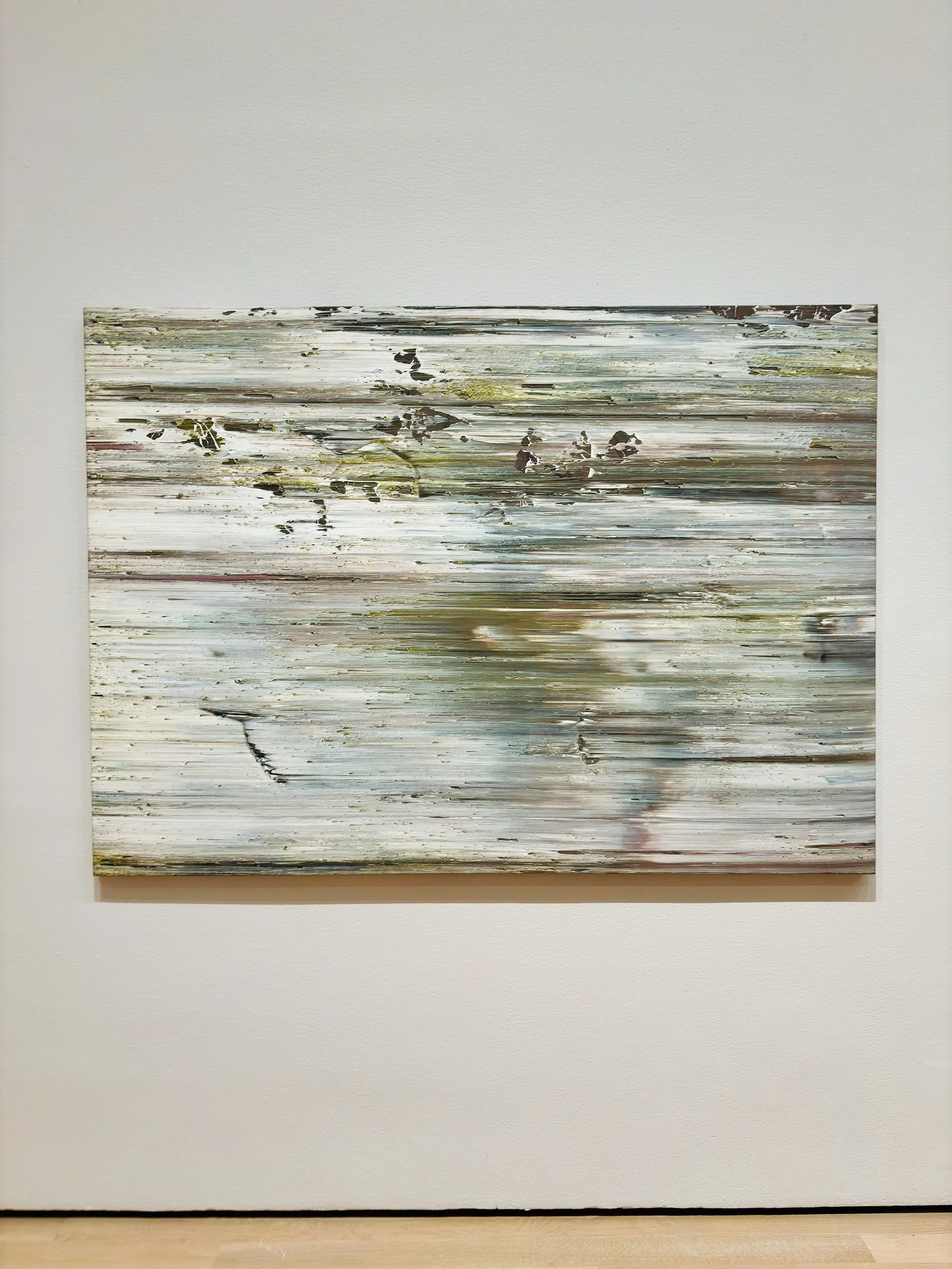
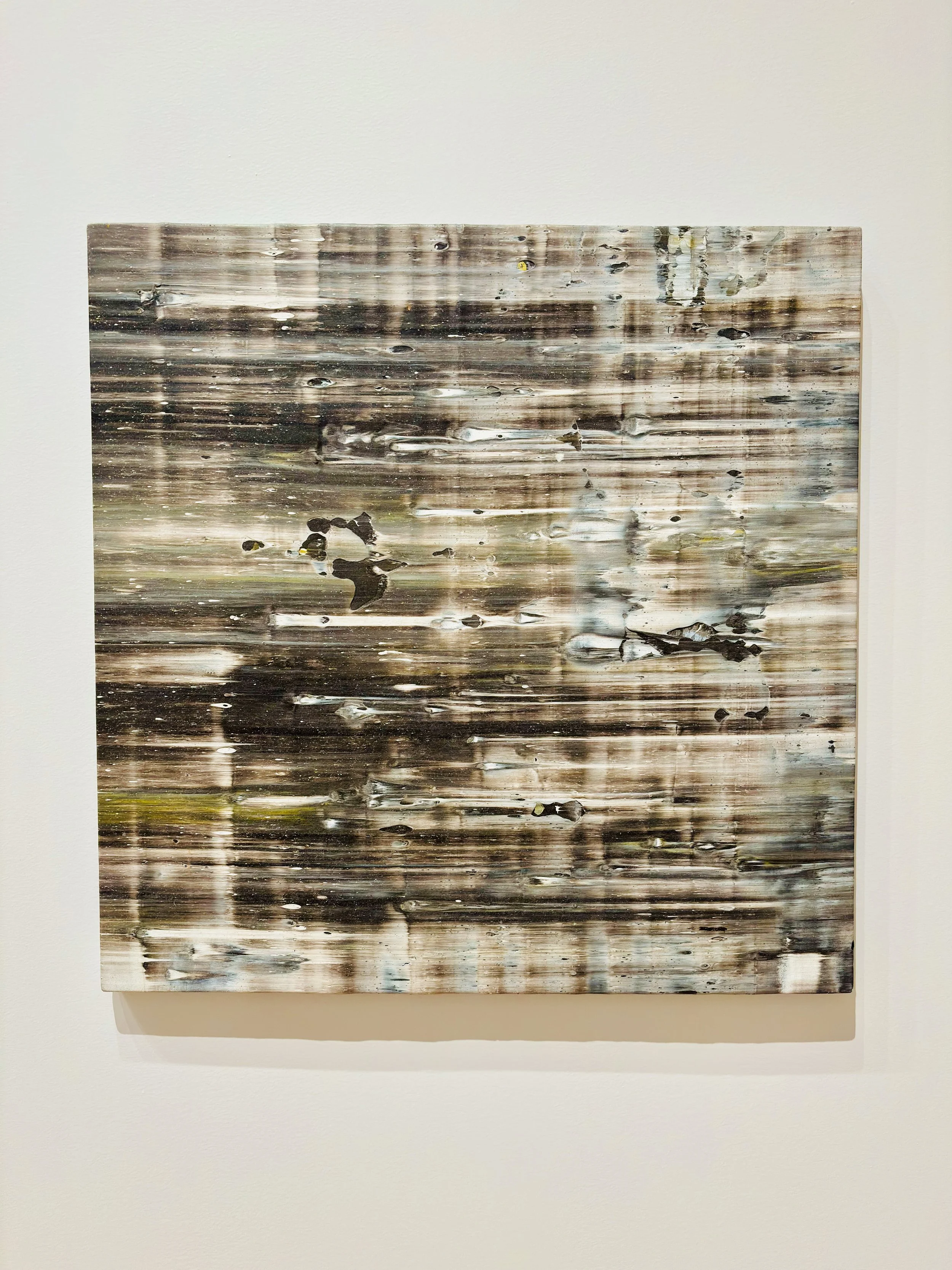
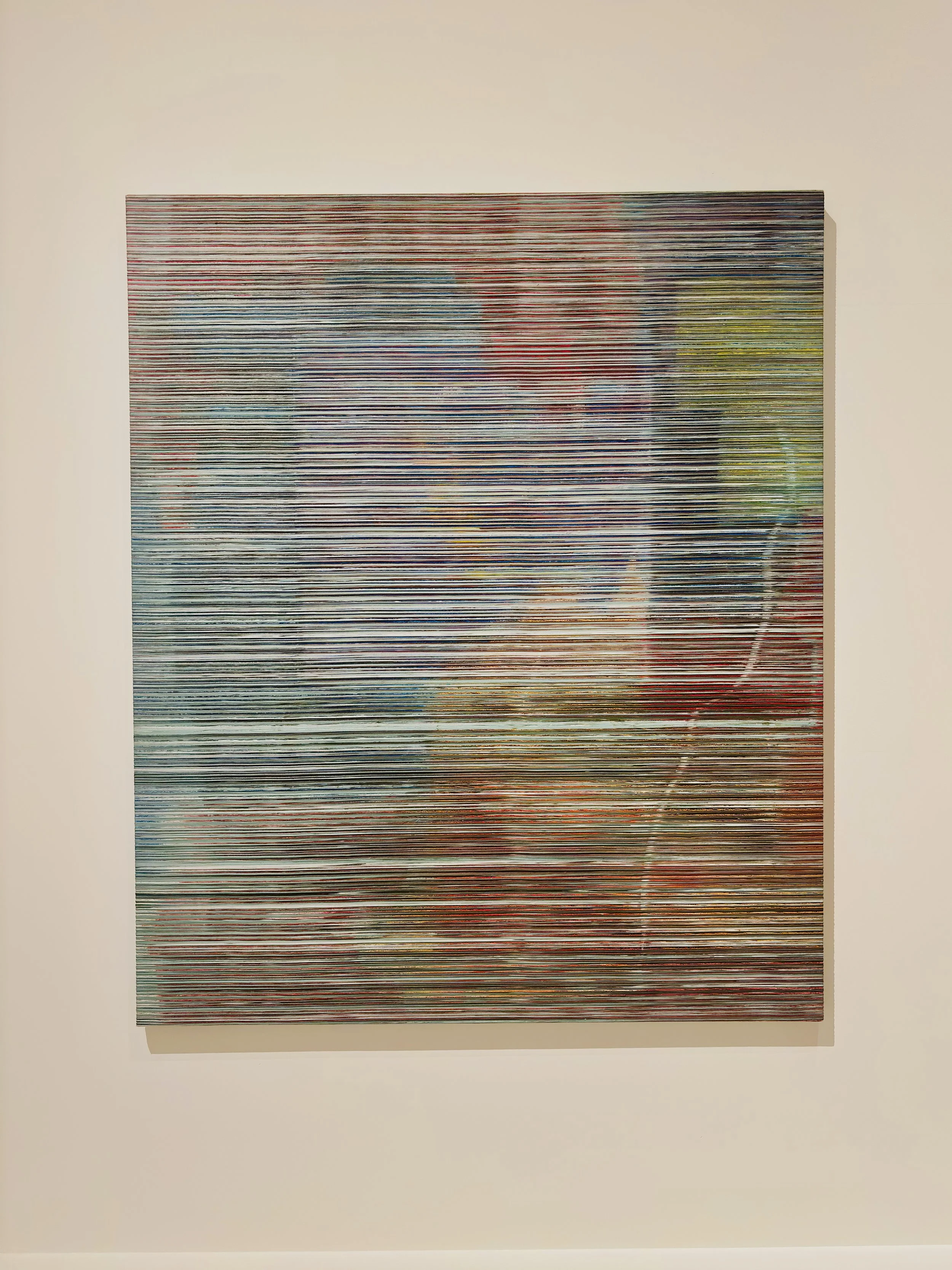
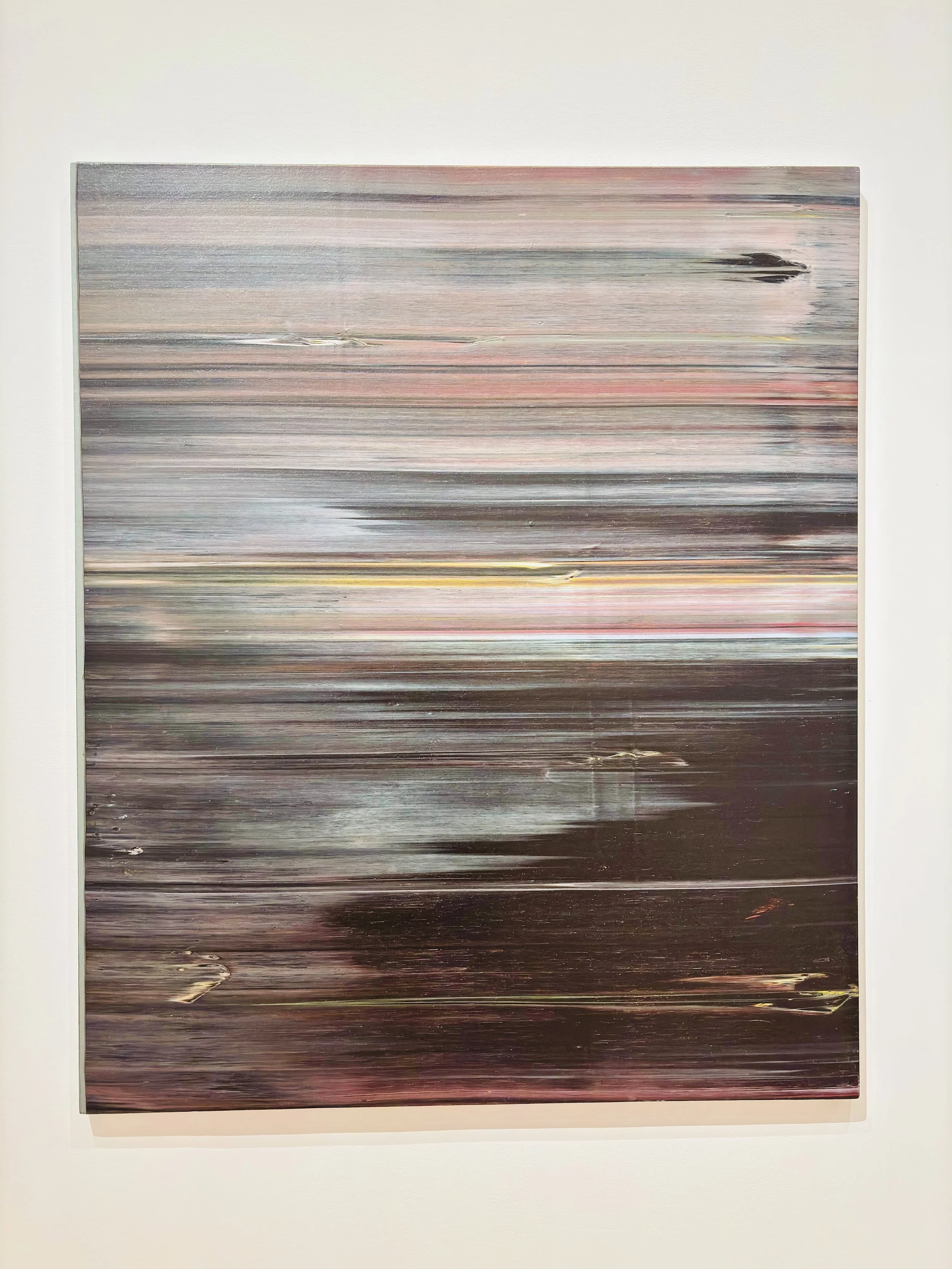
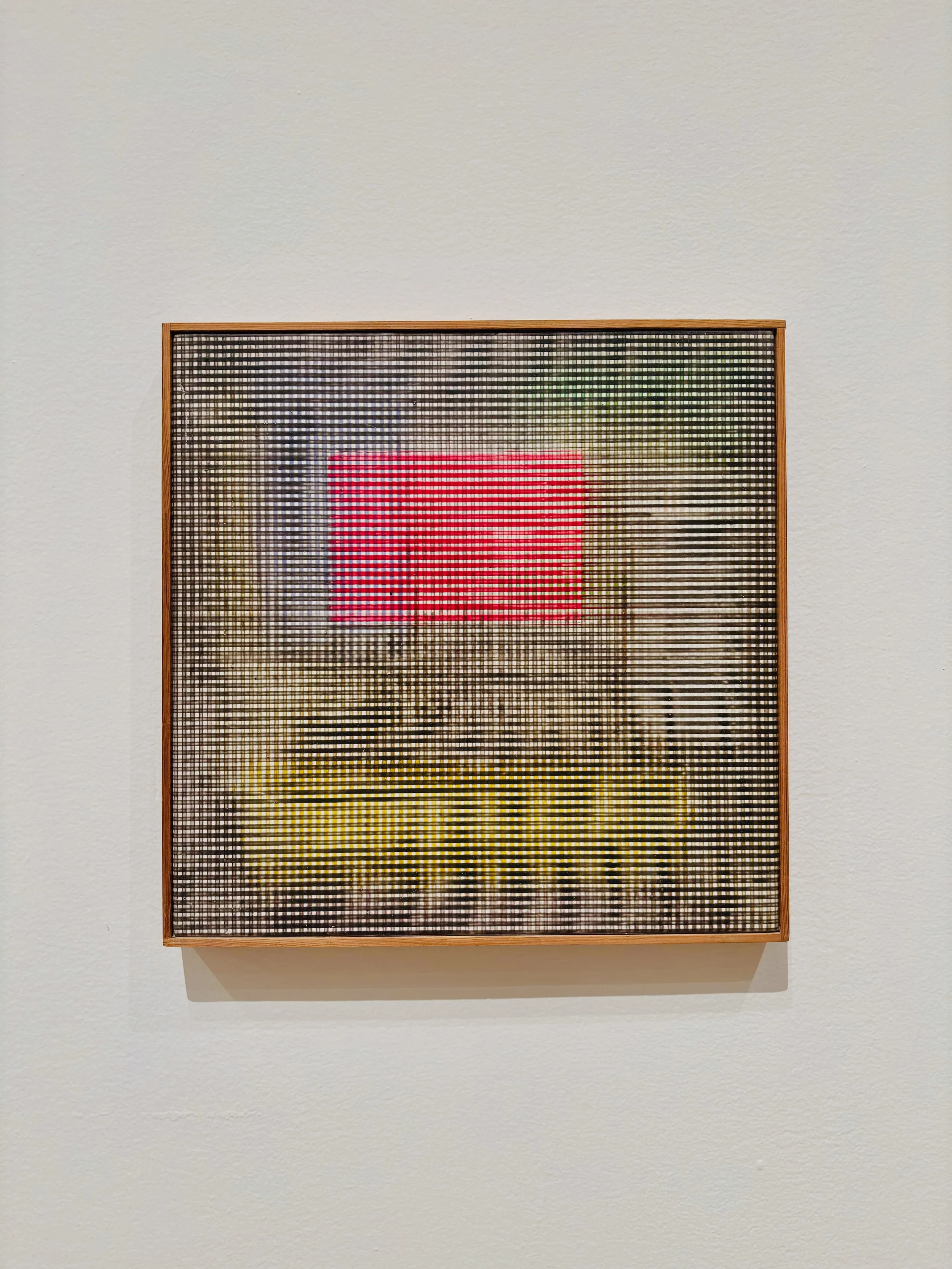
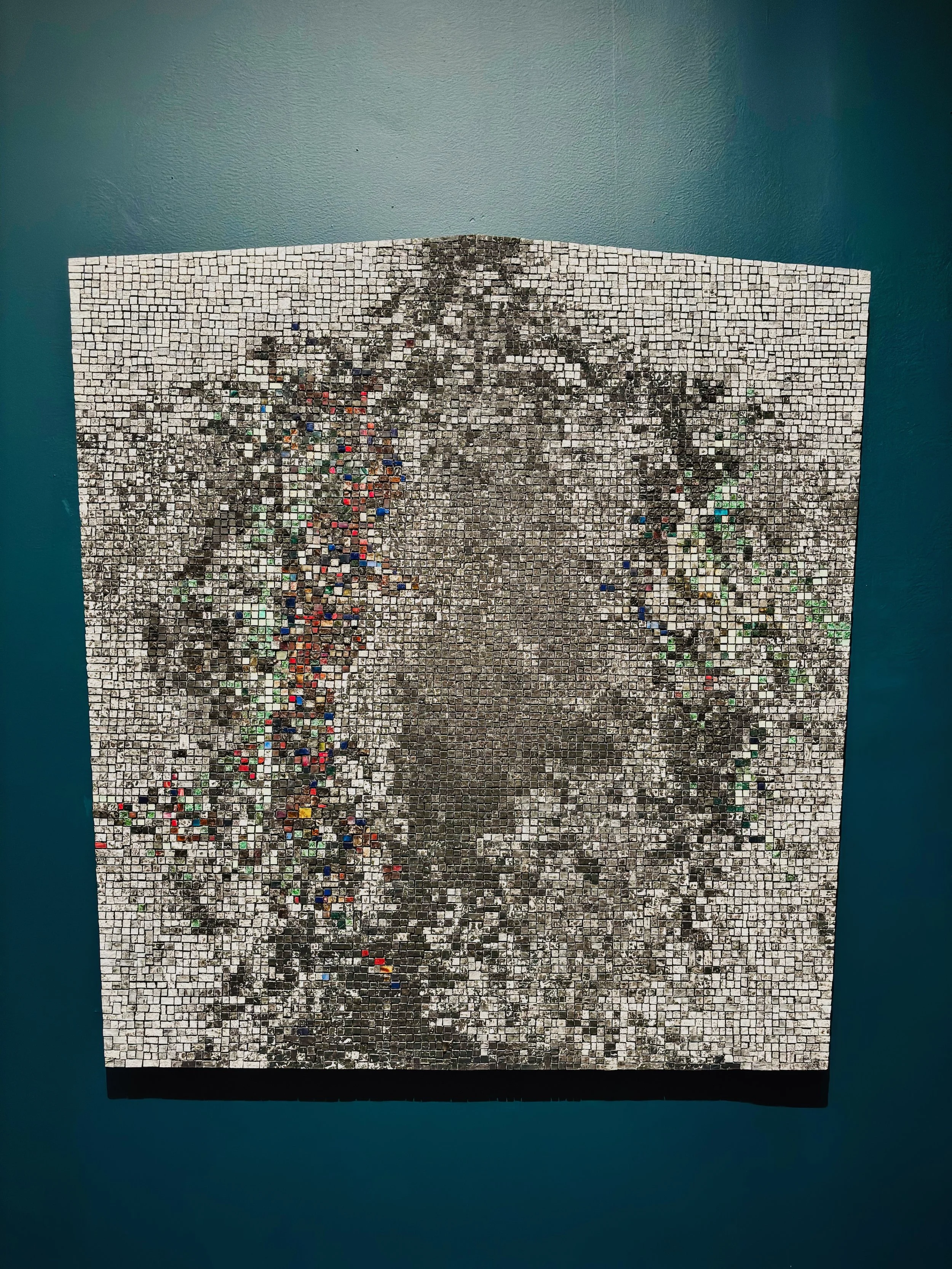
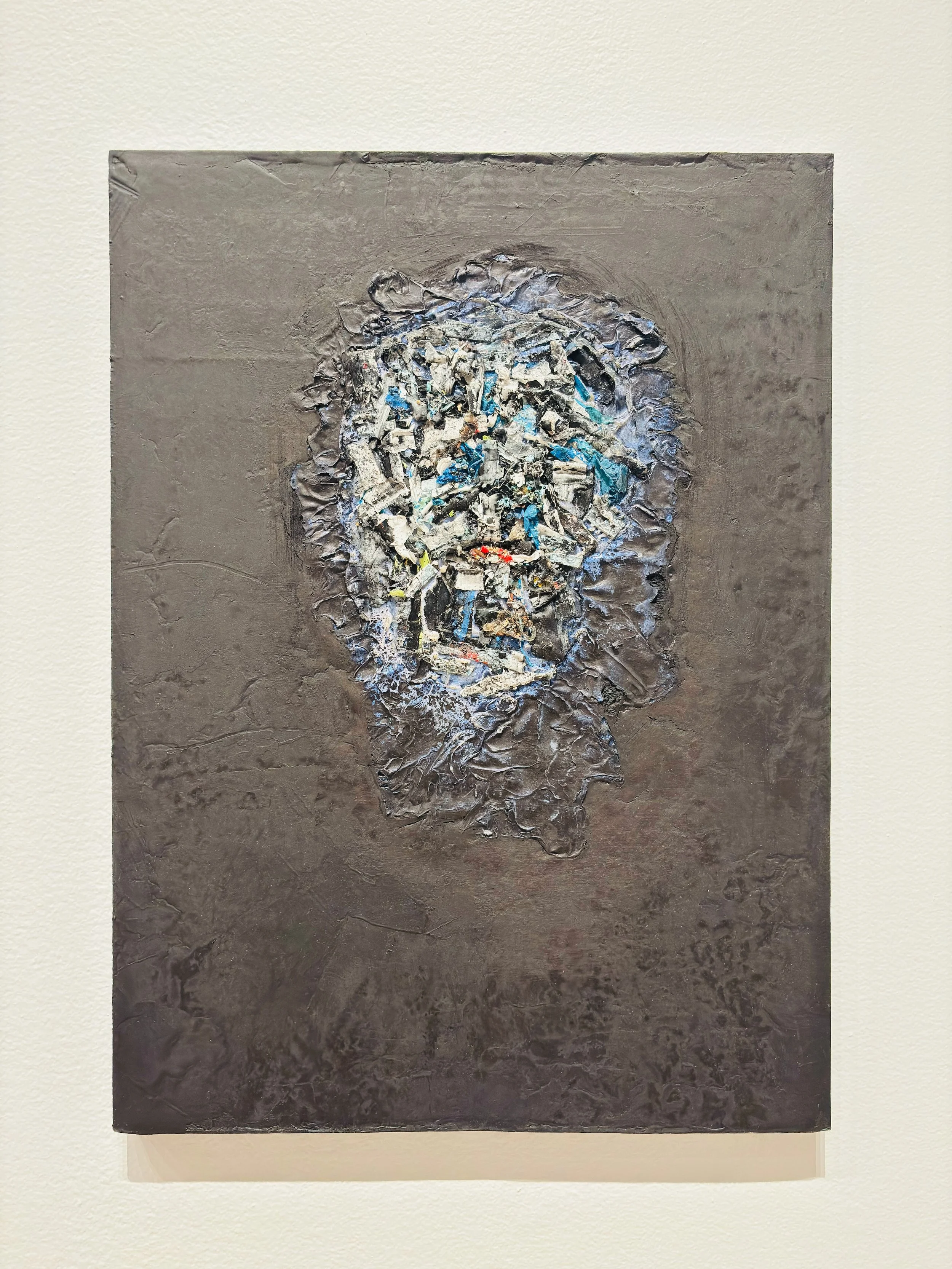
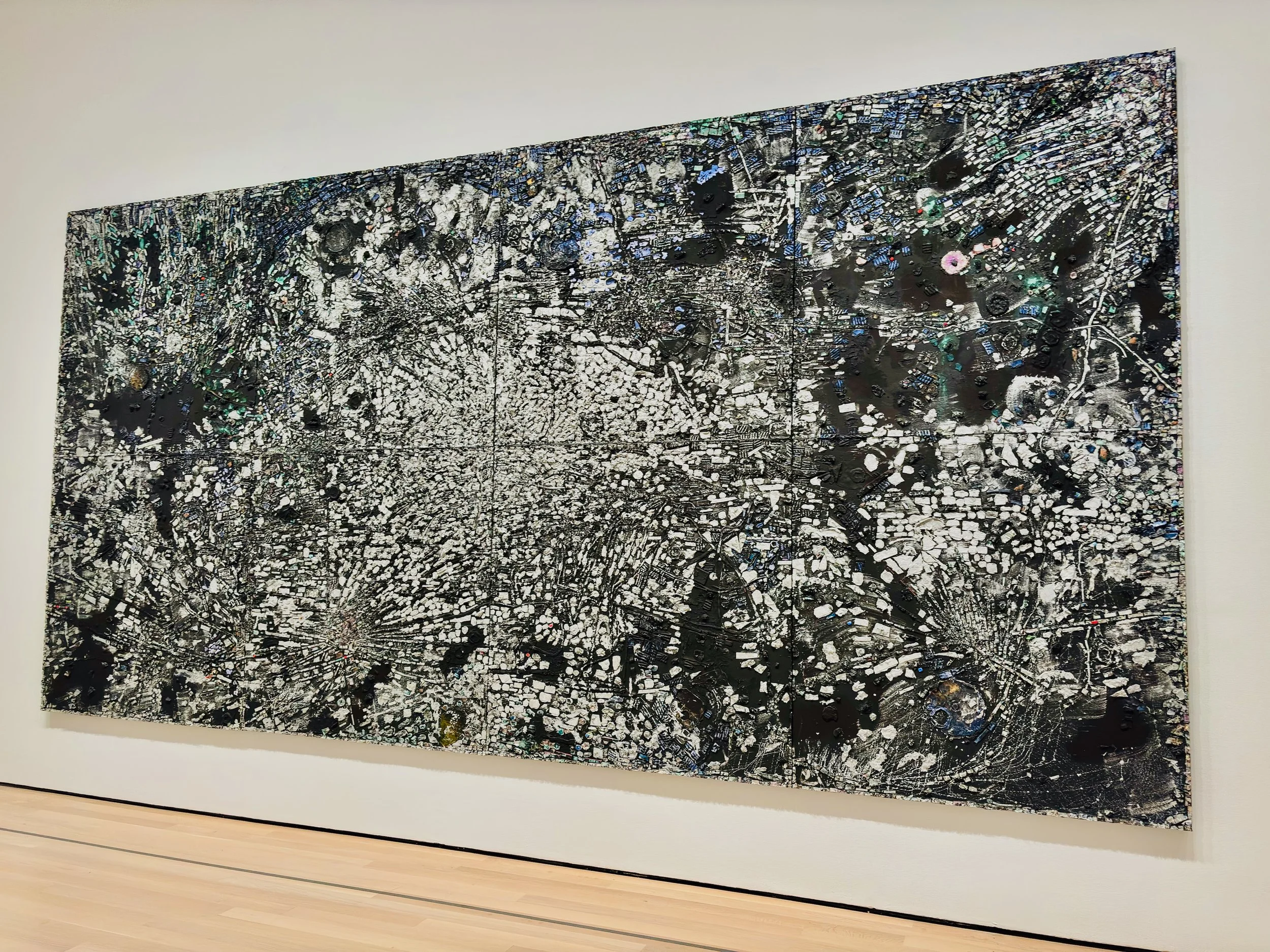
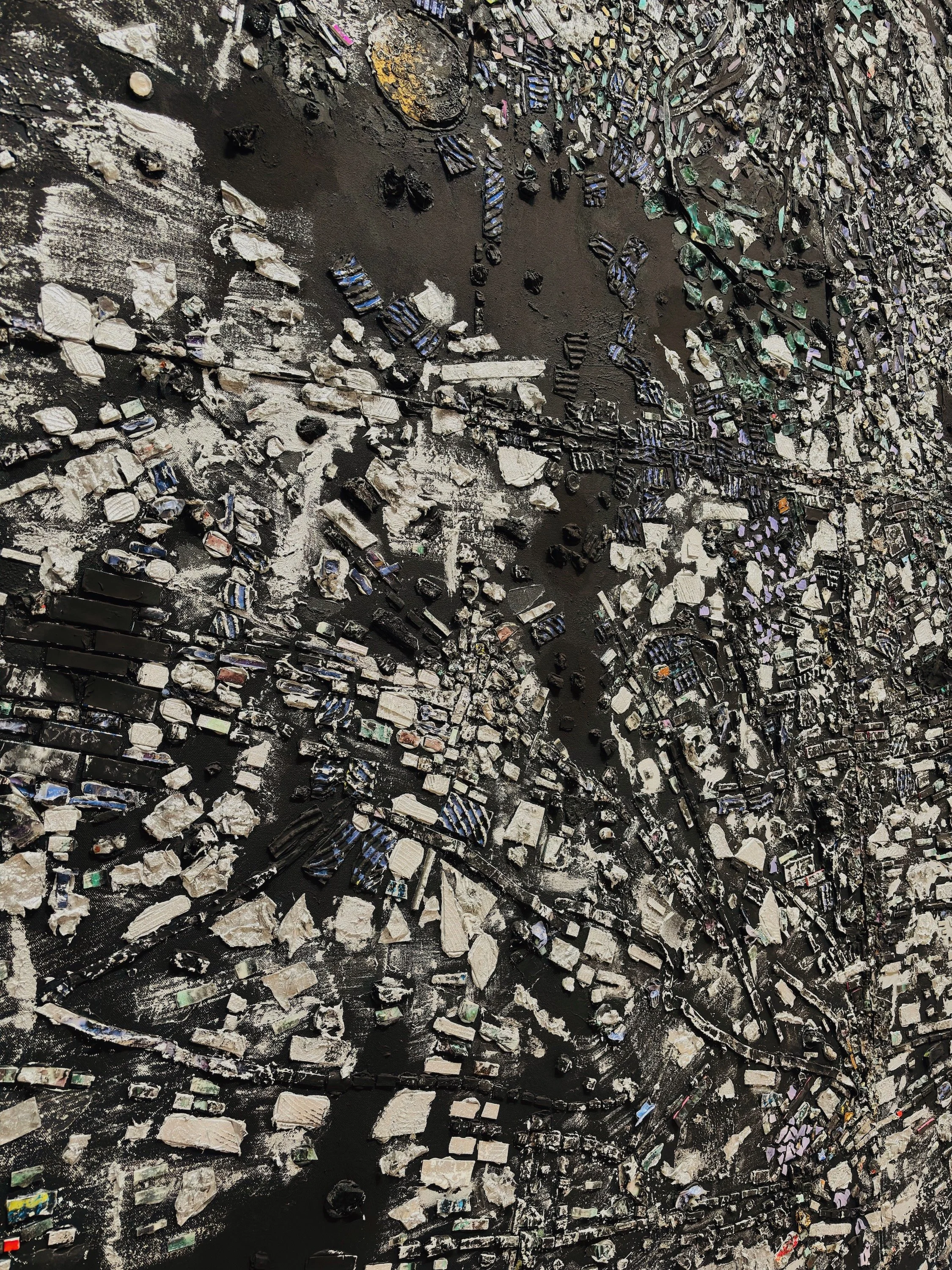
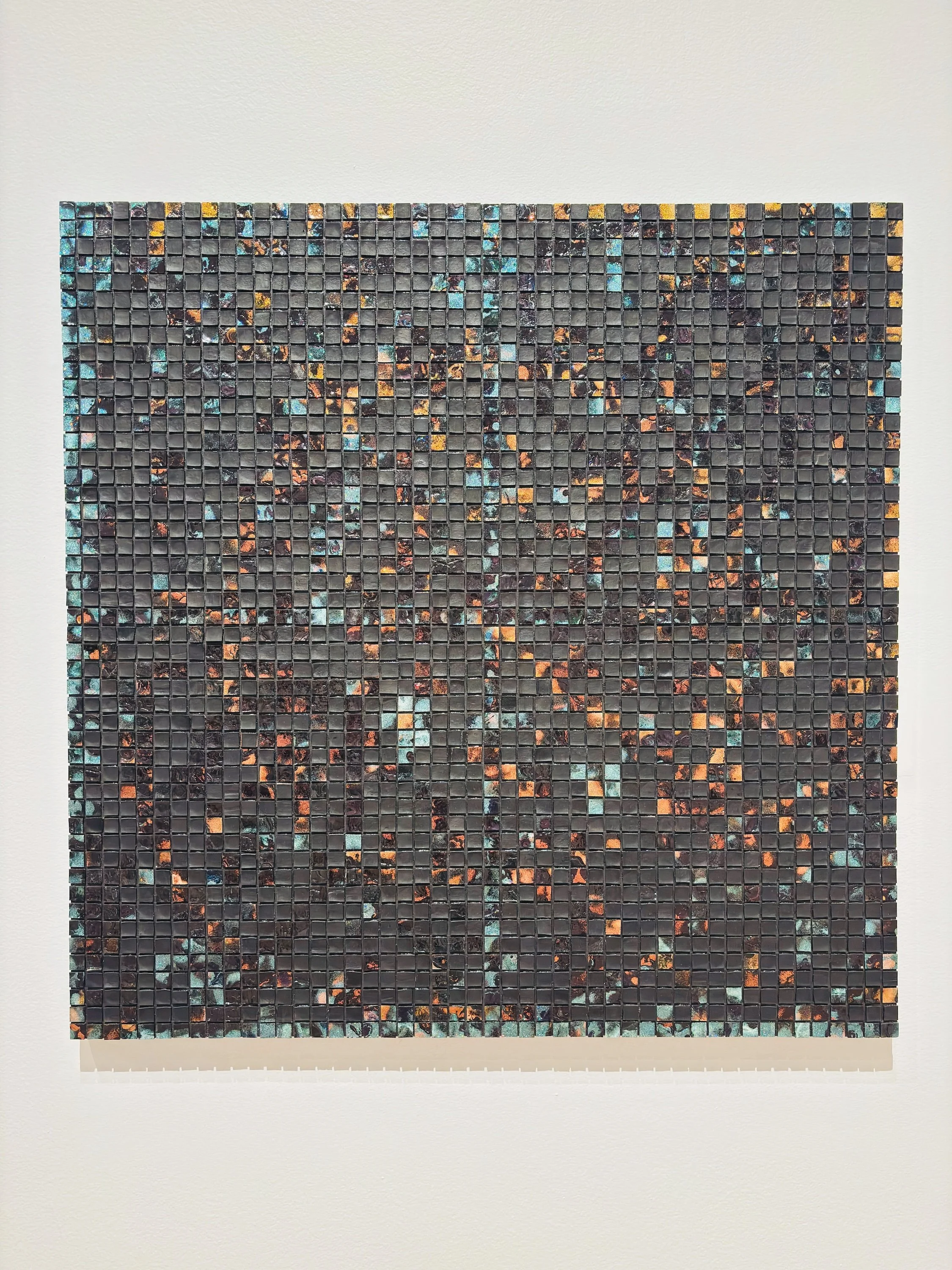
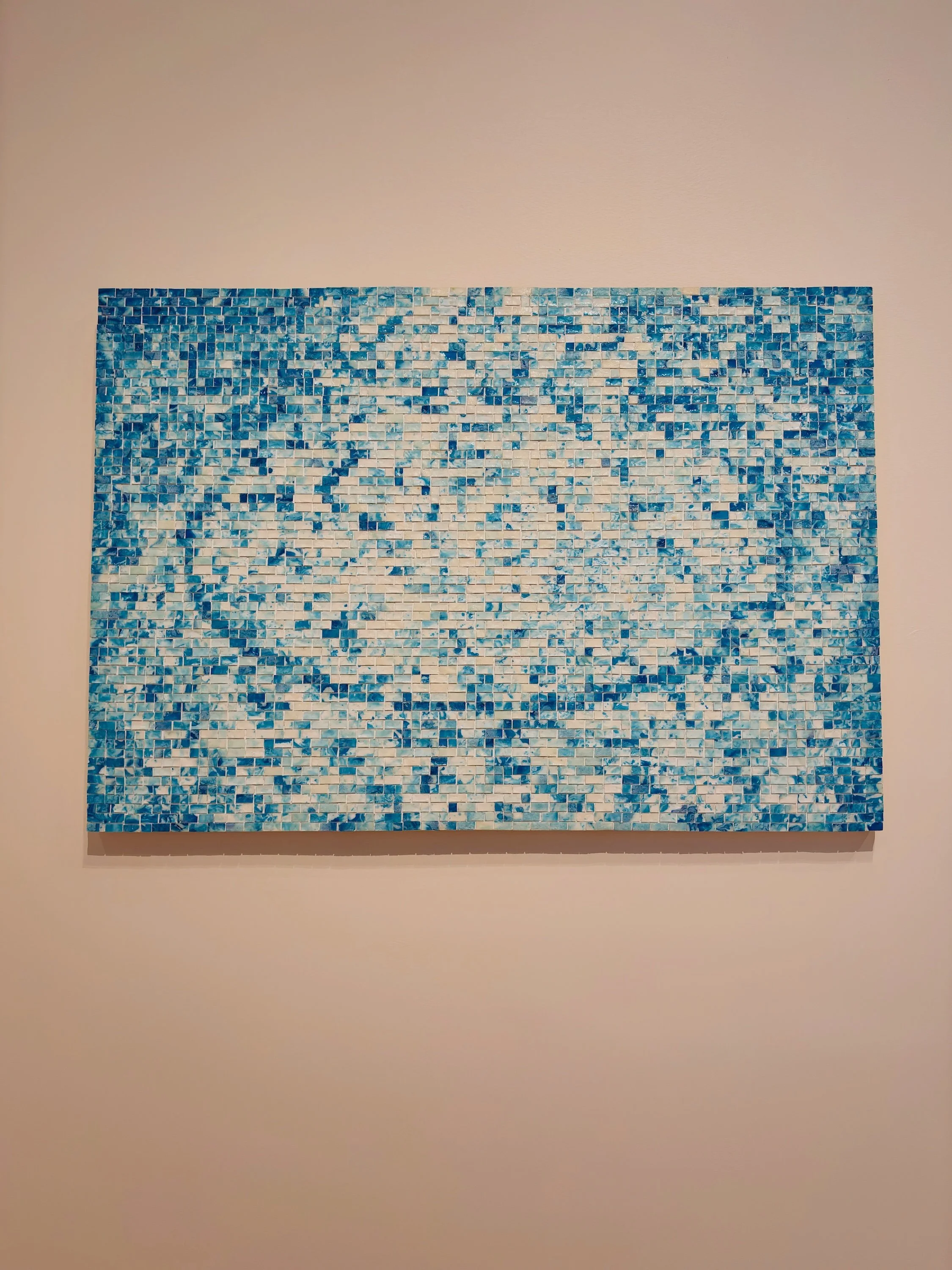
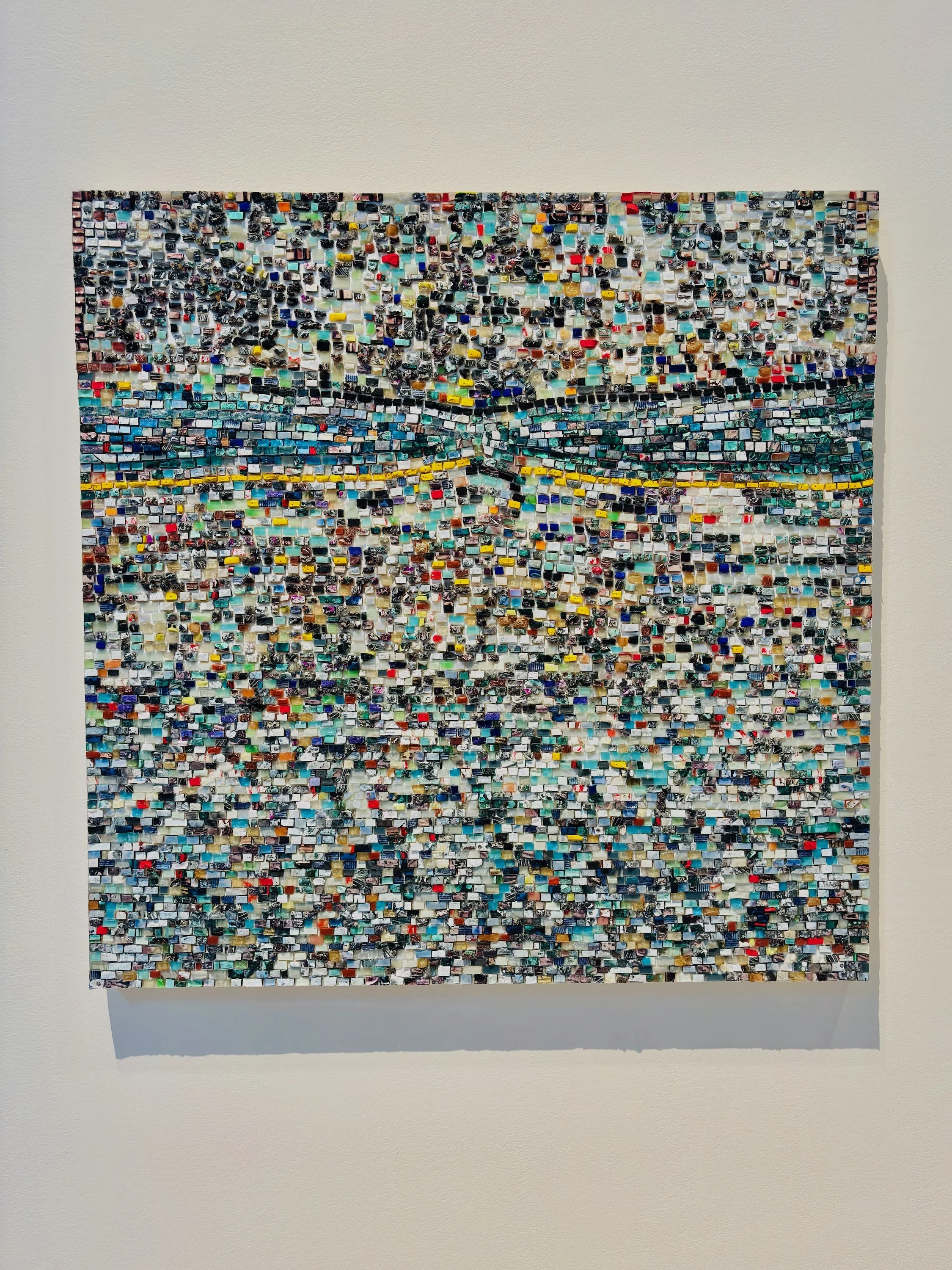
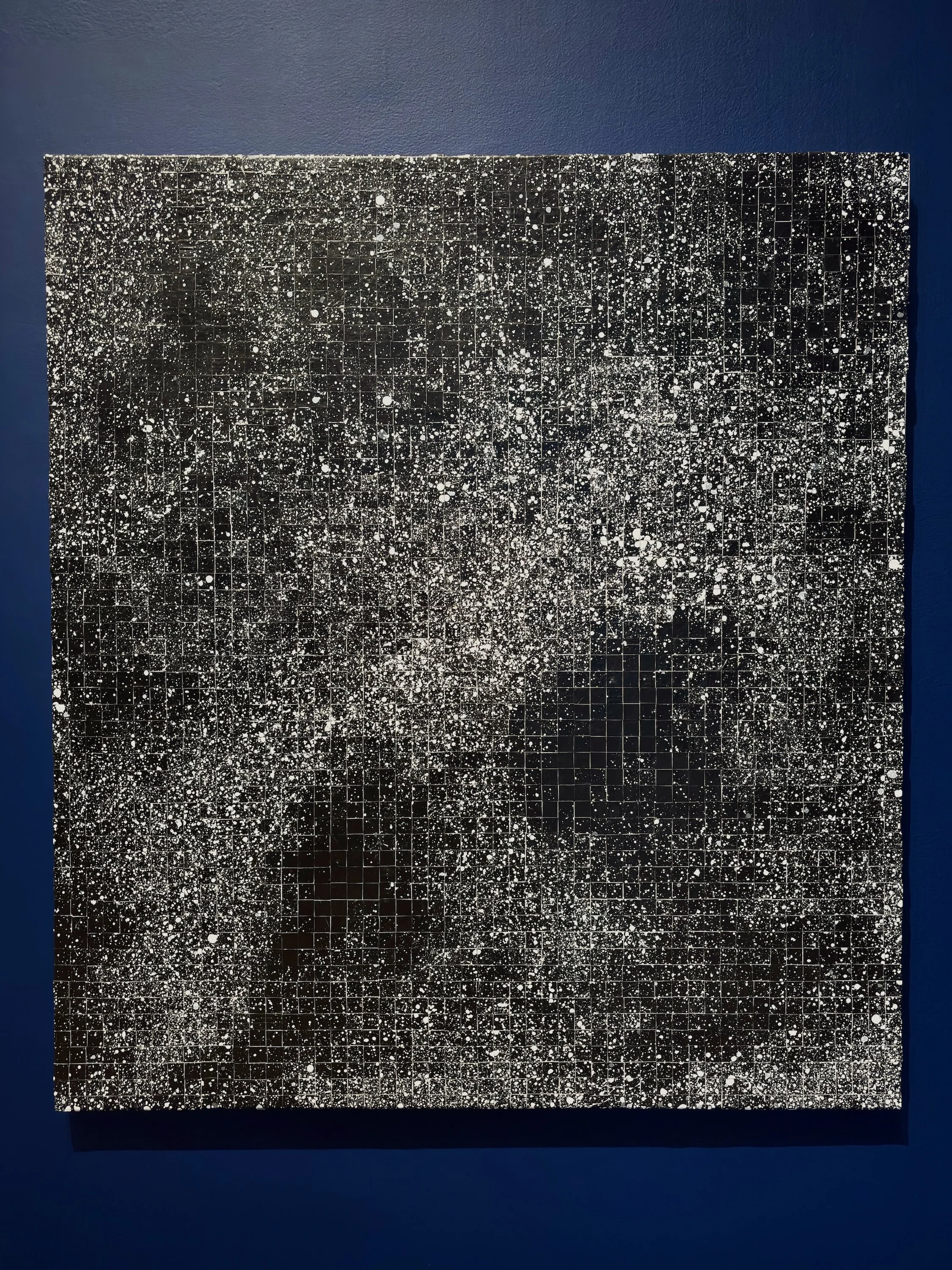
At MoMA, Jack Whitten: The Messenger, on view from March 23 through August 2, 2025, offers an extraordinary encounter with an artist whose work continually challenges the way we understand abstraction. Moving through the galleries, it becomes clear that Whitten does not simply work with color and material. He gives them a physical presence that demands to be experienced up close.

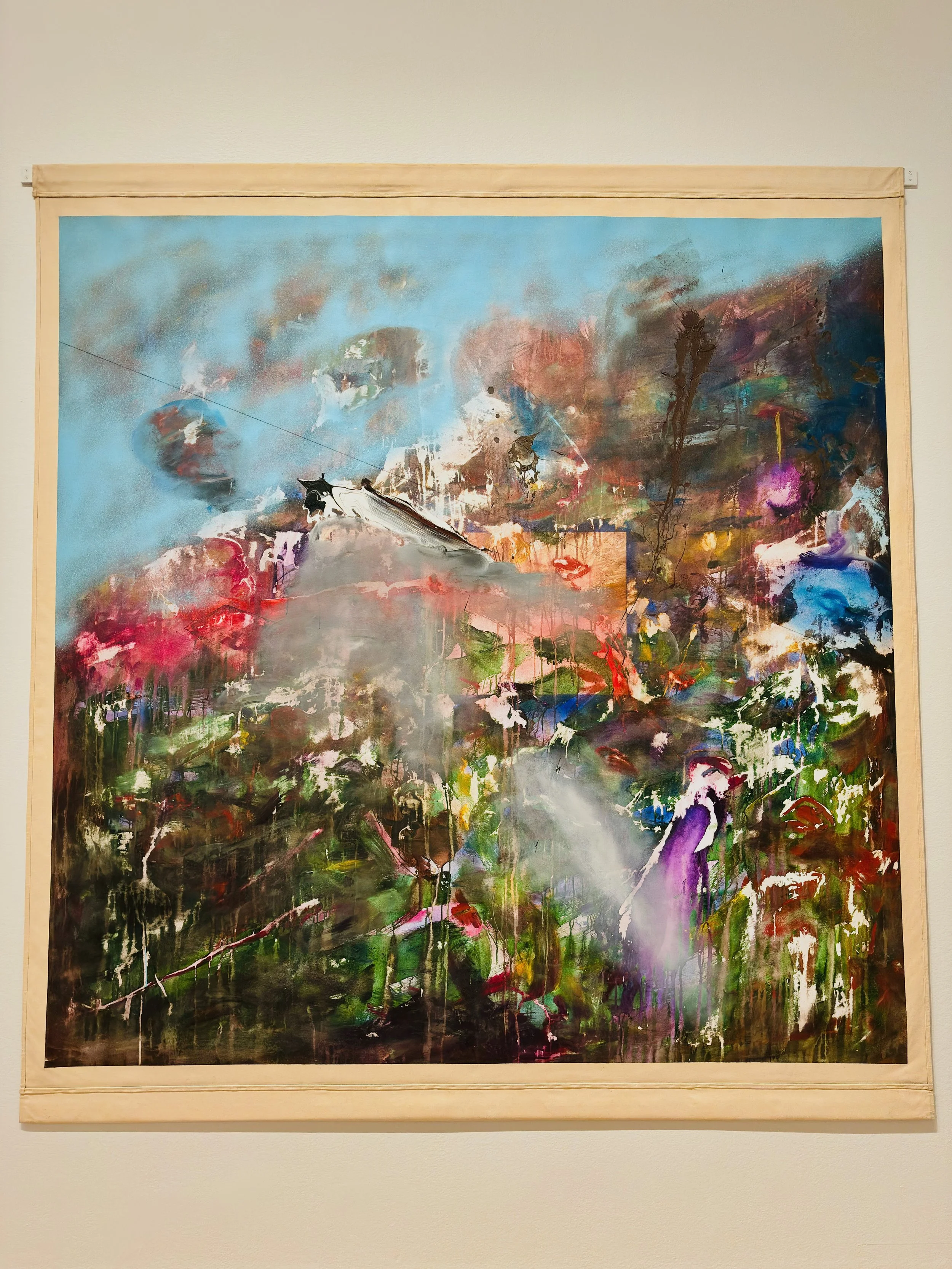
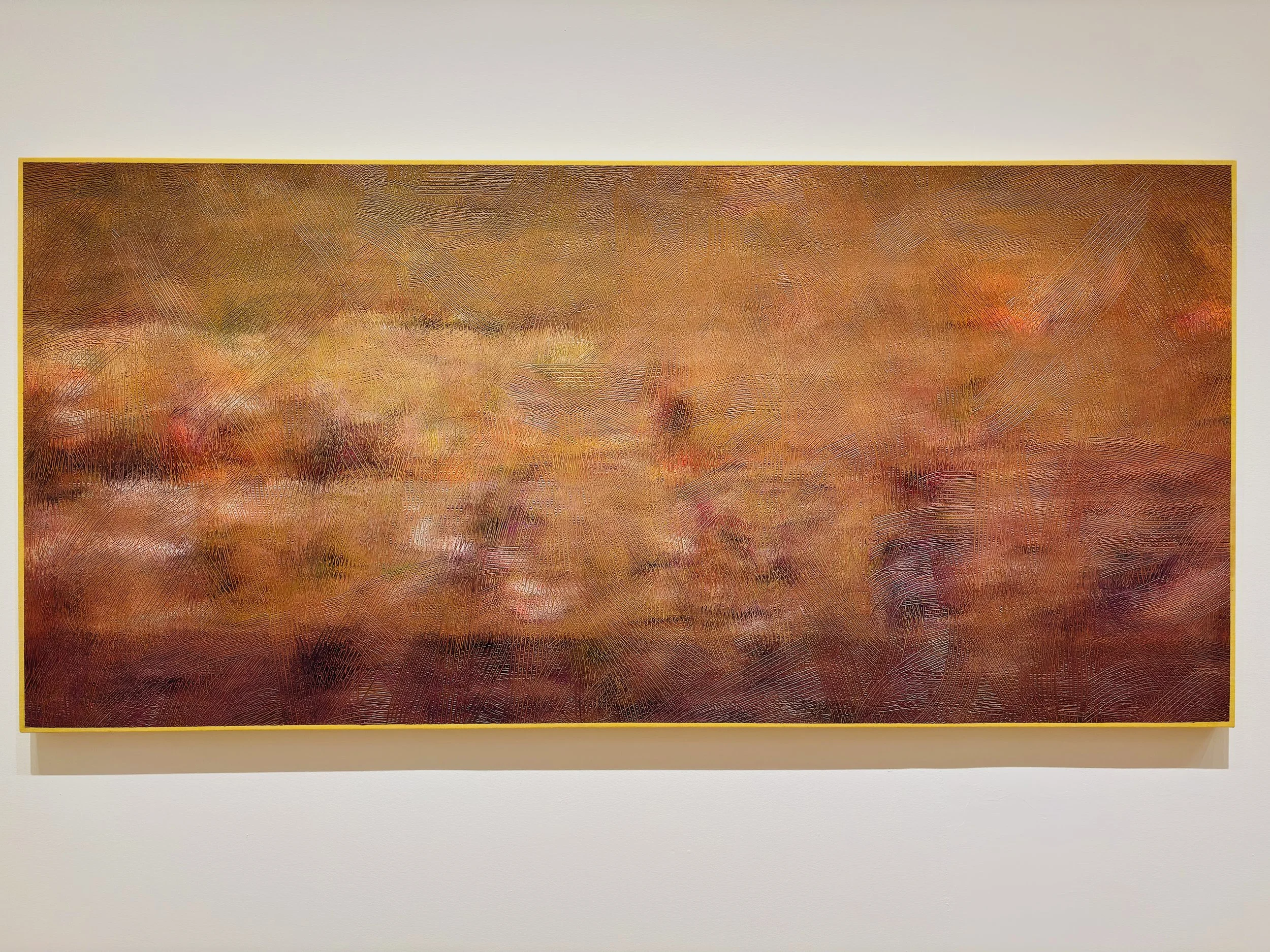
His paintings are captivating in their complexity. Color, texture, light, and movement come together across surfaces that reveal something new with every moment of looking. From a distance, the works can appear almost atmospheric. Up close, their layers and tactile qualities draw the eye deeper, creating an experience that feels both intimate and immense.

The photographs we share here offer only a glimpse of that experience. They cannot fully convey the extraordinary texture of Whitten's surfaces or the sheer scale and power of encountering these works in person. Some art needs to be experienced at its full size, where color, material, and physical presence can overwhelm the eye in the most wonderful way.

What feels especially powerful is the sense that Whitten never allows abstraction to become distant or detached. His work carries emotion and memory through its physicality, inviting us to look beyond what is immediately recognizable and to trust what we feel before we can fully explain it.

The exhibition becomes an invitation to slow down and look longer. To stand before a work and let its scale, surface, and rhythm gradually reveal themselves. There is freedom in that experience, and there is also a reminder that art does not always need to tell us exactly what to see.

Bold, inventive, and deeply expressive, Jack Whitten: The Messenger celebrates an artist who expands the possibilities of abstraction and reminds us that sometimes the most powerful way to understand the world is to see it differently.

Comment

Caspar David Friedrich at The Met: Nature and the Human Spirit

Comment

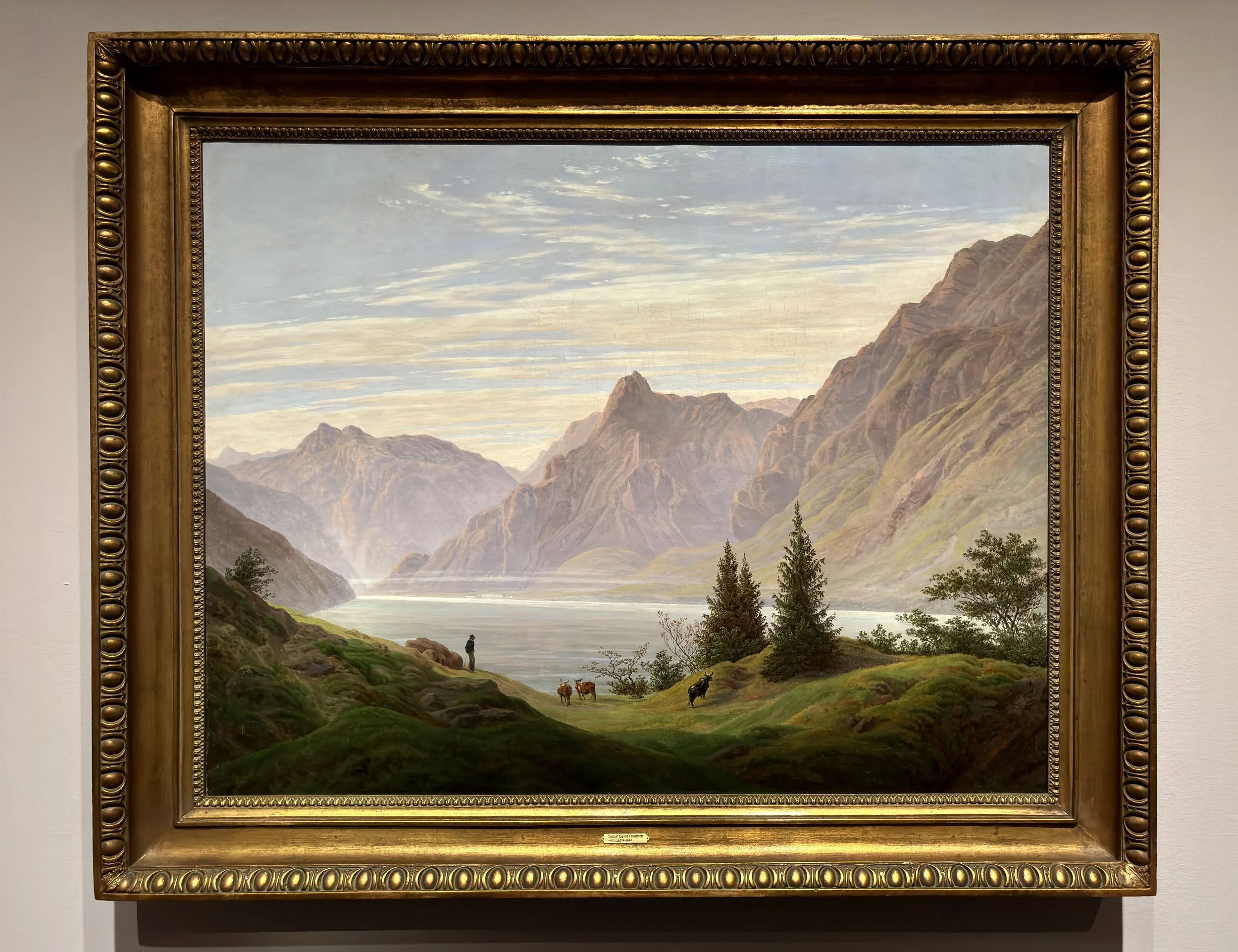
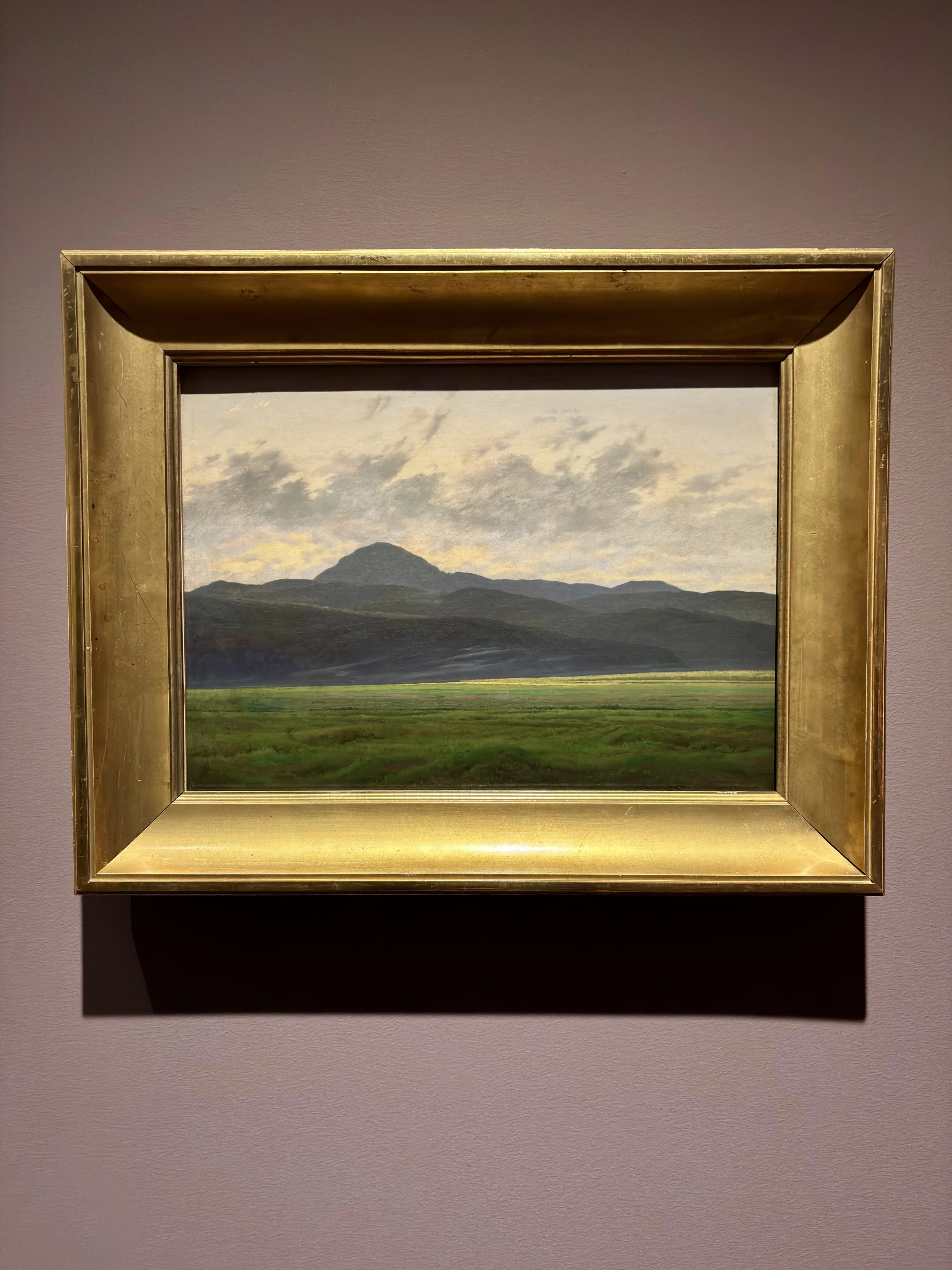
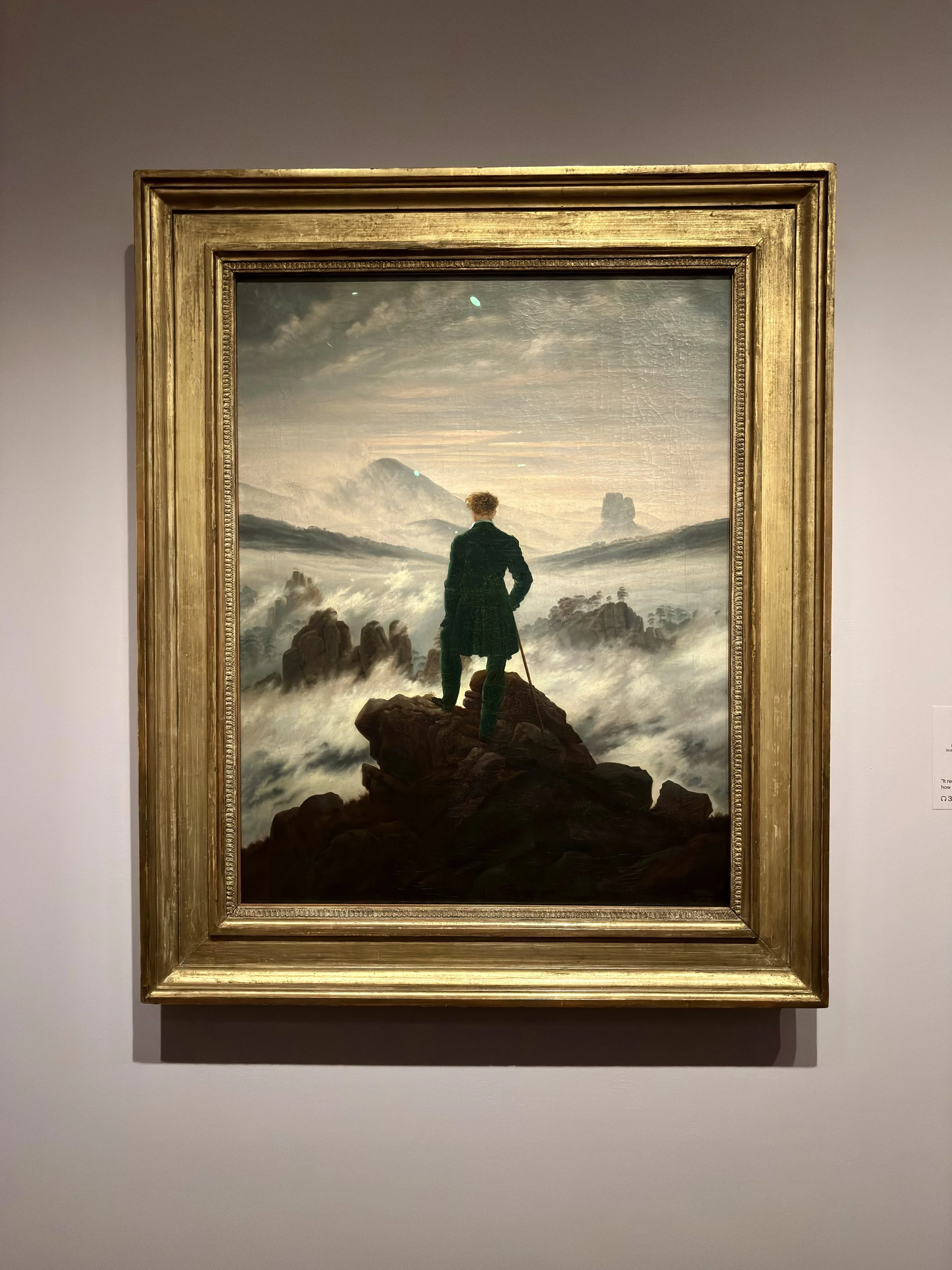
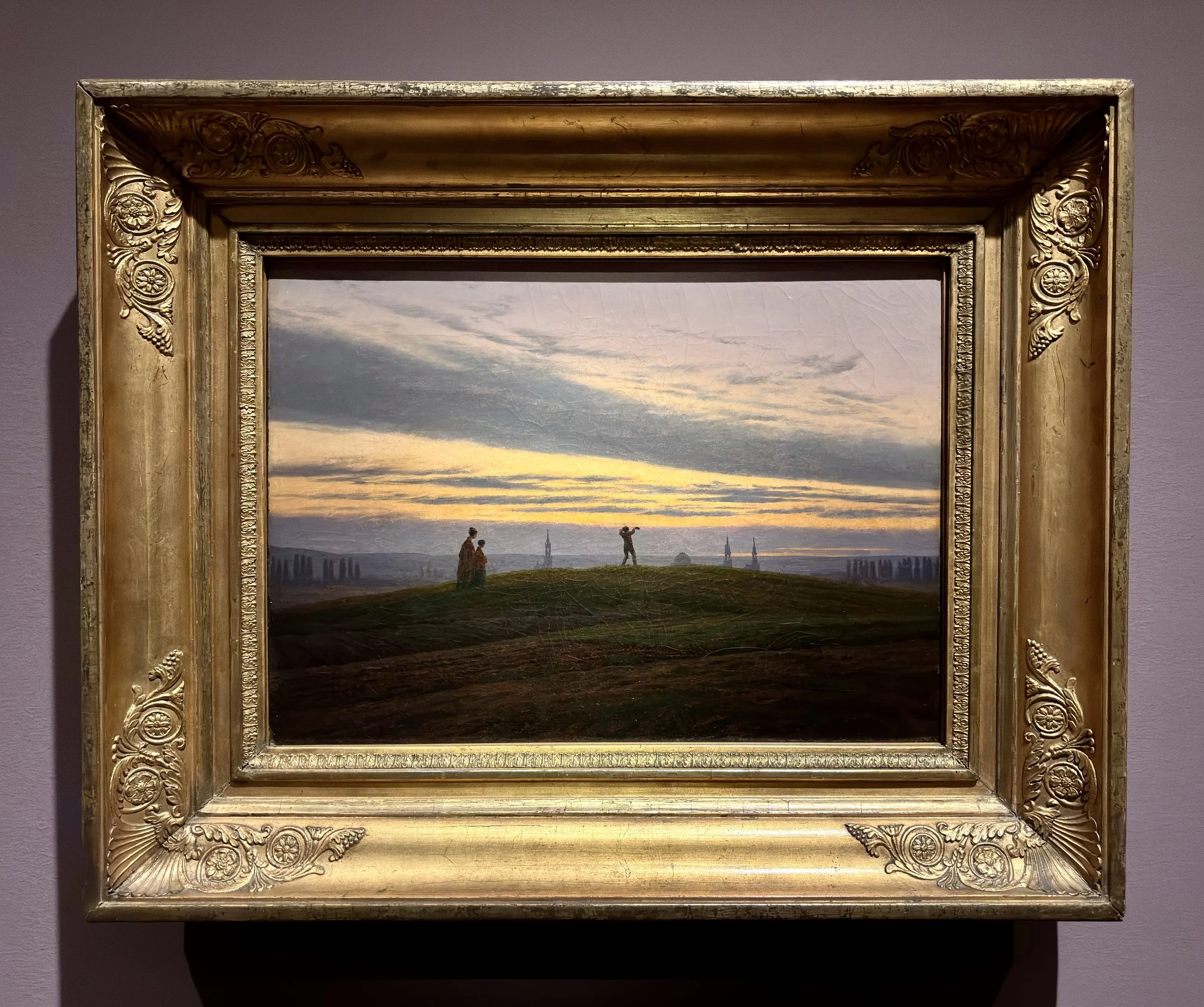
Caspar David Friedrich at The Met: Nature and the Human Spirit

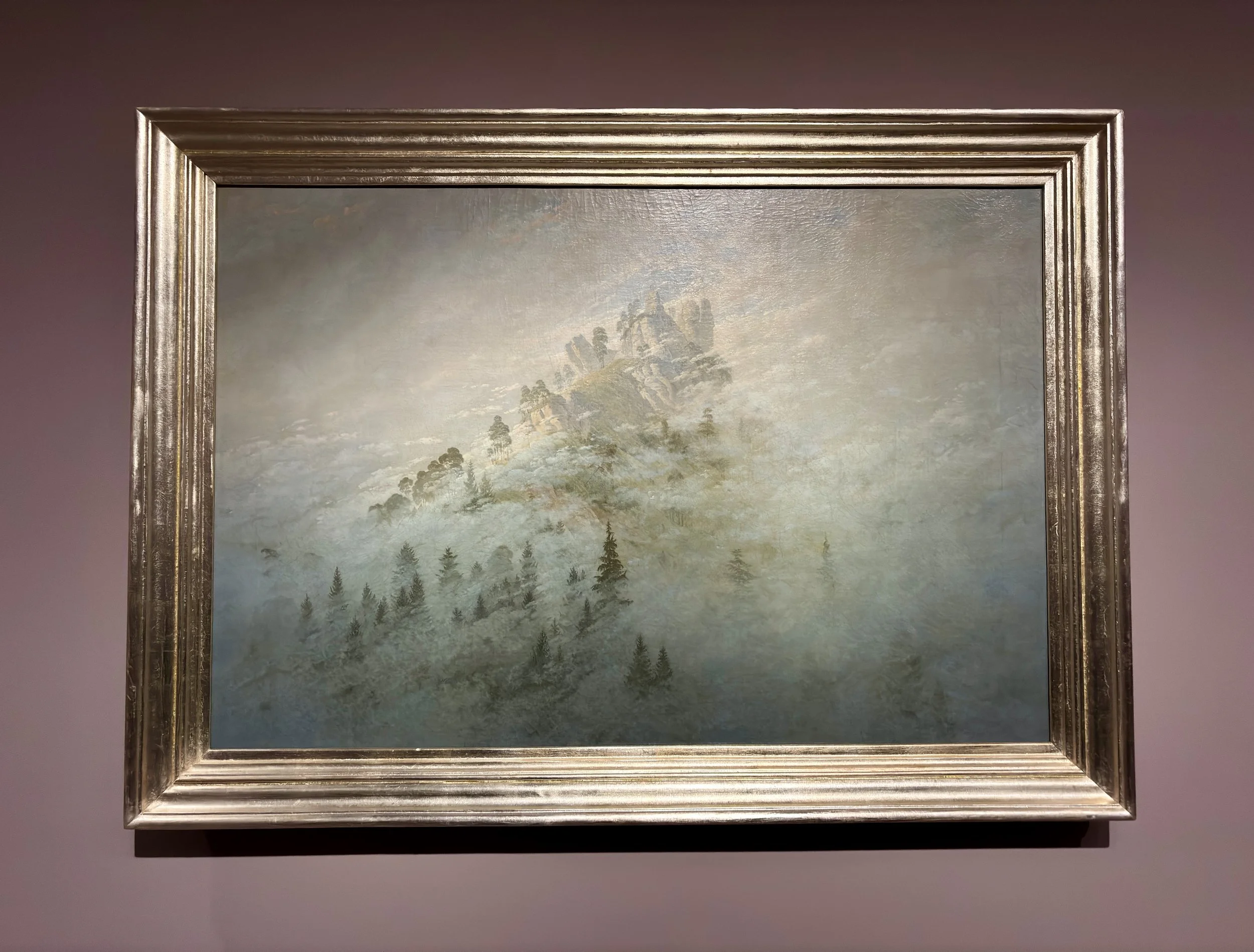
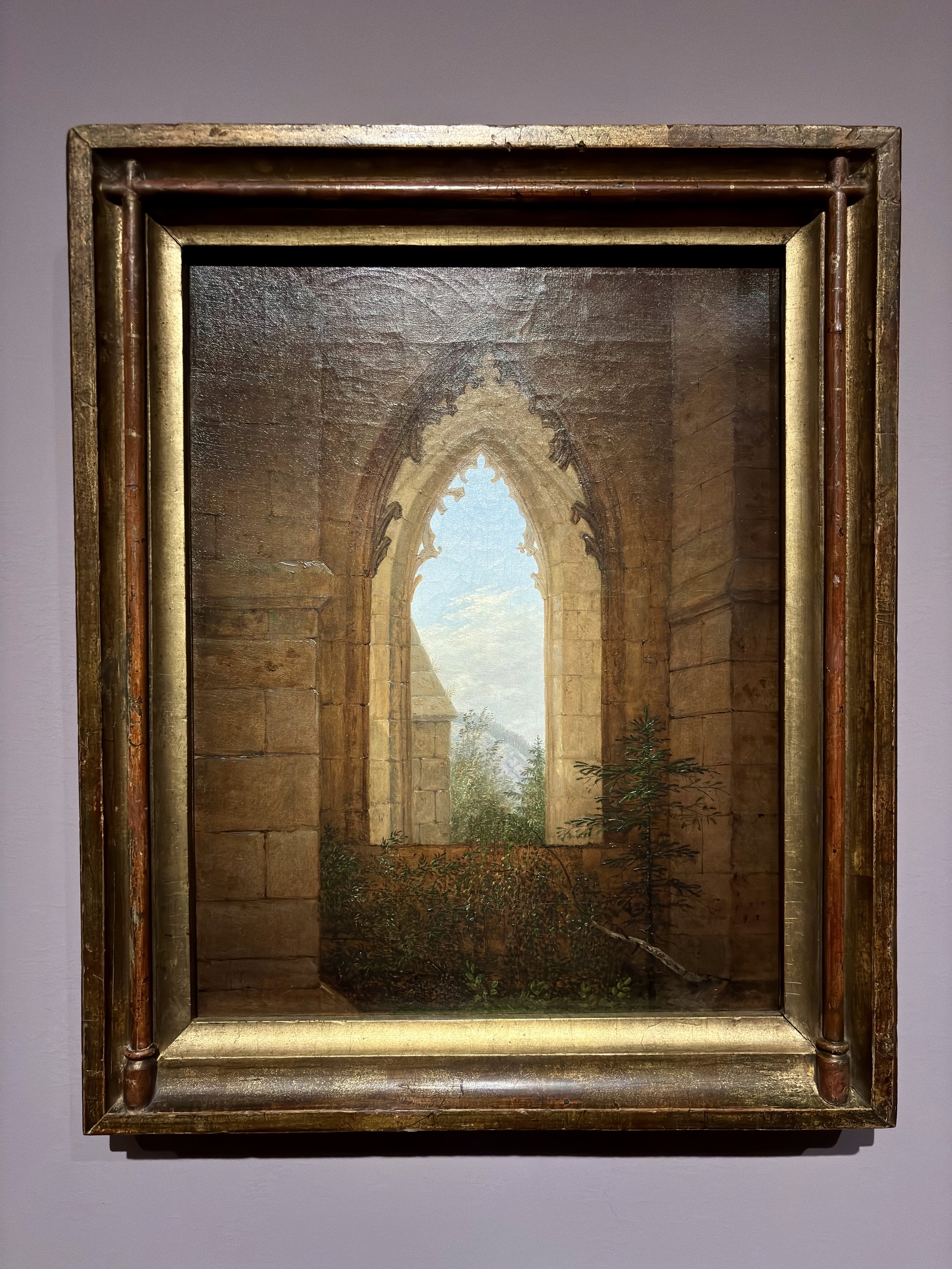
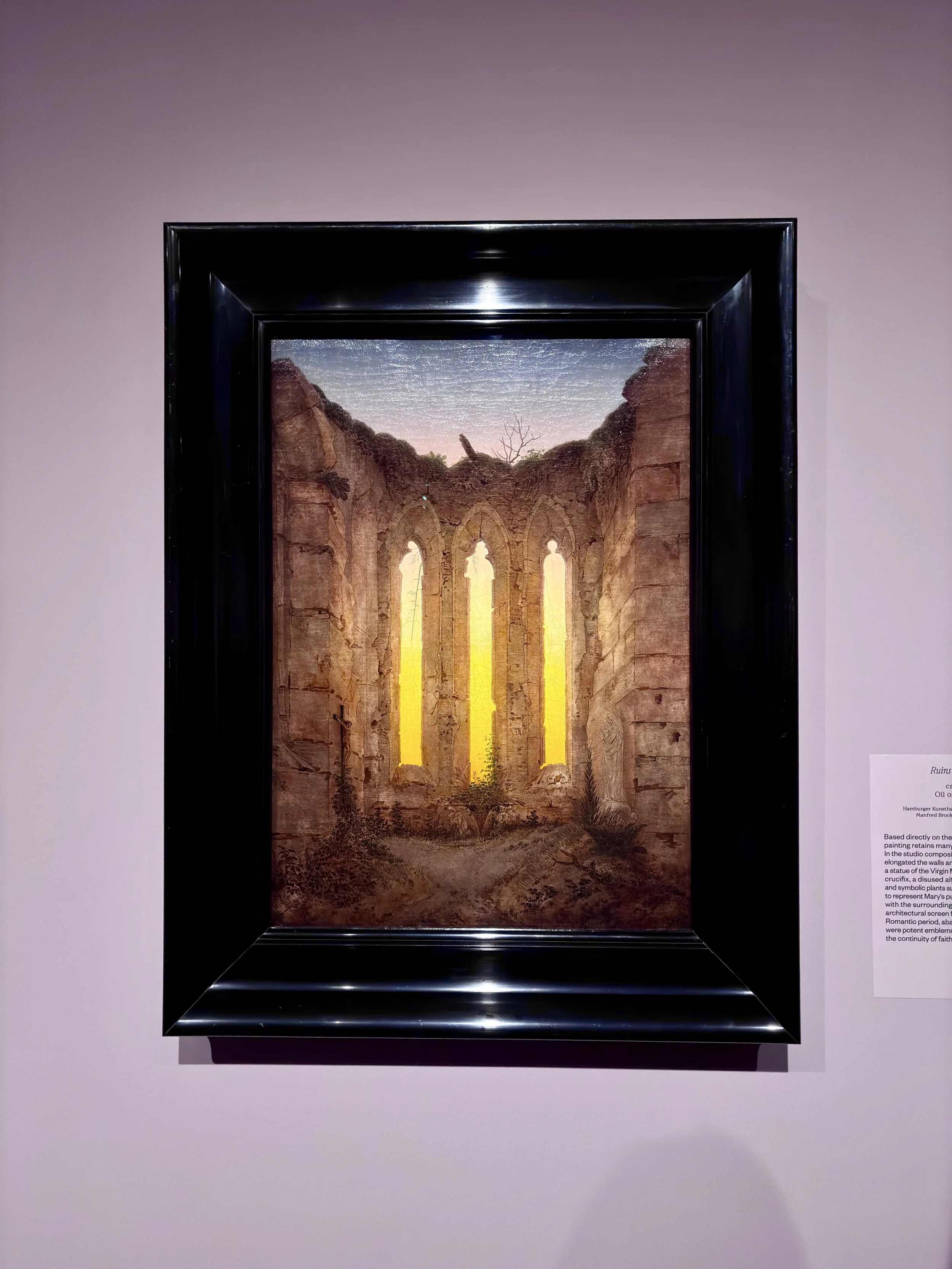
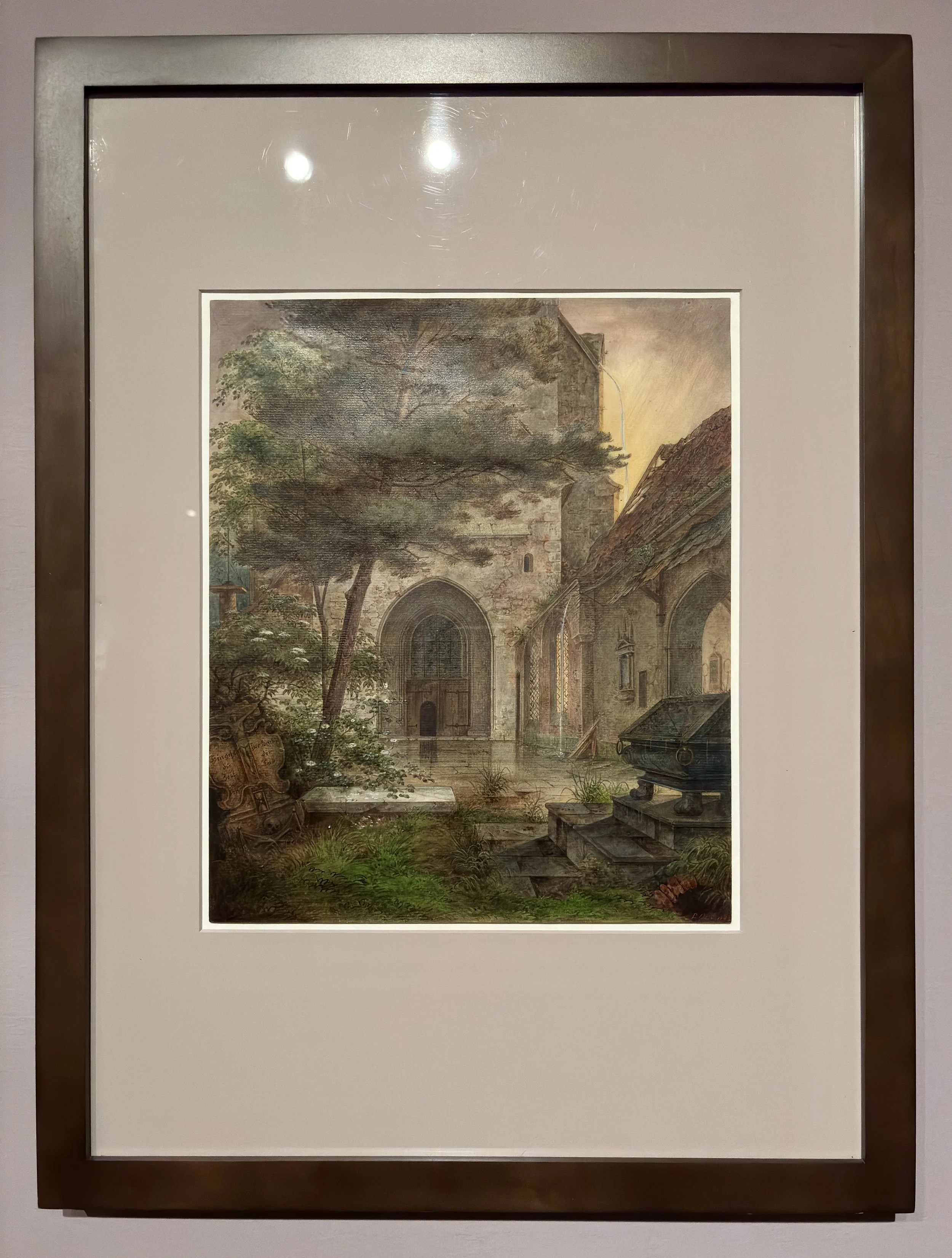
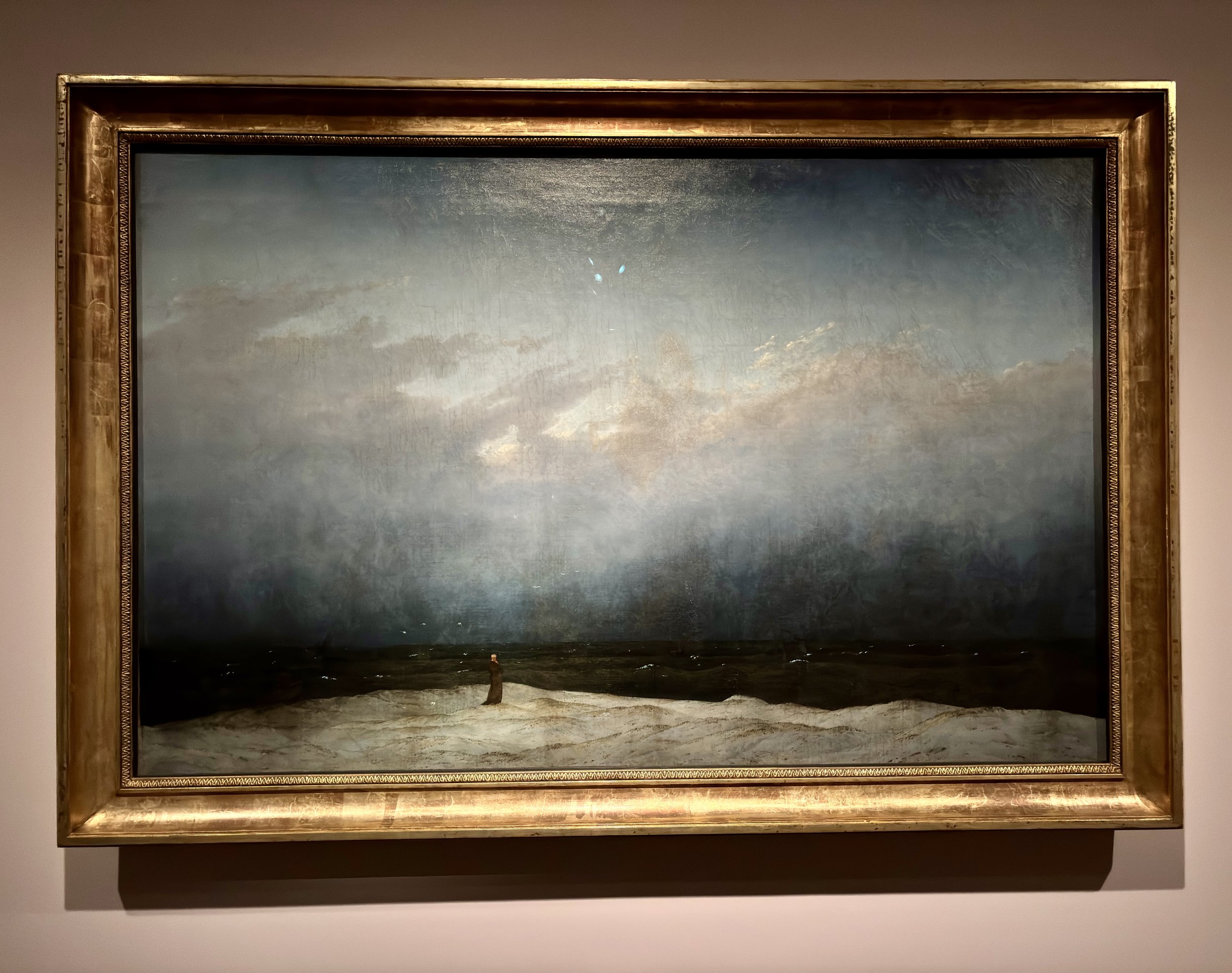
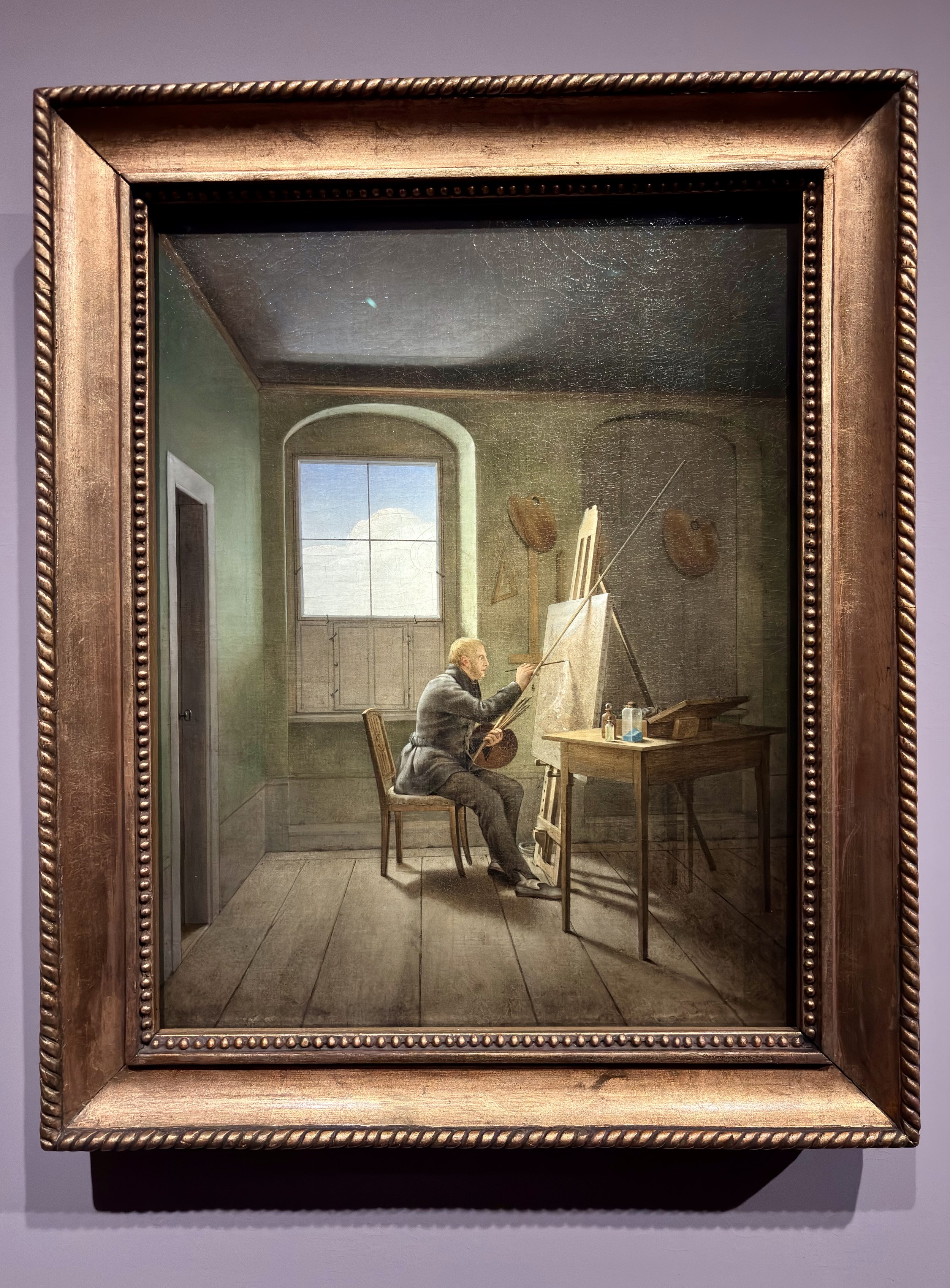
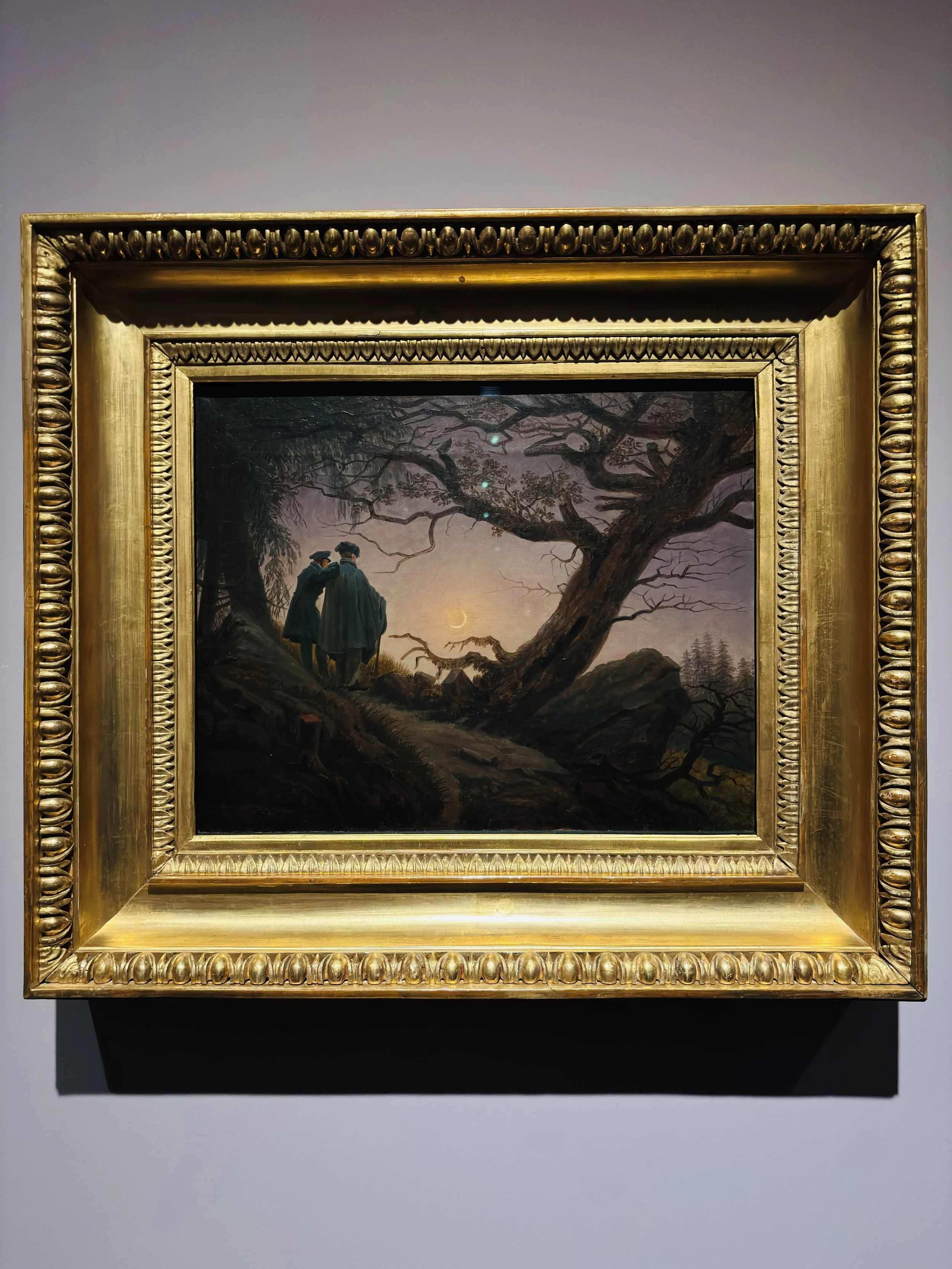
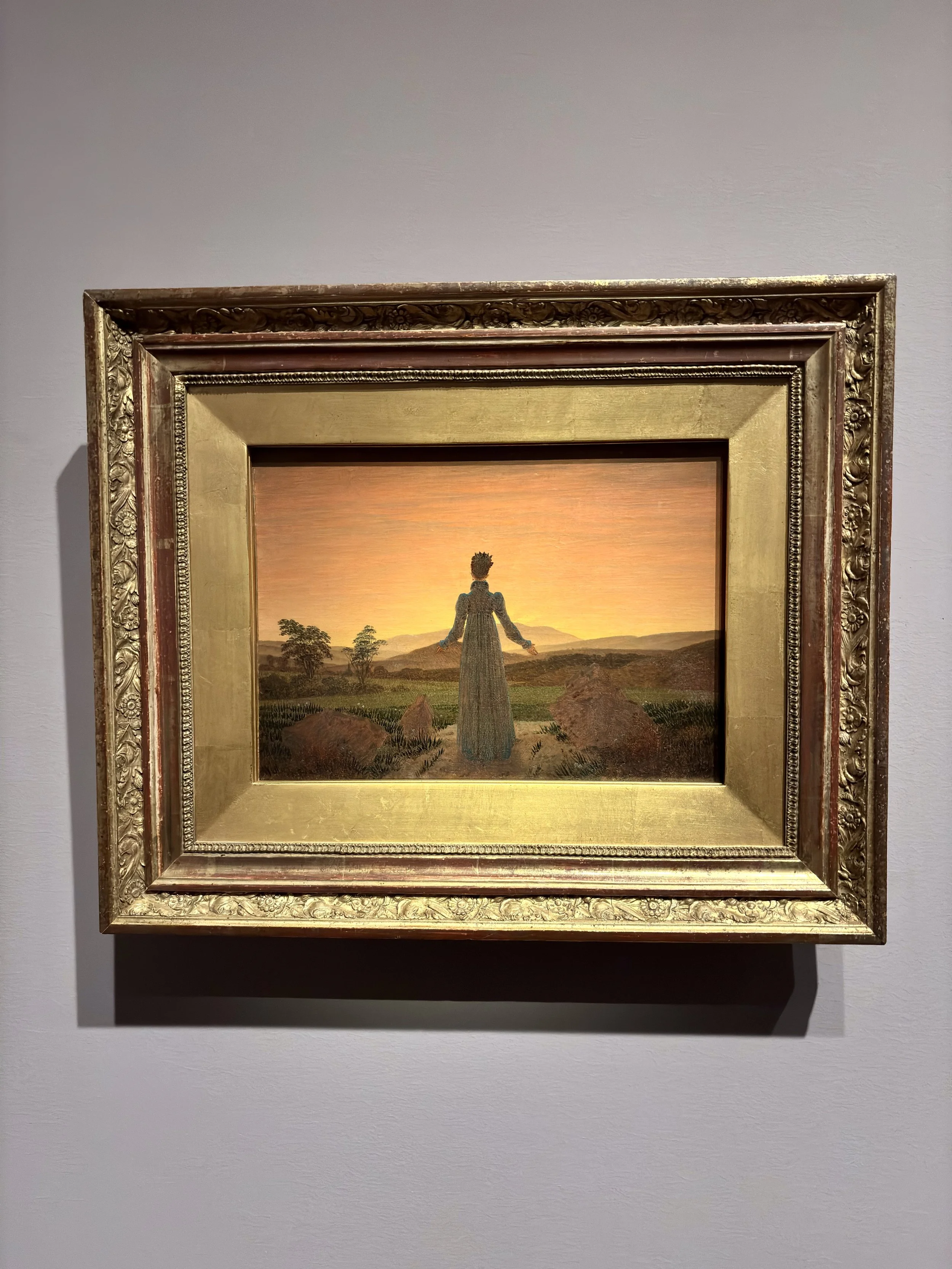
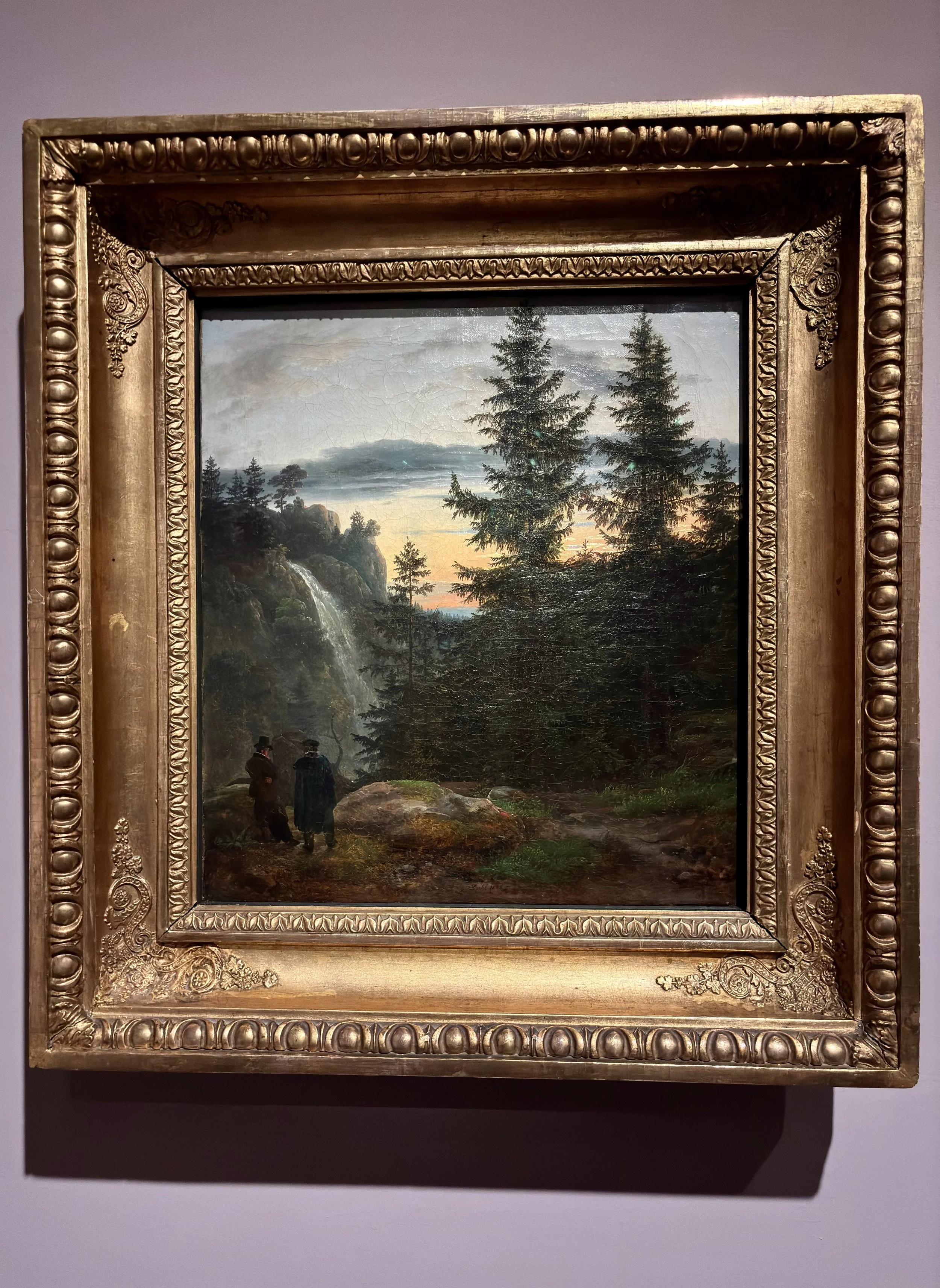
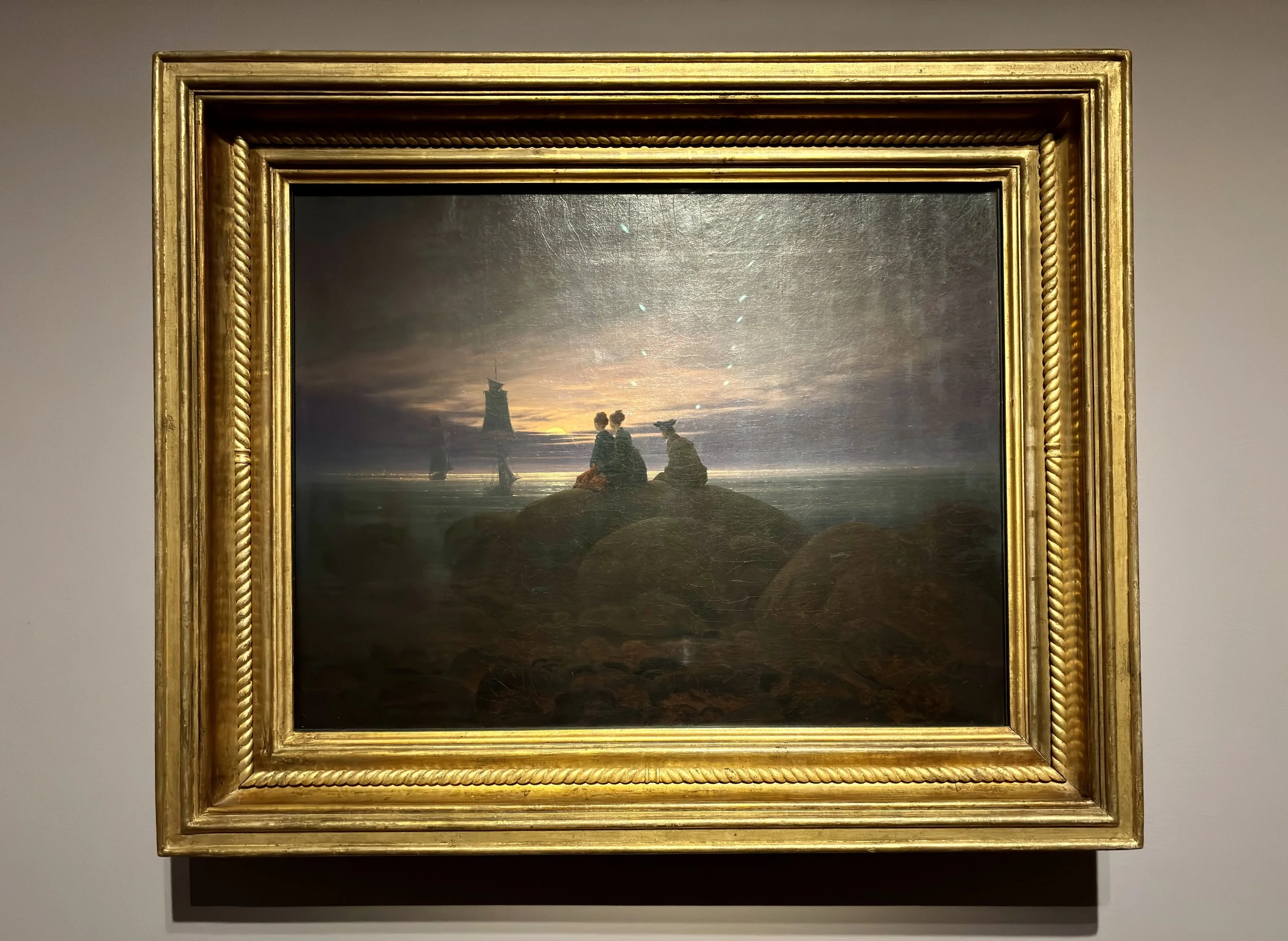
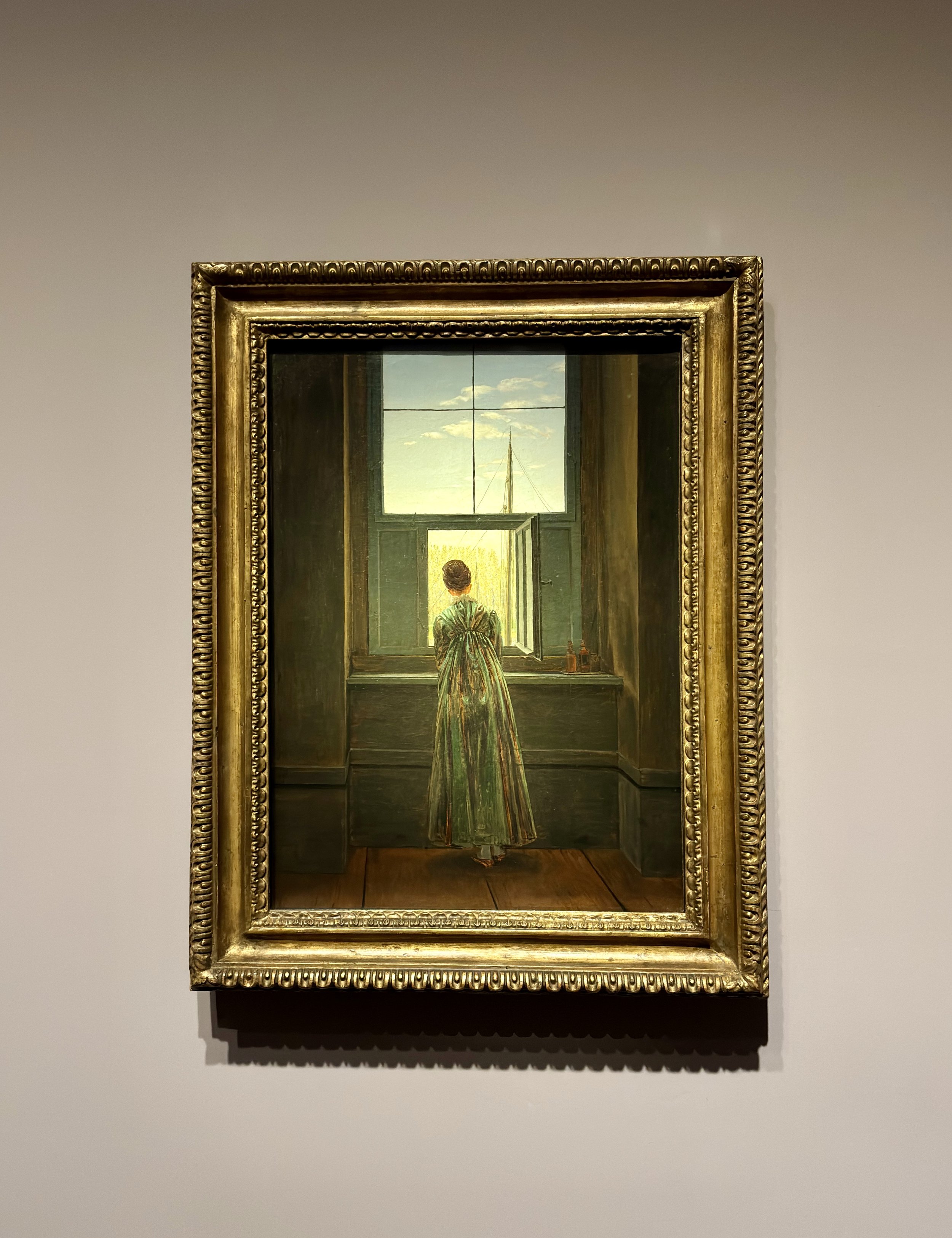
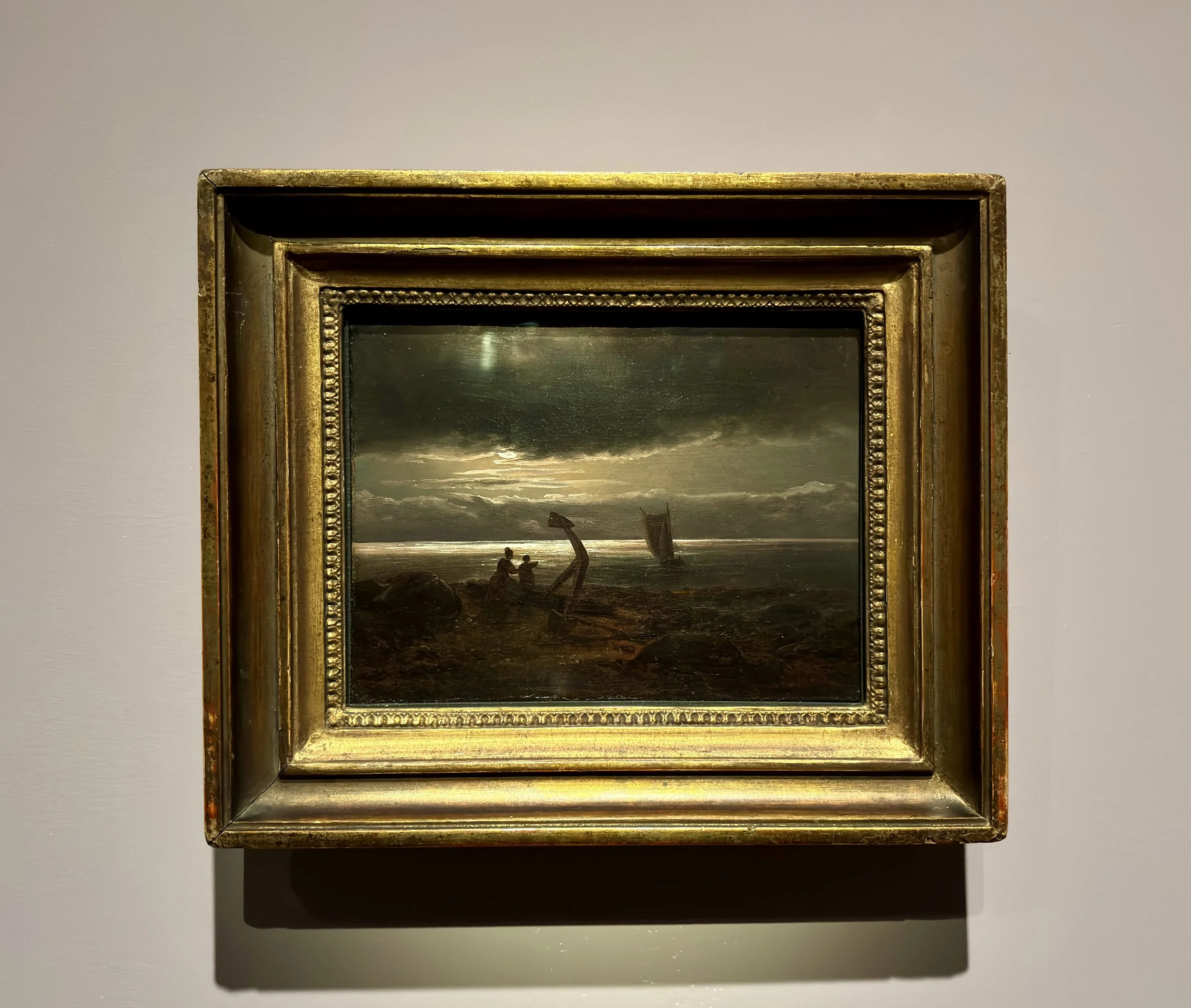
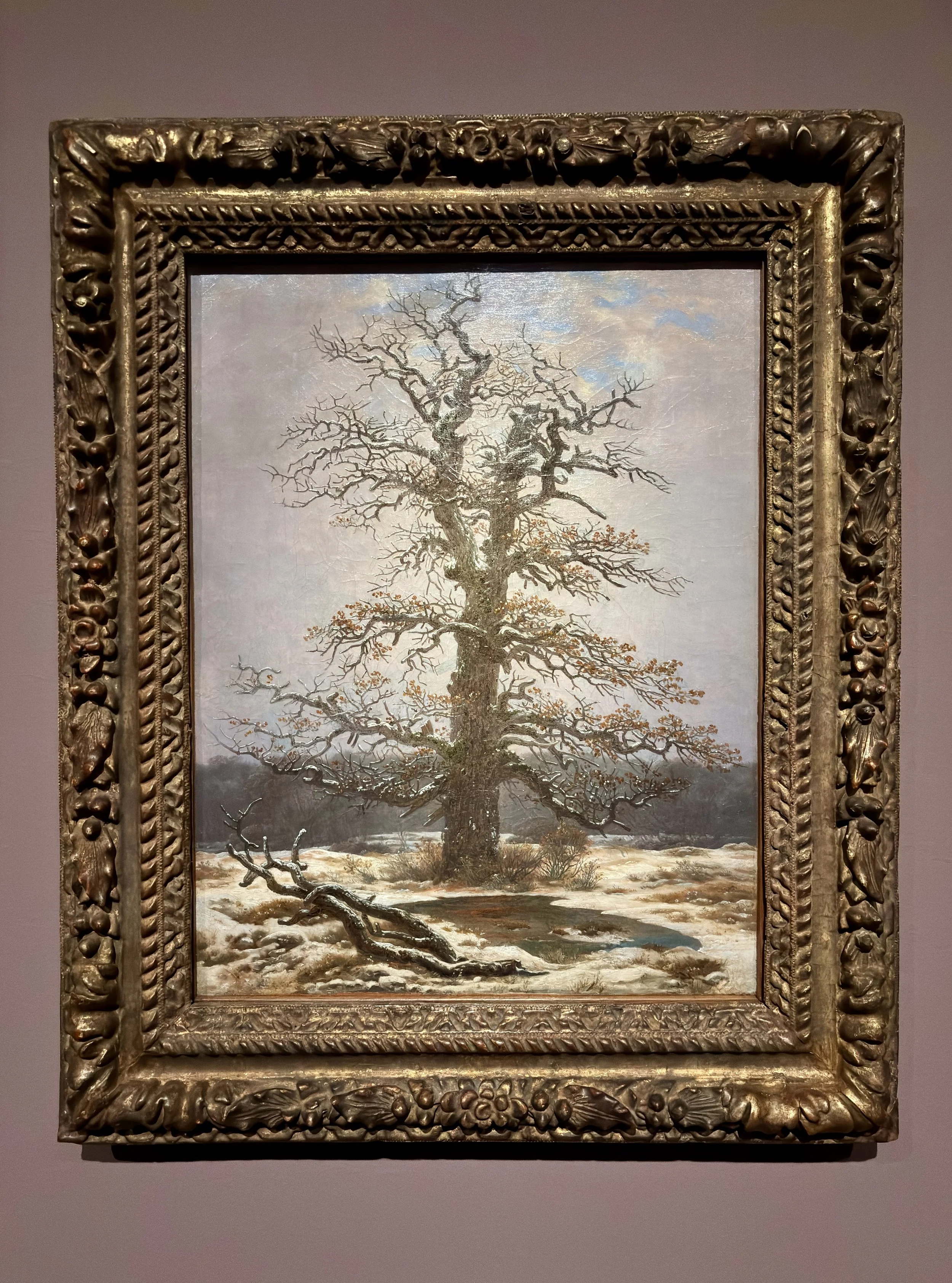
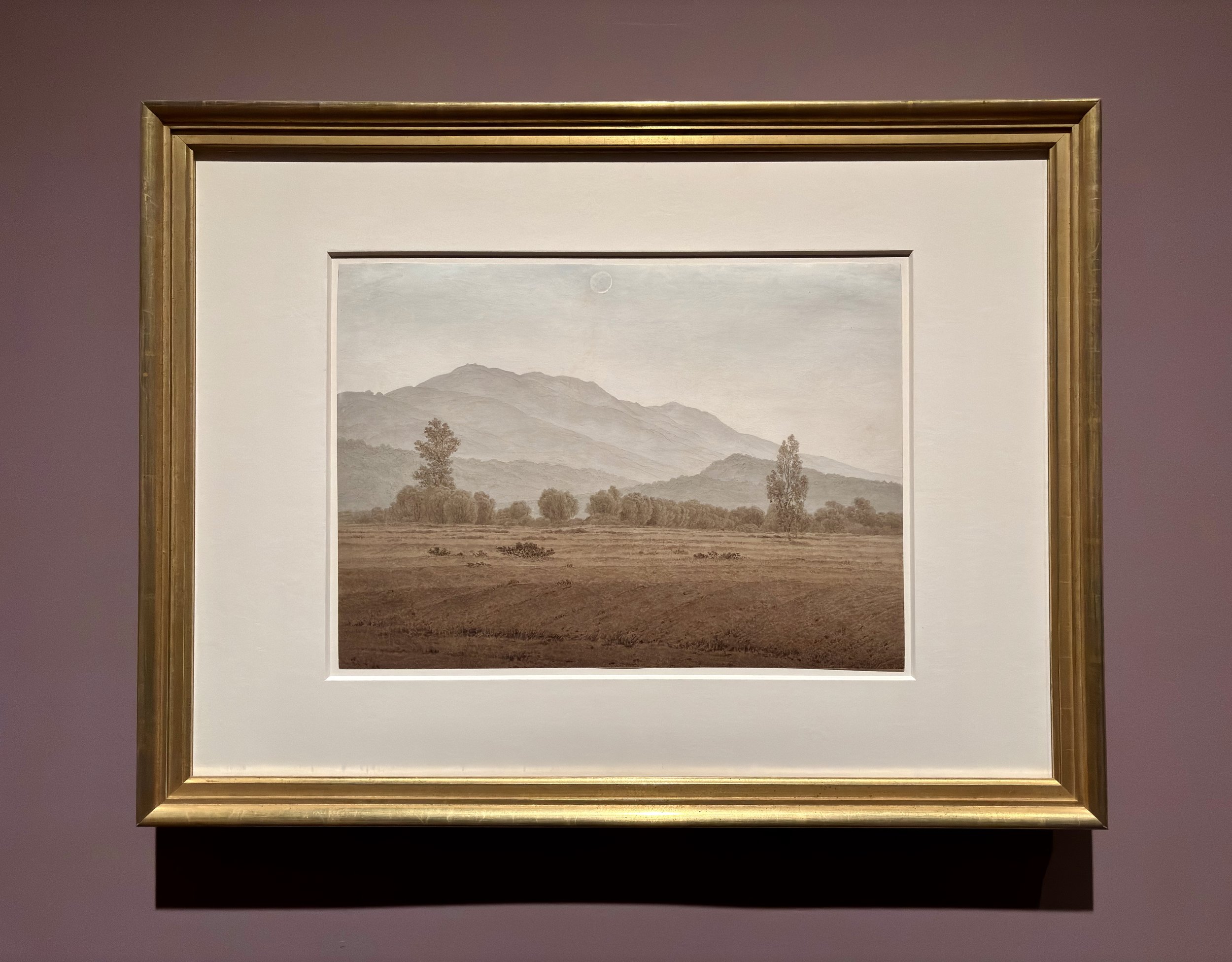
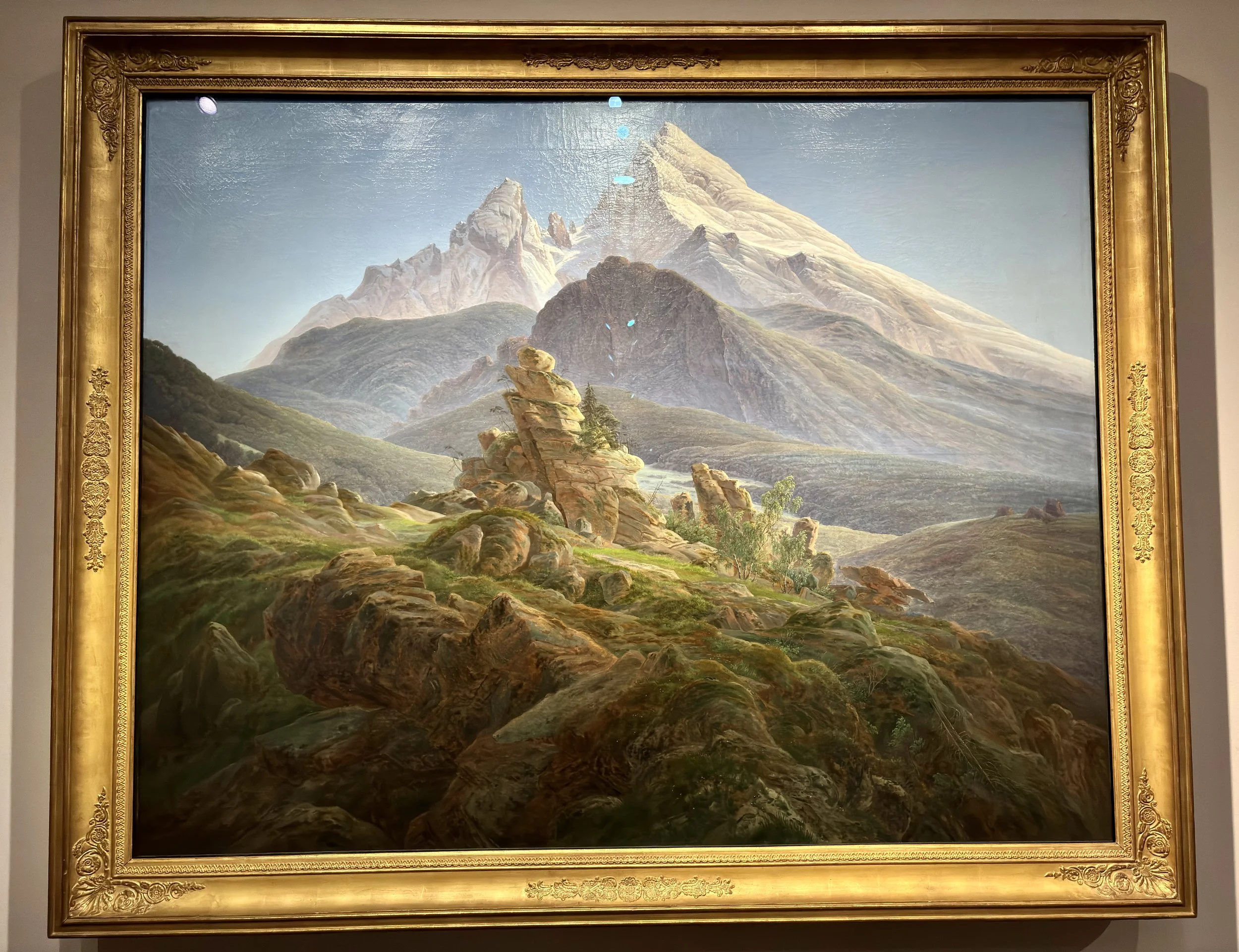
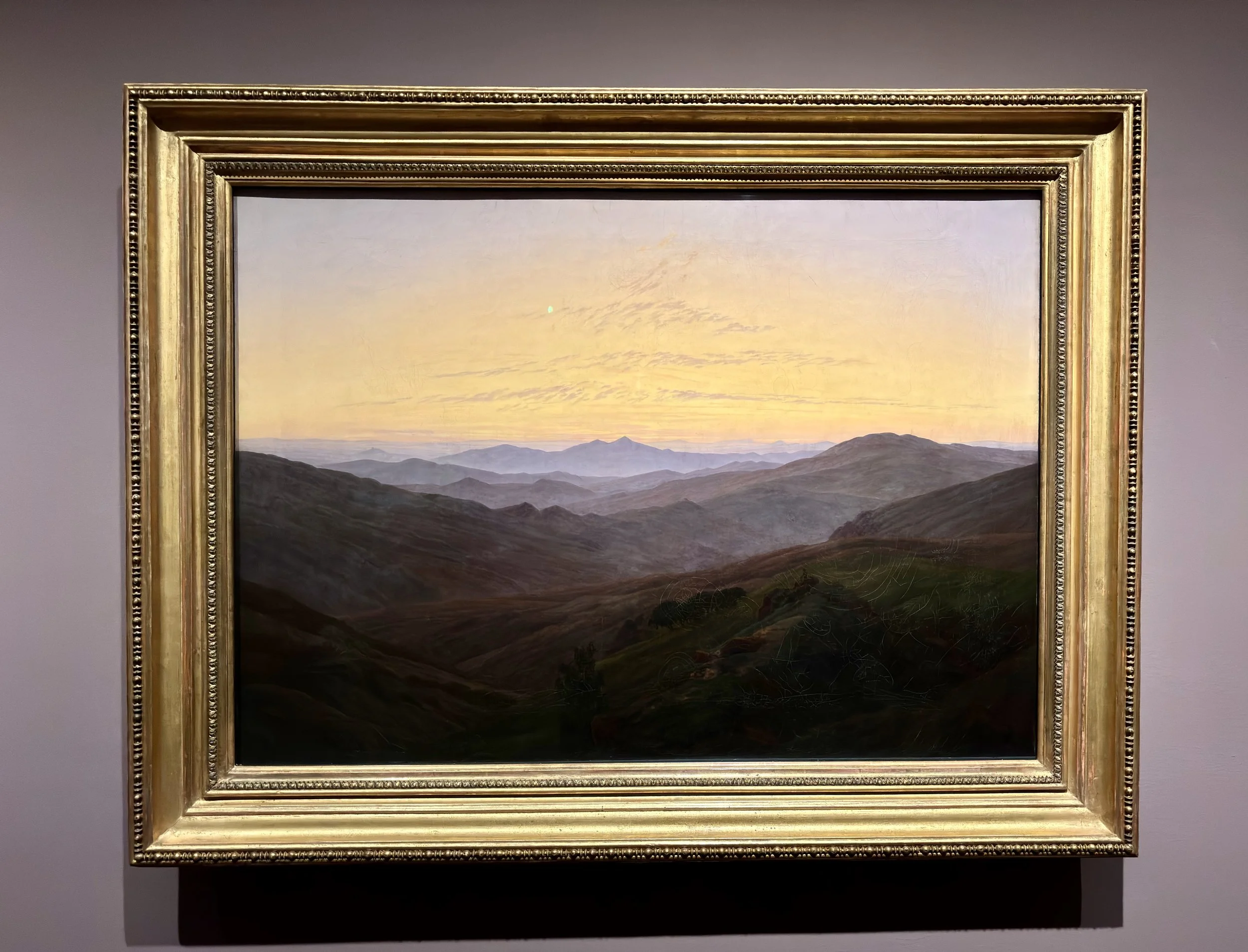
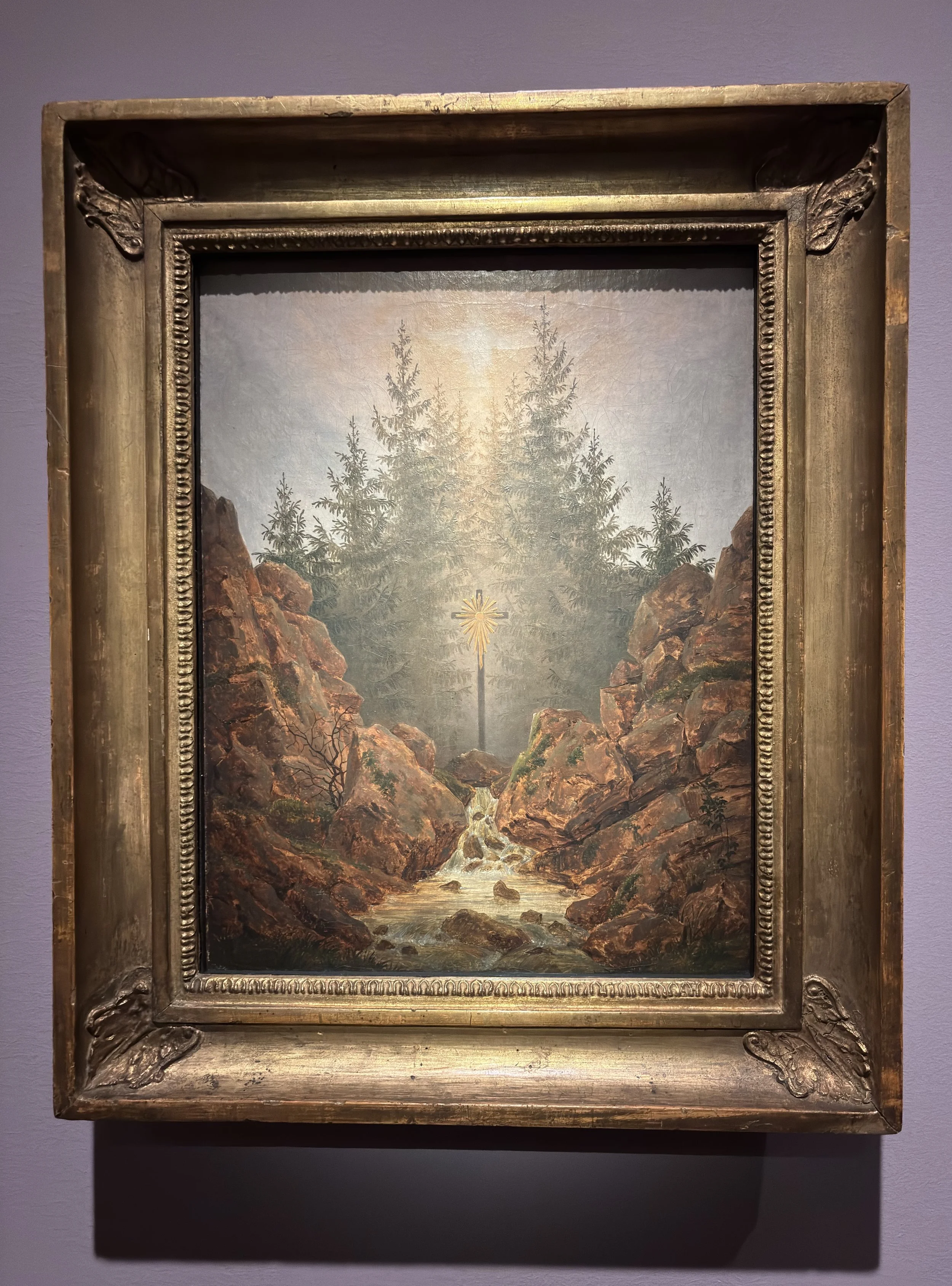
Some landscapes invite admiration. Caspar David Friedrich's landscapes invite reflection.

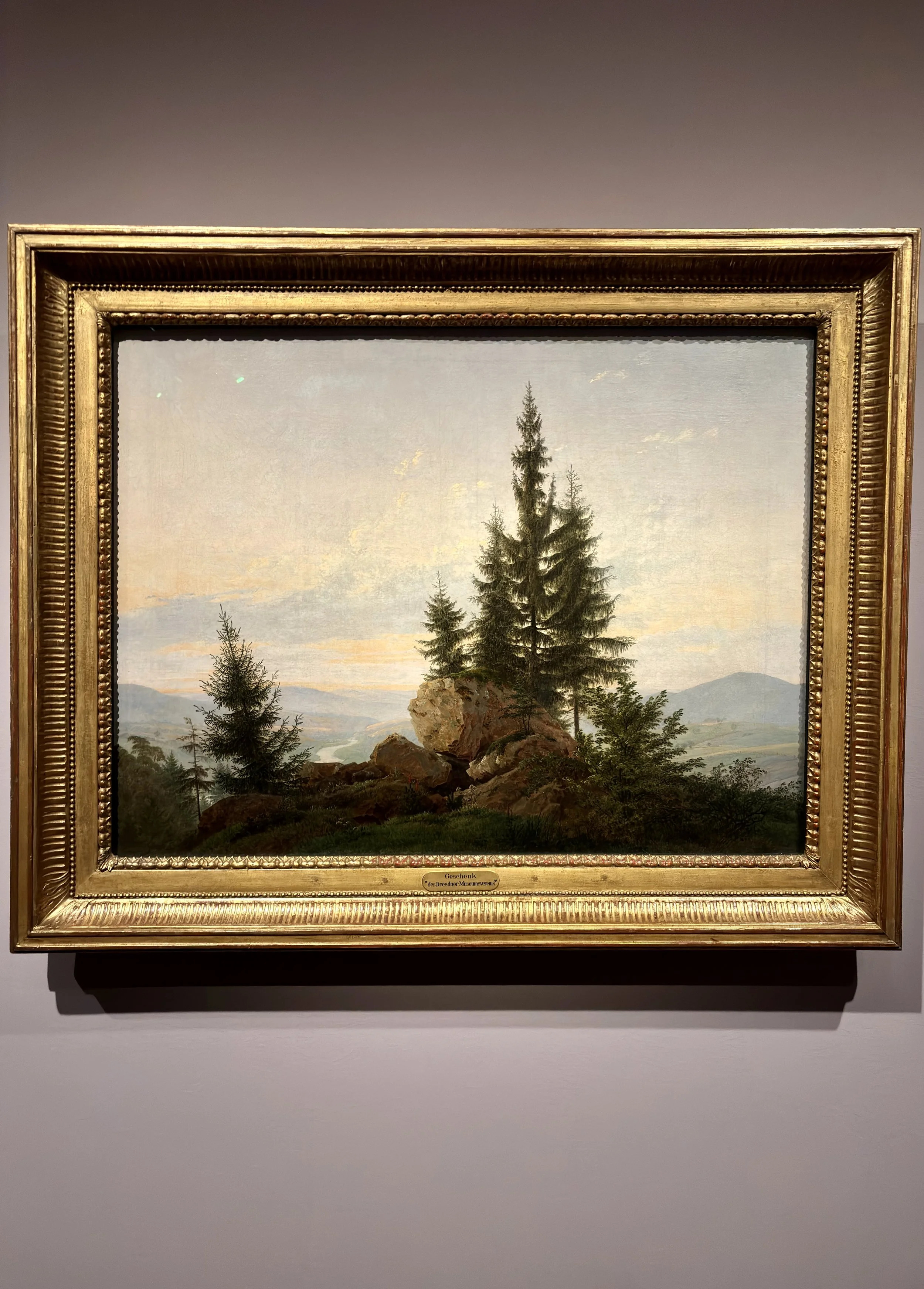
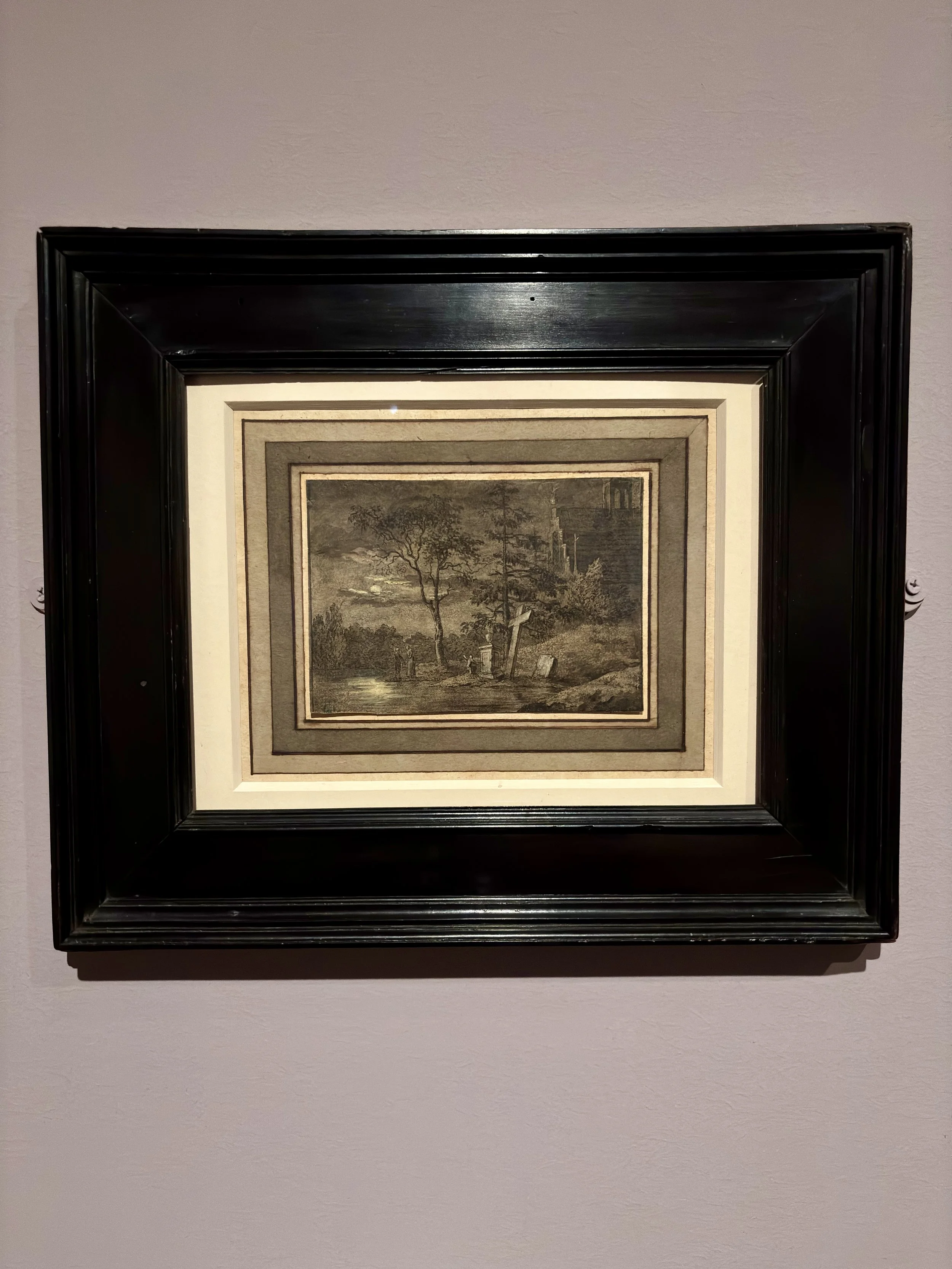
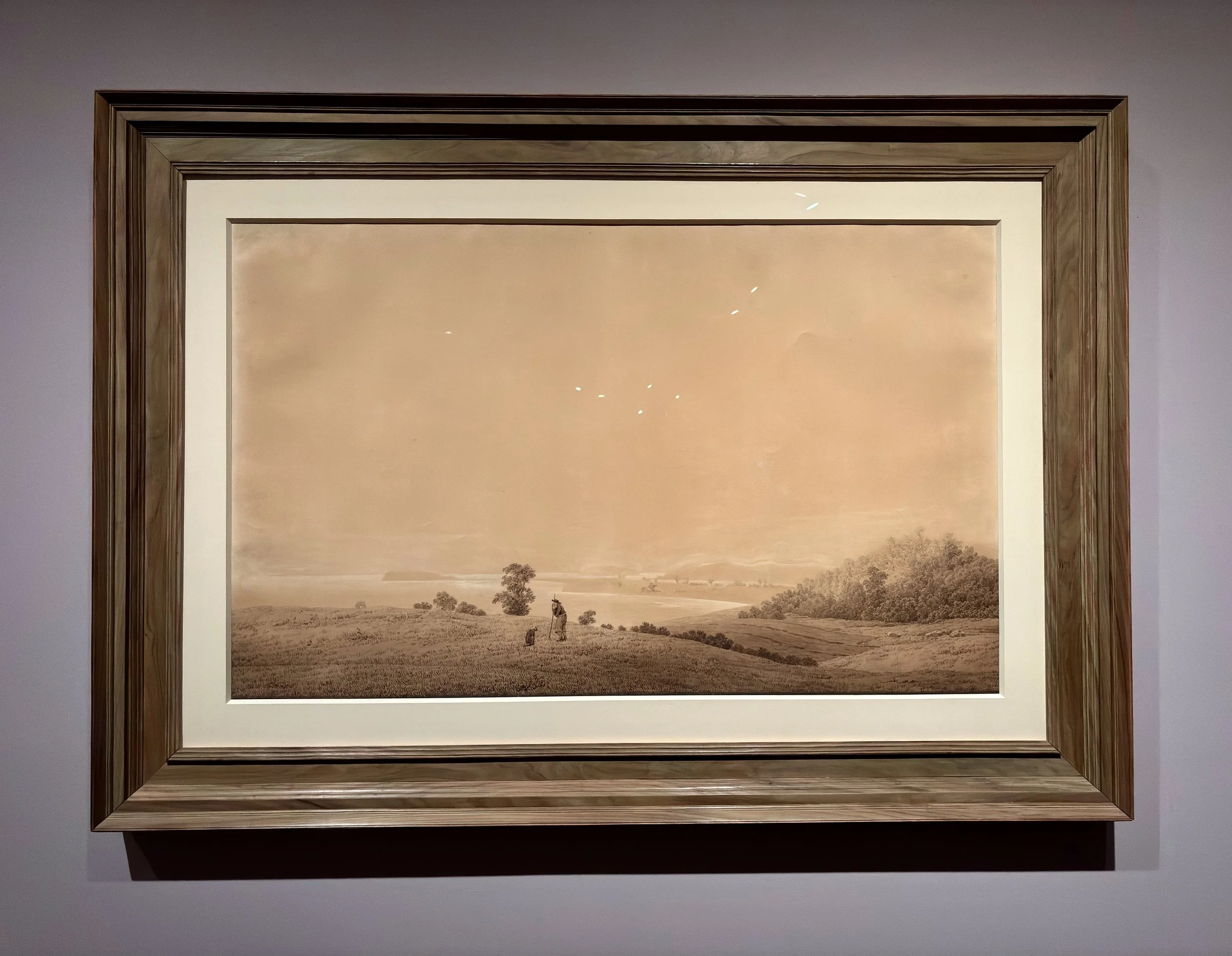
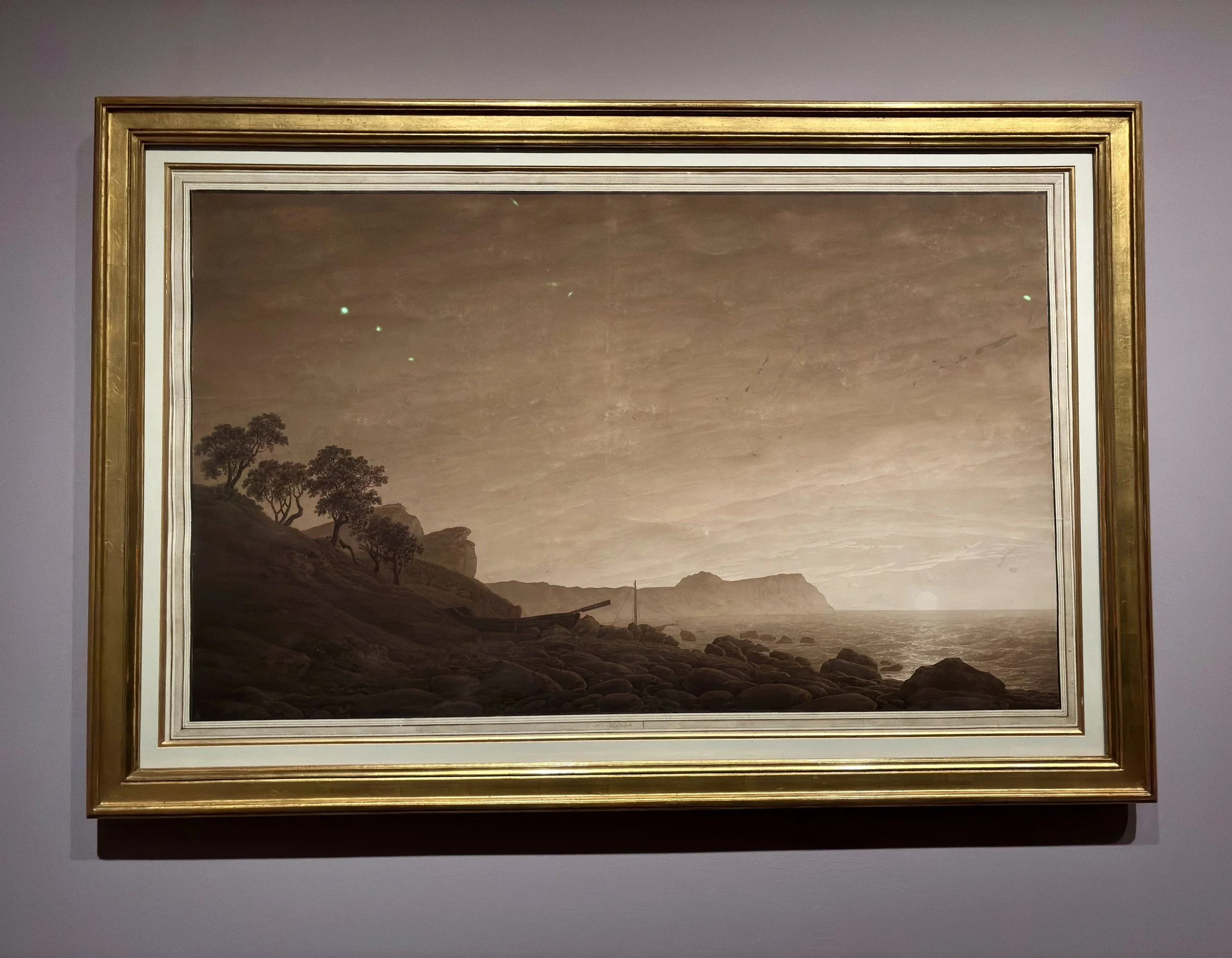
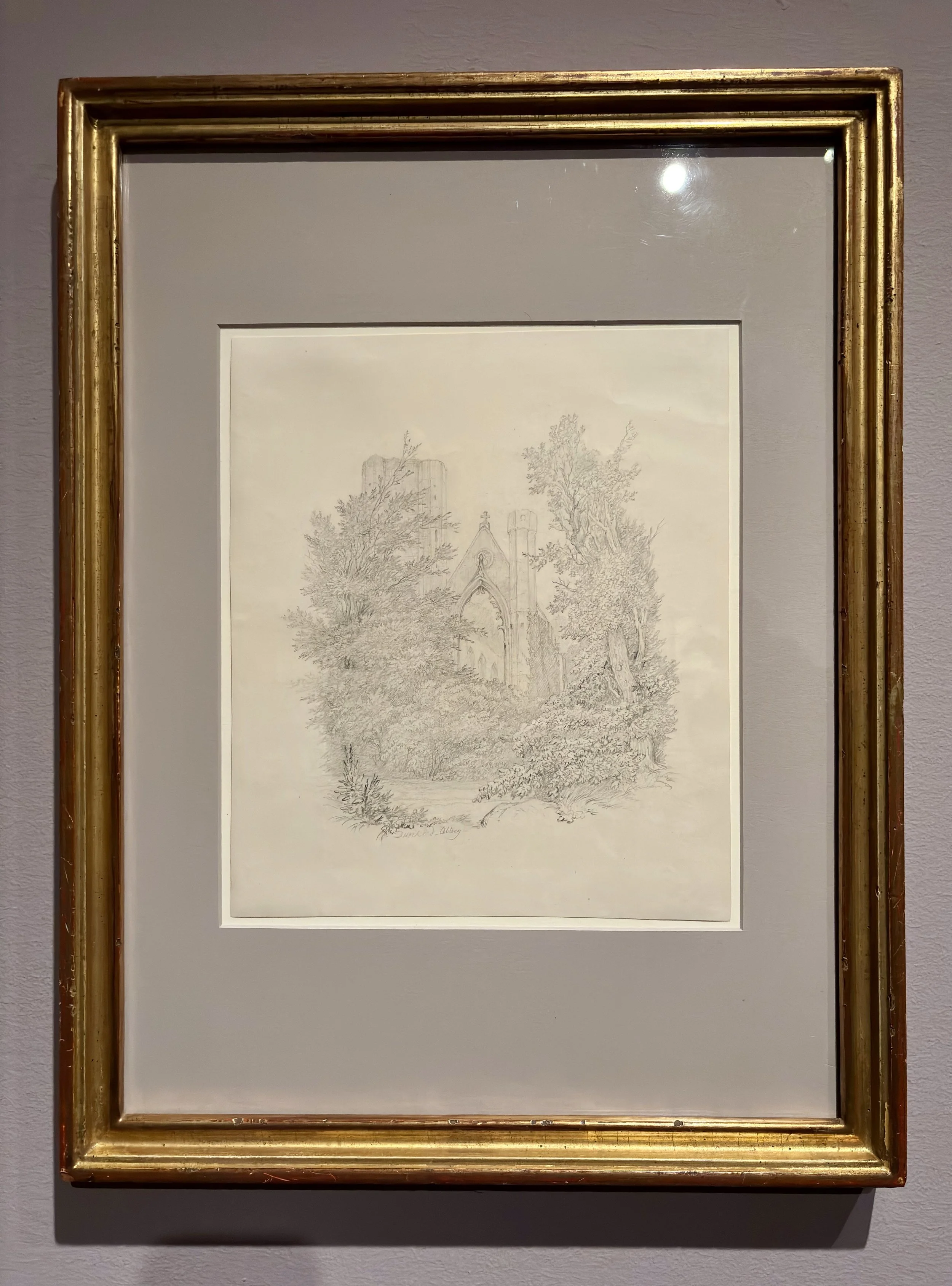
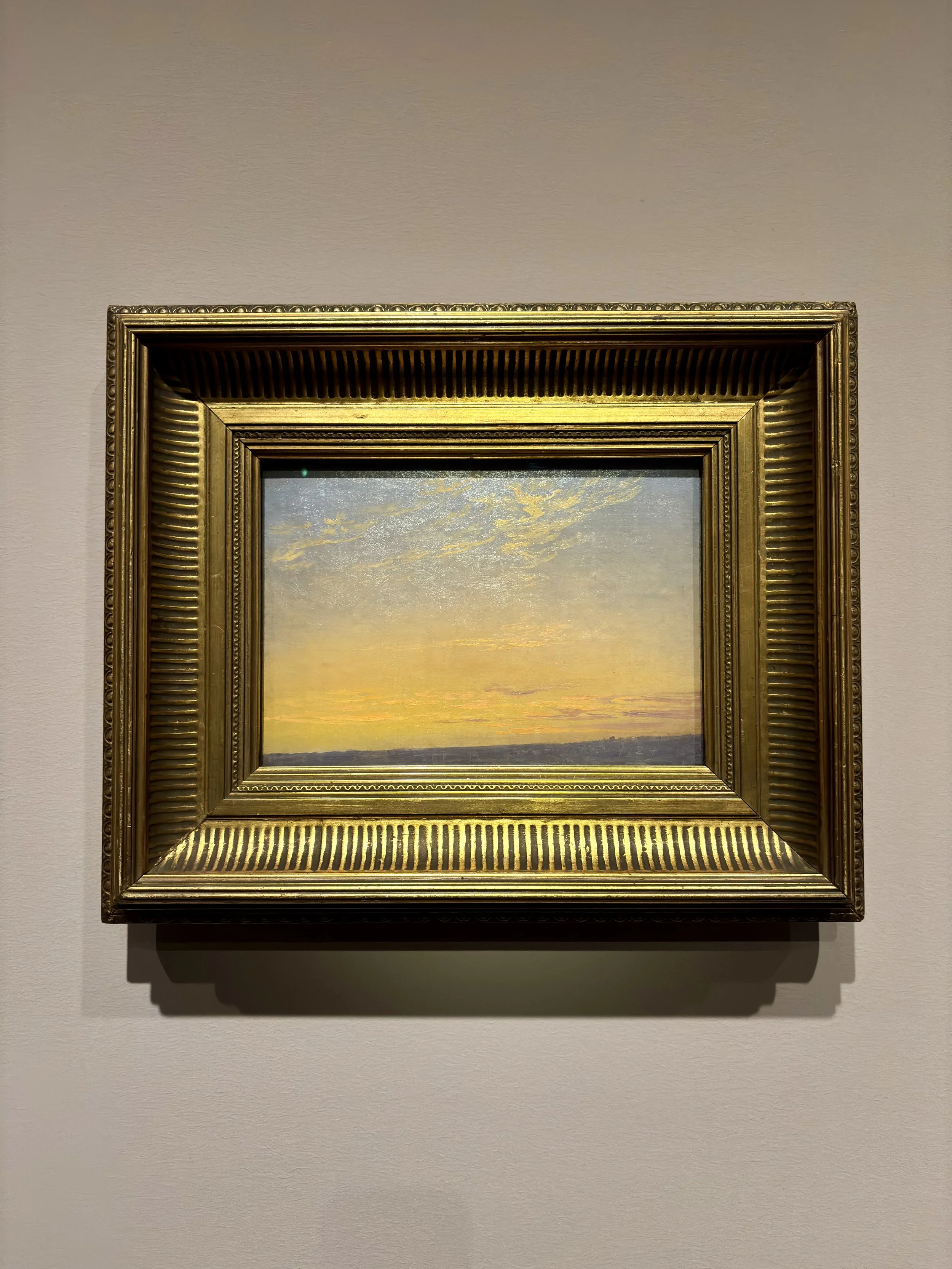
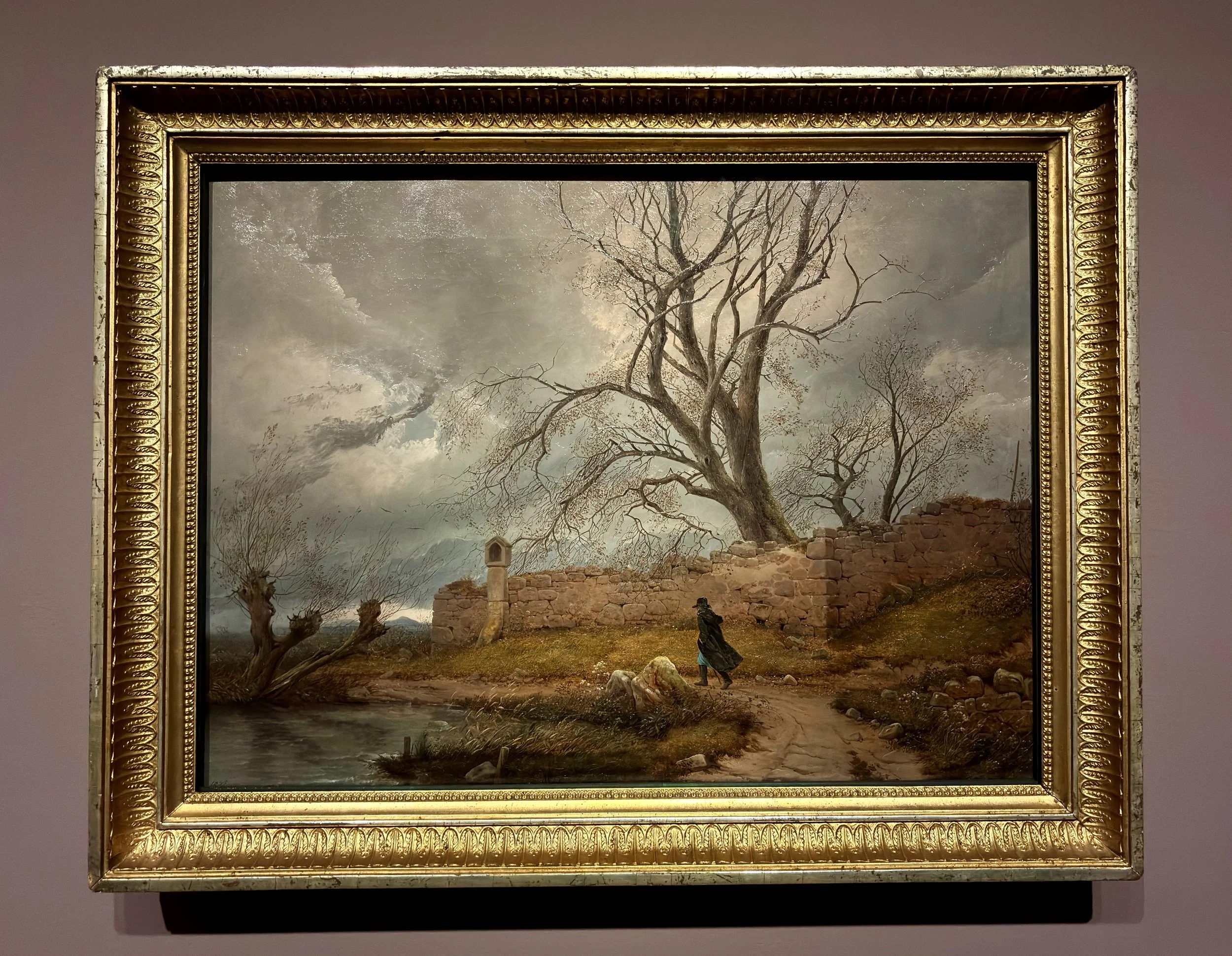
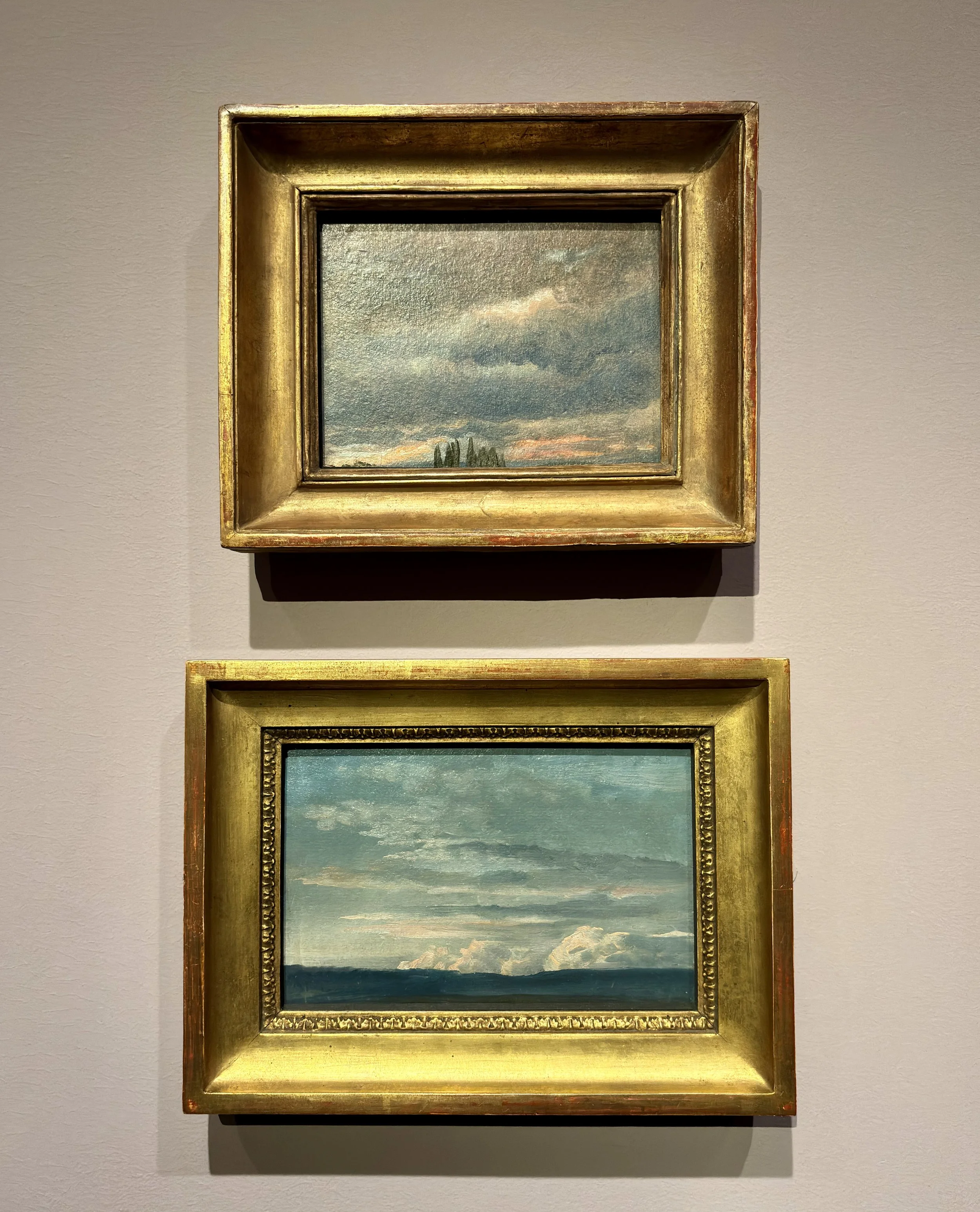
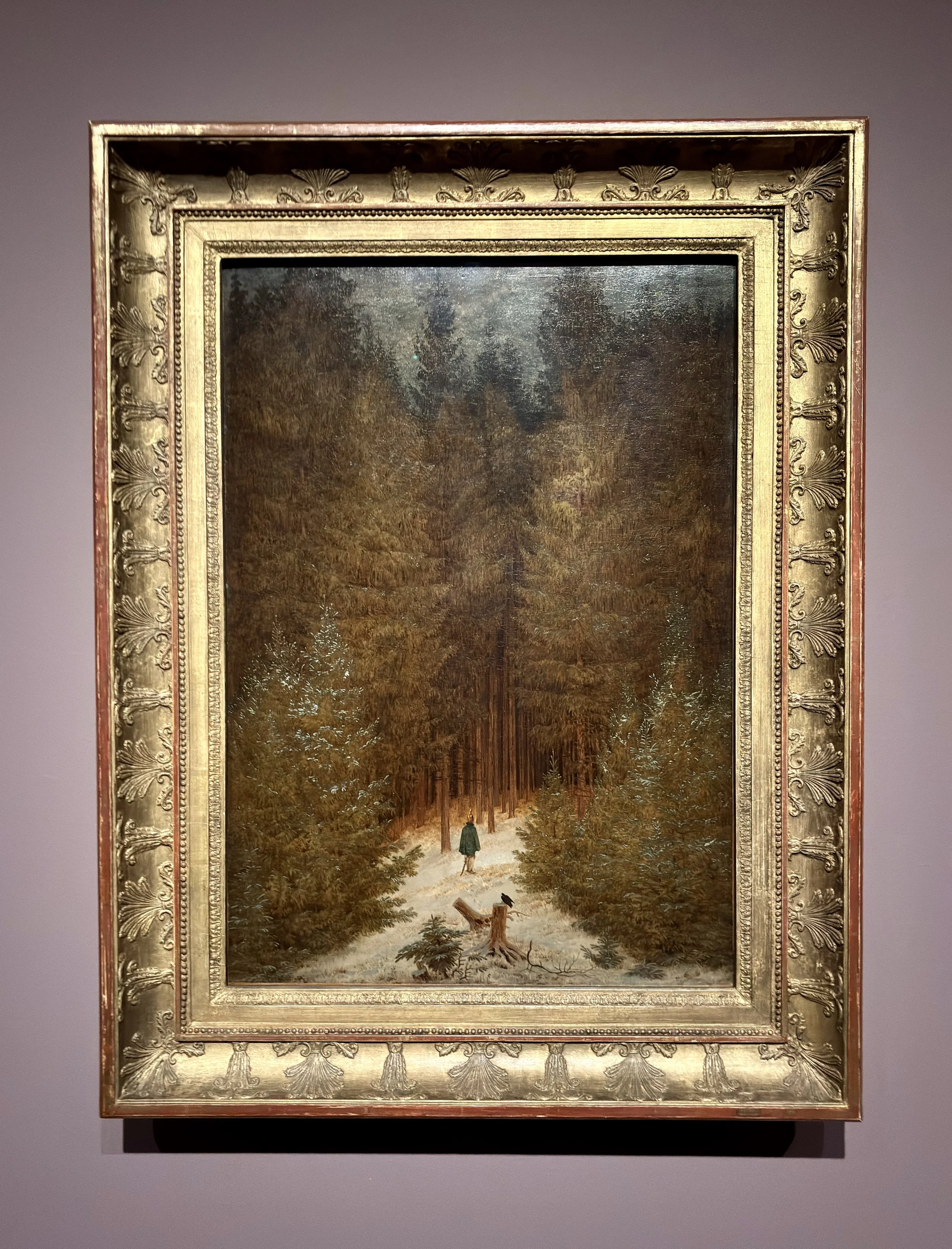
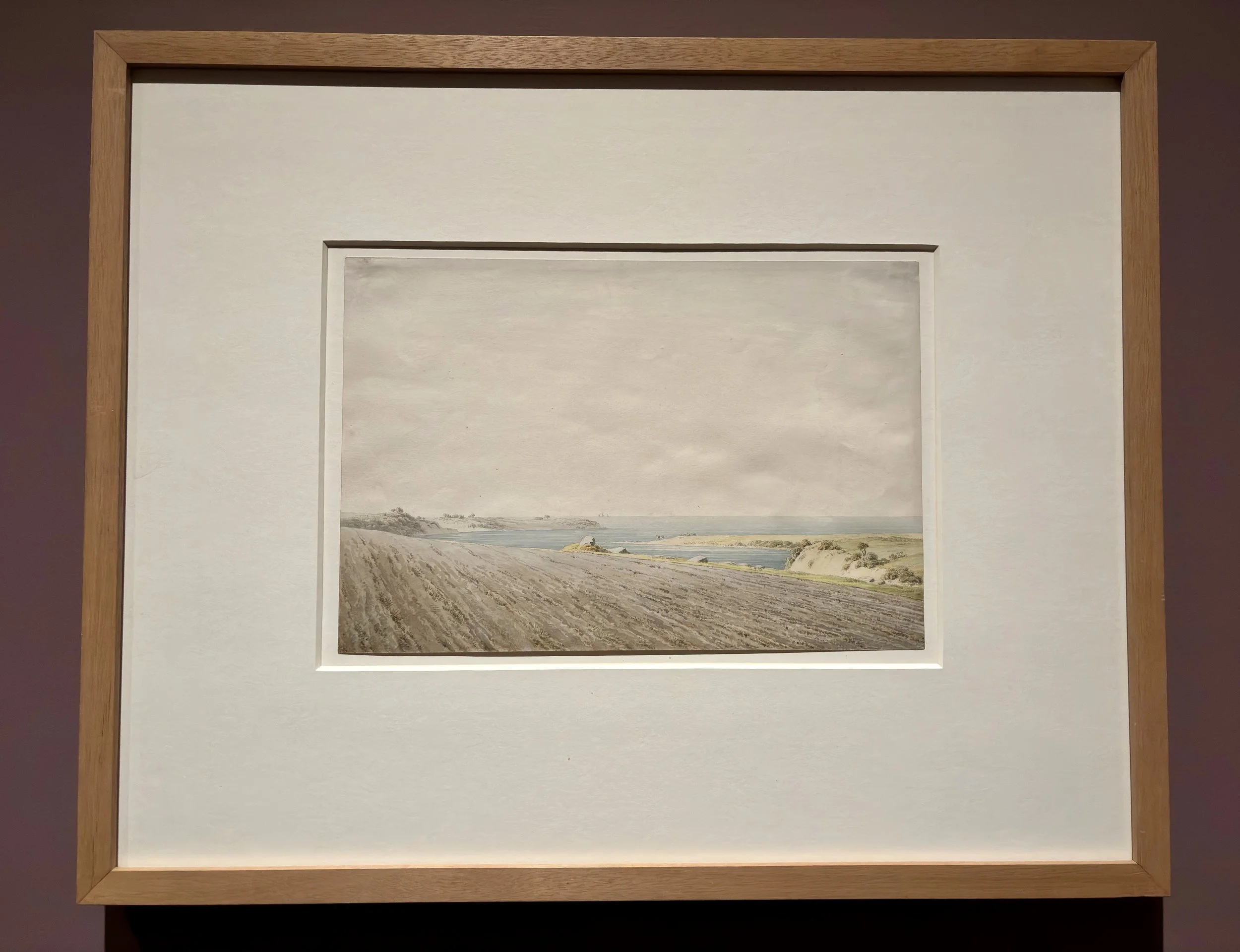
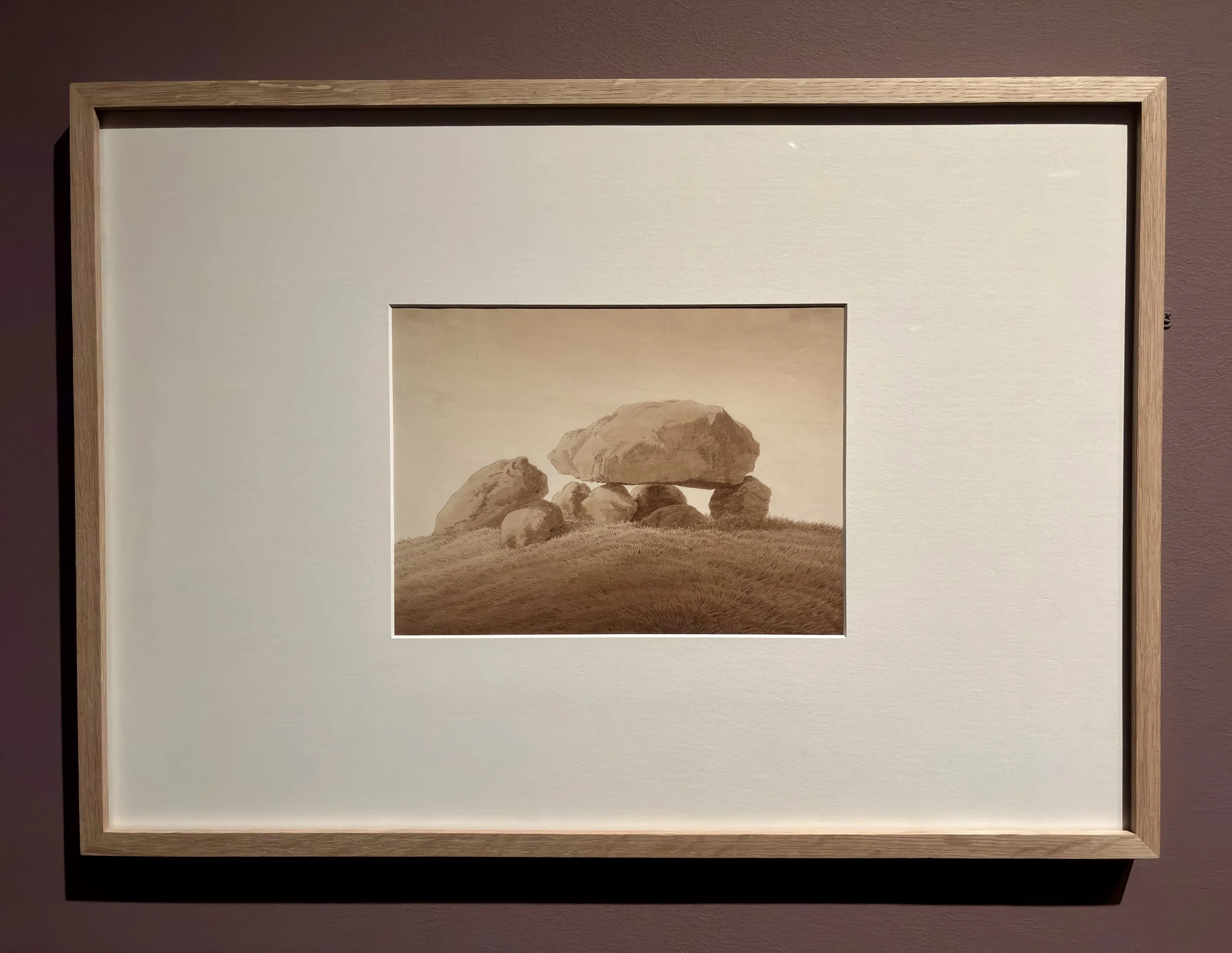
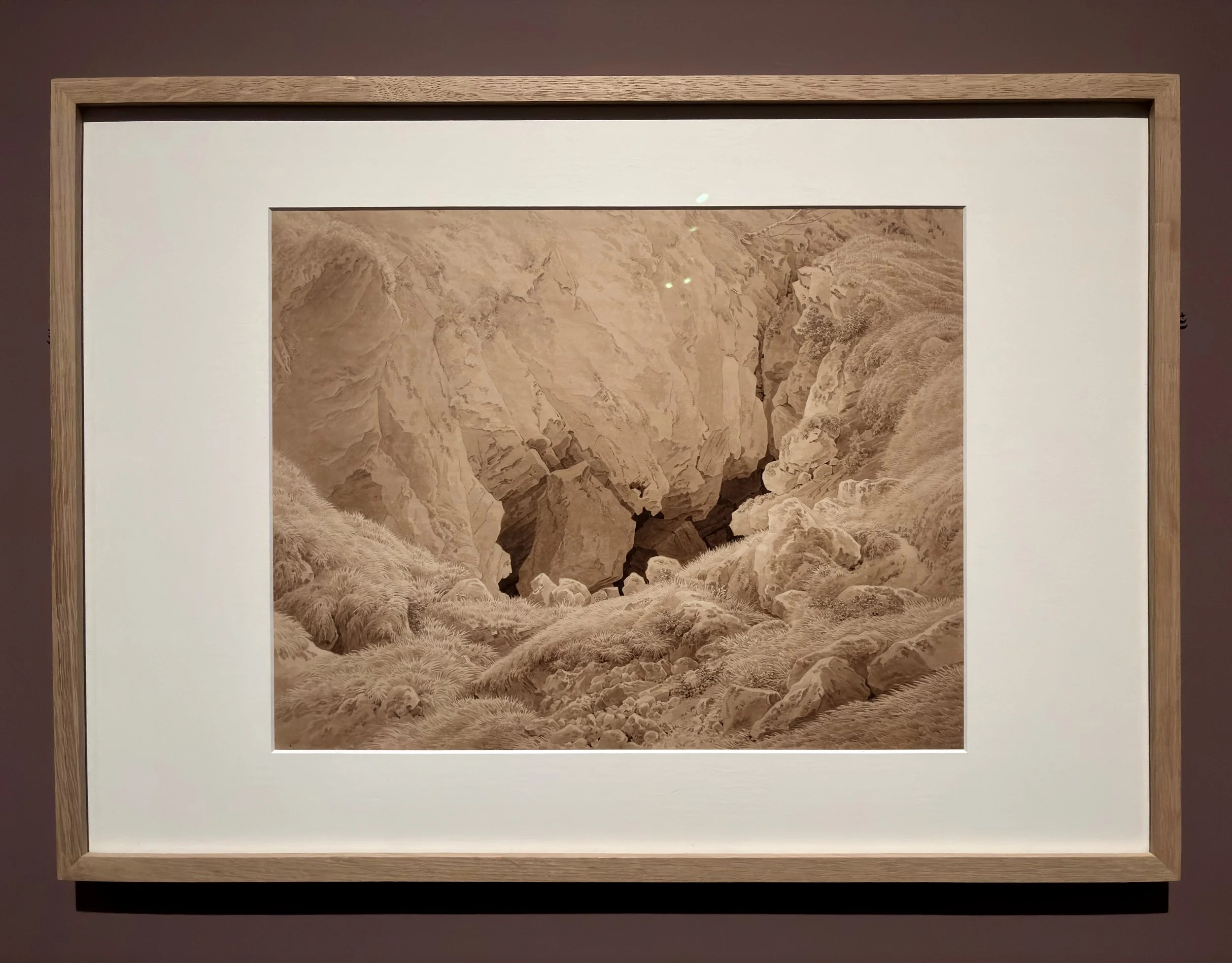
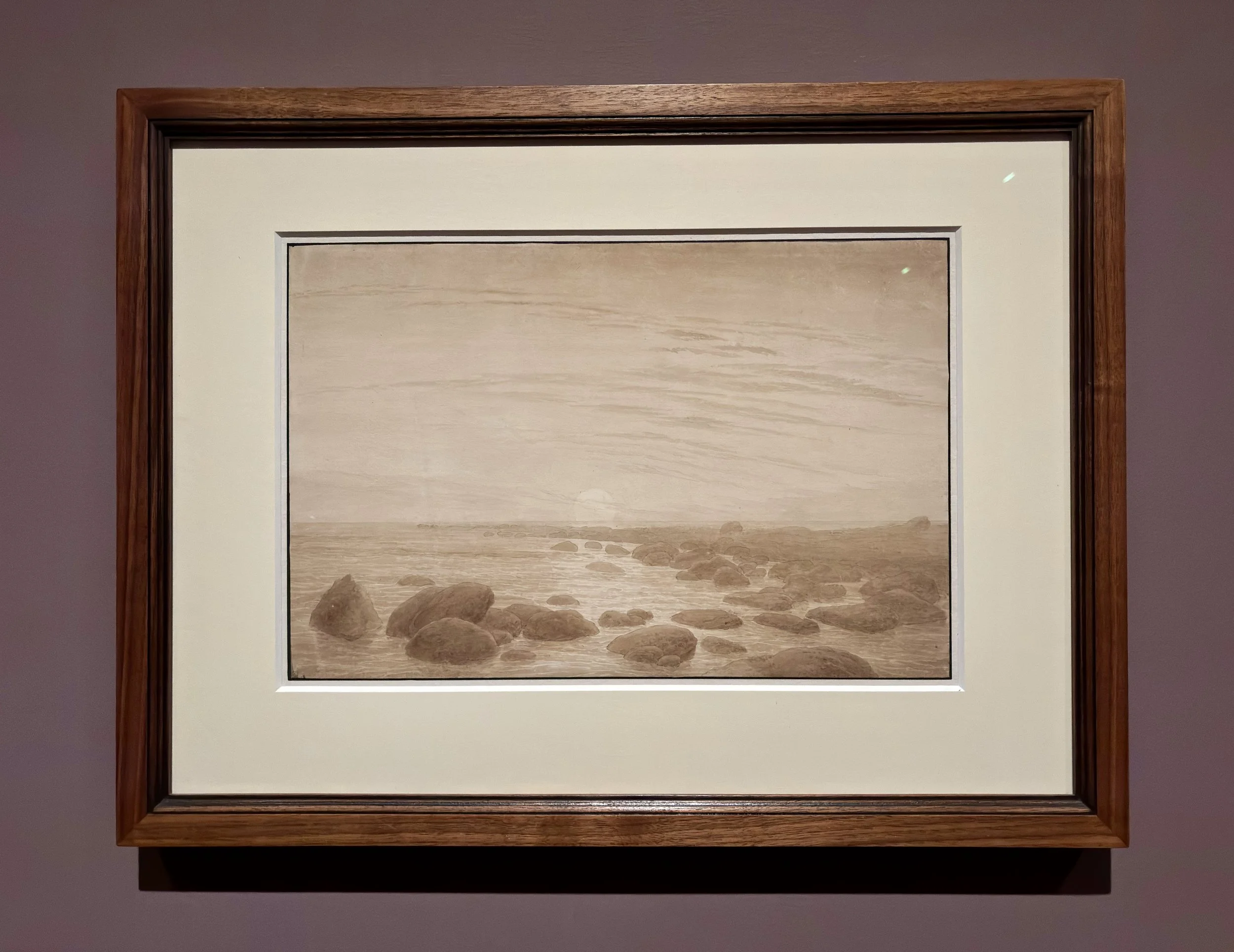
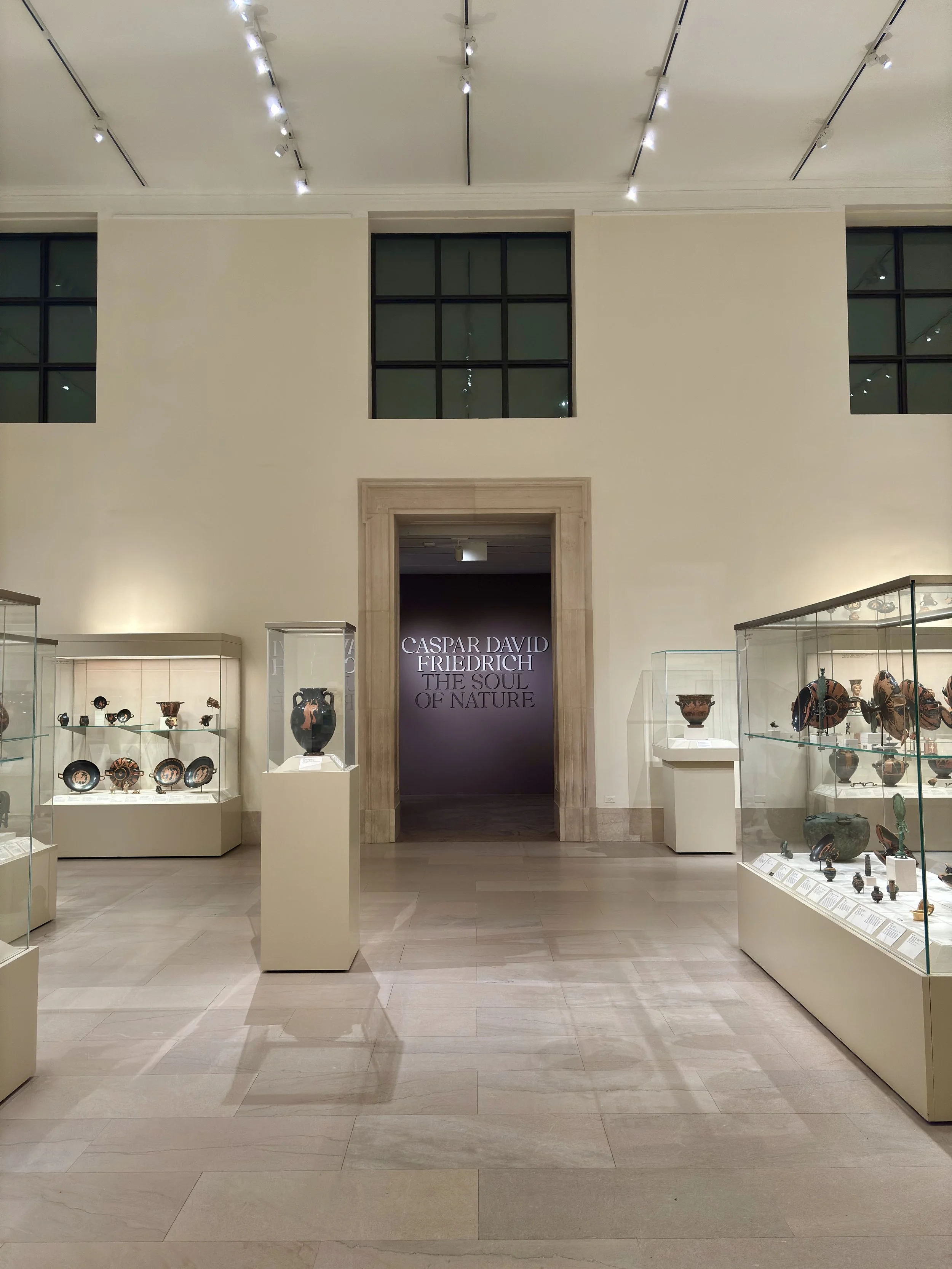
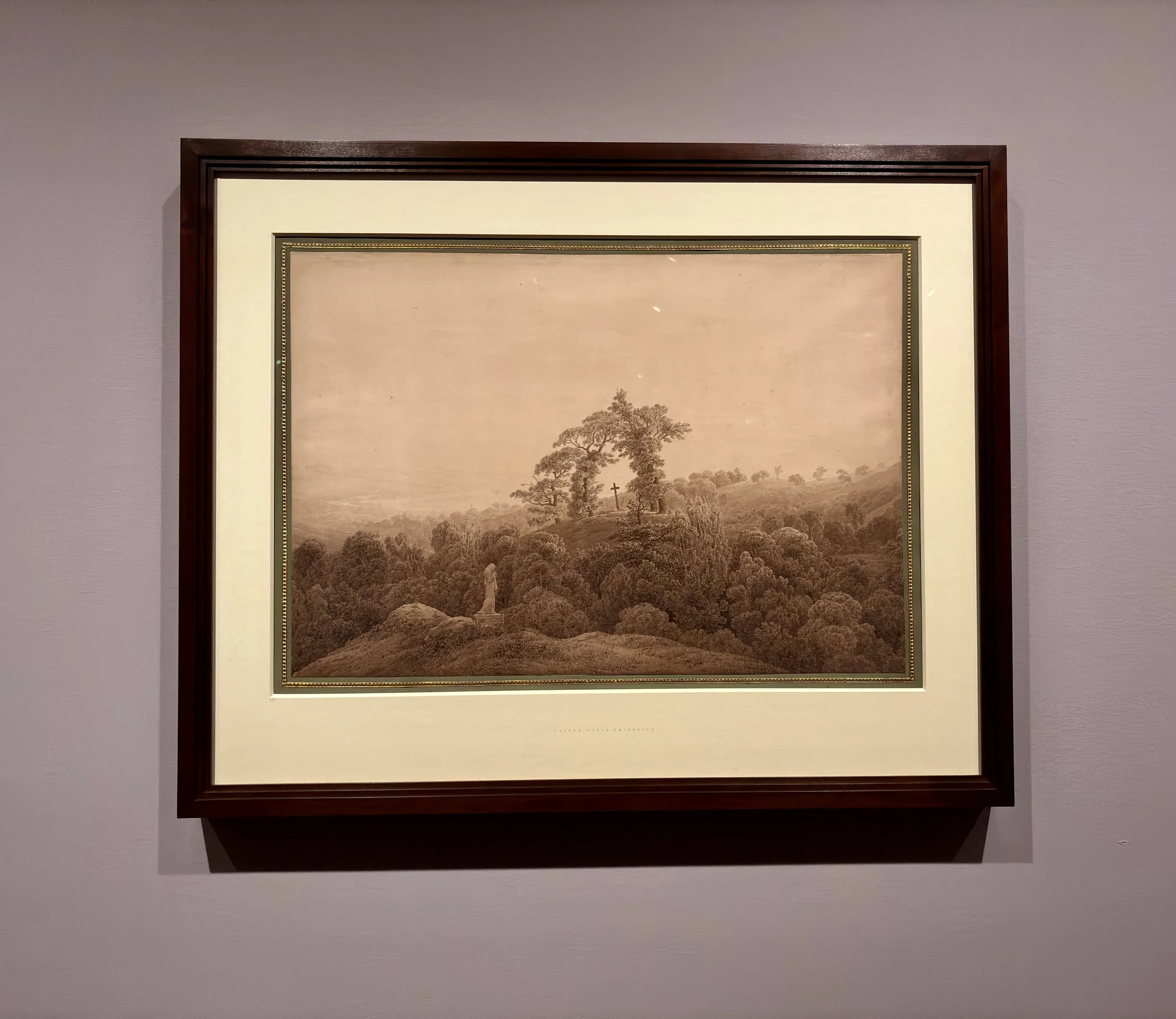
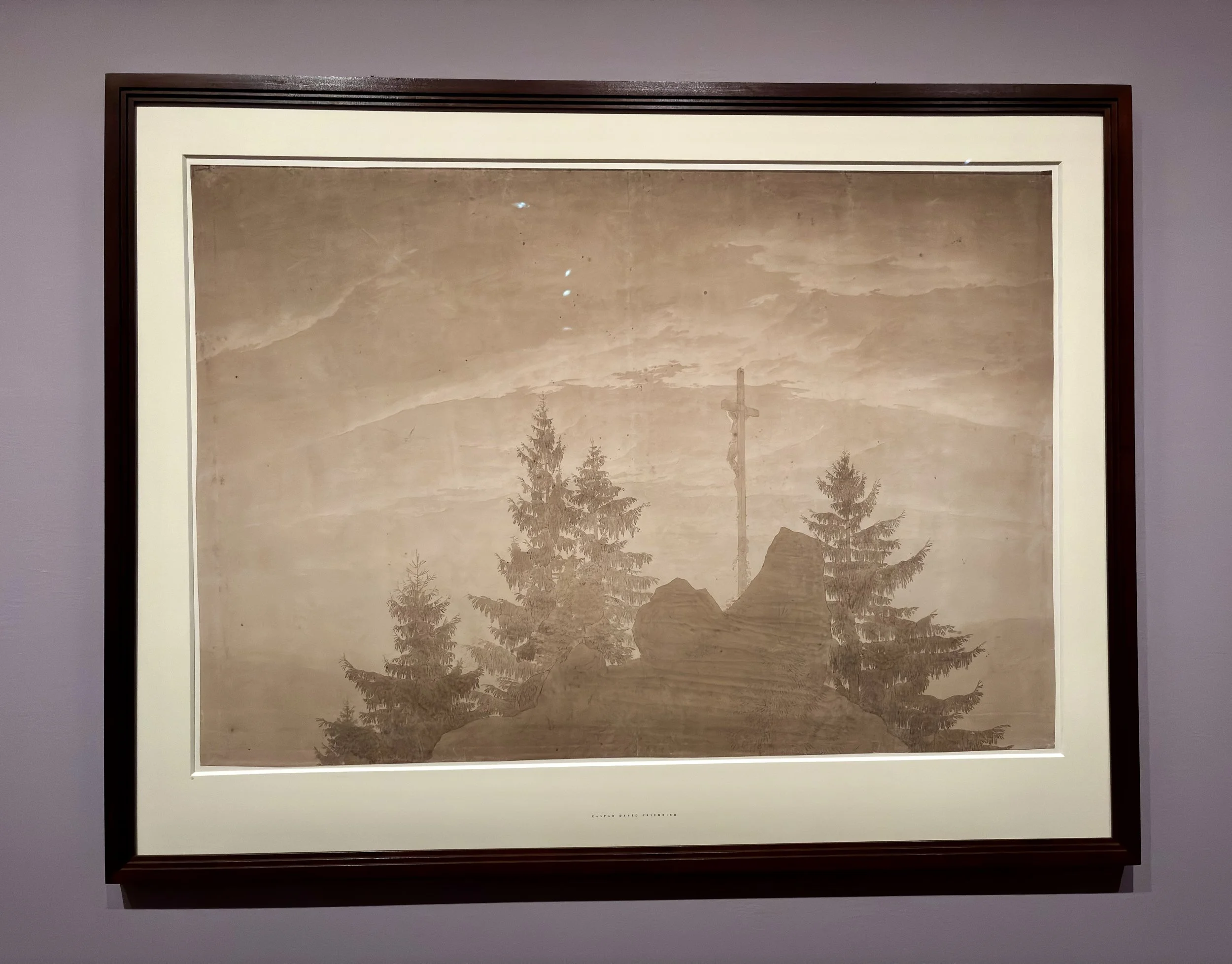
At the Metropolitan Museum of Art, Caspar David Friedrich: The Soul of Nature, on view from February 8 through May 11, 2025, offers a rare opportunity to experience the work of one of the great voices of German Romanticism. Moving through the galleries feels less like following a timeline and more like entering a series of quiet conversations between the human spirit and the natural world.

Mountains, forests, seas, and endless skies become more than beautiful scenery. Each work encourages stillness, inviting every visitor to bring personal memories, questions, and emotions into the experience. Rather than providing simple answers, Friedrich creates space for contemplation, where solitude becomes peaceful and nature becomes a mirror for the inner self.

The exhibition thoughtfully brings together paintings, drawings, and sketches from across the artist's career, revealing both the consistency of his vision and the depth of his artistic language. Seeing these works together makes it easy to understand why Friedrich's influence continues to resonate across generations.

Quietly powerful and deeply moving, this exhibition reminds us that some of life's most meaningful journeys begin not with a destination, but with a moment of looking, listening, and allowing nature to speak.

Comment

Barbie: A Cultural Icon at the Museum of Arts and Design

Comment

Barbie: A Cultural Icon at the Museum of Arts and Design

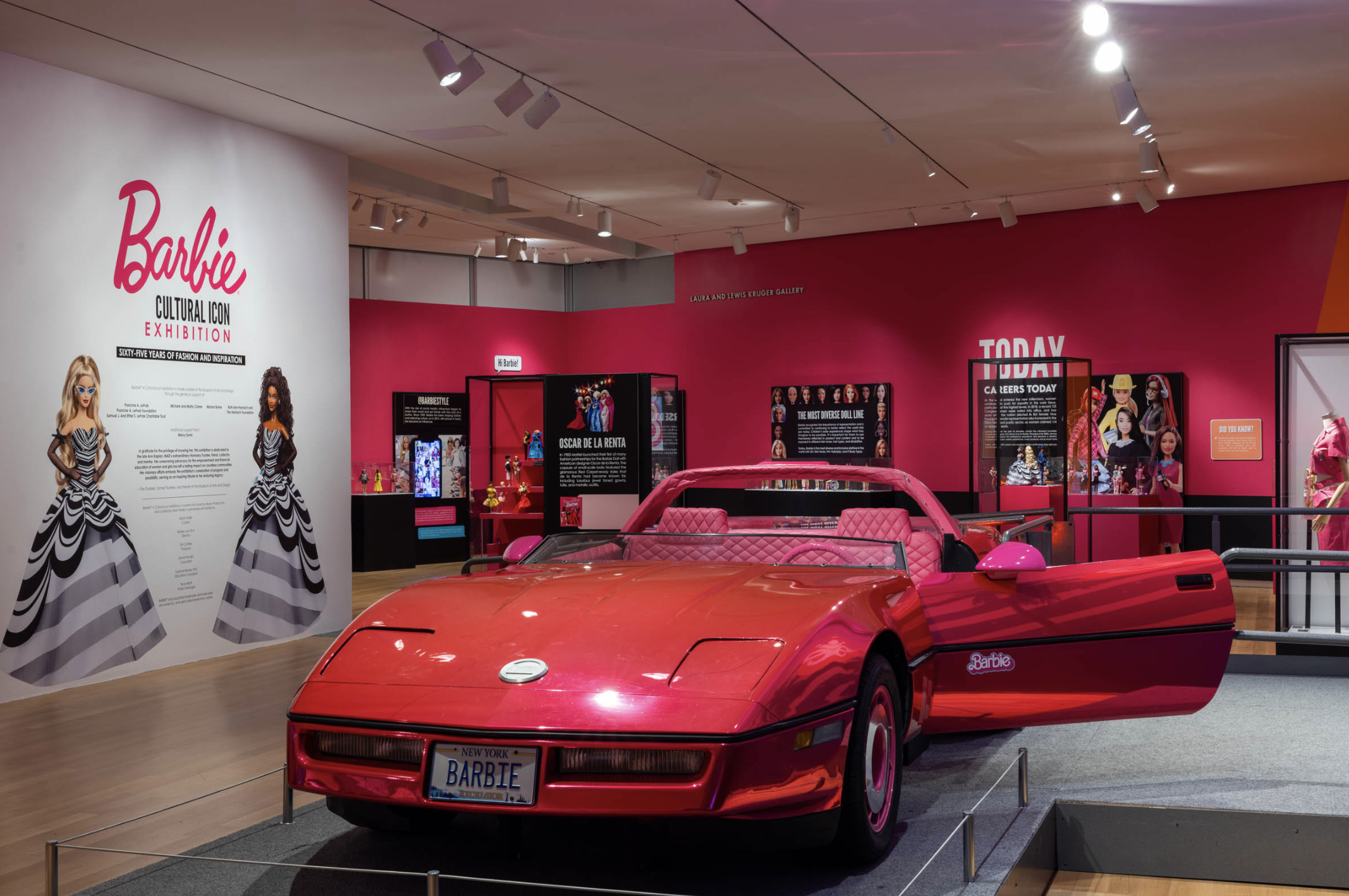
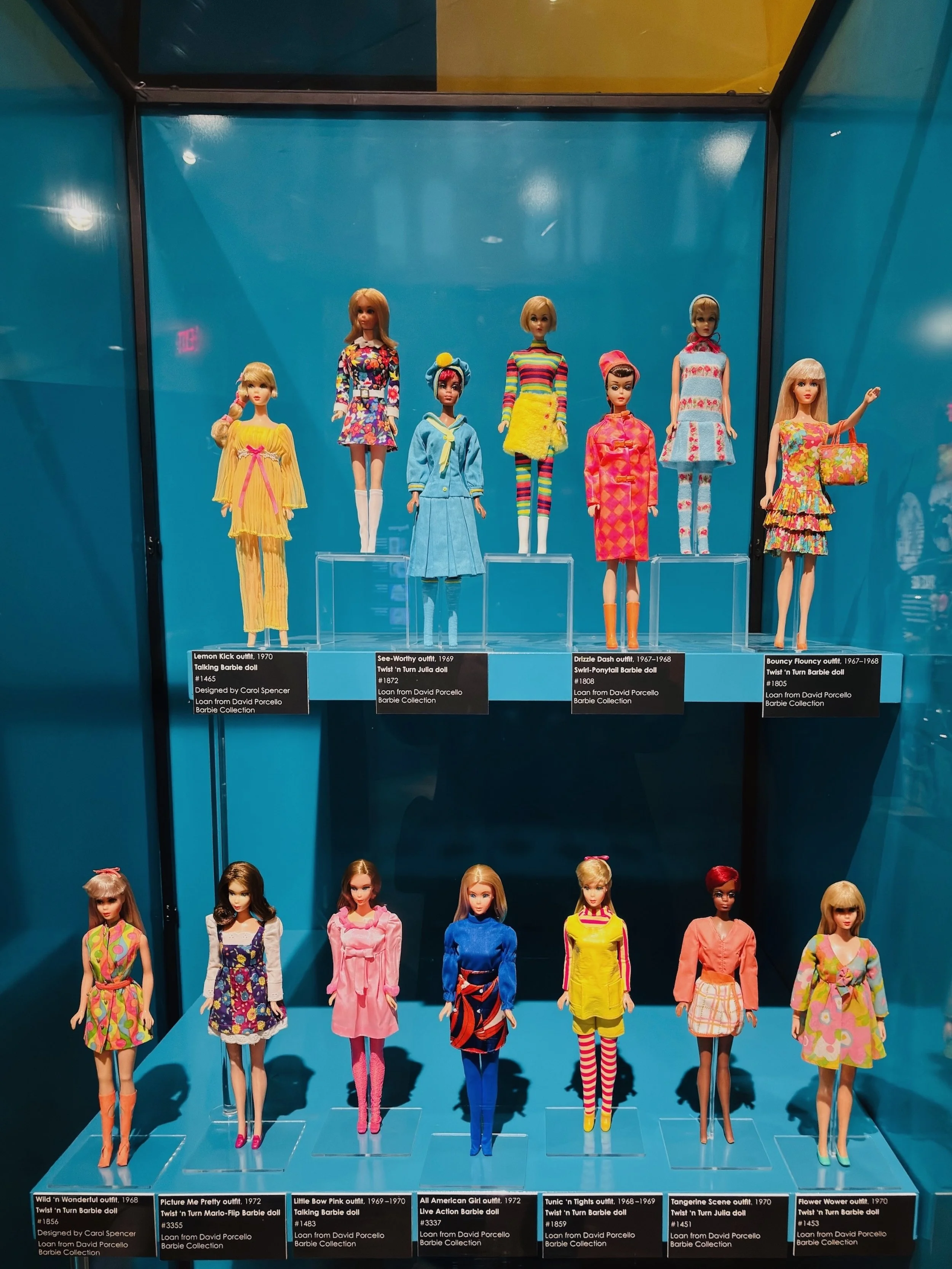
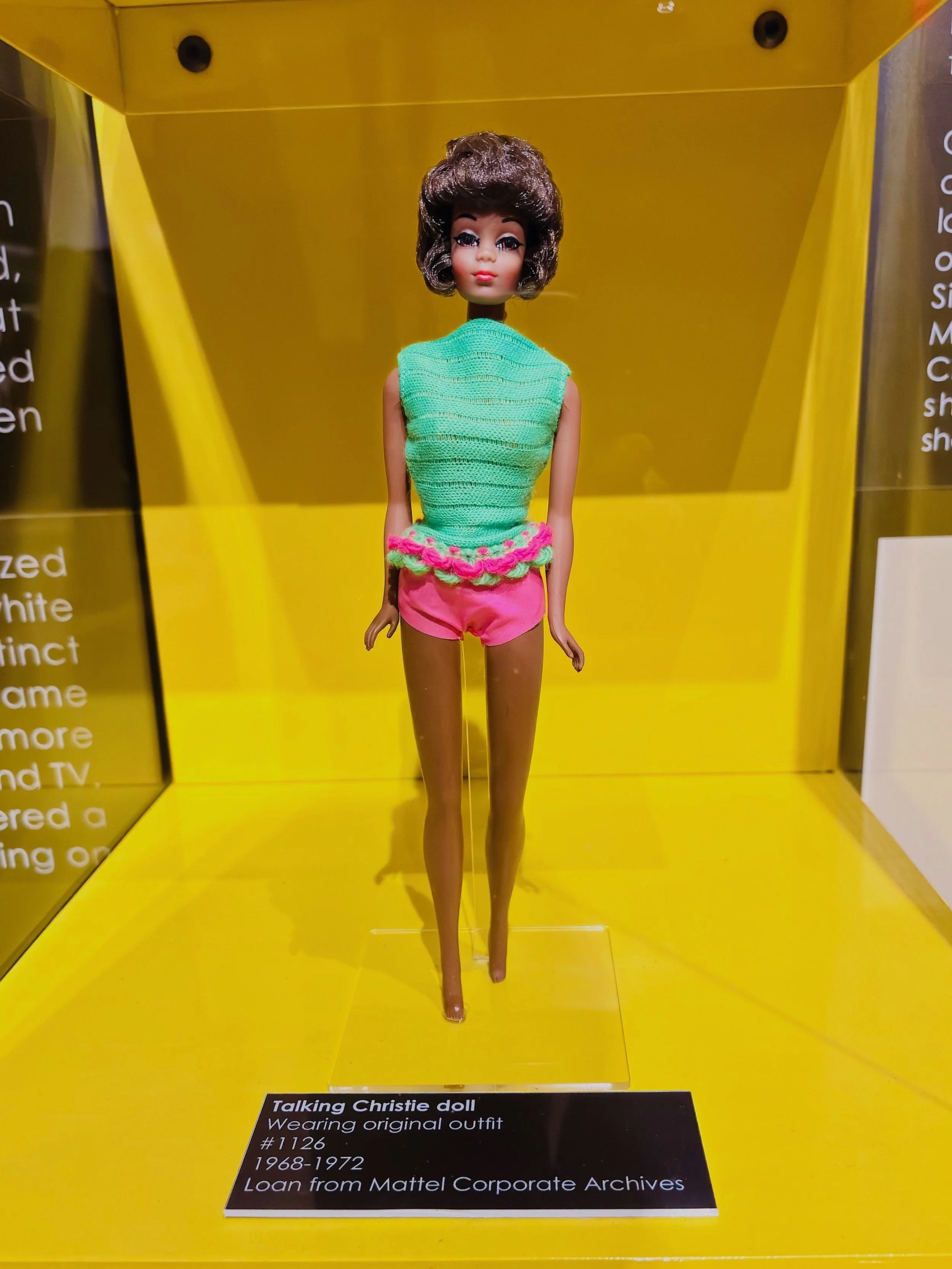
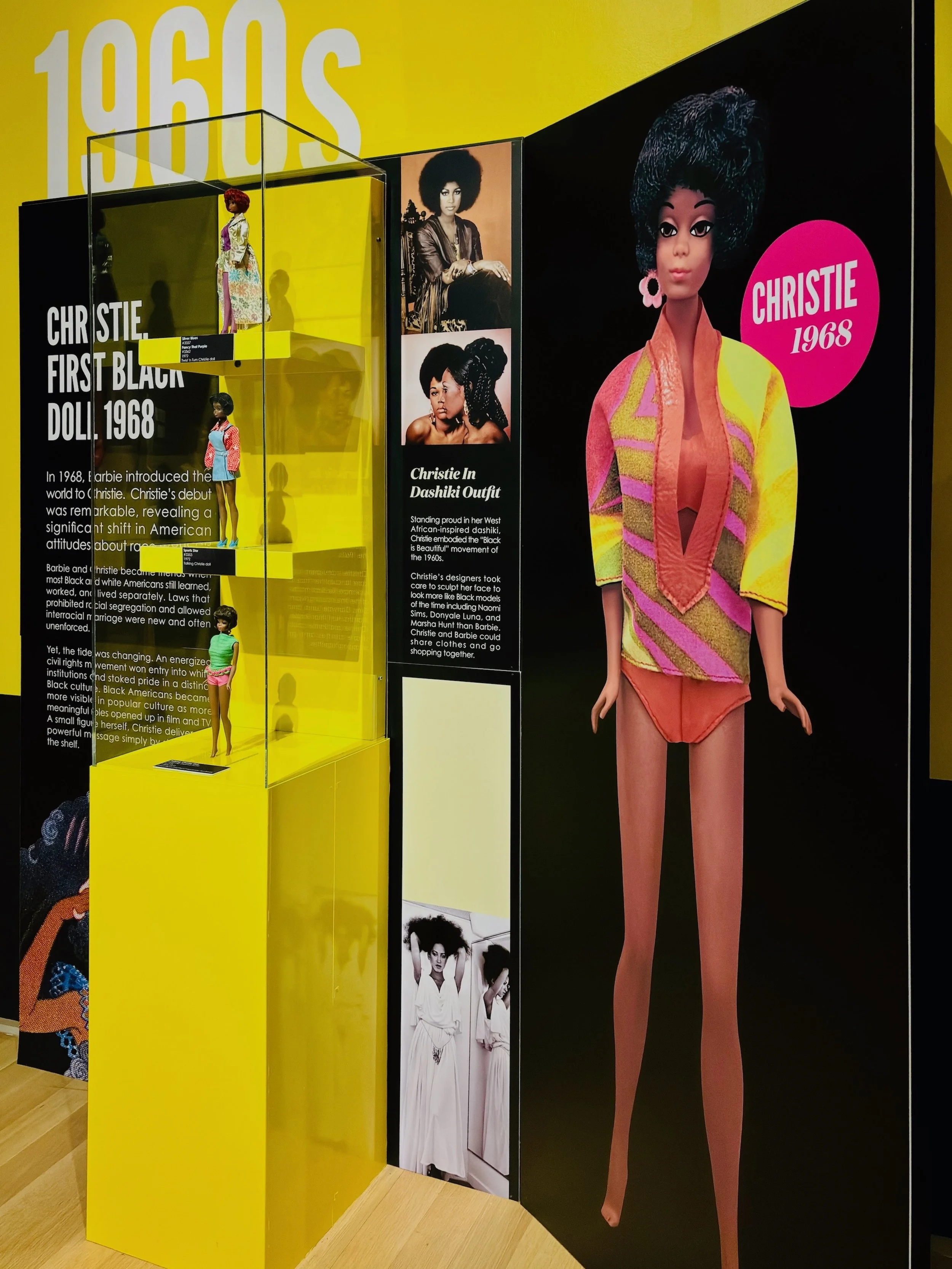
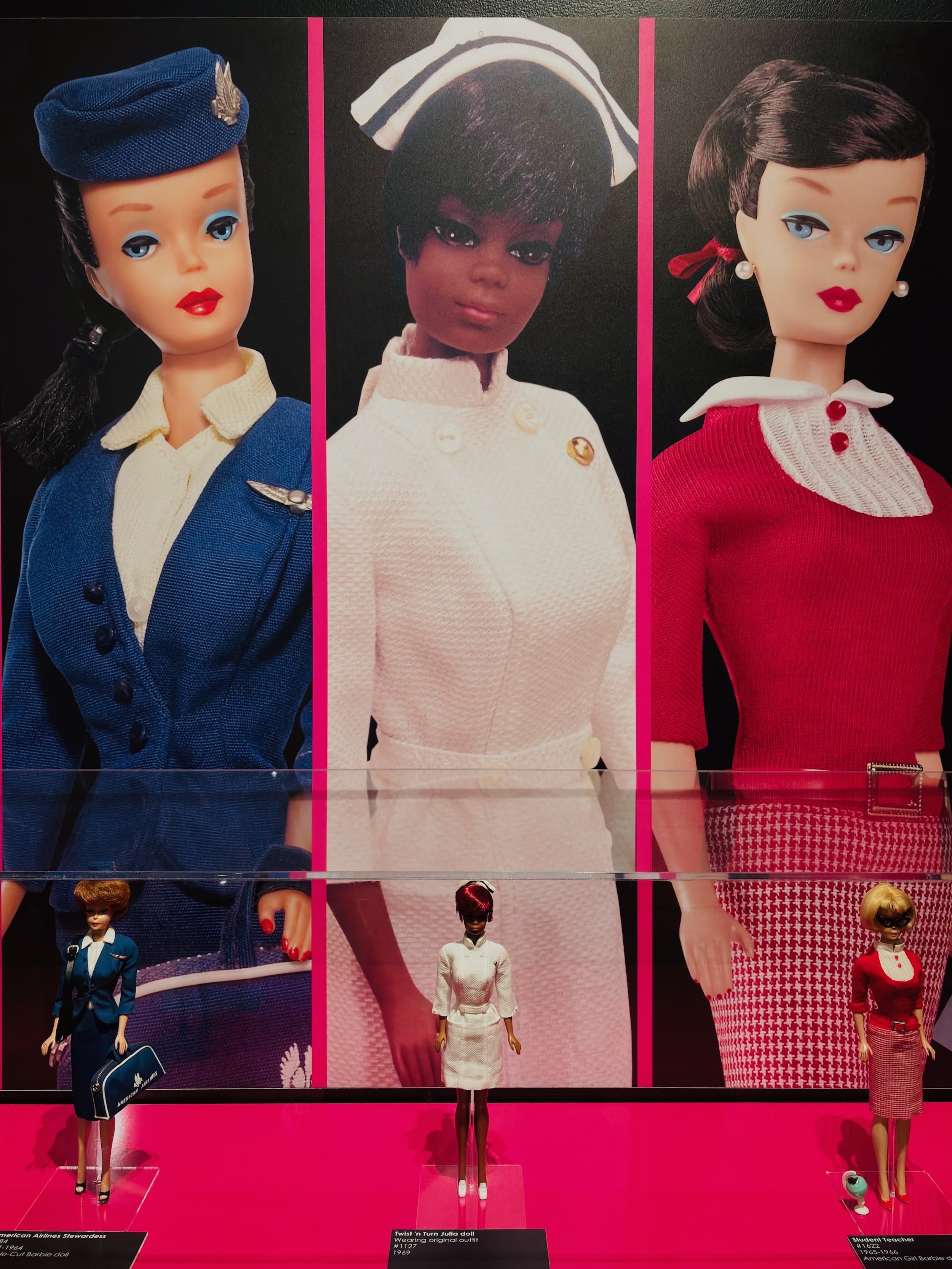
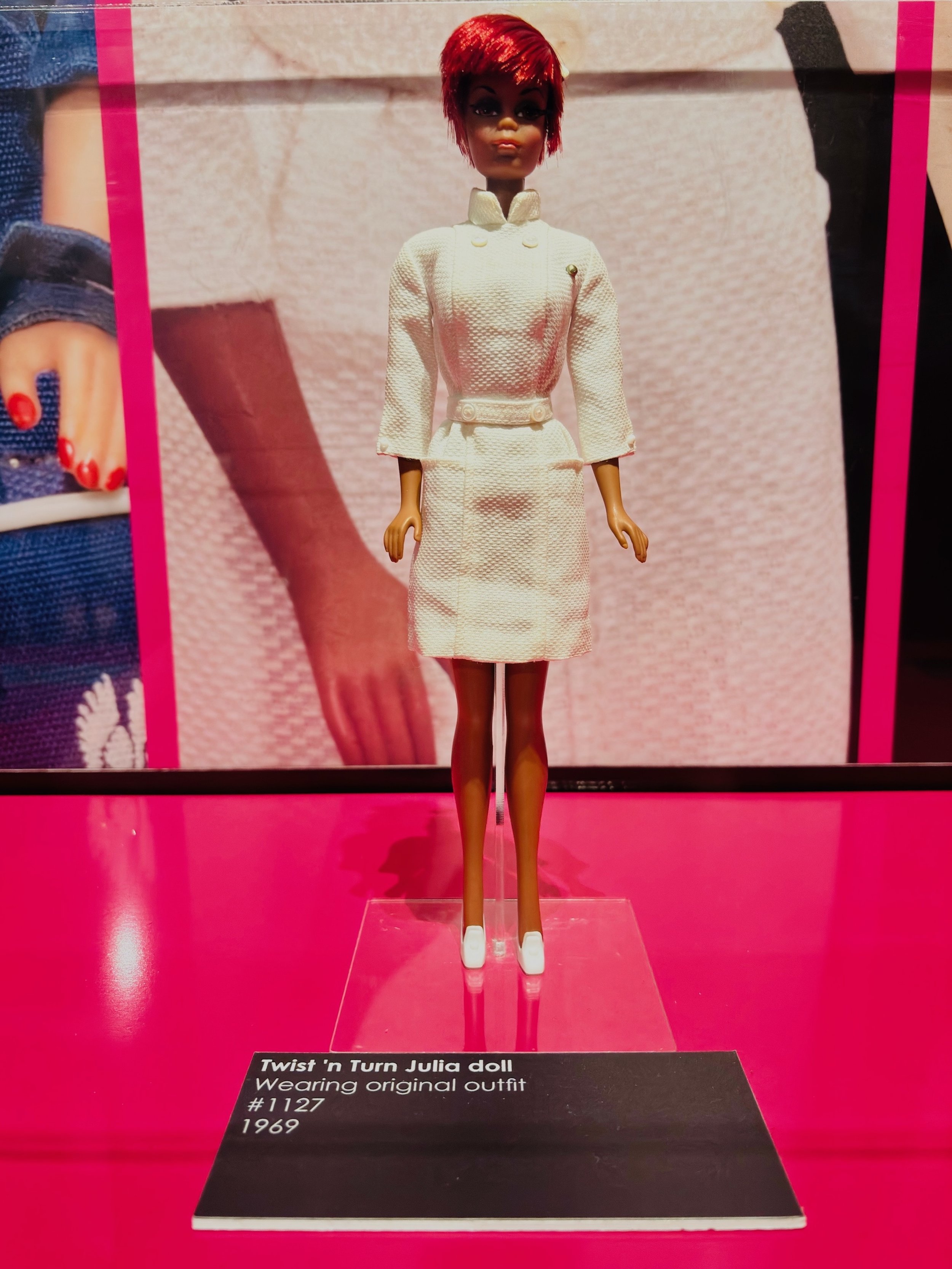
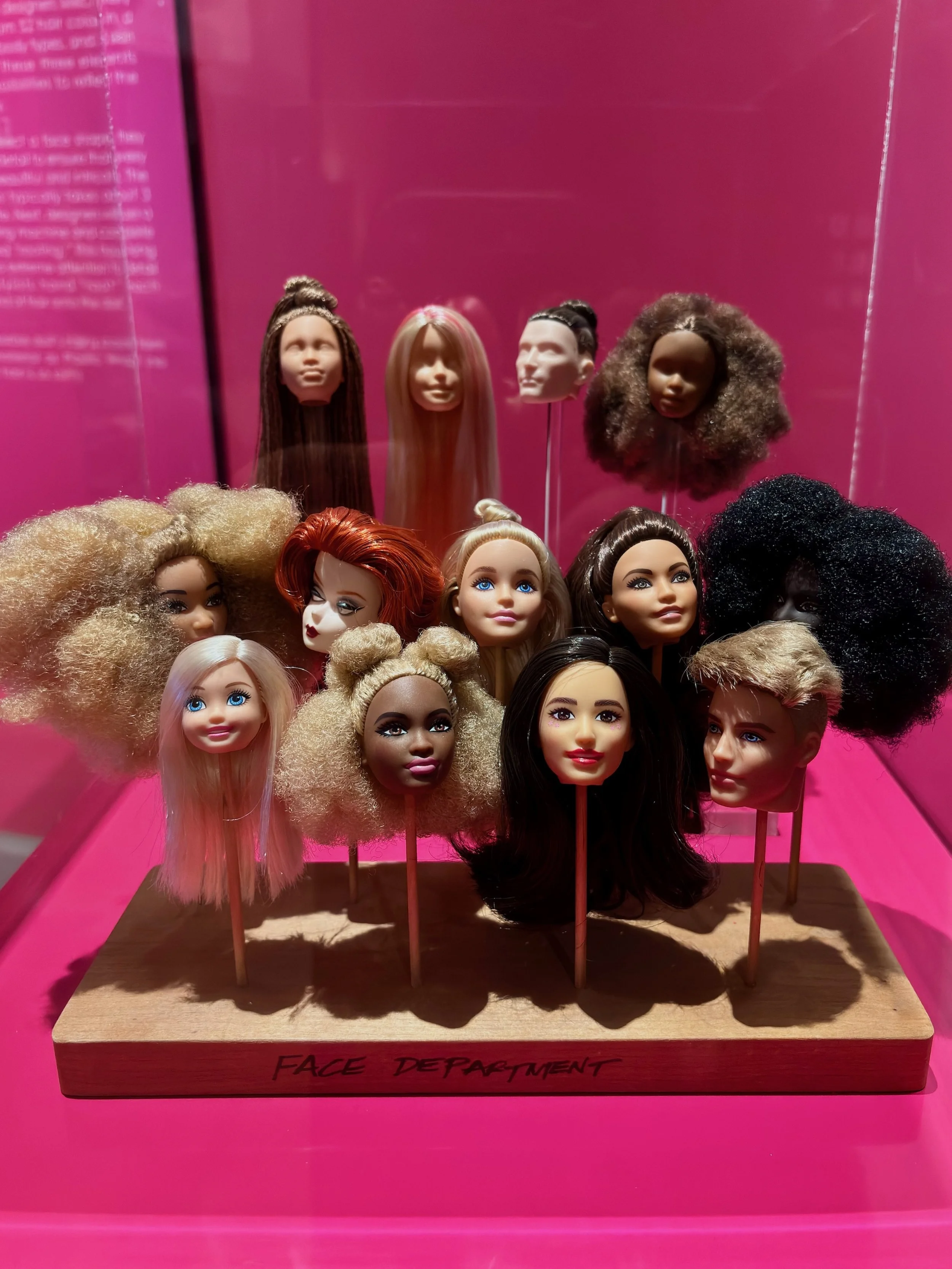
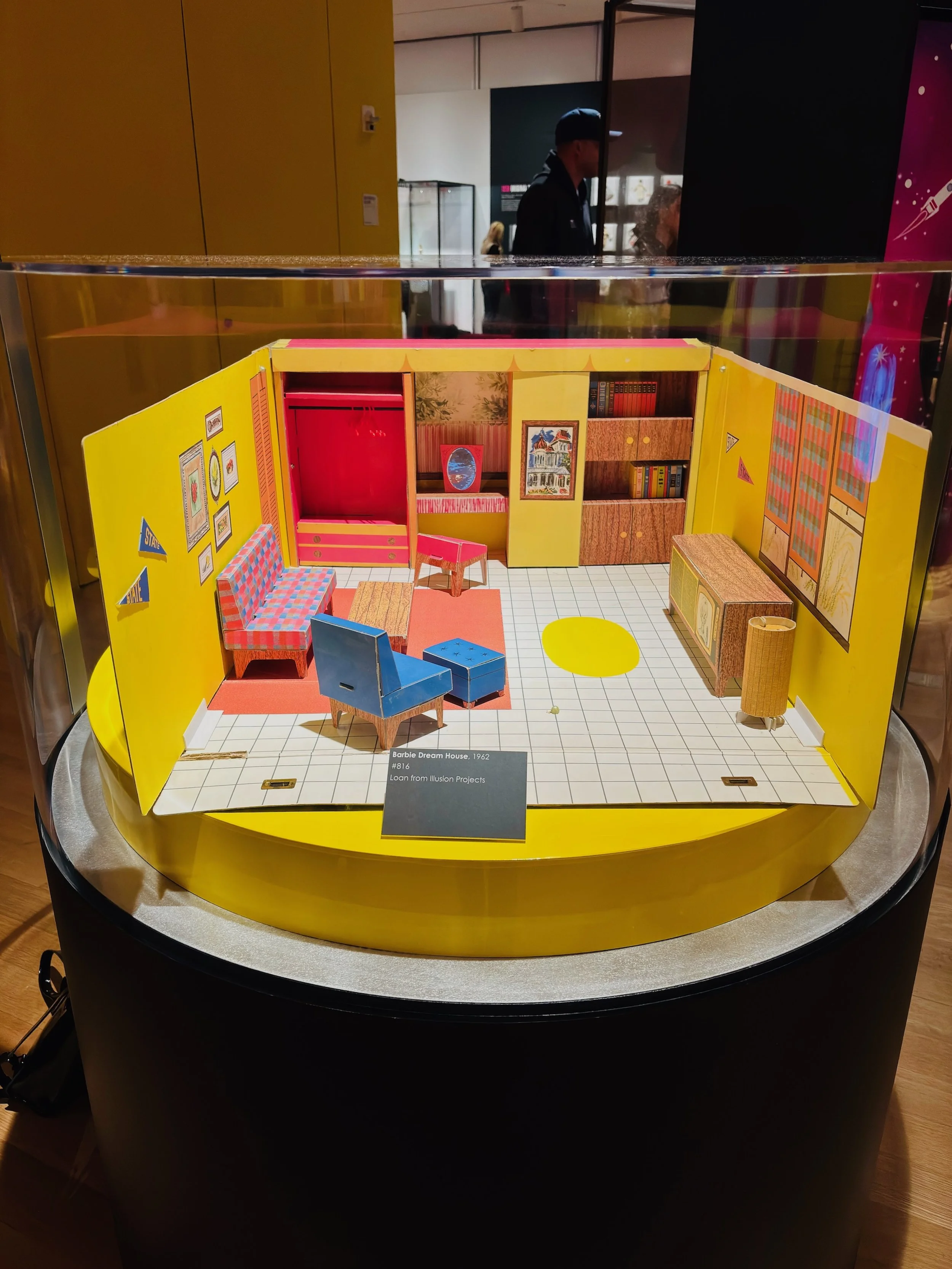
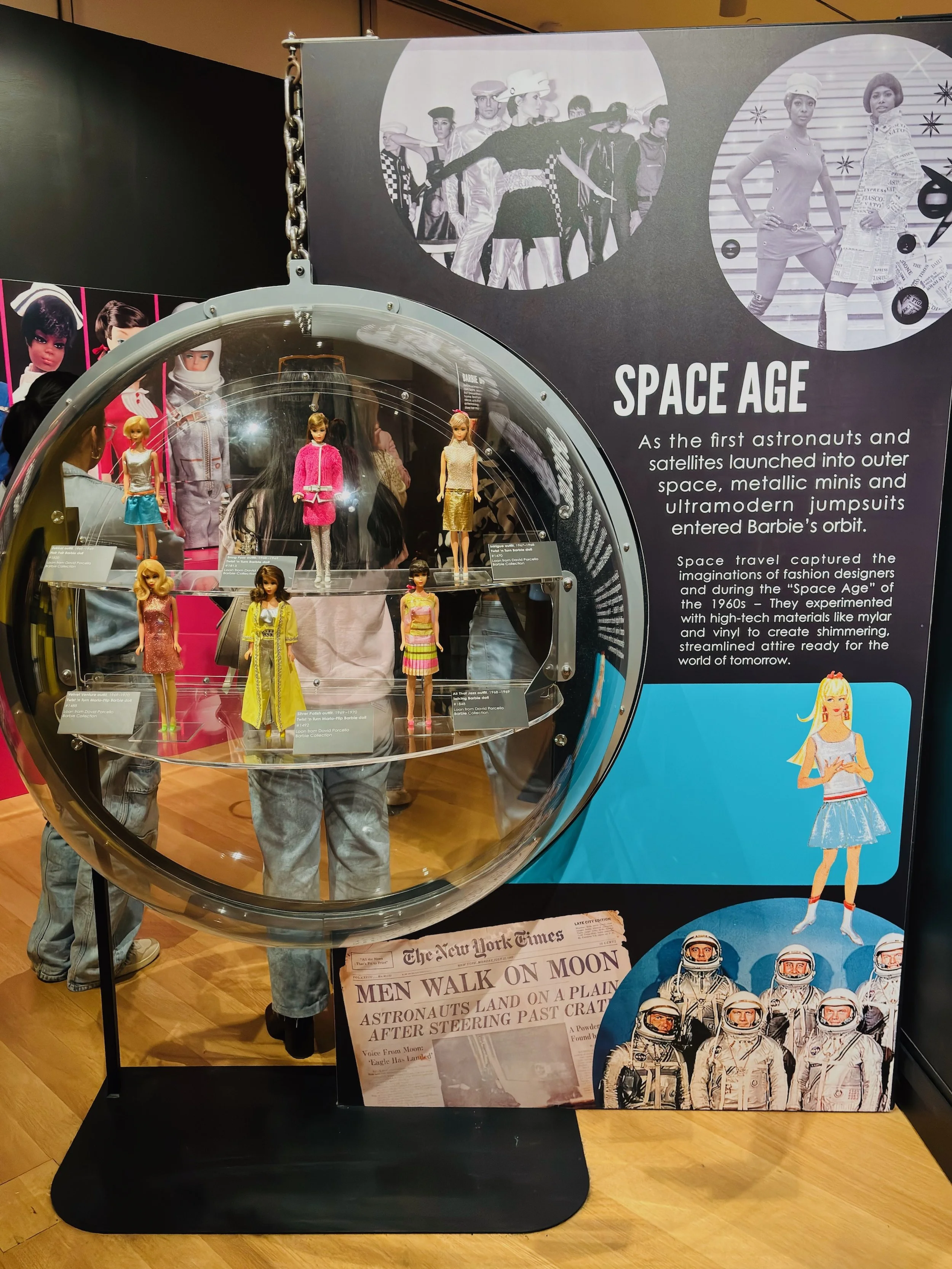
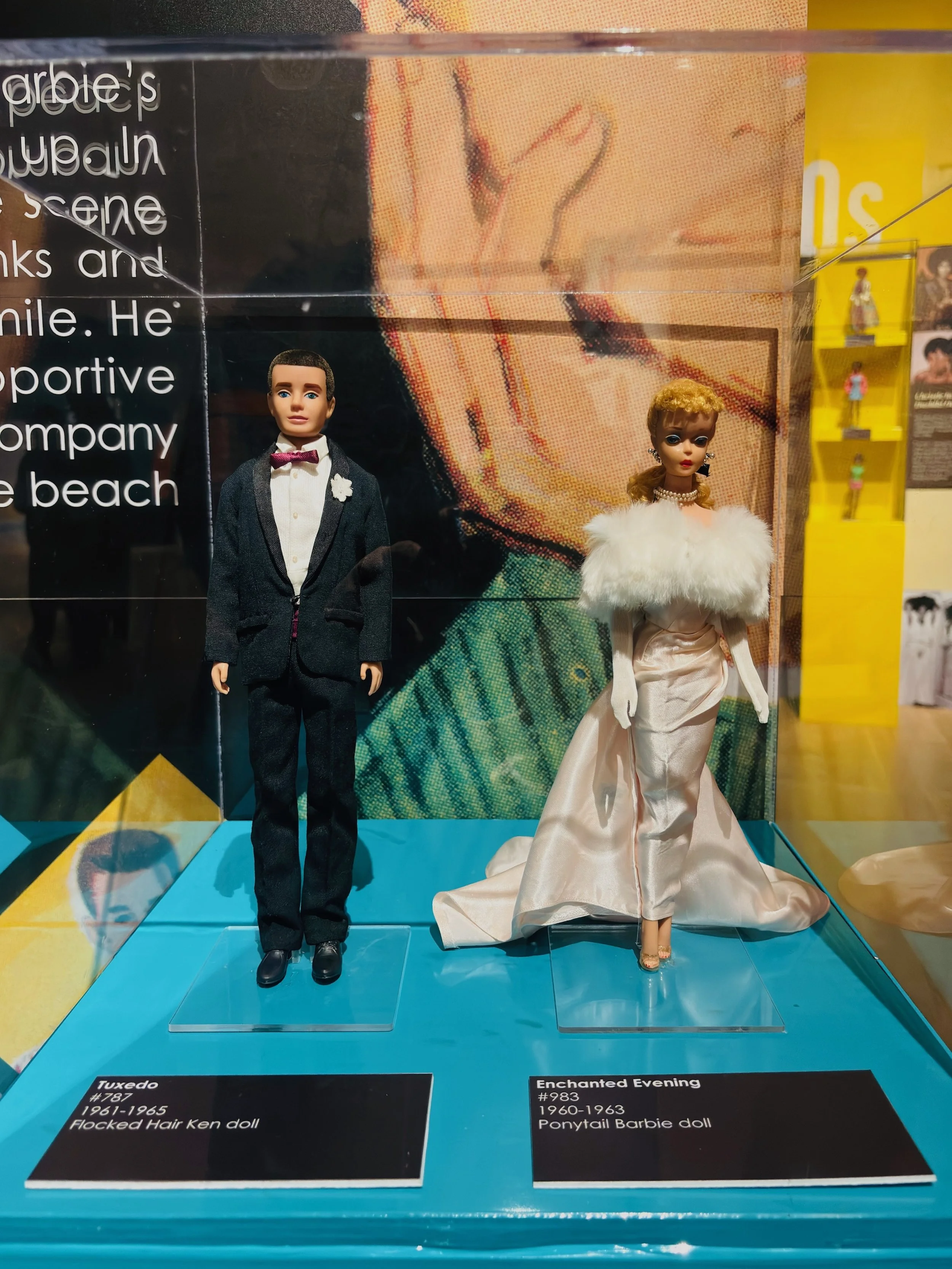
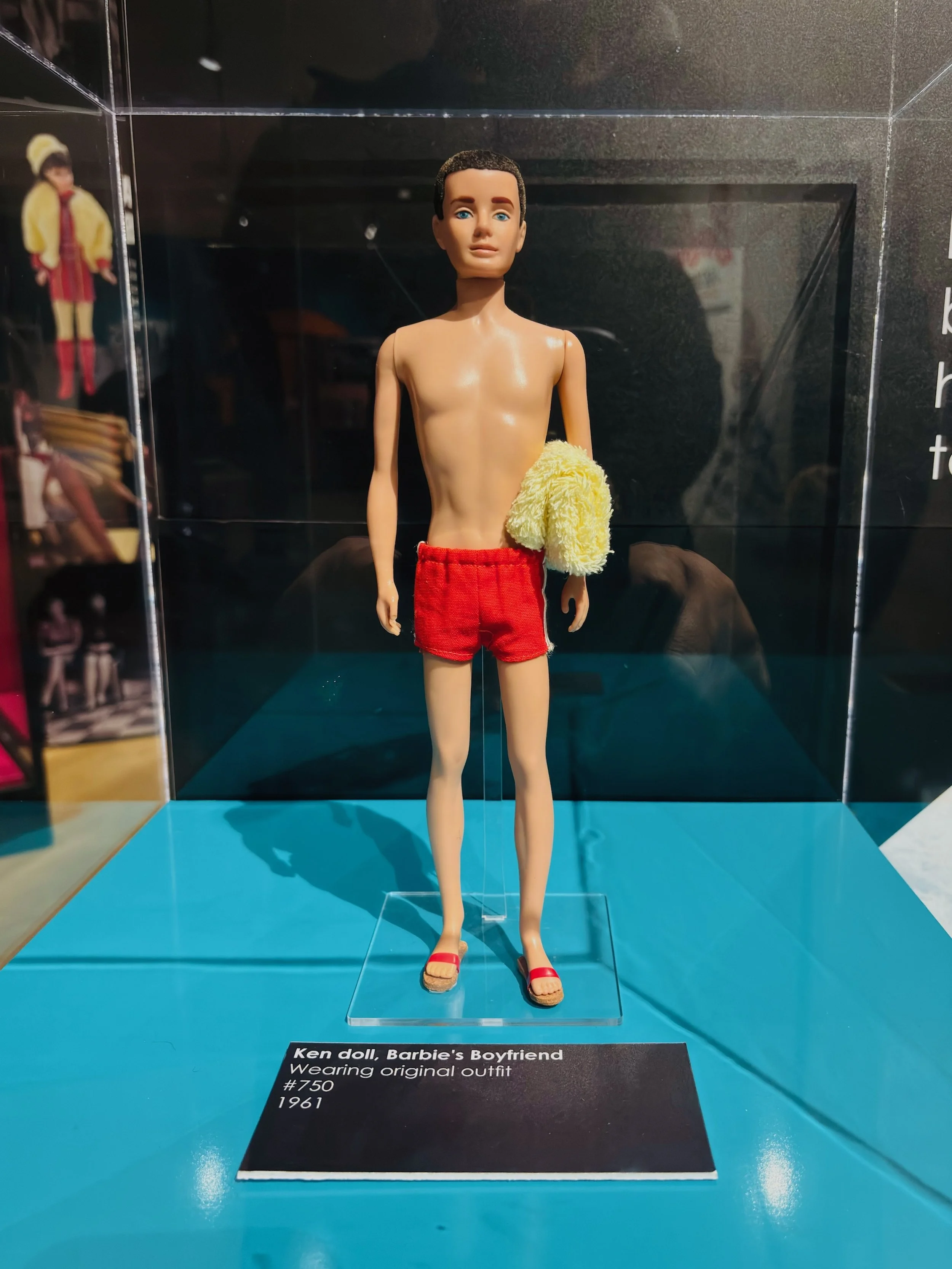
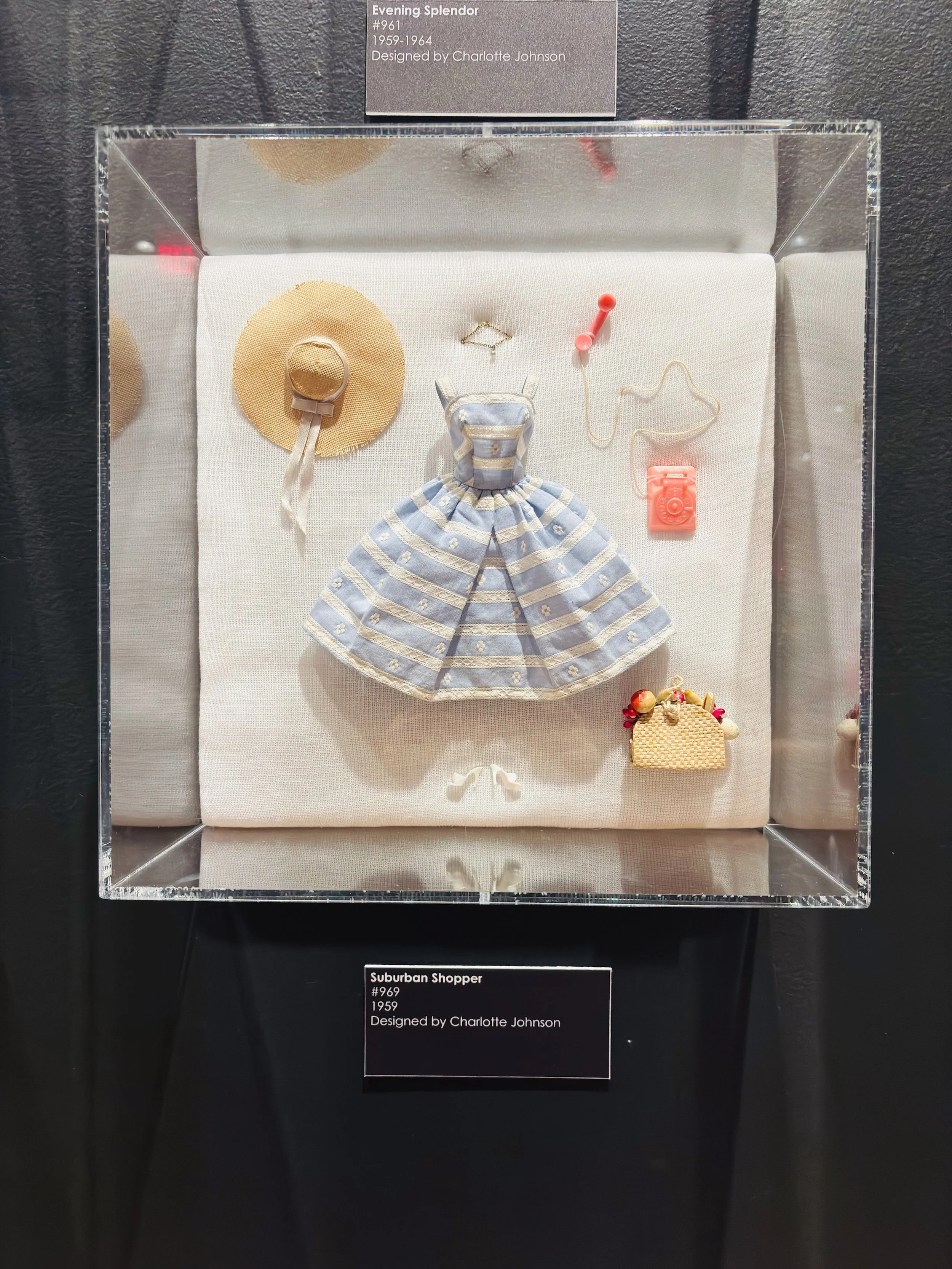
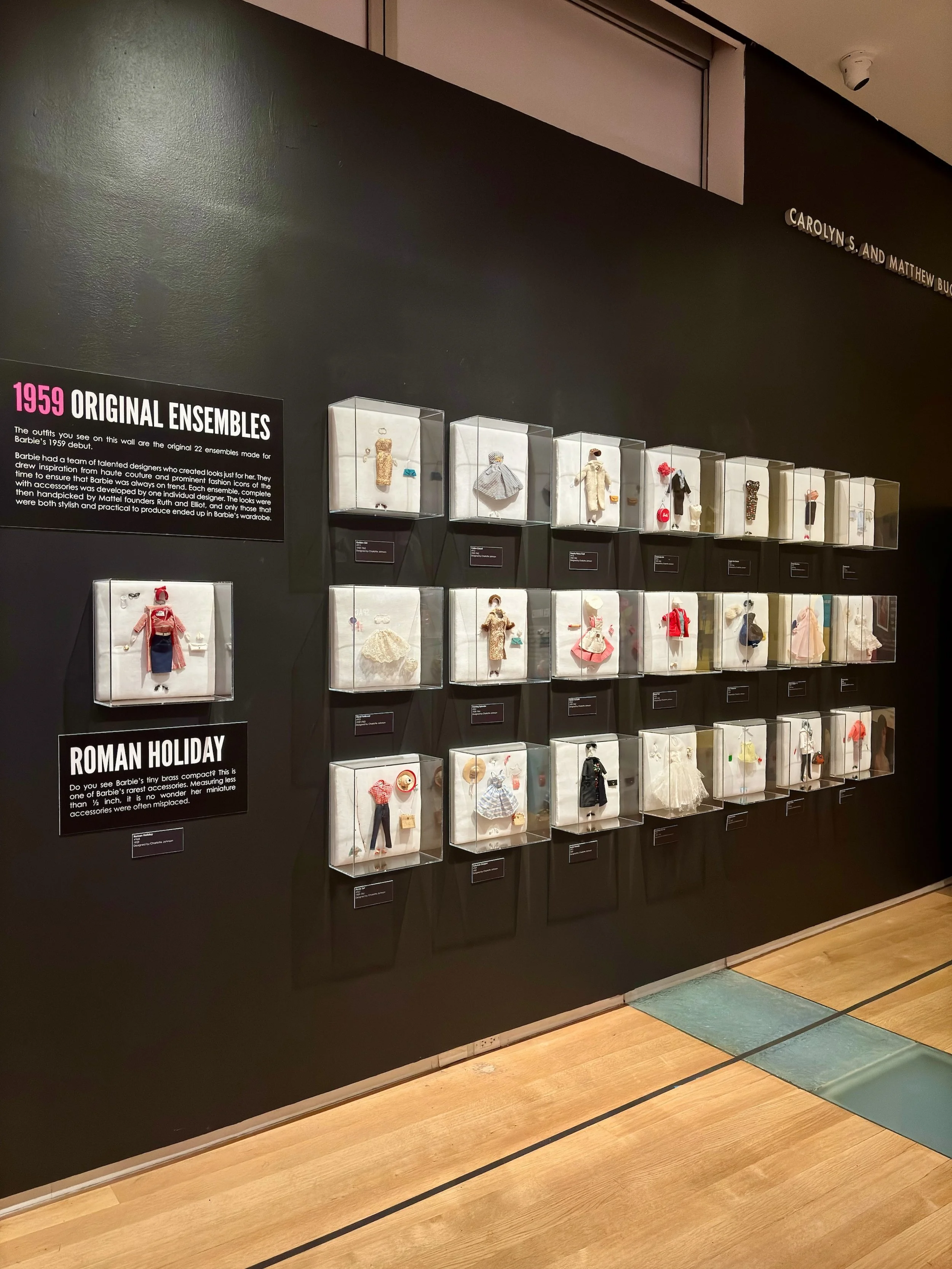
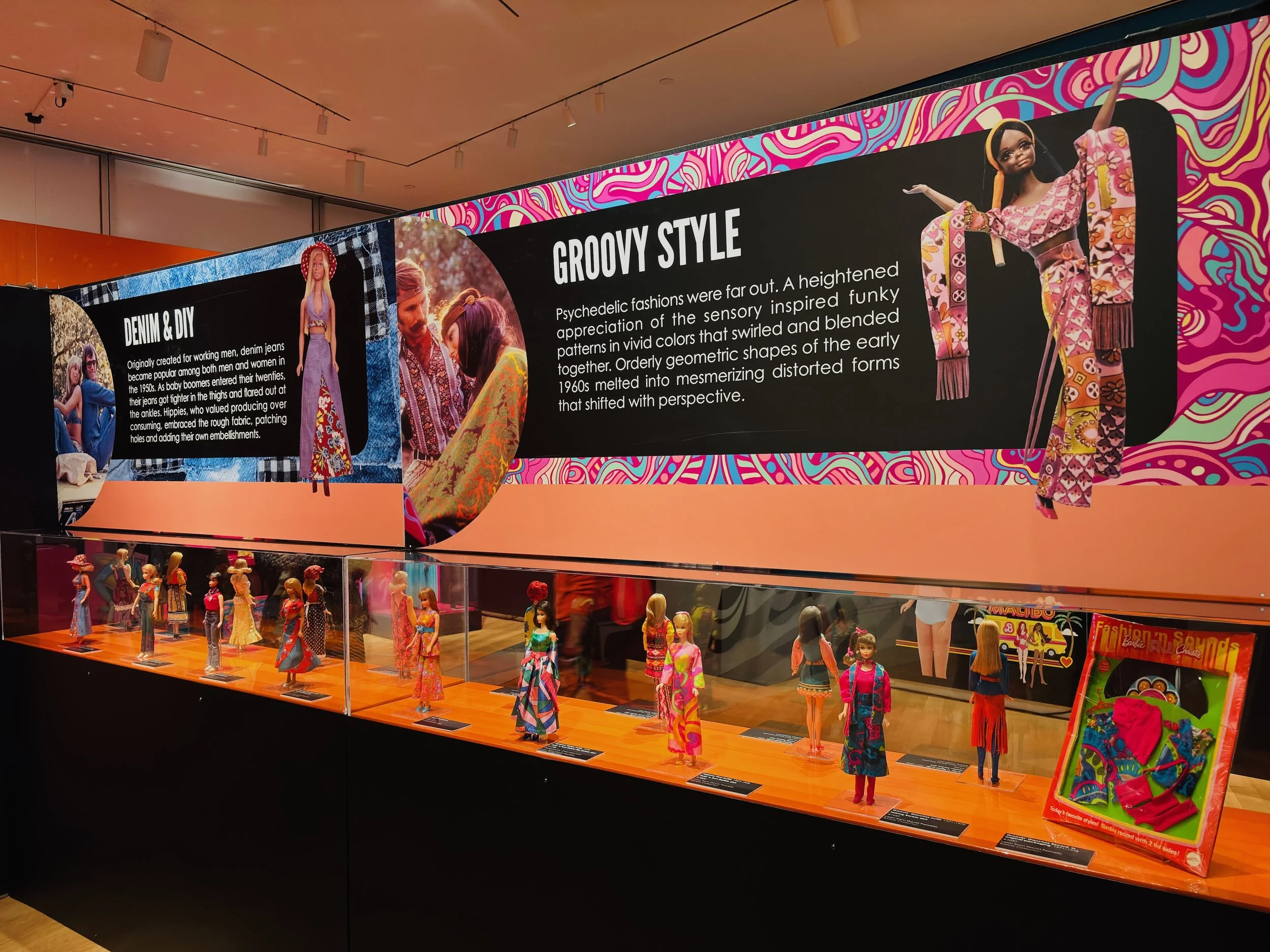
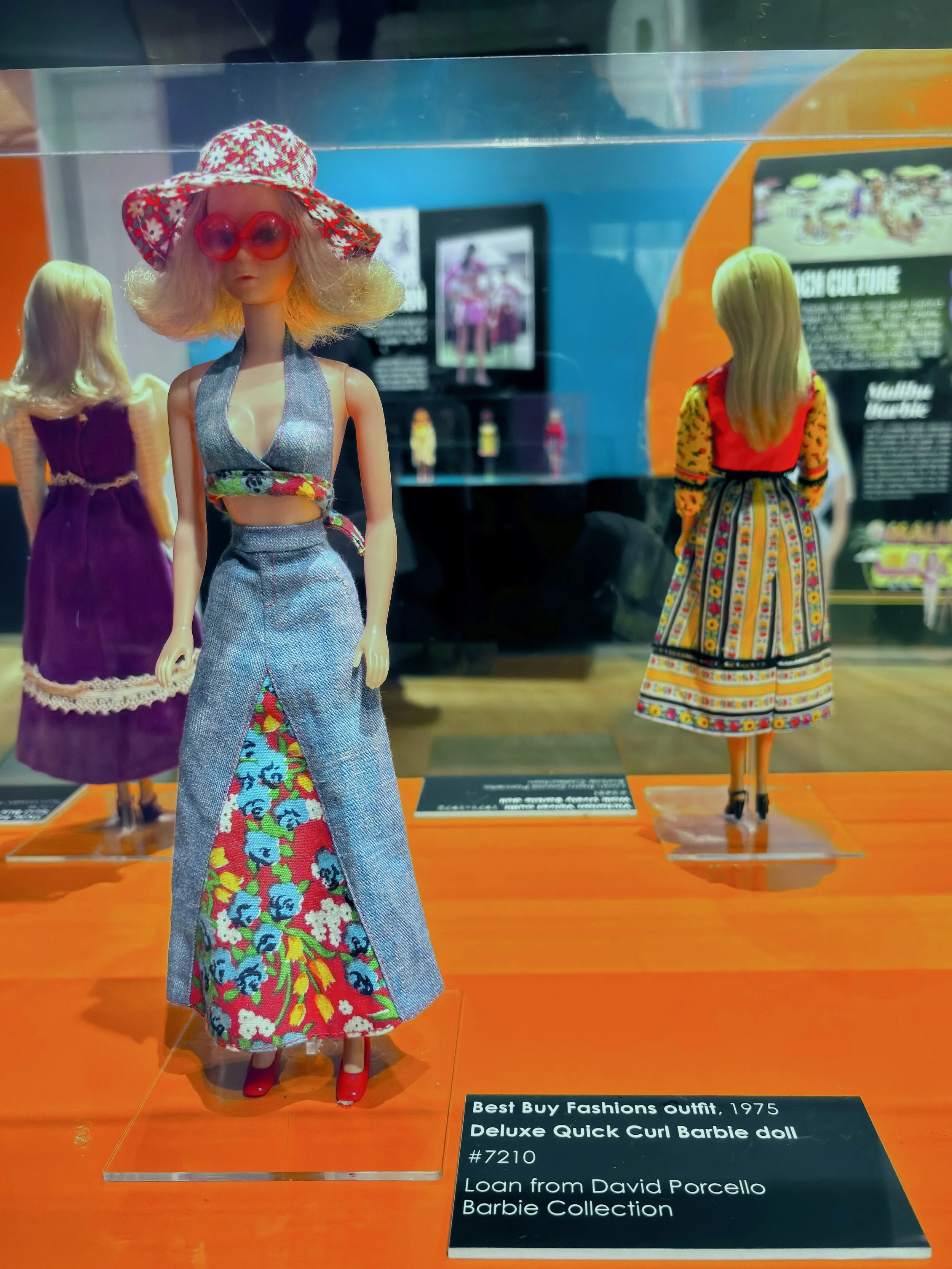
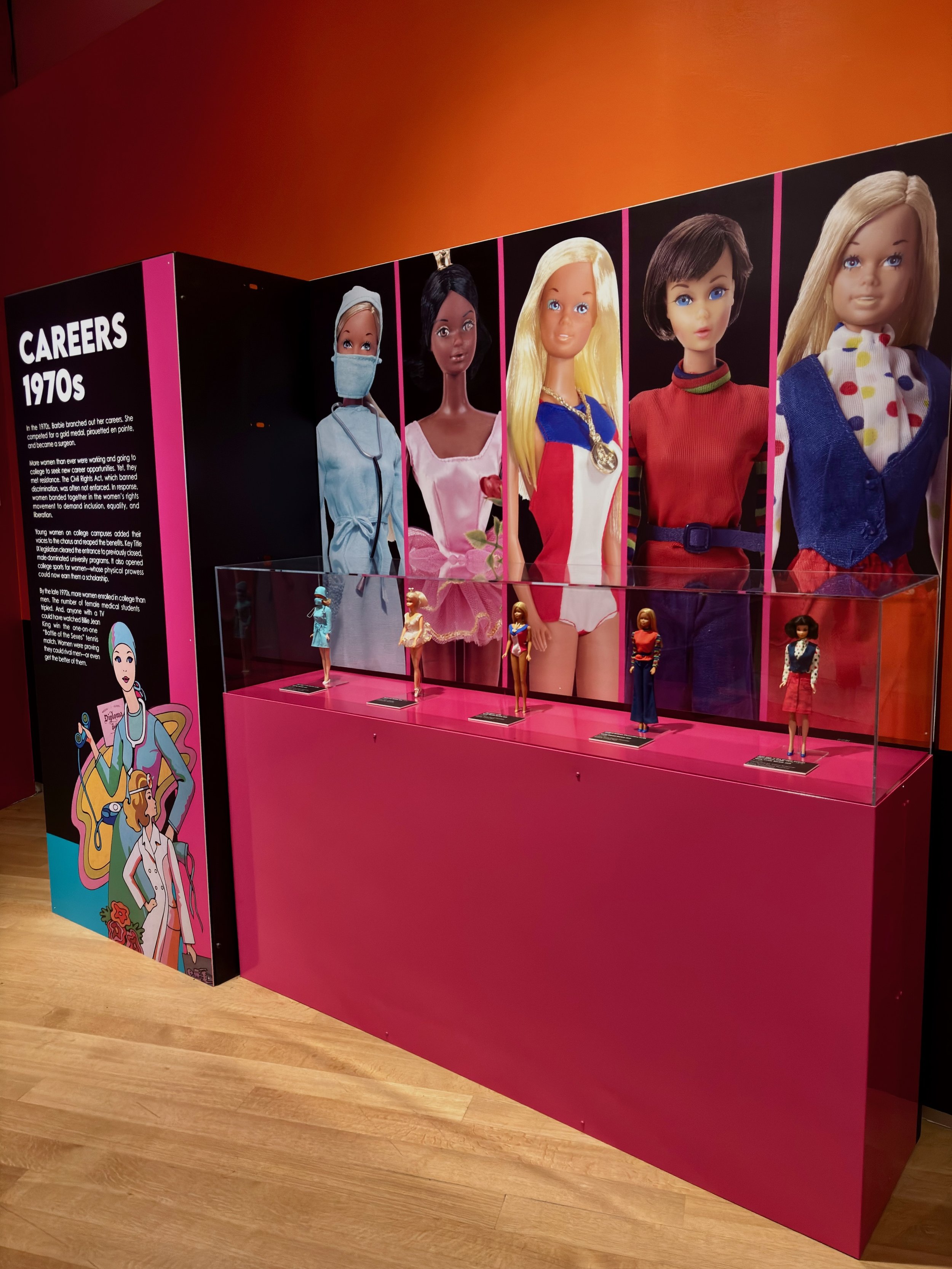
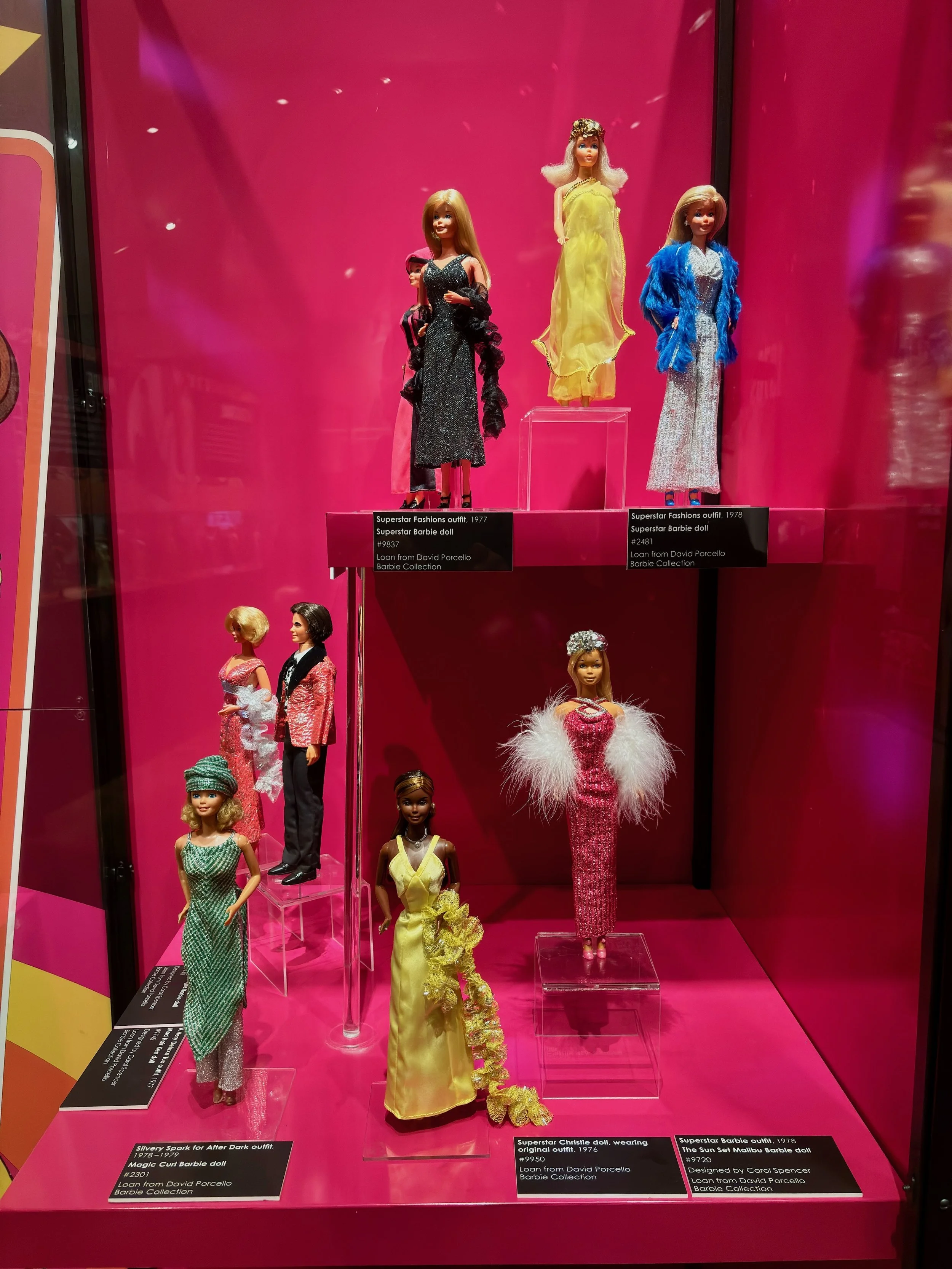
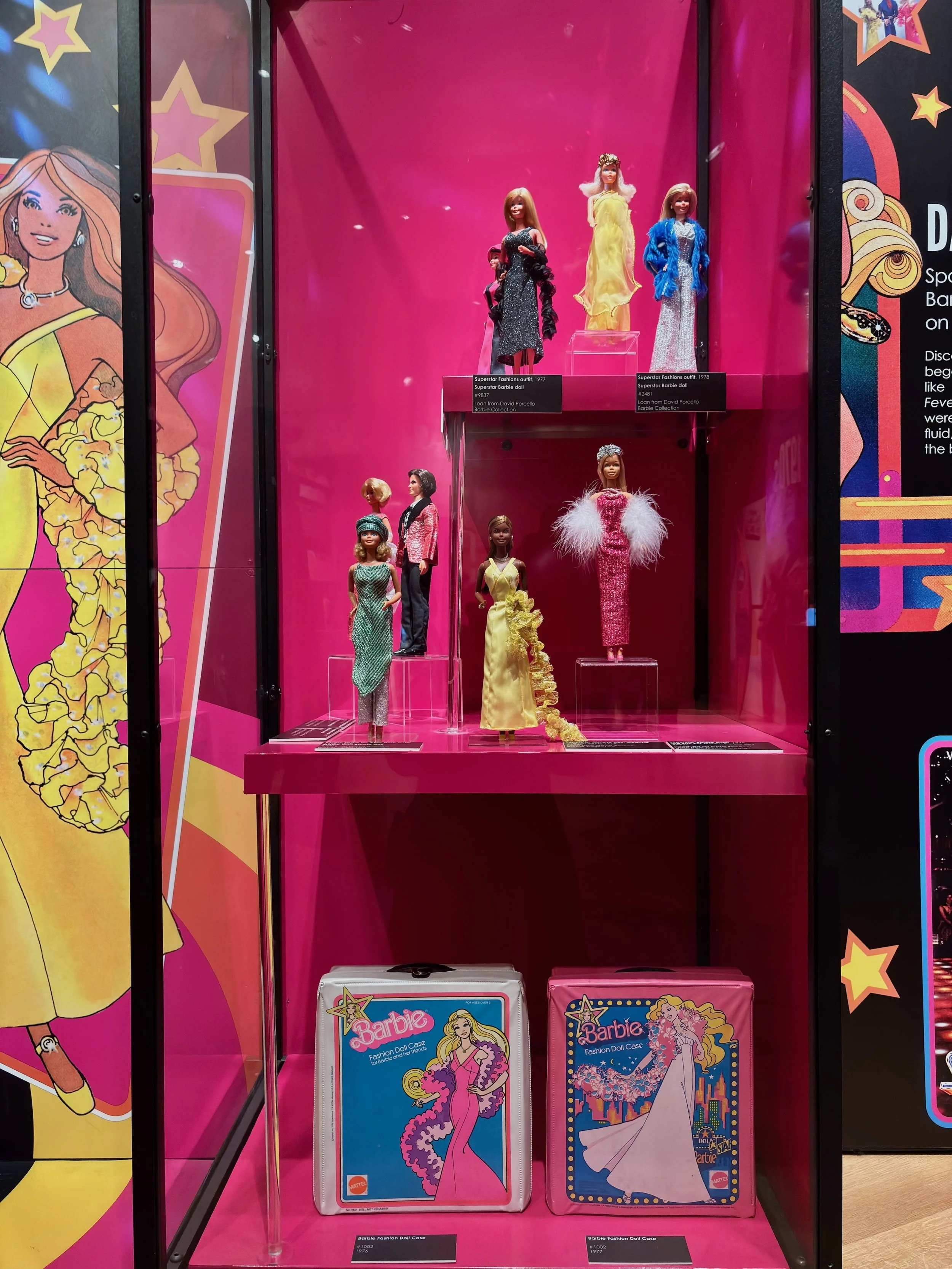
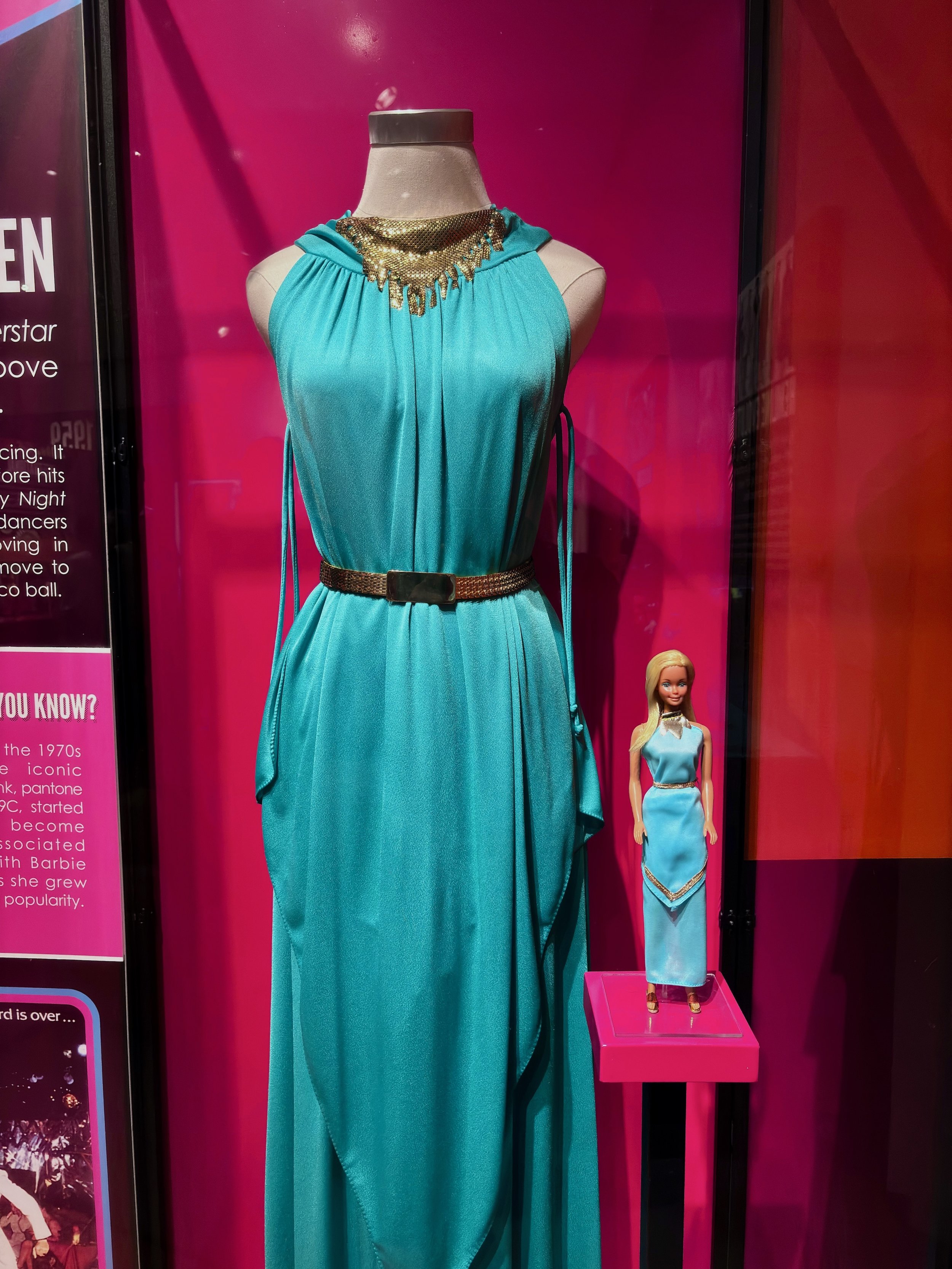
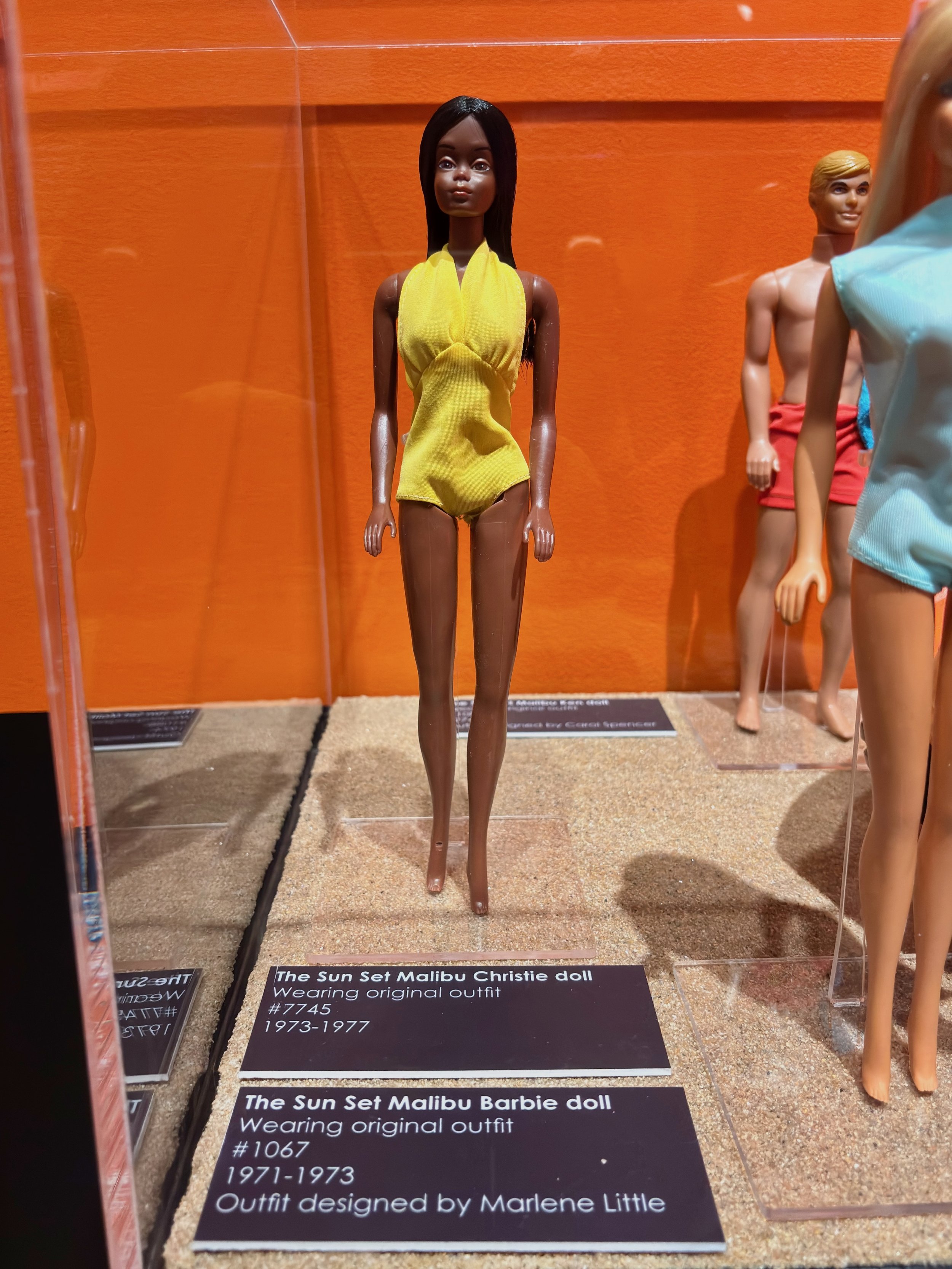
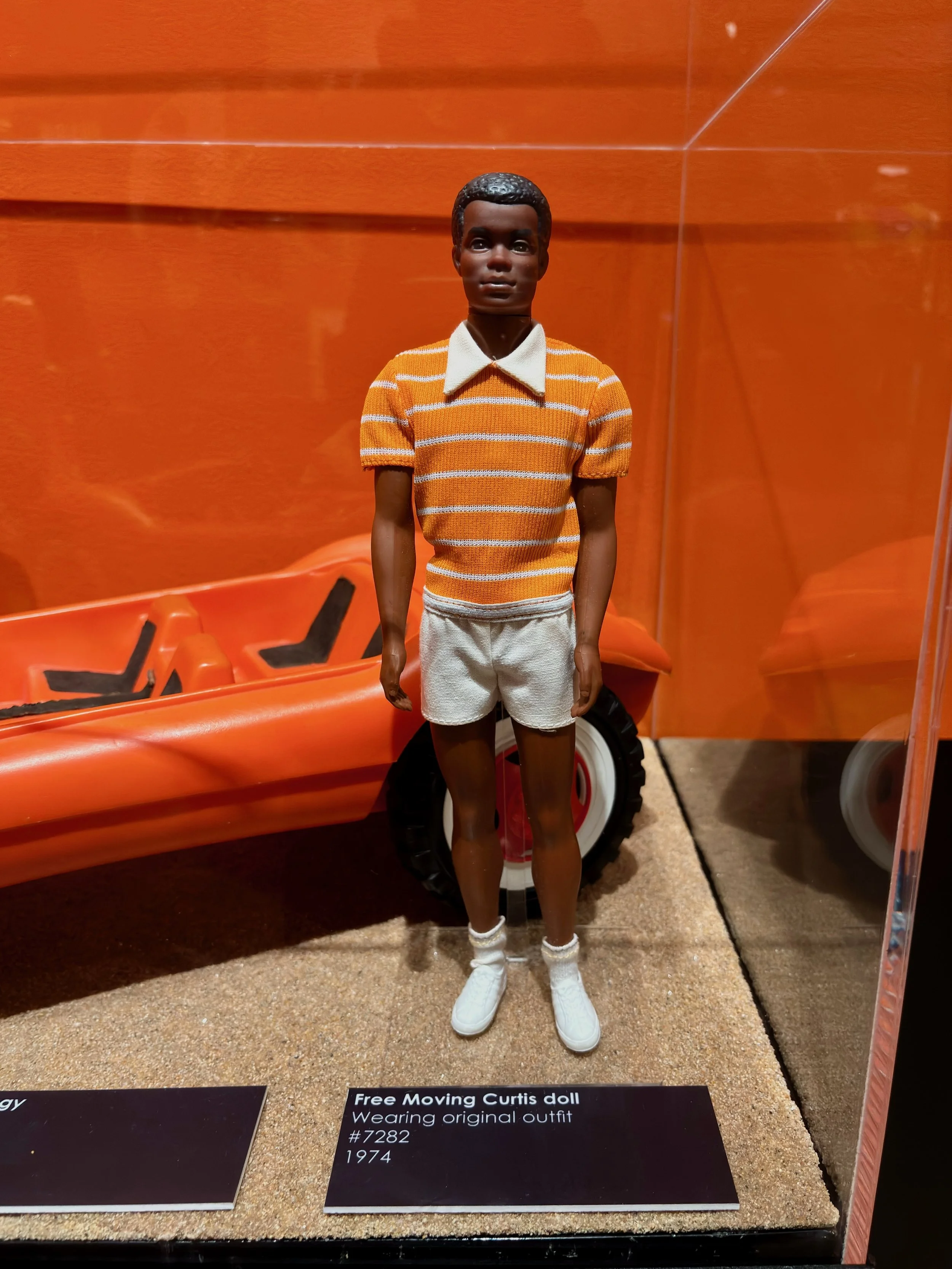
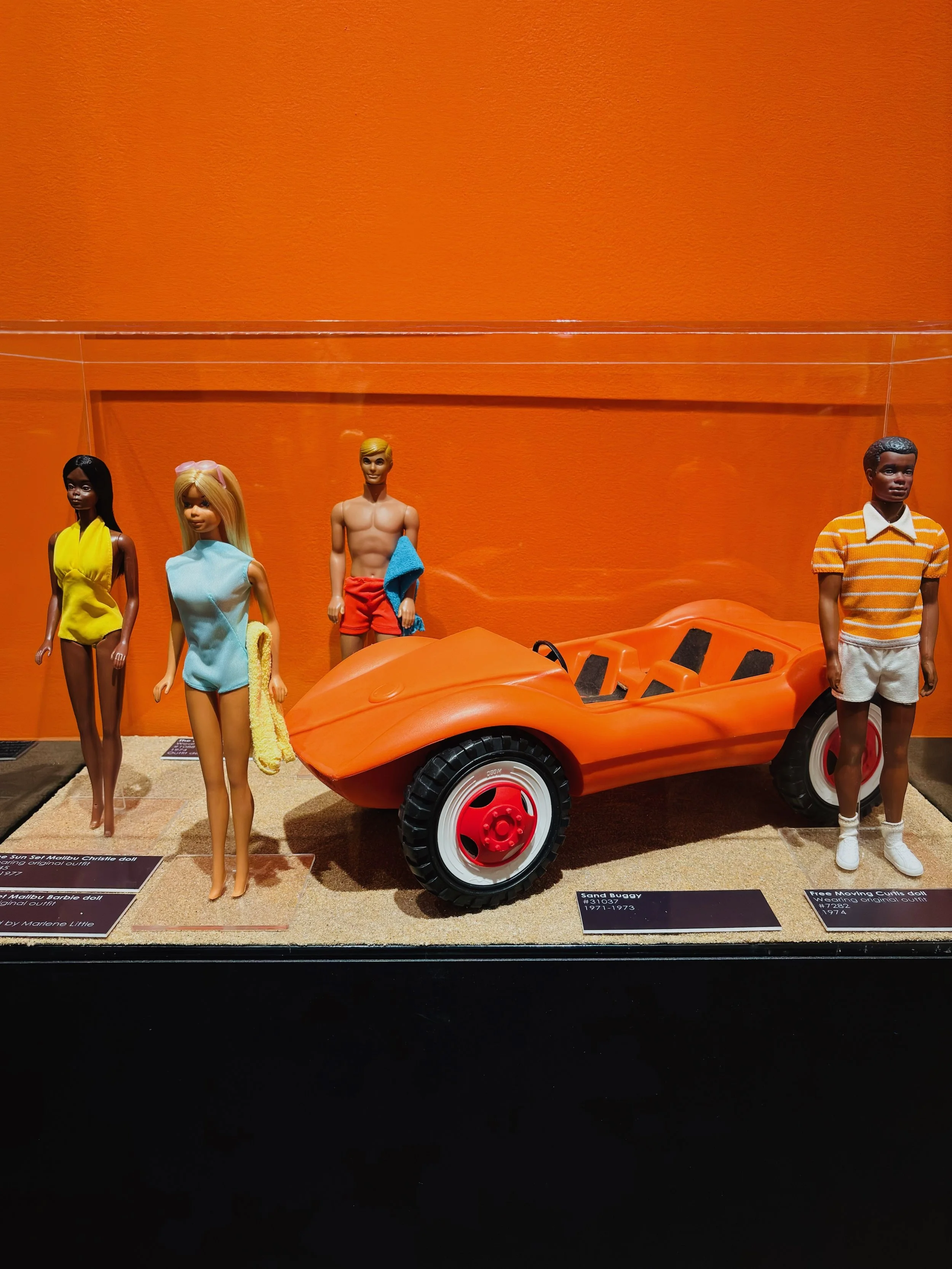
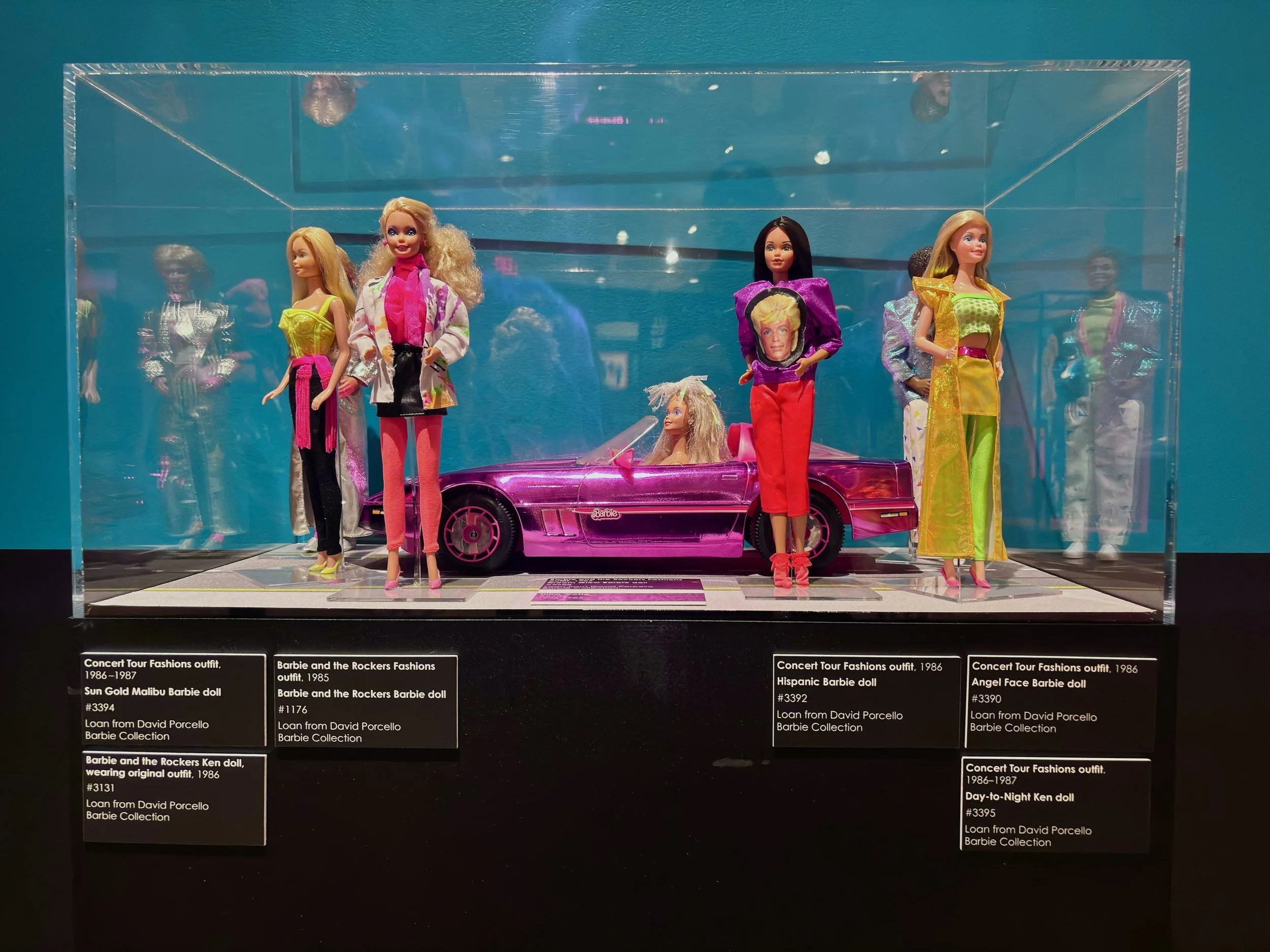
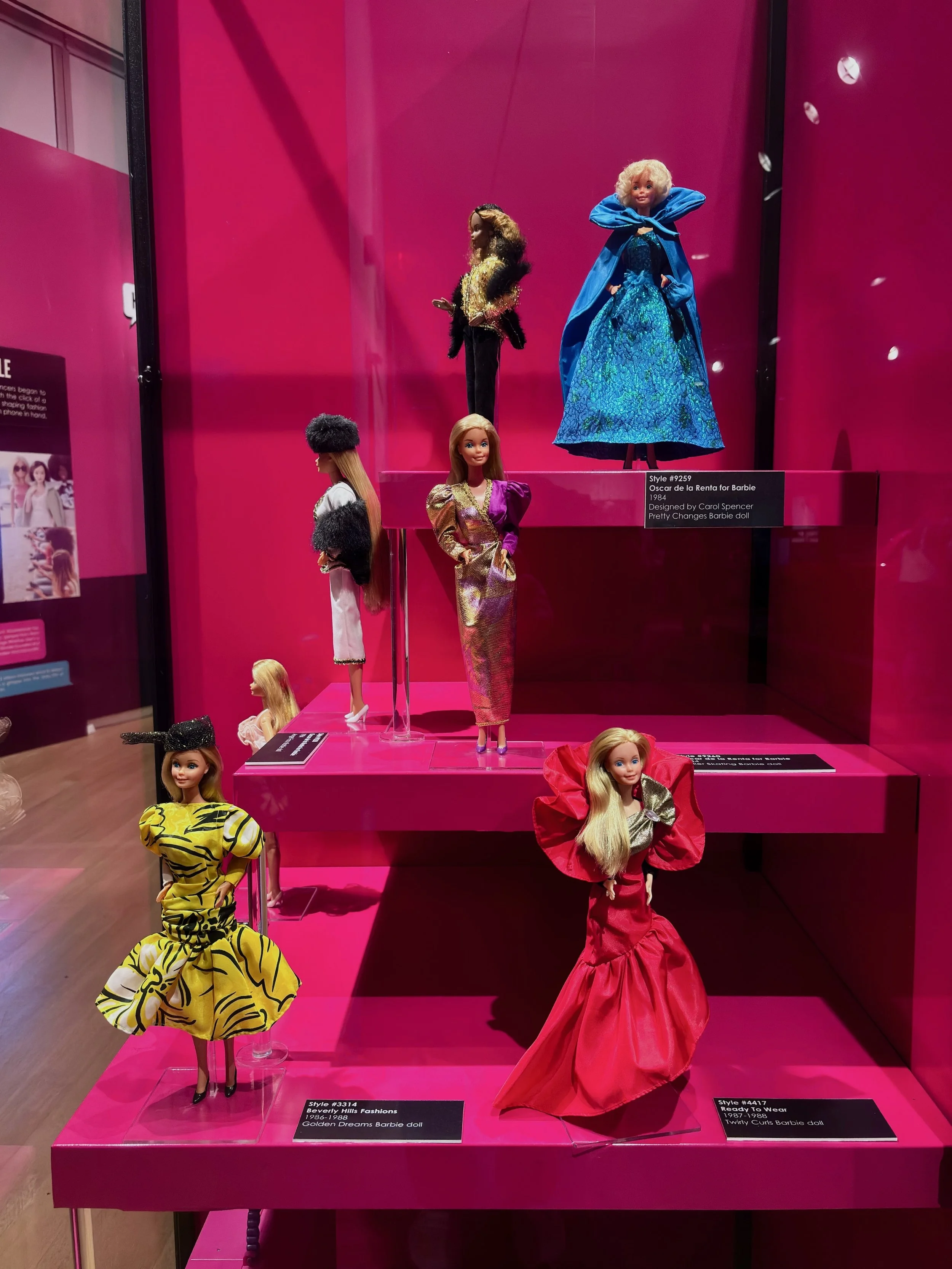
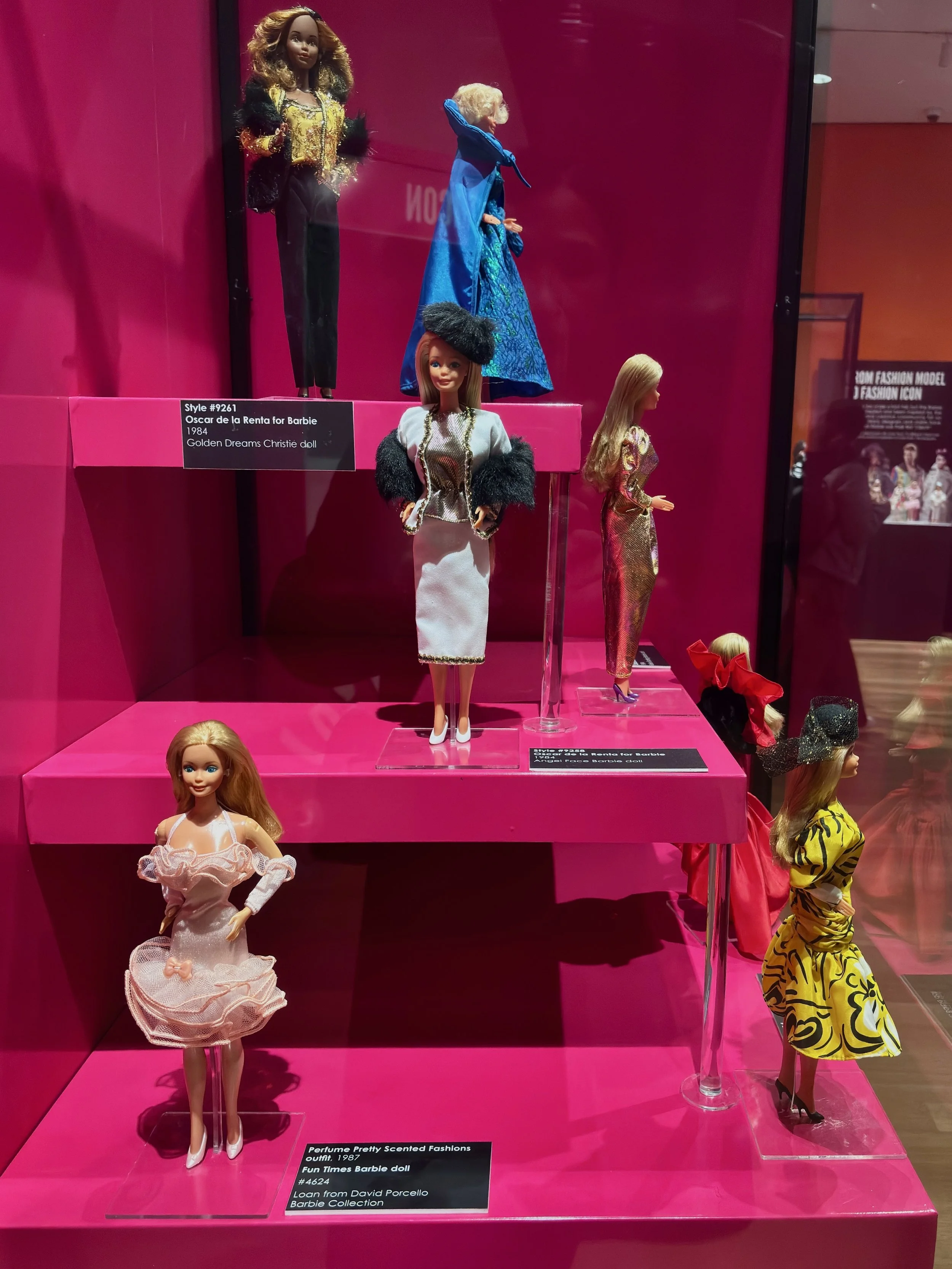
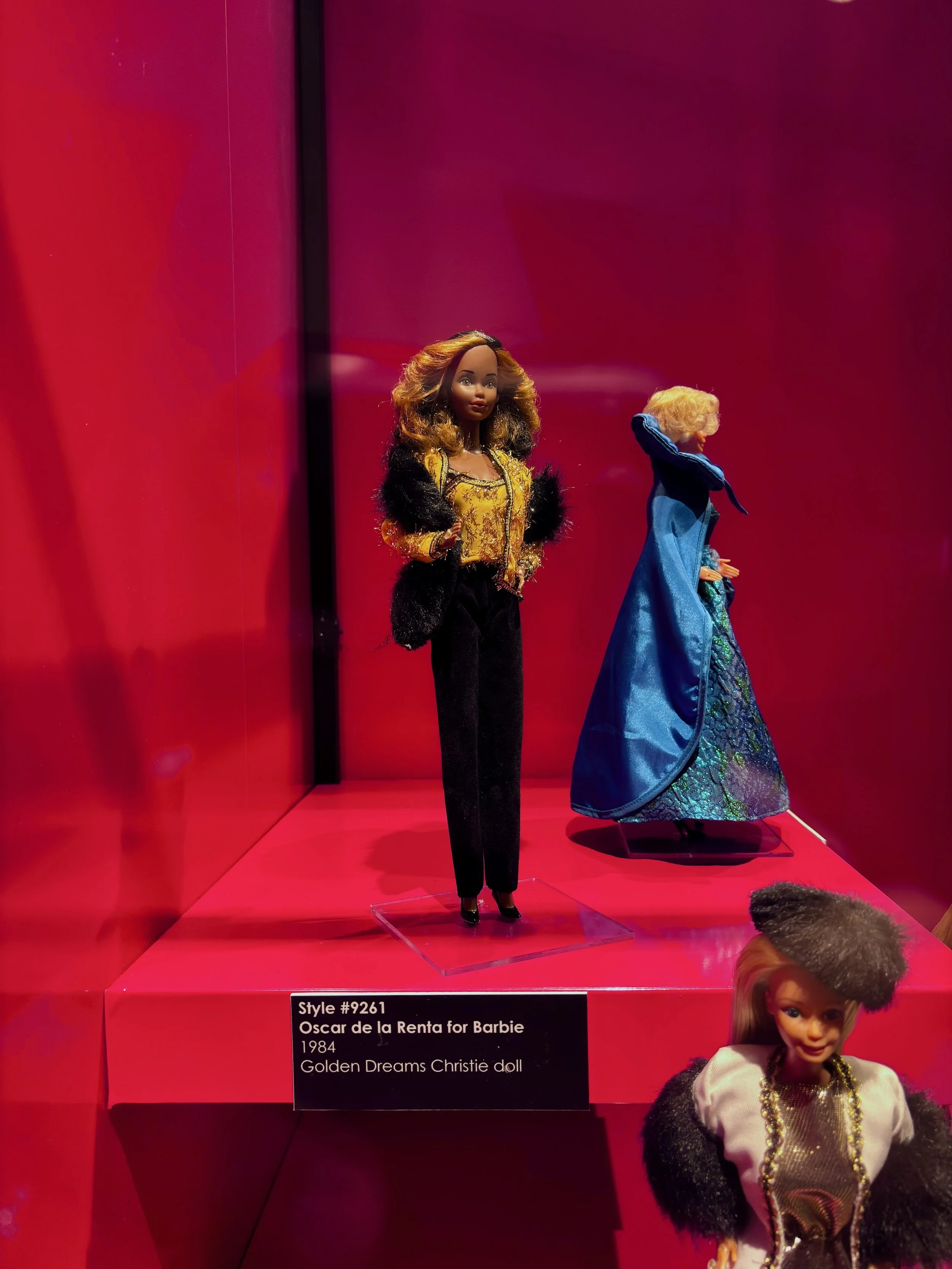
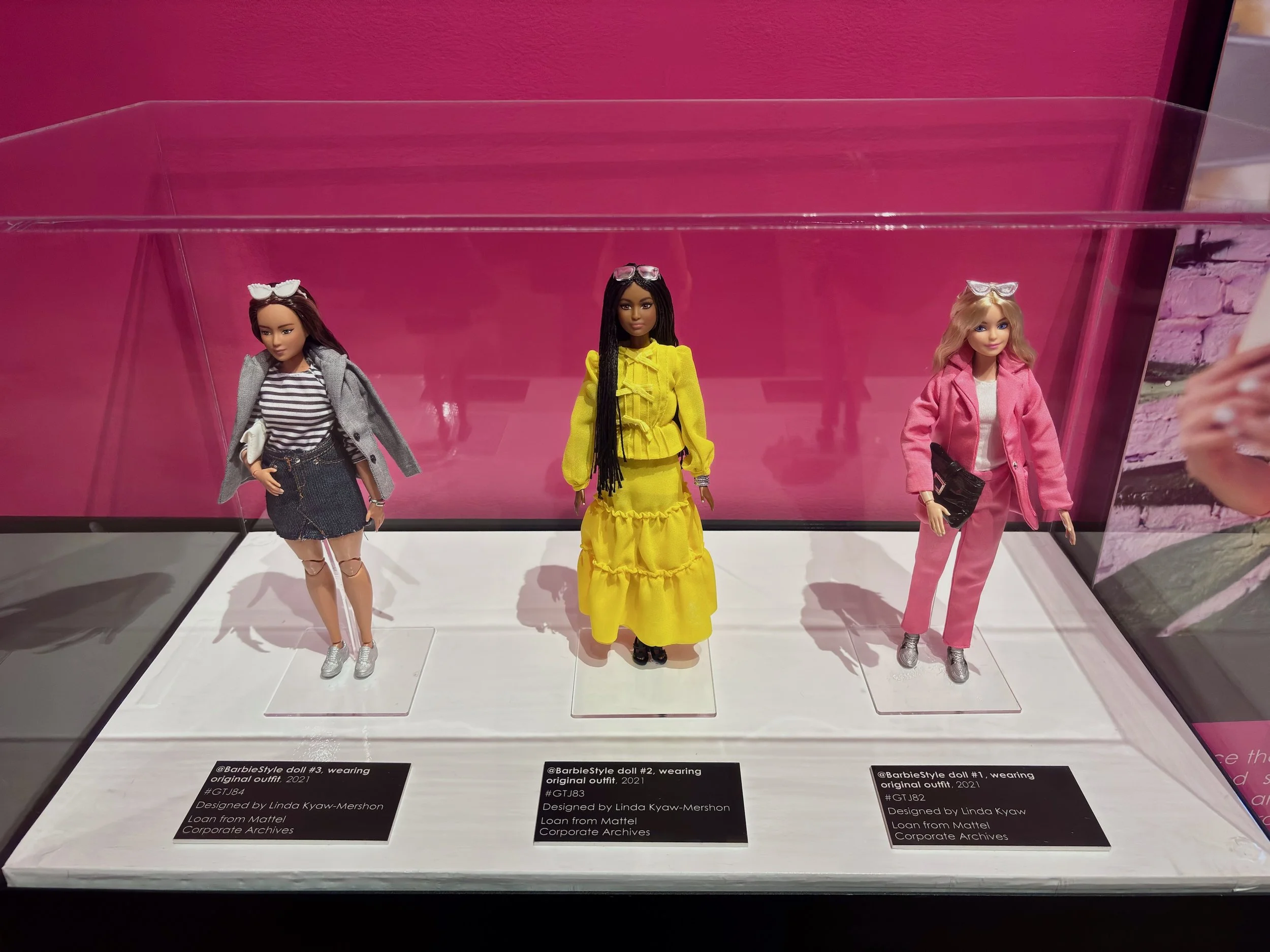
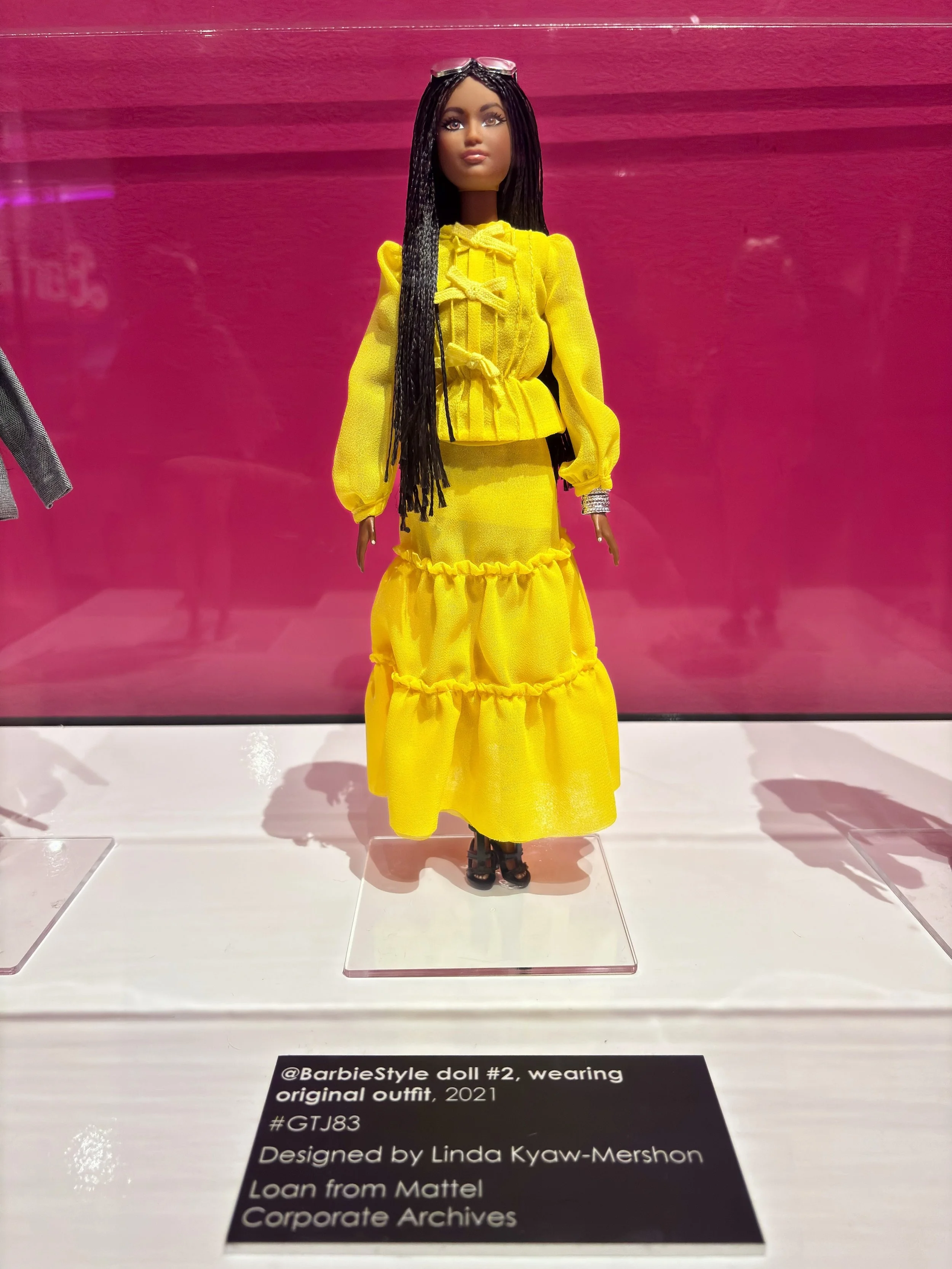
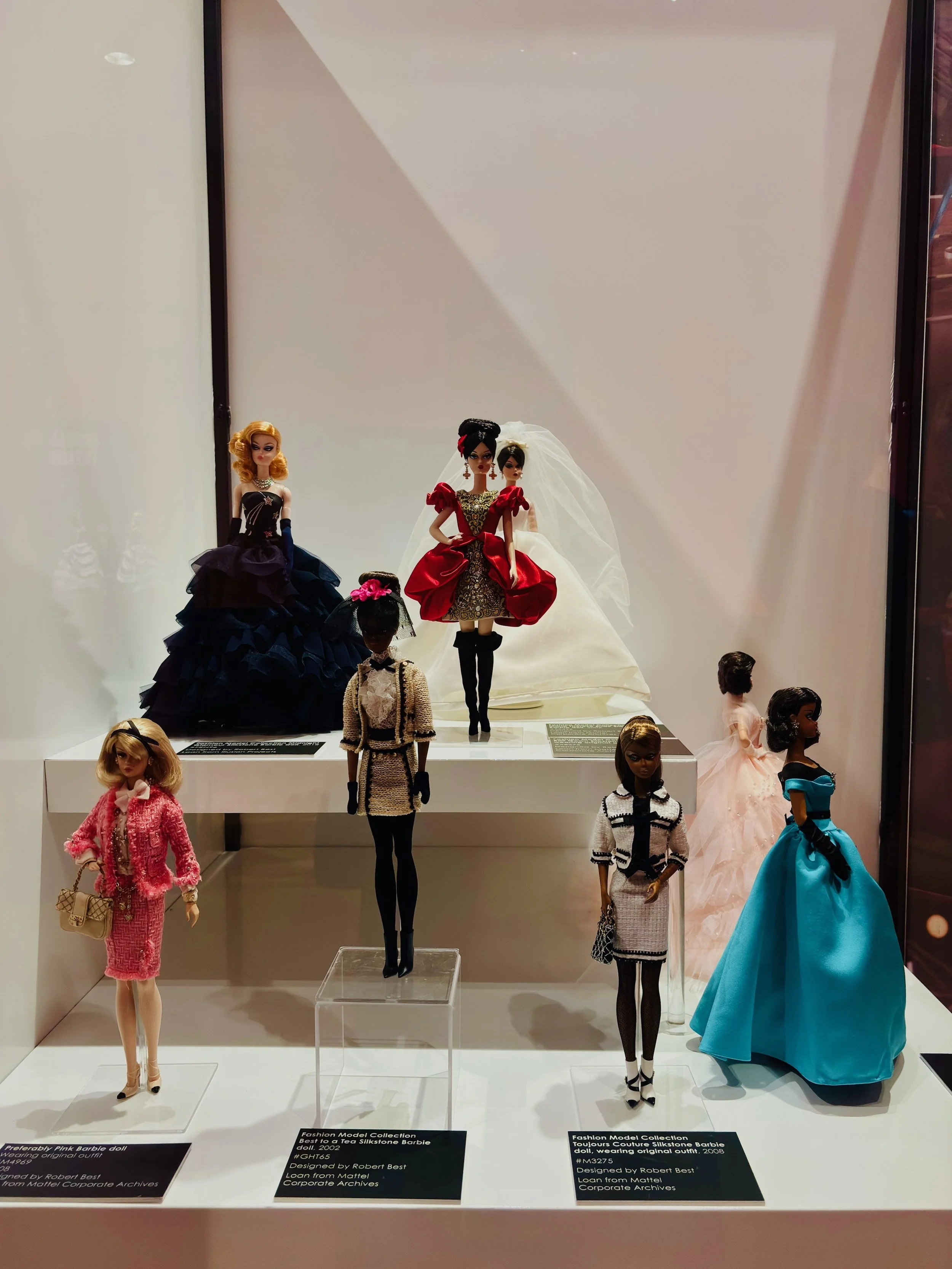
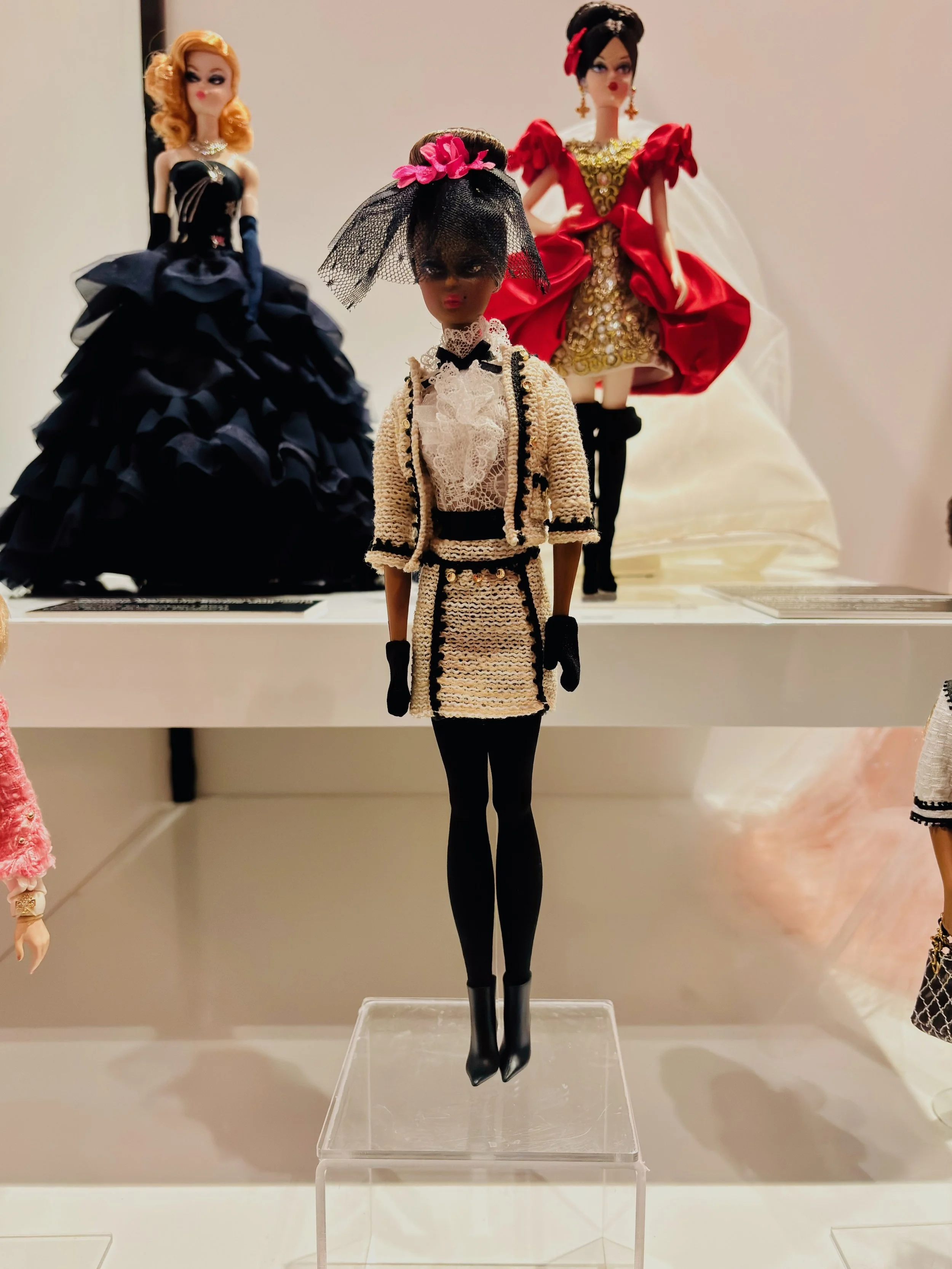
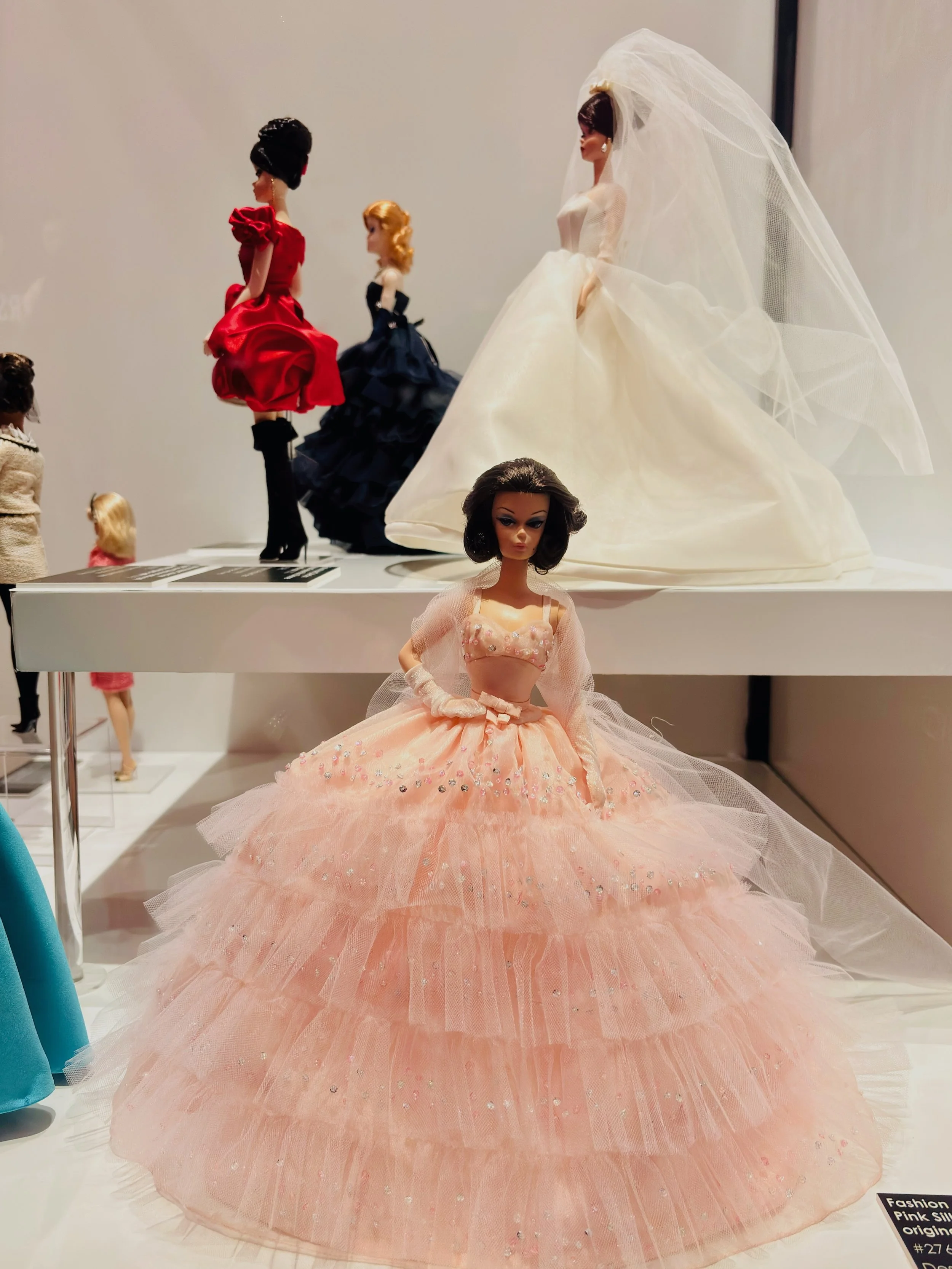
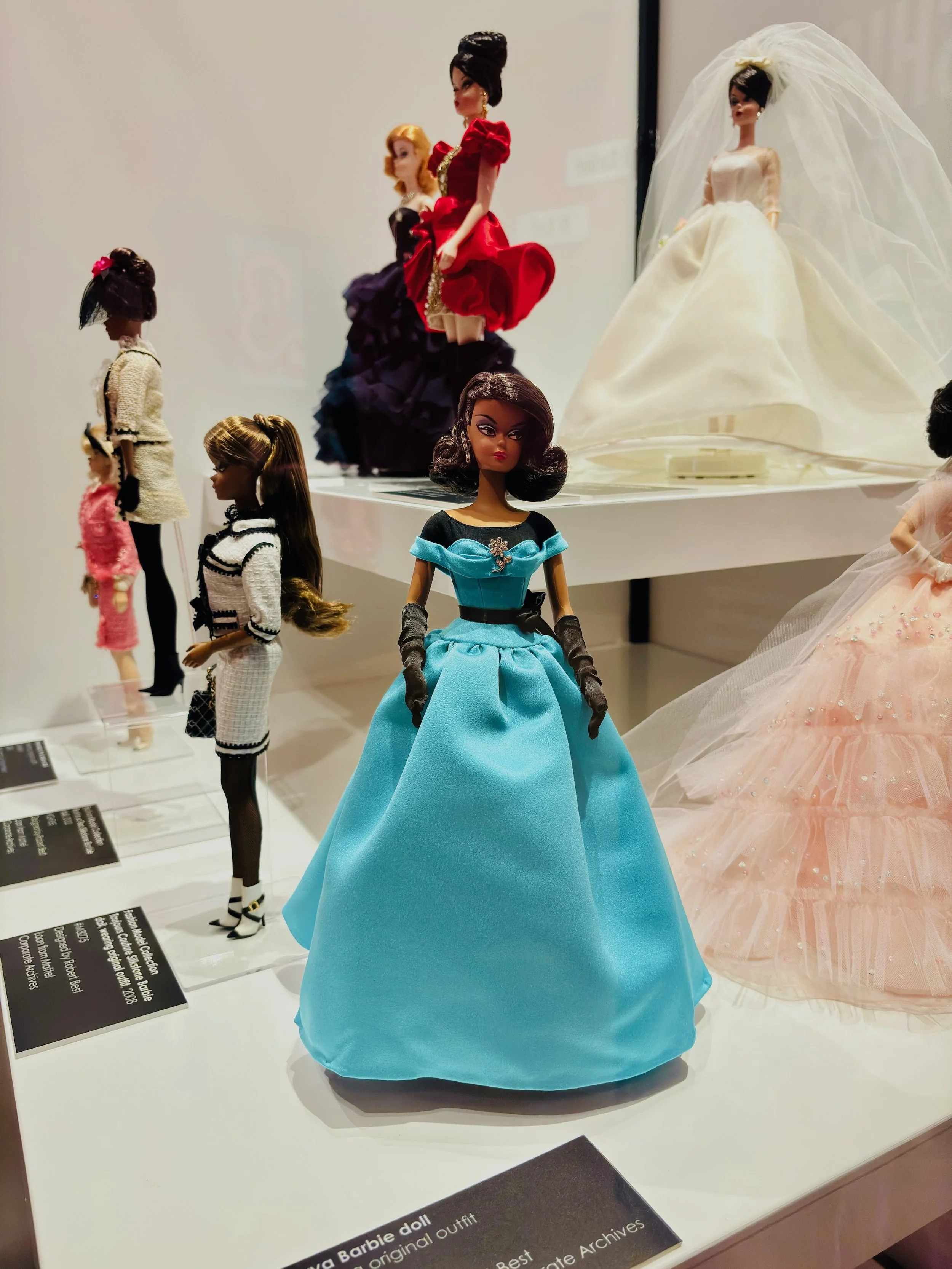
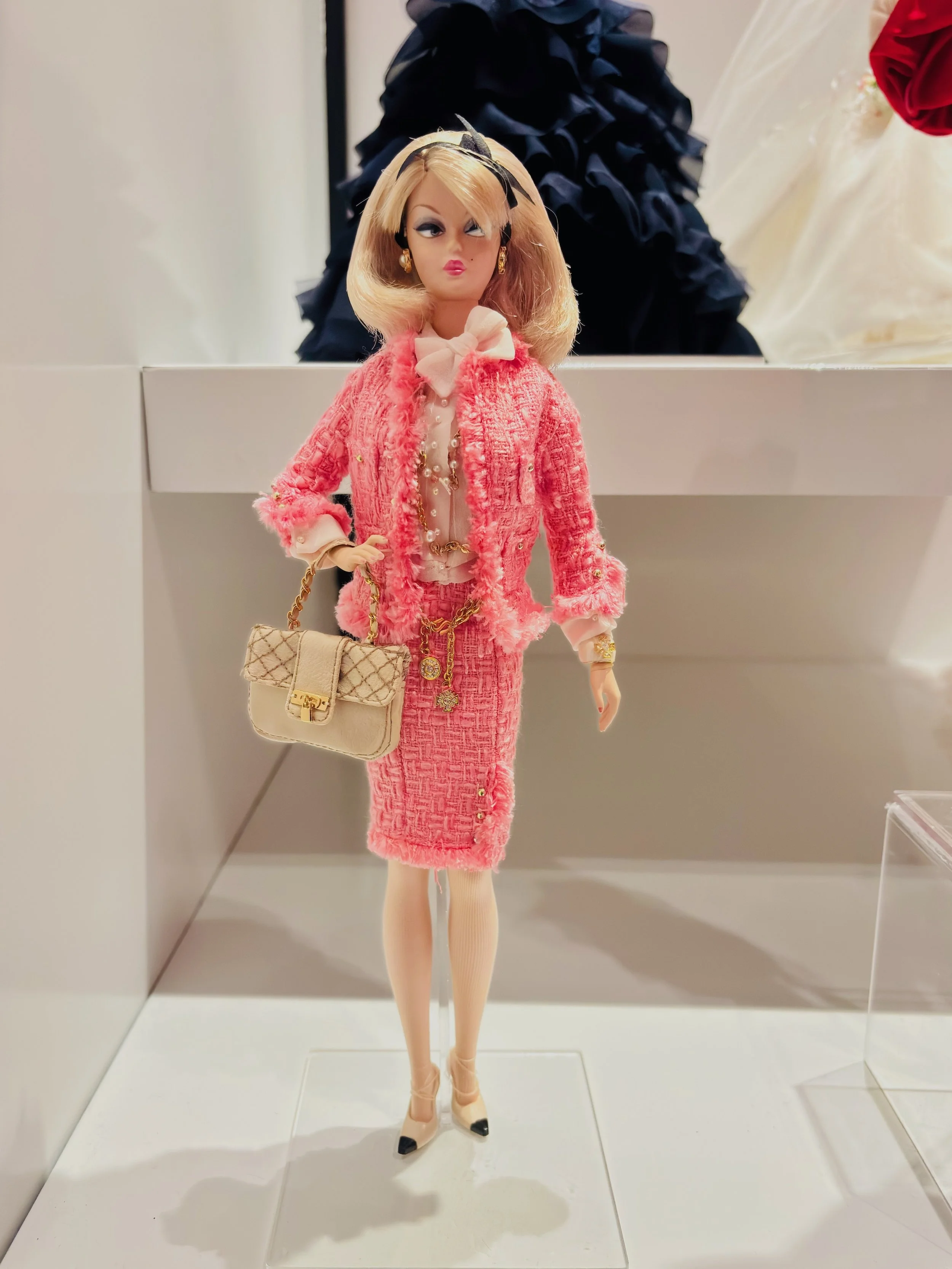
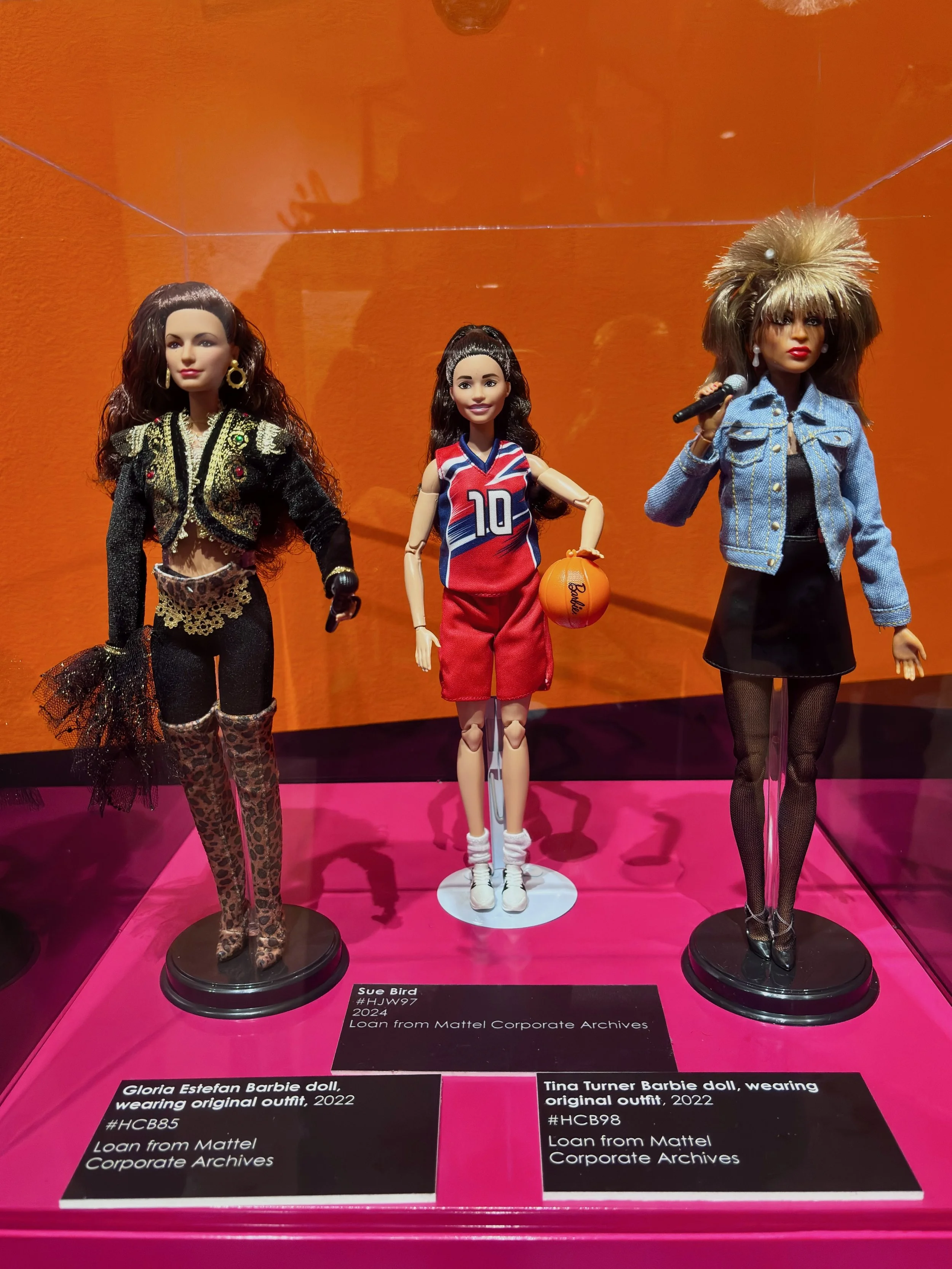
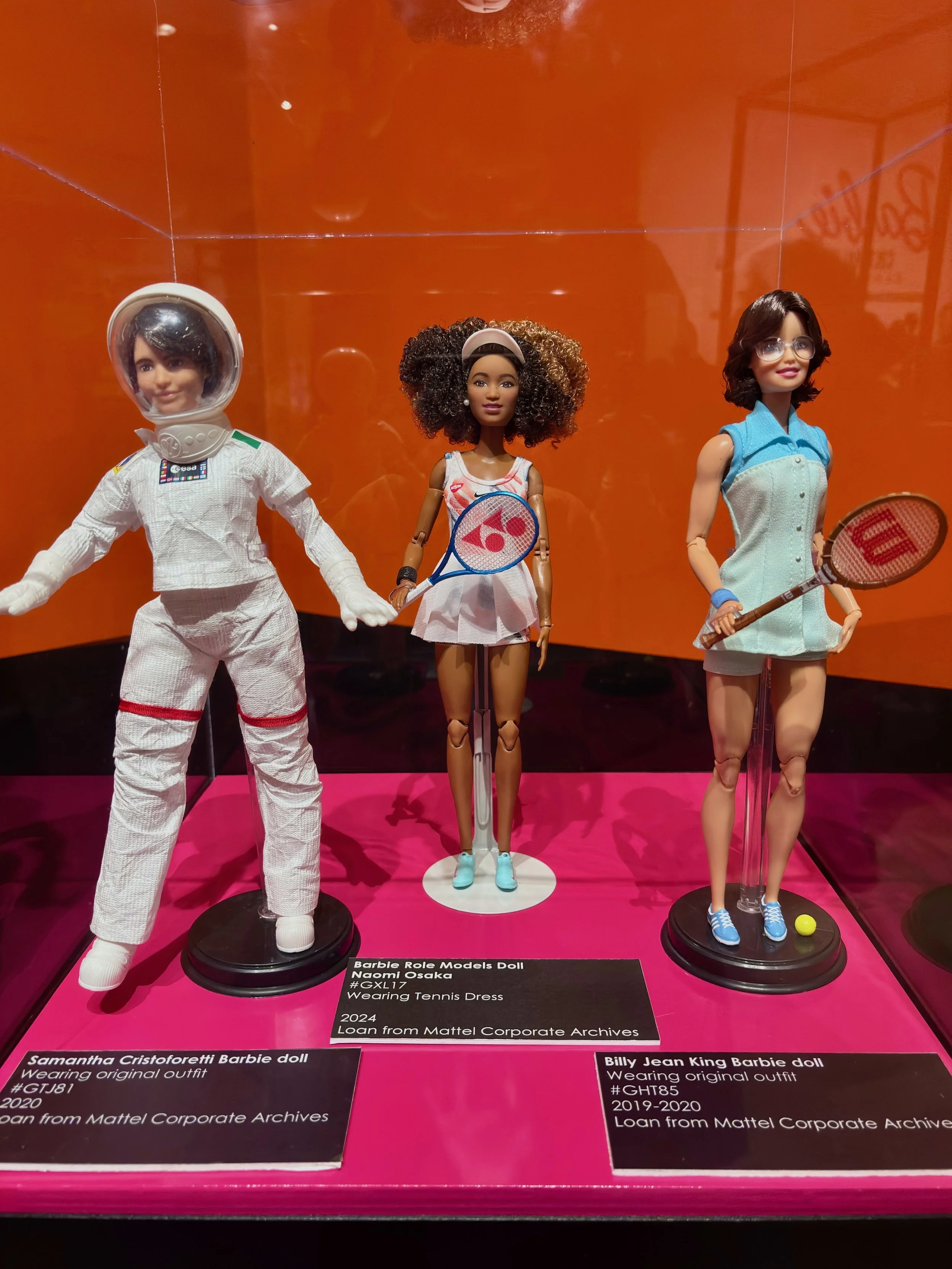
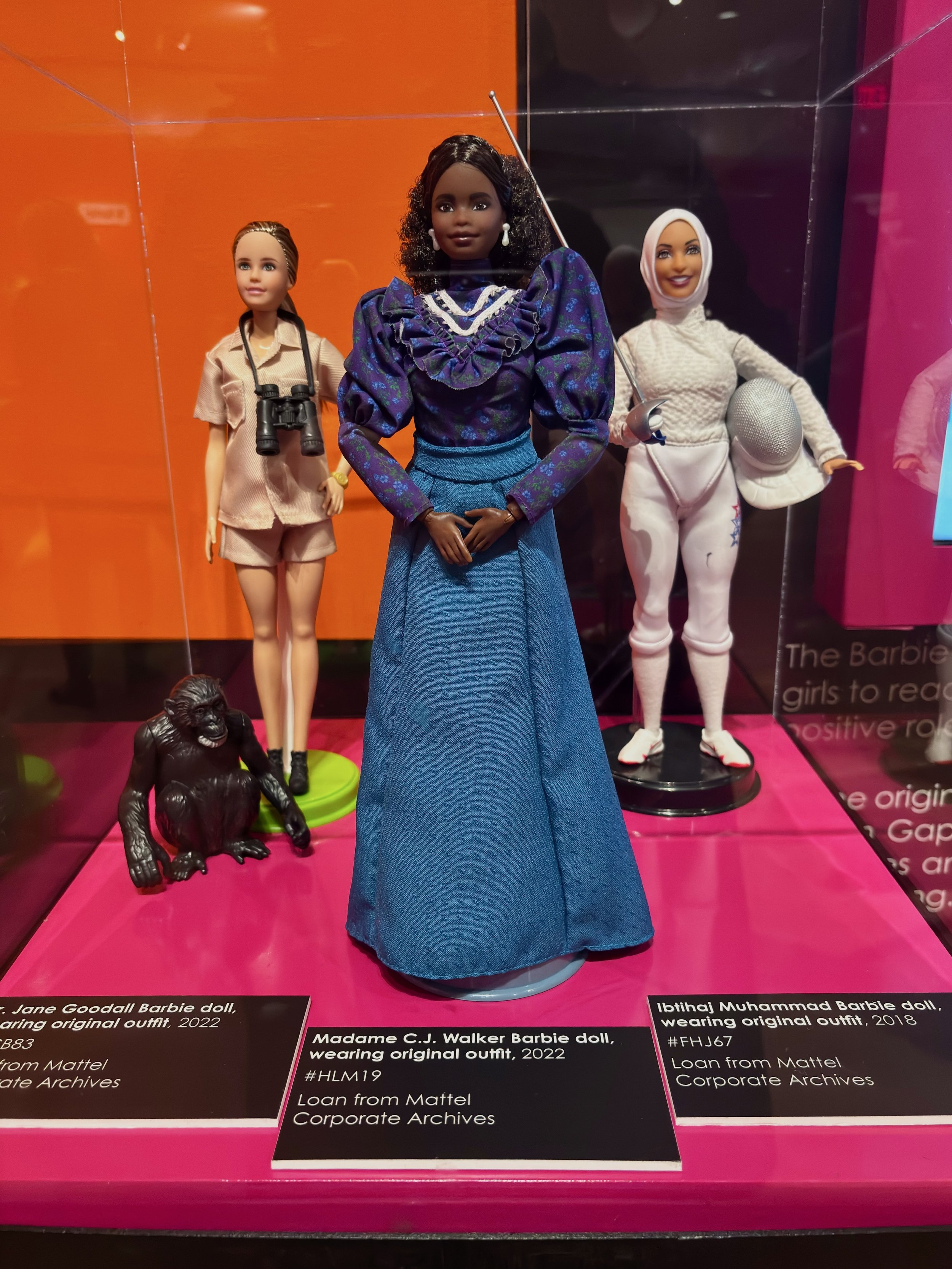
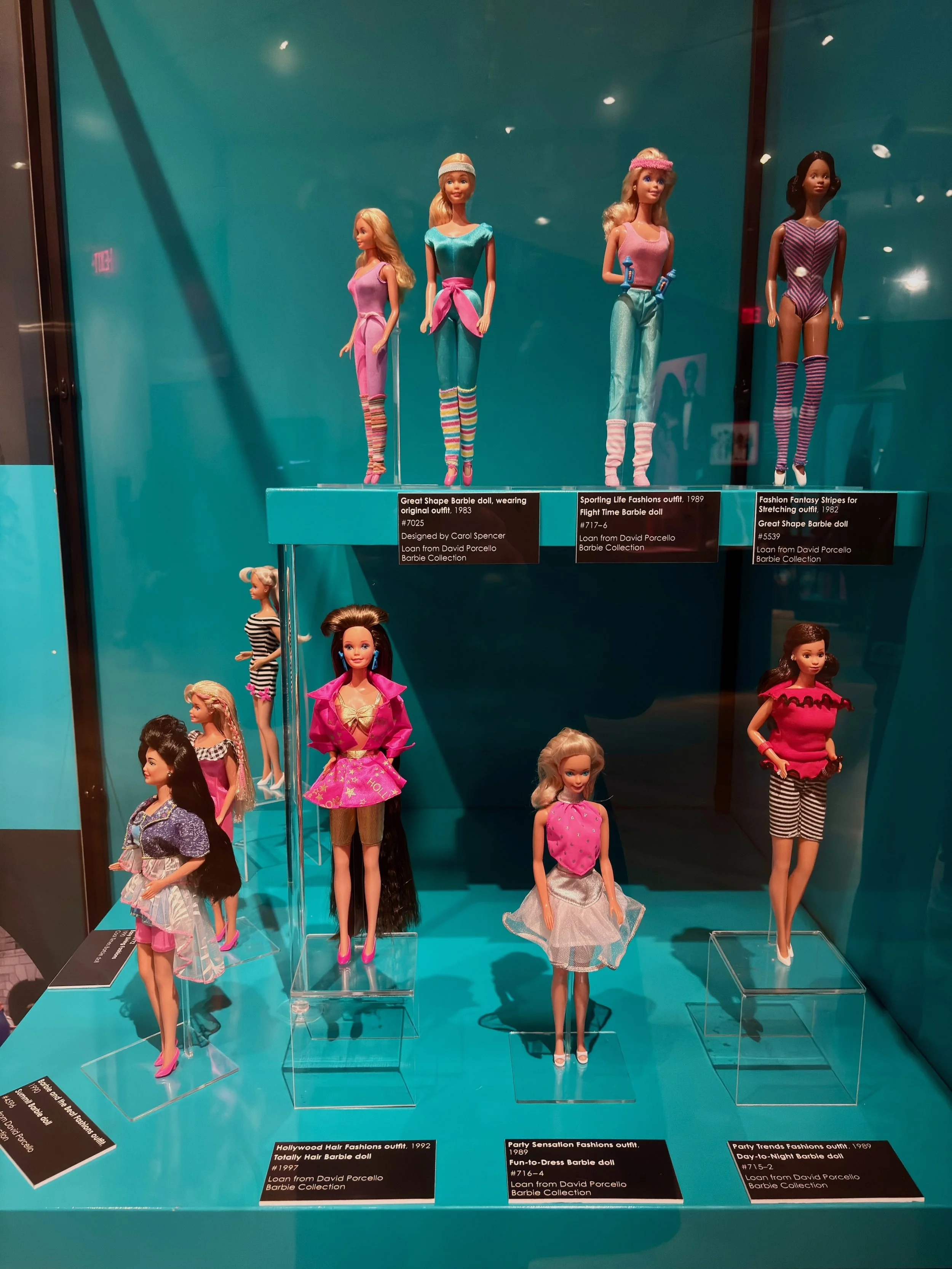
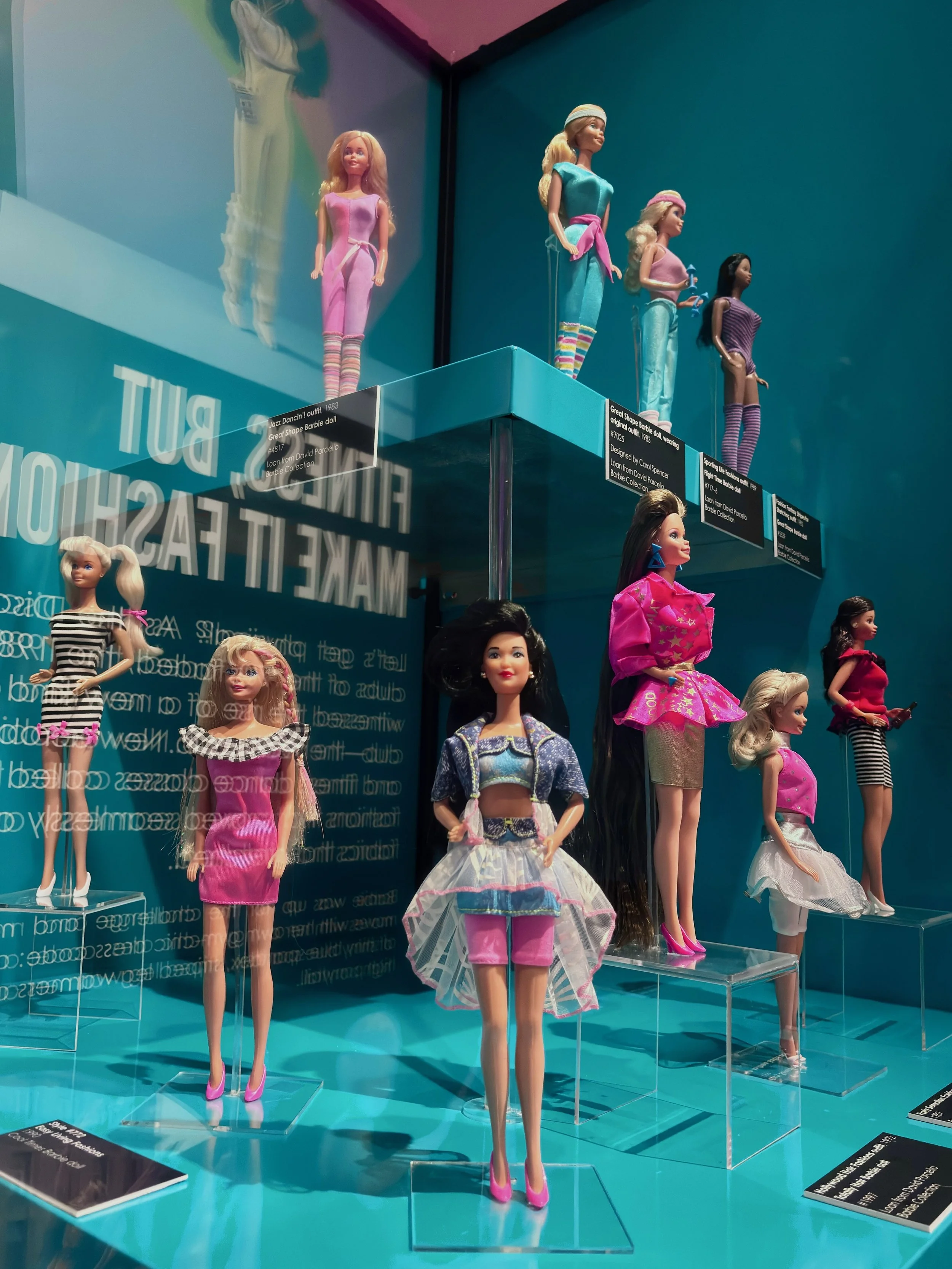
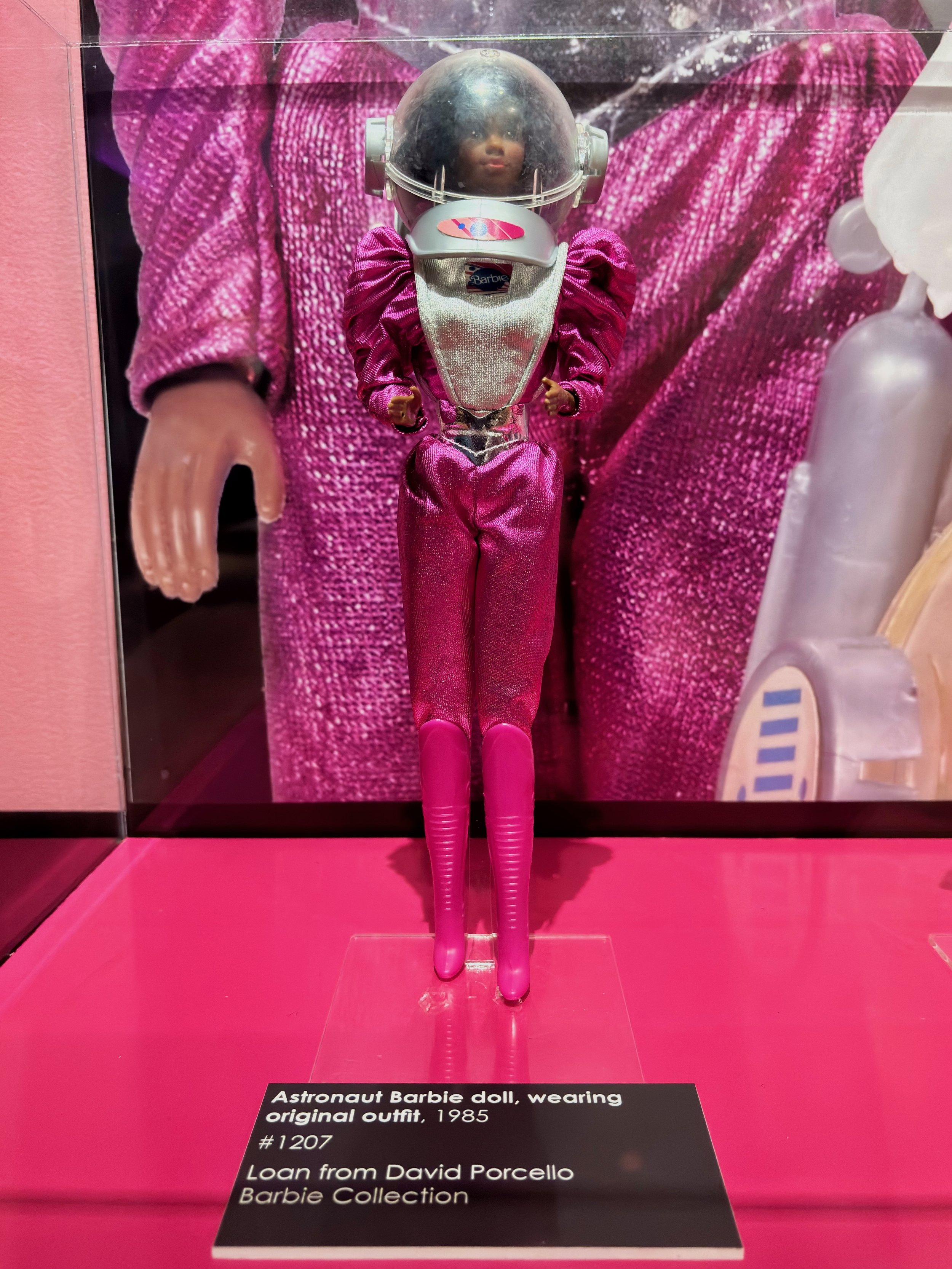
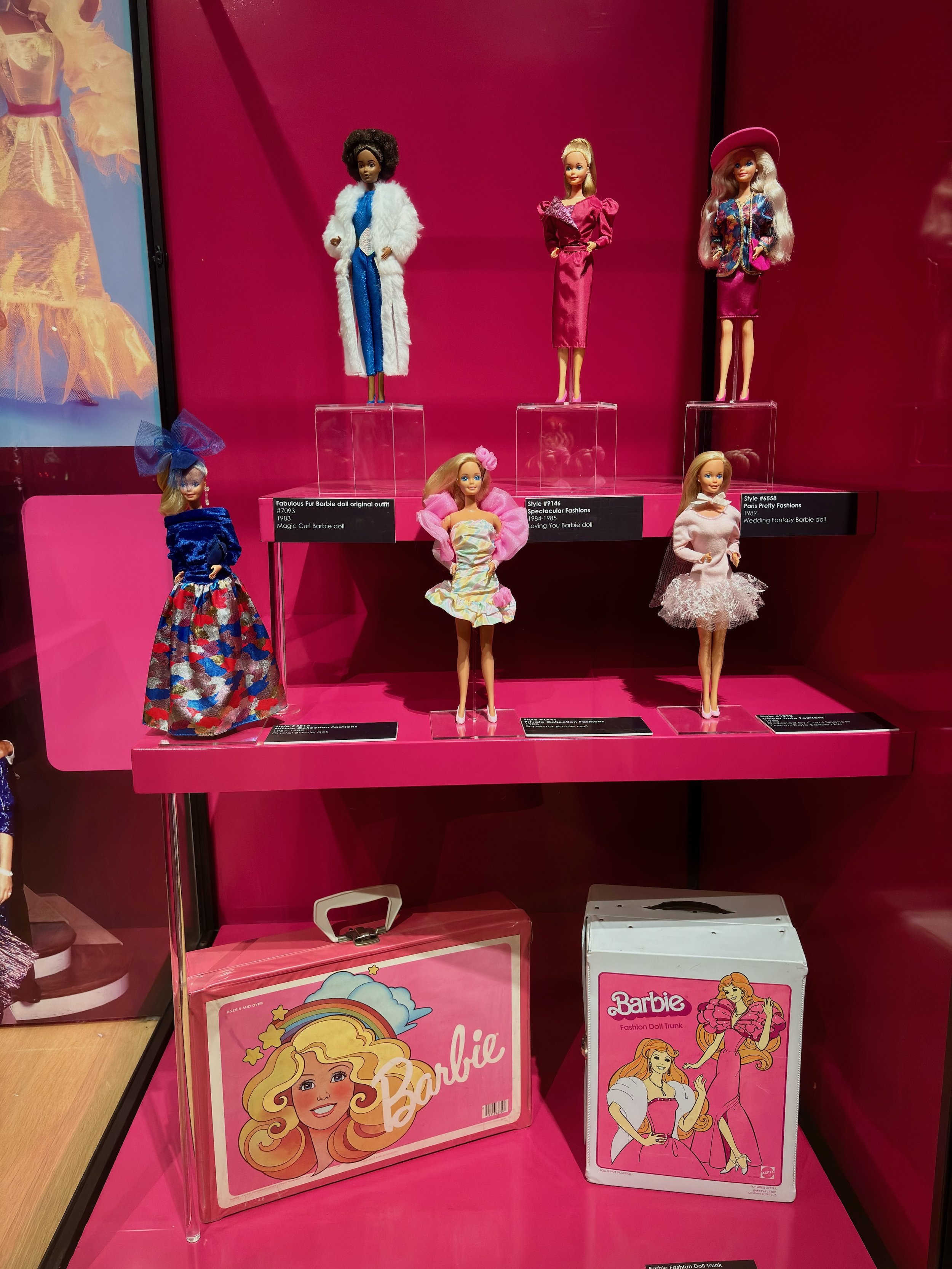
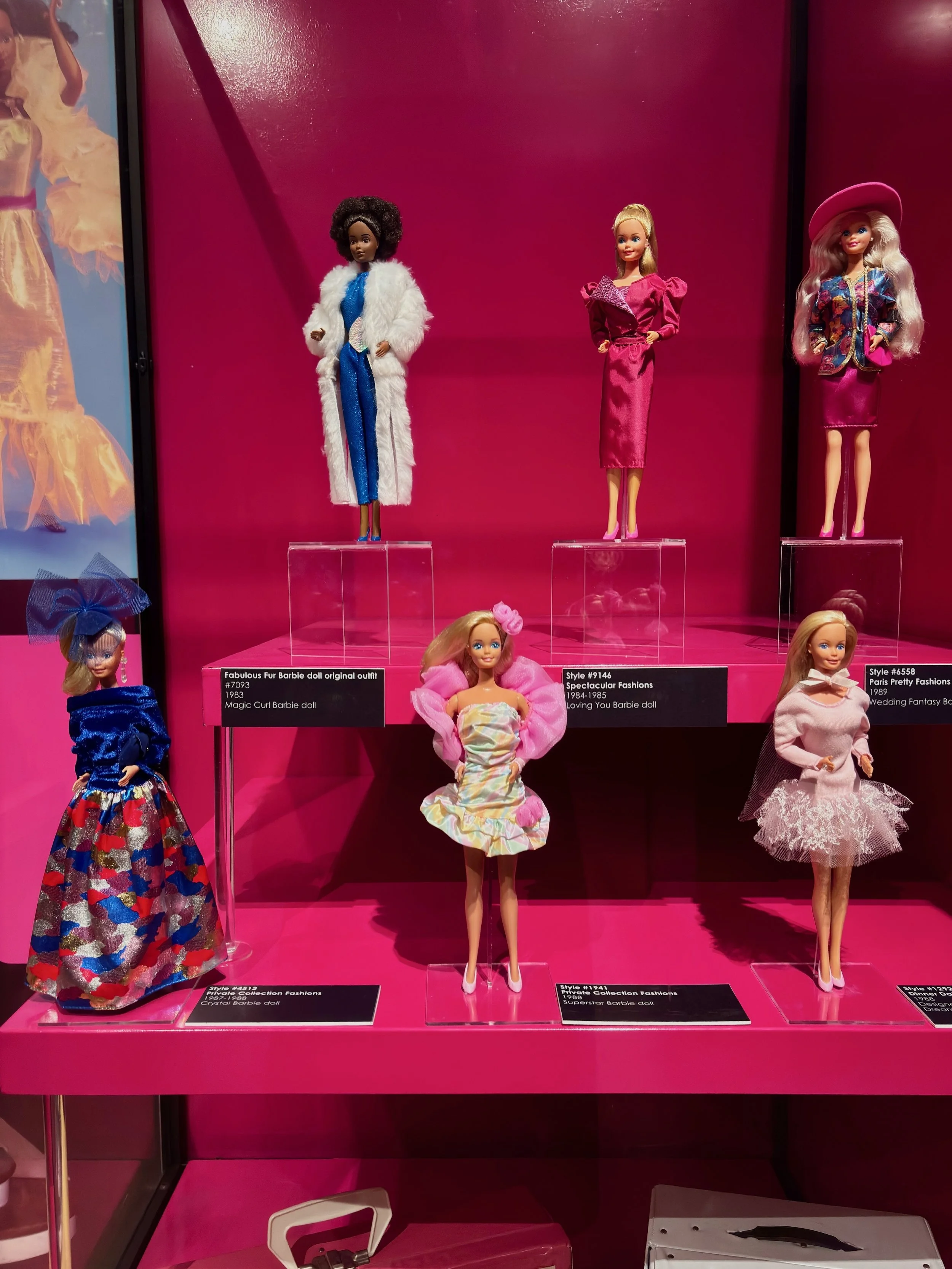
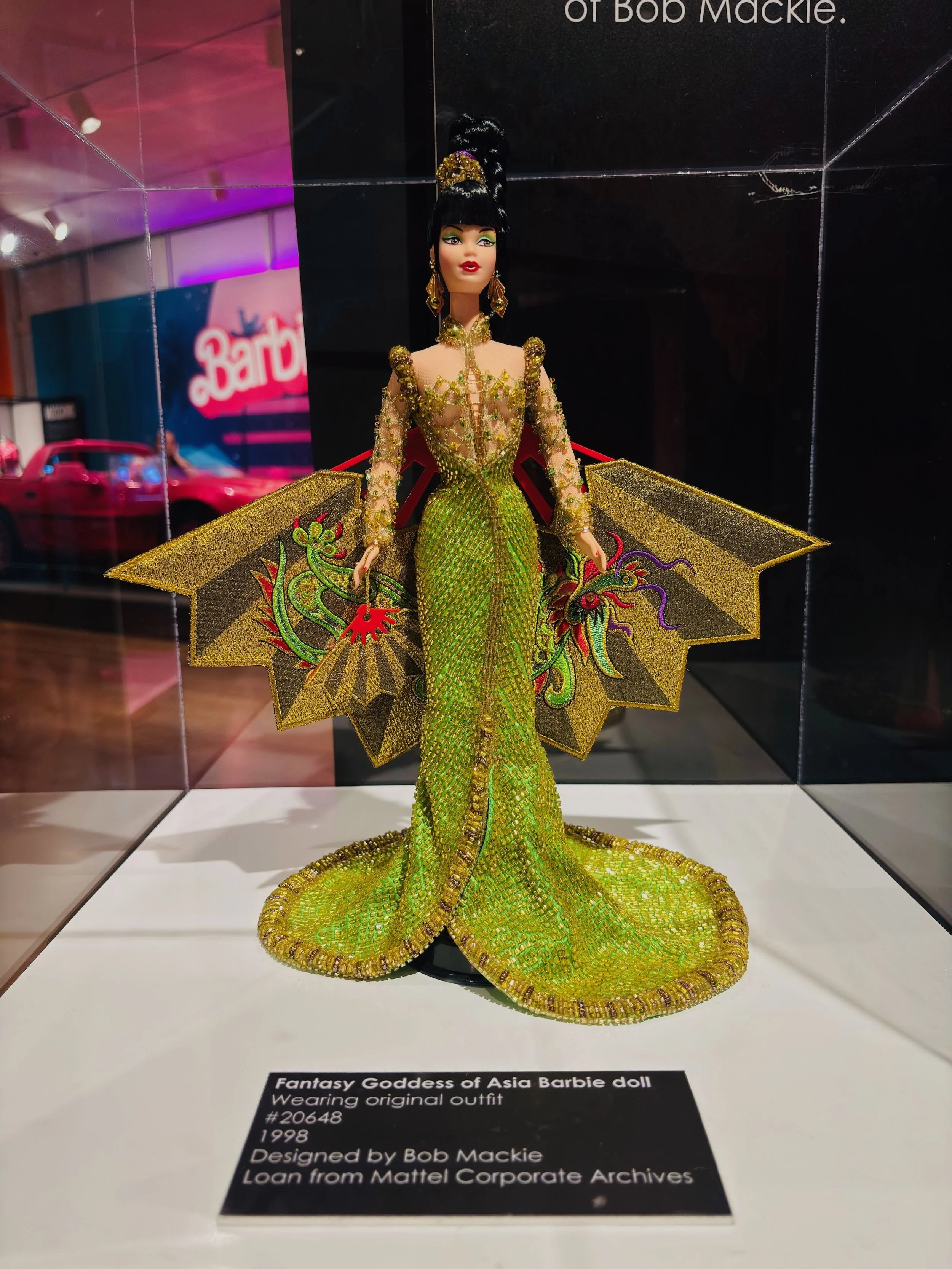
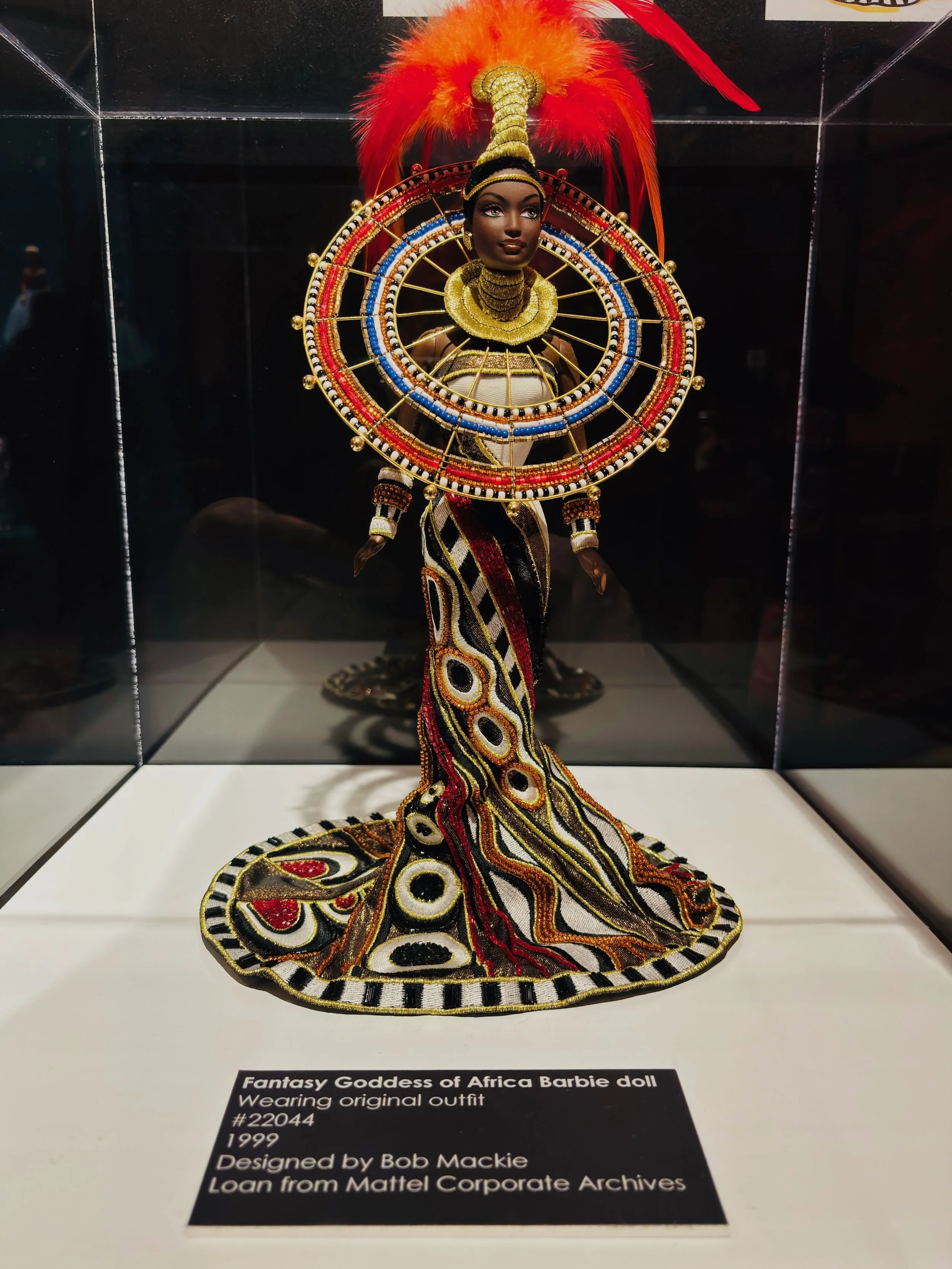
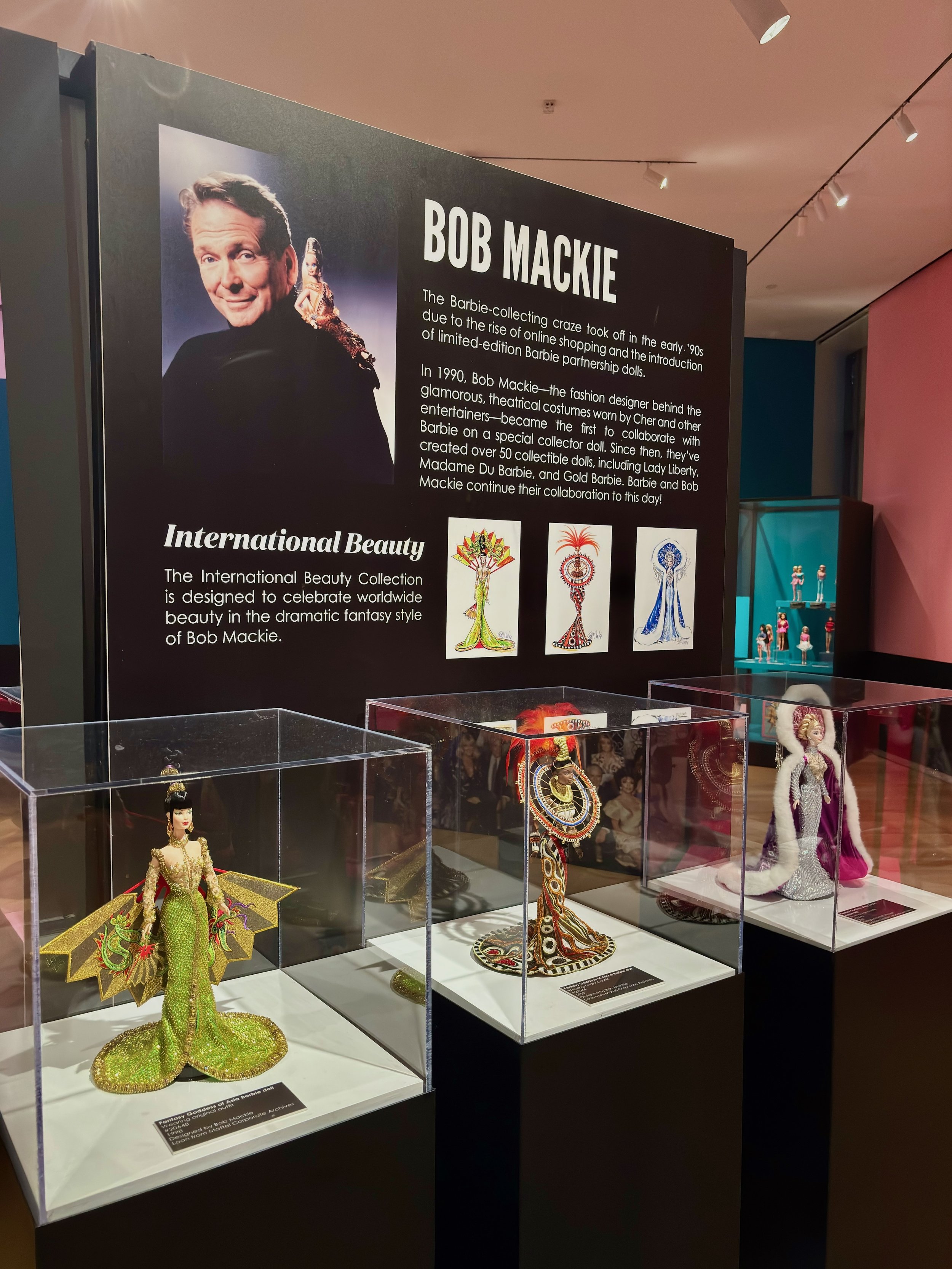
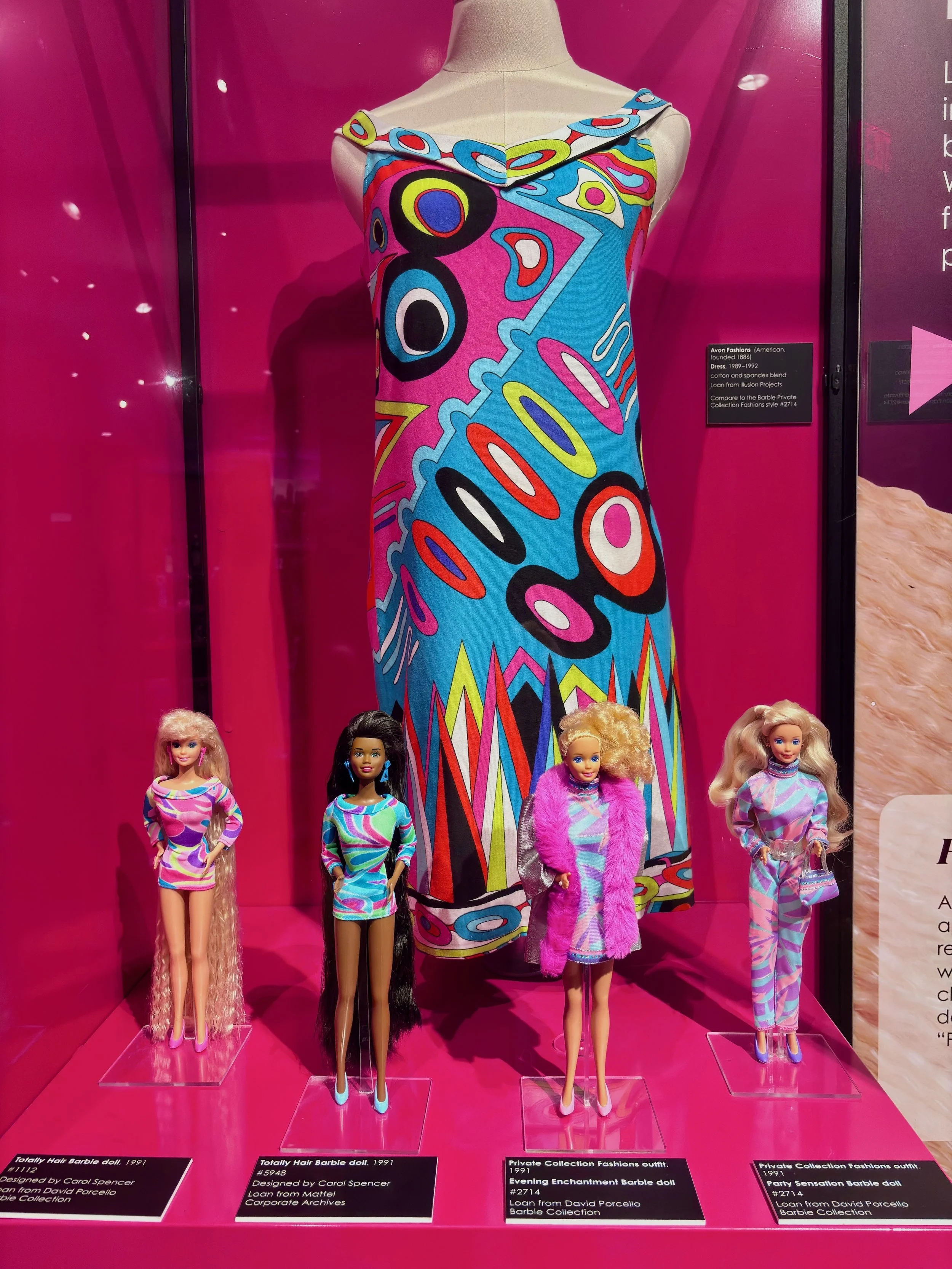
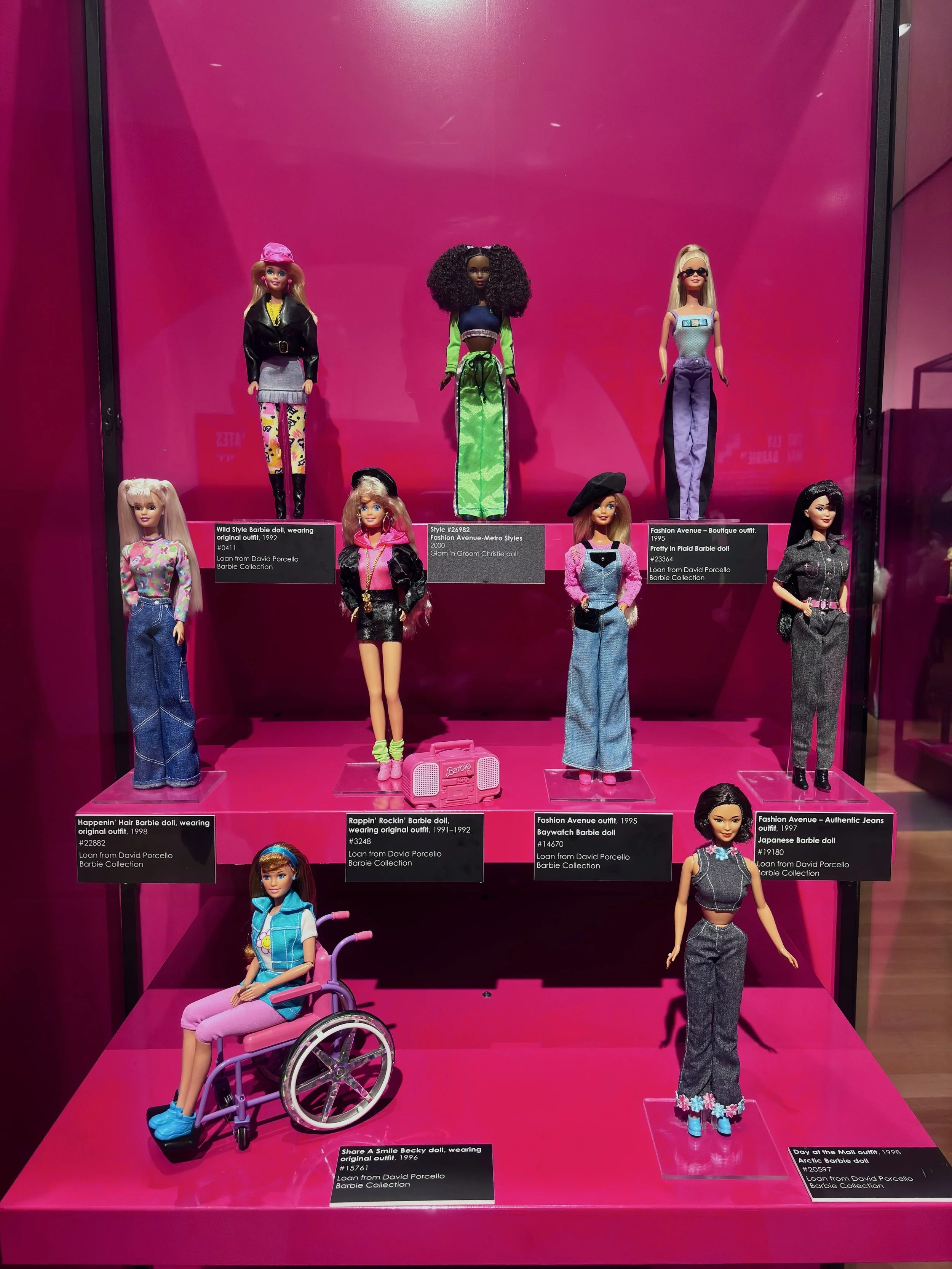
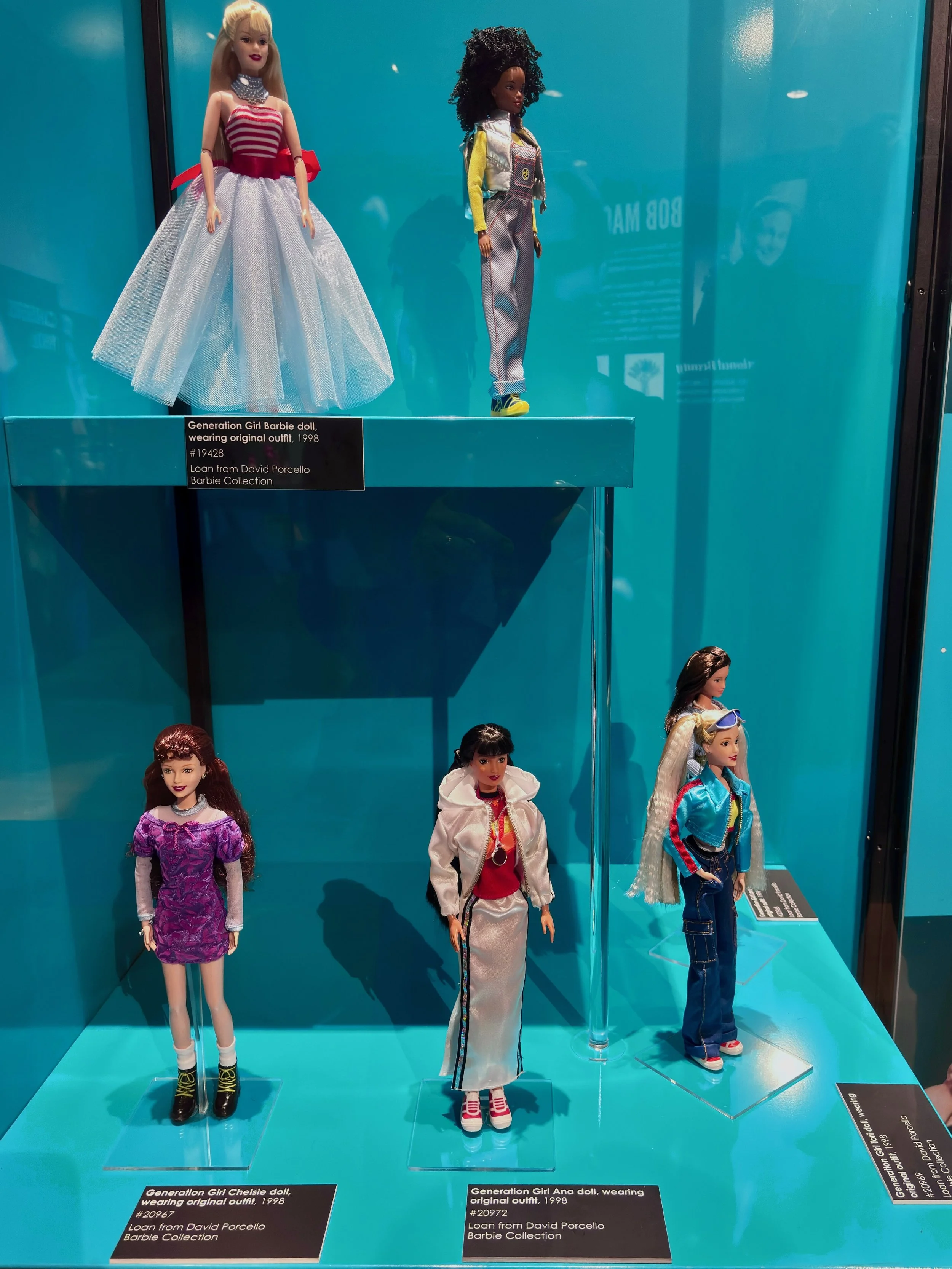
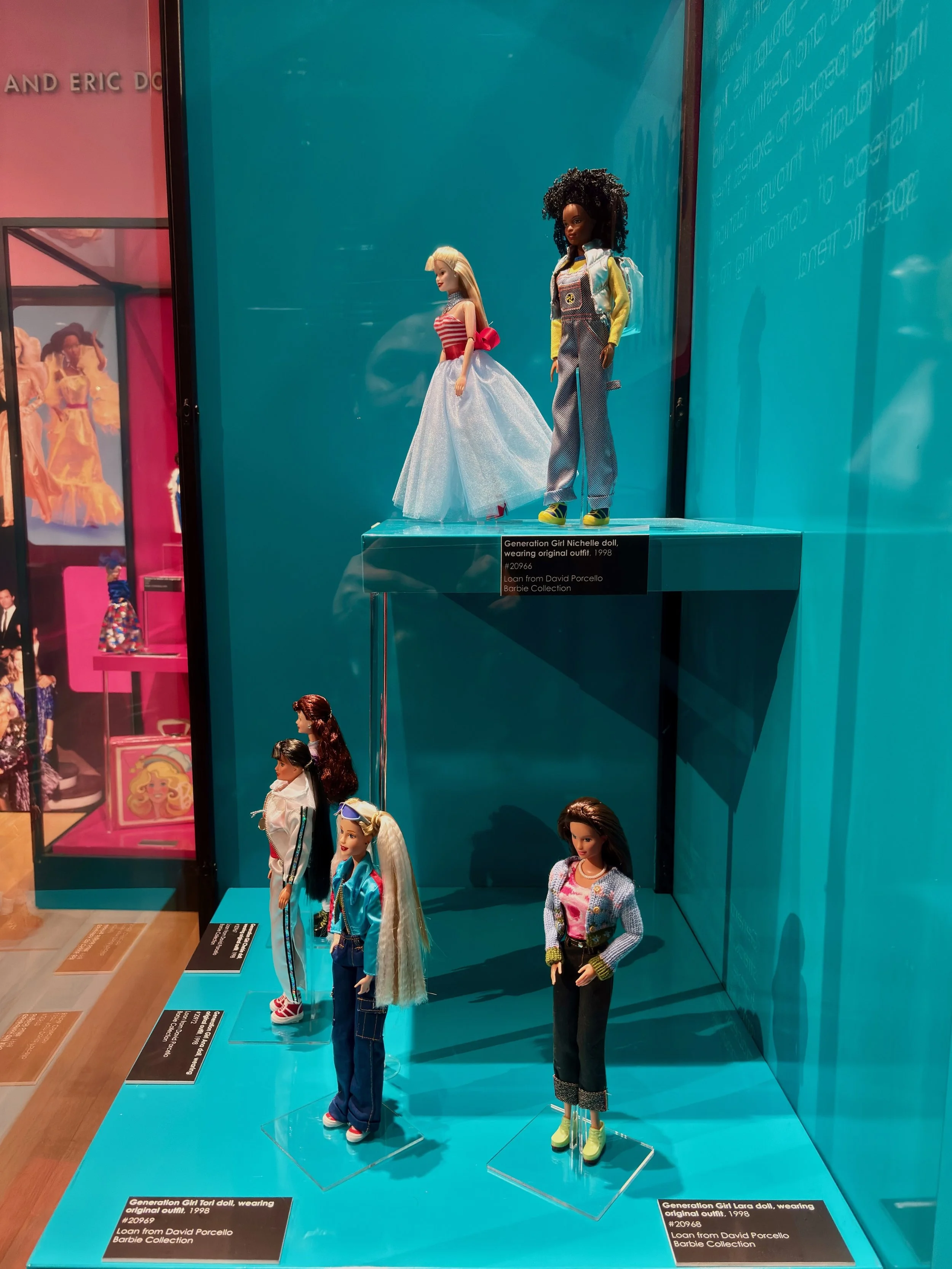
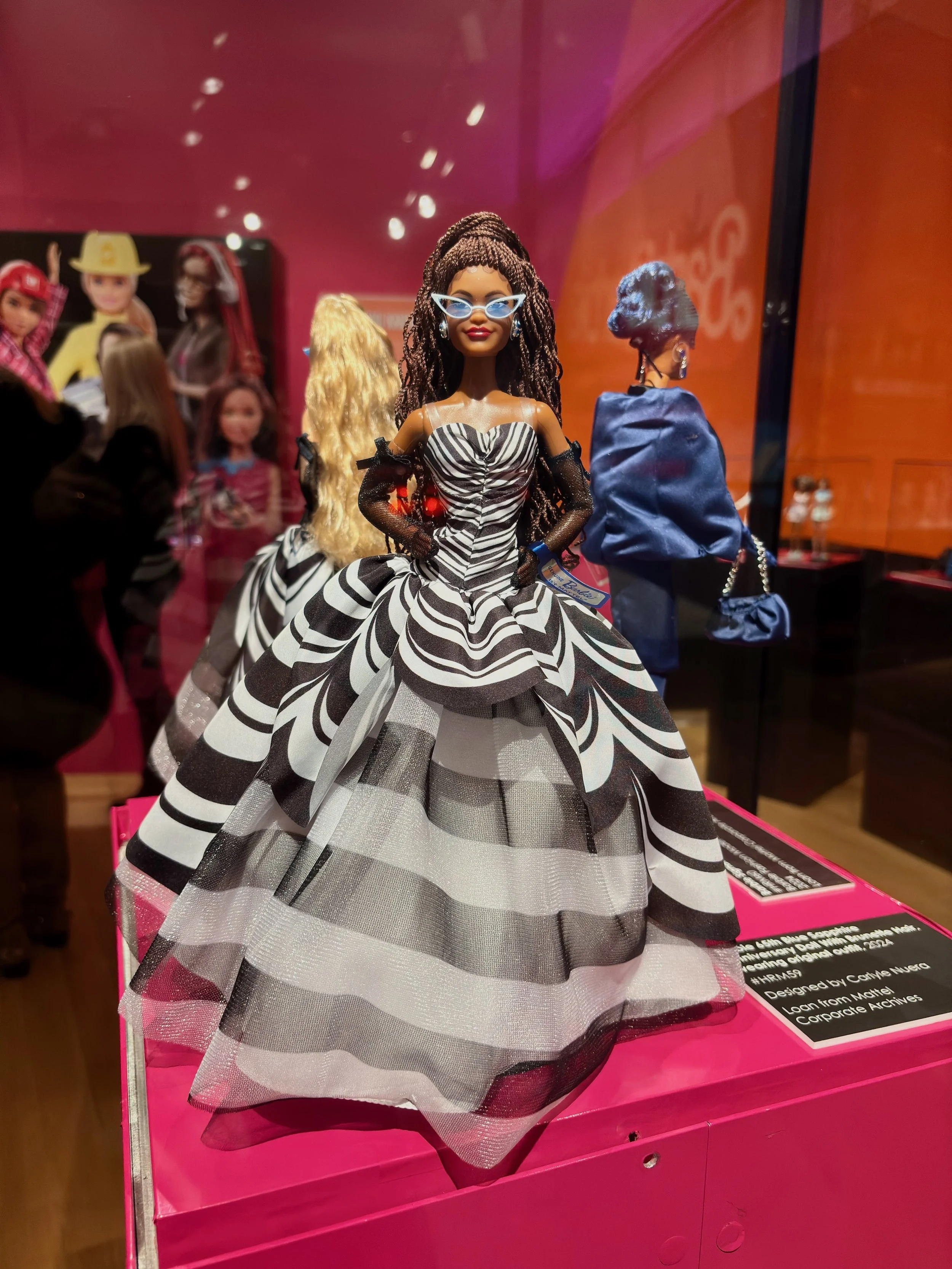
There is something instantly joyful about seeing so many Barbies together. Suddenly, childhood memories, fashion history, and pop culture seem to occupy the same room.
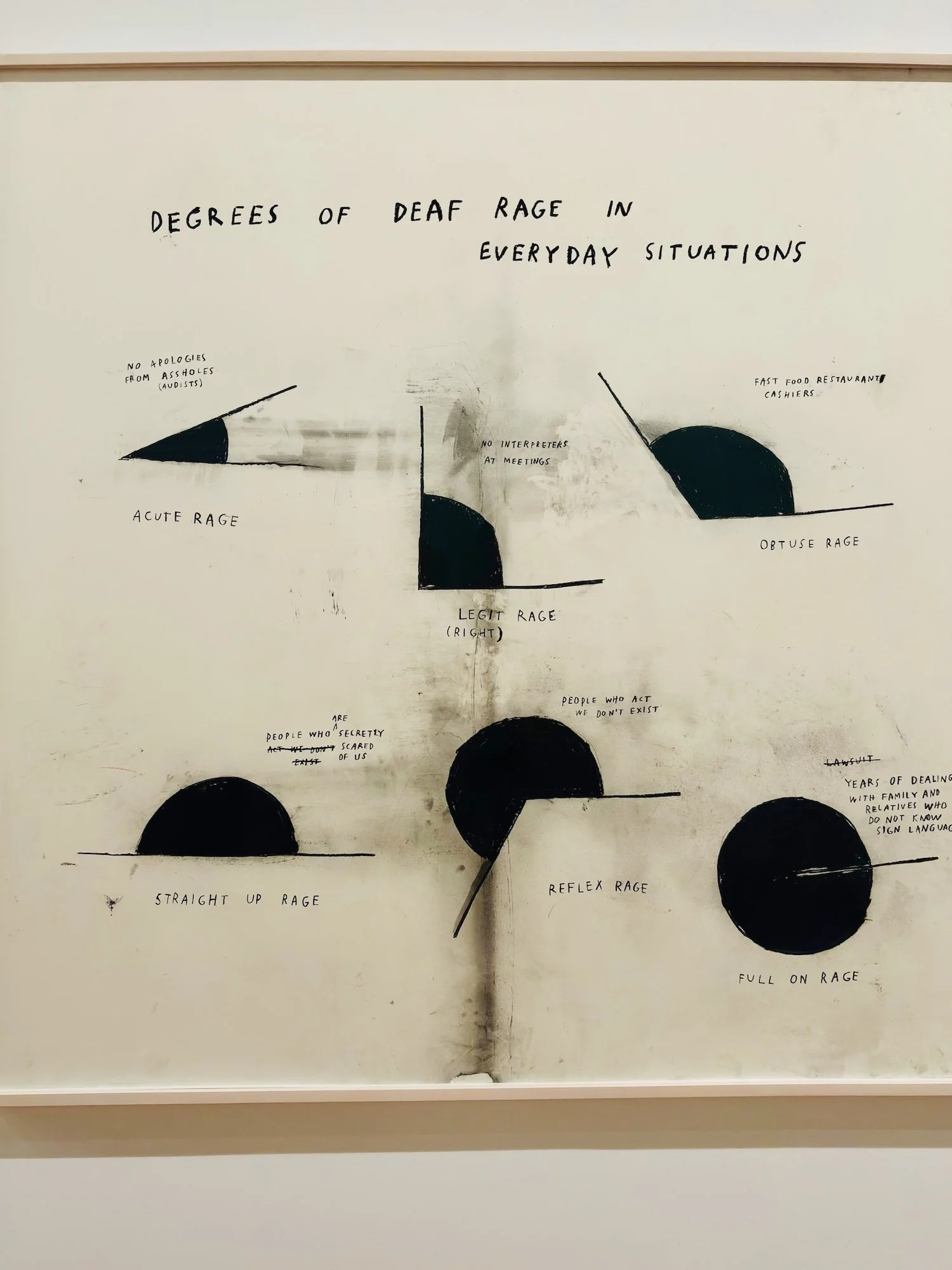
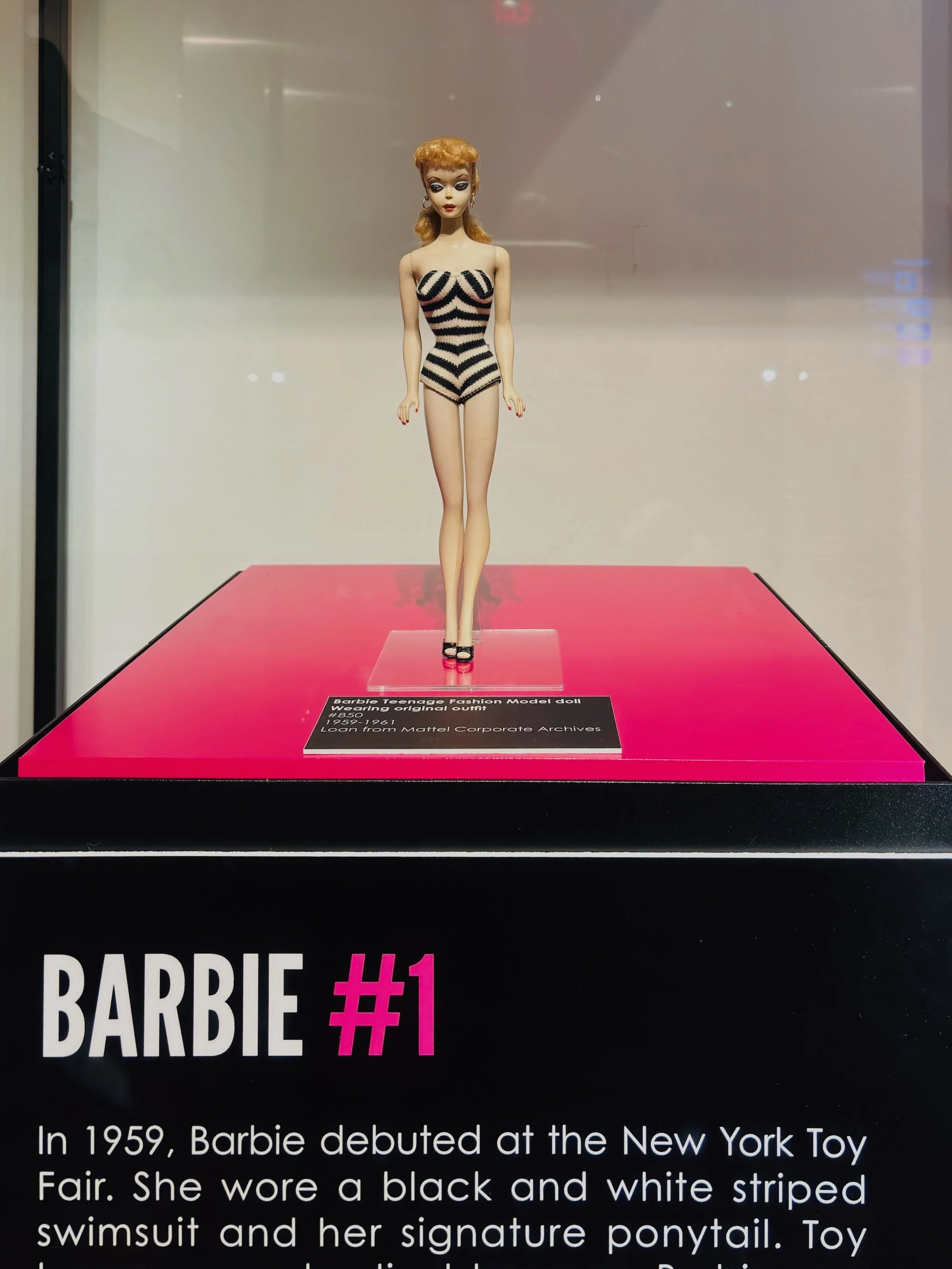
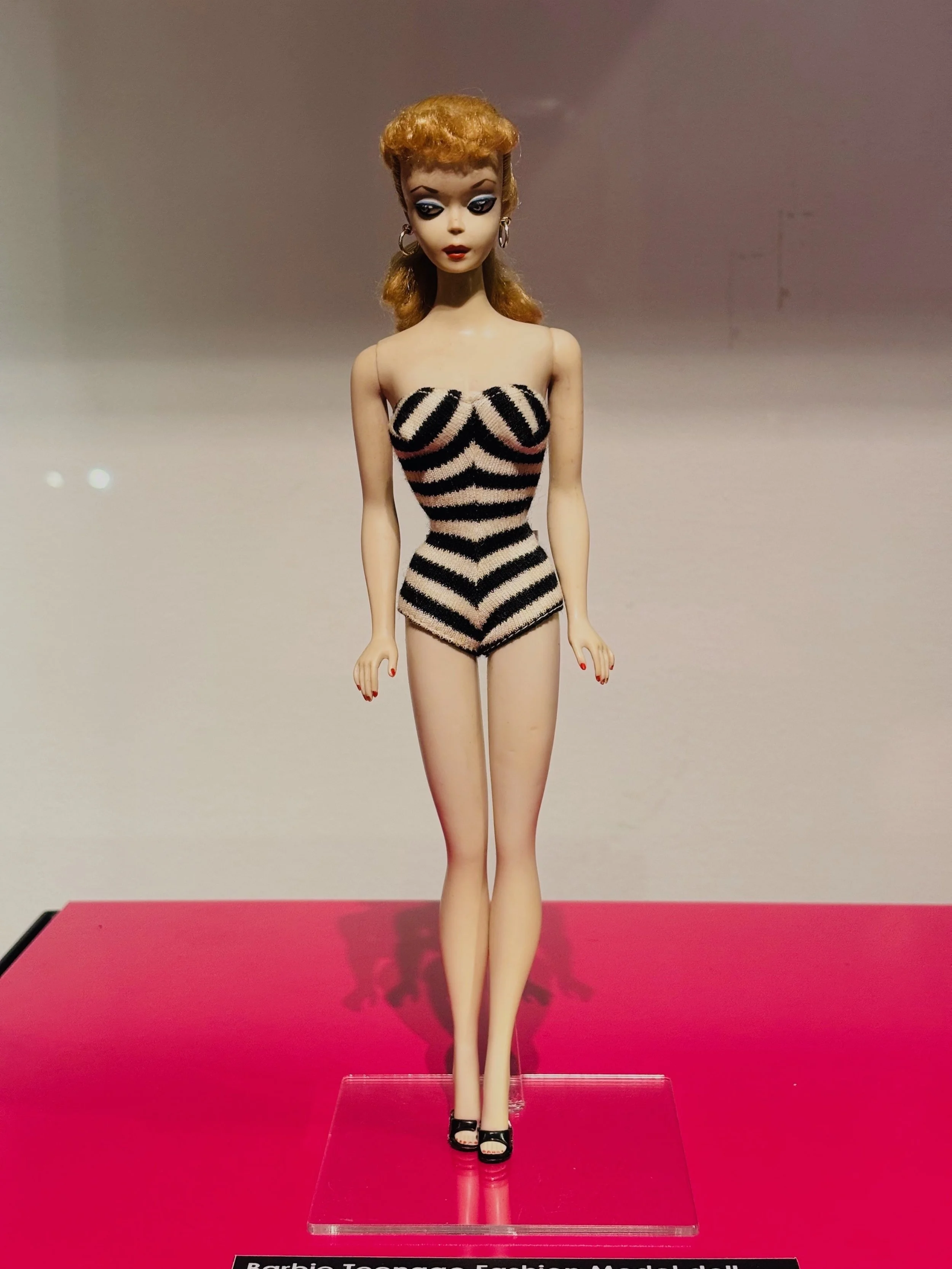
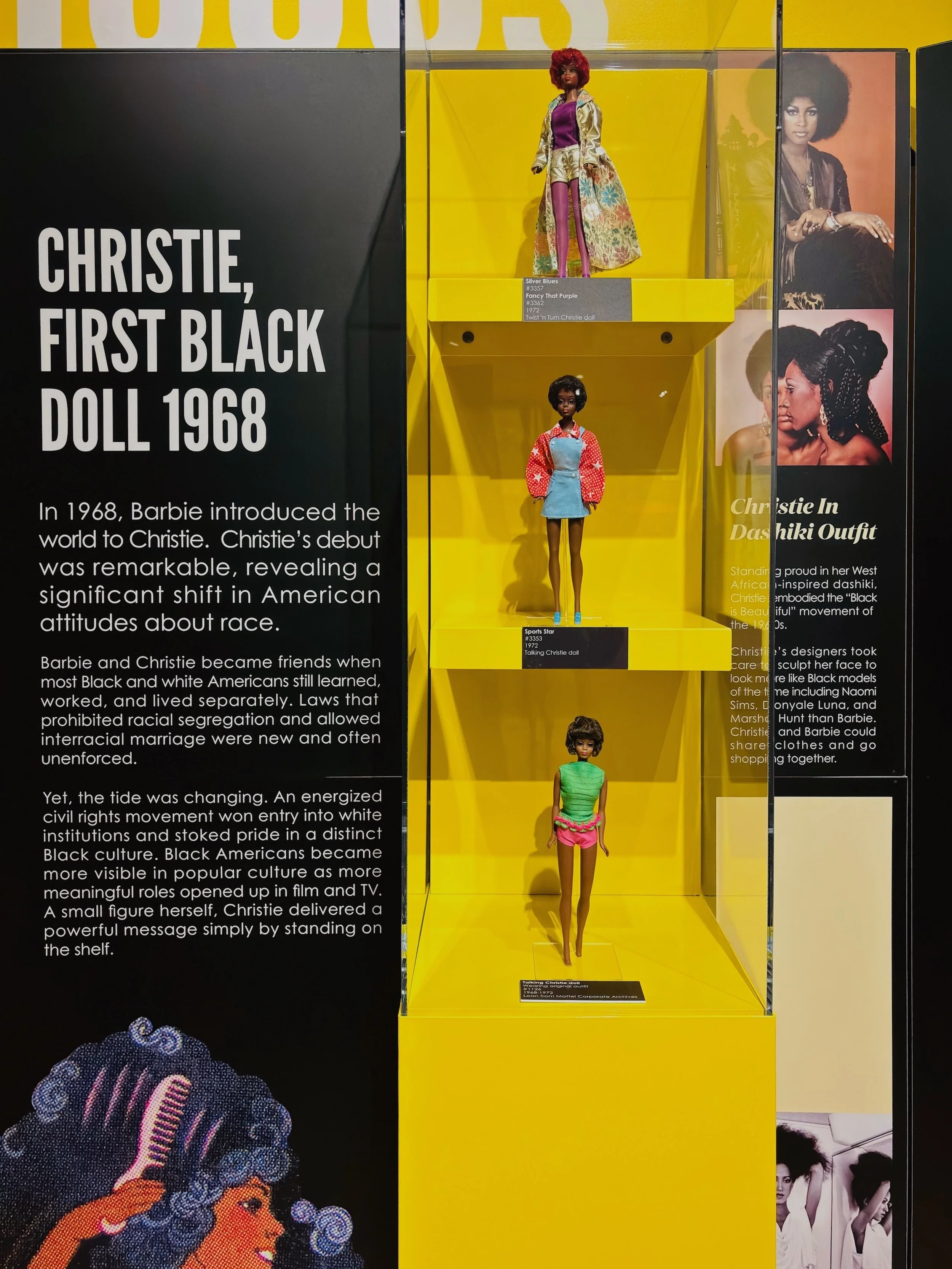
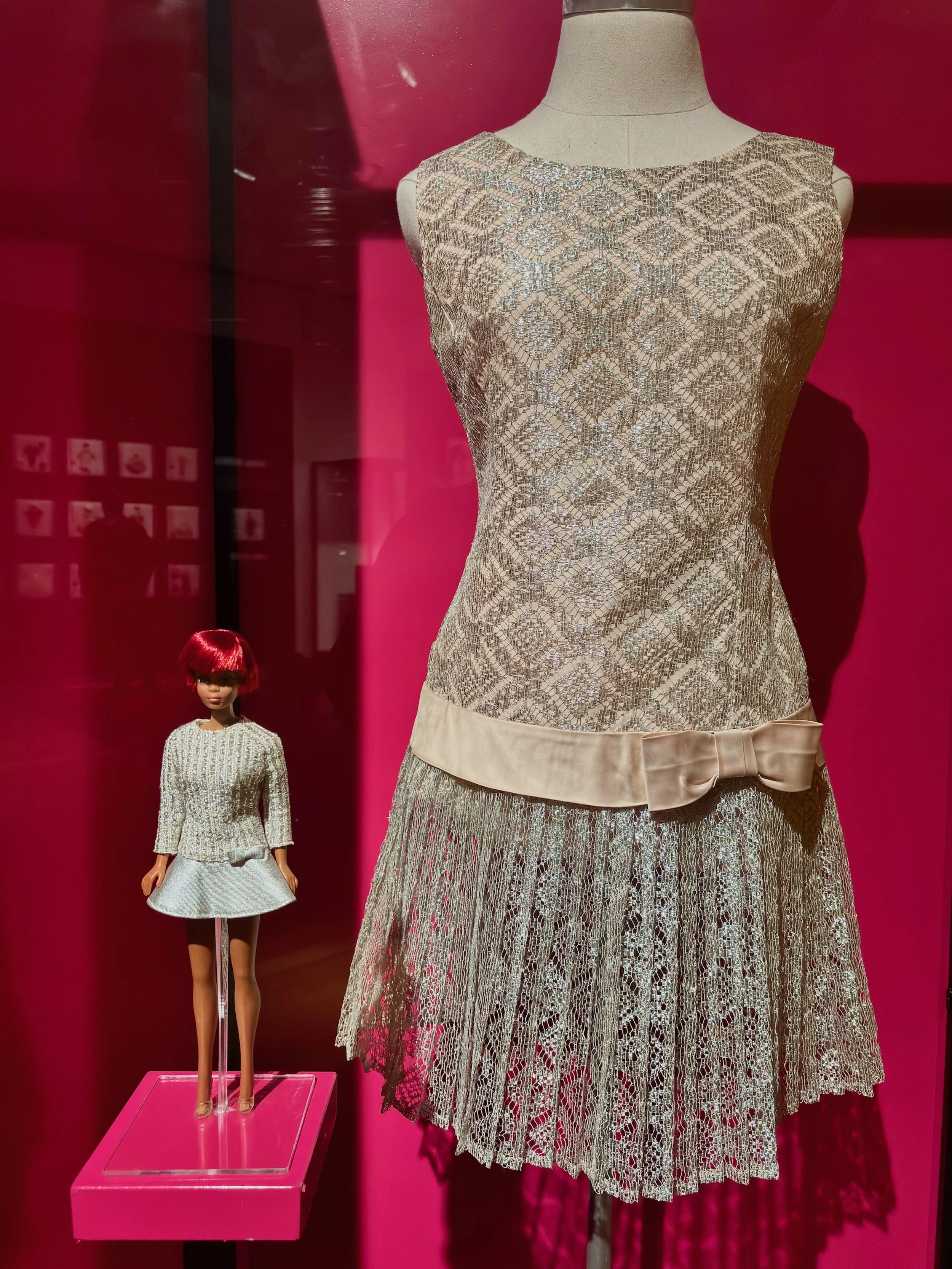
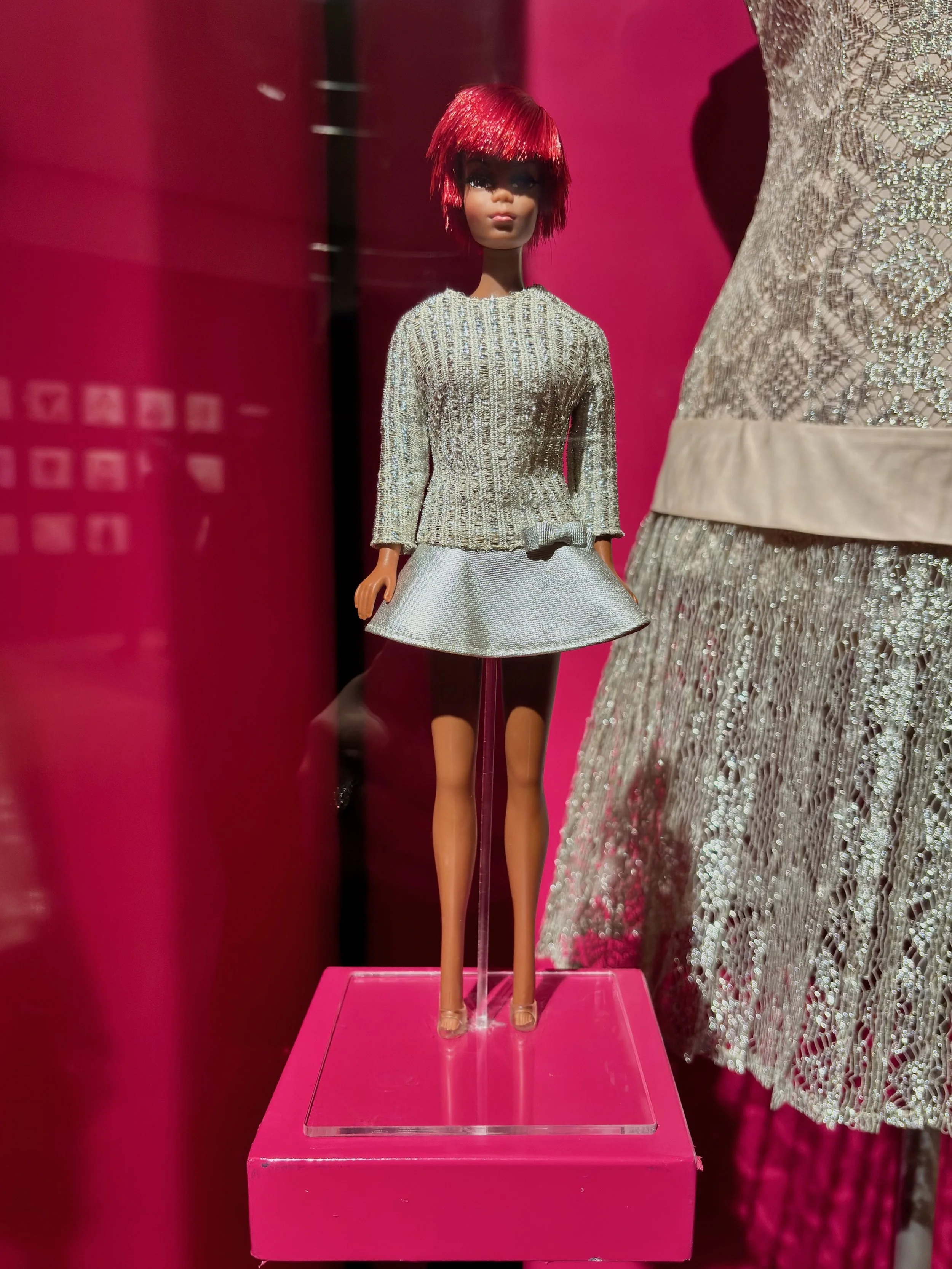
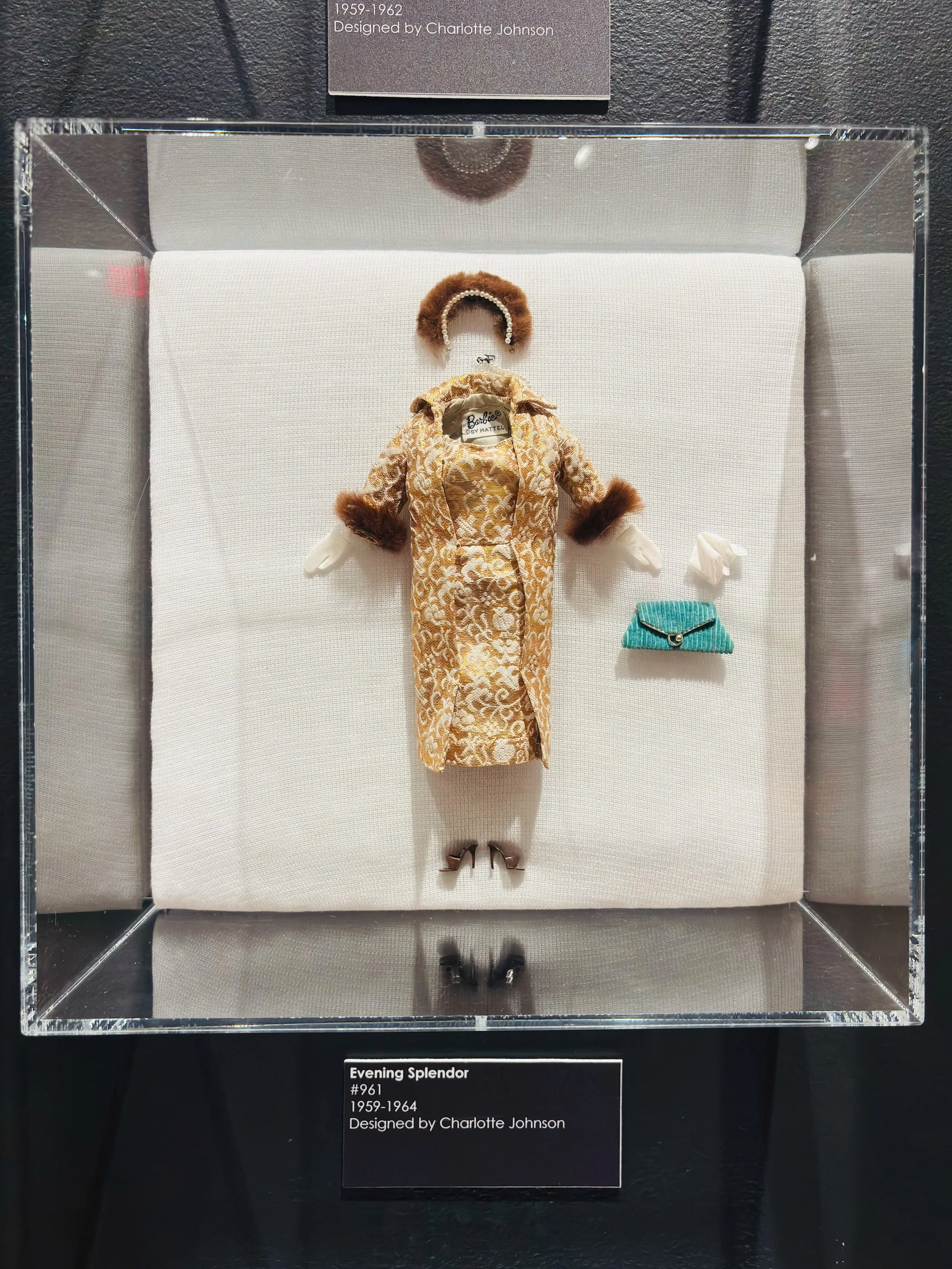
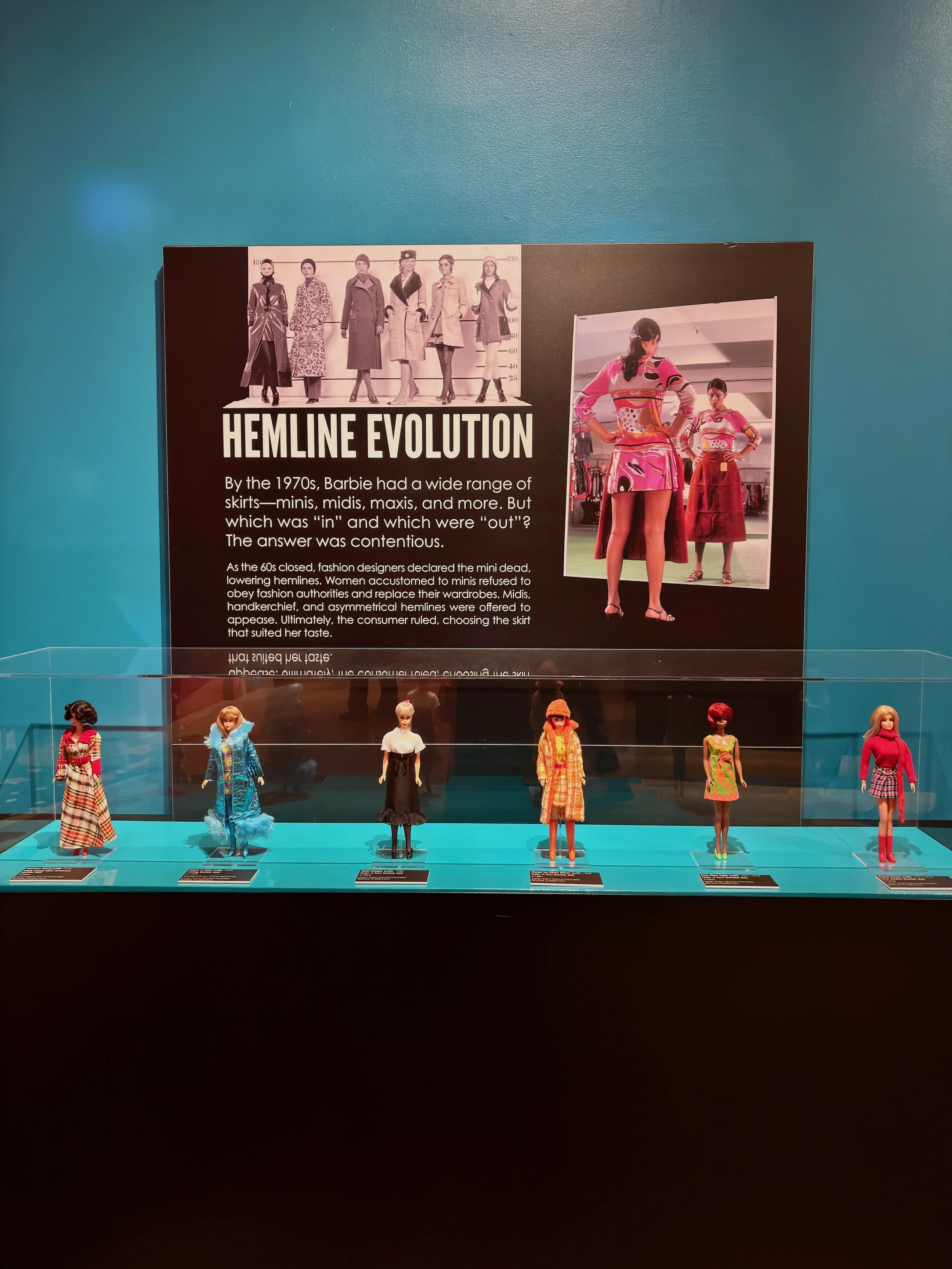
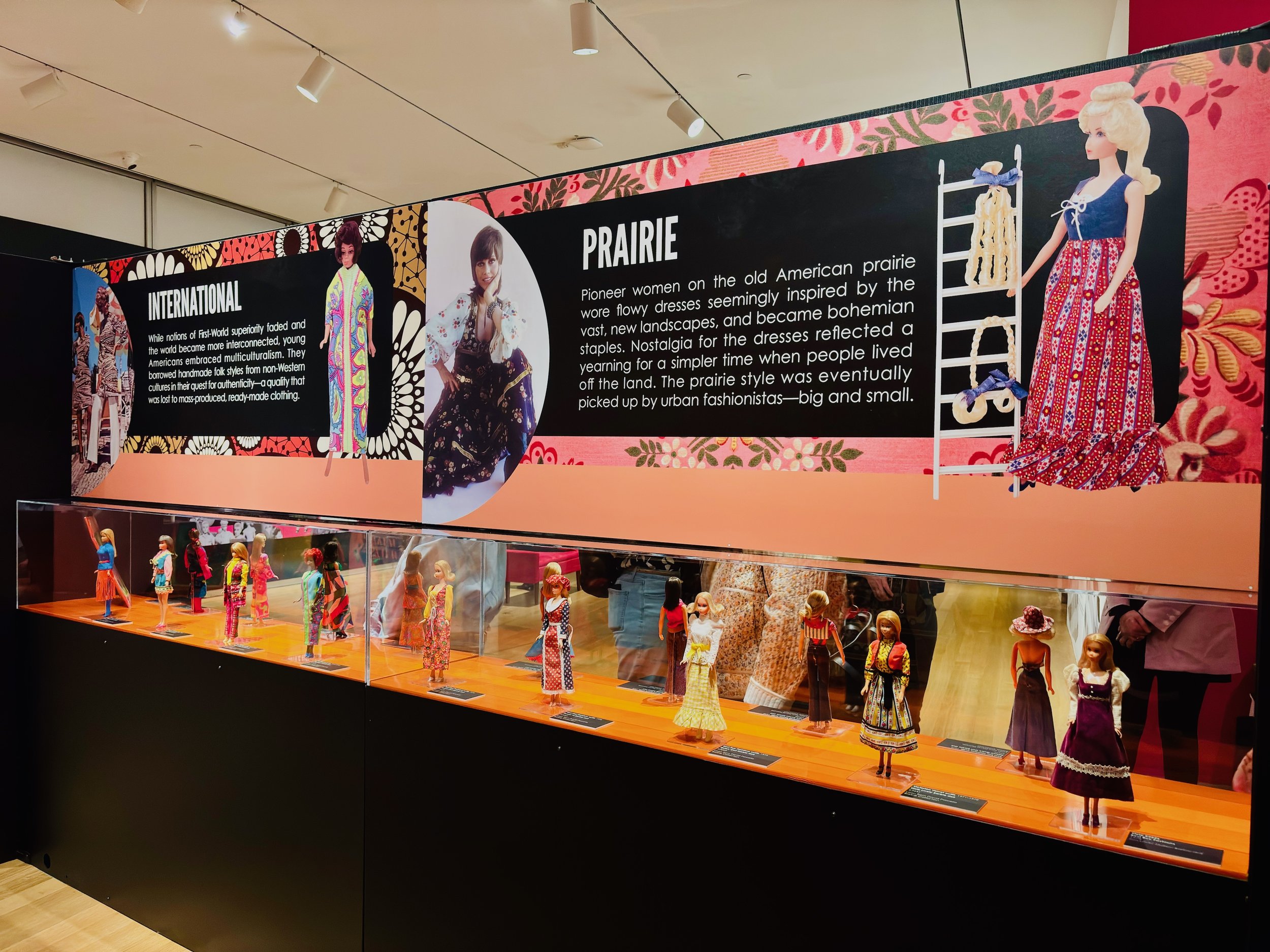
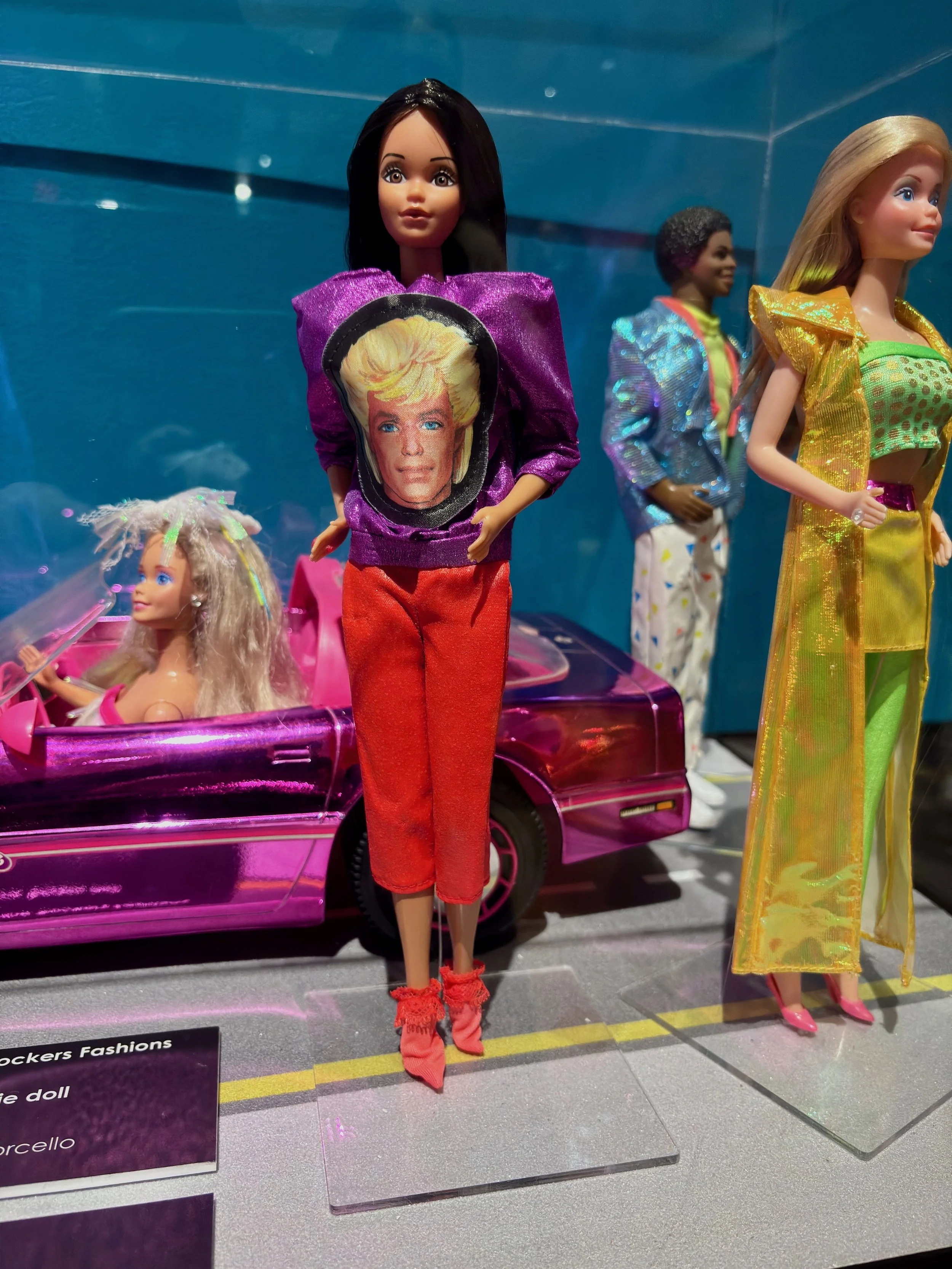
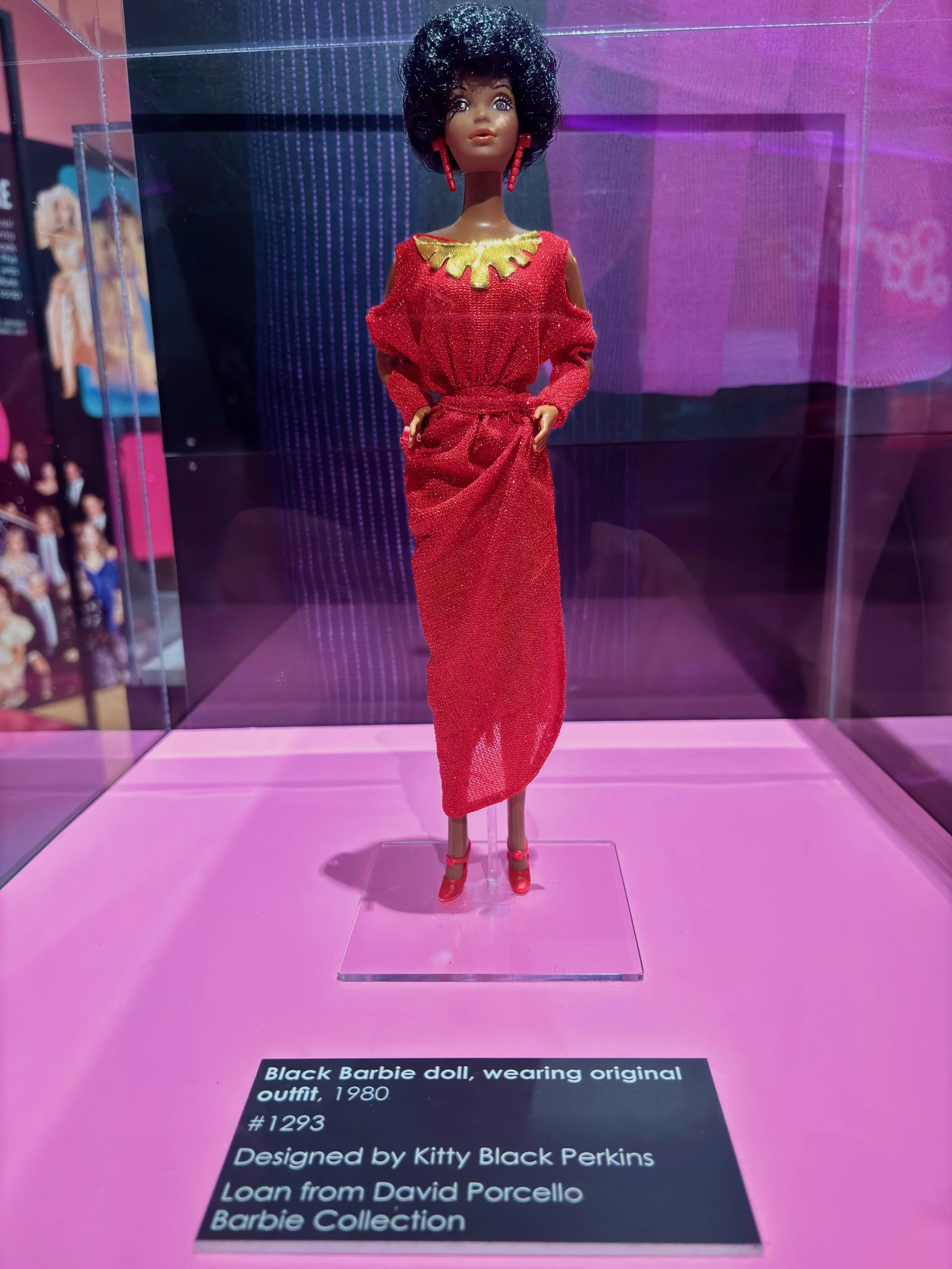
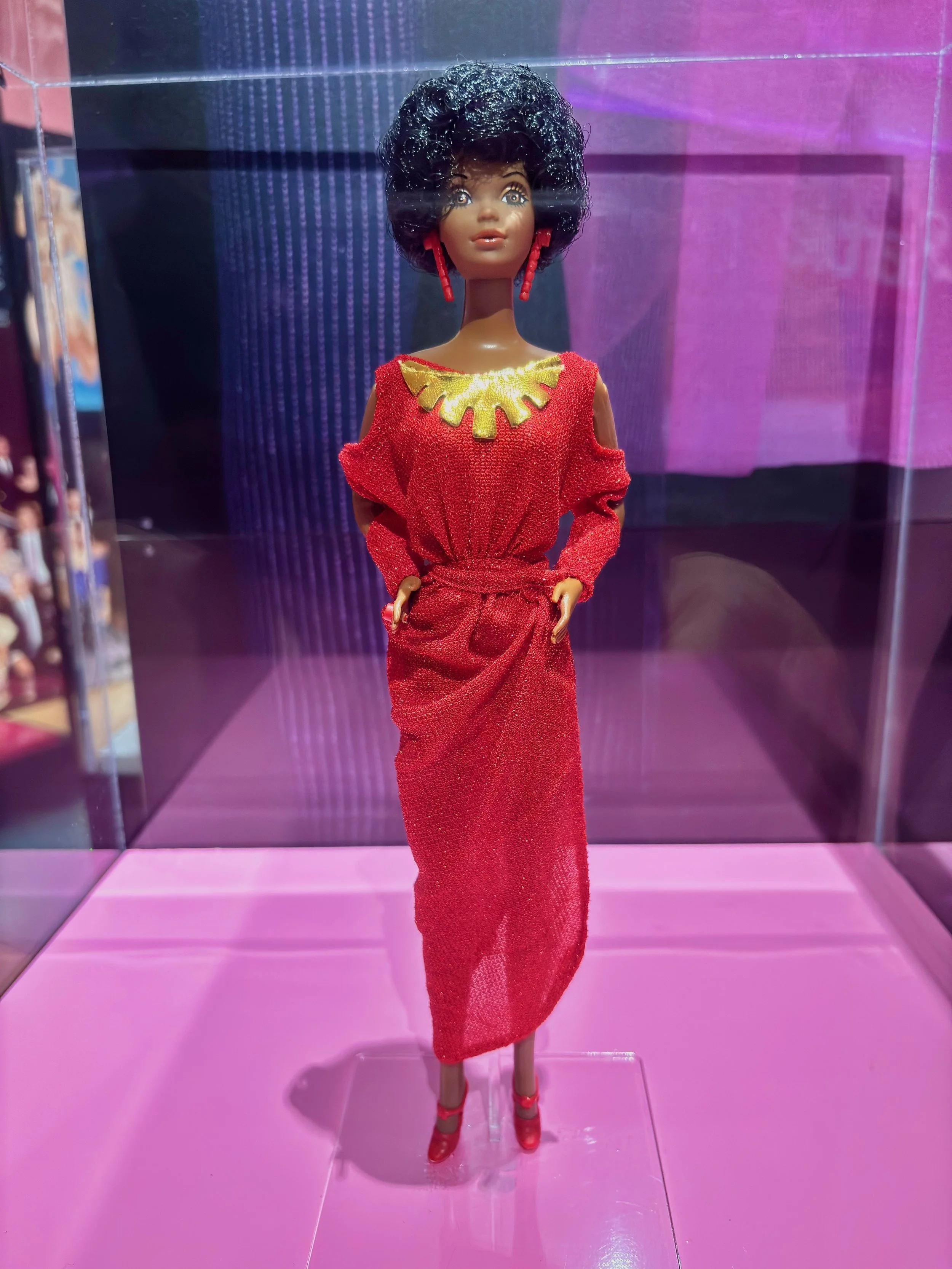
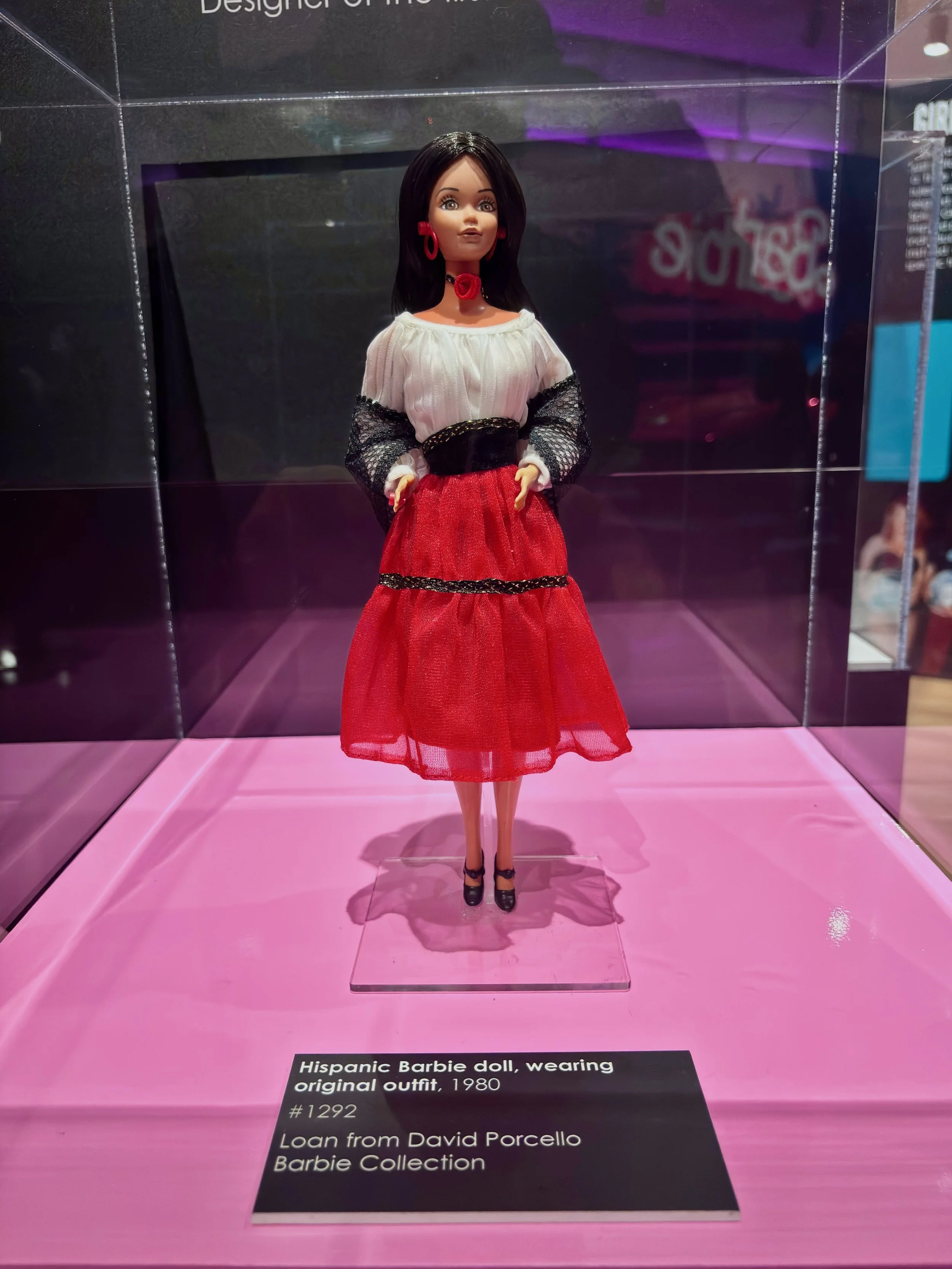
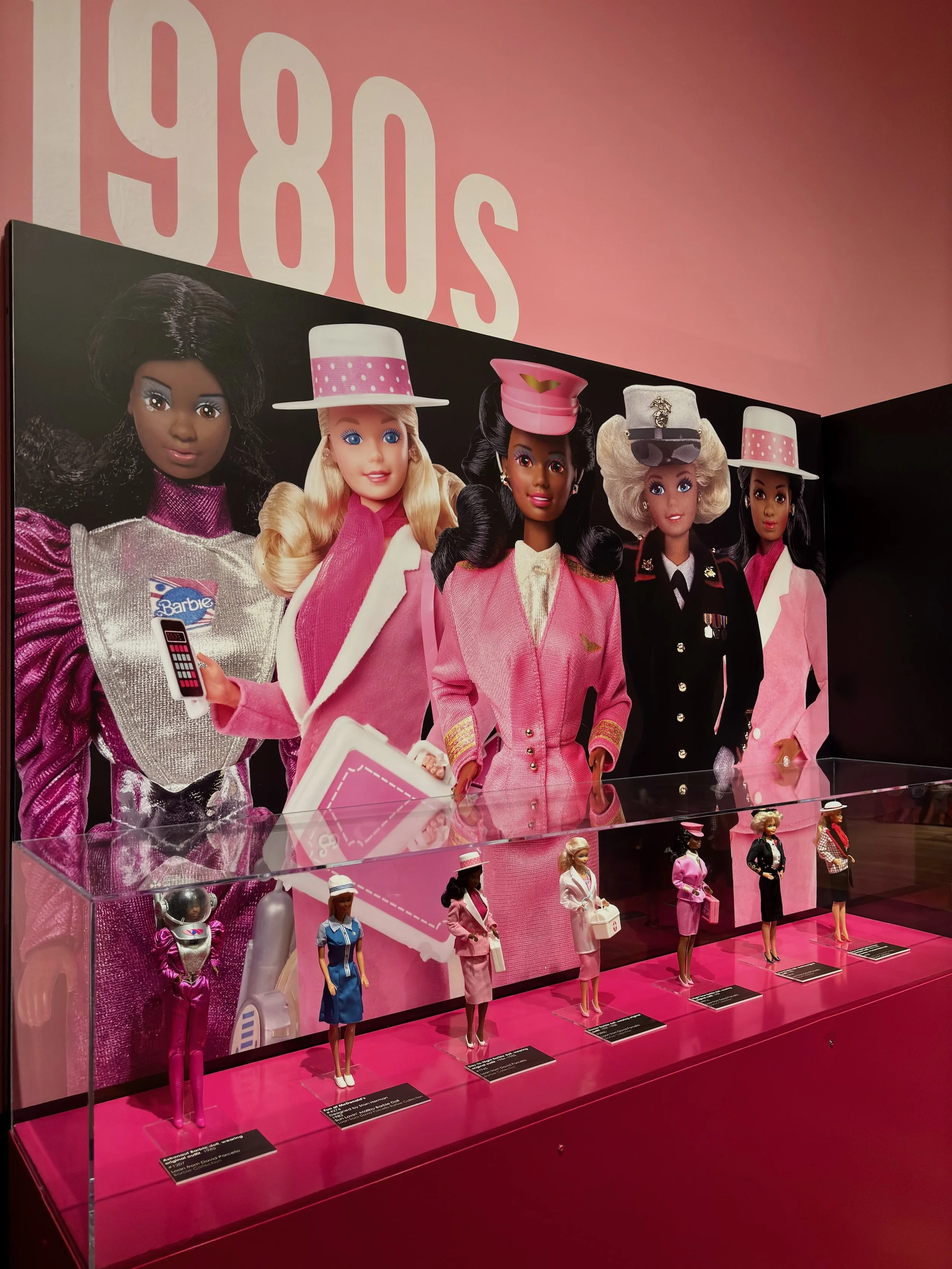
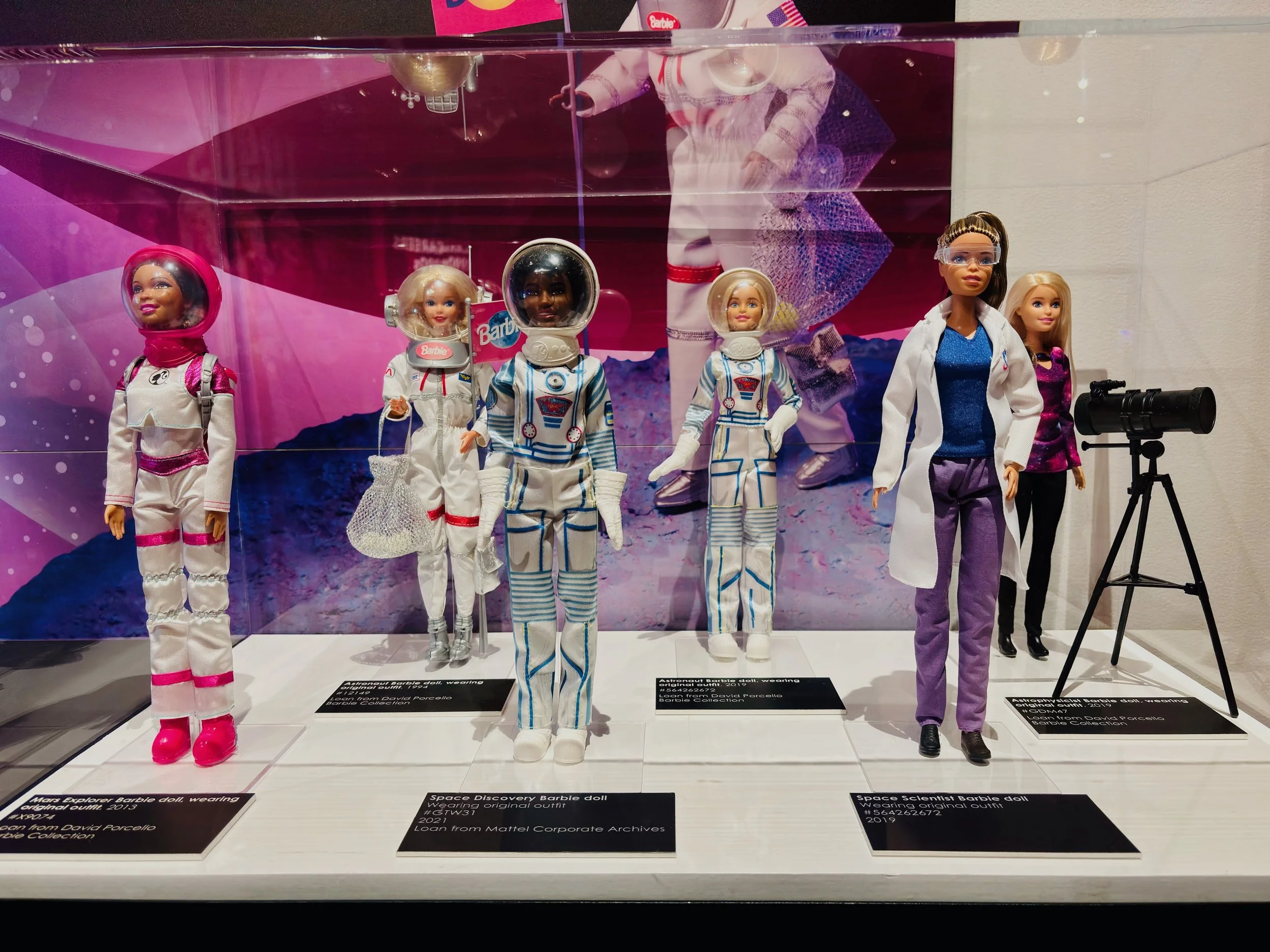
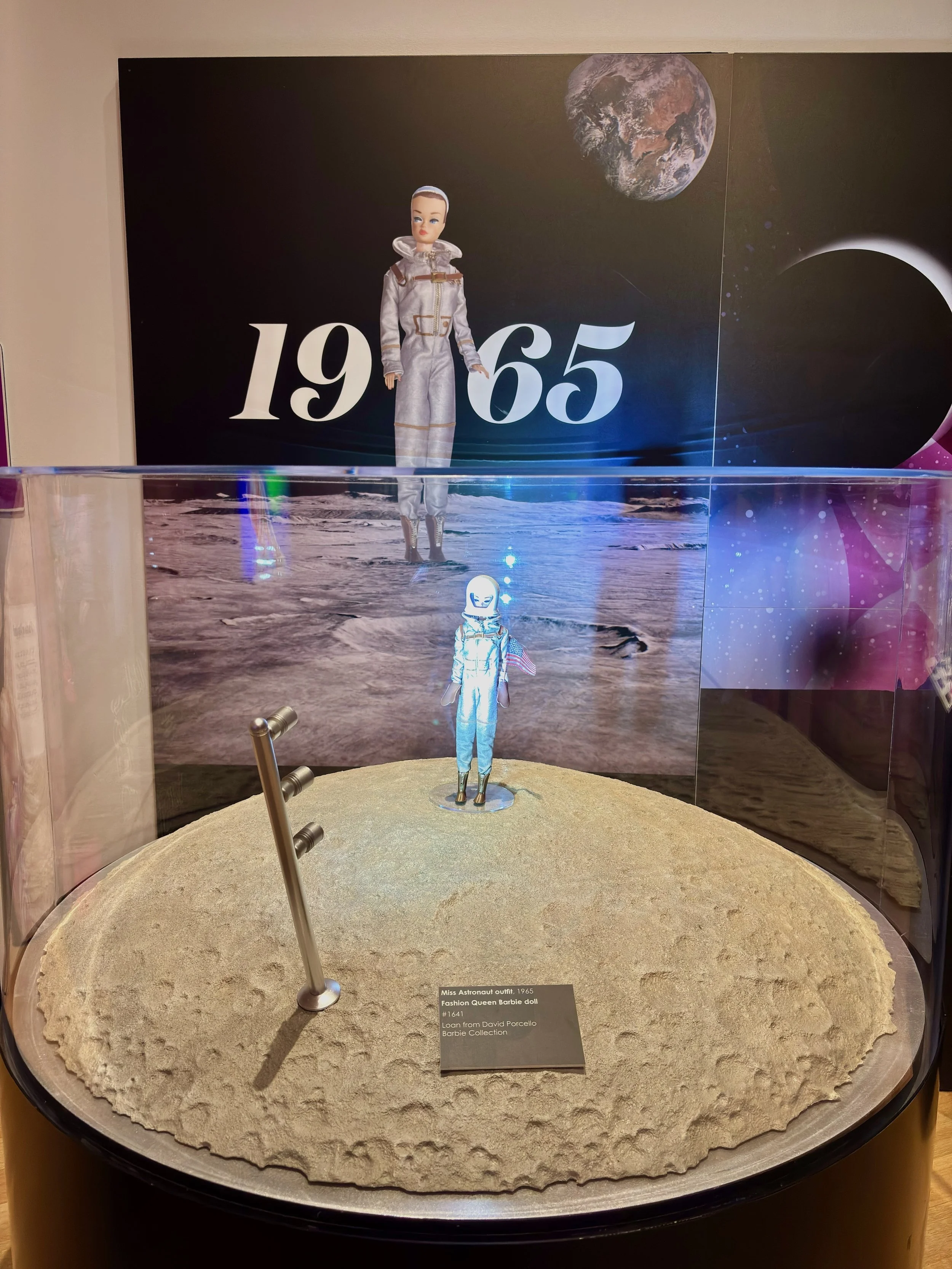
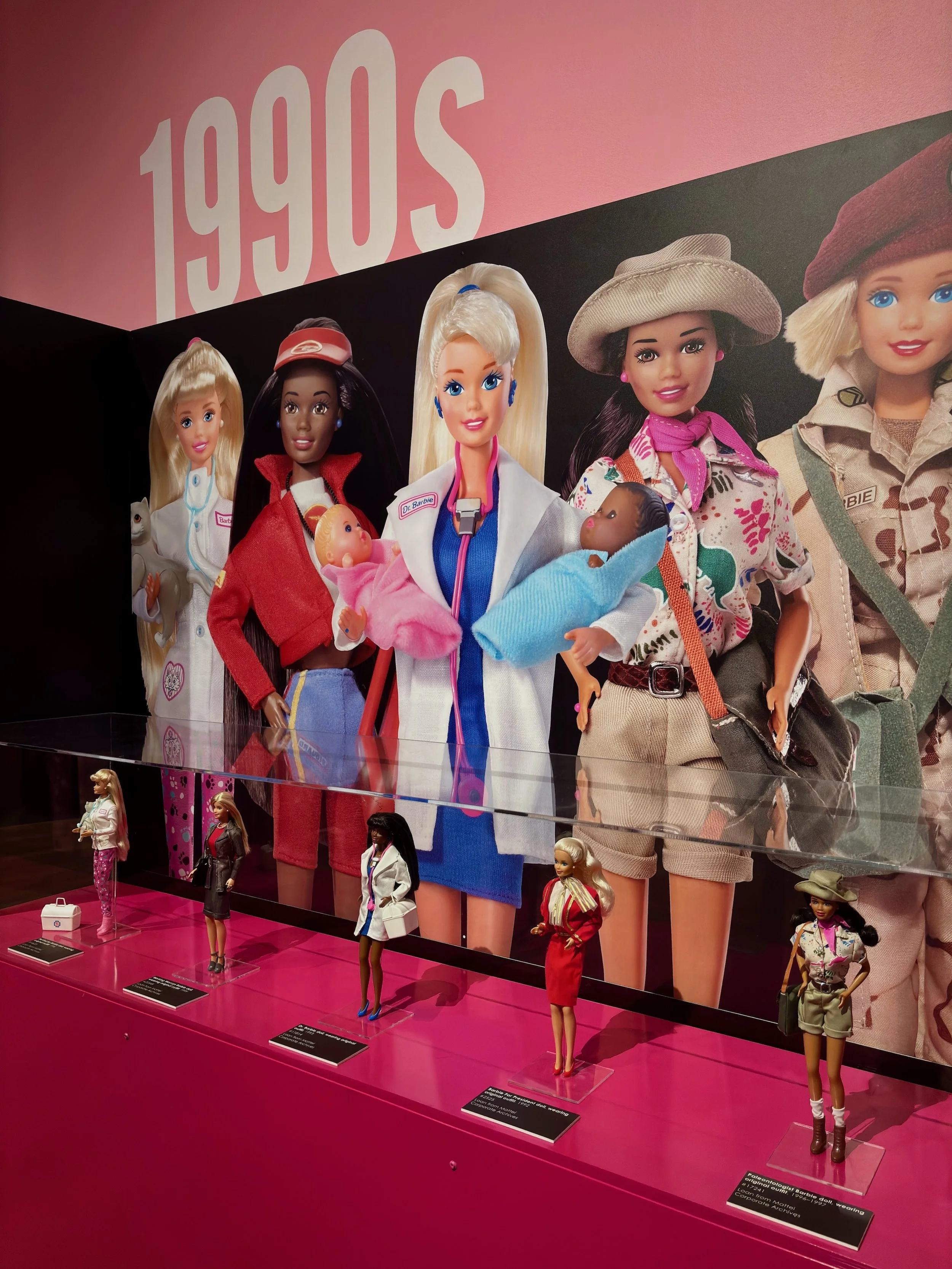
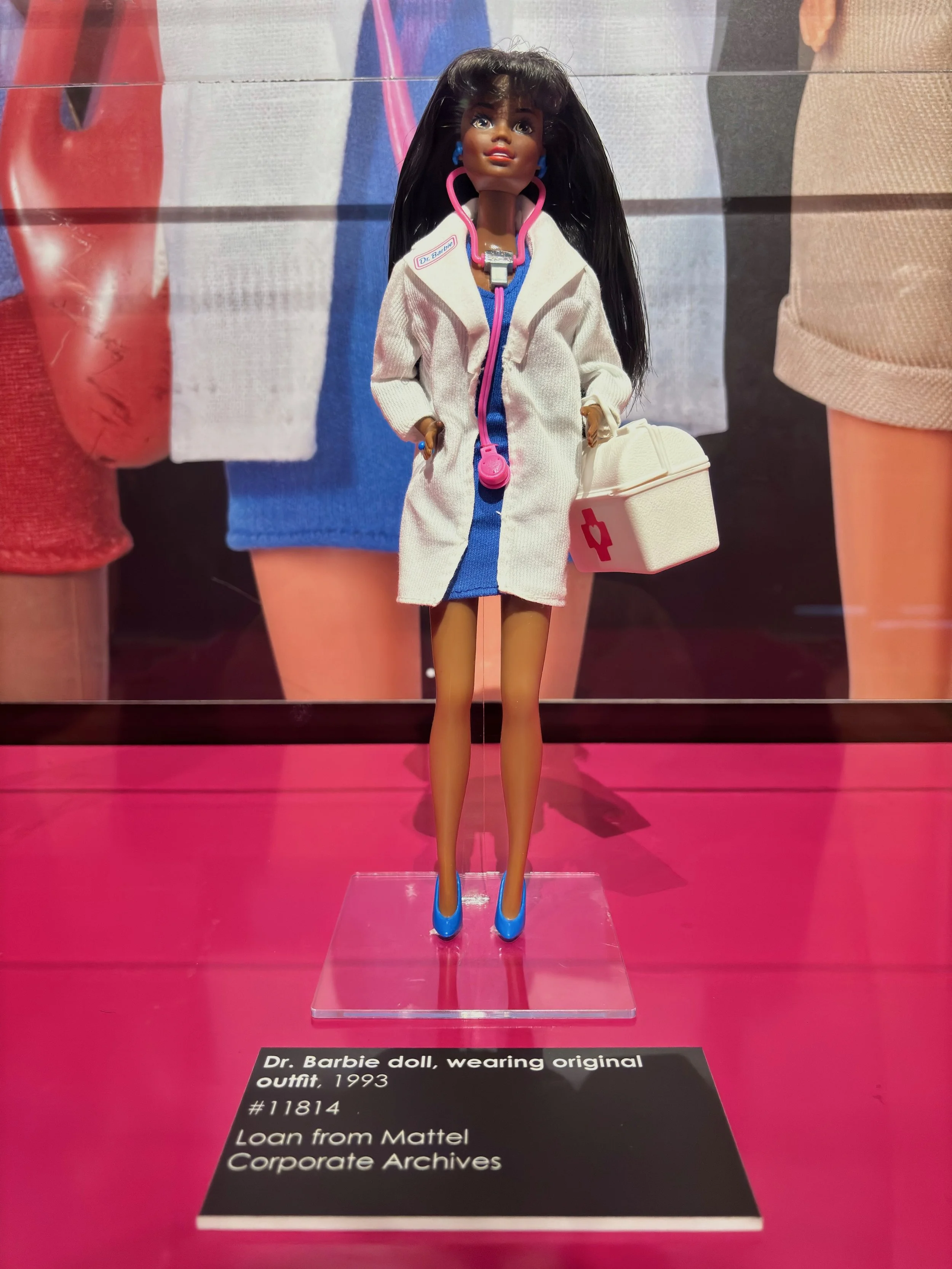
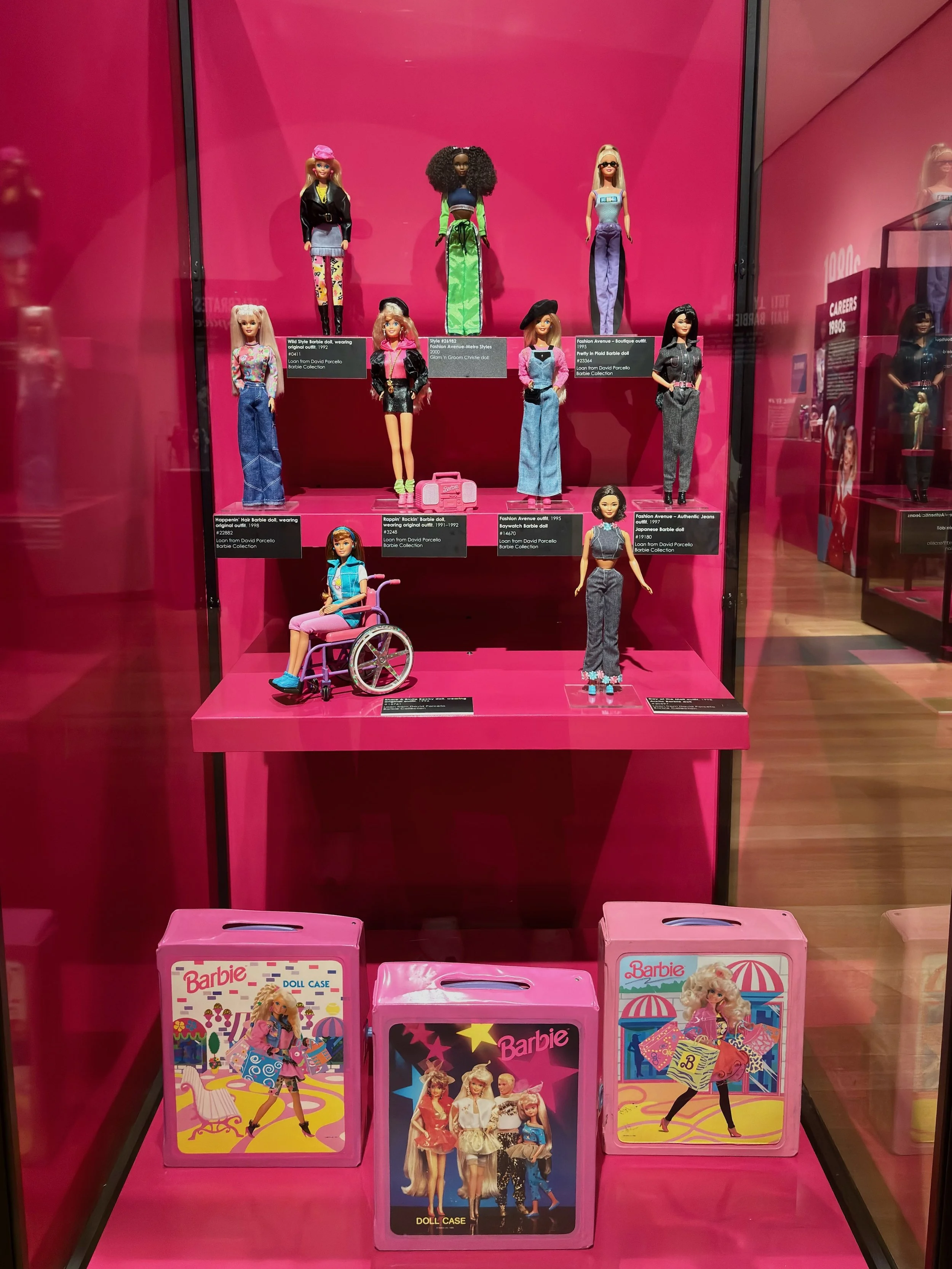
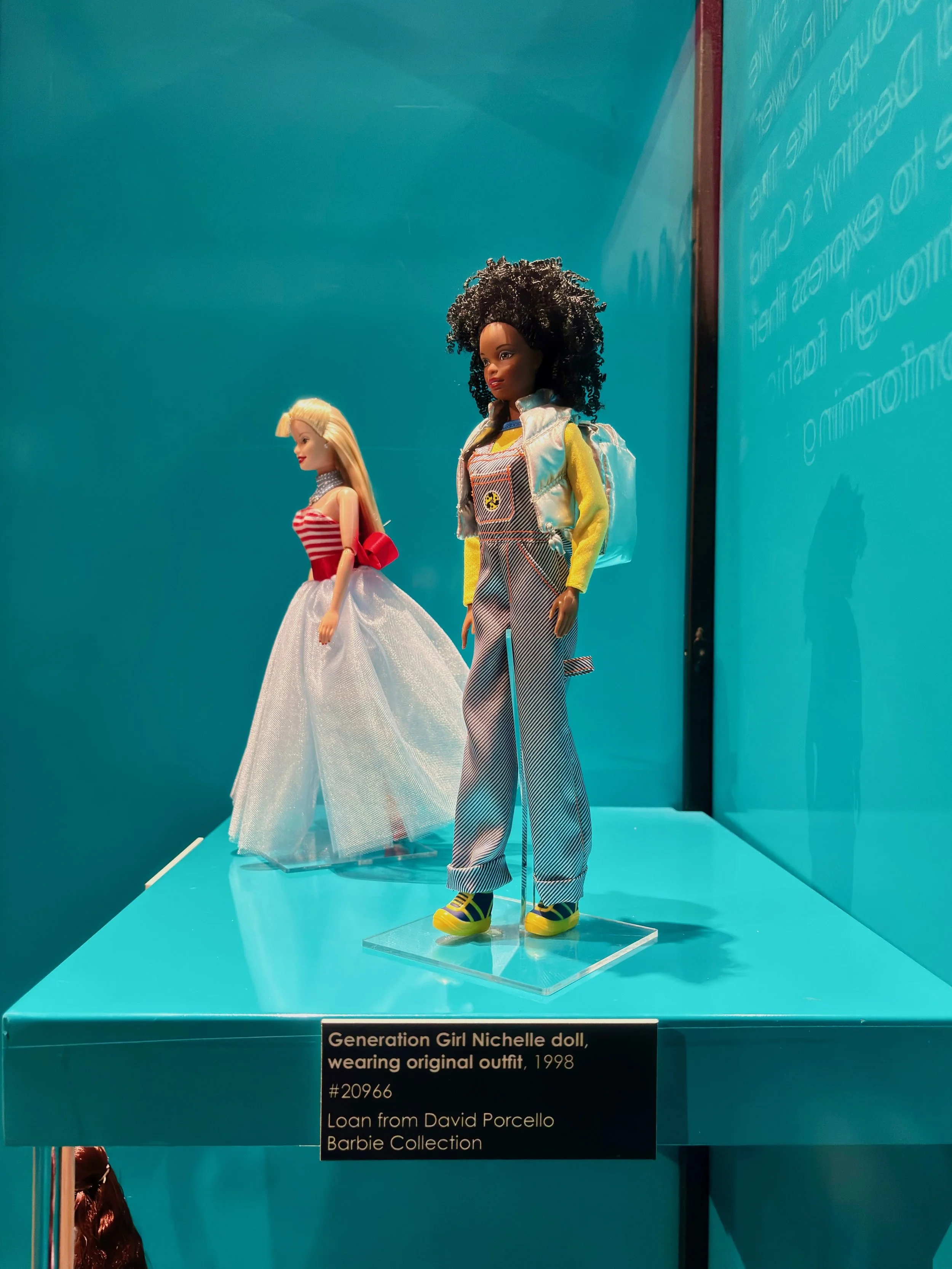
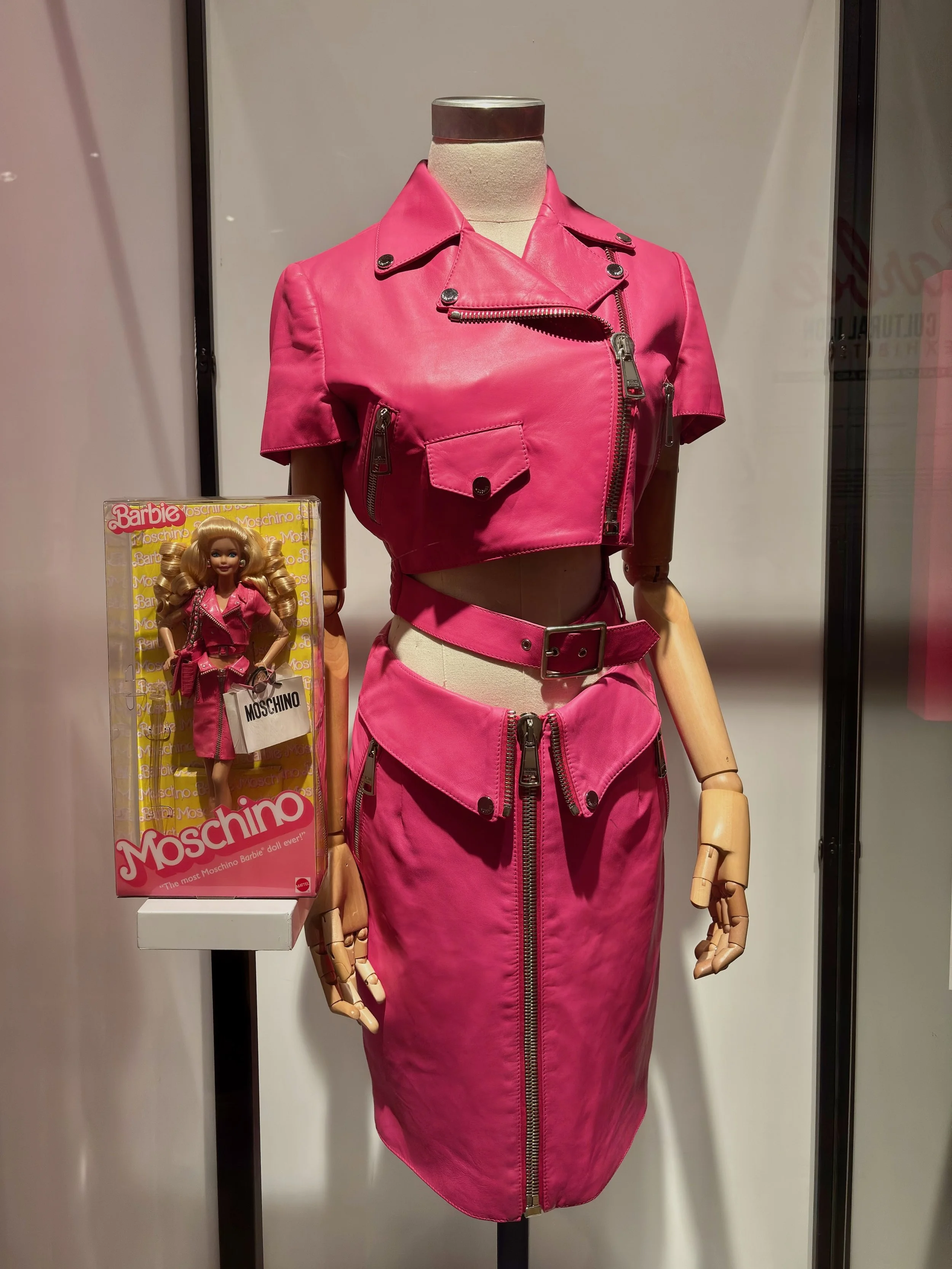
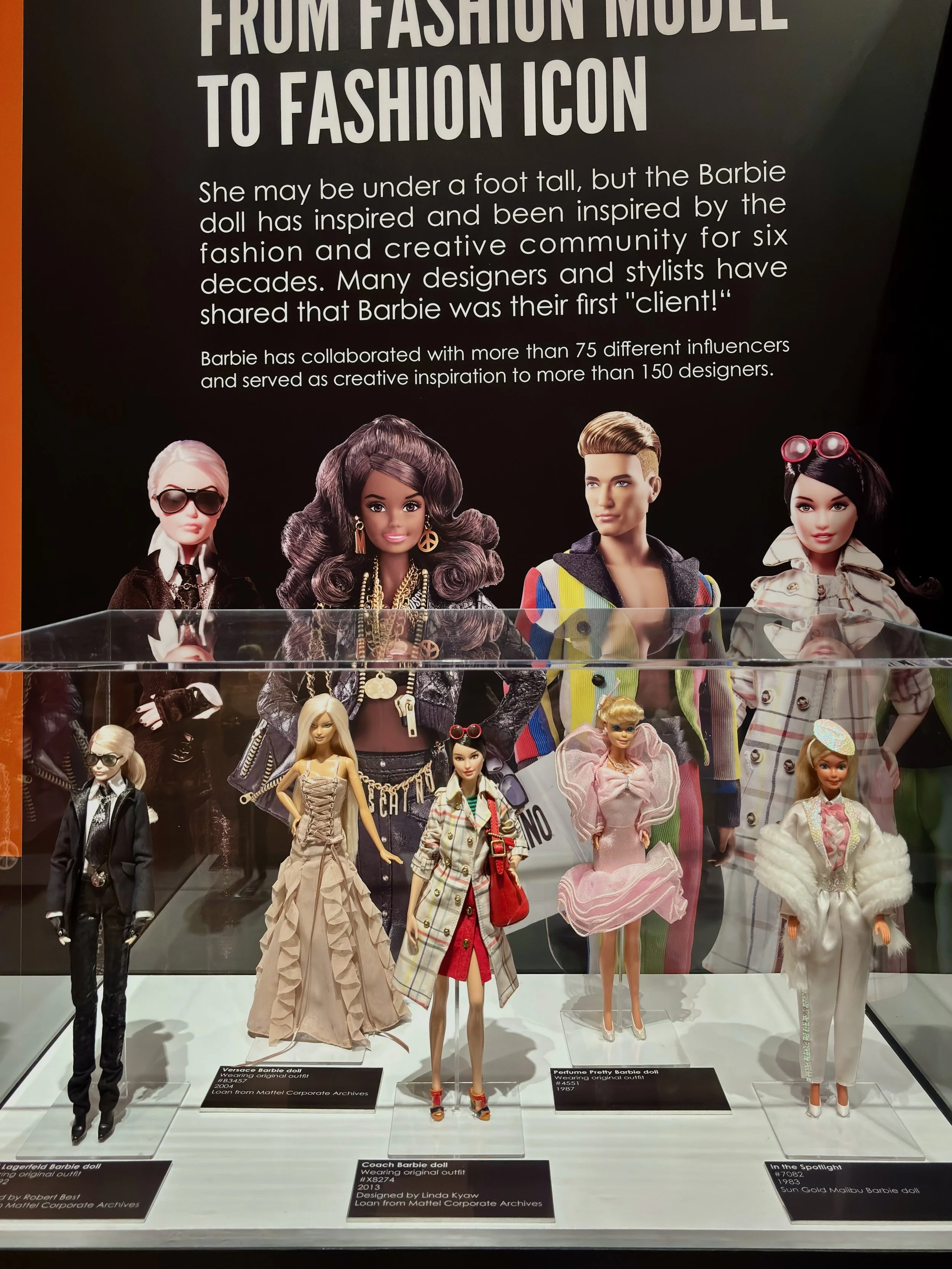
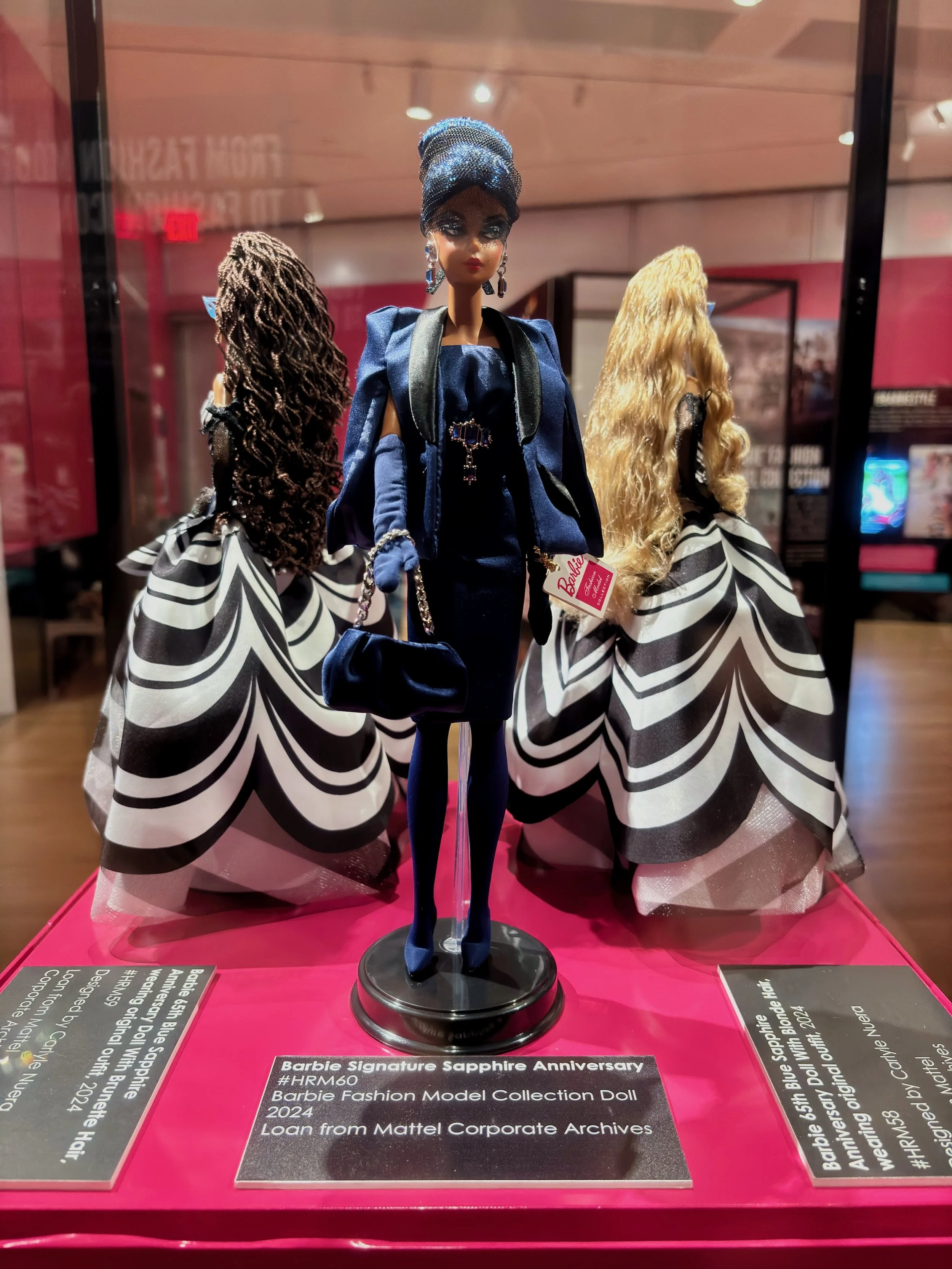
At the Museum of Arts and Design, Barbie®: A Cultural Icon, on view from October 19, 2024 through March 16, 2025, takes us on a colorful journey through more than six decades of Barbie's ever-changing world. From her earliest fashions to the many careers, identities, and styles she embraces over the years, the exhibition shows just how much can change around one remarkably familiar figure.

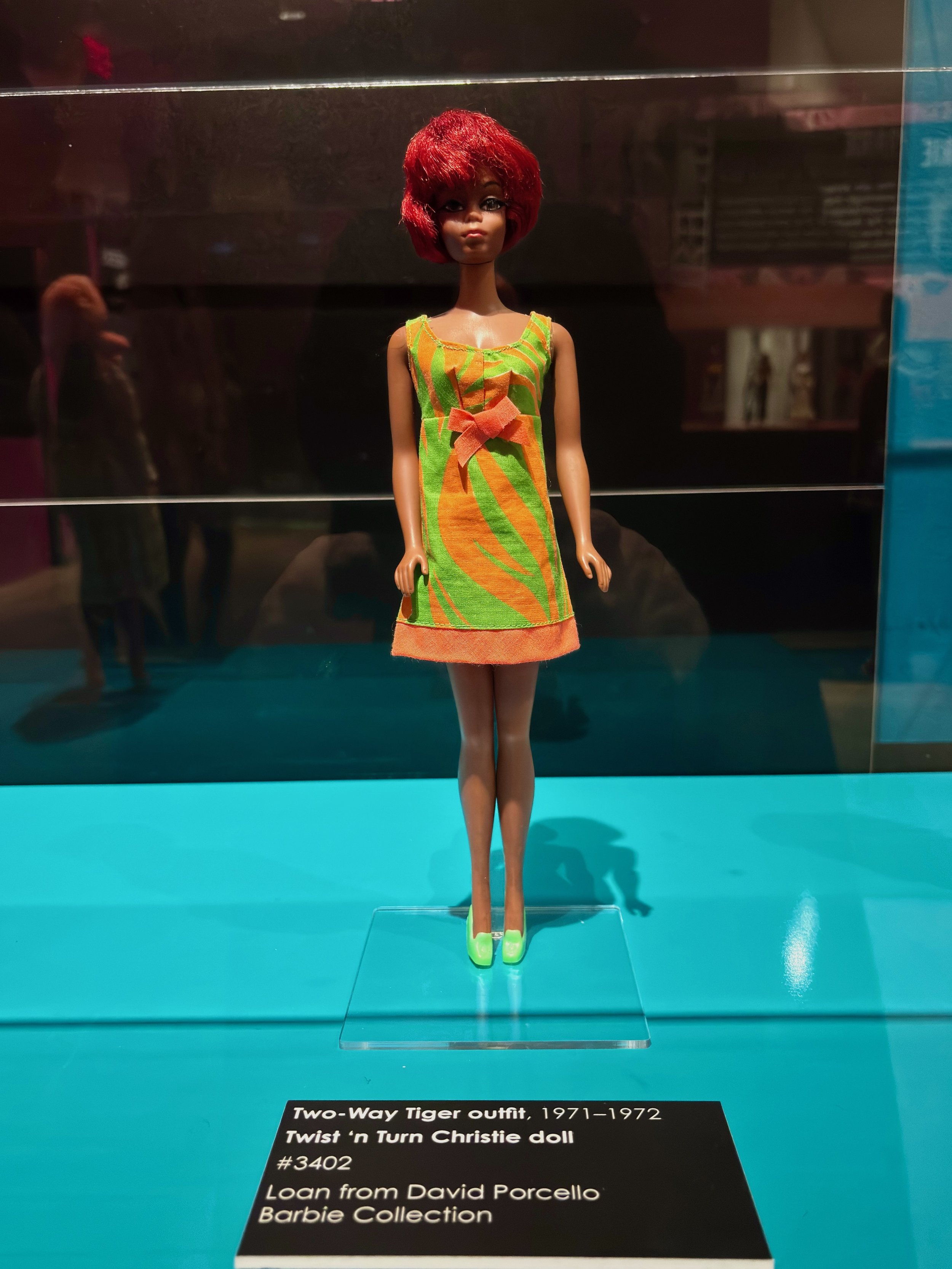
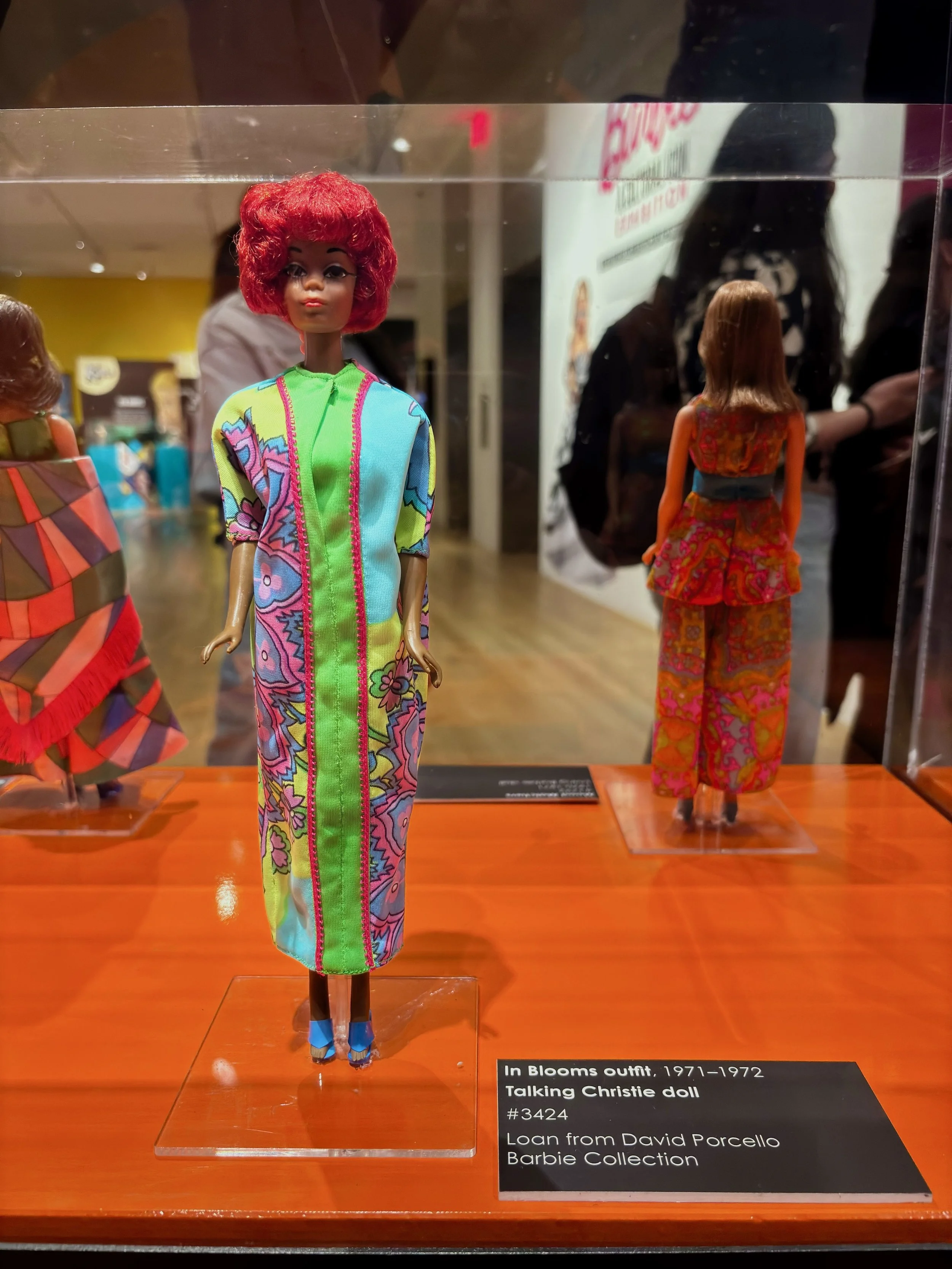
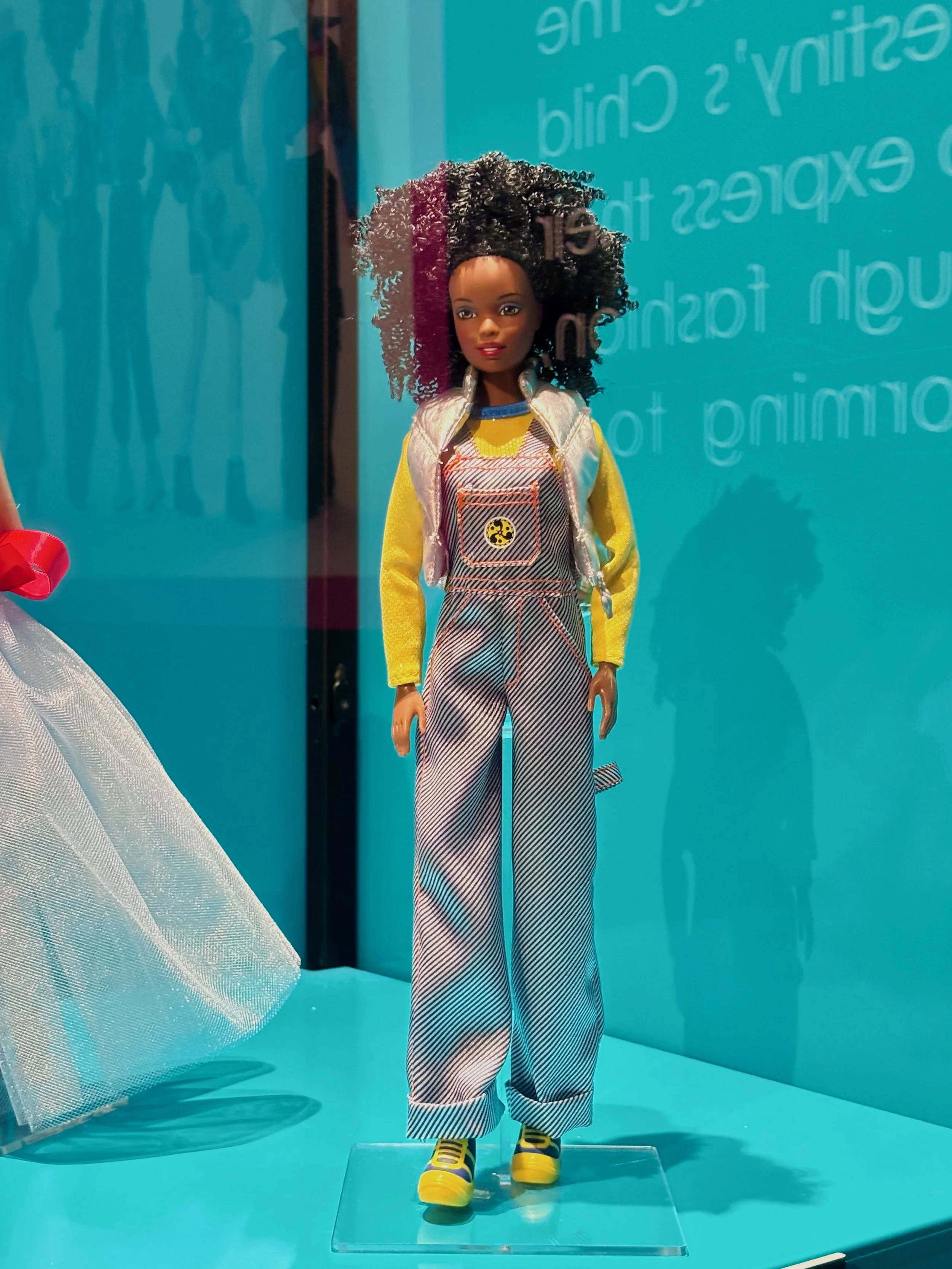
The fashion is, of course, part of the fun. Tiny ensembles capture the spirit of their eras, from the polished looks of the early years to the bold colors and unmistakable styles of the 1970s, 1980s, and 1990s. The details are irresistible, and we find ourselves looking closely at everything from shoes and accessories to hairstyles and silhouettes.

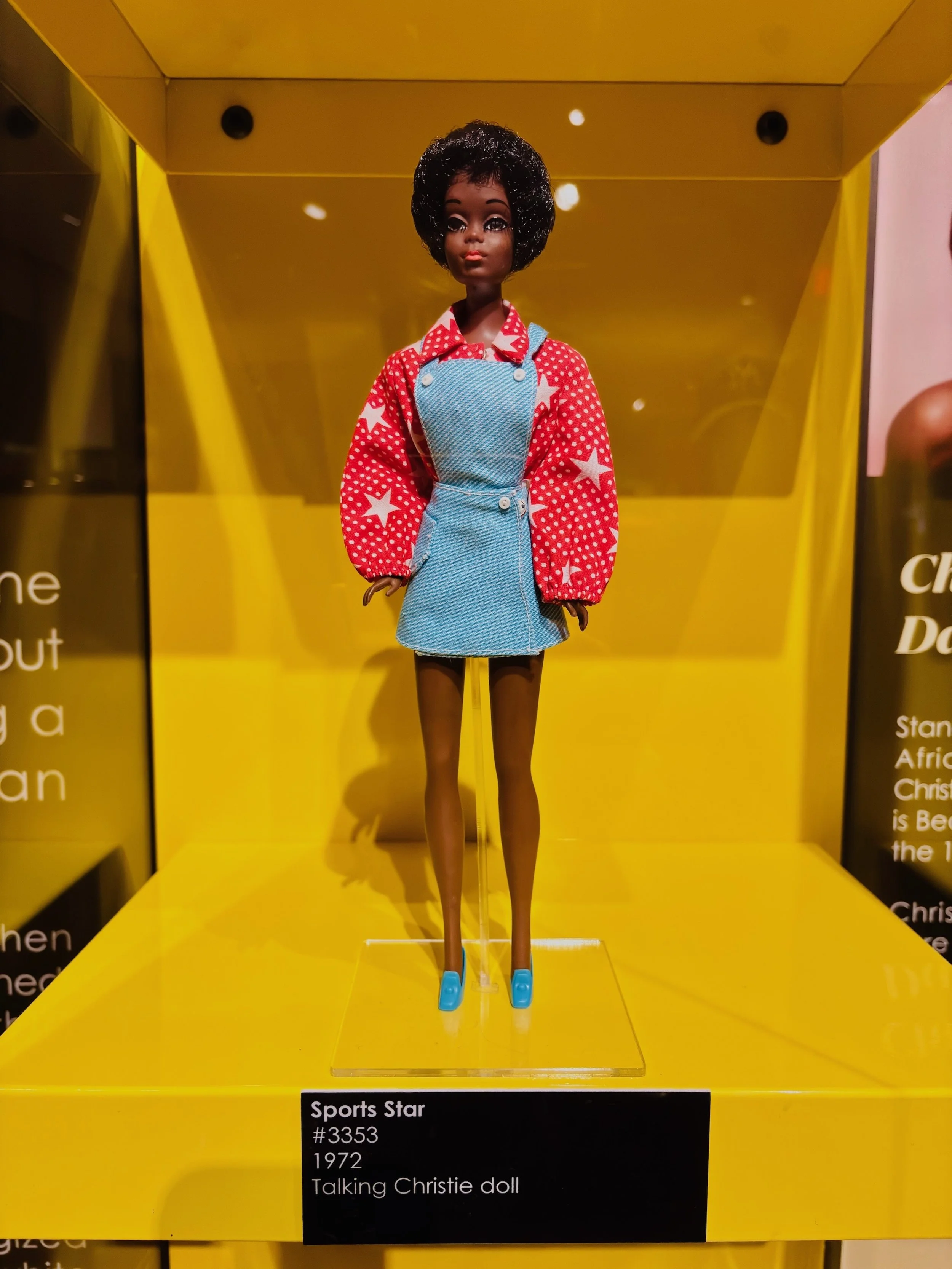
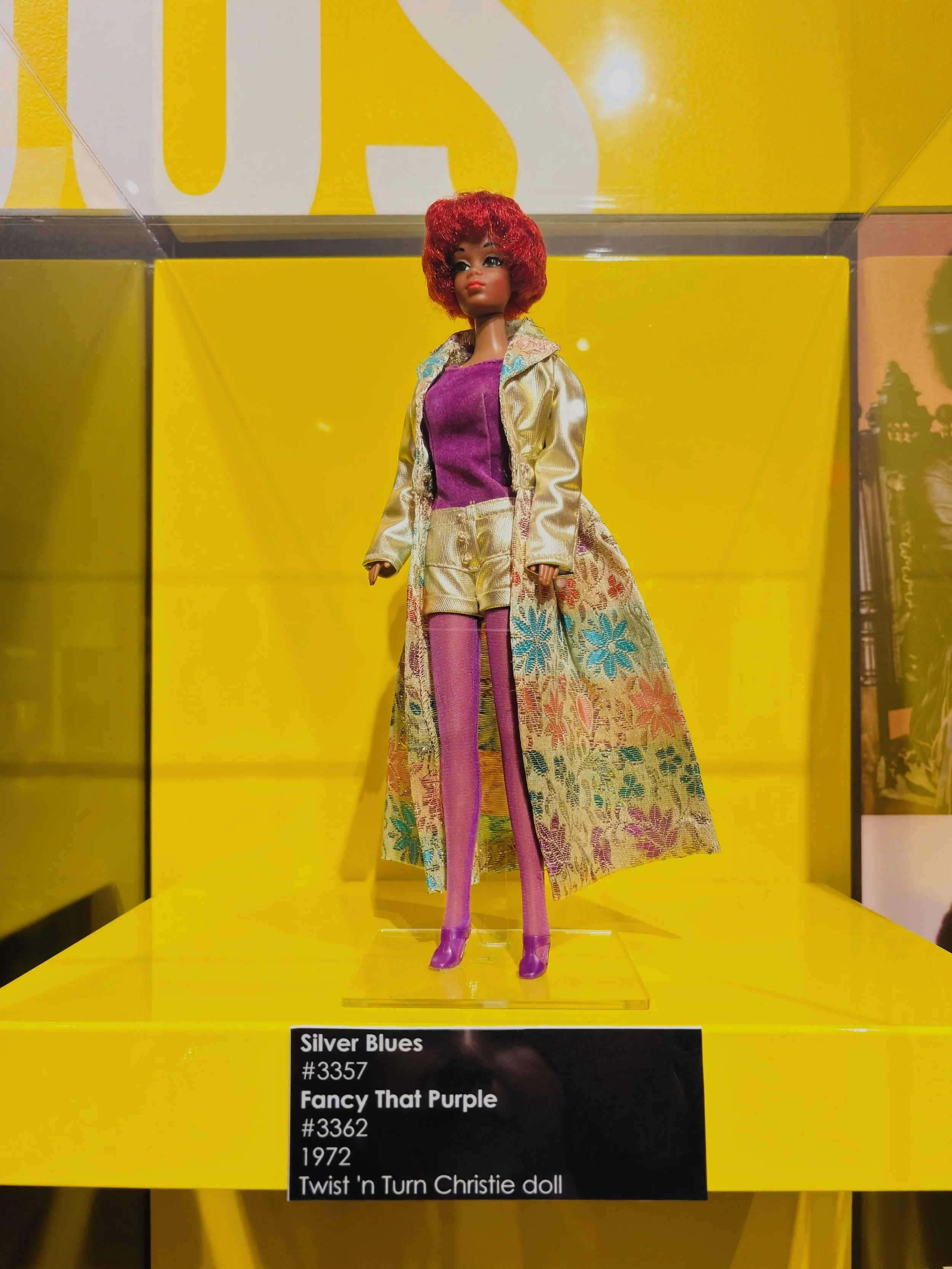
We have more than 70 photographs to share from our visit, a reflection of just how much we want to remember from this wonderfully nostalgic exhibition. The images capture the visual delight of the dolls, fashions, and larger-than-life moments that make the exhibition so enjoyable to explore. There is something wonderfully nostalgic about seeing these familiar faces and outfits again, while also discovering versions of Barbie that reflect how ideas of beauty, identity, and possibility continue to evolve.

What makes the exhibition work so well is that it does not ask us to take Barbie too seriously. It lets us enjoy her. We can admire the clothes, remember the dolls we once loved and desperately wanted to own, marvel at the details, and appreciate how this small figure becomes such a lasting part of popular culture.

A little fashion, a little nostalgia, and a lot of pink. Sometimes an exhibition can simply be fun, and Barbie®: A Cultural Icon gives us every reason to enjoy it.

Comment

Lillie P. Bliss at MoMA: The Woman Behind Modern Art’s Rise

Comment

Lillie P. Bliss at MoMA: The Woman Behind Modern Art’s Rise

Some exhibitions celebrate artists. This one at MoMA quietly honors one of the founders who believed in them before the rest of the world did.

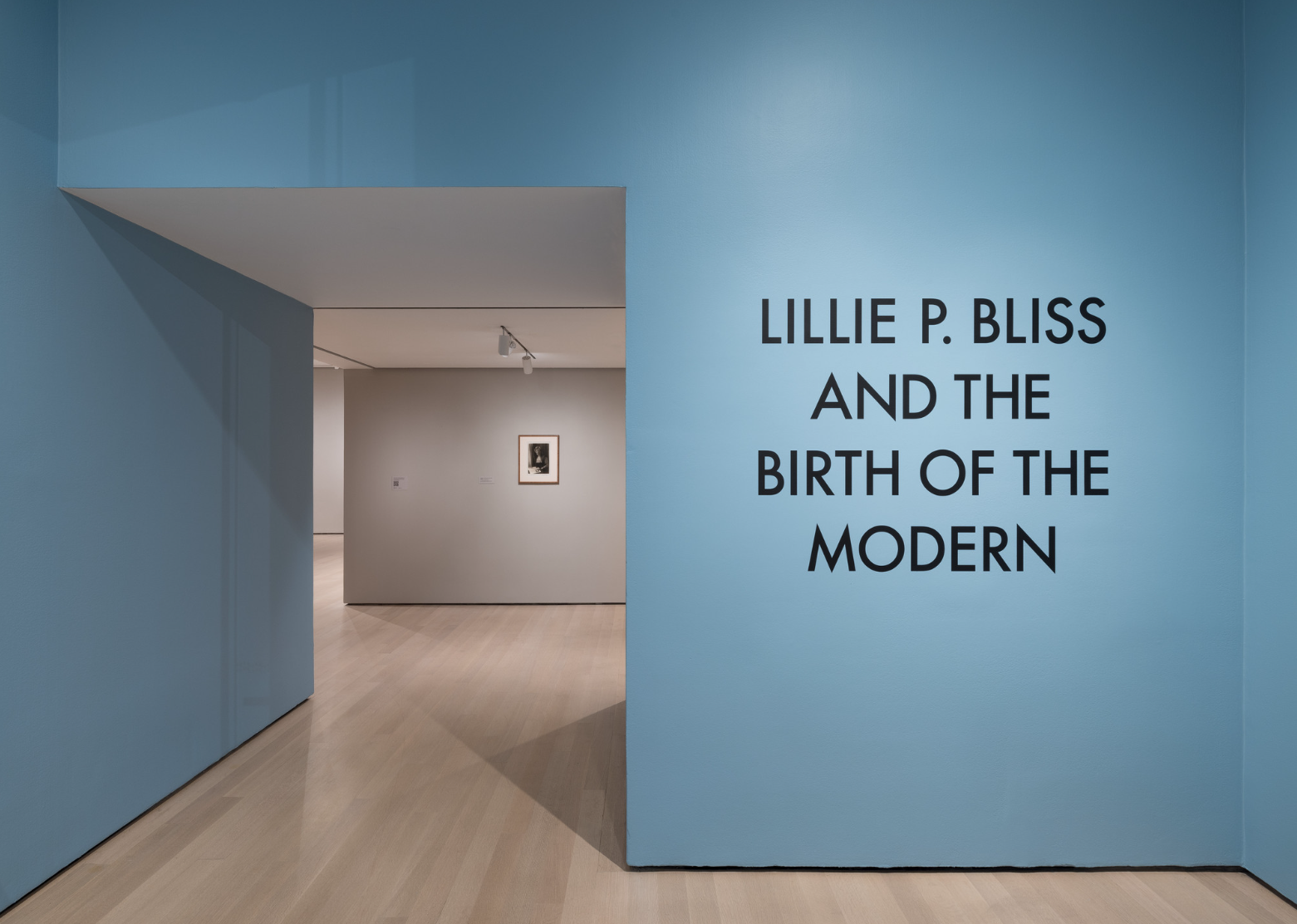
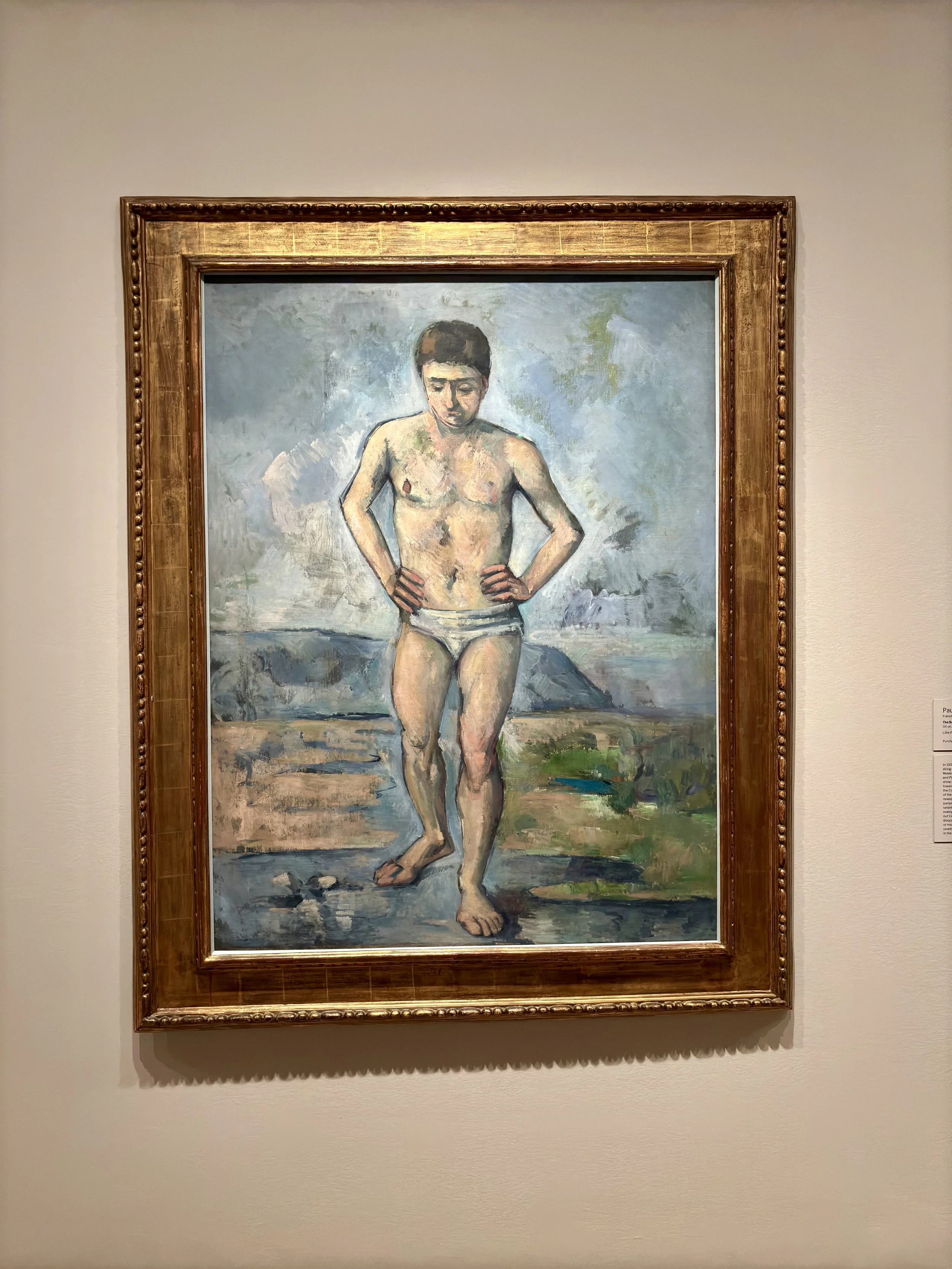
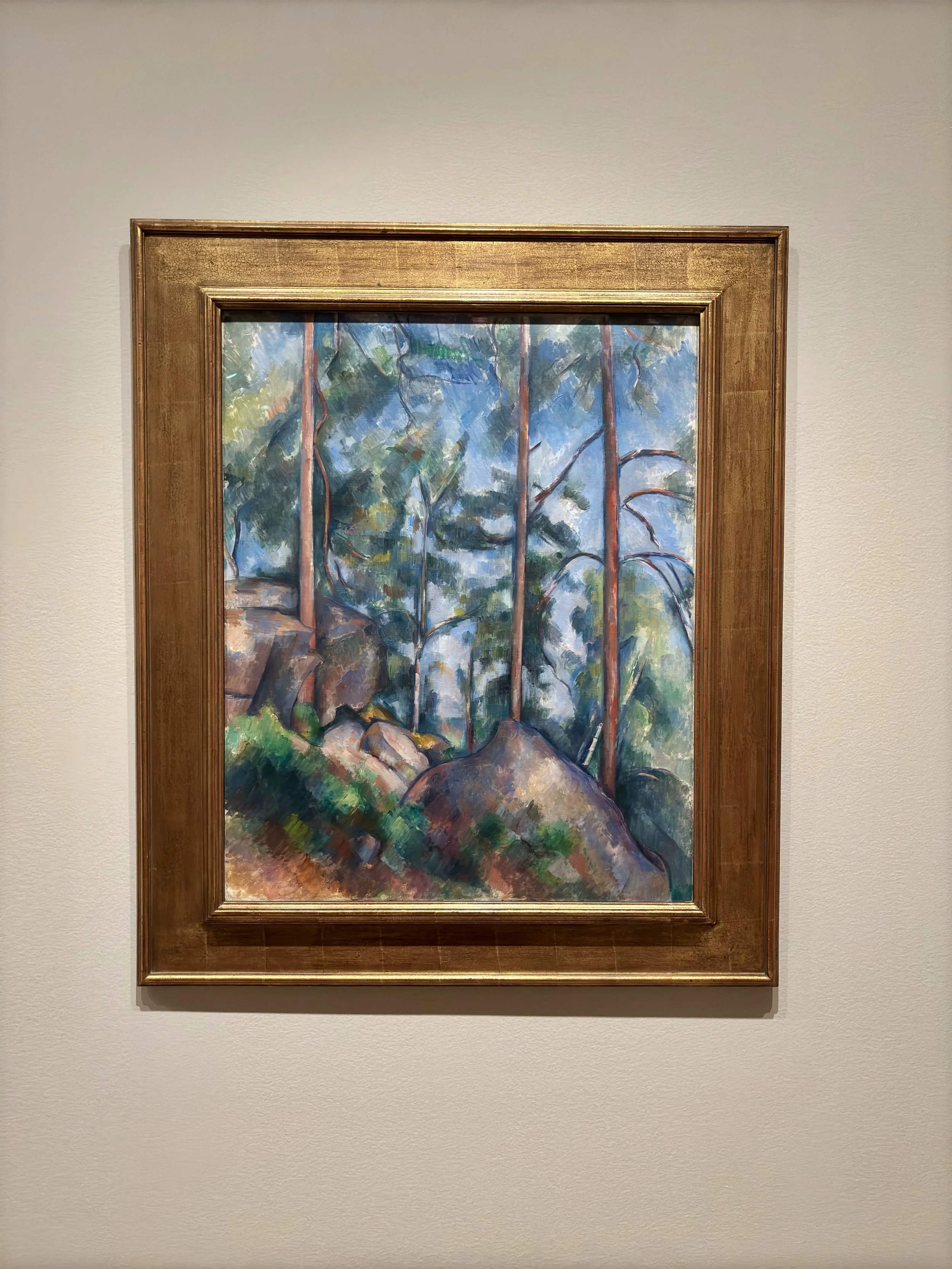
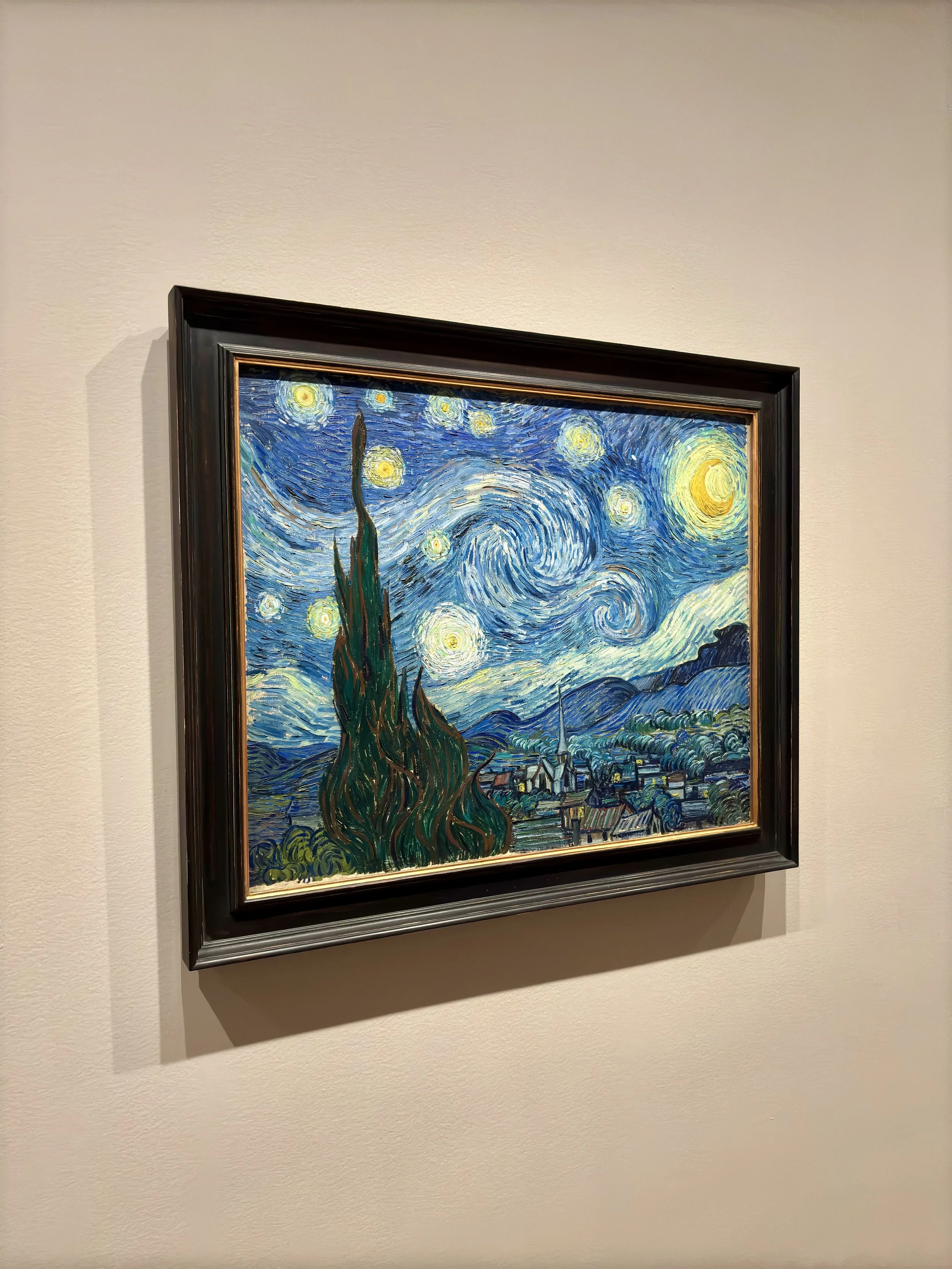
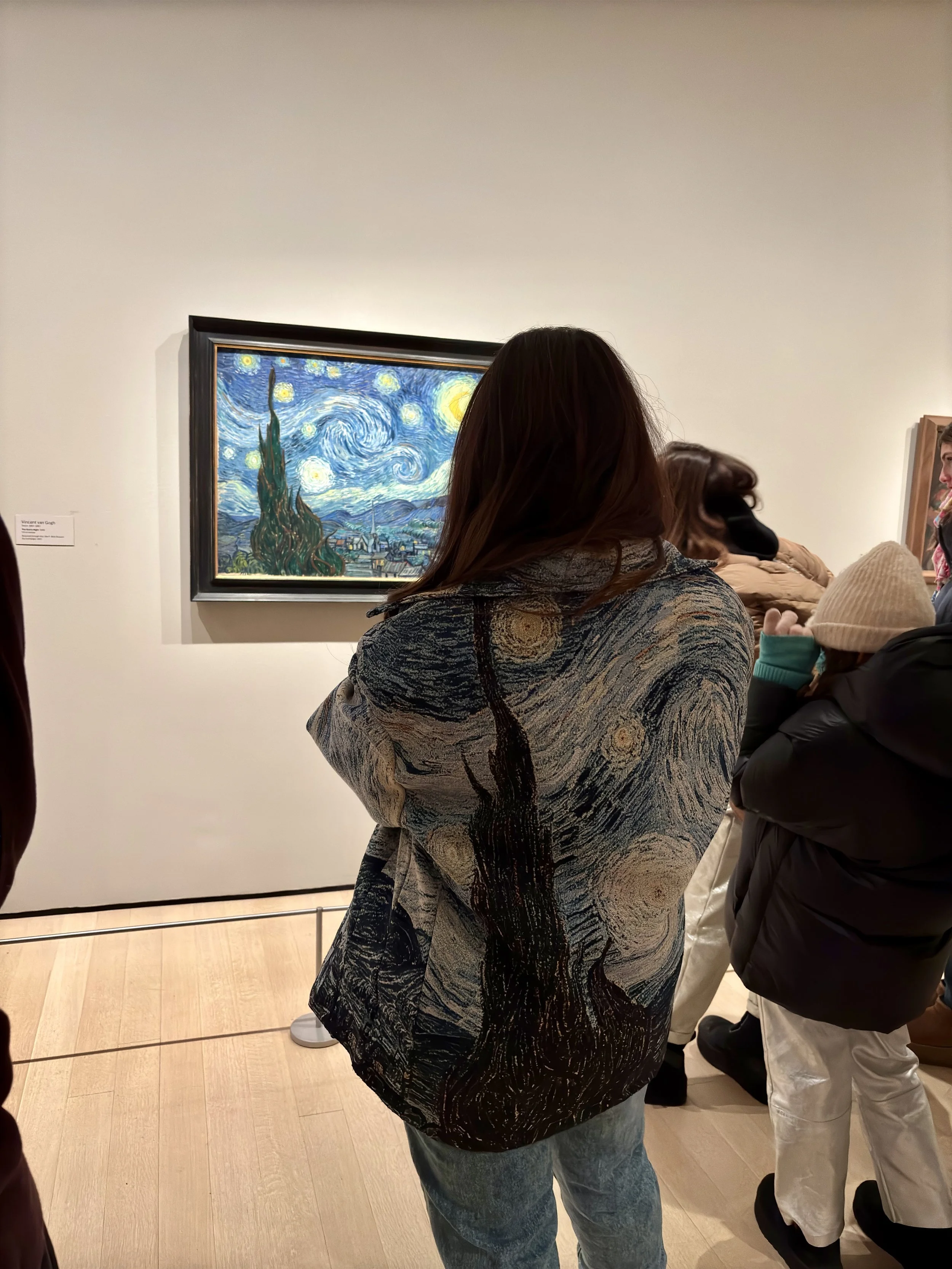
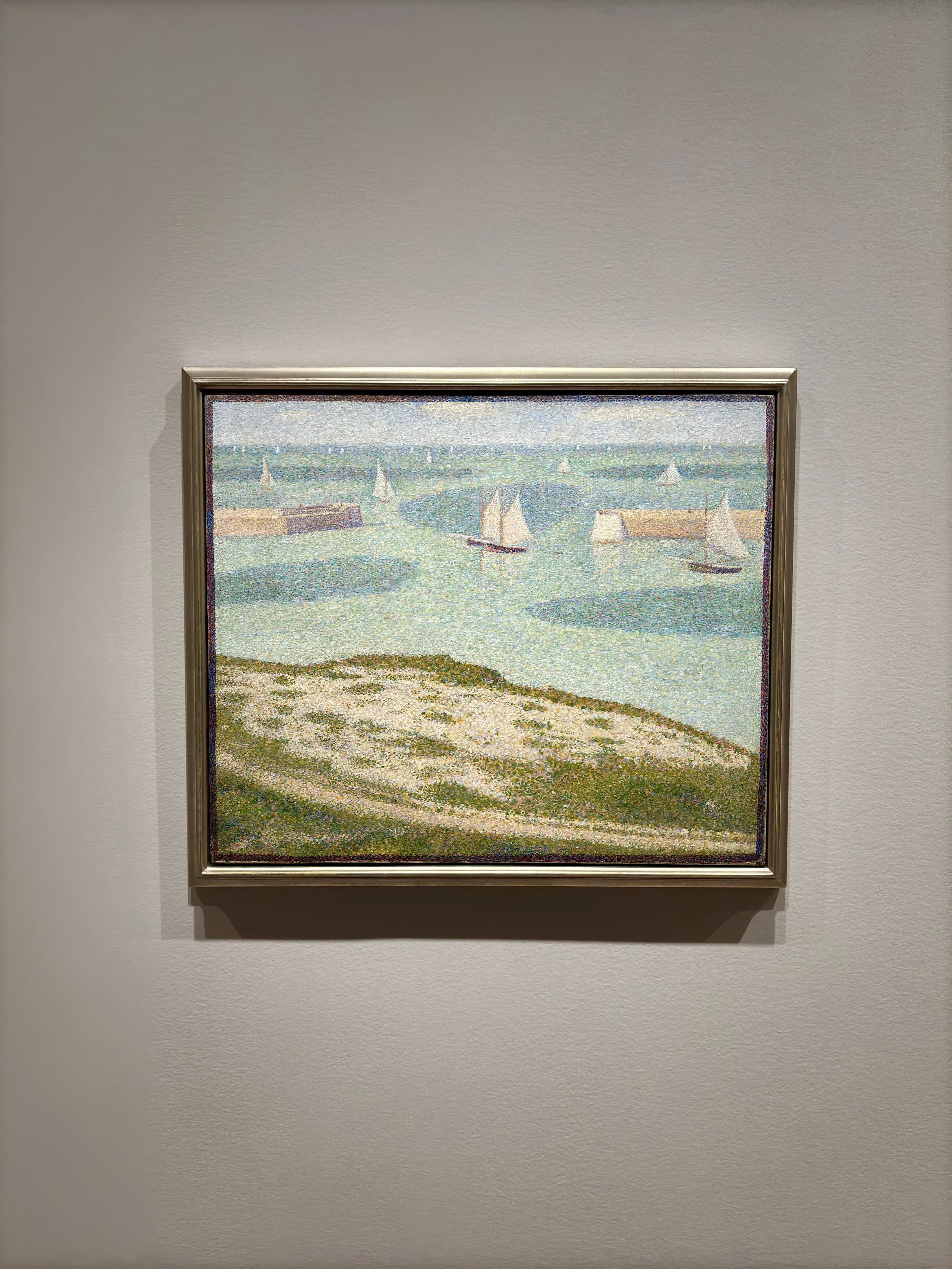
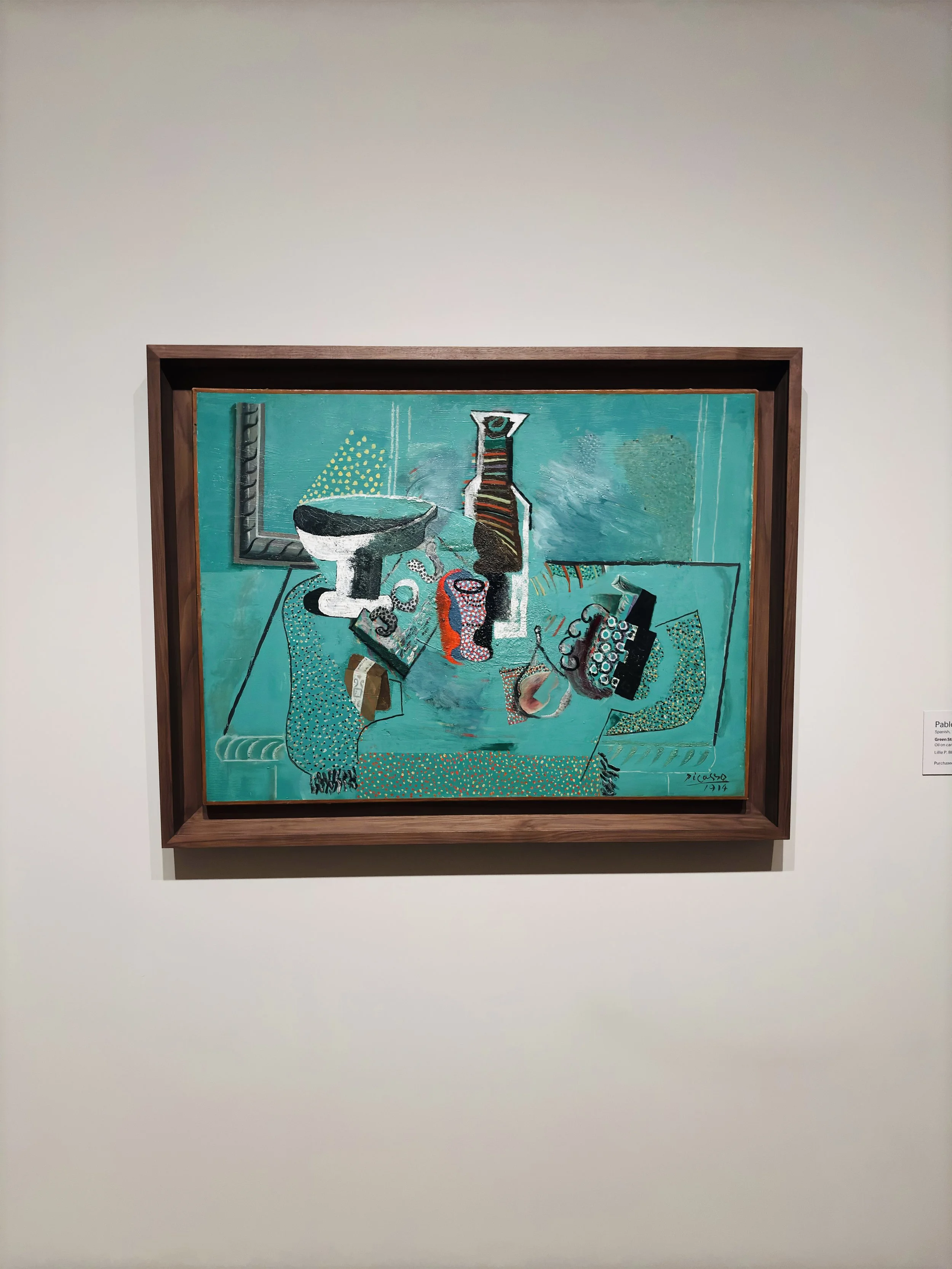
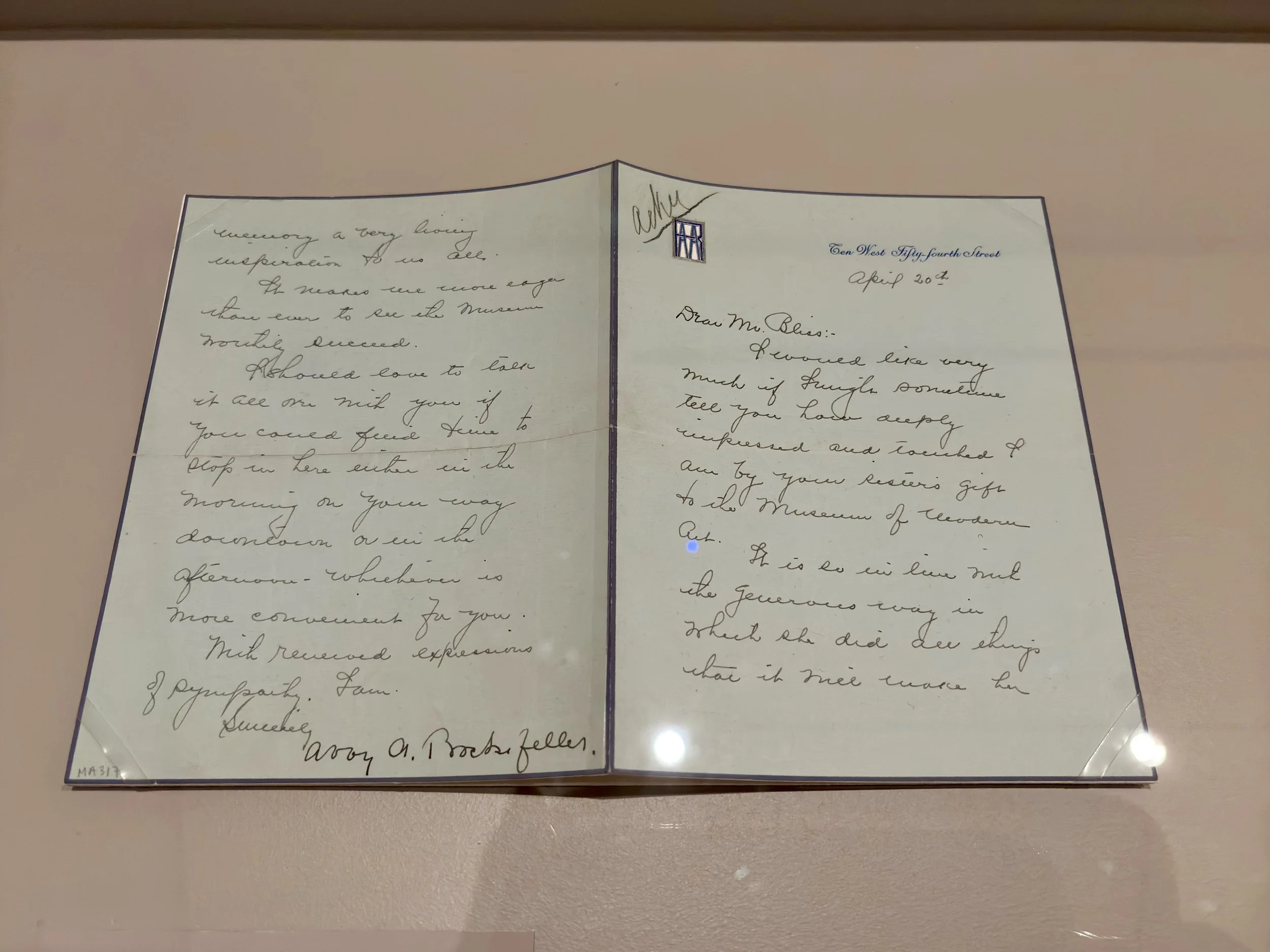
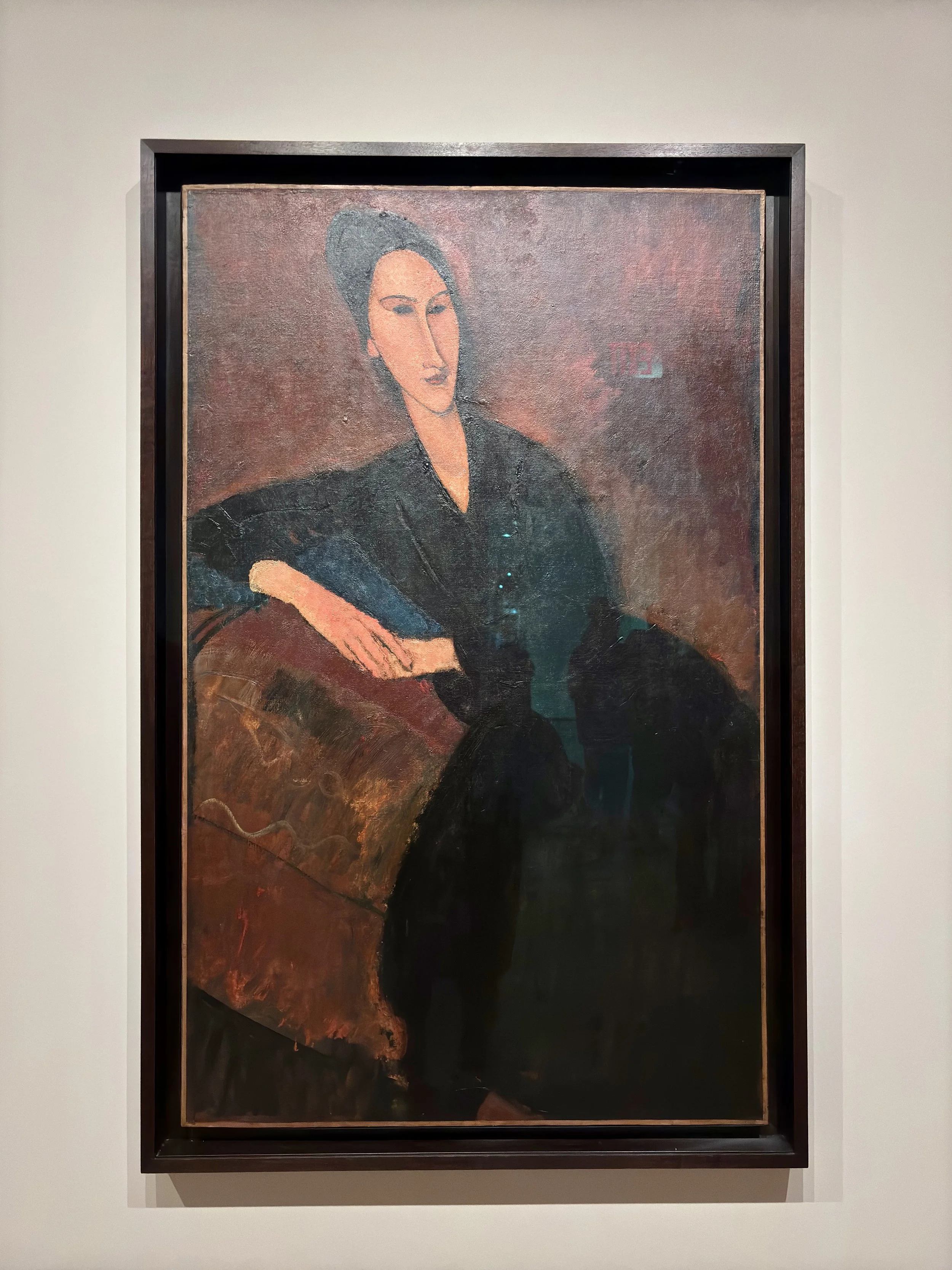
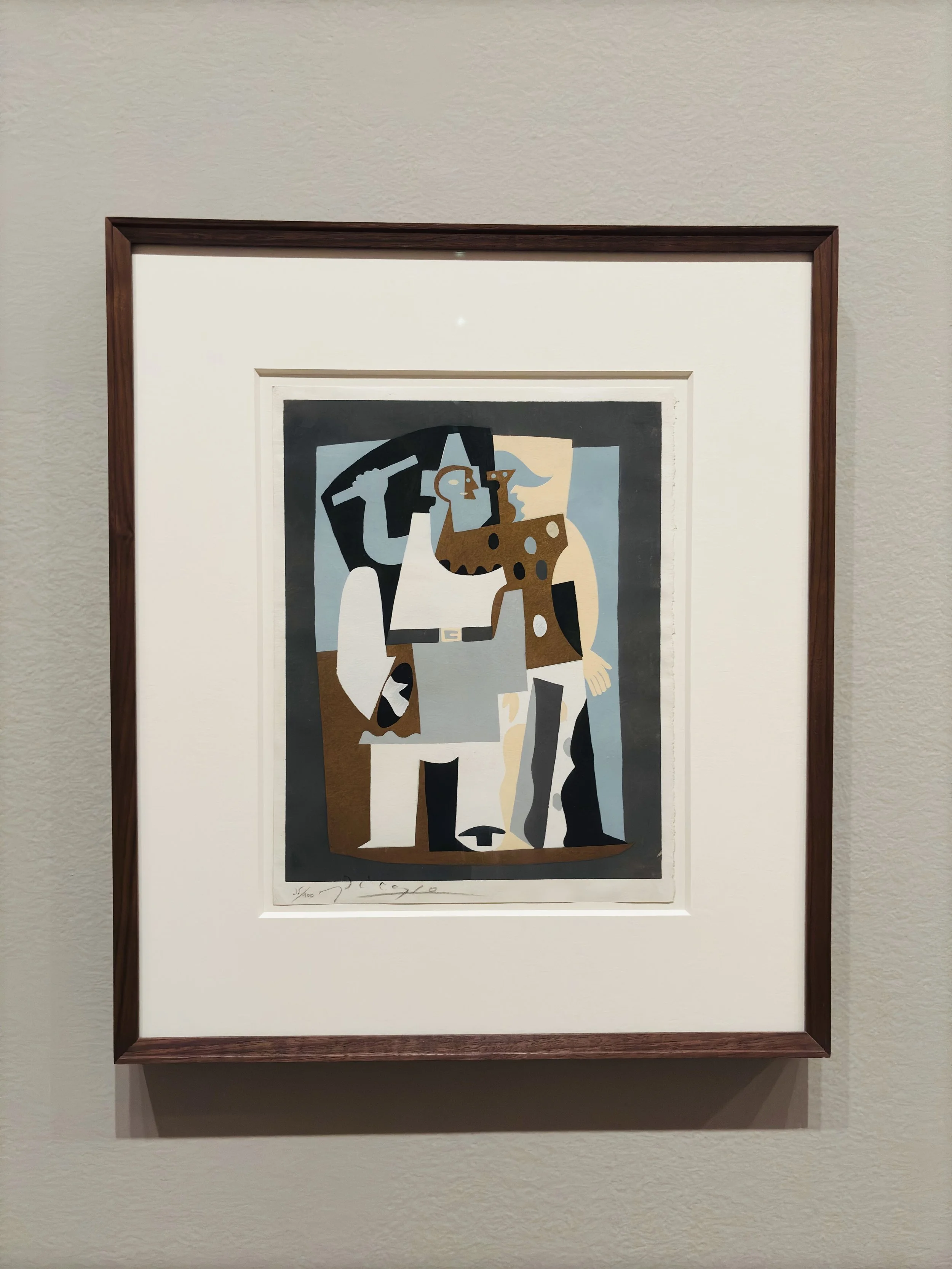
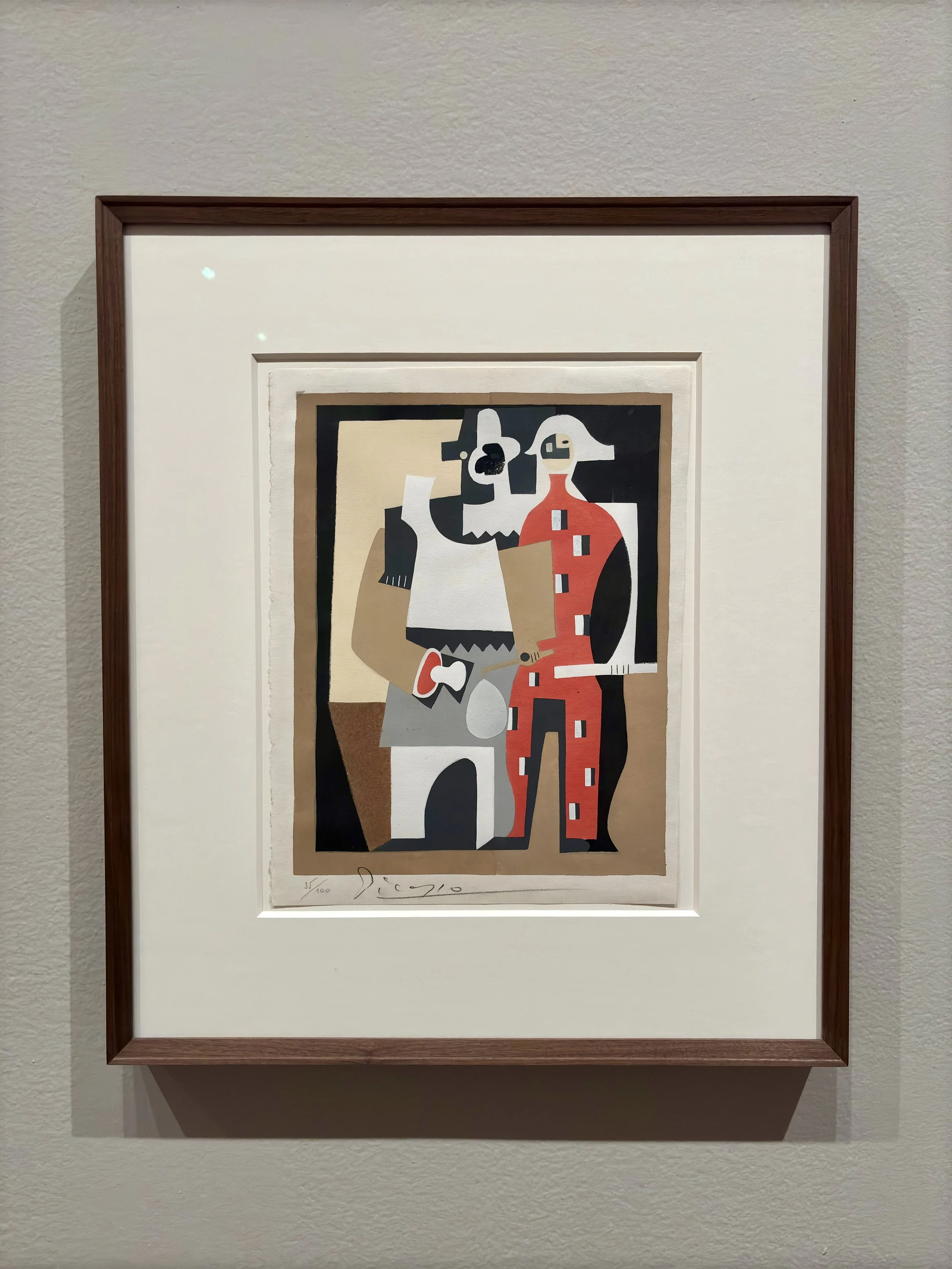
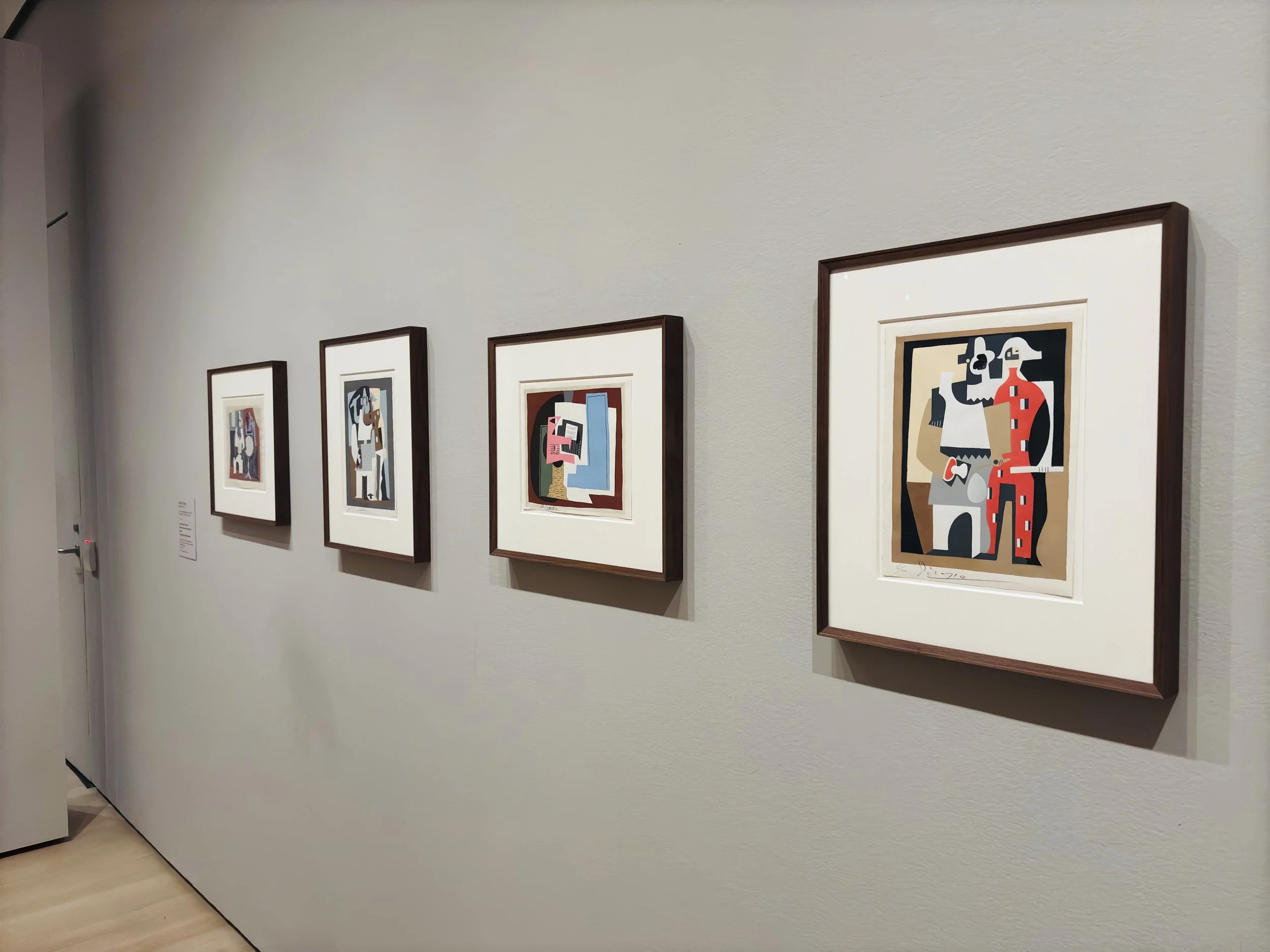
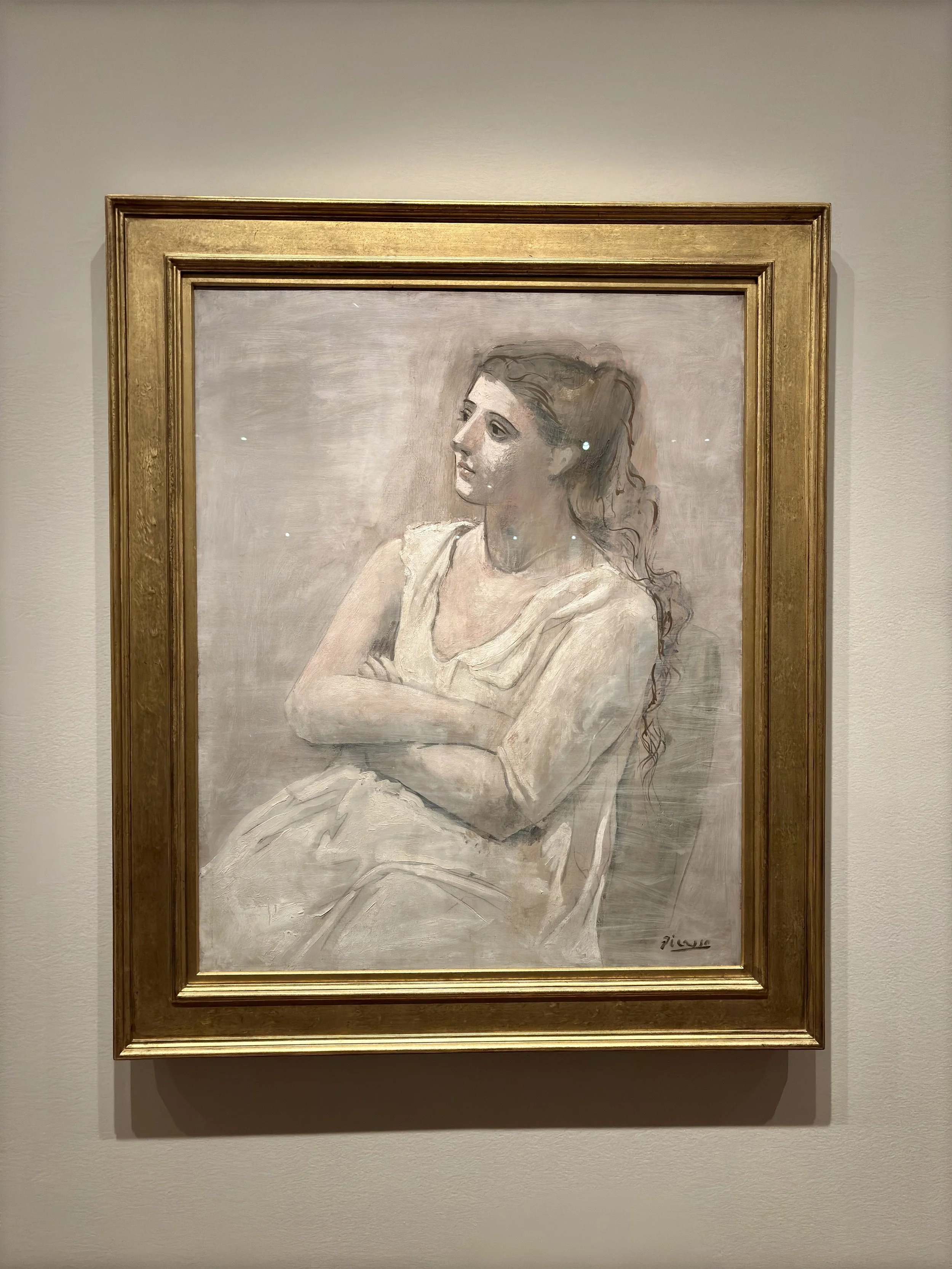
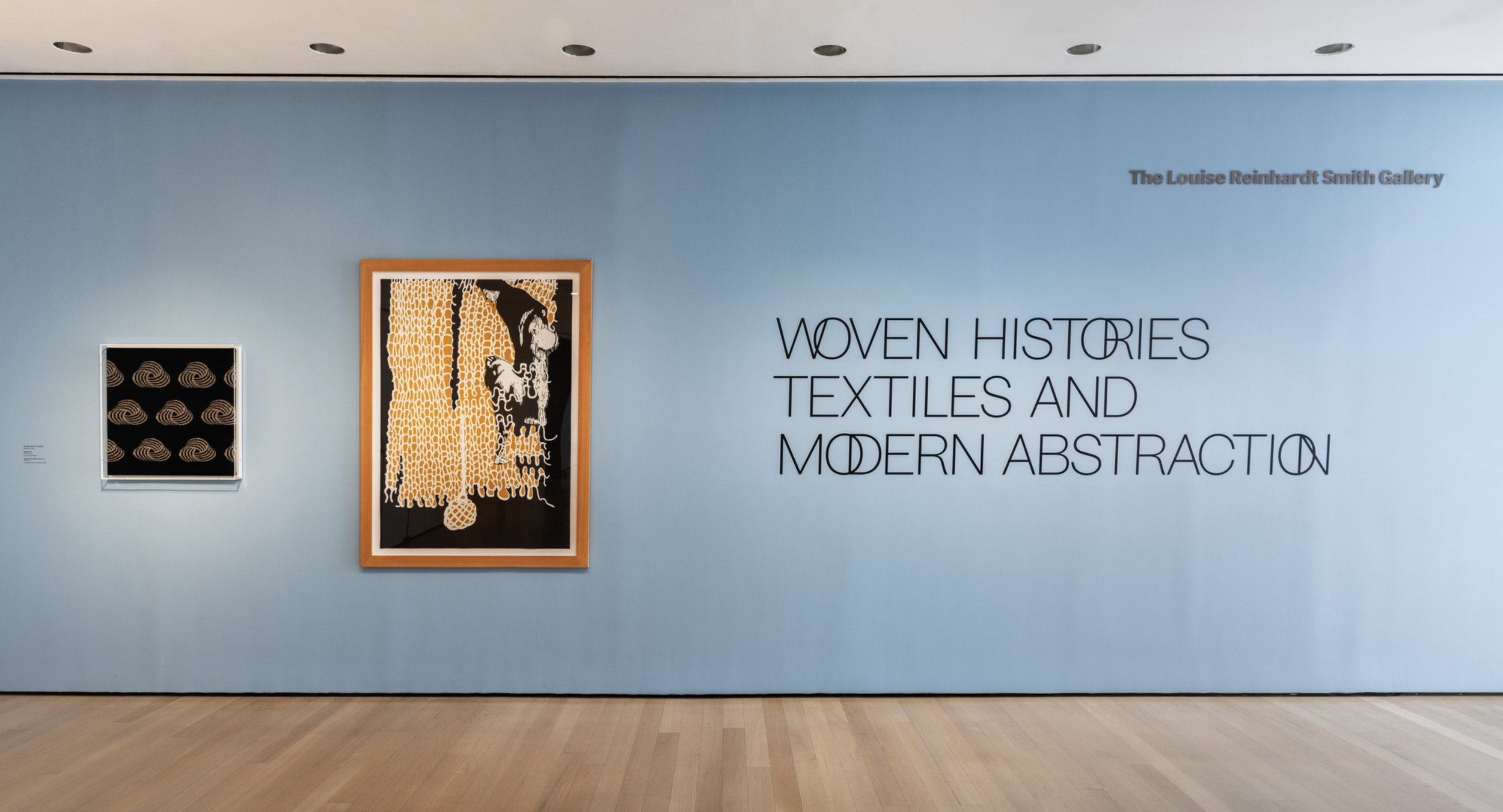
Lillie P. Bliss and the Birth of the Modern, on view from November 17, 2024 through March 29, 2025, traces the remarkable legacy of a woman whose vision helps shape the museum itself. Through a thoughtful selection of works by artists such as Cézanne, Redon, Seurat, and Picasso, the exhibition reveals not only the evolution of modern art, but also the courage required to champion it when few others do.

What lingers most is the sense of conviction behind every piece. Bliss collects these works at a time when modern art often faces skepticism, trusting her own eye and believing in the power of artistic freedom. Her generosity continues to ripple through the museum's history, making this exhibition feel both intimate and far-reaching.

There is something especially moving about discovering a figure who prefers to remain in the background. Through the art she collected and championed, the exhibition reveals a woman of remarkable conviction and vision.

Thoughtful, elegant, and quietly inspiring, this exhibition serves as a reminder that cultural change often begins with those willing to see possibility before anyone else does.

Comment

Nature as a Mirror: Egon Schiele at the Neue Galerie

Comment

Nature as a Mirror: Egon Schiele at the Neue Galerie

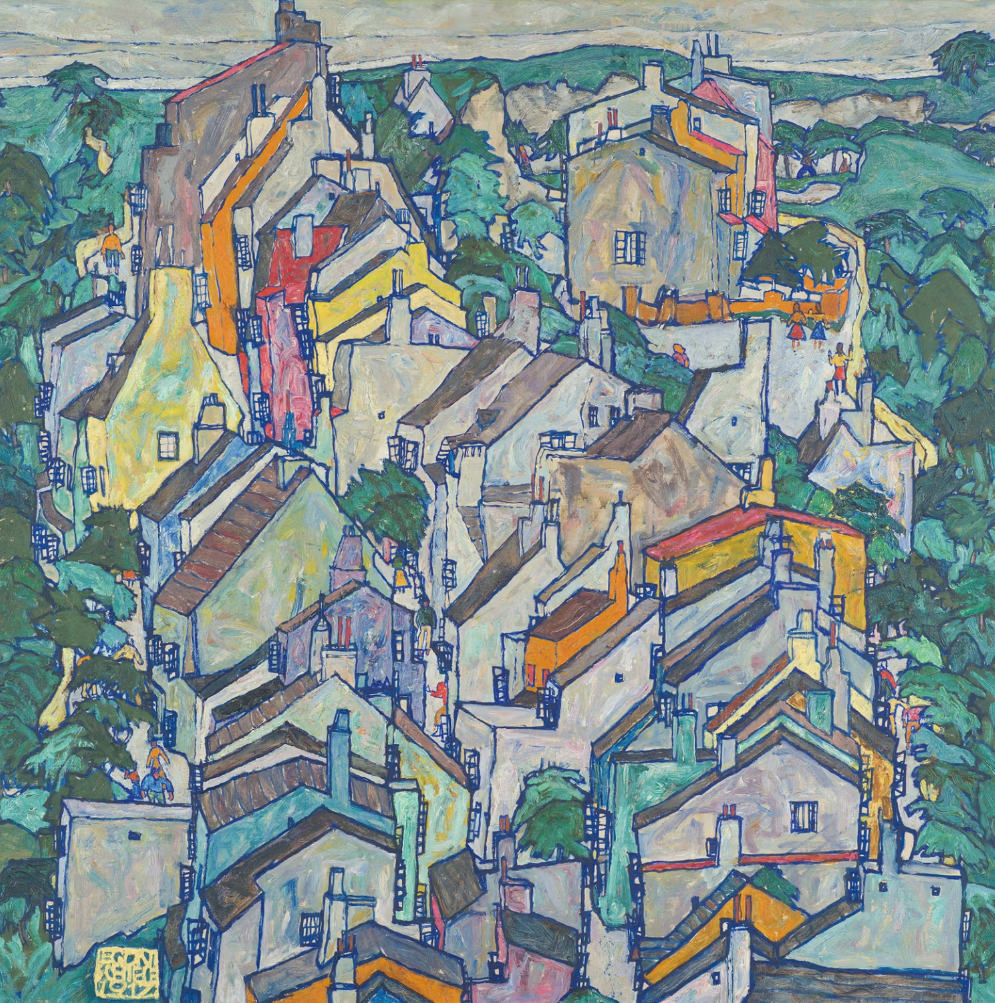
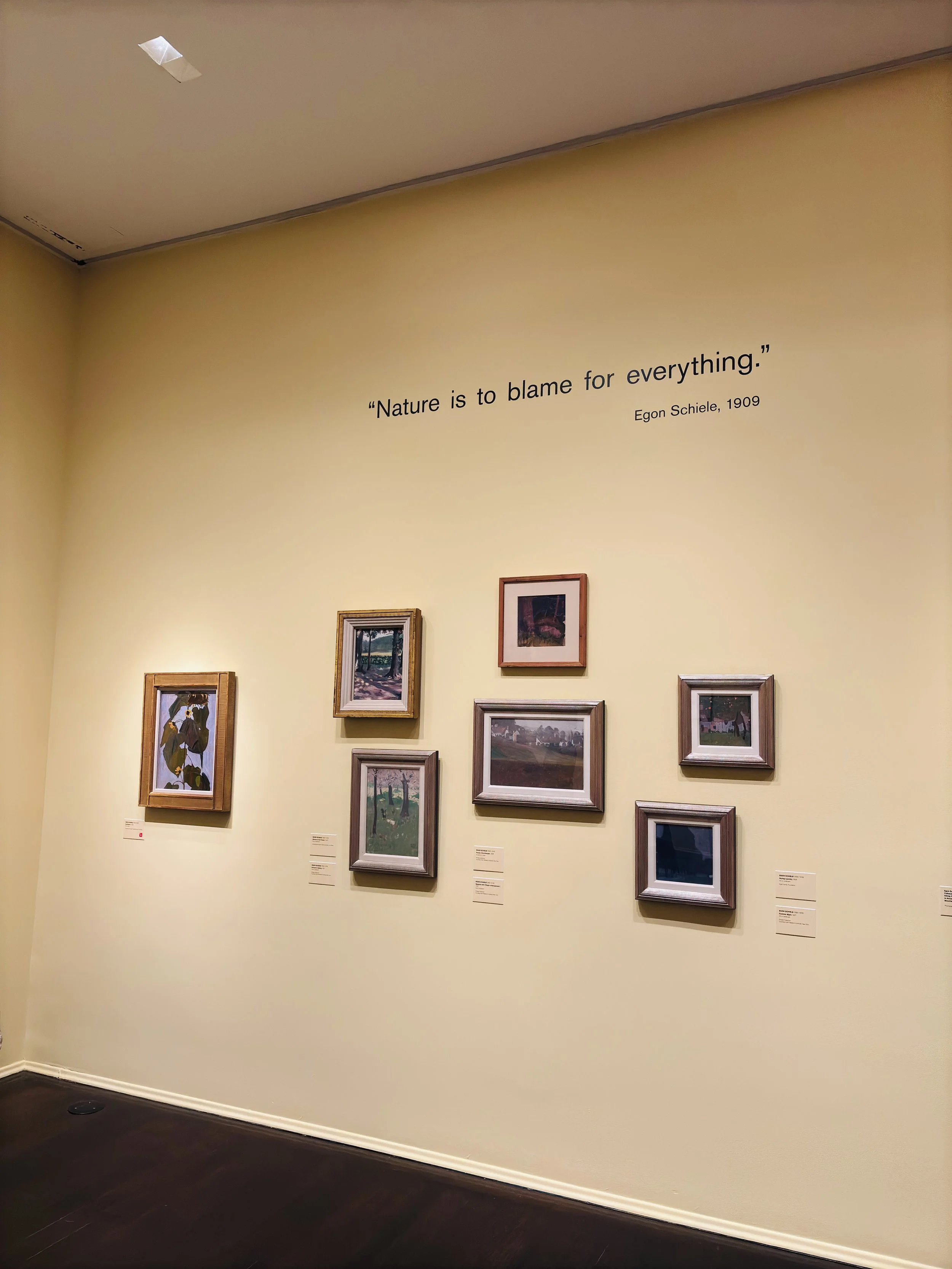
The refreshing exhibition at the Neue Galerie offers a profound look into the world of Austrian Expressionism. Egon Schiele: Living Landscapes shines a necessary spotlight on a lesser known side of this famous artist. While many people recognize Schiele for his intense human portraits, this show, on view from October 17, 2024 to January 13, 2025, proves that his paintings of nature are just as powerful.

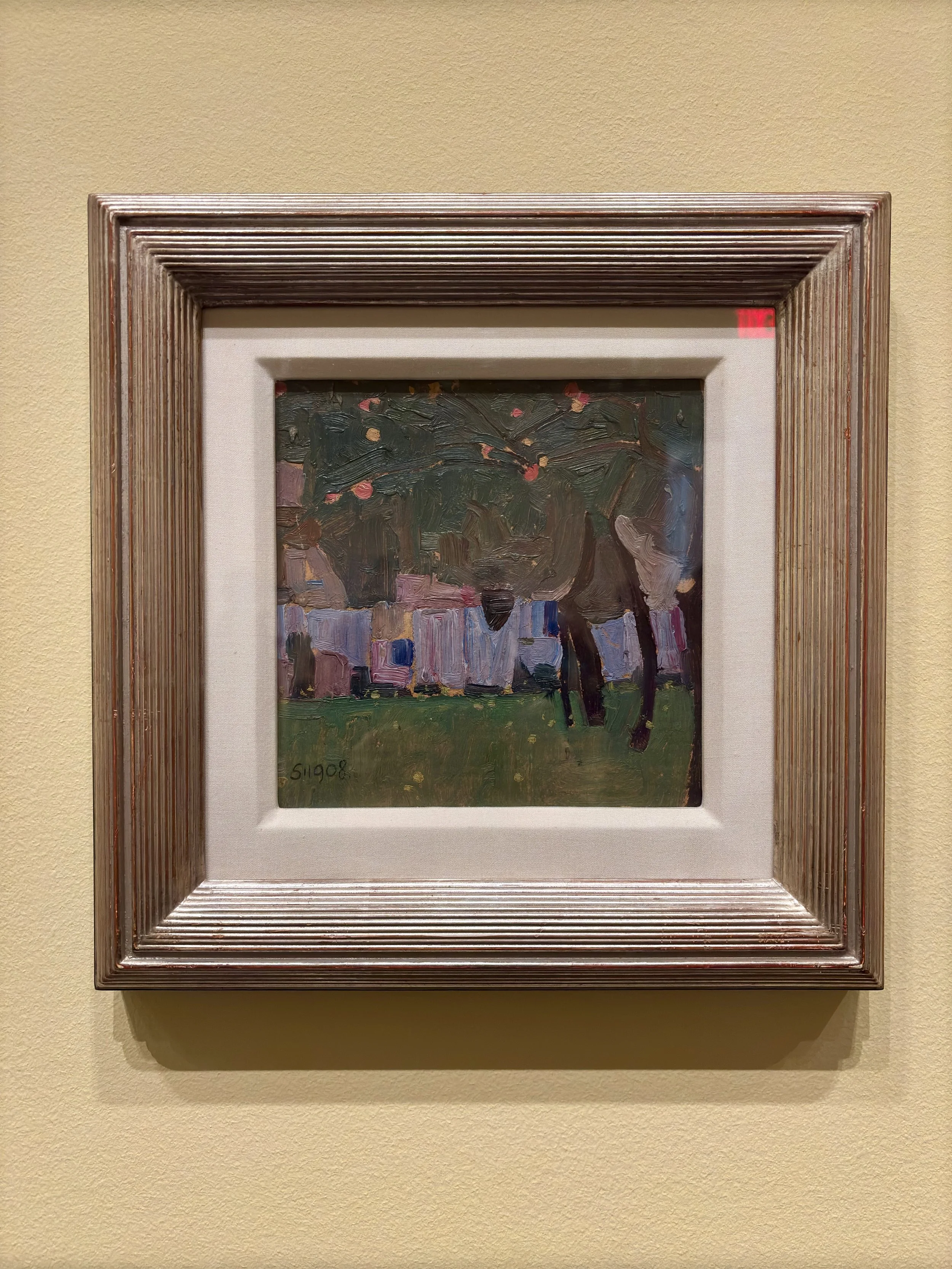
The galleries are filled with charming townscapes and natural environments. Schiele treats plants and trees like living characters. He gives them human qualities to explore the human condition and deep ideas about life, growth, and decay. The historic buildings and lush greenery in his artwork feel vibrant and alive.

Photography is strictly prohibited inside any exhibition. Verboten! However, we were able to sneak in two snapshots to share with you.

This exhibition is a beautiful reminder of how nature reflects our own emotions. If you appreciate smart, soulful art, Egon Schiele: Living Landscapes is deceptively a modest show that will stay in your thoughts for a long time.

Comment

Step Into Acky Bright's Studio Infinity at Japan Society

Comment

Step Into Acky Bright's Studio Infinity at Japan Society

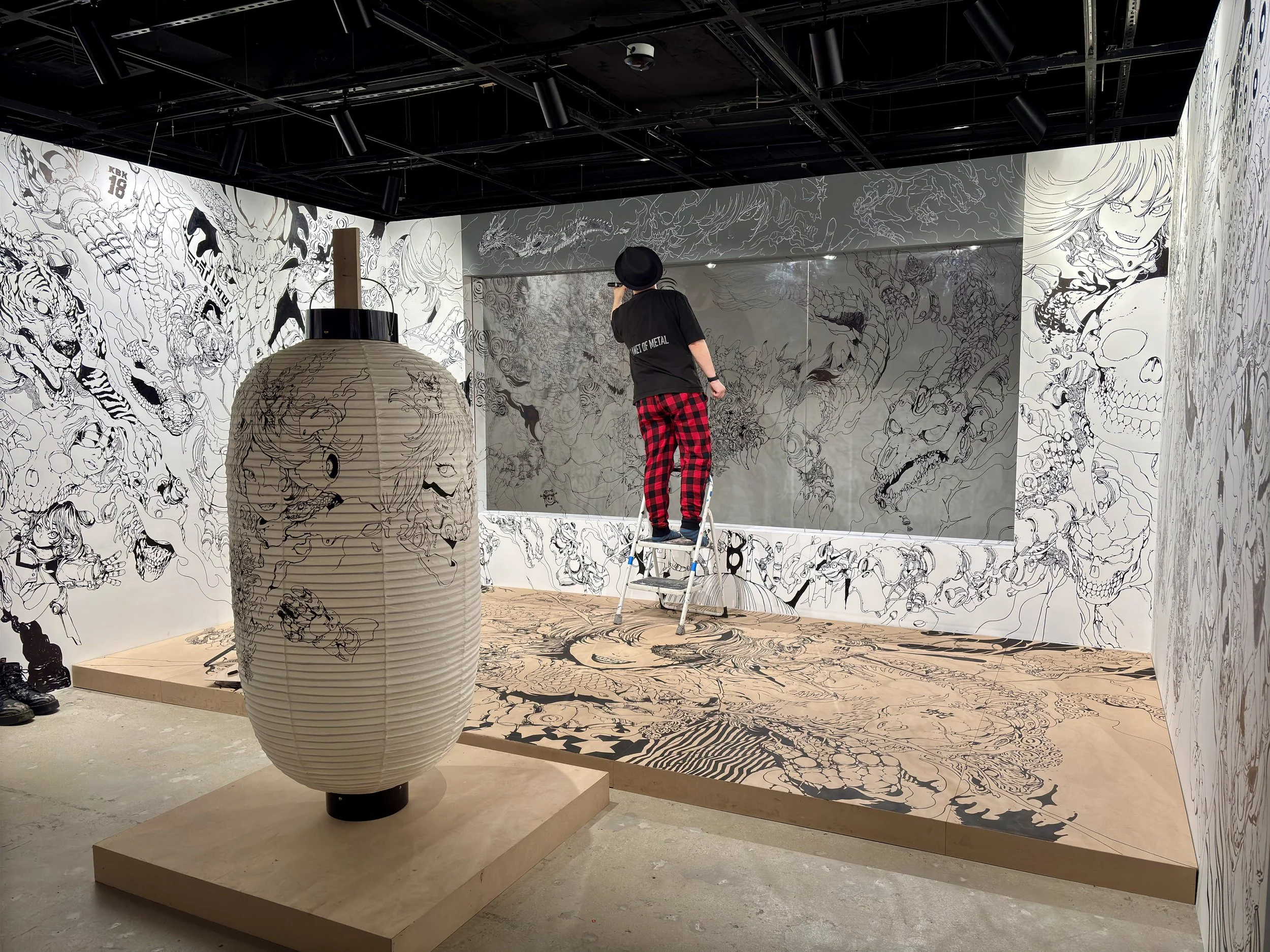
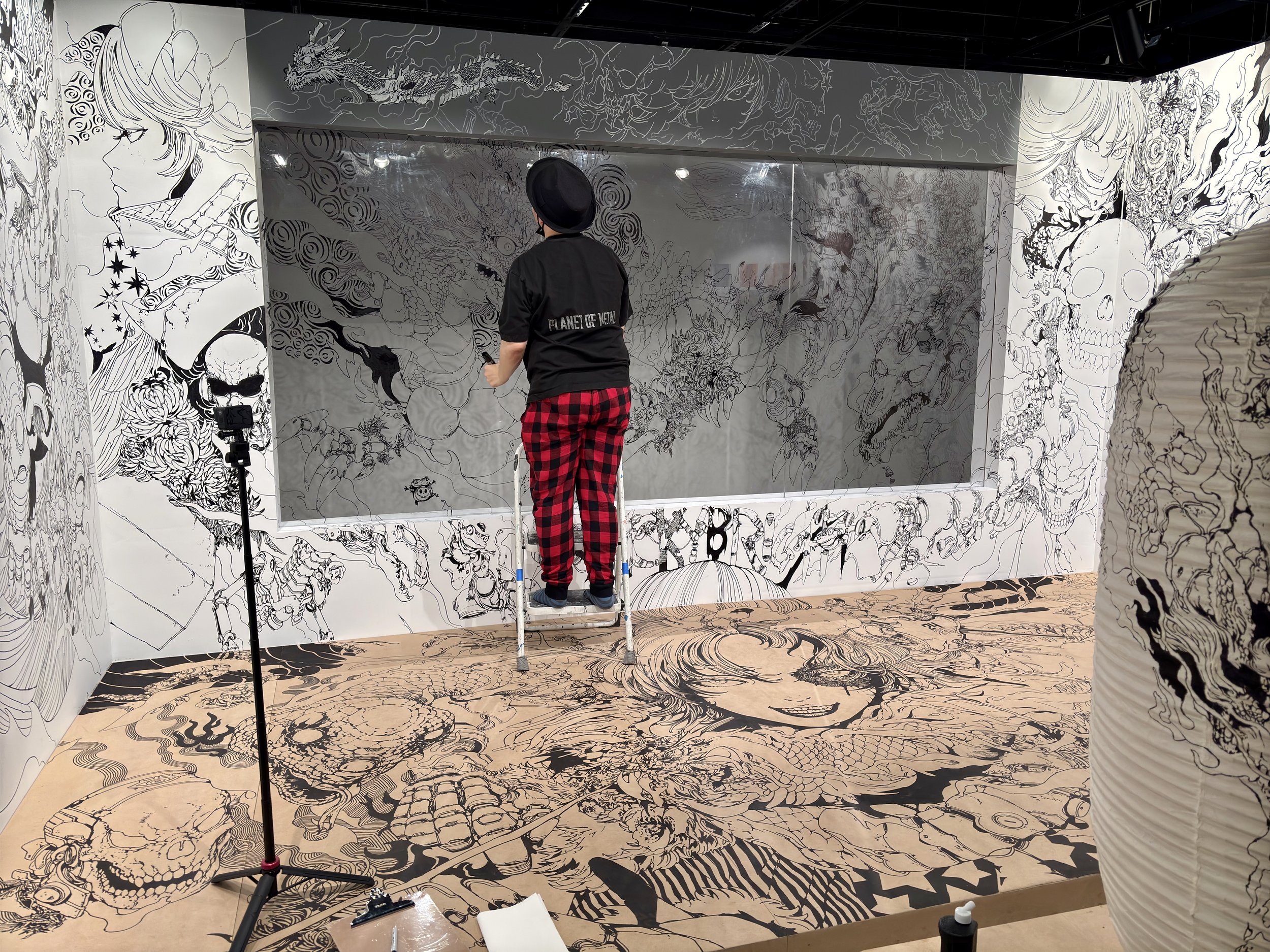
Step into a world of pure imagination at the Japan Society. The wonderful exhibit, Acky Bright: Studio Infinity, is open from October 4, 2024, through January 19, 2025. It is a magical space that you should see and experience in person.

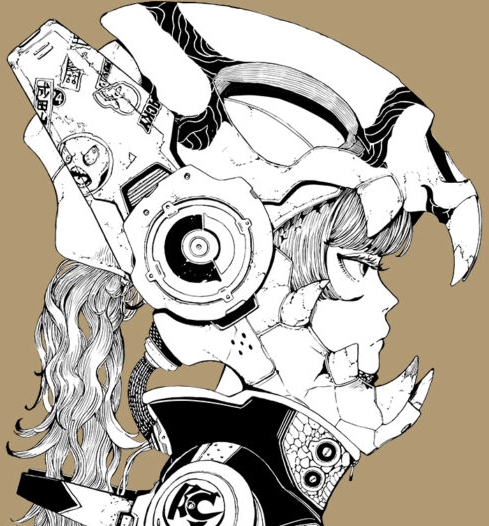
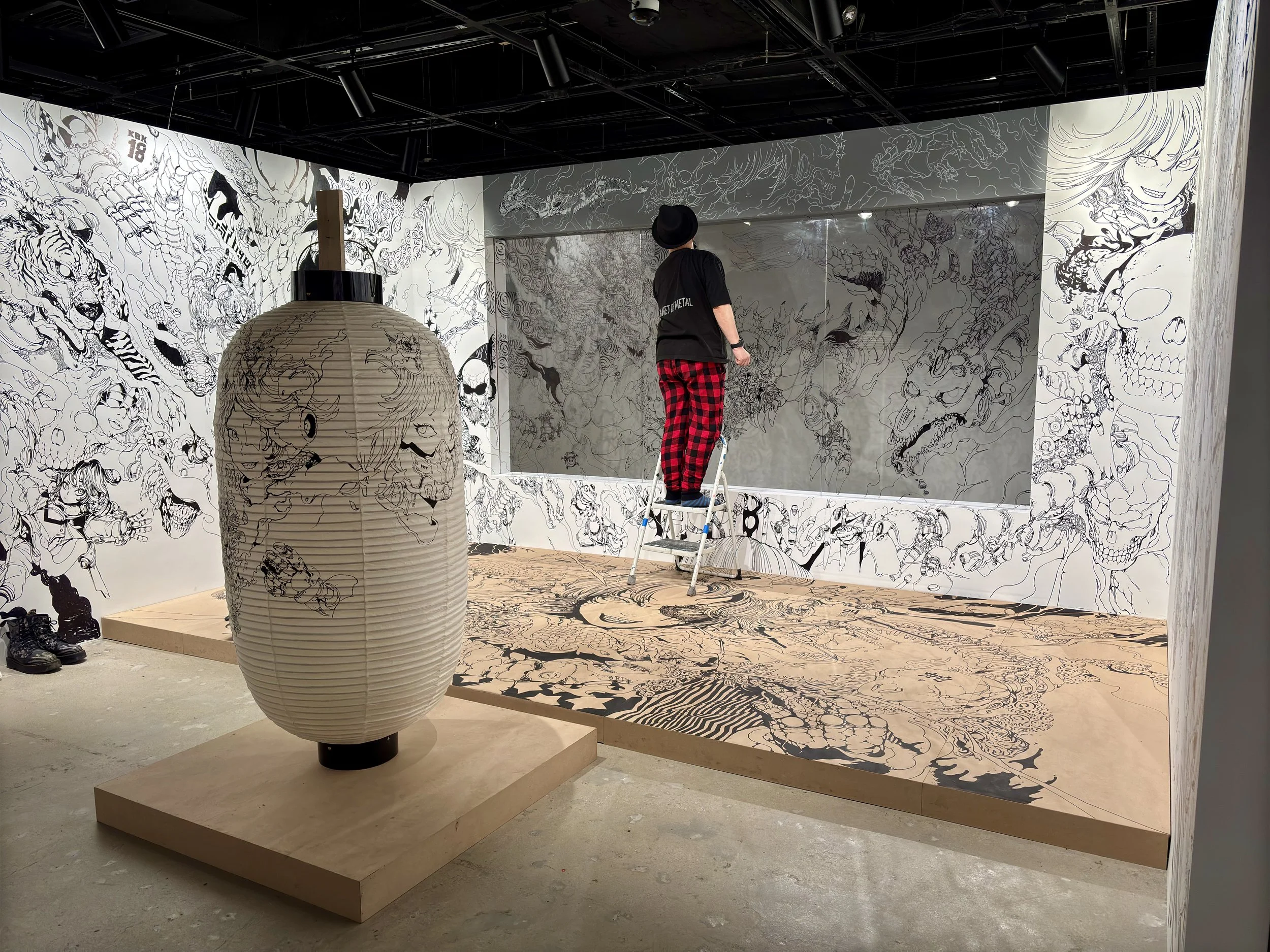
Acky Bright has a beautiful style called kawakakkoii, which means cute and cool. His artwork blends traditional Japanese culture with modern style. The gallery looks just like a real artist studio. Visitors can even help decorate the walls with manga murals.

We were lucky enough to visit when the artist was there. Watching him draw live on the walls was truly inspiring. His quick, clever lines brought amazing characters to life right before our eyes.

The exhibition also features his famous designs for big companies like McDonald's and Netflix. It is wonderful inspiration for anyone who loves art, drawing, and storytelling.

Make sure you visit before the show closes. It is an experience any manga aficionado will not want to miss.

Comment

A Quiet Autumn Afternoon at Dia Beacon

Comment

A Quiet Autumn Afternoon at Dia Beacon

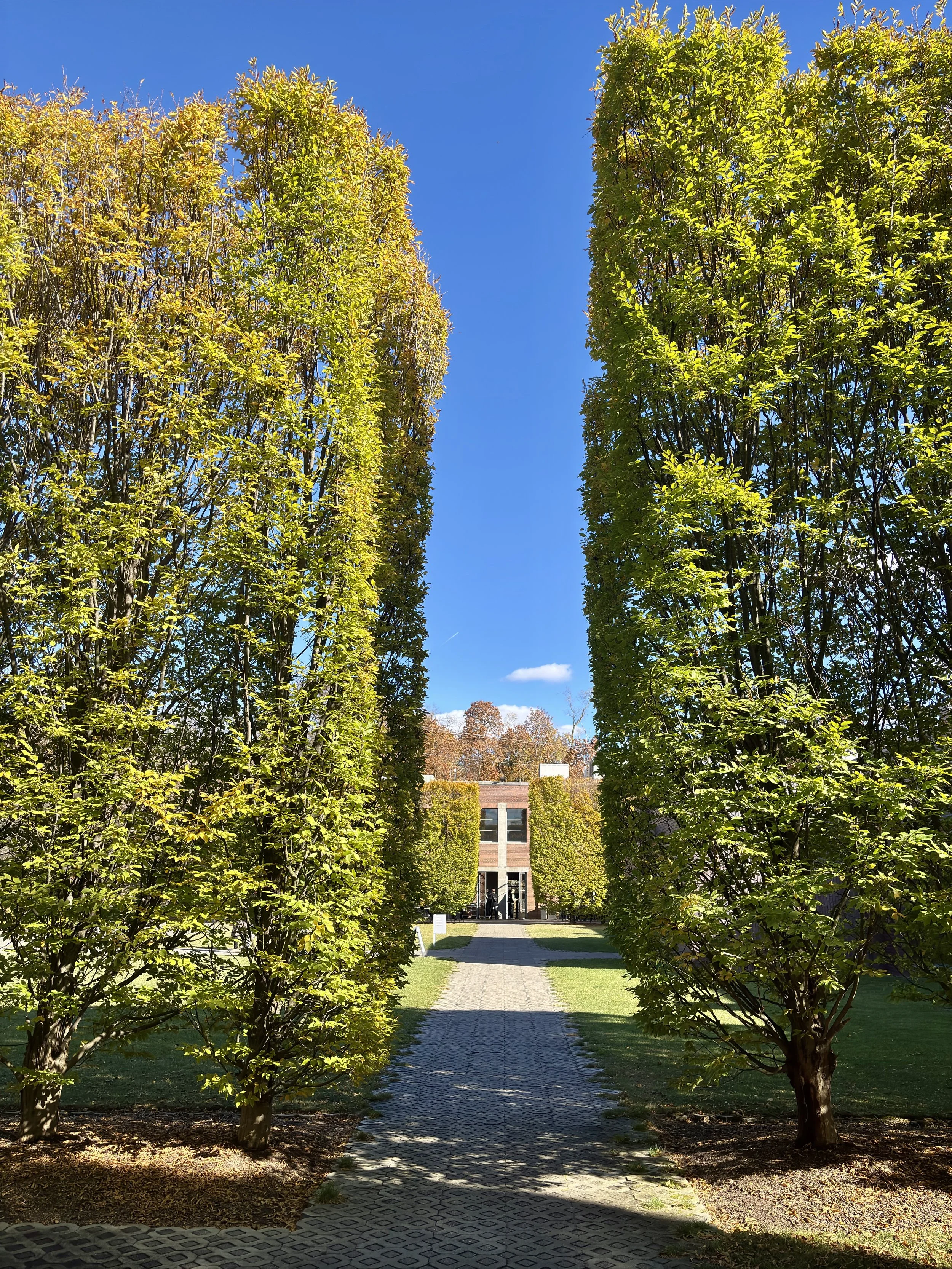
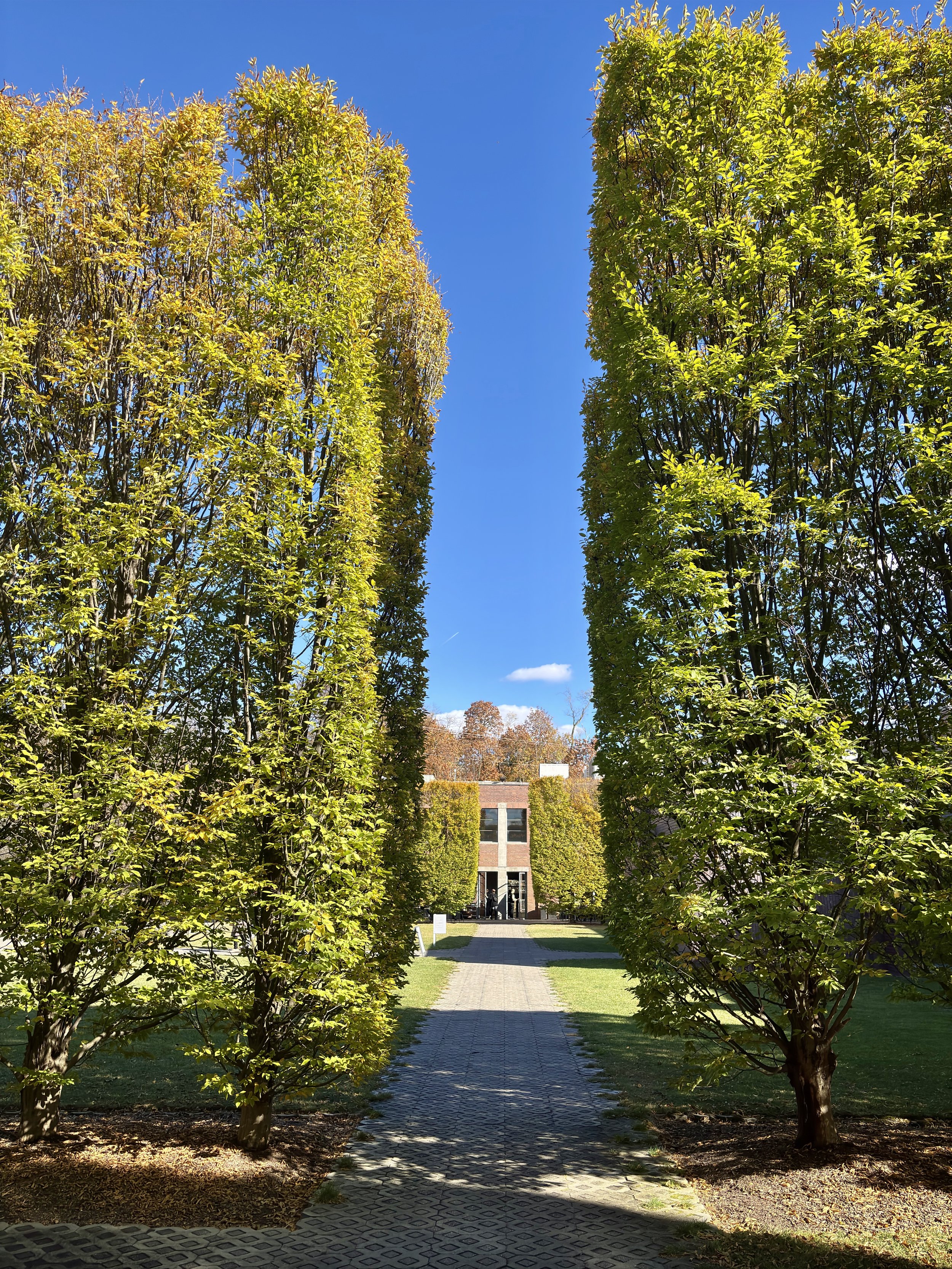
Our journey began with an early but gorgeous train ride along the Hudson River. Looking out the window, we watched the trees changing into their autumn colours, painting the riverbank in rich shades of orange, red and gold.
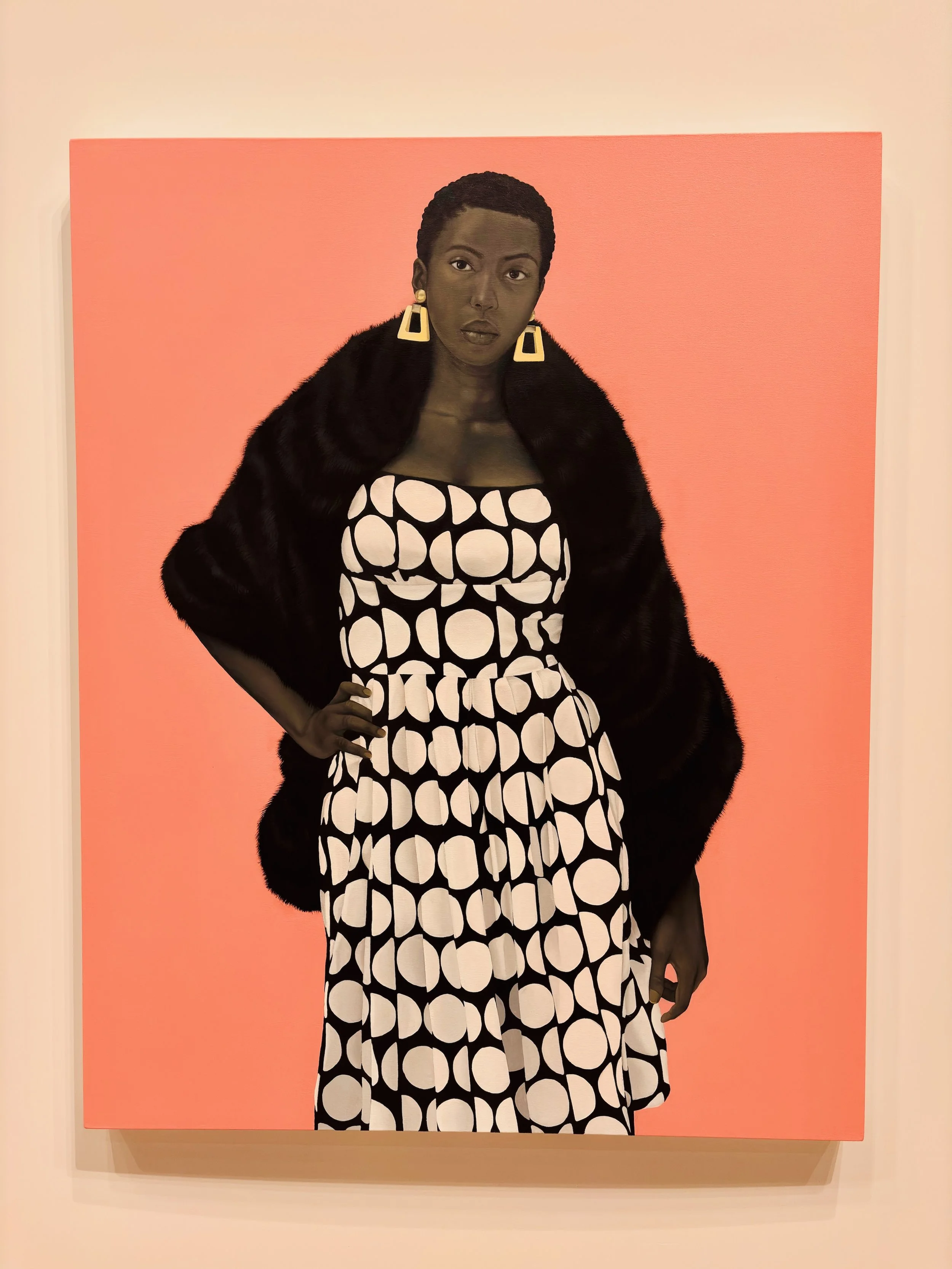
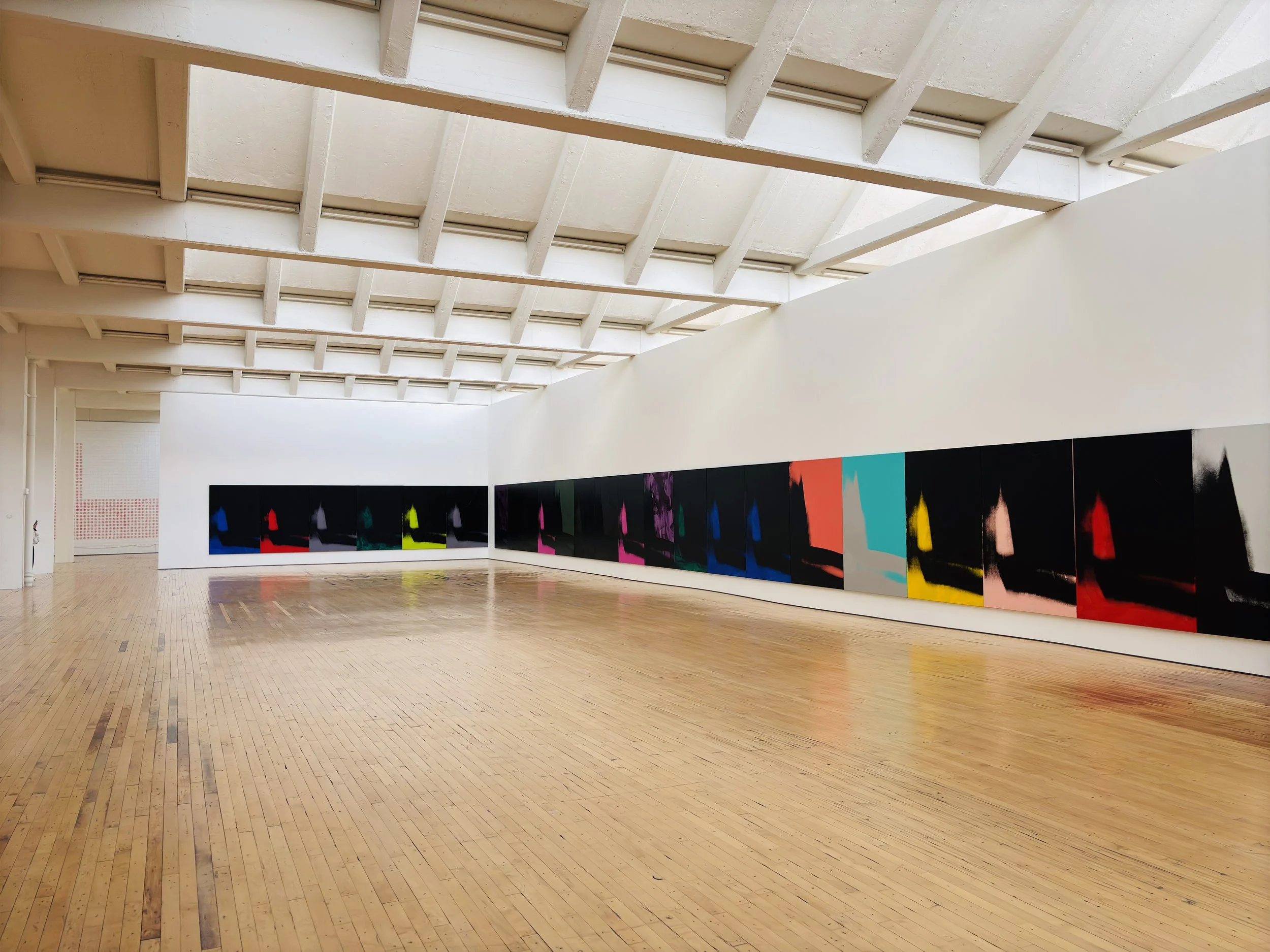
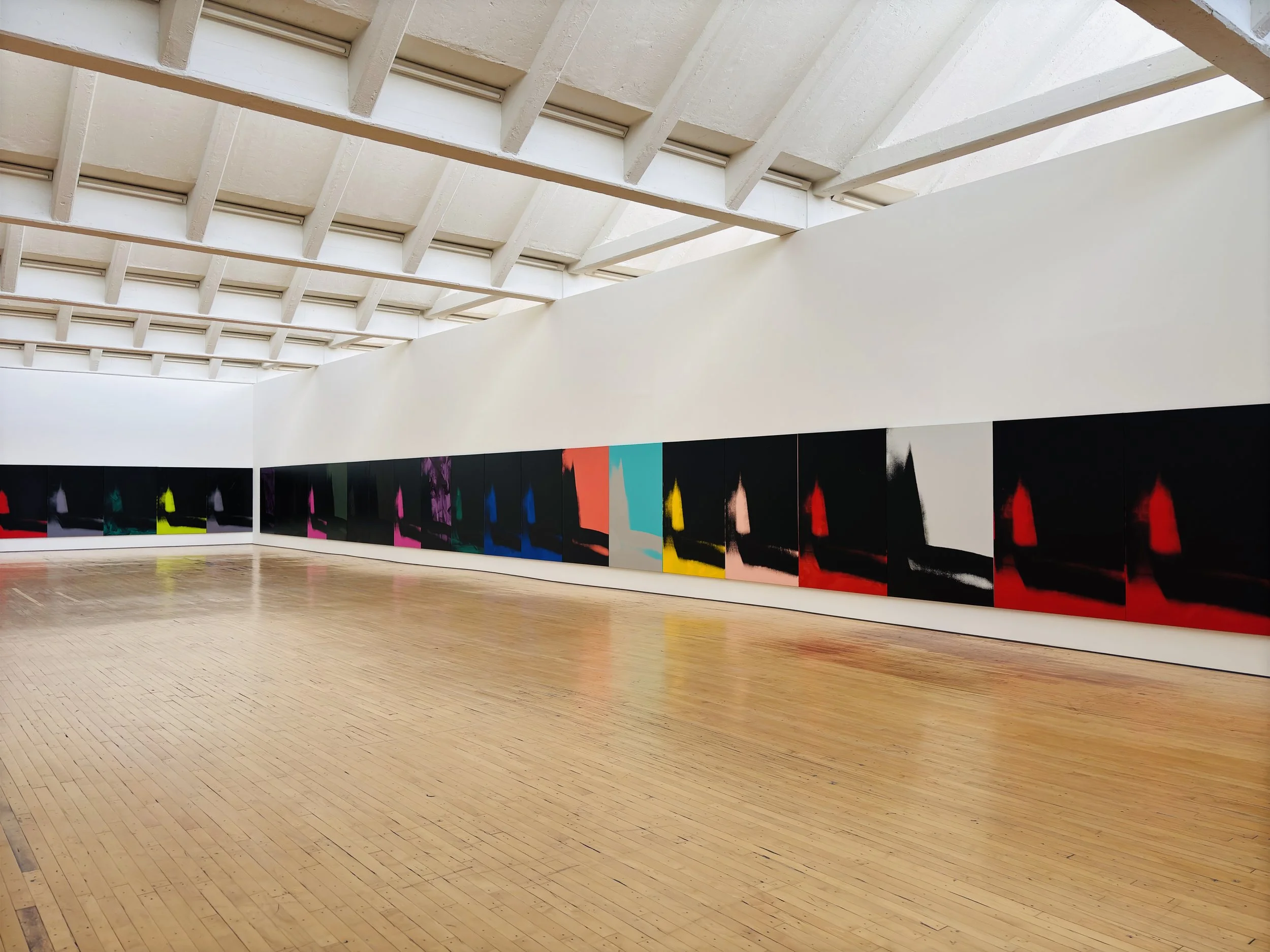
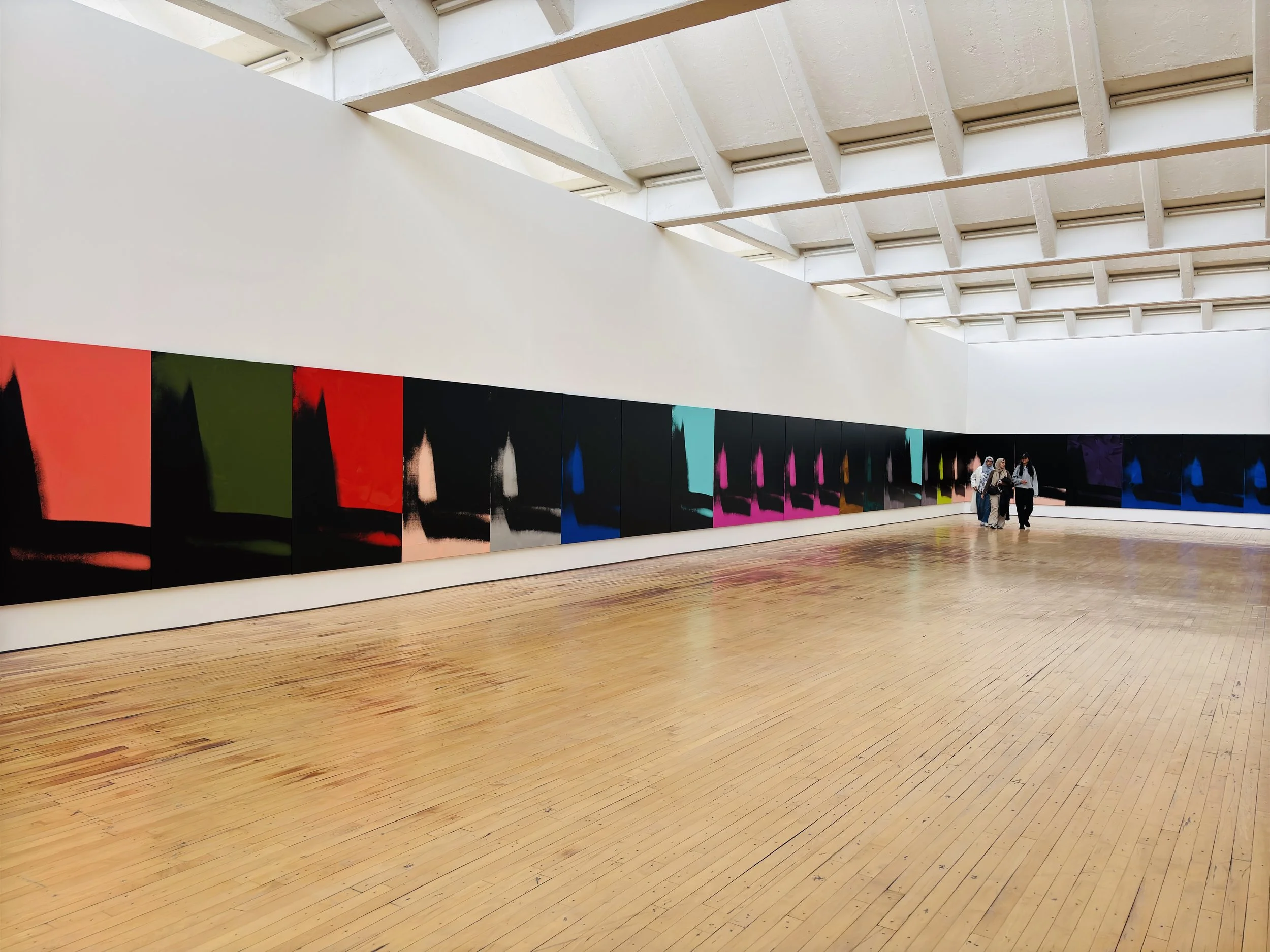
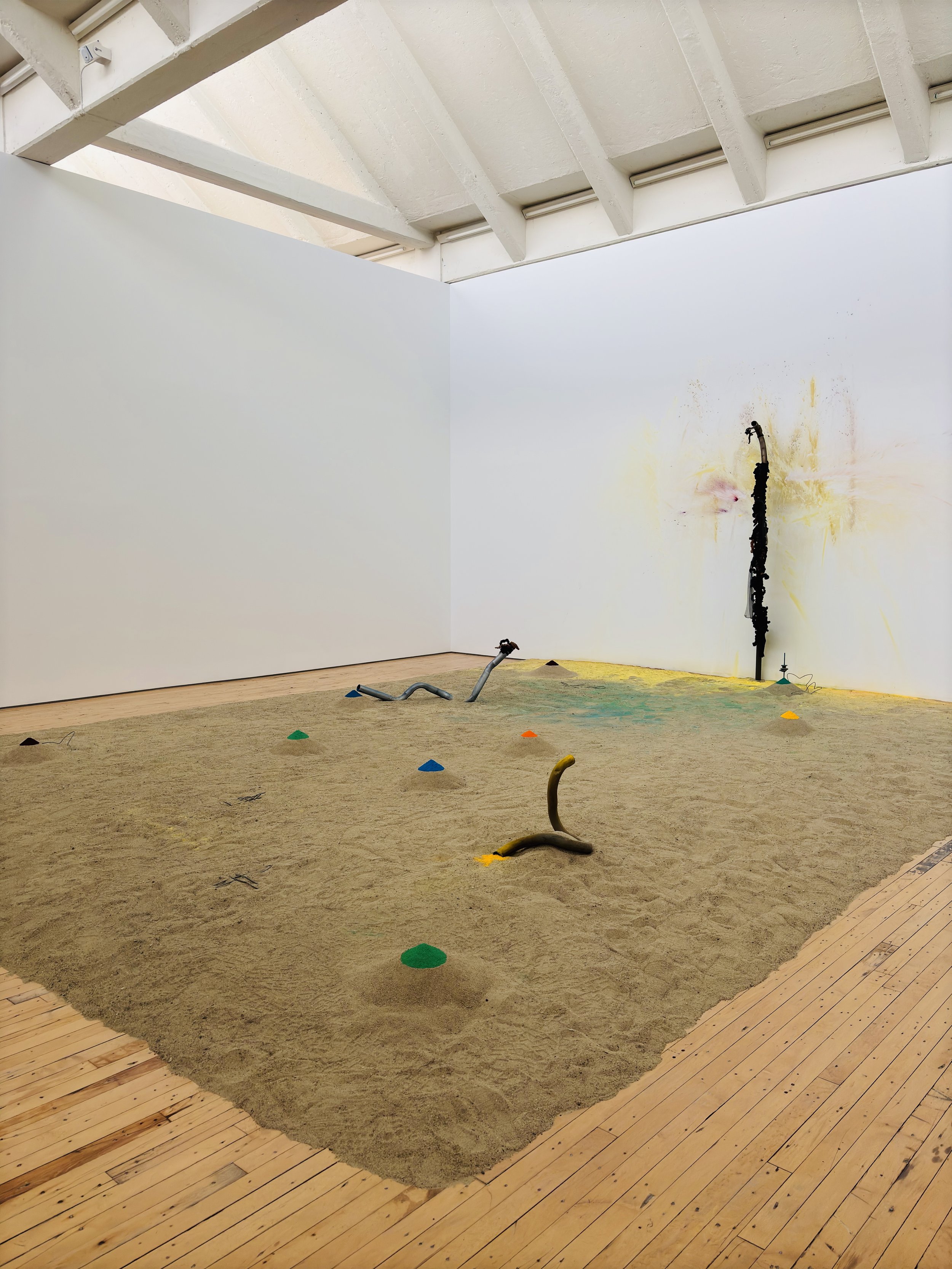
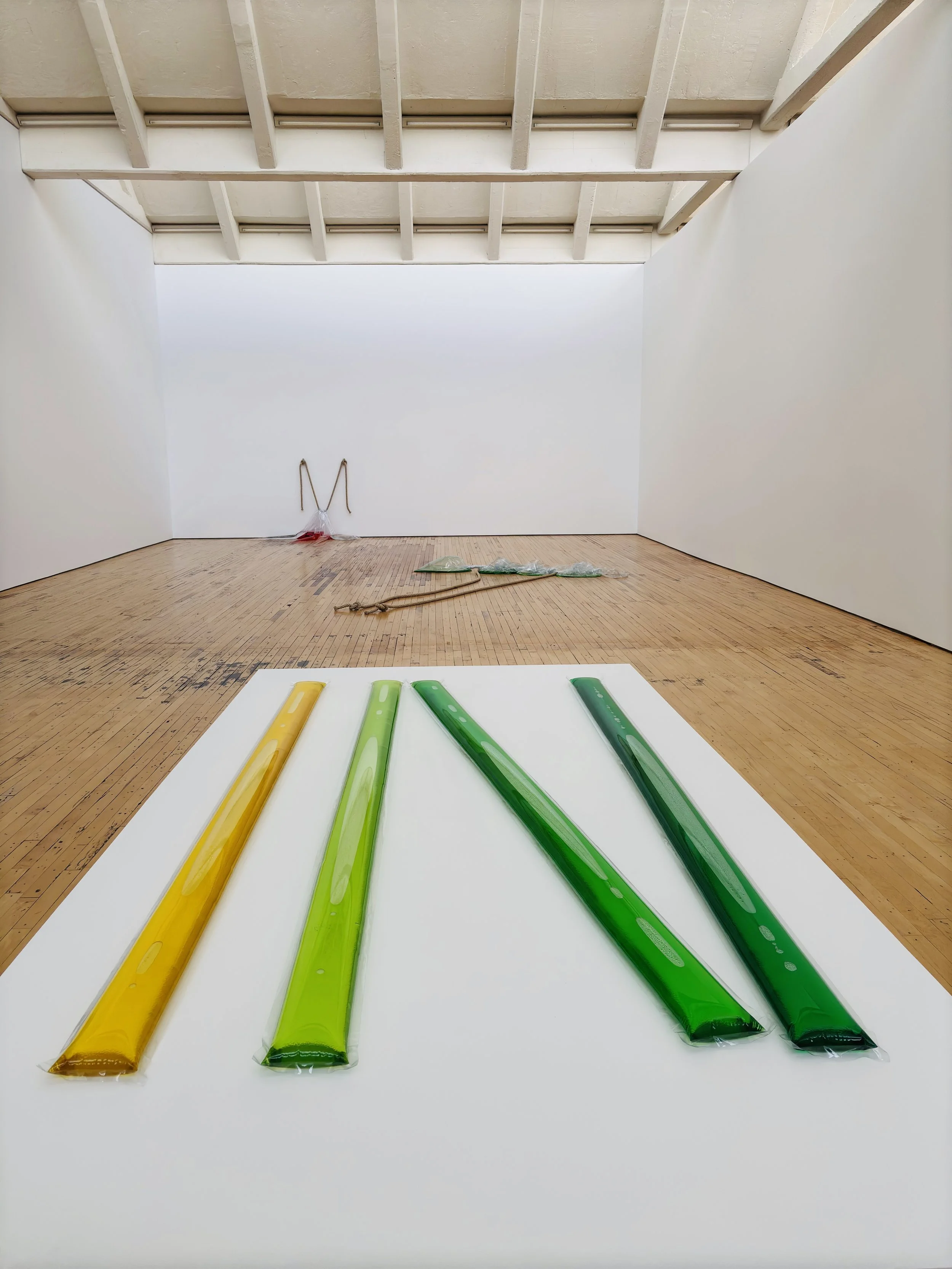
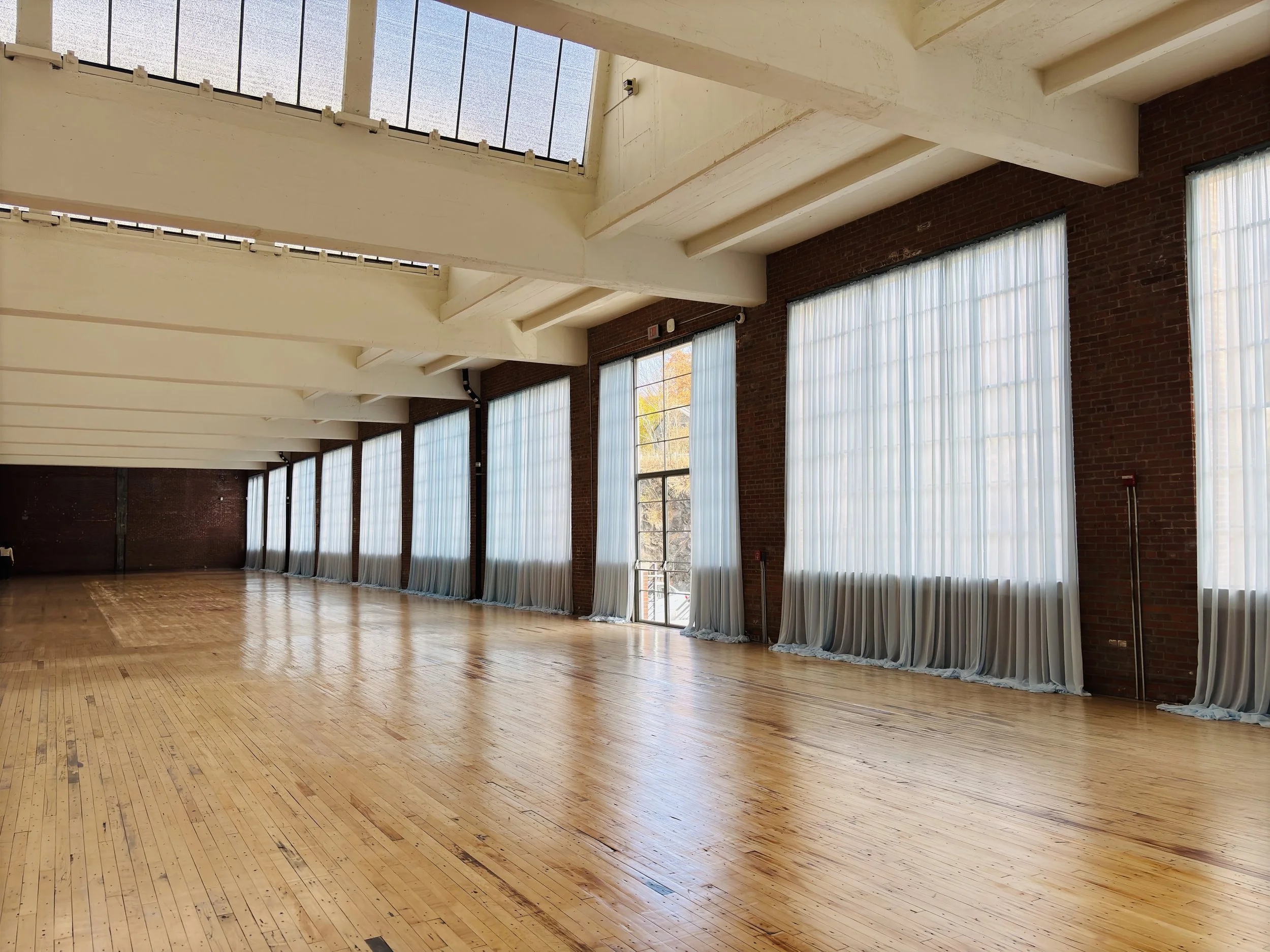
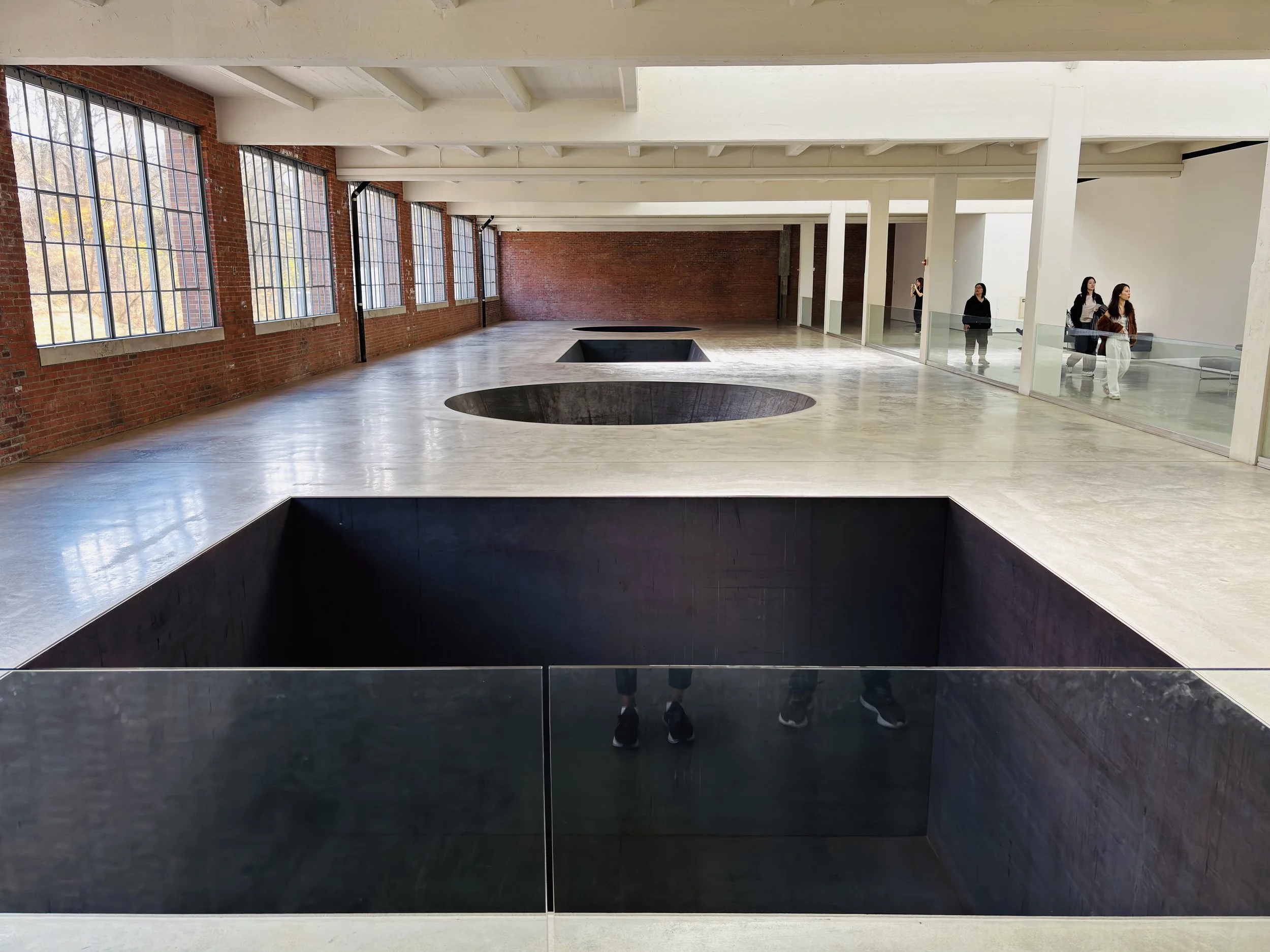
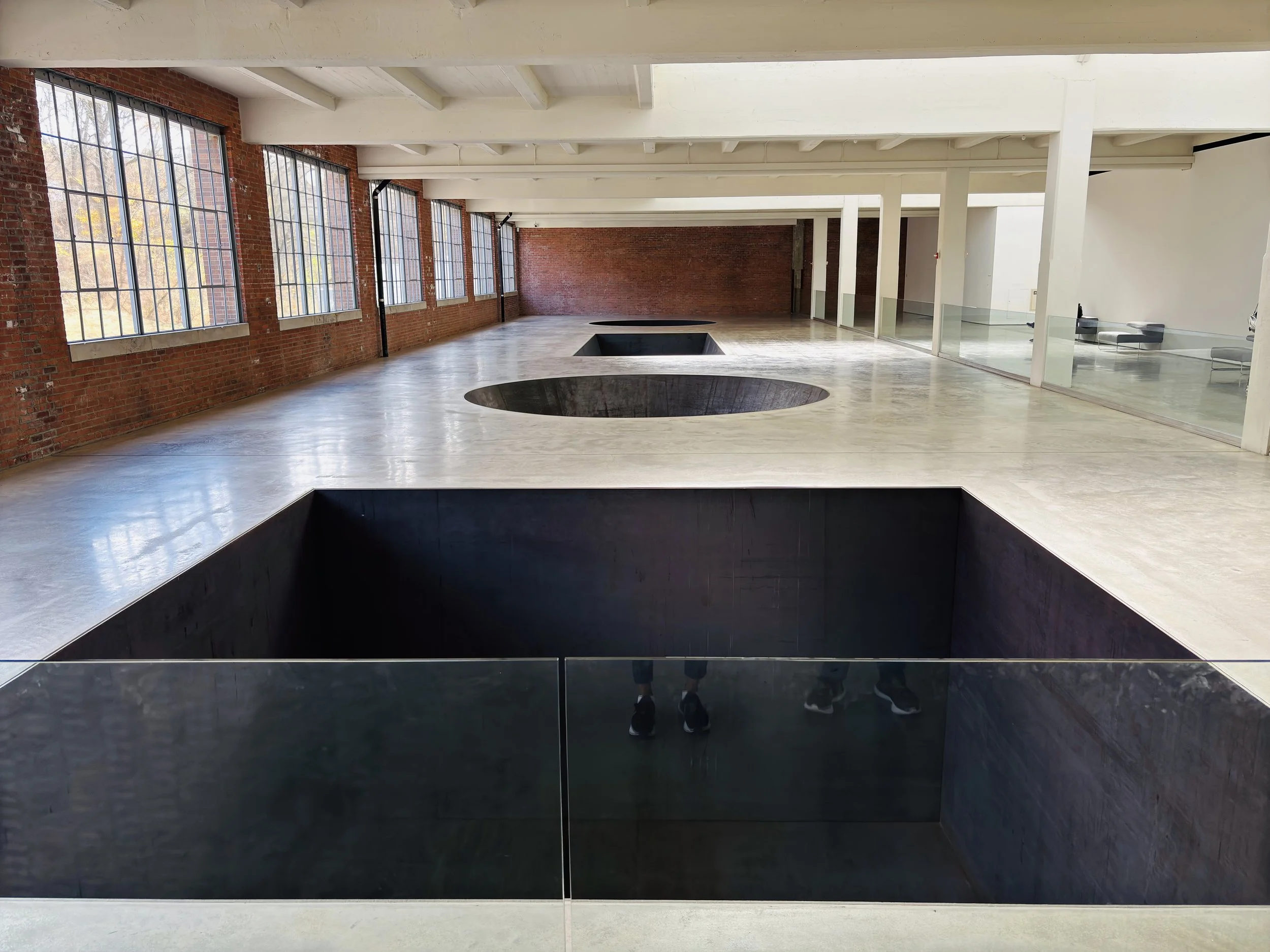
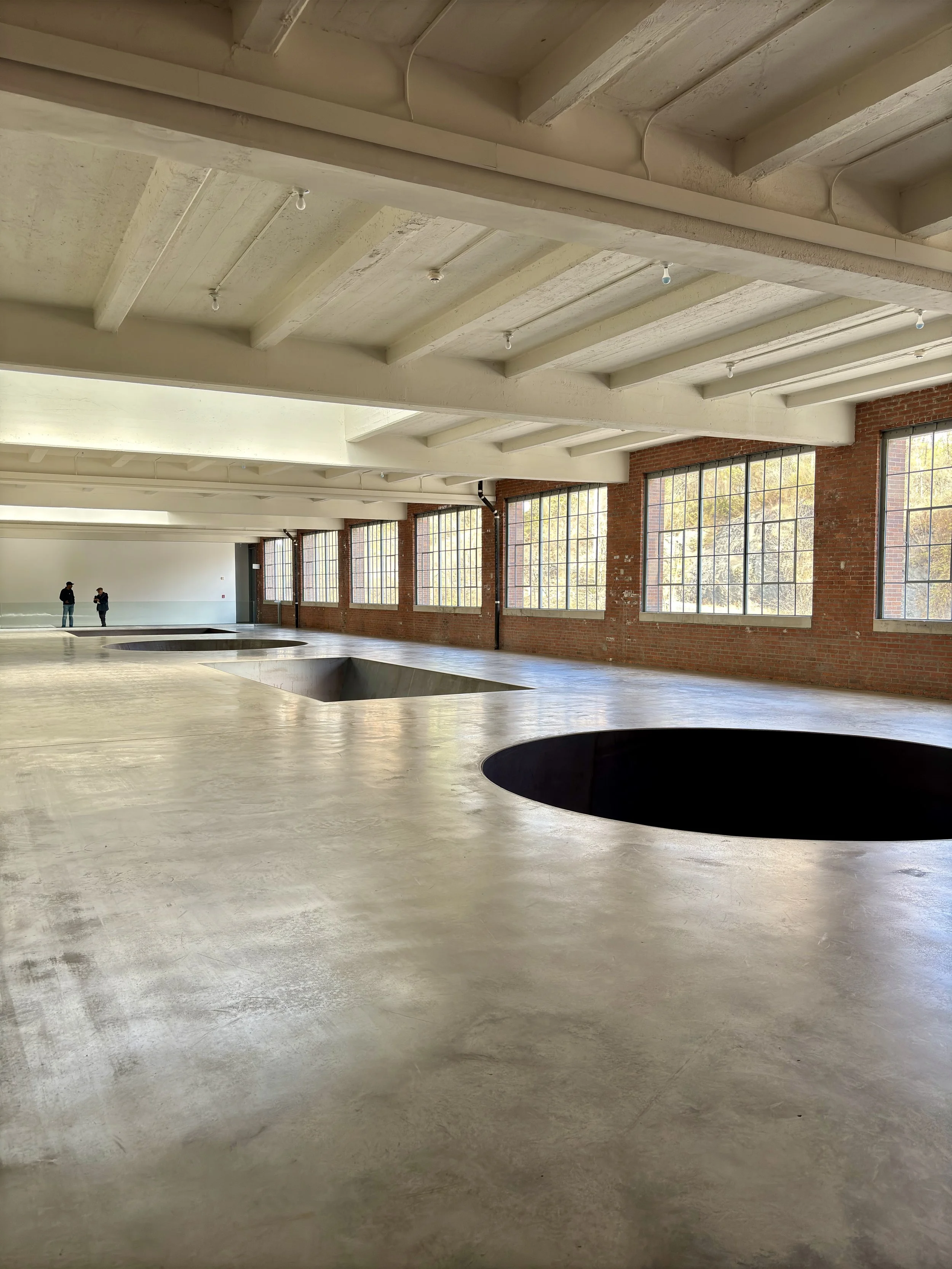
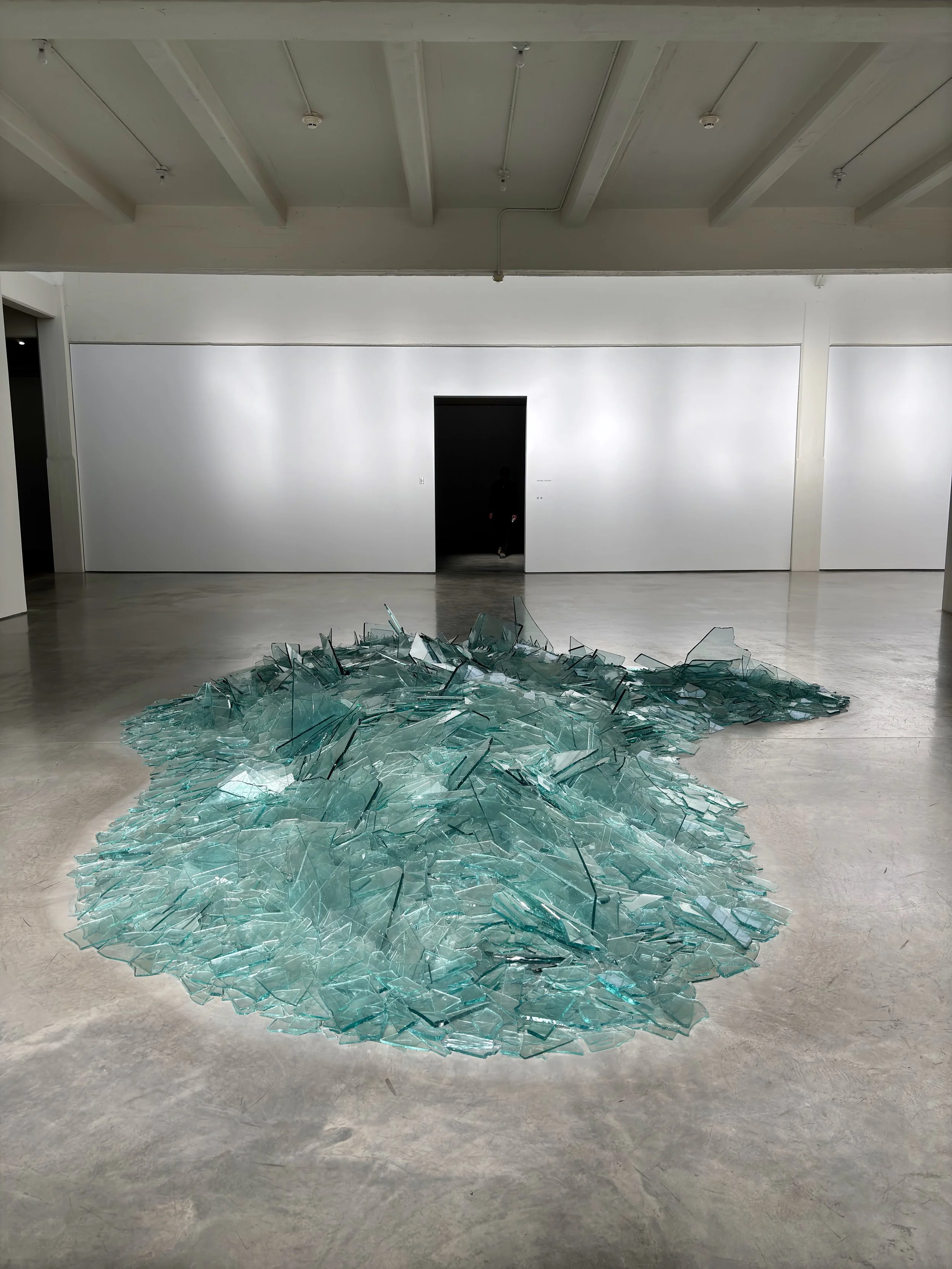
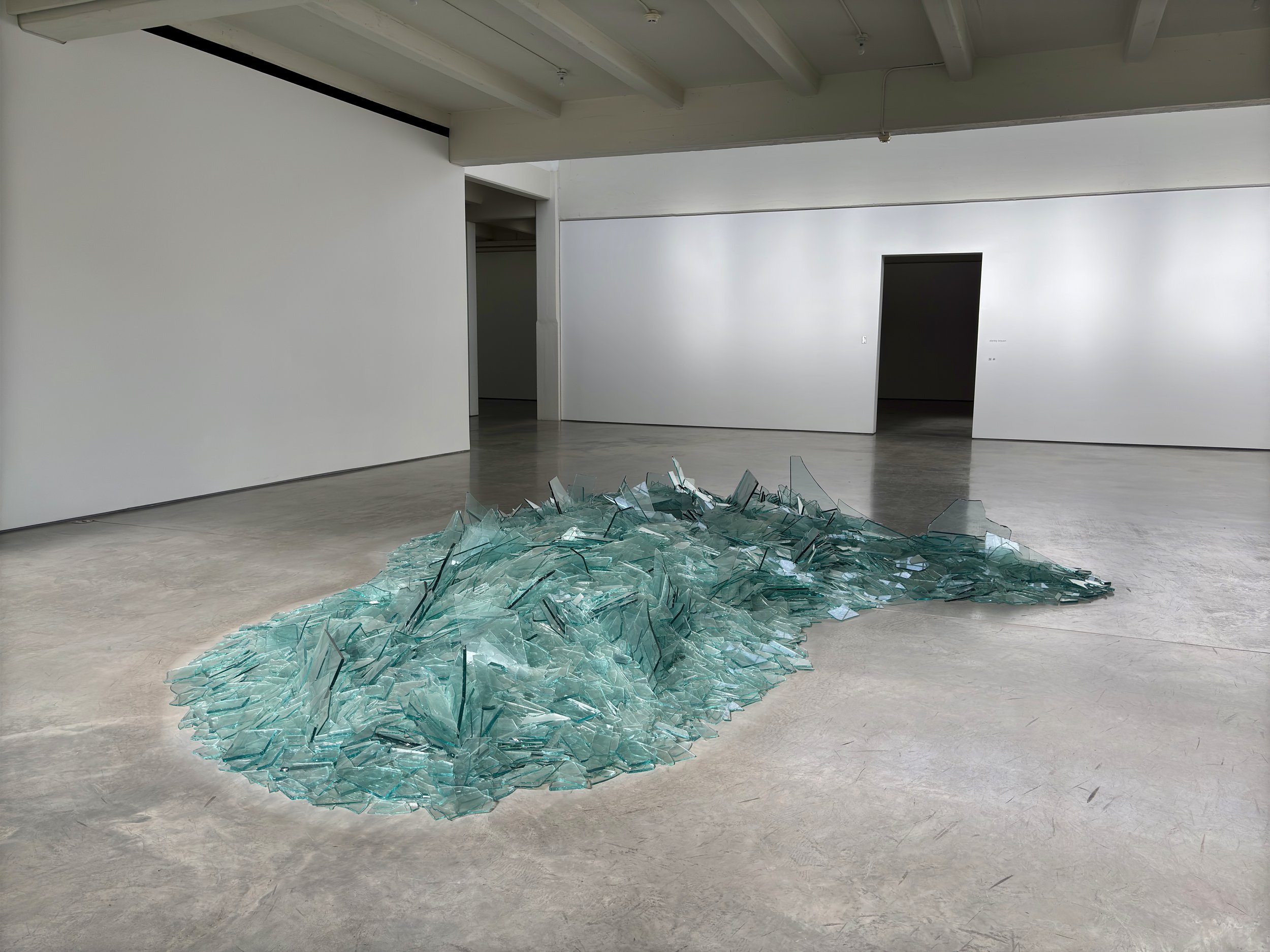
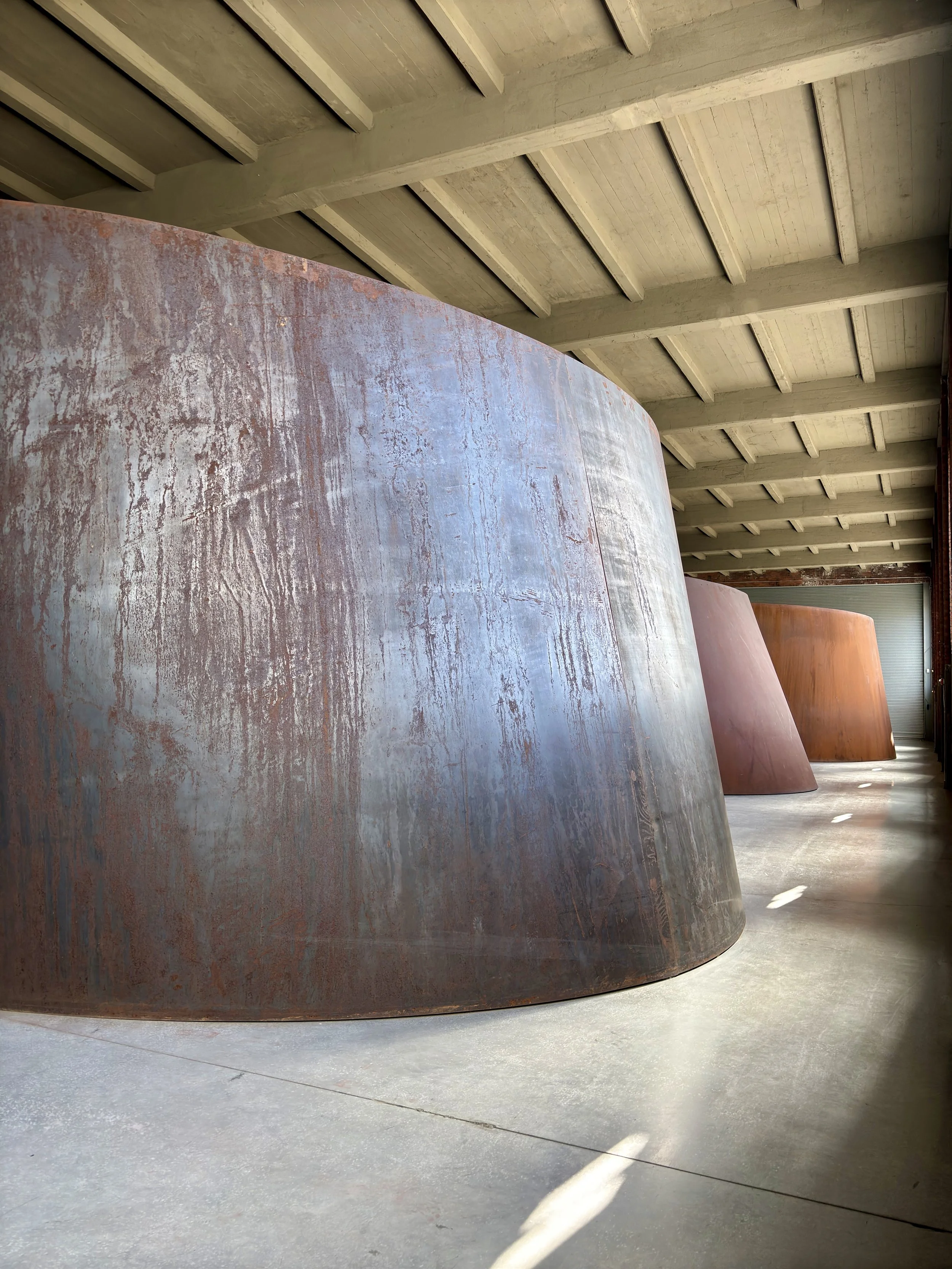
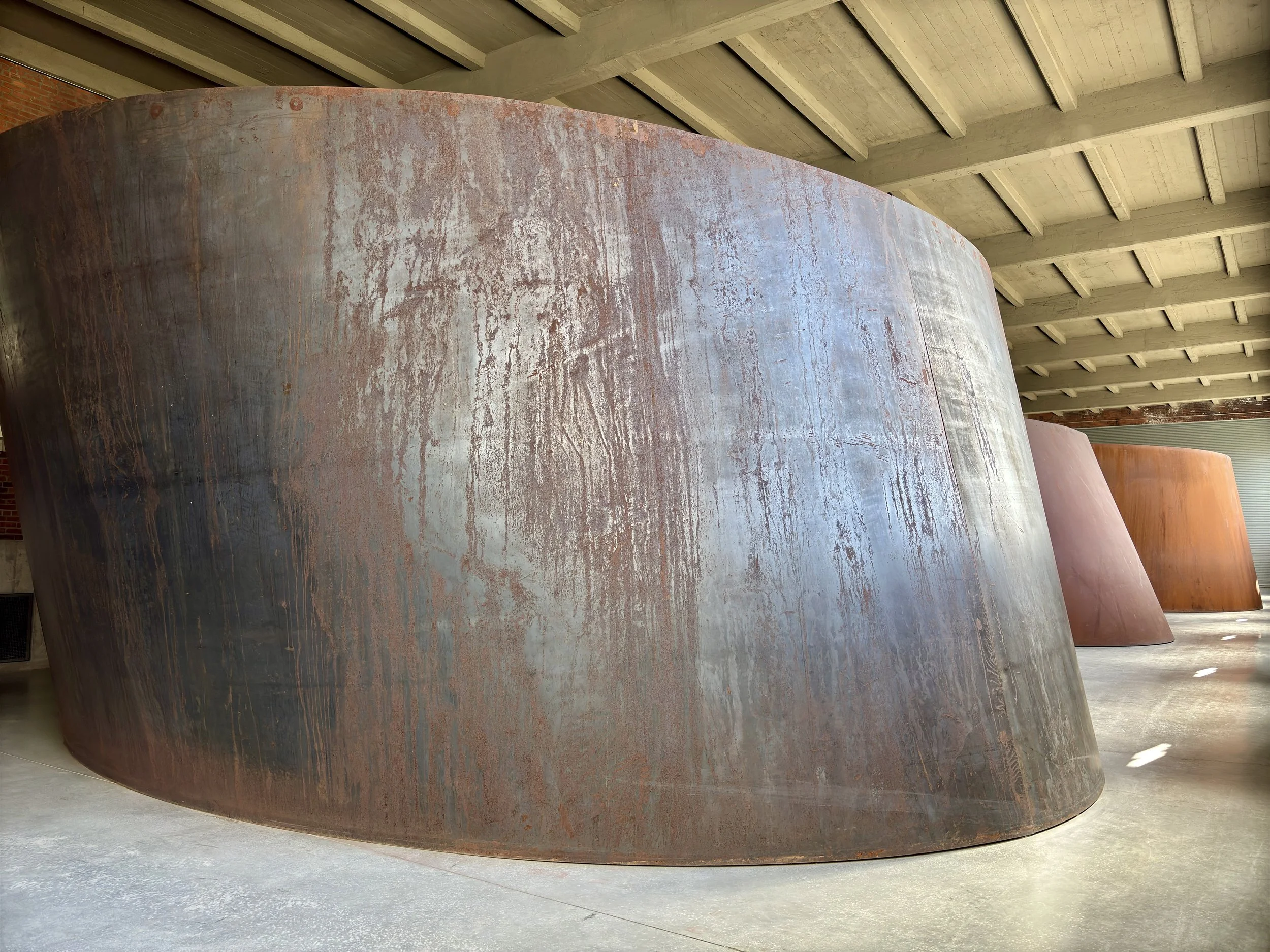
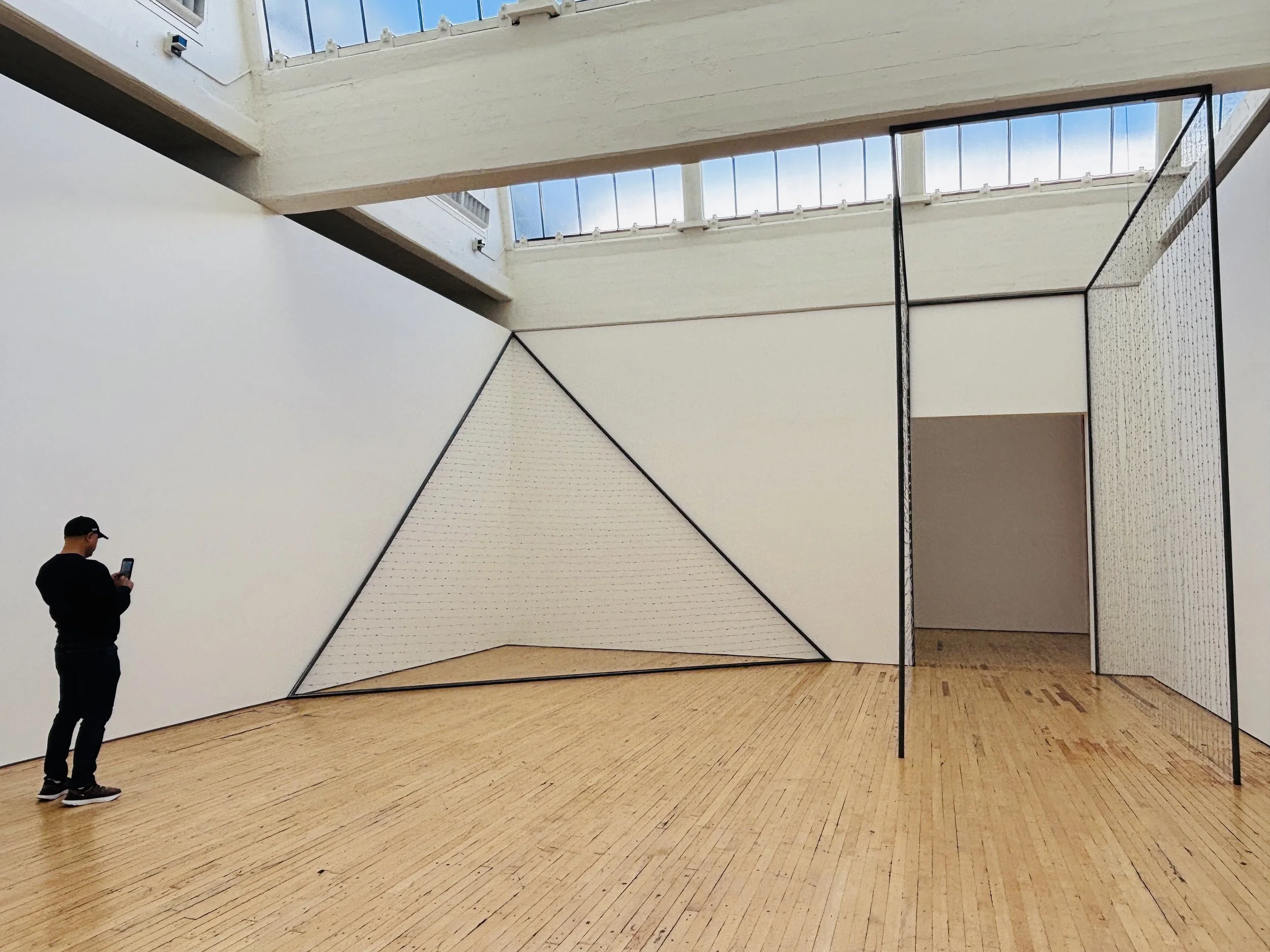
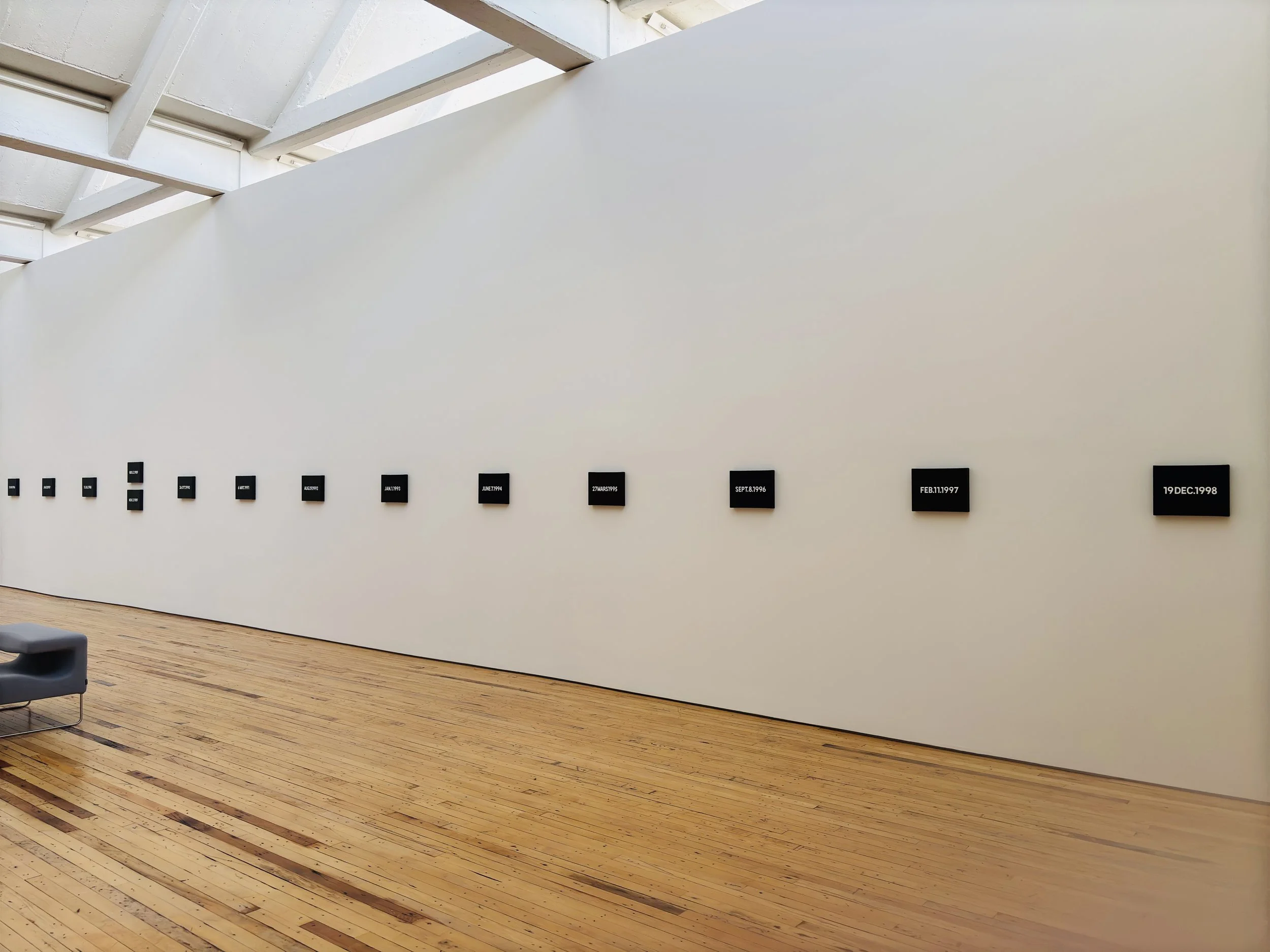
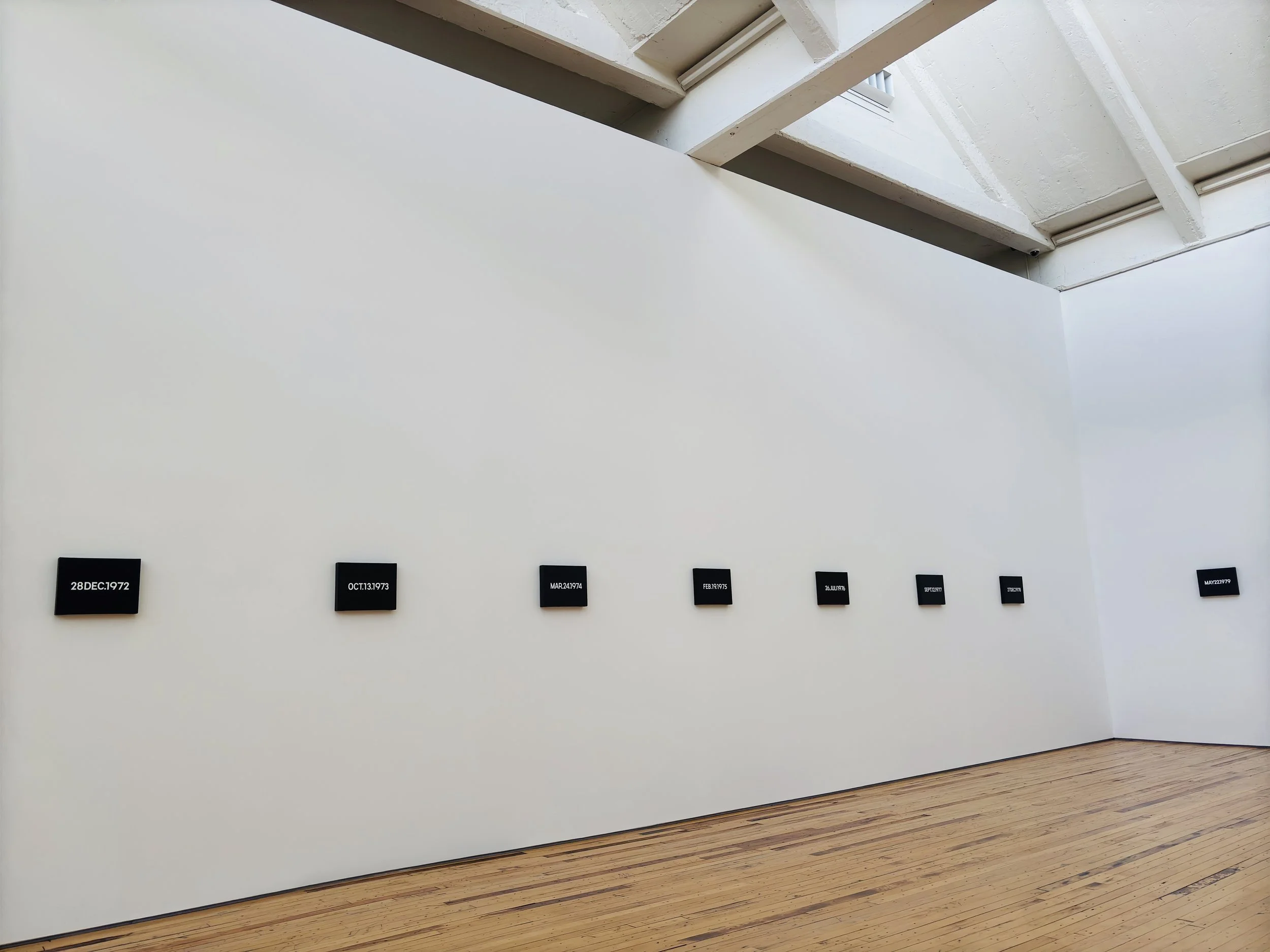
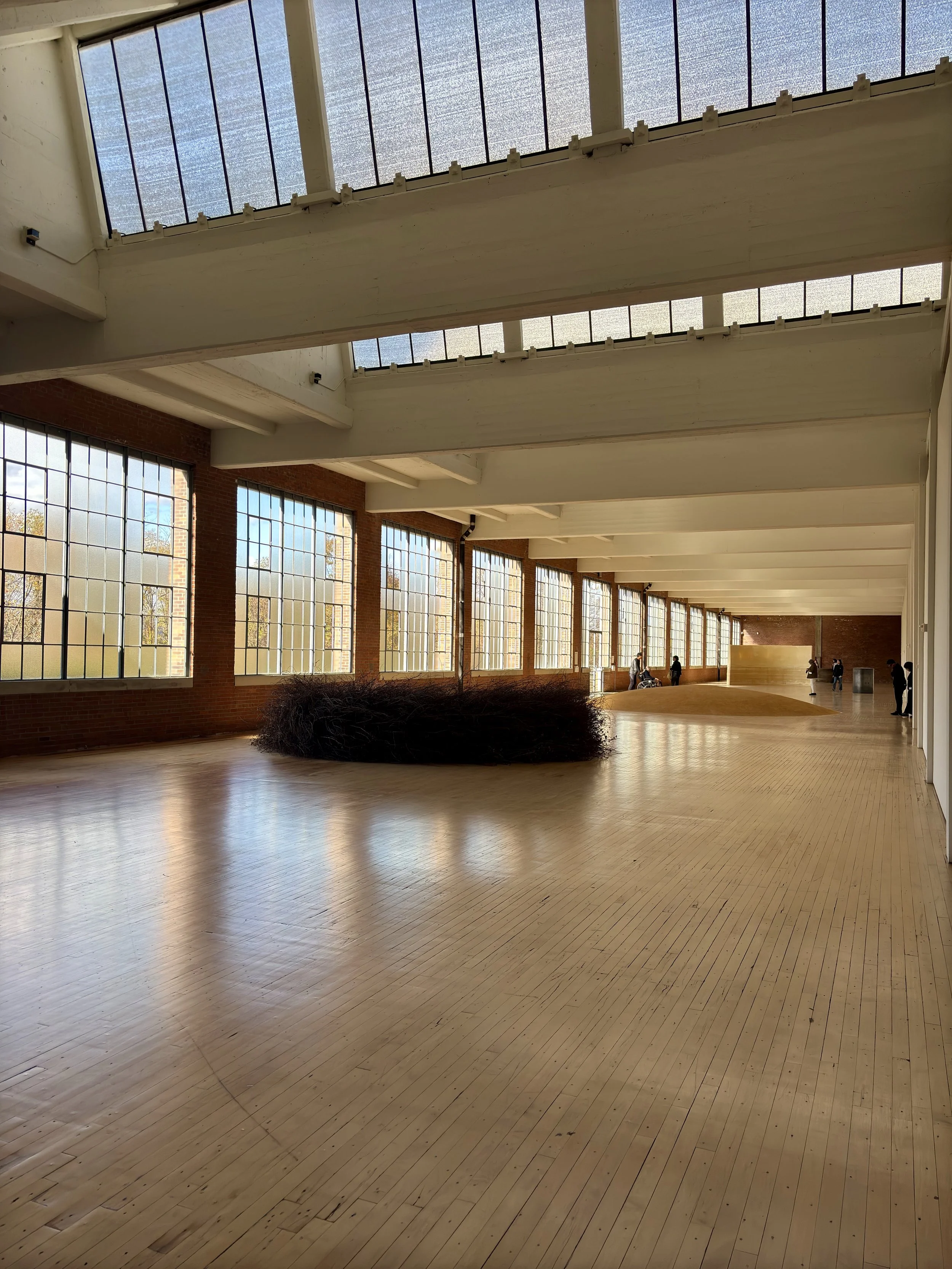
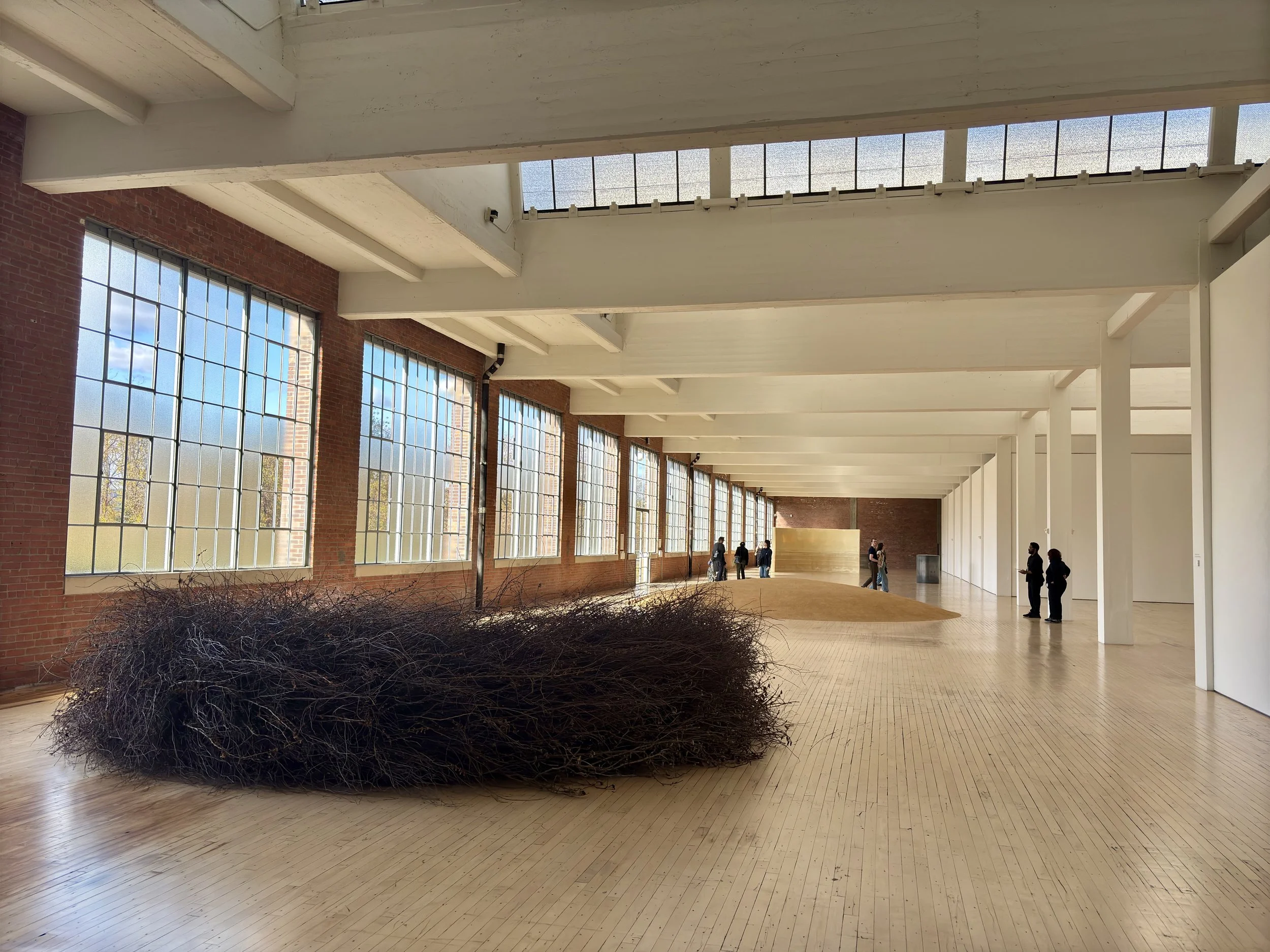
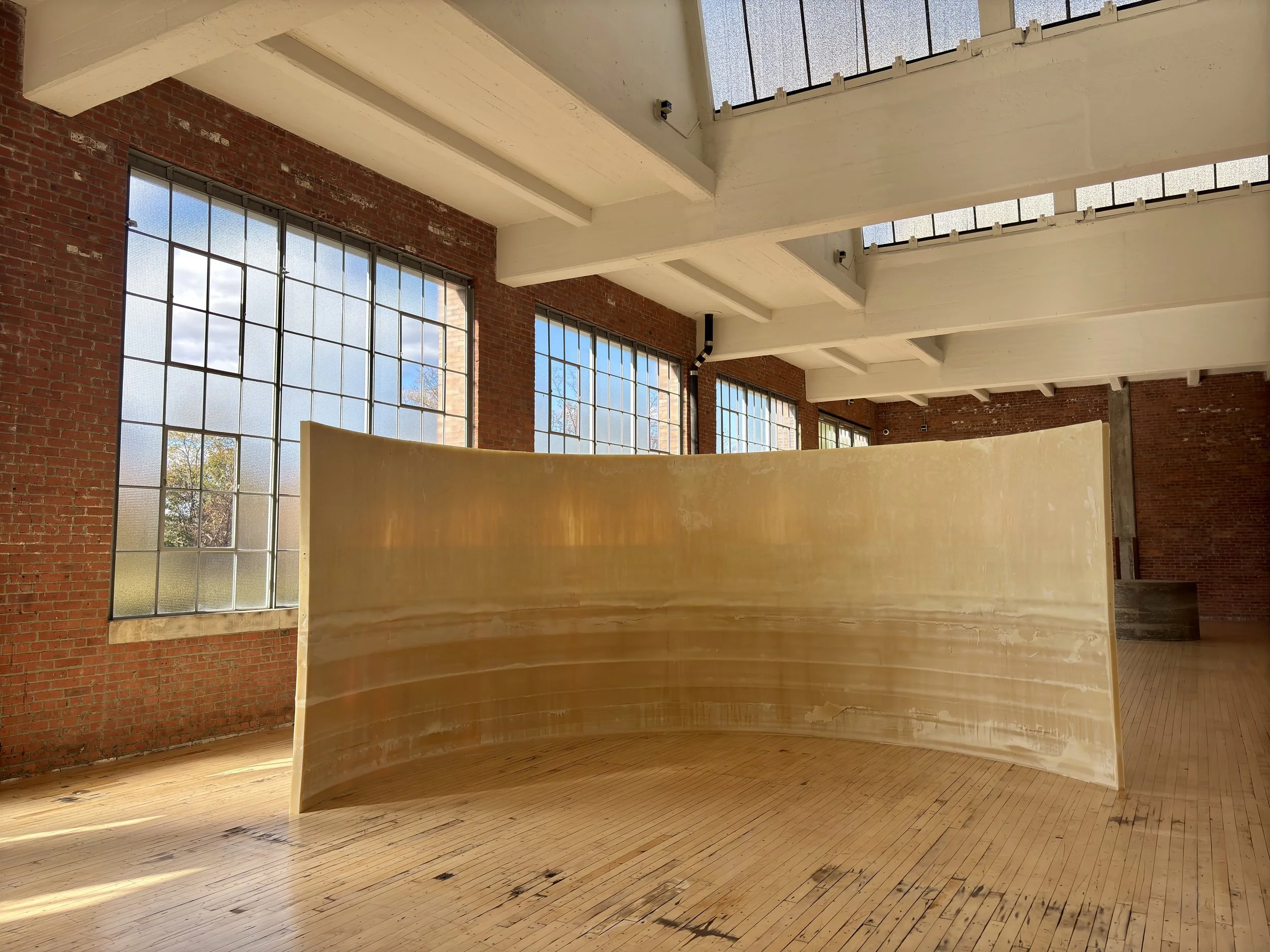
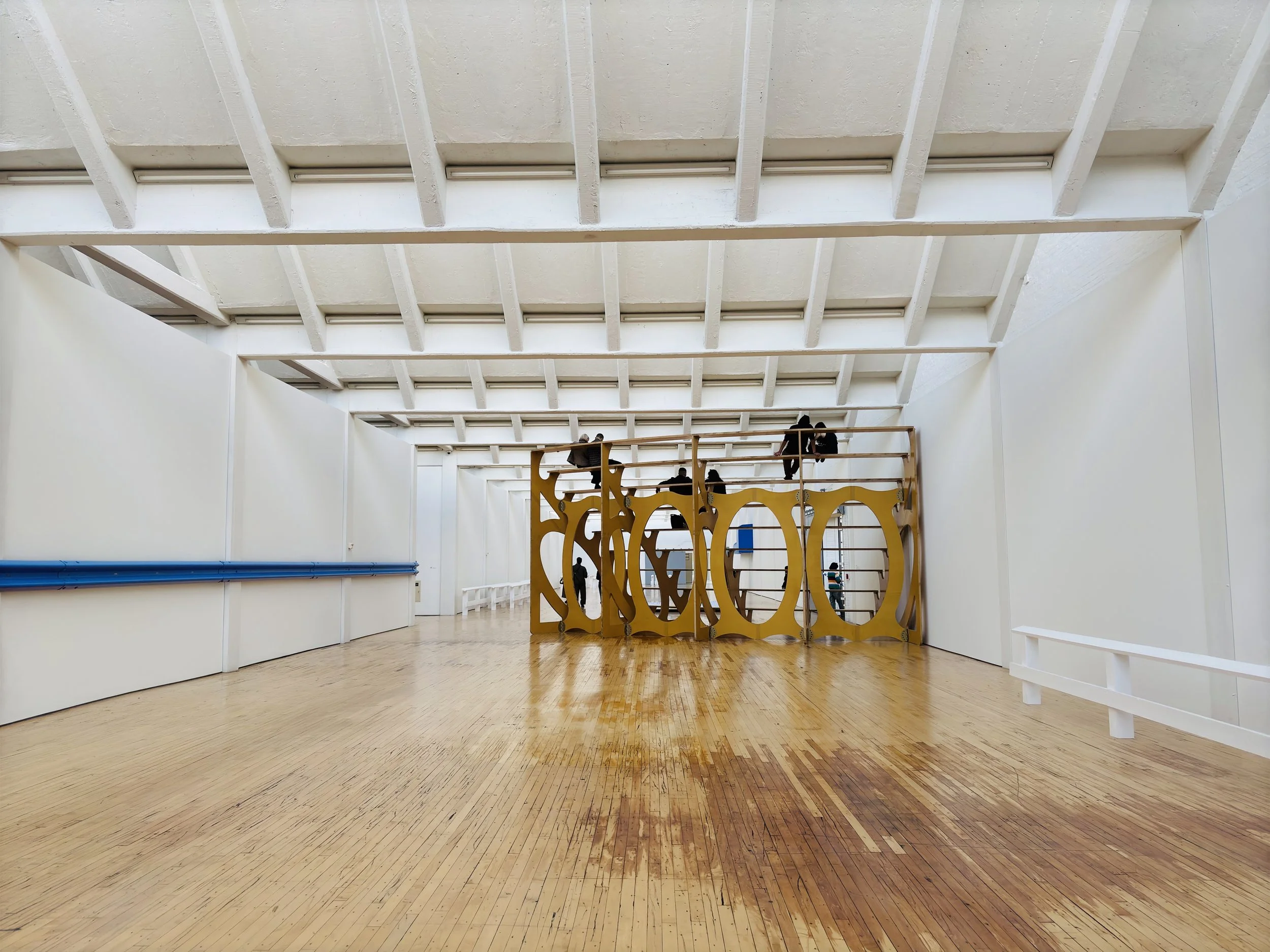
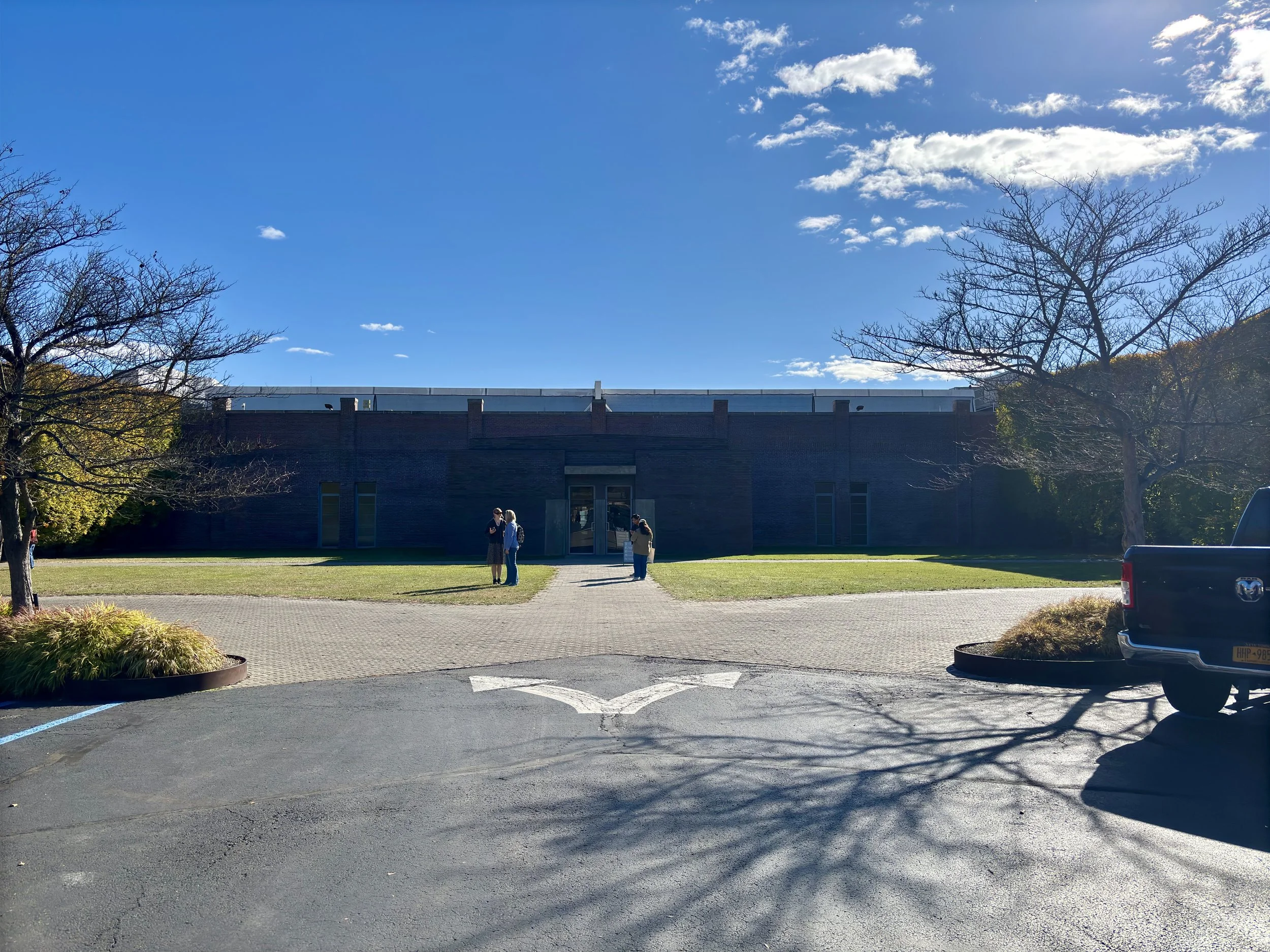
The destination for our November trip was Dia Beacon, a sanctuary where art and architecture meet. The museum is housed in a grand building made of brick, steel, and concrete that was built in 1929. It was originally a large factory used by the Nabisco company, but it has since been beautifully restored. The artist Robert Irwin helped design the modern layout, preserving the historic character of the open indoor rooms while creating quiet gardens outside. Inside, the massive galleries are flooded with natural light from thirty-four thousand square feet of skylights that open to the sky. This unique design allows the changing daytime atmosphere to illuminate the space naturally.

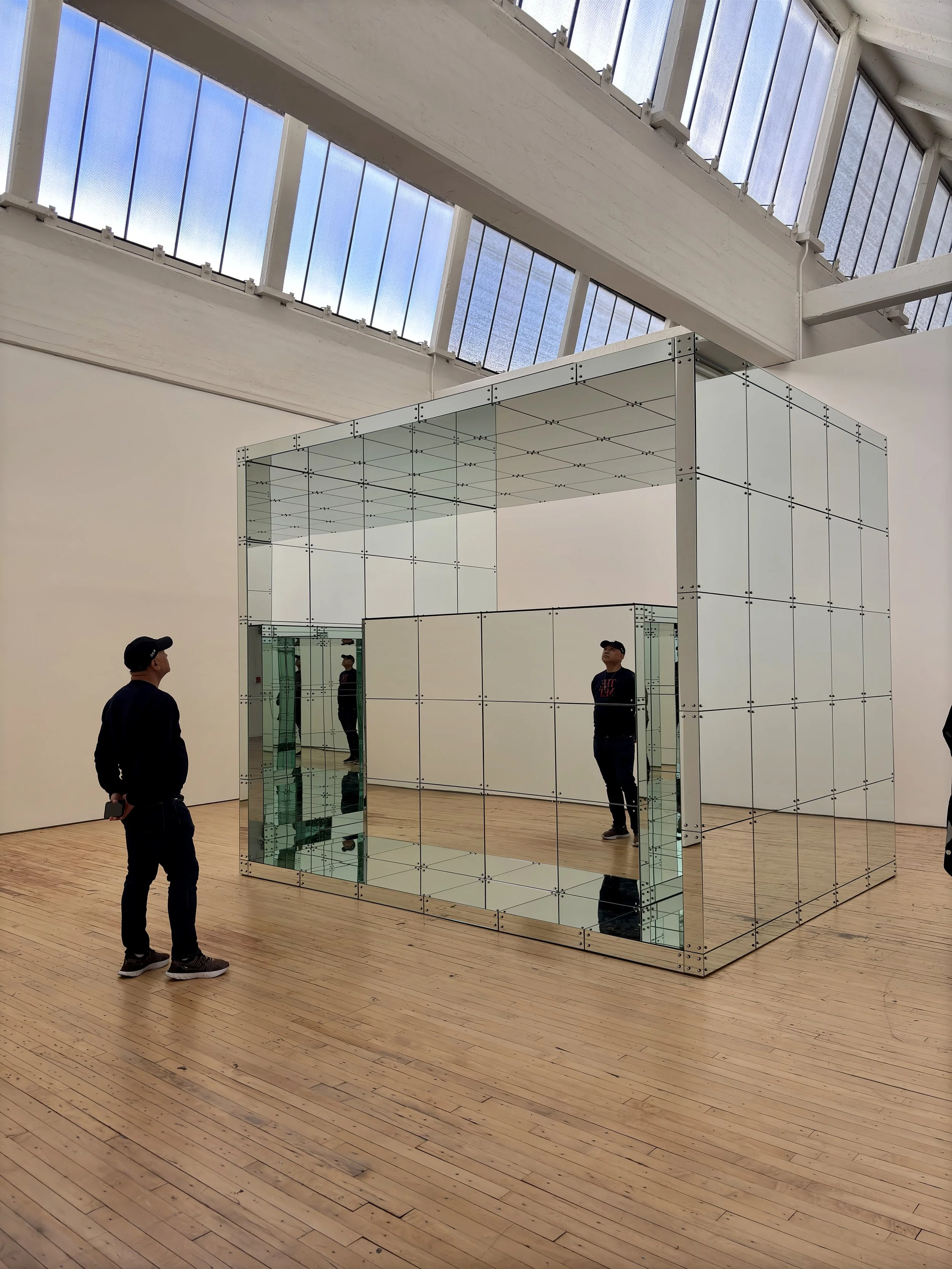
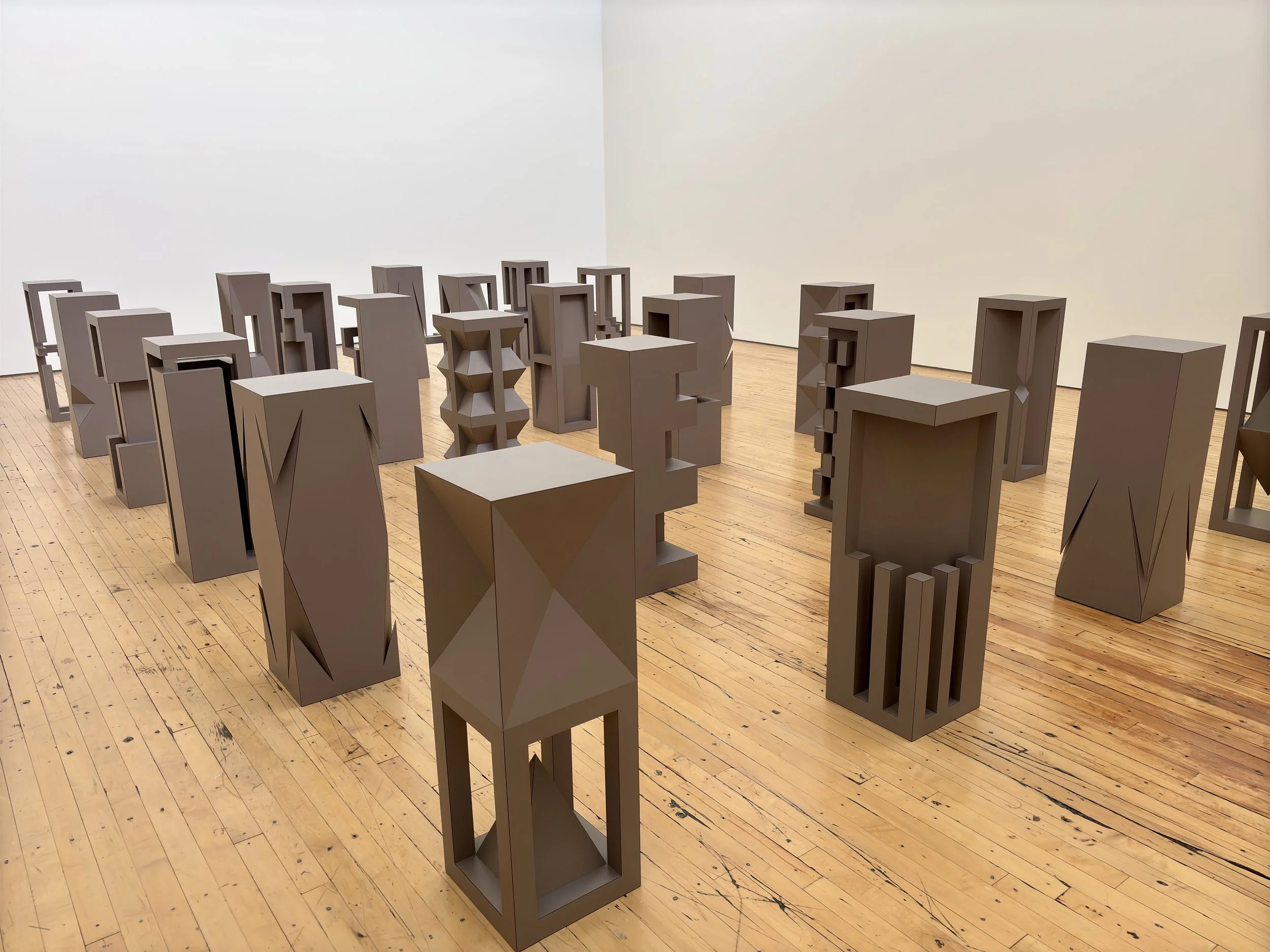
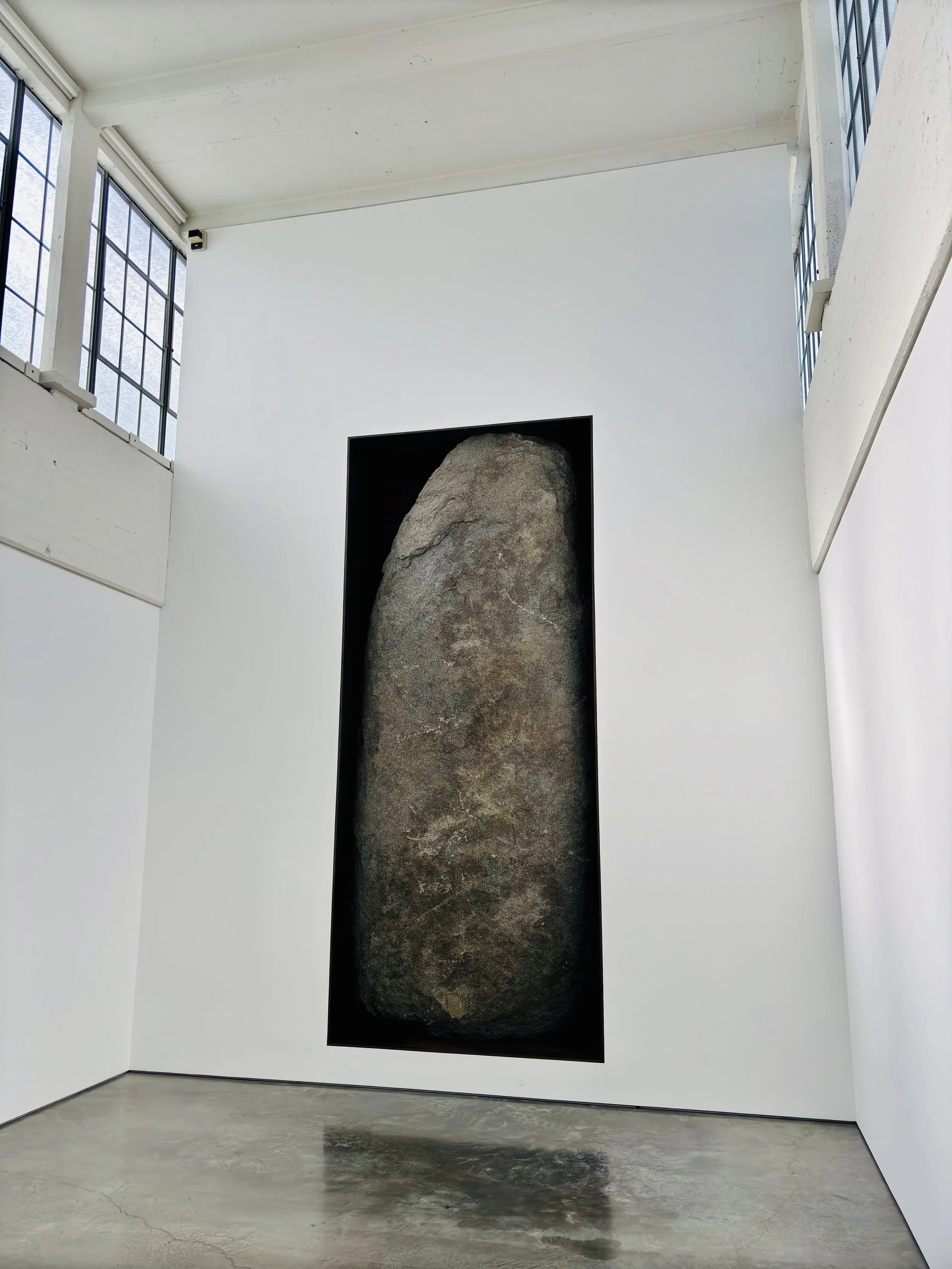
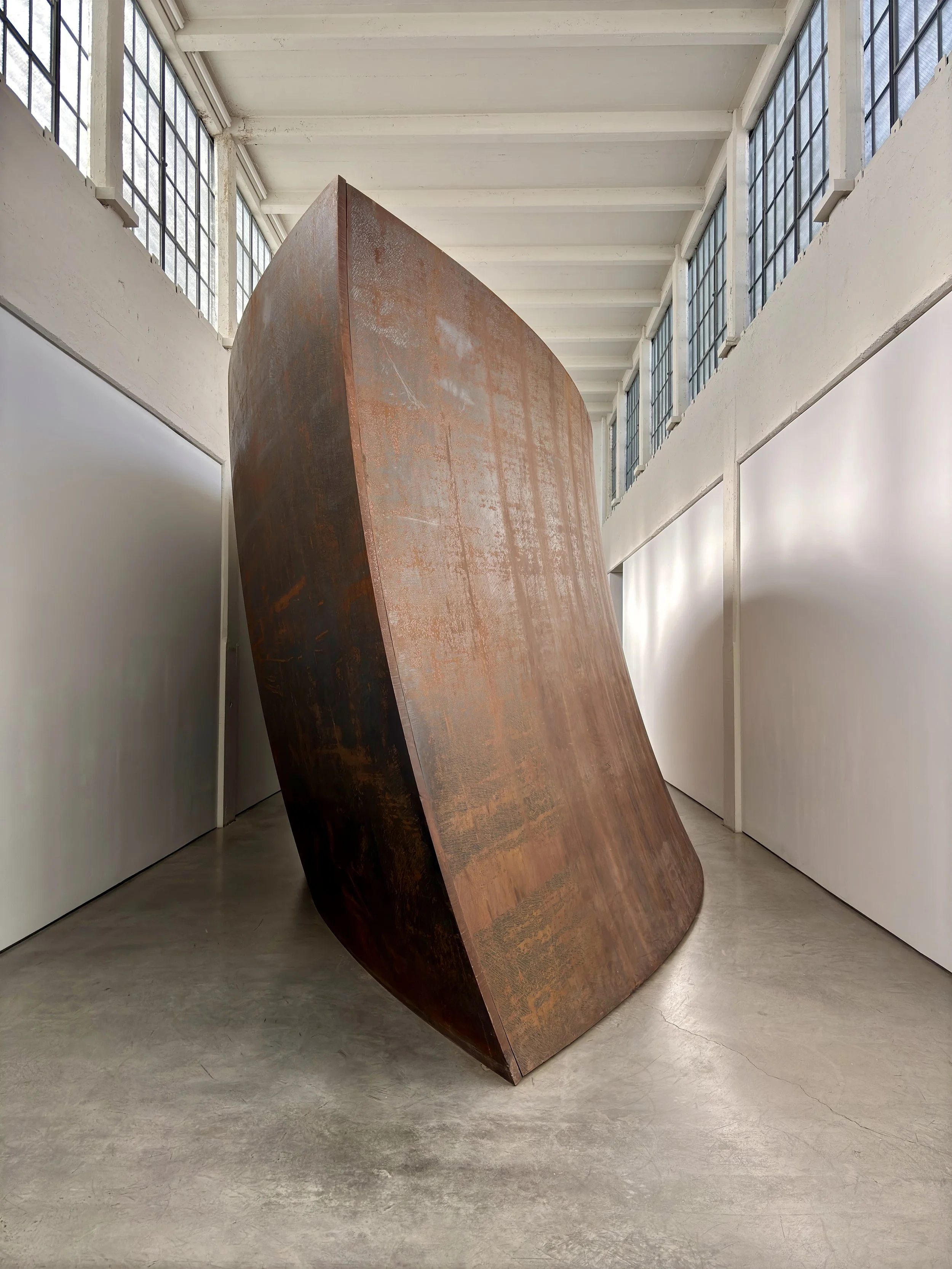
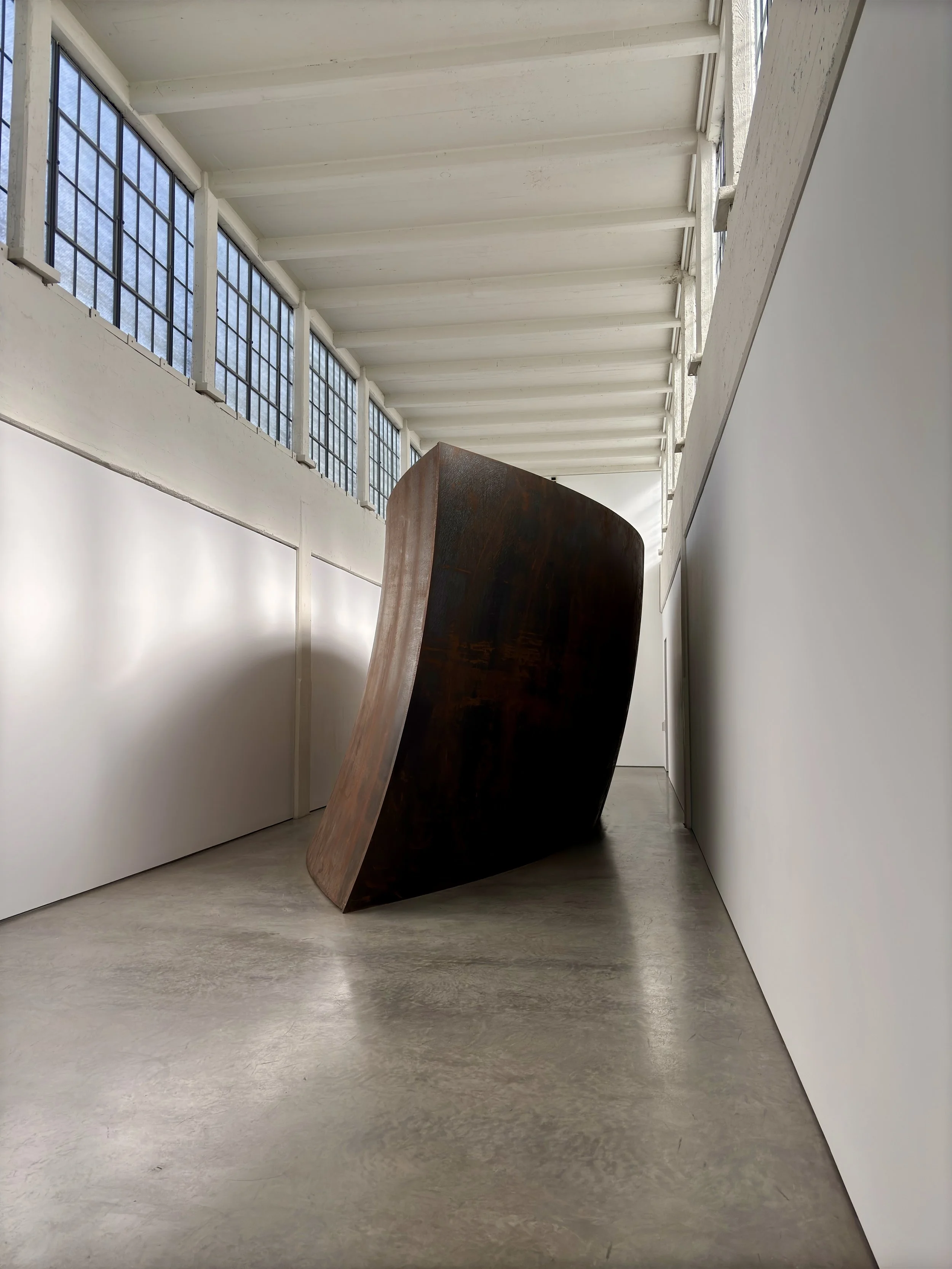
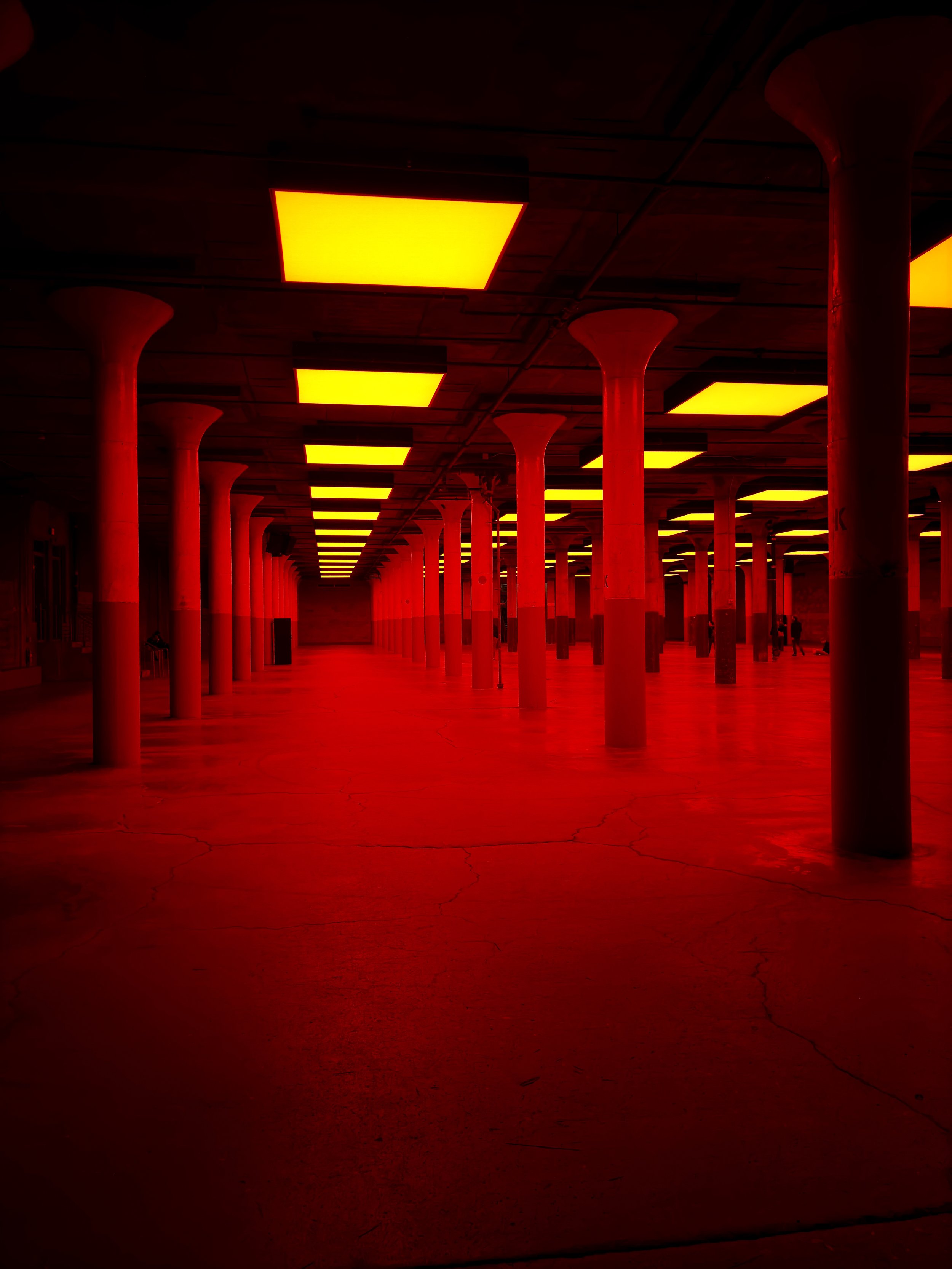
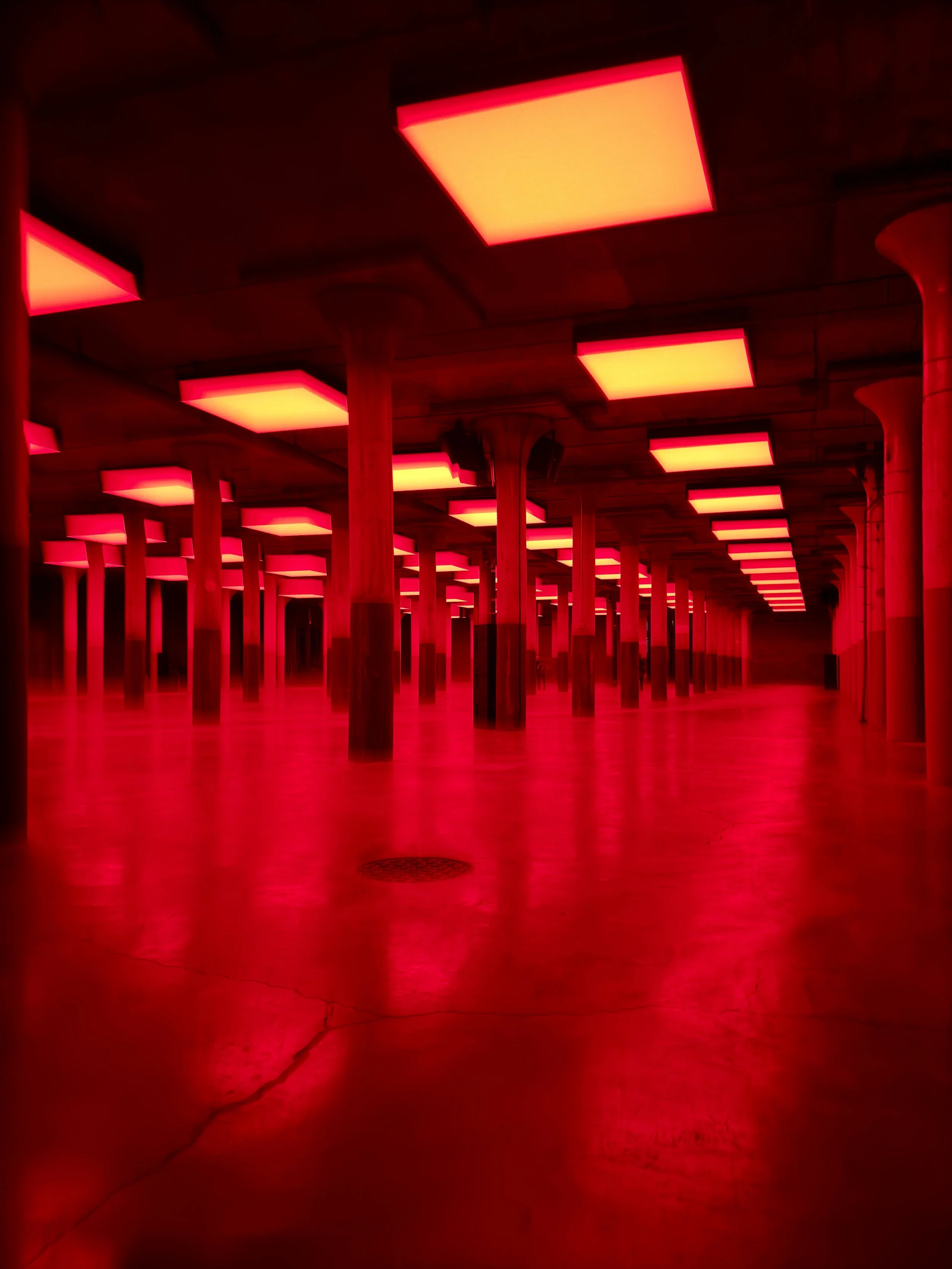
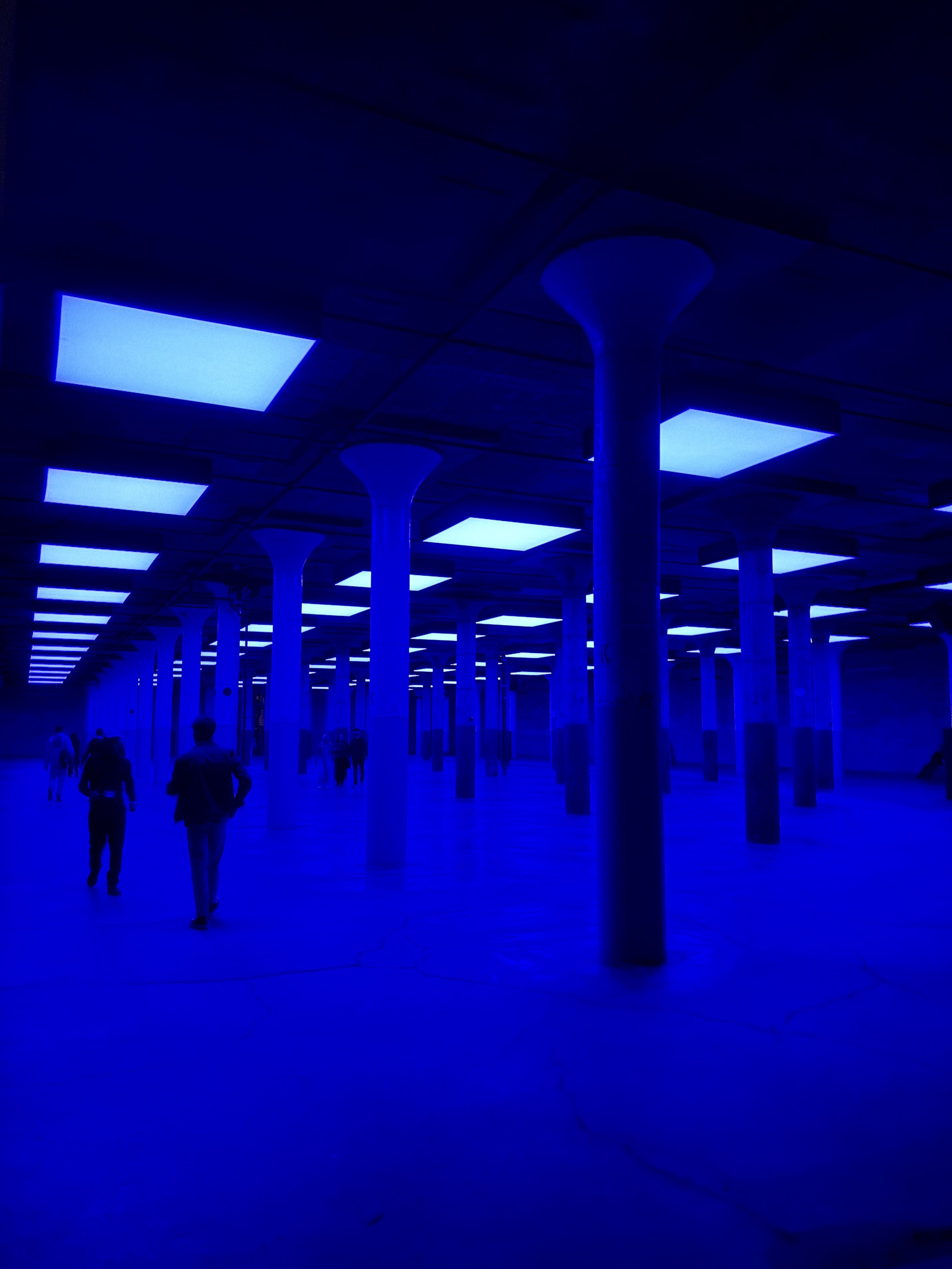
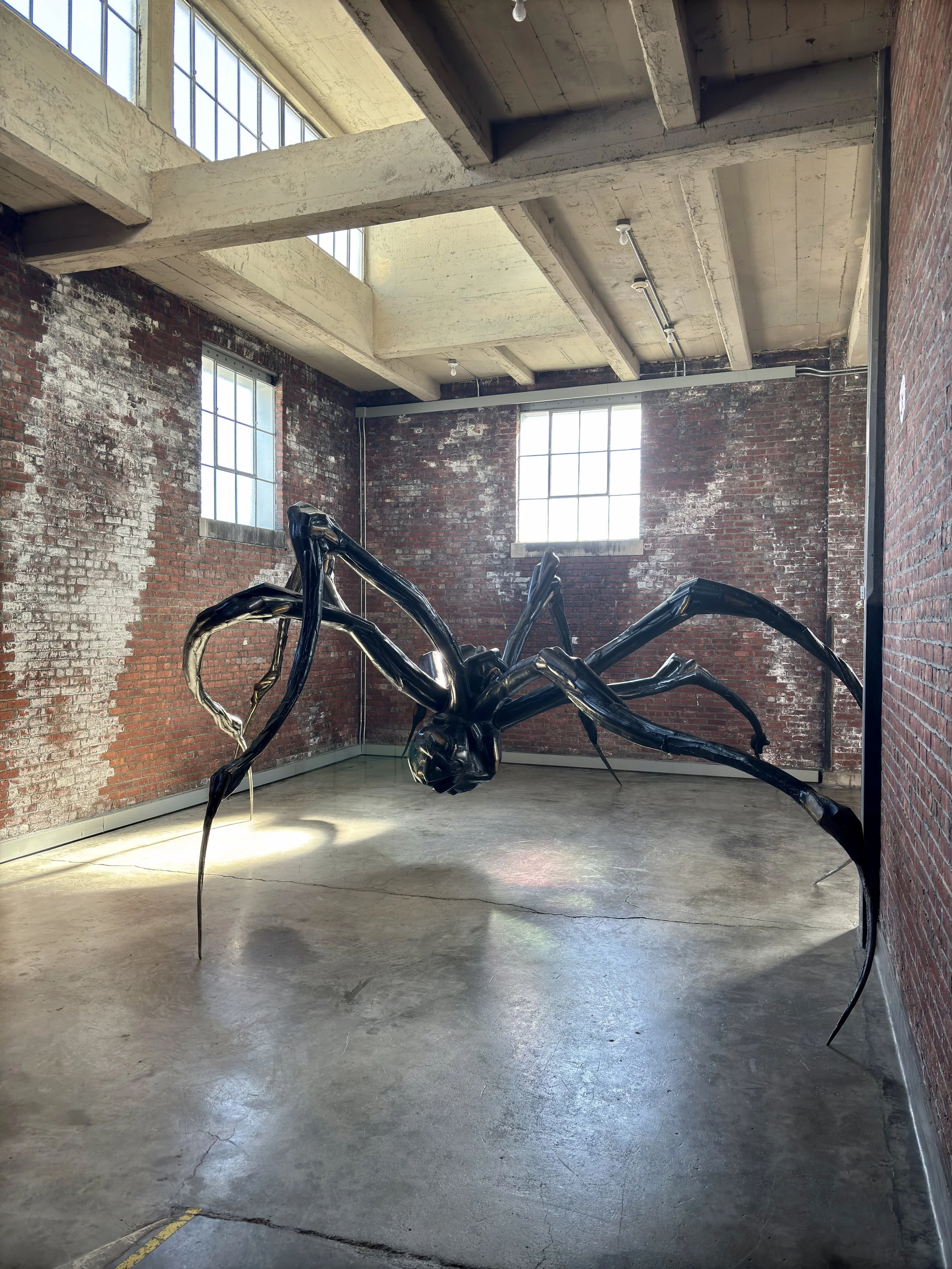
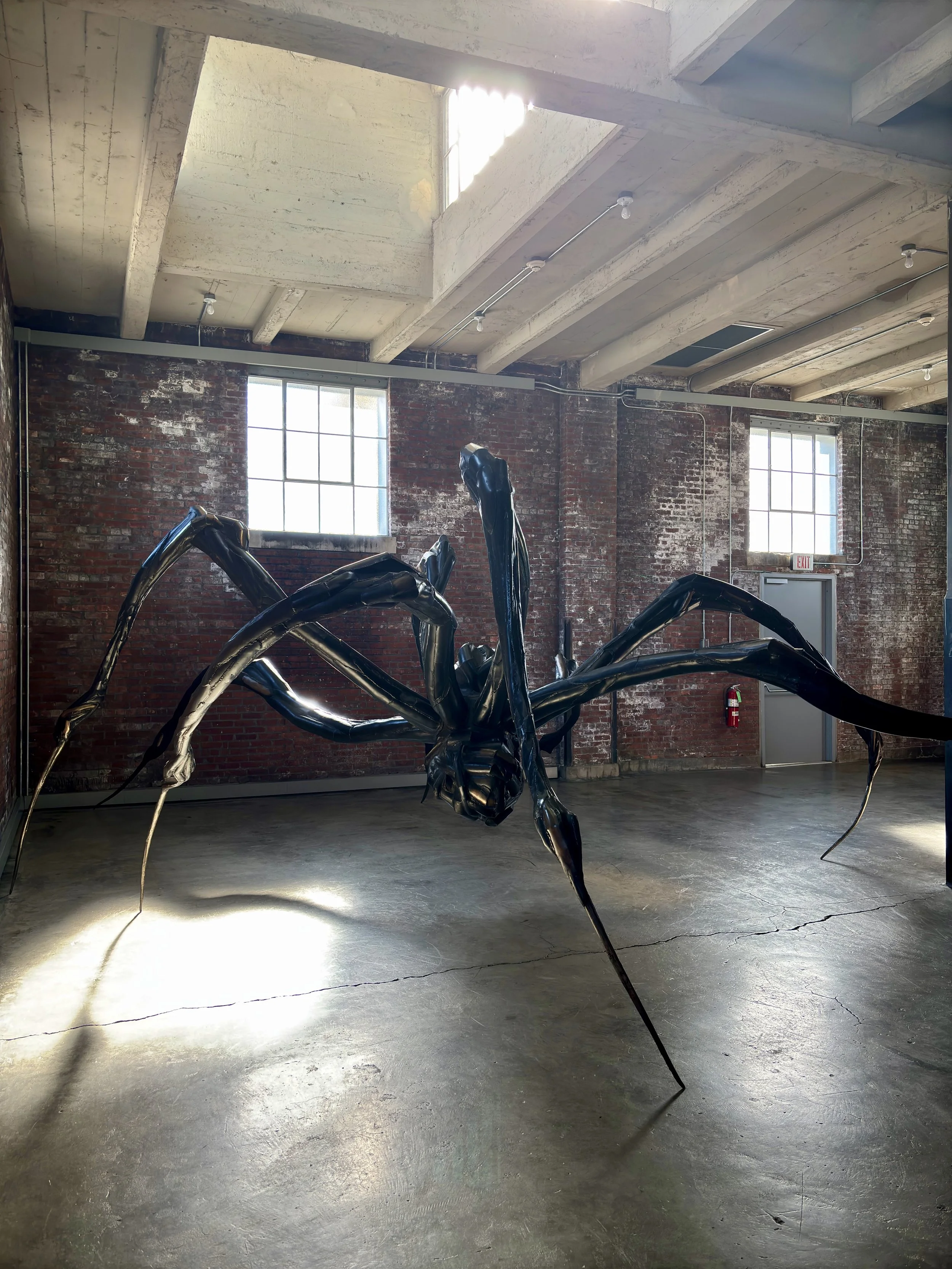
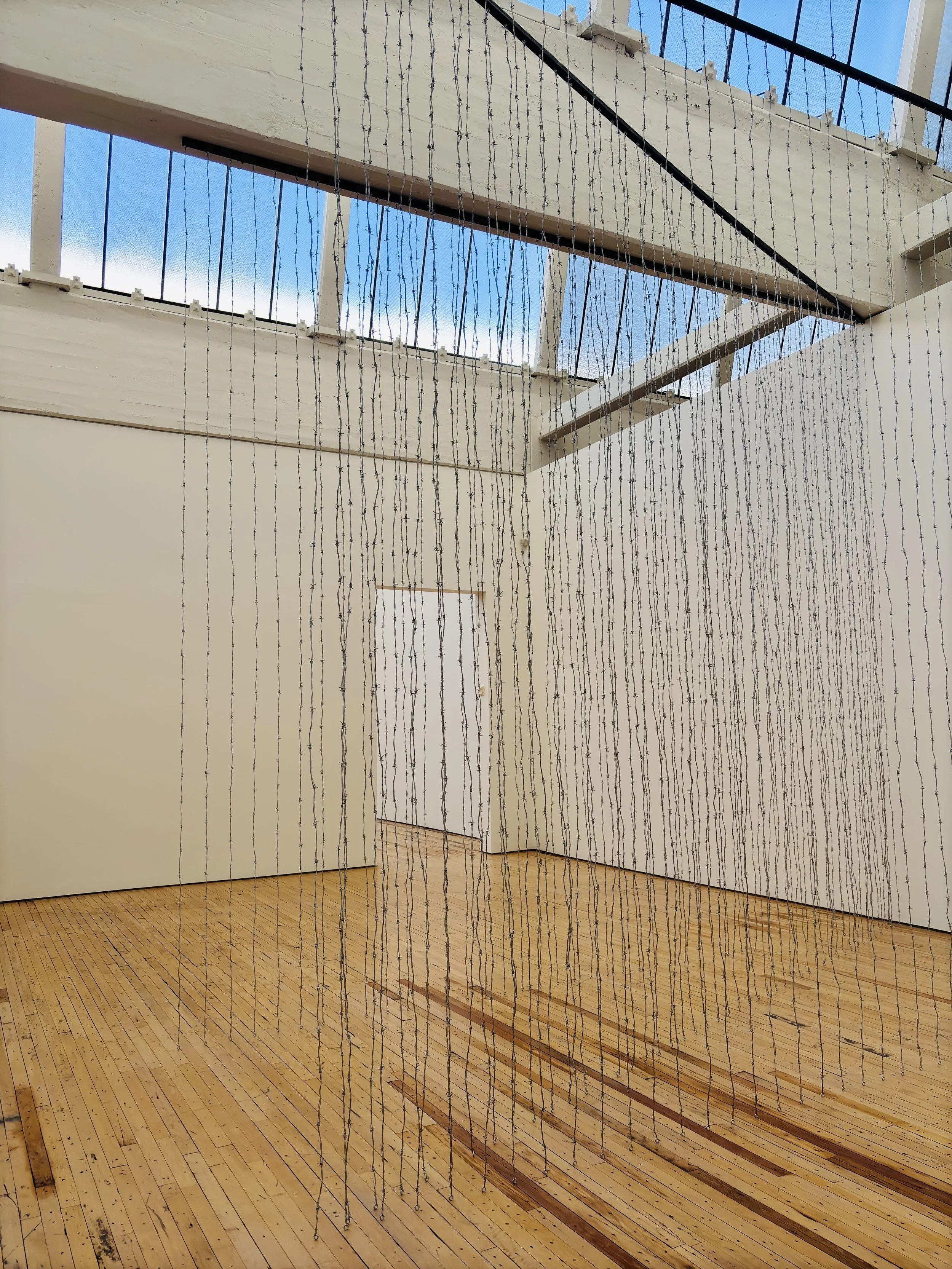
The true gift of Dia Beacon is its scale, as the museum gives each artist an entire gallery of their own. Being enveloped by such large scale sculptures and installations is what makes this place a true gem. During our visit, we stepped into a fascinating mirrored room by Lucas Samaras, which felt like walking inside an endless kaleidoscope. In the lower level, we experienced a powerful work by Steve McQueen called *Bass*. This vast, subterranean space was filled with deep, echoing music while sixty lightboxes on the ceiling slowly shifted colour. We also walked among the towering steel structures of Richard Serra and stood before the deep geometric shapes cut into the floor by Michael Heizer. There is a profound beauty in the monumentality of the art here, allowing visitors to feel completely immersed in every creation.
Dia Art Foundation

Comment

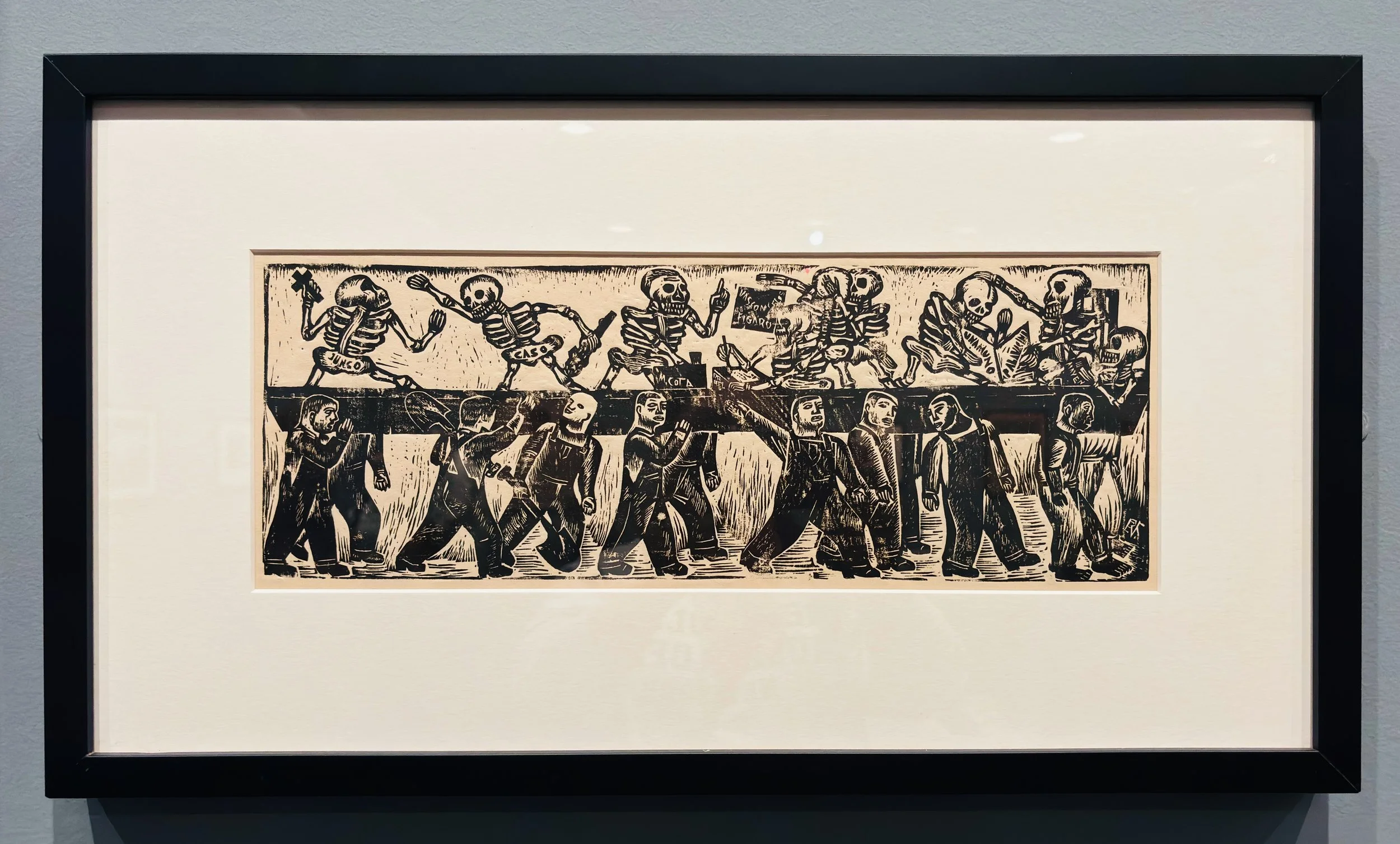
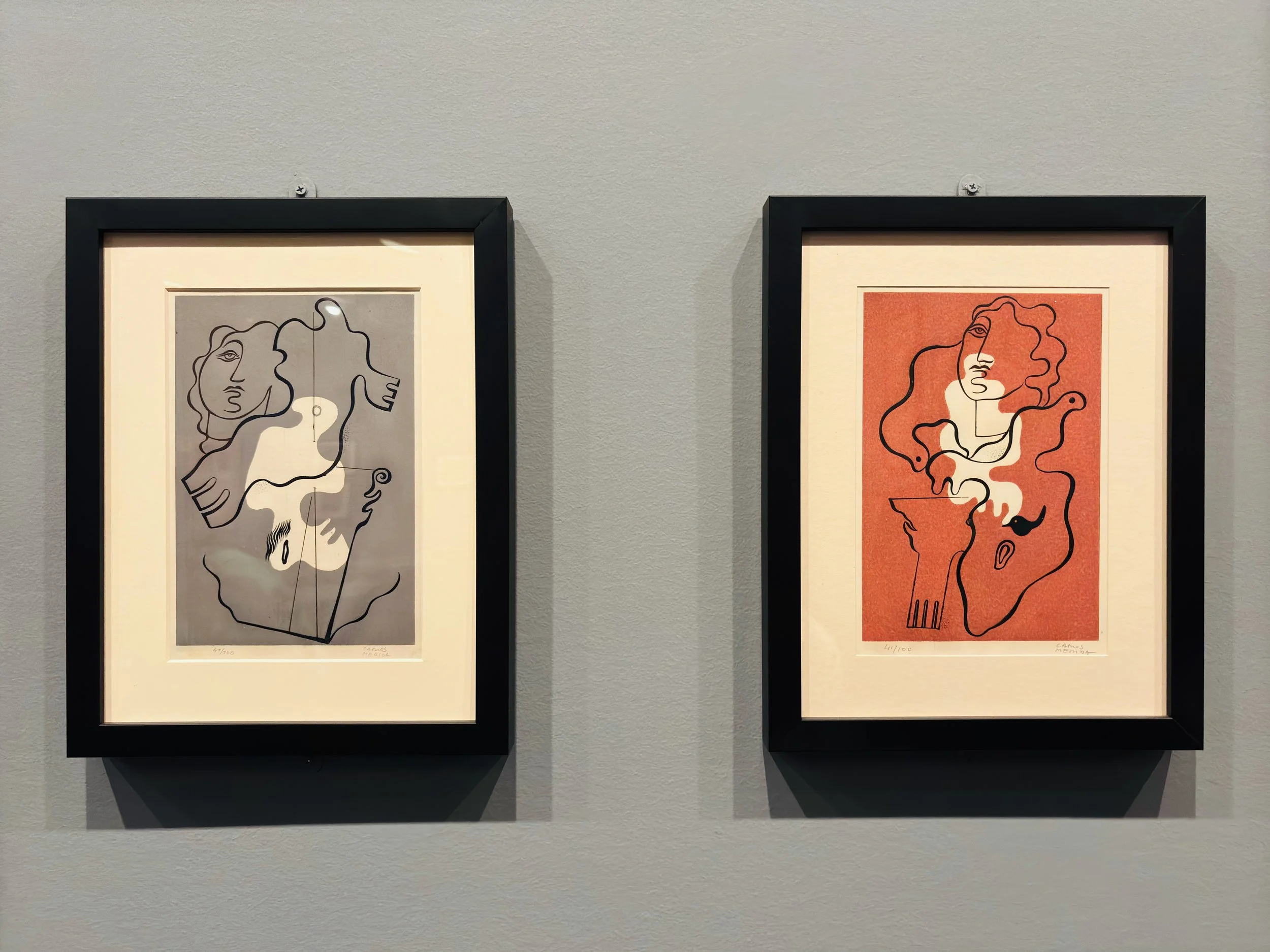
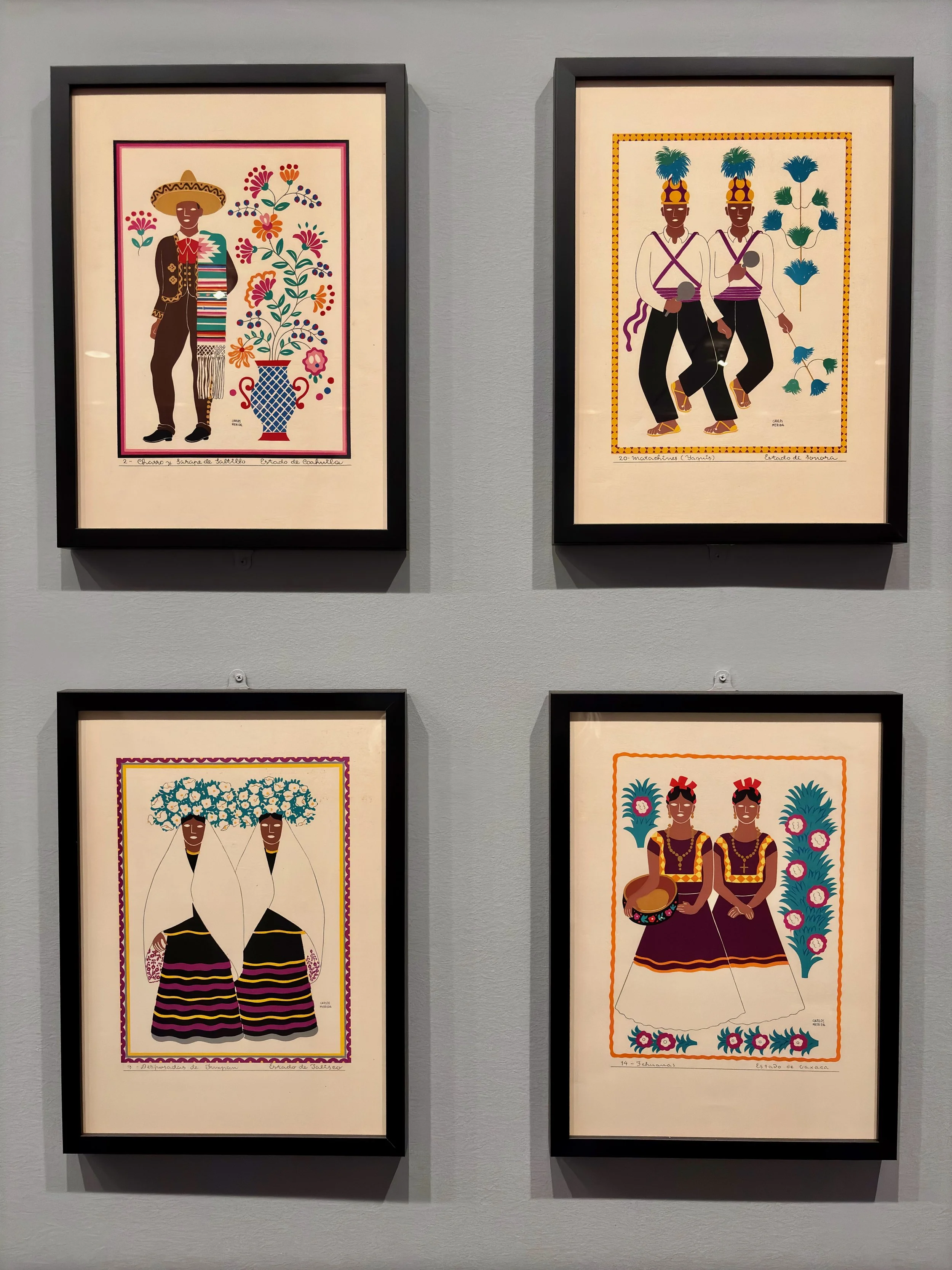
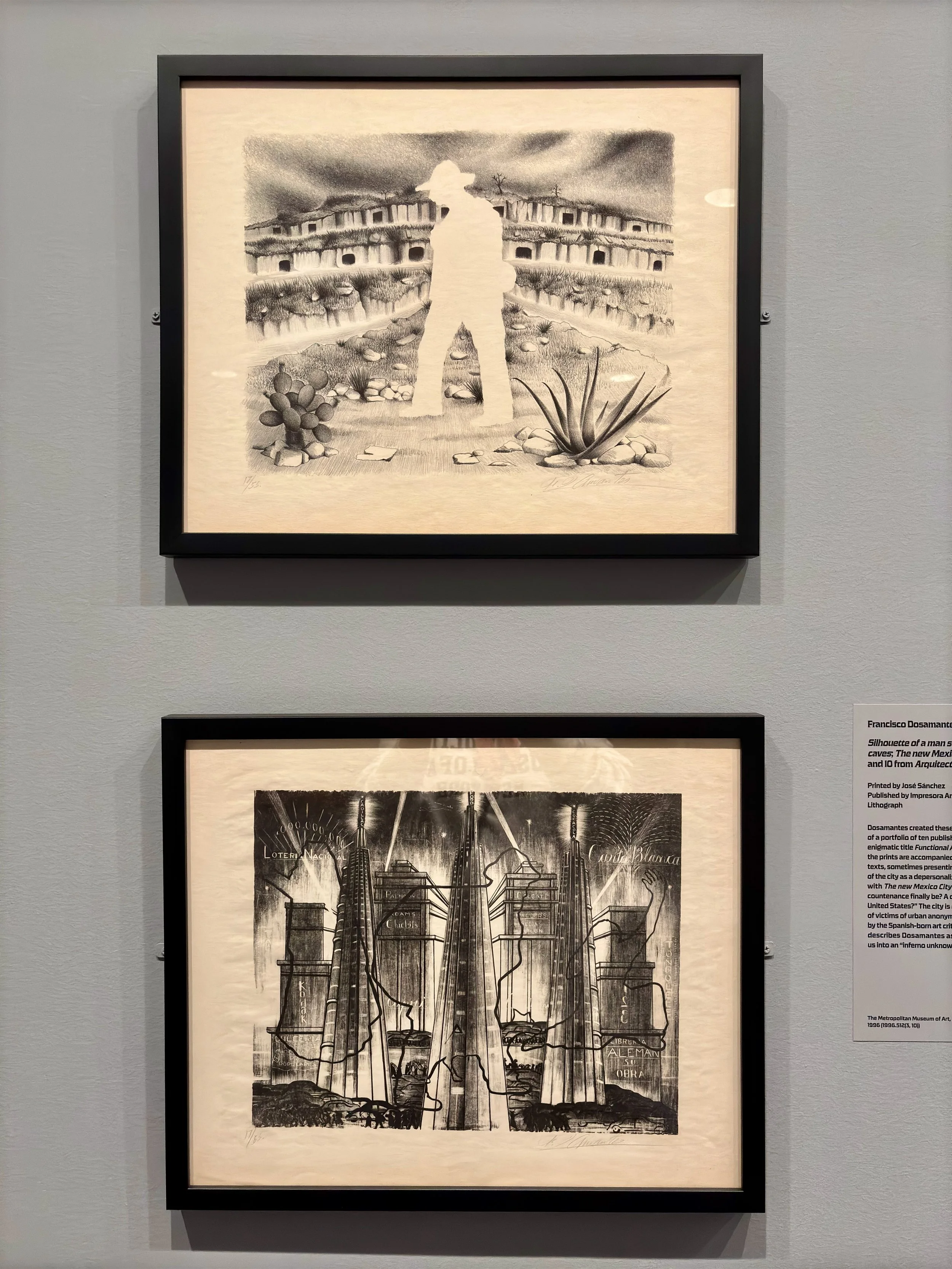
The Soul of the Press: Mexican Prints at the Vanguard at The Met

Comment

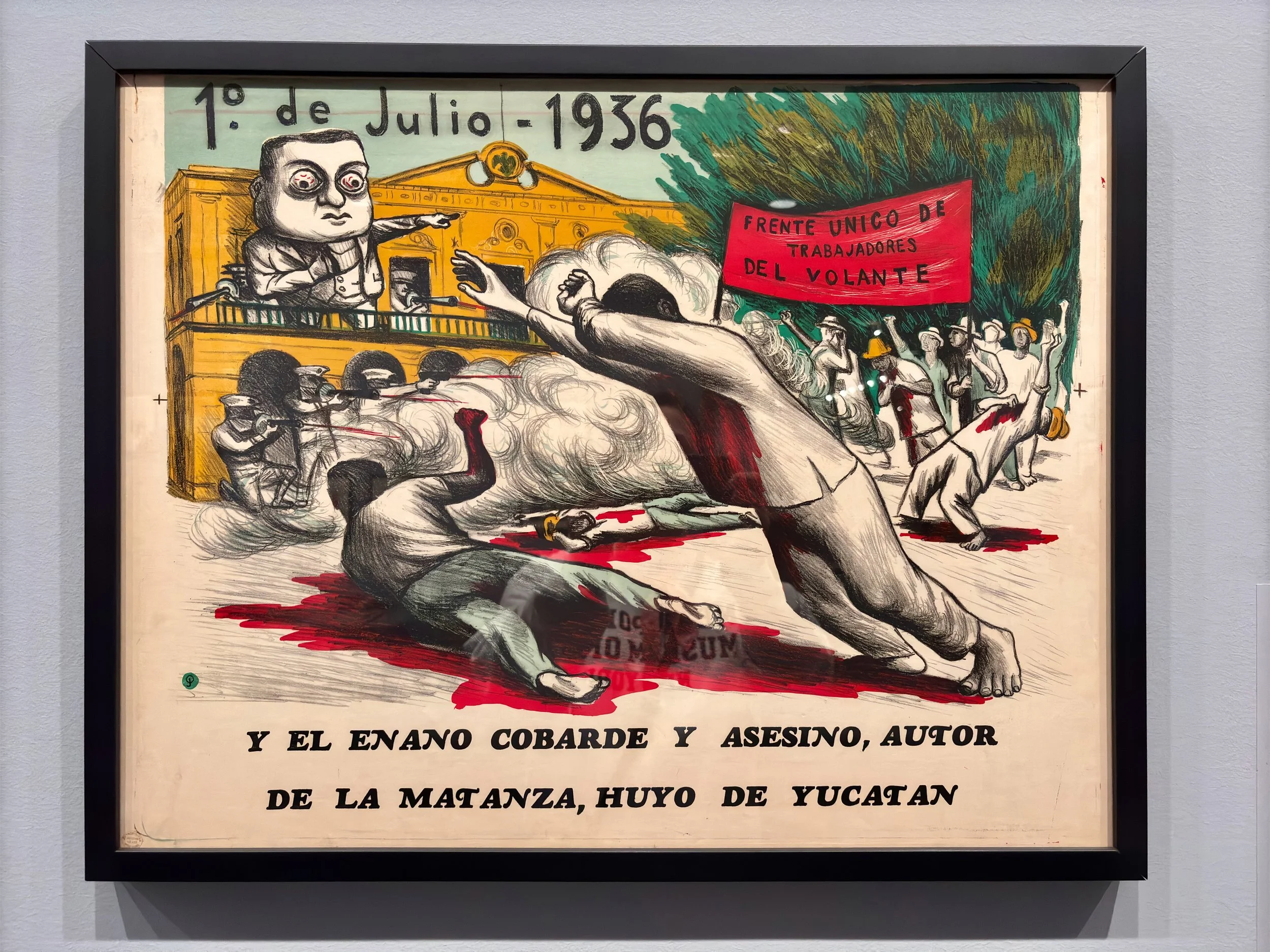
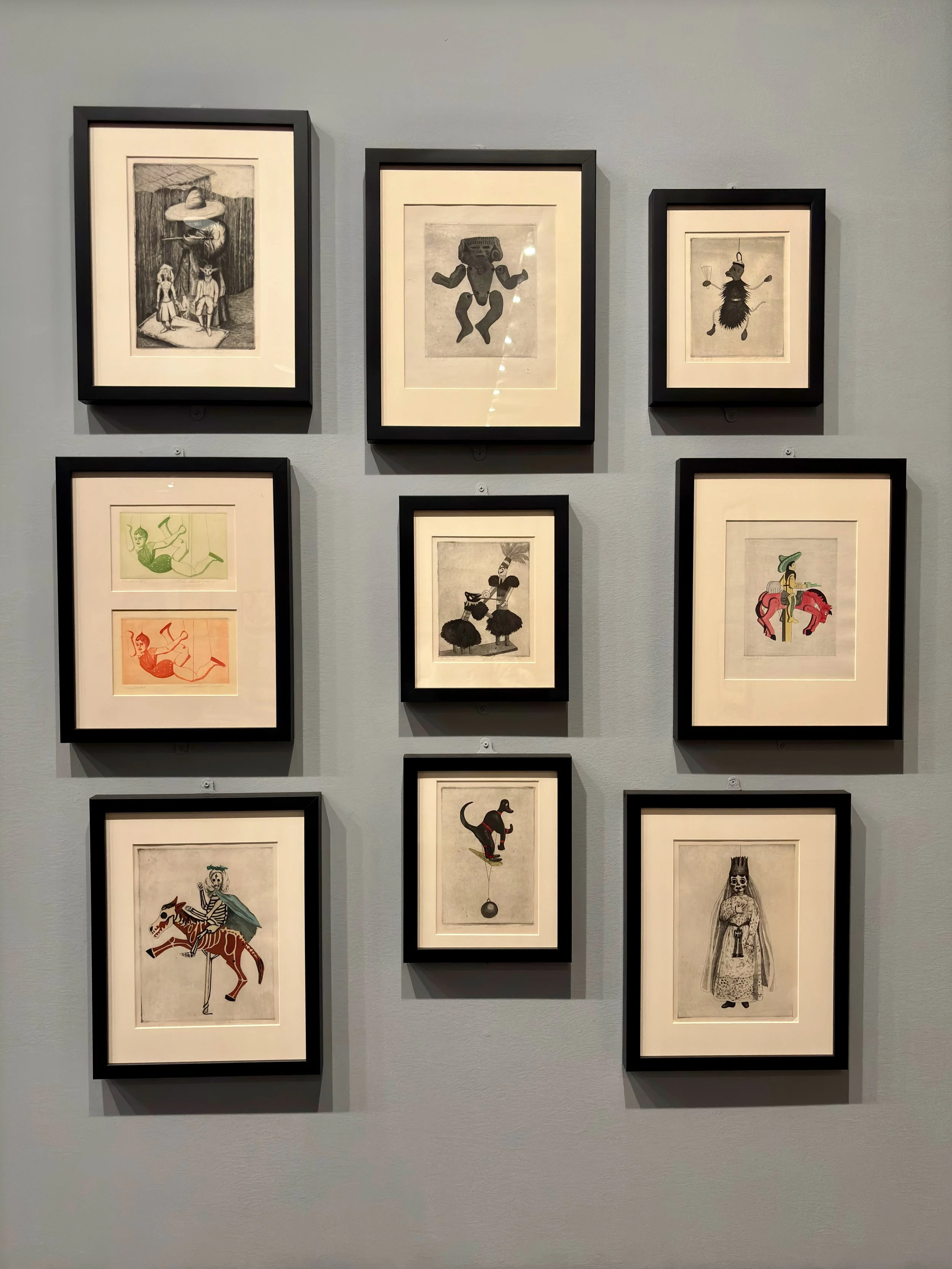
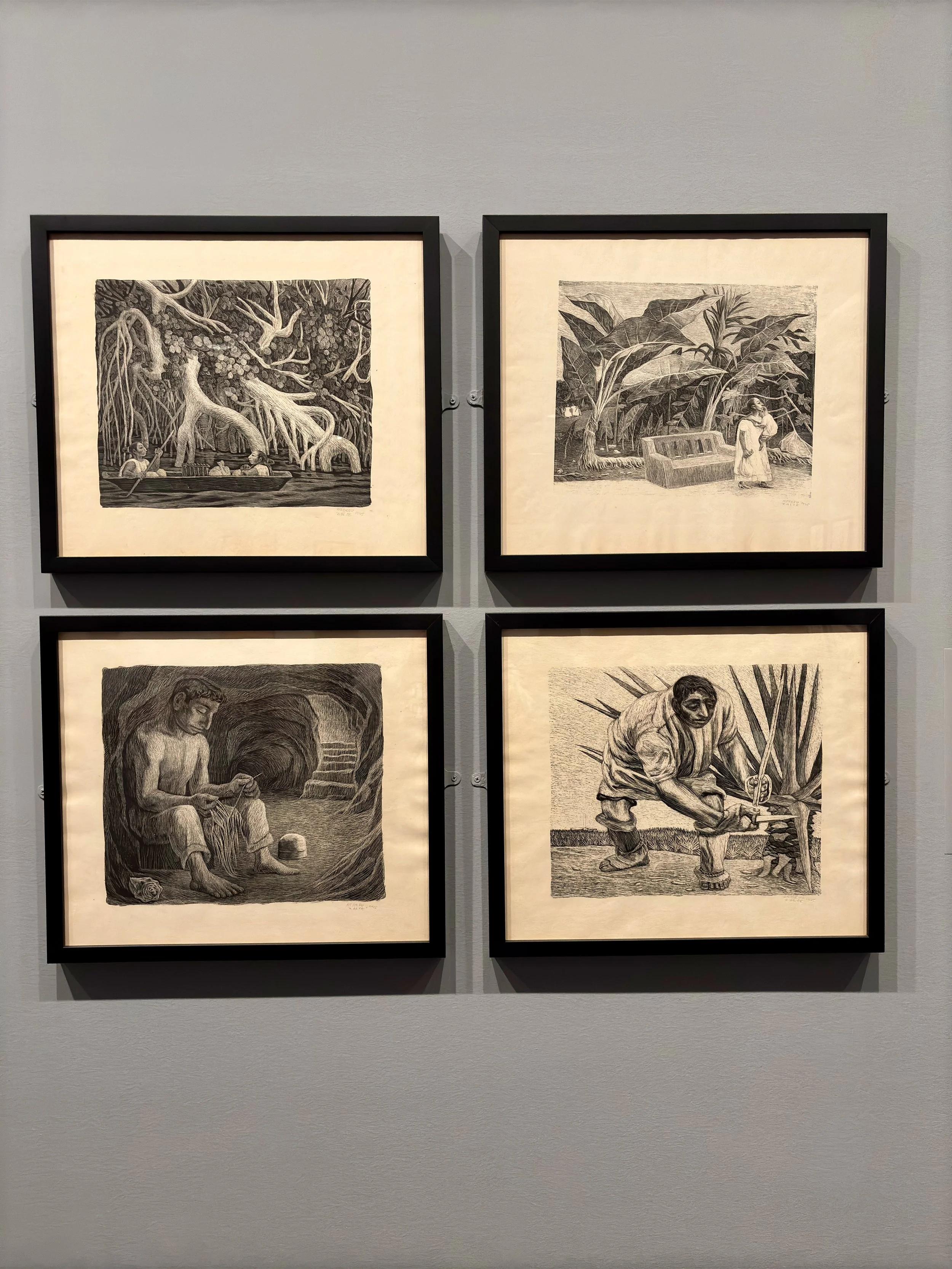
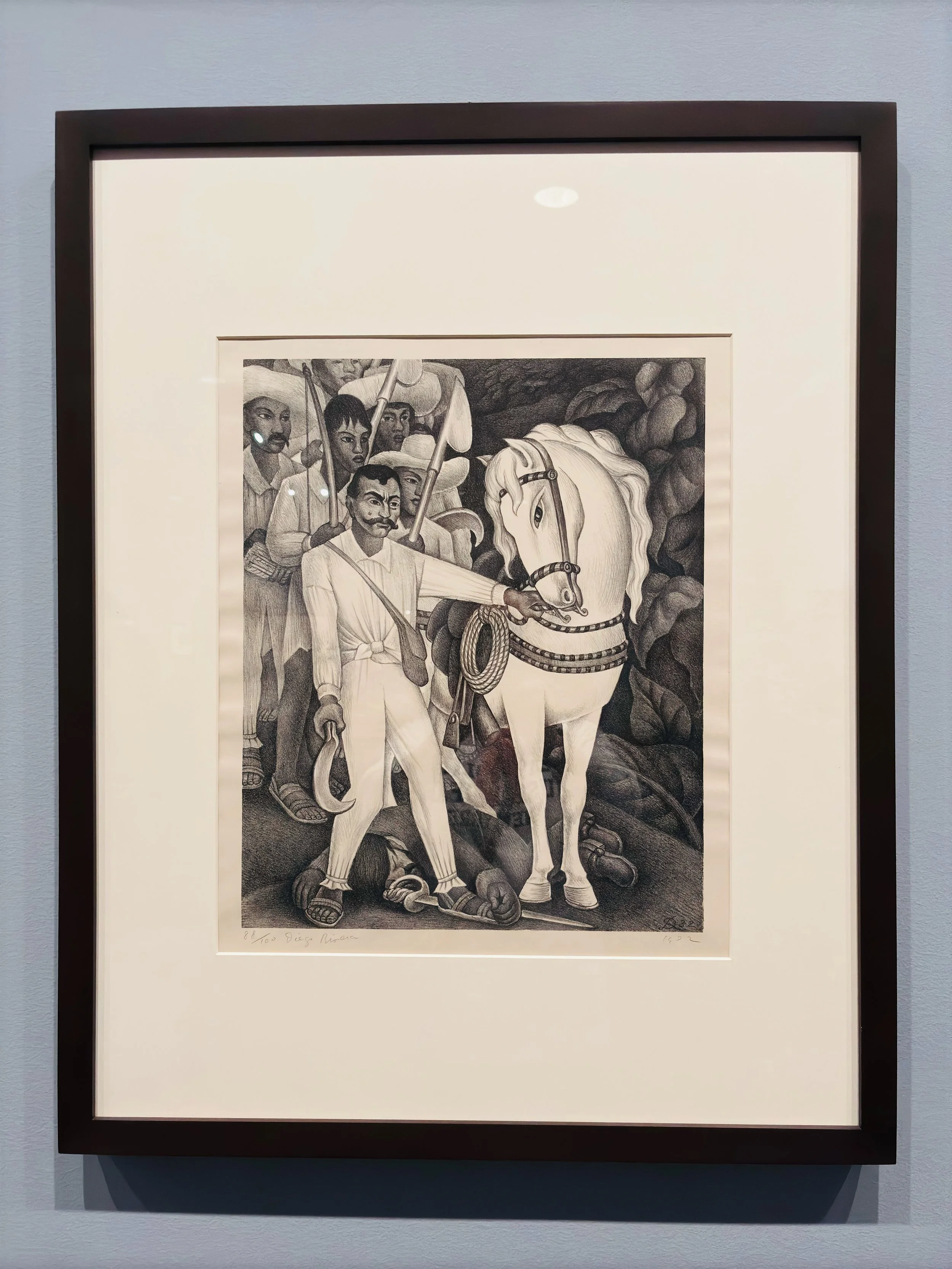
The Soul of the Press: Mexican Prints at the Vanguard at The Met

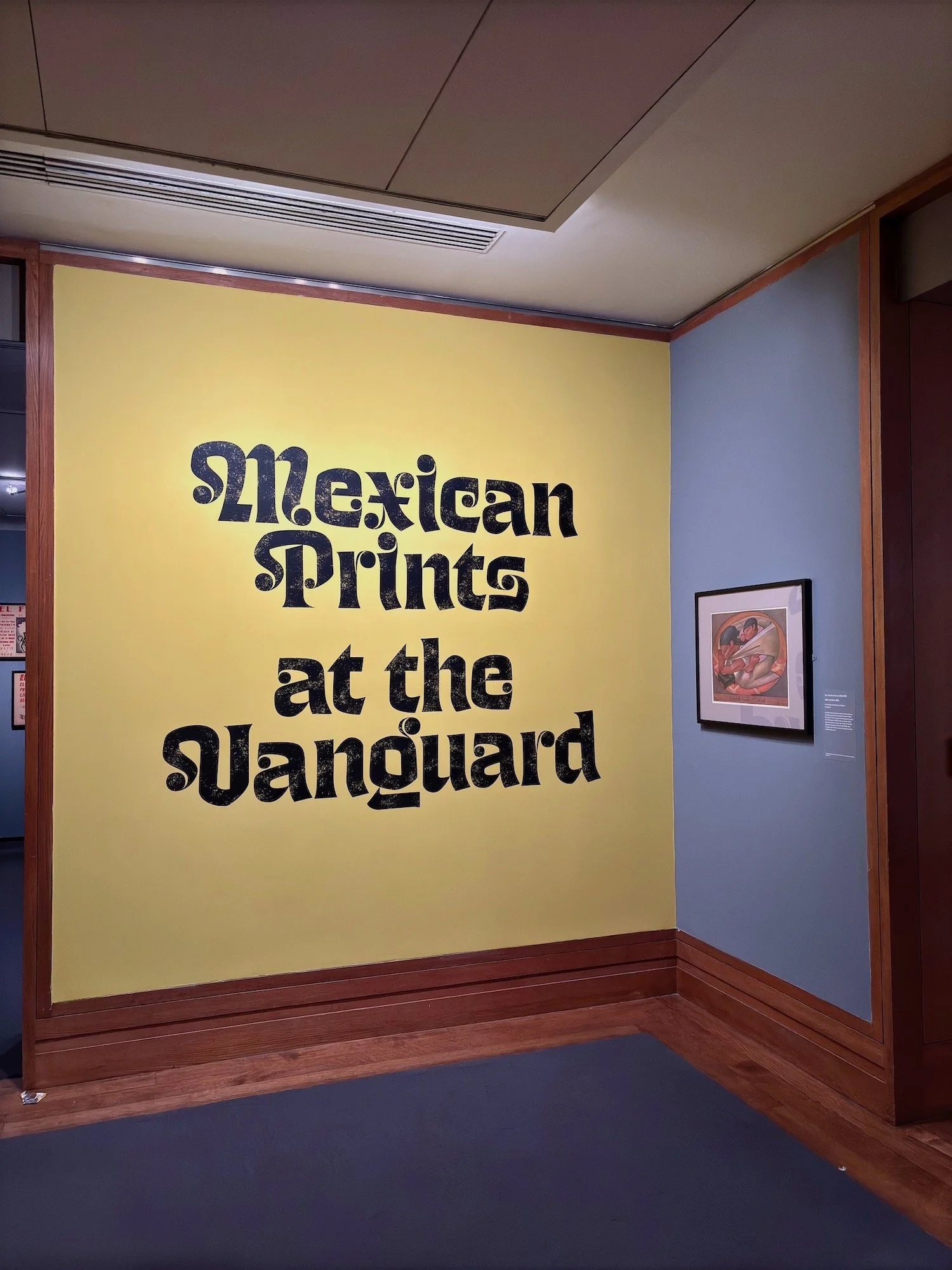
On View: September 12, 2024 – January 5, 2025

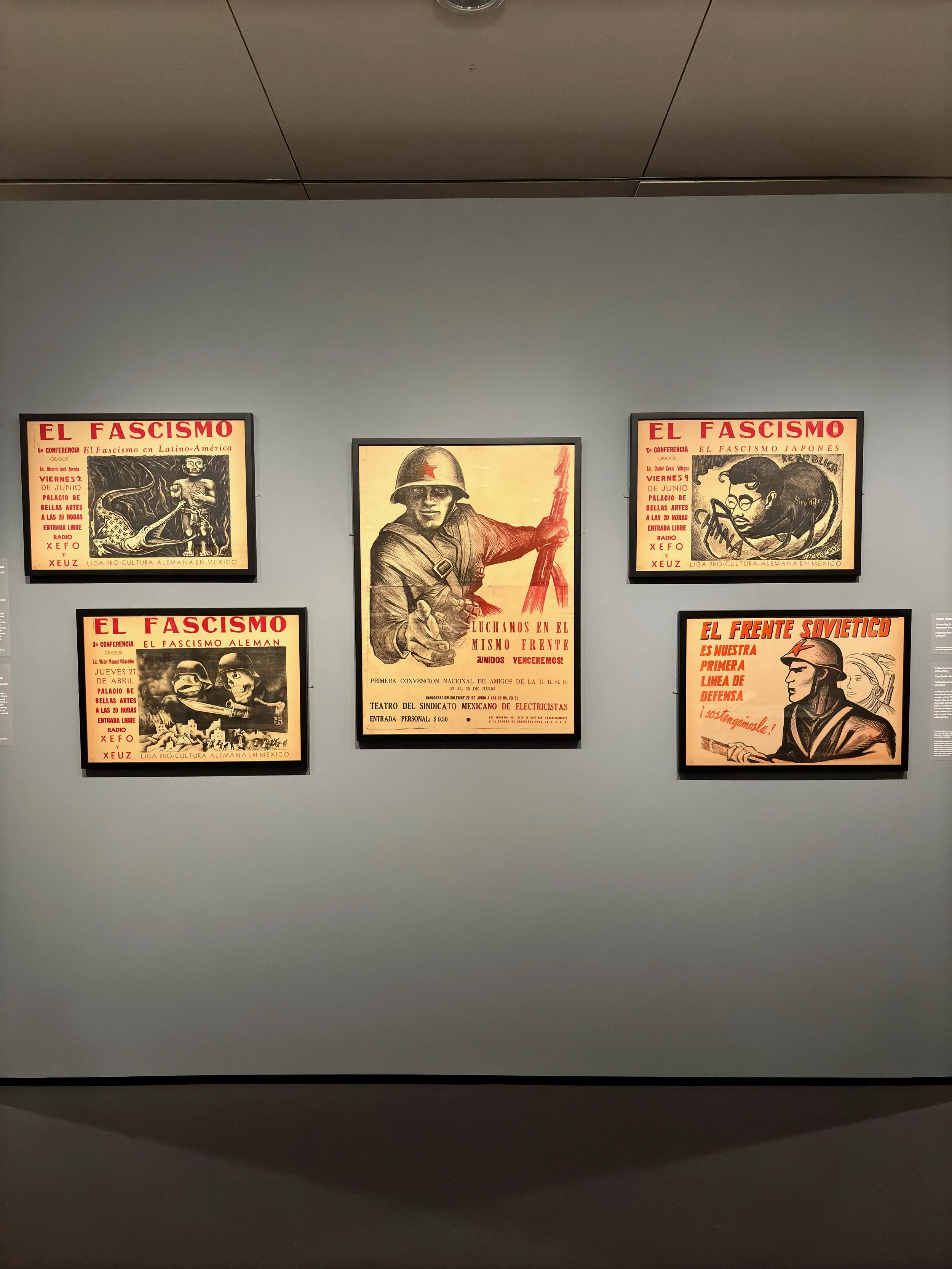
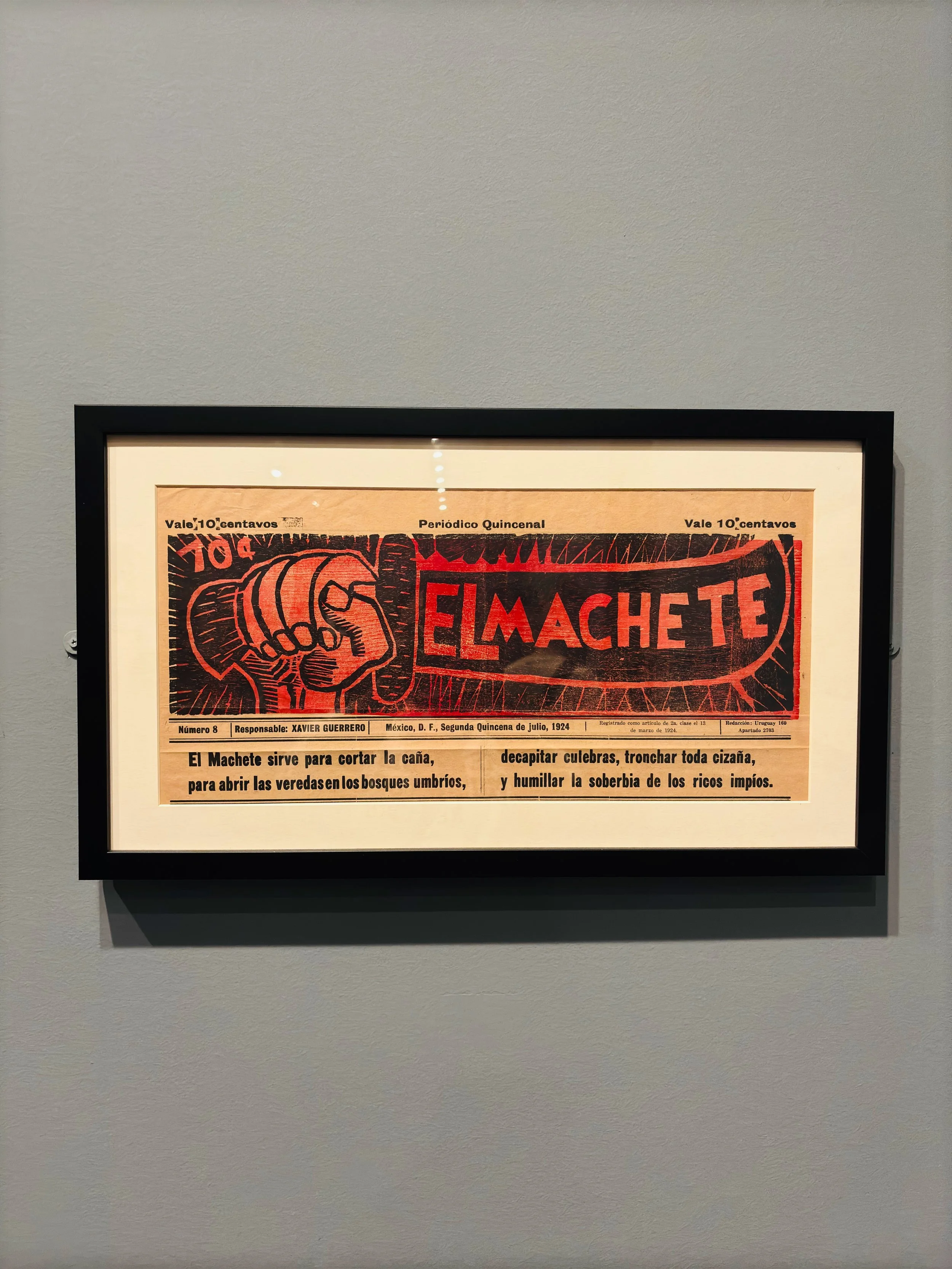
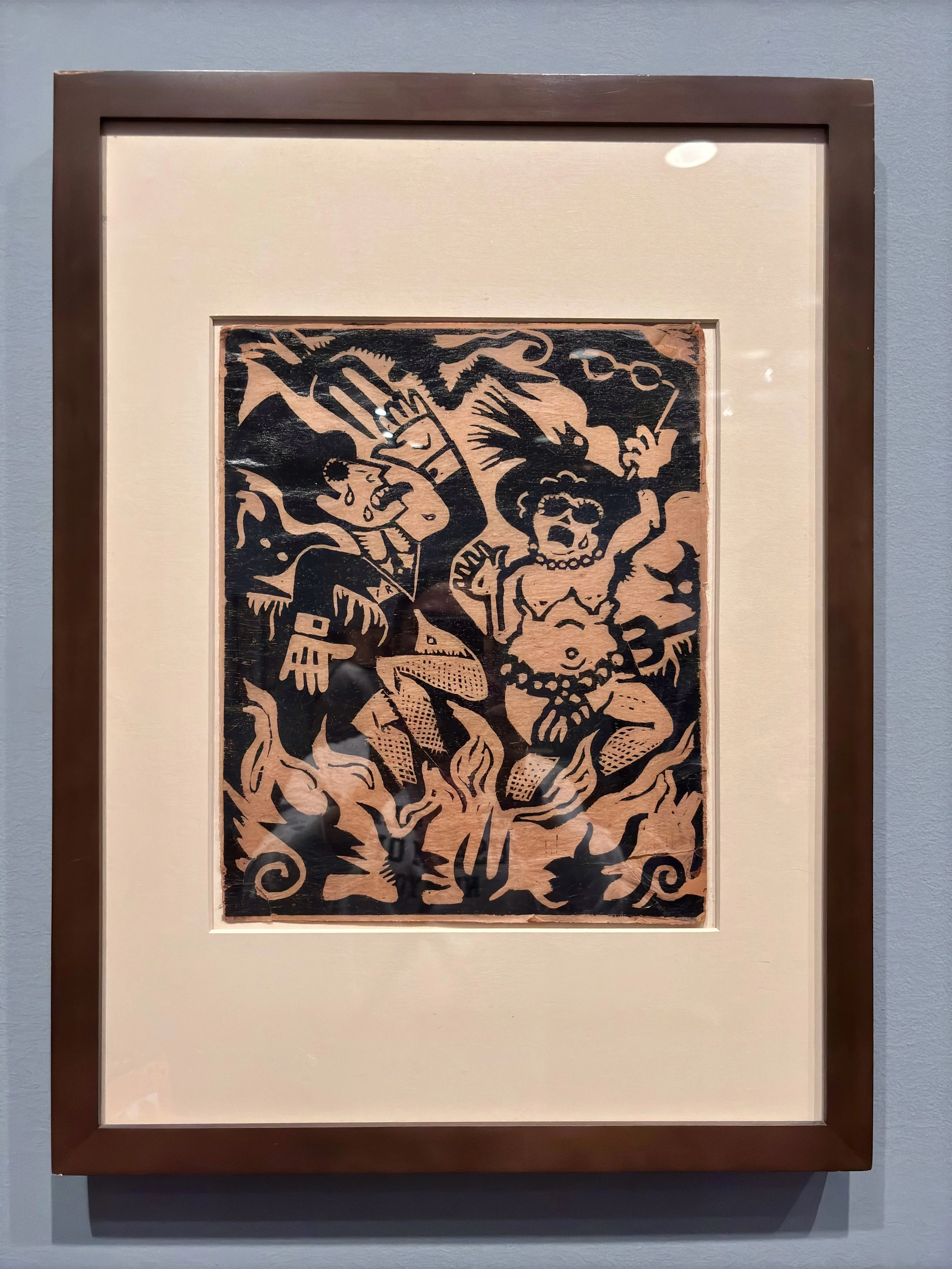
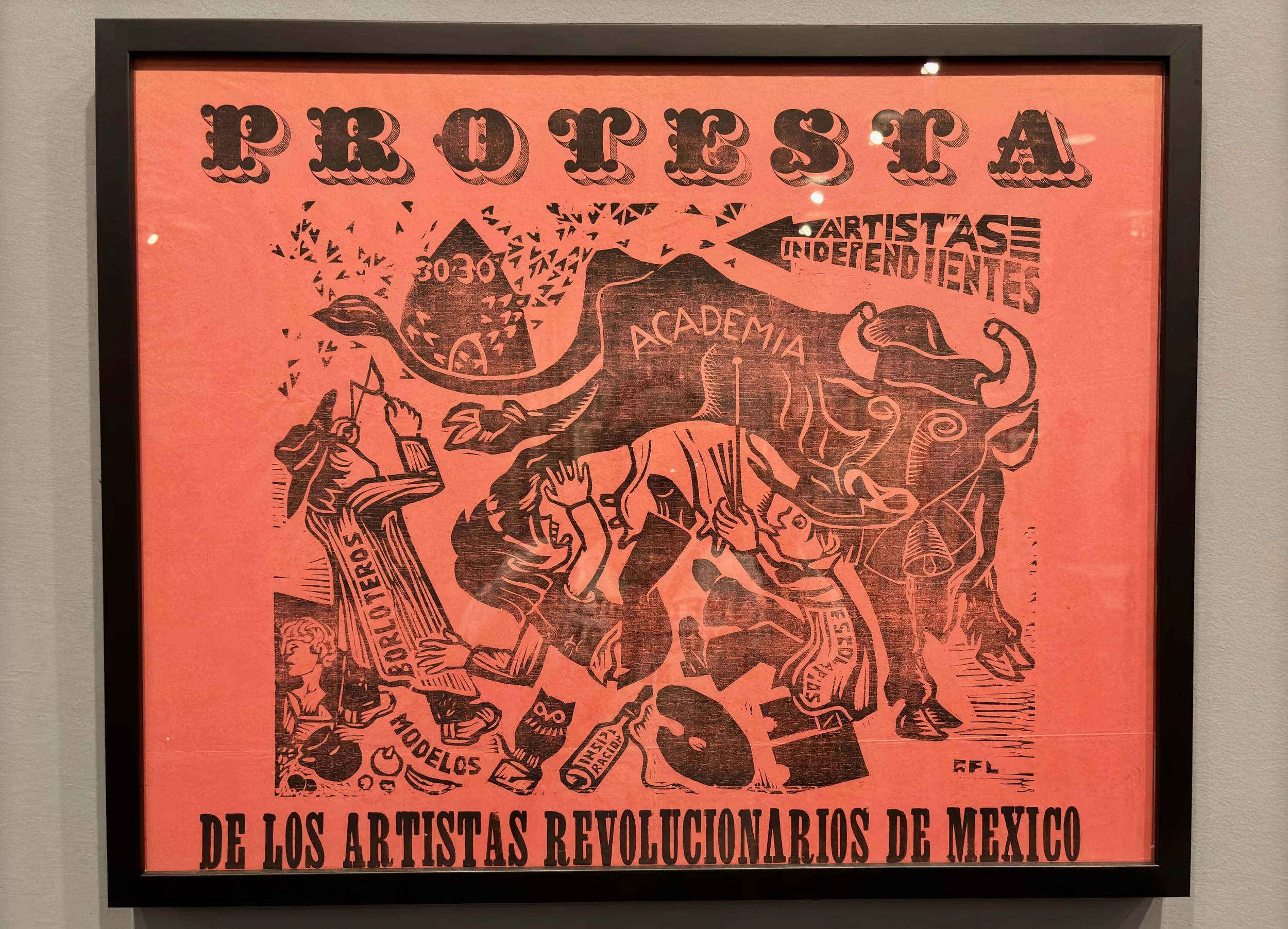
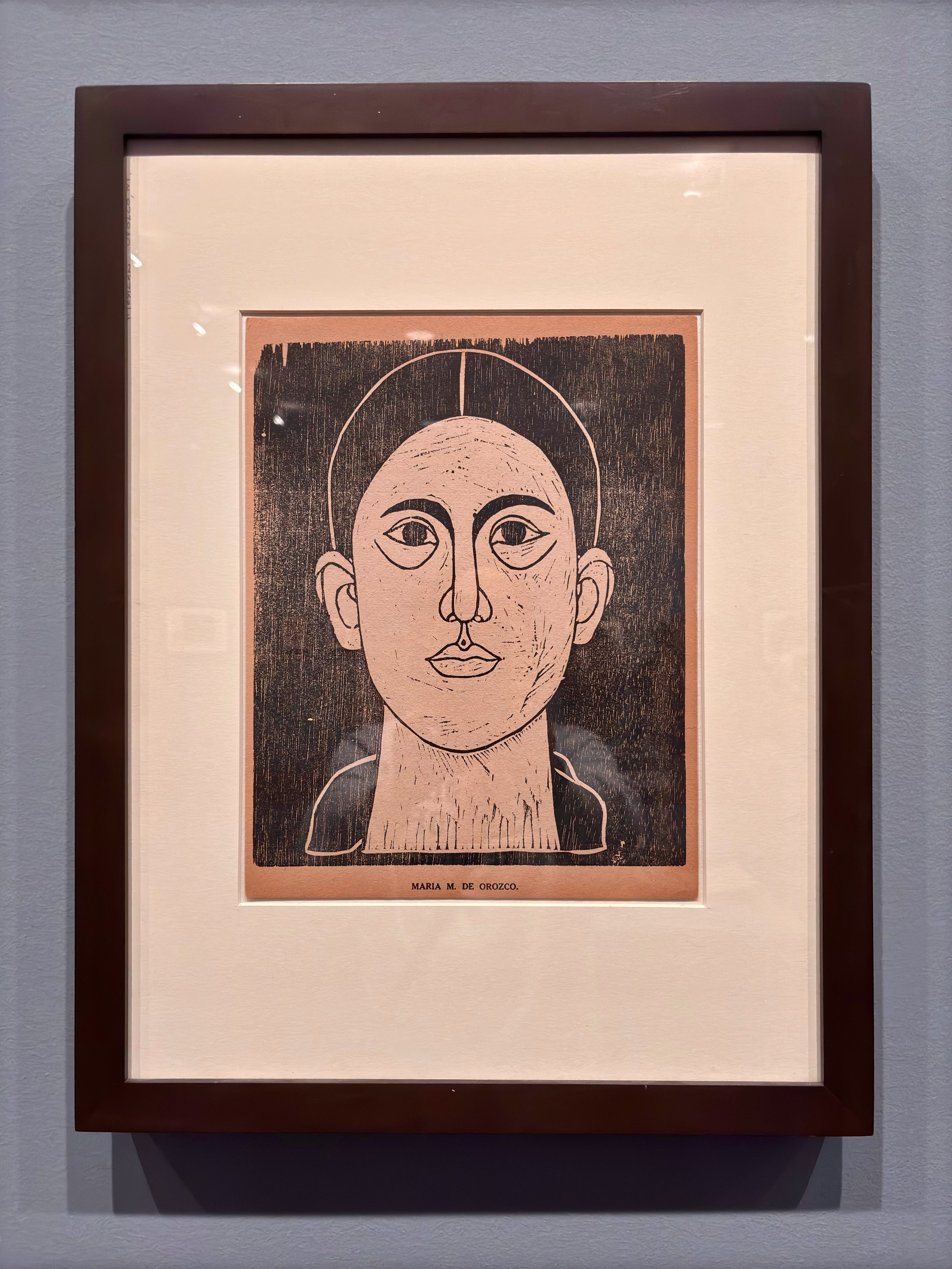
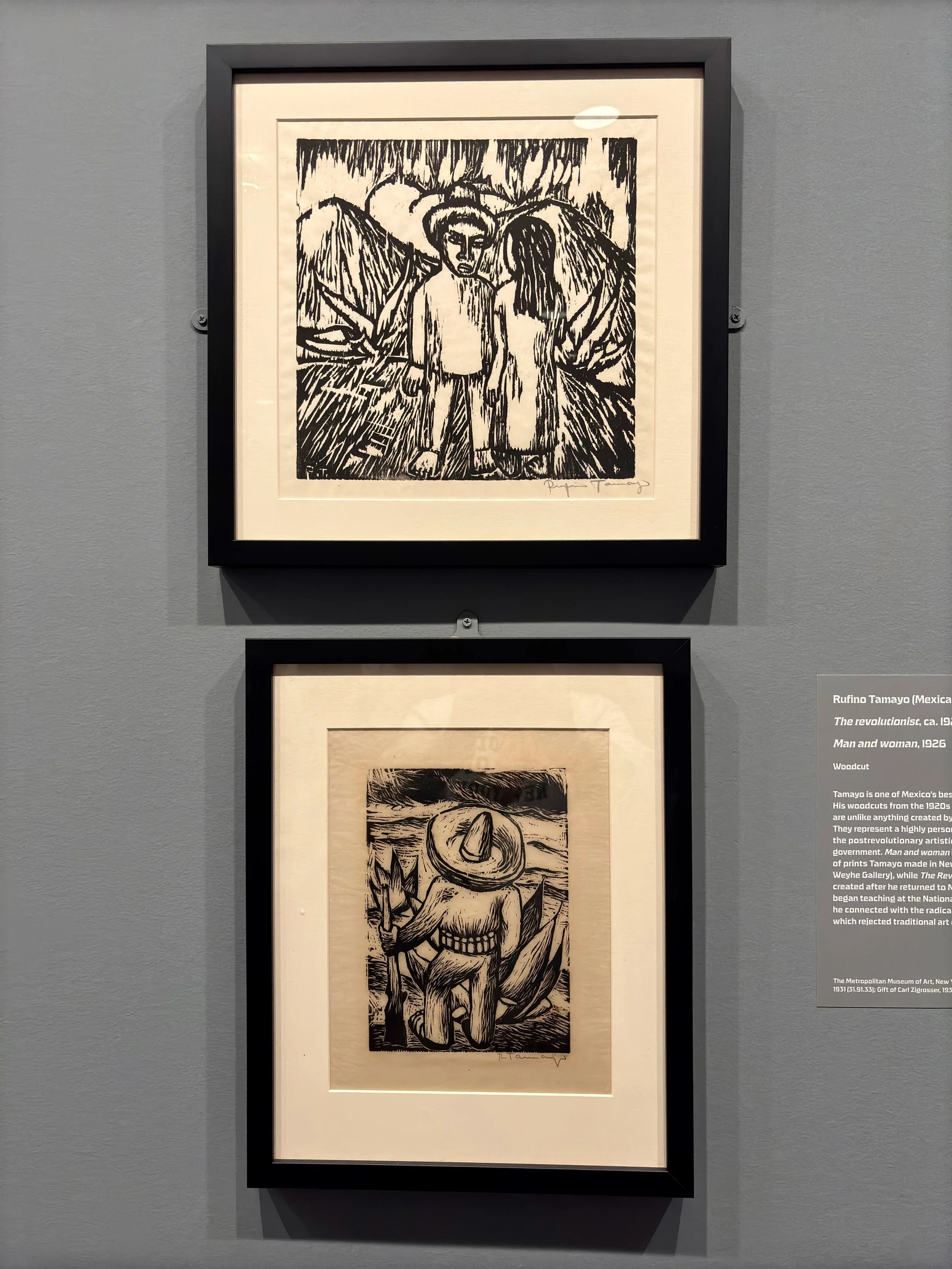
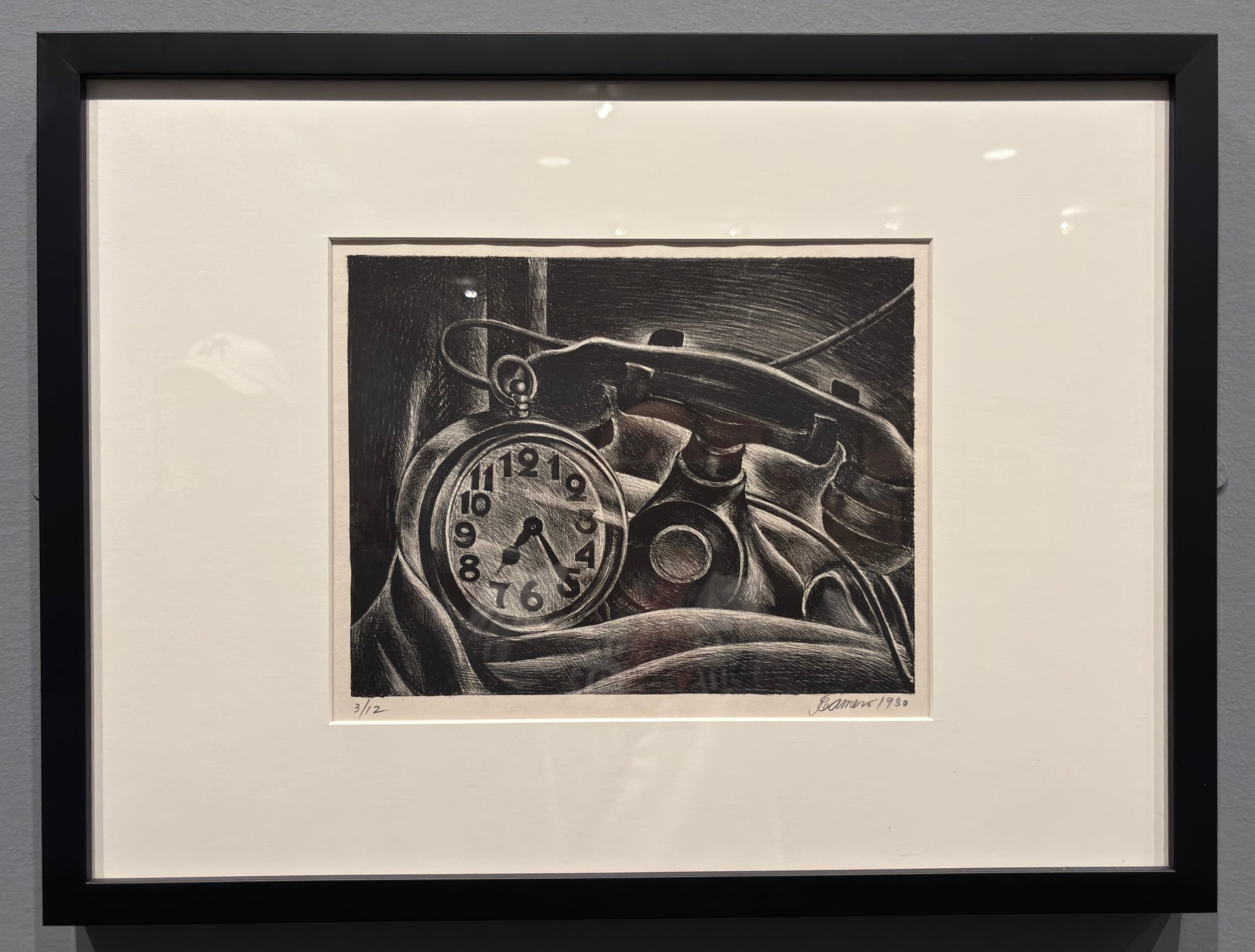
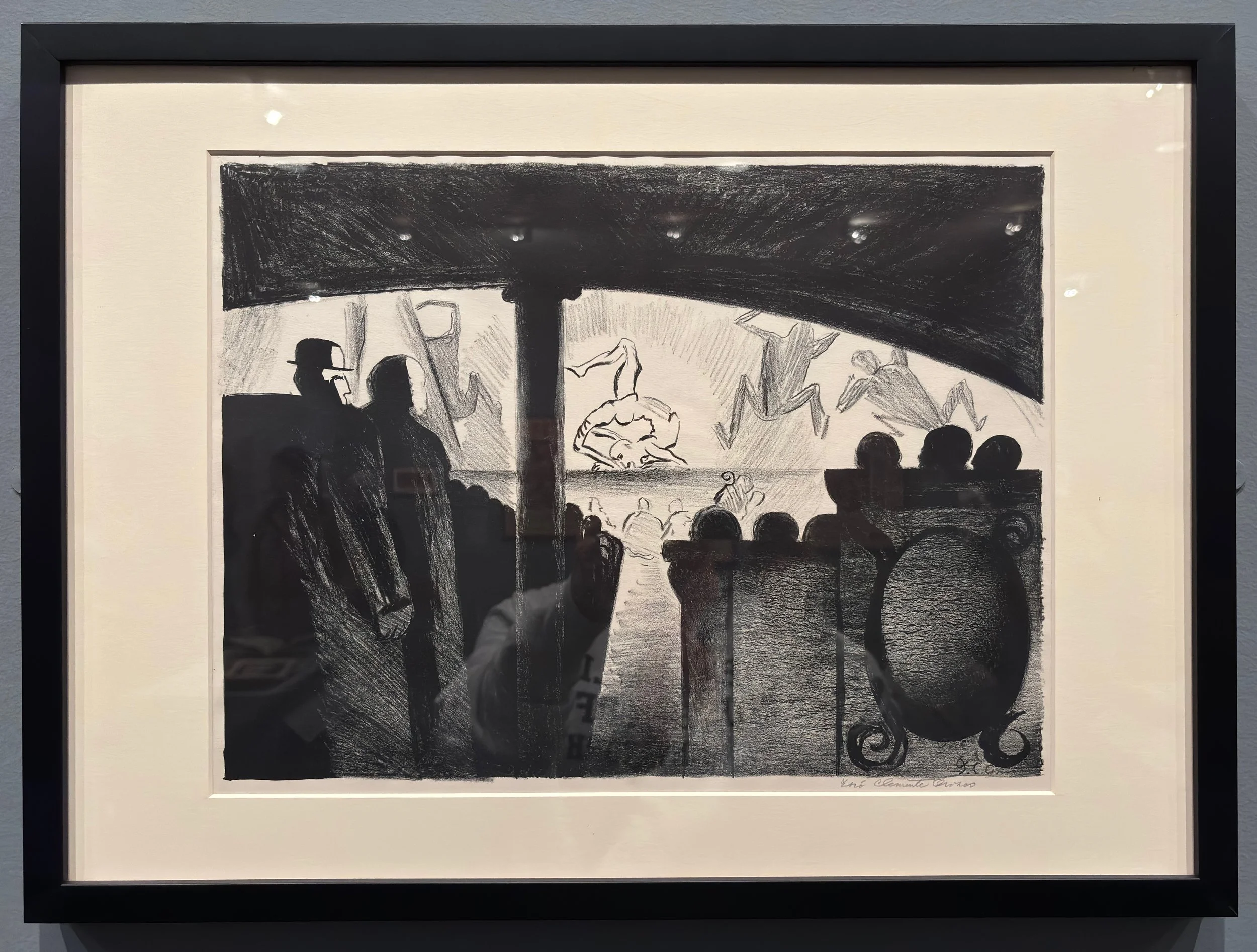
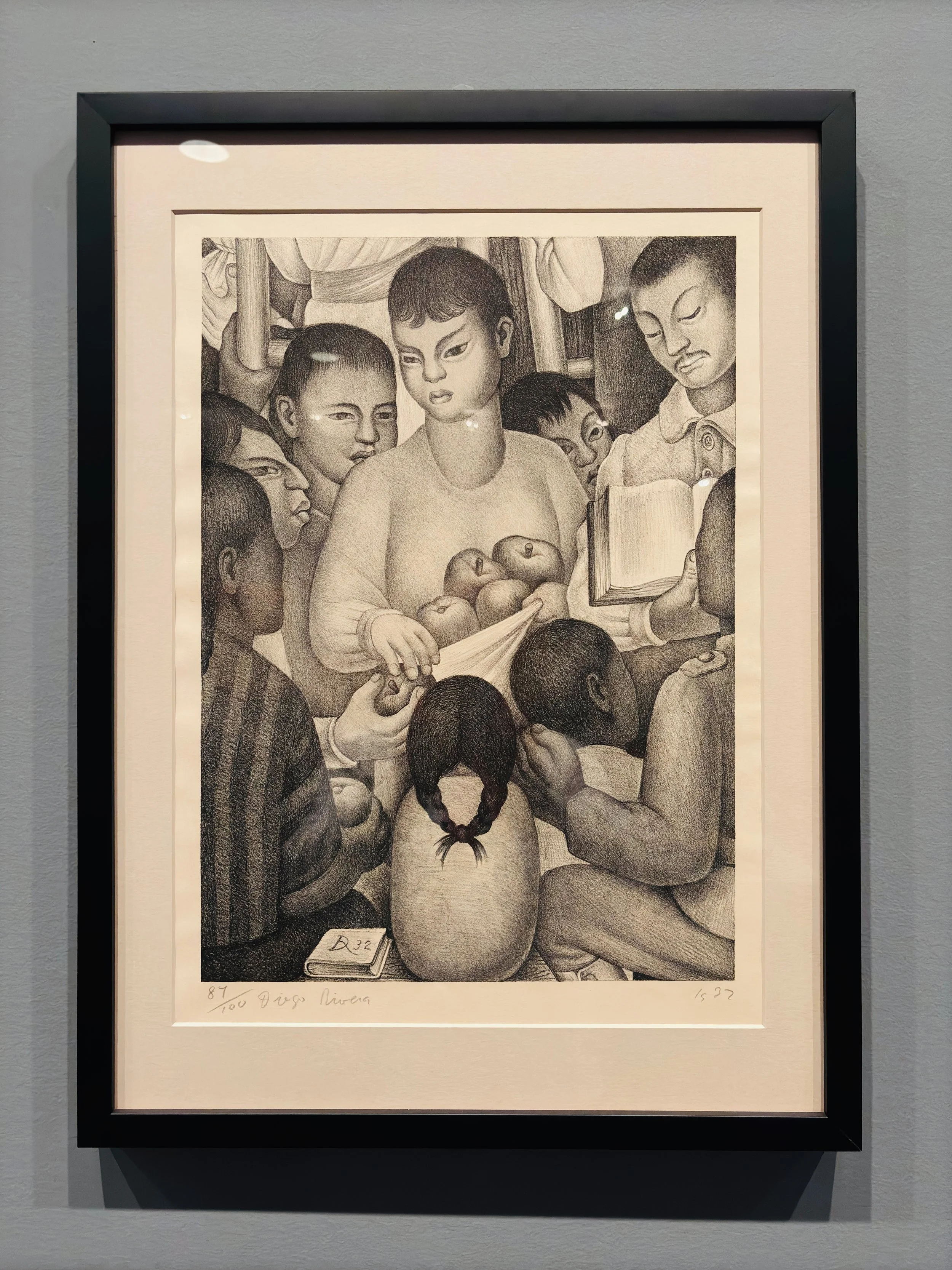
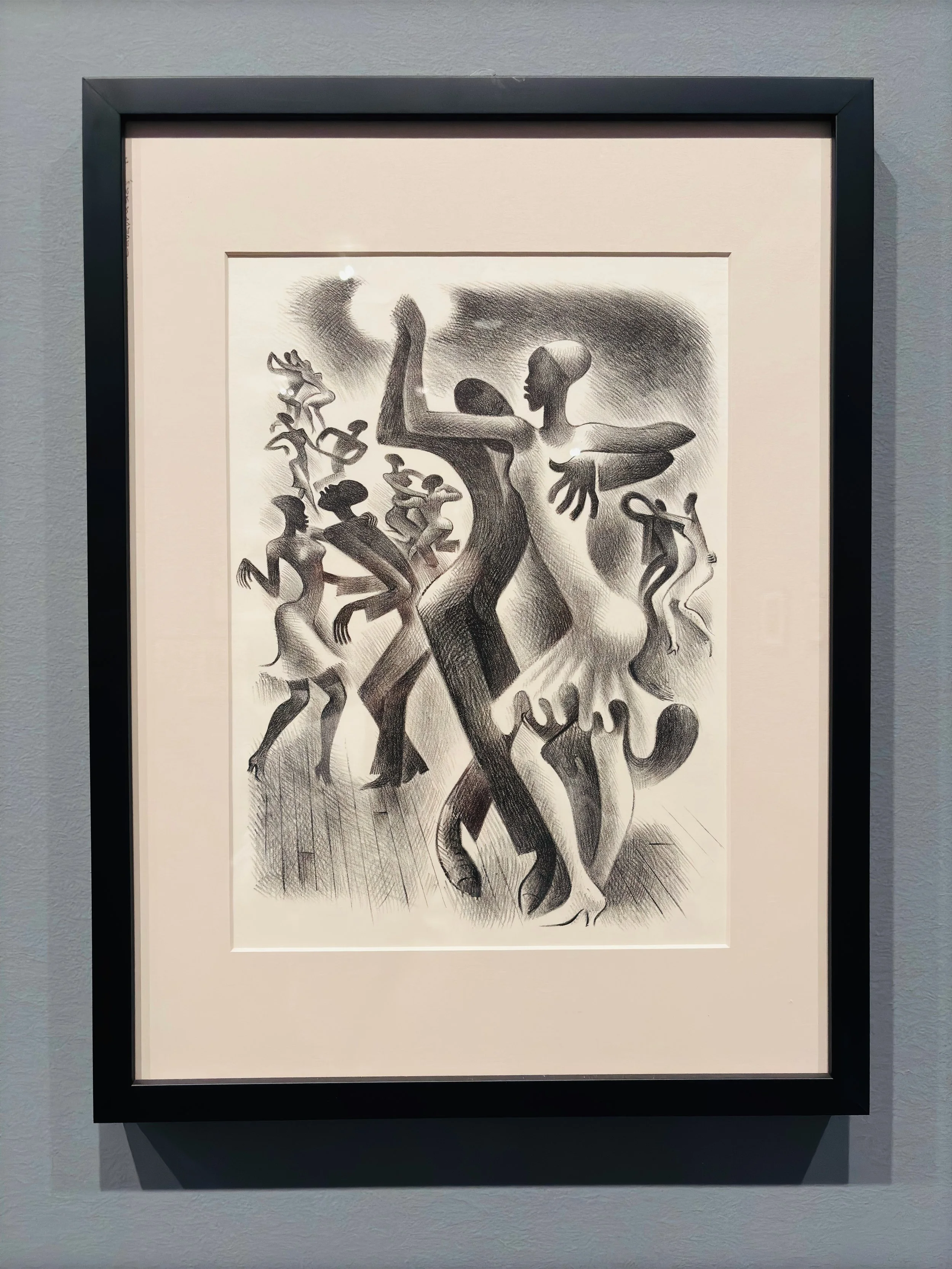
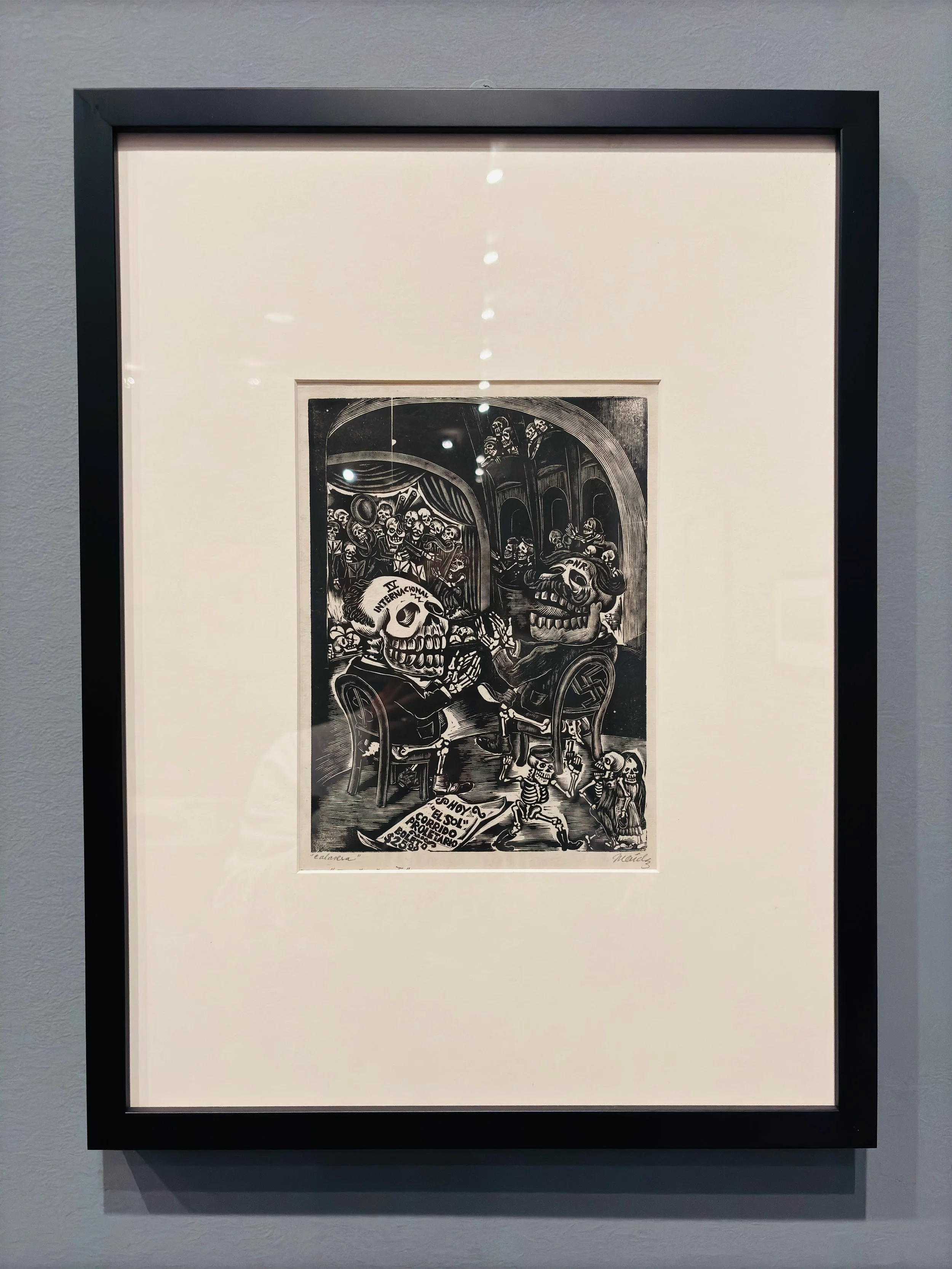
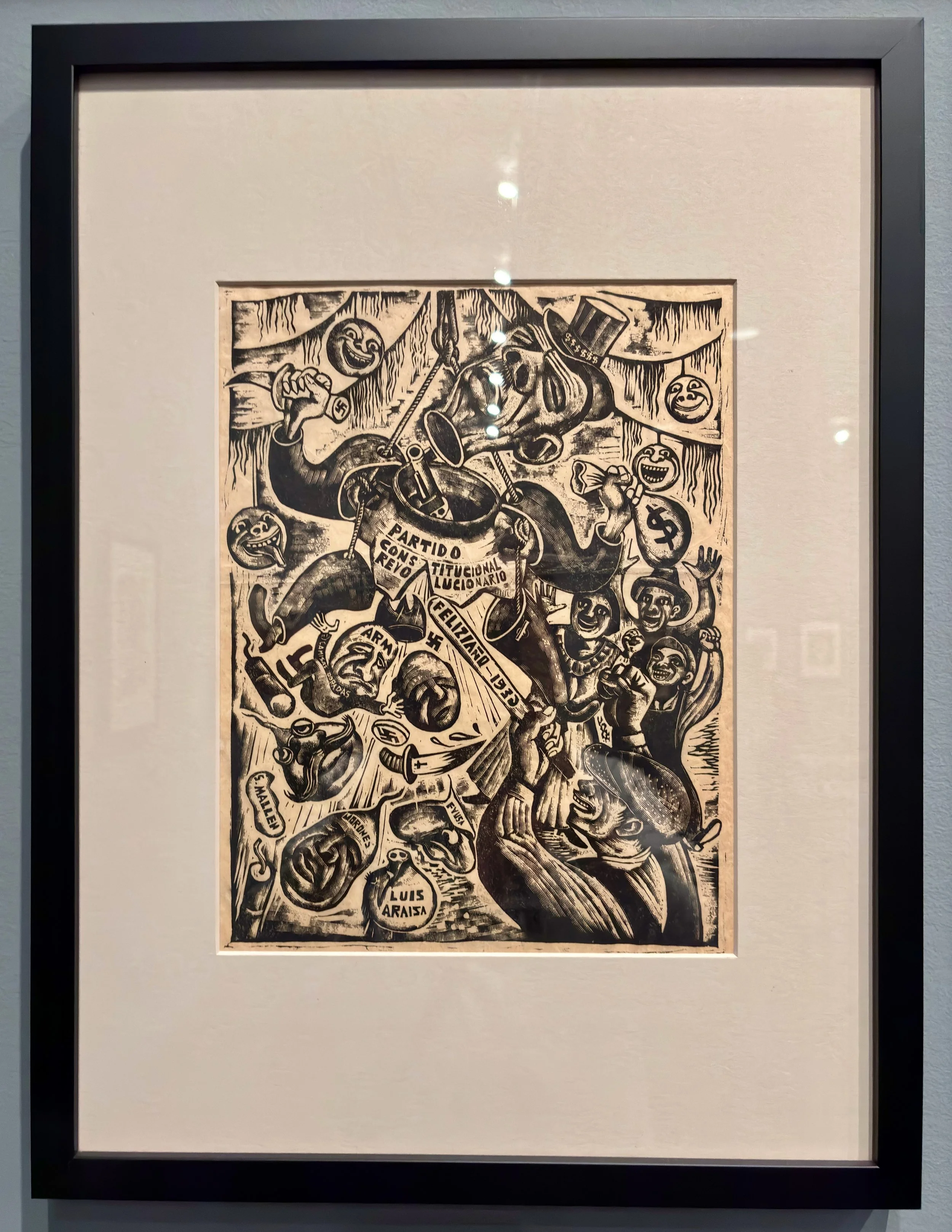
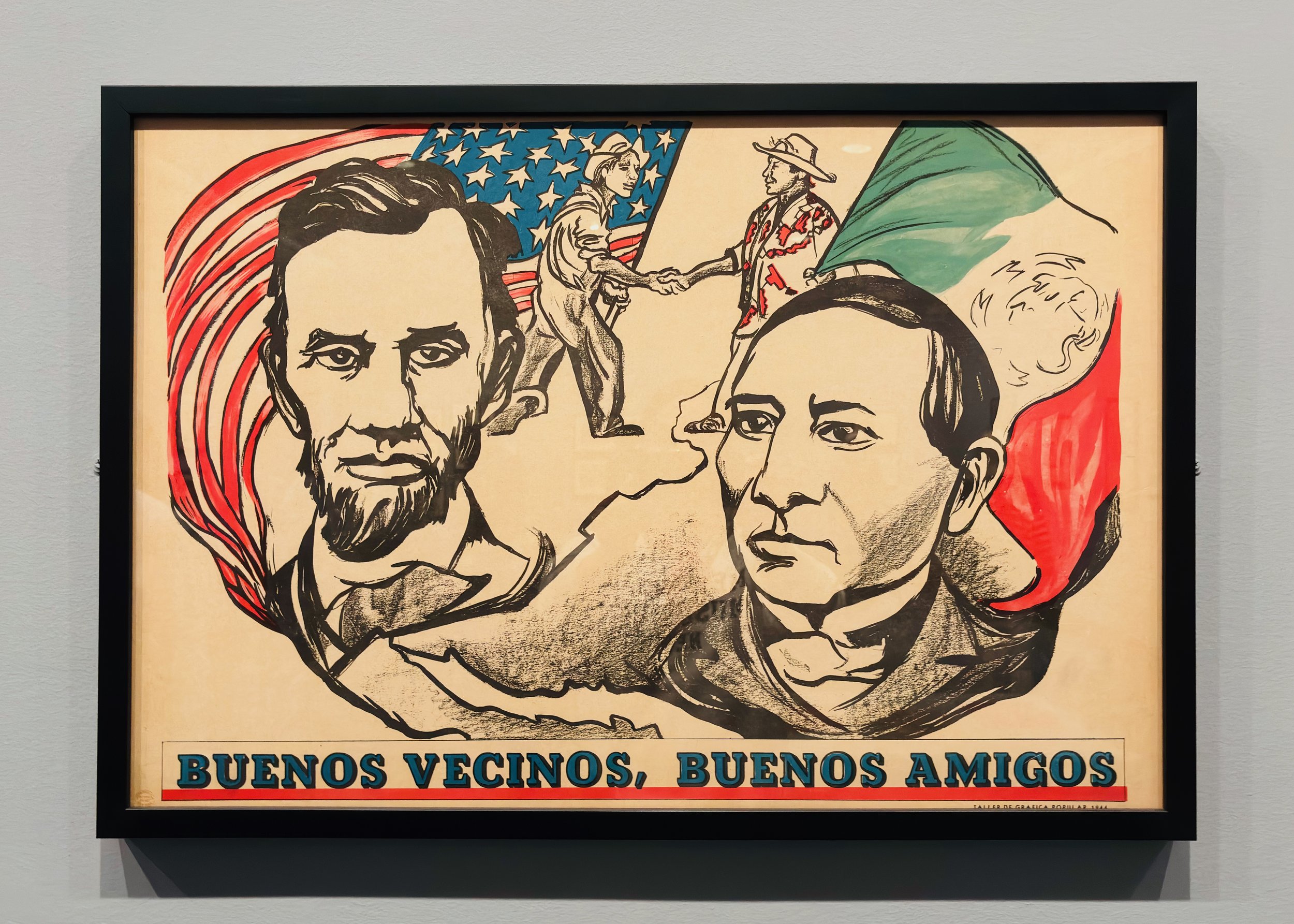
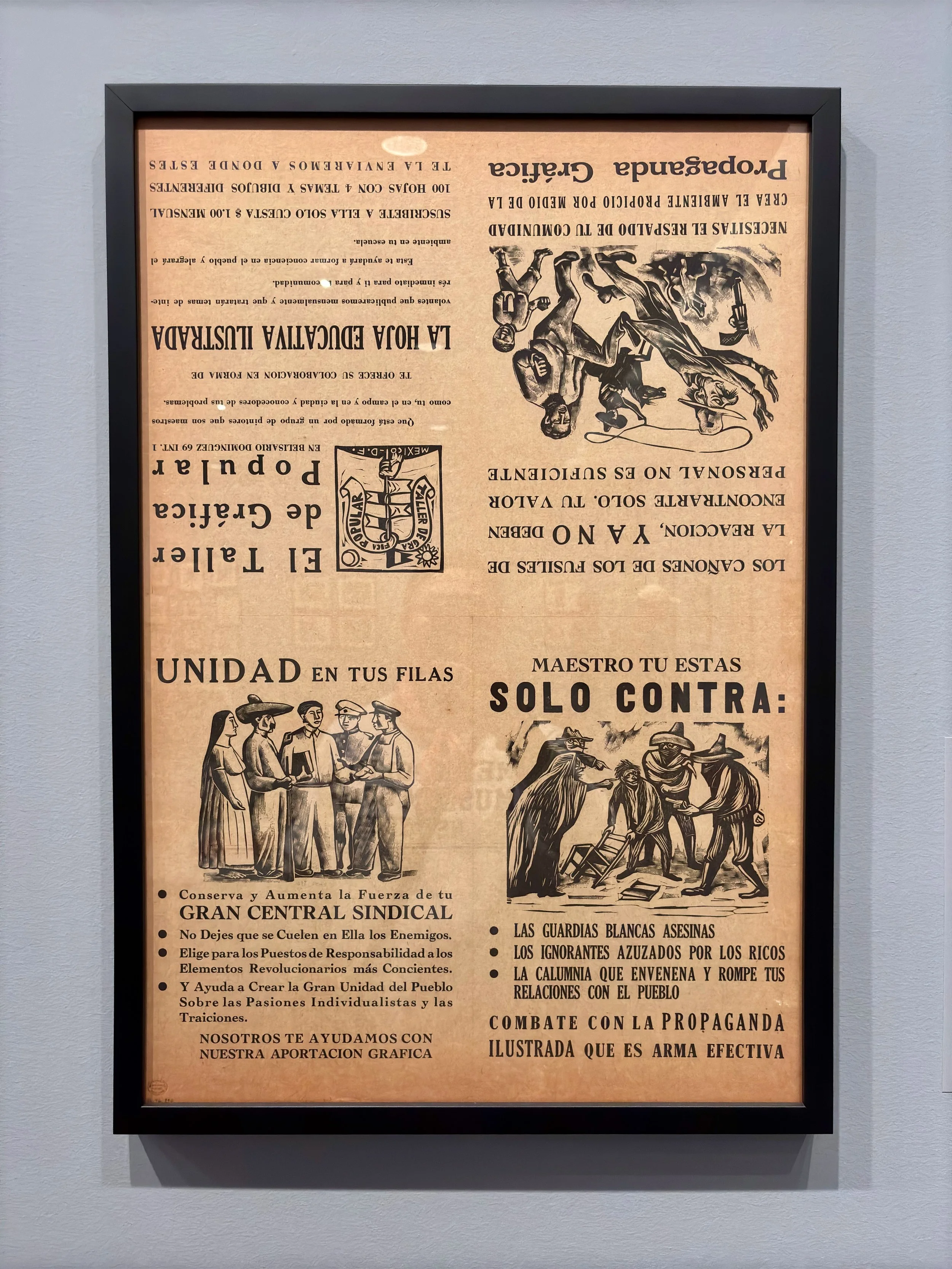
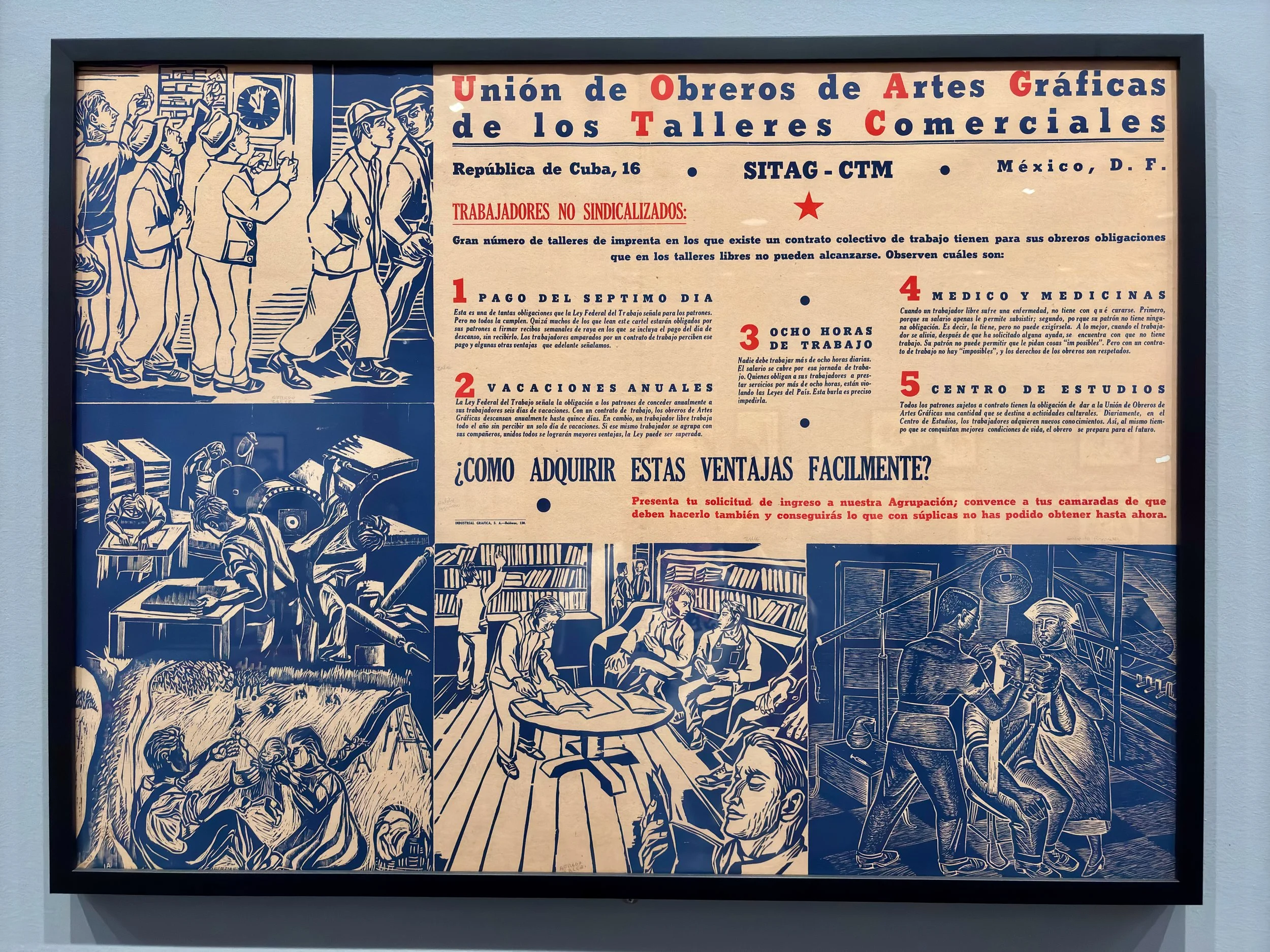
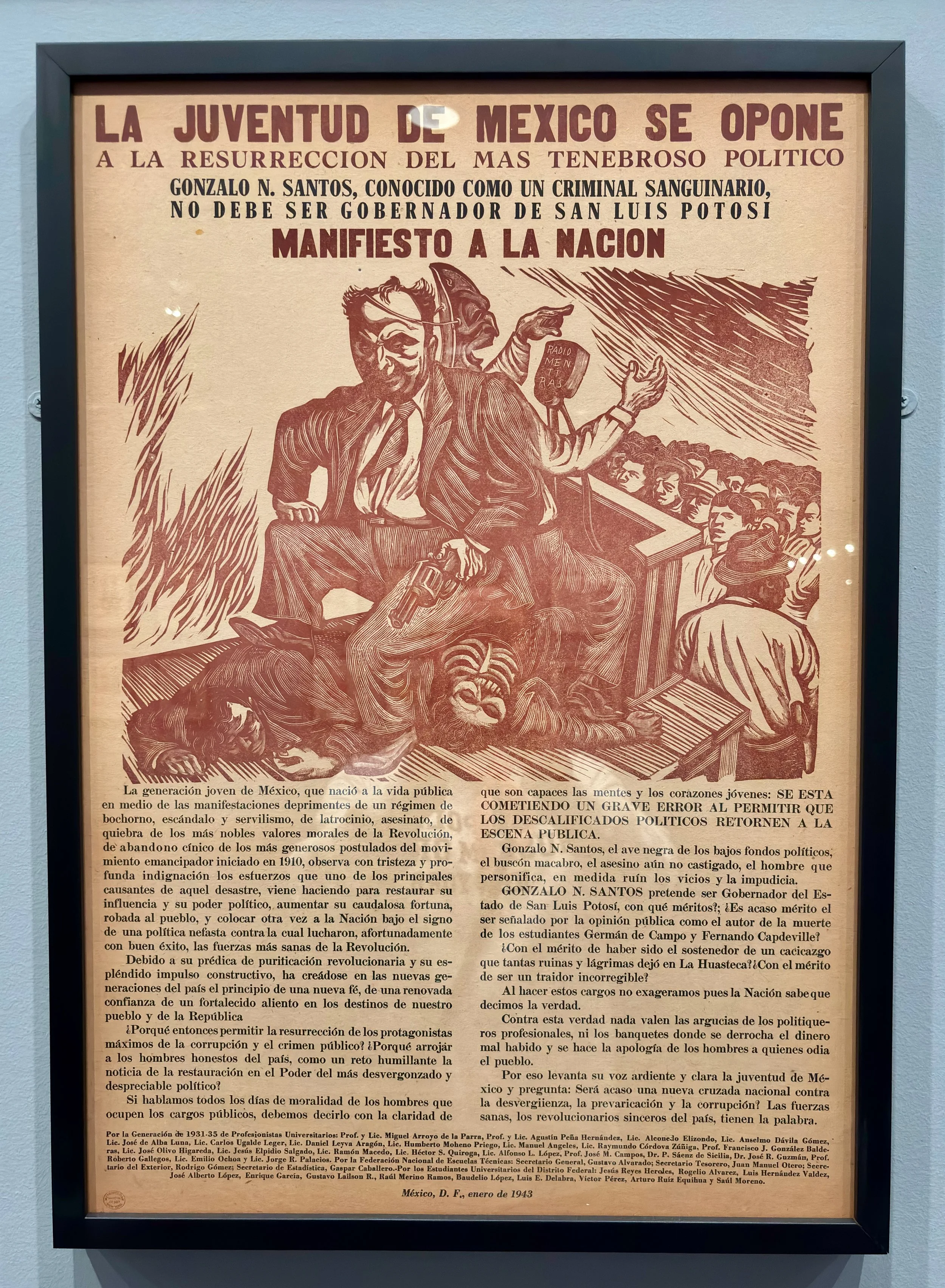
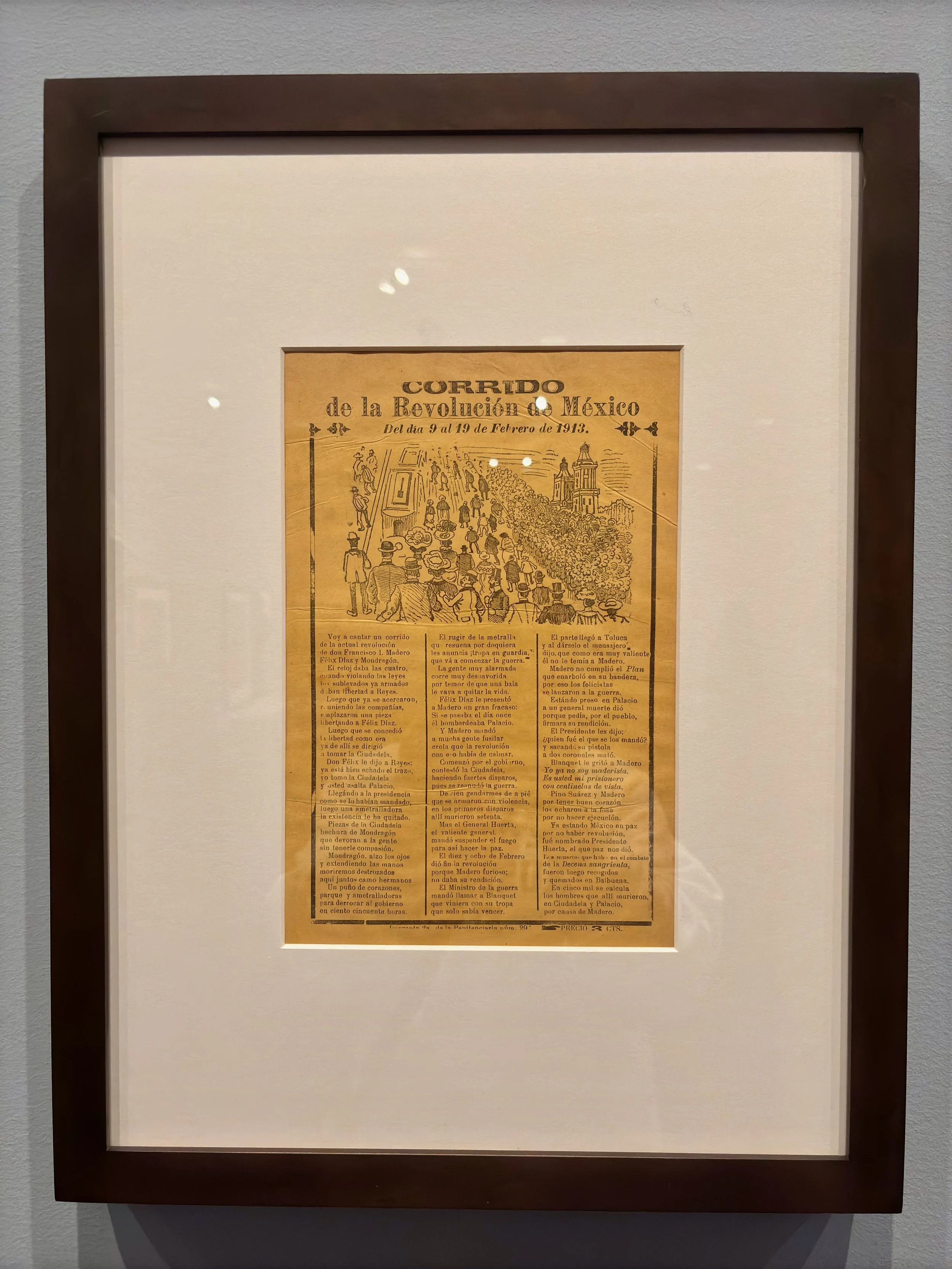
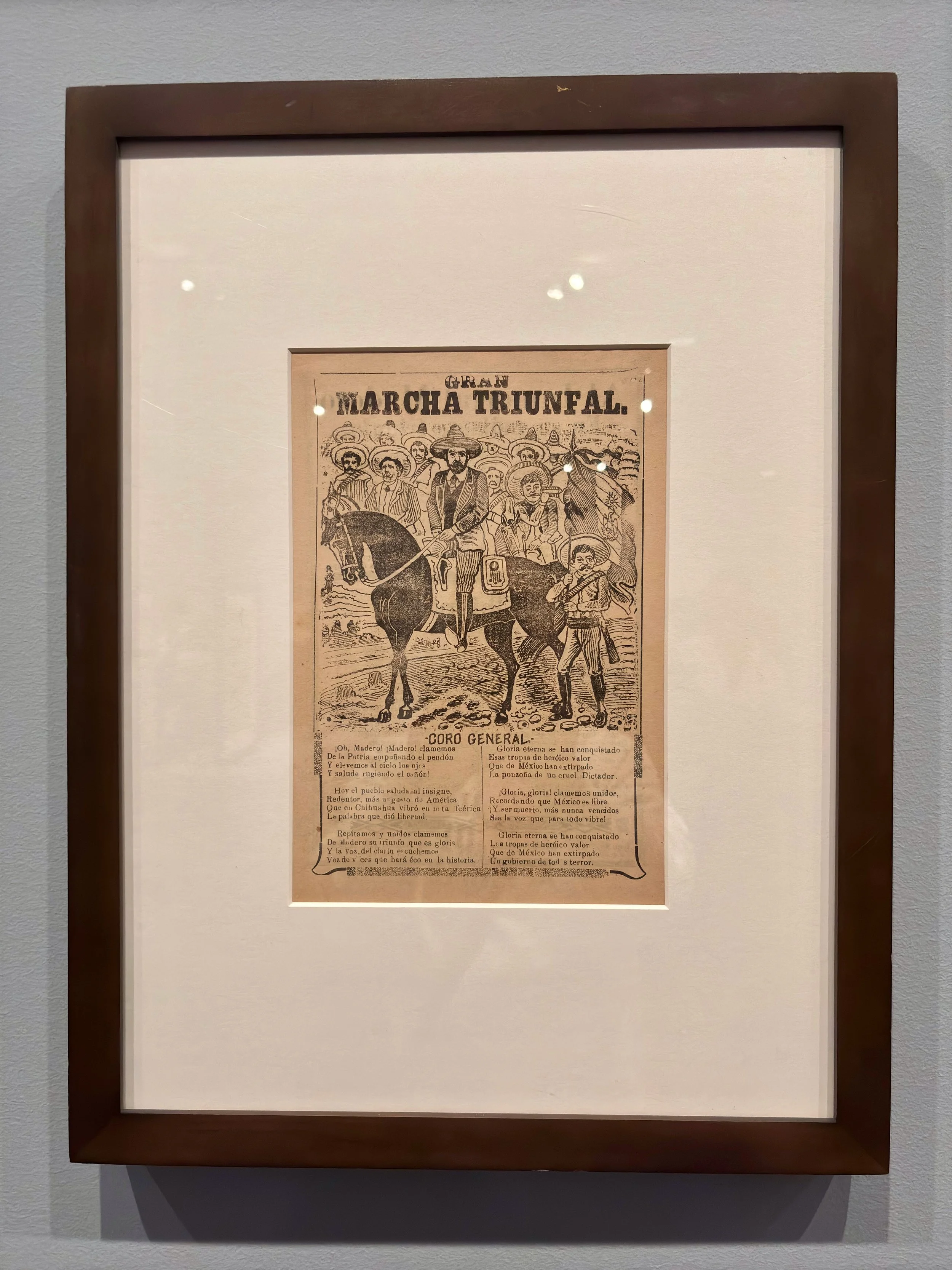
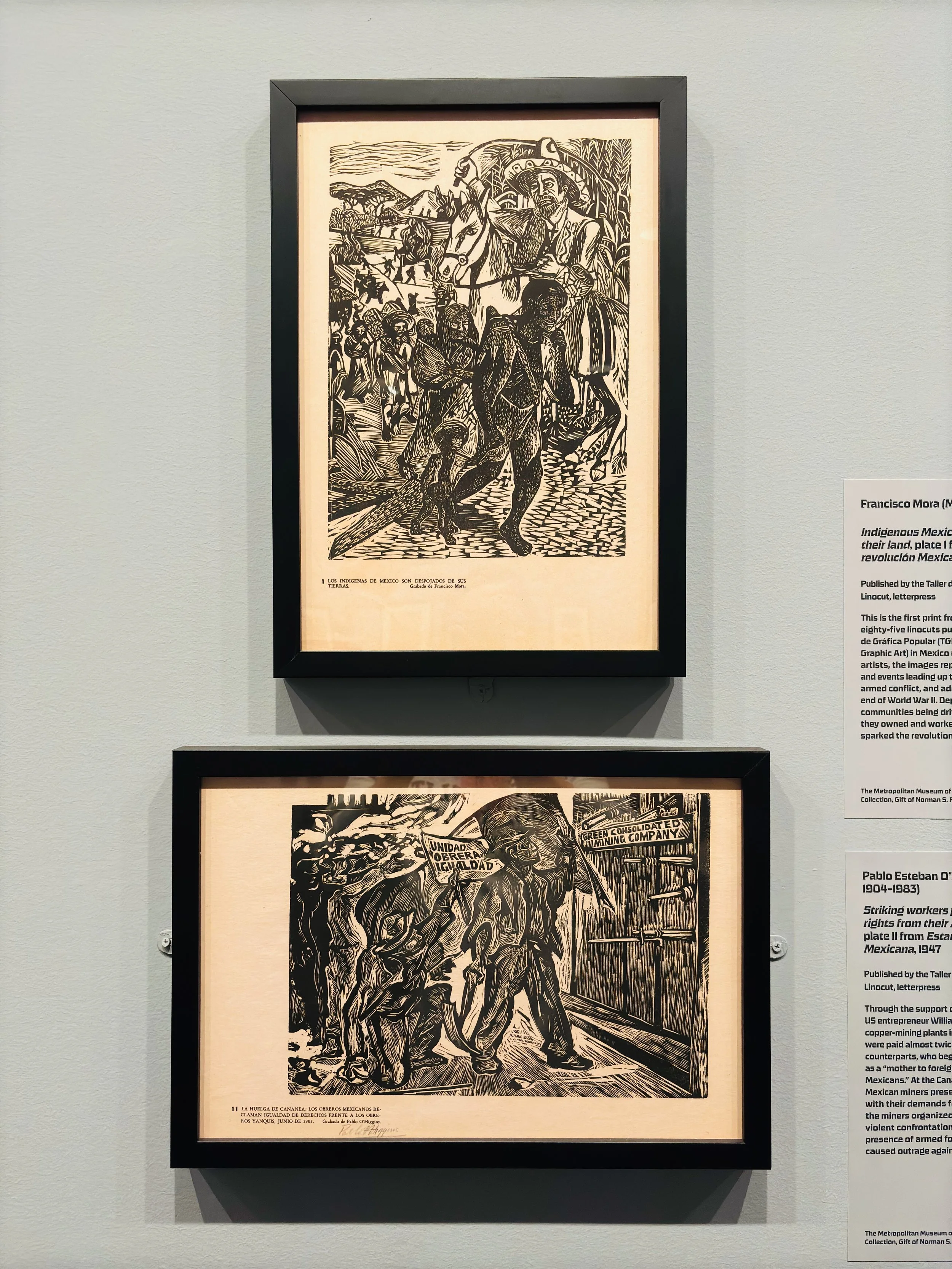
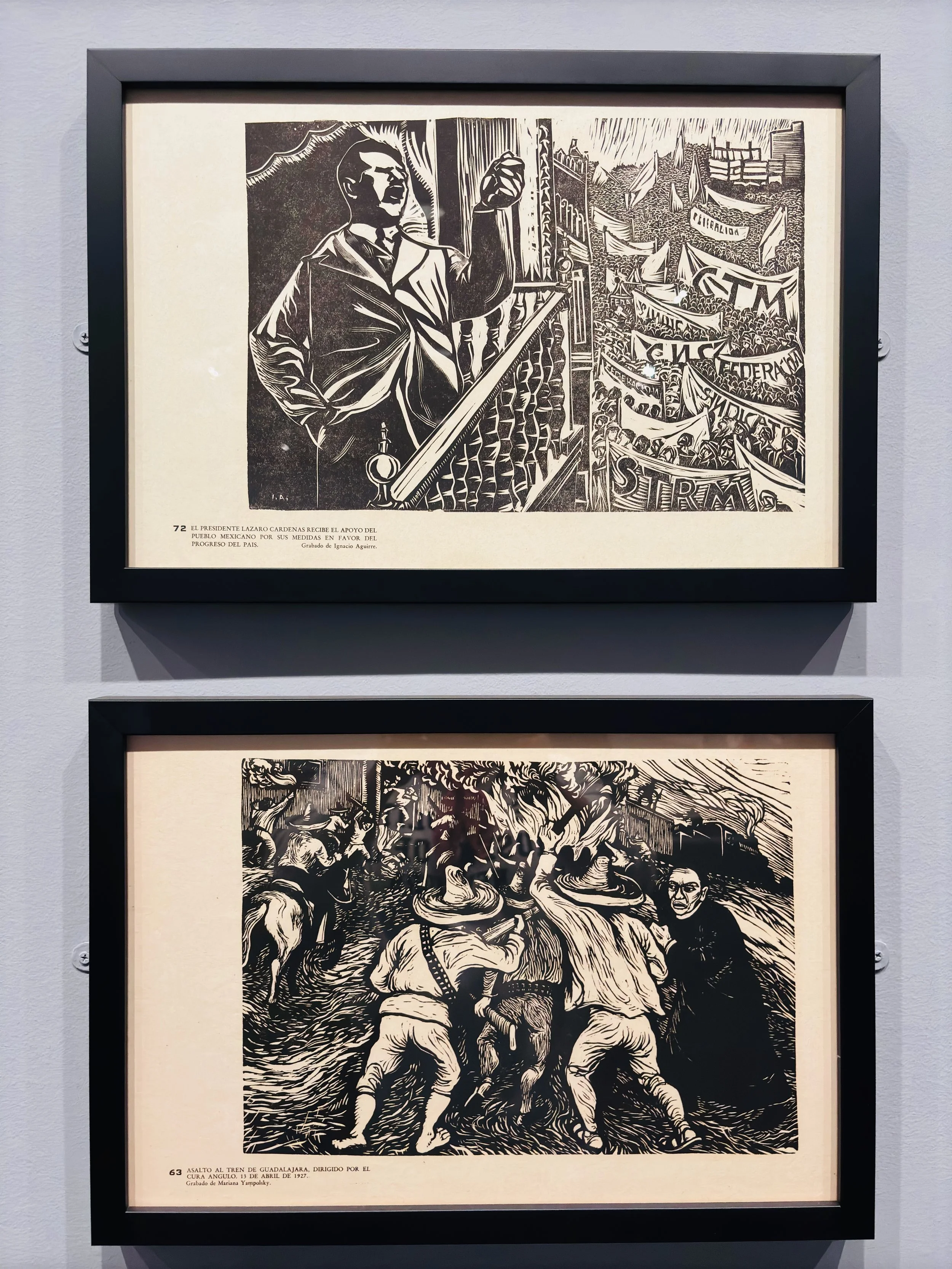
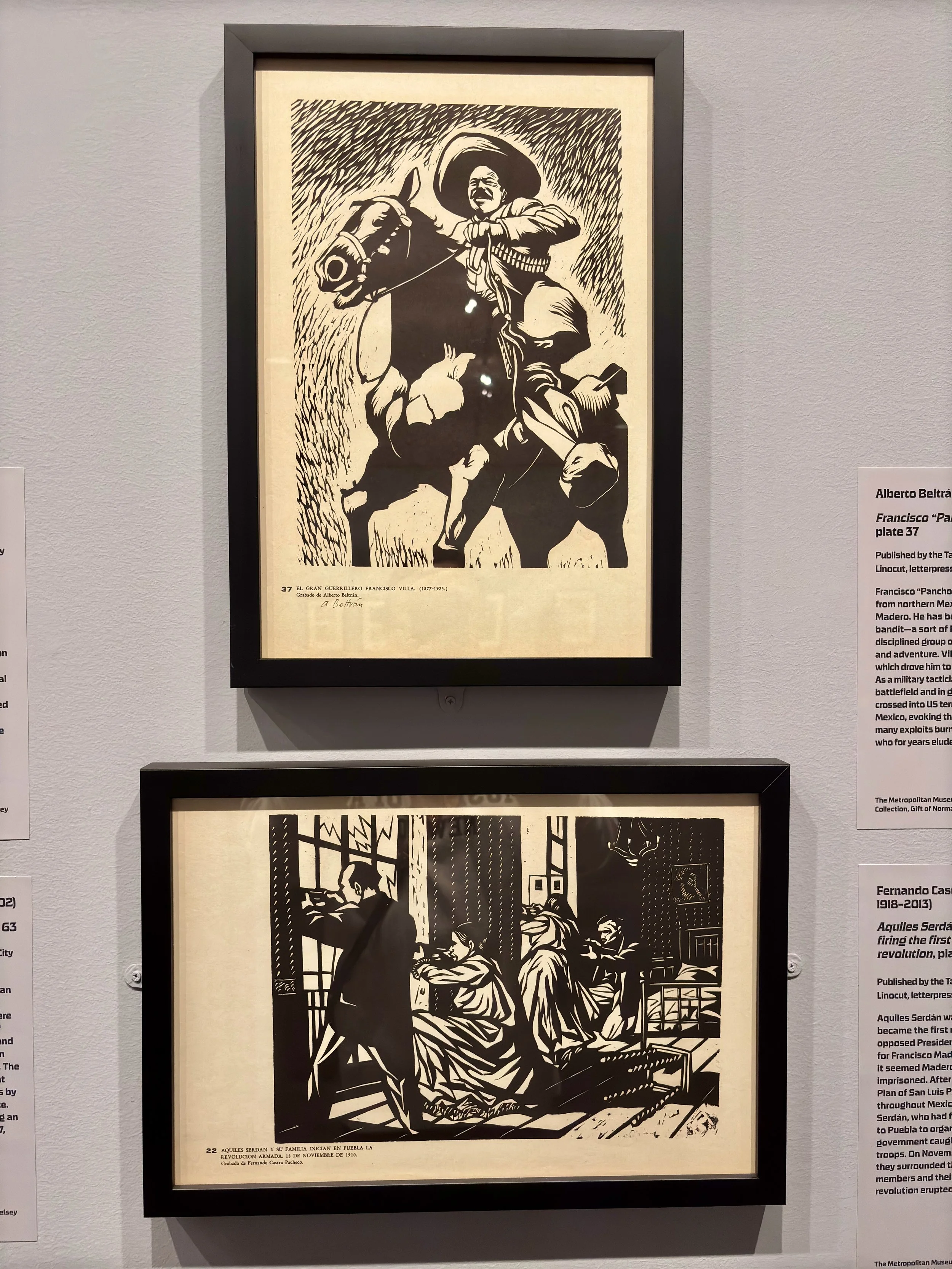
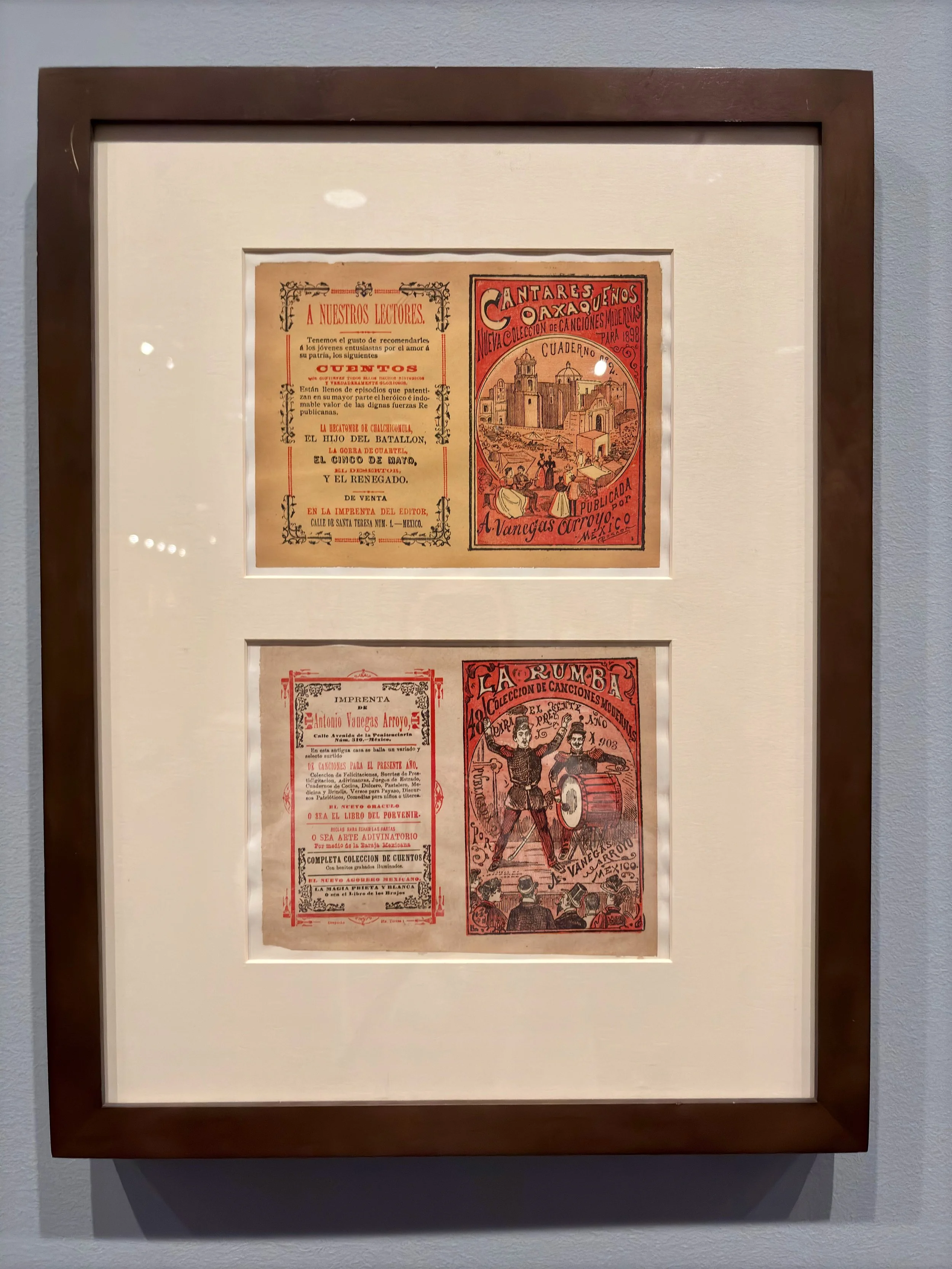
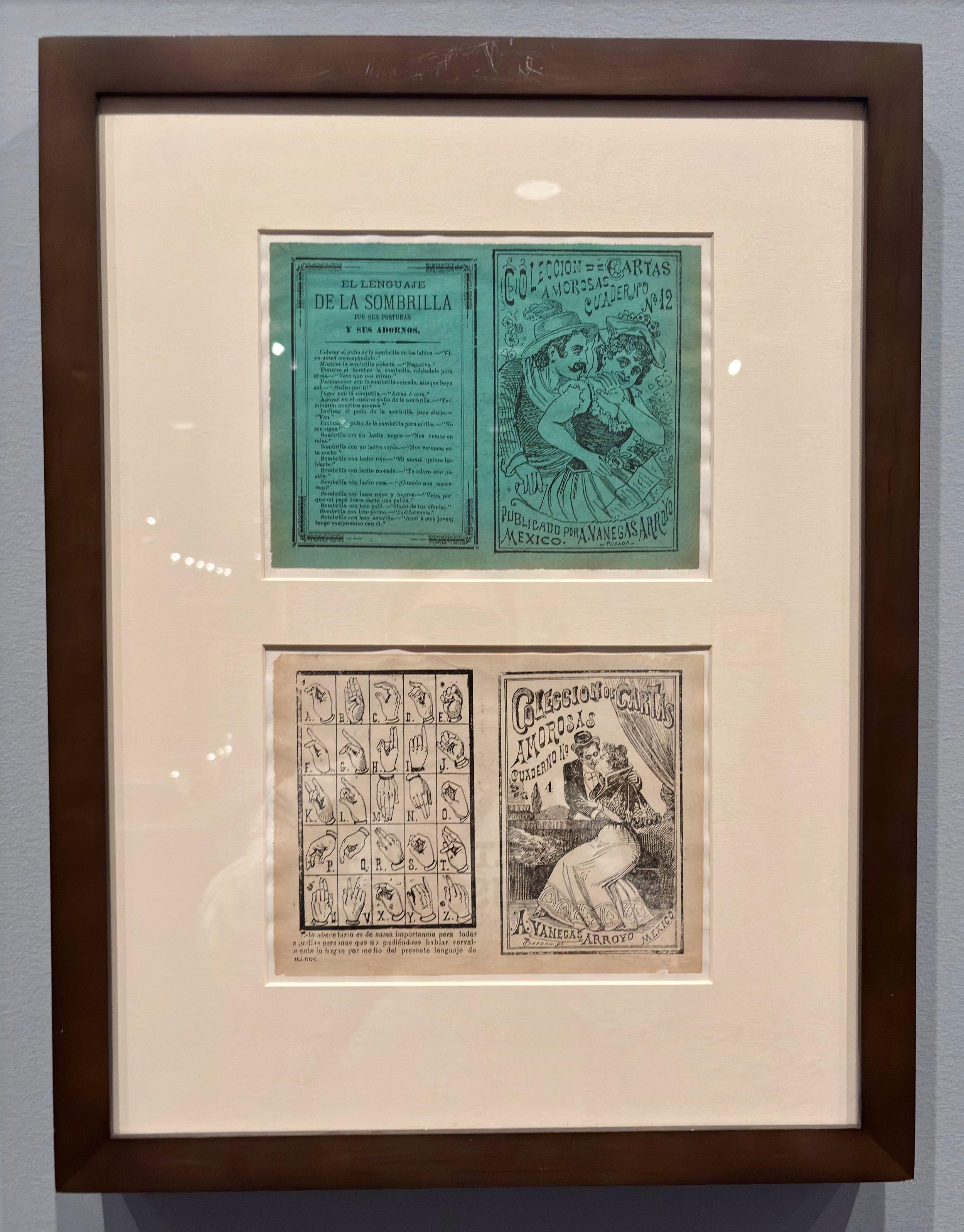
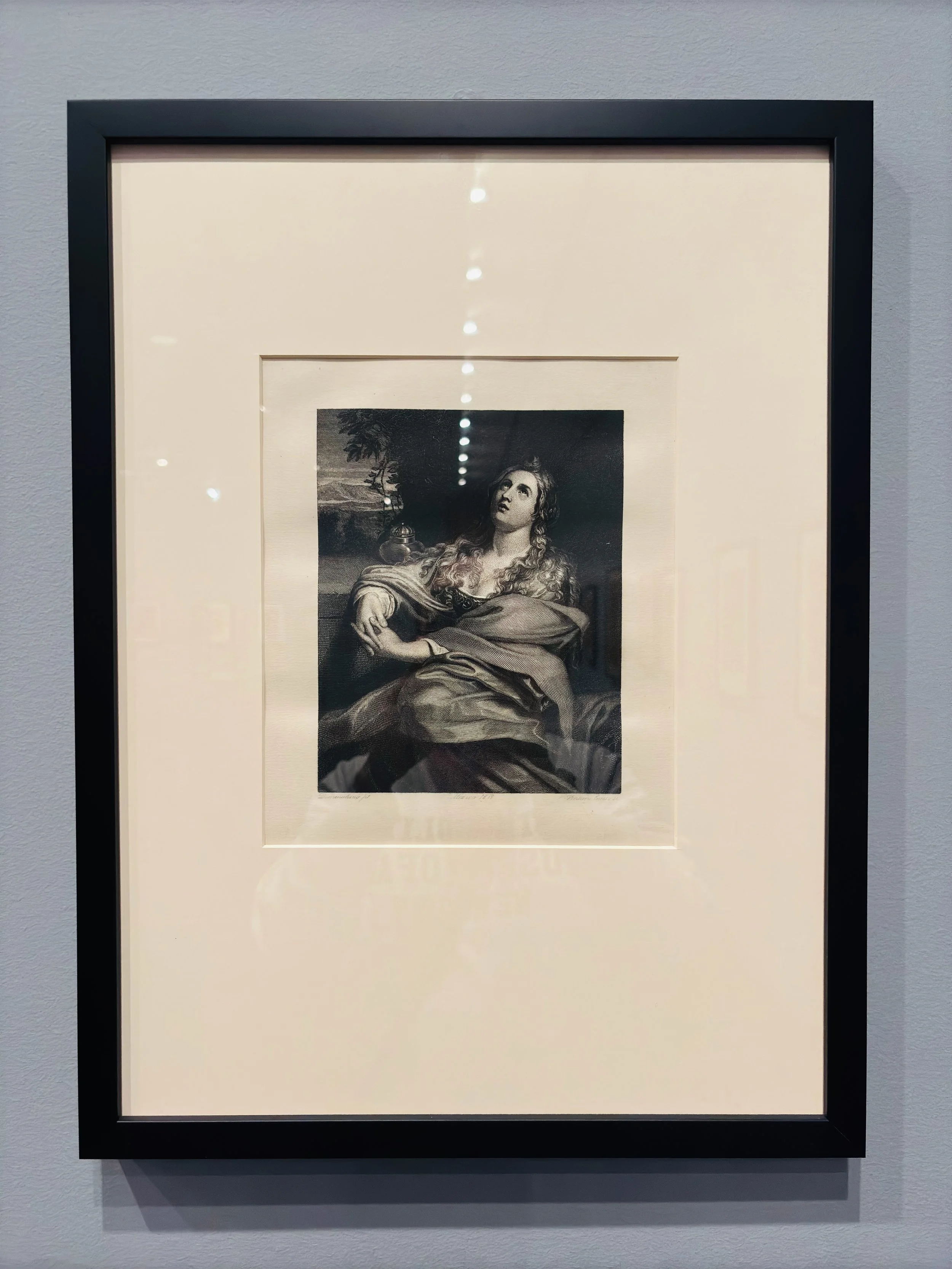
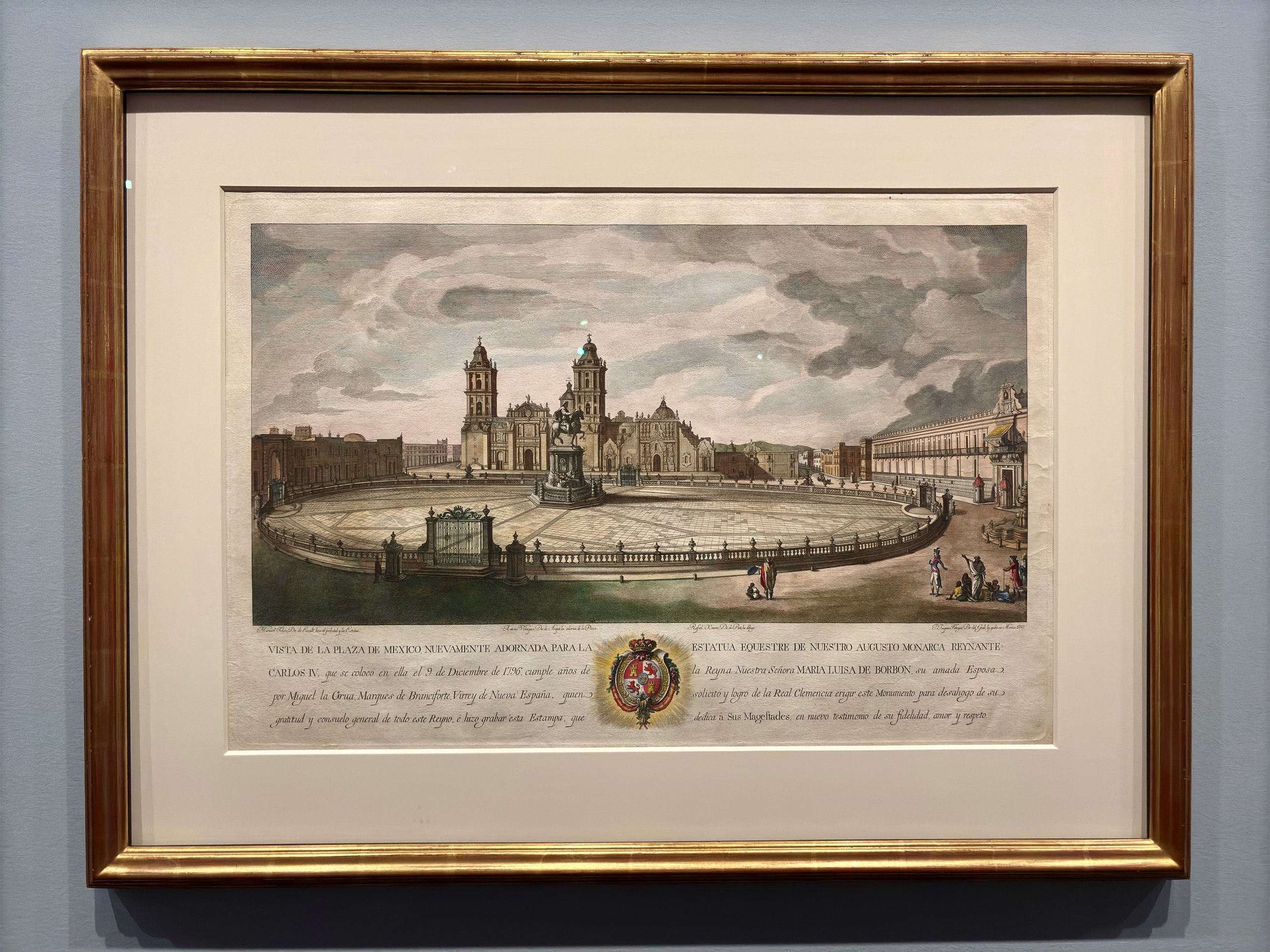
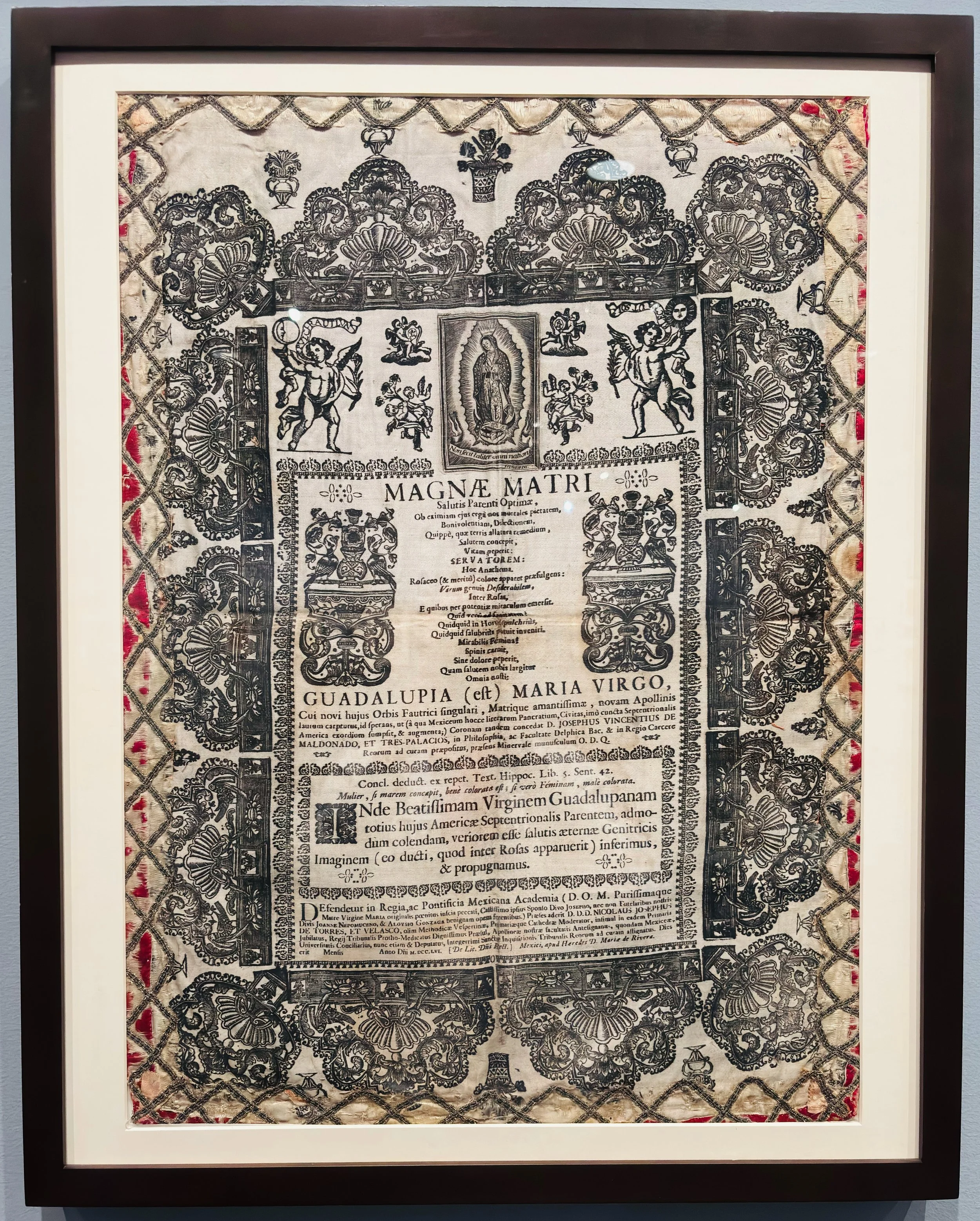
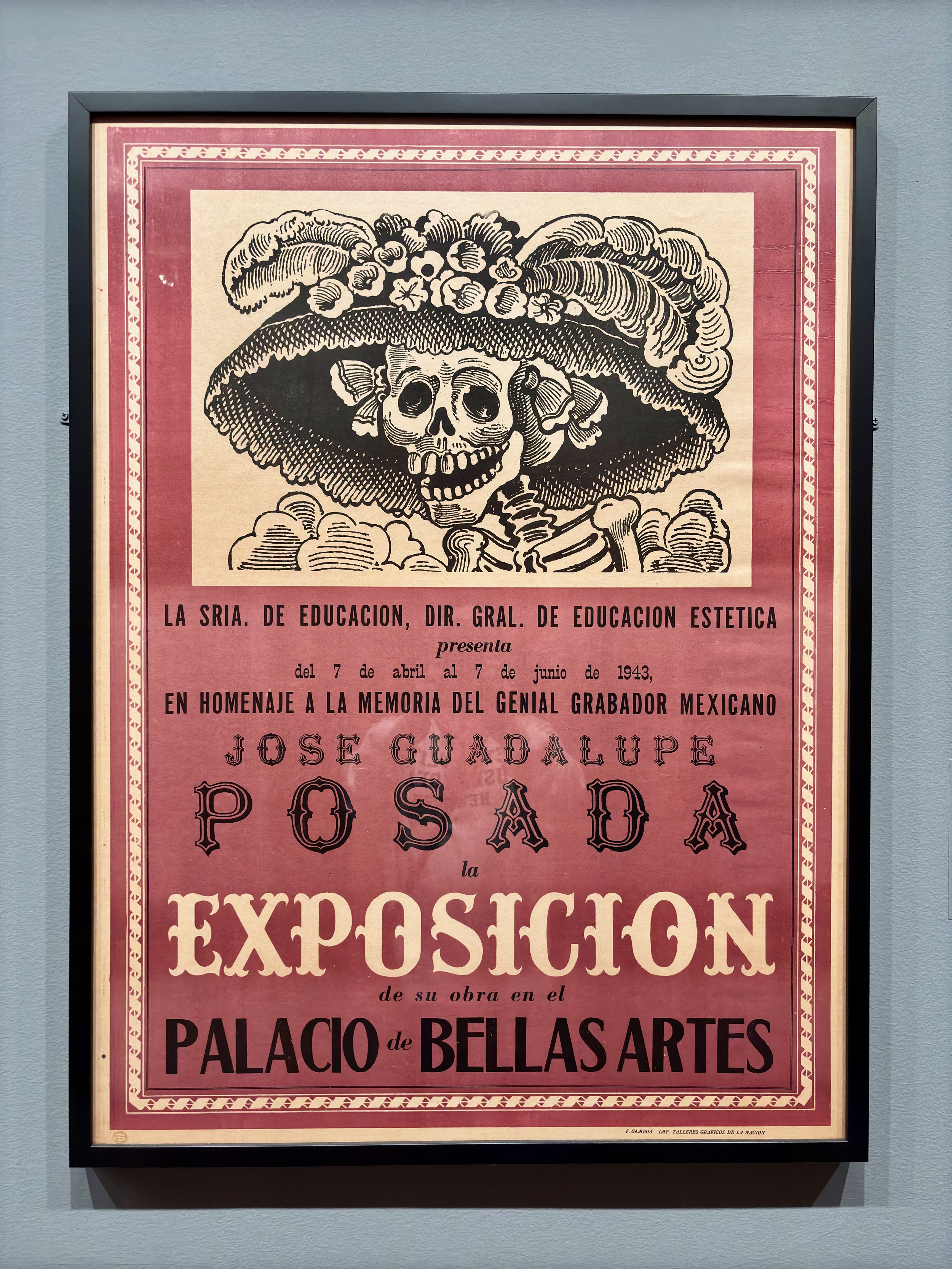
There is something so intimate about printmaking. Unlike a massive oil painting, a print feels close and human—you can almost sense the scratch of the woodcut and the press of ink on paper. At The Metropolitan Museum of Art, Mexican Prints at the Vanguard captures this exact feeling, offering a beautiful look at how Mexico found its visual voice through the graphic arts.
The exhibition highlights the incredible history of a culture processing its identity. A major highlight of this history comes from José Guadalupe Posada, who is perhaps Mexico’s most famous printmaker. His famous dancing skeletons do not feel scary at all; instead, they come across as a poetic, even whimsical embrace of life and mortality that helped introduce Mexican art to the rest of the world.
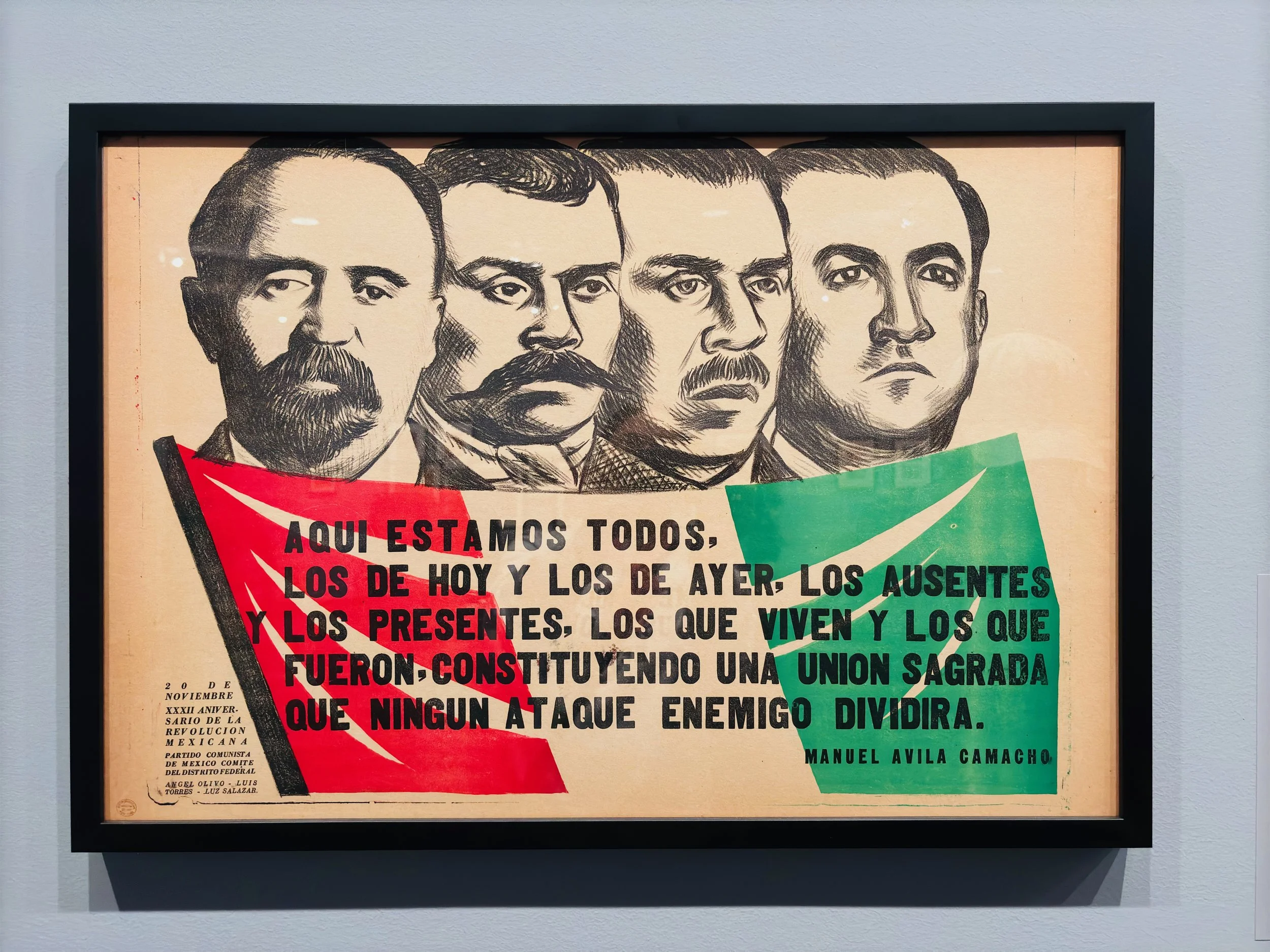
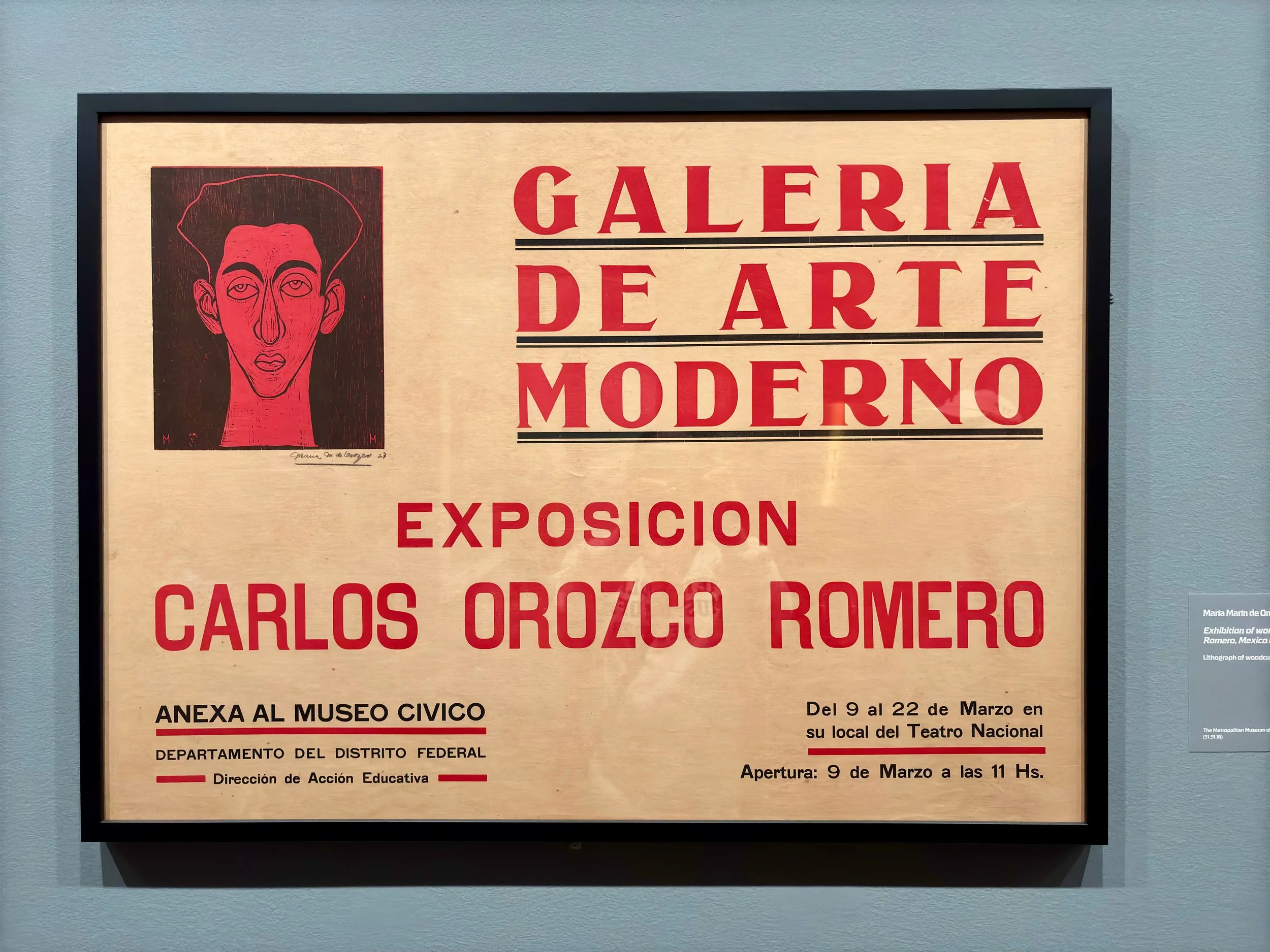
It is fascinating to see how printmaking became the perfect tool for artists after the Mexican Revolution. When the world was facing the scary rise of fascism, these artists used the printing press to speak up, resist, and share their social concerns. But the show also highlights gentler moments. It is lovely to see how prints were used for everyday things, like colorful exhibition posters, illustrations for the public press, and portfolios that celebrate traditional Mexican dress and local customs.

With over 130 works on display, the collection is a stunning gathering of talent. Alongside Posada, the exhibition features incredible graphic pieces by artists like Diego Rivera, José Clemente Orozco, and Leopoldo Méndez. Each woodcut, lithograph, and screen print has a tactile beauty that makes you want to pause and appreciate the fine lines carved by hand.

Mexican Prints at the Vanguard is a beautiful reminder of how powerful the graphic arts can be. The medium handles heavy political history and delicate cultural celebration with the exact same grace. If you are in the city, please make time to see this show—it is a wonderful chance to learn more about printmaking and experience the true heart of Mexican art.

Comment

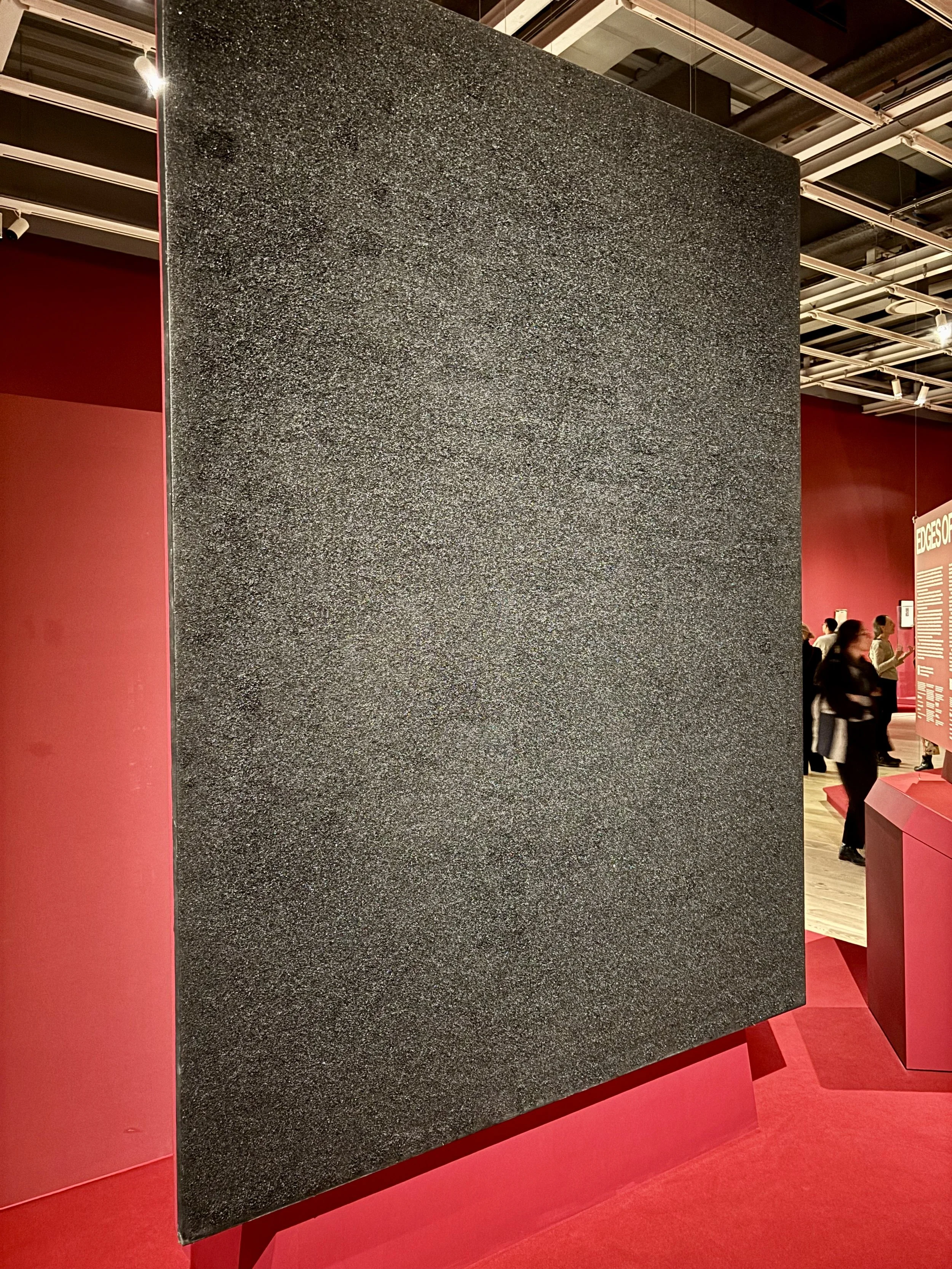
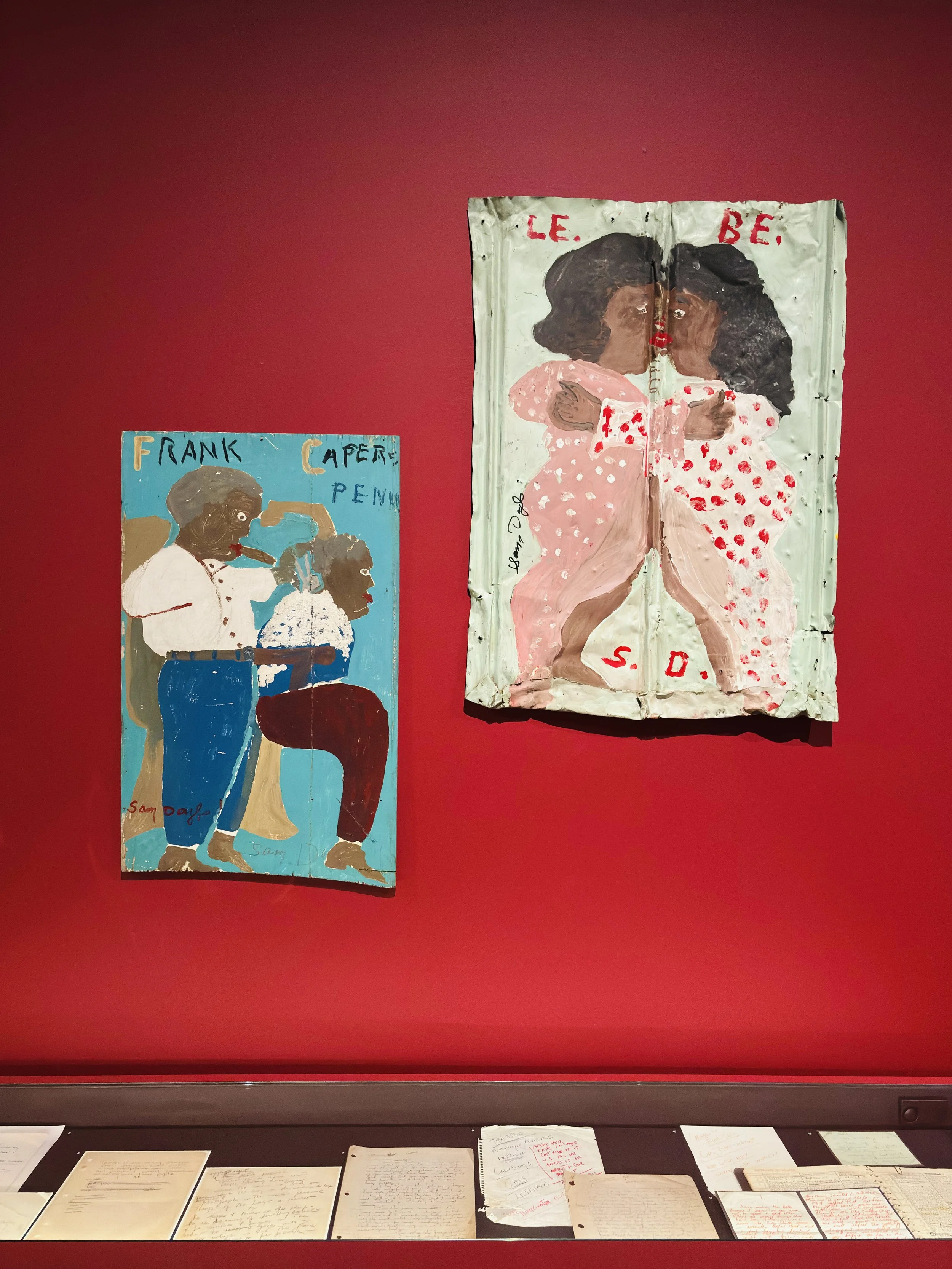
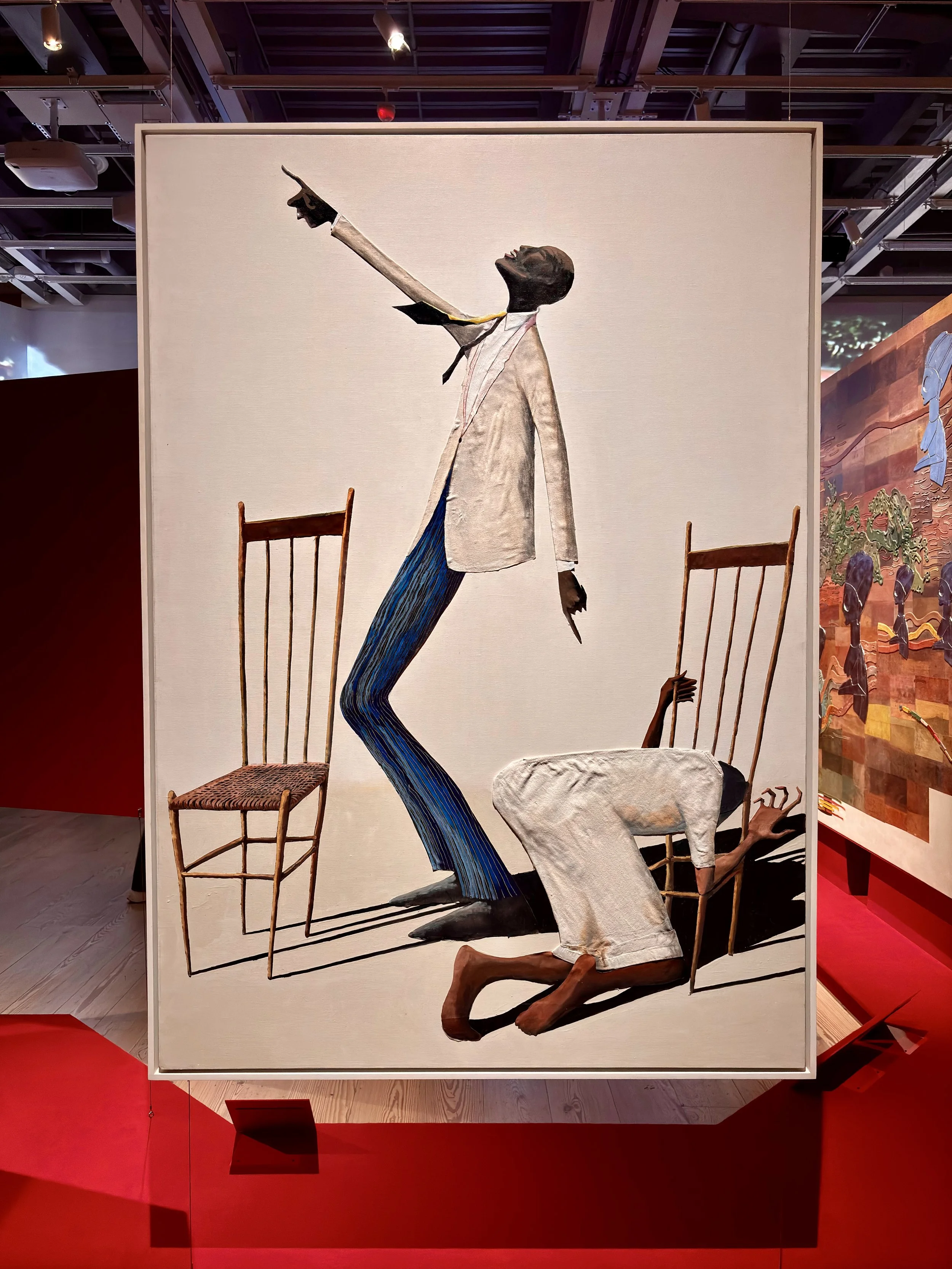
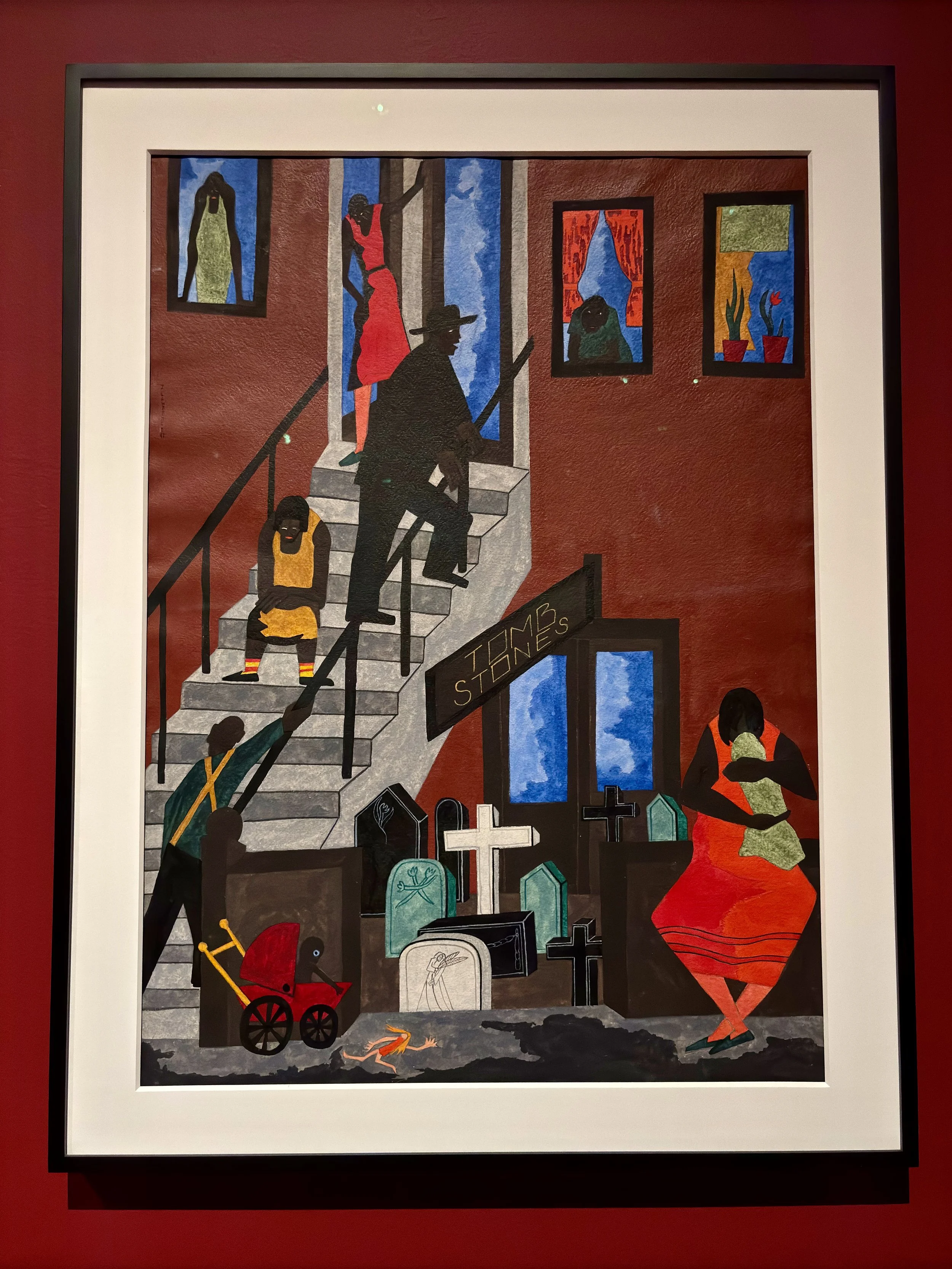
Reflecting on 'Edges of Ailey' at the Whitney Museum

Comment

Reflecting on 'Edges of Ailey' at the Whitney Museum

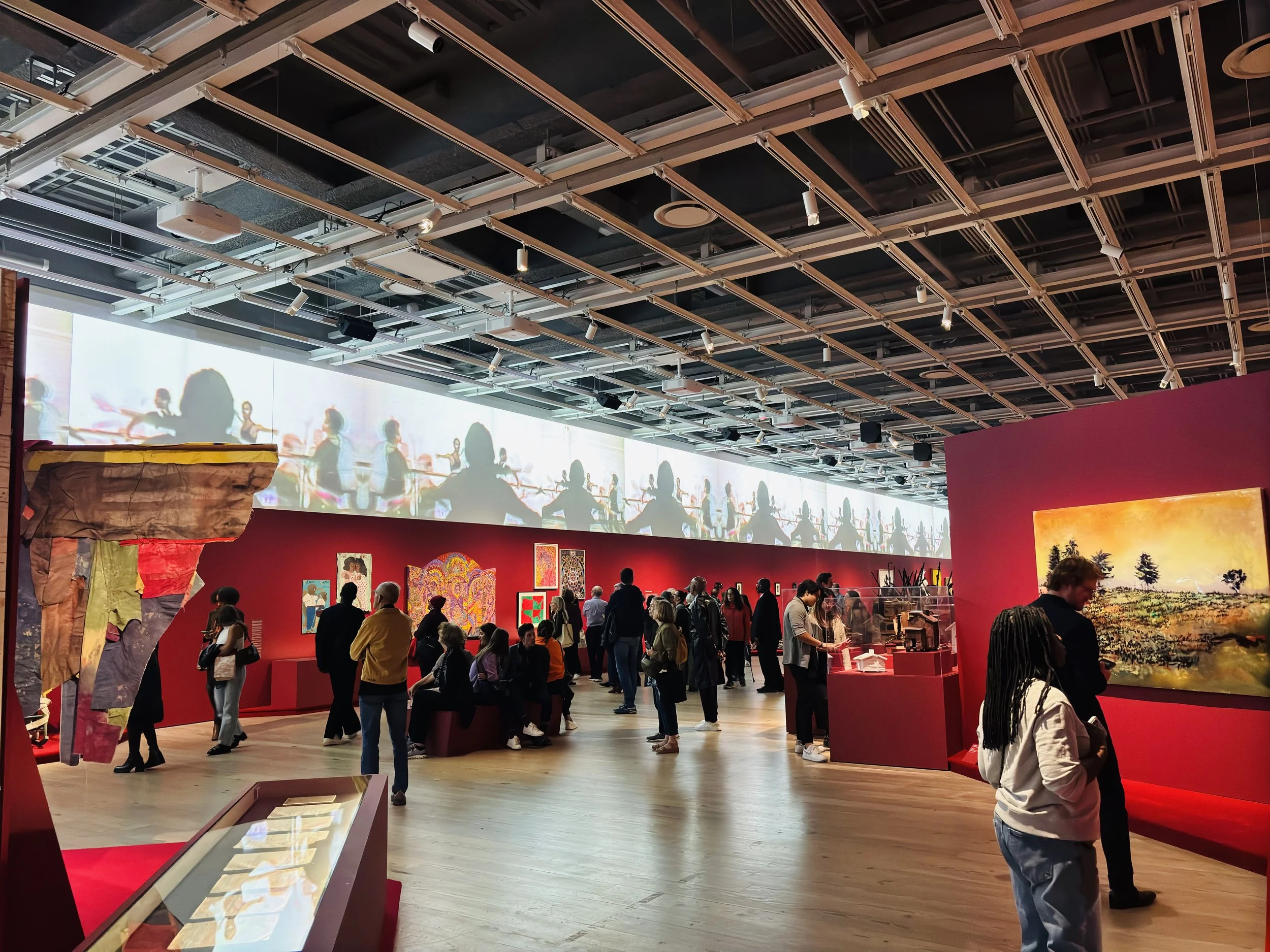
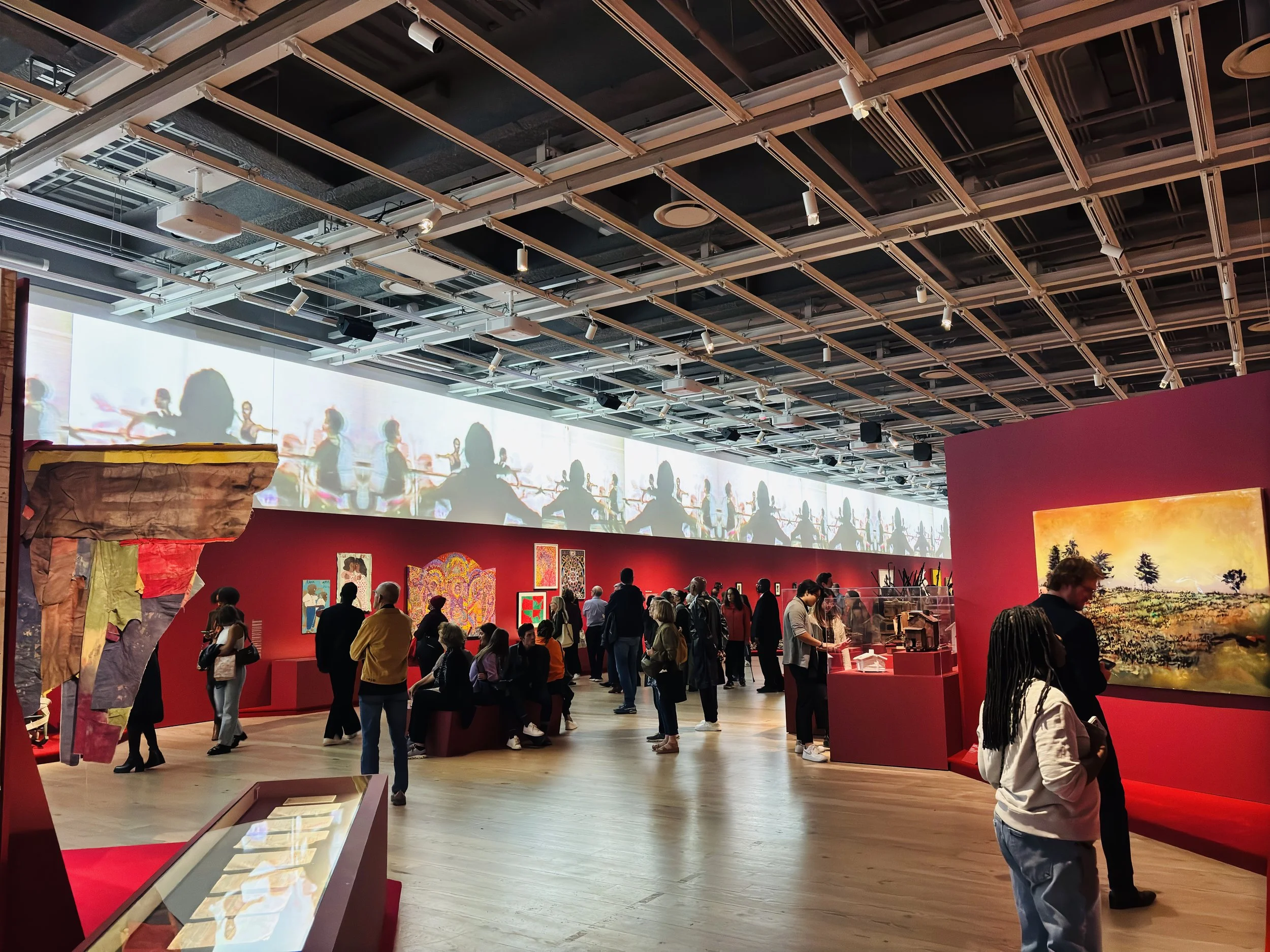
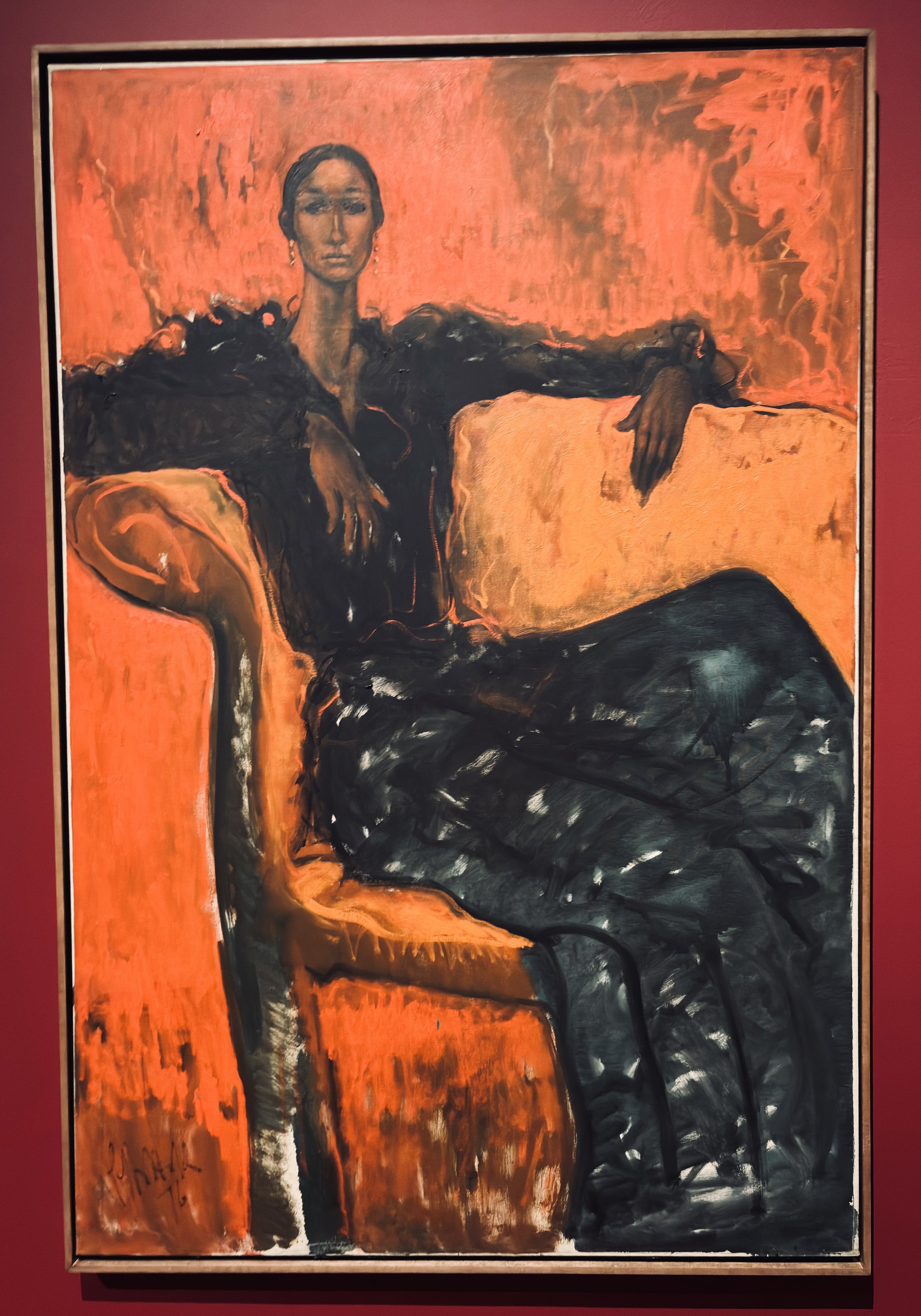
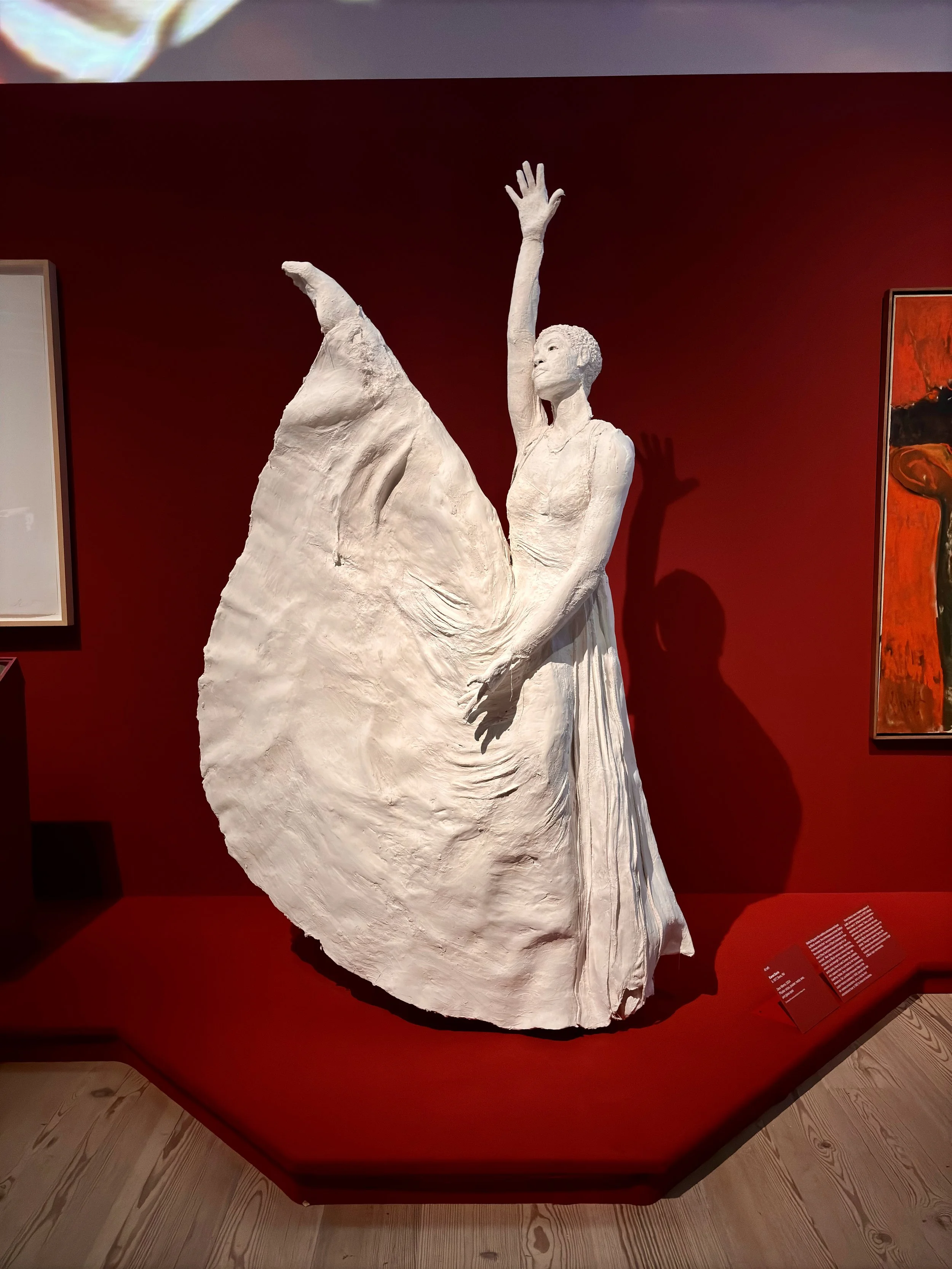
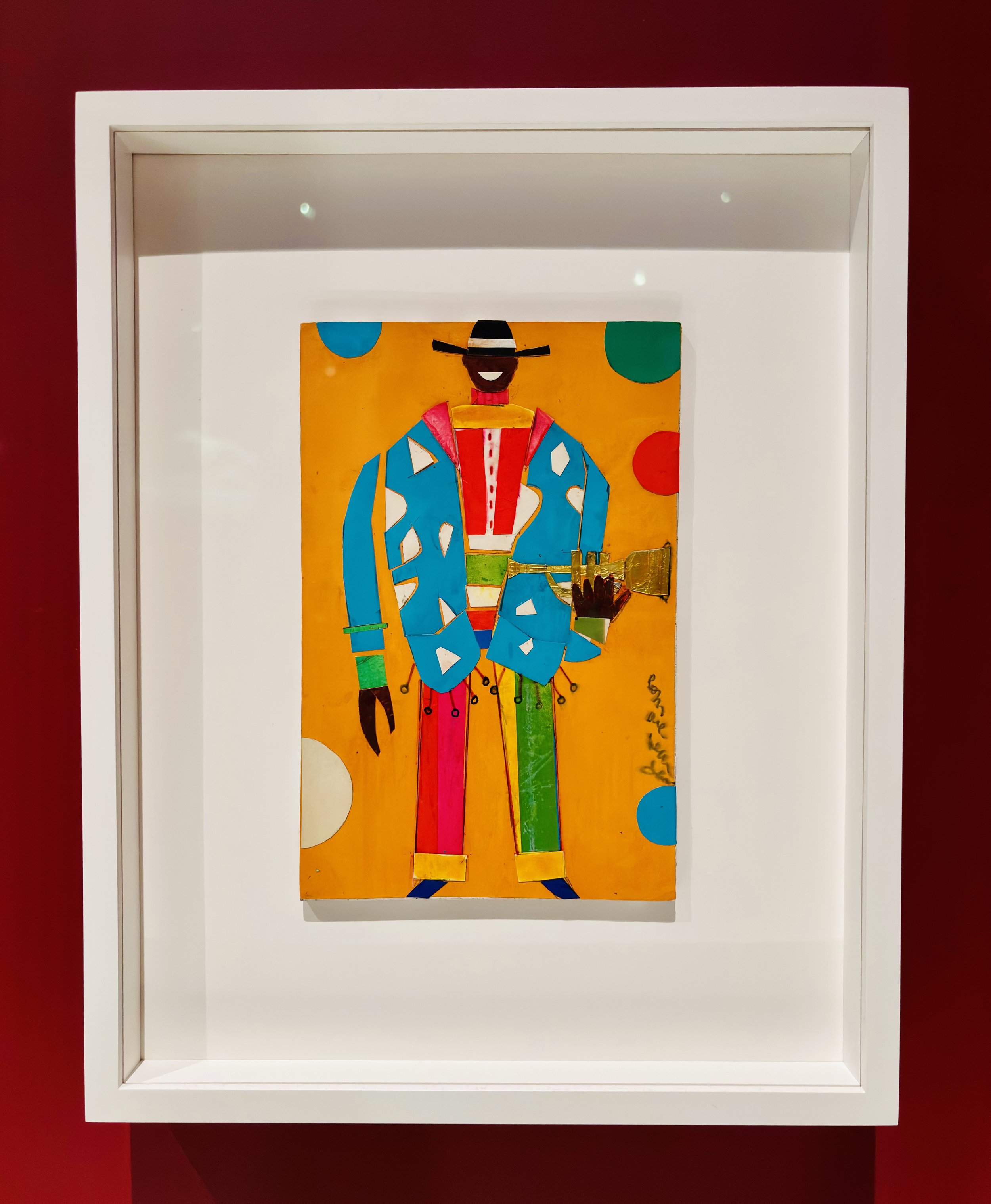
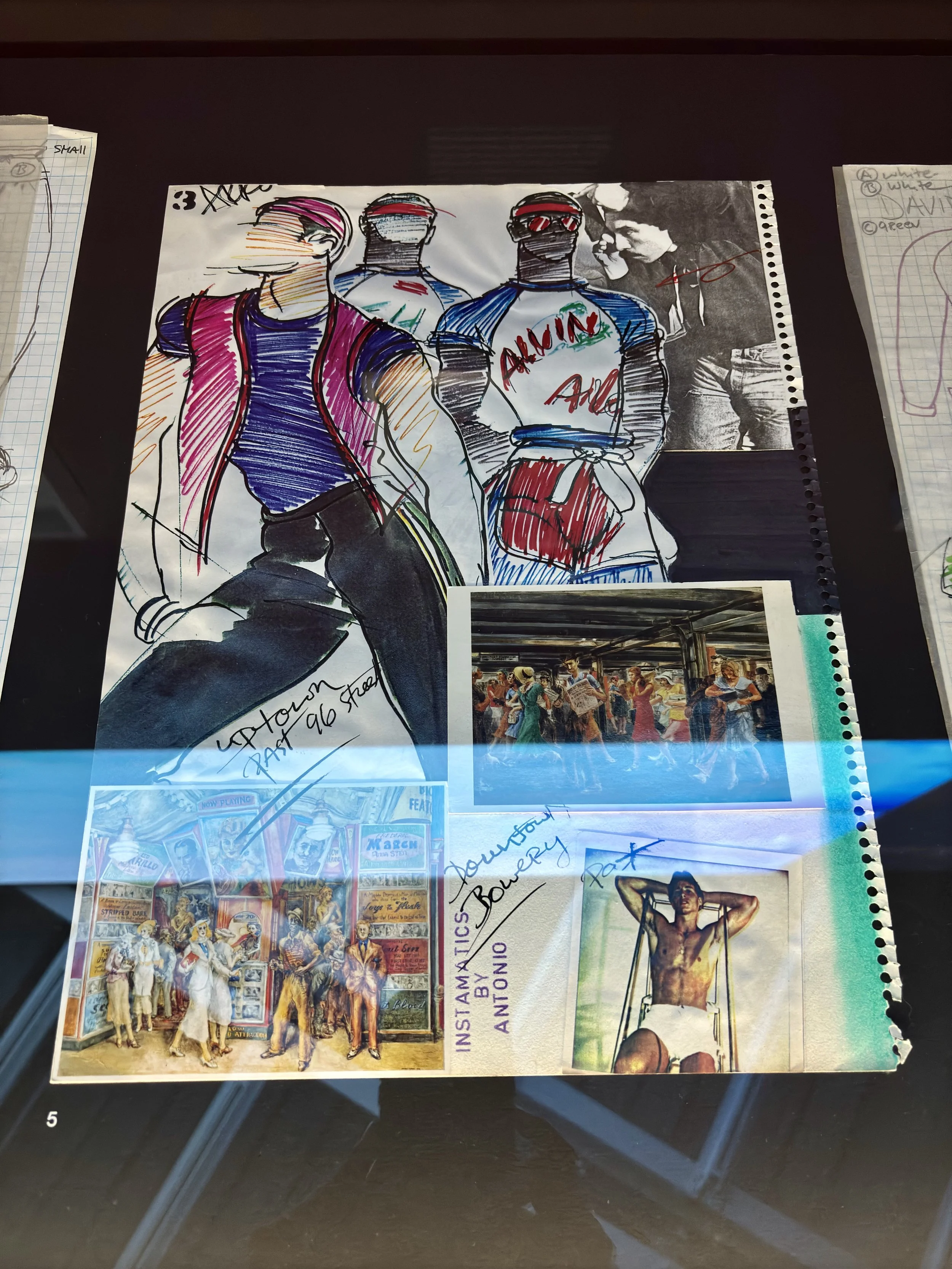
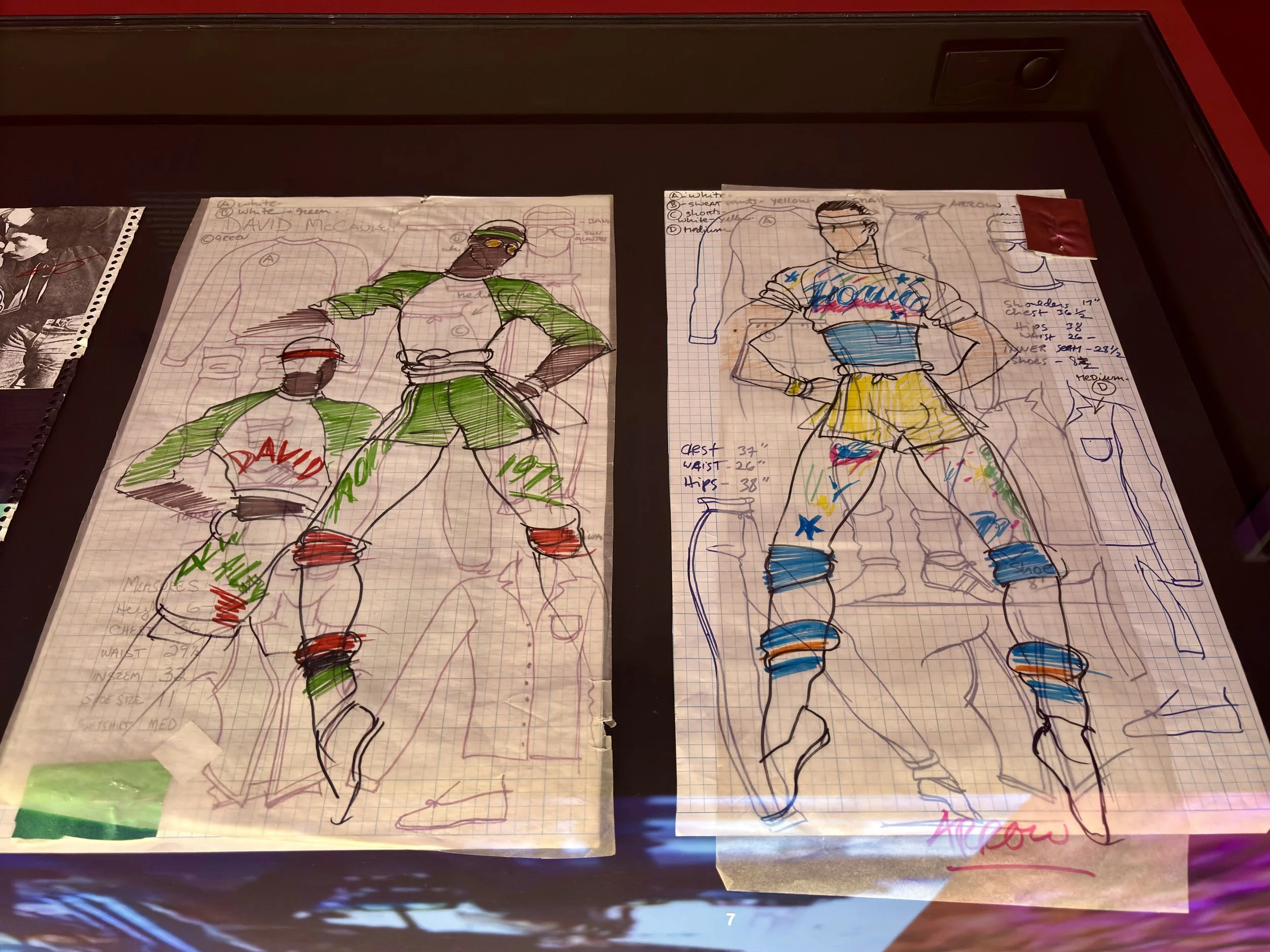
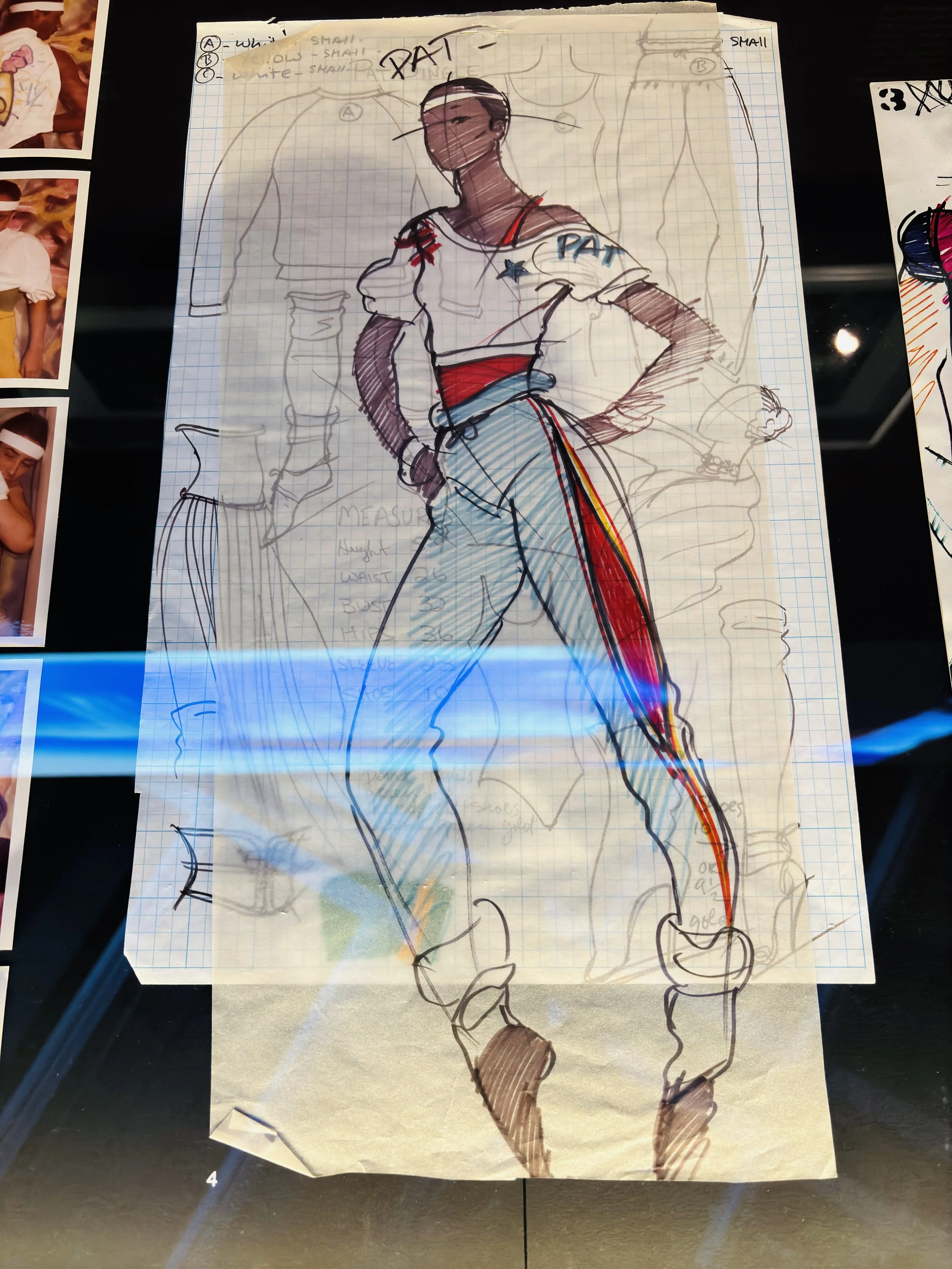
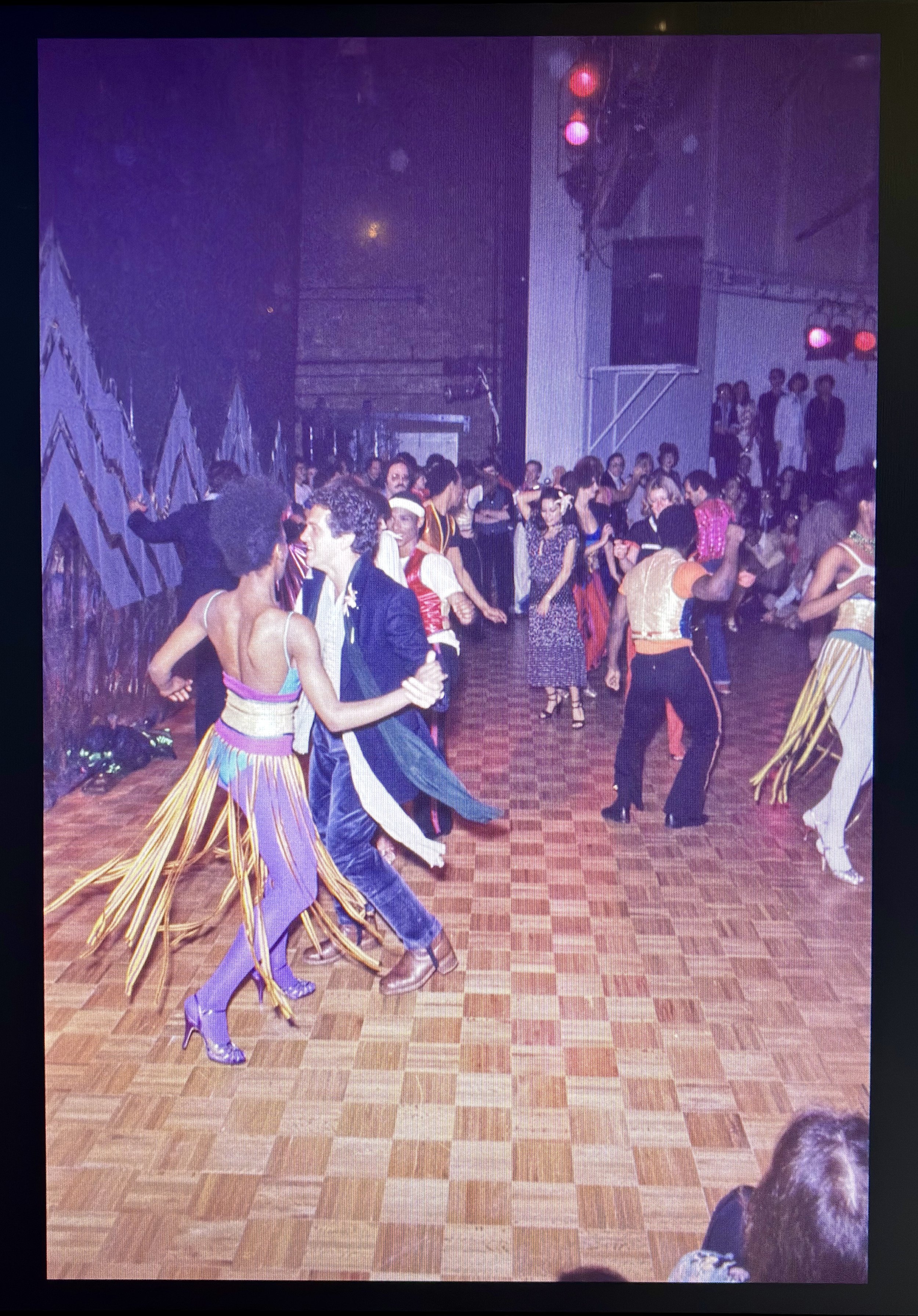
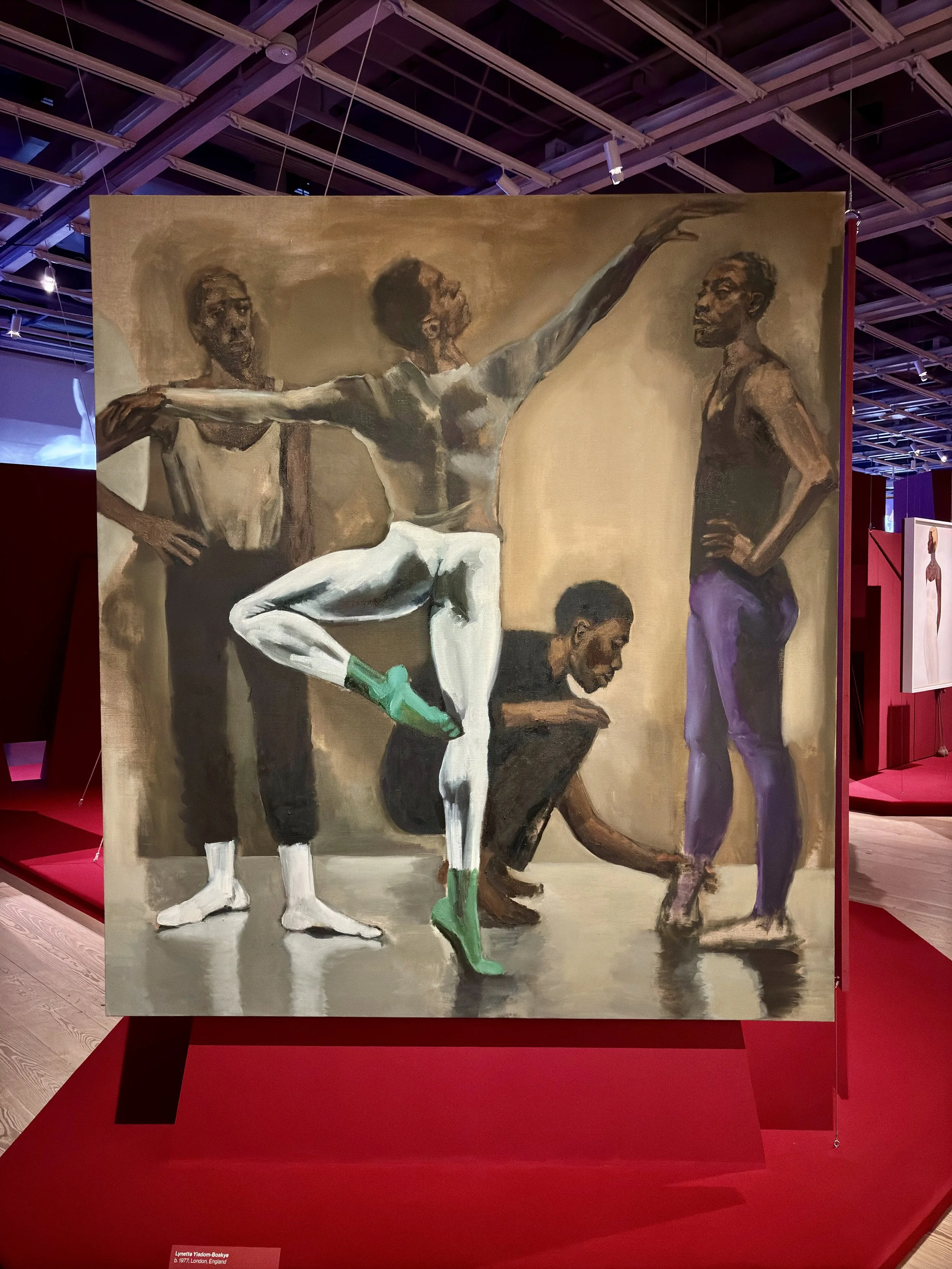
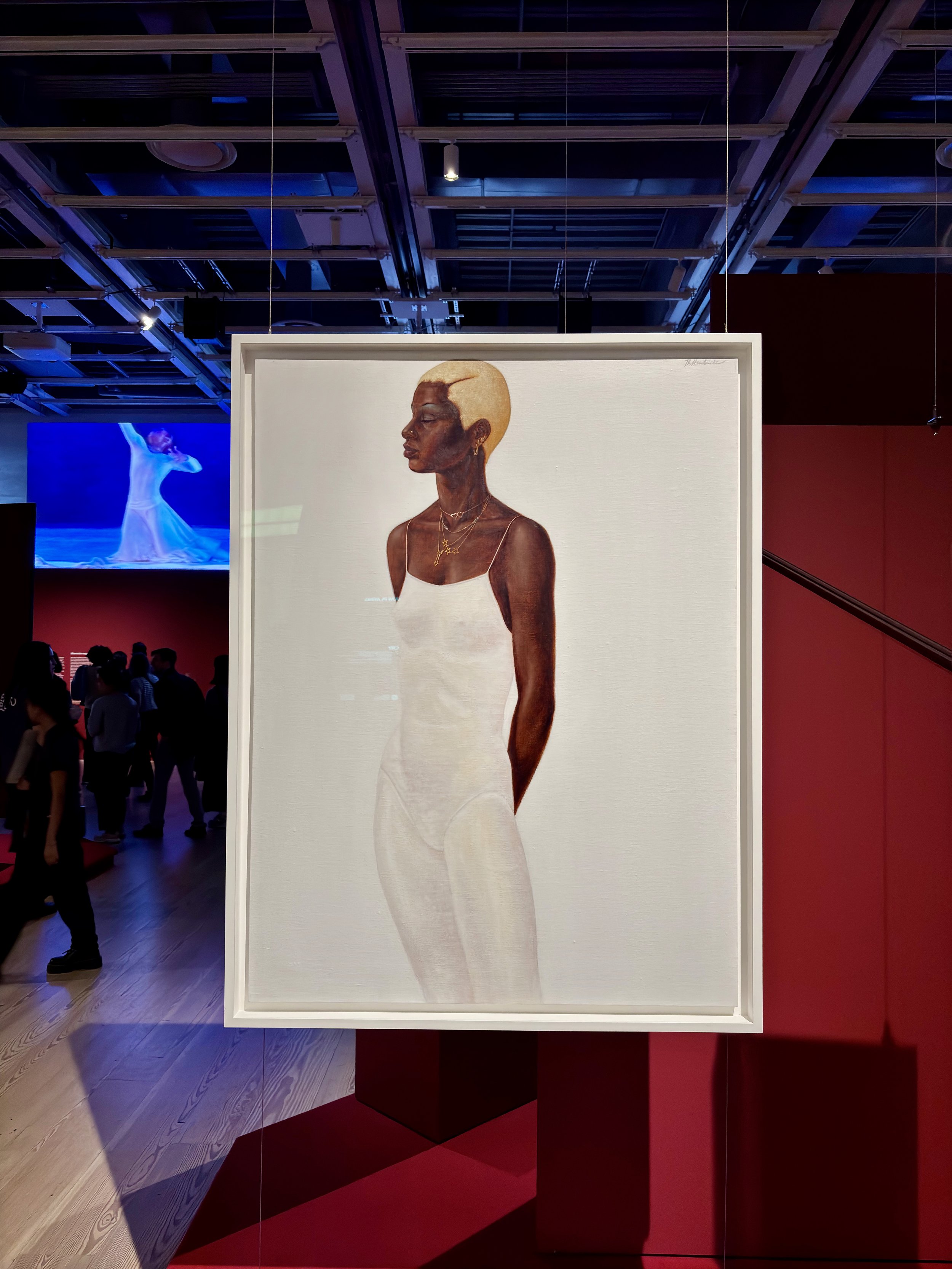
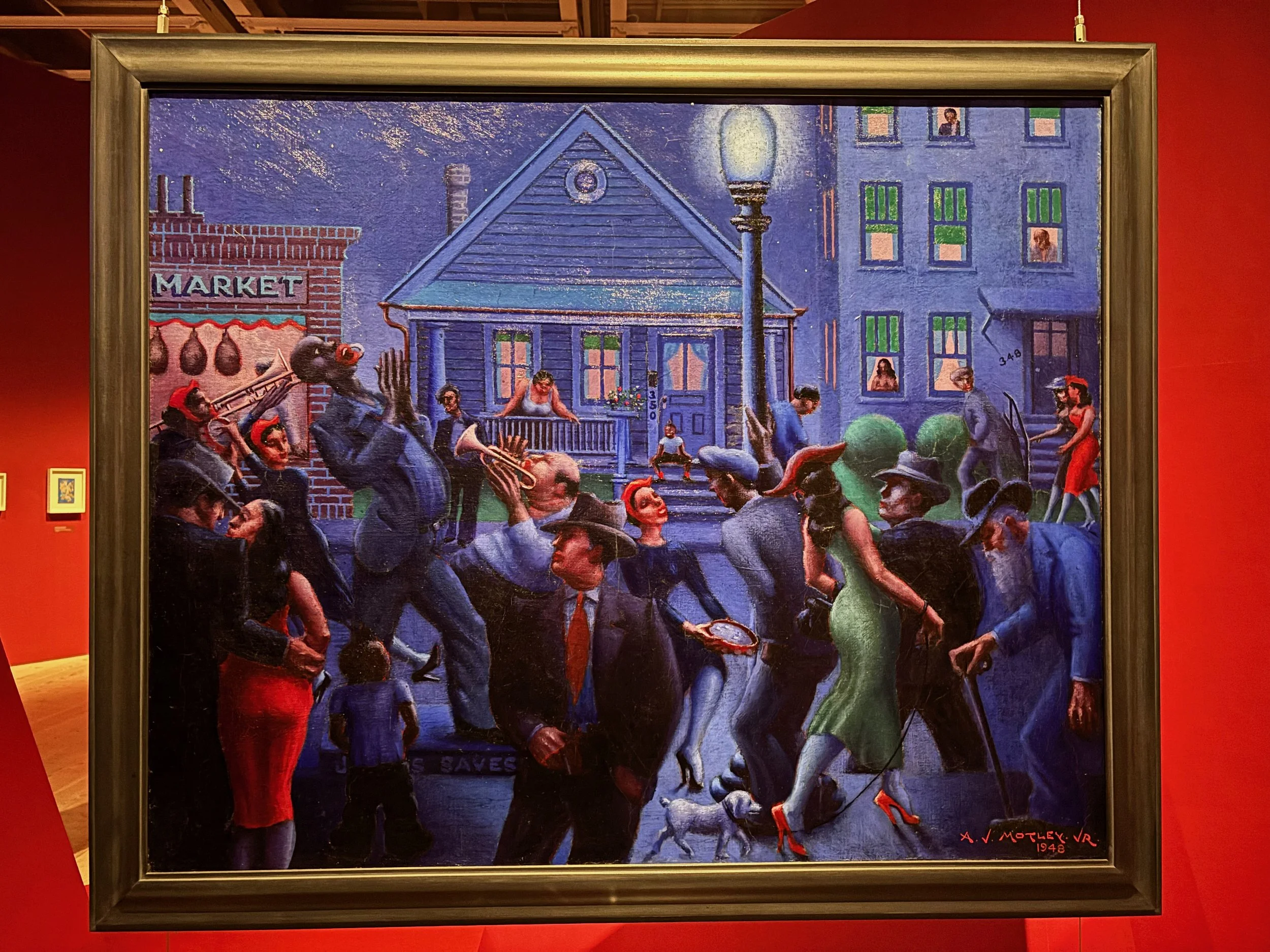
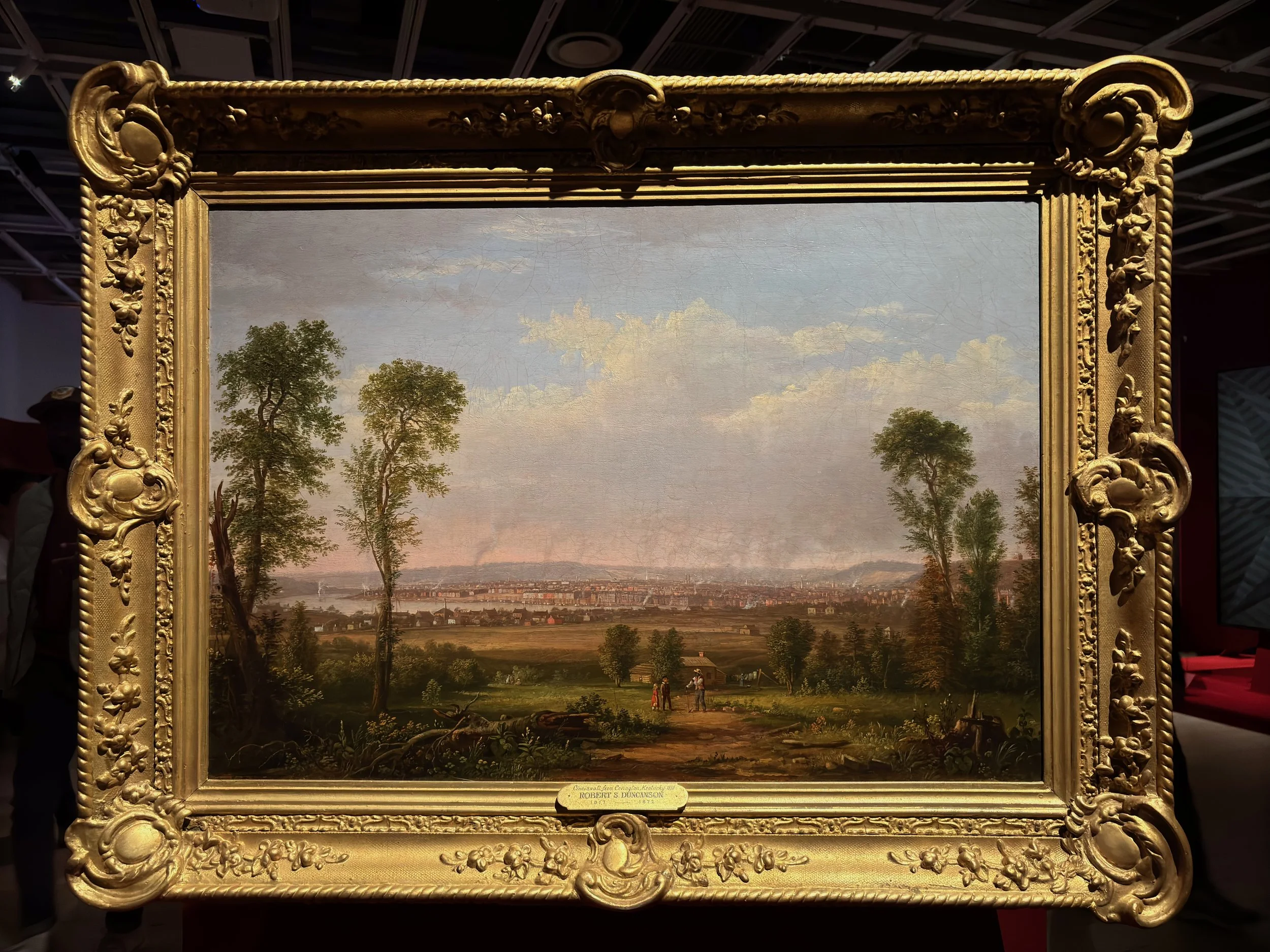
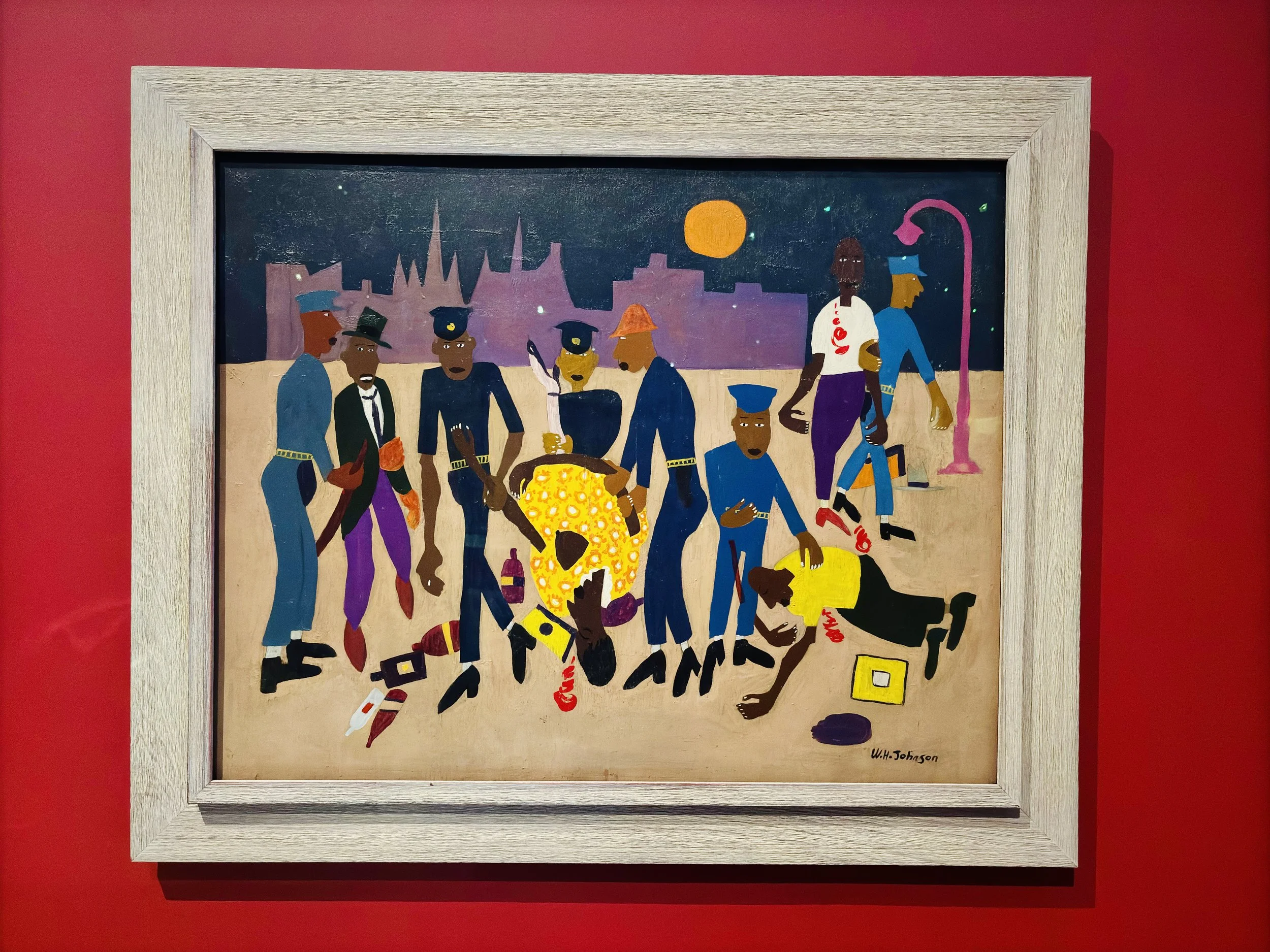
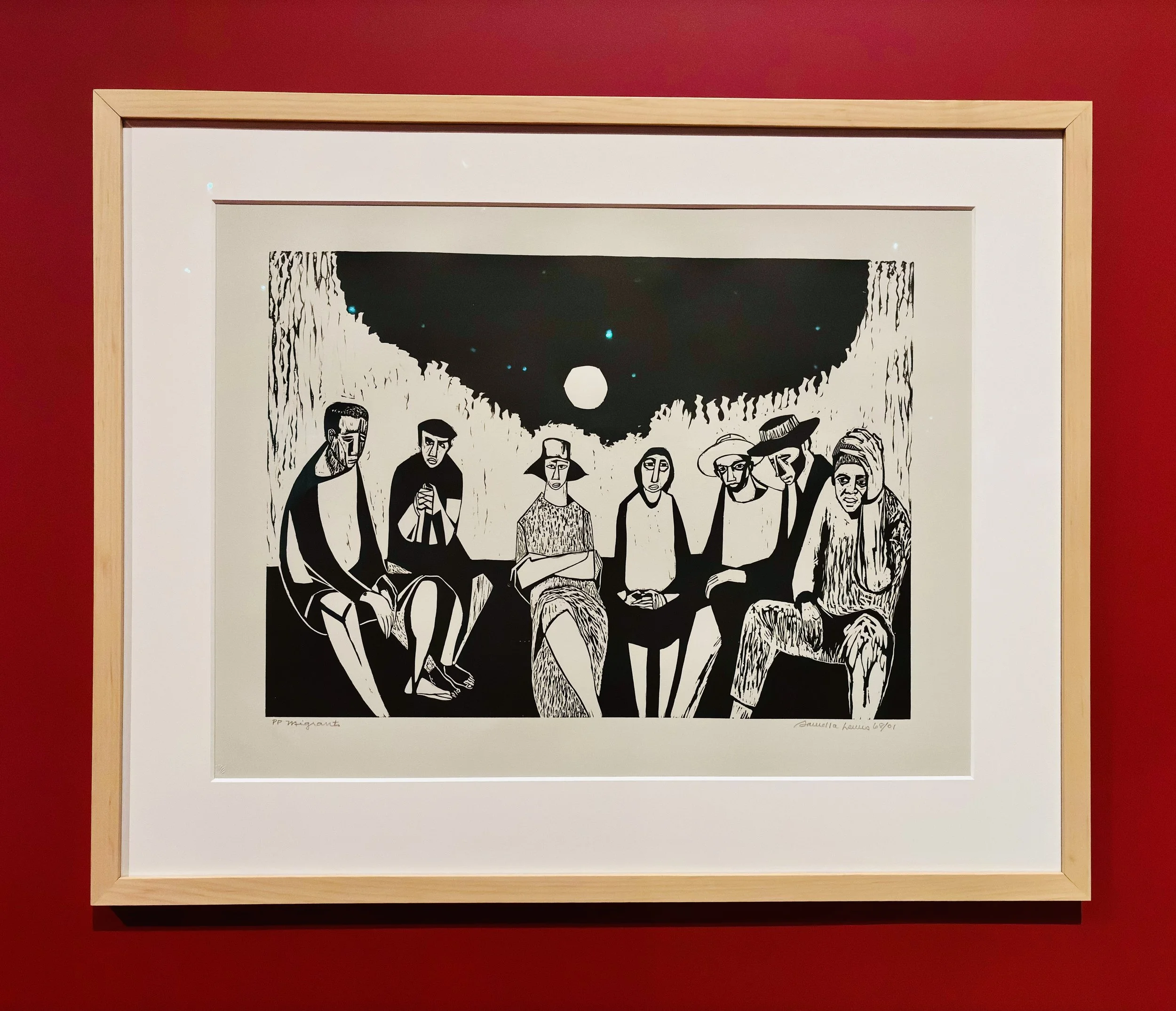
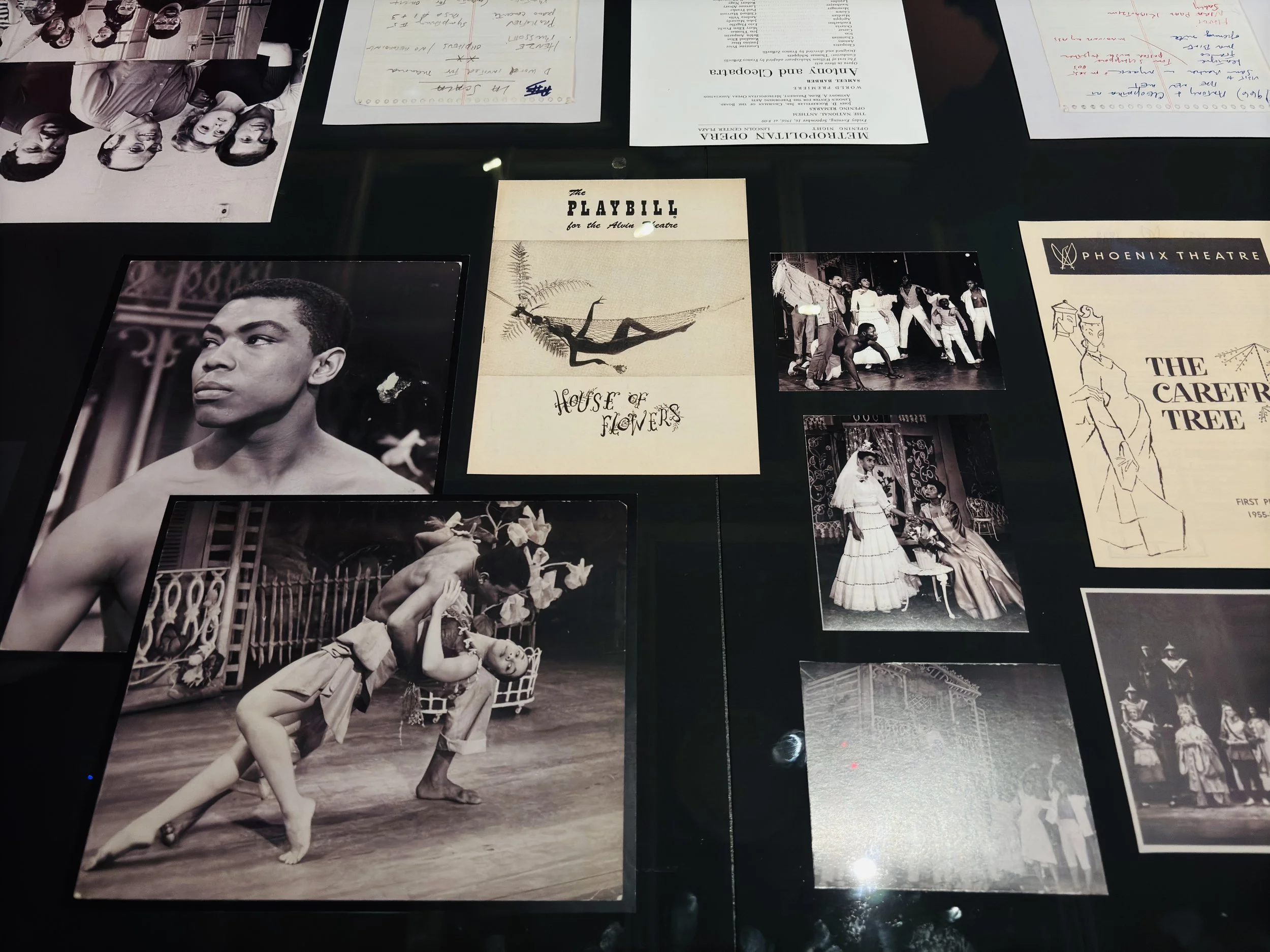
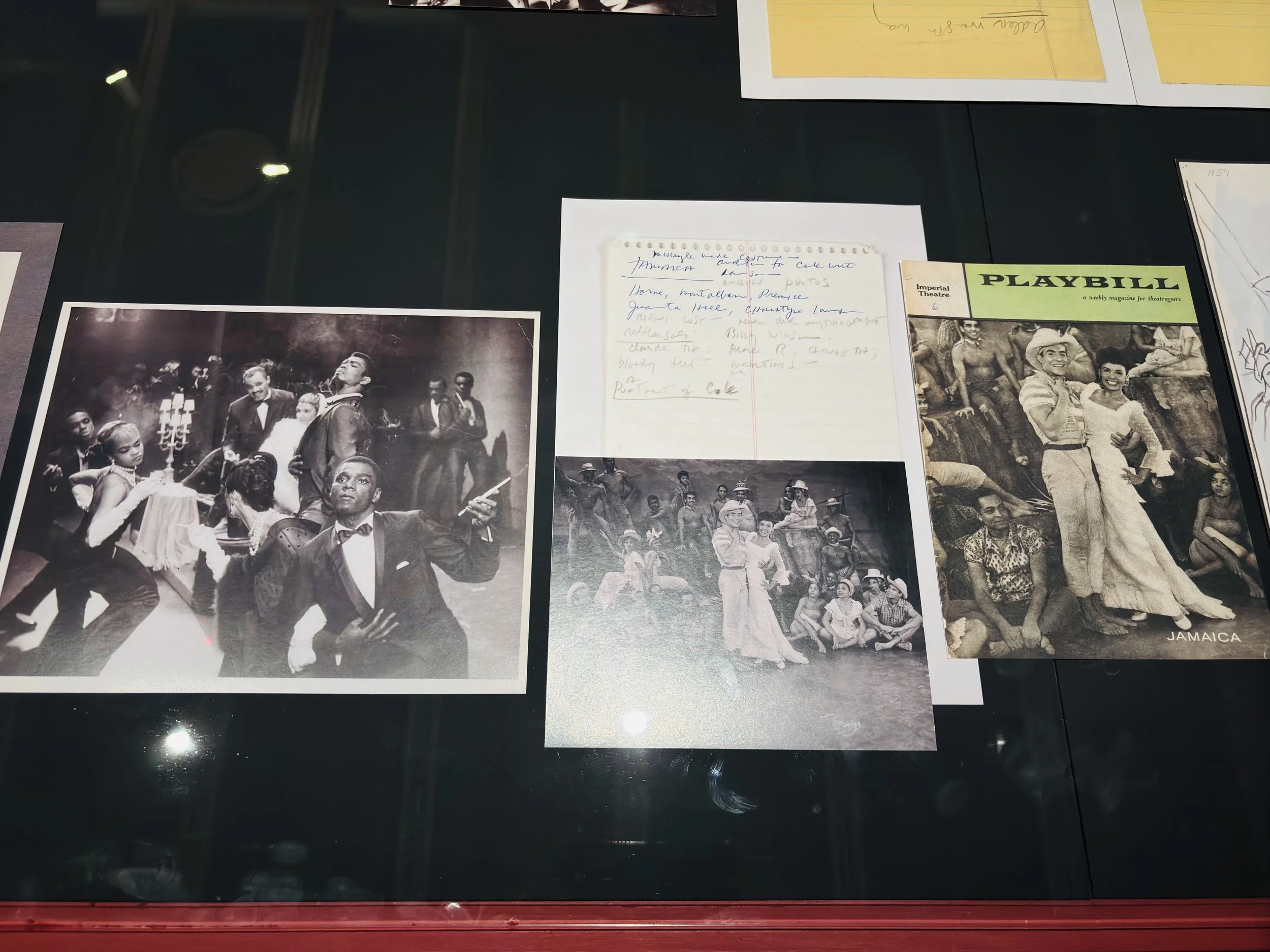
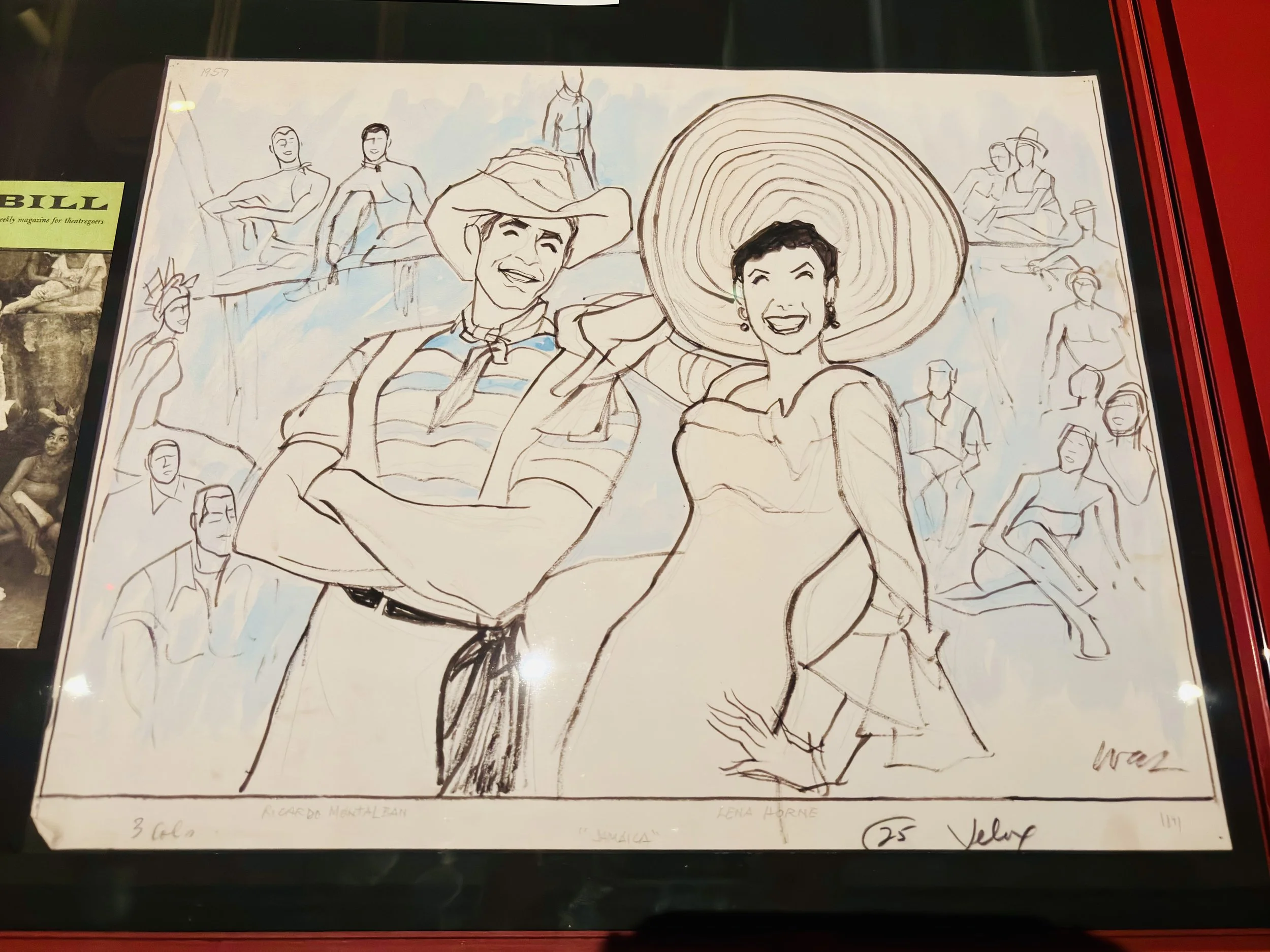
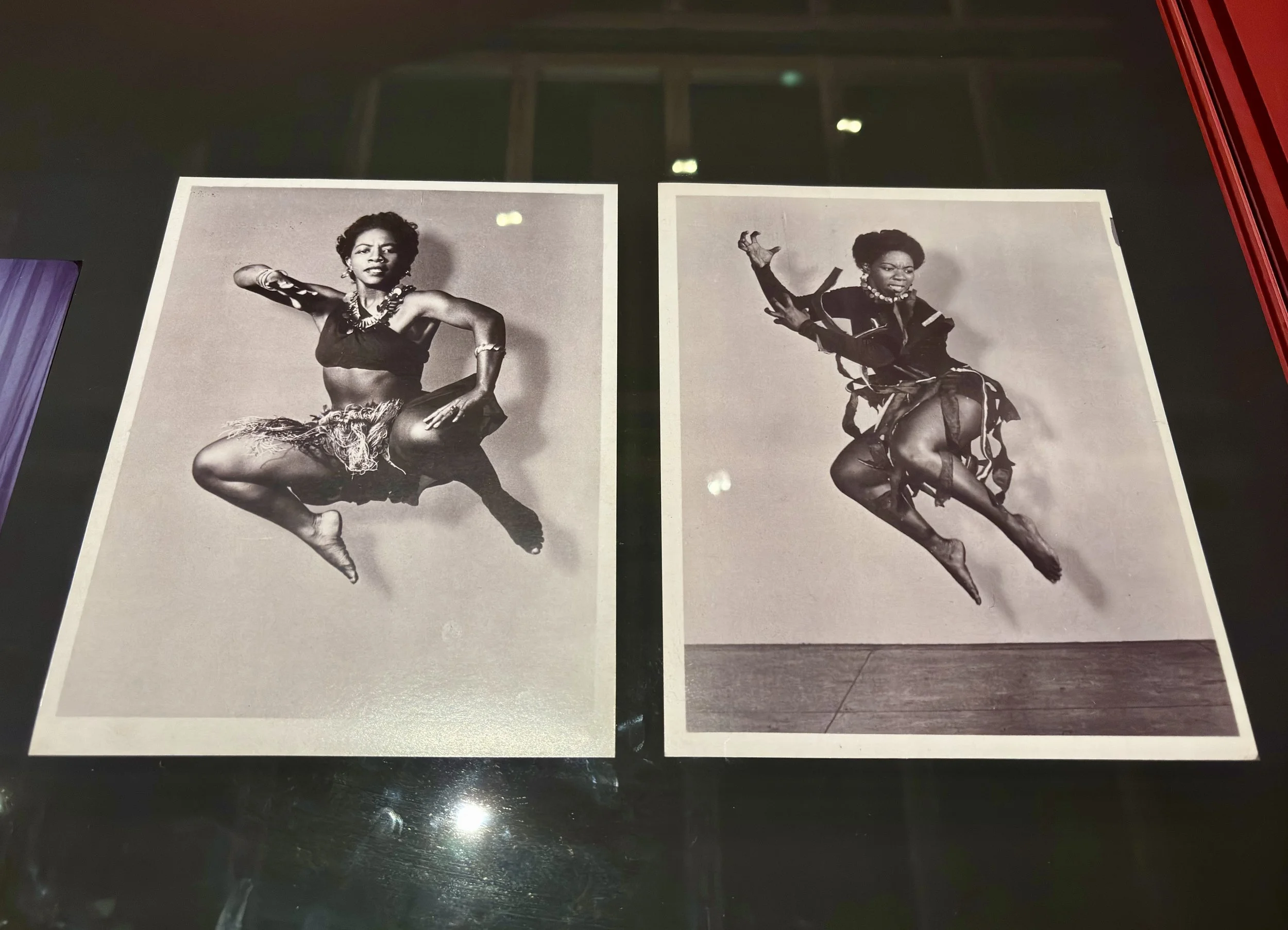
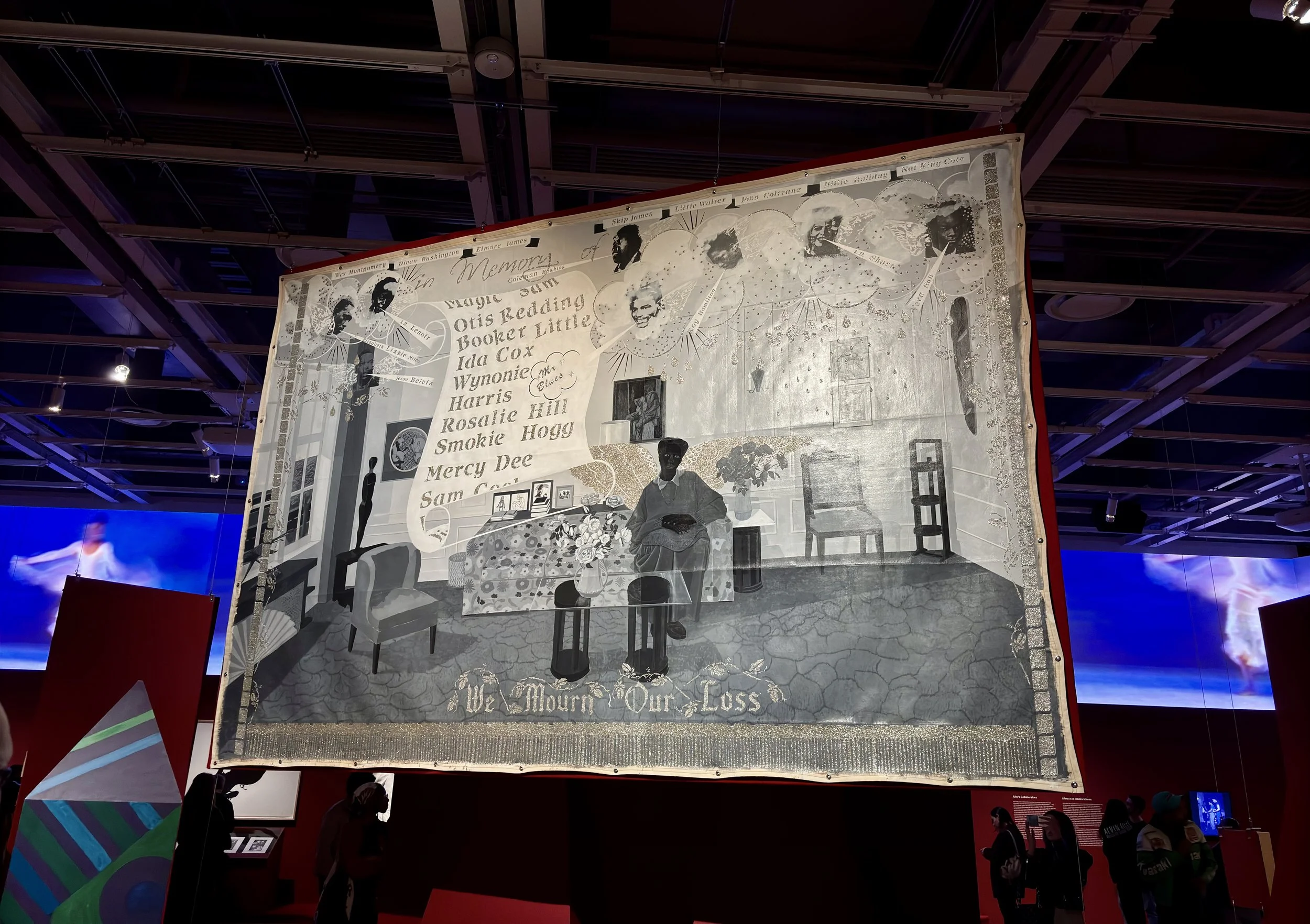
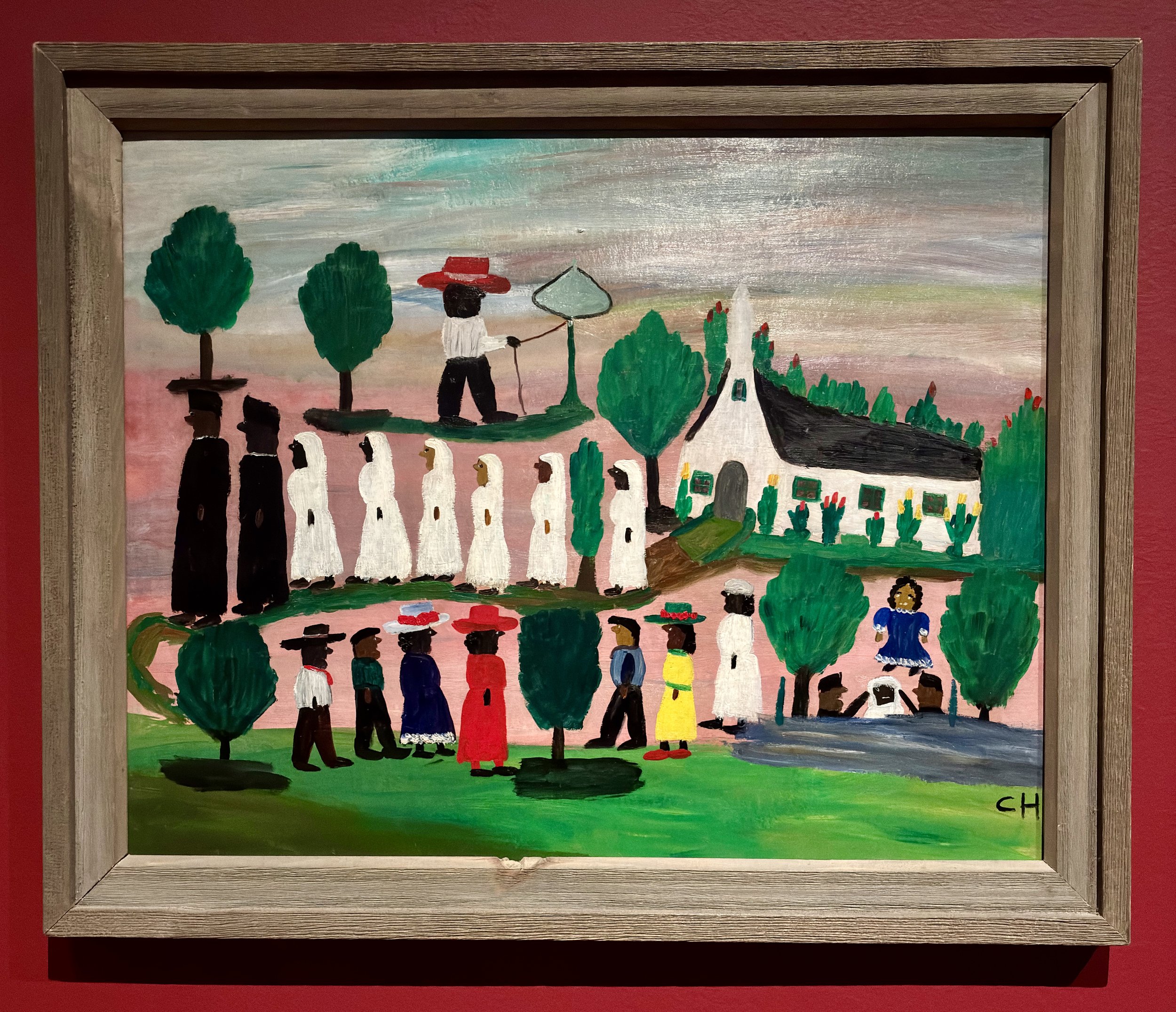
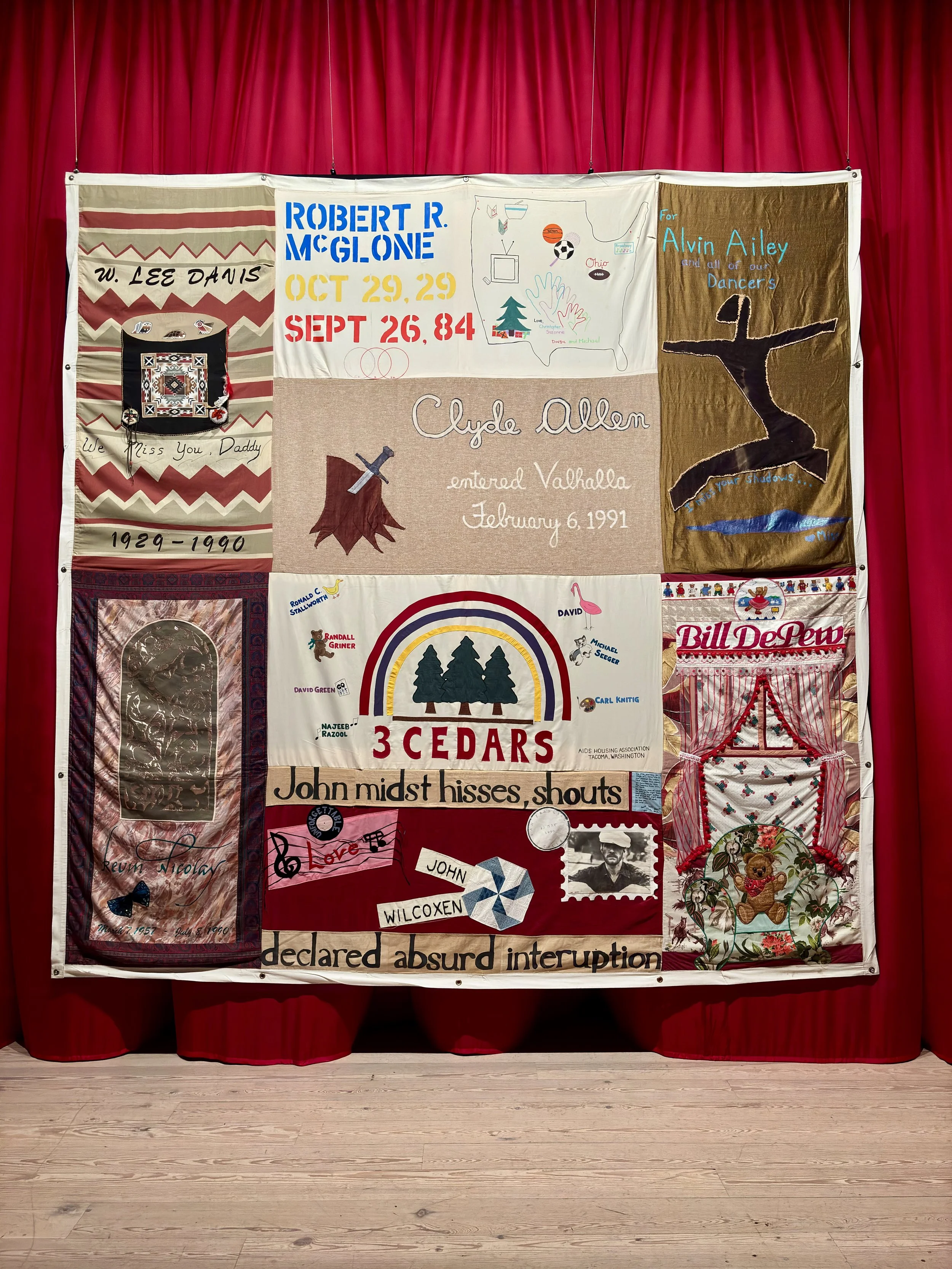
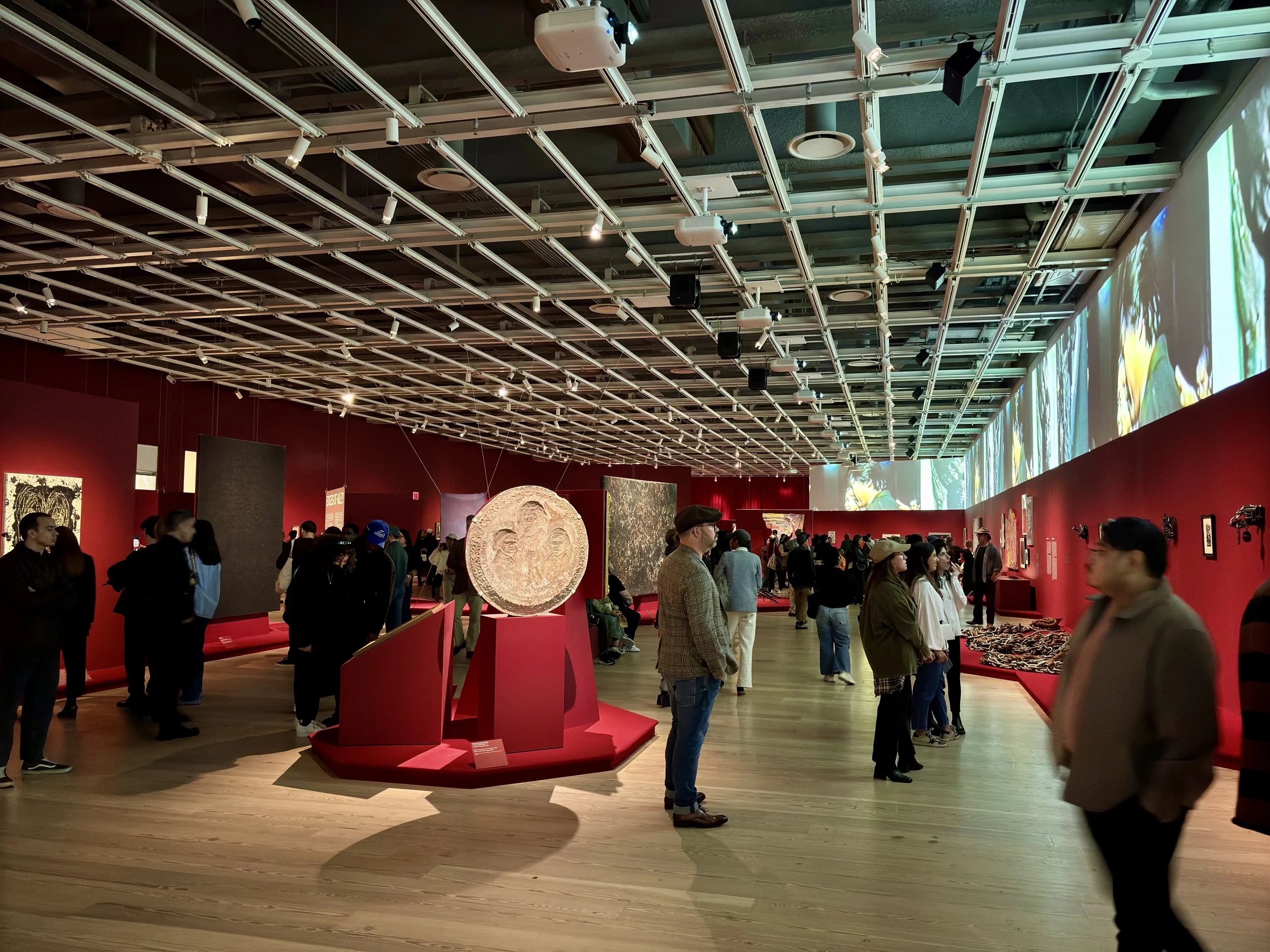
Presented by the Whitney Museum of American Art from September 25, 2024 through February 9, 2025, Edges of Ailey offers a moving and thoughtfully assembled tribute to Alvin Ailey. The exhibition brings together artwork, archival materials, and film in a way that feels both expansive and deeply personal.

What resonates most is how the exhibition situates Ailey’s work within broader cultural and historical narratives, drawing connections across identity, memory, and artistic expression. The inclusion of rarely seen materials adds a sense of intimacy, while the range of artists represented creates a rich and layered experience.

Overall, it feels like a meaningful and carefully considered reflection on Ailey’s lasting influence, presented with both depth and care.

For those who may miss the exhibition, it is well worth seeking out a live performance by the Alvin Ailey American Dance Theater on tour. Their annual residency at New York City Center each December, in particular, offers a rare chance to experience the company at its most vibrant and fully realized, and remains one of the most memorable ways to encounter Ailey’s work in motion.

Comment

Comment

Legacy of Robert Moses: 'The Power Broker at 50' at the NY Historical

Explore the rich history and artistry at The New York Historical through our latest exhibition highlights!

  • Robert Caro's The Power Broker at 50 – Celebrate the 50th anniversary of Caro’s groundbreaking exploration of Robert Moses and his unparalleled influence on New York. The installation uncovers the story behind the book, revealing the human cost of Moses' immense power. (On view September 6, 2024 – August 3, 2025, 1st Floor)

  • "Turn Every Page": Inside the Robert A. Caro Archive – Take a closer look at Robert Caro's meticulous research and career, from his handwritten notes to his iconic Smith Corona typewriter. This exhibit offers an intimate glimpse into the life and work of one of the most celebrated biographers of our time. (Ongoing, 2nd Floor Corridor Gallery)

  • Dexter Hall – Dive into a stunning array of works, including the largest Picasso on display in North America, Le Tricorne—a painted stage curtain that stands as a striking testament to Picasso’s creative genius. (Permanent Collection)

  • Gallery of Tiffany Lamps – Marvel at the dazzling collection of 100 illuminated Tiffany lamps, showcasing the artistry of Louis Tiffany and the untold stories of the women behind the designs. (Ongoing, 4th Floor)

Join us in celebrating the creative vision and historical depth that define New York’s first museum. Whether you are a history buff, art lover, or simply curious, there is something for everyone to discover at The New York Historical.

The New York Historical

Comment

Comment

Art Deco City Exhibition: Museum of the City of New York

Art Deco City: New York Postcards from the Leonard A. Lauder Collection explored how postcards helped shape the city's global image during the 1920s and '30s. The exhibition, which recently closed, featured over 250 postcards alongside design, photography, and historical artifacts that illustrated the style defining modern New York.

Due to low lighting, we did not take images of the postcards, and the small, crowded space made it difficult to do so. However, we were able to photograph striking examples of the era’s decorative arts, fashion, and architecture, which contributed to the city's transformation.

By pairing these sought-after souvenirs with historic artifacts, film footage, and interactive experiences, the exhibition revealed that Art Deco was more than just an aesthetic—it was the look that sold New York to the world.

Museum of the City of New York

Comment

Comment

Shirley Chisholm Exhibit: Museum of the City of New York

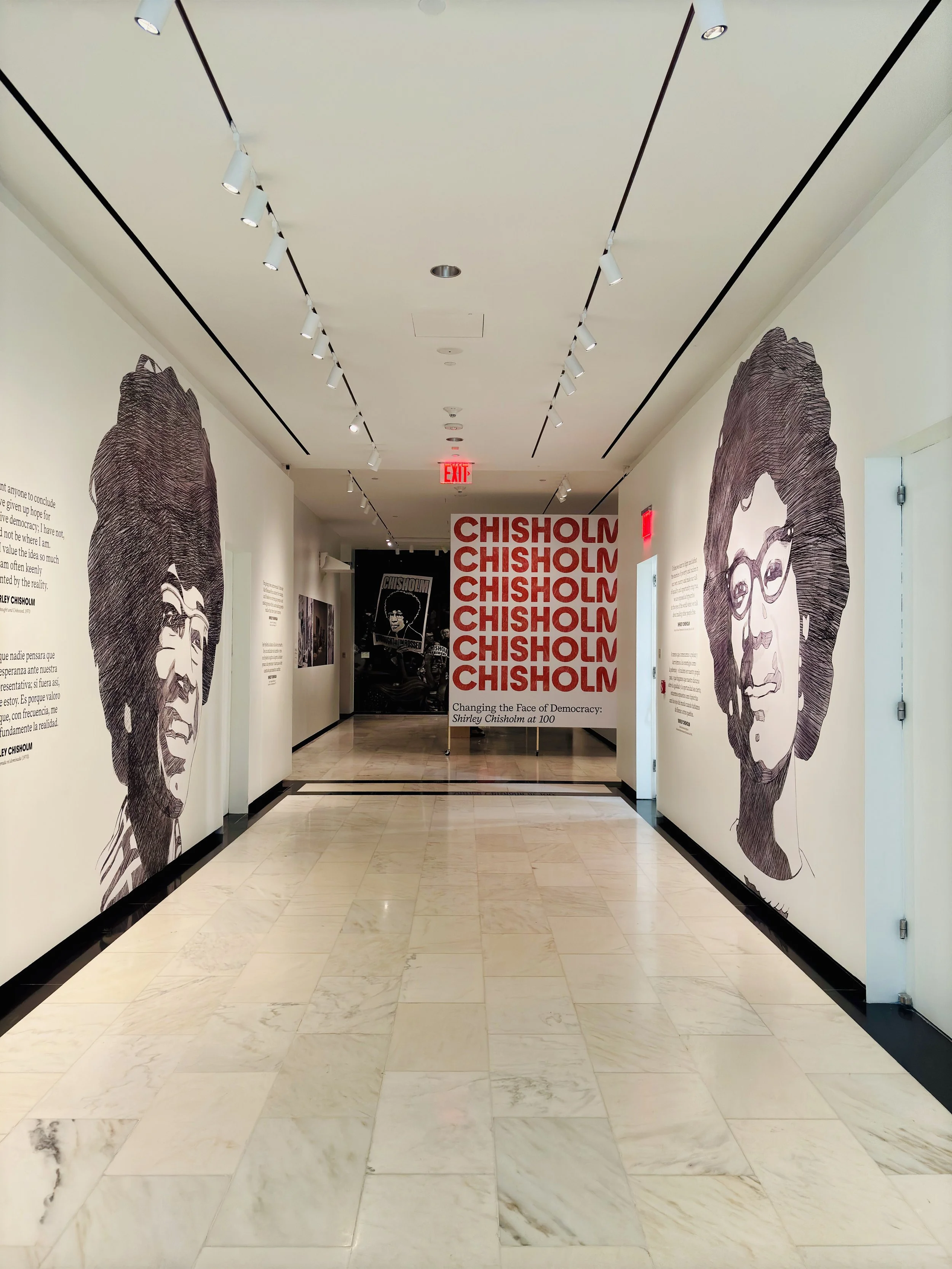
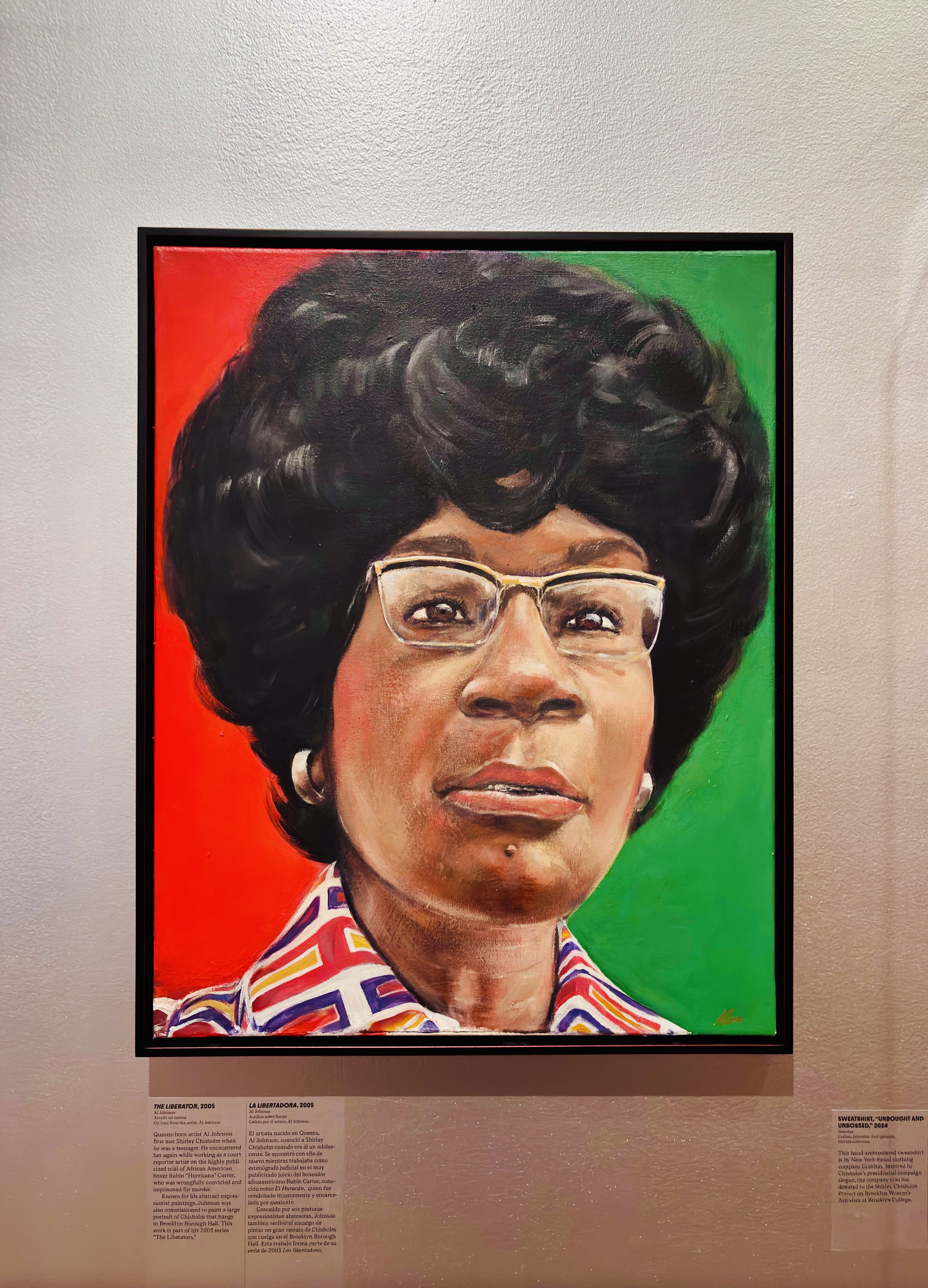
Shirley Chisholm’s legacy is one of courage, conviction, and an unwavering commitment to justice. As we mark the centennial of her birth, the Museum of the City of New York and the Shirley Chisholm Project at Brooklyn College have come together to present Changing the Face of Democracy: Shirley Chisholm at 100, the first major museum exhibition dedicated to this groundbreaking leader.

Shirley Chisholm was a force for change. Born in Brooklyn to parents of Caribbean descent, she understood the power of community and the urgency of advocacy. Her election as the first Black woman in Congress in 1968, followed by her historic 1972 presidential campaign, challenged the political status quo and inspired generations. But her work went beyond symbolic firsts—she fought tirelessly for education, workers’ rights, gender equality, and policies that uplifted the most marginalized.

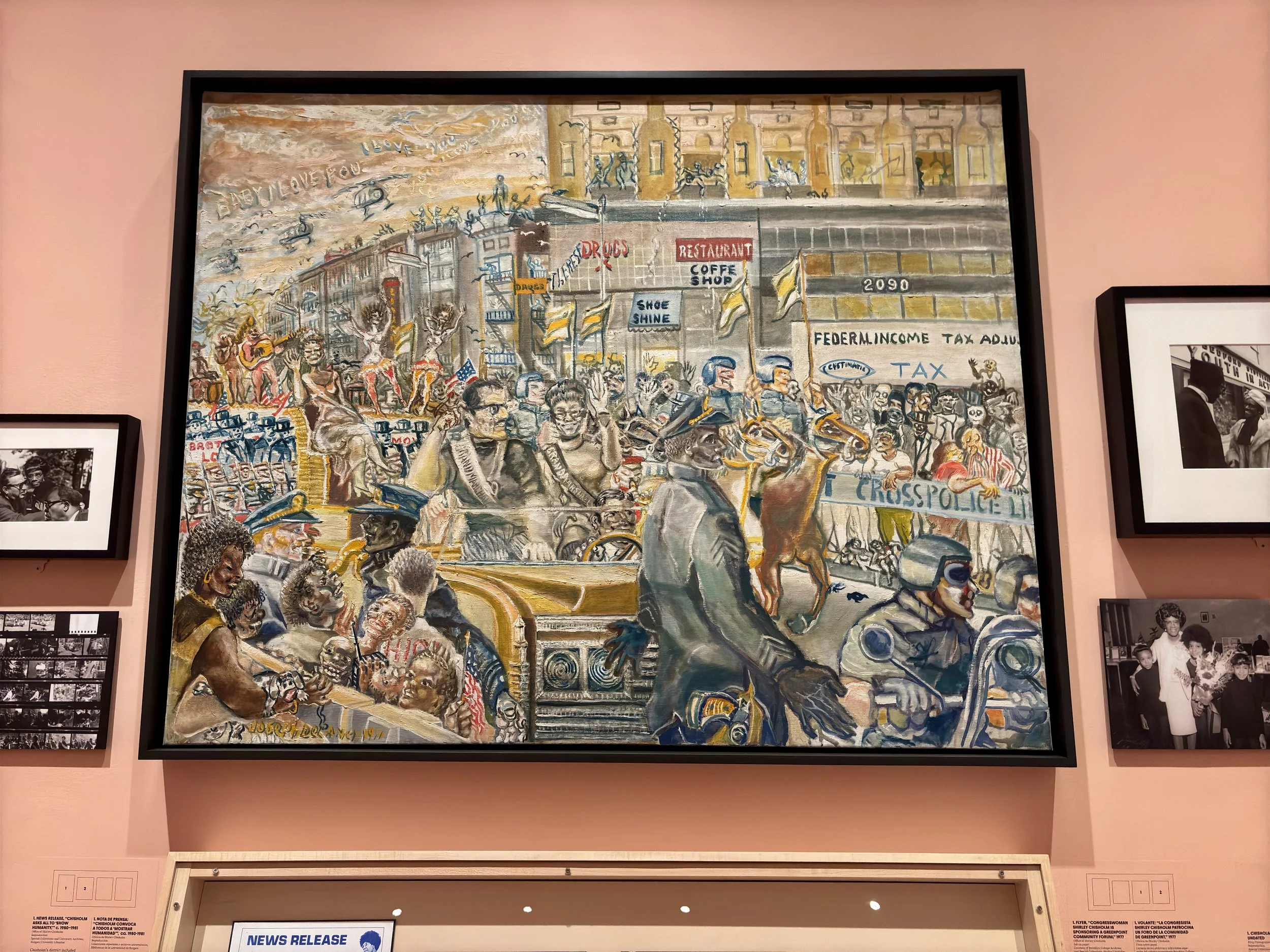
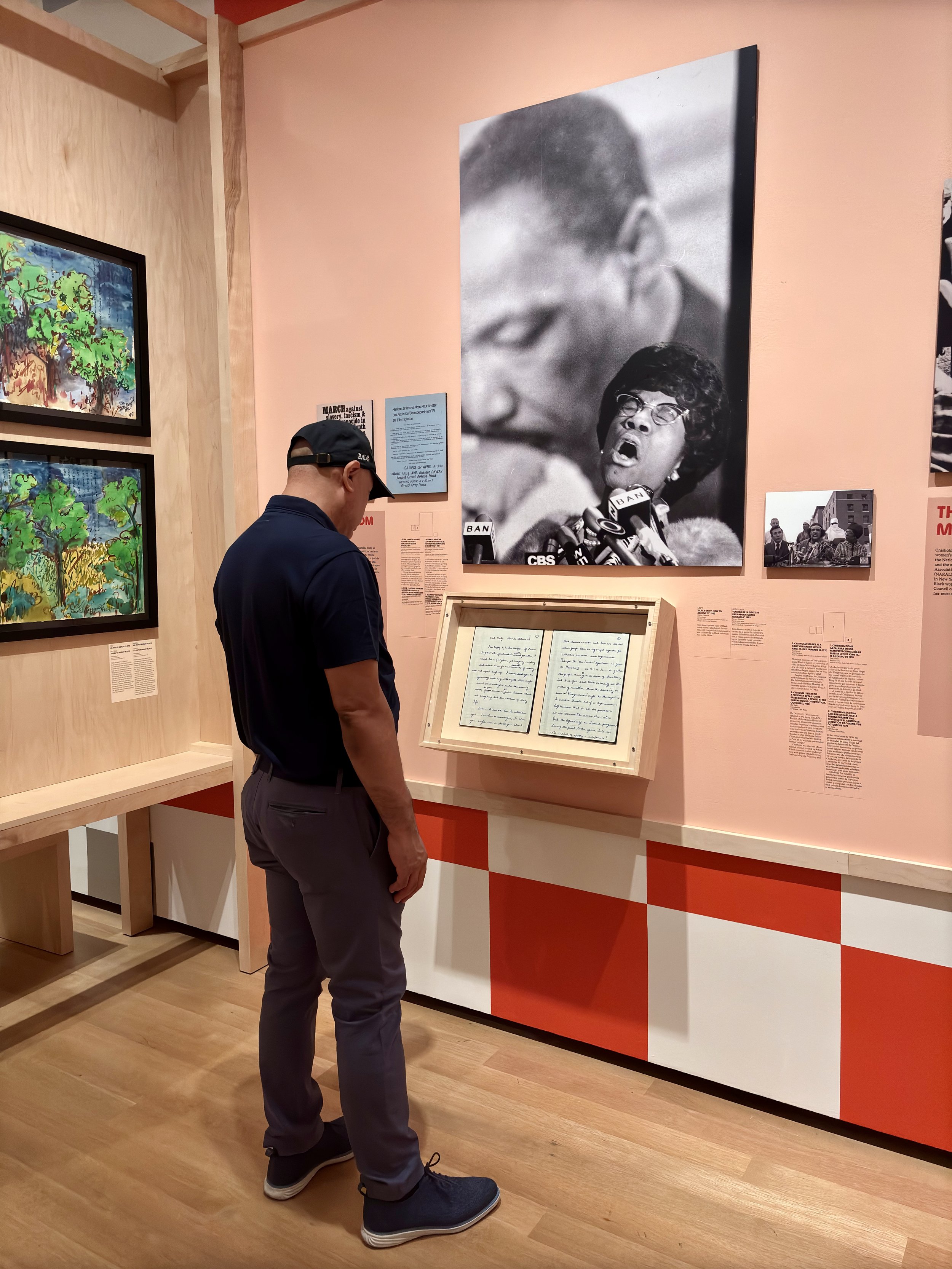
This exhibition offers an opportunity to step into Chisholm’s world—through historical artifacts, art, photographs, video, and her own words. Visitors will explore the networks that shaped her, from New York’s political movements to the activism of Black women and Caribbean communities. With interactive elements and thought-provoking displays, the exhibition not only honors Chisholm’s achievements but also invites reflection on the work that remains unfinished.

At a time when democracy is being tested, Chisholm’s fearless leadership reminds us of the power of persistence and the importance of inclusive representation. As she famously said, “I am and always will be a catalyst for change.” Her story is not just history—it is a call to action.

Changing the Face of Democracy: Shirley Chisholm at 100 is on view through July 20, 2025. We encourage you to visit, learn, and be inspired by a woman who refused to wait for change—she made it happen.

Museum of the City of New York

Shirley Chisholm’s legacy is one of courage, conviction, and an unwavering commitment to justice. As we mark the centennial of her birth, the Museum of the City of New York and the Shirley Chisholm Project at Brooklyn College have come together to present Changing the Face of Democracy: Shirley Chisholm at 100, the first major museum exhibition dedicated to this groundbreaking leader.

Shirley Chisholm was a force for change. Born in Brooklyn to parents of Caribbean descent, she understood the power of community and the urgency of advocacy. Her election as the first Black woman in Congress in 1968, followed by her historic 1972 presidential campaign, challenged the political status quo and inspired generations. But her work went beyond symbolic firsts—she fought tirelessly for education, workers’ rights, gender equality, and policies that uplifted the most marginalized.

This exhibition offers an opportunity to step into Chisholm’s world—through historical artifacts, art, photographs, video, and her own words. Visitors will explore the networks that shaped her, from New York’s political movements to the activism of Black women and Caribbean communities. With interactive elements and thought-provoking displays, the exhibition not only honors Chisholm’s achievements but also invites reflection on the work that remains unfinished.

At a time when democracy is being tested, Chisholm’s fearless leadership reminds us of the power of persistence and the importance of inclusive representation. As she famously said, “I am and always will be a catalyst for change.” Her story is not just history—it is a call to action.

Changing the Face of Democracy: Shirley Chisholm at 100 is on view through July 20, 2025. We encourage you to visit, learn, and be inspired by a woman who refused to wait for change—she made it happen.

Museum of the City of New York

Comment

Comment

JIMMY: God’s Black Revolutionary Mouth: the Schomburg Center

JIMMY! GOD’S BLACK REVOLUTIONARY MOUTH

James Baldwin, one of the most profound voices in literature and activism, is being celebrated by the New York Public Library on the 100th anniversary of his birth with two remarkable exhibitions. Both exhibitions honor Baldwin's extraordinary legacy and provide a unique opportunity to explore his enduring impact on literature, culture, and social justice.

James Baldwin: Mountain to Fire is located at the New York Public Library’s Stephen A. Schwarzman Building, featured in The Polonsky Exhibition of The New York Public Library’s Treasures. This exhibition presents an extraordinary glimpse into Baldwin's literary beginnings, showcasing never-before-exhibited manuscripts from iconic works such as Go Tell It on the Mountain, Giovanni’s Room, and The Fire Next Time. Visitors can delve into these treasures and discover the genius behind Baldwin’s words, which continue to inspire and challenge readers around the world.

Meanwhile, the Schomburg Center for Research in Black Culture presents JIMMY! God’s Black Revolutionary Mouth, a deeply personal look at Baldwin’s life and legacy. This exhibition draws from Baldwin’s personal archives, highlighting pivotal moments from his childhood to his transformative role as a truth-teller and revolutionary thinker. Through Baldwin’s manuscripts, letters, and other artifacts, visitors can experience the passion, brilliance, and courage that defined his life and work.

Visiting these exhibitions is an opportunity to connect with James Baldwin's powerful legacy and explore the depth of his contributions to literature and activism.

The New York Public Library

Comment

Comment

Exploring The Polonsky Exhibition of NYPL’s Treasures

POLONSKY EXHIBITION OF THE NEW YORK PUBLIC LIBRARY’S TREASURES

The Polonsky Exhibition of The New York Public Library’s Treasures is an unforgettable journey through some of the most remarkable artistic, literary, and historical artifacts in human history. Surrounding the James Baldwin: Mountain to Fire display cases are extraordinary treasures that capture the breadth and depth of the Library’s collection, leaving visitors in awe.

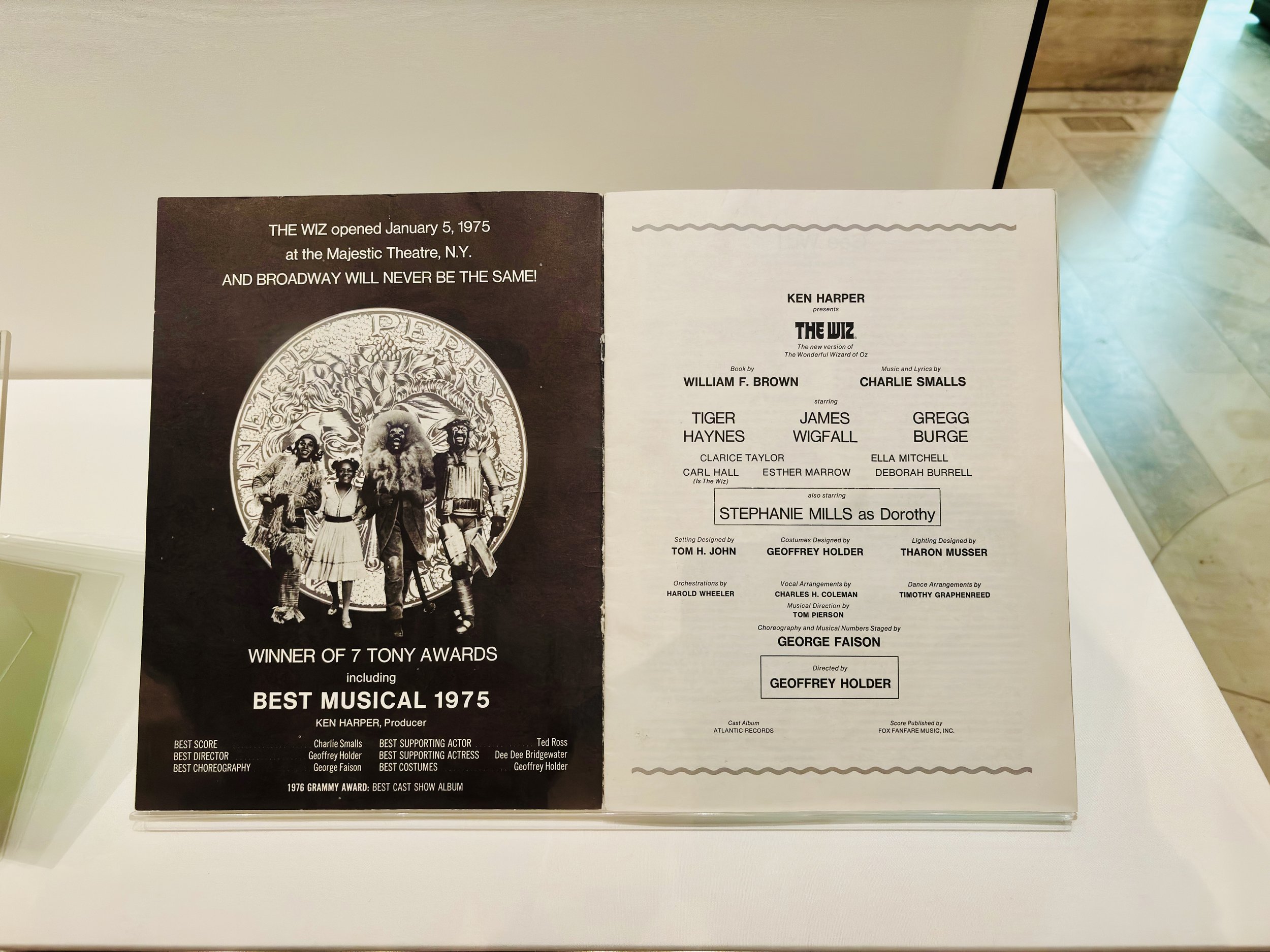
Among the highlights, we marveled at promotional material from the original Broadway production of The Wiz, a vibrant reminder of the show’s groundbreaking impact. Nearby, an original drawing from John James Audubon’s Birds of America series (published between 1827 and 1838) took our breath away—its detail and beauty are absolutely stunning.

We were also captivated by a physical copy of the Green Book, an international travel guide that served as a lifeline for Black travelers during segregation, and a powerful 1958 photograph of LGBTQ+ activist Stormé DeLaverié, whose courage continues to inspire. Adding to this narrative of resilience and advocacy was a 1960s pamphlet by the Mattachine Society, one of the earliest organizations for gay rights.

On the artistic front, Jacob Lawrence’s 1938 painting Subway offered a poignant glimpse into urban life, while a Gutenberg Bible printed in 1455 stood as a testament to the revolutionary power of the printed word. We were also struck by the portrait of Mary Wollstonecraft, a pioneer of modern feminist thought, whose legacy continues to shape our understanding of gender equality.

This exhibition space is truly a treasure trove, brimming with items that reflect the richness of human creativity, perseverance, and innovation. Each piece tells a unique story, inviting visitors to connect with history in deeply personal and meaningful ways. It is a must-see for anyone who loves art, literature, or history—or simply seeks inspiration from the past to shape a better future.

The New York Public Library

Comment

Comment

James Baldwin: Mountain to Fire at the NYPL

JAMES BALDWIN: MOUNTAIN TO FIRE

James Baldwin, one of the most profound voices in literature and activism, is being celebrated by the New York Public Library on the 100th anniversary of his birth with two remarkable exhibitions. Both exhibitions honor Baldwin's extraordinary legacy and provide a unique opportunity to explore his enduring impact on literature, culture, and social justice.

James Baldwin: Mountain to Fire is located at the New York Public Library’s Stephen A. Schwarzman Building, featured in The Polonsky Exhibition of The New York Public Library’s Treasures. This exhibition presents an extraordinary glimpse into Baldwin's literary beginnings, showcasing never-before-exhibited manuscripts from iconic works such as Go Tell It on the Mountain, Giovanni’s Room, and The Fire Next Time. Visitors can delve into these treasures and discover the genius behind Baldwin’s words, which continue to inspire and challenge readers around the world.

Meanwhile, the Schomburg Center for Research in Black Culture presents JIMMY! God’s Black Revolutionary Mouth, a deeply personal look at Baldwin’s life and legacy. This exhibition draws from Baldwin’s personal archives, highlighting pivotal moments from his childhood to his transformative role as a truth-teller and revolutionary thinker. Through Baldwin’s manuscripts, letters, and other artifacts, visitors can experience the passion, brilliance, and courage that defined his life and work.

Visiting these exhibitions is an opportunity to connect with James Baldwin's powerful legacy and explore the depth of his contributions to literature and activism.

The New York Public Library

Comment

Comment

Sleeping Beauties: Reawakening Fashion at The Met

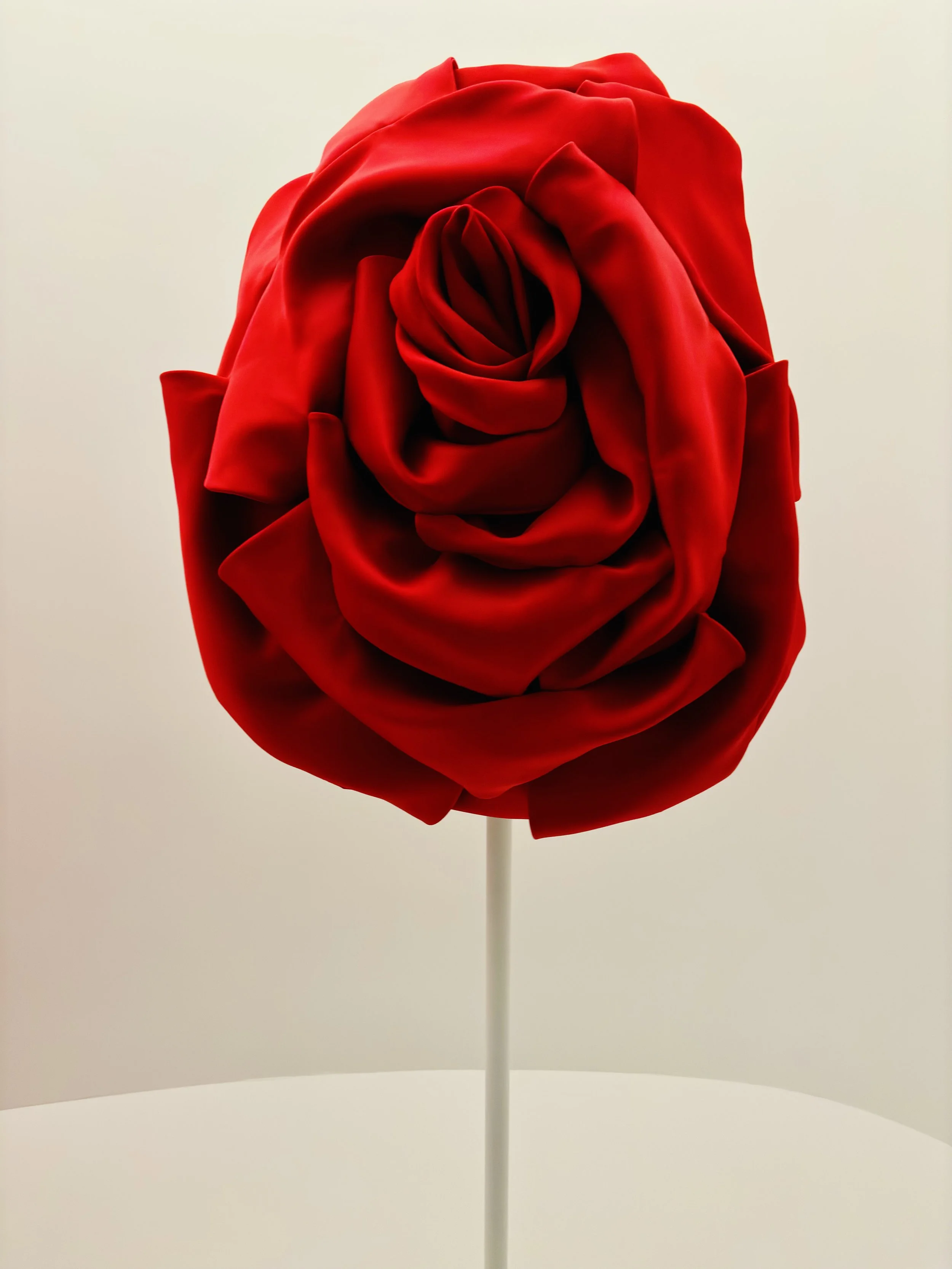
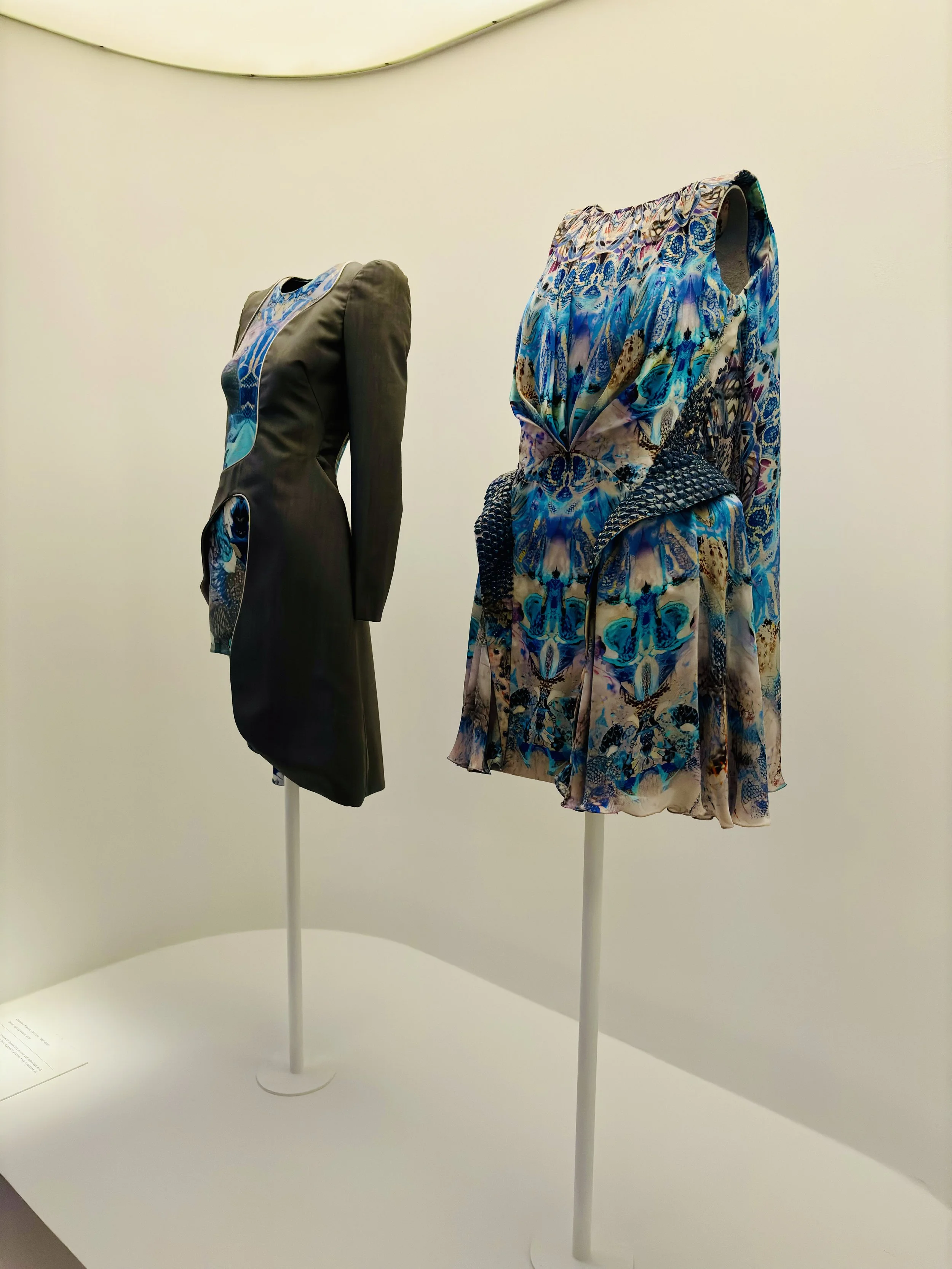
In late spring, we had the chance to visit the Costume Institute's intriguing exhibition, Sleeping Beauties: Reawakening Fashion, at the Metropolitan Museum of Art. Running from May 10 to September 2, 2024, this exhibit beautifully showcased the stories behind 220 garments and accessories from the last four centuries. By blending modern technology with traditional conservation techniques, it invited visitors to experience fashion in an entirely new way, engaging our senses and reviving the vibrancy of these pieces. From the scents of floral motifs to the tactile richness of embroidered walls, each aspect encouraged a deeper connection with the clothing beyond its display.

Join us as we share our experience through the photographs we took in our attempt to capture the essence of this remarkable exhibition.

Metropolitan Museum of Art

Comment

Comment

Ernie Barnes: In Rapture Exhibition at Ortuzar Projects

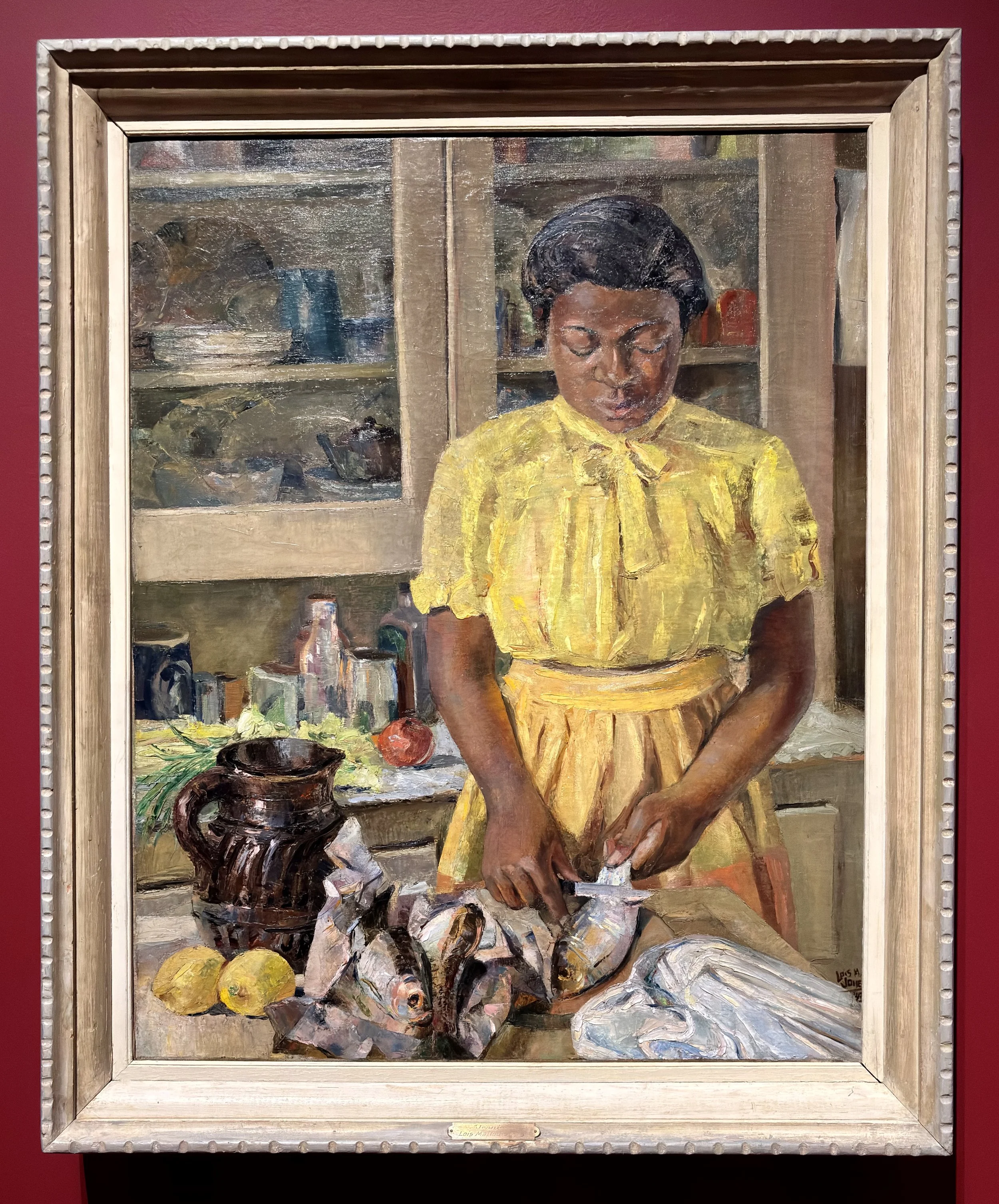
Ortuzar Projects and Andrew Kreps Gallery proudly present Ernie Barnes: In Rapture, a comprehensive exhibition celebrating the late figurative painter Ernie Barnes. We invite you to explore this retrospective, which spans five decades of Barnes' work and highlights his unique "neo-mannerist" style through genre paintings of sports, dance, music, and everyday life. From his early sports paintings to his later cultural influence, the exhibition takes its title from Barnes' painting "In Rapture," featured on B.B. King's 2000 album cover. Barnes' art captures the fluidity and joy of human movement, drawing inspiration from Italian Mannerists and American masters such as Thomas Hart Benton and Norman Rockwell. Despite growing up in the segregated South, Barnes' passion for art was nurtured by his mother and further developed through his studies and athletic scholarship at North Carolina Central University.

Barnes' career began in professional football, but he soon transitioned to a full-time artist, frequently depicting dynamic sports scenes. His art evolved to embrace broader cultural themes, notably in his "The Beauty of the Ghetto" exhibition, which toured American cities in the 1970s and highlighted the vitality of mid-century Black southern life. This exhibition marked a pivotal moment, integrating his work into popular culture, including the CBS sitcom Good Times. Barnes' later works continued to celebrate communal joy and individual passion, portraying scenes of music and dance that resonated deeply with audiences. His collaborations with musical artists further emphasized his ability to capture the spirit of Black culture through his vibrant, rhythmic paintings. The exhibition is on view through July 15.

Ortuzar Projects

Comment

Comment

The Harlem Renaissance Exhibition at The Met

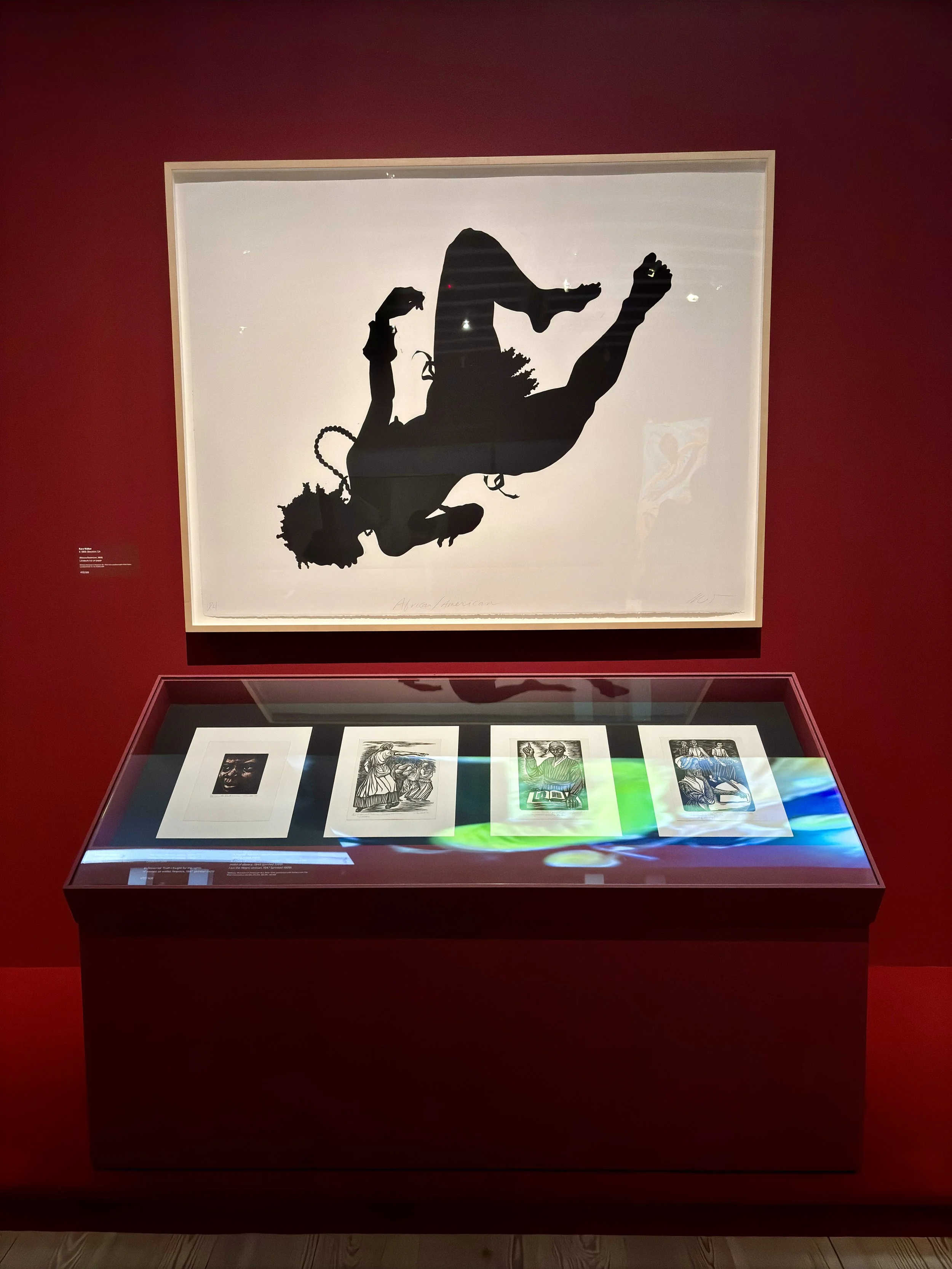
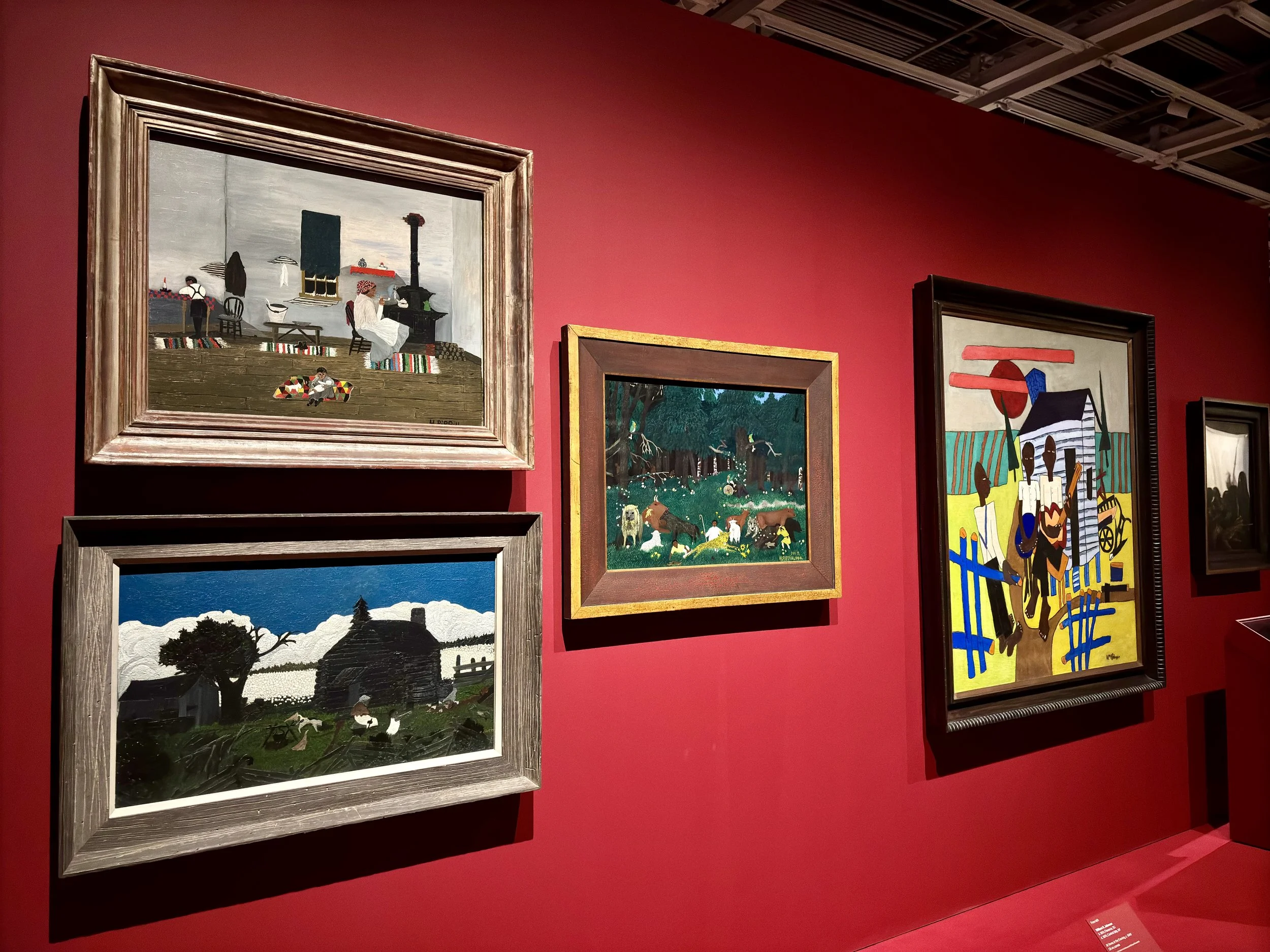
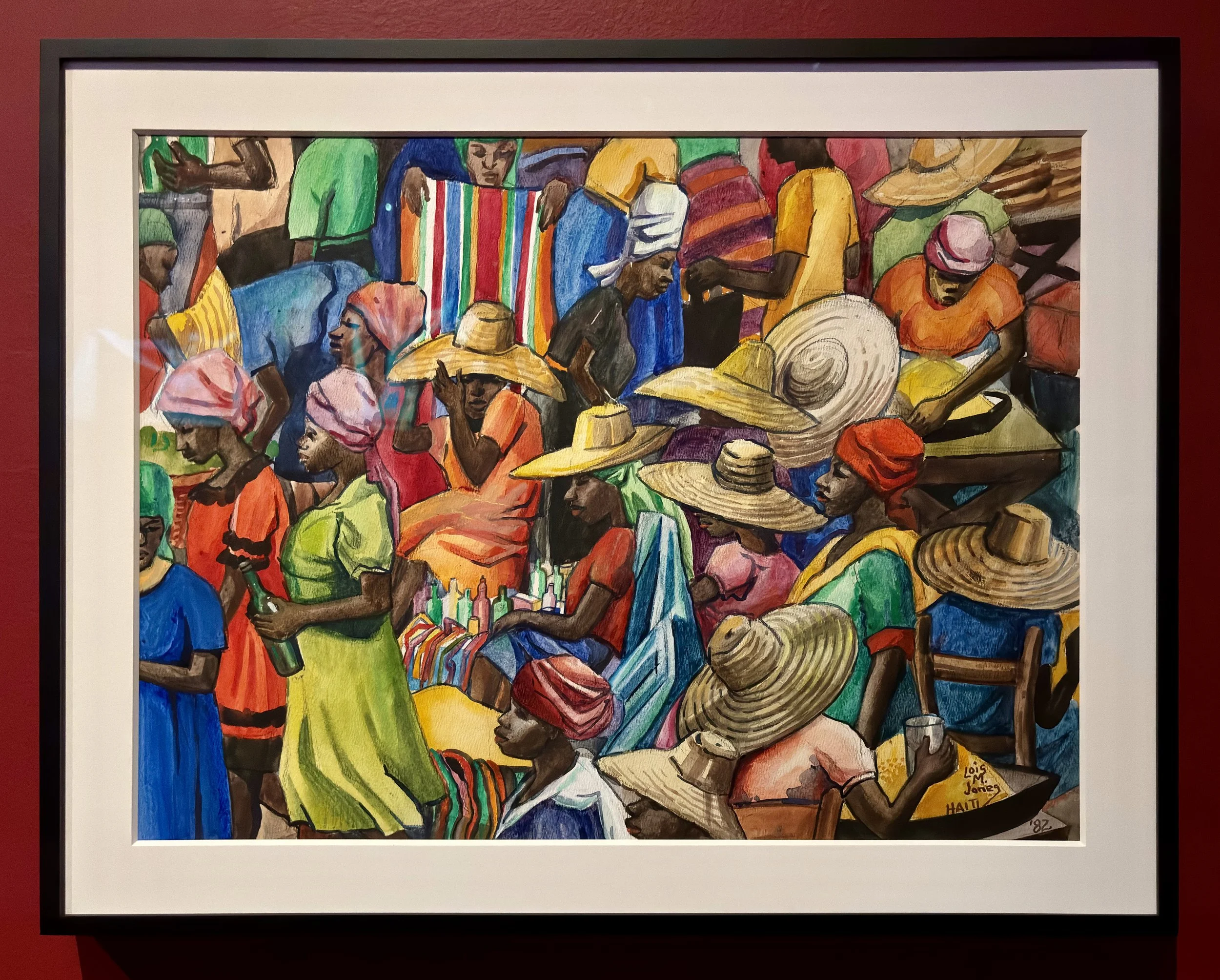
We cordially extend our recommendation to explore The Harlem Renaissance and Transatlantic Modernism exhibition at the Met Fifth Avenue, it is truly remarkable! This exhibit showcases a rich variety of art forms, including paintings, photographs, sculptures, and more. Each piece's provenance, whether on loan from other institutions or from private collections, adds depth to the experience, fostering a profound appreciation for its assembly in a singular, elegant setting.

Of particular note is Abdul Karim with a Green Scarf, 1916 by Edvard Munch, graciously loaned from the Munch Museum—a testament to the diverse array of artwork on display, some of which might otherwise remain undiscovered without venturing to Oslo or exploring tours of Historically Black Colleges and Universities (HBCUs), which have generously contributed several works. The craftsmanship of Winold Reiss is also deserving of admiration; his portraits radiate dignity and warmth, each pastel stroke infused with beauty.

Additionally, we encourage visitors to explore Women Dressing Women at the Costume Institute (on view through March 10)—a brief yet captivating glimpse into the creative works of over seventy women's fashion designers. This exhibition provides a fitting complement to the enriching experience of The Harlem Renaissance and Transatlantic Modernism (on view through July 28).

Metropolitan Museum of Art

Comment